

Overview
Diaphoretic at a Glance
Diaphoretics are herbs used to promote sweating, traditionally during the early stages of feverish or respiratory illness.
Sweating helps dissipate heat through evaporation, which is why diaphoretics became such an important part of older fever treatments.
Only a few substances act directly on the sweat glands.
Jaborandi is the clearest example. Its pilocarpine stimulates muscarinic receptors on eccrine sweat glands and can produce profuse sweating directly.
Most herbal diaphoretics work less specifically.
Yarrow, elderflower, linden, catnip, boneset, and similar herbs are traditionally taken as hot infusions, often alongside warmth, rest, and blankets.
The heat itself raises skin and core temperature and can trigger sweating, making it difficult to separate the effect of the herb from the way it is prepared.
The decoction drank before the fit of an ague, that they may sweat (if possible) before the fit comes, will, in two or three times taking, rid it quite away.
Nicholas Culpeper, The Complete Herbal, 1653, on angelica
Pungent or warming herbs such as ephedra and ginger may also encourage a sense of warmth and peripheral flushing, but this is not the same as directly stimulating sweat secretion.
Diaphoretics are used mainly for chills, early feverish illness, and colds where sweating has not yet begun freely.
Caution
Adds to fever dehydration — sweating increases fluid loss, so a hot infusion is paired with rest and fluids.
Care in children and elders — extra care is needed in the very young, older adults and anyone already dehydrated or unable to keep up their fluid intake.
Some fevers need assessment — a high, persistent or unexplained fever, a fever with rash or neck stiffness, and any fever in an infant need medical assessment.
Mechanisms
How It Works
01
Muscarinic Agonism at the Sweat Gland
Eccrine sweat glands are cholinergically innervated, so a muscarinic agonist drives them directly and hard.
Jaborandi’s pilocarpine does this, and it is the only diaphoretic mechanism that acts on the gland itself.
The isolated alkaloid is a licensed drug for dry mouth after radiotherapy.
Every other diaphoretic herb works indirectly, through circulation and thermoregulation, if it works at all.
Profuse sweating is also the first sign of cholinergic toxicity, so the therapeutic effect and the warning sign are the same event.
Herbs: Jaborandi
Key compounds: Pilocarpine
02
The Hot Infusion
The traditional protocol is a hot infusion, drunk hot, under blankets and in bed, and the warm fluid raises core temperature enough to induce sweating by itself.
This is ordinary thermoregulation and it happens in anyone, with or without a plant in the cup.
It applies to the whole relaxant group: yarrow, elderflower, linden, catnip, chamomile and boneset.
There is no drug equivalent, because the intervention is heat rather than chemistry.
Nobody has separated the contribution of the herb from the contribution of the hot water in any of these traditions.
Herbs: CatnipLinden FlowerYarrow
03
Warming Aromatics and Releasing the Exterior
Chinese and Western practice both hold a class of warm, pungent aromatics given at the very start of a chill to push the illness back out through the surface.
Bupleurum is the classical harmonising herb for the stage where a fever alternates between chills and heat.
Ephedra’s ma huang carries dispersing cold through sweat as one of its two classical primary actions, and the classical texts limit its use in people who sweat easily, which is a tradition arguing about a dose.
The category has no pharmacological counterpart, and the herbs in it are grouped by their energetics rather than by a shared mechanism.
No thermoregulatory or sudomotor study exists for any of them.
04
Traditional Fever Herbs Without a Proposed Route
Several herbs carry the action on the strength of the tradition alone, with no mechanism proposed anywhere.
Lemongrass is called fever grass across the Caribbean and West Africa, meadowsweet is a well-established European fever herb, and blue vervain and boneset anchor the Eclectic febrifuge record.
Meadowsweet is the one exception on chemistry: it carries salicylates, and the plant named aspirin, which is a credible route to lowering a fever that has nothing to do with sweating.
Herbs: Blue VervainBonesetLemongrassMeadowsweet
Phytochemistry
Key Constituents
The compound classes most often behind a diaphoretic action.
- Volatile oils
- Flavonoids
- Pungent principles
What It's For
Indications
- Feverish colds and flu at onset
- Chills with a fever that will not break
- Damp, stagnant conditions needing to be moved through the skin
Materia Medica
Diaphoretic Herbs by Potency
The diaphoretic herbs, ordered by the relative strength of the effect rather than by how well studied it is. Each herb is described by the mechanism behind its effect and the evidence for it.
None of this is a substitute for professional care.
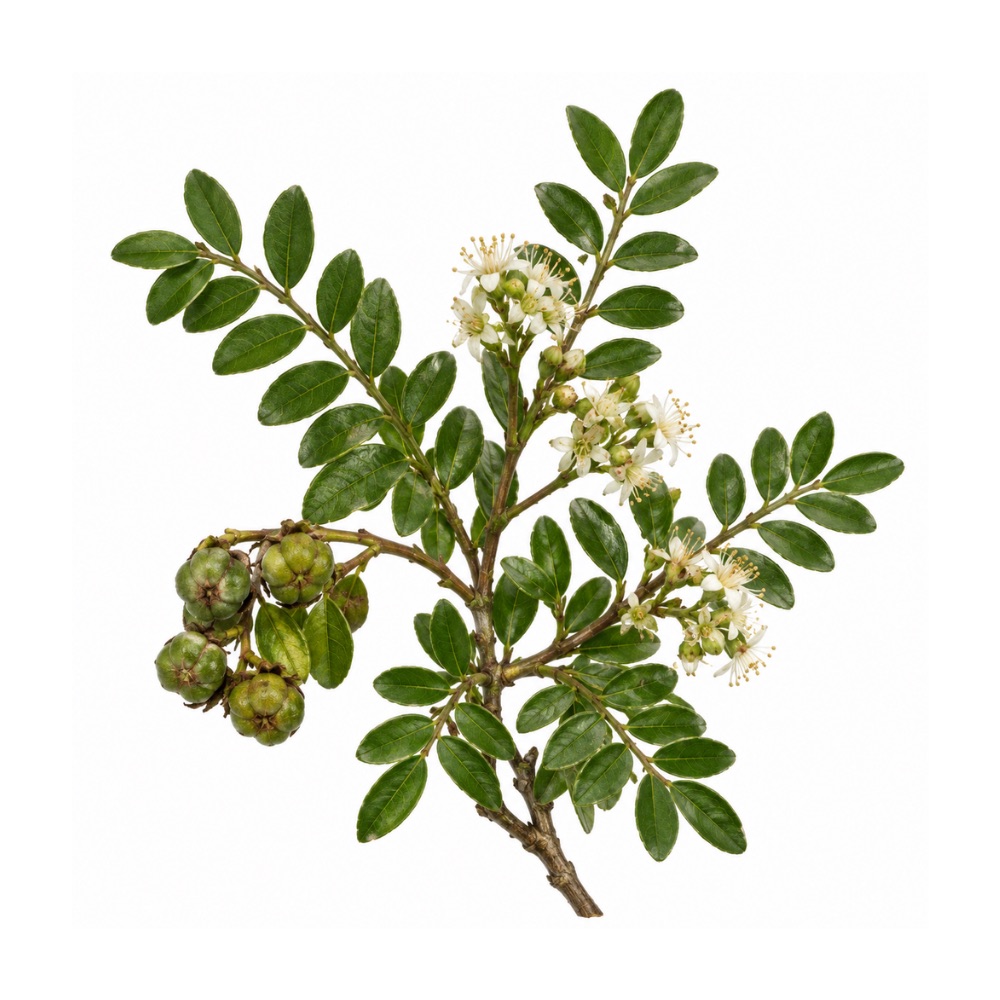 PotentPotentJaborandiPilocarpus microphyllusPilocarpine is a direct muscarinic agonist at the eccrine sweat gland, the only diaphoretic here that acts on the gland itself rather than through a hot infusion.Mechanismmuscarinic agonism at eccrine sweat glandsRead the evidenceShow less
Sweat glands are cholinergically innervated, so a direct muscarinic agonist drives them hard. That is the strongest diaphoretic mechanism available, and jaborandi is the only herb here that uses it.
Most diaphoretic herbs work indirectly, through warmth and circulation. Jaborandi acts on the gland.
Pilocarpine, the isolated alkaloid, is a licensed drug: randomised trials established it for radiation-induced dry mouth 1,
Profuse sweating is the first sign of cholinergic toxicity, so the therapeutic effect and the overdose warning are the same event.
Show 11 more herbs with a mild diaphoretic action
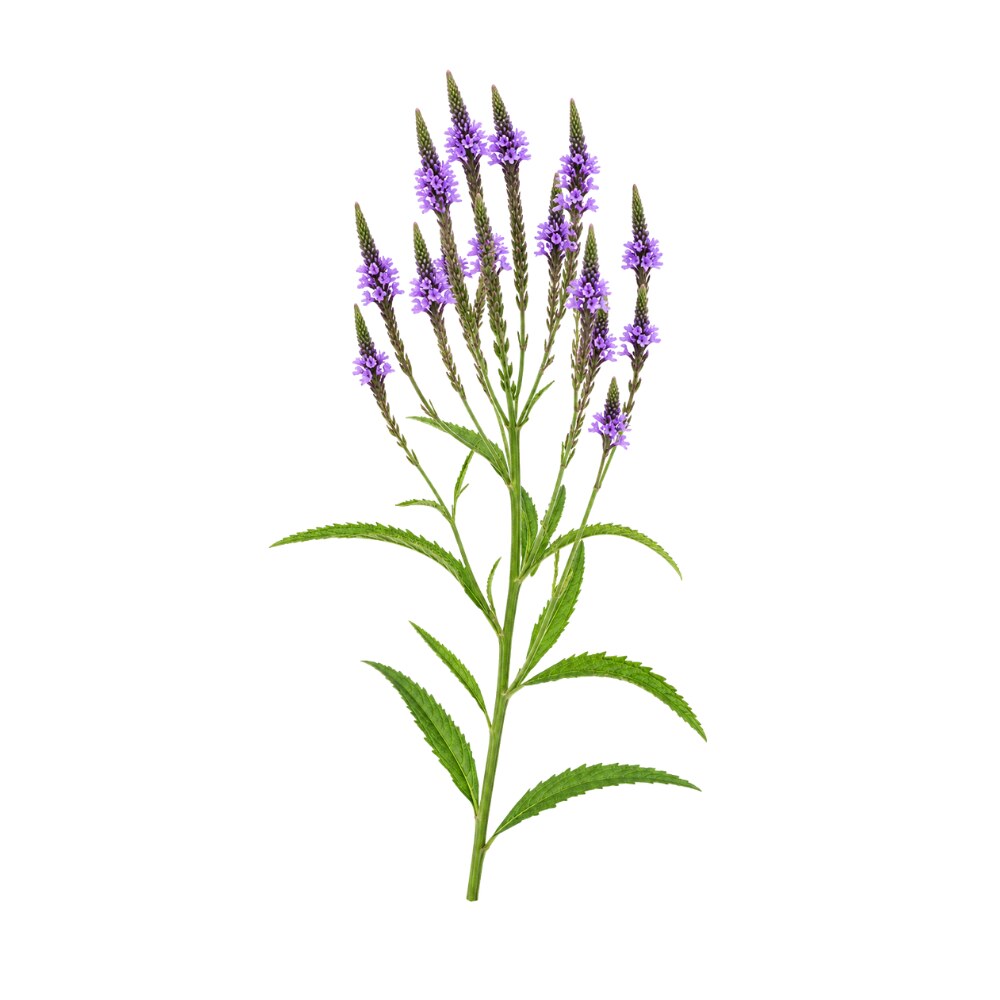 MildMildBlue VervainVerbena hastataAn Eclectic febrifuge given to encourage sweating during fevers, carried on the traditional record alone.Read the evidenceShow lessMonograph →
Blue vervain appears in the Eclectic materia medica as a diaphoretic given to encourage sweating during a fever.
No diaphoresis measurement, thermoregulatory study or candidate mechanism exists.
Vervain’s evidenced work is nervine.
 MildMildBonesetEupatorium perfoliatumThe standard fever remedy of Eclectic practice, taken as a hot infusion to bring on a sweat in influenza and the break-bone fever that named it.Read the evidenceShow less
Boneset was the defining diaphoretic of nineteenth-century Eclectic practice, and its febrifuge reputation rests entirely on the sweat it was given to produce.
The Eclectic literature makes the useful distinction itself: the fall in temperature was understood as a consequence of the sweating rather than as an independent antipyretic action.
There is no mechanism, no marker and no proposed pathway.
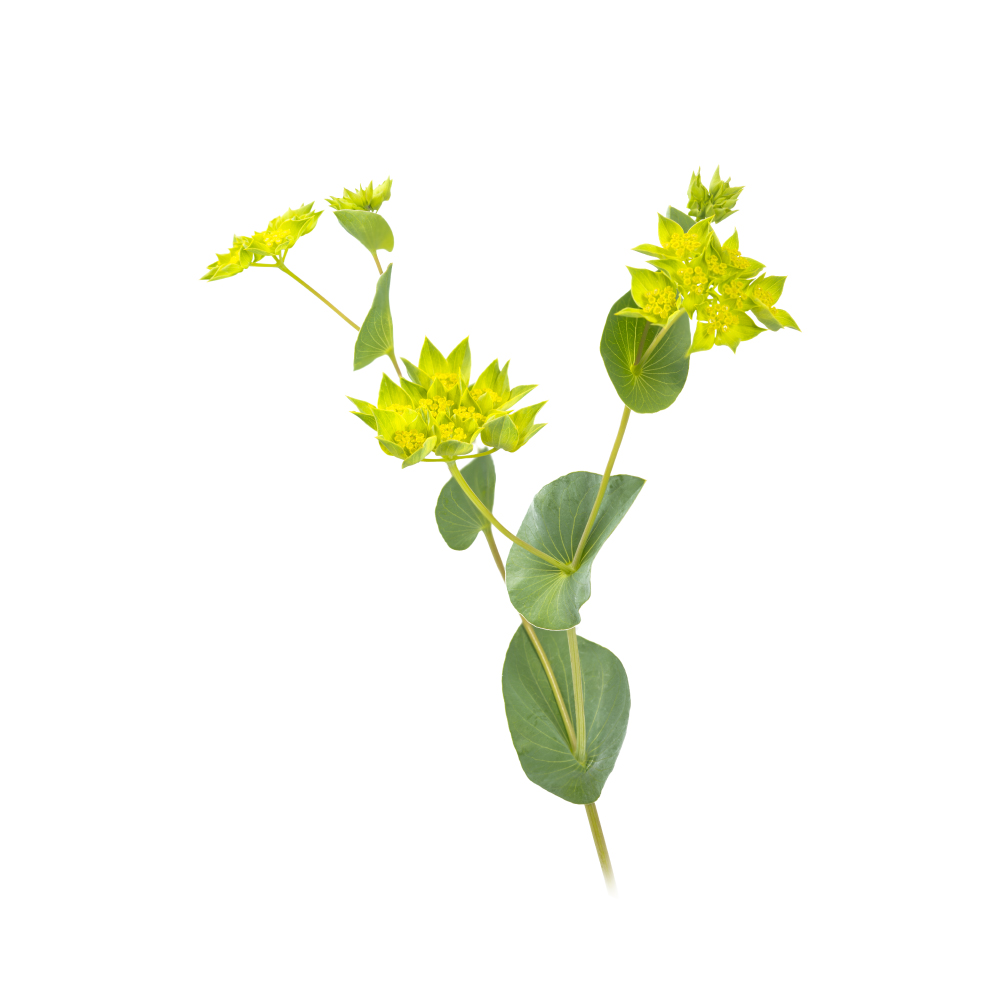 MildMildBupleurumBupleurum falcatumChai hu is the chief herb of the harmonising formulas, given at the stage of a fever that alternates between chills and heat.Read the evidenceShow lessMonograph →
Chai hu leads the harmonising and exterior-releasing formulas of Chinese medicine, and is given for the lesser-yang stage of a fever, the alternating chills and heat of an illness that has moved past the surface but not yet gone deep.
Western practice follows the Chinese indications, giving a decoction of the dried root for colds and flu.
It is rarely given alone. Chai hu enters formulas as a director, and which organ it points the other herbs at depends on what it is combined with.
No thermoregulatory or sweating study exists. Bupleurum’s measured work is immune, hepatic and anti-inflammatory.
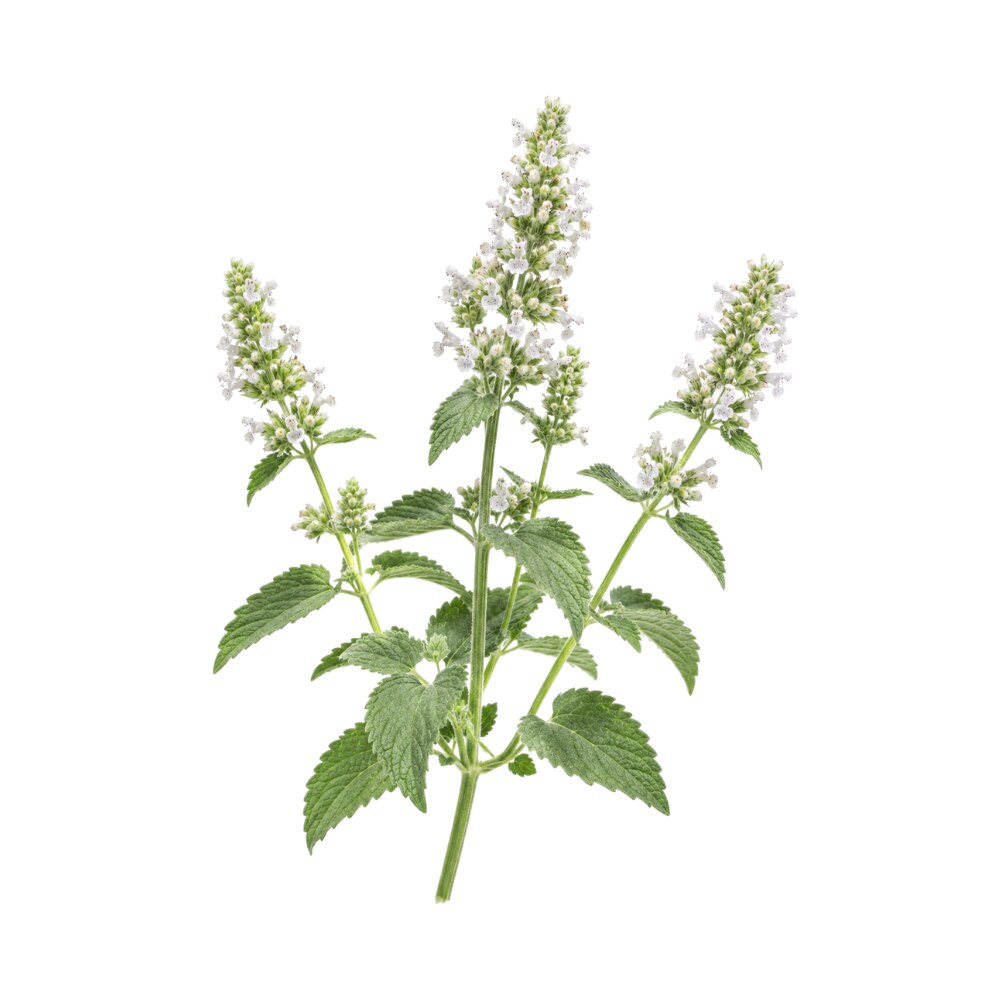 MildMildCatnipNepeta catariaThe classic hot tea for childhood fevers in Western domestic practice, given warm to bring on a sweat.Read the evidenceShow lessMonograph →
Catnip tea given hot in childhood fevers is a long-standing domestic use in Western herbal practice, and it is the whole basis of the action.
No thermoregulatory measurement exists.
Catnip’s evidenced work is sedative and carminative.
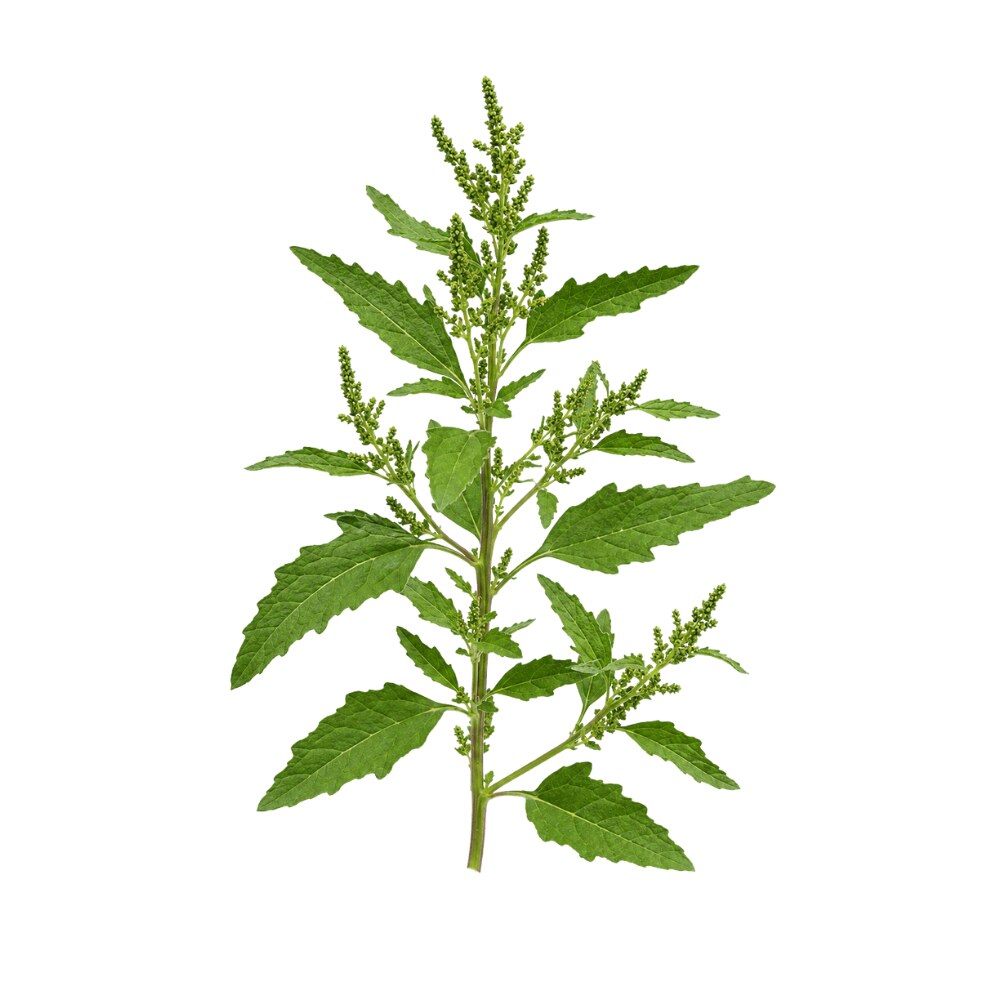 MildMildEpazoteDysphania ambrosioidesA warm, pungent aromatic used as a diaphoretic in early Eclectic practice alongside its carminative and mild laxative roles.Read the evidenceShow lessMonograph →
Epazote appears as a diaphoretic in the early Eclectic Western record, which is consistent with its character as a warm pungent aromatic.
No sweating or thermoregulatory study exists.
Its ascaridole content governs any use: overdose causes convulsions, respiratory depression and coma, with fatal paediatric intoxications on record. It is a culinary herb at culinary doses.
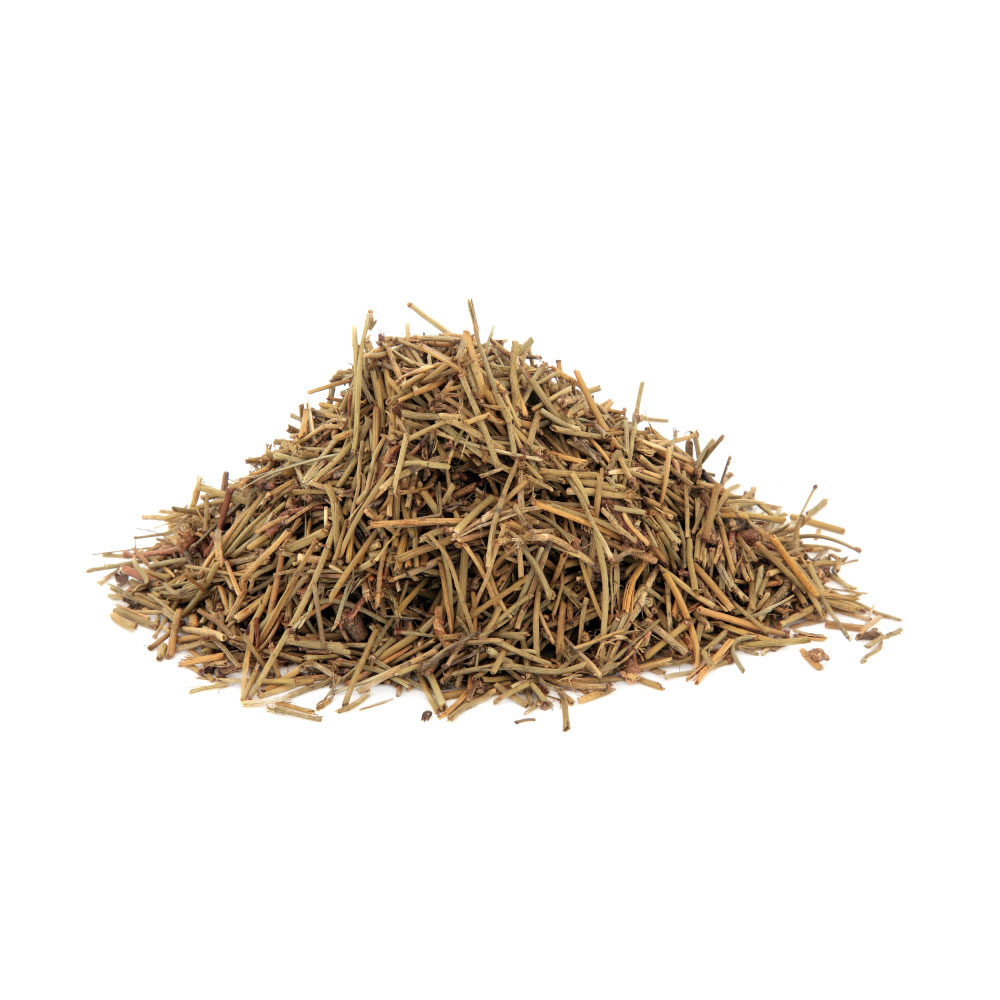 MildMildEphedraEphedra sinicaPromoting sweat to disperse cold is one of ma huang's two classical primary actions, and the classical texts limit its use in people who sweat easily.Read the evidenceShow lessMonograph →
Promoting sweating to disperse cold is one of ma huang’s two classical primary actions, and it is the reason the herb opens the exterior-releasing formulas.
The classical texts warn against using it in people who sweat easily, specifically because the effect is strong. A tradition arguing about dose limits is a tradition that believed it was watching something dose-dependent.
No diaphoresis endpoint has ever been measured.
Ephedra’s sympathomimetic cardiovascular profile governs any use of it.
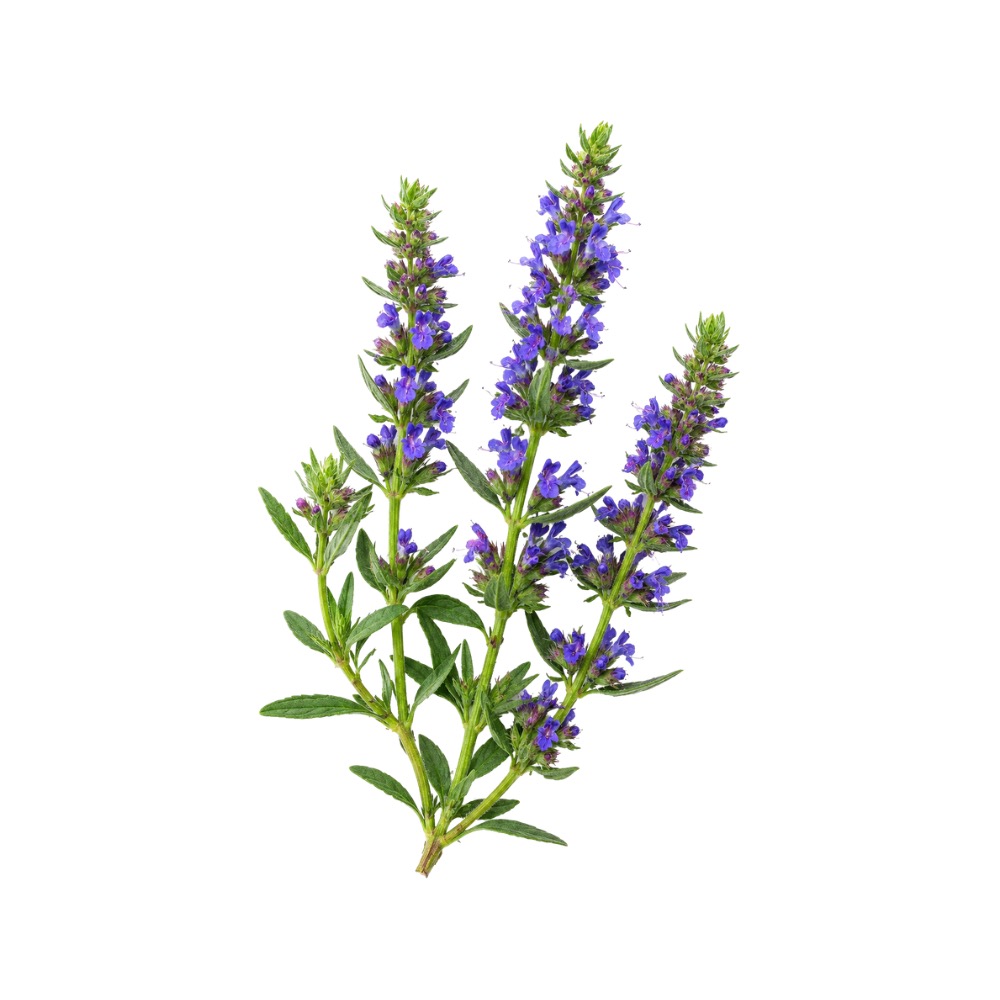 MildMildHyssopHyssopus officinalisA warm aromatic given in the European tradition as a diaphoretic to promote sweating in fevers, with no study behind it.Read the evidenceShow lessMonograph →
Hyssop appears in the European traditional record as a diaphoretic for fevers, and the claim rests there.
No thermoregulatory, vasodilatory or sudomotor finding exists.
Hyssop’s essential oil is a convulsant and is not taken internally. The tea and the syrup are the traditional forms.
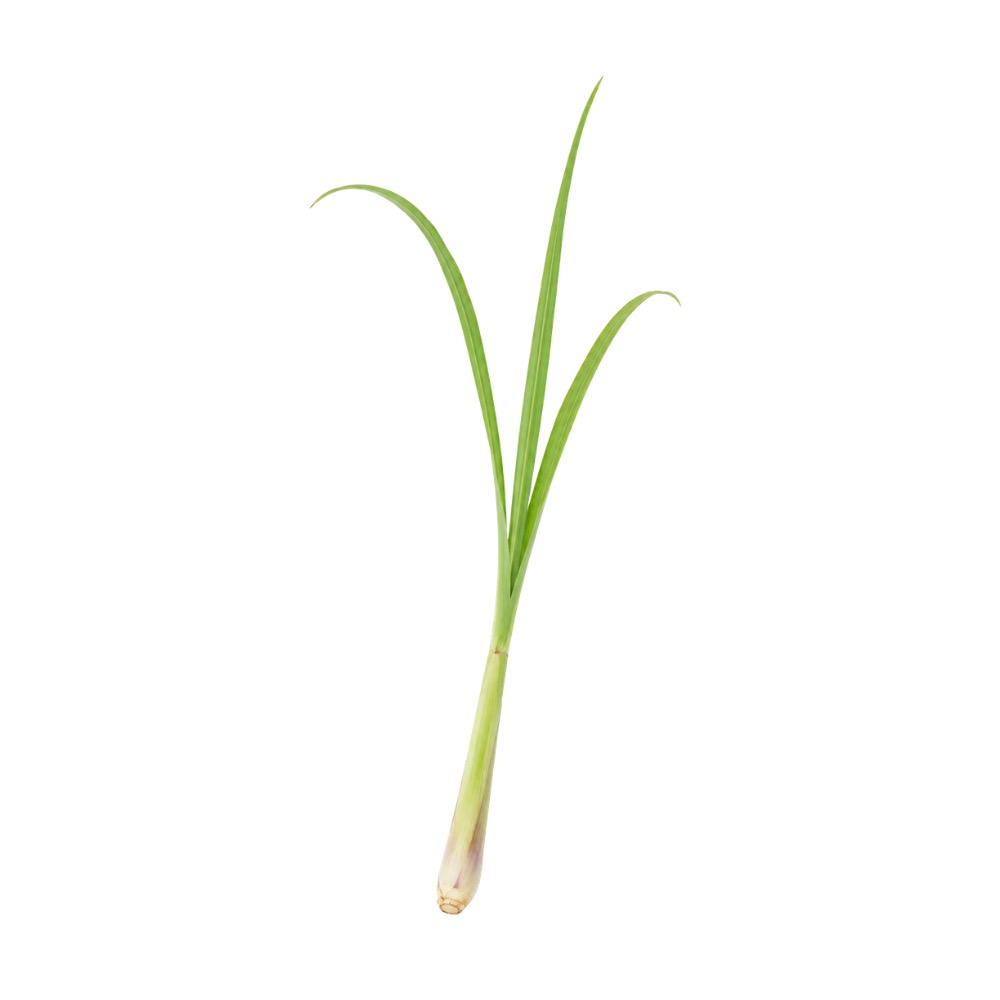 MildMildLemongrassCymbopogon citratusCalled fever grass across the Caribbean and West Africa, where the hot infusion is the household remedy for a feverish cold.Read the evidenceShow lessMonograph →
Fever grass is what lemongrass is called across the Caribbean and West Africa, and the hot leaf infusion is a household remedy for feverish illness.
The ethnobotanical record is genuinely strong, and the common name encodes it.
No thermoregulatory, sudorific or antipyretic experiment exists.
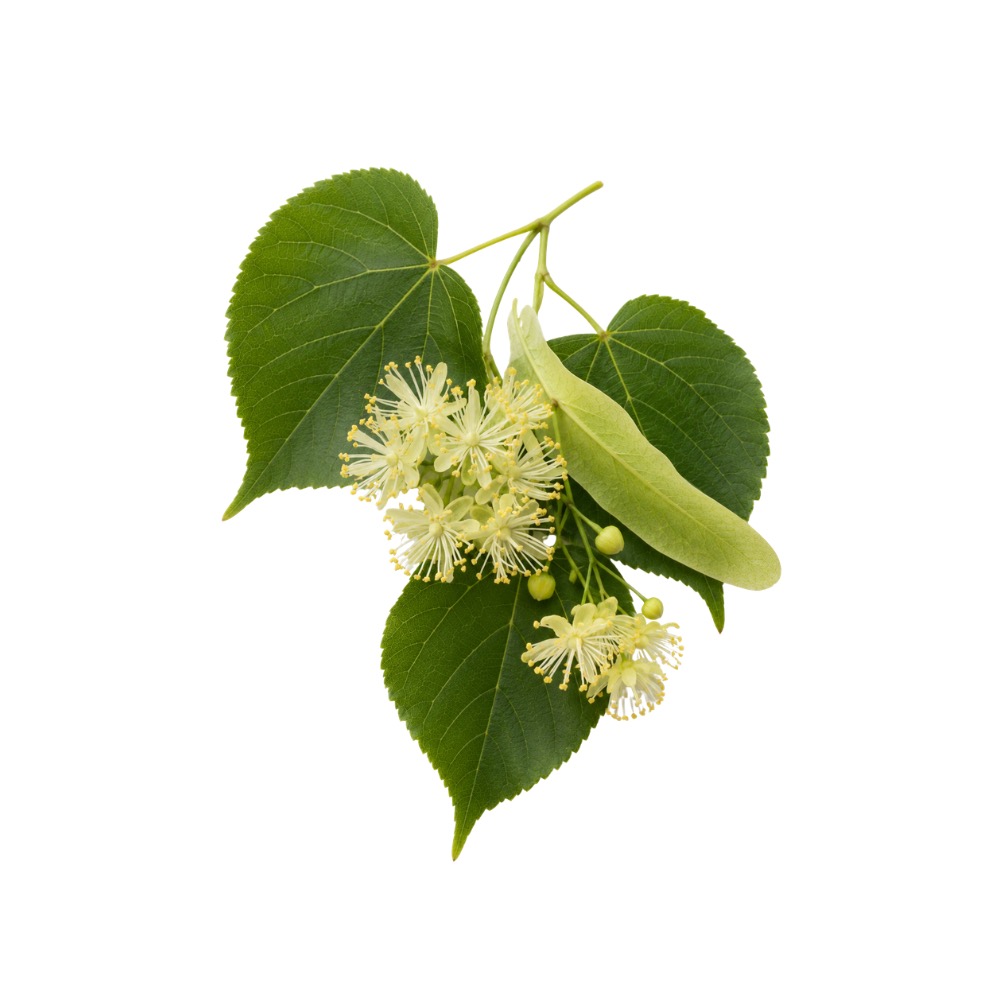 MildMildLinden FlowerTilia spp.Tilleul drunk hot to sweat out a cold is one of the most established domestic fever remedies in European practice.Read the evidenceShow lessMonograph →
Drinking tilleul hot to sweat out a cold is a long-established European domestic practice, and it is the entire basis of the action.
There is no named target: not cholinergic, not TRP, not thermoregulatory.
No study, mechanism or reference exists for the sweating claim.
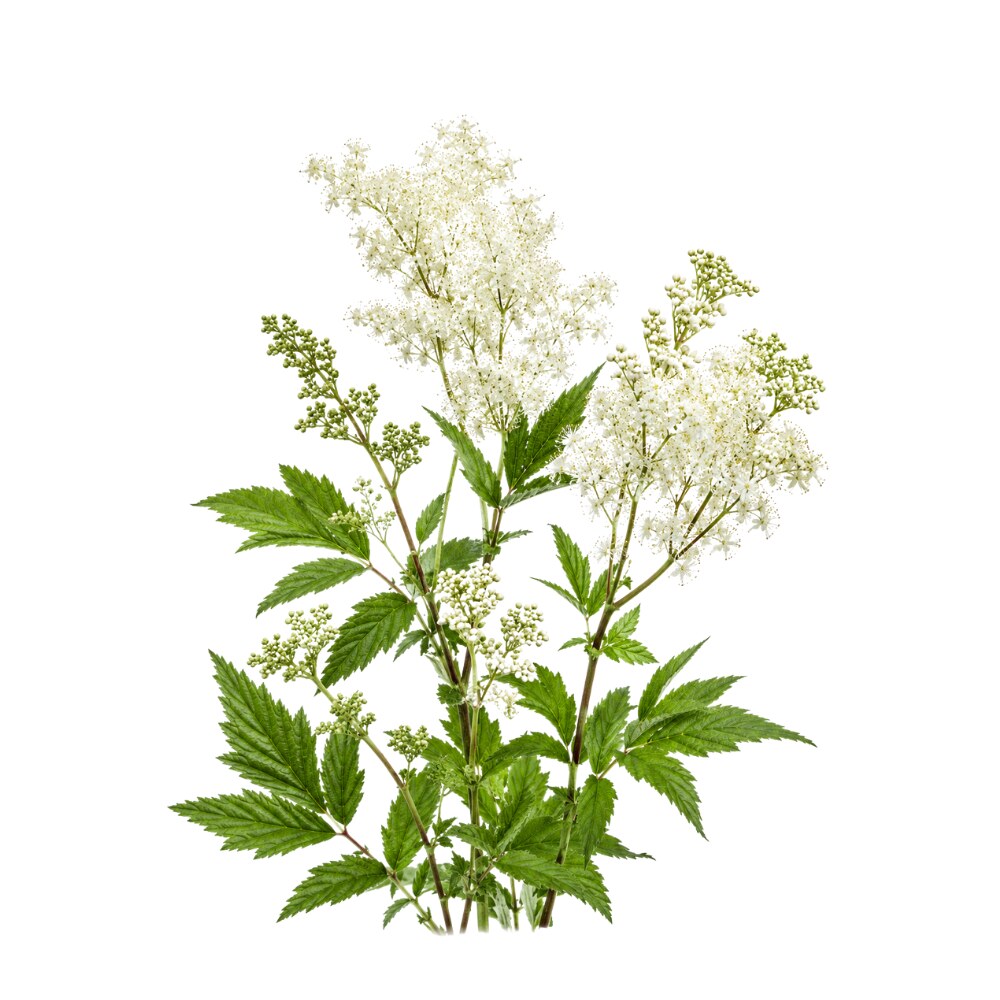 MildMildMeadowsweetFilipendula ulmariaA well-established European fever herb taken as a hot infusion, and the one herb here with salicylates, a route to lowering fever that has nothing to do with sweating.Read the evidenceShow lessMonograph →
Meadowsweet is a traditional European fever remedy taken as a hot infusion, and the sweating claim comes from that use.
No sweating or thermoregulatory measurement exists.
The plant carries salicin and salicylic acid, and gave aspirin its name. That is a chemically credible route to lowering a fever, and it is examined among the antipyretics.
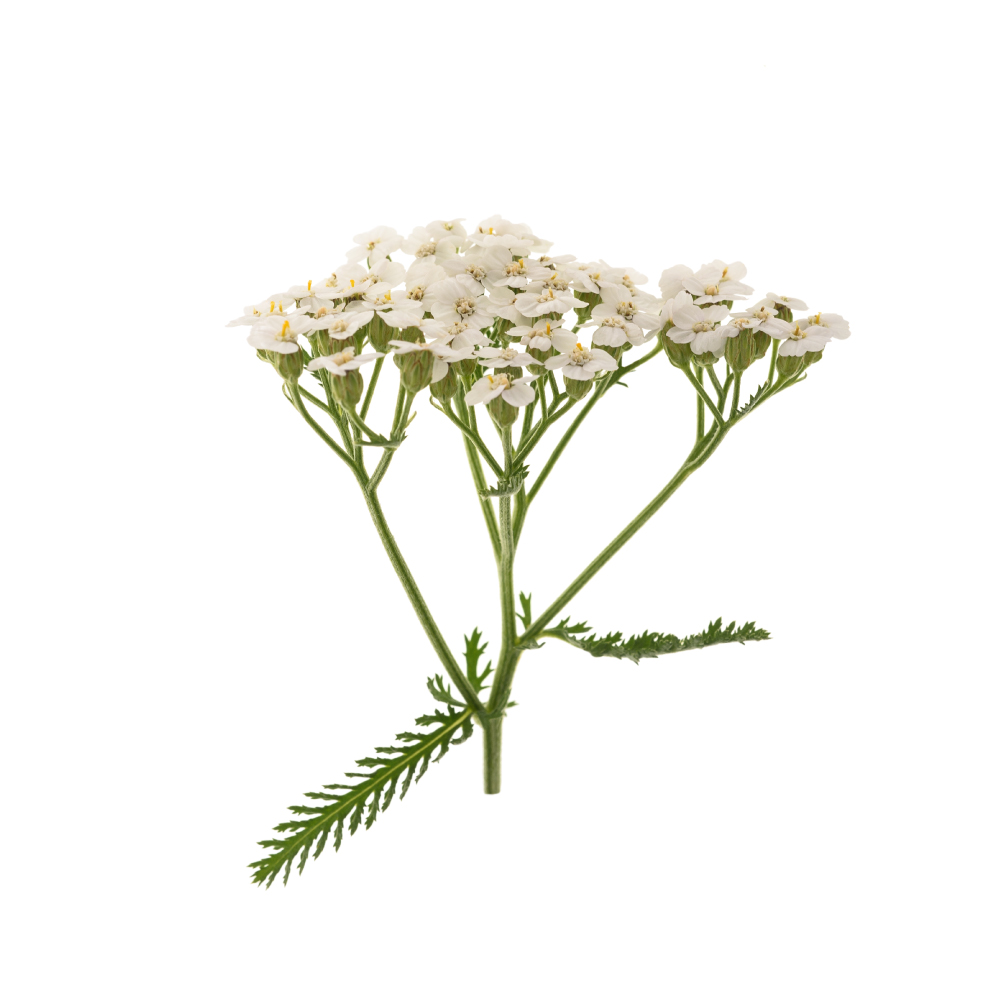 MildMildYarrowAchillea millefoliumOne-third of the classic Western fever infusion with elderflower and peppermint, and the herb most consistently named as the diaphoretic actor in it.Read the evidenceShow lessMonograph →
Yarrow, elderflower and peppermint taken hot is the classic Western fever formula, and yarrow is the herb most consistently identified as the diaphoretic actor within it.
No thermoregulatory measurement exists for yarrow or for the formula.
Asteraceae cross-reactivity applies.
No herbs match these filters.
Safety
- Induced sweating during a fever compounds the dehydration the fever already causes, so the hot infusion is paired with rest and fluids.
- The very young, the elderly and anyone already dehydrated are the people the traditional protocol goes wrong for.
- Several herbs in this group carry serious risks unrelated to sweating, including convulsant essential oils and cardiovascular stimulation.
- Asteraceae cross-reactivity covers several of these herbs, and ragweed-sensitive people react to them.
- Profuse sweating from a direct cholinergic agent is also the first sign of cholinergic toxicity.
- A high, persistent or unexplained fever, a fever with rash or neck stiffness, and any fever in an infant need medical assessment rather than a hot infusion.
References
- LeVeque, F. G., et al. (1993). A multicenter, randomized, double-blind, placebo-controlled, dose-titration study of oral pilocarpine for treatment of radiation-induced xerostomia — randomized controlled trial. Journal of Clinical Oncology. https://pubmed.ncbi.nlm.nih.gov/8501499/
- Rieke, J. W., et al. (1995). Oral pilocarpine for radiation-induced xerostomia: integrated efficacy and safety results from two prospective randomized clinical trials. International Journal of Radiation Oncology, Biology, Physics. https://pubmed.ncbi.nlm.nih.gov/7852133/
Keep Exploring