

Overview
Antiulcer at a Glance
Antiulcer herbs help protect and repair the lining of the stomach and duodenum.
Most work by strengthening the stomach’s own defences.
They may increase mucus, support protective prostaglandins, reduce local inflammation, or help the epithelium repair itself.
Licorice and meadowsweet are good examples, along with the mucilage-rich herbs used more broadly as demulcents.
Another route is to act on the cause of the ulcer.
Many peptic ulcers are driven by Helicobacter pylori infection or NSAID use.
Licorice is especially interesting because it can both protect the mucosa and interfere with H. pylori adhesion.
This makes antiulcer herbs different from simple antacids. The aim is not just to neutralise acid, but to strengthen the mucosal barrier and reduce the damage happening to it.
Licorice has the strongest historical and pharmacological connection to this action. Its constituents helped inspire carbenoxolone, an older ulcer drug used before modern acid-suppressing therapies became standard.
Caution
Test for H. pylori first — peptic ulcer is usually H. pylori or an NSAID, so recurrent or persistent symptoms are tested for the infection rather than treated blindly.
Bleeding needs medical assessment — vomiting blood, black stools, unexplained weight loss, difficulty swallowing or persistent upper abdominal pain need medical assessment.
Whole licorice raises blood pressure — glycyrrhizin-bearing preparations raise blood pressure and lower potassium; the healing evidence is for the deglycyrrhizinated extract.
Mechanisms
How It Works
01
Mucosal Defence
Strengthening the stomach’s own protective layer: more mucus, more bicarbonate, protective prostaglandins spared, and the epithelium repaired faster.
Licorice’s glycyrrhetinic acid inhibits 15-hydroxyprostaglandin dehydrogenase, the enzyme that breaks down mucosal prostaglandins, which raises mucus secretion and cell proliferation.
Meadowsweet’s tannins and flavonoids protect the lining and suppress gastric histamine through histidine decarboxylase inhibition, despite the salicylates the flower carries.
Costunolide, a sesquiterpene lactone, protected mice against ethanol ulceration at oral doses benchmarked against omeprazole.
This is the mechanism of carbenoxolone and of the older ulcer drugs.
It treats the tissue rather than the cause, and it does nothing about an infection that remains.
Herbs: LicoriceMeadowsweet
Key compounds: Glycyrrhetinic AcidCostunolide
02
Acting on Helicobacter pylori
Hindering the organism that causes most peptic ulcers, by stopping it adhering to the gastric mucosa or by helping antibiotics clear it.
Licorice polysaccharides block H. pylori adhesion to human gastric mucosa in vitro, and adding licorice to standard triple therapy improved eradication in two randomised trials.
Epazote eradicated H. pylori in mice 12Reference 12In vitroAnti-Helicobacter pylori activities of Chenopodium ambrosioides L. in vitro and in vivo. — [in vitro and in vivo]View study →, an anti-organism finding with no mucosal-healing data behind it.
None of this replaces eradication therapy. The herbal evidence is as an addition to antibiotics, not instead of them.
Herbs: Licorice
The Molecules
Pharmacology
What produces an antiulcer effect at the molecular level. The herbs below carry these molecules in different combinations and amounts, which is most of why their potency differs. Roles describe how central a molecule is to the action across plants generally, not how strong any one herb is.
Chiefly Sesquiterpene Lactones1
Carries the action largely on its own — the effect is attributed to the molecule, not just the extract it came from.
Adds to a plant's effect and is often present in quantity, but rarely accounts for it alone.
Real but narrow — one pathway, one tissue, or evidence too thin to lean on.
Costunolide Sesquiterpene Lactones Contributor Targets Gastric mucosal defence; gastric emptying/secretion
Costunolide given orally at 5 and 20 mg/kg for seven days protected mice against ethanol-induced gastric ulceration, benchmarked against omeprazole 20 mg/kg, with the authors attributing it to multi-pathway regulation rather than a single target 1Reference 1AnimalEvaluation of protective effects of costunolide and dehydrocostuslactone on ethanol-induced gastric ulcer in mice based on multi-pathway regulationView study →.
A separate rat study found 50 mg/kg orally slows gastric emptying and increases gastric fluid, pepsin and mucus secretion 2Reference 2AnimalInhibitory mechanism of costunolide, a sesquiterpene lactone isolated from Laurus nobilis, on blood-ethanol elevation in rats — involvement of inhibition of gastric emptying and increase in gastric juice secretionView study →, which is mechanistically informative and also a confound, since delayed emptying alone flatters a compound in an acute ethanol-instillation model.
The documented traditional use of costus root for dyspepsia, gastritis and ulcers 3Reference 3ReviewSaussurea costus — botanical, chemical and pharmacological review of an ayurvedic medicinal plantView study → and the measured isolate effect point the same way.
The evidence is acute rodent models at two dose levels, with no chronic dosing and no human data.
What It's For
Indications
- Gastric and duodenal ulcers
- Gastritis and an inflamed stomach lining
- Reflux and heartburn
Materia Medica
Antiulcer Herbs by Potency
The antiulcer herbs, ordered by the relative strength of the effect rather than by how well studied it is. Each herb is described by the mechanism behind its effect and the evidence for it.
None of this is a substitute for professional care.
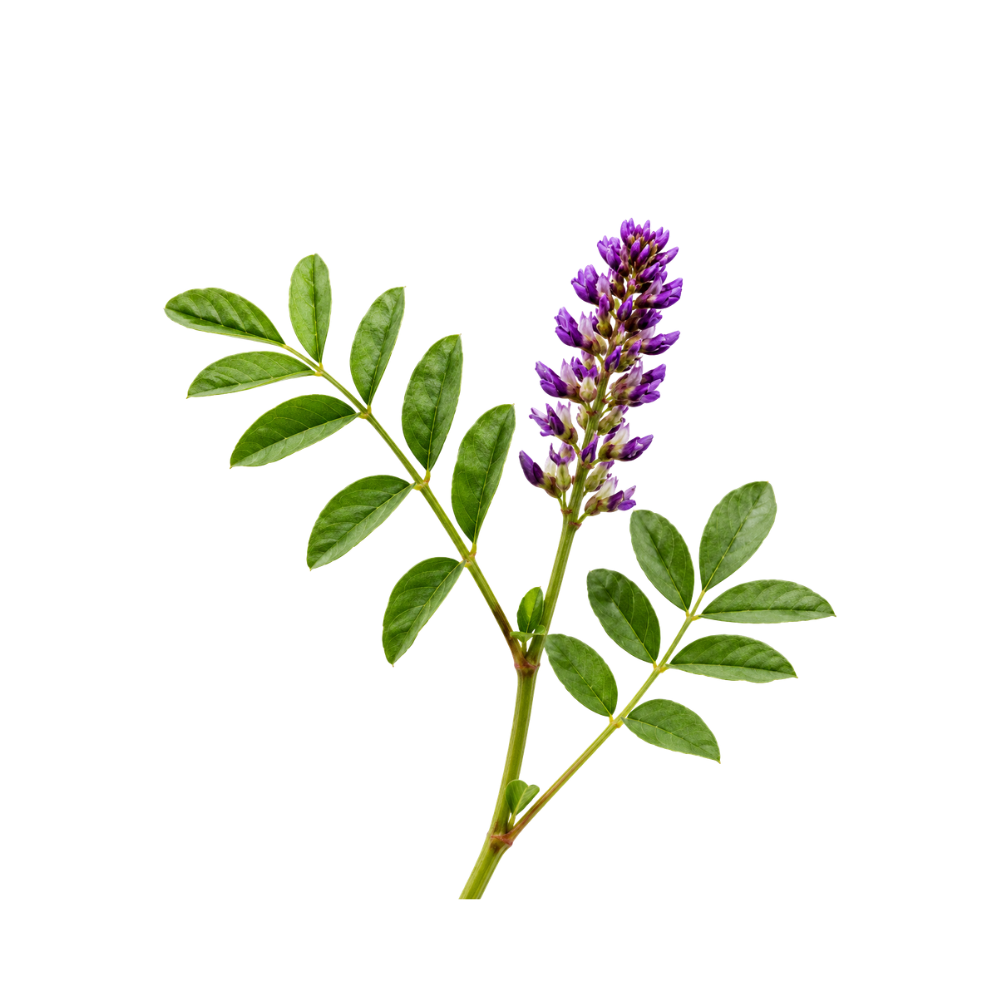 PotentPotentLicoriceGlycyrrhiza glabraGlycyrrhetinic acid spares mucosal prostaglandins by inhibiting 15-hydroxyprostaglandin dehydrogenase, raising mucus and epithelial repair; deglycyrrhizinated extract healed ulcers endoscopically in controlled trials.Mechanism15-hydroxyprostaglandin dehydrogenase inhibition → mucosal prostaglandin ↑; gastric mucus secretion & epithelial proliferation ↑; H. pylori adhesion blockadeRead the evidenceShow lessMonograph →
Glycyrrhetinic acid inhibits 15-hydroxyprostaglandin dehydrogenase, sparing mucosal prostaglandins and raising mucus secretion and cell proliferation, the logic that yielded the semi-synthetic drug carbenoxolone.
The clinical evidence is for deglycyrrhizinated licorice (DGL). It produced endoscopic healing in controlled gastric and duodenal ulcer trials from 1969 onward, in one double-blind study comparable to cimetidine 4,
Adding licorice to standard Helicobacter pylori triple therapy improved eradication in two randomised trials 7,
The strongest trials predate proton-pump inhibitors and modern methodology, and one trial found DGL ineffective. Whole root, tincture and confectionery licorice carry the glycyrrhizin that DGL had removed, and with it sodium retention, potassium loss and raised blood pressure.
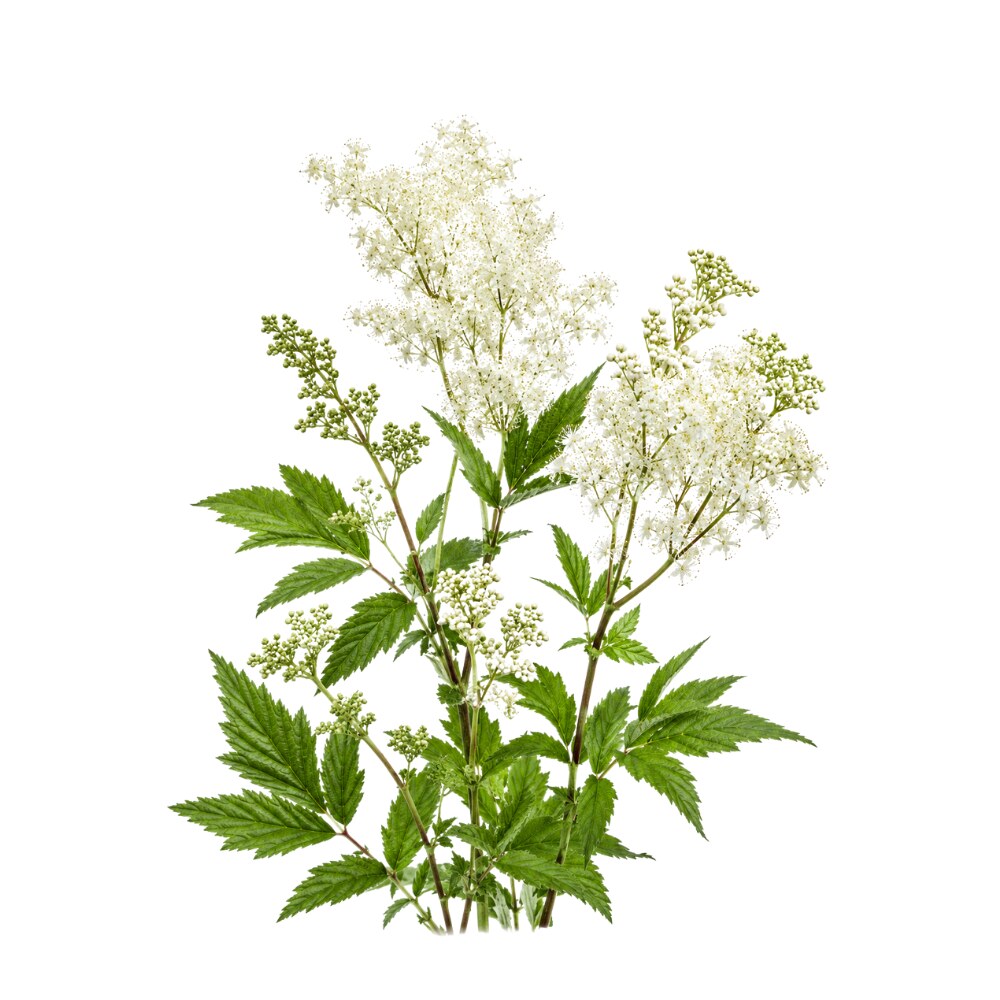 StrongStrongMeadowsweetFilipendula ulmariaA salicylate-bearing flower whose tannins and flavonoids protect the stomach lining rather than eroding it, preventing aspirin-induced lesions in rats.Mechanismhistidine decarboxylase ↓; tannin/flavonoid mucosal protectionRead the evidenceShow lessMonograph →
In classic rat work a flower decoction reduced ulceration from pylorus ligation, immobilisation, reserpine and phenylbutazone, promoted healing of chronic ethanol-induced ulcers, and prevented acetylsalicylic-acid-induced gastric lesions 10Reference 10AnimalAnti-ulcer action of a decoction of the flowers of Filipendula ulmaria — animal modelView study →. A modern study confirmed gastroprotection against ethanol-induced injury with lyophilised flower infusions 11Reference 11AnimalAntioxidant, anti-inflammatory and gastroprotective activity of Filipendula ulmaria and Filipendula vulgaris — ex vivo and animal modelView study →.
The effect is attributed to astringent tannins and flavonoids offsetting the salicylates, with gastric histamine suppression through histidine decarboxylase inhibition.
The evidence is rodent-only and partly from a single older group. Meadowsweet still carries salicylates, so aspirin allergy and the childhood viral-illness restriction apply.
 StrongStrongNeemAzadirachta indicaA bark extract cut stomach acid and healed duodenal ulcers in people, though all the human data come from one research group.Mechanismgastric acid and pepsin secretion ↓; histamine H2-receptor antagonismRead the evidenceShow lessMonograph →
The human data are for a freeze-dried aqueous extract of the bark. At 30 mg twice daily for 10 days it cut gastric acid secretion by 77%, secretion volume by 63% and pepsin activity by 50% 13Reference 13Clinical trialClinical studies on the effect of neem (Azadirachta indica) bark extract on gastric secretion and gastroduodenal ulcer — clinical studyView study →.
At 30–60 mg twice daily for 10 weeks, duodenal ulcers almost completely healed on X-ray or endoscopy 13Reference 13Clinical trialClinical studies on the effect of neem (Azadirachta indica) bark extract on gastric secretion and gastroduodenal ulcer — clinical studyView study →.
In rats a stem-bark extract protected against indomethacin ulcers and lowered basal and histamine-stimulated acid output, probably through H2 receptors 14Reference 14AnimalEffects of Azadirachta indica extract on gastric ulceration and acid secretion in rats — animal modelView study →. The effect is antisecretory, closer to an acid-blocking drug than to a mucosal coating.
The human work comes from a single research group, which also wrote the review 15Reference 15ReviewThe use of neem for controlling gastric hyperacidity and ulcer — reviewView study →, and it has not been replicated elsewhere. The evidence is for the bark, not the leaf or seed oil.
Neem seed oil taken by mouth has poisoned infants and young children, and neem is avoided in pregnancy. Leaf and bark preparations are better tolerated.
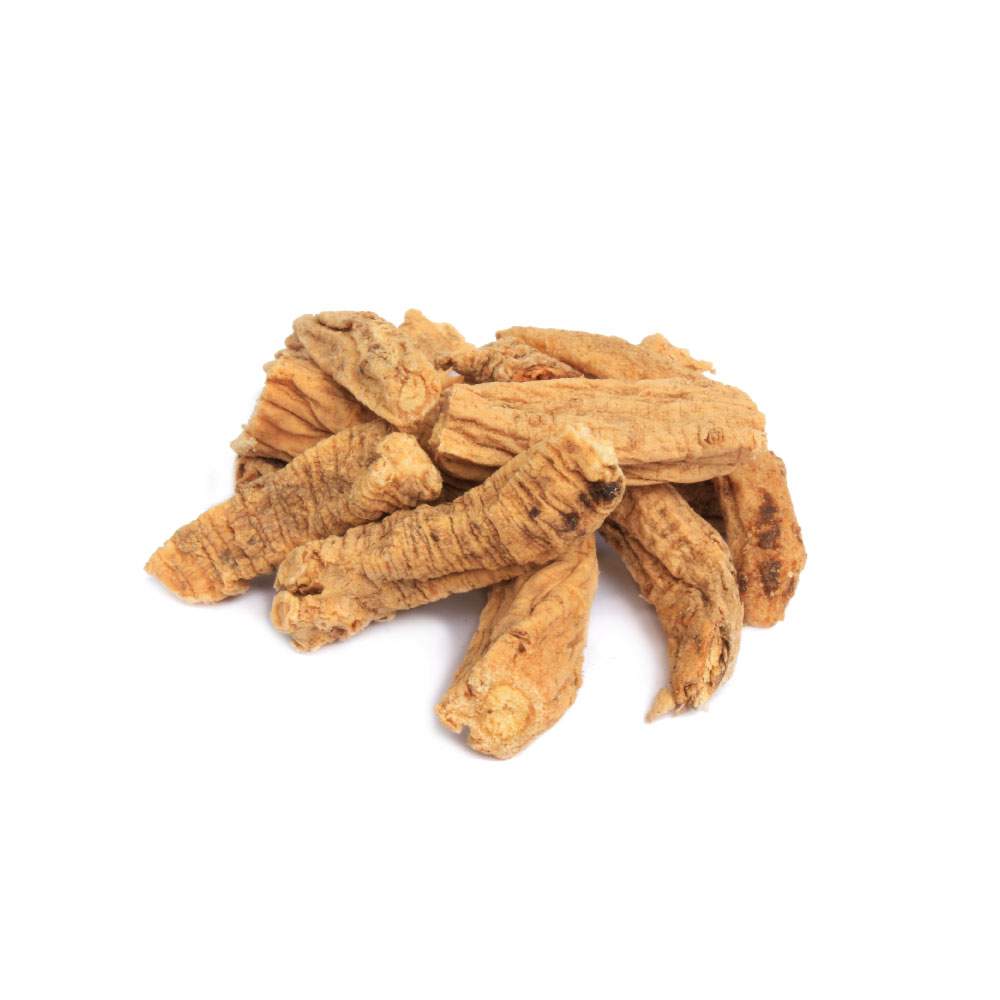 ModerateModerateCodonopsisCodonopsis pilosulaThe root protected rats against stress and chemical ulcers but did little against NSAID damage.Mechanismacid and pepsin secretion ↓; mucosal protection by tangshenoside I and lobetyolinRead the evidenceShow lessMonograph →
A Codonopsis pilosula root extract protected rats against gastric ulcers from stress, acetic acid and sodium hydroxide, and lowered acid and pepsin secretion 16Reference 16AnimalInvestigations on the protective action of Codonopsis pilosula (Dangshen) extract on experimentally-induced gastric ulcer in ratsView study →. It did little against pyloric-ligation or indomethacin ulcers 16Reference 16AnimalInvestigations on the protective action of Codonopsis pilosula (Dangshen) extract on experimentally-induced gastric ulcer in ratsView study →.
Ethanol extracts of all three dang shen sources protected against ethanol-induced ulcers, with tangshenoside I and lobetyolin named as the likely active compounds 17Reference 17The effect and mechanism of Codonopsis Radix and its active components tangshenoside I and lobetyolin on preventing gastric ulcer based on spectrum-effect relationshipView study →.
The effect depends on the model and is weak against NSAID injury, the commonest drug cause of ulcers in people. Human data exist only inside multi-herb formulas, where codonopsis cannot be separated out.
Codonopsis is a medicinal and edible herb in China with few reported side effects, though the root alone has no human safety trial.
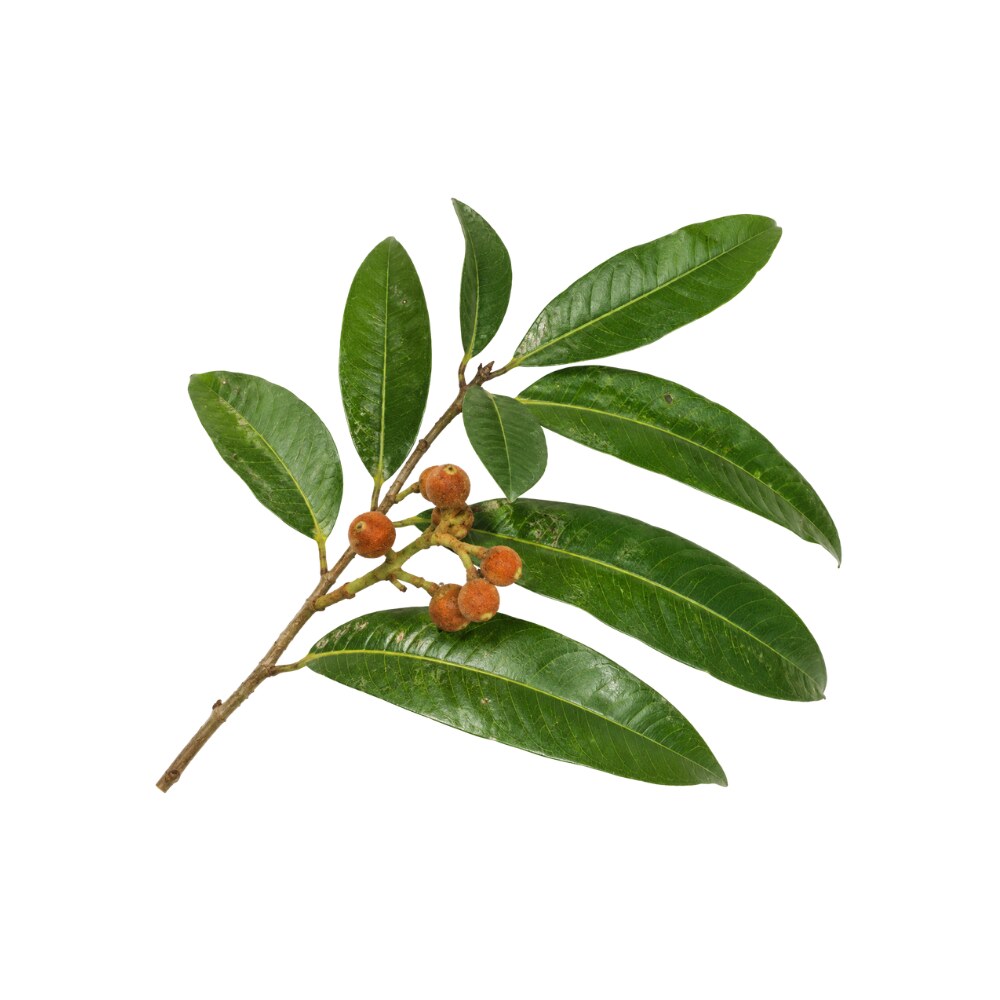 ModerateModerateEpeñaVirola spp.Resin from three Virola species protected rodent stomachs strongly, comparable to lansoprazole, but only as prevention.Mechanismphenolic (epicatechin) mucosal protection; antioxidantRead the evidenceShow lessMonograph →
An ethanolic V. surinamensis resin extract cut ethanol lesions by about 95% and indomethacin, stress and pylorus-ligation ulcers by 31–45% 18Reference 18AnimalAntiulcerogenic action of ethanolic extract of the resin from Virola surinamensis Warb. (Myristicaceae) — in vivo rodent studyView study →.
V. oleifera resin cut ethanol lesions by 95–97% and indomethacin lesions by 59–66%, comparable to lansoprazole 19Reference 19AnimalGastroprotective activity of the resin from Virola oleifera — in vivo mouse studyView study →. A V. elongata stem-bark extract reproduced the effect 20Reference 20AnimalChemical characterization and evaluation of gastric antiulcer properties of the hydroethanolic extract of the stem bark of Virola elongata (Benth.) Warb — in vivo rodent studyView study →.
The activity tracks the phenolics, chiefly epicatechin. All of it is single-dose prevention work, with no study of healing an established ulcer and no human trial.
The gastric species are not the snuff species the herb is named for. Epeña snuff is a potent 5-MeO-DMT preparation, dangerous with MAOI drugs, variable in strength and a controlled substance.
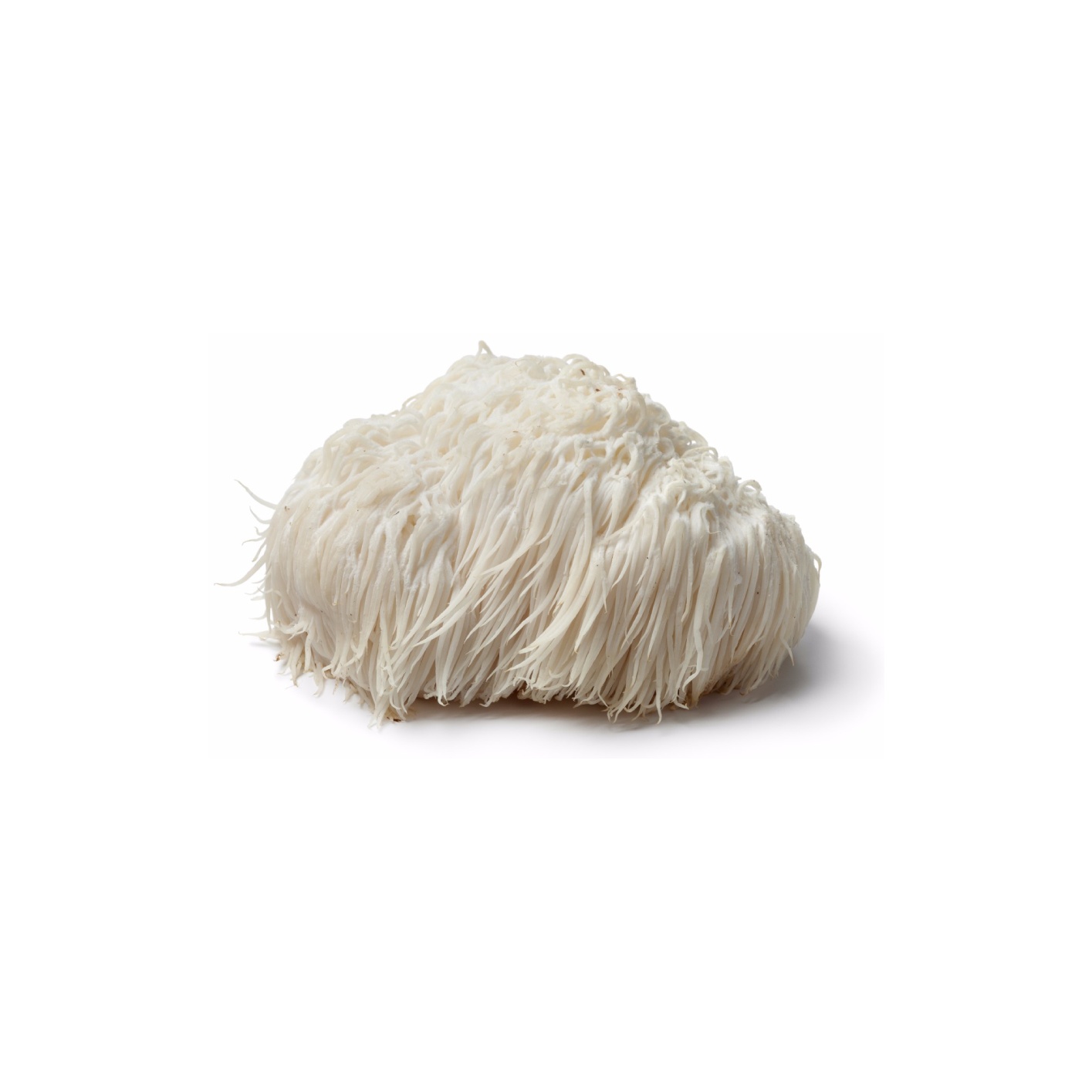 ModerateModerateLion’s ManeHericium erinaceusA polysaccharide from the fruiting body healed established stomach ulcers in rats, echoing its Chinese use for the stomach.Mechanismulcer healing by fruiting-body β-glucan; IL-6, TNF-α and oxidative markers ↓Read the evidenceShow lessMonograph →
In rats with acetic-acid gastric ulcers, a model of established ulcers, the polysaccharide reduced ulcer size and lowered IL-6, TNF-α and oxidative markers in the stomach. One active fraction was a (1→6)-β-D-glucan 21Reference 21AnimalGastroprotective activity of polysaccharide from Hericium erinaceus against acetic-acid-induced gastric ulcer — rat in vivo studyView study →.
A 2023 review gathered the preclinical work on gastritis and ulcers alongside the mushroom’s long traditional Chinese use for weak stomachs 22Reference 22ReviewHericium erinaceus, a medicinal fungus: evidence in gastrointestinal diseases — reviewView study →.
The finding is a single healing study of an isolated polysaccharide rather than the whole mushroom, and no human trial exists.
Lion’s mane is an edible mushroom. Stomach upset, nausea, headache and rash have been reported, and one case of anaphylaxis after eating it fresh.
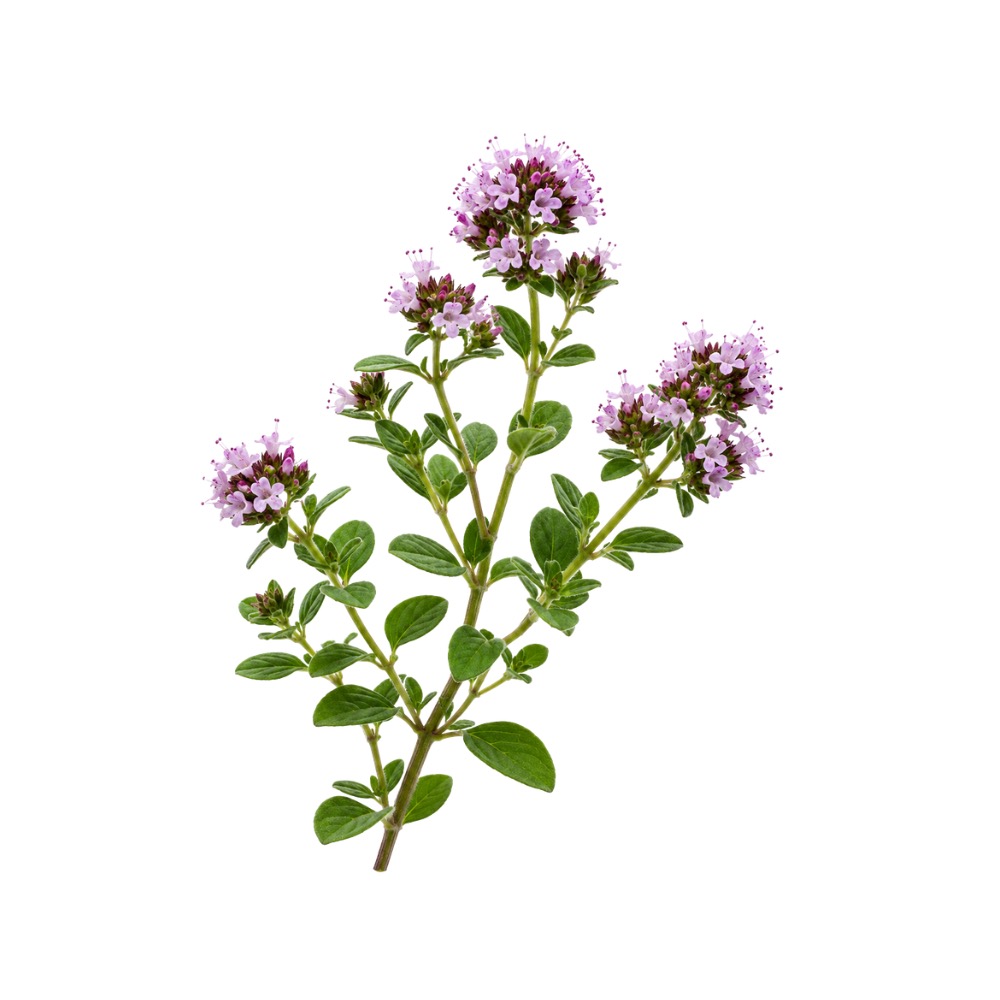 ModerateModerateMarjoramOriganum majoranaAn extract protected the stomach across five rat ulcer models, and the herb and its oil inhibited H. pylori in the test tube.Mechanismbasal acid secretion ↓; gastric mucus and non-protein sulfhydryls ↑; lipid peroxidation ↓Read the evidenceShow lessMonograph →
In a single rat study, an ethanol extract at 250 and 500 mg/kg reduced gastric ulcers from cold-restraint stress, indomethacin, ethanol, concentrated salt and sodium hydroxide 23Reference 23AnimalProtective effect of Origanum majorana L. ‘Marjoram’ on various models of gastric mucosal injury in rats — animal modelView study →.
It lowered basal acid, restored protective mucus and non-protein sulfhydryls, and reduced lipid peroxidation, with a wide safety margin in mice 23Reference 23AnimalProtective effect of Origanum majorana L. ‘Marjoram’ on various models of gastric mucosal injury in rats — animal modelView study →.
A methanol extract and the essential oil also inhibited Helicobacter pylori in vitro, the oil more strongly 24,
All of it is preclinical at doses far above tea strength. Culinary and tea use is very low-risk; a concentrated methanolic extract damaged DNA in cell tests, a caution for high-dose extracts.
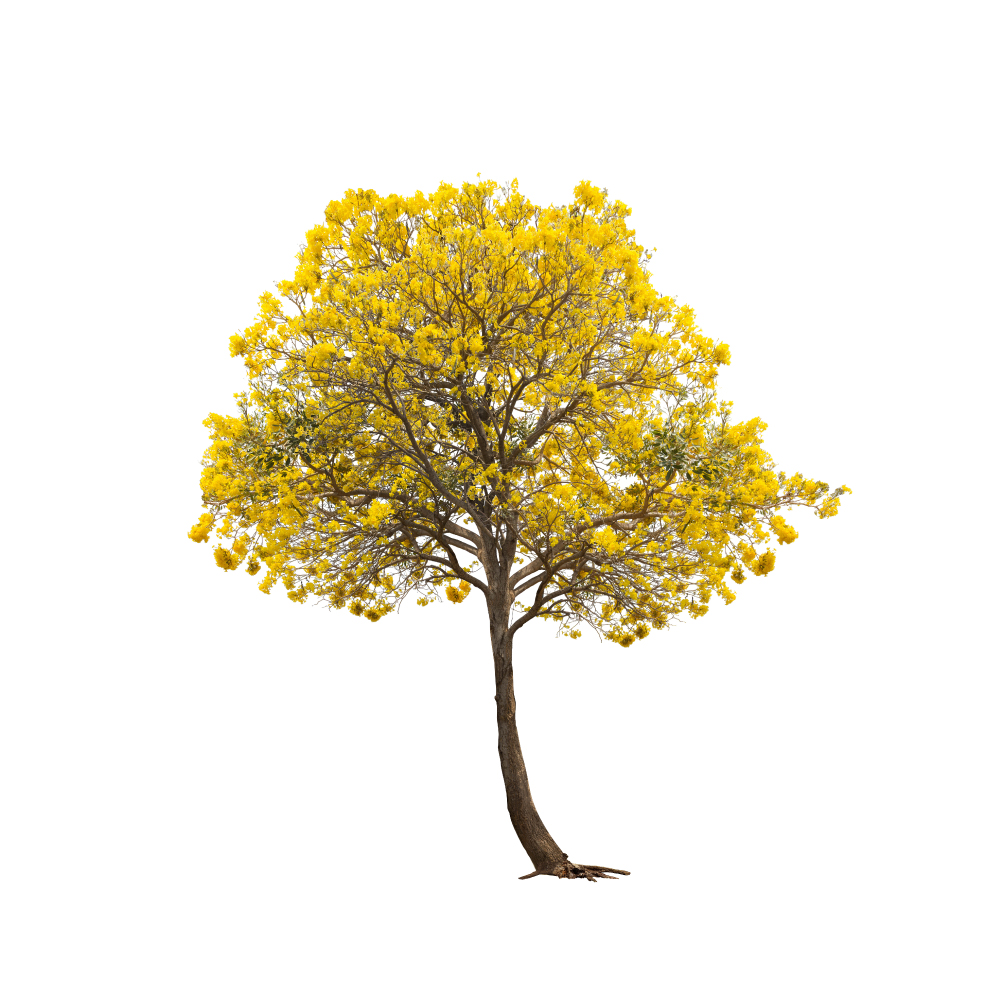 ModerateModeratePau D’ArcoTabebuia impetiginosaA bark extract both prevented and healed stomach ulcers in rats, by raising mucus and calming the proton pump.Mechanismgastric mucus ↑; H+/K+-ATPase ↓; mucosal cell proliferation during healingRead the evidenceShow lessMonograph →
An ethanolic bark extract of Tabebuia avellanedae protected rats against ethanol- and ibuprofen-induced gastric lesions. It raised gastric mucus and lowered acid secretion and proton-pump (H+/K+-ATPase) activity 26Reference 26AnimalAntiulcerogenic activity of bark extract of Tabebuia avellanedae — rat modelView study →.
At 100 and 300 mg/kg the same extract shrank established acetic-acid ulcers by 44% and 36%, by increasing mucus and cell proliferation in the gastric lining 27Reference 27AnimalAntiulcer effect of bark extract of Tabebuia avellanedae: activation of cell proliferation in gastric mucosa during healing — rat modelView study →.
Inner-bark anthraquinones and lapachol were more active than metronidazole against Helicobacter pylori in MIC assays 28Reference 28In vitroAntibacterial activity of Tabebuia impetiginosa Martius ex DC (Taheebo) against Helicobacter pylori — in vitroView study →, a test-tube finding only.
Both rat studies come from one Brazilian group and used concentrated ethanol extracts rather than the traditional bark tea.
Lapachol is a vitamin K antagonist, so the bark calls for care with blood thinners and before surgery, and it is avoided in pregnancy.
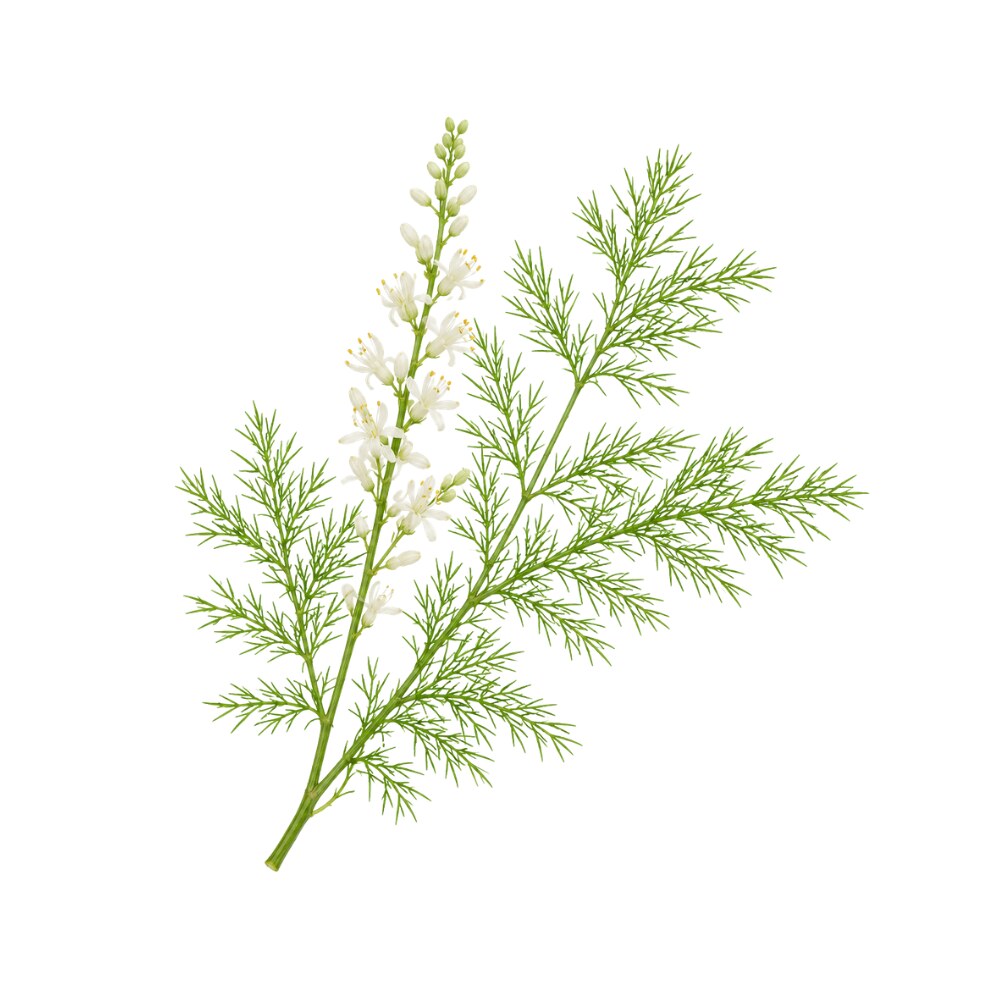 ModerateModerateShatavariAsparagus racemosusThe root lowered acid and protected against NSAID ulcers in rats about as well as ranitidine.Mechanismgastric acid and secretion volume ↓; gastric mucopolysaccharides ↑; antioxidant enzymes ↑Read the evidenceShow lessMonograph →
In rats given indomethacin plus pyloric ligation, a methanolic root extract at 100 mg/kg/day for 15 days lowered the ulcer index, the volume of gastric secretion and its acidity, comparably to ranitidine 29Reference 29AnimalAntisecretory and antiulcer activity of Asparagus racemosus against indomethacin plus pyloric ligation-induced gastric ulcer — animal model (rat)View study →.
A second rat study found shatavari more effective than ashwagandha against indomethacin ulcers, with lower acid secretion and higher antioxidant enzymes 30Reference 30AnimalAntiulcer and antioxidant activity of Asparagus racemosus and Withania somnifera in rats — animal modelView study →.
The root is the Ayurvedic remedy for hyperacidity and ulcers. Both studies are prevention models in rats, and no human dyspepsia or ulcer trial exists.
Shatavari is well tolerated in trials. It is used with care alongside hormone therapy and avoided with an asparagus allergy.
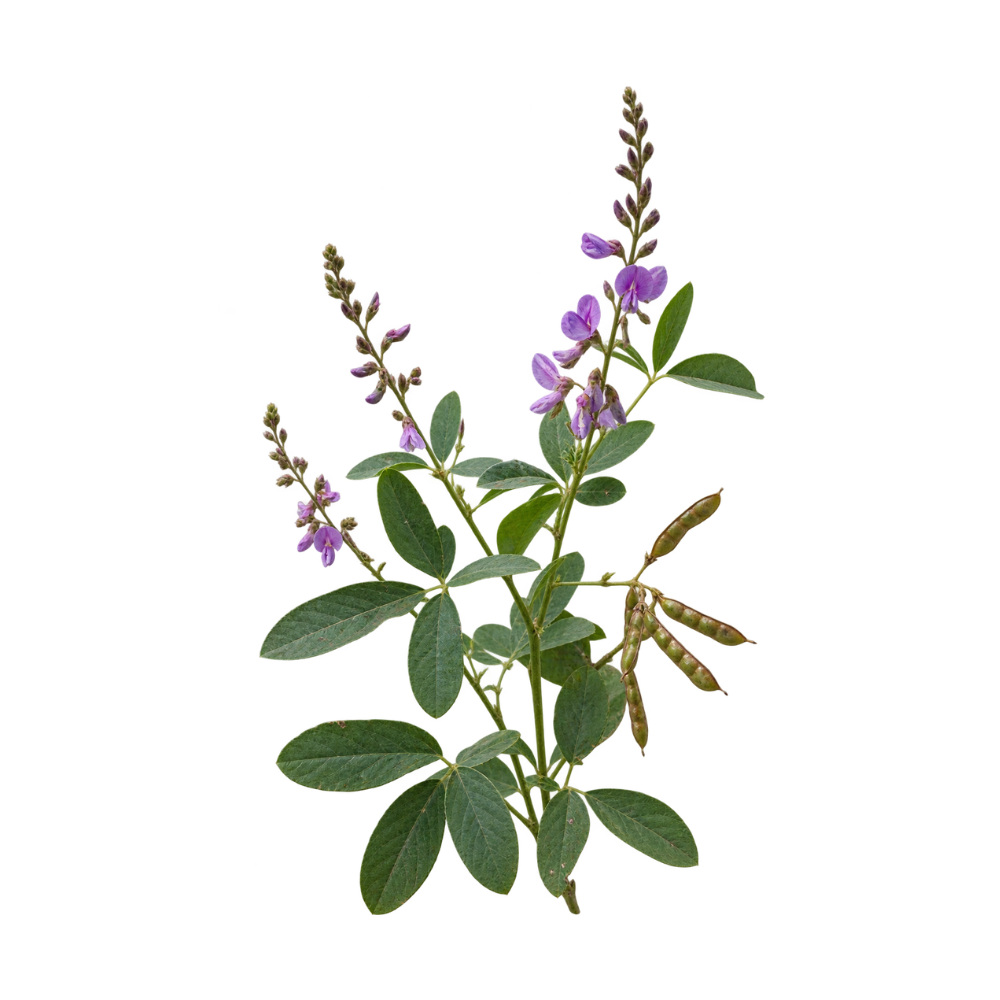 ModerateModerateTick TrefoilDesmodium spp.One rat study found an extract cut acid about as much as omeprazole, but it is unreplicated and limited to one species.Mechanismacid secretion ↓; mucin secretion ↑Read the evidenceShow lessMonograph →
An ethanolic Desmodium gangeticum extract at 200 mg/kg by mouth reduced ulcers in four rat stomach-ulcer models (cold-restraint stress, aspirin, alcohol and pyloric ligation) and in a guinea-pig duodenal-ulcer model 31Reference 31AnimalDesmodium gangeticum: a potent anti-ulcer agent — animal model (rat)View study →.
It cut acid secretion by 42%, close to omeprazole’s 43%, and raised mucin secretion by 56% 31Reference 31AnimalDesmodium gangeticum: a potent anti-ulcer agent — animal model (rat)View study →.
The study has not been repeated, and the plant part extracted is not stated. The finding applies to D. gangeticum, not the asthma species D. adscendens 32Reference 32ReviewAn ethnomedicinal, phytochemical and pharmacological profile of Desmodium gangeticum and Desmodium adscendens — reviewView study →.
Human safety data for the genus are very limited, none covers pregnancy, and material of uncertain species is best avoided.
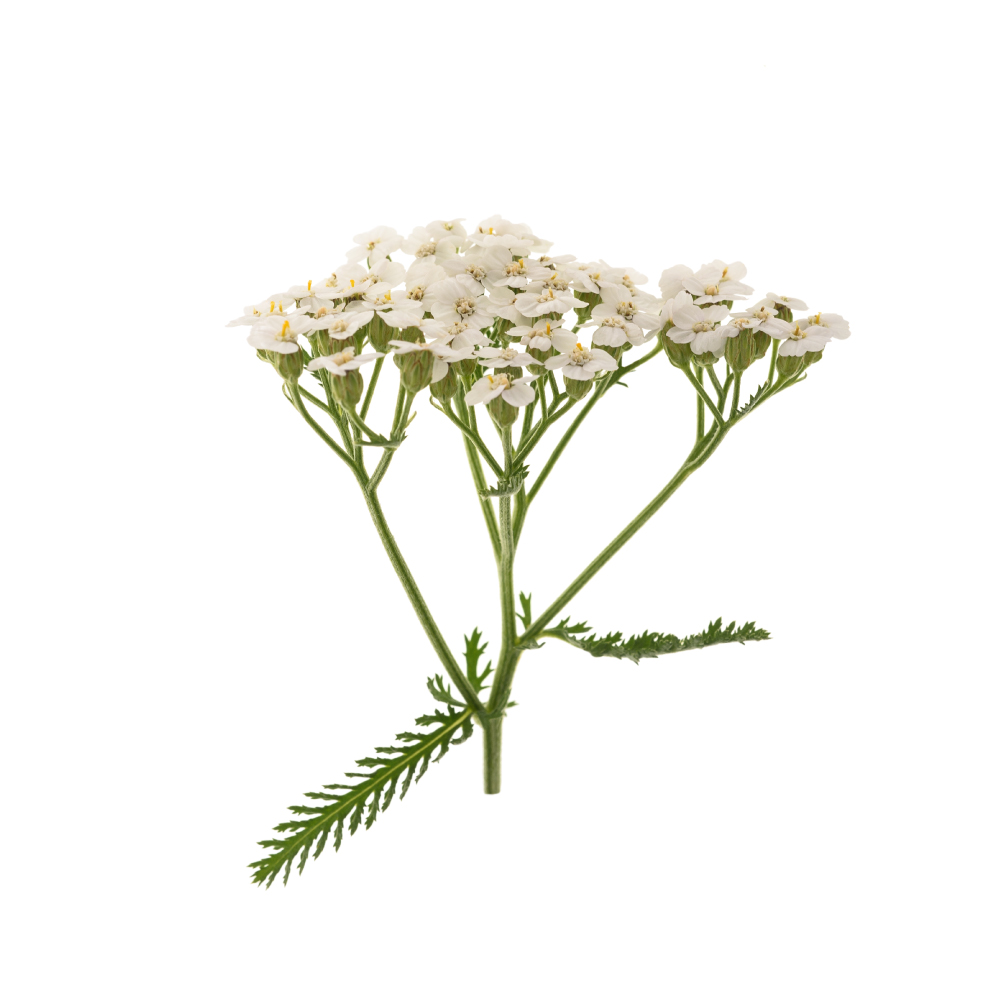 ModerateModerateYarrowAchillea millefoliumA water extract both protected against and healed stomach ulcers in rats at a low dose, in one study.Mechanismgastric mucosal protection; chronic ulcer healingRead the evidenceShow lessMonograph →
In Wistar rats an aqueous yarrow extract protected the gastric mucosa against acute ethanol and indomethacin lesions and healed chronic acetic-acid ulcers 33Reference 33AnimalSafety and antiulcer efficacy studies of Achillea millefolium L. after chronic treatment in Wistar rats — [rat in vivo]View study →.
The effective dose was low, with an ED50 of about 32 mg/kg, and the water extract is close to a tea 33Reference 33AnimalSafety and antiulcer efficacy studies of Achillea millefolium L. after chronic treatment in Wistar rats — [rat in vivo]View study →.
A 28–90-day safety arm in the same study found only slight changes in liver weight, cholesterol and glucose 33Reference 33AnimalSafety and antiulcer efficacy studies of Achillea millefolium L. after chronic treatment in Wistar rats — [rat in vivo]View study →. There are no human data on ulcers.
Yarrow can cause contact allergy in people sensitive to the daisy family, and it is avoided in pregnancy.
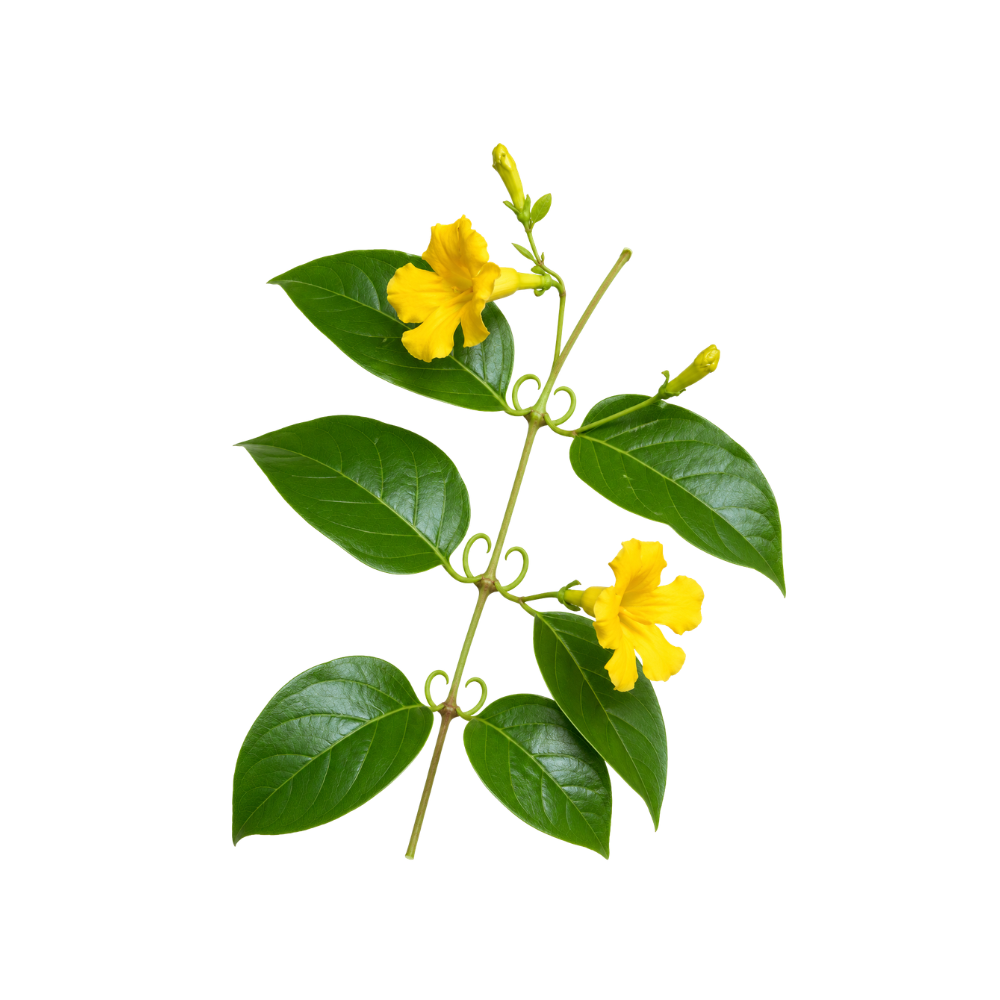 MildMildCat’s ClawUncaria tomentosaAn Amazonian remedy for gastric ulcers and gastritis, with no ulcer study behind it yet.Mechanismtraditional Amazonian use for gastric ulcers; mechanism not studiedRead the evidenceShow lessMonograph →
The Asháninka of Peru use cat’s claw inner bark for gastric ulcers and general inflammation, and other Peruvian traditions add gastritis 34,
Its research is on anti-inflammatory and immune effects, which have not been tested in the stomach.
Cat’s claw inhibits CYP3A4 and can raise the levels of some drugs. It stimulates the immune system, so it is avoided with immunosuppressants, and it is avoided in pregnancy.
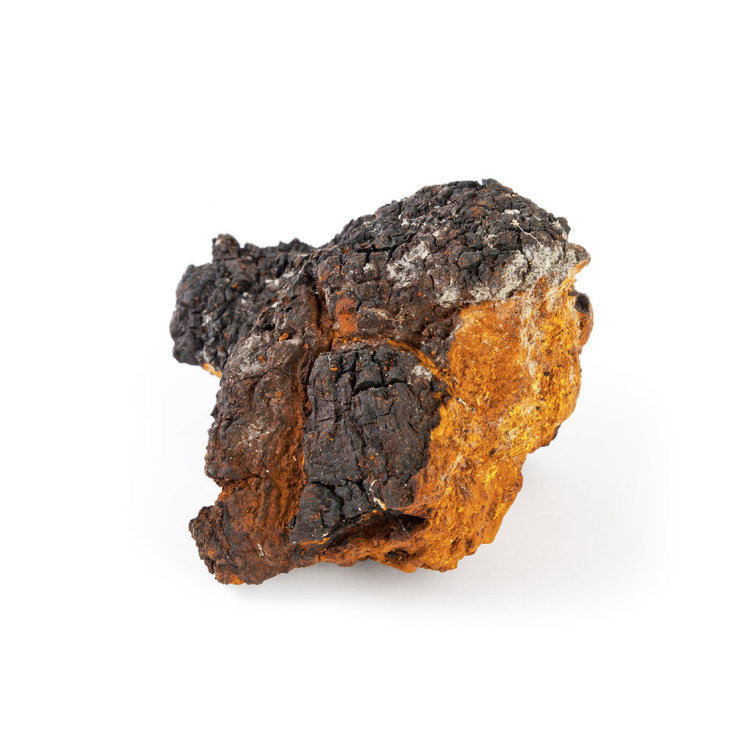 MildMildChagaInonotus obliquusUsed by the Khanty of western Siberia for gastritis and ulcers, a tradition with no gastric study behind it.Read the evidenceShow lessMonograph →
Khanty practice drank chaga for digestive disorders including gastritis and ulcers, alongside its wider use as a tonic tea.
There is no gastric study and no cytoprotective or anti-H. pylori mechanism. Chaga’s research attention is immunological and antioxidant.
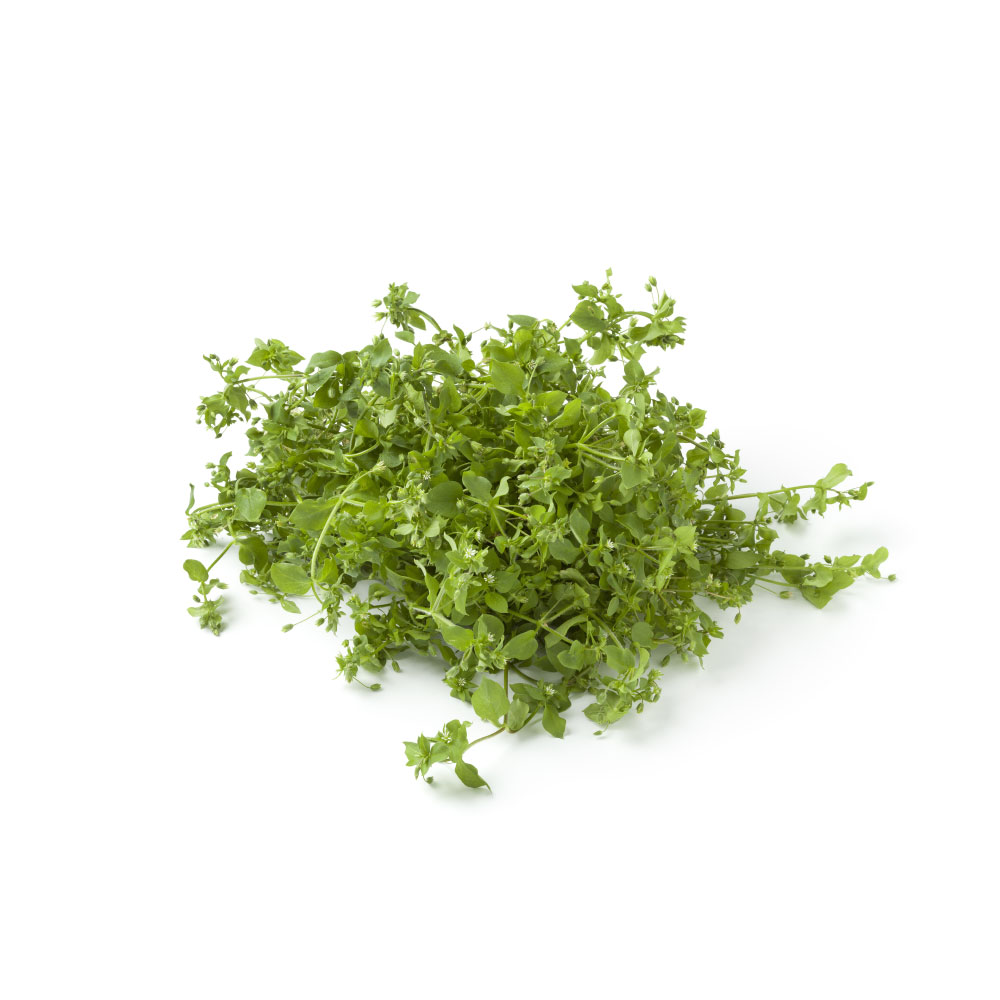 MildMildChickweedStellaria mediaOne dose-ranging rat study found it reduced acid and NSAID ulcers; its traditional ulcer use is for the skin.Mechanismgastric acid volume and acidity ↓; antioxidant (catalase ↑, malondialdehyde ↓)Read the evidenceShow lessMonograph →
In rats given piroxicam, a methanol extract at 150, 300 and 450 mg/kg for 14 days raised gastric pH and lowered acid volume, acidity and ulcer formation in a dose-dependent way, and restored antioxidant markers 36Reference 36AnimalPhytochemical analysis and gastroprotective effect of Stellaria media methanolic extract on piroxicam-induced gastric ulcer — rat/in vivoView study →.
The study used high doses of a solvent extract. Chickweed’s traditional ulcer use is for skin ulcers, not stomach ones.
Like other leafy wild greens it can contain oxalate and nitrate, and the fresh plant occasionally causes skin allergy.
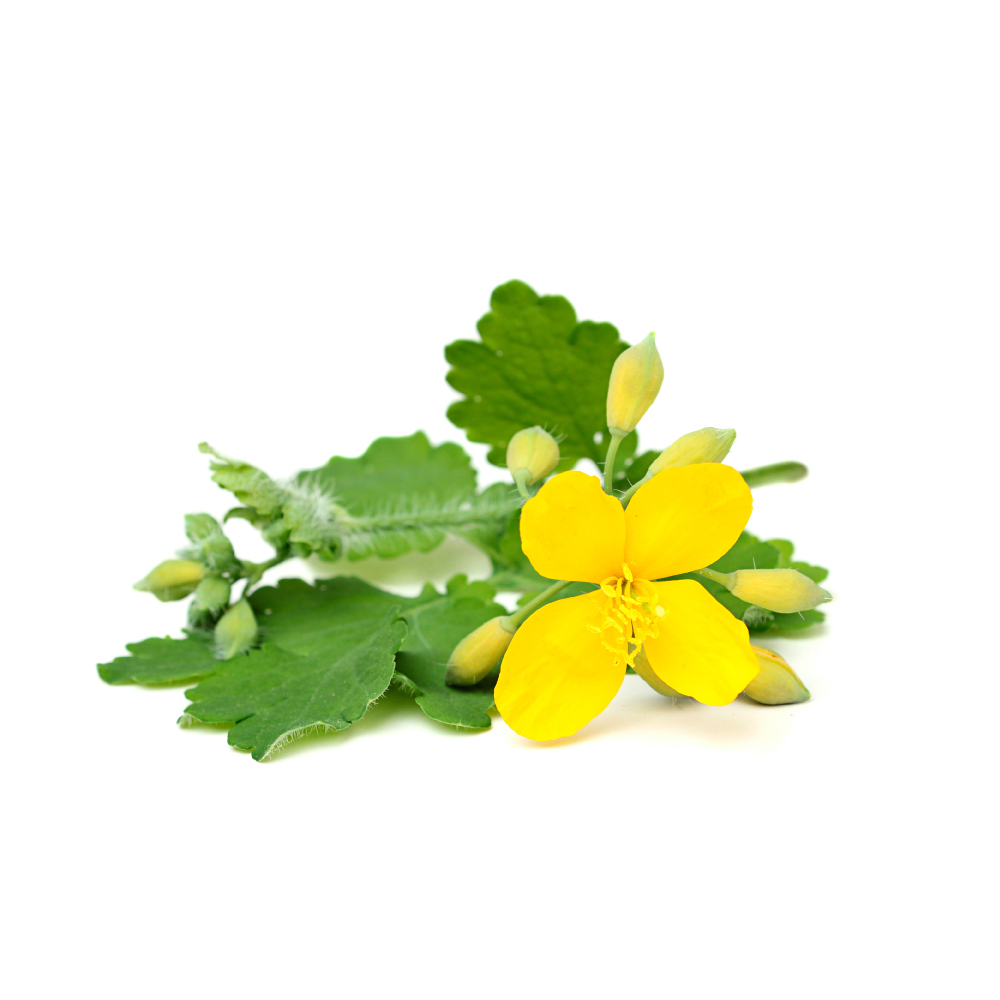 MildMildGreater CelandineChelidonium majusA Western and Chinese remedy for gastric and peptic ulcers, with traditional support only.Mechanismtraditional bitter / digestive use; mechanism not studiedRead the evidenceShow lessMonograph →
Western herbal medicine gives greater celandine for gastric ulcers. Chinese practice uses it for gastritis and gastric ulcers, and lists peptic ulcers among its indications 37,
The aerial parts are the preferred material 38Reference 38Principles and Practice of Phytotherapy. No gastric ulcer study has been published.
Greater celandine can cause liver injury, usually within weeks of starting it, and judged dose-related by the European regulator. It is avoided in pregnancy.
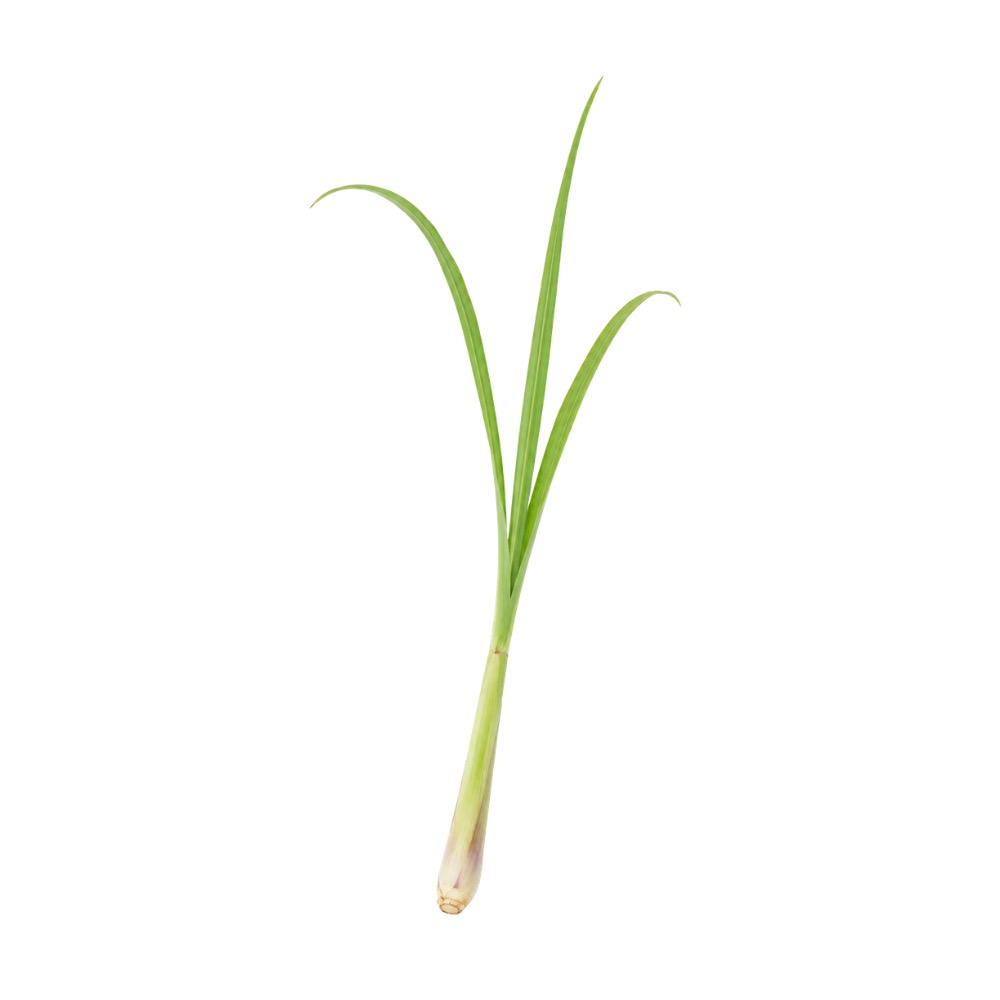 MildMildLemongrassCymbopogon citratusThe oil and its geraniol healed mouse stomach ulcers, while citral, the main aroma compound, did not.Mechanismulcer healing by geraniol and the essential oil (not citral)Read the evidenceShow lessMonograph →
In mice the essential oil, citral and geraniol all protected against ethanol-induced gastric ulcers 40Reference 40AnimalEssential oil of Cymbopogon citratus and geraniol, but not citral, promote gastric healing activity in mice — in vivo animal modelView study →.
On established acetic-acid ulcers only the oil and geraniol sped healing, by about 35% and 81%, which points to geraniol as the healing constituent 40Reference 40AnimalEssential oil of Cymbopogon citratus and geraniol, but not citral, promote gastric healing activity in mice — in vivo animal modelView study →.
The work is a single mouse study of the oil, not the tea, with no clinical ulcer data.
Lemongrass is very low-risk as a food and a tea. The concentrated oil irritates skin and mucous membranes and is not swallowed undiluted.
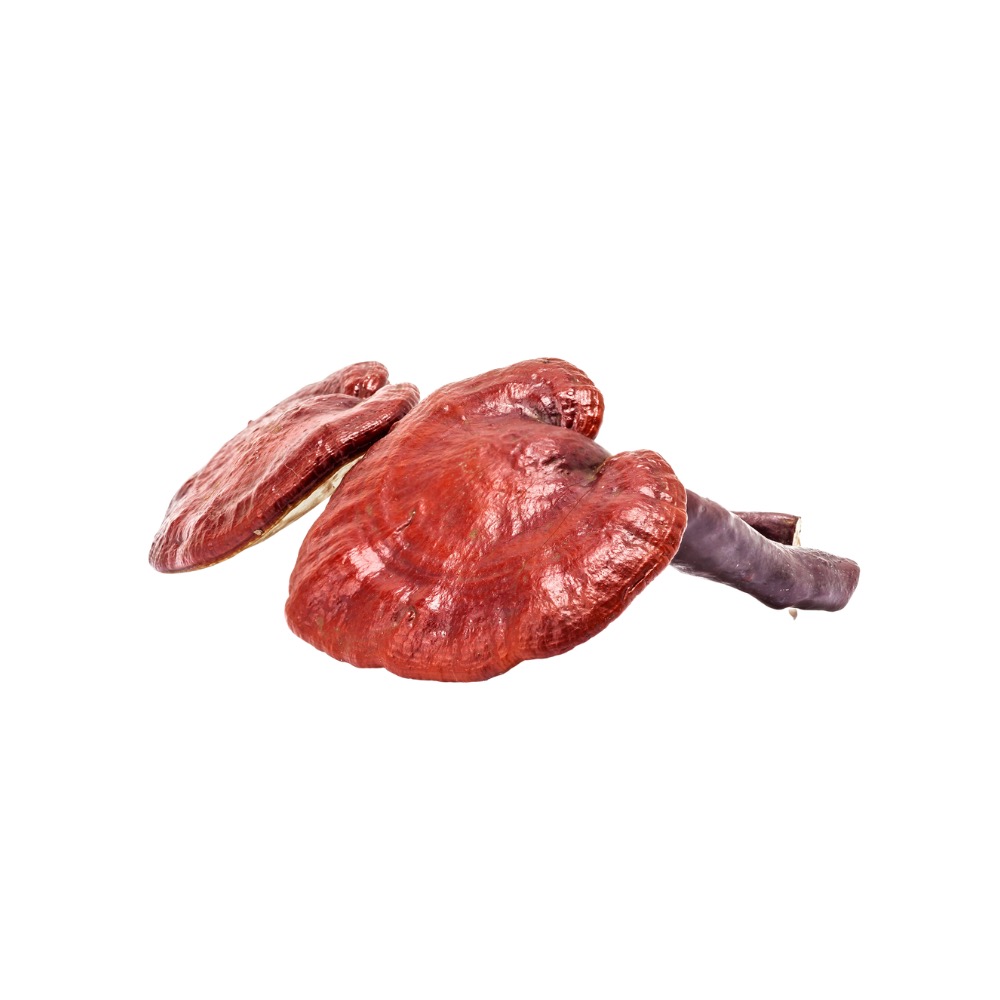 MildMildReishiGanoderma lucidumHistorically taken for gastric ulcers in East Asia, with no stomach research behind it.Mechanismtraditional East Asian use; mechanism not studiedRead the evidenceShow lessMonograph →
Gastric ulcers appear among the historical East Asian uses of the reishi fruiting body, alongside liver, lung and kidney complaints.
No gastric study has been published.
Powdered reishi has been linked to rare cases of severe liver injury, and reishi slows platelet aggregation, so it may add to blood thinners.
No herbs match these filters.
Safety
- Peptic ulcer is usually H. pylori or an NSAID; test for the infection rather than treating the tissue alone.
- Vomiting blood, black stools, unexplained weight loss, difficulty swallowing, persistent vomiting, anaemia or new indigestion over 55 need assessment.
- Glycyrrhizin-bearing preparations raise blood pressure and lower potassium and interact with diuretics, digoxin and corticosteroids; the healing evidence is for the deglycyrrhizinated extract.
- Relief of ulcer pain is not evidence of healing, since perforation and bleeding can follow a period of improving symptoms.
References
- Zheng H, Chen Y, Zhang J, Wang L, Jin Z, Huang H, Man S, Gao W. (2016). Evaluation of protective effects of costunolide and dehydrocostuslactone on ethanol-induced gastric ulcer in mice based on multi-pathway regulation. Chemico-Biological Interactions. https://pubmed.ncbi.nlm.nih.gov/26970604/
- Matsuda H, Shimoda H, Ninomiya K, Yoshikawa M. (2002). Inhibitory mechanism of costunolide, a sesquiterpene lactone isolated from Laurus nobilis, on blood-ethanol elevation in rats — involvement of inhibition of gastric emptying and increase in gastric juice secretion. Alcohol. https://pubmed.ncbi.nlm.nih.gov/11912066/
- Pandey MM, Rastogi S, Rawat AK. (2007). Saussurea costus — botanical, chemical and pharmacological review of an ayurvedic medicinal plant. Journal of Ethnopharmacology. https://pubmed.ncbi.nlm.nih.gov/17306480/
- Turpie AG, et al. (1969). Clinical trial of deglycyrrhizinized liquorice in gastric ulcer. Gut. https://pubmed.ncbi.nlm.nih.gov/4889526/
- D’Imperio N, et al. (1978). Double-blind trial in duodenal and gastric ulcers: cimetidine and deglycyrrhizinized liquorice — randomised. Acta Gastro-enterologica Belgica. https://pubmed.ncbi.nlm.nih.gov/373361/
- Rees WD, et al. (1979). Effect of deglycyrrhizinated liquorice on gastric mucosal damage by aspirin — animal model. Scandinavian Journal of Gastroenterology. https://pubmed.ncbi.nlm.nih.gov/493863/
- Hajiaghamohammadi AA, et al. (2016). Effect of adding licorice to the standard treatment regimen of Helicobacter pylori — randomised. Brazilian Journal of Infectious Diseases. https://pubmed.ncbi.nlm.nih.gov/27614124/
- Momeni A, et al. (2014). Effect of licorice versus bismuth on eradication of Helicobacter pylori in peptic ulcer disease — randomised. Pharmacognosy Research. https://pubmed.ncbi.nlm.nih.gov/25276073/
- Wittschier N, et al. (2009). Aqueous extracts and polysaccharides from liquorice roots inhibit adhesion of Helicobacter pylori to human gastric mucosa — in vitro. Journal of Ethnopharmacology. https://pubmed.ncbi.nlm.nih.gov/19607905/
- Barnaulov, OD. (1980). Anti-ulcer action of a decoction of the flowers of Filipendula ulmaria — animal model. Farmakol Toksikol, 43(6), 700–705. https://pubmed.ncbi.nlm.nih.gov/7450008/
- Samardžić, S. (2018). Antioxidant, anti-inflammatory and gastroprotective activity of Filipendula ulmaria and Filipendula vulgaris — ex vivo and animal model. J Ethnopharmacol, 213, 132–137. https://pubmed.ncbi.nlm.nih.gov/29132911/
- Ye H, et al. (2015). Anti-Helicobacter pylori activities of Chenopodium ambrosioides L. in vitro and in vivo. — [in vitro and in vivo]. World J Gastroenterol. https://pubmed.ncbi.nlm.nih.gov/25892867/
- Bandyopadhyay, U., et al. (2004). Clinical studies on the effect of neem (Azadirachta indica) bark extract on gastric secretion and gastroduodenal ulcer — clinical study. Life Sciences. https://pubmed.ncbi.nlm.nih.gov/15454339/
- Raji, Y., et al. (2004). Effects of Azadirachta indica extract on gastric ulceration and acid secretion in rats — animal model. Journal of Ethnopharmacology. https://pubmed.ncbi.nlm.nih.gov/14698526/
- Maity, P., et al. (2009). The use of neem for controlling gastric hyperacidity and ulcer — review. Phytotherapy Research. https://pubmed.ncbi.nlm.nih.gov/19140119/
- Wang ZT, Du Q, Xu GJ, et al. Investigations on the protective action of Codonopsis pilosula (Dangshen) extract on experimentally-induced gastric ulcer in rats. General Pharmacology. 1997;28(3):469–473. https://pubmed.ncbi.nlm.nih.gov/9068993/
- Chen Q, Sun Y, Hu X, et al. The effect and mechanism of Codonopsis Radix and its active components tangshenoside I and lobetyolin on preventing gastric ulcer based on spectrum-effect relationship. Journal of Ethnopharmacology. 2025. https://pubmed.ncbi.nlm.nih.gov/40653041/
- Hiruma-Lima CA, et al. (2009). Antiulcerogenic action of ethanolic extract of the resin from Virola surinamensis Warb. (Myristicaceae) — in vivo rodent study. J Ethnopharmacol. 122(2):406-9. https://pubmed.ncbi.nlm.nih.gov/19162155/
- Pereira AC, et al. (2017). Gastroprotective activity of the resin from Virola oleifera — in vivo mouse study. Pharm Biol. 55(1):472-480. https://pubmed.ncbi.nlm.nih.gov/27937036/
- Almeida GVB, et al. (2019). Chemical characterization and evaluation of gastric antiulcer properties of the hydroethanolic extract of the stem bark of Virola elongata (Benth.) Warb — in vivo rodent study. J Ethnopharmacol. 231:113-124. https://pubmed.ncbi.nlm.nih.gov/30415060/
- Wang, X. Y., et al. (2022). Gastroprotective activity of polysaccharide from Hericium erinaceus against acetic-acid-induced gastric ulcer — rat in vivo study. Int J Biol Macromol. https://pubmed.ncbi.nlm.nih.gov/35483513/
- Gravina, A. G., et al. (2023). Hericium erinaceus, a medicinal fungus: evidence in gastrointestinal diseases — review. World J Gastroenterol. https://pubmed.ncbi.nlm.nih.gov/37346156/
- Al-Howiriny, T., et al. (2009). Protective effect of Origanum majorana L. ‘Marjoram’ on various models of gastric mucosal injury in rats — animal model. American Journal of Chinese Medicine. https://pubmed.ncbi.nlm.nih.gov/19606513/
- Mahady, G. B., et al. (2005). In vitro susceptibility of Helicobacter pylori to botanical extracts used traditionally for the treatment of gastrointestinal disorders — in vitro. Phytotherapy Research. https://pubmed.ncbi.nlm.nih.gov/16317658/
- Elkousy, R. H., et al. (2022). GC/MS analysis and potential synergistic effect of mandarin and marjoram oils on Helicobacter pylori — in vitro. Journal of Enzyme Inhibition and Medicinal Chemistry. https://pubmed.ncbi.nlm.nih.gov/35642325/
- Twardowschy, A., Freitas, C. S., Baggio, C. H., et al. (2008). Antiulcerogenic activity of bark extract of Tabebuia avellanedae — rat model. Journal of Ethnopharmacology, 118(3), 455-459. https://pubmed.ncbi.nlm.nih.gov/18579323/
- Pereira, I. T., Burci, L. M., da Silva, L. M., et al. (2013). Antiulcer effect of bark extract of Tabebuia avellanedae: activation of cell proliferation in gastric mucosa during healing — rat model. Phytotherapy Research, 27(7), 1067-1073. https://pubmed.ncbi.nlm.nih.gov/22969019/
- Park, B. S., Lee, H. K., Lee, S. E., et al. (2006). Antibacterial activity of Tabebuia impetiginosa Martius ex DC (Taheebo) against Helicobacter pylori — in vitro. Journal of Ethnopharmacology, 105(1-2), 255-262. https://pubmed.ncbi.nlm.nih.gov/16359837/
- Bhatnagar, M., Sisodia, S.S. (2006). Antisecretory and antiulcer activity of Asparagus racemosus against indomethacin plus pyloric ligation-induced gastric ulcer — animal model (rat). Journal of Herbal Pharmacotherapy. https://pubmed.ncbi.nlm.nih.gov/17135157/
- Bhatnagar, M., et al. (2005). Antiulcer and antioxidant activity of Asparagus racemosus and Withania somnifera in rats — animal model. Annals of the New York Academy of Sciences. https://pubmed.ncbi.nlm.nih.gov/16387694/
- Dharmani, P., et al. (2005). Desmodium gangeticum: a potent anti-ulcer agent — animal model (rat). Indian Journal of Experimental Biology. https://pubmed.ncbi.nlm.nih.gov/15991576/
- Rastogi, S., Pandey, M. M., & Rawat, A. K. (2011). An ethnomedicinal, phytochemical and pharmacological profile of Desmodium gangeticum and Desmodium adscendens — review. Journal of Ethnopharmacology. https://pubmed.ncbi.nlm.nih.gov/21530632/
- Cavalcanti AM, et al. (2006). Safety and antiulcer efficacy studies of Achillea millefolium L. after chronic treatment in Wistar rats — [rat in vivo]. J Ethnopharmacol. https://pubmed.ncbi.nlm.nih.gov/16647233/
- Keplinger, K., Laus, G., Wurm, M., et al. (1999). Uncaria tomentosa — ethnomedicinal use and new pharmacological, toxicological and botanical results — review. Journal of Ethnopharmacology. https://pubmed.ncbi.nlm.nih.gov/10075119/
- Taylor, L. (2005). The healing power of rainforest herbs: A guide to understanding and using herbal medicinals. Garden City Park, NY: Square One Publishers.
- Aleem, A., Aslam, B., et al. (2023). Phytochemical analysis and gastroprotective effect of Stellaria media methanolic extract on piroxicam-induced gastric ulcer — rat/in vivo. Pakistan Journal of Pharmaceutical Sciences. https://pubmed.ncbi.nlm.nih.gov/37869918/
- Gilca M, Gaman L, Panait E, et al. (2010). Chelidonium majus — an integrative review: traditional knowledge versus modern findings — review. Forsch Komplementmed. https://pubmed.ncbi.nlm.nih.gov/20980763/
- Bone K, Mills S. (2013). Principles and Practice of Phytotherapy. Elsevier Health. (Pg. 503–507). — traditional Western use, aerial-parts preference.
- Bone K. (2003). A Clinical Guide to Blending Liquid Herbs. Churchill Livingstone. (Pg. 261–264). — TCM indications.
- Venzon, L., et al. (2018). Essential oil of Cymbopogon citratus and geraniol, but not citral, promote gastric healing activity in mice — in vivo animal model. Biomedicine & Pharmacotherapy. https://pubmed.ncbi.nlm.nih.gov/29248831/
Keep Exploring