

Overview
Nutritive at a Glance
Nutritive herbs support health by supplying nutrients such as vitamins, minerals, protein, and fibre.
Unlike most herbal actions, the effect is largely nutritional rather than receptor-driven.
The important question is how much of the plant is actually being consumed.
Amaranth, cashew, oats, dandelion leaf, and other food-like herbs can provide meaningful nutrients when eaten in substantial amounts.
The same claim becomes much weaker when the preparation is a tincture, capsule, or a few grams of powder.
Some nutritive herbs work more indirectly.
Burdock, codonopsis, dandelion root, and acacia contain fermentable fibres such as inulin and gum arabic, which feed gut bacteria and support the production of short-chain fatty acids.
Slippery elm sits somewhere between food and medicine. Its bark was traditionally prepared as a nourishing gruel for convalescence as well as being used for its demulcent properties.
Nutritive herbs are used mainly where there is poor intake, convalescence, increased nutritional demand, or a need for gentle long-term nourishment.
Nutritive is the oldest of the herbal actions, because it predates medicine.
Slippery elm bark gruel was the convalescent food of nineteenth-century American practice, amaranth leaf sauces are a staple across Africa and South Asia, and European settlers in New Zealand used horopito leaves against scurvy.
Almost none of it has been quantified. Every vitamin in pine’s constituent list is unquantified, and horopito, kid ginseng, red spinach and slippery elm have no nutrient analysis of any kind behind them — these are foods with a long record of nourishing people, not measured ones.
Caution
Not a fix for a deficiency — a nutritive herb is not a substitute for identifying and correcting a specific deficiency, and fatigue, hair loss and pallor have specific causes a blood test identifies.
Some leaves are high in potassium — potassium-rich leaves matter where potassium is being managed, as in renal impairment or alongside potassium-sparing diuretics and ACE inhibitors.
Fermentable fibre causes bloating — the prebiotic herbs reliably produce bloating and flatulence in some people, and suit IBS and low-FODMAP presentations poorly.
Mechanisms
How It Works
01
Direct Nutrient Supply
The literal reading of the action: the plant contains the nutrient, and eating it supplies it.
Camu-camu delivers ascorbate at exceptional density along with niacin, riboflavin and thiamine.
Amaranth’s β-carotene is cleaved to retinal in the intestine and reduced to retinol, which is the single genuine biochemical step in the whole action.
Dandelion leaf carries roughly 4.5% potassium by dry weight, which is what makes its diuretic card interesting — a potassium-losing action in a potassium-rich plant.
The recurring problem is quantification. A nutritional claim without a number describes the food rather than the medicine, and the medicinal dose form is usually a tincture, where the nutrients are not what is being taken.
Composition is also not absorption. A stable-isotope trial found that adding more amaranth leaf did not raise the iron actually absorbed, because the leaf’s own oxalate and polyphenols chelate it.
02
Prebiotic Fermentation
Inulin-type fructans and gum arabic are carbohydrates people cannot digest and colonic bacteria ferment, remodelling the microbiota and producing short-chain fatty acids.
Burdock root is up to about half inulin by dry weight, codonopsis root’s neutral polysaccharide fraction is around 62% inulin, and dandelion’s autumn root reaches about 25%.
Acacia’s gum arabic is the best-evidenced of the group and the most mechanistically interesting, because it ferments slowly and distally rather than being consumed in the proximal colon.
This is the strongest justification available for the old alterative framing, where a herb was said to improve nutrition and elimination without any identifiable direct action.
It is also why these herbs cause bloating and flatulence in some people, and why they suit IBS and low-FODMAP presentations poorly. That is the mechanism working rather than an adverse reaction.
More Specific Actions
Sub-Actions
Nutritive has one narrower action beneath it, and it covers the herbs that nourish by way of the microbiome rather than directly.
Prebiotic
5 herbsFeeds beneficial gut bacteria with a fermentable fibre that shifts the microbiome rather than acting on the body directly. The nourishment reaches the person second-hand, through the short-chain fatty acids the bacteria produce.
Phytochemistry
Key Constituents
The compound classes most often behind a nutritive action.
- Minerals
- Vitamins
- Chlorophyll
- Proteins & amino acids
What It's For
Indications
- Depletion and poor nutritional status
- Convalescence and rebuilding
- Growth, pregnancy and breastfeeding
- Anaemia and low mineral reserves
Materia Medica
Nutritive Herbs by Potency
The nutritive herbs, ordered by the relative strength of the effect rather than by how well studied it is. Each herb is described by the mechanism behind its effect and the evidence for it.
None of this is a substitute for professional care.
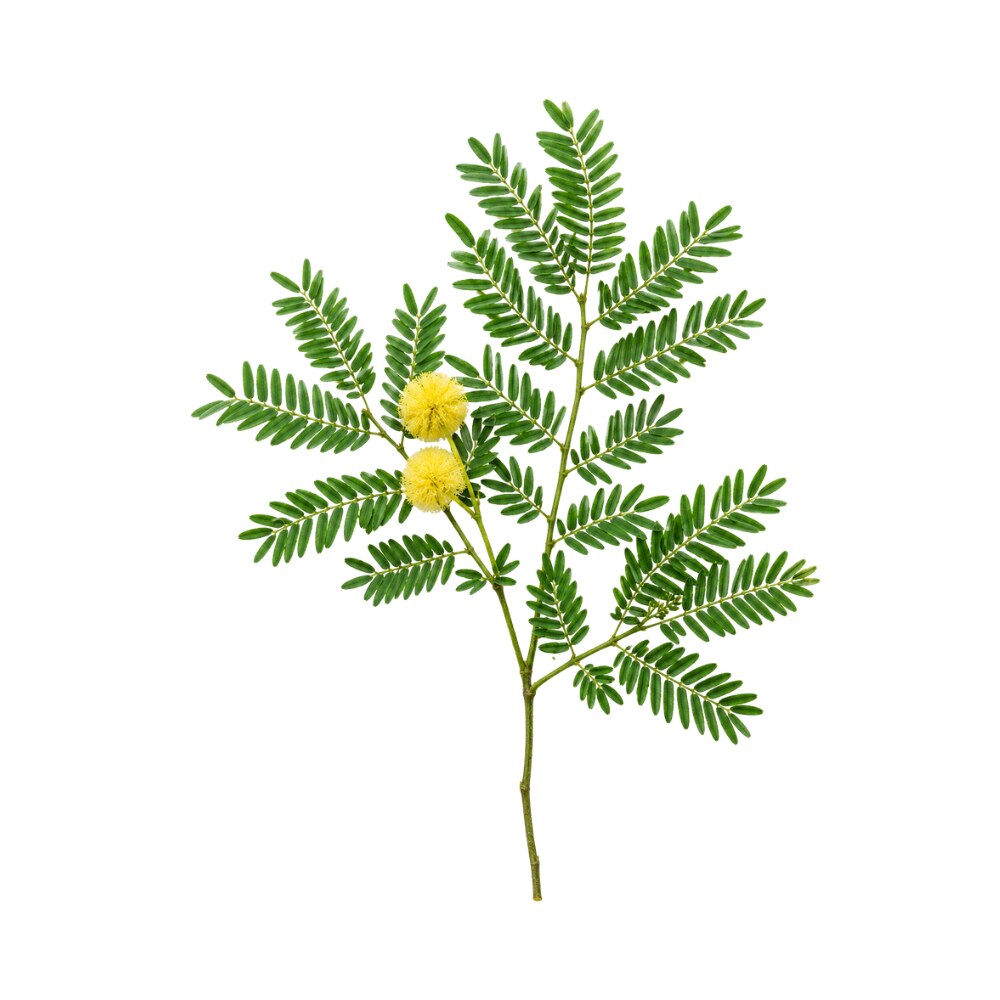 StrongStrongAcaciaAcacia spp.Gum arabic is the best-evidenced prebiotic here, and unusual for fermenting slowly in the distal colon rather than being used up proximally.Mechanismslow distal colonic fermentation of arabinogalactan-protein; SCFA (propionate, butyrate) ↑; Bifidobacteria & F. prausnitzii ↑Read the evidenceShow lessMonograph →
The preparation is the gum exudate of Senegalia senegal or Vachellia seyal — gum arabic — rather than the bark.
Gum arabic is a large branched arabinogalactan-protein complex people cannot digest, so it arrives in the colon intact and is fermented slowly and distally. Most fermentable fibres are consumed proximally; gum arabic instead delivers short-chain fatty acids to the segment where chronic colonic disease originates 1Reference 1Clinical trialEffect of Gum Arabic (Acacia senegal) on C-reactive protein level among sickle cell anemia patients — clinical trialView study →.
Gut-simulator models show it selectively raises Bifidobacteria and Faecalibacterium prausnitzii and lifts propionate and butyrate 1Reference 1Clinical trialEffect of Gum Arabic (Acacia senegal) on C-reactive protein level among sickle cell anemia patients — clinical trialView study →, and a systematic review of 29 clinical trials concluded that ingested gum arabic reliably behaves as a prebiotic, moving inflammatory and adiposity markers downstream of that fermentation 2,
The microbiome shifts themselves are characterised in vitro and in animals. The human evidence is downstream markers rather than longitudinal sequencing.
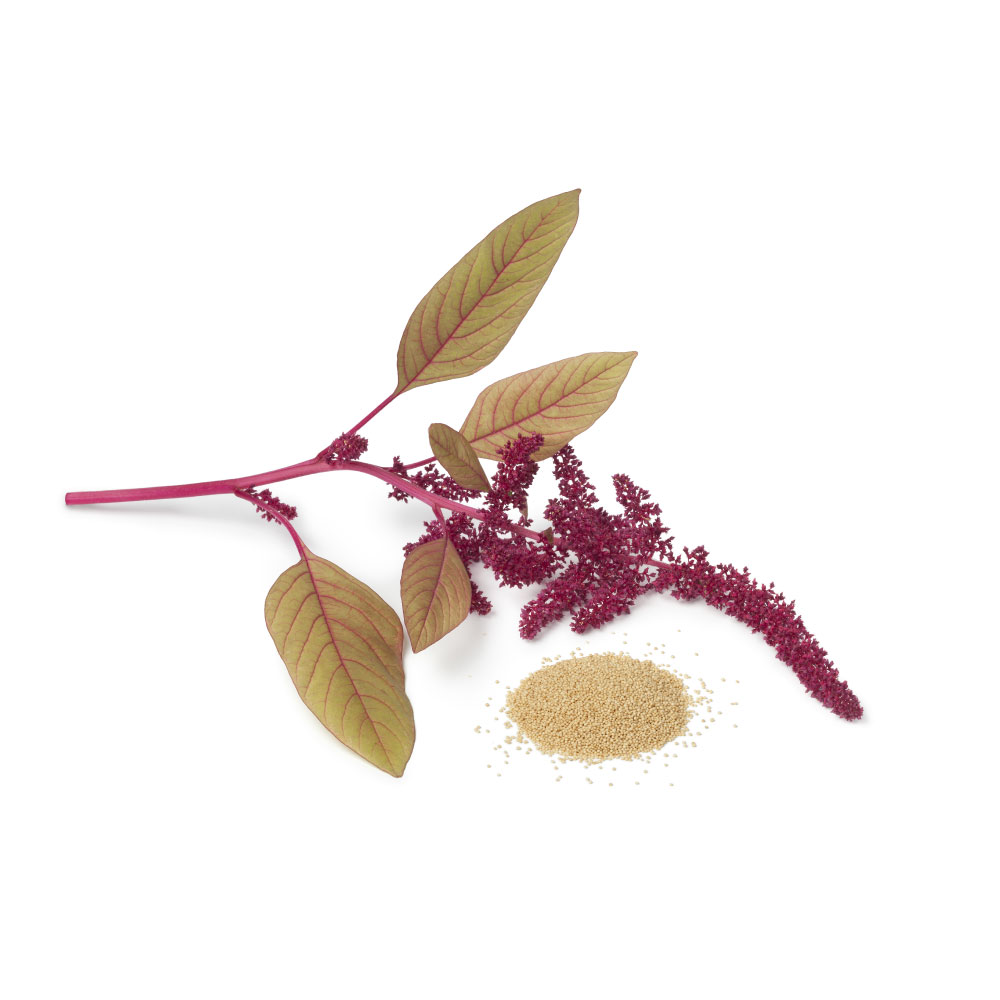 StrongStrongAmaranthAmaranthus blitumA front-rank leafy green: its β-carotene raised serum retinol and haemoglobin in Kenyan preschool children, which is the only human nutrition data on this list.Mechanismprovitamin-A conversion (β-carotene → retinal → retinol); mineral/ascorbate substrate supply — no pharmacological targetRead the evidenceShow lessMonograph →
The leaf supplies β-carotene, ascorbate, calcium, magnesium, folate and iron, and the single biochemical step involved is intestinal cleavage of β-carotene to retinal and its reduction to retinol. This is a food property rather than a pharmacological action.
Human intervention work carries it. A cooked sun-dried amaranth-and-cowpea-leaf recipe raised serum β-carotene, retinol and haemoglobin in Kenyan preschool children, with over 60% of the β-carotene surviving processing 4Reference 4Cooked sun-dried amaranth-and-cowpea-leaf recipe raises serum β-carotene, retinol and haemoglobin — human intervention studyView study →, and intake modelling in Burkina Faso suggests leaf sauces could supply most of a child’s daily vitamin-A and iron requirement 5Reference 5Kenyan amaranth leaf sauces as a source of vitamin A and iron — dietary intake modellingView study →.
Genotype work across 16 A. blitum lines shows the carotenoid and ascorbate load is real but varies three- to fifteen-fold with genotype, maturity and growing conditions 6Reference 6Nutrients, minerals, pigments, phytochemicals and radical-scavenging activity in Amaranthus blitum — analytical characterisation of 16 genotypesView study →, so amaranth leaf is not one dose.
A stable-isotope trial found that adding more leaf did not raise the iron actually absorbed, because the leaf’s own oxalate and polyphenols chelate it 7Reference 7RCTA Higher Proportion of Iron-Rich Leafy Vegetables in a Typical Burkinabe Maize Meal Does Not Increase the Amount of Iron Absorbed in Young Women — randomised stable-isotope studyView study →. Amaranth is a vitamin-A vegetable that reads as an iron vegetable on a nutrition table.
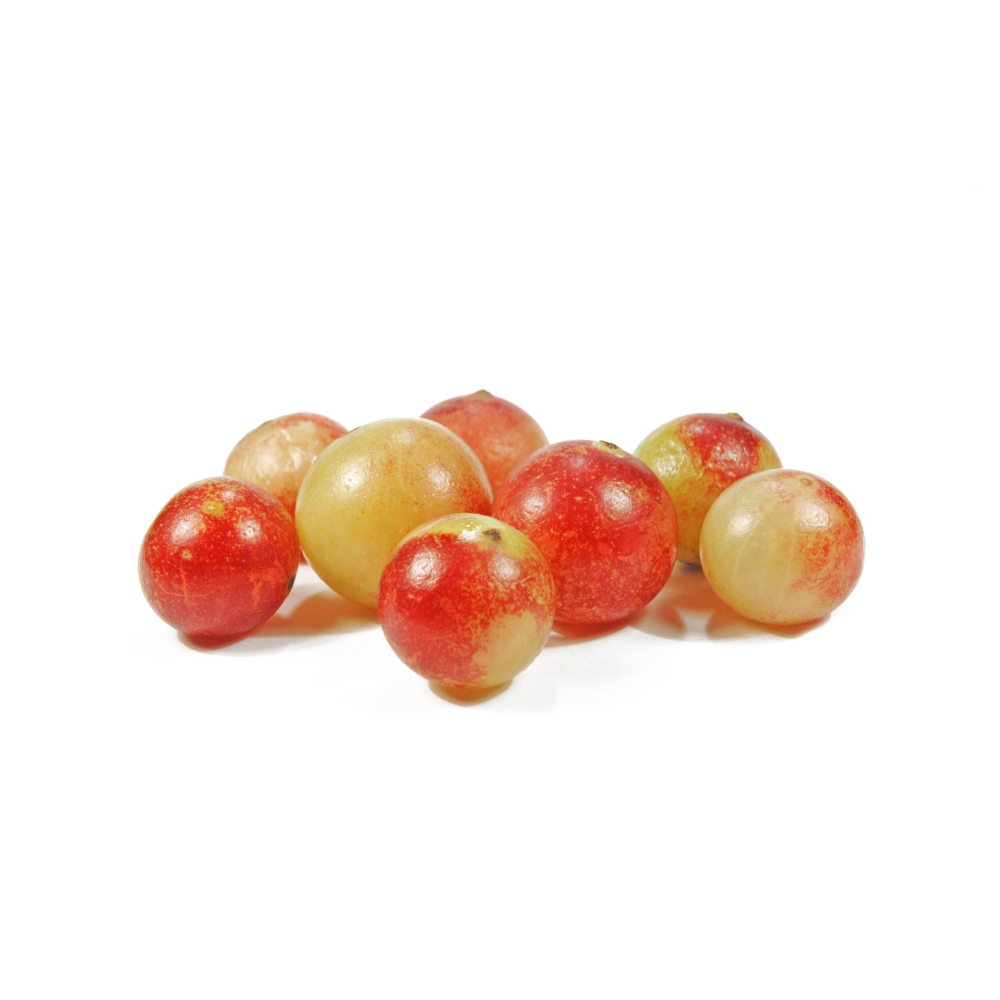 StrongStrongCamu-camuMyrciaria dubiaRoughly 30× the vitamin C of an orange, 10× the iron and 3× the niacin — a single-nutrient extreme rather than broad-spectrum nourishment.Mechanismdietary ascorbate supply (plus niacin, riboflavin, thiamin, β-carotene, iron)Read the evidenceShow lessMonograph →
Total ascorbic acid has been recorded up to 500,000 ppm, against acerola’s 16,000–172,000 and orange’s 500–4,000, alongside β-carotene, niacin, riboflavin, thiamin and several amino acids 14Reference 14The Healing Power of Rainforest Herbs: A Guide to Understanding and Using Herbal Medicinals.
The profile is narrow. Nutritive usually means broad-spectrum nourishment, and camu-camu is unrivalled on one vitamin and unremarkable on bulk macro- and micronutrition at the 1–5 g a day it is actually taken.
Content varies enormously with ripeness, ecotype and storage 14Reference 14The Healing Power of Rainforest Herbs: A Guide to Understanding and Using Herbal Medicinals.
There is no deficiency-correction or repletion trial anywhere. The scurvy and immune framing is inference from composition, and the only human study that dosed it as a vitamin C source measured oxidative markers rather than nutrient status 15Reference 15Tropical fruit camu-camu (Myrciaria dubia) has anti-oxidative and anti-inflammatory propertiesView study →.
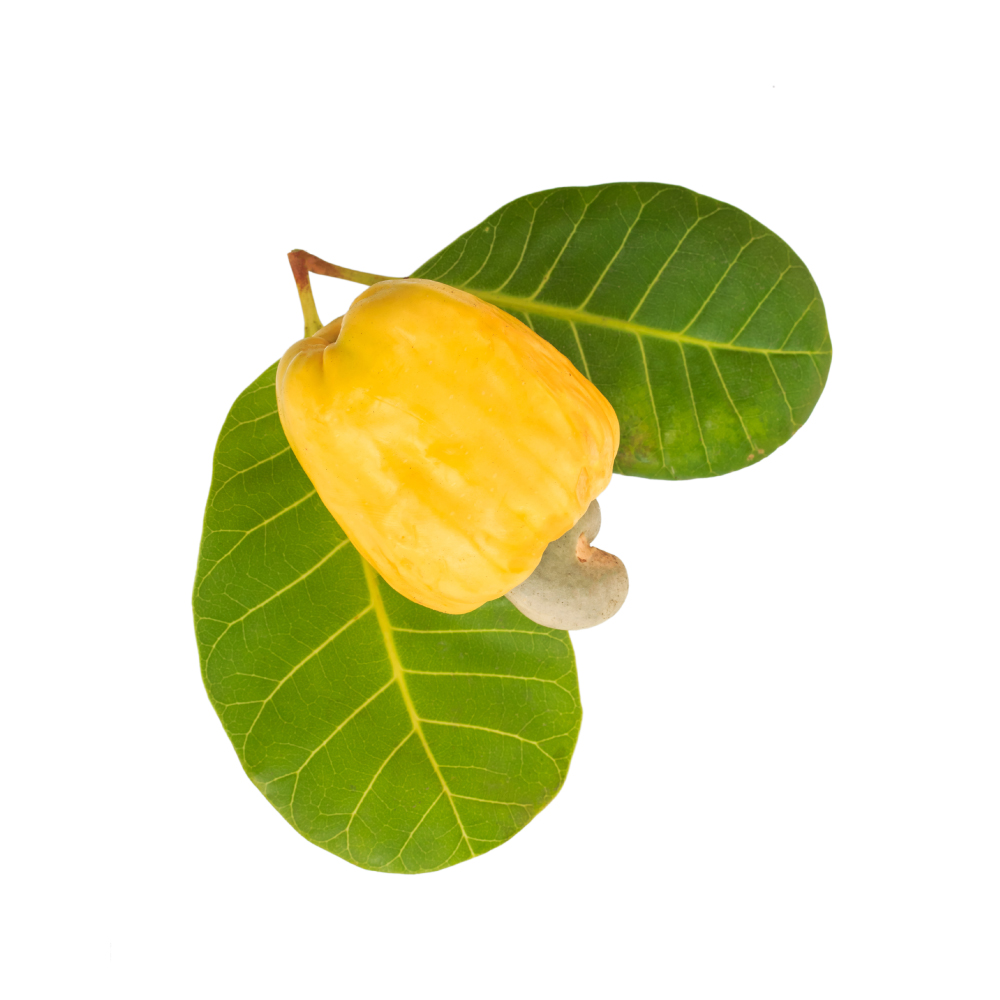 StrongStrongCashewAnacardium occidentaleThe kernel stands out among nuts for plant protein, magnesium, sterols and α-linolenic acid — but that is the nut, not the bark decoction.Mechanismnot established — nutrient supply (plant protein, Mg/K, phytosterols, α-linolenic acid, ascorbate)Read the evidenceShow lessMonograph →
Per 100 g the nut supplies 2,314 kJ, 18.2 g protein, 5.9 g fibre and 46.4 g fat — 27.3 g monounsaturated, 7.7 g linoleic and 0.15 g α-linolenic acid — with 158 mg plant sterols, 292 mg magnesium, 660 mg potassium, 37 mg calcium and 25 μg folate 16Reference 16ReviewHealth benefits of nut consumption — reviewView study →. Against other nuts, cashew stands out for plant protein, α-linolenic acid, sterols and magnesium 16Reference 16ReviewHealth benefits of nut consumption — reviewView study →.
The cashew apple carries roughly five times the vitamin C of citrus, alongside carotenoids and myricetin and quercetin glycosides 17Reference 17Determination of the flavonoid components of cashew apple (Anacardium occidentale) by LC-DAD-ESI/MSView study →.
All of that describes eating cashews. The medicinal preparation — 2–4 g of bark or leaf decoction — has no nutritive content at all.
Cashew is also a major IgE allergen and a cause of anaphylaxis.
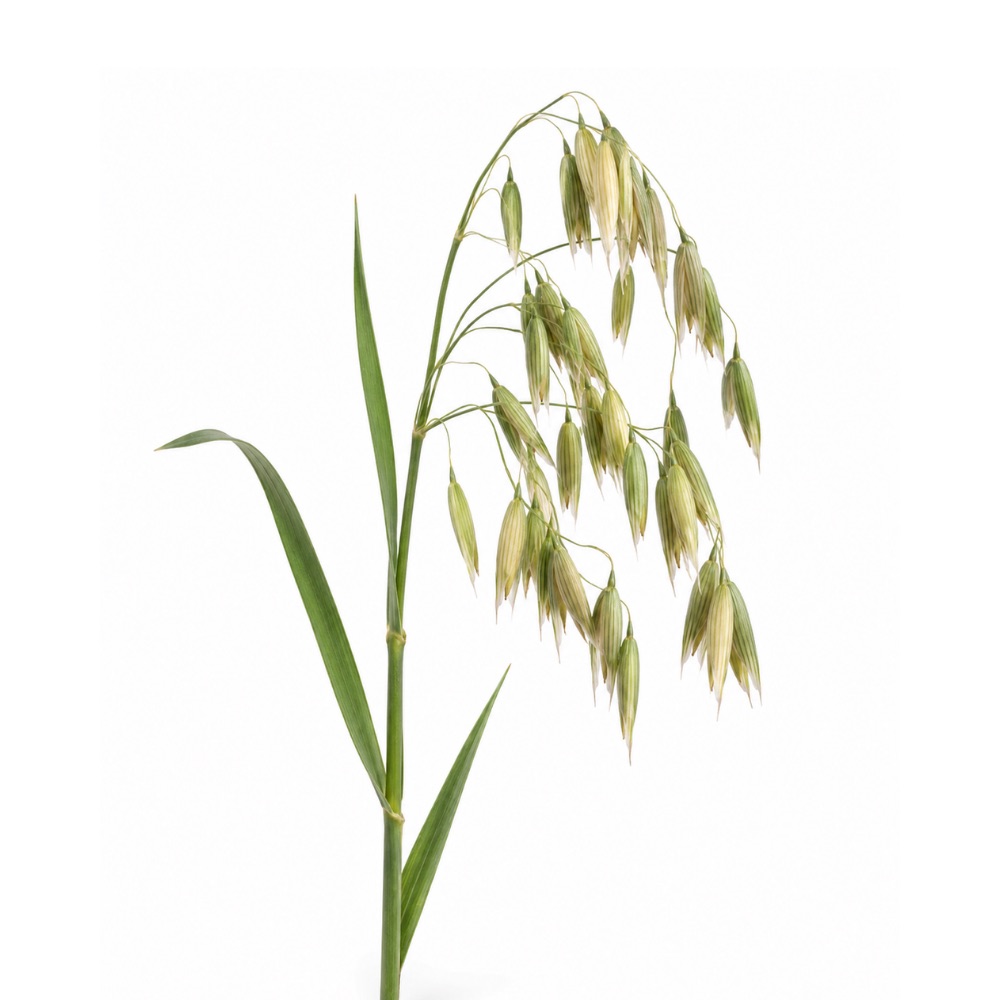 StrongStrongOatsAvena sativaA staple cereal whose principal medicinal constituent is also a nutrient: β-glucan is soluble fibre, doing both jobs at the same dose.Mechanismstaple-food macronutrient and soluble-fiber supply (β-glucan, protein, minerals)Read the evidenceShow less
The preparation is the grain, eaten by the bowlful, so the nutritive claim is a plain description rather than a therapeutic assertion.
What lifts it above being a food is that oats’ principal medicinal constituent is also a nutrient. β-glucan is soluble fibre, so the nutritive and hypolipidemic actions are the same molecule doing the same physical thing at the same dose, and there is no separate mechanism to establish.
No study addresses nutritional status as an endpoint — no deficiency-correction trial and no micronutrient repletion study. The claim rests on composition, which for a staple grain is sufficient without being a measurement.
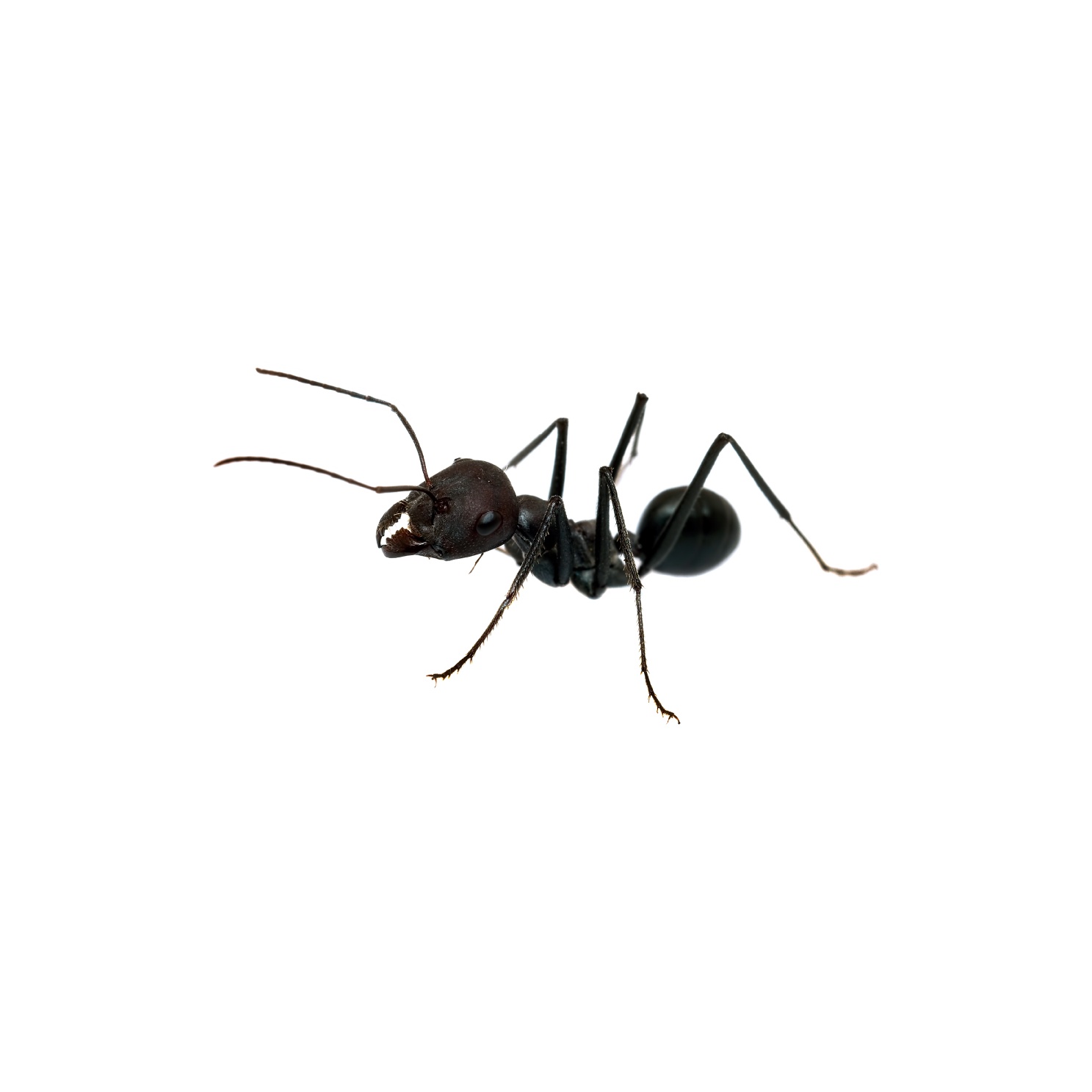 ModerateModerateBlack AntPolyrhachis spp.Roughly 42–67% protein by dry weight with a complete amino-acid profile and a zinc-dominated mineral fraction — at a 1–3 g dose that is real for zinc and negligible for protein.Mechanismzinc-dependent enzyme cofactor supply; dietary amino-acid substrate provision; catecholamine/serotonin precursor supply (Phe/Tyr/Trp)Read the evidenceShow lessMonograph →
Compositional analysis of P. vicina reports roughly 42–67% of dry weight as protein with a complete 18-amino-acid profile against only about 9–10% fat, plus insoluble chitin fibre and a trace-mineral fraction dominated by zinc, alongside calcium, magnesium, manganese, iron and selenium and vitamins B1, B2 and B12 8Reference 8Nutritional composition of Polyrhachis vicina Roger (Edible Chinese black ant) — compositional analysis.
Zinc is a cofactor for hundreds of metalloenzymes, and phenylalanine, tyrosine and tryptophan are the rate-limiting substrates for catecholamine and serotonin synthesis 8Reference 8Nutritional composition of Polyrhachis vicina Roger (Edible Chinese black ant) — compositional analysis. That is the only defensible route from nutrient density to the herb’s neurological claims.
The traditional serving is about 1–3 g of powder a day, so an elite per-gram composition delivers roughly 0.5–2 g of protein and a trace-level mineral increment — nutritionally real for zinc and negligible for protein.
Values vary with species, season and processing, and the whole account rests on a single compositional paper. Black ant also carries shellfish and dust-mite tropomyosin cross-reactivity.
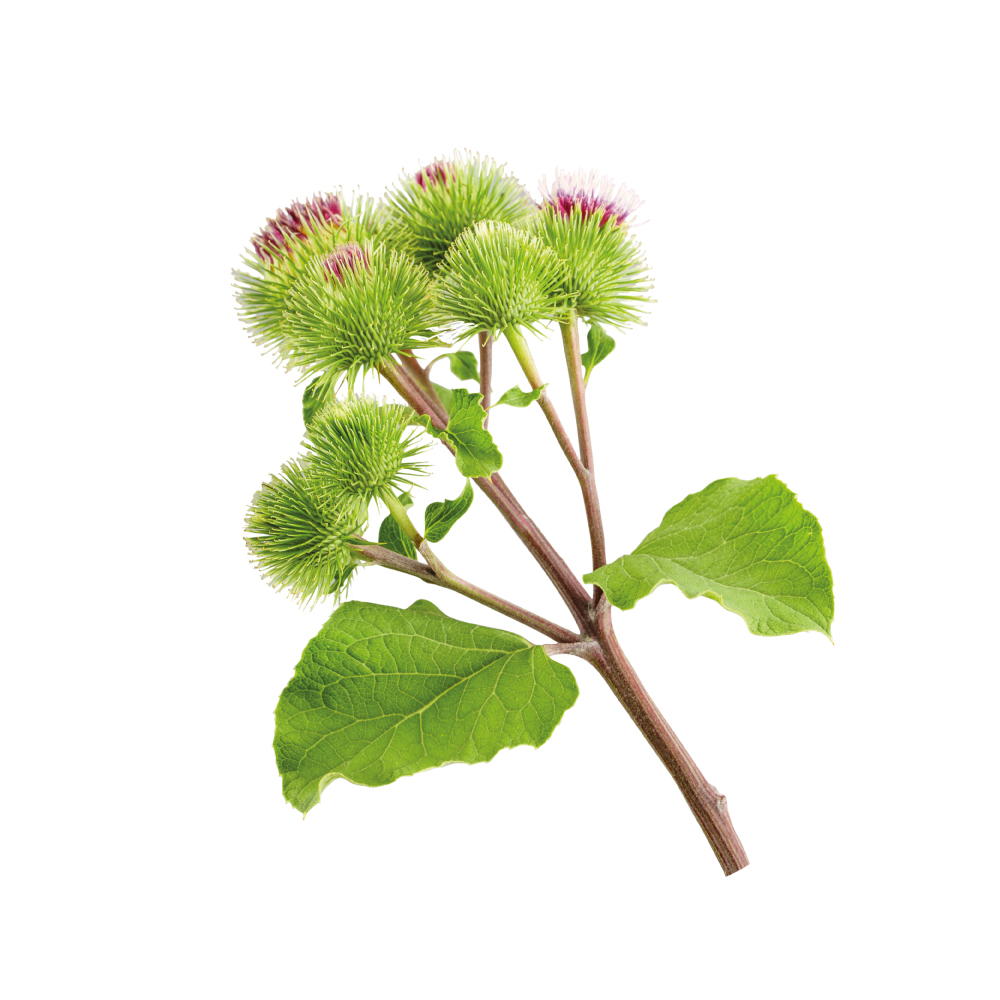 ModerateModerateBurdockArctium lappaThe root is up to half inulin by dry weight and is eaten as a staple vegetable in East Asia — fermentable fibre rather than nutrient density.Mechanismprebiotic fructan fermentation; gut-microbiota remodelingRead the evidenceShow lessMonograph →
Burdock root is up to about 50% inulin by dry weight 9,
The mechanistic thread is rodent-level. Root polysaccharide corrected diabetic lipid metabolism through the PKC and NF-κB pathway 11Reference 11AnimalRegulation of lipid metabolism in diabetic rats by Arctium lappa L. polysaccharide through the PKC/NF-κB pathway — rat in vivoView study →, arctigenin reshaped gut microbiota in high-fat-diet mice 12Reference 12AnimalArctigenin ameliorates high-fat diet-induced metabolic disorders by reshaping gut microbiota — mouse in vivoView study →, and root hydro-alcoholic extract lowered glucose and improved lipids in type-2 diabetic mice 13Reference 13AnimalAntidiabetic, hypolipidemic and hepatoprotective effects of Arctium lappa root extract in type 2 diabetic mice — animal modelView study →.
No vitamin, mineral or protein analysis of the root exists, so any claim of nutrient density goes past the evidence. What is documented is bulk fermentable fibre and food-grade safety.
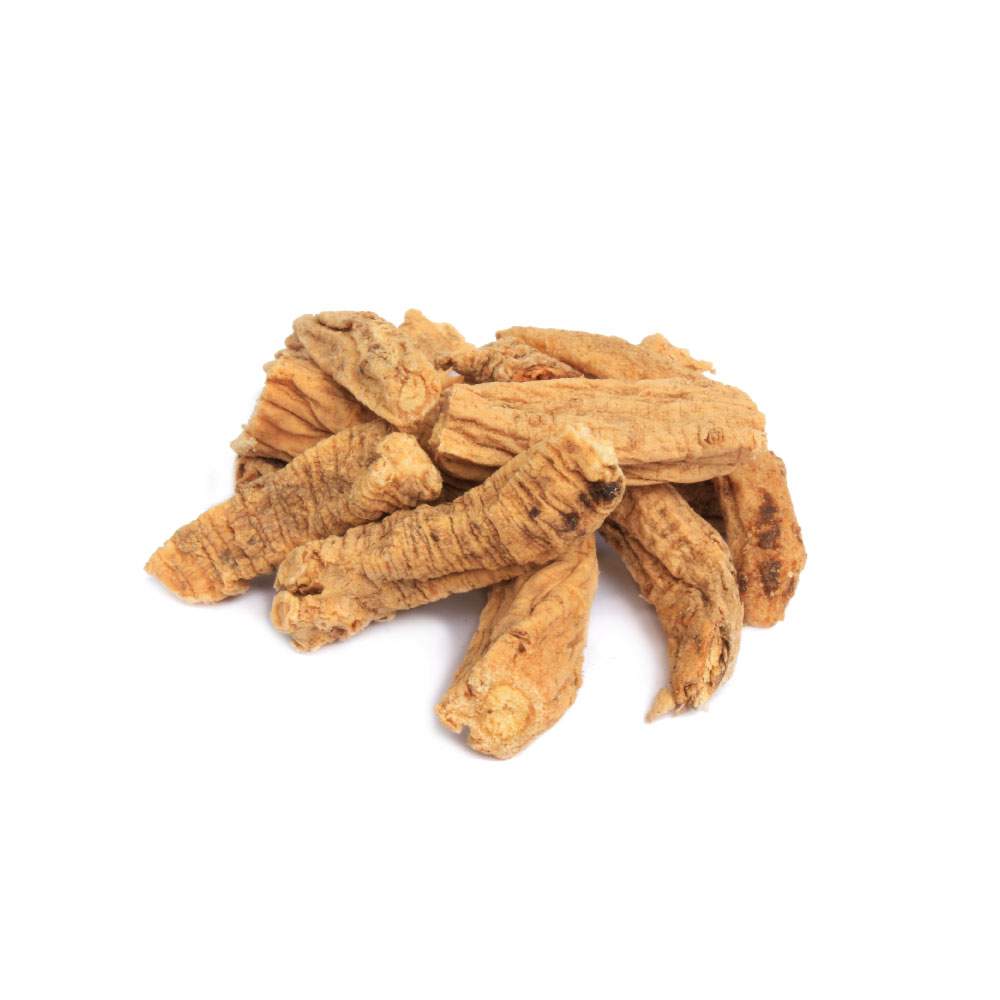 ModerateModerateCodonopsisCodonopsis pilosulaStorage carbohydrate dominates the root — inulin is about 62% of its neutral polysaccharide fraction — and dang shen is an officially recognised food-and-medicine herb in China.Mechanisminulin-type fructan bulk carbohydrate; gut-microbiota remodeling + AhR signaling; intestinal-barrier repairRead the evidenceShow lessMonograph →
Inulin makes up roughly 62% by weight of the root’s neutral polysaccharide fraction 18Reference 18ReviewCodonopsis radix: a review of resource utilisation, postharvest processing, quality assessment, and its polysaccharide compositionView study →, and codonopsis is an officially recognised medicinal-and-edible herb in China 19Reference 19ReviewCodonopsis Radix: a comprehensive review for its ethnopharmacology, phytochemistry, pharmacodynamics, pharmacokinetics, toxicity and potential clinical applicationsView study →.
The nourishing action reads as fermentable fibre and mucosal restoration rather than nutrient delivery. The inulin-type fructan repaired cyclophosphamide-induced intestinal barrier damage 20Reference 20AnimalAn inulin-type fructan from Codonopsis pilosula ameliorates cyclophosphamide-induced immunosuppression and intestinal barrier injury in miceView study →, whole dang shen remodelled the gut microbiota and signalled through the aryl-hydrocarbon receptor by way of Alistipes onderdonkii 21Reference 21Codonopsis pilosula (Dangshen) alleviates ulcerative colitis through activation of the aryl-hydrocarbon-receptor signaling pathway by the gut bacterium Alistipes onderdonkii and its metabolite 5-HIAAView study →, and polysaccharide dosing corrected microbiota dysbiosis in aged mice 22Reference 22Codonopsis pilosula polysaccharide (CPP) alleviates D-Gal-induced aging and gut microbiota dysbiosisView study →.
The blood-tonic half of the traditional claim is much weaker. One study isolated a highly branched arabinogalactan with haematopoietic-protective effects 23Reference 23A highly branched arabinogalactan from Codonopsis pilosula: structural insights and hematopoietic-protective mechanismView study →; all other blood-building data come from multi-herb formulas where codonopsis cannot be isolated.
The widely repeated claim that it raises blood counts more effectively than ginseng has no head-to-head human data behind it.
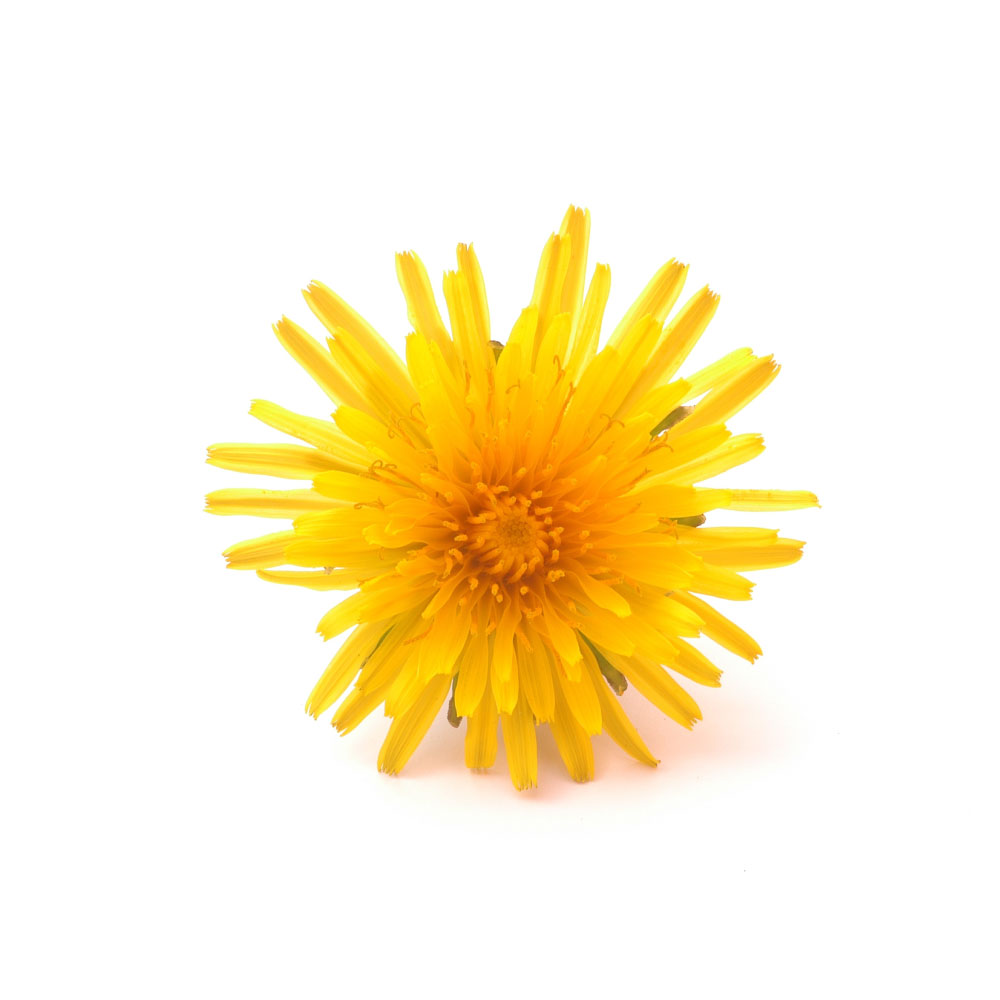 ModerateModerateDandelionTaraxacum officinaleLeaf potassium runs to about 4.5% of dry weight and the autumn root to about 25% inulin — two quantified constituents in a plant eaten as a food.Mechanismdietary potassium repletion (~4.5% dry leaf); inulin fermentation to short-chain fatty acidsRead the evidenceShow lessMonograph →
The leaf carries potassium up to about 4.5% of dry weight 24Reference 24ReviewTaraxacum—a review on its phytochemical and pharmacological profile — [review]View study →, high enough that it is treated as the mechanism behind another of the plant’s actions, while the autumn root runs to about 25% inulin, a prebiotic fructan fermented in the colon to short-chain fatty acids 24,
Both figures are quantified, both are whole-plant, and the herb is eaten as a food, so realistic intakes are achievable.
Only potassium and inulin are documented. The broader “rich in vitamins and minerals” spring-tonic claim has no analytical backing, and no repletion or nutritional-status endpoint has been measured.
The potassium content is high enough to matter where potassium is being managed, in renal impairment or alongside potassium-sparing diuretics and ACE inhibitors.
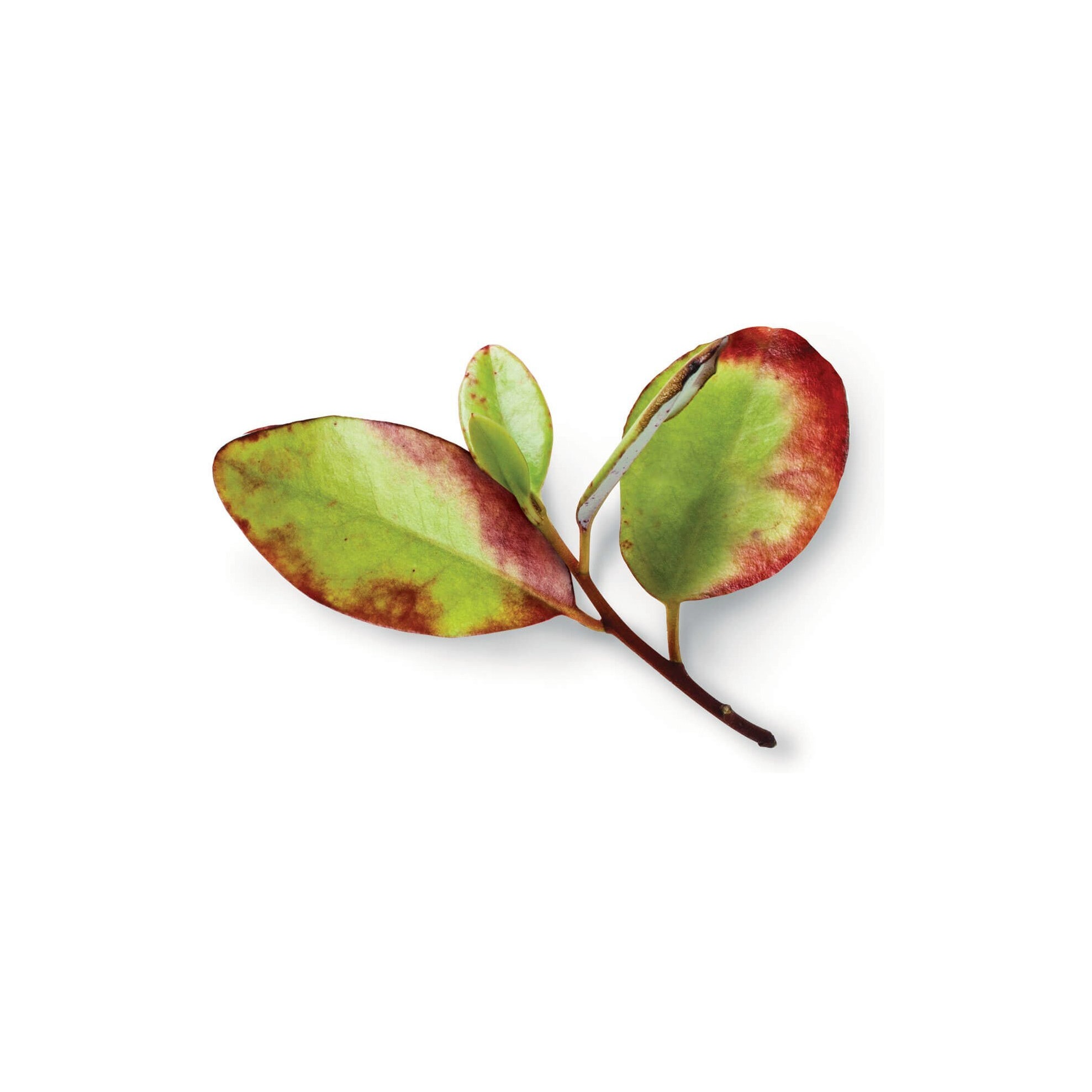 MildMildHoropitoPseudowintera colorataEuropean settlers in New Zealand used the leaves as a vitamin C source against scurvy — a well-recorded history, and an unquantified one.Read the evidenceShow lessMonograph →
The scurvy use is specific and well documented: settlers took horopito leaf as a source of vitamin C.
The vitamin C content has never been quantified and no study of it exists.
The modern dose form is 10–30 mL of a 1:2 extract, which is a medicinal quantity rather than a nutritional one. The history is sound; the preparation is not how anyone would eat a vitamin.
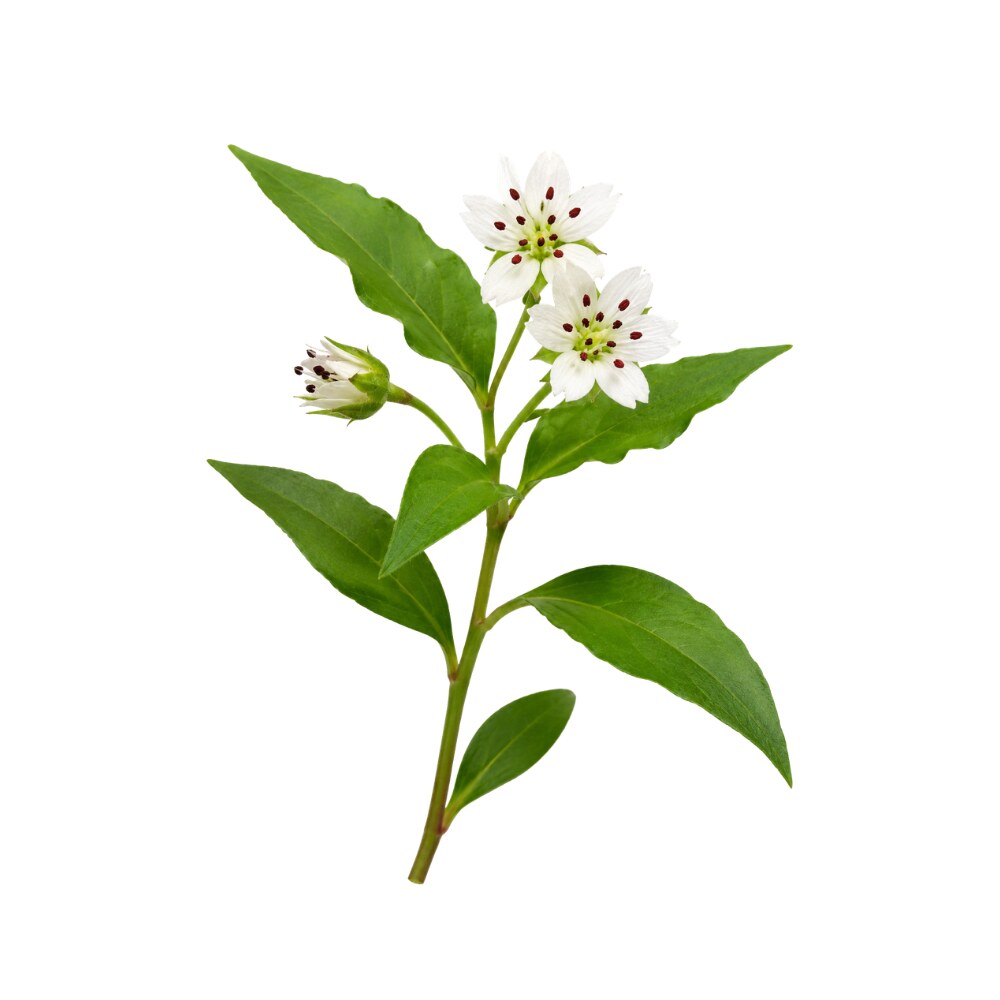 MildMildKid GinsengPseudostellaria heterophyllaLong food-and-medicine status and the traditional 'generates fluids' indication after illness, resting on the starch and polysaccharide bulk of the tuber.Read the evidenceShow lessMonograph →
Tai zi shen has long-standing food-and-medicine status, and its classical indication — generating fluids and restoring after illness — is a nutritive one in that system’s terms. The tuber is largely starch and polysaccharide.
No nutrient analysis and no research finding of any kind sits behind the claim.
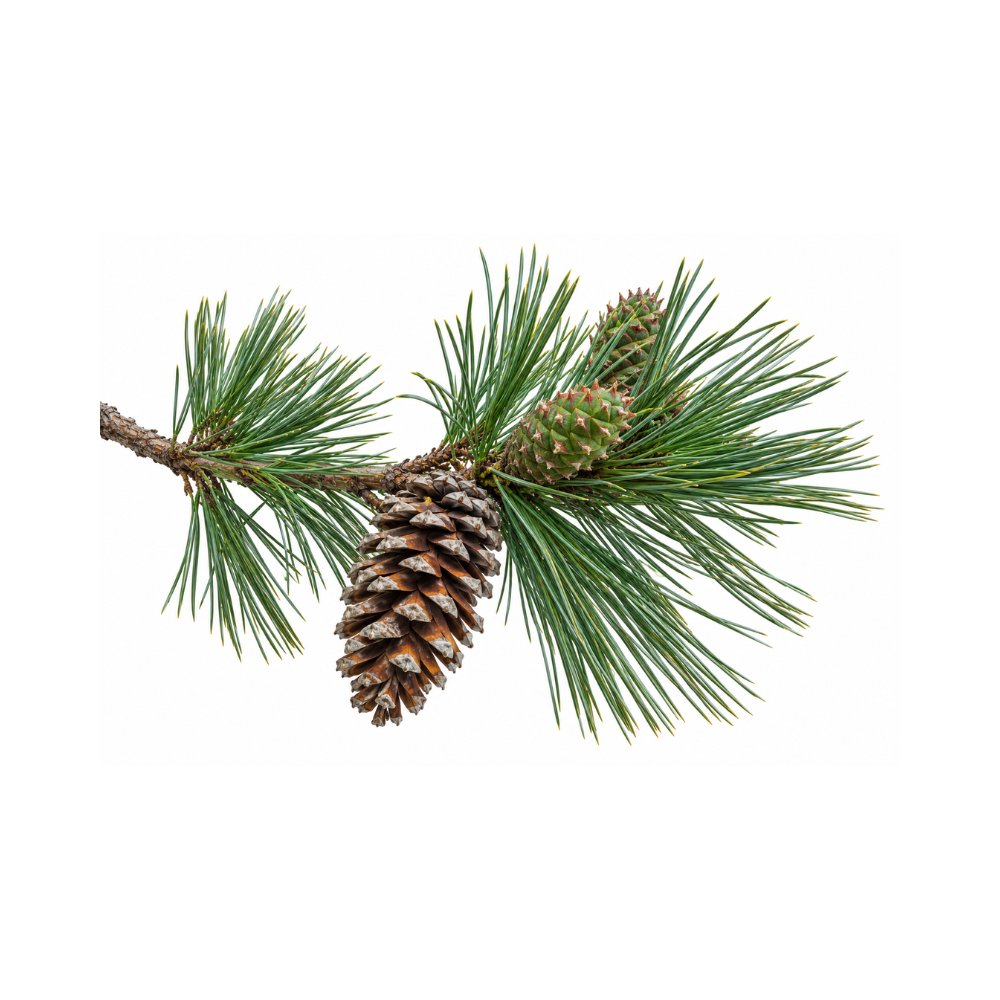
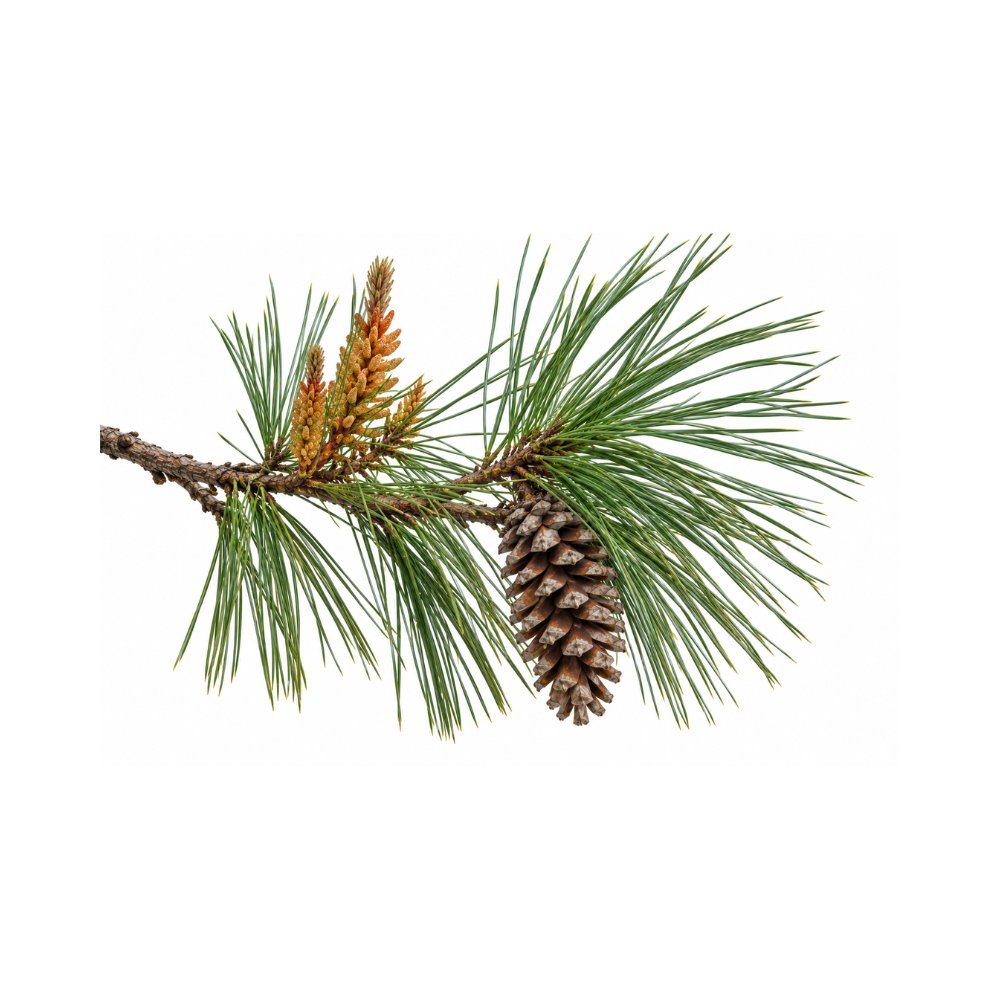
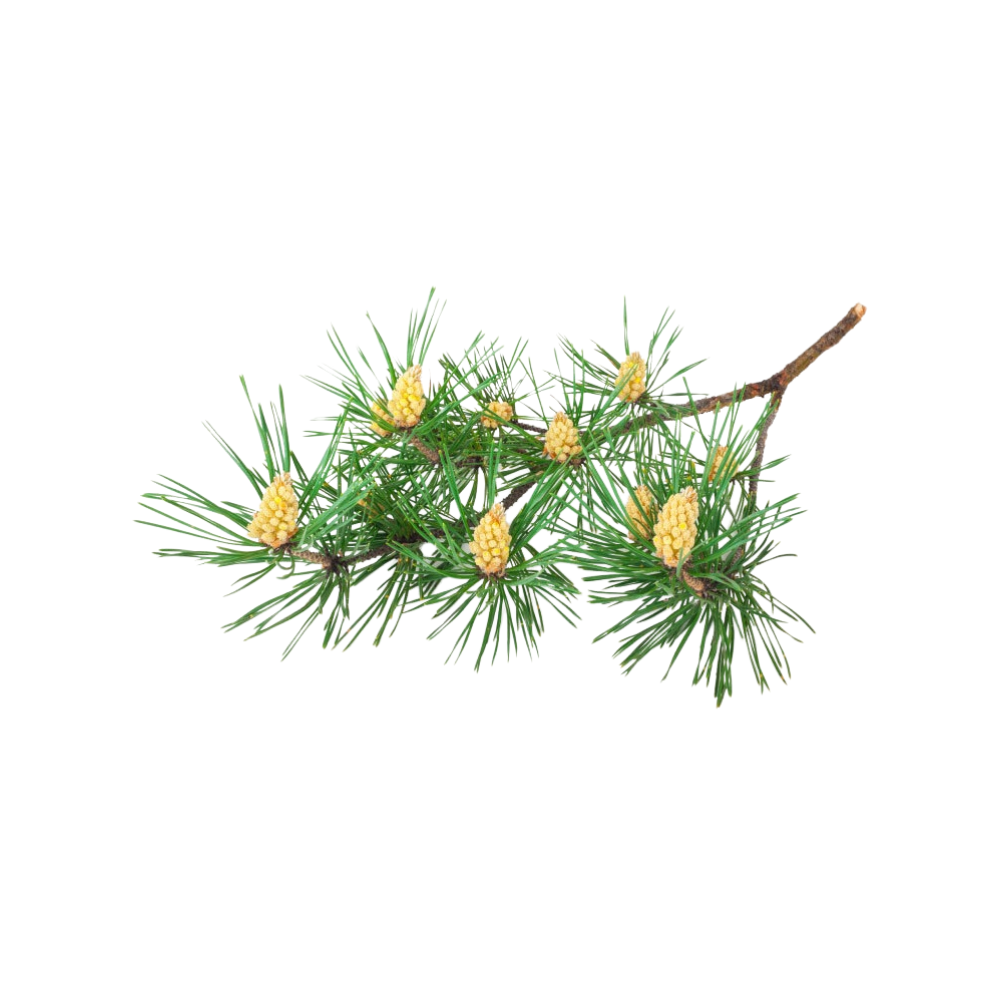 MildMildPinePinus spp.Pine nuts are rich in B vitamins, vitamin E, minerals and unsaturated fats, and needle tea was a real scurvy remedy — none of it quantified.Read the evidenceShow lessMonograph →
Pine nuts carry B vitamins, vitamin E, minerals and unsaturated fats; needle tea is a genuine vitamin-C source and was used against scurvy; pollen adds vitamins and amino acids on top.
No study exists, and every vitamin in the constituent list is unquantified.
The nutritional claim is true of the food and unmeasured in the medicine.
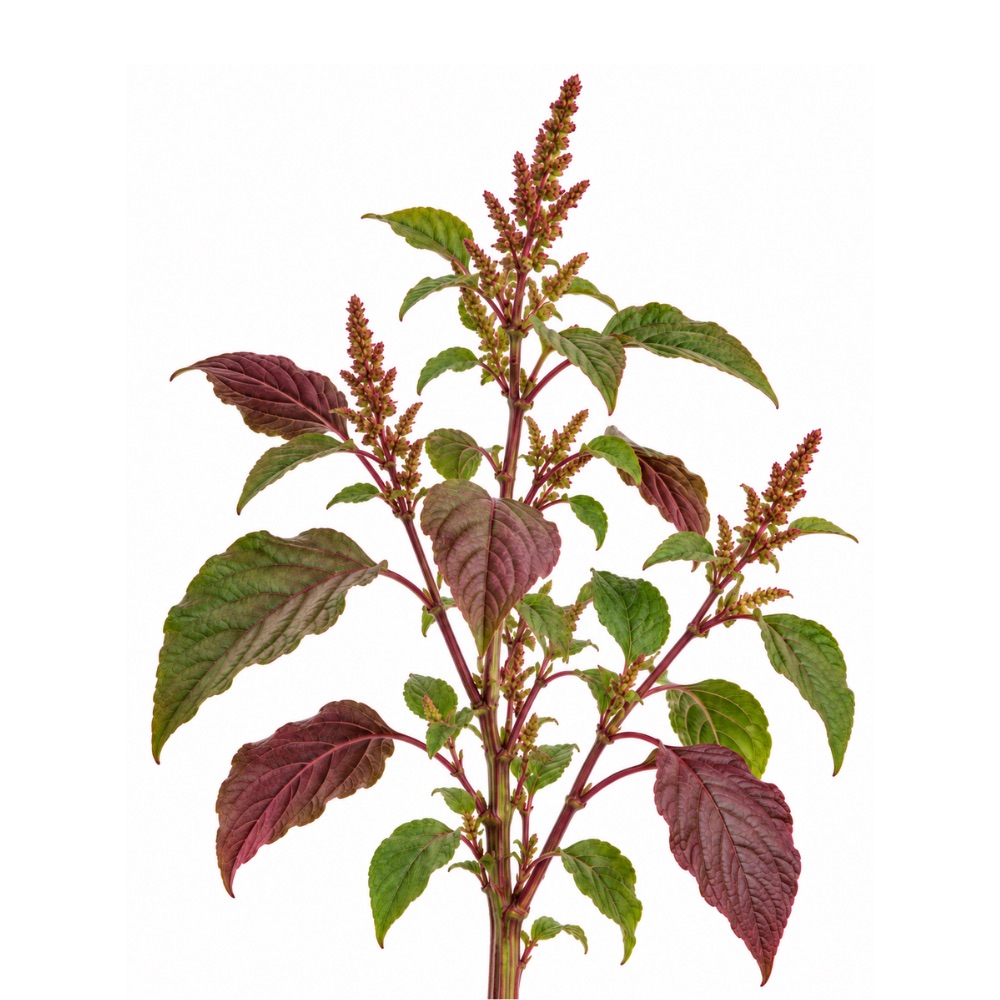 MildMildRed SpinachAmaranthus dubiusA leafy vegetable eaten as a staple green across South Asia, Africa and the Caribbean, so the nutritive claim is what the plant is.Read the evidenceShow less
Amaranthus dubius is a staple green, cooked and eaten in quantity across South Asia, Africa and the Caribbean.
No analysis distinguishes the medicinal preparation from the vegetable, and the plant’s other documented interest is its nitrate content.
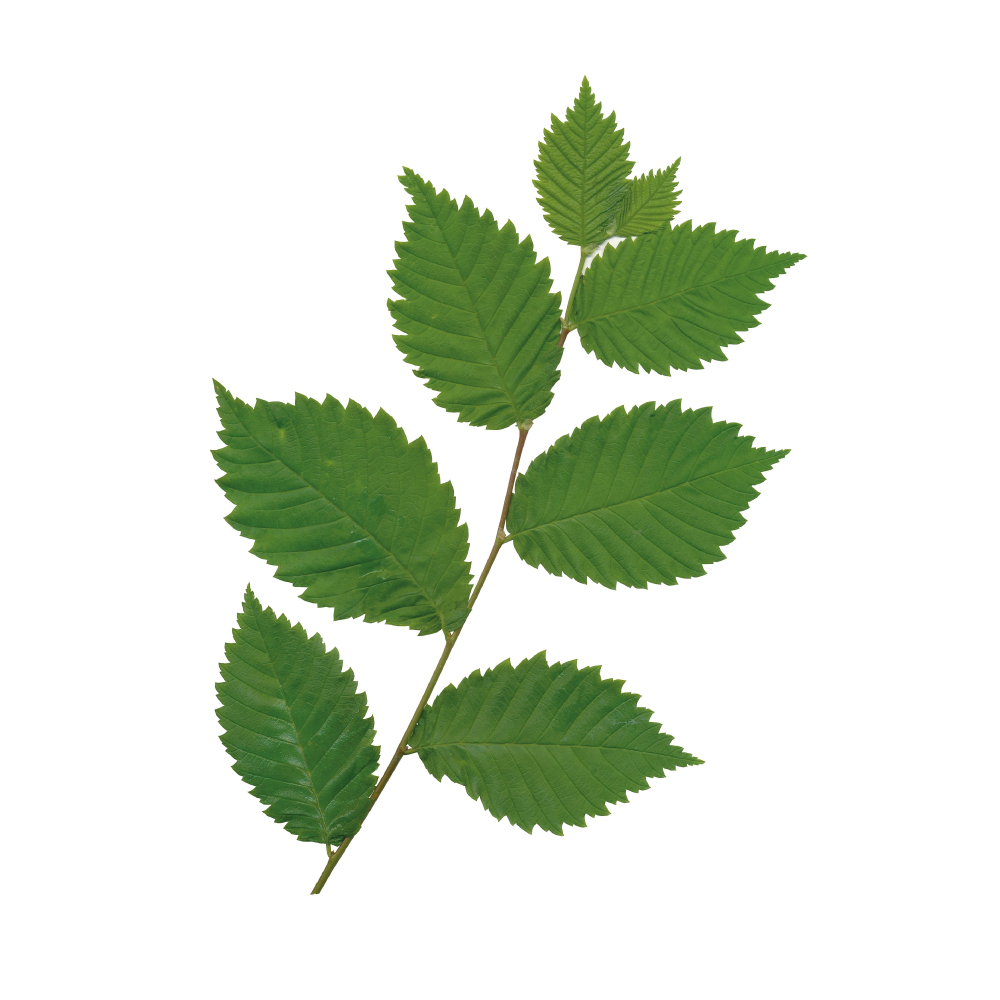 MildMildSlippery ElmUlmus rubraThe bark gruel was fed to infants, invalids and convalescents as a food — nutritious and easy to digest, and never analysed.Read the evidenceShow lessMonograph →
Slippery elm bark was made into a gruel and given to infants, invalids and convalescents, on the grounds that it was nutritious and easily digested. Grieve and Braun & Cohen are the sources.
No nutrient analysis of the bark exists. The herb’s evidenced action is demulcent, and the mucilage that makes the gruel is the same material.
No herbs match these filters.
Also Tagged
3 more herbs carry a nutritive action.
Safety
- The question here is delivery rather than toxicity: a tincture is not a food, and 5–30 mL of extract supplies negligible vitamin or mineral content.
- Fermentable-fibre herbs reliably produce bloating and flatulence, and suit IBS and low-FODMAP presentations poorly.
- That bloating is the mechanism working rather than an adverse reaction.
- Nuts and insect preparations in this group are major allergens and real causes of anaphylaxis.
- Potassium-rich leaves matter where potassium is being managed — renal impairment, potassium-sparing diuretics, ACE inhibitors.
- Oxalate-rich leaves are a caution in calcium-oxalate stone formers, and they also chelate the iron the same leaf contains.
- Nutritional deficiency is diagnosable and should be diagnosed; fatigue, hair loss and pallor have specific causes a blood test identifies.
References
- Kaddam, L. A., & Kaddam, A. S. (2020). Effect of Gum Arabic (Acacia senegal) on C-reactive protein level among sickle cell anemia patients — clinical trial. BMC Res Notes. https://pubmed.ncbi.nlm.nih.gov/32188508/
- Al-Jubori, Y., Ahmed, N. T. B., Albusaidi, R., et al. (2023). The Efficacy of Gum Arabic in Managing Diseases: A Systematic Review of Evidence-Based Clinical Trials — systematic review. Biomolecules. https://pubmed.ncbi.nlm.nih.gov/36671523/
- Elnour, A. A. M., Abdurahman, N. H., Musa, K. H., & Rasheed, Z. (2023). Prebiotic potential of gum Arabic for gut health — review. Int J Health Sci (Qassim). https://pubmed.ncbi.nlm.nih.gov/37929233/
- Nyambaka, H. N., et al. (2013). Cooked sun-dried amaranth-and-cowpea-leaf recipe raises serum β-carotene, retinol and haemoglobin — human intervention study. European Journal of Nutrition. https://doi.org/10.1007/s00394-012-0360-2
- Icard-Vernière, Olive, Picq, et al. (2015). Kenyan amaranth leaf sauces as a source of vitamin A and iron — dietary intake modelling. Plant Foods for Human Nutrition. https://doi.org/10.1007/s11130-014-0462-5
- Sarker, U., & Oba, S. (2020). Nutrients, minerals, pigments, phytochemicals and radical-scavenging activity in Amaranthus blitum — analytical characterisation of 16 genotypes. Scientific Reports. https://doi.org/10.1038/s41598-020-59848-w
- Cercamondi, C. I., et al. (2014). A Higher Proportion of Iron-Rich Leafy Vegetables in a Typical Burkinabe Maize Meal Does Not Increase the Amount of Iron Absorbed in Young Women — randomised stable-isotope study. Journal of Nutrition. https://doi.org/10.3945/jn.114.194670
- Wang, X., Ji, X., Liu, Q., Hong, X., & Wang, J. (2010). Nutritional composition of Polyrhachis vicina Roger (Edible Chinese black ant) — compositional analysis. Songklanakarin Journal of Science and Technology, 32(6), 621-626.
- Chan, Y.-S., et al. (2011). A review of the pharmacological effects of Arctium lappa (burdock) — review. Inflammopharmacology. https://pubmed.ncbi.nlm.nih.gov/20981575/
- Ferracane, R., et al. (2010). Metabolic profile of the bioactive compounds of burdock (Arctium lappa) seeds, roots and leaves. Journal of Pharmaceutical and Biomedical Analysis. https://pubmed.ncbi.nlm.nih.gov/19375261/
- Wang, Y., et al. (2019). Regulation of lipid metabolism in diabetic rats by Arctium lappa L. polysaccharide through the PKC/NF-κB pathway — rat in vivo. International Journal of Biological Macromolecules. https://pubmed.ncbi.nlm.nih.gov/31195041/
- Wang, N., Li, C., Zhang, Z., et al. (2024). Arctigenin ameliorates high-fat diet-induced metabolic disorders by reshaping gut microbiota — mouse in vivo. Phytomedicine. https://pubmed.ncbi.nlm.nih.gov/39396403/
- Ahangarpour, A., et al. (2017). Antidiabetic, hypolipidemic and hepatoprotective effects of Arctium lappa root extract in type 2 diabetic mice — animal model. Avicenna Journal of Phytomedicine. https://pubmed.ncbi.nlm.nih.gov/28348972/
- Taylor L. The Healing Power of Rainforest Herbs: A Guide to Understanding and Using Herbal Medicinals. Garden City Park, NY: Square One Publishers; 2005. (Ethnobotanical/secondary source — used for traditional-use, harvesting and comparative-composition context only.)
- Inoue T, et al. Tropical fruit camu-camu (Myrciaria dubia) has anti-oxidative and anti-inflammatory properties. Journal of Cardiology. 2008. https://pubmed.ncbi.nlm.nih.gov/18922386/
- Ros, E. (2010). Health benefits of nut consumption — review. Nutrients, 2(7), 652–682. doi:10.3390/nu2070652
- de Brito, E. S., et al. (2007). Determination of the flavonoid components of cashew apple (Anacardium occidentale) by LC-DAD-ESI/MS. Food Chemistry. https://pubmed.ncbi.nlm.nih.gov/25544795/
- Liang W, Sun J, Bai G, et al. Codonopsis radix: a review of resource utilisation, postharvest processing, quality assessment, and its polysaccharide composition. Frontiers in Pharmacology. 2024;15:1366556. https://doi.org/10.3389/fphar.2024.1366556
- Bai J, Xie N, Hou Y, et al. Codonopsis Radix: a comprehensive review for its ethnopharmacology, phytochemistry, pharmacodynamics, pharmacokinetics, toxicity and potential clinical applications. Phytomedicine. 2025. https://pubmed.ncbi.nlm.nih.gov/41275746/
- Xie X, Gu Y, Liu Y, et al. An inulin-type fructan from Codonopsis pilosula ameliorates cyclophosphamide-induced immunosuppression and intestinal barrier injury in mice. International Journal of Biological Macromolecules. 2025. https://pubmed.ncbi.nlm.nih.gov/40250123/
- Yang Q, Pang W, Ma L, et al. Codonopsis pilosula (Dangshen) alleviates ulcerative colitis through activation of the aryl-hydrocarbon-receptor signaling pathway by the gut bacterium Alistipes onderdonkii and its metabolite 5-HIAA. American Journal of Chinese Medicine. 2026. https://pubmed.ncbi.nlm.nih.gov/41692705/
- Zhang B, Zhang C, Yu M, et al. Codonopsis pilosula polysaccharide (CPP) alleviates D-Gal-induced aging and gut microbiota dysbiosis. International Journal of Molecular Sciences. 2026. https://pubmed.ncbi.nlm.nih.gov/42123518/
- Zhu Y, Li X, Wang S, et al. A highly branched arabinogalactan from Codonopsis pilosula: structural insights and hematopoietic-protective mechanism. International Journal of Biological Macromolecules. 2025. https://pubmed.ncbi.nlm.nih.gov/40997968/
- Schütz K, Carle R, Schieber A (2006). Taraxacum—a review on its phytochemical and pharmacological profile — [review]. J Ethnopharmacol. https://pubmed.ncbi.nlm.nih.gov/16950583/
- González-Castejón M, Visioli F, Rodriguez-Casado A (2012). Diverse biological activities of dandelion — [review]. Nutr Rev. https://pubmed.ncbi.nlm.nih.gov/22946853/
Keep Exploring