

Overview
Bark at a Glance
Bark medicine is really inner bark. The living cambium and phloem sit just under the skin, and the corky outer layer is packaging.
What that thin living layer holds is the tree's defensive chemistry: tannins, salicylates, condensed proanthocyanidins, and in some genera alkaloids or aromatic oils.
That defence is why barks dominate the astringent, antimicrobial, and antidiarrheal end of the materia medica, and why so many of them are used on the digestive and integumentary systems.
The chemistry sorts into a few recognisable groups. Willow carries salicin and is a real analgesic. Barberry stores berberine and the other isoquinoline alkaloids.
Cinnamon is the aromatic exception, built on cinnamaldehyde rather than on tannin, and easily simmered away. Witch hazel sits at the other pole, almost entirely hamamelitannin and gallate esters.
Several barks break the pattern entirely. Slippery elm is mucilage and a demulcent, cascara sagrada is an anthraquinone laxative, and cramp bark is named for its antispasmodic use.
Bark is stripped in spring, as the sap rises and it slips cleanly from the wood. Take it from prunings or a limb already cut, never as a ring around a living trunk.
Tough and fibrous, bark is decoction territory. Where a leaf infusion is quick and light, bark wants a long simmer, or alcohol where resins and alkaloids are involved. The heartwood beneath it is denser again, and the resin that weeps from a wound in it is a different medicine altogether.
Working Notes
Never ring-bark a living tree. — Take bark from prunings, storm-fallen limbs, or one side of a branch you have already cut, because a complete girdle kills the tree outright and nothing in herbal practice justifies it.
Inner bark is the medicine and outer bark is packaging. — The corky outer layer contributes grit, dirt, and lichen and almost nothing else, so scrape it off before drying rather than after.
Respect the salicylate barks as drugs. — Willow is a real analgesic with real interactions, so the cautions you would apply to aspirin, meaning bleeding risk, ulcers, and children with viral fevers, apply here too.
Over-simmering makes bark undrinkable. — Push a tannin-heavy decoction too far and it turns so puckering that nobody finishes the cup, and a weaker tea taken three times beats a stronger one abandoned.
Preparation
How Bark Is Prepared
Bark is the most physically stubborn material in the cabinet. Every good bark preparation starts with breaking the fiber down before the solvent ever gets involved.
01
Decoction
Shred or chip the dried inner bark, cover with cold water, bring slowly to the boil and simmer 20–40 minutes with the lid on. Aromatic barks like cinnamon are the exception — 10 minutes is plenty before the oil goes up the chimney.
Strain hot and press the marc.
02
Tincture
The right call for resinous and alkaloid-bearing barks. Macerate dried bark at 1:5 in 45–60% alcohol for two to four weeks, shaking often; fresh bark goes higher-proof to account for its water.
Grind first — whole chips barely extract.
03
Strip & Dry
Take bark in spring, when it peels away from the wood in sheets. Scrape off the outer corky layer, cut the inner bark into strips or chips while still pliable, and dry in shade with airflow.
Bark dried whole goes leathery and will not chop later.
04
Wash & Compress
For the high-tannin barks, a strong external decoction is often the better use. Simmer to roughly double strength, cool to body temperature, and apply on a cloth to weeping skin, hemorrhoids, or an inflamed gum line.
Bark Medicines
Herbs Used for Their Bark
39 herbs draw their medicine from the bark, the astringent, antimicrobial, long-simmered end of the materia medica.
Abuta Cissampelos pareira Abuta is a tropical climbing vine of the moonseed family, known in South America as the midwives' herb. Its root and vine are used for menstrual cramps, heavy bleeding and pain, and its alkaloids include curare-like muscle relaxants.
Acacia Acacia, Vachellia & Senegalia spp. Acacia is a large group of thorny trees and shrubs in the legume family, now divided between Acacia, Vachellia and Senegalia. Its medicines include gum arabic, a soluble fibre from the sap, and the tannin-rich astringent barks and heartwood extracts of babul and catechu.
Albizzia Albizzia lebbeck Albizzia is a fast-growing tropical tree in the legume family whose bark is used for hay fever, allergic asthma and eczema. Known in Ayurveda as shirisha, the bark has been studied for its ability to steady mast cells, the immune cells that release histamine.
Arjuna Terminalia arjuna Arjuna is a large riverside tree of India and Sri Lanka whose bark is the classic heart tonic of Ayurveda, taken for a weak or ageing heart and for angina.
Ayahuasca Vine Banisteriopsis caapi Ayahuasca vine is a giant woody climber of the Amazon rainforest and the main ingredient of the ayahuasca brew. Its stems are rich in harmala alkaloids such as harmine, which block the enzyme MAO-A and let the DMT from a companion plant take effect.
Babul Vachellia nilotica Babul is a thorny acacia tree of Africa, Arabia and South Asia whose tannin-rich bark is used as an astringent. It is a traditional gargle for bleeding gums, a wash for wounds and a remedy for loose stool, and its twigs are chewed as toothbrushes.
Bael Aegle marmelos Bael is a thorny, sacred tree of the citrus family native to the Indian subcontinent. Its unripe fruit is one of Ayurveda's main remedies for diarrhoea and dysentery, and its ripe pulp is eaten as a cooling food and gentle laxative.
Barberry Berberis spp. Barberry is a spiny shrub whose yellow root and bark are rich in the bitter alkaloid berberine. It is used as a digestive and liver tonic and for diarrhoea, and its fruit extract has been studied for blood lipids and blood sugar.
Black Walnut Juglans nigra Black walnut is a large North American hardwood tree whose green nut hulls are used in herbal medicine as an astringent and a traditional remedy for intestinal worms and fungal skin infections. The hull is rich in juglone, a naphthoquinone pigment.
Black Wattle Acacia mearnsii Black wattle is a fast-growing Australian tree grown on plantations for its tannin-rich bark, which supplies the leather and adhesive industries. A polyphenol extract of the bark is sold as an antioxidant supplement, and the bark is a folk remedy for infections and diarrhoea in South Africa.
Bundleflower Desmanthus illinoensis Bundleflower is a native prairie legume of the central and southern United States, valued as a nutritious forage and wildlife plant. Its root bark contains DMT and related tryptamines, and is used as a DMT source for ayahuasca-like brews.
Cacao Theobroma cacao Cacao is a small tropical tree whose seeds are the source of cocoa and chocolate. The seeds carry theobromine and flavanols such as epicatechin, studied for blood-vessel function and blood pressure.
Cascara Sagrada Frangula purshiana Cascara sagrada is a small tree of the Pacific Northwest whose aged, dried bark is a stimulant laxative for occasional constipation. Its action comes from the cascarosides, glycosides that gut bacteria in the colon convert into the active laxative compound.
Cashew Anacardium occidentale Cashew is a tropical American tree best known for its nut. Its astringent bark and leaves are a traditional medicine for diarrhoea, mouth ulcers, diabetes and skin complaints, and its shell oil is rich in anacardic acid.
Cassia Cinnamon Cinnamomum cassia Cassia cinnamon is the thick, strongly flavoured bark of Cinnamomum cassia, the Chinese cinnamon tree, used as a warming spice and digestive medicine. Its bark oil is mostly cinnamaldehyde, and it carries far more coumarin than Ceylon cinnamon.
Cat's Claw Uncaria tomentosa Cat's claw is a woody Amazonian vine whose inner bark and root are used for inflammation, arthritis and immune support. Its bark carries oxindole alkaloids and quinovic acid glycosides.
Catechu Senegalia catechu Catechu is an astringent extract made by boiling the heartwood of Senegalia catechu, a thorny tree of South and Southeast Asia. Rich in catechin and tannins, it is used in Ayurveda for the mouth, the gut and chronic skin disease.
Catuaba Trichilia catigua Catuaba is the Brazilian name for the bark of several trees used as an aphrodisiac and nerve tonic. The most studied species is Trichilia catigua, whose bark is rich in flavalignans called cinchonains, studied for antioxidant, neuroprotective and antidepressant-like effects.
Ceylon Cinnamon Cinnamomum verum Ceylon cinnamon is the inner bark of Cinnamomum verum, the true cinnamon tree of Sri Lanka, used as a sweet, warming spice and digestive medicine. Its bark oil is rich in cinnamaldehyde, and it contains only traces of coumarin.
Clavo Huasca Tynanthus panurensis Clavo huasca is a clove-scented Amazonian vine whose bark and wood are steeped in spirit as an aphrodisiac and a remedy for rheumatic pain. Its bark carries eugenol, bound mainly as a glycoside, along with verbascoside.
Cramp Bark Viburnum opulus Cramp bark is the dried bark of the guelder rose, Viburnum opulus, a deciduous shrub of Europe and northern Asia. It is a classic antispasmodic of Western herbal medicine, used above all for period pain and muscle cramps.
Crataeva Crataeva nurvala Crataeva, or varuna, is a small tree of India and Southeast Asia whose stem bark is a classical Ayurvedic remedy for kidney and bladder stones and other urinary complaints. The bark's best-known constituent is the triterpene lupeol.
Devil's Club Oplopanax horridus Devil's club is a spiny shrub of the Pacific Northwest rainforest and a relative of ginseng. Its root and stem bark are among the most important medicines of the region's Indigenous peoples, used for colds, infections, wounds and diabetes.
Elderberry Sambucus nigra Elder (Sambucus nigra) is a European shrub or small tree whose flowers and cooked berries are used for colds and influenza. Its dark berries are rich in anthocyanins, and a standardised berry extract has been tested in several influenza trials.
Epeña Virola spp. Epeña is a visionary snuff made from the blood-red bark resin of Amazonian Virola trees of the nutmeg family, used by Indigenous shamans for healing and divination. Its main alkaloids are 5-MeO-DMT and DMT.
Horopito Pseudowintera colorata Horopito is a New Zealand shrub with peppery, red-blotched leaves, used in Māori medicine for skin complaints and toothache. Its leaves contain polygodial, a pungent compound with strong antifungal activity against Candida.
Jatobá Hymenaea courbaril Jatobá is a large tropical American tree in the legume family whose bark is a folk remedy for urinary and prostate complaints, fungal infections and coughs. The bark is rich in tannins and the flavonoid astilbin.
Jurema Mimosa tenuiflora Jurema is a thorny tree of dry tropical America whose bark is rich in tannins and whose root bark contains the psychedelic alkaloid DMT. In northeastern Brazil the root bark is made into the ritual drink vinho da jurema, and in Mexico the powdered bark, called tepezcohuite, is applied to burns and wounds.
Magnolia Magnolia officinalis Magnolia bark is the aromatic bark of Magnolia officinalis, a Chinese tree, used in traditional Chinese medicine as houpo for bloating, digestion and cough. Its neolignans magnolol and honokiol act at the GABA-A receptor and are studied for stress, anxiety and sleep.
Manuka Leptospermum scoparium Manuka is a New Zealand shrub in the myrtle family, valued for its aromatic leaf oil and as the source of manuka honey. The oil is rich in β-triketones such as leptospermone, and the honey owes its antibacterial strength to methylglyoxal.
Maritime Pine Pinus pinaster Maritime pine is a Mediterranean and Atlantic pine whose bark is the source of Pycnogenol, a standardised extract rich in procyanidins. The extract has been studied for venous insufficiency, blood pressure, blood sugar and joint pain.
Muira Puama Ptychopetalum olacoides Muira puama is a small Amazonian tree whose root and bark, known in Brazil as 'potency wood', are a traditional tonic for libido, fatigue and nervous weakness. Its alcoholic extract has been studied in animals for memory, mood and stress.
Neem Azadirachta indica Neem is a fast-growing evergreen tree of the mahogany family, regarded in India as a pharmacy in its own right. Its bitter leaf, bark and twigs are used in Ayurveda for skin disease, parasites and dental care, and its seed oil is a botanical insecticide rich in azadirachtin.
Pau D'Arco Tabebuia impetiginosa Pau d'arco is the inner bark of the lapacho tree of South and Central America. It is a traditional remedy for infections, candida, fever and inflammation, and contains the naphthoquinone lapachol.
Pine Pinus sylvestris Pine is a genus of about 130 evergreen conifers, and in European herbal medicine the name usually means Scots pine (Pinus sylvestris). Its needles, buds, resin and inner bark are used for coughs, wounds and aching joints, and its needle-and-twig oil is a European Pharmacopoeia article.
Simarouba Simarouba amara Simarouba is a tall rainforest tree of the American tropics whose intensely bitter bark is a traditional remedy for dysentery, diarrhoea, fevers and intestinal parasites. Its bitterness comes from quassinoids such as glaucarubinone, studied for their activity against malaria and amoebae.
Slippery Elm Ulmus rubra Slippery elm is a North American elm whose inner bark swells into a soothing mucilage when wet. The powdered bark is taken as a gruel or lozenge for sore throats and an irritated gut, and applied as a poultice to wounds and burns.
Willow Salix alba White willow is a riverside tree whose bark is a traditional remedy for pain, fever and rheumatic complaints. The bark contains salicin, which the body converts to salicylic acid, and it was the starting point for the discovery of aspirin.
Witch Hazel Hamamelis virginiana Witch hazel is a North American shrub whose bark and leaves are rich in astringent tannins. It is the standard topical astringent of Western herbal medicine, used for hemorrhoids, bruises, insect bites and inflamed skin.
No herbs match these filters.
Phytochemistry
Bark Phytochemicals
Bark is a defended tissue, and the chemistry reads that way: astringent, antimicrobial, and often anti-inflammatory. Most of what matters is polyphenolic, and most of it needs heat, time, or alcohol to leave the fiber.
Tannins The signature bark constituent.
These astringent polyphenols bind protein, tighten mucous membranes, and staunch weeping tissue — which is why bark decoctions dominate the traditional gargles, washes, and diarrhea remedies.
Proanthocyanidins (OPCs) Condensed tannin oligomers, the fraction behind bark’s vascular reputation.
They stabilize capillary walls and mop up oxidants, and they extract far better in hot water than the flavonoid monomers alongside them.
Found in PineElderberry
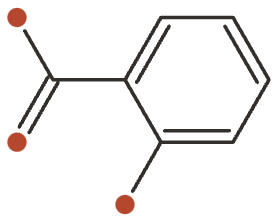
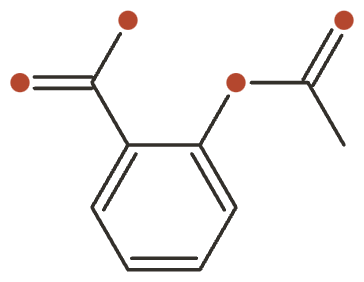
Salicylates Salicin and its relatives, converted in the body to salicylic acid.
Slower and gentler than aspirin but sharing its cautions — avoid alongside anticoagulants, and treat a salicylate bark as a real analgesic, not a mild tea.
Found in Willow
Isoquinoline Alkaloids Berberine-type and bisbenzylisoquinoline bases, intensely bitter and often yellow.
Strongly antimicrobial and bitter-tonic, and the reason certain barks stain everything they touch and demand a lower dose.
Cinnamaldehyde & Volatile Oils The aromatic barks are a small but important group.
Their oils are warming, carminative, and easily boiled away — cover the pot, and keep the simmer short rather than long.
Found in Ceylon CinnamonCassia Cinnamon
Coumarins Sweet-smelling benzopyrones, of which coumarin itself is the one to watch: cassia bark carries far more of it than Ceylon does, which is the whole basis of the daily-intake caution around supermarket cinnamon.
Found in Cassia Cinnamon
View compound class →Resins & Oleoresins Lipid-soluble fractions concentrated in wounded or aromatic bark.
Water will not touch them.
If a bark smells sticky and balsamic rather than merely astringent, it wants alcohol.
Found in Devils clubPine
Naphthoquinones Pigmented quinones — juglone is the type example — that are antifungal, antiparasitic, and staining.
Potent enough that the traditional doses are small and the external uses outnumber the internal ones.
Found in Walnut
Keep Exploring