

Overview
Antiviral at a Glance
Antivirals inhibit a virus. In pharmacology the term means a drug that blocks a step in the viral life cycle: attachment and entry, replication, or release.
Most herbs called antiviral act on the person with the infection rather than on the virus.
Supporting the immune response, reducing inflammatory damage or easing symptoms during a viral illness are useful effects, and they are described under immunostimulant, immunomodulator, anti-inflammatory and diaphoretic.
Antiviral in the strict sense means the virus itself is measured and reduced, and that distinction runs through every herb below.
The best-represented direct route is entry blockade, which can work at a mucosal surface where a herbal preparation reaches a useful concentration.
Elderberry flavonoids bind influenza haemagglutinin, the protein the virus docks with; melissa blocks herpes simplex attachment and penetration, and its 1% cream has a placebo-controlled trial in cold sores; isatis’s clemastanin B blocks influenza uncoating; and haritaki’s tannins block the glycoprotein binding viruses use to grip a cell.
Drug-like targets are rarer. Chinese skullcap’s baicalein inhibits influenza neuraminidase and the SARS-CoV-2 protease and polymerase, and purified baicalein has entered a Phase IIa influenza trial.
Elderberry extract has more clinical data than any other Western antiviral herb, with several small positive trials and one rigorous null one.
A second group acts on the host. Astragalus lowers TNF-α and troponin in viral myocarditis, cat’s claw reduces endothelial permeability in dengue-infected cells, lomatium lowers a host chemokine, and shiitake and turkey tail work through interferon induction.
These are measured effects in viral illness that do not act on the virus.
Two herbs with large research programmes tested null. Chanca piedra in hepatitis B and milk thistle in hepatitis C both have cell-culture mechanisms and both failed in well-controlled trials, and both conditions are treatable with modern antivirals.
Caution
No herb replaces antiviral drugs — oseltamivir within its window after influenza onset, HIV antiretrovirals, hepatitis B and C therapy and treatment for herpes encephalitis are time-critical, and no herb substitutes for them.
Most evidence is in vitro — almost all herbal antiviral evidence is in cell culture, and the strongest clinical support is topical, melissa cream applied to a cold sore.
Raises protease-inhibitor levels — herbs that inhibit CYP3A4 can raise blood levels of antiretroviral protease inhibitors.
Mechanisms
How It Works
01
Entry Blockade
Stopping a virus before it enters a cell, by binding the viral attachment protein or the receptor it uses.
Elder flavonoids bind influenza haemagglutinin.
Melissa’s rosmarinic acid and aqueous extract block herpes simplex attachment and penetration, chaga inhibits virus-induced membrane fusion, isatis’s clemastanin B blocks uncoating and nuclear export, and the hydrolysable tannins of haritaki and pomegranate compete for the glycosaminoglycans viral glycoproteins attach to.
Fresh ginger blocks respiratory syncytial virus attachment, and self-heal’s sulfated polysaccharide prunellin works the way carrageenan does.
Entry inhibition can work at a mucosal surface, where a gargle, syrup or cream reaches a useful concentration in a way a systemic antiviral does not.
It has nothing left to block once infection is established, which is why elder for influenza is started at the first symptom.
Herbs: Bald CypressCashewCatuabaChagaChinese SkullcapElderberryFish MintGingerHaritakiIsatisMelissaPomegranateReishiSelf-HealTea
Key compounds: DihydromyricetinClemastanin BChebulagic AcidPunicalaginTheaflavins
02
Viral Enzymes and Replication
Inhibiting an enzyme or a protein the virus needs to copy itself, the targets antiviral drugs act on.
Chinese skullcap’s baicalein inhibits influenza neuraminidase, the oseltamivir target, along with the SARS-CoV-2 3CL protease and RNA polymerase.
Haritaki’s chebulinic acid inhibits neuraminidase including an oseltamivir-resistant strain, forsythoside A reduces the influenza M1 protein, bald cypress extract inhibits neuraminidase-mediated release, and pelargonium’s standardised extract impairs both haemagglutination and neuraminidase.
Bitter melon’s ribosome-inactivating proteins halt protein synthesis in infected cells, and honeysuckle’s MIR2911 binds the influenza PB2 and NS1 genes by sequence, a mechanism that depends on a contested premise about dietary microRNA uptake.
Concentration is the limit for the class. These are in-vitro results, and the gap between an IC50 in a dish and a plasma level in a person is where most herbal antiviral claims stop.
Herbs: AgarikonAmerican LicoriceAndrographisBald CypressBitter MelonBupleurumChinese SkullcapForsythiaHaritakiHoneysucklePelargoniumReishi
Key compounds: BaicaleinChebulinic AcidForsythoside AMAP30Andrographolide
03
Virucidal Action
Damaging the free virus particle outside a cell rather than interfering with its life cycle.
Fish mint’s volatile carbonyls disrupt the viral envelope, melissa acts on free virions, catuaba’s bark extract is directly virucidal alongside its adsorption blockade, and agarikon’s mycelial extracts neutralise influenza particles at non-cytotoxic concentrations.
This is a surface mechanism. It supports topical and mucosal use, and melissa cream for cold sores is the example with clinical support; it says nothing about swallowing the herb.
Herbs: AgarikonCatuabaDragon’s BloodFish MintMelissa
Key compounds: 2-UndecanoneLauraldehyde
04
Host-Directed Effects
Acting on the person rather than the virus: immune signalling, inflammatory damage, or the cell machinery a virus borrows.
Lomatium reduces CXCL10 secretion, a host chemokine. Cat’s claw reduces endothelial permeability and IL-8 in dengue-infected cells.
Astragalus lowers TNF-α and troponin I in viral myocarditis, turkey tail’s β-glucans induce interferon-β through Dectin-1, and shiitake’s AHCC supported immune clearance of persistent HPV.
Ipecacuanha’s emetine and cashew’s anacardic acid inhibit host proteins the virus depends on, which is host-directed and antiviral in effect at once.
Reducing the inflammatory damage of an infection is a legitimate and sometimes more valuable thing to do than killing the pathogen; much of what harms people in severe viral illness is the host response.
These effects are examined under the immune actions, and they do not measure the virus.
Herbs: AstragalusCashewCat’s ClawCow ParsnipIpecacuanhaLomatiumShiitakeTurkey Tail
Key compounds: Emetine
The Molecules
Pharmacology
What produces an antiviral effect at the molecular level. The herbs carry these molecules in different combinations and amounts, which is most of why their potency differs. Roles describe how central a molecule is to the action across plants generally, not how strong any one herb is.
Chiefly Tannins9Isoquinoline Alkaloids1Other Constituents1
Carries the action largely on its own — the effect is attributed to the molecule, not just the extract it came from.
Adds to a plant's effect and is often present in quantity, but rarely accounts for it alone.
Real but narrow — one pathway, one tissue, or evidence too thin to lean on.
Casuarinin Tannins Primary mover Targets HSV-2 attachment and penetration blockade; direct virion inactivation
Casuarinin from Terminalia arjuna bark inhibited herpes simplex virus type 2 with IC₅₀ 3.6 ± 0.9 µM (XTT) and 1.5 ± 0.2 µM (plaque reduction) against a CC₅₀ of 89 ± 1 µM in Vero cells, selectivity indices of 25 and 59, the one place in the molecule’s literature where a selectivity index was measured.
It was virucidal at 25 µM, reducing viral titres up to 100,000-fold, prevented attachment and penetration, and remained active when added 12 hours after infection, implying more than one point of action 4Reference 4Antiherpes simplex virus type 2 activity of casuarinin from the bark of Terminalia arjuna LinnView study →.
One 2002 paper, never taken into an animal and never followed up.
The mechanism, a large polyphenol blocking a virus binding a cell surface, is the generic hydrolysable-tannin mechanism shared with chebulagic acid and punicalagin against HSV-1.
Found in arjuna.
Found in Raspberry Leaf
Full Casuarinin profile →Punicalagin Tannins Primary mover Targets Viral glycoprotein ↔ cell-surface glycosaminoglycan (heparan sulfate / chondroitin sulfate) binding
Purified punicalagin (with chebulagic acid, both from Terminalia chebula fruit) inactivates HSV-1 particles and blocks binding, penetration and cell-to-cell spread by competing for the glycosaminoglycans viral glycoproteins attach to.
The mechanism is proved rather than inferred: the activity was abolished in mutant cells unable to make heparan sulfate and restored when heparan-sulfate biosynthesis was reconstituted 17Reference 17Hydrolyzable tannins (chebulagic acid and punicalagin) target viral glycoprotein–glycosaminoglycan interactions to inhibit herpes simplex virus 1 entry and cell-to-cell spreadView study →.
On that principle the same compound inhibits HCMV, HCV, dengue, measles and RSV at micromolar concentrations without significant cytotoxicity, blocking attachment, penetration and spread to different degrees per virus 18Reference 18Broad-spectrum antiviral activity of chebulagic acid and punicalagin against viruses that use glycosaminoglycans for entryView study →.
By a separate route, punicalagin was identified as the anti-influenza component of pomegranate polyphenol extract, chosen over ellagic acid, caffeic acid and luteolin in a four-way head-to-head, blocking viral RNA replication, inhibiting haemagglutination and acting virucidally 19Reference 19Pomegranate (Punica granatum) purified polyphenol extract inhibits influenza virus and has a synergistic effect with oseltamivirView study →; it inhibits the influenza PA endonuclease at IC50 0.52–1.00 µM 20Reference 20Multi-detector based at-line nanofractionation strategy accelerates discovery of influenza PA endonuclease inhibitors from Terminalia chebula RetzView study →.
It also reduces hepatitis B cccDNA formation 14Reference 14Identification of hydrolyzable tannins (punicalagin, punicalin and geraniin) as novel inhibitors of hepatitis B virus covalently closed circular DNAView study → and inhibits HIV replication in H9 lymphocytes with little cytotoxicity, though not via reverse transcriptase 21Reference 21Anti-AIDS agents, 2: inhibitory effects of tannins on HIV reverse transcriptase and HIV replication in H9 lymphocyte cellsView study →.
The mechanism is a surface mechanism, which makes topical, mucosal and luminal application the relevant territory rather than oral antiviral therapy.
No in-vivo antiviral study of isolated punicalagin exists.
Found in haritaki.
Found in Haritaki
Full Punicalagin profile →Tellimagrandin II Tannins Primary mover Targets HSV-1 DNA polymerase
Tellimagrandin II (as eugeniin) inhibits herpes simplex virus DNA polymerase non-competitively with respect to dTTP, binding in the vicinity of the phosphonoacetic-acid site, a mechanism distinct from the nucleoside analogues, which is why it retains activity against acyclovir/PAA-resistant and thymidine-kinase-deficient HSV-1 and against HSV-2 28Reference 28Purification and characterization of eugeniin as an anti-herpesvirus compound from Geum japonicum and Syzygium aromaticumView study →.
Its apparent Ki is 8.2- and 5.8-fold lower for the viral polymerase than for human DNA polymerases α and β, giving real selectivity, and 50% plaque reduction occurs at 5.0 µg/mL with a roughly 14-fold margin to cytotoxicity 28Reference 28Purification and characterization of eugeniin as an anti-herpesvirus compound from Geum japonicum and Syzygium aromaticumView study →.
Unusually for an ellagitannin the effect carries in vivo: oral dosing in HSV-1-infected mice retarded lesions, prolonged survival and cut virus yields in skin and brain, with efficacy equal to intraperitoneal dosing 29Reference 29In vitroBiological characterization of eugeniin as an anti-herpes simplex virus type 1 compound in vitro and in vivoView study →.
That absorption claim is inferred from efficacy rather than measured, and the work has had no modern replication.
Found in clove and meadowsweet.
Found in Bearberry, Clove, Meadowsweet, Peony
Full Tellimagrandin II profile →Castalagin Tannins Contributor Targets HSV-1/HSV-2 replication; acyclovir synergy
Isolated castalagin inhibits replication of acyclovir-resistant HSV-1 and HSV-2 strains in cell culture, with three-dimensional combination analysis showing marked synergy with acyclovir and individual selectivity indices approaching acyclovir’s own against HSV-1 1Reference 1Ellagitannins as synergists of ACV on the replication of ACV-resistant strains of HSV 1 and 2View study →; in a head-to-head screen of nine ellagitannins against thirteen gallotannins, the ellagitannin group was significantly the more active 2Reference 2Anti-herpes simplex virus type 1 activity of specially selected groups of tanninsView study →.
It held up in a whole animal: 7.5–10 mg/kg protected newborn mice against HSV-1 with a 57–58% protective index and selectivity ratio of at least 33 3Reference 3AnimalEffect of castalagin against HSV-1 infection in newborn miceView study →.
Castalagin is not systemically absorbed, so how an oral gut tannin reaches a systemic herpes infection is not accounted for; the plausible reading is a topical or mucosal mechanism, and no target protein has been identified.
Found in camu-camu.
Found in Camu-camu
Full Castalagin profile →Geraniin Tannins Contributor Targets DENV envelope protein domain III; HBV cccDNA
Isolated geraniin inhibits dengue-2 plaque formation with an IC₅₀ of 1.75 µM, binding domain III of the viral envelope protein and blocking attachment rather than penetration 10Reference 10Geraniin extracted from the rind of Nephelium lappaceum binds to dengue virus type-2 envelope protein and inhibits early stage of virus replicationView study →, with reduced viral load and protected liver histology in DENV-2-infected BALB/c mice 11Reference 11AnimalEfficacy of geraniin on dengue virus type-2 infected BALB/c miceView study → and blockade of all four DENV serotypes plus Zika by preventing particle internalisation 12Reference 12The geraniin-rich extract from Reunion Island endemic medicinal plant Phyllanthus phillyreifolius inhibits Zika and dengue virus infection at non-toxic effect doses in zebrafishView study →.
Against hepatitis B it suppresses HBsAg/HBeAg secretion and inhibits cccDNA establishment rather than DNA replication 13,
Mechanistically this is a plausible extracellular, mucosal antiviral, a large polyphenol coating virions or receptors, rather than a systemic one, and large polyphenols are promiscuous in exactly these binding assays.
Found in chanca piedra.
Found in Amla, Chanca Piedra
Full Geraniin profile →Tellimagrandin I Tannins Contributor Targets HCV E1/E2 envelope-mediated cell entry
Bioassay-guided fractionation of Rosa rugosa flower against a model virus displaying the hepatitis-C envelope proteins E1 and E2 identified tellimagrandin I as a potent inhibitor of viral invasion, and SAR on synthesised analogues mapped the substructures required 25Reference 25Tellimagrandin I, HCV invasion inhibitor from Rosae Rugosae FlosView study →.
Its macrocyclic dimer oenothein B is roughly equipotent, and methylating the C-1 hydroxyl slightly reduces activity, consistent with a binding interaction involving the free anomeric position 26Reference 26Oenothein B, dimeric hydrolysable tannin inhibiting HCV invasion from Oenothera erythrosepalaView study →.
The action is at entry, not replication, which fits the tannin mechanism of envelope-glycoprotein complexation rather than an enzymatic target.
HCV entry happens at the hepatocyte surface from the blood side, and no oral dose puts a 787-Da ellagitannin there 27Reference 27Bioavailability of ellagic acid in human plasma after consumption of ellagitannins from pomegranate (Punica granatum L.) juiceView study →.
Found in rose.
Found in Bearberry, Meadowsweet, Rose
Full Tellimagrandin I profile →Theaflavins Tannins Contributor Targets Influenza hemagglutinin binding; neuraminidase inhibition
Theaflavin digallate binds haemagglutinin, agglutinating influenza A and B virions and blocking their adsorption to host cells at 1–10 µM, with electron microscopy showing clumping comparable to antibody 30Reference 30Inhibition of the infectivity of influenza virus by tea polyphenolsView study →; theaflavin derivatives separately inhibit influenza neuraminidase across three subtypes (IC50 9.27–36.55 µg/mL) while lowering IL-6 expression 31Reference 31In vitroIn vitro anti-influenza virus and anti-inflammatory activities of theaflavin derivativesView study →, and 50 µM TFDG suppressed more than 99% of HSV-1 particle production 32Reference 32Antiviral activity of theaflavin digallate against herpes simplex virus type 1View study →.
The COVID-era literature ranked theaflavin-3,3’-digallate and theaflavin-3-O-gallate highly against the SARS-CoV-2 main protease, but that work is molecular docking and free-energy simulation only, with no enzyme assay and no cells 33,
Active concentrations run 500 to 25,000 times above measured human plasma 35Reference 35Analysis of theaflavins in biological fluids using liquid chromatography-electrospray mass spectrometryView study →, so any real antiviral relevance for dietary theaflavins would be topical or luminal (mouth, throat, gut) rather than systemic.
No clinical antiviral trial of theaflavins exists.
Found in tea.
Found in Tea
Full Theaflavins profile →Coclaurine Isoquinoline Alkaloids Minor role Targets Unidentified (whole-cell HIV replication assay)
(+)-1(R)-Coclaurine isolated from Nelumbo nucifera leaves inhibited HIV replication in H9 lymphocytes at EC₅₀ 0.8 µg/mL with a therapeutic index above 125, the highest in a paper that also tested norcoclaurine, nuciferine and the bisbenzylisoquinolines liensinine, neferine and isoliensinine 5Reference 5In vitroAnti-HIV benzylisoquinoline alkaloids and flavonoids from the leaves of Nelumbo nucifera, and structure-activity correlations with related alkaloids — in vitroView study →.
The authors read the benzylisoquinoline scaffold itself as the pharmacophore and proposed it as an anti-AIDS lead.
It is a single 2005 paper, not followed up in twenty-one years, a whole-cell replication readout with no molecular target identified, no resistance work, no animal data and no confirmation that the activity is coclaurine’s rather than the scaffold’s in general.
Found in graviola, magnolia and cassia cinnamon; lotus, the study material, has no monograph.
Found in Cassia Cinnamon, Graviola, Magnolia
Full Coclaurine profile →Ephedrannin B Tannins Minor role Targets MAPK/NF-κB; RSV fusion-gene expression
In BEAS-2B human bronchial epithelial cells infected with respiratory syncytial virus, purified ephedrannin B concentration-dependently reduced RSV fusion-gene expression and viral titre by plaque assay, alongside suppression of RSV-induced MAPK/NF-κB signalling 6Reference 6Ephedrannin B exerts anti-viral and anti-inflammatory properties in BEAS-2B cells infected with respiratory syncytial virusView study →.
This reads as host-pathway modulation rather than a direct antiviral target: the fusion-gene and titre reductions travel with the cytokine suppression, and no viral protein was shown to be engaged directly.
It fits the wider ephedra story, where the ephedrine-alkaloid-free herb extract’s antiviral activity is attributed to condensed tannins rather than to the alkaloids 7Reference 7Ephedrine alkaloids-free Ephedra Herb extract: a safer alternative to ephedra with comparable analgesic, anticancer, and anti-influenza activitiesView study →, but that extract work cannot be pinned to this molecule.
One laboratory, one virus, one cell line, unreplicated, with no animal infection model and no evidence any route of administration reaches the active concentration in airway tissue.
Found in ephedra root.
Found in Ephedra
Full Ephedrannin B profile →Epigoitrin Other Constituents Minor role Targets Influenza virion envelope (direct); mitofusin-2 → MAVS → IFN-β/IFITM3 (host-directed)
Two unrelated findings sit under one label.
The direct one is weak: isolated epigoitrin inhibited H1N1 in MDCK cells (IC₅₀ 0.36 µM) but only when pre-mixed with virus, not by pre-treating cells and not after infection, and both haemagglutination-inhibition and neuraminidase assays were negative, so “attaches to the viral envelope” is what was left over rather than a binding measurement 8Reference 8In vitroAntiviral activity of Isatidis Radix derived glucosinolate isomers and their breakdown products against influenza A in vitro/ovo and mechanism of actionView study →.
In embryonated eggs full inhibition required 1.25 mg/mL (about 10 mM), some 27,000-fold above the reported cell IC₅₀, the kind of gap that marks a non-specific virucide.
The host-directed finding is the only in-vivo antiviral evidence: in restraint-stressed and corticosterone-loaded mice, epigoitrin lowered mitofusin-2, which raised MAVS, IFN-β and IFITM3 and cut mortality and lung viral load, restoring innate signalling that stress hormones had blunted rather than attacking the virus 9Reference 9In vitroEpigoitrin, an alkaloid from Isatis indigotica, reduces H1N1 infection in stress-induced susceptible model in vivo and in vitroView study →.
Single group, unreplicated, isolate throughout, no whole-extract arm in either study, and no human data.
Found in isatis.
Found in Isatis
Full Epigoitrin profile →Repandusinic Acid A Tannins Minor role Targets HIV-1 reverse transcriptase; HIV-1 protease
Isolated from an aqueous P. niruri extract in 1992 as the RT-inhibiting principle (as the monosodium salt), it gave ID₅₀ 0.05 µM against HIV-1 reverse transcriptase and 0.6 µM against cellular DNA polymerase α, competitive with respect to the template-primer, with suppression of HIV-1 cytopathogenicity and p24 production around 2.5 µM 22Reference 22HIV-1 reverse transcriptase inhibitor from Phyllanthus niruriView study →; a later tannin screen reported HIV-1 protease IC₅₀ 12.5 µM 23Reference 23Inhibitory activity of flavonoids and tannins against HIV-1 proteaseView study →.
A roughly 12-fold selectivity window over an essential host polymerase is a poor antiviral margin; competitive template-primer inhibition by a large polyanionic tannin is the textbook signature of non-specific binding to nucleic-acid-handling enzymes, a recognised false-positive class in RT and protease screens; and at about 971 Da the molecule does not reach a cytoplasmic enzyme by the oral route 24Reference 24ReviewUnlocking the therapeutic potential of ellagitannins: a comprehensive review of key representativesView study →.
Nothing has followed in 34 years.
Found in chanca piedra.
What It's For
Indications
- Colds, flu and viral respiratory infection
- Cold sores and recurring herpes outbreaks
- Viral gut infections
- Support through and after viral illness
Materia Medica
Antiviral Herbs by Potency
The antiviral herbs, ordered by the relative strength of the effect rather than by how well studied it is. Each herb is described by the mechanism behind its effect and the evidence for it.
None of this is a substitute for professional care.
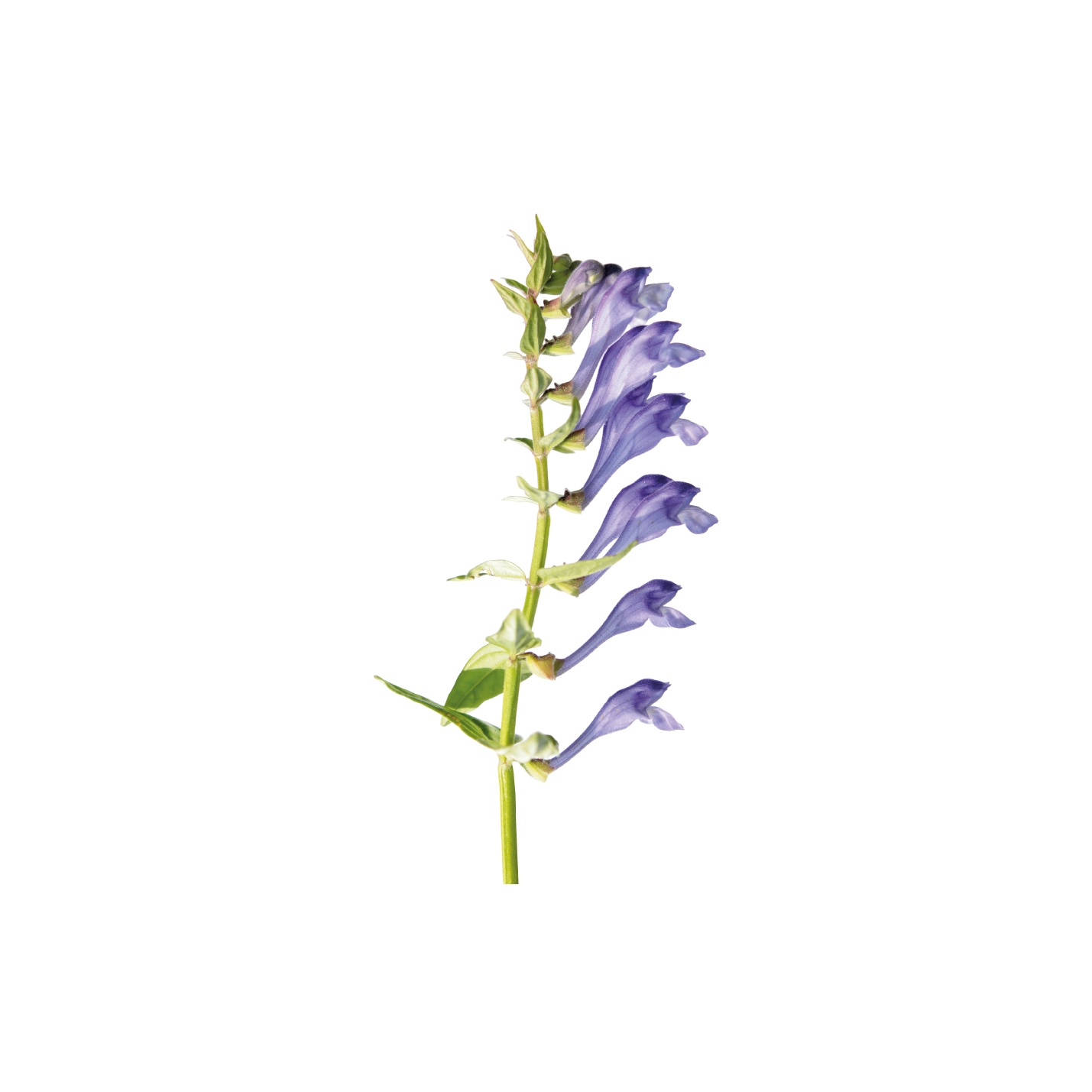 StrongStrongChinese SkullcapScutellaria baicalensisBaicalein and baicalin inhibit influenza neuraminidase and the SARS-CoV-2 protease and polymerase, block HIV-1 entry and act on RSV and hepatitis B in vitro; purified baicalein has entered a Phase IIa influenza trial.Mechanismviral neuraminidase inhibition; 3CLpro / RdRp inhibition; viral-entry blockade; innate-interferon ↑Read the evidenceShow lessMonograph →
Baicalein and baicalin inhibit the SARS-CoV-2 3C-like protease and RNA-dependent RNA polymerase 92,
Baicalein has cleared Phase I oral safety and pharmacokinetic testing and entered a Phase IIa influenza trial 99,
No efficacy result exists above cell culture: no published animal or human result shows it shortens or prevents an infection. The clinical programme tests purified baicalein (200–600 mg up to three times a day), not a decoction.
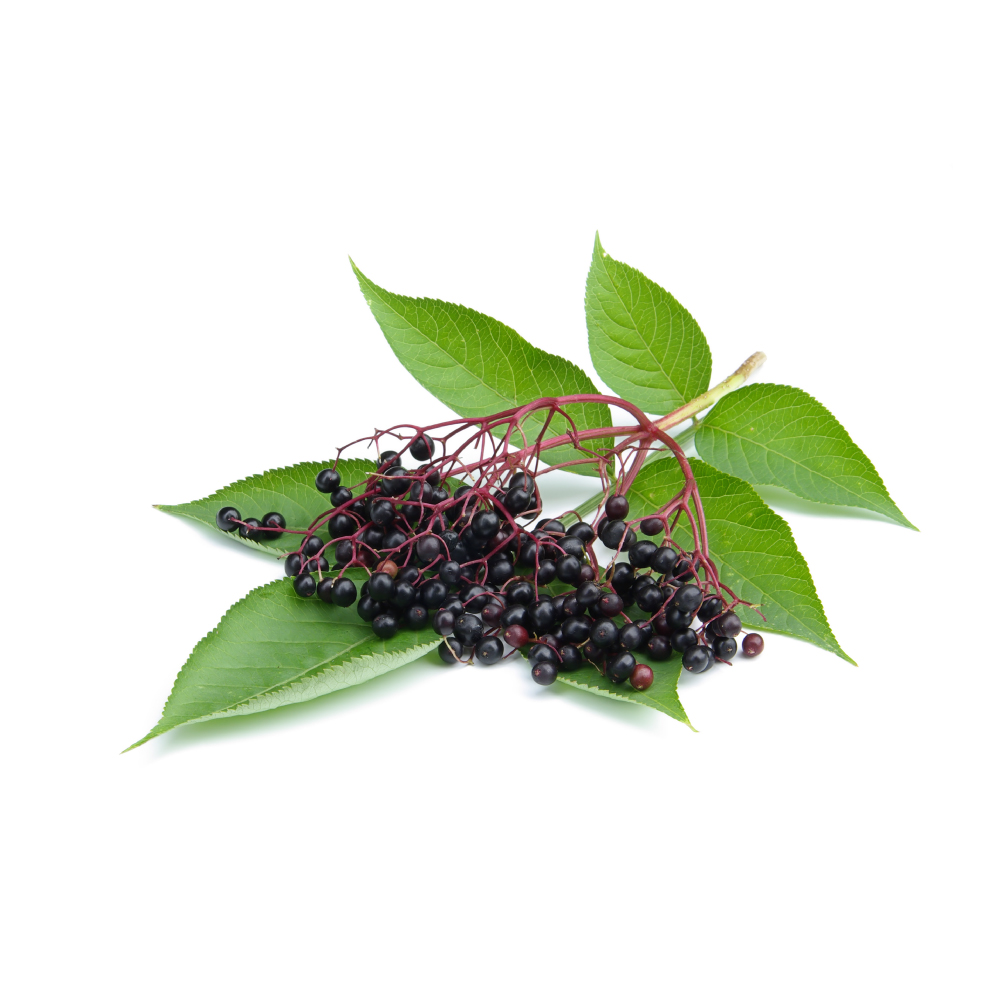 StrongStrongElderberrySambucus nigraElder flavonoids bind influenza haemagglutinin and block host-cell entry; standardised berry extract shortened influenza and colds in several small placebo-controlled trials, and the most rigorous trial was null.Mechanismflavonoid binding to viral hemagglutinin → host-cell entry blocked; ribosome inactivation (N-glycosidase on rRNA)Read the evidenceShow lessMonograph →
A 1995 placebo-controlled study during a Panama-B outbreak reported symptom improvement in about 90% of the extract group within 2–3 days versus 6 for placebo 54Reference 54RCTInhibition of several strains of influenza virus in vitro and reduction of symptoms by an elderberry extract during an outbreak of influenza B Panama — placebo-controlled, in vitroView study →; a 2004 double-blind RCT (n=60, 15 mL syrup four times daily for 5 days) found symptoms relieved four days earlier than placebo 55Reference 55RCTRandomized study of the efficacy and safety of oral elderberry extract in the treatment of influenza A and B virus infections — randomized controlled trialView study →; a 2016 air-traveller RCT (n=312) found shorter and milder colds, though fewer colds was not significant 56Reference 56RCTElderberry supplementation reduces cold duration and symptoms in air-travellers: a randomised, double-blind placebo-controlled clinical trial — RCTView study →; and a 2019 meta-analysis of four RCTs (180 participants) reported a large pooled reduction in upper-respiratory symptoms 57Reference 57Meta-analysisBlack elderberry (Sambucus nigra) supplementation effectively treats upper respiratory symptoms: a meta-analysis of randomized, controlled clinical trials — meta-analysisView study →.
A 2020 double-blind RCT (n=87) in influenza-positive emergency-room patients found no reduction in duration or severity, with a post-hoc signal that elderberry taken without oseltamivir did about two days worse than placebo 58Reference 58RCTElderberry extract outpatient influenza treatment for emergency room patients ages 5 and above: a randomized, double-blind, placebo-controlled trial — RCTView study →, and a 2021 systematic review rated overall certainty low 59Reference 59Systematic reviewElderberry for prevention and treatment of viral respiratory illnesses: a systematic reviewView study →.
Elder flavonoids, dihydromyricetin and a methylated quercetin, bind H1N1 virions and block host-cell entry in vitro at IC50 about 252 µg/mL 60Reference 60In vitroElderberry flavonoids bind to and prevent H1N1 infection in vitroView study →, a high concentration and a mechanism shared with other flavonoid-rich plants.
The positive trials are small, several share authorship and products, and the meta-analysis pools those same trials. Every positive result used a standardised, heat-processed berry extract (Sambucol, Rubini, ProImmune type), so none of it transfers to home-made syrup, tea or raw fruit 55,
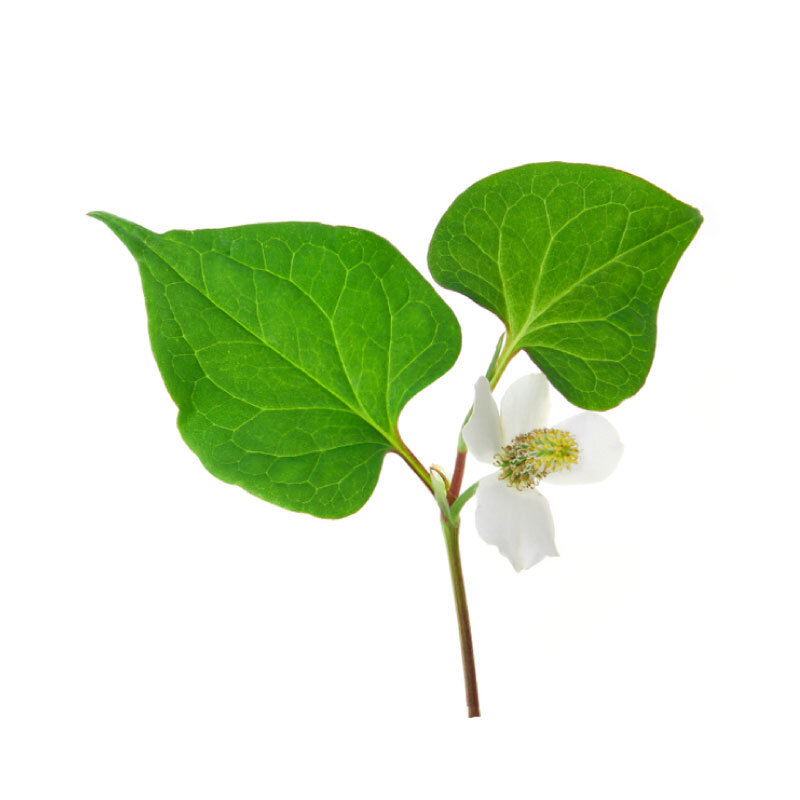 StrongStrongFish MintHouttuynia cordataVolatile carbonyls of the fresh plant inactivate herpes simplex directly, water extracts block HSV binding and penetration including acyclovir-resistant strains, and polysaccharides reduce influenza lung injury in mice; the Chinese lung-heat herb.Mechanismviral binding/penetration blockade; virucidal envelope disruption (2-undecanone, lauraldehyde); SARS-CoV 3CLpro & RdRp inhibitionRead the evidenceShow lessMonograph →
A steam distillate of the fresh plant directly inactivates HSV-1 without cytotoxicity, an effect traced to volatile carbonyls including 2-undecanone and lauraldehyde 66Reference 66In vitroVirucidal effects of the steam distillate from Houttuynia cordata and its components on HSV-1, influenza virus, and HIV — in vitroView study →. Water extracts block HSV-1, HSV-2 and acyclovir-resistant HSV-1 at the binding and penetration step and through NF-κB suppression 67,
Against respiratory viruses the in-vivo signal is influenza: crude and purified polysaccharides and total flavonoids repeatedly reduce H1N1 acute lung injury in mice, partly by remodelling the gut–lung axis, and an anti-complement polysaccharide protects against viral–bacterial co-infection pneumonia 72,
The anti-HSV work is in vitro, mostly on scarce isolated houttuynoids, with no evidence that a decoction, tincture or topical reaches an antiviral concentration in vivo. There is no clinical antiviral result for houttuynia in any indication; the one controlled human trial tested a multi-herb formula containing it 75Reference 75RCTA Houttuynia cordata-based Chinese herbal formula improved symptoms of allergic rhinitis during the COVID-19 pandemic — randomised controlled trialView study →.
 StrongStrongForsythiaForsythia suspensaForsythoside A reduces the influenza M1 protein, lowers viral titres across influenza A subtypes and improves survival in infected mice; with honeysuckle it anchors the classical Chinese formulas for feverish infection.Mechanisminfluenza M1 protein ↓ (forsythoside A); RSV inhibition (LC-4 fraction; whole-extract lung inflammation ↓)Read the evidenceShow less
Forsythoside A reduces the influenza M1 protein, impairing the budding of new virions, lowers viral titres across several influenza A subtypes in cell culture, and improves survival in a mouse infection model 115Reference 115In vitroAntiviral effect of forsythoside A from Forsythia suspensa fruit against influenza A virus through reduction of viral M1 protein — in vitro and mouse modelView study →; a second study attributes the activity to TLR7 signalling 116Reference 116In vitroForsythoside A controls influenza A virus infection and improves the prognosis by inhibiting virus replication in mice — in vitro and mouse modelView study →.
Against respiratory syncytial virus, an active fraction (LC-4) inhibits the virus in vitro (EC50 about 2.1 µg/mL, therapeutic index about 12) 117Reference 117In vitroChen, Y., Li, X., & Zhou, J. Y. (2009). [Effect of an active component from Forsythia suspensa against respiratory syncytial virus in vitro] — in vitro. Wei Sheng Yan Jiu. https://pubmed.ncbi.nlm.nih.gov/20047236/View study →, and a whole-herb water extract reduced RSV-induced lung inflammation in mice, with the effect attributed chiefly to the flavonoids rutin, quercetin and kaempferol rather than to forsythoside A 118Reference 118AnimalIntegrated metabolomics and network pharmacology to reveal the mechanisms of Forsythia suspensa extract against respiratory syncytial virus-induced lung inflammation — mouse modelView study →.
Every result is an isolated constituent or a single animal study. No whole-herb and no human antiviral trial exists; the human results belong to the multi-herb formulas forsythia sits in.
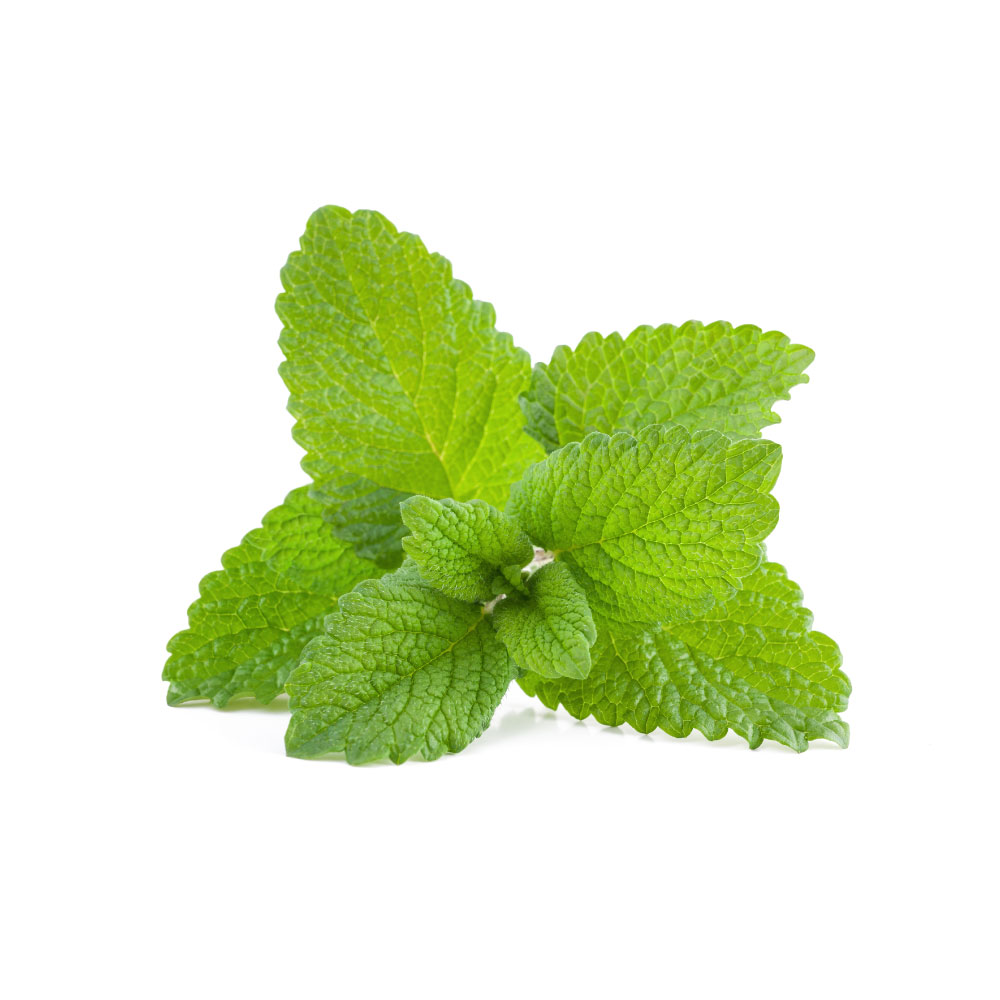 StrongStrongMelissaMelissa officinalisAqueous extract and rosmarinic acid block attachment and penetration of herpes simplex, including acyclovir-resistant strains, and a 1% cream reduced cold-sore symptoms in a placebo-controlled trial; the best-supported topical antiviral herb.MechanismHSV attachment and penetration blockade; virucidal action on free virionRead the evidenceShow lessMonograph →
In vitro an aqueous extract and rosmarinic acid inhibited attachment and penetration of both acyclovir-sensitive and acyclovir-resistant HSV-1 at very low concentrations, and the volatile oil inhibited HSV-2 replication in culture 87,
One double-blind placebo-controlled RCT of a standardised 1% topical cream (Lo-701, a 70:1 dried-leaf extract) applied four times daily significantly reduced the combined symptom score at day 2, the peak of a labial-herpes episode, in recurrent sufferers 90Reference 90RCTBalm mint extract (Lo-701) for topical treatment of recurring herpes labialis — randomised placebo-controlled trialView study →.
The activity is largely virucidal, acting on free virus at the skin surface, which is why concentrated topical preparations work. There is no evidence for oral lemon balm or tea against herpes, and the evidence covers one viral family and one modest topical trial.
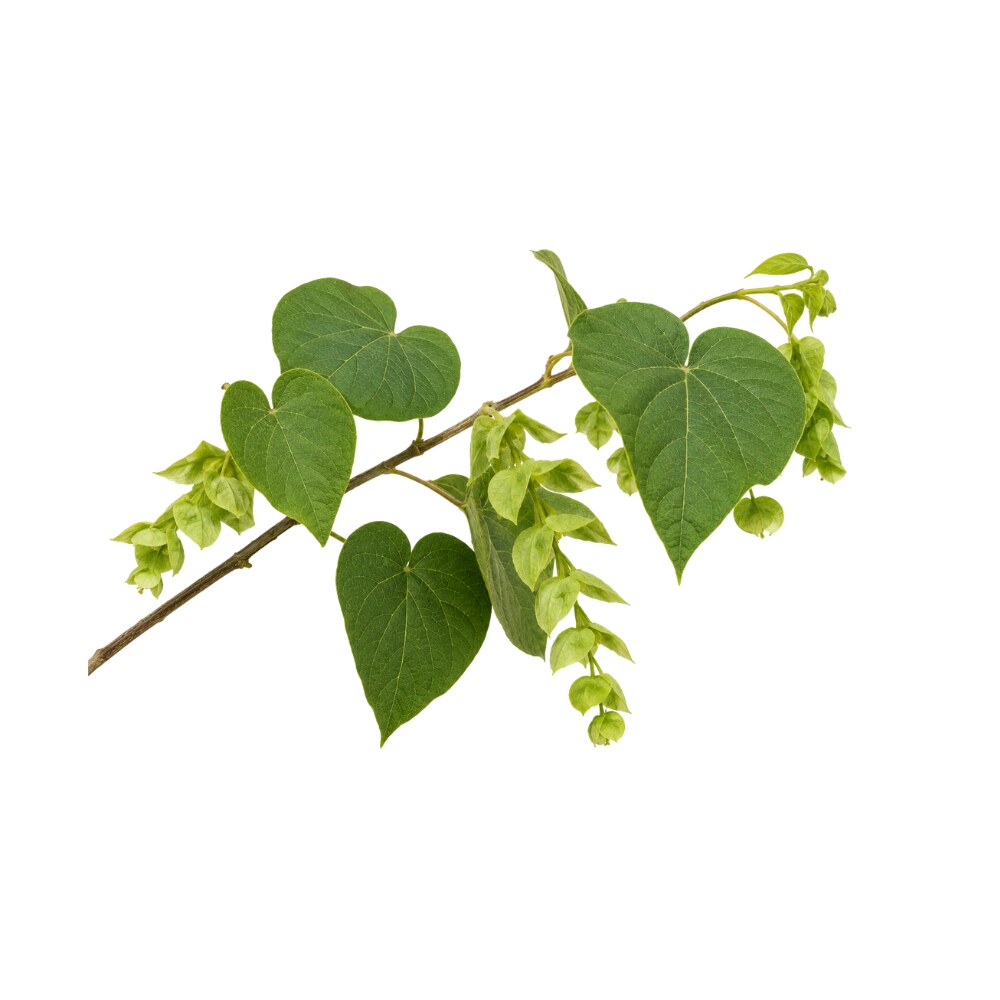 ModerateModerateAbutaCissampelos pareiraAn alcoholic extract inhibited all four dengue serotypes in cell assays and protected mice in the AG129 model, cutting viral titres about tenfold.Mechanismdengue titre \u2193 (all four serotypes), NS1 secretion \u2193, TNF-\u03b1 \u2193; anti-SARS-CoV-2 activity in vitroRead the evidenceShow lessMonograph →
A bioassay-guided Indian programme showed that an alcoholic extract potently inhibited all four dengue serotypes in cell-based assays, cutting viral titres by roughly an order of magnitude and reducing NS1 secretion. It then conferred statistically significant protection in the AG129 mouse model while down-regulating TNF-α, a cytokine tied to severe dengue 127Reference 127In vitroCissampelos pareira Linn: Natural source of potent antiviral activity against all four dengue virus serotypes — in vitro and in vivo mouse modelView study →.
The same extract showed intrinsic antipyretic activity and left platelet counts unaffected — both relevant in dengue, where fever and falling platelets are the clinical picture.
Connectivity-map screening plus in vitro assays separately flagged anti-SARS-CoV-2 activity for it 128Reference 128In vitroAnti-SARS-CoV-2 potential of Cissampelos pareira L. identified by connectivity map-based analysis and in vitro studies — in vitro and in silicoView study →.
Patents have been filed on the dengue application. No human trial has followed.
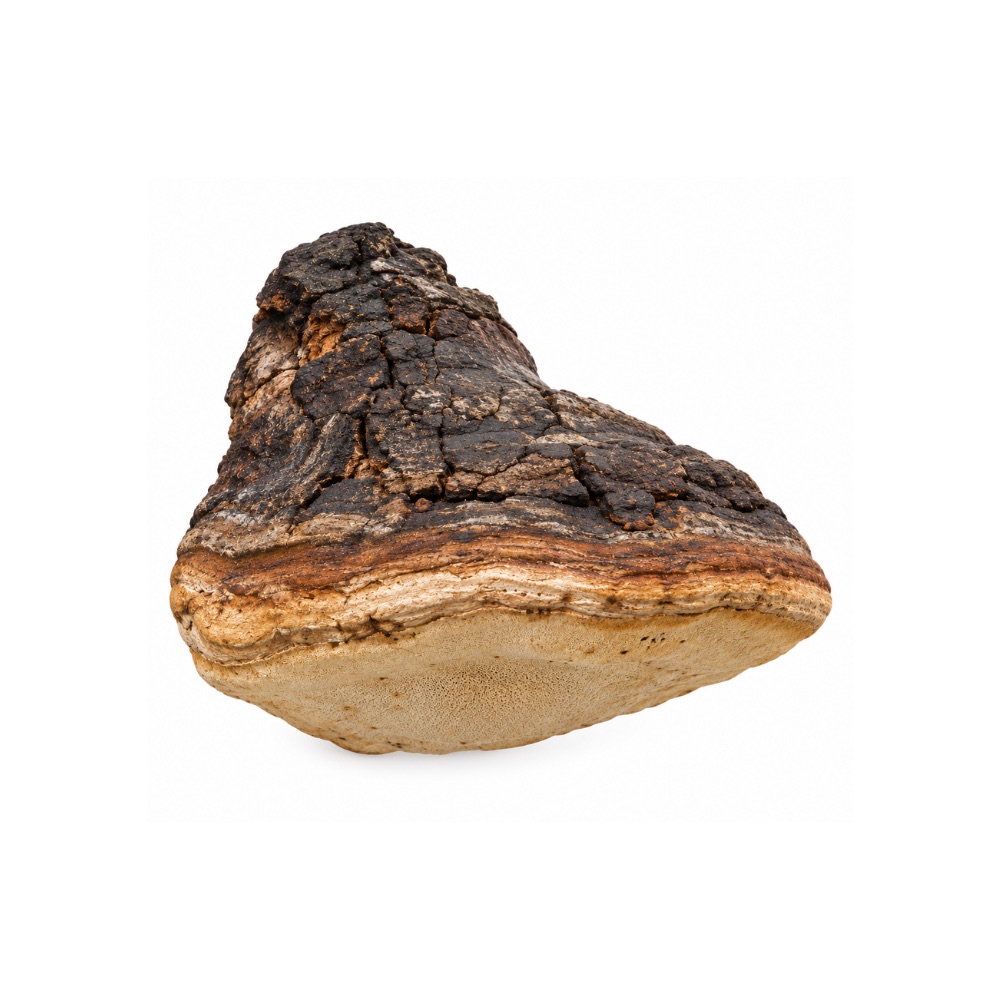 ModerateModerateAgarikonFomitopsis officinalisCultured-mycelium extracts neutralise influenza A, including H5N1 and H3N2, at non-cytotoxic concentrations in replicated in-vitro work, with orthopox and herpes activity reported; never tested in a person.Mechanismvirion neutralization / replication inhibition at non-cytotoxic concentrationsRead the evidenceShow less
Cultured-mycelium extracts neutralised influenza A viruses, including pandemic-relevant H5N1 and H3N2, reducing infective titres at concentrations that were not cytotoxic 36Reference 36In vitroAntiviral activity of polyporoid mushrooms (higher Basidiomycetes) from Altai Mountains (Russia) — [in vitro]View study →. Independent Siberian polyporoid screening confirmed H1N1/H5N1/H3N2 activity 36Reference 36In vitroAntiviral activity of polyporoid mushrooms (higher Basidiomycetes) from Altai Mountains (Russia) — [in vitro]View study →, and Pacific Northwest survey work reported orthopox (cowpox and vaccinia-type) and herpes simplex activity with competitive neutralisation indices 37,
The active principle is unresolved. Review literature attributes it to the chlorinated coumarins, but the tested extracts were whole mycelium and most metabolites have never been assayed individually 37Reference 37ReviewAntimicrobial properties of Fomitopsis officinalis in the light of its bioactive metabolites: a review — [review]View study →.
There is no animal or human antiviral study.
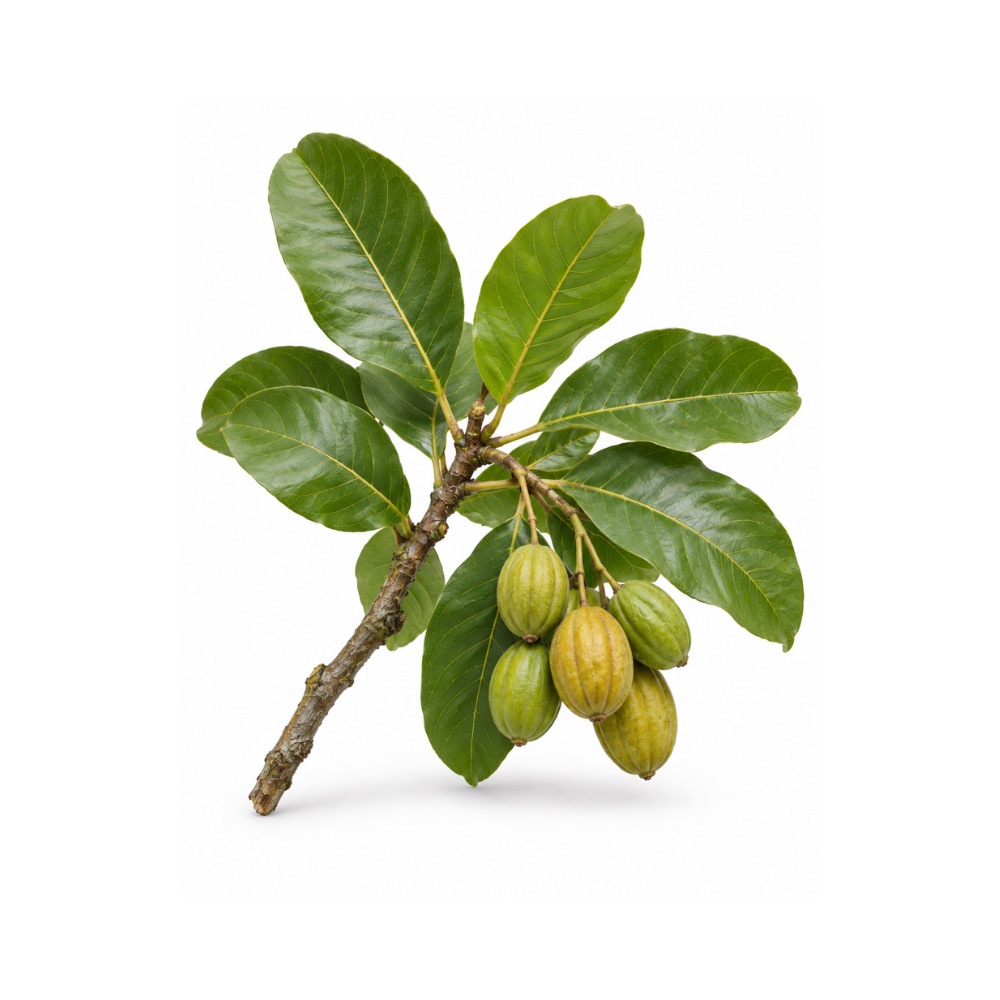 ModerateModerateHaritakiTerminalia chebulaChebulagic acid and punicalagin block herpes simplex entry and spread by competing for the cell-surface glycosaminoglycans viruses attach to, and chebulinic acid inhibits influenza neuraminidase including an oseltamivir-resistant strain; isolated tannins in vitro.Mechanismviral glycoprotein–glycosaminoglycan interaction blockade (chebulagic acid, punicalagin); neuraminidase inhibition (chebulinic acid)Read the evidenceShow lessMonograph →
Chebulagic acid and punicalagin block HSV-1 entry and cell-to-cell spread by targeting viral glycoprotein–glycosaminoglycan interactions 17Reference 17Hydrolyzable tannins (chebulagic acid and punicalagin) target viral glycoprotein–glycosaminoglycan interactions to inhibit herpes simplex virus 1 entry and cell-to-cell spreadView study →, and the same mechanism extends across the glycosaminoglycan-dependent viruses: HCMV, HCV, dengue, measles and RSV 18Reference 18Broad-spectrum antiviral activity of chebulagic acid and punicalagin against viruses that use glycosaminoglycans for entryView study →. Separately, chebulinic acid and chebulagic acid inhibit influenza neuraminidase, including in an oseltamivir-resistant strain 102Reference 102In vitroIdentification of chebulinic acid and chebulagic acid as novel influenza viral neuraminidase inhibitors — in vitroView study →.
Every result is an isolated constituent in vitro, with no human antiviral trial and no evidence that oral fruit powder delivers these large, poorly absorbed tannins to a virus-exposed surface at the tested concentrations. Topical and mucosal use is the plausible route, and it is untested.
ModerateIpecacuanhaCarapichea ipecacuanhaEmetine, the root's principal alkaloid, inhibits host ribosomal protein synthesis and so blocks SARS-CoV-2, Zika and Ebola replication in cell culture; the effective concentration overlaps the alkaloid's cardiotoxicity.Mechanismhost ribosomal protein-synthesis inhibition, broad-spectrum, host-directedRead the evidenceShow less
Emetine shows broad-spectrum activity in cell culture against SARS-CoV-2, Zika and Ebola 76,
The reported anti-coronaviral activity below the cardiotoxic threshold 79Reference 79In vitroMechanisms of antiviral action and toxicities of ipecac alkaloids: emetine and dehydroemetine exhibit anti-coronaviral activities at non-cardiotoxic concentrations — in vitroView study → compares an in-vitro concentration with a cumulative in-vivo toxicity, and the two are not directly comparable. A registered COVID-19 trial of oral emetine was terminated for lack of enrolment.
ModerateModerateIsatisIsatis indigoticaClemastanin B blocks influenza A and B uncoating and nuclear export, glucosinolate isomers attach to the viral envelope, and indirubin protected mice against Japanese encephalitis virus; ban lan gen, the Chinese herb for feverish viral infection.Mechanismviral uncoating / RNP nuclear-export block by clemastanin B; envelope attachment by glucosinolate isomers; IFN-α-dependent JAK/STAT induction by root polysaccharideRead the evidenceShow lessMonograph →
The lignan clemastanin B inhibits human and avian influenza A and B (IC₅₀ 0.087–0.72 mg/mL) by interfering with viral uncoating and RNP nuclear export, a host-side target that resists resistance better than neuraminidase 80Reference 80In vitroAntiviral activity of Isatis indigotica root-derived clemastanin B against human and avian influenza A and B viruses in vitroView study →. Purified glucosinolate isomers (progoitrin, goitrin, epigoitrin) act dose-dependently by attaching to the viral envelope rather than by inhibiting neuraminidase or haemagglutinin 8,
The one result outside cell culture is indirubin protecting mice in a lethal Japanese encephalitis virus challenge 83Reference 83AnimalAntiviral activity of Isatis indigotica extract and its derived indirubin against Japanese encephalitis virus — mouse model / in vivoView study →. A purified root polysaccharide suppresses hepatitis B in HepG2.2.15 cells indirectly, by inducing IFN-α/JAK-STAT 84Reference 84In vitroAntiviral activity of a polysaccharide from Radix Isatidis against hepatitis B virus in vitro via activation of the JAK/STAT pathwayView study →.
The crude root polysaccharide, the fraction present in a decoction, is only a weak direct antiviral, active at IC₅₀ 4–28 mg/mL 85Reference 85In vitroRadix isatidis polysaccharides inhibit influenza A virus and influenza A virus-induced inflammation via suppression of host TLR-3 signalling — in vitroView study →. There is no whole-herb or human antiviral efficacy data.
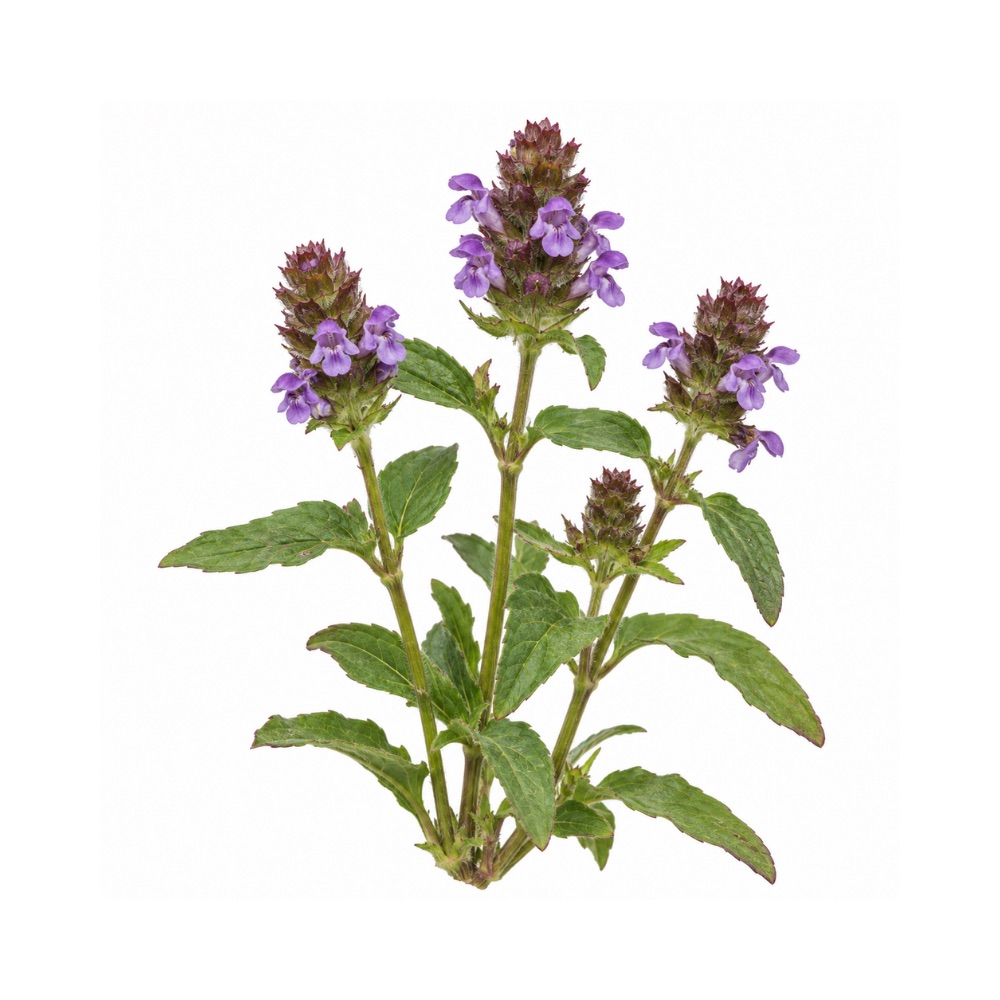 ModerateModerateSelf-HealPrunella vulgarisPrunellin, a sulfated polysaccharide characterised since 1989, and a lignin–carbohydrate complex block herpes simplex and HIV attachment and entry; water-soluble, so a decoction delivers it and an alcohol tincture does not.Mechanismsulfated polysaccharide (prunellin) blocking viral attachment and entryRead the evidenceShow less
Prunellin was isolated from aqueous extracts as an anti-HIV component in 1989 119Reference 119In vitroIsolation, purification, and partial characterization of prunellin, an anti-HIV component from aqueous extracts of Prunella vulgaris — in vitroView study →, and an extract of the spikes inhibits HIV replication at reverse transcription in vitro, with evidence of intestinal absorption in animals 120Reference 120In vitroExtract of Prunella vulgaris spikes inhibits HIV replication at reverse transcription in vitro and can be absorbed from intestine in vivo — in vitro and animalView study →. The lignin–carbohydrate complex has been characterised repeatedly by independent groups over three decades.
The mechanism is a class effect: sulfated polysaccharides interfere with viral attachment and entry, the principle behind carrageenan and dextran sulfate antivirals.
The polysaccharide is water-soluble, so a decoction delivers it and an alcohol tincture does not. No human trial exists.
Show 27 more herbs with a mild antiviral action
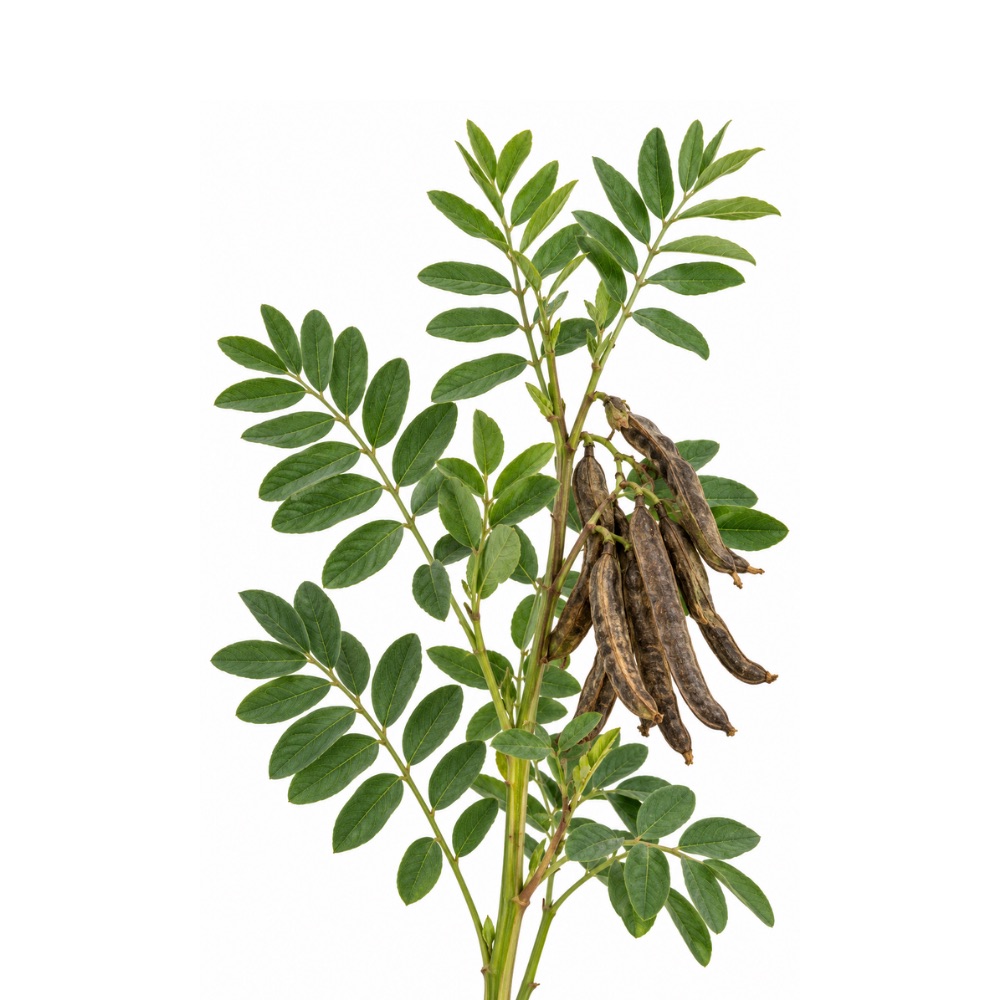 MildMildAmerican LicoriceGlycyrrhiza lepidotaA diprenylated bibenzyl from the leaf showed moderate activity in the National Cancer Institute in-vitro anti-HIV-1 screen; the activity is not glycyrrhizin, which this species barely contains.Mechanismnot resolved; anti-HIV-1 activity of a leaf bibenzyl in vitroRead the evidenceShow less
The organic-soluble leaf extract showed moderate activity in the NCI in-vitro anti-HIV-1 bioassay, and bioassay-guided separation identified a new diprenylated bibenzyl as the compound responsible; the co-isolated glepidotins A and B were inactive 122Reference 122In vitroIsolation of an anti-HIV diprenylated bibenzyl from Glycyrrhiza lepidota — in vitroView study →.
One early-stage screen, on the leaf rather than the root, with no mechanism and no follow-up. Glycyrrhizin carries an antiviral literature in commercial licorice, and this species has little of it.
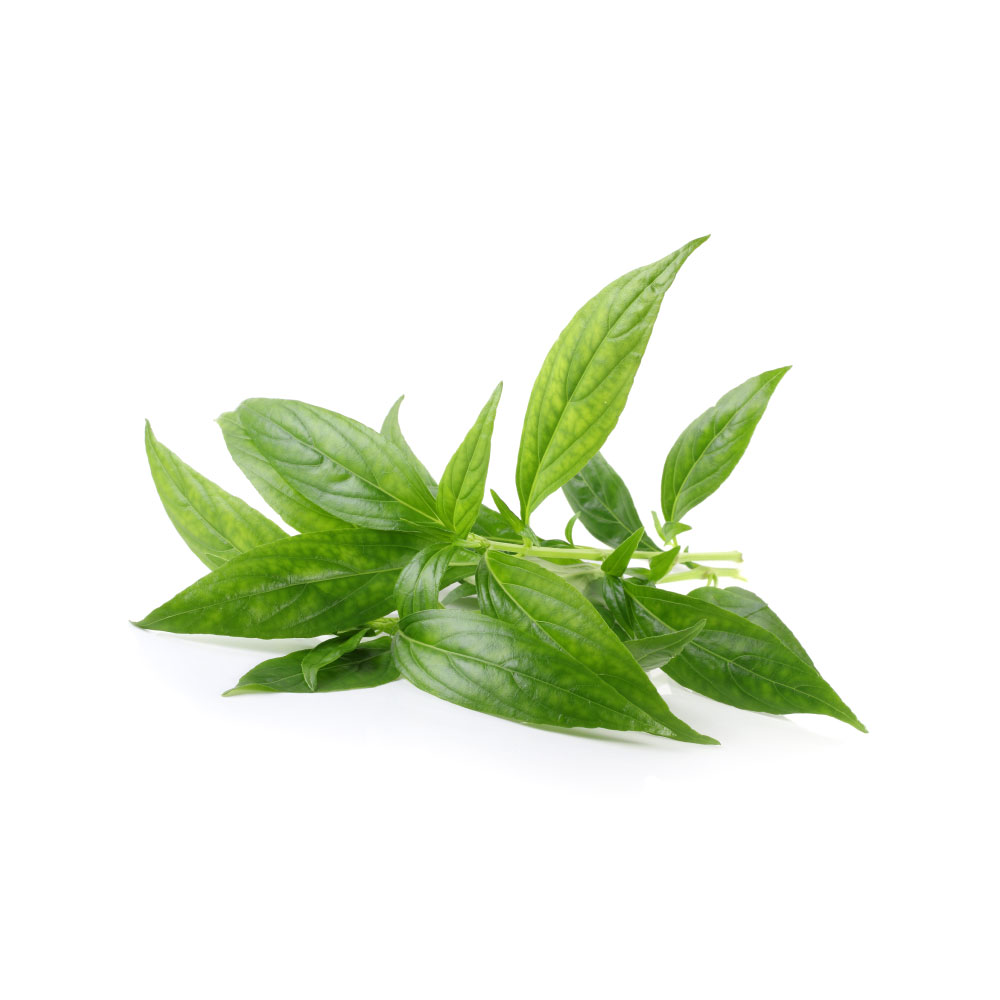 MildMildAndrographisAndrographis paniculataAndrographolide inhibits the entry and replication of several viruses in vitro, including influenza and flaviviruses, and the herb shortens upper respiratory infection in meta-analyses of RCTs; whether the clinical benefit is antiviral has not been shown.Mechanismviral entry and replication inhibition in vitro (andrographolide)Read the evidenceShow lessMonograph →
Andrographolide and its derivatives inhibit replication of several viruses in vitro, including influenza, other respiratory viruses and flaviviruses, by interfering with viral entry and replication machinery 123Reference 123ReviewAntiviral activities of andrographolide and its derivatives: mechanism of action and delivery system — reviewView study →.
The herb’s symptom benefit in upper respiratory infection is real and replicated. The antiviral effects rest on andrographolide in cell culture rather than the herb in people, and no trial has measured a viral endpoint.
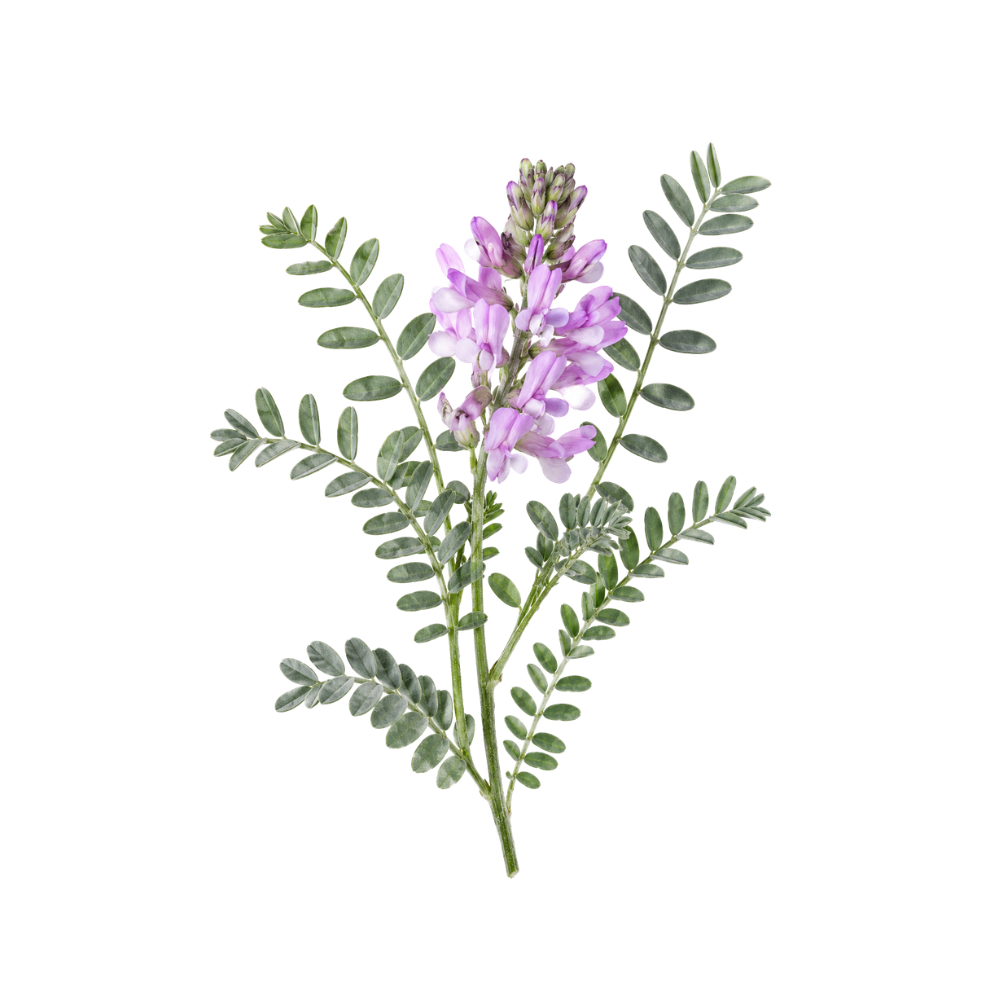 MildMildAstragalusAstragalus membranaceusAstragalus injection added to conventional care improved myocardial-enzyme and ECG recovery in viral myocarditis and lowered TNF-α across systematic reviews of RCTs; a host-directed effect in a viral illness, with no study measuring the virus.Mechanismhost-directed: TNF-α ↓, troponin I ↓ in viral myocarditis; no direct antiviral studyRead the evidenceShow lessMonograph →
Astragalus injection added to conventional care improved overall efficacy and recovery of myocardial-enzyme and ECG measures in a 2014 systematic review of 6 RCTs (639 patients) 109Reference 109Systematic reviewAstragalus membranaceus injection combined with conventional treatment for viral myocarditis: a systematic review of randomized controlled trials — systematic reviewView study →, and markedly lowered TNF-α in a 2022 meta-analysis of 19 RCTs 110Reference 110Meta-analysisEffect of Astragalus injection on inflammatory mediators in patients with viral myocarditis: a systematic review and meta-analysis — meta-analysisView study →. Traditional use includes prophylaxis against viral and bacterial infection.
These are immune and anti-inflammatory effects in a viral disease. No study measures viral replication, and the trials are small, injectable and layered on conventional care.
MildMildBald CypressTaxodium distichumA stem water extract blocked influenza A at both ends of the replication cycle in cell culture, haemagglutinin-mediated entry and neuraminidase-mediated release, in one unreplicated study.Mechanismhemagglutinin-mediated entry blockade; neuraminidase inhibitionRead the evidenceShow less
A stem water extract (TDSWex) inhibited influenza A/WSN/33 in cell culture at EC50 about 0.051 mg/mL, and the effect was bimodal: it blocked haemagglutinin-mediated viral entry and neuraminidase-mediated release 101Reference 101A Taxodium distichum stem water extract shows bimodal anti-influenza activity against hemagglutinin and neuraminidase. The activity sits in a whole aqueous extract of stems rather than an isolated compound, and dual-target action is rare in the plant anti-influenza literature.
One unreplicated cell-culture study with no animal or human data; the active constituents are unidentified, and no oral dose can be inferred from a culture concentration.
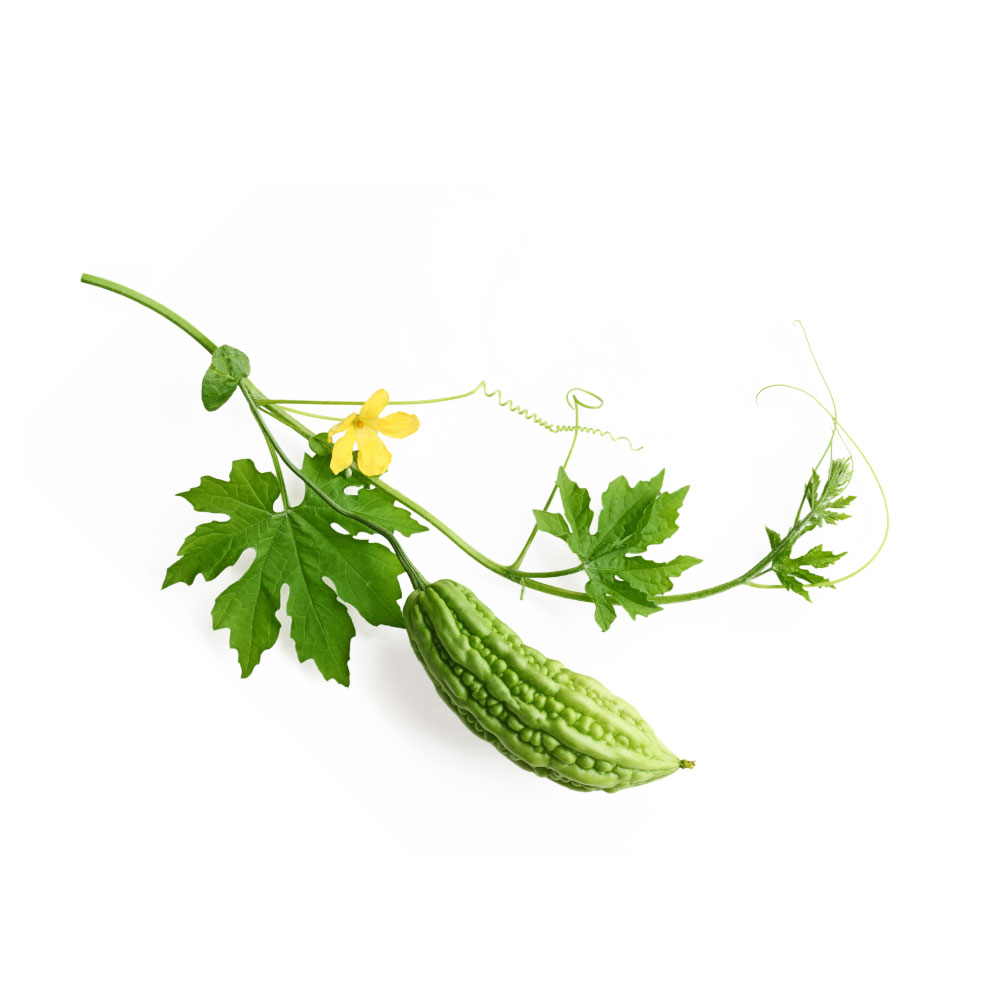 MildMildBitter MelonMomordica charantiaMAP30 and the momorcharins, ribosome-inactivating proteins of the seed and fruit, depurinate ribosomal RNA and inhibit HIV replication in infected cells, with reported activity against herpes simplex; purified proteins in vitro.Mechanismribosome inactivation (rRNA N-glycosidase)Read the evidenceShow lessMonograph →
The seed and fruit contain type-I ribosome-inactivating proteins, MAP30 (Momordica Anti-HIV Protein), alpha- and beta-momorcharin, which depurinate ribosomal RNA, irreversibly halting protein synthesis, and inhibit HIV replication in acutely and chronically infected cells, with reported activity against herpes simplex 39Reference 39ReviewRibosome-inactivating proteins (RIPs) from Momordica charantia for antiviral therapy — reviewView study →.
All of it is in vitro or in silico on purified protein, with no in-vivo efficacy. Intact 30 kDa proteins are not orally bioavailable, so eating or juicing the fruit does not deliver them.
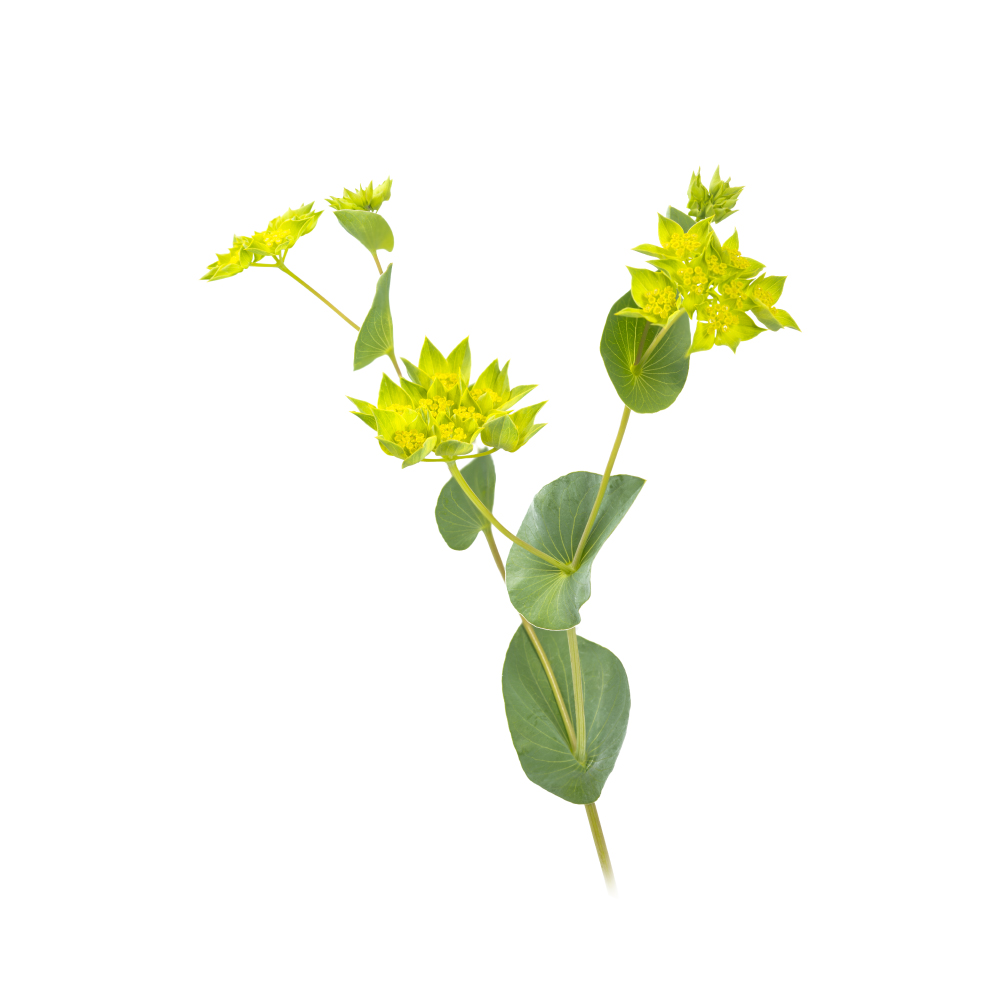 MildMildBupleurumBupleurum falcatumSaikosaponin c, rather than the a and d forms that carry the rest of the pharmacology, showed anti-hepatitis-B activity in hepatoma cell lines; the broad antiviral reputation rests on flavonoids common to many plants.Mechanismanti-HBV activity (saikosaponin c)Read the evidenceShow lessMonograph →
Saikosaponin c, not the a/d epimers that carry the herb’s anti-inflammatory and hepatoprotective work, showed anti-HBV activity in hepatoma cell lines by attenuating HNF1α and HNF4α expression 40Reference 40In vitroSaikosaponin C exerts anti-HBV effects by attenuating HNF1α and HNF4α expression to suppress HBV pgRNA synthesis — in vitroView study →.
Cell-line only, one virus, and a different molecule from the herb’s main actives. The wider antiviral reputation traces to quercetin and rutin and to decades-old in-vitro assays.
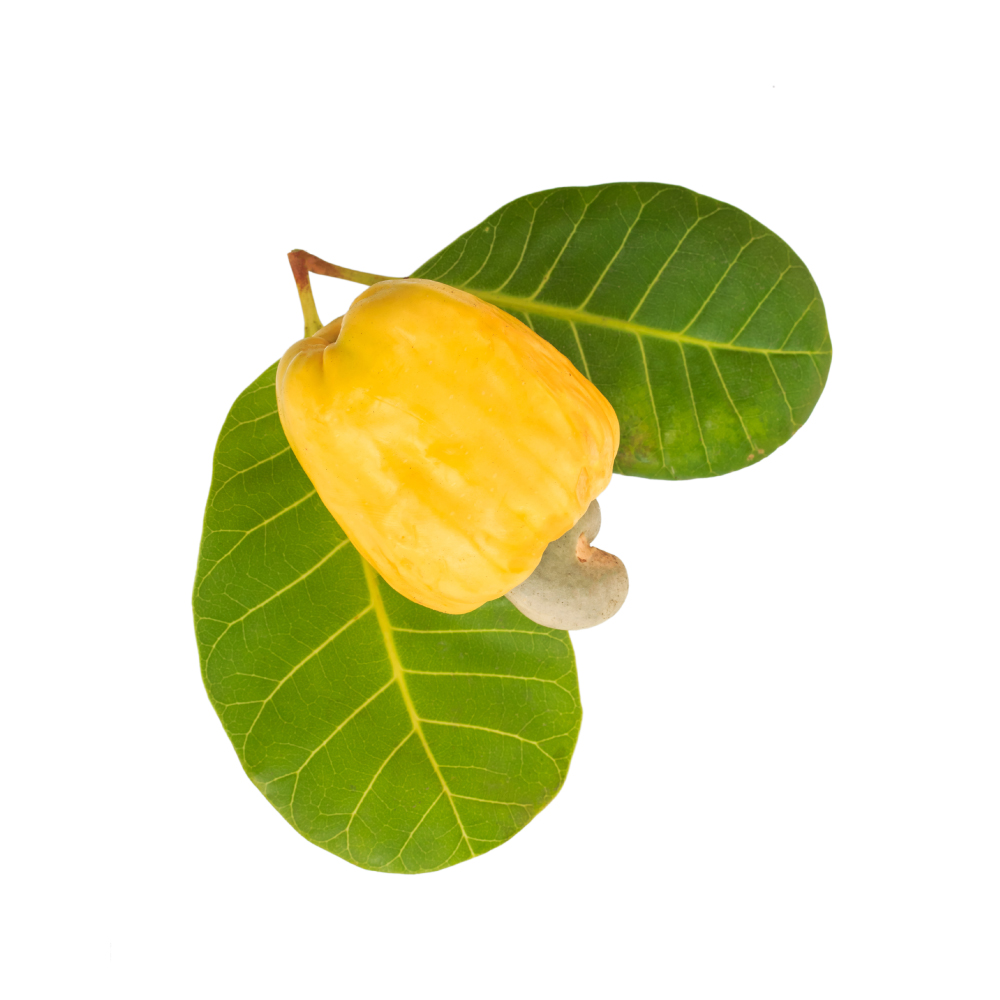 MildMildCashewAnacardium occidentaleAnacardic acid, the phenolic lipid of the nut shell, inhibits hepatitis C virus entry, replication, translation and virion secretion in cell culture by inhibiting a host histone acetyltransferase; the isolated compound, not a cashew preparation.Mechanismhost histone acetyltransferase (HAT) inhibition; blockade of HCV entry, replication, translation and virion secretionRead the evidenceShow lessMonograph →
Anacardic acid inhibited HCV entry, replication, translation and virion secretion dose-dependently, with no measurable effect on cell viability, attributed to HAT inhibition 41Reference 41In vitroThe inhibitory effects of anacardic acid on the hepatitis C virus life cycle — in vitroView study →. The active window was above 5 µM sustained over about 12 hours 41Reference 41In vitroThe inhibitory effects of anacardic acid on the hepatitis C virus life cycle — in vitroView study →.
No cashew preparation was tested, no oral route reaches that concentration-time exposure, and whether the effect extends to other Flaviviridae is untested 41Reference 41In vitroThe inhibitory effects of anacardic acid on the hepatitis C virus life cycle — in vitroView study →.
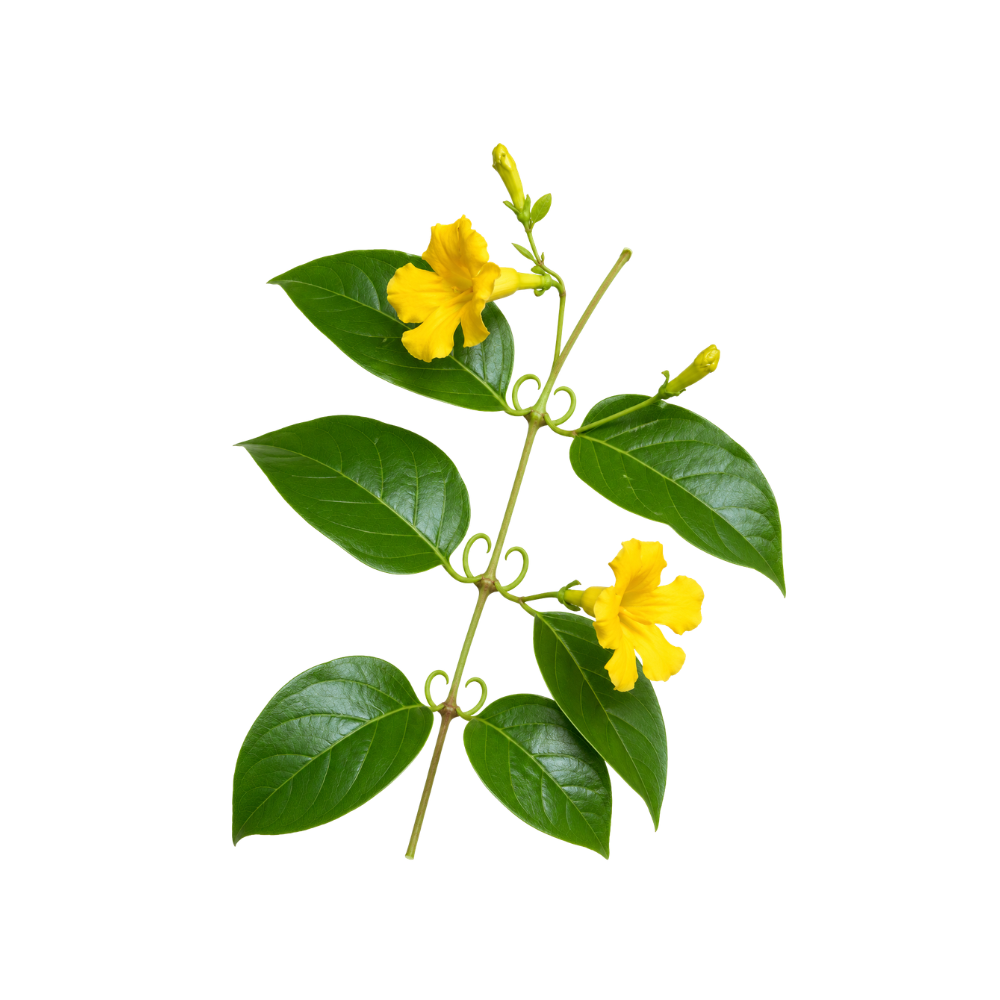 MildMildCat’s ClawUncaria tomentosaA bark extract and its pentacyclic-alkaloid fraction reduced the proportion of dengue-infected monocytes and cut IL-8, permeability and viral NS1 production in infected endothelial cells; in vitro, and the herb raises blood levels of HIV protease inhibitors.Mechanismviral NS1 production ↓; endothelial permeability / IL-8 ↓; TNF-α & IFN-α dampening (pentacyclic alkaloid fraction)Read the evidenceShow lessMonograph →
In human monocytes infected with dengue virus 2, a hydroalcoholic extract and its pentacyclic-alkaloid fraction reduced the proportion of infected cells and dampened TNF-α and IFN-α 42Reference 42In vitroImmunomodulating and antiviral activities of Uncaria tomentosa on human monocytes infected with Dengue Virus-2 — in vitroView study →; the alkaloidal fraction also cut paracellular permeability, IL-8 and viral NS1 production in dengue-infected endothelial cells 43Reference 43In vitroUncaria tomentosa alkaloidal fraction reduces paracellular permeability, IL-8 and NS1 production on dengue-infected endothelial cells — in vitroView study →.
One virus, in vitro, with no human antiviral trial. The popular HIV, herpes and EBV uses have no efficacy data.
In a documented case, cat’s claw raised blood levels of atazanavir, ritonavir and saquinavir 44Reference 44Case reportInteraction between cat’s claw and protease inhibitors atazanavir, ritonavir and saquinavir — case reportView study →, consistent with potent in-vitro CYP3A4 inhibition 45Reference 45In vitroAn in vitro evaluation of human cytochrome P450 3A4 inhibition by selected commercial herbal extracts and tinctures — in vitroView study → and PXR activation 46Reference 46In vitroIdentification of PXR activators from Uncaria rhynchophylla and Uncaria tomentosa — in vitroView study →.
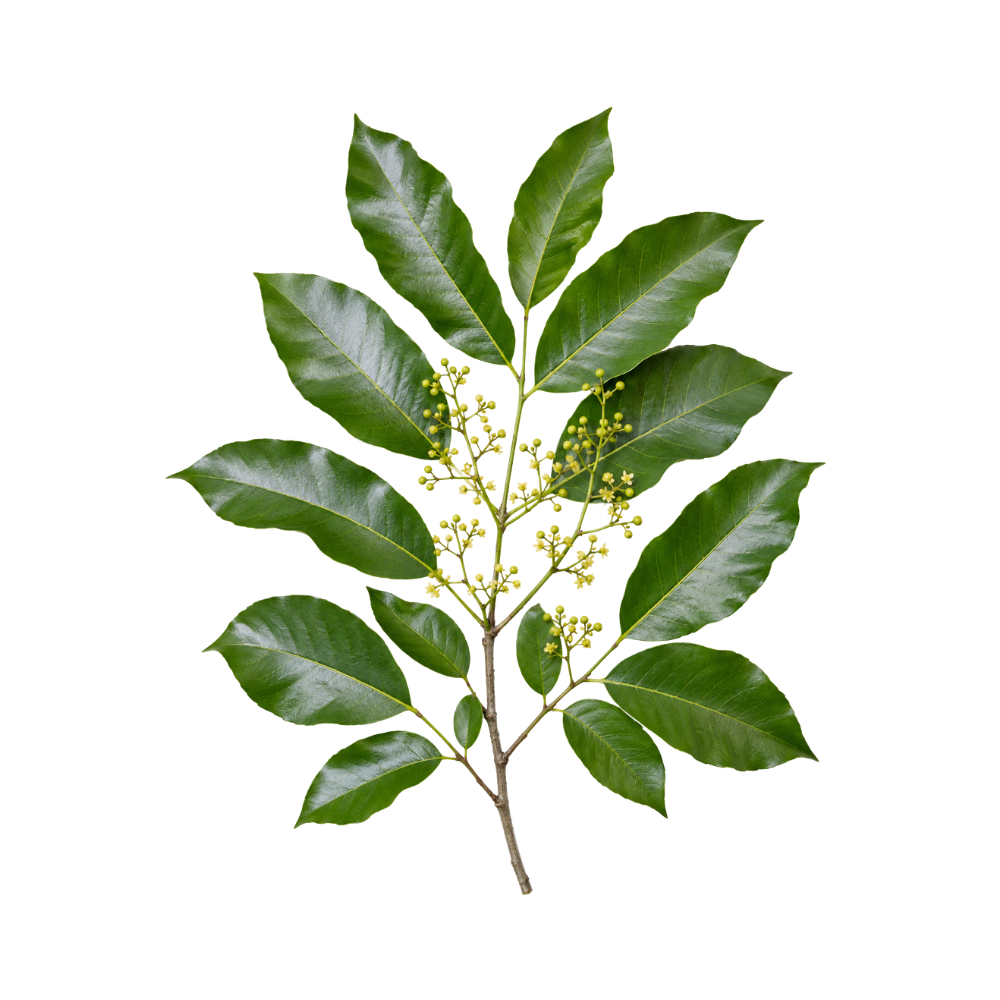 MildMildCatuabaTrichilia catiguaBark extracts inhibit herpes simplex 1, bovine herpesvirus and poliovirus in culture by direct virucidal action and adsorption blockade, and topical formulations were active against an acyclovir-resistant HSV-1 strain.Mechanismvirucidal action; viral adsorption blockadeRead the evidenceShow lessMonograph →
T. catigua bark extracts inhibited herpes simplex virus type 1, bovine herpesvirus and poliovirus in culture, acting partly by direct virucidal action and by blocking viral adsorption to the host cell 47Reference 47In vitroAntiviral activity of Trichilia catigua bark extracts for herpesvirus and poliovirus — in vitroView study →. Topical formulations of the extract were later active against a genital HSV-2 strain and an acyclovir-resistant HSV-1 strain 48Reference 48In vitroTopical formulations containing Trichilia catigua extract as therapeutic options for a genital and an acyclovir-resistant strain of herpes recurrent infection — in vitroView study →, which suggests a mechanism independent of thymidine-kinase activation.
The often-repeated anti-HIV claim belongs to Erythroxylum catuaba, a different plant 49Reference 49In vitroEffects of Catuaba extracts on microbial and HIV infection — animal model / in vitroView study →. The only formulation data are topical, and no animal or human antiviral study exists.
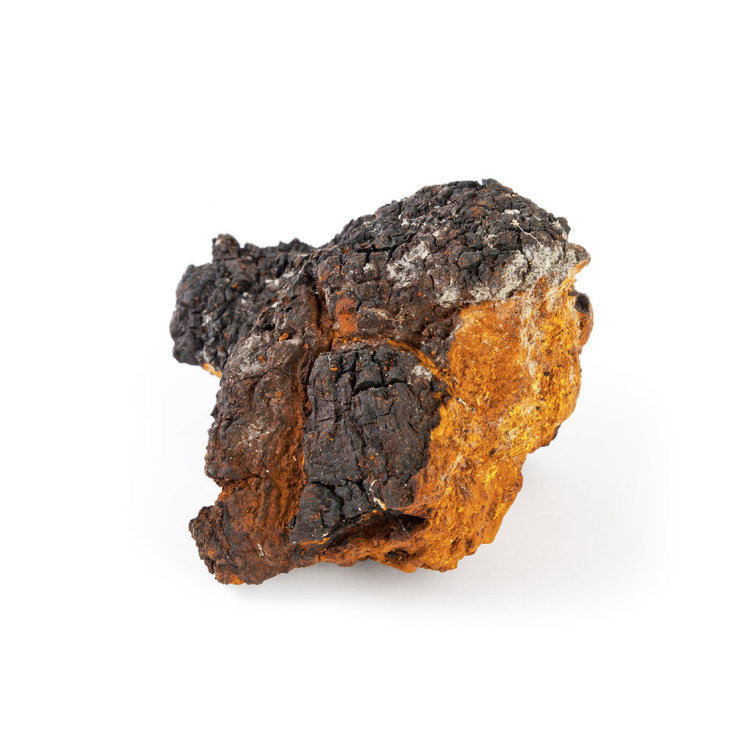 MildMildChagaInonotus obliquusAqueous extract inhibited hepatitis C, HIV and herpes simplex 1 in cell culture, and blocks HSV-1 entry by inhibiting virus-induced membrane fusion; no animal or human data.Mechanismviral entry blockade via inhibition of virus-induced membrane fusion (HSV-1)Read the evidenceShow lessMonograph →
Aqueous Inonotus obliquus extract inhibited hepatitis C 50Reference 50In vitroAntiviral activity of Inonotus obliquus fungus extract towards hepatitis C virus in cell cultures — in vitroView study →, HIV 51Reference 51In vitroAntiviral activity of aqueous extracts of the birch fungus Inonotus obliquus on the human immunodeficiency virus — in vitroView study → and herpes simplex virus 1 52Reference 52In vitroAqueous extract from Inonotus obliquus prevents herpes simplex virus entry through inhibition of viral-induced membrane fusion — in vitroView study → in cell culture. The defined mechanism is entry-stage: the aqueous extract prevents HSV-1 entry by blocking virus-induced membrane fusion 52Reference 52In vitroAqueous extract from Inonotus obliquus prevents herpes simplex virus entry through inhibition of viral-induced membrane fusion — in vitroView study →, an extracellular effect consistent with a water-extracted polysaccharide and melanin fraction.
There is no animal or human data for any of the three viruses, the HCV and HIV work comes from a single group, and an entry-blocking effect in a dish says nothing about a simmered tea in an established infection.
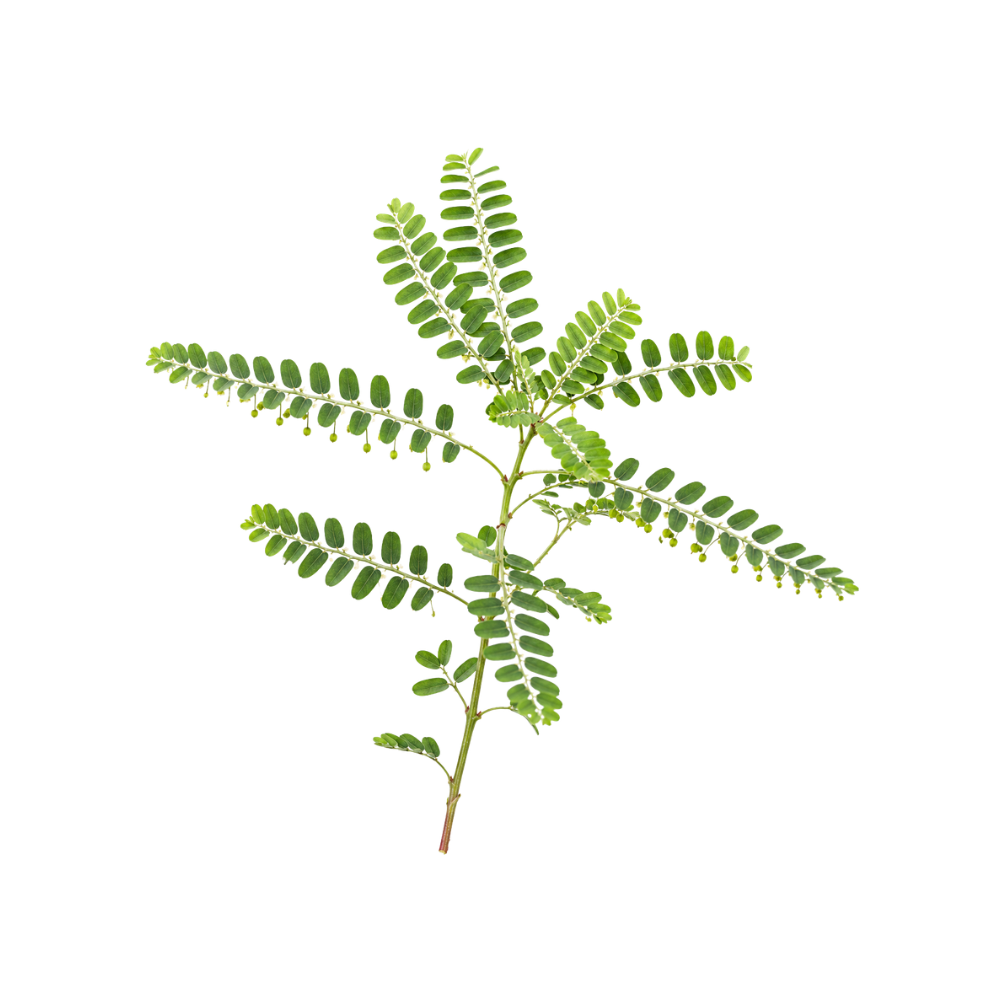 MildMildChanca PiedraPhyllanthus niruriThe Amazonian remedy for viral illness and the liver; early reviews of many low-quality trials suggested Phyllanthus cleared hepatitis B surface antigen, and the Cochrane review of 16 trials found no convincing benefit over placebo.Mechanismanti-HBV (traditional; geraniin and repandusinic acid A in vitro); controlled trials nullRead the evidenceShow lessMonograph →
Early systematic reviews of many low-quality trials suggested Phyllanthus species cleared HBsAg better than placebo and boosted interferon’s effect 111Reference 111Systematic reviewGenus Phyllanthus for chronic hepatitis B virus infection: a systematic review — systematic reviewView study →. A Cochrane review of 16 randomised trials in 1,326 patients then found no convincing benefit versus placebo; the apparent effects on HBV DNA and HBeAg came from heterogeneous combination trials and did not survive trial-sequential analysis 112Reference 112Meta-analysisPhyllanthus species for chronic hepatitis B virus infection — Cochrane systematic review and meta-analysisView study →.
An earlier New Zealand study of hepatitis B carriers found no response to P. amarus 16Reference 16Failure of New Zealand hepatitis B carriers to respond to Phyllanthus amarusView study →.
The constituent-level work is real: geraniin binds the dengue envelope protein and inhibits HBV cccDNA establishment, and repandusinic acid A inhibits HIV reverse transcriptase, all in vitro. The herb’s evidenced work is antilithic.
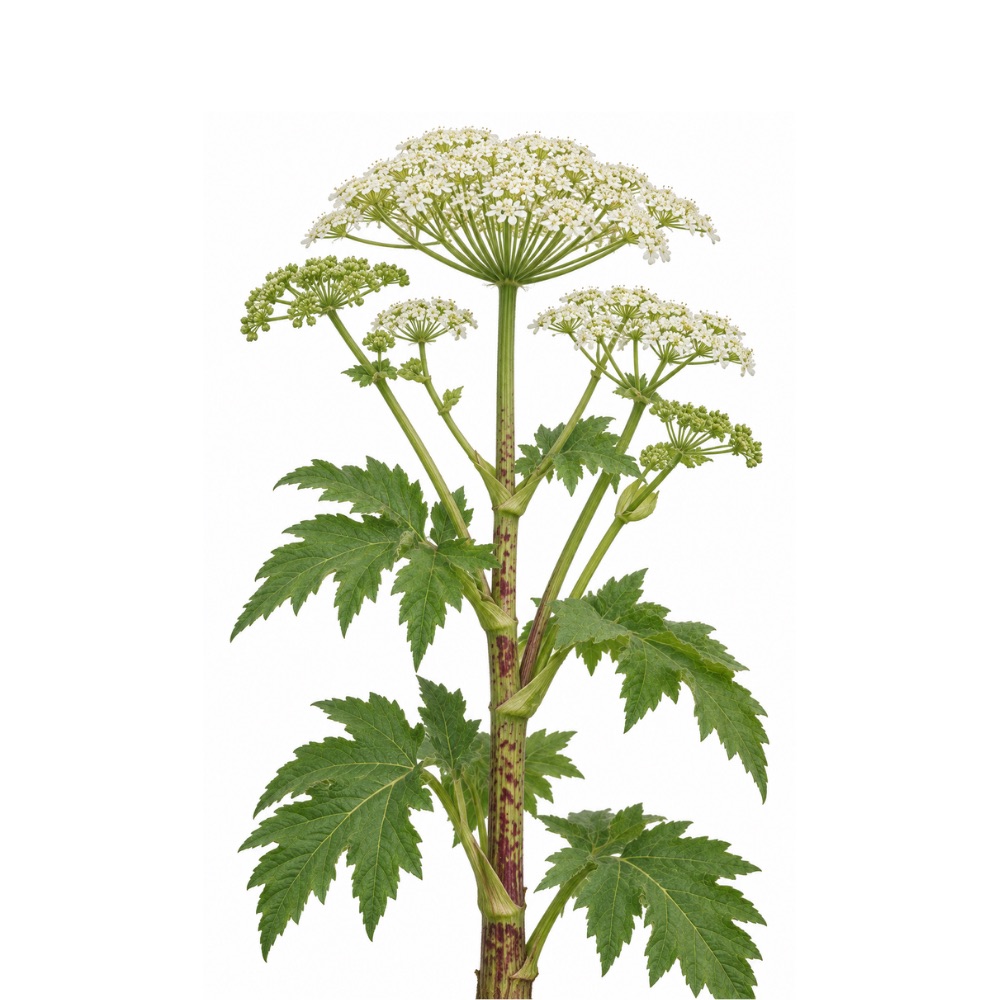 MildMildCow ParsnipHeracleum maximumCarries a traditional antiviral reputation; the aerial parts were not among the active extracts in a screen of 100 British Columbian medicinal plants against seven viruses, and the root's macrophage-stimulating activity is the likelier basis of any perceived effect.Mechanismnot resolved; direct screen negative; macrophage IL-6 induction (host-directed)Read the evidenceShow less
When the aerial parts of H. maximum were included in a screen of 100 methanolic extracts against seven viruses, the plant was not among the twelve active extracts 121Reference 121In vitroAntiviral screening of British Columbian medicinal plants — in vitroView study →.
An aqueous root extract stimulates cultured macrophages to produce IL-6 at a level comparable with a lipopolysaccharide control, so any perceived antiviral effect is most plausibly host-directed. There is no animal or human study.
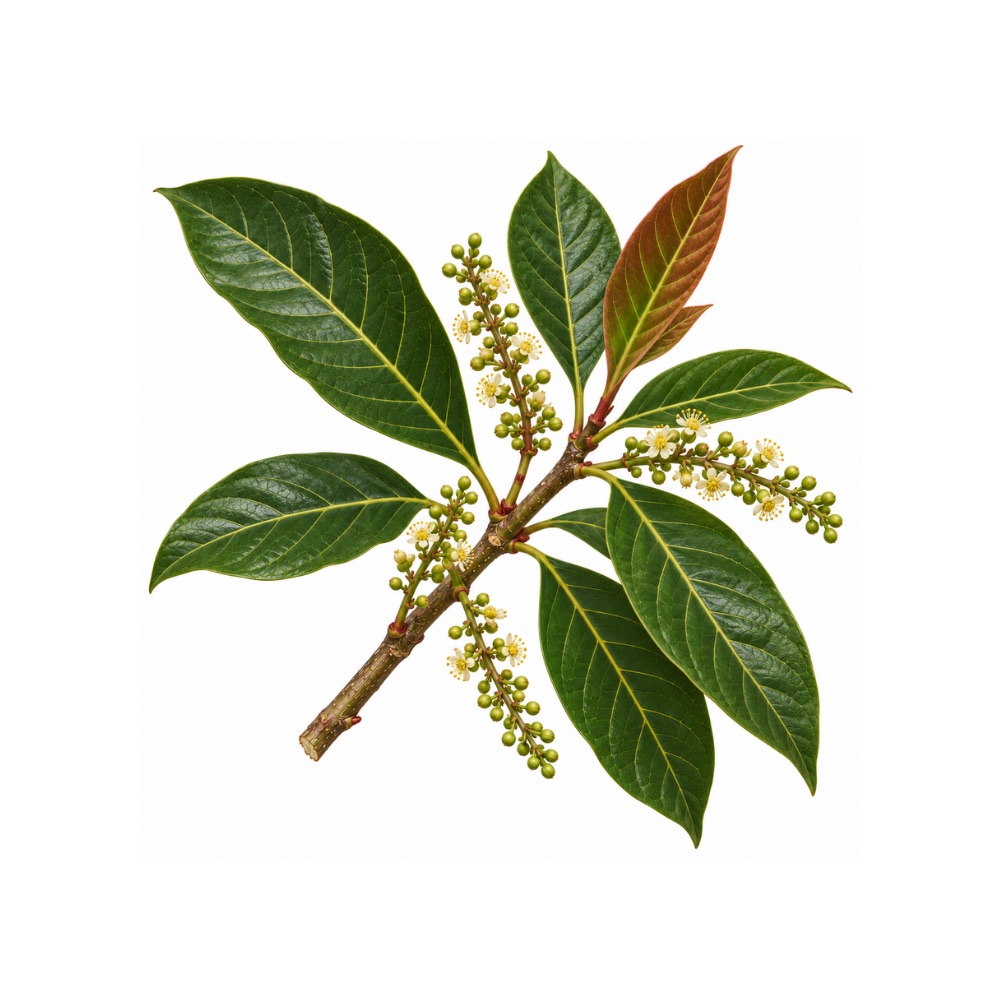 MildMildDragon’s BloodCroton lechleriSP-303, the purified proanthocyanidin oligomer of the latex, applied as a 15% ointment brought complete healing of herpes lesions in 41% of AIDS patients versus 14% on placebo, a borderline result in one trial.Mechanismpurified fraction activity against herpes lesions, topicalRead the evidenceShow less
A double-blind, placebo-controlled phase II trial of Virend (SP-303 as a 15% topical ointment, three times daily for 21 days) in AIDS patients with recurrent genital and anal herpes found complete healing in 41% (9 of 22) versus 14% (3 of 21) on placebo, a difference of borderline significance 53Reference 53RCTSafety and efficacy of Virend for topical treatment of genital and anal herpes simplex lesions in patients with AIDS — randomised controlled trialView study →.
The result belongs to a purified fraction applied topically, not to the whole sap, and it has not been replicated.
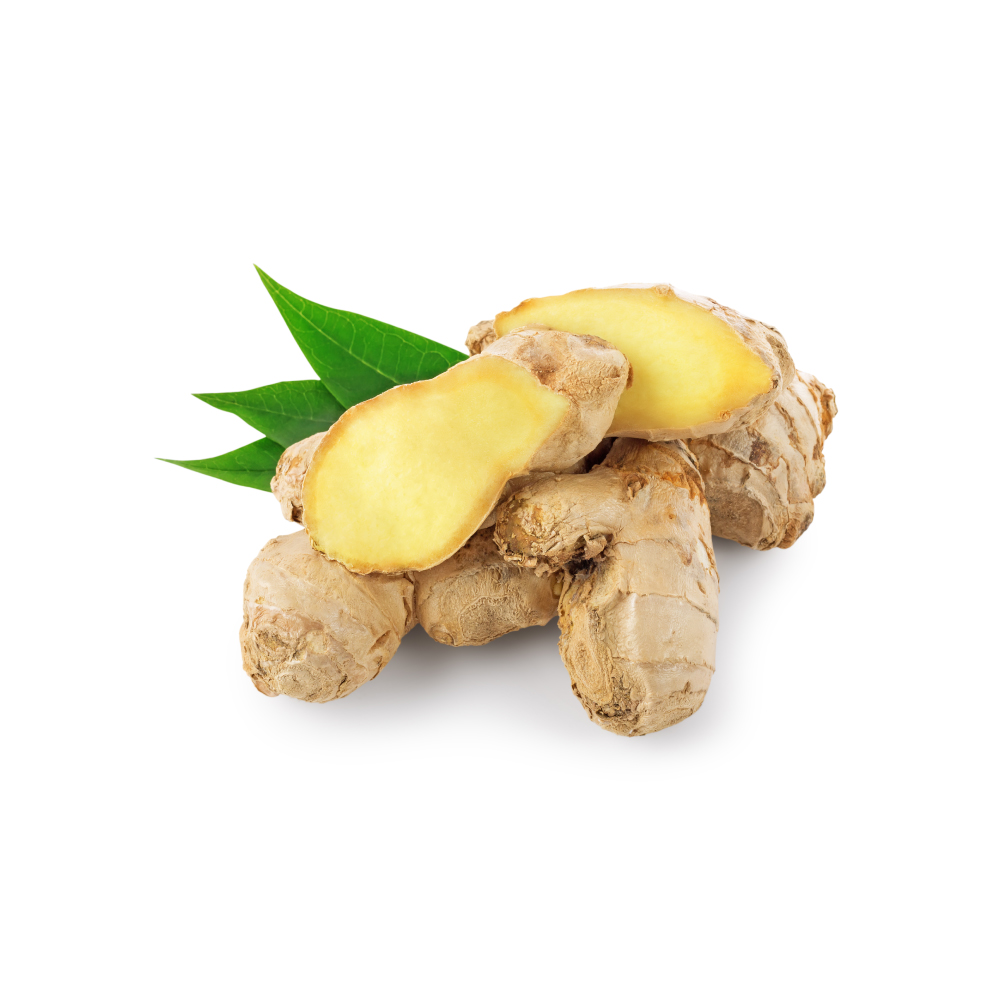 MildMildGingerZingiber officinaleFresh ginger inhibits respiratory syncytial virus attachment and internalisation in human respiratory-tract cell lines, and dried ginger does not; the fresh root is the traditional Western remedy at the first sign of a cold.Mechanismviral attachment and internalisation ↓ (fresh rhizome, RSV, in vitro)Read the evidenceShow lessMonograph →
Fresh ginger dose-dependently inhibited human respiratory syncytial virus in human upper and lower respiratory-tract cell lines, largely by blocking viral attachment and internalisation, and dried ginger did not 108Reference 108In vitroFresh ginger (Zingiber officinale) has anti-viral activity against human respiratory syncytial virus in human respiratory tract cell lines — in vitroView study →.
The fresh root or its juice is the form Western practice reaches for at the onset of a cold. The antiviral work is laboratory work, with no trial in people.
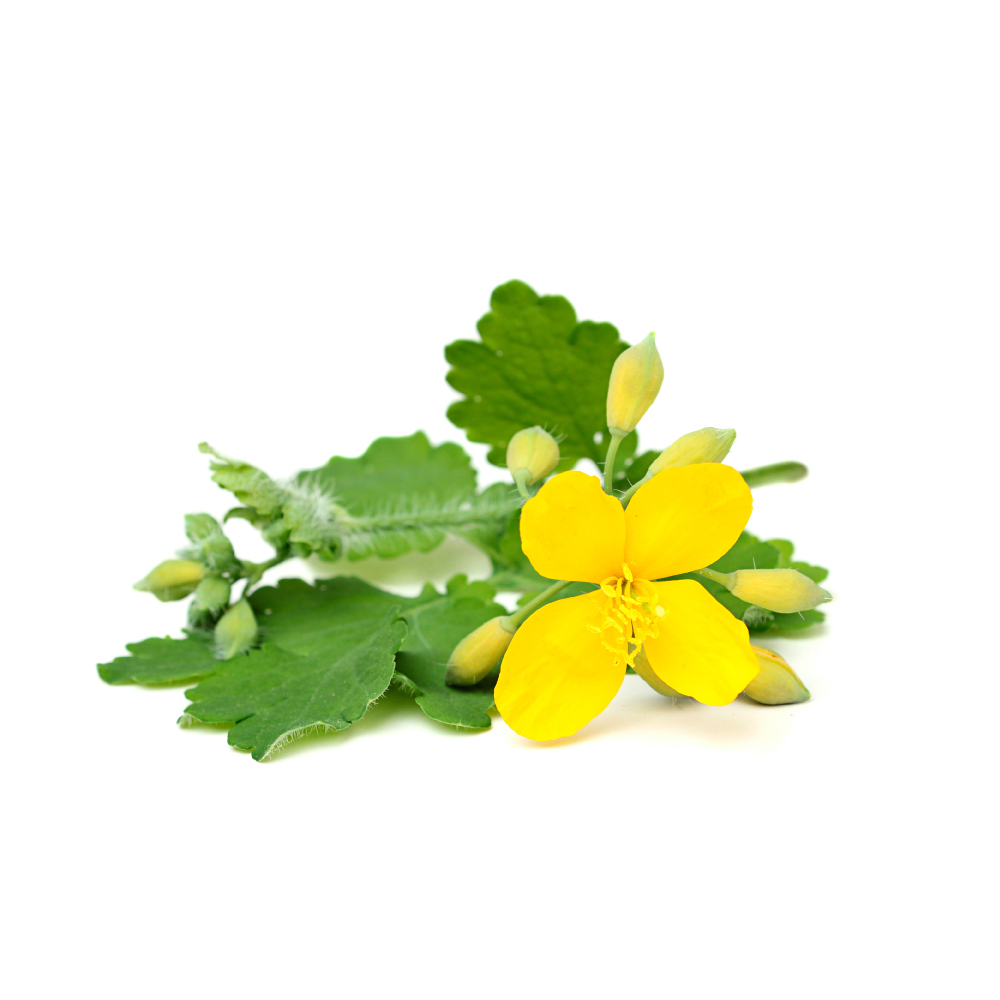 MildMildGreater CelandineChelidonium majusThe alkaloid fraction shows activity against viruses alongside gram-positive bacteria and fungi in in-vitro screens, and the fresh latex is a traditional topical remedy for warts and herpes outbreaks; no clinical antiviral study exists.Mechanismnot resolved; alkaloid-fraction activity in vitro (sanguinarine, chelerythrine)Read the evidenceShow lessMonograph →
Across independent screens the alkaloid fraction, chiefly sanguinarine and chelerythrine, is active against gram-positive bacteria, fungi and viruses in vitro, with the activity dependent on the alkaloid content of the preparation.
Topical use for warts, herpes simplex, HPV and varicella-zoster is traditional and has not been tested in controlled human studies. Internal use is limited by the herb’s hepatotoxicity.
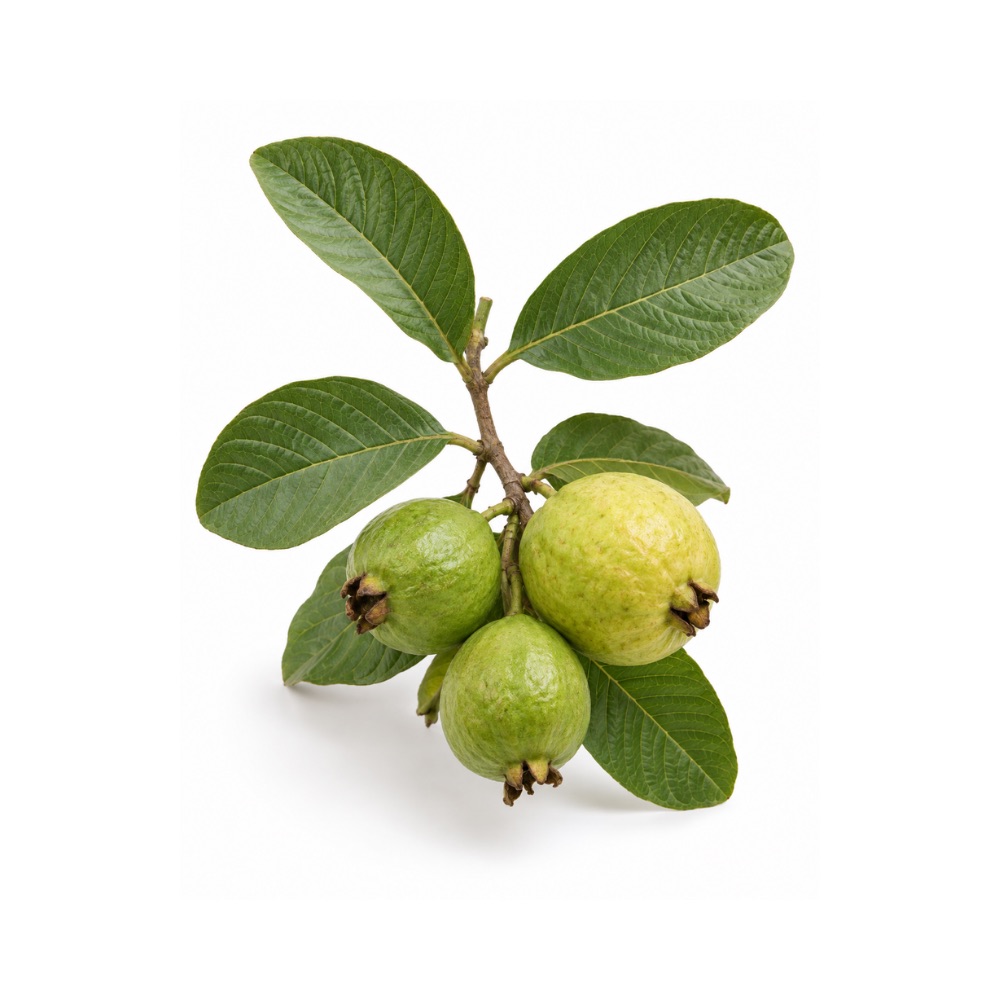 MildMildGuavaPsidium guajavaA guava-leaf preparation outperformed a comparator herbal decoction in 62 children with rotaviral enteritis, with 87% versus 58% recovering in three days; the benefit is explained by the leaf's astringent and anti-motility action rather than by any effect on the virus.Mechanismnot established; antidiarrhoeal (astringent, anti-motility) action in a viral enteritisRead the evidenceShow less
In 62 children with rotaviral enteritis, a guava-leaf preparation outperformed a comparator herbal decoction, with a 3-day recovery rate of 87% versus 58% and faster cessation of diarrhoea (25 versus 39 hours) 62Reference 62RCTClinical study on treatment of infantile rotaviral enteritis with Psidium guajava L. — randomised clinical trialView study →.
The trial measured a diarrhoeal outcome, not viral load or shedding, and the benefit is accounted for by the leaf’s antidiarrhoeal and fluid-conserving activity 61Reference 61AnimalAntidiarrheal and protein conservative activities of Psidium guajava in diarrheal rats — animal modelView study →. No in-vitro virology and no viral target has been reported for guava.
MildMildHoneysuckleLonicera japonicaMIR2911, a plant microRNA stable in the decoction, binds the influenza A PB2 and NS1 genes and suppressed H1N1 replication and H5N1 mortality in mice; jin yin hua anchors the classical Chinese formulas for feverish infection, and the cross-kingdom uptake premise is contested.MechanismMIR2911 sequence-specific targeting of influenza PB2/NS1 (contested)Read the evidenceShow lessMonograph →
MIR2911, an atypical plant microRNA encoded by honeysuckle and unusually stable in water decoction, binds the influenza A PB2 and NS1 genes and suppresses their protein expression, with sequence specificity confirmed by a binding-site mutant virus that resisted it; in mice, MIR2911 inhibited H1N1 replication and sharply reduced H5N1 mortality 63Reference 63Honeysuckle-encoded atypical microRNA2911 directly targets influenza A virusesView study →. The extension to SARS-CoV-2 reports about 93% inhibition of replication in Vero E6 cells using MIR2911-loaded exosomes, plus a non-randomised six-patient cohort with faster viral clearance 64Reference 64Absorbed plant MIR2911 in honeysuckle decoction inhibits SARS-CoV-2 replication and accelerates the negative conversion of infected patientsView study →.
The potent results use synthetic MIR2911 or engineered exosomes rather than the decoction. The mechanism depends on dietary plant microRNAs being absorbed into blood at bioactive doses, which independent groups have repeatedly failed to reproduce; a pigtailed-macaque study found no meaningful uptake and attributed apparent signals to non-specific amplification and contamination 65Reference 65AnimalIneffective delivery of diet-derived microRNAs to recipient animal organisms — animal modelView study →.
The pro-uptake literature comes from one laboratory.
MildMildLomatiumLomatium dissectumAn aqueous root decoction inhibited secretion of CXCL10, a host chemokine associated with poor prognosis in severe influenza, from stimulated bronchial epithelial cells; the Great Basin root famous from the 1918 pandemic, with no measured effect on a virus.MechanismCXCL10 secretion ↓ (host chemokine, not viral replication)Read the evidenceShow less
In vitro, an aqueous root decoction significantly inhibited secretion of CXCL10, a chemokine associated with poor prognosis in severe influenza A, from stimulated human bronchial epithelial cells (1 µg/mL, P = 0.043), offered by the authors as a mechanistic basis for the traditional flu use 86Reference 86Journal of Restorative Medicine.
The assay measures host inflammatory signalling, not viral entry or replication. The reputation rests on reports of use during the 1918 influenza pandemic, and no controlled human trial exists.
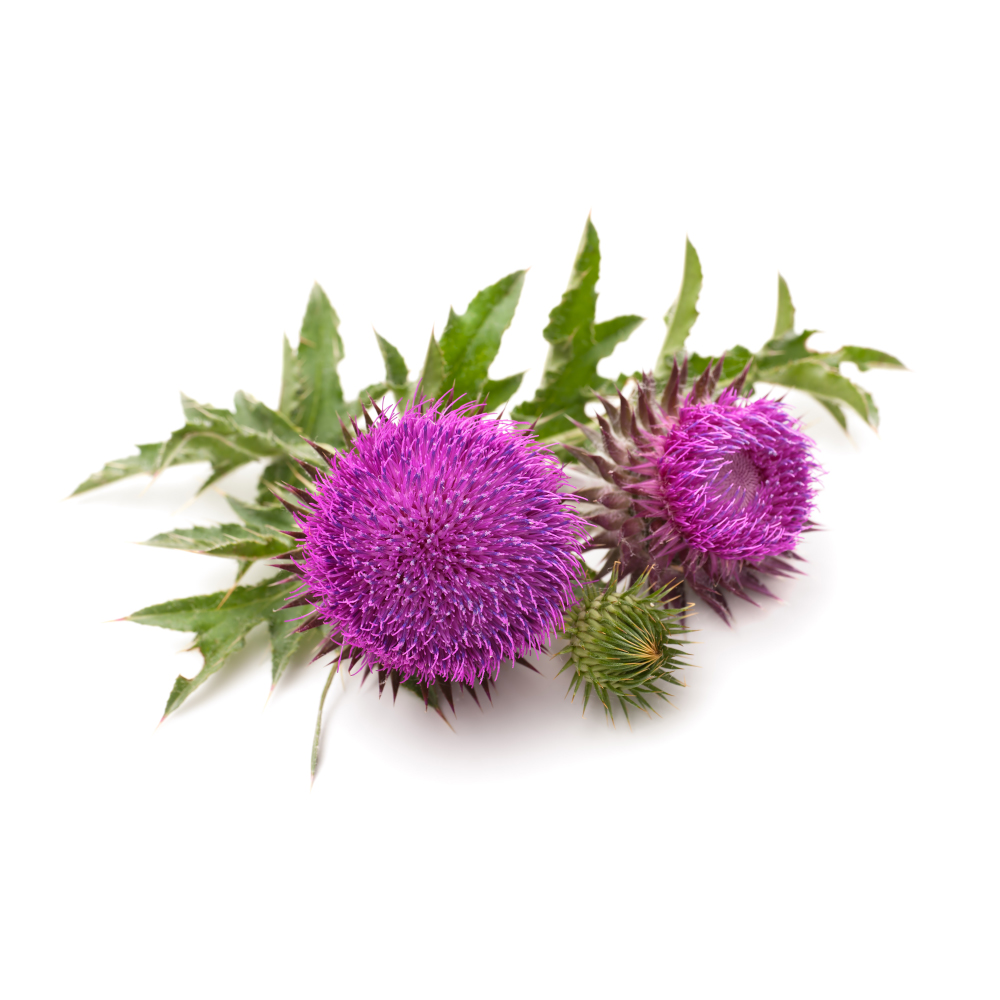 MildMildMilk ThistleSilybum marianumSilymarin inhibits hepatitis C virus in cell culture, and the NIH-funded JAMA trial in chronic hepatitis C found no benefit even at high doses; the herb's evidenced work is hepatoprotective.Mechanismanti-HCV activity in cell culture (silymarin); clinical trial nullRead the evidenceShow lessMonograph →
Silymarin has a mechanistic research programme against hepatitis C in cell culture. The decisive human test, a multicentre NIH-funded randomised trial in patients with chronic hepatitis C who had failed interferon, found no benefit on liver disease even at high doses 103Reference 103RCTEffect of silymarin (milk thistle) on liver disease in patients with chronic hepatitis C unsuccessfully treated with interferon therapy: a randomized controlled trial — multicentre RCTView study →.
Milk thistle’s substantiated work is hepatoprotective, and the null result is the most useful finding for anyone considering it in hepatitis C.
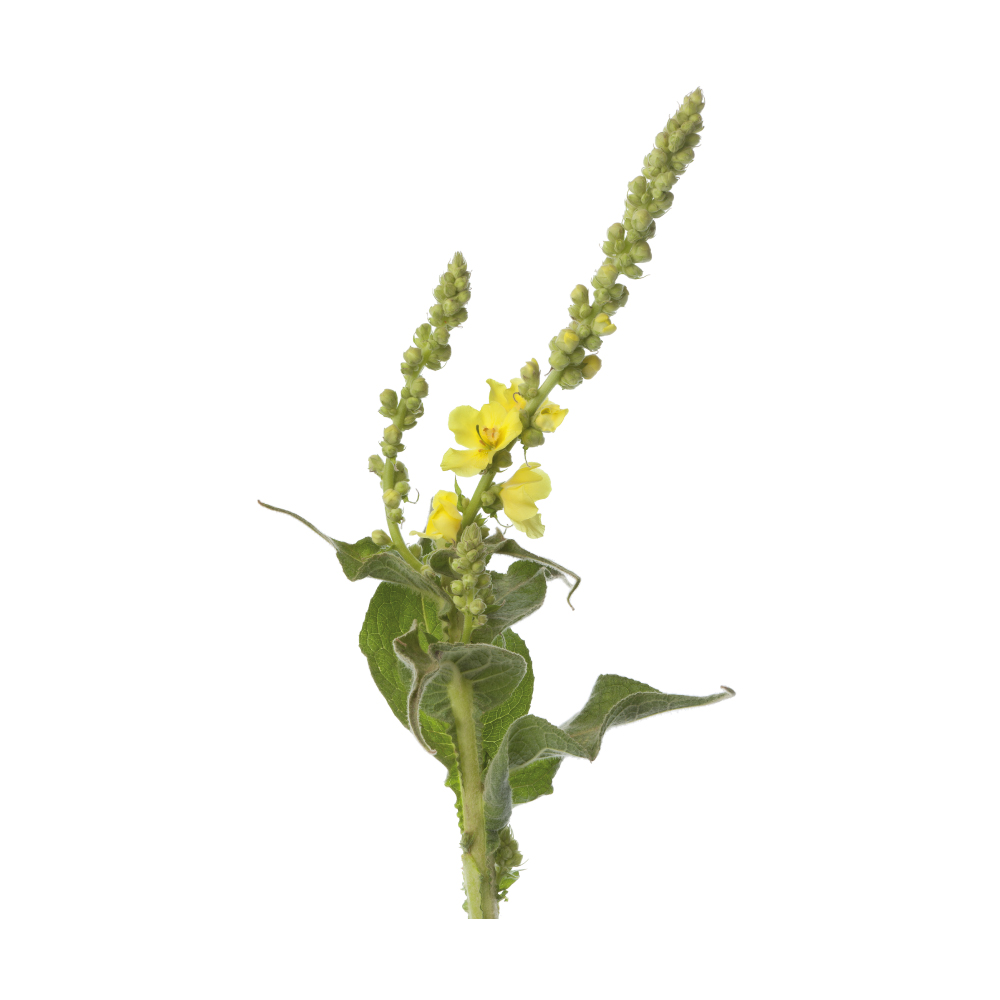 MildMildMulleinVerbascum thapsusWhole extract inhibited influenza A in a screen of Nepalese medicinal plants, and pseudorabies virus in cell culture.Mechanismnot established — whole-extract inhibition in cell culture, no isolated antiviral constituentRead the evidenceShow lessMonograph →
Mullein extracts show antiviral activity in cell culture. A screen of Nepalese medicinal plants found V. thapsus among those with strong anti-influenza A activity in vitro, and a separate study reported inhibition of pseudorabies virus.
Both are laboratory studies against animal or surrogate viral models, using whole extracts. Nothing has been tested in animals or people, and there is no work on human respiratory viruses beyond the influenza screen.
Mullein’s established use is as a demulcent for dry, irritated coughs and catarrh, which is a different claim from acting on a virus.
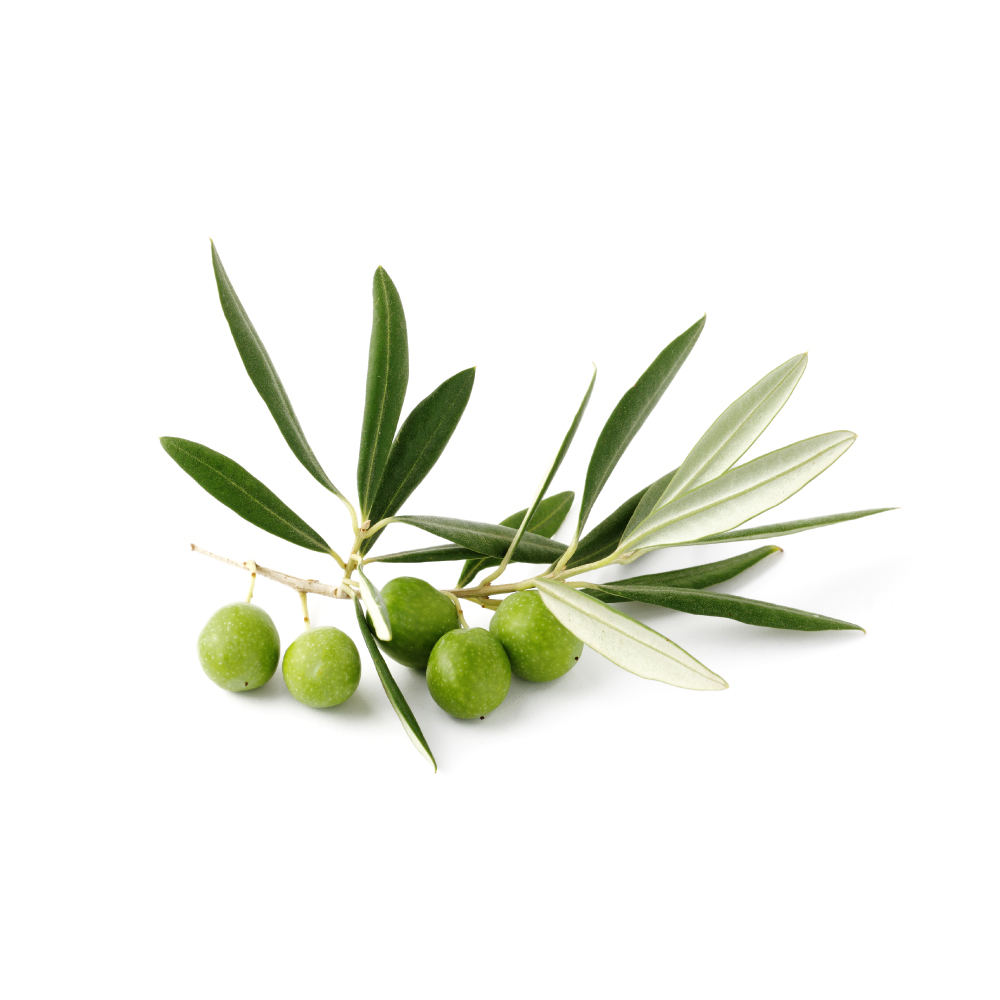 MildMildOlive LeafOlea europaeaStandardised leaf extract showed in-vitro activity against SARS-CoV-2 with in-silico docking of its metabolites; no controlled human antiviral trial exists, and the one respiratory RCT measured illness rather than virology.Mechanismin-vitro activity against SARS-CoV-2 (standardised extract); in-silico dockingRead the evidenceShow lessMonograph →
A 2024 study screened standardised olive leaf metabolites in silico against several SARS-CoV-2 targets and reported in-vitro activity for the extract 104Reference 104In vitroIn vitro biological evaluation and in silico insights into the antiviral activity of standardized olive leaves extract against SARS-CoV-2 — in vitro and in silicoView study →.
The effective concentrations are far above what oral dosing achieves in tissue. There are no controlled human antiviral trials; the one respiratory RCT, in athletes, measured illness rather than virology.
MildMildPelargoniumPelargonium sidoidesThe standardised root extract EPs 7630 impairs influenza haemagglutination and neuraminidase and blocks an early infection step in cell and animal work, and shortens acute bronchitis in more than fifteen placebo-controlled trials; no human trial has measured a viral endpoint.Mechanismhaemagglutination and neuraminidase impairment; early infection step blocked (prodelphinidins); immunomodulatoryRead the evidenceShow less
EPs 7630 shows dose-dependent activity against pandemic and seasonal influenza, including oseltamivir-resistant strains, by impairing haemagglutination and neuraminidase and blocking an early infection step, with prodelphinidins identified as the active principle 114Reference 114In vitroEPs 7630 (Umckaloabo), an extract from Pelargonium sidoides roots, exerts anti-influenza virus activity in vitro and in vivo — in vitro and mouse modelView study →.
More than fifteen randomised, double-blind, placebo-controlled trials and two Cochrane reviews have examined the extract in acute respiratory infection, with the most consistent signal being symptom relief and faster recovery in acute bronchitis 113Reference 113Meta-analysisPelargonium sidoides extract for treating acute respiratory tract infections — Cochrane systematic review and meta-analysisView study →; European regulators grant it well-established-use status for that indication.
No clinical trial has measured a virological endpoint, so the antiviral mechanism is inferred as the driver of the symptom benefit rather than demonstrated in patients. The evidence belongs to the proprietary extract, not to teas or generic tinctures.
MildMildPomegranatePunica granatumA punicalagin-rich polyphenol extract of the peel inhibits influenza replication and haemagglutination in cell culture and acts synergistically with oseltamivir; a concentrated fraction, not the juice or fruit.Mechanisminfluenza hemagglutination inhibition; viral replication ↓ (in vitro only)Read the evidenceShow less
A purified pomegranate polyphenol extract inhibited influenza virus replication and haemagglutination in cell culture and showed a synergistic effect with oseltamivir, with punicalagin identified as the active component 19Reference 19Pomegranate (Punica granatum) purified polyphenol extract inhibits influenza virus and has a synergistic effect with oseltamivirView study →.
The effect is in vitro only, with no human influenza data, and it belongs to a concentrated polyphenol fraction rather than to the juice, aril or any culinary preparation.
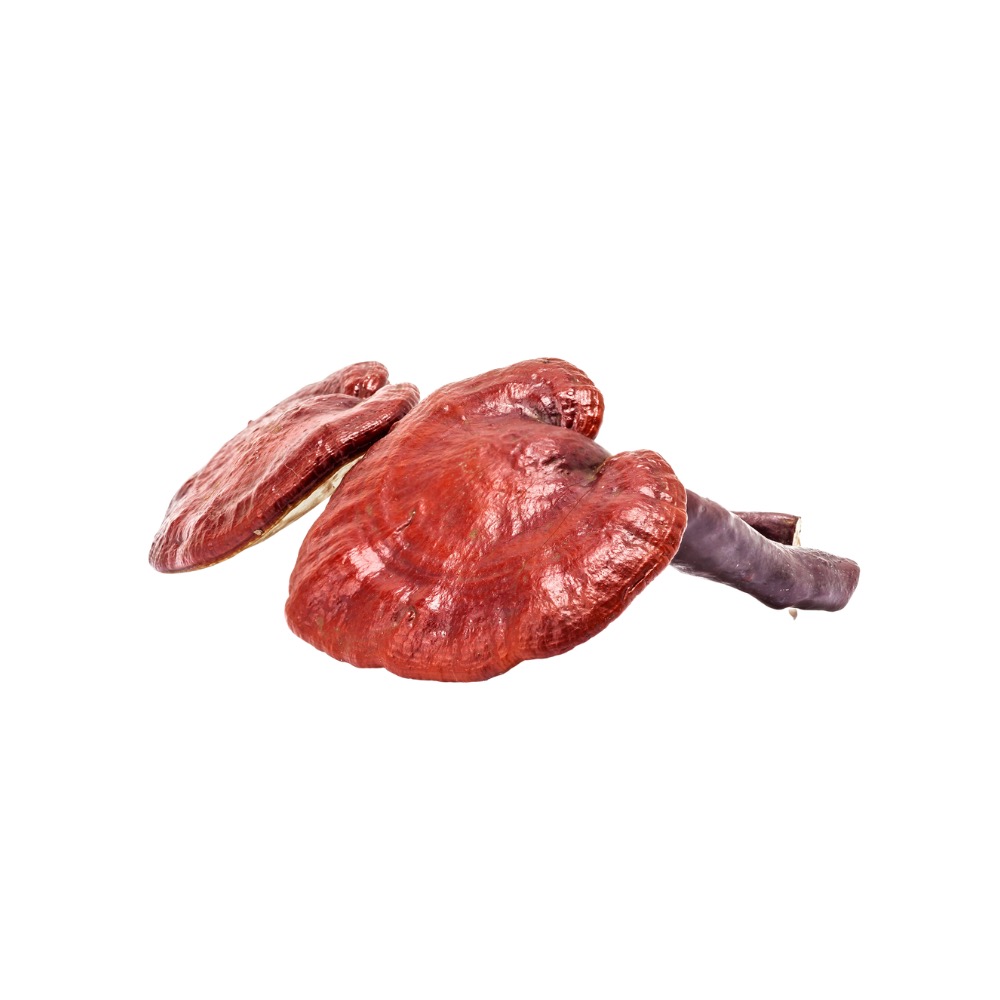 MildMildReishiGanoderma lucidumGanoderic acid inhibited hepatitis B replication in HepG2215 cells and a mycelial proteoglycan blocked herpes simplex entry in vitro; reishi is taken traditionally to keep chronic viral infection such as herpes and shingles at bay.MechanismHBV replication ↓ (ganoderic acid, in vitro and mouse); HSV entry blockade (mycelial proteoglycan, in vitro)Read the evidenceShow lessMonograph →
Ganoderic acid inhibited hepatitis B virus replication in HepG2215 cells and in mice 124Reference 124In vitroAnti-hepatitis B activities of ganoderic acid from Ganoderma lucidum — in vitro and mouse studyView study →, and a proteoglycan isolated from the mycelium blocked herpes simplex (HSV-1 and HSV-2) entry in vitro 125Reference 125In vitroPossible mechanism underlying the antiherpetic activity of a proteoglycan isolated from the mycelia of Ganoderma lucidum — in vitroView study →.
Those are two different preparations. The only human report, faster resolution of recurrent genital and labial herpes, used a six-herb mixture containing reishi, so the effect cannot be attributed to reishi alone 126Reference 126Clinical trialHerbal mixtures containing the mushroom Ganoderma lucidum improve recovery time in patients with herpes genitalis and labialis — clinical trial (herbal mixture)View study →.
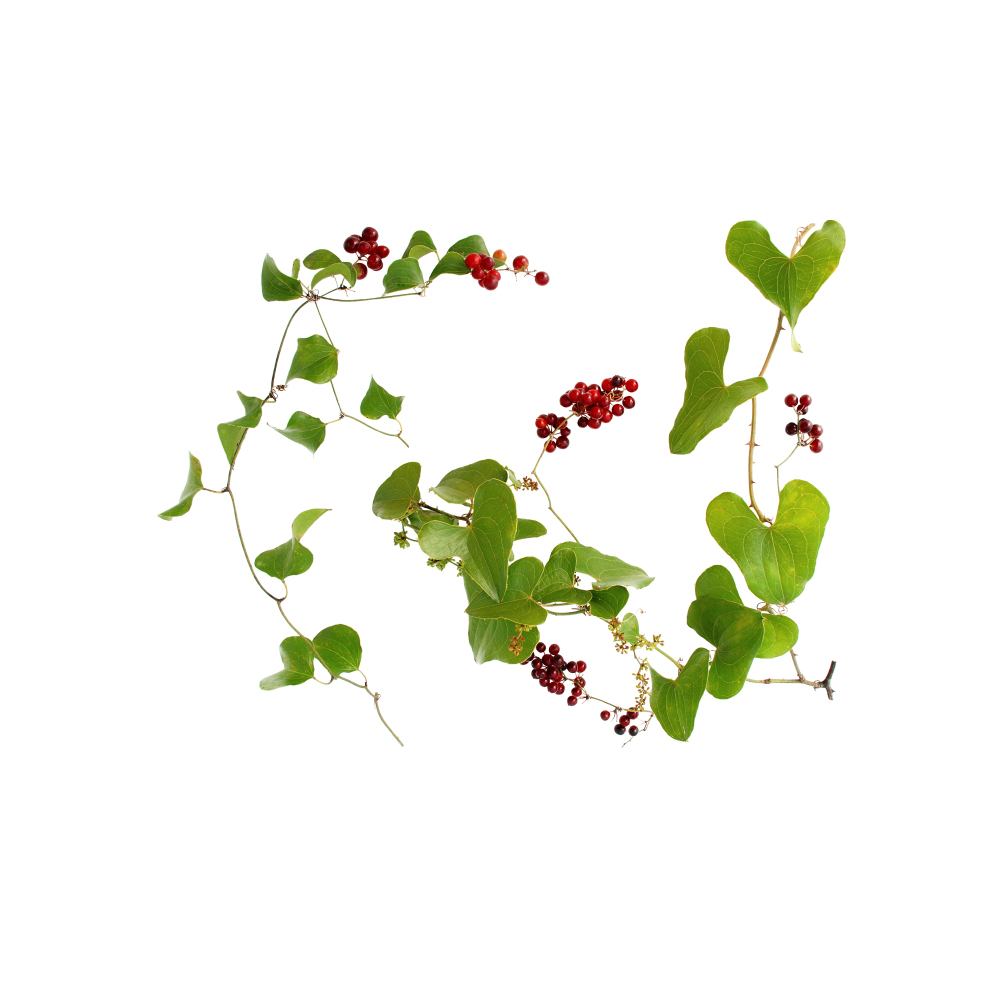 MildMildSarsaparillaSmilax spp.The classical alterative for syphilis and chronic infective states, taken as a blood purifier across Europe and the Americas from the 1500s; no virus has been studied, and the antiviral standing is traditional.Mechanismnot resolved; traditional alterative use in chronic infectionRead the evidenceShow lessMonograph →
After its introduction to Europe in the 1500s, Smilax became a standard treatment for syphilis, the alternative of the day being mercury, and it remained in use for shingles, abscesses, scrofula and chronic infective states as a blood purifier.
No virus is named in the research; the only antimicrobial work covers gram-positive bacteria and one yeast.
MildShiitakeLentinula edodesAHCC, a mycelial extract, supported immune clearance of persistent high-risk HPV in a 50-woman placebo-controlled trial over six months; a host-mediated effect specific to a proprietary preparation.Mechanismimmune-mediated clearance (interferon/T-cell), not direct virucidal actionRead the evidenceShow less
AHCC 3 g/day for six months supported clearance of persistent high-risk HPV in a 50-woman placebo-controlled trial, tracked by HPV DNA/RNA and interferon markers 91Reference 91RCTAHCC Supplementation to Support Immune Function to Clear Persistent Human Papillomavirus Infections — randomised placebo-controlled trialView study →.
The effect is host-mediated, slow, unreplicated, and specific to a proprietary mycelial extract; there is no evidence of direct antiviral activity by shiitake or lentinan in humans.
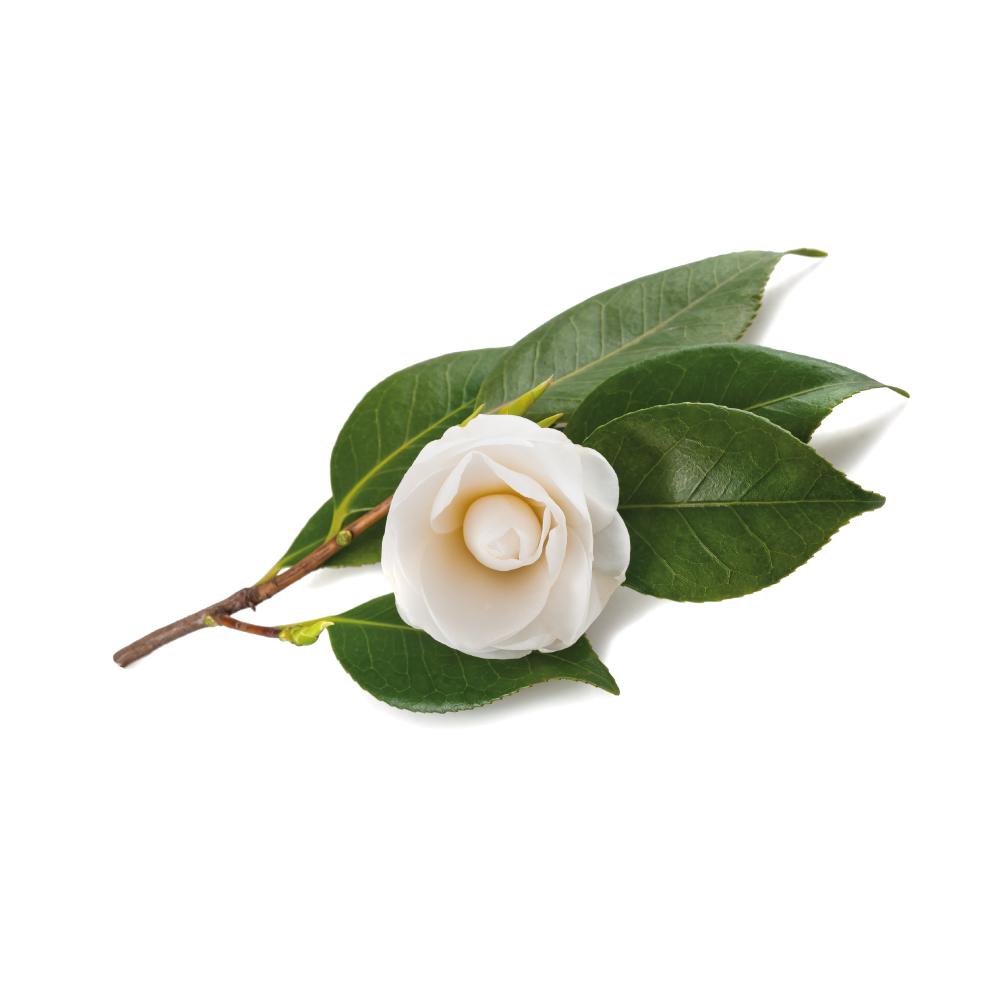 MildMildTeaCamellia sinensisTheaflavins bind influenza haemagglutinin and inhibit neuraminidase, and theaflavin digallate suppresses herpes simplex particle production, in vitro; tea carries the catechins and theaflavins, and no antiviral study of tea itself exists.Mechanismhaemagglutinin binding and neuraminidase inhibition (theaflavins, in vitro)Read the evidenceShow lessMonograph →
Theaflavin digallate binds haemagglutinin, agglutinating influenza A and B virions and blocking their adsorption to host cells at 1–10 µM 30Reference 30Inhibition of the infectivity of influenza virus by tea polyphenolsView study →; theaflavin derivatives inhibit influenza neuraminidase across three subtypes 31Reference 31In vitroIn vitro anti-influenza virus and anti-inflammatory activities of theaflavin derivativesView study →, and 50 µM theaflavin digallate suppressed more than 99% of HSV-1 particle production 32Reference 32Antiviral activity of theaflavin digallate against herpes simplex virus type 1View study →.
Active concentrations run 500 to 25,000 times above measured human plasma levels 35Reference 35Analysis of theaflavins in biological fluids using liquid chromatography-electrospray mass spectrometryView study →, so any relevance for dietary theaflavins would be topical or luminal. No antiviral study of tea as a drink exists.
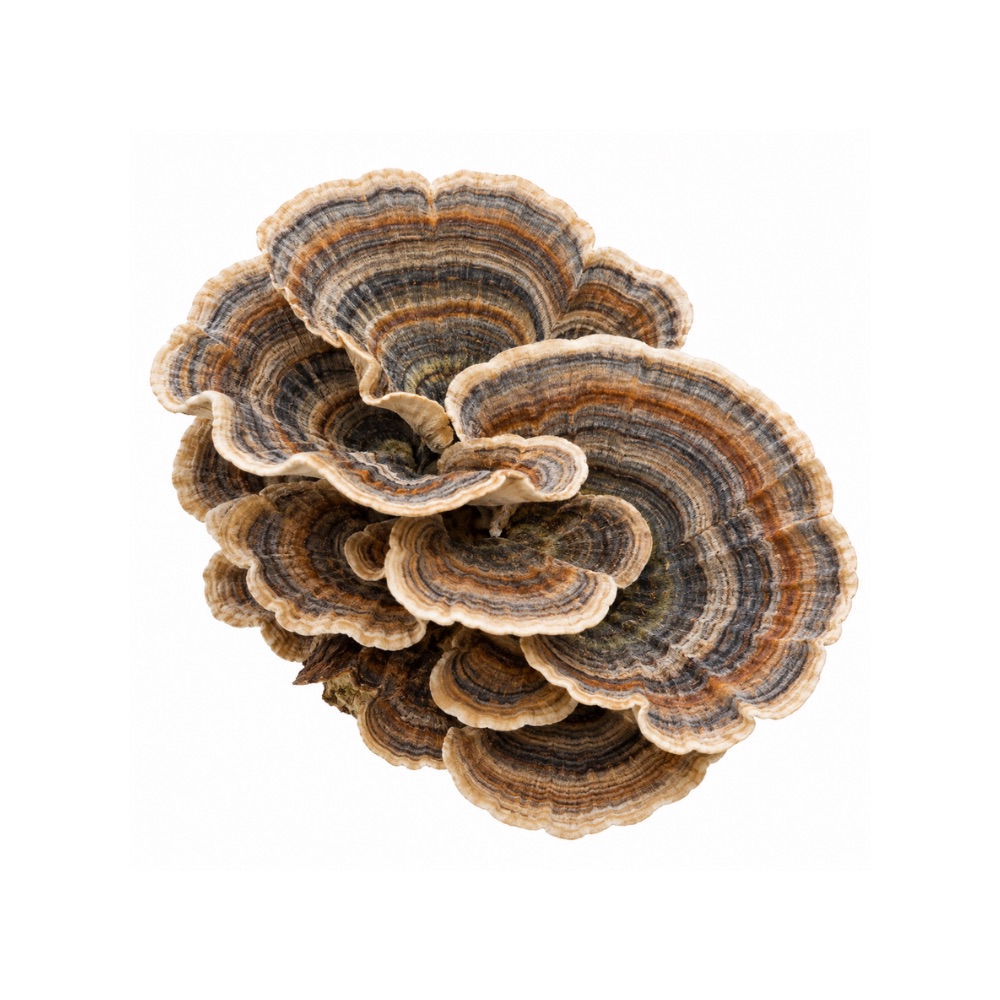 MildMildTurkey TailTrametes versicolorOrally administered β-glucans reduced weight loss, mortality and lung viral titres in influenza-infected mice and chickens through Dectin-1 and interferon-β induction; host-mediated, and untested against infection in people.Mechanismβ-glucan → Dectin-1 and interferon-β induction in dendritic cells; host-mediated, not virucidalRead the evidenceShow less
Orally administered T. versicolor β-glucans reduced weight loss, mortality and lung viral titres in influenza-infected mice and chickens, inducing Dectin-1, co-stimulatory molecules and interferon-β in dendritic cells 105Reference 105AnimalShi S, Yin L, Shen X, et al. (2022). β-Glucans from Trametes versicolor (L.) Lloyd are effective for prevention of influenza virus infection — in vivo (mouse/chick model). Viruses. https://pubmed.ncbi.nlm.nih.gov/35215831/View study →, consistent with the mushroom’s traditional respiratory use.
The HPV clinical material is a multi-ingredient Coriolus-based vaginal gel 106,
No herbs match these filters.
Safety
- No antiviral herb substitutes for a time-critical antiviral drug: oseltamivir within its window after influenza onset, HIV antiretrovirals, hepatitis B and C therapy, or treatment for herpes encephalitis.
- Chronic hepatitis B and C are treatable and, for hepatitis C, curable; a herb is not a reason to delay that treatment.
- Almost all herbal antiviral evidence is in vitro, and an effective concentration in cell culture does not translate into an oral dose.
- The immune-active herbs work against immunosuppressant therapy and are avoided in autoimmune disease.
- Herbs that inhibit CYP3A4 can raise blood levels of antiretroviral protease inhibitors.
- Topical antiviral preparations act on the surface they are applied to, and the evidence does not extend to swallowing the herb.
References
- Vilhelmova-Ilieva N, et al. (2014). Ellagitannins as synergists of ACV on the replication of ACV-resistant strains of HSV 1 and 2. Antiviral Research. https://pubmed.ncbi.nlm.nih.gov/25111906/
- Vilhelmova-Ilieva N, et al. (2019). Anti-herpes simplex virus type 1 activity of specially selected groups of tannins. Drug Research. https://pubmed.ncbi.nlm.nih.gov/30134445/
- Stoyanova A, et al. (2023). Effect of castalagin against HSV-1 infection in newborn mice. Natural Product Research. https://pubmed.ncbi.nlm.nih.gov/36714926/
- Cheng HY, Lin CC, Lin TC (2002). Antiherpes simplex virus type 2 activity of casuarinin from the bark of Terminalia arjuna Linn. Antiviral Research, 55(3), 447-455. https://pubmed.ncbi.nlm.nih.gov/12206882/
- Kashiwada Y, Aoshima A, Ikeshiro Y, et al. (2005). Anti-HIV benzylisoquinoline alkaloids and flavonoids from the leaves of Nelumbo nucifera, and structure-activity correlations with related alkaloids — in vitro. Bioorganic & Medicinal Chemistry, 13(2), 443–448. https://pubmed.ncbi.nlm.nih.gov/15598565/
- Hou S, Xu X, Wang Y, Yang Y (2020). Ephedrannin B exerts anti-viral and anti-inflammatory properties in BEAS-2B cells infected with respiratory syncytial virus. Journal of Biosciences, 45, 46. https://pubmed.ncbi.nlm.nih.gov/32345772/
- Hyuga S, Hyuga M, Oshima N, et al. (2016). Ephedrine alkaloids-free Ephedra Herb extract: a safer alternative to ephedra with comparable analgesic, anticancer, and anti-influenza activities. Journal of Natural Medicines, 70(3), 571-583. https://pubmed.ncbi.nlm.nih.gov/26943796/
- Nie LX, Wu YL, Dai Z, Ma SC (2020). Antiviral activity of Isatidis Radix derived glucosinolate isomers and their breakdown products against influenza A in vitro/ovo and mechanism of action. Journal of Ethnopharmacology, 251, 112550. https://pubmed.ncbi.nlm.nih.gov/31918015/
- Luo Z, Liu LF, Wang XH, et al. (2019). Epigoitrin, an alkaloid from Isatis indigotica, reduces H1N1 infection in stress-induced susceptible model in vivo and in vitro. Frontiers in Pharmacology, 10, 78. https://pubmed.ncbi.nlm.nih.gov/30792656/
- Abdul Ahmad SA, et al. (2017). Geraniin extracted from the rind of Nephelium lappaceum binds to dengue virus type-2 envelope protein and inhibits early stage of virus replication. Virology Journal. https://pubmed.ncbi.nlm.nih.gov/29162124/
- Abdul Ahmad SA, et al. (2019). Efficacy of geraniin on dengue virus type-2 infected BALB/c mice. Virology Journal. https://pubmed.ncbi.nlm.nih.gov/30813954/
- Haddad JG, et al. (2020). The geraniin-rich extract from Reunion Island endemic medicinal plant Phyllanthus phillyreifolius inhibits Zika and dengue virus infection at non-toxic effect doses in zebrafish. Molecules. https://pubmed.ncbi.nlm.nih.gov/32429073/
- Li J, et al. (2008). Anti-hepatitis B virus activities of Geranium carolinianum L. extracts and identification of the active components. Biological and Pharmaceutical Bulletin. https://pubmed.ncbi.nlm.nih.gov/18379075/
- Liu C, et al. (2016). Identification of hydrolyzable tannins (punicalagin, punicalin and geraniin) as novel inhibitors of hepatitis B virus covalently closed circular DNA. Antiviral Research. https://pubmed.ncbi.nlm.nih.gov/27591143/
- Huang RL, et al. (2003). Screening of 25 compounds isolated from Phyllanthus species for anti-human hepatitis B virus in vitro. Phytotherapy Research. https://pubmed.ncbi.nlm.nih.gov/12748977/
- Milne A, et al. (1994). Failure of New Zealand hepatitis B carriers to respond to Phyllanthus amarus. New Zealand Medical Journal. https://pubmed.ncbi.nlm.nih.gov/8208497/
- Lin LT, Chen TY, Chung CY, et al. (2011). Hydrolyzable tannins (chebulagic acid and punicalagin) target viral glycoprotein–glycosaminoglycan interactions to inhibit herpes simplex virus 1 entry and cell-to-cell spread. Journal of Virology, 85(9), 4386–4398. https://pubmed.ncbi.nlm.nih.gov/21307190/
- Lin LT, Chen TY, Lin SC, et al. (2013). Broad-spectrum antiviral activity of chebulagic acid and punicalagin against viruses that use glycosaminoglycans for entry. BMC Microbiology, 13, 187. https://pubmed.ncbi.nlm.nih.gov/23924316/
- Haidari M, Ali M, Ward Casscells S, Madjid M (2009). Pomegranate (Punica granatum) purified polyphenol extract inhibits influenza virus and has a synergistic effect with oseltamivir. Phytomedicine, 16(12), 1127–1136. https://pubmed.ncbi.nlm.nih.gov/19586764/
- Yuan J, Chang Y, Gu R, et al. (2025). Multi-detector based at-line nanofractionation strategy accelerates discovery of influenza PA endonuclease inhibitors from Terminalia chebula Retz. Journal of Chromatography A, 1762, 466398. https://pubmed.ncbi.nlm.nih.gov/40992162/
- Nonaka G, Nishioka I, Nishizawa M, et al. (1990). Anti-AIDS agents, 2: inhibitory effects of tannins on HIV reverse transcriptase and HIV replication in H9 lymphocyte cells. Journal of Natural Products, 53(3), 587–595. https://pubmed.ncbi.nlm.nih.gov/1698933/
- Ogata T, Higuchi H, Mochida S, Matsumoto H, Kato A, Endo T, Kaji A, Kaji H (1992). HIV-1 reverse transcriptase inhibitor from Phyllanthus niruri. AIDS Research and Human Retroviruses. https://pubmed.ncbi.nlm.nih.gov/1283310/
- Xu HX, Wan M, Dong H, But PP, Foo LY (2000). Inhibitory activity of flavonoids and tannins against HIV-1 protease. Biological & Pharmaceutical Bulletin. https://pubmed.ncbi.nlm.nih.gov/10993207/
- Mihaylova R, Elincheva V, Momekov G, Simeonova R (2025). Unlocking the therapeutic potential of ellagitannins: a comprehensive review of key representatives. Molecules. https://pubmed.ncbi.nlm.nih.gov/41302388/
- Tamura S, Yang GM, Yasueda N, Matsuura Y, Komoda Y, Murakami N (2010). Tellimagrandin I, HCV invasion inhibitor from Rosae Rugosae Flos. Bioorganic & Medicinal Chemistry Letters. https://pubmed.ncbi.nlm.nih.gov/20144544/
- Tamura S, Yang GM, Koitabashi T, Matsuura Y, Komoda Y, Kawano T, Murakami N (2019). Oenothein B, dimeric hydrolysable tannin inhibiting HCV invasion from Oenothera erythrosepala. Journal of Natural Medicines. https://pubmed.ncbi.nlm.nih.gov/30132241/
- Seeram NP, Lee R, Heber D (2004). Bioavailability of ellagic acid in human plasma after consumption of ellagitannins from pomegranate (Punica granatum L.) juice. Clinica Chimica Acta. https://pubmed.ncbi.nlm.nih.gov/15369737/
- Kurokawa M, Hozumi T, Basnet P, Nakano M, Kadota S, Namba T, Kawana T, Shiraki K (1998). Purification and characterization of eugeniin as an anti-herpesvirus compound from Geum japonicum and Syzygium aromaticum. Journal of Pharmacology and Experimental Therapeutics. https://pubmed.ncbi.nlm.nih.gov/9454821/
- Kurokawa M, Hozumi T, Tsurita M, Kadota S, Namba T, Shiraki K (2001). Biological characterization of eugeniin as an anti-herpes simplex virus type 1 compound in vitro and in vivo. Journal of Pharmacology and Experimental Therapeutics. https://pubmed.ncbi.nlm.nih.gov/11259565/
- Nakayama M, et al. (1993). Inhibition of the infectivity of influenza virus by tea polyphenols. Antiviral Research. https://pubmed.ncbi.nlm.nih.gov/8215301/
- Zu M, et al. (2012). In vitro anti-influenza virus and anti-inflammatory activities of theaflavin derivatives. Antiviral Research. https://pubmed.ncbi.nlm.nih.gov/22521753/
- de Oliveira A, et al. (2015). Antiviral activity of theaflavin digallate against herpes simplex virus type 1. Antiviral Research. https://pubmed.ncbi.nlm.nih.gov/25818500/
- Bhardwaj VK, et al. (2021). Identification of bioactive molecules from tea plant as SARS-CoV-2 main protease inhibitors. Journal of Biomolecular Structure and Dynamics. https://pubmed.ncbi.nlm.nih.gov/32397940/
- Manish M, et al. (2022). Computational molecular interaction between SARS-CoV-2 main protease and theaflavin digallate using free energy perturbation and molecular dynamics. Computers in Biology and Medicine. https://pubmed.ncbi.nlm.nih.gov/36240593/
- Mulder TP, et al. (2001). Analysis of theaflavins in biological fluids using liquid chromatography-electrospray mass spectrometry. Journal of Chromatography B. https://pubmed.ncbi.nlm.nih.gov/11530986/
- Teplyakova, T. V., Psurtseva, N. V., Kosogova, T. A., et al. (2012). Antiviral activity of polyporoid mushrooms (higher Basidiomycetes) from Altai Mountains (Russia) — [in vitro]. International Journal of Medicinal Mushrooms. https://pubmed.ncbi.nlm.nih.gov/22339706/
- Girometta, C. (2019). Antimicrobial properties of Fomitopsis officinalis in the light of its bioactive metabolites: a review — [review]. Mycology. https://pubmed.ncbi.nlm.nih.gov/30834150/
- Stamets, P. (2005). Antipox properties of Fomitopsis officinalis (agarikon) from the Pacific Northwest of North America — [in vitro]. International Journal of Medicinal Mushrooms. https://doi.org/10.1615/IntJMedMushr.v7.i3.60
- Puri, M., Kaur, I., Kanwar, R. K., et al. (2009). Ribosome-inactivating proteins (RIPs) from Momordica charantia for antiviral therapy — review. Current Molecular Medicine. https://pubmed.ncbi.nlm.nih.gov/19747115/
- Pan Y, Ke Z, Ye H, et al. (2019). Saikosaponin C exerts anti-HBV effects by attenuating HNF1α and HNF4α expression to suppress HBV pgRNA synthesis — in vitro. Inflammation Research. https://pubmed.ncbi.nlm.nih.gov/31531682/
- Hundt, J., et al. (2015). The inhibitory effects of anacardic acid on the hepatitis C virus life cycle — in vitro. PLOS ONE. https://pubmed.ncbi.nlm.nih.gov/25658101/
- Reis, S. R., Valente, L. M., Sampaio, A. L., et al. (2008). Immunomodulating and antiviral activities of Uncaria tomentosa on human monocytes infected with Dengue Virus-2 — in vitro. International Immunopharmacology. https://pubmed.ncbi.nlm.nih.gov/18279801/
- Lima-Junior, R. S., Mello, C. S., Siani, A. C., et al. (2013). Uncaria tomentosa alkaloidal fraction reduces paracellular permeability, IL-8 and NS1 production on dengue-infected endothelial cells — in vitro. Natural Product Communications. https://pubmed.ncbi.nlm.nih.gov/24427938/
- López Galera, R. M., Ribera Pascuet, E., Esteban Mur, J. I., et al. (2008). Interaction between cat’s claw and protease inhibitors atazanavir, ritonavir and saquinavir — case report. European Journal of Clinical Pharmacology. https://pubmed.ncbi.nlm.nih.gov/18712519/
- Budzinski, J. W., Foster, B. C., Vandenhoek, S., & Arnason, J. T. (2000). An in vitro evaluation of human cytochrome P450 3A4 inhibition by selected commercial herbal extracts and tinctures — in vitro. Phytomedicine. https://pubmed.ncbi.nlm.nih.gov/10969720/
- Lei, S., Lu, J., Cheng, A., et al. (2023). Identification of PXR activators from Uncaria rhynchophylla and Uncaria tomentosa — in vitro. Drug Metabolism and Disposition. https://pubmed.ncbi.nlm.nih.gov/36797057/
- Espada, S. F., et al. (2015). Antiviral activity of Trichilia catigua bark extracts for herpesvirus and poliovirus — in vitro. Current Pharmaceutical Biotechnology. https://pubmed.ncbi.nlm.nih.gov/25941883/
- Ribelato, E. V., et al. (2023). Topical formulations containing Trichilia catigua extract as therapeutic options for a genital and an acyclovir-resistant strain of herpes recurrent infection — in vitro. Brazilian Journal of Microbiology. https://pubmed.ncbi.nlm.nih.gov/37338788/
- Manabe, H., et al. (1992). Effects of Catuaba extracts on microbial and HIV infection — animal model / in vitro. In Vivo. https://pubmed.ncbi.nlm.nih.gov/1525337/
- Shibnev, V. A., Mishin, D. V., Garaev, T. M., et al. (2011). Antiviral activity of Inonotus obliquus fungus extract towards hepatitis C virus in cell cultures — in vitro. Bulletin of Experimental Biology and Medicine. https://pubmed.ncbi.nlm.nih.gov/22462058/
- Shibnev, V. A., Garaev, T. M., Finogenova, M. P., et al. (2015). Antiviral activity of aqueous extracts of the birch fungus Inonotus obliquus on the human immunodeficiency virus — in vitro. Voprosy Virusologii. https://pubmed.ncbi.nlm.nih.gov/26182655/
- Pan, H. H., Yu, X. T., Li, T., et al. (2013). Aqueous extract from Inonotus obliquus prevents herpes simplex virus entry through inhibition of viral-induced membrane fusion — in vitro. International Journal of Medicinal Mushrooms. https://pubmed.ncbi.nlm.nih.gov/23510282/
- Orozco-Topete, R., Sierra-Madero, J., Cano-Dominguez, C., et al. (1997). Safety and efficacy of Virend for topical treatment of genital and anal herpes simplex lesions in patients with AIDS — randomised controlled trial. Antiviral Research. https://pubmed.ncbi.nlm.nih.gov/9217246/
- Zakay-Rones, Z., Varsano, N., Zlotnik, M., et al. (1995). Inhibition of several strains of influenza virus in vitro and reduction of symptoms by an elderberry extract during an outbreak of influenza B Panama — placebo-controlled, in vitro. Journal of Alternative and Complementary Medicine, 1(4), 361-369. https://pubmed.ncbi.nlm.nih.gov/9395631/
- Zakay-Rones, Z., Thom, E., Wollan, T., & Wadstein, J. (2004). Randomized study of the efficacy and safety of oral elderberry extract in the treatment of influenza A and B virus infections — randomized controlled trial. Journal of International Medical Research, 32(2), 132-140. https://pubmed.ncbi.nlm.nih.gov/15080016/
- Tiralongo, E., Wee, S. S., & Lea, R. A. (2016). Elderberry supplementation reduces cold duration and symptoms in air-travellers: a randomised, double-blind placebo-controlled clinical trial — RCT. Nutrients, 8(4), 182. https://pubmed.ncbi.nlm.nih.gov/27023596/
- Hawkins, J., Baker, C., Cherry, L., & Dunne, E. (2019). Black elderberry (Sambucus nigra) supplementation effectively treats upper respiratory symptoms: a meta-analysis of randomized, controlled clinical trials — meta-analysis. Complementary Therapies in Medicine, 42, 361-365. https://pubmed.ncbi.nlm.nih.gov/30670267/
- Macknin, M., Wolski, K., Negrey, J., & Mace, S. (2020). Elderberry extract outpatient influenza treatment for emergency room patients ages 5 and above: a randomized, double-blind, placebo-controlled trial — RCT. Journal of General Internal Medicine, 35(11), 3271-3277. https://pubmed.ncbi.nlm.nih.gov/32929634/
- Wieland, L. S., Piechotta, V., Feinberg, T., et al. (2021). Elderberry for prevention and treatment of viral respiratory illnesses: a systematic review. BMC Complementary Medicine and Therapies, 21(1), 112. https://pubmed.ncbi.nlm.nih.gov/33827515/
- Roschek, B. Jr., Fink, R. C., McMichael, M. D., Li, D., & Alberte, R. S. (2009). Elderberry flavonoids bind to and prevent H1N1 infection in vitro. Phytochemistry, 70(10), 1255-1261. https://pubmed.ncbi.nlm.nih.gov/19682714/
- Koriem, K. M. M., Arbid, M. S., & Saleh, H. N. (2019). Antidiarrheal and protein conservative activities of Psidium guajava in diarrheal rats — animal model. Journal of Integrative Medicine. https://pubmed.ncbi.nlm.nih.gov/30555015/
- Wei, L., Li, Z., & Chen, B. (2000). Clinical study on treatment of infantile rotaviral enteritis with Psidium guajava L. — randomised clinical trial. Zhongguo Zhong Xi Yi Jie He Za Zhi. https://pubmed.ncbi.nlm.nih.gov/11938857/
- Zhou, Z., Li, X., Liu, J., et al. (2015). Honeysuckle-encoded atypical microRNA2911 directly targets influenza A viruses. Cell Research, 25(1), 39–49. https://pubmed.ncbi.nlm.nih.gov/25287280/
- Zhou, L.-K., et al. (2020). Absorbed plant MIR2911 in honeysuckle decoction inhibits SARS-CoV-2 replication and accelerates the negative conversion of infected patients. Cell Discovery, 6, 54. https://pubmed.ncbi.nlm.nih.gov/32802404/
- Snow, J. W., Hale, A. E., Isaacs, S. K., et al. (2013). Ineffective delivery of diet-derived microRNAs to recipient animal organisms — animal model. RNA Biology. https://pubmed.ncbi.nlm.nih.gov/23669076/
- Hayashi, K., Kamiya, M., & Hayashi, T. (1995). Virucidal effects of the steam distillate from Houttuynia cordata and its components on HSV-1, influenza virus, and HIV — in vitro. Planta Medica. https://pubmed.ncbi.nlm.nih.gov/7617766/
- Chen, X., Wang, Z., Yang, Z., et al. (2011). Houttuynia cordata blocks HSV infection through inhibition of NF-κB activation — in vitro. Antiviral Research. https://pubmed.ncbi.nlm.nih.gov/21951655/
- Hung, P. Y., Ho, B. C., Lee, S. Y., et al. (2015). Houttuynia cordata targets the beginning stage of herpes simplex virus infection — in vitro. PLoS ONE. https://pubmed.ncbi.nlm.nih.gov/25643242/
- Chen, S. D., Gao, H., Zhu, Q. C., et al. (2012). Houttuynoids A–E, anti-herpes simplex virus active flavonoids with novel skeletons from Houttuynia cordata — in vitro. Organic Letters. https://pubmed.ncbi.nlm.nih.gov/22414220/
- Li, T., Liu, L., Wu, H., et al. (2017). Anti-herpes simplex virus type 1 activity of Houttuynoid A, a flavonoid from Houttuynia cordata — in vitro. Antiviral Research. https://pubmed.ncbi.nlm.nih.gov/28629987/
- Li, J. J., Chen, G. D., Fan, H. X., et al. (2017). Houttuynoid M, an anti-HSV active houttuynoid from Houttuynia cordata — in vitro. Journal of Natural Products. https://pubmed.ncbi.nlm.nih.gov/29099182/
- Tang, J., Li, X., Chen, Y., et al. (2023). Therapeutic effects on H1N1-induced pneumonia in mice and intestinal biotransformation of four main flavonoids from Houttuynia cordata — animal model. Journal of Pharmaceutical and Biomedical Analysis. https://pubmed.ncbi.nlm.nih.gov/37244222/
- Li, X., et al. (2025). An anti-complement homogeneous polysaccharide from Houttuynia cordata ameliorates acute pneumonia from viral–bacterial co-infection — animal model. Acta Pharmaceutica Sinica B. https://pubmed.ncbi.nlm.nih.gov/40654358/
- Lau, K. M., Lee, K. M., Koon, C. M., et al. (2008). Immunomodulatory and anti-SARS activities of Houttuynia cordata — in vitro / animal model. Journal of Ethnopharmacology. https://pubmed.ncbi.nlm.nih.gov/18479853/
- Chang, K. W., et al. (2022). A Houttuynia cordata-based Chinese herbal formula improved symptoms of allergic rhinitis during the COVID-19 pandemic — randomised controlled trial. Journal of the Chinese Medical Association. https://pubmed.ncbi.nlm.nih.gov/35421875/
- Choy K. T., et al. (2020). Remdesivir, lopinavir, emetine, and homoharringtonine inhibit SARS-CoV-2 replication in vitro. Antiviral Res. https://pubmed.ncbi.nlm.nih.gov/32251767/
- Kumar R., et al. (2021). Emetine suppresses SARS-CoV-2 replication by inhibiting interaction of viral mRNA with eIF4E — in vitro. Antiviral Res. https://pubmed.ncbi.nlm.nih.gov/33711336/
- Yang S., et al. (2018). Emetine inhibits Zika and Ebola virus infections through two molecular mechanisms — in vitro. Cell Discov. https://pubmed.ncbi.nlm.nih.gov/29872540/
- Sidorenko V. S., et al. (2024). Mechanisms of antiviral action and toxicities of ipecac alkaloids: emetine and dehydroemetine exhibit anti-coronaviral activities at non-cardiotoxic concentrations — in vitro. Virus Res. https://pubmed.ncbi.nlm.nih.gov/38228190/
- Yang, Z., et al. (2013). Antiviral activity of Isatis indigotica root-derived clemastanin B against human and avian influenza A and B viruses in vitro. International Journal of Molecular Medicine. https://pubmed.ncbi.nlm.nih.gov/23403777/
- Xiao, P., et al. (2016). Antiviral activities against influenza virus (FM1) of bioactive fractions and representative compounds extracted from Banlangen (Radix Isatidis) — in vitro. Journal of Traditional Chinese Medicine. https://pubmed.ncbi.nlm.nih.gov/27468553/
- Cai, C., et al. (2021). In silico prediction and bioactivity evaluation of chemical ingredients against influenza A virus from Isatis tinctoria — in silico and in vitro. Frontiers in Pharmacology. https://pubmed.ncbi.nlm.nih.gov/34950027/
- Chang, S. J., et al. (2012). Antiviral activity of Isatis indigotica extract and its derived indirubin against Japanese encephalitis virus — mouse model / in vivo. Evidence-Based Complementary and Alternative Medicine. https://pubmed.ncbi.nlm.nih.gov/22911608/
- Wang, T., et al. (2020). Antiviral activity of a polysaccharide from Radix Isatidis against hepatitis B virus in vitro via activation of the JAK/STAT pathway. Journal of Ethnopharmacology. https://pubmed.ncbi.nlm.nih.gov/32217096/
- Li, Z., et al. (2017). Radix isatidis polysaccharides inhibit influenza A virus and influenza A virus-induced inflammation via suppression of host TLR-3 signalling — in vitro. Molecules. https://pubmed.ncbi.nlm.nih.gov/28085062/
- Lomatium dissectum inhibits secretion of CXCL10, a chemokine associated with poor prognosis in highly pathogenic influenza A infection. Journal of Restorative Medicine. restorativemedicine.org
- Astani A, Navid MH, Schnitzler P. (2014). Attachment and penetration of acyclovir-resistant herpes simplex virus are inhibited by Melissa officinalis extract — in vitro. Phytotherapy Research. https://pubmed.ncbi.nlm.nih.gov/24817544/
- Allahverdiyev A, Duran N, Ozguven M, Koltas S. (2004). Antiviral activity of the volatile oils of Melissa officinalis against Herpes simplex virus type-2 — in vitro. Phytomedicine. https://pubmed.ncbi.nlm.nih.gov/15636181/
- Dimitrova Z, Dimov B, Manolova N, et al. (1993). Antiherpes effect of Melissa officinalis L. extracts — in vitro. Acta Microbiologica Bulgarica. https://pubmed.ncbi.nlm.nih.gov/8390134/
- Koytchev R, Alken RG, Dundarov S. (1999). Balm mint extract (Lo-701) for topical treatment of recurring herpes labialis — randomised placebo-controlled trial. Phytomedicine. https://pubmed.ncbi.nlm.nih.gov/10589440/
- Smith JA, Gaikwad AA, Mathew L, et al. (2022). AHCC Supplementation to Support Immune Function to Clear Persistent Human Papillomavirus Infections — randomised placebo-controlled trial. Front Oncol. https://pubmed.ncbi.nlm.nih.gov/35814366/
- Liu, H., et al. (2021). Scutellaria baicalensis extract and baicalein inhibit replication of SARS-CoV-2 and its 3C-like protease — in vitro study. Journal of Enzyme Inhibition and Medicinal Chemistry. https://pubmed.ncbi.nlm.nih.gov/33491508/
- Zandi, K., et al. (2021). Baicalein and baicalin inhibit SARS-CoV-2 RNA-dependent RNA polymerase — in vitro study. Microorganisms. https://pubmed.ncbi.nlm.nih.gov/33921971/
- Hour, M. J., et al. (2013). Baicalein and Scutellaria baicalensis extracts inhibit the neuraminidase activity of pandemic 2009 H1N1 and seasonal influenza A viruses — in vitro study. Evidence-Based Complementary and Alternative Medicine. https://pubmed.ncbi.nlm.nih.gov/23864896/
- Ma, S. C., et al. (2002). Antiviral Chinese medicinal herbs against respiratory syncytial virus — in vitro study. Journal of Ethnopharmacology. https://pubmed.ncbi.nlm.nih.gov/11801383/
- Qin, S., et al. (2022). Baicalin induces a potent innate immune response to inhibit respiratory syncytial virus replication — in vitro and mouse study. Frontiers in Immunology. https://pubmed.ncbi.nlm.nih.gov/35812414/
- Li, B. Q., et al. (2000). Flavonoid baicalin inhibits HIV-1 infection at the level of viral entry — in vitro study. Biochemical and Biophysical Research Communications. https://pubmed.ncbi.nlm.nih.gov/11027509/
- Fan, X., et al. (2023). Baicalin inhibits replication of hepatitis B virus by targeting TRIM25 — in vitro study. Journal of Traditional and Complementary Medicine. https://pubmed.ncbi.nlm.nih.gov/38020548/
- Li, L., et al. (2021). Safety, tolerability, and pharmacokinetics of oral baicalein tablets in healthy Chinese subjects — randomised, double-blind, placebo-controlled Phase I multiple-ascending-dose study. Clinical and Translational Science. https://pubmed.ncbi.nlm.nih.gov/34156161/
- Dong, R., et al. (2021). Safety, tolerability, pharmacokinetics, and food effect of baicalein tablets in healthy Chinese subjects — randomised, double-blind, placebo-controlled Phase I study. Journal of Ethnopharmacology. https://pubmed.ncbi.nlm.nih.gov/33753147/
- Hsieh, C.-F., et al. (2016). A Taxodium distichum stem water extract shows bimodal anti-influenza activity against hemagglutinin and neuraminidase. Scientific Reports, 6, 36015. PMID 27796330
- Li, P., Du, R., Wang, Y., et al. (2020). Identification of chebulinic acid and chebulagic acid as novel influenza viral neuraminidase inhibitors — in vitro. Frontiers in Microbiology. https://pubmed.ncbi.nlm.nih.gov/32256457/
- Fried, M. W., Navarro, V. J., Afdhal, N., et al. (2012). Effect of silymarin (milk thistle) on liver disease in patients with chronic hepatitis C unsuccessfully treated with interferon therapy: a randomized controlled trial — multicentre RCT. JAMA. https://pubmed.ncbi.nlm.nih.gov/22797645/
- Majrashi, T. A., El Hassab, M. A., Mahmoud, S. H., et al. (2024). In vitro biological evaluation and in silico insights into the antiviral activity of standardized olive leaves extract against SARS-CoV-2 — in vitro and in silico. PLoS One. https://pubmed.ncbi.nlm.nih.gov/38662719/
- Shi S, Yin L, Shen X, et al. (2022). β-Glucans from Trametes versicolor (L.) Lloyd are effective for prevention of influenza virus infection — in vivo (mouse/chick model). Viruses. https://pubmed.ncbi.nlm.nih.gov/35215831/
- Serrano L, López AC, González SP, et al. (2021). Efficacy of a Coriolus versicolor-based vaginal gel in women with HPV-dependent cervical lesions — the PALOMA study (randomised, multicentre). Journal of Lower Genital Tract Disease. https://pubmed.ncbi.nlm.nih.gov/33746195/
- Criscuolo AA, Sesti F, Piccione E, et al. (2021). Therapeutic efficacy of a Coriolus versicolor-based vaginal gel in women with high-risk HPV infection — retrospective observational study. Advances in Therapy. https://pubmed.ncbi.nlm.nih.gov/33367986/
- Chang, J. S., Wang, K. C., Yeh, C. F., & Shieh, D. E. (2013). Fresh ginger (Zingiber officinale) has anti-viral activity against human respiratory syncytial virus in human respiratory tract cell lines — in vitro. Journal of Ethnopharmacology. https://pubmed.ncbi.nlm.nih.gov/23123794/
- Piao, Y. L., & Liang, X. C. (2014). Astragalus membranaceus injection combined with conventional treatment for viral myocarditis: a systematic review of randomized controlled trials — systematic review. Chinese Journal of Integrative Medicine. https://pubmed.ncbi.nlm.nih.gov/25098261/
- Guo, J., Zhao, N., Jin, P., & Yin, Y. (2022). Effect of Astragalus injection on inflammatory mediators in patients with viral myocarditis: a systematic review and meta-analysis — meta-analysis. Phytomedicine. https://pubmed.ncbi.nlm.nih.gov/36115170/
- Liu, J., Lin, H., & McIntosh, H. (2001). Genus Phyllanthus for chronic hepatitis B virus infection: a systematic review — systematic review. Journal of Viral Hepatitis. https://pubmed.ncbi.nlm.nih.gov/11555193/
- Xia, Y., Luo, H., Liu, J. P., & Gluud, C. (2011). Phyllanthus species for chronic hepatitis B virus infection — Cochrane systematic review and meta-analysis. Cochrane Database of Systematic Reviews. https://pubmed.ncbi.nlm.nih.gov/21491412/
- Timmer, A., Günther, J., Motschall, E., et al. (2013). Pelargonium sidoides extract for treating acute respiratory tract infections — Cochrane systematic review and meta-analysis. Cochrane Database of Systematic Reviews. https://pubmed.ncbi.nlm.nih.gov/24146345/
- Theisen, L. L., & Muller, C. P. (2012). EPs 7630 (Umckaloabo), an extract from Pelargonium sidoides roots, exerts anti-influenza virus activity in vitro and in vivo — in vitro and mouse model. Antiviral Research. https://pubmed.ncbi.nlm.nih.gov/22475498/
- Law, A. H.-Y., Yang, C. L.-H., Lau, A. S.-Y., & Chan, G. C.-F. (2017). Antiviral effect of forsythoside A from Forsythia suspensa fruit against influenza A virus through reduction of viral M1 protein — in vitro and mouse model. Journal of Ethnopharmacology. https://pubmed.ncbi.nlm.nih.gov/28716571/
- Deng, L., Pang, P., Zheng, K., et al. (2016). Forsythoside A controls influenza A virus infection and improves the prognosis by inhibiting virus replication in mice — in vitro and mouse model. Molecules. https://pubmed.ncbi.nlm.nih.gov/27128889/
- Chen, Y., Li, X., & Zhou, J. Y. (2009). [Effect of an active component from Forsythia suspensa against respiratory syncytial virus in vitro] — in vitro. Wei Sheng Yan Jiu. https://pubmed.ncbi.nlm.nih.gov/20047236/
- Du, H., Ding, J., Du, Y., et al. (2025). Integrated metabolomics and network pharmacology to reveal the mechanisms of Forsythia suspensa extract against respiratory syncytial virus-induced lung inflammation — mouse model. International Journal of Molecular Sciences. https://pubmed.ncbi.nlm.nih.gov/40508053/
- Tabba, H. D., Chang, R. S., & Smith, K. M. (1989). Isolation, purification, and partial characterization of prunellin, an anti-HIV component from aqueous extracts of Prunella vulgaris — in vitro. Antiviral Research. https://pubmed.ncbi.nlm.nih.gov/2802570/
- Kageyama, S., Kurokawa, M., & Shiraki, K. (2000). Extract of Prunella vulgaris spikes inhibits HIV replication at reverse transcription in vitro and can be absorbed from intestine in vivo — in vitro and animal. Antiviral Chemistry & Chemotherapy. https://pubmed.ncbi.nlm.nih.gov/10819439/
- McCutcheon, A. R., Roberts, T. E., Gibbons, E., et al. (1995). Antiviral screening of British Columbian medicinal plants — in vitro. Journal of Ethnopharmacology. https://pubmed.ncbi.nlm.nih.gov/8847882/
- Manfredi, K. P., Vallurupalli, V., Demidova, M., Kindscher, K., & Pannell, L. K. (2001). Isolation of an anti-HIV diprenylated bibenzyl from Glycyrrhiza lepidota — in vitro. Phytochemistry. https://pubmed.ncbi.nlm.nih.gov/11524125/
- Adiguna, S. P., Panggabean, J. A., Atikana, A., et al. (2021). Antiviral activities of andrographolide and its derivatives: mechanism of action and delivery system — review. Pharmaceuticals (Basel). https://pubmed.ncbi.nlm.nih.gov/34832884/
- Li, Y. Q., & Wang, S. F. (2006). Anti-hepatitis B activities of ganoderic acid from Ganoderma lucidum — in vitro and mouse study. Biotechnology Letters. https://pubmed.ncbi.nlm.nih.gov/16786250/
- Li, Z., Liu, J., & Zhao, Y. (2005). Possible mechanism underlying the antiherpetic activity of a proteoglycan isolated from the mycelia of Ganoderma lucidum — in vitro. Journal of Biochemistry and Molecular Biology. https://pubmed.ncbi.nlm.nih.gov/15715944/
- Hijikata, Y., Yamada, S., & Yasuhara, A. (2007). Herbal mixtures containing the mushroom Ganoderma lucidum improve recovery time in patients with herpes genitalis and labialis — clinical trial (herbal mixture). Journal of Alternative and Complementary Medicine. https://pubmed.ncbi.nlm.nih.gov/18047445/
- Sood, R., et al. (2015). Cissampelos pareira Linn: Natural source of potent antiviral activity against all four dengue virus serotypes — in vitro and in vivo mouse model. PLoS Neglected Tropical Diseases. https://pubmed.ncbi.nlm.nih.gov/26709822/
- Haider, S., et al. (2022). Anti-SARS-CoV-2 potential of Cissampelos pareira L. identified by connectivity map-based analysis and in vitro studies — in vitro and in silico. BMC Complementary Medicine and Therapies. https://pubmed.ncbi.nlm.nih.gov/35459166/
Keep Exploring