

Overview
Resin at a Glance
Resin is a wound response. Cut or damage the bark and the plant floods the injury with a sticky, aromatic exudate that seals the breach and holds off infection.
That is a fair summary of what resins do in medicine too. They are the antimicrobial and vulnerary corner of the cabinet, worked into wounds, gums, and inflamed skin.
They are terpene-rich, alcohol-soluble, and almost entirely water-insoluble, so a resin dropped into a teapot mostly sits there. Traditionally they are tinctured, burned, or melted into salves.
Frankincense is the best-studied of them, on its boswellic acids and particularly AKBA. Myrrh is a different chemistry altogether, built on furanoeudesma-1,3-diene and its relatives.
Pine pitch is the conifer type, carrying abietic acid and the other diterpene resin acids that stand behind every traditional drawing salve.
The word covers two unrelated materials, and the difference decides the solvent. Gums are polysaccharide and swell in cold water, so acacia gum is arabinogalactan, a demulcent and prebiotic rather than an antiseptic.
Latex is gathered the same way and dried the same way. Wild lettuce yields lactucarium, whose lactucin and lactucopicrin carry a long sedative tradition.
Hops is the odd one out, since its soft golden resin sits in glands on the flower rather than in a wound, and holds humulone, lupulone, and xanthohumol.
Every one of these comes out of a tree that has other medicine in it. The bark is the living layer the resin escapes through, and the heartwood beneath is where the tree stores what it keeps.
Working Notes
Freeze it before you try to break it. — Resin at room temperature smears, sticks to blades, and gums up a grinder beyond rescue, while an hour in the freezer turns the same lump brittle enough to crack cleanly.
Use high-proof alcohol or do not bother. — Vodka at 40% pulls the volatile fraction and leaves the resin acids sitting in the jar, and the result looks convincing while being mostly inert.
Know whether you have a gum or a resin. — They share a shelf and a common name and behave as opposites, one a cold-water demulcent and the other an alcohol-soluble antimicrobial, so the wrong solvent gives you nothing.
Judge freshness by smell, every time. — Resins are volatile-oil-bearing materials that quietly oxidize, so sharp and aromatic means live material, while flat, dusty, or rancid means the terpenes have already gone.
Preparation
How Resin Is Prepared
Resin fights water and yields to alcohol, fat, and heat. Every method below is some version of that one fact, and the commonest beginner mistake is trying to make a tea from something that will only ever make a tincture.
01
Tincture
The primary method. Break the resin small — freeze it first, it shatters instead of smearing — and macerate at 1:5 in 90–95% alcohol for 2–4 weeks, shaking often.
Anything below about 70% will leave undissolved lumps on the bottom of the jar.
02
Oil Infusion & Salve
Warm crushed resin into a carrier oil at 60–70 °C for 2–4 hours until it dissolves, strain through muslin while hot, then set with beeswax at roughly 1 part wax to 4 parts oil. This is the classic vehicle for conifer resin on splinters, cracks, and slow-healing skin.
03
Incense & Fumigation
Resins were burned long before they were tinctured. Use a charcoal disc or, better, a low-heat burner around 150–200 °C, which volatilises the aromatics without scorching them into acrid smoke.
Ventilate properly — resin smoke is particulate, and more of it is not better.
04
Gum Mucilage
For the polysaccharide gums only, which behave in the opposite way entirely. Stir the powdered gum into cold water at about 1:10 and leave it to hydrate for several hours.
Hot water clumps it instantly into lumps that never fully disperse.
Resin Medicines
Herbs Used for Their Resin
11 herbs are used for their resin, gum, or latex exudate, the plant's own wound medicine borrowed for ours.
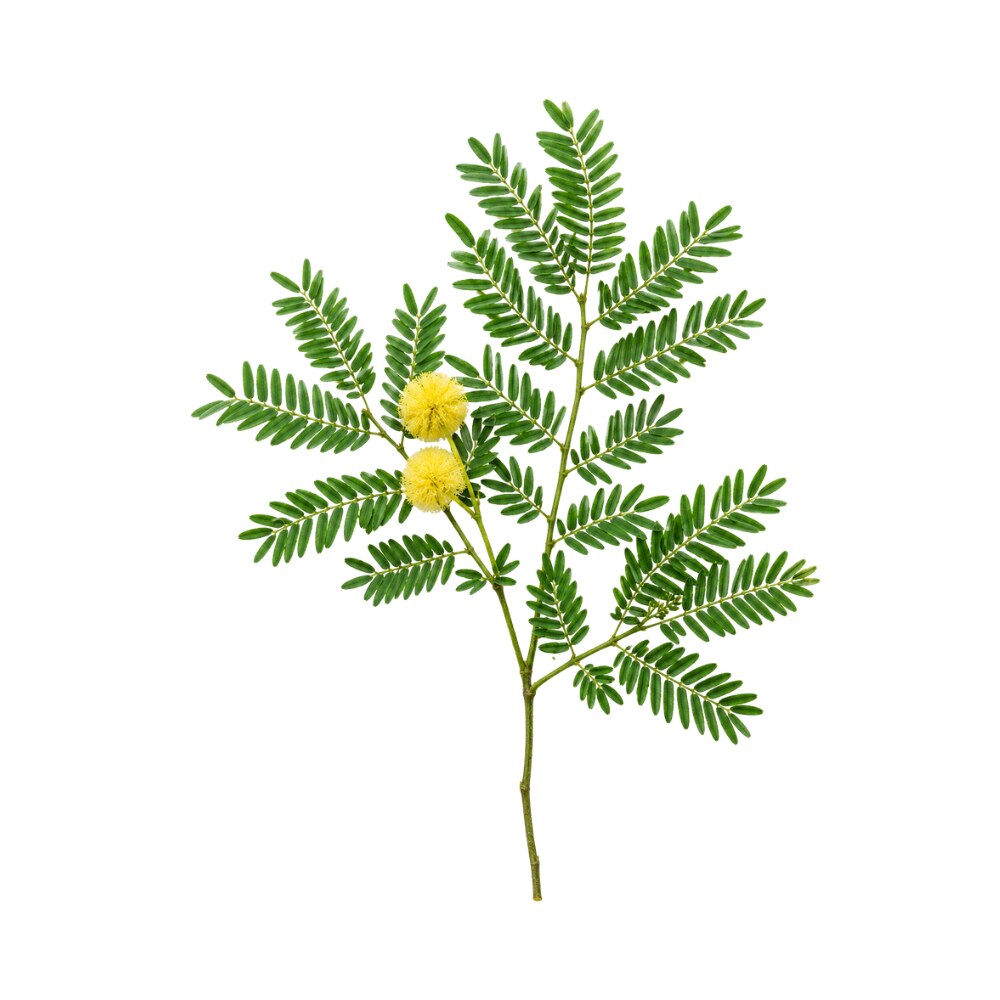
PrebioticAstringentDemulcentAntioxidant
Also usedBark, Heartwood, Leaf, Seed Monograph →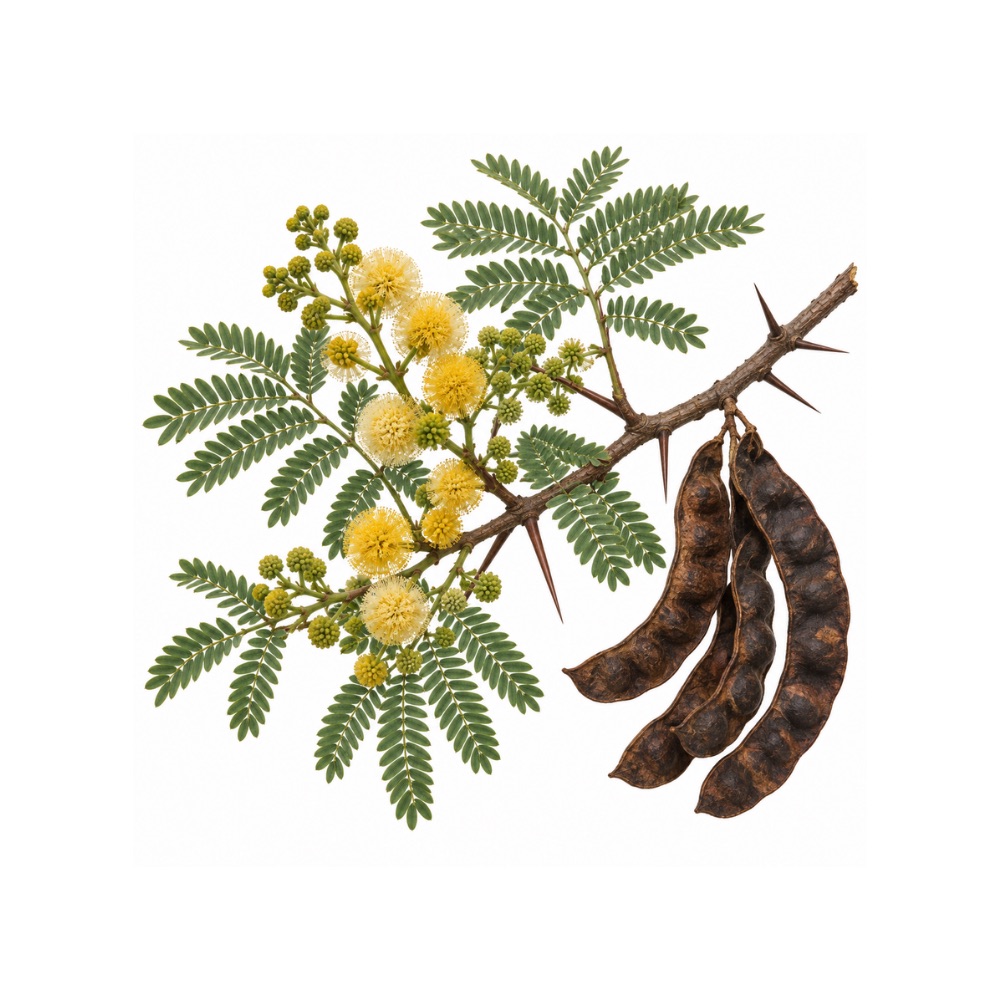
AstringentAntibacterialAntidiarrhealAntispasmodicHemostaticVulneraryAnti-InflammatoryAntioxidant
Also usedBark, Fruit & Berry, Leaf, Flower, Root / Rhizome, Seed Monograph →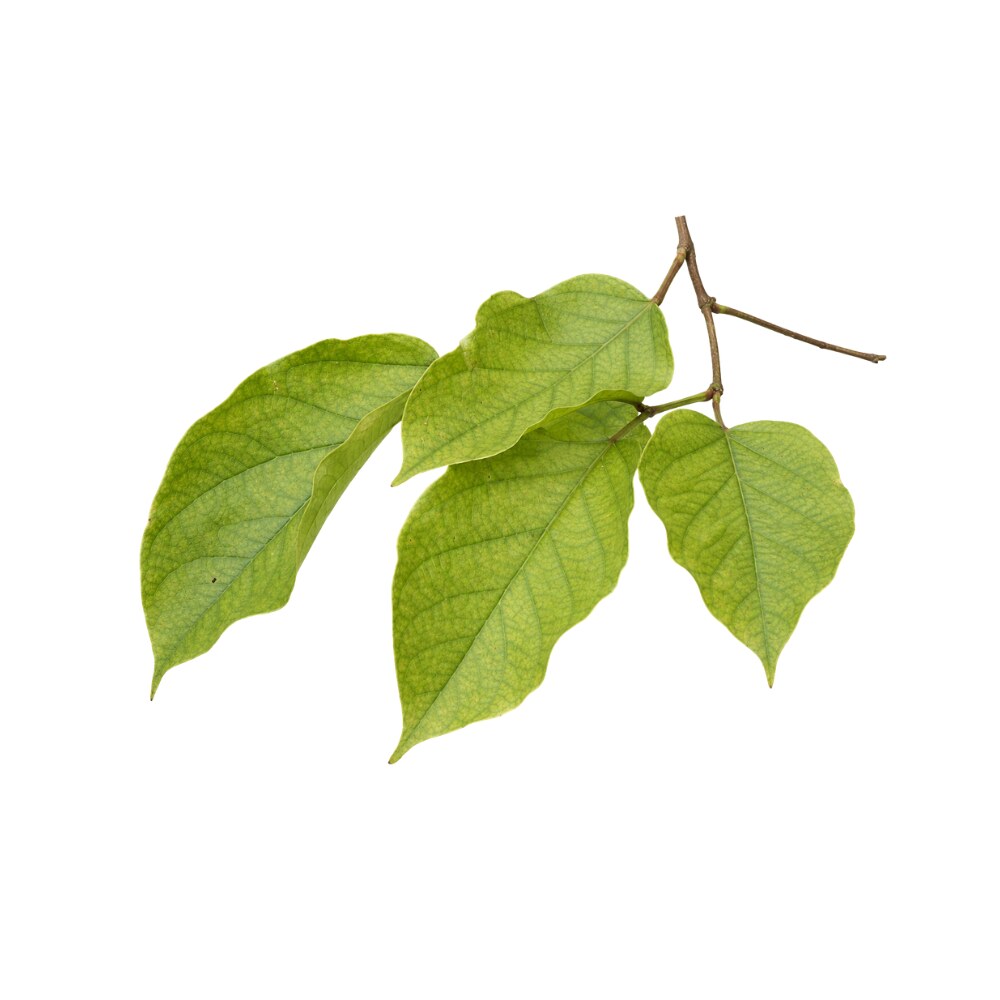
AphrodisiacAnalgesicCarminativeAntibacterialAntiemeticAppetite Stimulant
Also usedBark, Heartwood, Root / Rhizome, Essential Oil Monograph →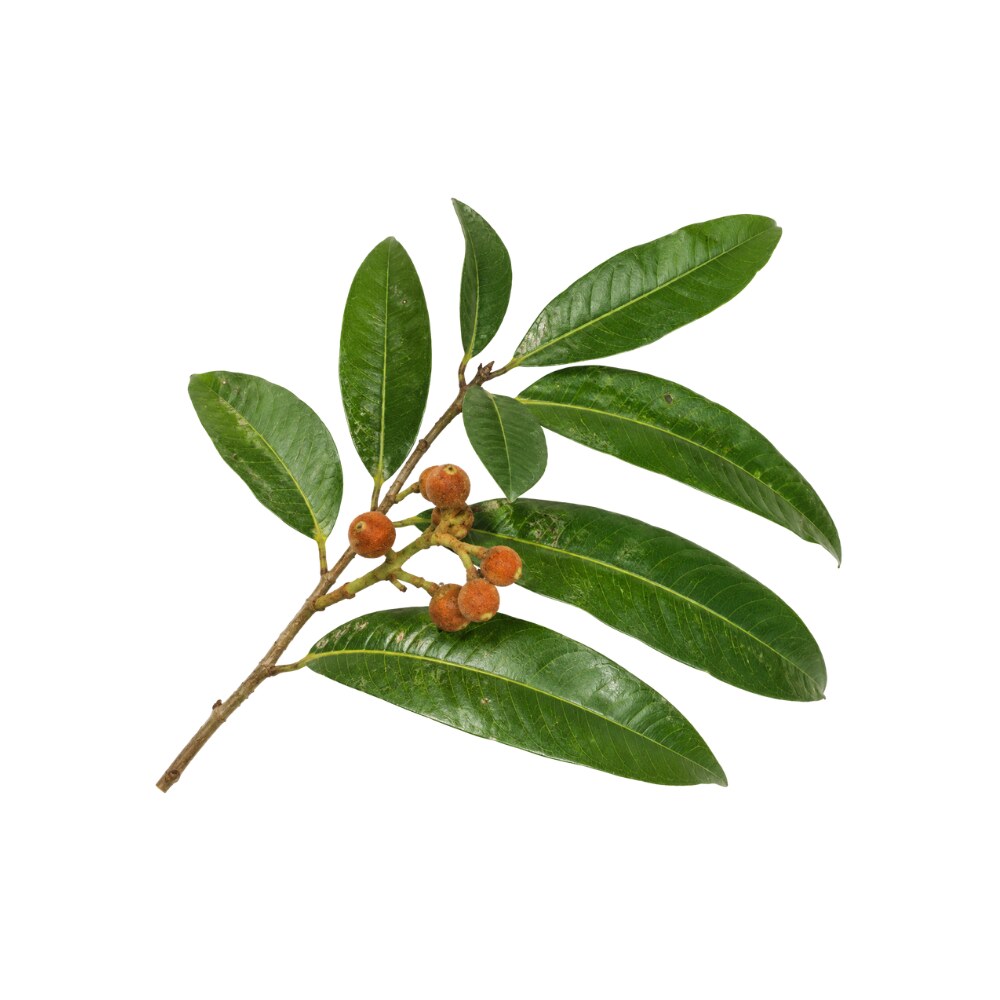
PsychedelicGastroprotectiveAntiulcer
Also usedBark Monograph →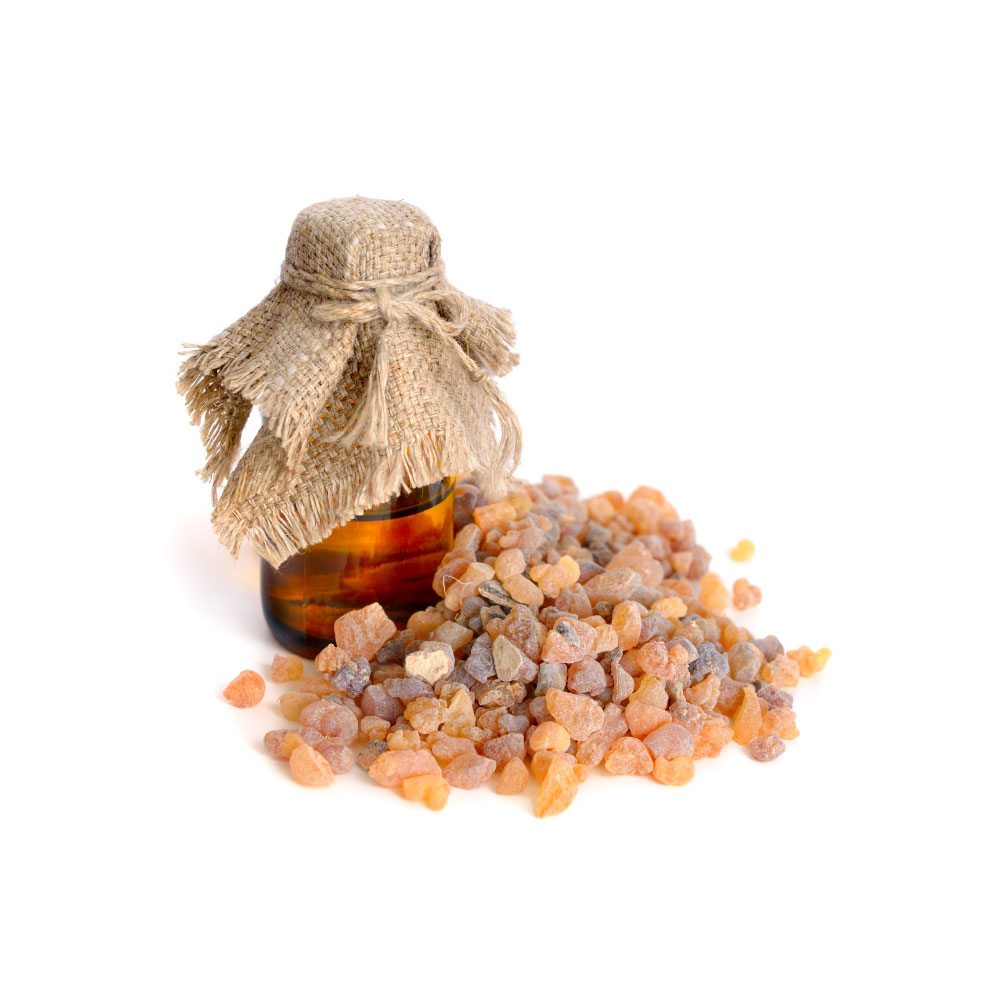
AntioxidantAnti-InflammatoryAntimicrobialVulneraryHypolipidemicAntiasthmaticAntidiabetic
Monograph →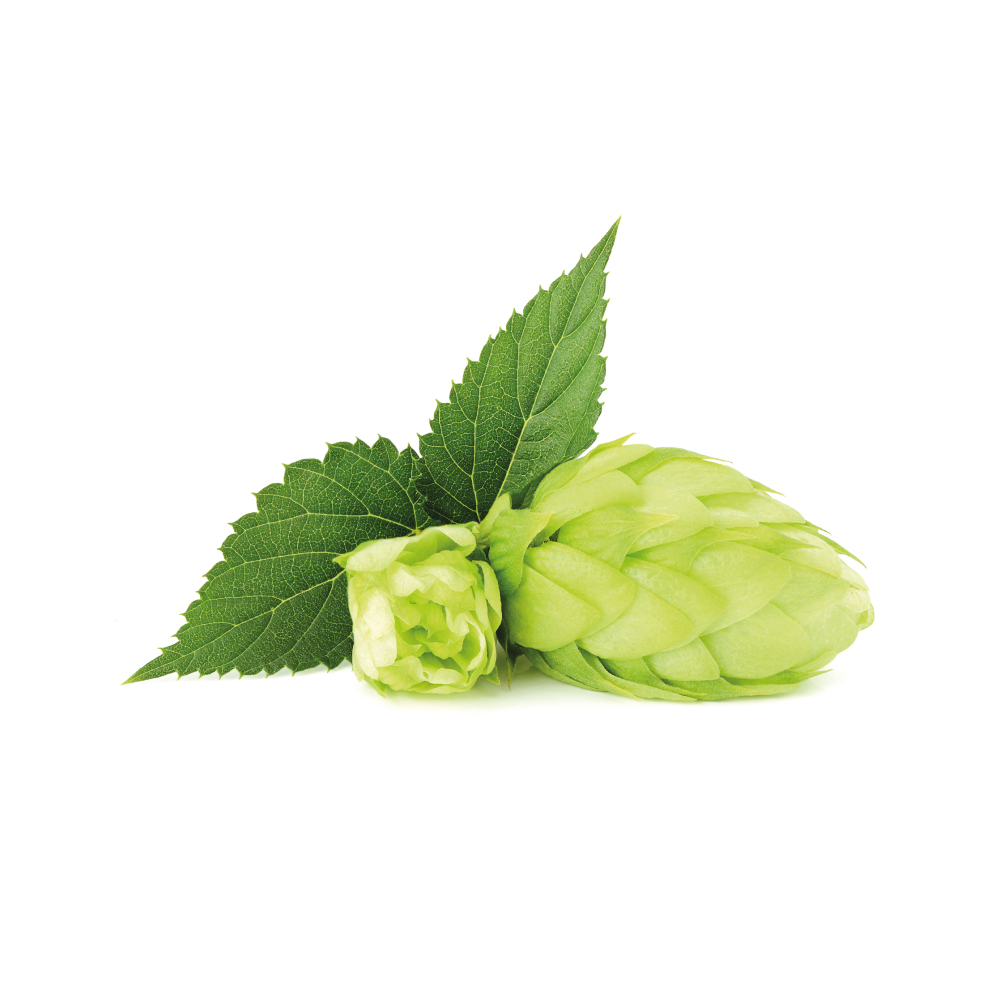
SedativeAntispasmodicAstringentBitterEstrogenicAntimicrobialAnxiolyticNervineNootropic
Also usedFlower Monograph →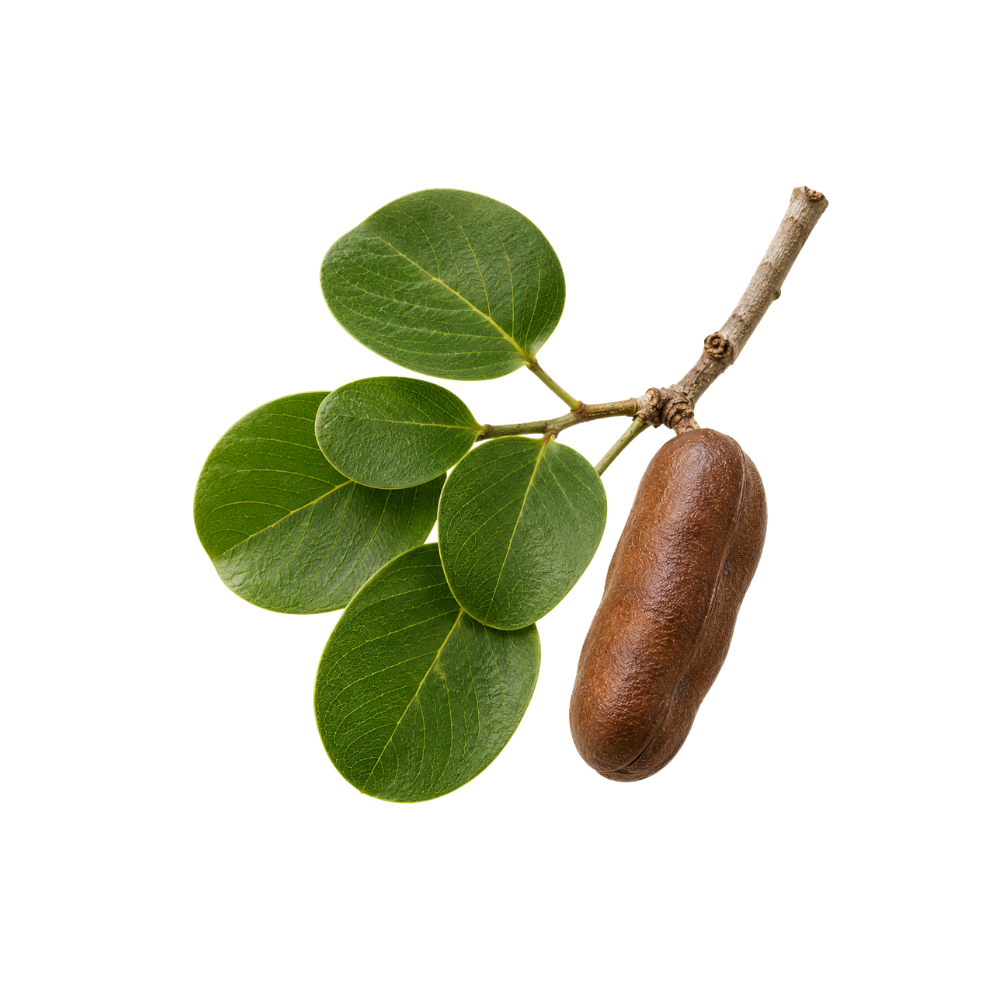
AntifungalAntimicrobialAstringentAnti-InflammatoryTonic
Also usedBark Monograph →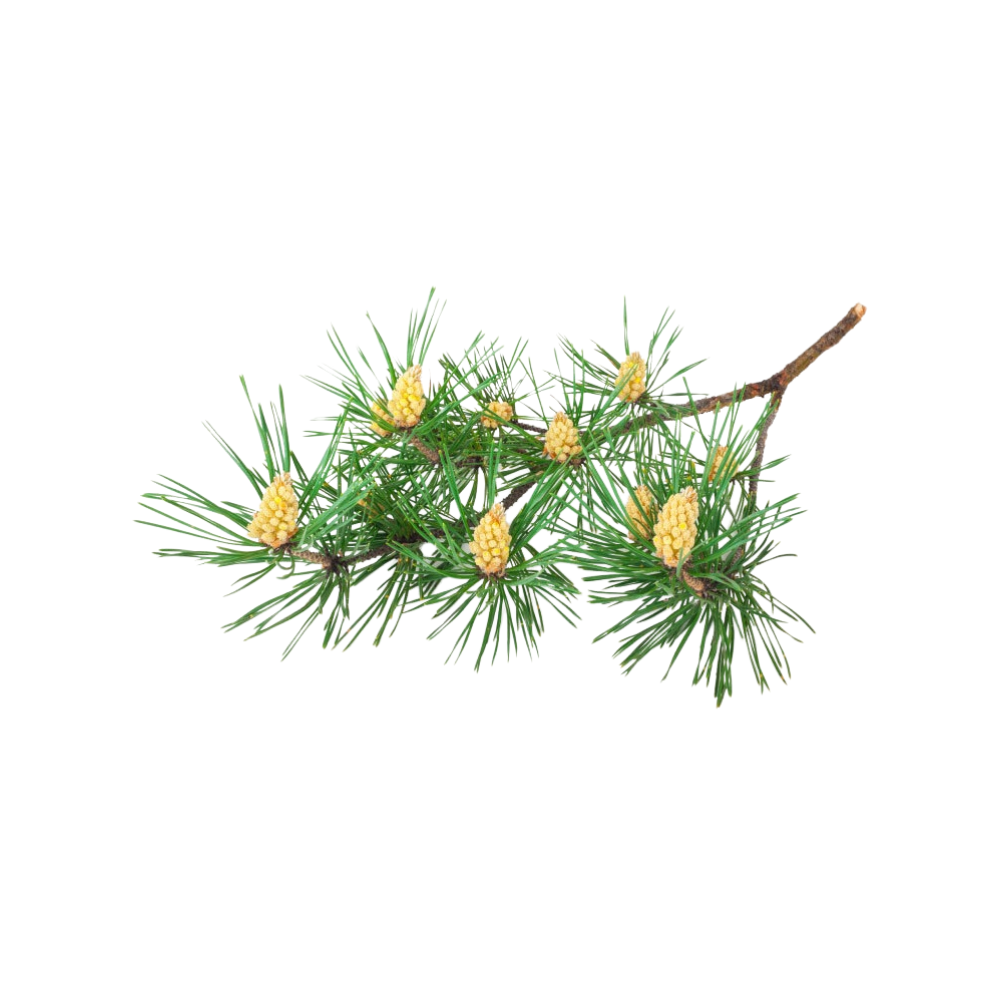
AntioxidantAnti-InflammatoryVasoprotectiveVascular TonicAntiedematousAntihypertensiveHypoglycemicAntidiabeticHypolipidemicAstringent
Also usedBark, Leaf Monograph →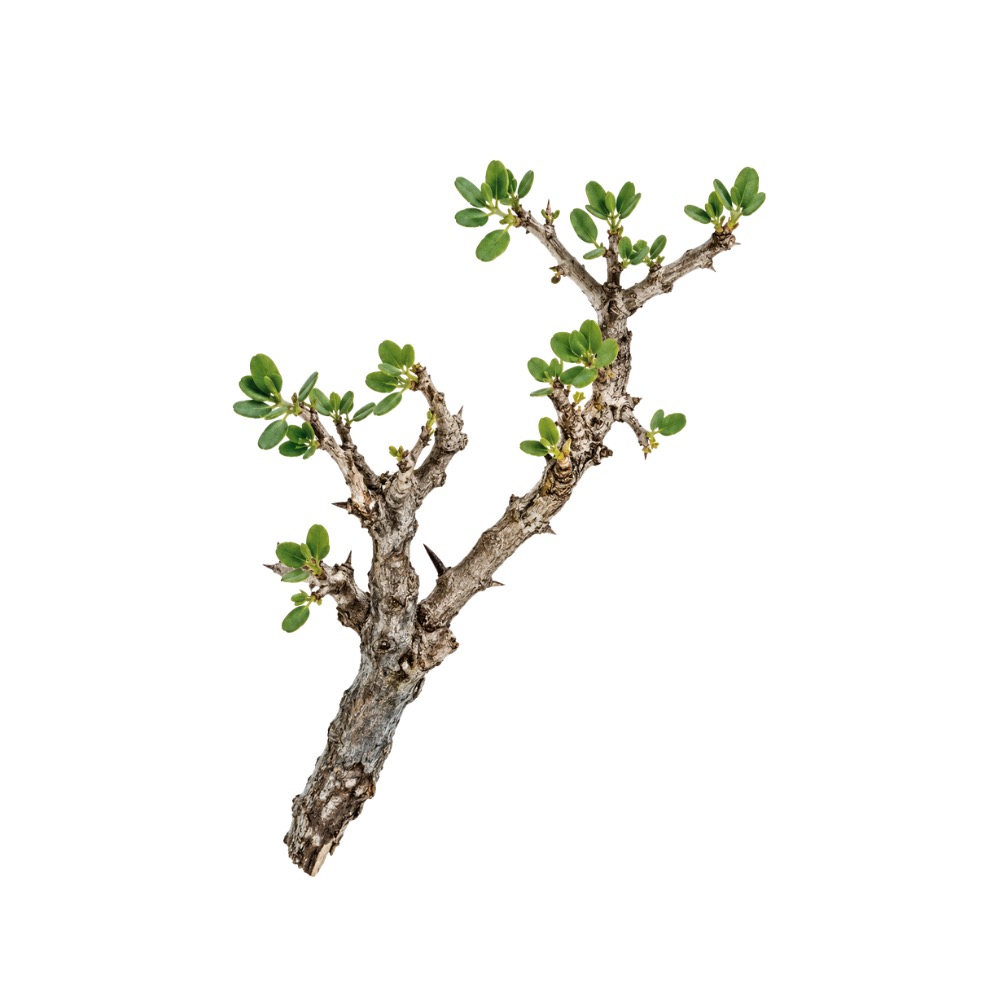
AntimicrobialAstringentVulneraryEmmenagogueAnti-InflammatoryAnalgesic
Monograph → AntimicrobialAntibacterialAntifungalAntioxidantAnti-InflammatoryExpectorantAnticatarrhalDecongestantRespiratory TonicRubefacientAntirheumaticAstringentNutritiveCarminativeAnalgesic
Also usedLeaf, Twigs, Essential Oil, Flower, Bark Monograph →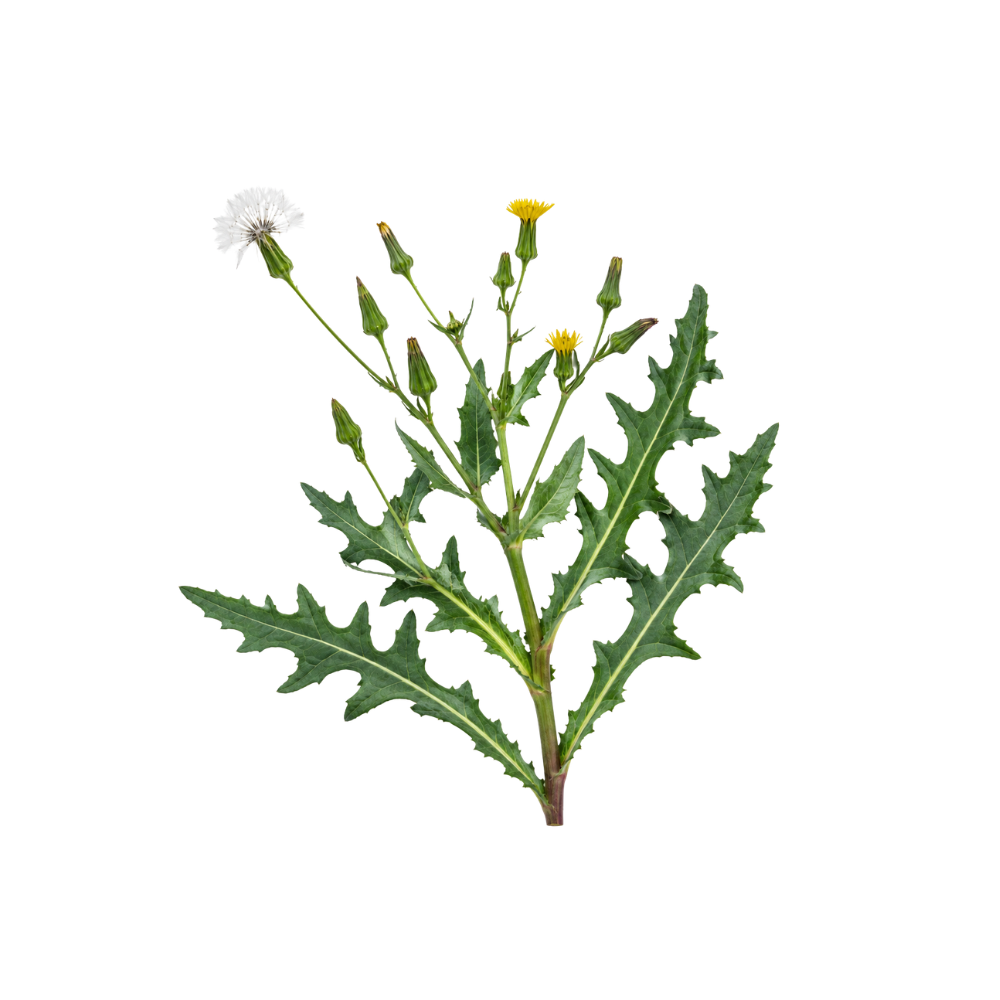
No herbs match these filters.
Phytochemistry
Resin Phytochemicals
The word resin covers two chemically unrelated things. True resins are terpenoid and dissolve in alcohol, while gums are polysaccharide and dissolve in water.
Oleoresins, gum-resins, and dried latex are mixtures of those, plus volatile oil.
Diterpene Resin Acids Abietic and pimaric acids and their relatives — the hard, brittle fraction left behind when a conifer oleoresin is distilled.
Strongly antimicrobial, irritant to broken skin, and the backbone of every traditional drawing salve.
Found in Pine
Oleoresins Resin still carrying its volatile oil, soft and workable straight from the tree.
Distilling one splits it into turpentine and rosin.
Fresh oleoresin is far more aromatic and more skin-irritating than the aged, hardened tears of the same species.
Found in Pine
Polysaccharide Gums Not true resins at all — long chains of arabinose and galactose that swell into a viscous mucilage in cold water.
They are demulcent, prebiotic, and the reason gum-yielding trees are used entirely differently from resin-yielding ones.
Found in Acacia
Sesquiterpenes Heavier terpene skeletons that give many resins their depth of odor and much of their anti-inflammatory character.
They are lipid-soluble, hold their aroma far longer than the light fraction, and survive gentle warming without loss.
Bitter Acids The humulones and lupulones held in the soft golden resin glands — the source of both the bitterness and the sedative reputation.
They oxidize readily, which is precisely why an old, brown, cheesy-smelling sample has lost most of its worth.
Found in Hops
Balsamic & Phenolic Acids Benzoic and cinnamic acid derivatives, sweet and vanilla-like in odor, found in the softer balsam-type exudates.
They are preservative and antiseptic, and they are what makes a balsam smell like a balsam rather than like turpentine.
Found in Jatobá
Volatile Monoterpenes Pinene, limonene and myrcene riding along in the fresh exudate.
They are the first thing lost to air and time — a resin tear that has hardened for years is a quieter, less penetrating medicine than the sticky material it started as.
Found in PineClavo Huasca
Tryptamine-Bearing Exudates A small and genuinely exceptional group in which the bark resin carries potent indole alkaloids rather than ordinary terpenoid chemistry.
These are psychoactive, ritually restricted materials, and belong to their own monographs rather than to general resin practice.
Found in Epeña
Keep Exploring