

Overview
Heartwood at a Glance
Heartwood is the dead centre of a living tree. As a trunk thickens, the inner rings stop conducting sap and are abandoned.
The tree then fills them with what it no longer needs to move: tannins, pigments, resins, and aromatic oils. Those deposits are called extractives, and they are the entire medicine.
Everything else in there is cellulose. That is why a wood asks for long, slow heat or a strong spirit rather than the steep that would open a leaf.
The astringent woods are the larger group. Acacia heartwood boiled down to catechu is the classical example, and catechin is named after the tree that gave it.
Woods like that are used the way any strong astringent is used, as gargles, washes, and short courses for loose stool, on the oral and digestive systems.
The aromatic woods are the other group, and they are the reason this part carries a conservation problem. Rosewood heartwood runs roughly 80 to 93 percent linalool, so the tree was felled for perfume rather than medicine, and the species is now CITES-listed and endangered.
Clavo huasca sits between the two, carrying tannins alongside anthraquinones and eugenol.
Wood is the slowest of the tree parts to work with. The bark outside it is a living layer and gives up its chemistry in twenty minutes, the resin that weeps from a wound in it dissolves in alcohol alone, and the essential oil distilled off a wood is a third medicine again.
Working Notes
Ask where the wood came from before you buy it. — Aromatic heartwood is taken by felling, since you cannot cut the core of a trunk and leave the tree standing, and rosewood in particular is CITES-listed and endangered.
Chip it, or do not bother. — Whole pieces of heartwood in a pot are mostly decoration, so if it did not reach you shaved or coarsely ground, reduce it yourself before it goes near water.
Simmer longer than instinct says. — Fifteen minutes is a root time, and wood extractives sit behind a cellulose wall, so the difference between a half-hour and a full hour is usually visible in the colour of the liquid.
Do not confuse the wood with its oil. — A steam-distilled wood oil carries the volatile fraction only, at hundreds of times the concentration and none of the tannins, so the two are different medicines under one name.
Preparation
How Heartwood Is Prepared
Wood gives up nothing quickly. Every heartwood preparation is a matter of surface area first and time second, because no amount of simmering will rescue a chunk you failed to reduce.
01
Long Decoction
Use chips or shavings, never blocks. Cover with cold water, bring slowly to a simmer, and hold it 45–60 minutes with the lid on — two to three times the usual root simmer.
Many woods will take a second and third extraction from the same chips before they run pale.
02
Tincture
For the resin, lignan, and aromatic fractions that water leaves behind. Macerate finely shaved wood at about 1:5 in 50–60% alcohol for four to six weeks, agitating often.
Wood is slow — do not judge a wood tincture at two weeks the way you would a leaf.
03
Reduce the Particle Size First
A rasp, a coarse grinder, or a bought pre-chipped wood will do more for your yield than any change to the method. Extraction from wood is governed by surface area; a coarse chip can hold most of its extractives right through an hour of simmering.
04
Steam Distillation
How the aromatic woods are taken commercially — the volatile fraction only, at enormous cost in raw timber. Worth knowing chiefly so you can read a wood essential oil for what it is: a destructive extraction, not a by-product.
Heartwood Medicines
Herbs Used for Their Heartwood
4 herbs are worked from the heartwood, the dense, extractive-rich core that only long heat or strong alcohol will open.
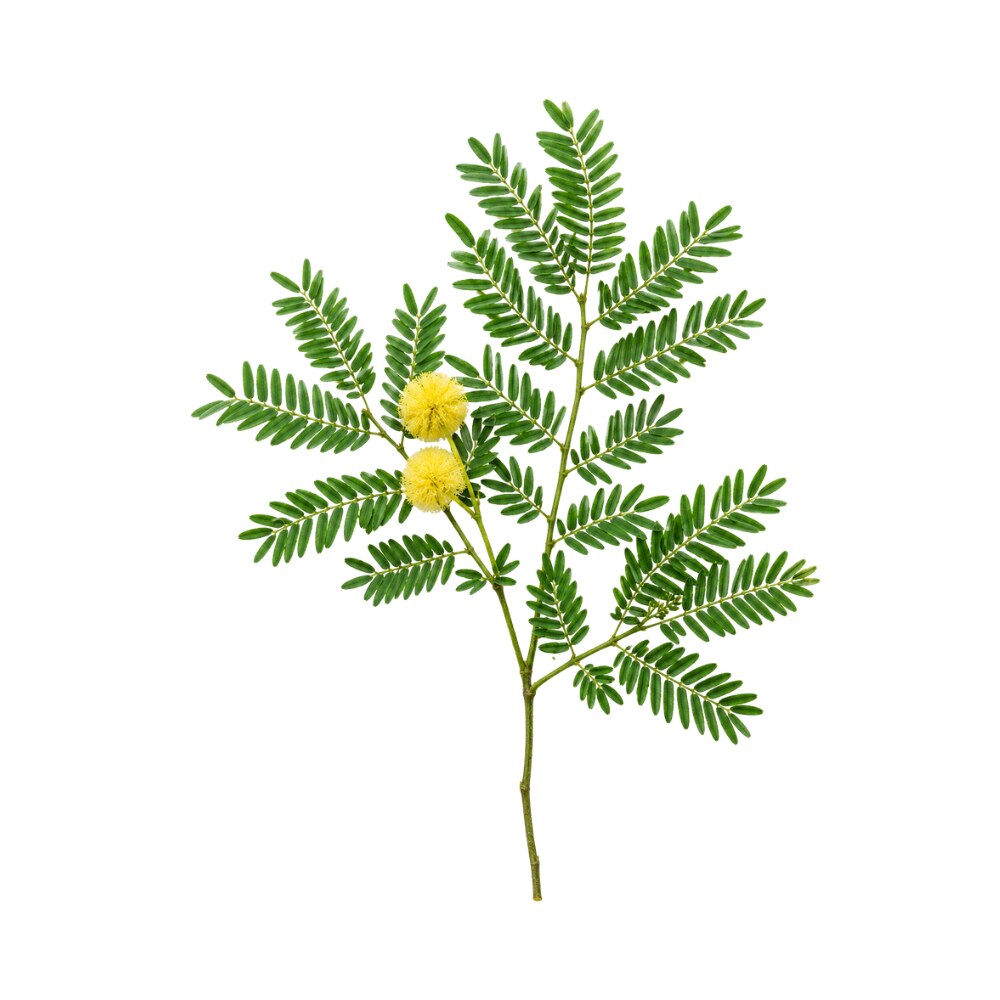
PrebioticAstringentDemulcentAntioxidant
Also usedBark, Leaf, Seed, Resin Monograph →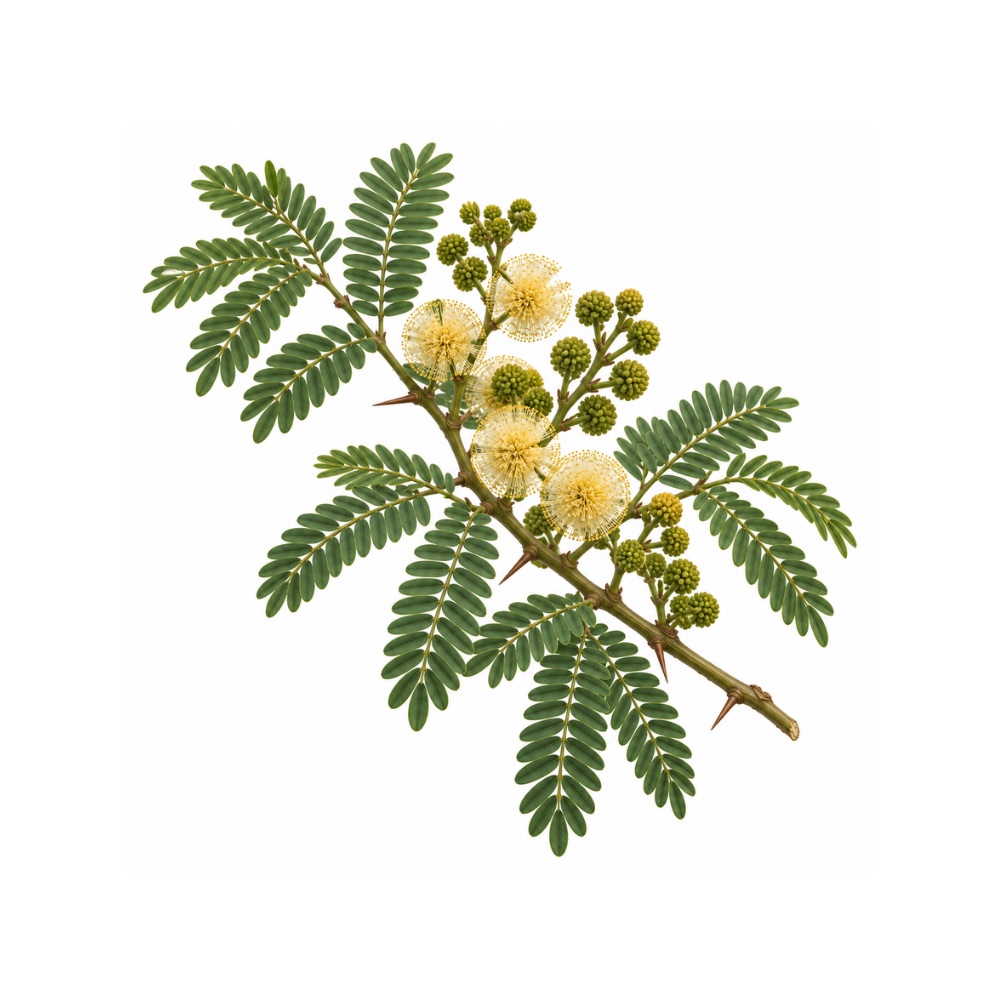
AstringentAnti-InflammatoryAntioxidantAntibacterialAntidiarrhealAntispasmodicVulneraryHemostaticHepatoprotectiveImmunomodulator
Also usedBark Monograph →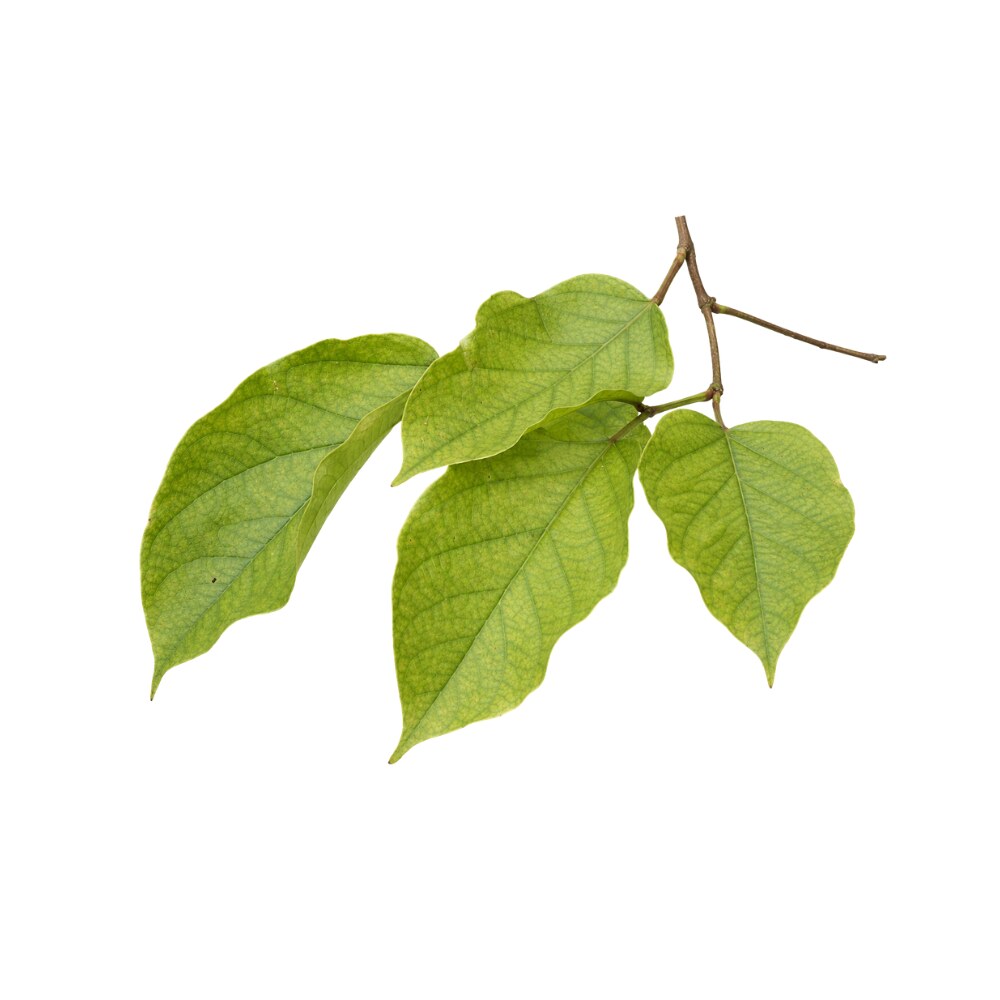
AphrodisiacAnalgesicCarminativeAntibacterialAntiemeticAppetite Stimulant
Also usedBark, Root / Rhizome, Resin, Essential Oil Monograph →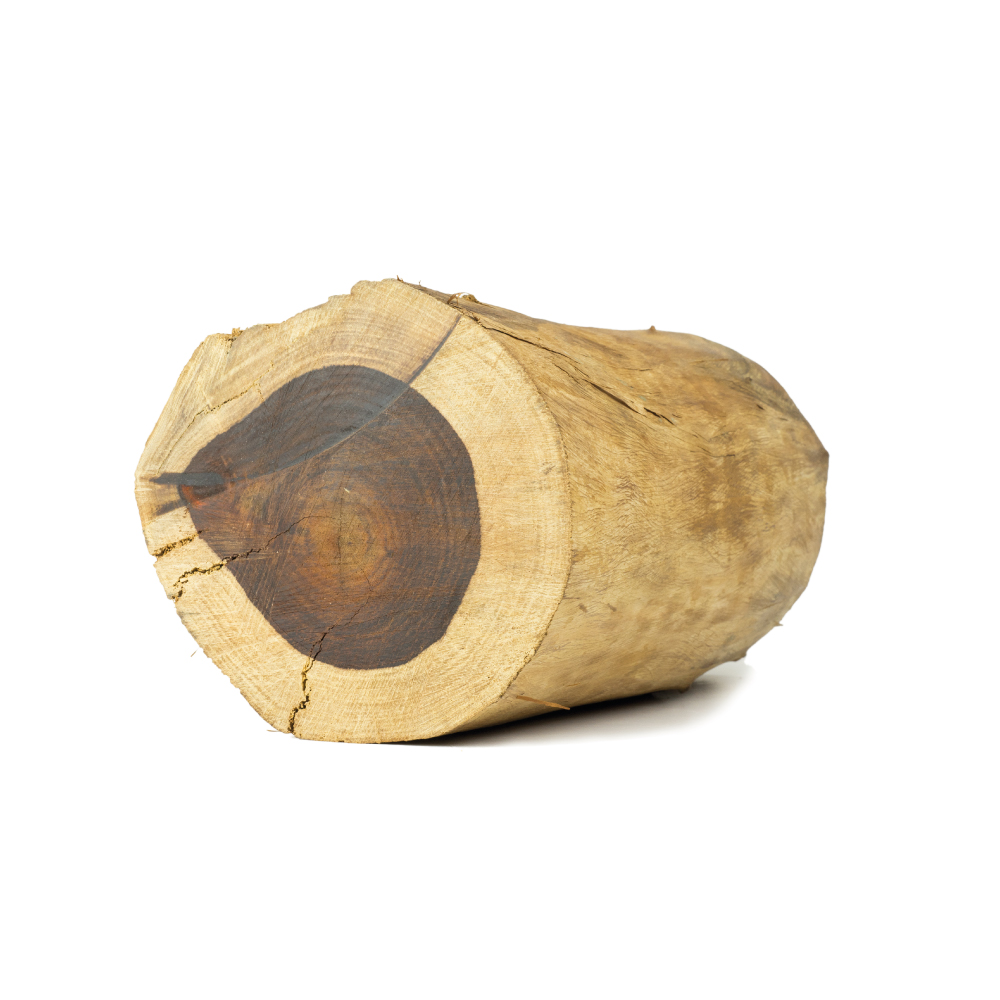
Anti-InflammatoryAntidepressantNervineSedativeAnalgesicAntimicrobial
Also usedEssential Oil Monograph →No herbs match these filters.
Phytochemistry
Heartwood Phytochemicals
Heartwood chemistry is deposition chemistry: what the tree walled away rather than what it is currently making. The extractives sit locked in a dense cellulose matrix that neither a quick steep nor a weak alcohol will open.
Condensed Tannins The astringent polyphenols that harden heartwood against decay.
They come across into a long decoction, tighten tissue, and give most wood teas their puckering, faintly drying finish.
Found in Clavo Huasca
Quinones & Wood Pigments The naphtho- and anthraquinone-type colorants responsible for heartwood’s reds and browns.
Color is a rough proxy for extractive content here — pale wood from the sapwood edge is a weaker medicine than dark core.
Aromatic Sesquiterpenes & Monoterpene Alcohols The distillable fraction that makes some woods fragrant.
Rosewood heartwood is dominated by linalool, which is exactly why the tree was cut for perfumery rather than medicine, and why its populations collapsed.
Found in Rosewood
Lignans Dimeric phenylpropanoids laid down alongside the lignin itself.
They are poorly water-soluble, so a wood valued for its lignans is a wood that wants alcohol rather than a pot of tea.
Wood Resins Lipid-soluble deposits that survive long simmering untouched and then float as a film on the cooled decoction.
Their presence is the usual argument for tincturing a wood instead of, or as well as, decocting it.
Flavonoids & Stilbenes Antifungal phenolics the tree deposits as its own preservative.
They account for much of the antimicrobial and antioxidant reputation of durable woods, and they extract better in dilute alcohol than in water alone.
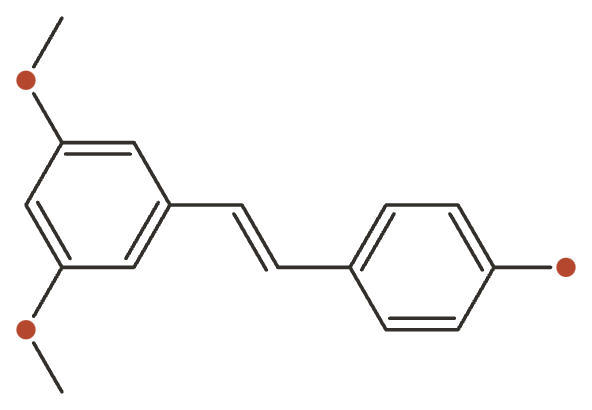
Found in Clavo Huasca
Keep Exploring