

Overview
Essential Oil at a Glance
An essential oil is the plant's volatile fraction, stripped out and concentrated hundreds of times over. A few millilitres may stand for kilos of flowering herb.
That changes every rule about herbal dosing. Essential oils are measured in drops, diluted before they touch skin, and are not tinctures.
What distils over is small, lipophilic, and mostly terpenoid. The class an oil is dominated by predicts most of what it will do to skin, and how long it will keep.
The gentle oils run on monoterpene alcohols and esters. Lavender is linalool and linalyl acetate, which is most of why it became the anxiolytic standby.
The caustic ones are phenolic. Thyme and oregano run on thymol and carvacrol, strongly antimicrobial and hard on mucous membranes at concentrations other oils tolerate.
The heavier sesquiterpenes are slower and calmer. German chamomile oil turns blue on chamazulene, which does not exist in the living plant and forms from matricin in the still.
The rest sort by their one dominant molecule. Peppermint is menthol and antispasmodic, clove is eugenol and the traditional toothache analgesic, fennel is anethole and carminative, and lemongrass is citral.
This is a preparation rather than a plant part. The oil comes off a leaf, a flower, a seed, a bark, or a heartwood, and it leaves behind everything that was not volatile.
That is worth remembering, because the tradition behind most of these plants was built on the tea and the tincture. Internal use of the oil is a clinical decision with real toxicity behind it.
Working Notes
Internal use is not a home practice. — Swallowing essential oils is a clinical intervention with a narrow margin and a real overdose literature, and a teaspoon of a phenolic oil is a poisoning rather than a large dose.
An oil is only as good as its chemotype. — Thyme distilled from a thymol-dominant plant and thyme distilled from a linalool-dominant one are different products with different safety profiles under one common name.
Old oil is riskier oil, not weaker oil. — Oxidized monoterpenes are far more sensitizing than fresh ones, so a half-empty bottle from four years ago has not simply faded, it has become more likely to cause a reaction.
The whole herb is usually the better answer. — The tradition behind these plants was built on teas, tinctures, and steams, at doses of the volatile fraction orders of magnitude lower, so reach for the oil when you specifically want its concentration.
Preparation
How Essential Oils Are Prepared
There is no preparation of an essential oil in the sense that there is of a root, because the distillation already happened. What remains is dilution, and dilution is the entire safety margin.
01
Dilution for the Skin
The default working range is 1–3% in a carrier oil — roughly 1–2 drops per 5 ml — dropping to 0.5–1% for the face, for children, or for phenol-rich oils. Undiluted application is not a stronger version of the same thing; it is how people acquire permanent sensitization.
02
Inhalation & Diffusion
The lowest-risk route. 2–4 drops in a bowl of hot water under a towel, or 20–30 minutes of intermittent diffusion in a ventilated room — not continuous, all-day running.
Anyone asthmatic should treat steam inhalation of a strong oil with real caution.
03
Patch Test, Always
Apply the finished dilution to the inner forearm and leave it 24 hours before using it more widely. Sensitization reactions are often delayed, and once established they are usually permanent for that constituent — and frequently for related oils you have never used.
04
Storage
Amber or cobalt glass, tightly capped, cool and dark. Citrus and conifer oils oxidize within 6–12 months of opening; sesquiterpene-heavy oils last for years.
Never store in plastic — the oil will attack it — and keep bottles well out of reach of children.
Essential Oil Medicines
Herbs Used for Their Essential Oils
16 herbs are used primarily as the distilled essential oil, the most concentrated and least forgiving form in the materia medica.
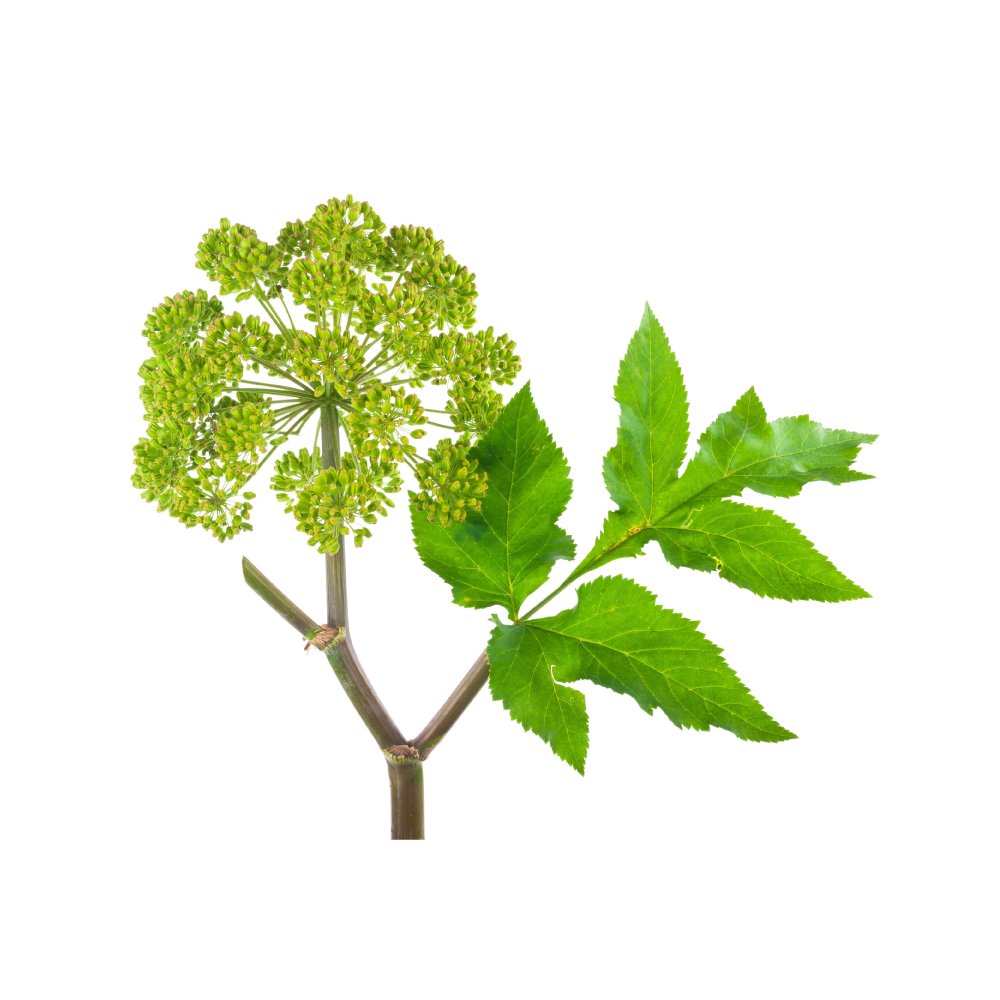
Urinary AntispasmodicAntispasmodicCarminativeBitterAntibacterialAnticancerAnticonvulsantAppetite Stimulant
Also usedSeed, Root / Rhizome, Leaf Monograph →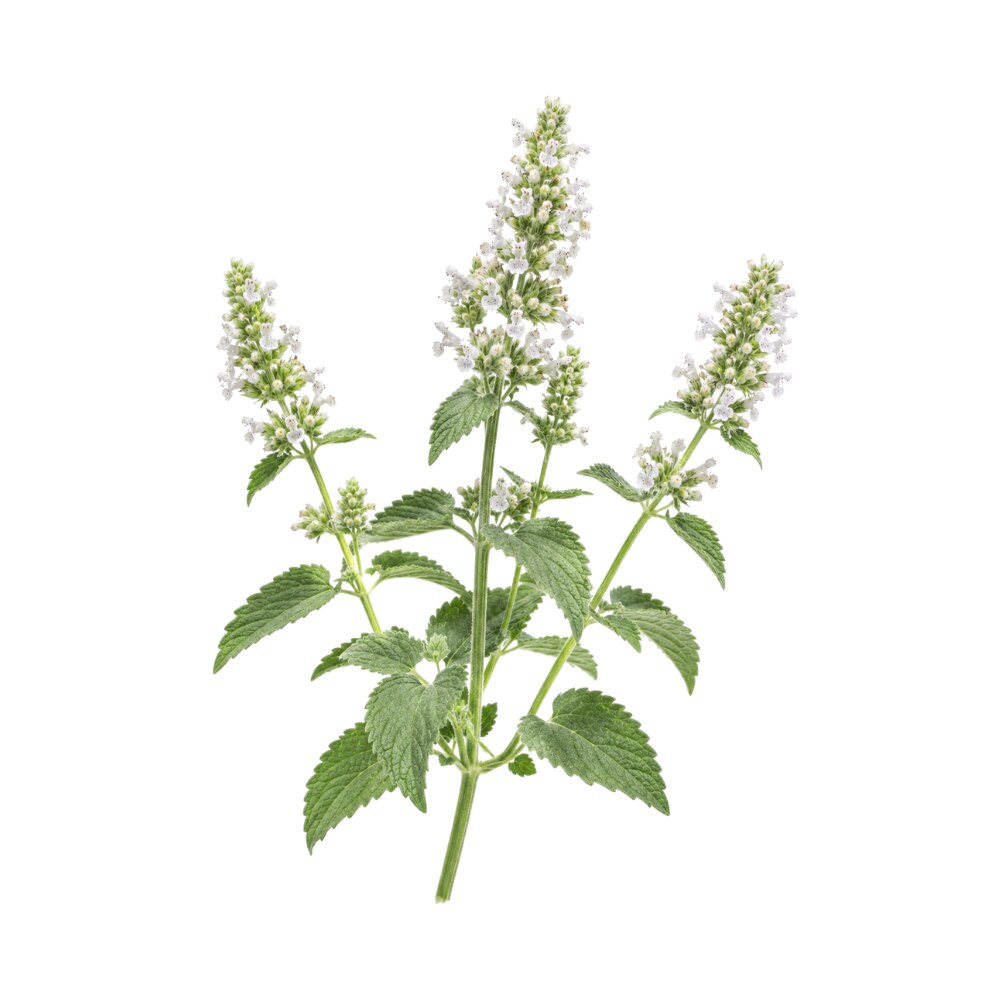
SedativeCarminativeDiaphoreticNervineAntispasmodicAntimicrobialAnti-InflammatoryHepatoprotective
Also usedLeaf, Flower, Aerial Parts Monograph →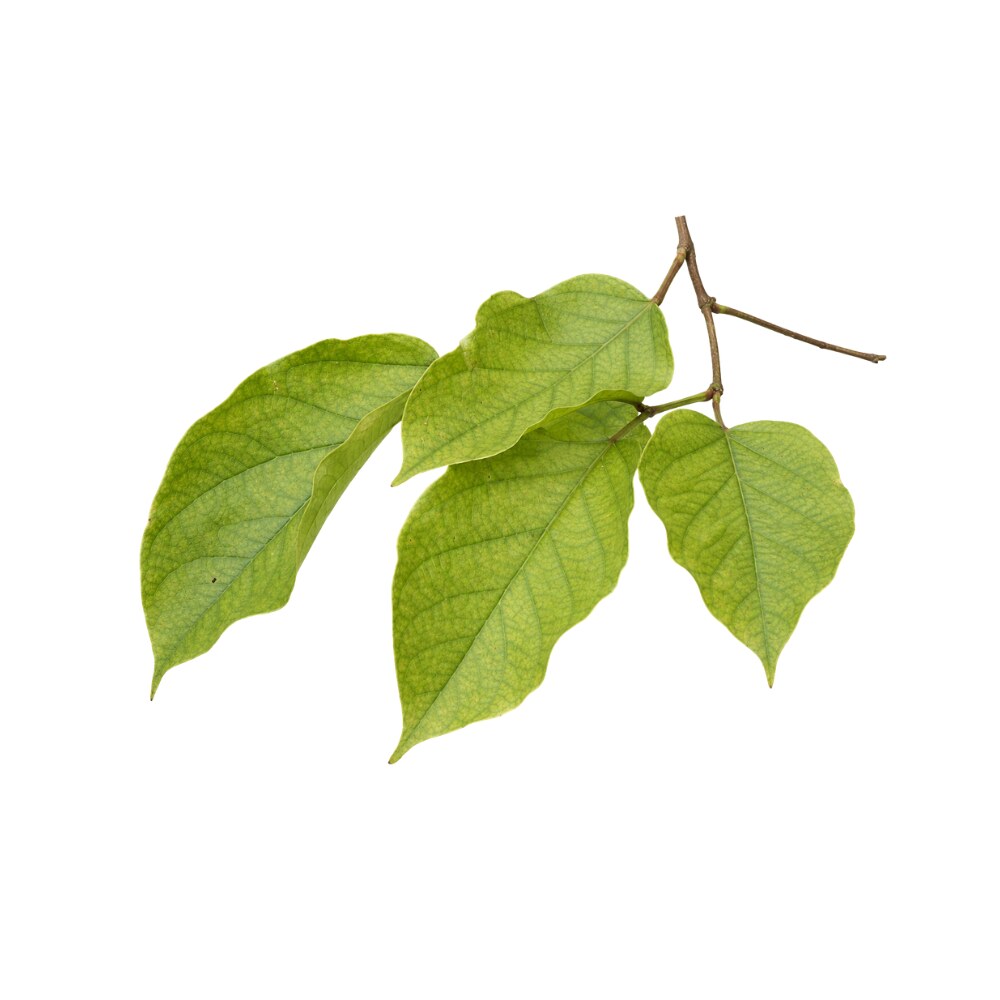
AphrodisiacAnalgesicCarminativeAntibacterialAntiemeticAppetite Stimulant
Also usedBark, Heartwood, Root / Rhizome, Resin Monograph →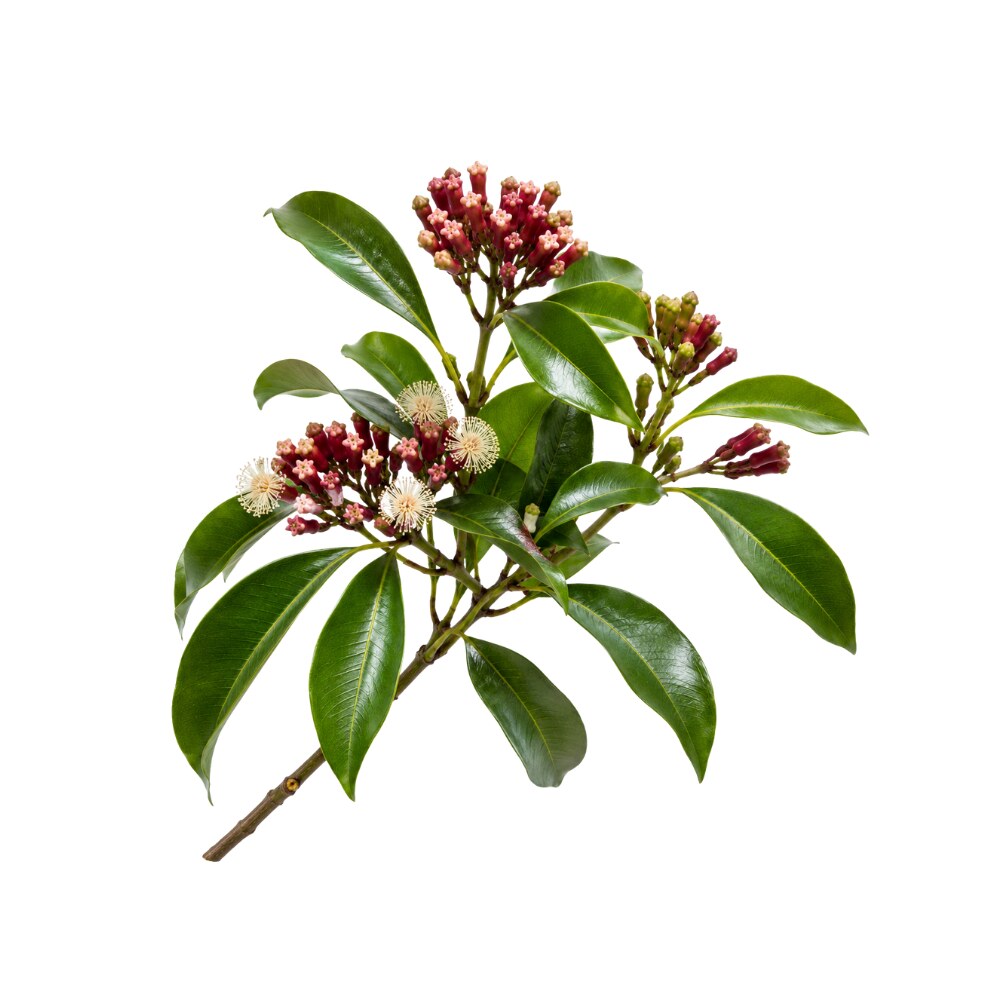
AnalgesicAntimicrobialAntibacterialAntifungalCarminativeAnti-InflammatoryAntioxidantAntiplateletAppetite Stimulant
Also usedFlower Monograph →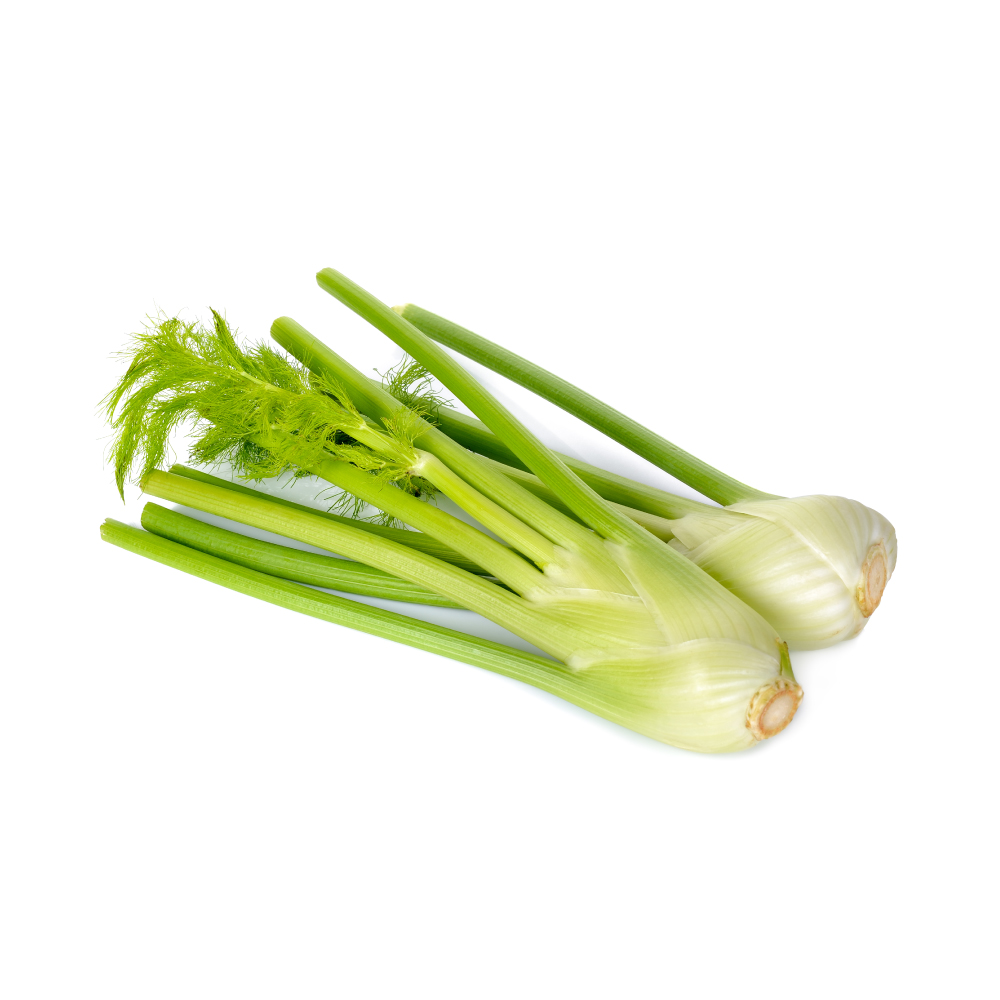
CarminativeAppetite StimulantAppetite SuppressantAntispasmodicGalactagogueAntimicrobialExpectorantEstrogenicCytoprotectiveHypoglycemicNootropic
Also usedSeed, Leaf, Root / Rhizome Monograph →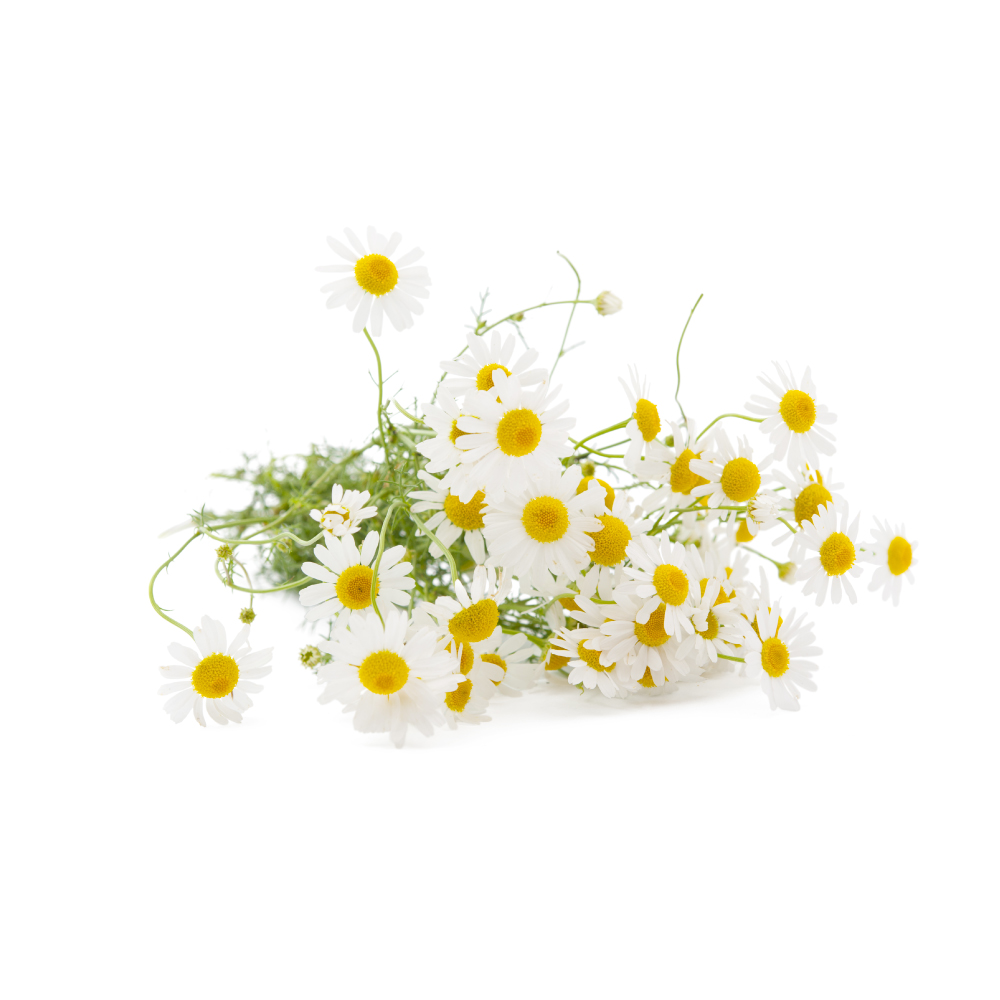
Anti-InflammatoryAntispasmodicAntiallergicAntibacterialCarminativeVulneraryAntidiarrhealAnxiolyticSedativeAnalgesicHypoglycemic
Also usedFlower Monograph →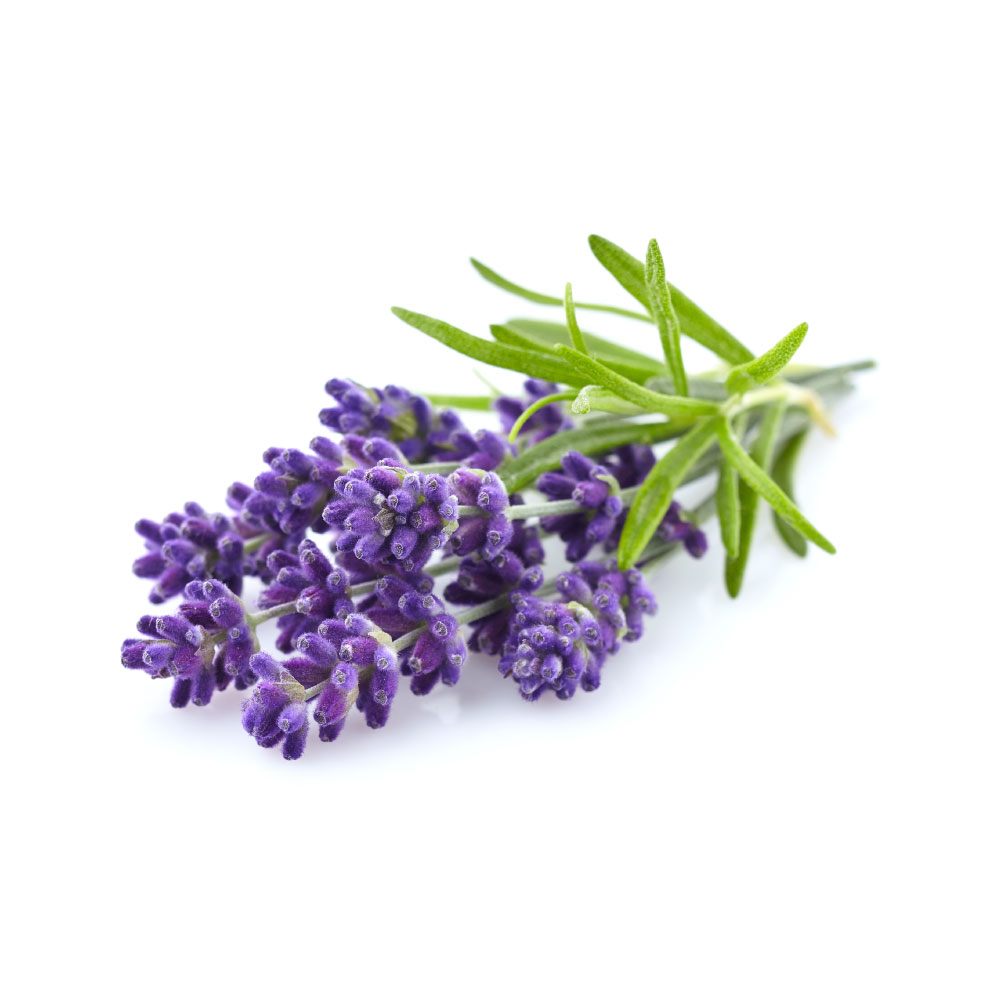
AnalgesicAntibacterialAntidepressantAntifungalAnxiolyticCarminativeNervineNeuroprotectiveAntispasmodic
Also usedFlower Monograph →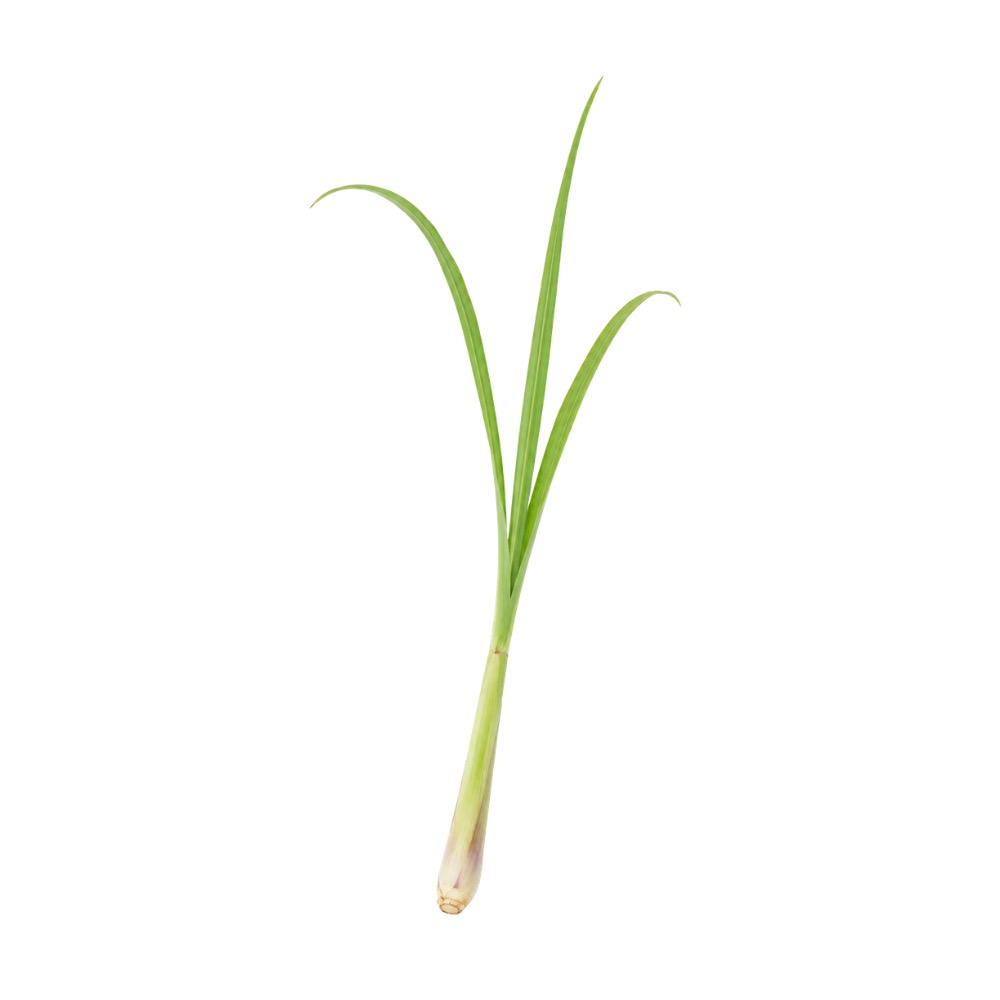
CarminativeNervineAntimicrobialDiaphoreticGastroprotectiveAntiulcer
Also usedLeaf, Aerial Parts Monograph →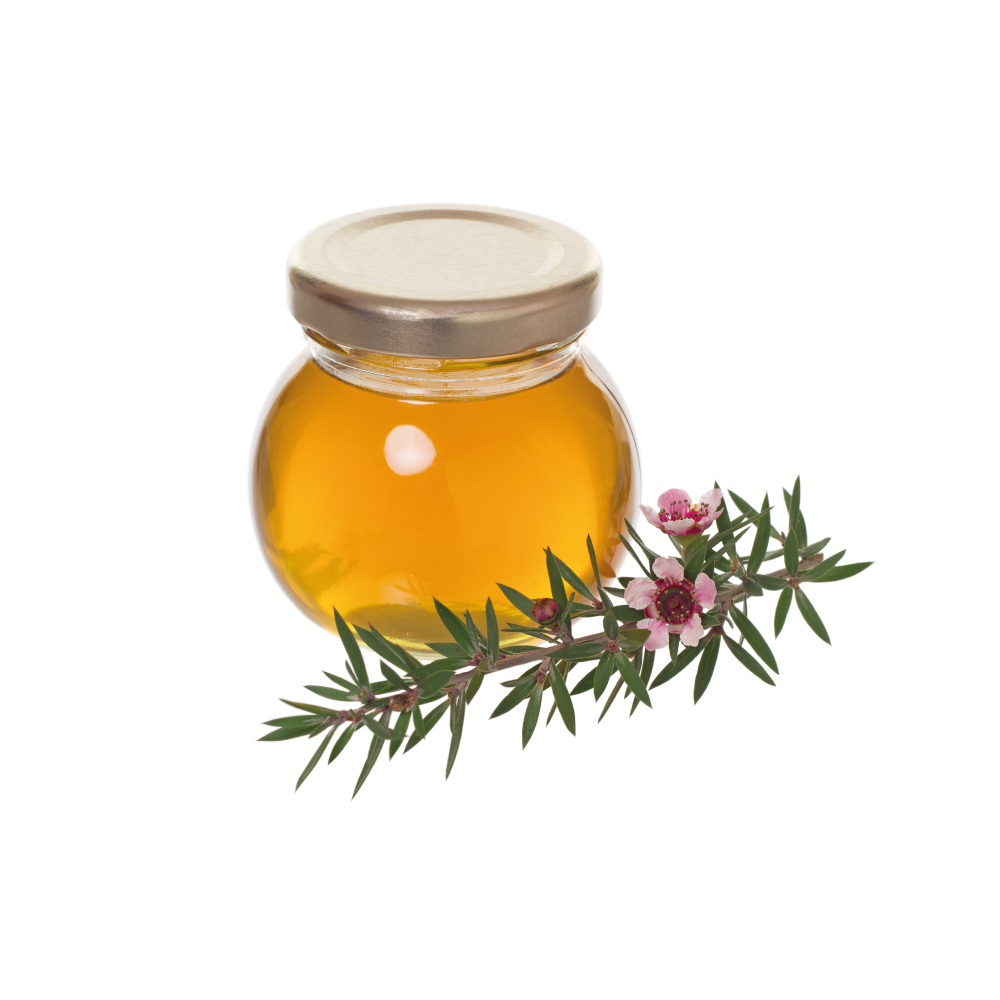
Anti-InflammatoryAntibacterialAntifungalAnxiolyticAstringent
Also usedLeaf, Bark Monograph →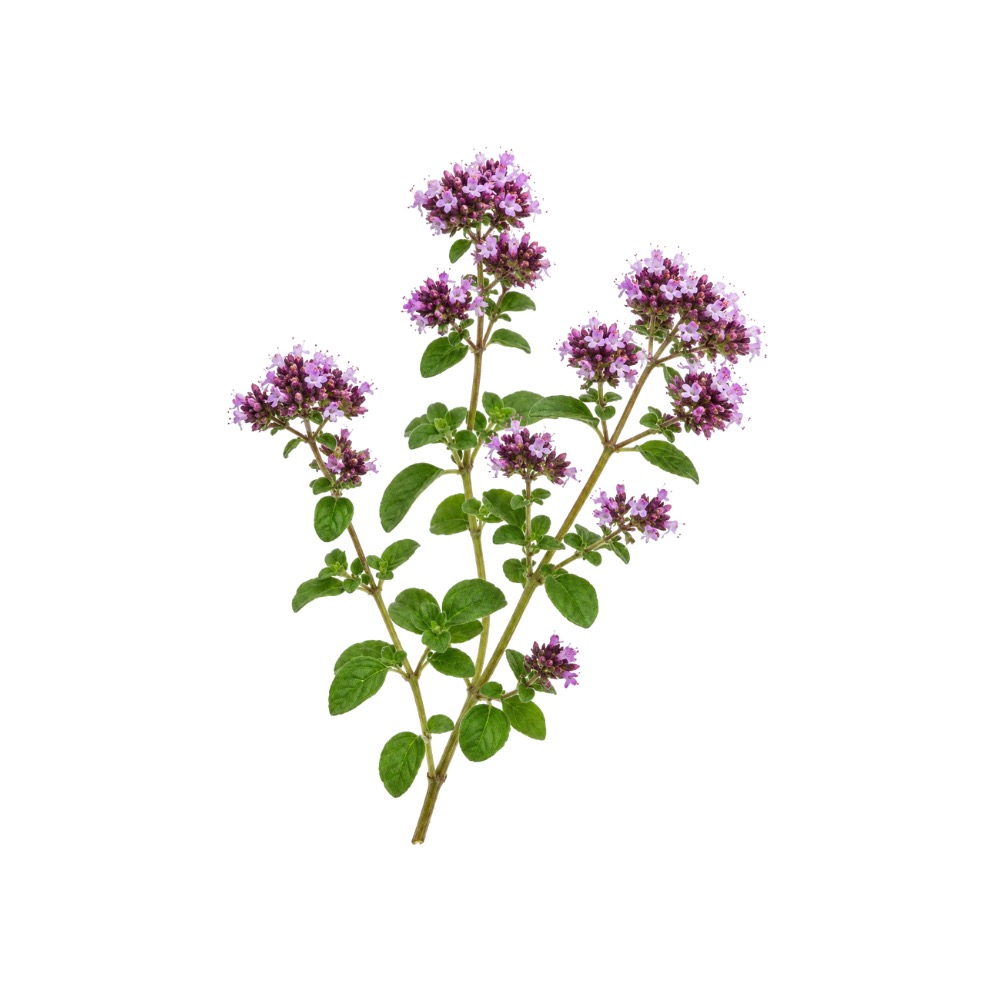
AntimicrobialCarminativeExpectorantAntioxidant
Also usedLeaf, Aerial Parts Monograph →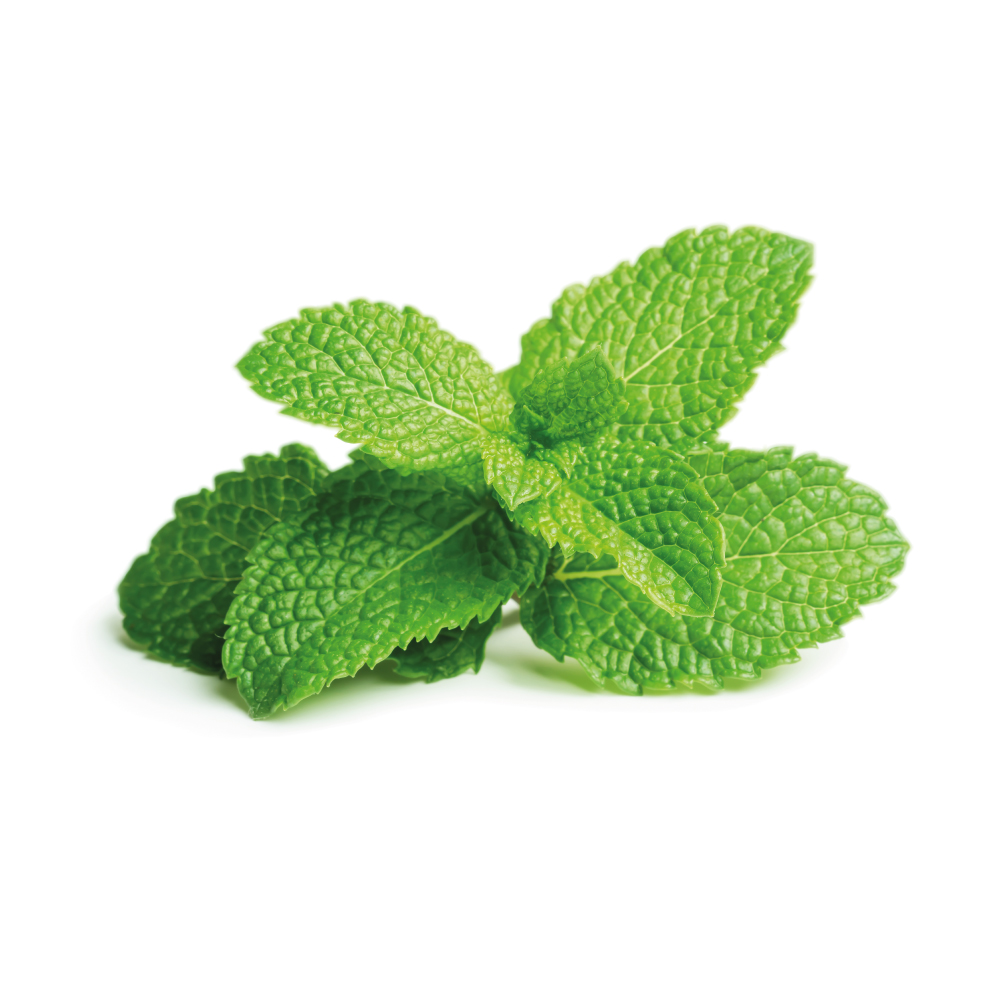
AntiemeticAntimicrobialAntispasmodicCarminativeAntiallergicAnalgesic
Also usedLeaf Monograph →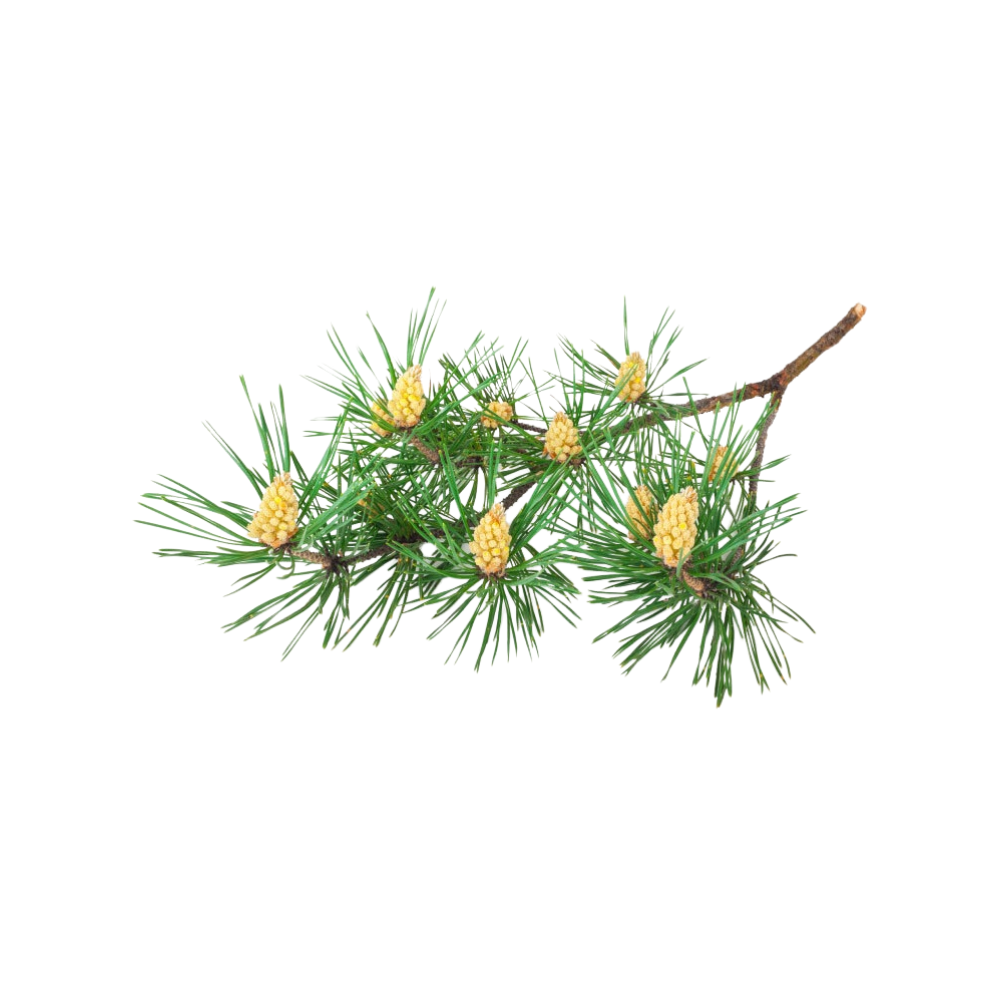
AntimicrobialAntibacterialAntifungalAntioxidantAnti-InflammatoryExpectorantAnticatarrhalDecongestantRespiratory TonicRubefacientAntirheumaticAstringentNutritiveCarminativeAnalgesic
Also usedLeaf, Twigs, Flower, Bark, Resin Monograph →
AntidepressantAntimicrobialAntispasmodicNootropicRubefacientCarminativeNervineAntioxidant
Also usedLeaf, Aerial Parts Monograph →
Anti-InflammatoryAntidepressantNervineSedativeAnalgesicAntimicrobial
Also usedHeartwood Monograph →
AntimicrobialExpectorantAntispasmodicAntitussiveCarminativeAntibacterialMucolytic
Also usedLeaf, Aerial Parts Monograph →
NervineAntidepressantAnxiolyticAntihypertensive
Also usedFlower Monograph →No herbs match these filters.
Phytochemistry
Essential Oils Phytochemicals
What distils over is small, lipophilic, and mostly terpenoid, meaning molecules light enough to travel with steam. The class a given oil is dominated by predicts almost everything about its irritancy, its shelf life, and how little of it you should use.
Monoterpenes Ten-carbon hydrocarbons — pinene, limonene, myrcene — that make up the light, sharp top note of most oils.
They oxidize quickly on contact with air, and an oxidized monoterpene oil is markedly more sensitizing than a fresh one.
Monoterpene Alcohols Linalool, geraniol, terpinen-4-ol and relatives.
Phenols Thymol and carvacrol — the most potently antimicrobial constituents here, and the most caustic.
Phenol-rich oils are skin and mucous-membrane irritants at concentrations other oils tolerate easily, and demand dilution well below the usual figures.
Found in Thyme
View compound class →Sesquiterpenes Heavier fifteen-carbon skeletons — chamazulene, bisabolene, germacrene.
They are viscous, slow to evaporate, deeply colored in some oils, and carry most of the anti-inflammatory reputation of the blue and amber distillates.
Sesquiterpene Alcohols & Oxides Bisabolol and the bisabolol oxides sit here — the constituents that survive distillation of chamomile and do much of its soothing work.
They are stable, low-irritancy, and among the few components that hold up well over years in a bottle.
Found in German Chamomile
Esters Benzyl acetate, linalyl acetate and kin: the sweet, fruity, characteristically relaxing constituents.
Esters are low-irritancy and pleasant, but they hydrolyze in heat and damp, which is why an old oil smells flatter and sharper than a new one.
Found in Ylang Ylang
Phenylpropanoids Eugenol-type aromatics built on a different biosynthetic route from the terpenes.
Warm, clove-like, powerfully numbing and just as powerfully irritating — a class where a single drop too many on skin is genuinely unpleasant.
Found in Clavo Huasca
View compound class →Furanocoumarins Not volatile terpenes but heavier molecules carried over in expressed and some distilled oils.
They are phototoxic: applied to skin and then exposed to sunlight, they cause burns and long-lasting pigmentation.
Treat any oil carrying them as a night-time-only application.
Found in Angelica
Keep Exploring