

Overview
Sedative at a Glance
Sedatives calm nervous excitability and quiet the body and mind, easing the way into rest and, at higher doses, sleep.
Pharmacology grades the effect from tranquillising, which lowers arousal, to hypnotic, which induces sleep, and the herbs span the same range.
The term is most useful when kept apart from its neighbours.
An anxiolytic reduces anxiety, and several do so without impairing alertness or movement. A nervine supports the nervous system more broadly, and a nervine tonic restores it over time. An antispasmodic relaxes muscle rather than mind.
Calming and sedation are not the same thing: an inhaled oil can lower blood pressure and pulse while raising subjective alertness, and that is not sedation.
Most herbal sedatives act on one receptor. GABA-A is the brain’s main inhibitory chloride channel, and valerian, hops, passionflower, zizyphus, California poppy, wild lettuce, kava and American skullcap all make it respond more strongly to the GABA already present.
These positive allosteric modulators do nothing without GABA, so their effect saturates and they are difficult to overdose on alone.
Fly agaric is the exception: muscimol opens the channel directly, and its sedation is part of a poisoning.
A smaller group works elsewhere. Saffron, griffonia and tart cherry act on the serotonin–melatonin pathway and change the timing and staging of sleep more than its depth.
Blue vervain and wild lettuce carry an adenosine signal, working with the body’s own sleep pressure.
Kratom, cannabis and corydalis sedate through opioid, cannabinoid and dopamine receptors respectively, and their sedation arrives with the tolerance and dependence of those systems. The oldest soporifics in medicine, opium poppy and mandrake, belong to this heavier pharmacology and are not herbal sedatives in any modern sense.
For a number of herbs the sedative use is traditional and unmeasured. Catnip, melissa, black horehound and the Pedicularis species are bedtime calmatives with a long record and little or no trial evidence, and they stay in use on that record.
Caution
Adds to alcohol and sleep drugs — every sedative herb is additive with alcohol, benzodiazepines, opioids, sleep medication, sedating antihistamines and each other.
No driving after a dose — drowsiness is the intended effect and the adverse effect at once, and several of these herbs impair next-day function.
Opioid and cannabinoid herbs bring dependence — the opioid, cannabinoid and dopaminergic sedatives carry tolerance, dependence and withdrawal along with the sedation.
Mechanisms
How It Works
01
GABA-A Modulation
GABA is the brain’s main inhibitory transmitter and GABA-A is a chloride channel; open it and neurons become harder to fire.
Most sedative herbs are positive allosteric modulators: they do not open the channel themselves, they make it respond more strongly to the GABA already present.
Valerenic acid from valerian acts at a defined site with β2/β3-subunit dependence. The lactones of wild lettuce and the extracts of California poppy act at the benzodiazepine site, shown by flumazenil reversal, and baicalin from American skullcap binds the same site. Kavain from kava potentiates the receptor and also blocks voltage-gated sodium channels.
Melissa reaches the same endpoint by another door, inhibiting GABA-transaminase, the enzyme that degrades GABA, so ambient levels rise without the receptor being touched.
A modulator has a ceiling. With no GABA present it does nothing, so the effect saturates, which is why valerian, passionflower and hops are difficult to overdose on in the way a barbiturate can be.
Muscimol from fly agaric is a direct agonist that opens the channel regardless of endogenous GABA, and has no such ceiling.
Flumazenil reversibility is direct evidence of benzodiazepine-site occupancy, and with it comes additive sedation with benzodiazepines and alcohol.
Herbs: AshwagandhaBlack HorehoundBlue VervainCalifornia PoppyFly AgaricGerman ChamomileHopsKalanchoeKavaMelissaPassionflowerPoriaSaffronAmerican SkullcapValerianWild LettuceZizyphus
Key compounds: Valerenic acidMuscimolApigenin
02
Serotonin and Melatonin
This route acts on sleep architecture rather than on sedation as such. Serotonin is the biosynthetic precursor of melatonin, on the pathway tryptophan → 5-HTP → serotonin → N-acetylserotonin → melatonin, so supplying substrate upstream shifts the timing signal rather than depressing the CNS.
Griffonia supplies 5-HTP. Saffron raises evening melatonin without changing cortisol and deepens EEG delta power. Tart cherry contains melatonin itself, and spinosin from zizyphus works through 5-HT1A receptors.
The effects differ from a GABAergic sedative’s: changes in REM staging, altered sleep timing, and vivid or disturbed dreaming. The benefit is about when sleep happens more than how heavily, which suits circadian complaints better than sleep-onset anxiety.
Receptor direction varies and is not interchangeable. 5-HT2A antagonism and 5-HT1A agonism both read as calming but are different pharmacology.
Everything in this class stacks with SSRIs, SNRIs, MAOIs and triptans.
Herbs: Blue Lotus FlowerGraviolaGriffoniaSaffronSinicuichiTart CherryValerianZizyphus
03
Opioid, Cannabinoid and Dopamine Receptors
These herbs sedate through receptor systems that carry their own reinforcement and withdrawal profiles: µ-opioid agonism in kratom and opium poppy, CB1 agonism in cannabis, and dopamine D1/D2/D3 antagonism in corydalis, the last being the mechanism of antipsychotic sedation.
Sedation from these routes is a side effect of a larger action, and it travels with the rest of the pharmacology. Tolerance and dependence follow the mechanism and are not avoided by the source being a plant.
Black horehound’s phenylpropanoids bind benzodiazepine, dopamine and opioid receptors at once, though only in tissue preparations.
A herb can be strongly sedating and still be the wrong choice for sleep.
Herbs: Black HorehoundBlue Lotus FlowerCannabisCorydalisKratomOpium Poppy
04
Adenosine and Neuronal Excitability
Adenosine accumulates through the waking day and produces sleep pressure; it is the molecule caffeine blocks. A herb that upregulates A1 receptors works with the body’s own sleep signal rather than overriding it.
Lettuce extract raised A1 receptor expression alongside GABA-A subunits in mice, and blue vervain’s iridoids are proposed to act by the same route.
Rosewood’s linalool acts further downstream, reducing the compound action potential and lowering cAMP to damp neuronal excitability. These are non-specific membrane-level effects, closer to local anaesthesia in character than to hypnosis.
Most of this group is proposed or preclinical, and none of it has been measured in humans.
05
Autonomic and Olfactory Effects
Calming measured in the body rather than the brain: heart-rate variability, parasympathetic tone, cortical alpha rhythm.
Inhaled aromatics reach the limbic system without the thalamic relay other senses pass through, which gives the route an anatomical basis.
This is the class where sedation and calming come apart most clearly. Jasmine-tea aroma slows the heart and raises parasympathetic tone at low intensity, and the same oil raises blood pressure and alertness as a massage.
Direction is dose- and preference-dependent; an odour someone dislikes does not relax them.
Autonomic quieting without CNS depression is not sedation, and no olfactory route has hypnotic or sleep-latency data.
Herbs: Jasmine
Key compounds: Linalool
The Molecules
Pharmacology
What produces a sedative effect at the molecular level. The herbs carry these molecules in different combinations and amounts, which is most of why their potency differs. Roles describe how central a molecule is to the action across plants generally, not how strong any one herb is.
Chiefly Isoquinoline Alkaloids2Sesquiterpene Lactones1
Carries the action largely on its own — the effect is attributed to the molecule, not just the extract it came from.
Adds to a plant's effect and is often present in quantity, but rarely accounts for it alone.
Real but narrow — one pathway, one tissue, or evidence too thin to lean on.
Reticuline Isoquinoline Alkaloids Primary mover Targets GABAA receptors, α3/α5/α6 isoforms (non-benzodiazepine site)
(S)-reticuline is a positive allosteric modulator at recombinant α3β2γ2, α5β2γ2 and α6β2γ2 GABAA receptors, EC50 ≈ 6 µM, with maximal potentiation approaching 100 % of the maximal GABA response; it is inactive at α1 below 10 µM and allosterically inhibitory at α2 5Reference 5Modulatory effects of Eschscholzia californica alkaloids on recombinant GABAA receptorsView study →.
The same study found no effect for (R)-reticuline at α1/α3/α5, so the activity is enantiomer-specific 5Reference 5Modulatory effects of Eschscholzia californica alkaloids on recombinant GABAA receptorsView study →.
Reticuline isolated from Ocotea duckei produced a full CNS-depressant syndrome in rodents at 50–100 mg/kg i.p.: prolonged pentobarbital sleep, reduced motor coordination, blunted amphetamine hypermotility and suppressed conditioned avoidance 6Reference 6AnimalCentral depressant effects of reticuline extracted from Ocotea duckei in rats and mice — animal studyView study →.
Flumazenil (1 µM) did not block (S)-reticuline’s potentiation, so this is not a benzodiazepine-site effect, even though California poppy’s own sedation in mice is flumazenil-reversible 5Reference 5Modulatory effects of Eschscholzia californica alkaloids on recombinant GABAA receptorsView study →; the molecule and the herb do not yet line up mechanistically.
There are no human data and no pharmacokinetics.
At 1.095 mg/g of dried aerial parts a 2 g herb dose supplies about 2 mg 5Reference 5Modulatory effects of Eschscholzia californica alkaloids on recombinant GABAA receptorsView study →, and whether that reaches a 6 µM brain concentration has not been shown.
Present in California poppy and graviola.
Lactucopicrin Sesquiterpene Lactones Contributor Targets GABA-A benzodiazepine site (partial — 55.9% affinity); mechanism incomplete
Lactucopicrin reduced spontaneous locomotor activity in mice, as did lactucin; 11β,13-dihydrolactucin did not, a structure–activity contrast implicating the exocyclic methylene in sedation 1Reference 1AnimalAnalgesic and sedative activities of lactucin and some lactucin-like guaianolides in mice — animal in vivoView study →.
The mechanistic hypothesis comes from whole green-romaine lettuce extract, whose rodent sleep effect was blocked by flumazenil, with the two lactones assayed at the benzodiazepine site: lactucin 80.7%, lactucopicrin 55.9% 2Reference 2AnimalEffectiveness of the sleep enhancement by green romaine lettuce (Lactuca sativa) in a rodent model — animal in vivoView study →.
Lactucopicrin is the more potent sedative in the whole animal 1Reference 1AnimalAnalgesic and sedative activities of lactucin and some lactucin-like guaianolides in mice — animal in vivoView study → yet the weaker benzodiazepine-site binder 2Reference 2AnimalEffectiveness of the sleep enhancement by green romaine lettuce (Lactuca sativa) in a rodent model — animal in vivoView study →, so GABA-A occupancy cannot be the full explanation and something unidentified contributes; lactucin is the better-fitting GABA-A ligand.
Sedation is isolate data, the GABAergic mechanism is whole-extract data, and no human sedation trial has used either the isolate or wild lettuce.
Present in wild lettuce.
Found in Wild Lettuce
Full Lactucopicrin profile →N-Methyllaurotetanine Isoquinoline Alkaloids Minor role Targets 5-HT7 receptor; 5-HT1A receptor
The parent California poppy extract bound 5-HT7 as well as 5-HT1A 3Reference 3In vitroAlkaloids from Eschscholzia californica and their capacity to inhibit binding of [3H]8-hydroxy-2-(di-N-propylamino)tetralin to 5-HT1A receptors in vitroView study →, and the medicinal-chemistry programme built on this alkaloid describes its 5-HT7 affinity as high; synthetic C-9 alkoxy analogues only matched it 4Reference 4Semisynthetic studies on and biological evaluation of N-methyllaurotetanine analogues as ligands for 5-HT receptorsView study →.
5-HT7 is a circadian and sleep-relevant target.
No functional or behavioural work has been done on the compound at 5-HT7, and no affinity value for it has been published outside the analogue series.
Within the herb the demonstrated depressant mechanism is (S)-reticuline’s GABA-A modulation rather than this alkaloid’s 5Reference 5Modulatory effects of Eschscholzia californica alkaloids on recombinant GABAA receptorsView study →.
Present in California poppy.
What It's For
Indications
- Difficulty falling or staying asleep
- Restlessness and nervous agitation
- Tension headaches
- An over-active mind that will not wind down
Materia Medica
Sedative Herbs by Potency
The sedative herbs, ordered by the relative strength of the effect rather than by how well studied it is. Each herb is described by the mechanism behind its effect and the evidence for it.
None of this is a substitute for professional care.
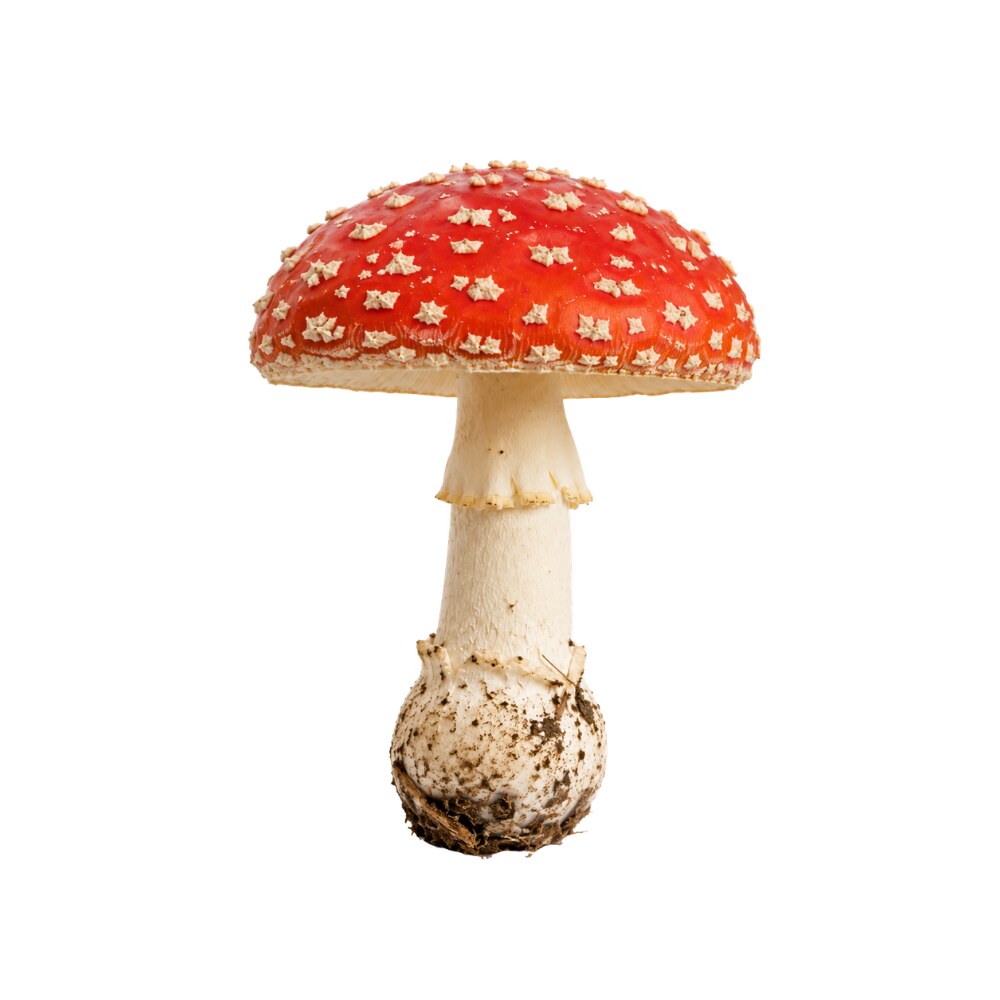 PotentPotentFly AgaricAmanita muscariaMuscimol, formed from ibotenic acid as the mushroom dries, is a direct GABA-A agonist and one of the most powerfully sedating natural compounds known; the sedation is part of a poisoning.MechanismGABA-A receptor agonism (muscimol); decarboxylation of ibotenic acid → muscimol on drying and heatingRead the evidenceShow lessMonograph →
Muscimol depresses CNS activity as a GABA-A agonist, producing sedation, muscle relaxation and a dreamlike state, and it is well enough characterised to serve as a standard research probe for GABAergic signalling 32Reference 32Pharmacological and experimental-psychological studies with two components of fly agaric (Amanita muscaria) — early human pharmacological characterisation of muscimol and ibotenic acidView study →. Unlike the modulators in this class it opens the chloride channel itself, so it has no ceiling set by the body’s own GABA supply.
Onset is slow, up to about three hours, with a peak around five hours and a duration of up to twelve, and at higher doses users drift in and out of sleep. Reported oral LD50 values for muscimol are about 45 mg/kg in the rat and 20 mg/kg in the mouse 32Reference 32Pharmacological and experimental-psychological studies with two components of fly agaric (Amanita muscaria) — early human pharmacological characterisation of muscimol and ibotenic acidView study →, well above a psychoactive dose, which is why fatalities are rare while unpleasant poisonings are common.
There is no clinical trial, no polysomnography and no controlled human measure of sedation; the human record is description and case report. Drying and heating convert the excitotoxic ibotenic acid to muscimol, so badly prepared material sedates less and sickens more.
Fly agaric is not used as a sleep herb.
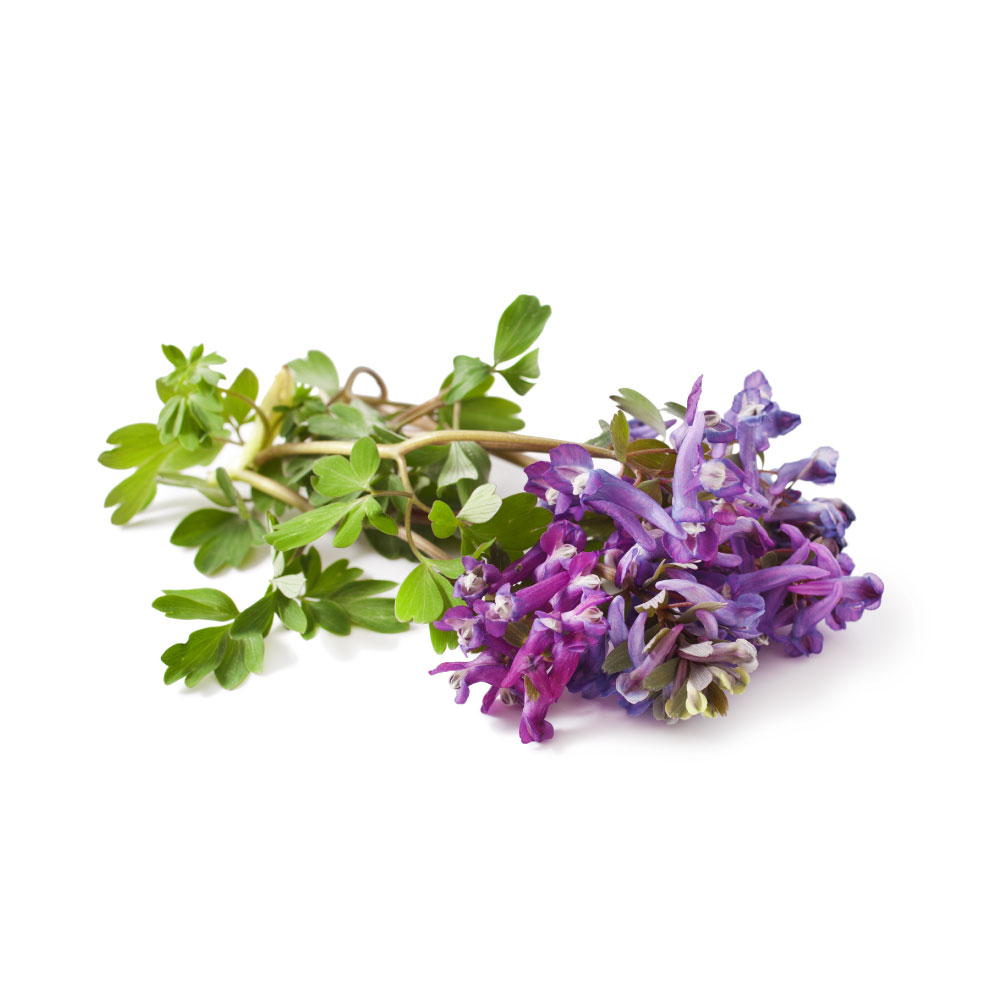 StrongStrongCorydalisCorydalis yanhusuoTetrahydropalmatine, the tuber's main alkaloid, is a dopamine-receptor antagonist with sedative-tranquillising and hypnotic actions, and is licensed in China as the sedative and analgesic rotundine.Mechanismdopamine D1/D2/D3 antagonism; uptake-2 monoamine-transporter inhibitionRead the evidenceShow lessMonograph →
Corydalis tuber has been a pain and sleep remedy in Chinese medicine for centuries, and the sedative half of its action was isolated with the analgesic one. l-Tetrahydropalmatine (l-THP) has sedative-tranquillising and hypnotic effects alongside its analgesia 110Reference 110ReviewDevelopment of natural products as drugs acting on central nervous system — reviewView study →, and it is approved in China under the drug name Rotundine 111Reference 111Reviewl-tetrahydropalamatine: a potential new medication for the treatment of cocaine addiction — reviewView study →.
The mechanism is dopaminergic. l-THP antagonises D1, D2 and D3 receptors 31,
The modern behavioural evidence is from animals. l-THP produced anxiolytic and antidepressant-like effects on elevated-plus-maze and open-field testing in a single-prolonged-stress rat model 29Reference 29AnimalL-tetrahydropalmatine ameliorates development of anxiety and depression-related symptoms induced by single prolonged stress in rats — rat, in vivoView study →, and dehydrocorydaline was antidepressant-like in a chronic-unpredictable-mild-stress mouse model 30Reference 30AnimalDehydrocorydaline induced antidepressant-like effect in a chronic unpredictable mild stress mouse model via inhibiting uptake-2 monoamine transporters — mouse, in vivoView study →.
No controlled trial has measured sedation from the whole herb. The dopamine antagonism that produces the calming effect is additive with antipsychotic drugs and opposes anti-Parkinson’s medication.
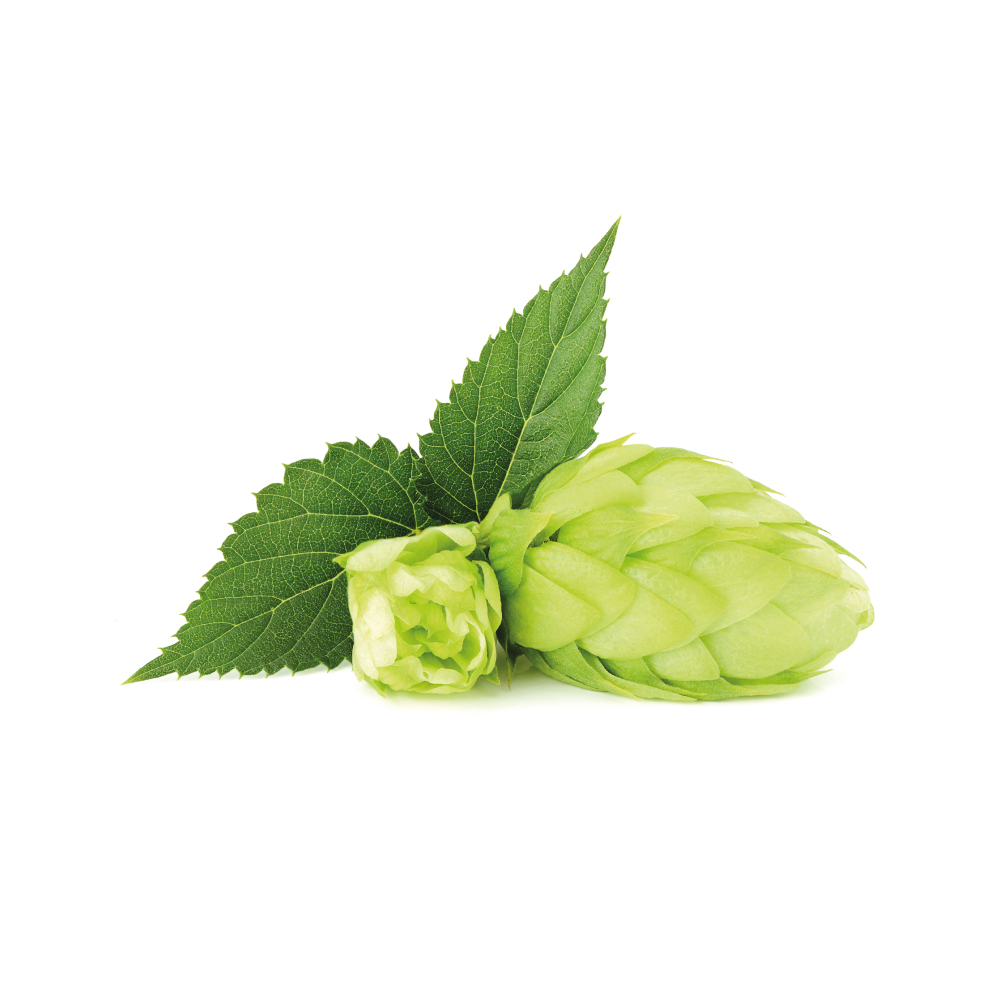 StrongStrongHopsHumulus lupulusA long-standing sleep herb of European practice; the sedation comes from 2-methyl-3-buten-2-ol, a breakdown product of the bitter acids that forms as the cones age, and every controlled trial has paired it with valerian.MechanismGABAergic inhibition via 2-methyl-3-buten-2-ol (α-acid degradation product)Read the evidenceShow lessMonograph →
A US multicentre RCT (n=184, mild insomnia) found a valerian–hops combination gave modest sleep benefit against diphenhydramine and placebo 41Reference 41RCTValerian-hops combination and diphenhydramine for treating insomnia: a randomized placebo-controlled clinical trial — [randomized]View study →. A 2025 randomised feasibility study of the valerian–hops preparation Ze 91019 (n=40) found a significant increase in objectively tracked sleep duration 42Reference 42RCTEffects of a Valerian-Hops Extract Combination (Ze 91019) on Sleep Duration and Daytime Cognitive and Psychological Parameters in Occasional Insomnia: A Randomized Controlled Feasibility Trial — [randomized]View study →, and a valerian–passionflower–hops polyherbal performed comparably to zolpidem in primary insomnia 43Reference 43RCTEfficacy and safety of a polyherbal sedative-hypnotic formulation NSF-3 in primary insomnia in comparison to zolpidem: a randomized controlled trial — [randomized]View study →.
The sedation is attributed not to the bitter humulone α-acids themselves but to their degradation product 2-methyl-3-buten-2-ol, which enhances GABAergic inhibition and reduced activity in an animal activity/rest-rhythm model 44Reference 44The sedative effects of hops (Humulus lupulus), a component of beer, on the activity/rest rhythm — [animal]View study →. The active compound forms during storage, so aged cones can be stronger than fresh ones and potency varies between batches.
In every trial hops was given with valerian, so its independent contribution to sleep has not been measured.
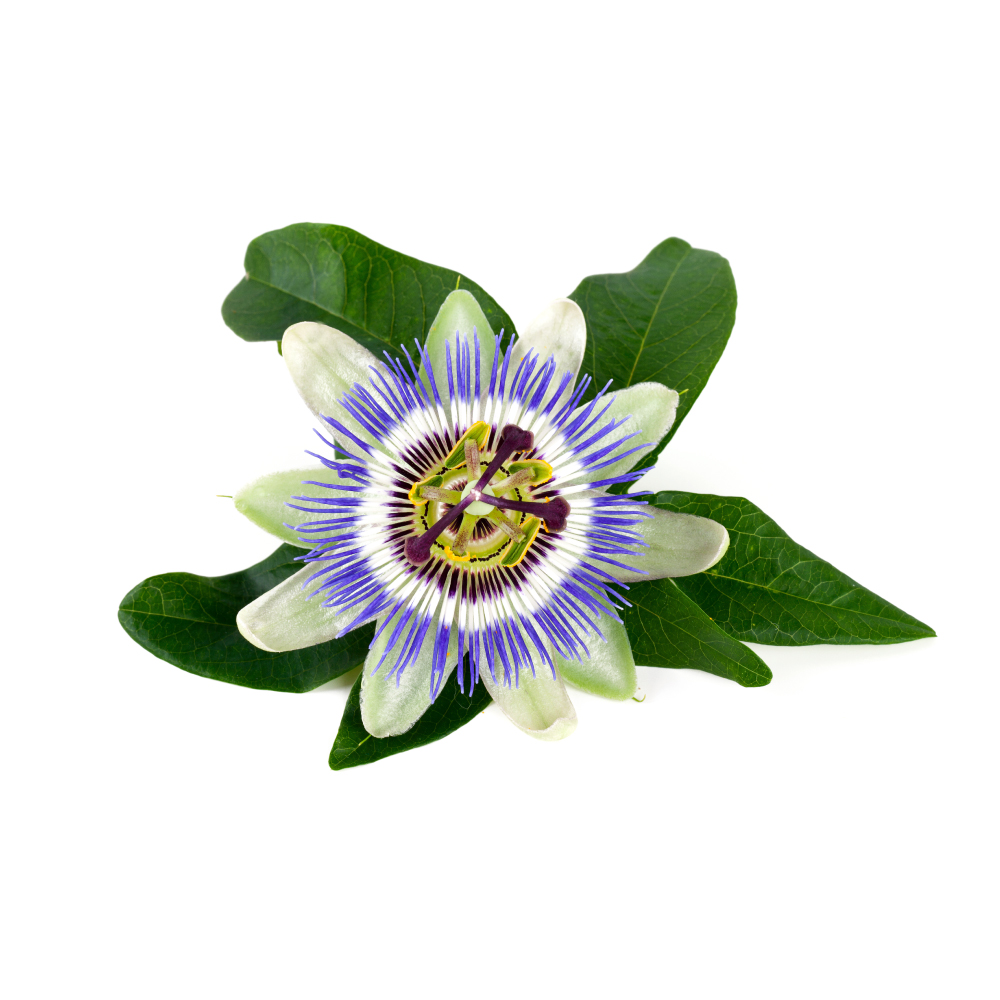 StrongStrongPassionflowerPassiflora incarnataIncreases total sleep time on polysomnography in diagnosed insomnia and improves subjective sleep as a low-dose tea, through modulation of the GABA-A receptor.MechanismGABA-A modulationRead the evidenceShow lessMonograph →
A double-blind trial in diagnosed insomnia (n=110) found extract significantly increased total sleep time on polysomnography after two weeks, though sleep efficiency and wake-after-sleep-onset did not separate from placebo 125Reference 125RCTEffects of Passiflora incarnata Linnaeus on polysomnographic sleep parameters in subjects with insomnia disorder: a double-blind randomized placebo-controlled study — randomised controlled trialView study →. A low-dose tea improved subjective sleep quality in healthy adults with mild disturbance 61Reference 61RCTA double-blind, placebo-controlled investigation of the effects of Passiflora incarnata (passionflower) herbal tea on subjective sleep quality — randomised, placebo-controlledView study →, and a valerian–passionflower–hops polyherbal performed comparably to zolpidem in primary insomnia 43Reference 43RCTEfficacy and safety of a polyherbal sedative-hypnotic formulation NSF-3 in primary insomnia in comparison to zolpidem: a randomized controlled trial — [randomized]View study →.
The flavonoids modulate the GABA-A receptor, the mechanism shared with the herb’s anxiolytic use.
The effect is modest and short-term, and no trial has followed it beyond a few weeks.
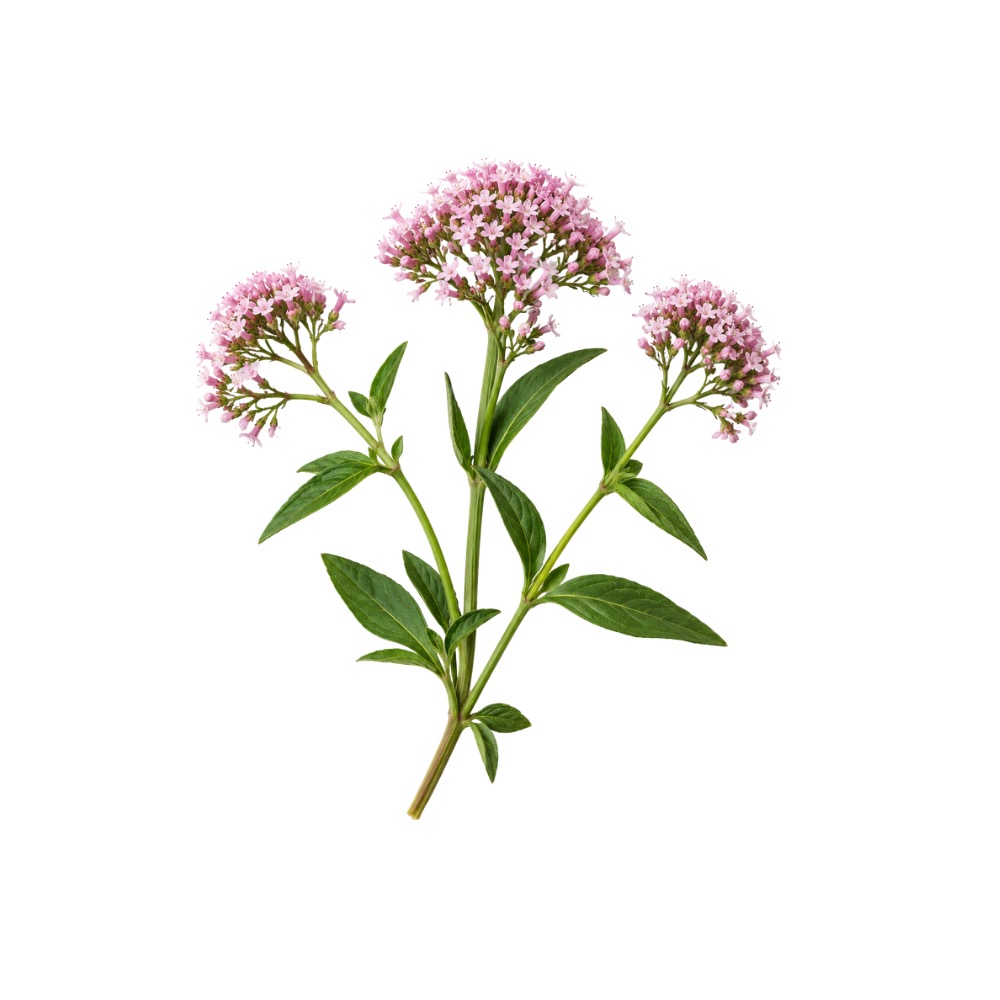 StrongStrongValerianValeriana officinalisThe standard sleep herb of Western practice; valerenic acid potentiates GABA-A receptors at a defined site, and trials consistently find better self-rated sleep with little change in objectively measured sleep.MechanismGABA-A β2/β3 allosteric potentiation; 5-HT5A partial agonism (in vitro)Read the evidenceShow lessMonograph →
Valerian root is the sedative most reached for in European herbal practice and the one with the largest trial base. Valerenic acid and valerenol potentiate GABA-A receptors at a defined site with β2/β3-subunit dependence 78,
Subjective sleep improves modestly and repeatedly. A 128-person crossover of 400 mg aqueous extract shortened self-rated sleep latency, most in poor sleepers 80Reference 80Aqueous extract of valerian root improves sleep quality in manView study →; Bent pooled 16 trials (n=1,093) for a significant dichotomous sleep-quality benefit (RR 1.8, 95% CI 1.2–2.9) while flagging publication bias 81Reference 81Meta-analysisValerian for sleep: a systematic review and meta-analysisView study →; Fernández-San-Martín pooled 18 RCTs for improved sleep quality (RR 1.37) 82Reference 82Meta-analysisEffectiveness of Valerian on insomnia: a meta-analysis of randomized placebo-controlled trialsView study →; and Shinjyo pooled 60 studies, called it safe and effective for subjective quality, and attributed the inconsistency to extract variability 83Reference 83Meta-analysisValerian Root in Treating Sleep Problems and Associated Disorders — A Systematic Review and Meta-AnalysisView study →.
Objective measures change little. Fernández-San-Martín found no difference in objectively timed sleep latency, a mean difference of 0.70 minutes 82Reference 82Meta-analysisEffectiveness of Valerian on insomnia: a meta-analysis of randomized placebo-controlled trialsView study →.
Taibi’s review, titled “safe but not effective”, found the newest and best-designed trials null 84Reference 84Systematic reviewA systematic review of valerian as a sleep aid: safe but not effectiveView study →; a controlled trial in older women found no improvement on self-report, polysomnography or actigraphy, with wake-after-sleep-onset increasing on valerian 85Reference 85RCTA randomized clinical trial of valerian fails to improve self-reported, polysomnographic, and actigraphic sleep in older women with insomniaView study →; a phase III trial in 227 cancer patients (450 mg) missed its primary PSQI endpoint 86Reference 86RCTThe use of Valeriana officinalis in improving sleep in patients undergoing cancer treatment: a phase III RCT (NCCTG N01C5)View study →; and a 2024 umbrella review concluded the herb lacks empirical support for insomnia 87Reference 87ReviewDoes valerian work for insomnia? An umbrella review of the evidenceView study →.
Preparation matters more than dose. Shinjyo favours whole root and rhizome over concentrated extracts 83Reference 83Meta-analysisValerian Root in Treating Sleep Problems and Associated Disorders — A Systematic Review and Meta-AnalysisView study →, no standardised effective dose exists 84,
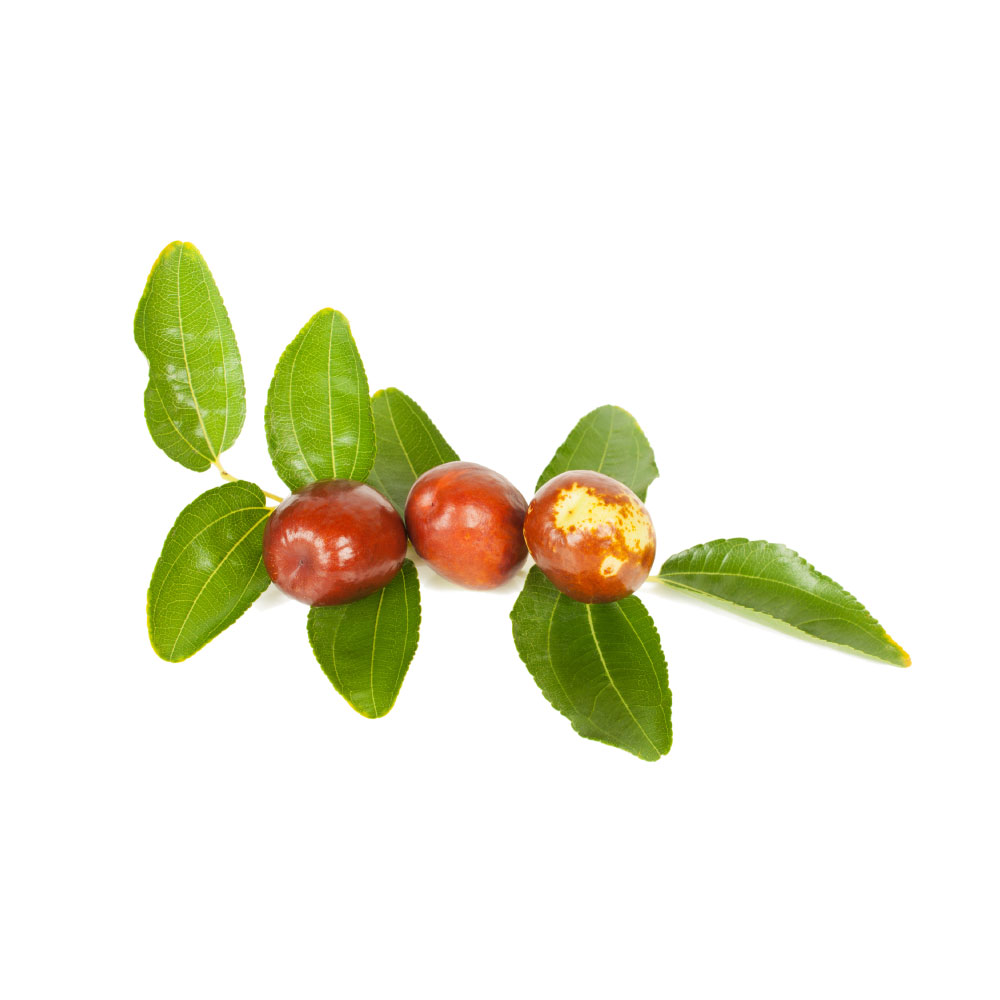 StrongStrongZizyphusZiziphus spinosaThe principal sleep herb of Chinese medicine; three marker compounds in the seed lengthen sleep in rodents by GABA-A and serotonin routes, and the seed-based decoctions have a large clinical literature.MechanismGABA-A potentiation (↑ chloride influx) by sanjoinine A and jujuboside A; 5-HT1A signaling by spinosinRead the evidenceShow lessMonograph →
Suan zao ren, the seed of the sour jujube, is the herb Chinese medicine turns to for insomnia with restlessness, traditionally dry-fried before decoction.
Three marker compounds each promote sleep in rodents. Spinosin shortens sleep latency and lengthens NREM/slow-wave sleep through serotonergic 5-HT1A signalling, with pre- and postsynaptic effects both mapped 94,
Jujuboside A acts through GABAergic modulation of the paraventricular thalamus and by maintaining prefrontal mitochondrial homeostasis 98,
Human data are thinner. The only single-herb trial is a 12-person double-blind placebo-controlled crossover feasibility study (2 g/day encapsulated granules, 4 weeks) showing a significant PSQI improvement (p = 0.046) that its authors frame as feasibility rather than efficacy 101Reference 101RCTMedicinal seeds Ziziphus spinosa for insomnia: A randomized, placebo-controlled, cross-over, feasibility clinical trial — [randomised, double-blind, placebo-controlled crossover RCT]View study →.
The larger positive results, an SMD of −0.58 for sleep quality 102Reference 102Meta-analysisThe Herbal Medicine Suanzaoren (Ziziphi Spinosae Semen) for Sleep Quality Improvements: A Systematic Review and Meta-analysis — [systematic review and meta-analysis]View study → and benefit comparable to benzodiazepines with fewer adverse events at uniformly low study quality 103,
The effect is a nourishing calmative rather than a hypnotic, and the rodent work is mostly pentobarbital potentiation, amplifying sedation rather than producing it alone. Roasting shifts jujuboside A and spinosin content, and no trial standardises to either marker, so trial doses do not transfer directly to the traditional preparation.
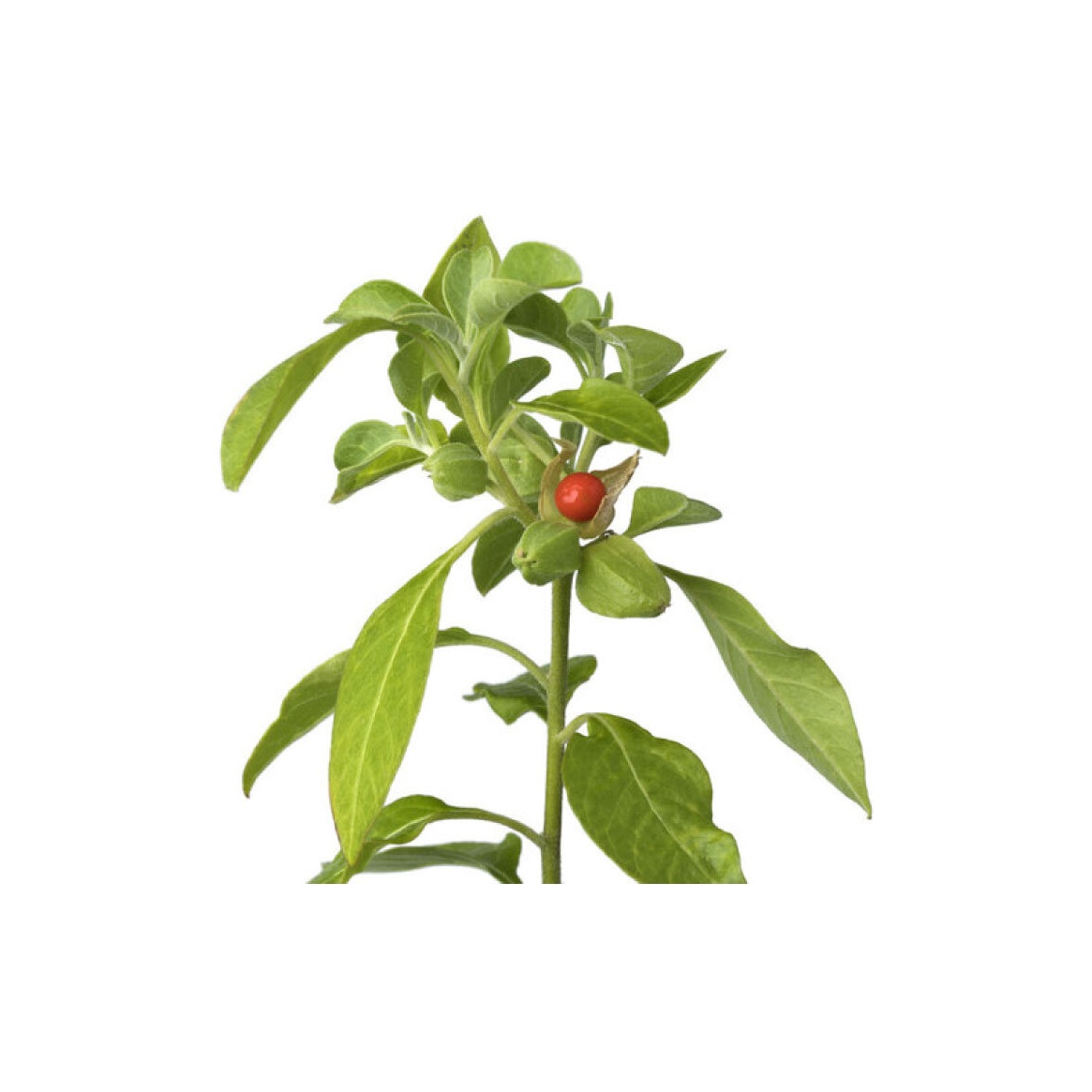 ModerateModerateAshwagandhaWithania somniferaImproves sleep quality over weeks rather than hours, with small but consistent gains in sleep-onset latency and sleep efficiency in trials of at least 600 mg/day.MechanismGABA-mimetic / GABA-A modulation (proposed, unmeasured); HPA-axis cortisol ↓Read the evidenceShow lessMonograph →
A 2021 systematic review and meta-analysis of five RCTs (n=400) found a small but significant improvement in overall sleep, clearest in adults with diagnosed insomnia and only at ≥600 mg/day for ≥8 weeks 7Reference 7Meta-analysisEffect of ashwagandha (Withania somnifera) extract on sleep — a systematic review and meta-analysisView study →. An actigraphy-controlled 10-week RCT improved sleep-onset latency and sleep efficiency 8Reference 8RCTEfficacy and safety of ashwagandha root extract in insomnia and anxiety — a double-blind, randomised, placebo-controlled studyView study →, and an 8-week parallel-group trial improved sleep parameters and PSQI in both healthy volunteers and insomnia patients 9Reference 9RCTClinical evaluation of ashwagandha root extract on sleep in healthy volunteers and insomnia patients — a double-blind, randomised, placebo-controlled studyView study →.
The effect accumulates over weeks and is not an acute one, which fits the adaptogen’s action on the stress axis better than a hypnotic’s. The proposed mediators, sitoindosides and GABA-mimetic activity, have not been measured in the sleep trials.
 ModerateModerateBlue Lotus FlowerNymphaea caeruleaNuciferine, its main aporphine alkaloid, has an atypical-antipsychotic receptor profile; the flower has a long record as a ceremonial relaxant drink and a recent one of sedation in poisoning cases.Mechanism5-HT2A/2B/2C antagonism; D2 partial agonism; dopamine-transporter inhibitionRead the evidenceShow lessMonograph →
Nuciferine, the flower’s more abundant aporphine alkaloid, was profiled through the NIMH Psychoactive Drug Screening Program as aripiprazole-like: antagonist at 5-HT2A/2B/2C, partial agonist at dopamine D2 and a dopamine-transporter inhibitor, blocking a serotonergic head-twitch response and substituting for clozapine in mouse drug discrimination 10Reference 10In vitroIn vitro and in vivo characterization of the alkaloid nuciferine — in vitro and mouseView study →.
Ancient Egyptian and Maya use of the flower as a relaxant drink, usually steeped in wine, is well documented 12,
The sedation is gentle by every account, and market surveys find the alkaloid highly variable and sometimes near-absent in authentic flower material 14,
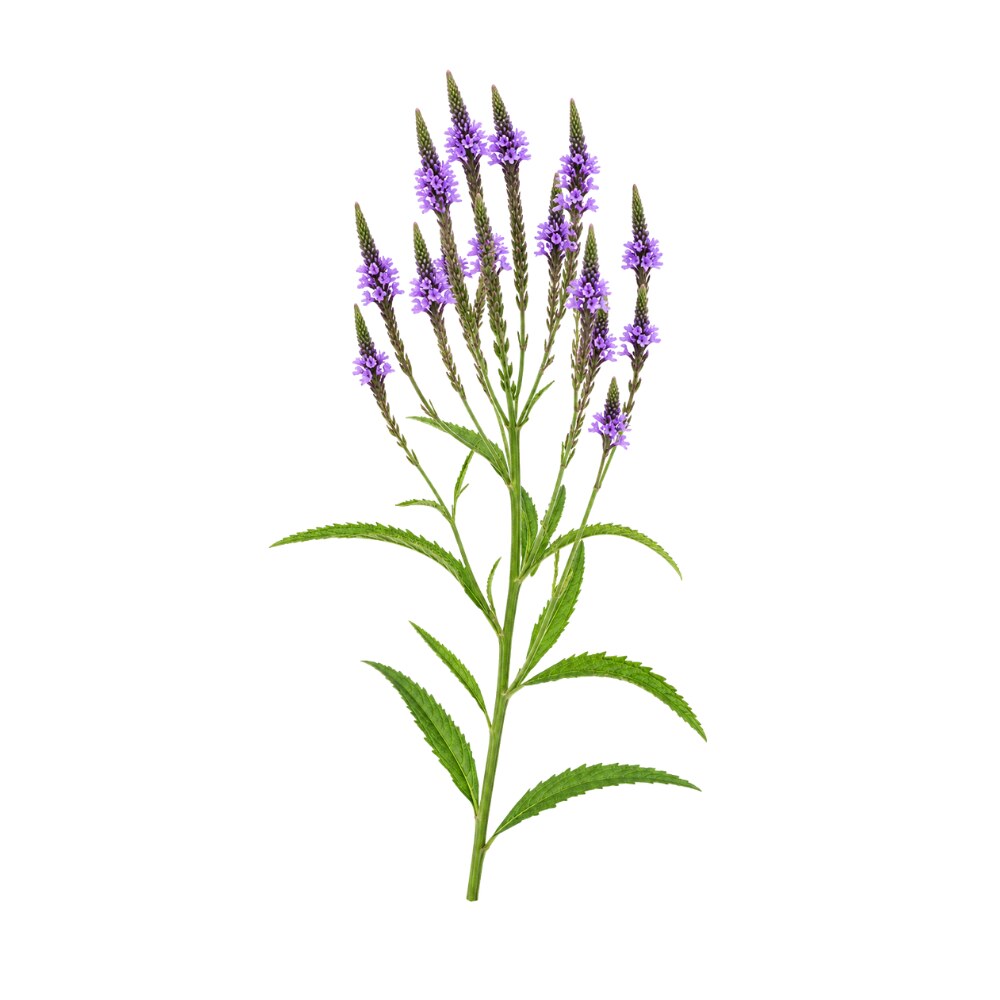 ModerateModerateBlue VervainVerbena hastataIts iridoid glycosides hastatoside and verbenalin extend non-REM sleep in rats, and both are confirmed in the American species; a gentle bedtime nervine rather than a hypnotic.Mechanismnon-REM sleep promotion via iridoid glycosides (adenosine/GABAergic proposed, not established)Read the evidenceShow lessMonograph →
A rat study identified hastatoside and verbenalin as the sleep-promoting components of V. officinalis, extending non-REM sleep 16Reference 16AnimalHastatoside and verbenalin are sleep-promoting components in Verbena officinalis — animal modelView study →. Both iridoids are confirmed present in V. hastata 17Reference 17In vitroChemical Constituents of the Whole Plant of Verbena hastata and Their Inhibitory Activity Against the Production of AGEs — in vitroView study →, and hastatoside was first isolated from it 18Reference 18Hastatoside, a New Iridoid from Verbena hastata L. and Verbena officinalis LView study →.
Crude V. officinalis extract was sedative in mice (thiopental sleep prolongation) at 100–500 mg/kg oral 19Reference 19AnimalAnticonvulsant, Anxiolytic, and Sedative Activities of Verbena officinalis — mouseView study →, and a 2025 study characterised neurotropic effects of standardised V. officinalis extracts in behavioural models 20Reference 20AnimalVerbena officinalis LView study →.
The sleep data are isolated iridoids at animal doses, no human equivalent dose has been established, and the adenosine/GABAergic route is a proposal rather than a demonstration. No human sleep trial exists.
 ModerateModerateCalifornia PoppyEschscholzia californicaA GABA-A sedative confirmed by flumazenil reversal in mice, sedating at about four times its anxiolytic dose, with an objective EEG sedation signal in humans.MechanismGABA-A benzodiazepine-site positive allosteric modulation (flumazenil-reversible); dose-separable from the anxiolytic effectRead the evidenceShow lessMonograph →
In mice the aqueous extract’s anticonflict (anxiolytic) effect appeared at a low dose of 25 mg/kg, while sedation and reduced spontaneous locomotion appeared only above 100 mg/kg 21Reference 21Behavioural effects of the American traditional plant Eschscholzia californica: sedative and anxiolytic propertiesView study →, so the plant does two different things at two different doses. Both effects were abolished by flumazenil 22Reference 22Neurophysiological effects of an extract of Eschscholzia californica ChamView study →, placing them at the benzodiazepine site of the GABA-A receptor, and (S)-reticuline is a positive allosteric modulator at α3, α5 and α6 isoforms 5,
In humans, a placebo-controlled quantitative-EEG screen of eight plant extracts detected a measurable acute sedative signal for California poppy alongside increased self-rated tiredness, weaker and qualitatively different from the diazepam reference 23Reference 23The quantitative EEG as a screening instrument to identify sedative effects of single doses of plant extracts in comparison with diazepamView study →.
The only human sleep-outcome data come from a 4-week open-label pilot of a multi-ingredient product combining melatonin, vitamin B6, California poppy, passionflower and lemon balm 24Reference 24A combination of melatonin, vitamin B6 and medicinal plants in the treatment of mild-to-moderate insomnia: a prospective pilot studyView study →, so nothing in it can be attributed to the poppy alone. A single-herb placebo-controlled phase 3 sleep trial (NCT06795776, n=104) has completed without posting results, and no hypnotic dose is defined.
 ModerateModerateCannabisCannabis sativaTHC is mildly stimulating at low doses and sedating at higher ones through CB1 agonism; cannabinoids modestly improve subjective sleep, most where insomnia is secondary to pain.MechanismCB1 receptor agonism (CNS)Read the evidenceShow lessMonograph →
A 2025 meta-analysis found cannabinoids modestly improve subjective sleep quality, strongest where insomnia is secondary to pain or another chronic condition rather than primary 25Reference 25Meta-analysisEffectiveness of cannabinoids on subjective sleep quality in people with and without insomnia — systematic review and meta-analysisView study →. A small phase 2 RCT of a CBD/terpene formula also improved insomnia symptoms 26Reference 26RCTEffects of a cannabidiol/terpene formulation on sleep in individuals with insomnia: a double-blind, placebo-controlled randomised trialView study →.
Much of the benefit follows from easing pain or anxiety rather than from a primary hypnotic action. Regular THC reduces REM sleep and builds tolerance to the sedative effect.
CBN has a popular sedative reputation, but controlled data on it are absent.
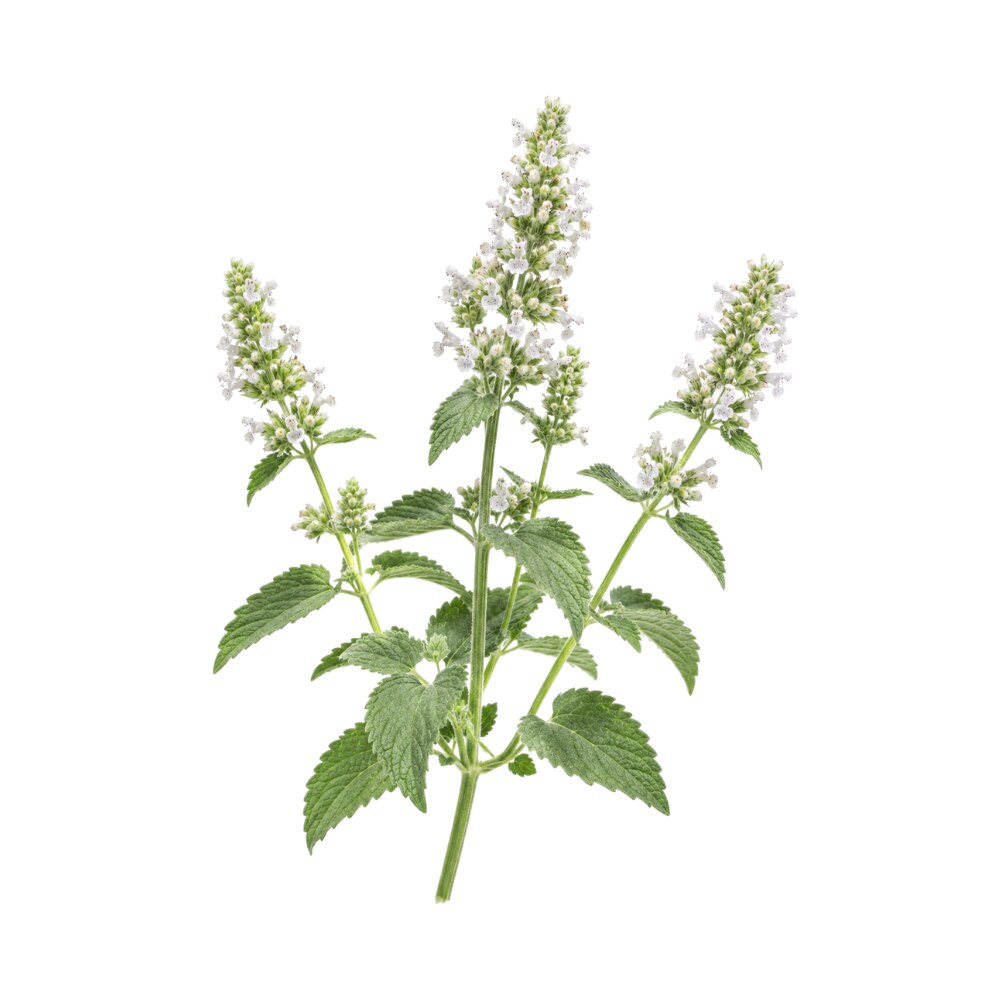 ModerateModerateCatnipNepeta catariaA traditional bedtime tea for children and the restless; nepetalactone-rich oil prolongs barbiturate sleep in mice, and the rodent record is contradictory.Mechanismmild CNS depression (nepetalactone)Read the evidenceShow lessMonograph →
Western practice uses catnip as a gentle nervine tea for nervous tension, restlessness and light sleeplessness. The famous excitation of cats is receptor-mediated and species-specific; in humans the herb is a mild relaxant.
The animal record points both ways. Catnip oil (500 mg/kg) and nepetalic acid (62.5 mg/kg) significantly increased hexobarbital sleeping time in mice 112Reference 112AnimalBehavioral and toxicological studies of cyclopentanoid monoterpenes from Nepeta cataria — animal in vivoView study →, but mice fed the plant showed increased locomotion and shortened pentobarbital sleep, an amphetamine-like profile 113Reference 113AnimalBehavioral effects of acute and long-term administration of catnip (Nepeta cataria) in mice — animal in vivoView study →.
The human insomnia and anxiety trials often credited to catnip were run on Nepeta menthoides, a different Persian species 114,
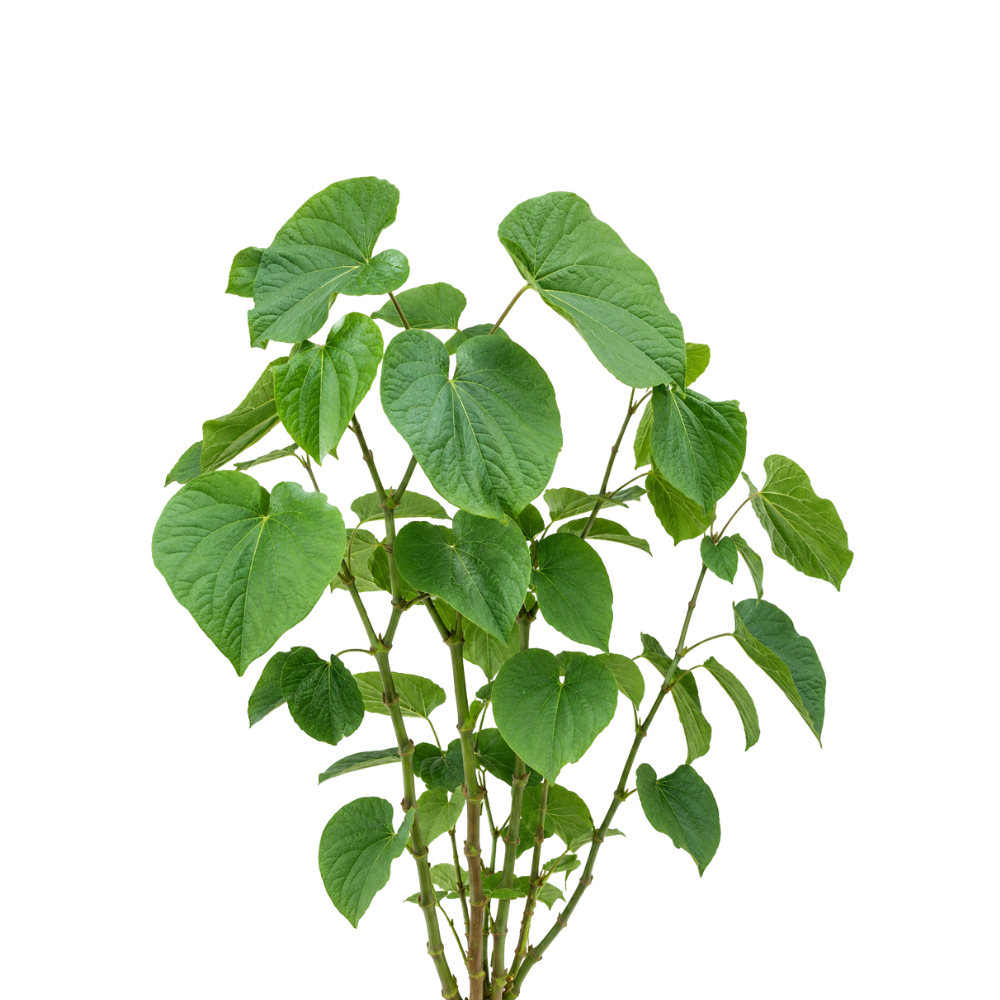 ModerateModerateKavaPiper methysticumThe traditional relaxant drink of the Pacific; shortens sleep latency and increases non-REM sleep in rats without the REM suppression of benzodiazepines, with human sleep gains recorded as a secondary outcome of anxiety trials.MechanismGABA-A positive allosteric modulation; voltage-gated Na⁺ channel blockadeRead the evidenceShow lessMonograph →
In sleep-disturbed rats a kava extract shortened sleep latency and increased non-REM sleep, comparing favourably with flunitrazepam and without the same REM suppression 49Reference 49AnimalEffects of kava-kava extract on the sleep-wake cycle in sleep-disturbed rats [animal]View study →.
In humans, improved sleep appears only as a secondary outcome of anxiety trials, so a direct hypnotic action cannot be separated from the downstream effect of reduced anxiety 50Reference 50ReviewKava — a comprehensive review of efficacy, safety, and psychopharmacology [review]View study →.
The mechanism is the same as the anxiolytic effect: kavain potentiates GABA-A receptors 51Reference 51In vitroKavain, the major constituent of the anxiolytic kava extract, potentiates GABA-A receptors — functional characteristics and molecular mechanism [in vitro]View study → and blocks voltage-gated sodium channels, lowering neuronal excitability 52Reference 52In vitroGleitz, J., Beile, A., & Peters, T. (1995). (±)-Kavain inhibits veratridine-activated voltage-dependent Na⁺ channels in synaptosomes [in vitro]. Neuropharmacology. https://pubmed.ncbi.nlm.nih.gov/8532183/View study →.
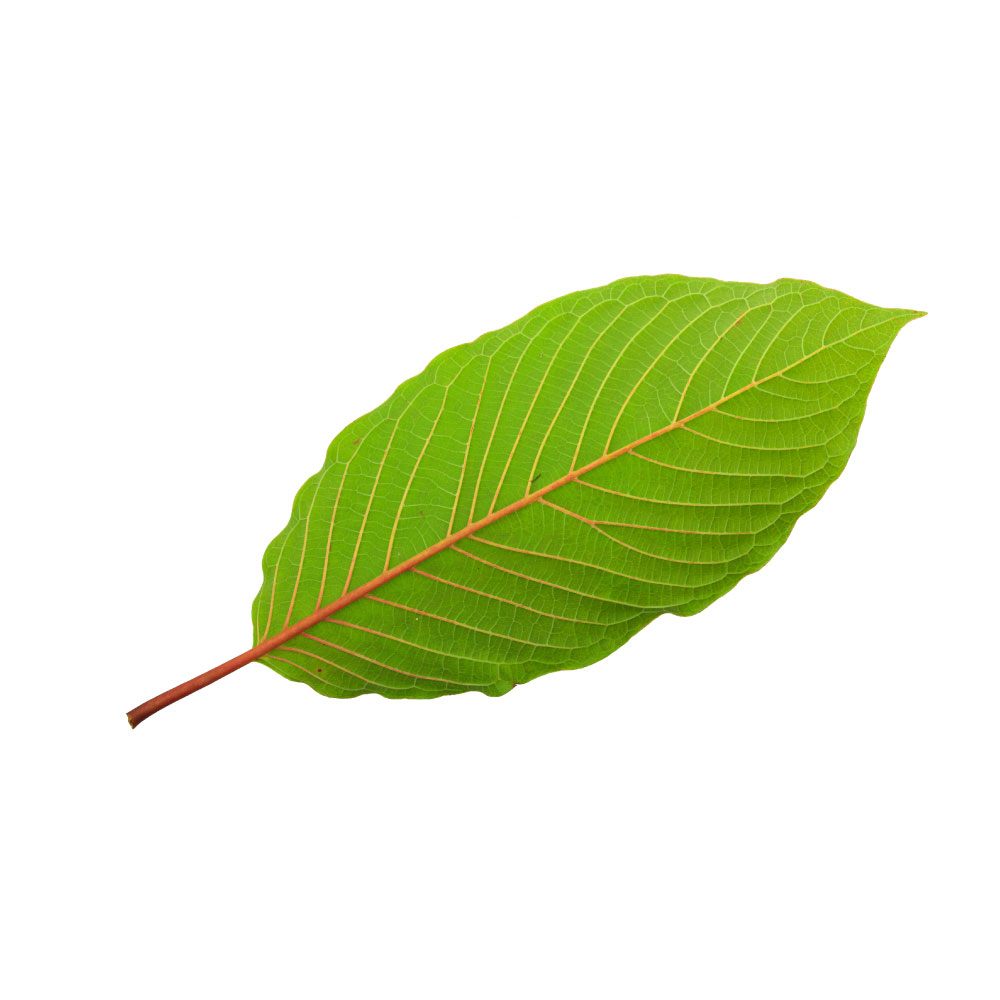 ModerateModerateKratomMitragyna speciosaSedating at higher doses, upwards of about 8 g of leaf, as mitragynine's µ-opioid activity takes over from its stimulant effect.Mechanismµ-opioid partial agonism (mitragynine); 7-hydroxymitragynine µ-opioid agonismRead the evidenceShow lessMonograph →
Kratom leaf is stimulating at low doses and sedating and pain-relieving at higher ones. A survey of 8,049 US users found a dose-dependent opioid-like effect, with adverse effects clustering at 5 g or more per dose 109Reference 109ObservationalPatterns of Kratom use and health impact in the US-Results from an online survey — observationalView study →, and the sedation is assigned to the µ-opioid activity of mitragynine and its more potent metabolite 7-hydroxymitragynine 53Reference 53In vitroIn vitro and in vivo pharmacology of kratom — reviewView study →.
No study has measured sedation as an endpoint in humans. The sedating effect is less reliable than the stimulant one, and many users reach the dizziness, blurred vision and nausea of “kratom wobble” before a calming dose.
Fresh leaf contains very little 7-hydroxymitragynine; most of it forms by oxidation during drying and processing, so preparation matters more than the vendor’s strain label.
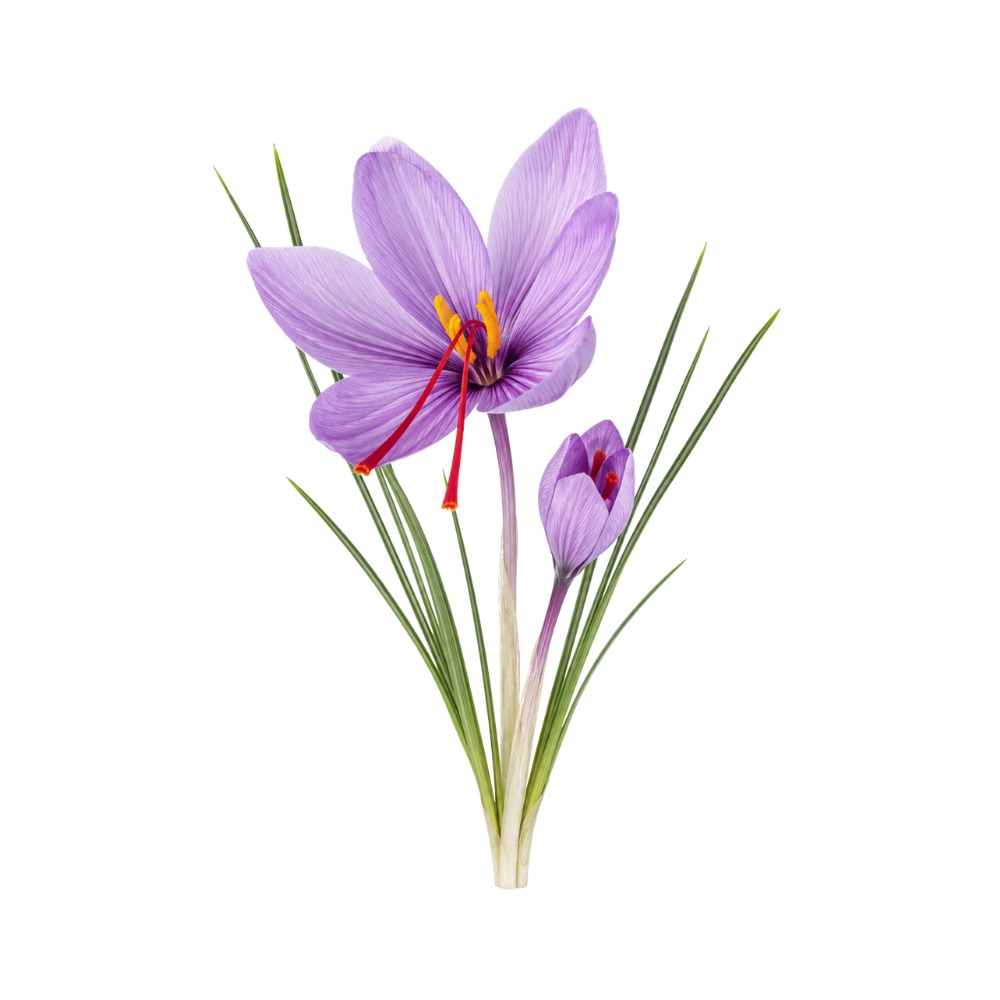 ModerateModerateSaffronCrocus sativusImproves sleep quality in placebo-controlled trials, raising evening melatonin without changing cortisol and deepening EEG delta power; a body-clock effect more than sedation.Mechanismevening melatonin ↑ without cortisol change; EEG delta-power ↑ (crocetin); GABAergic action (safranal)Read the evidenceShow lessMonograph →
A 2022 meta-analysis of RCTs found improvement in the Pittsburgh Sleep Quality Index, Insomnia Severity Index and Restorative Sleep Questionnaire versus placebo, with 100 mg/day the most stable dose 64Reference 64Meta-analysisEffects of saffron supplementation on improving sleep quality: a meta-analysis of randomised controlled trialsView study →.
Two trials used objective measures. An actigraphy-controlled trial of 15.5 mg/day improved sleep duration and PSQI 65Reference 65RCTEffects of saffron extract on sleep quality: a randomised double-blind controlled clinical trialView study →; an evening-dose affron® trial (14–28 mg) improved sleep-quality ratings and raised evening melatonin without affecting cortisol 66Reference 66RCTAn investigation into an evening intake of a saffron extract (affron®) on sleep quality, cortisol, and melatonin concentrations in adults with poor sleep: a randomised, double-blind, placebo-controlled, multi-dose studyView study →; and a crossover RCT of crocetin at 7.5 mg/day increased EEG delta power and subjective refreshment on waking 67Reference 67RCTEffect of crocetin on quality of sleep: a randomised, double-blind, placebo-controlled, crossover studyView study →.
The melatonin-without-cortisol result separates saffron from herbs that improve sleep by lowering stress arousal and points to a chronobiological route. Most endpoints are still questionnaire-based, the objective measures come from small samples, and effects in clinically diagnosed insomnia are limited; this is sleep-quality improvement in ordinary poor sleepers rather than a hypnotic.
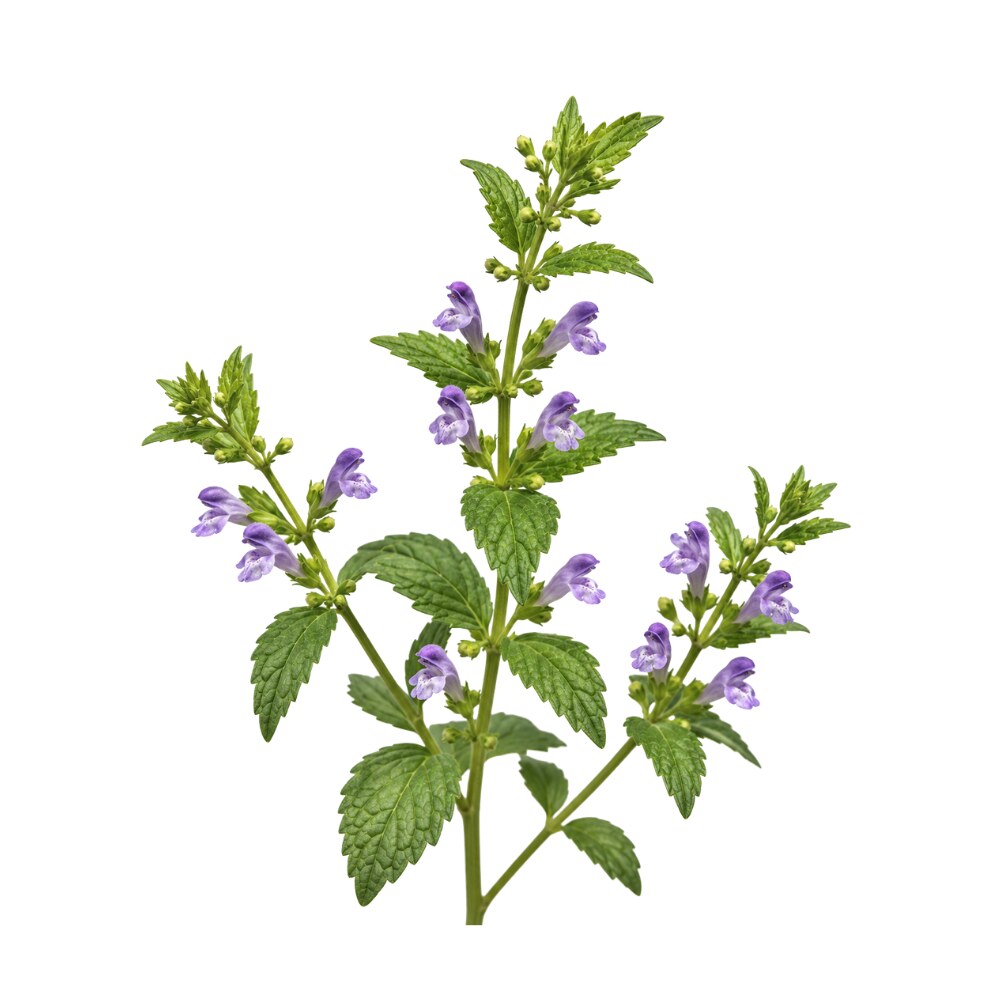 ModerateModerateAmerican SkullcapScutellaria laterifloraA long-standing insomnia and nervous-tension remedy; a characterised extract improved sleep quality, onset latency and total sleep time in a 66-person crossover RCT, through baicalin at the GABA-A benzodiazepine site.MechanismGABA-A benzodiazepine-site potentiationRead the evidenceShow lessMonograph →
American skullcap’s identity as a remedy for insomnia and nervous tension is long-standing 76Reference 76Systematic reviewTraditional uses, ten-years research progress on phytochemistry and pharmacology, and clinical studies of the genus Scutellaria — systematic reviewView study →. One randomised, double-blind, placebo-controlled crossover RCT (n=66, 400 mg/day of a chemically characterised extract for 56 days) in adults with mild-to-moderate primary insomnia improved the Pittsburgh Sleep Quality Index along with sleep-onset latency, sleep efficiency and total sleep time, with no adverse events 74Reference 74RCTEfficacy and tolerability of a chemically characterized Scutellaria lateriflora L. extract-based food supplement for sleep management: a single-center, controlled, randomised, crossover, double-blind clinical trialView study →.
The mechanism is shared with the anxiolytic action: baicalin and baicalein bind the GABA-A benzodiazepine site 75Reference 75AnimalPhytochemical and biological analysis of skullcap (Scutellaria lateriflora L.): a medicinal plant with anxiolytic properties — animal modelView study →.
That is a single trial of one proprietary concentrated extract with no stated marker percentage or extract ratio, and it does not generalise to a cup of tea or an arbitrary tincture. A mood RCT at about 1 g/day of whole freeze-dried herb found no sedation 77Reference 77RCTAmerican Skullcap (Scutellaria lateriflora): a randomised, double-blind placebo-controlled crossover study of its effects on mood in healthy volunteersView study →.
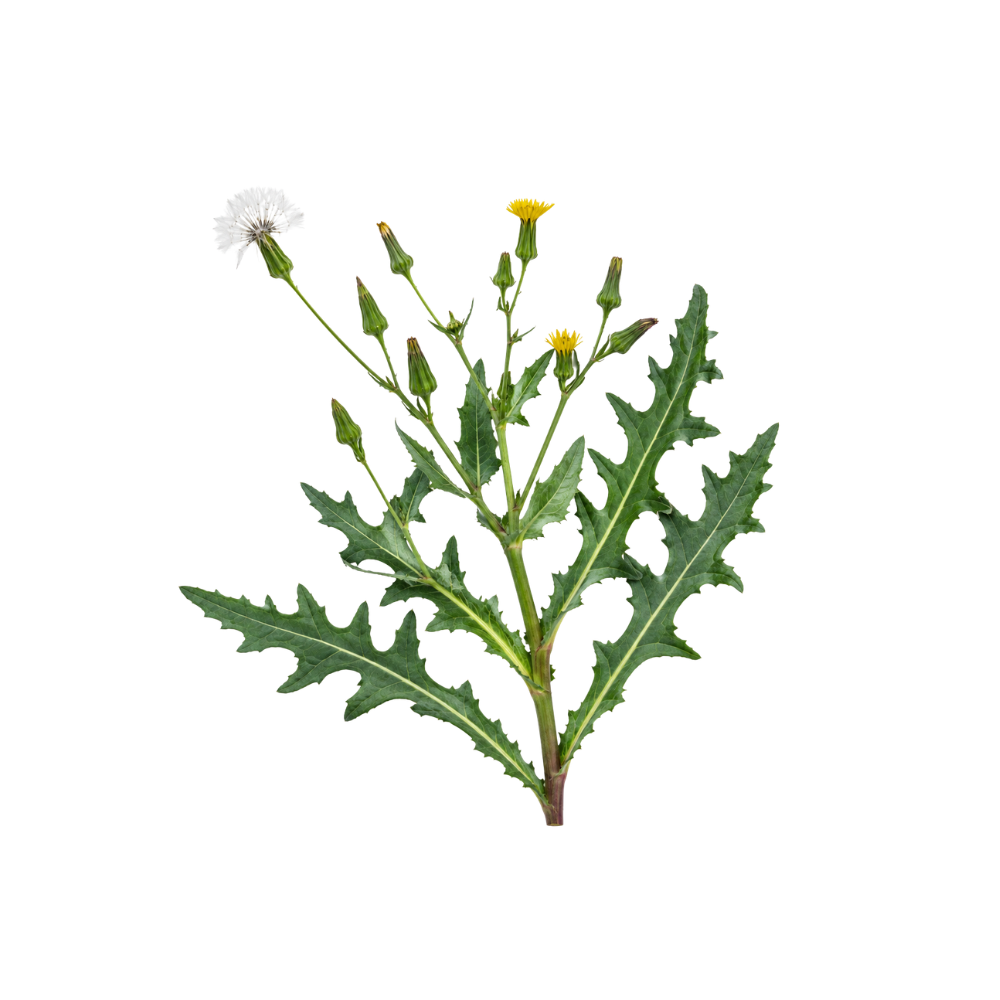 ModerateModerateWild LettuceLactuca virosaThe lactucarium plant of nineteenth-century practice; its sesquiterpene lactones lactucin and lactucopicrin sedate mice and bind the GABA-A benzodiazepine site, though most of the sleep pharmacology comes from garden lettuce.MechanismGABA-A benzodiazepine-site binding (flumazenil-reversible); adenosine A1 receptor up-regulationRead the evidenceShow lessMonograph →
In mice, lactucin and lactucopicrin cut spontaneous locomotor activity while a closely related guaianolide did not 1Reference 1AnimalAnalgesic and sedative activities of lactucin and some lactucin-like guaianolides in mice — animal in vivoView study →. Rodent studies of lettuce extracts standardised for the same lactones lengthen sleep, raise non-REM sleep and reverse caffeine arousal, and the effect is abolished by flumazenil, placing it at the benzodiazepine site; lactucin and lactucopicrin bind the GABA-A benzodiazepine receptor at 81% and 56% affinity 2,
The sleep pharmacology is nearly all Lactuca sativa (garden lettuce), and the only human data are two small trials of garden-lettuce seed oil 91,
Sesquiterpene-lactone content varies widely with plant age, part and how the latex is dried, so no two doses of leaf or lactucarium are comparable.
Show 17 more herbs with a mild sedative action
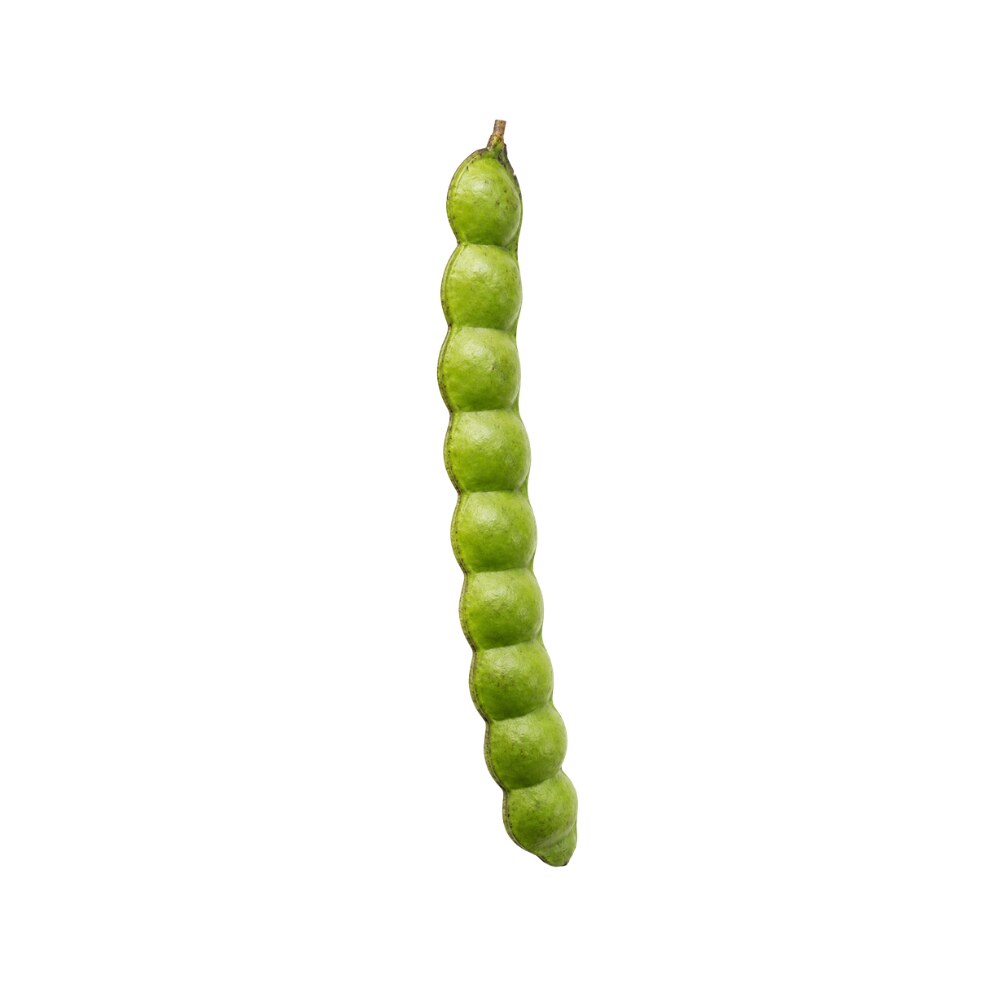 MildMildAfrican Dream HerbEntada rheediiThe inner seed is eaten, smoked or brewed before sleep in several African traditions to bring vivid, memorable dreams; the sedative reputation rides on that bedtime use and has no research behind it.Read the evidenceShow lessMonograph →
The inner flesh of the Entada rheedii sea bean is shredded and taken before bed to induce vivid and meaningful dreams, in some traditions as a way of reaching the ancestral or spirit world. Sedation is described as part of that bedtime use rather than measured on its own.
No efficacy study exists, the compounds responsible have not been identified, and dream enhancement is a different effect from deep sedation.
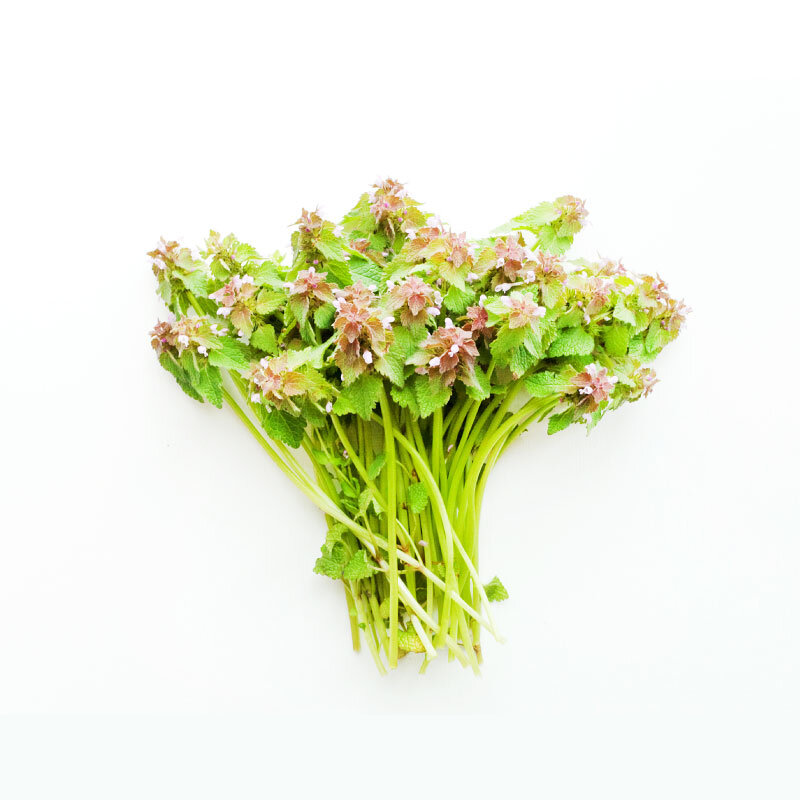 MildMildBlack HorehoundBallota nigraA traditional remedy for nervous tension, restlessness and sleep; its phenylpropanoid glycosides bind benzodiazepine, dopamine and opioid receptors in rat brain tissue.Mechanismbenzodiazepine-site binding; dopamine-receptor binding; opioid-receptor bindingRead the evidenceShow lessMonograph →
Five phenylpropanoids isolated from a hydroalcoholic extract (verbascoside, forsythoside B, arenarioside, ballotetroside and caffeoyl-malic acid) bound benzodiazepine, dopaminergic and opioid receptors in rat striatal and whole-brain preparations, four of the five active at IC50 values of 0.4–4.7 mg/mL 108Reference 108In vitroNeurosedative and antioxidant activities of phenylpropanoids from ballota nigra — in vitro / animal model (rat tissue)View study →.
Receptor binding in tissue homogenate is not measured sedation. No dose or human data for the herb alone exist, and the only human trial is of a four-herb combination in which black horehound is a minor component.
The triple-receptor profile is the reason it is additive with sedatives and can interact with antipsychotic and anti-Parkinson’s drugs.
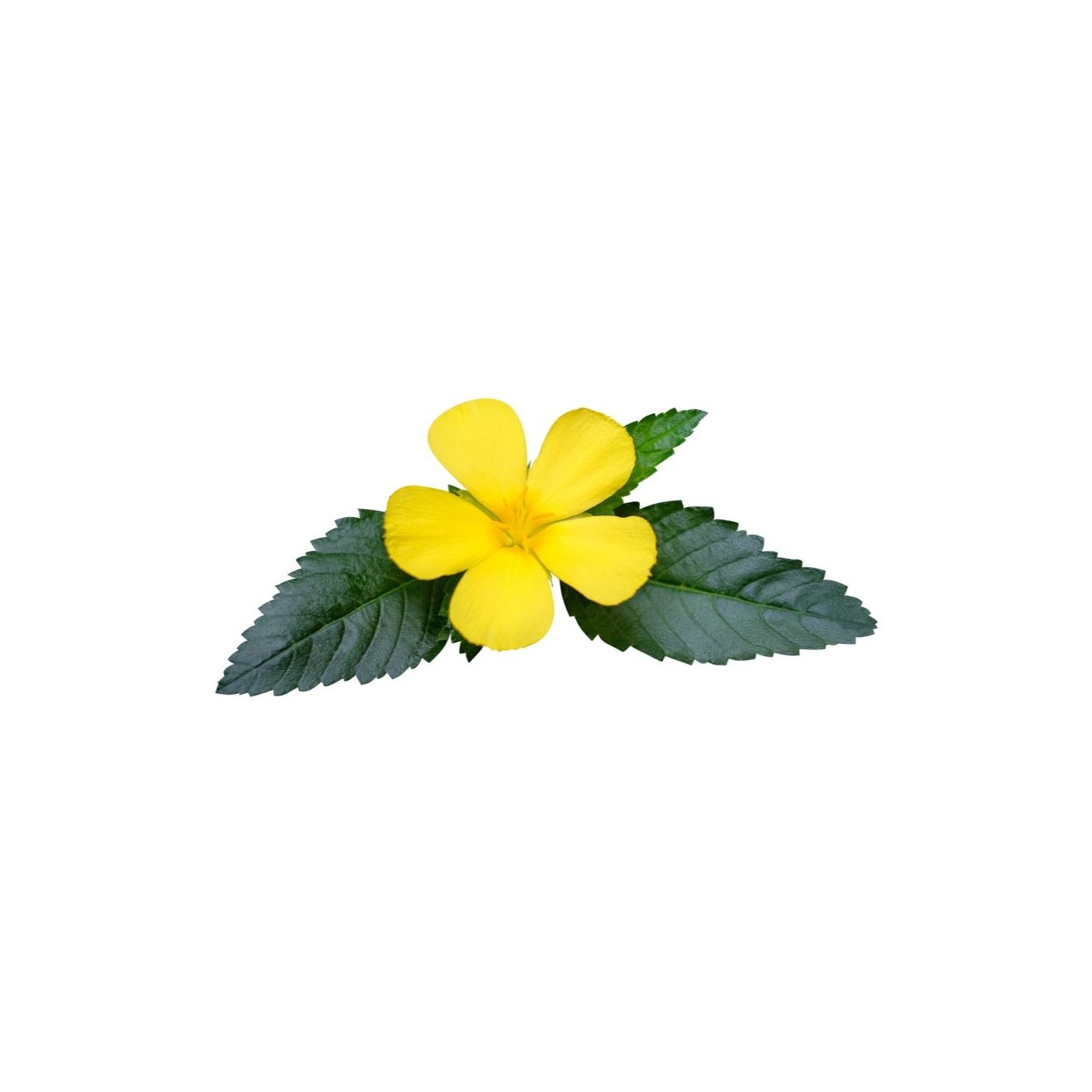 MildMildDamianaTurnera diffusaNamed in the British Herbal Pharmacopoeia for anxiety neurosis with a predominant sexual factor, and used in Germany for excess mental activity.Mechanismanxiolytic in mice without impairing locomotor activity — a non-sedating profileRead the evidenceShow lessMonograph →
German practice uses damiana for excess mental activity, nervous debility, and as a tonic for the hormonal and central nervous systems. The British Herbal Pharmacopoeia lists it for anxiety neurosis with a predominant sexual factor, depression, nervous dyspepsia and coital inadequacy.
What the research shows is a calming effect without sedation. The aqueous extract was anxiolytic in mice without impairing locomotor activity, and the fluid extract improved copulation in rats without affecting locomotion either.
That non-sedating profile is what distinguishes it from the rest of this action. Damiana settles without dulling, which is also why it is carried alongside an aphrodisiac reputation rather than against it.
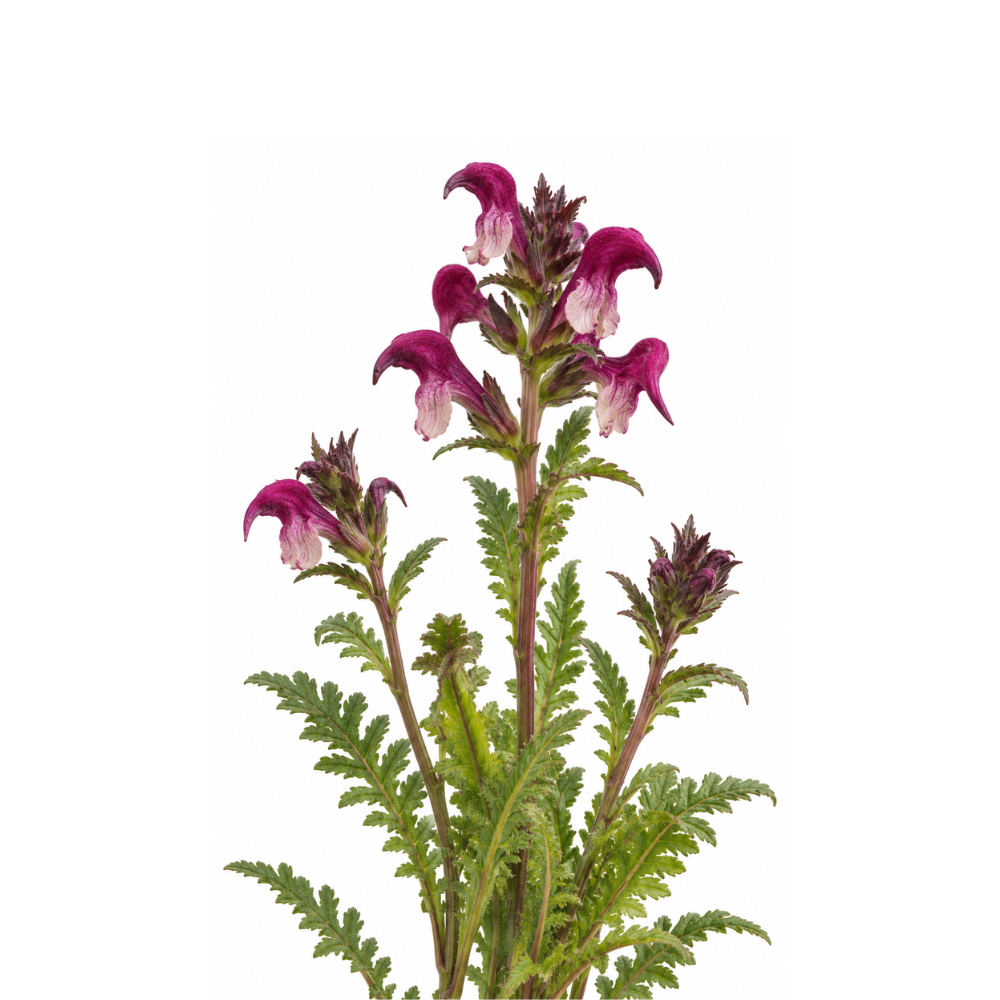 MildMildElephant’s HeadPedicularis groenlandicaA Pedicularis used in Western practice as a gentle muscle relaxant, with a mild calming quality alongside; traditional standing only.Read the evidenceShow less
Elephant’s head is given for muscular tension and for the kind of restlessness that is physical rather than mental, and it appears in relaxing smoking blends where its effect is described as calming without being narcotic.
No study has measured a sedative or relaxant effect in the plant, and no mechanism is identified.
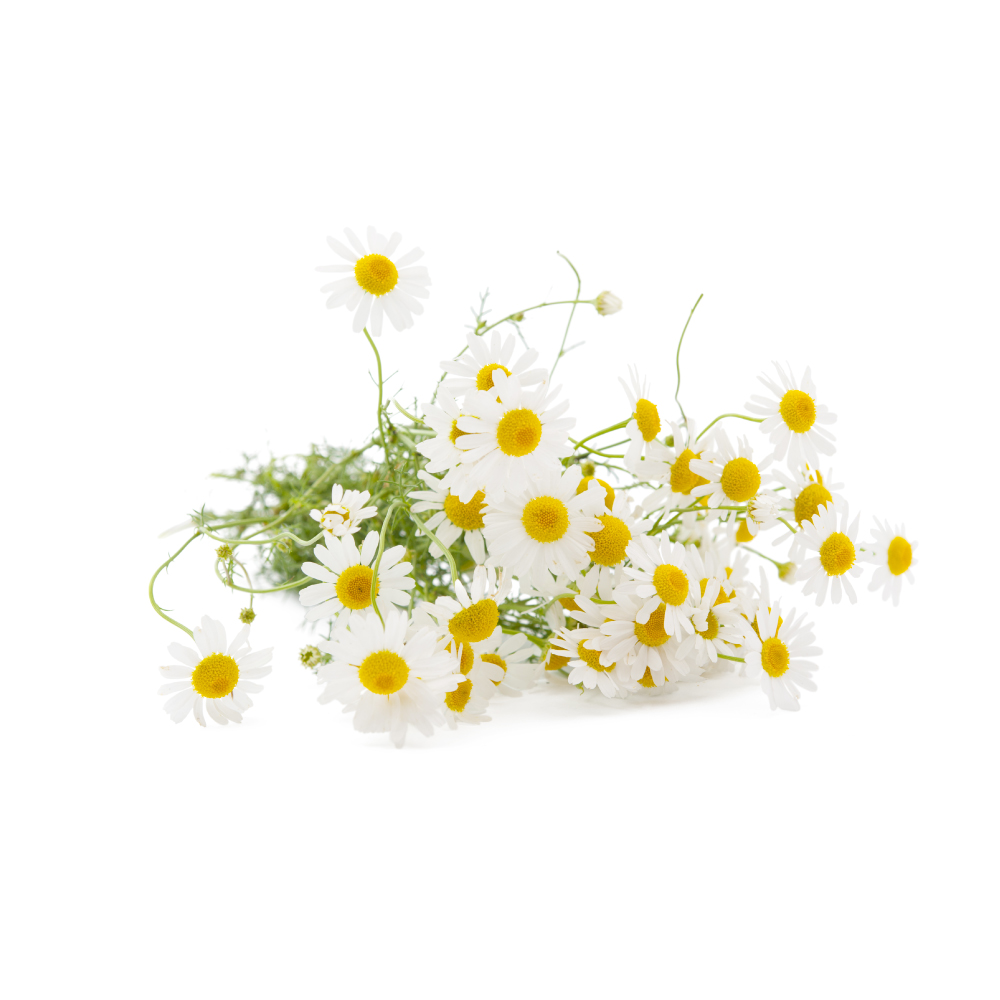 MildMildGerman ChamomileMatricaria chamomillaA short-lived sleep benefit in two small trials, as tea in postpartum women and as inhaled oil in young adults with insomnia; the advantage of the tea had gone by four weeks.Mechanismnot established (apigenin benzodiazepine-site binding proposed, shared with the anxiolytic action); effects are short-livedRead the evidenceShow lessMonograph →
In 80 postpartum women with poor sleep, two weeks of drinking chamomile tea significantly improved physical-symptom sleep inefficiency and depressive symptoms versus usual care, but the advantage had disappeared by four weeks 27Reference 27RCTEffects of an intervention with drinking chamomile tea on sleep quality and depression in sleep disturbed postnatal women: a randomized controlled trialView study →. Separately, 15 days of bedtime chamomile essential-oil inhalation in 80 young adults with insomnia reduced Pittsburgh Sleep Quality Index and Insomnia Severity Index scores versus control 28Reference 28RCTEffects of chamomile oil inhalation on sleep quality in young adults with insomnia: a randomized controlled trialView study →.
The decay at four weeks marks chamomile’s sedative action as an immediate-term one rather than a treatment for persistent insomnia.
Both trials are small and unblinded, the two preparations are not interchangeable, and no mechanism has been measured; the benzodiazepine-site binding proposed for apigenin comes from the anxiolytic literature.
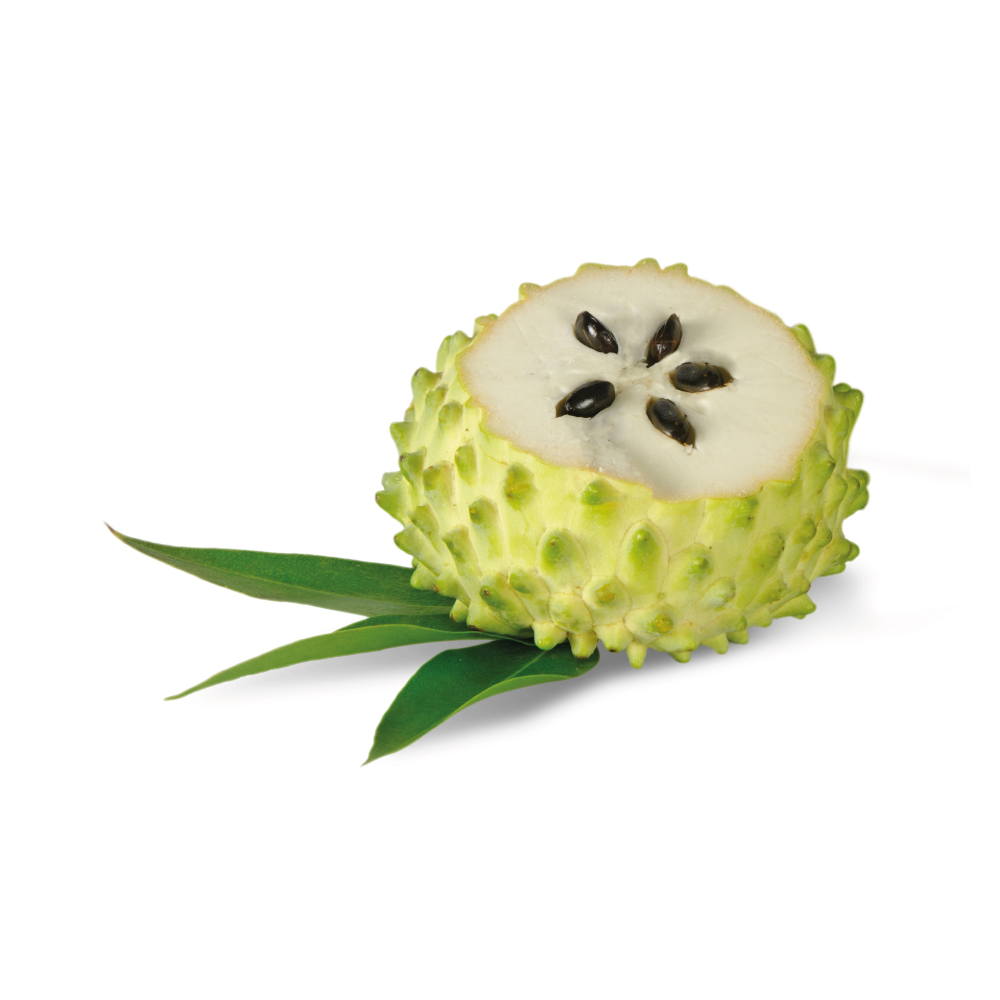 MildMildGraviolaAnnona muricataLeaves in the pillow and a leaf tea for insomnia are the traditional uses; two mouse studies report sedation, and the leaf's marker acetogenin is a dopaminergic neurotoxin that can read as sedation in a motor test.Mechanism5-HT1A receptor binding by Annona benzylisoquinoline alkaloids (candidate interaction only); sedative constituent and target not establishedRead the evidenceShow lessMonograph →
The traditional practice, dark leaves placed in the pillow or bedsheets and a leaf tea for insomnia, is older and better attested than the pharmacology.
A 2018 mouse study reported sedative and anticonvulsant effects of a hydroalcoholic leaf extract, with phytochemical characterisation suggesting central activity 33Reference 33AnimalPhytochemical analysis and central (sedative/anticonvulsant) effects of Annona muricata Linnaeus in mice — animal modelView study →, echoing a 1979 preliminary report of sedative effects 34Reference 34A preliminary study of the sedative effects of Annona muricata (soursop) — animal studyView study →. The offered mechanism is 5-HT1A binding by Annona benzylisoquinoline alkaloids, a candidate affinity from older work rather than a demonstrated pathway, and no GABAergic activity is reported.
The behavioural models are not named, so reduced movement cannot be separated from a motor deficit: annonacin, the leaf’s marker acetogenin, is a mitochondrial complex-I inhibitor toxic to mesencephalic dopaminergic neurons 35Reference 35In vitroThe mitochondrial complex I inhibitor annonacin is toxic to mesencephalic dopaminergic neurons by impairment of energy metabolism — in vitroView study → that produces nigral and striatal neurodegeneration in rats 36Reference 36AnimalAnnonacin, a lipophilic inhibitor of mitochondrial complex I, induces nigral and striatal neurodegeneration in rats — animal modelView study →. There are no human sleep data, no identified sedative constituent and no defined safe dose.
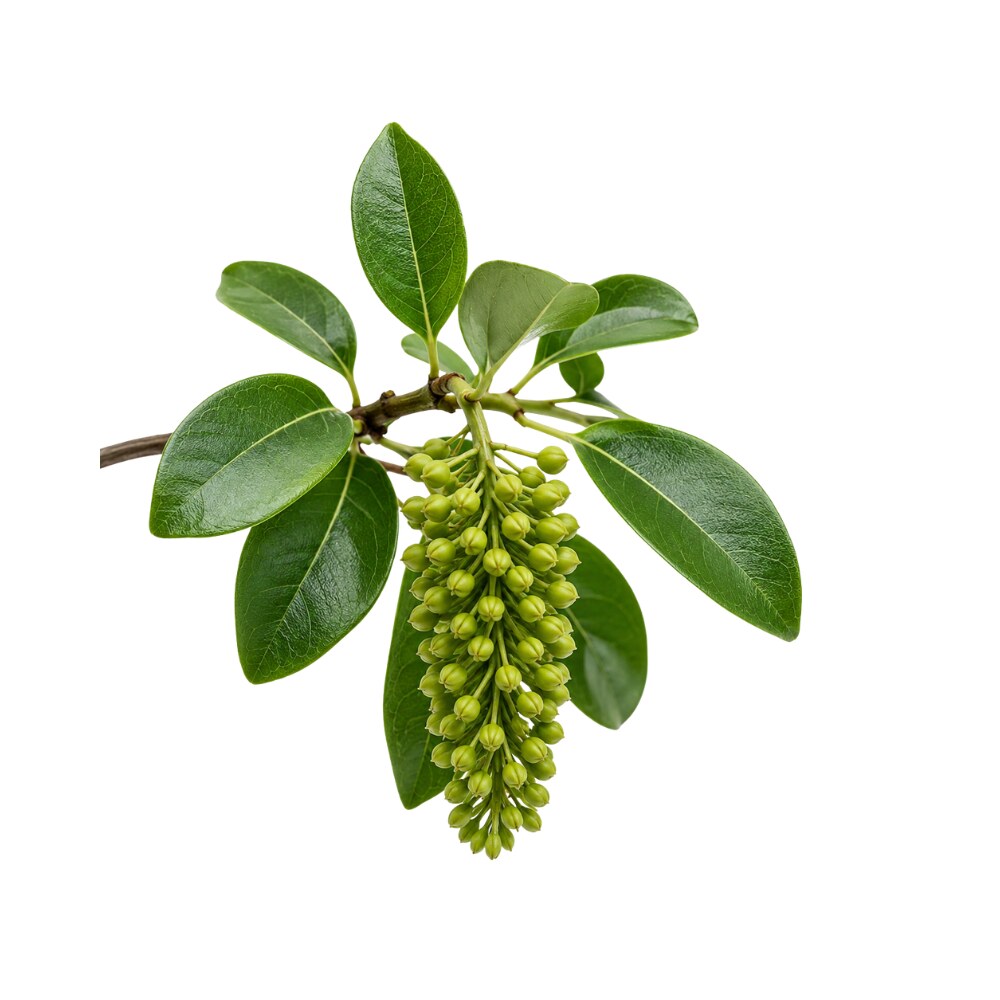 MildMildGriffoniaGriffonia simplicifoliaSupplies 5-HTP, the precursor of serotonin and melatonin; alters sleep architecture, REM in particular, rather than producing sedation on the day it is taken.Mechanismsubstrate supply to the serotonin → N-acetylserotonin → melatonin pathway; REM sleep-architecture modulationRead the evidenceShow lessMonograph →
The rationale is biosynthetic: serotonin is the precursor of melatonin, so raising serotonin synthesis is argued to support sleep onset 37Reference 37ReviewBirdsall TC. (1998). 5-Hydroxytryptophan: a clinically-effective serotonin precursor — review. Alternative Medicine Review. https://pubmed.ncbi.nlm.nih.gov/9727088/View study →.
Direct human evidence is a single older study showing 5-HTP alters sleep architecture, notably REM, in normal subjects 38Reference 38Clinical trialEffects of 5-hydroxytryptophan on the sleep of normal human subjects — clinical trialView study →, which demonstrates a CNS effect rather than a clinical hypnotic one. Sleep improvement otherwise appears only as a secondary outcome inside the fibromyalgia 39,
No modern placebo-controlled insomnia trial of Griffonia extract exists. The action is on the timing and staging of sleep, not on sedation in the GABAergic sense.
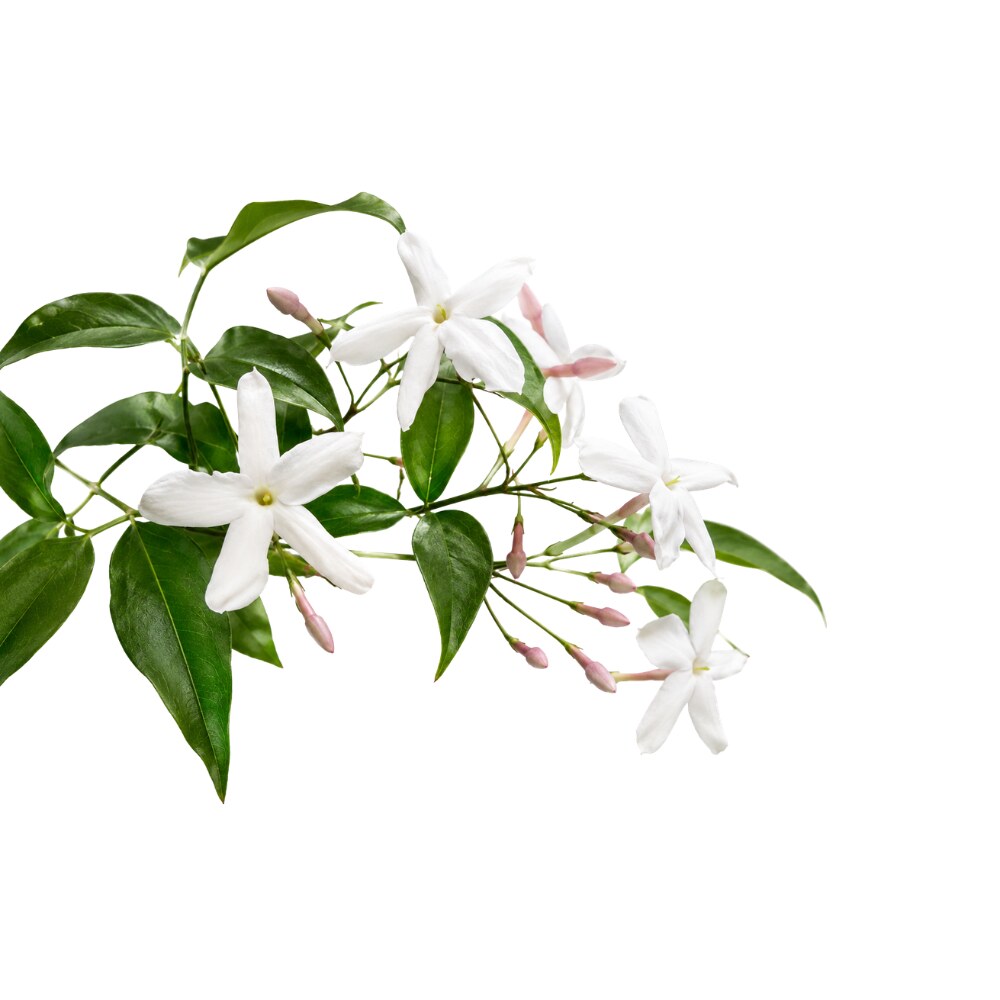 MildMildJasmineJasminum officinaleInhaled jasmine-tea aroma and its linalool slow the heart and raise parasympathetic tone at low intensity; the same scent stimulates at higher concentration, so the calming is autonomic and dose-dependent.Mechanismparasympathetic tone ↑ (HF-HRV); cortical alpha ↑ — direction is dose- and preference-dependentRead the evidenceShow lessMonograph →
Jasmine acts through its scent rather than an ingested dose. Jasmine-tea odour and (R)-(−)-linalool at low perceived intensity slowed heart rate and increased parasympathetic activity 45,
The direction inverts with concentration, route and preference: topical aromatherapy massage with J. sambac oil increased breathing rate, blood pressure and subjective alertness 48Reference 48Stimulating effect of aromatherapy massage with jasmine oil — [human aromatherapy study]View study →. The traditional description of jasmine as both calming and uplifting reflects both findings.
No hypnotic or sleep-latency data exist.
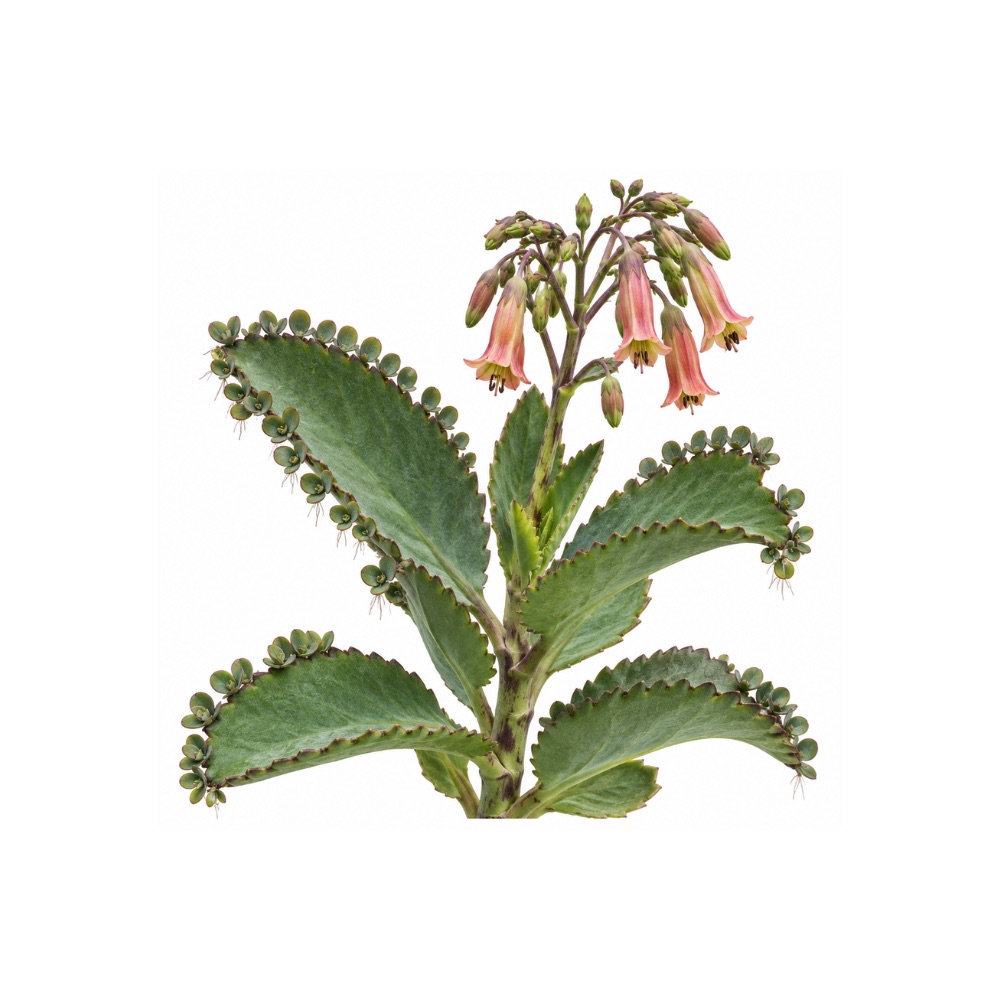 MildMildKalanchoeBryophyllum pinnatumA standardised leaf press juice used in anthroposophic and Swiss obstetric practice for restlessness and sleep disturbance in pregnancy; the extract prolongs barbiturate sleep and reduces exploration in rodents.MechanismCNS depression (pentobarbitone-sleep potentiation, reduced exploratory behaviour); active constituent not identifiedRead the evidenceShow less
Bryophyllum pinnatum entered anthroposophic medicine in the early twentieth century and is prescribed as a standardised 50% leaf press juice, mainly as a tocolytic and secondarily for restlessness, sleep disturbance and anxiety in pregnancy 120Reference 120ReviewBryophyllum pinnatum and Related Species Used in Anthroposophic Medicine: Constituents, Pharmacological Activities, and Clinical Efficacy — reviewView study →.
Pregnant women 116Reference 116ObservationalSleep quality in pregnancy during treatment with Bryophyllum pinnatum: an observational study — observationalView study → and cancer patients 117Reference 117ObservationalSleep Quality Improves During Treatment With Bryophyllum pinnatum: An Observational Study on Cancer Patients — observationalView study → treated with the press juice (350 mg tablets) reported improved sleep quality on validated indices.
In animals the methanolic leaf fraction potentiated pentobarbitone sleeping time and reduced exploratory behaviour 118Reference 118AnimalNeuropsychopharmacological profile of the methanolic fraction of Bryophyllum pinnatum leaf extract — animal modelView study →, and the saline extract produced dose-dependent sedation and muscle relaxation 119Reference 119AnimalNeurosedative and muscle relaxant activities of aqueous extract of Bryophyllum pinnatum — animal modelView study →.
The human studies are observational, with no placebo comparator, and the sedative constituent has not been identified.
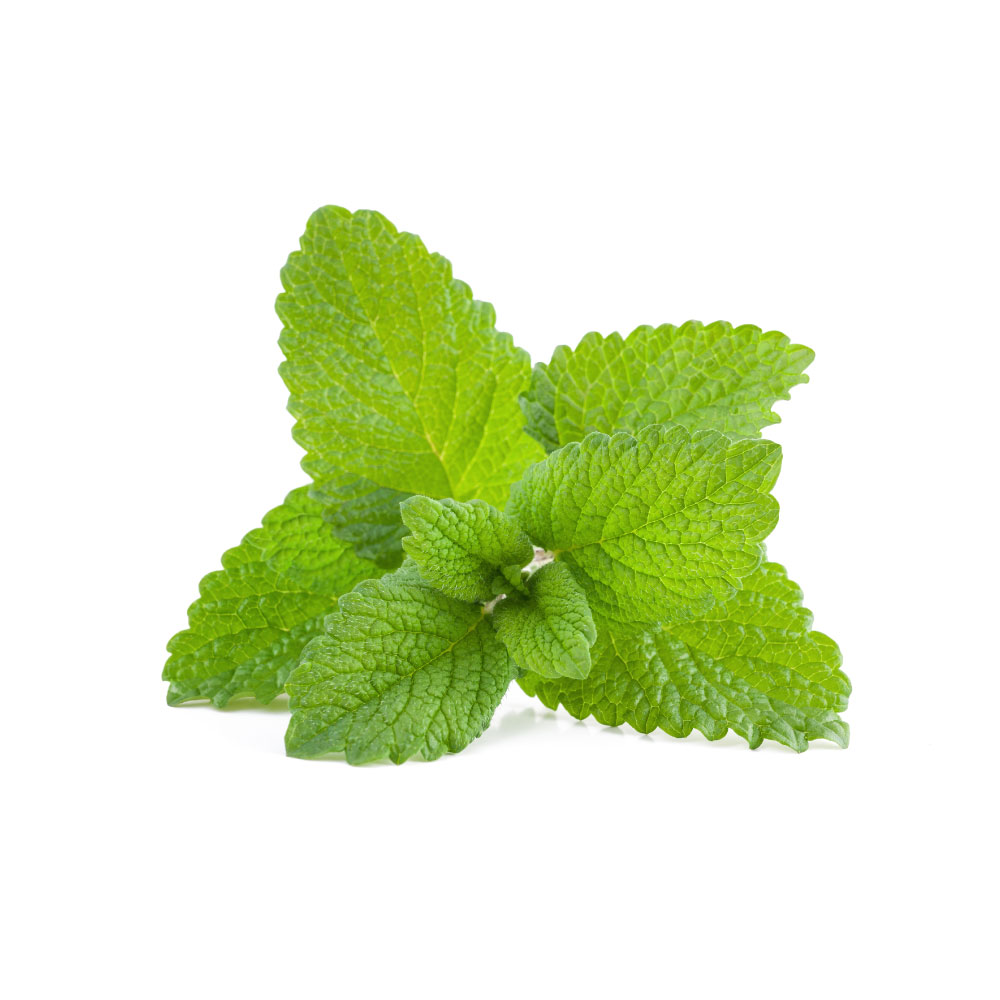 MildMildMelissaMelissa officinalisA gentle before-bed calmative of European practice; lowers arousal rather than inducing sleep, with drowsiness the commonest adverse effect across its trials.MechanismGABA-transaminase inhibition (rosmarinic acid, triterpene acids)Read the evidenceShow lessMonograph →
The open-label Cyracos pilot reported a 42% reduction in insomnia over 15 days but had no placebo arm 54Reference 54Clinical trialPilot trial of Melissa officinalis L. leaf extract in mild-to-moderate anxiety disorders and sleep disturbances — open-label clinical trialView study →. The placebo-controlled sleep trials are combination products, melissa with Nepeta menthoides for insomnia severity 55Reference 55RCTEffects of herbal combination (Melissa officinalis L. and Nepeta menthoides) on insomnia severity, anxiety and depression in insomniacs — randomised placebo-controlled trialView study → and melissa with valerian in the acute-stress work 56Reference 56RCTAnxiolytic effects of a combination of Melissa officinalis and Valeriana officinalis during laboratory-induced stress — randomised placebo-controlled crossover trialView study →, so melissa’s own contribution is not isolated.
An angina trial improved a sleep-quality subscore as a secondary outcome 57Reference 57RCTThe effects of Melissa officinalis supplementation on depression, anxiety, stress and sleep disorder in patients with chronic stable angina — randomised placebo-controlled trialView study →.
Mild drowsiness is the commonest adverse effect reported across trials 58Reference 58Meta-analysisThe effects of lemon balm (Melissa officinalis L.) on depression and anxiety in clinical trials — a systematic review and meta-analysisView study →, the most direct sign that the herb sedates at all.
Melissa raises ambient GABA by inhibiting GABA-transaminase, the enzyme that degrades it, rather than acting at the receptor.
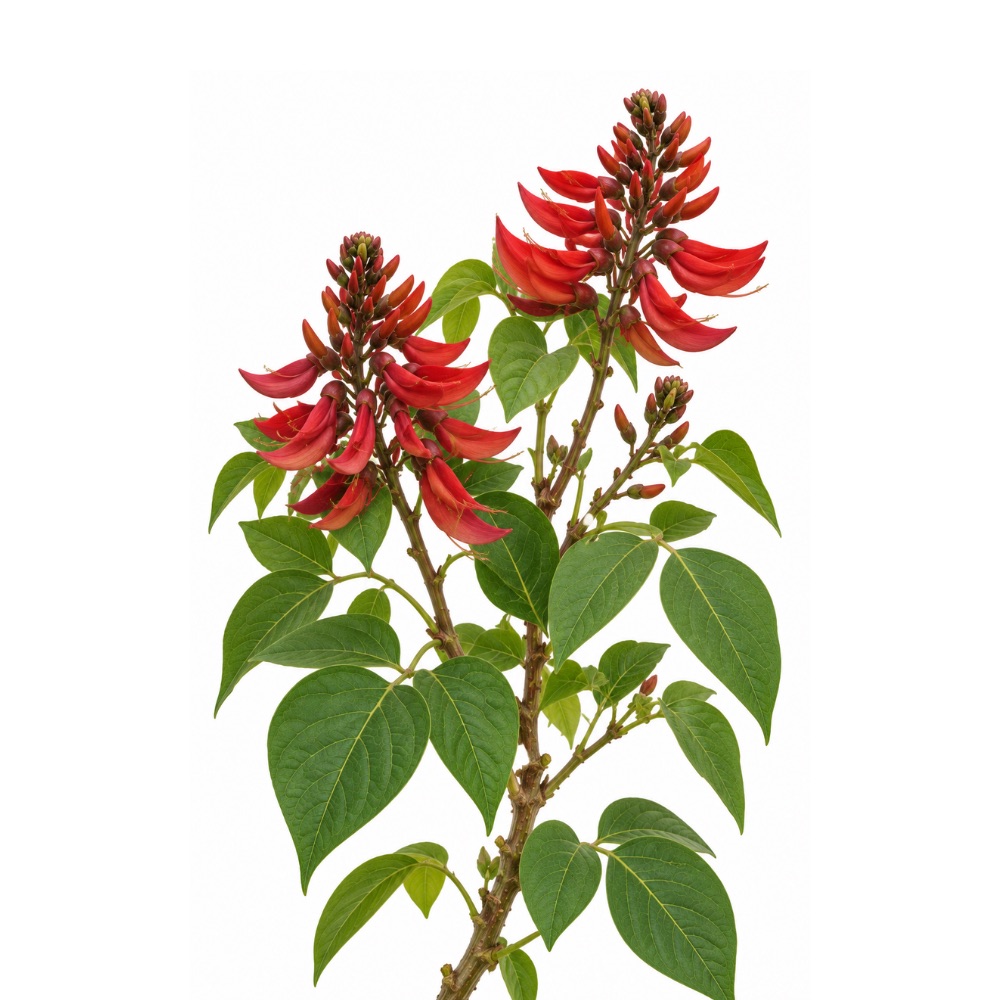 MildMildMulunguErythrina mulunguA Brazilian bark remedy for insomnia and agitation; its sedative use sits alongside an anxiolytic action tested in two dental-surgery trials.Mechanismcentral depressant effect; not separately characterizedRead the evidenceShow less
Traditional use is for insomnia and agitation, and the sedative effect is reported alongside the anxiolytic activity rather than tested on its own.
The human trials, at 500 mg before third-molar extraction, found no significant change in blood pressure, heart rate or oxygen saturation 59,
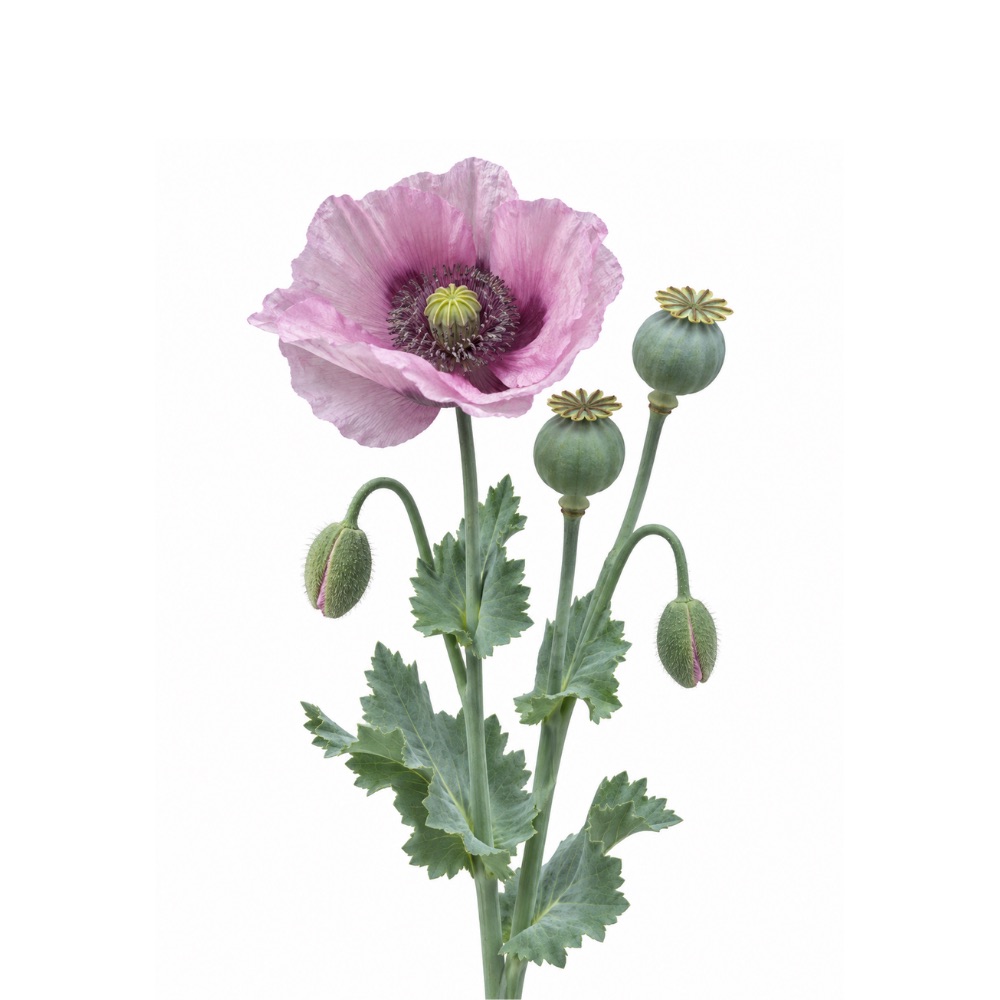 MildMildOpium PoppyPapaver somniferumThe oldest hypnotic in medicine; morphine and codeine from the latex sedate through µ-opioid agonism, and no herbal preparation delivers them at a controlled dose.Mechanismµ-opioid agonism (morphine, codeine)Read the evidenceShow less
Papaver somniferum is named for sleep, and opium’s sedative and hypnotic use is among the oldest documented in medicine. Morphine’s sedation is a µ-opioid effect that travels with respiratory depression, tolerance and dependence.
The action belongs to the purified alkaloids at pharmaceutical doses. Alkaloid content of latex, capsule and seed varies severalfold, so no herbal preparation delivers it at a controlled level, and the plant has no place as a self-administered sedative.
MildPasque FlowerPulsatilla patensA small-dose remedy of the dried herb for nervous tension, restlessness and insomnia in the Eclectic tradition; no supporting study.Mechanismnot resolved; traditionalRead the evidenceShow less
Pulsatilla is given dried and in small doses for nervous tension, restlessness and insomnia, in the same register as its antispasmodic use.
No mechanistic or clinical study supports the sedative use.
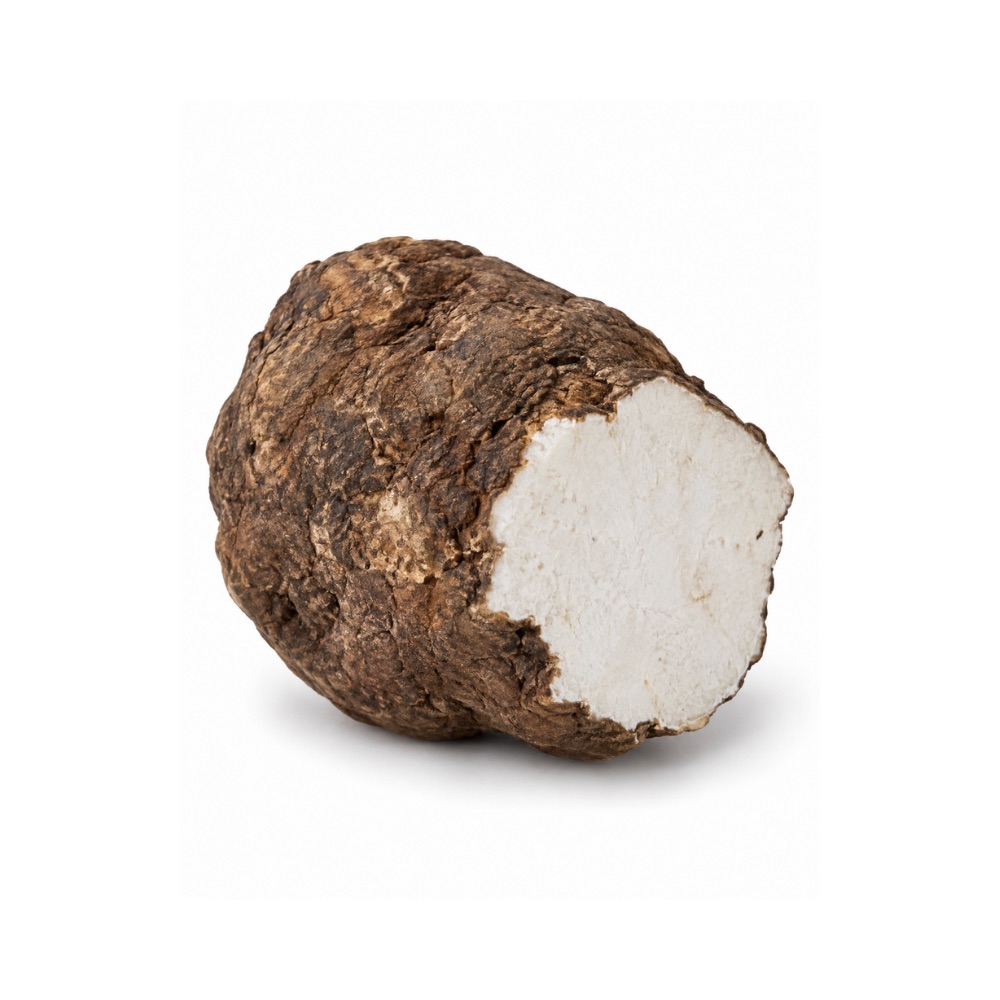 MildMildPoriaWolfiporia extensaFu Shen, the poria grown around a pine root, is the Chinese remedy for calming the spirit; the extract potentiates GABA-A and improves sleep architecture in insomnia-model rats.MechanismGABA-A potentiation; HPA axis modulationRead the evidenceShow less
Poria extract potentiated GABA-A signalling and improved sleep architecture in rat insomnia models 93Reference 93AnimalThe positive effects of Poria cocos extract on quality of sleep in insomnia rat models — animal modelView study →, a modern mechanism that lands on the traditional Fu Shen indication of calming the spirit.
The evidence is rodent-only, and the effect is mild rather than hypnotic.
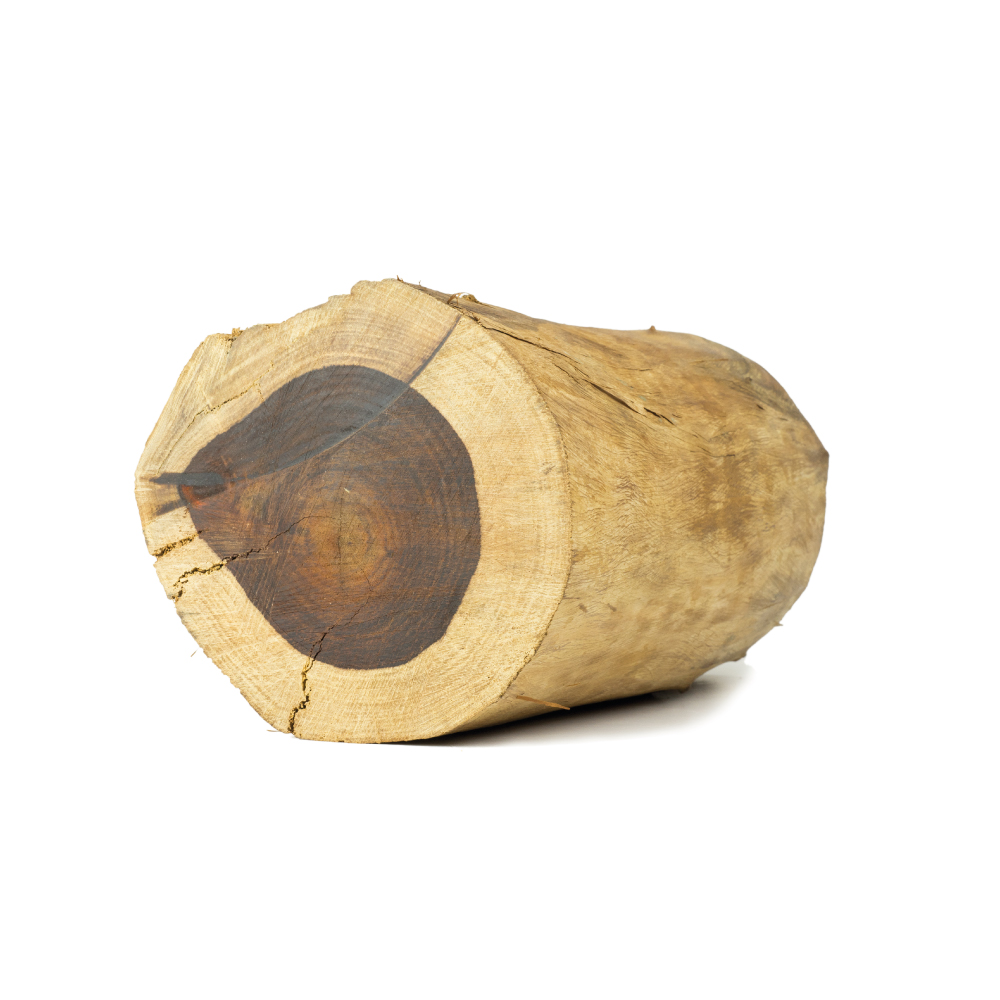 MildMildRosewoodAniba rosaeodoraA Brazilian folk sedative; its linalool-rich oil shortens sleep latency and prolongs barbiturate sleep in mice by damping nerve conduction and cAMP signalling.Mechanismcompound action potential ↓ (neuronal excitability); adenylate cyclase ↓, cAMP ↓Read the evidenceShow lessMonograph →
A 2009 study gave the folk use a mechanism: linalool-rich oil at 200–300 mg/kg shortened sleep latency and prolonged pentobarbital-induced sleep in mice, with reduced compound action potential as the proposed basis 62Reference 62AnimalRosewood oil induces sedation and inhibits compound action potential in rodents — animal modelView study →, reinforced by an adenylate-cyclase/cAMP finding 63Reference 63In vitroLinalool from rosewood (Aniba rosaeodora Ducke) oil inhibits adenylate cyclase in the retina — in vitro mechanismView study →.
The work is single-laboratory rodent data at high systemic doses by a route the herb is not used by. There is no evidence that topical or inhaled rosewood at aromatherapy dilutions sedates anyone.
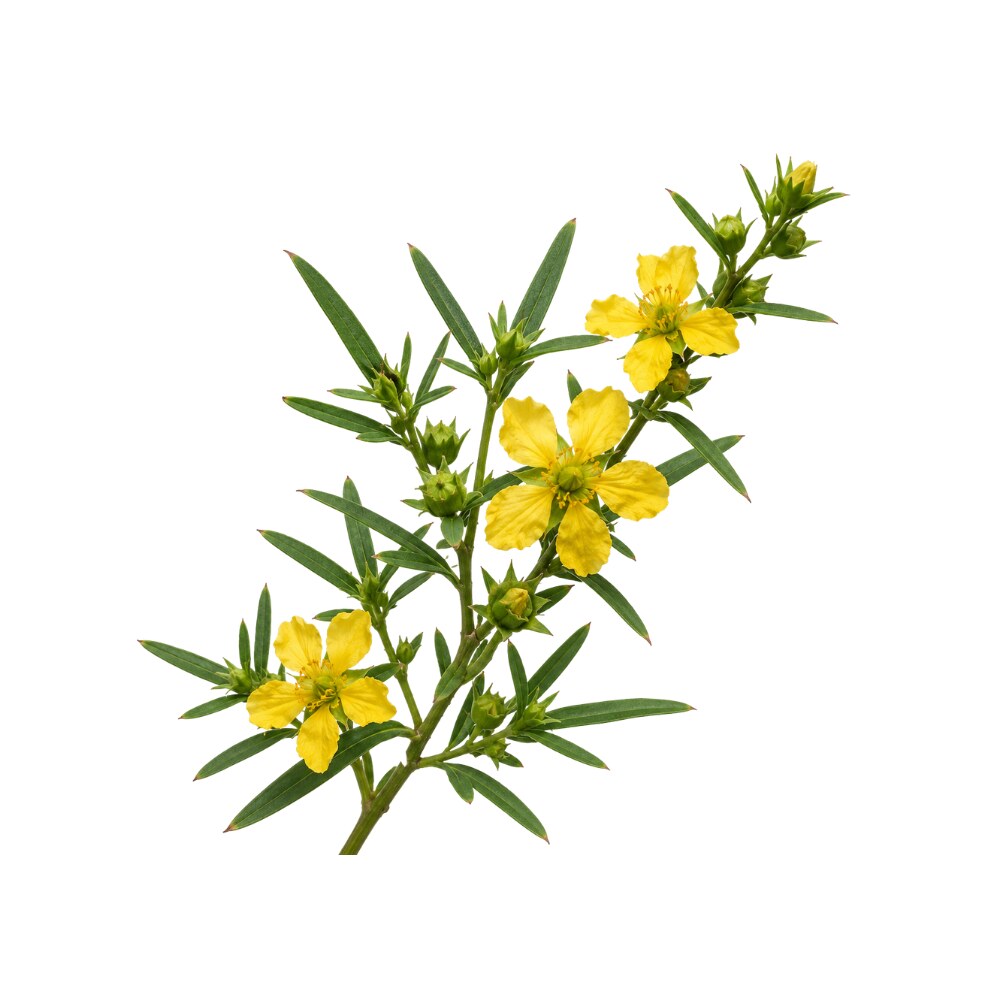 MildMildSinicuichiHeimia salicifoliaA Mexican ceremonial plant taken as a fermented tea for a drowsy, gently intoxicated state; its alkaloid cryogenine had a tranquillising action in early animal work.Mechanismhistamine / 5-HT receptor antagonism (in vitro); central ataractic action — catecholamine-independentRead the evidenceShow lessMonograph →
Early pharmacodynamic work described an ataractic (tranquillising) action of cryogenine in animals that did not depend on catecholamine depletion or receptor blockade 68,
A 2008 forensic case confirmed five Heimia alkaloids in the serum of a man who drank a yeast-fermented tea, so systemic exposure is real 72Reference 72Case reportIdentification of sinicuichi alkaloids in human serum after intoxication caused by oral intake of a Heimia salicifolia extract — case reportView study →.
The effect is small; modern and folk records describe drowsiness, lightheadedness and a gently intoxicating state rather than hypnosis. The review of the older work reports that oral vertine (cryogenine) and lythrine lacked the psychodysleptic activity attributed to native brews 73Reference 73ReviewHeimia salicifolia: a phytochemical and phytopharmacologic review — reviewView study →, so the isolated alkaloid may not carry the traditional effect.
MildTart CherryPrunus cerasusMontmorency cherries contain melatonin itself, and a week of the juice concentrate raised urinary melatonin and increased total sleep time and sleep efficiency in a placebo-controlled crossover.Mechanismdietary melatonin → MT1/MT2 receptor signalling, circadian supportRead the evidenceShow less
Montmorency fruit contains roughly 13.5 ng/g of melatonin, about six times the level in Balaton cherries 124Reference 124Detection and quantification of the antioxidant melatonin in Montmorency and Balaton tart cherries (Prunus cerasus)View study →. In a randomised, double-blind, placebo-controlled crossover trial in 20 healthy adults, 7 days of Montmorency juice concentrate significantly raised total urinary melatonin and increased time in bed, total sleep time and sleep efficiency 121Reference 121RCTEffect of tart cherry juice (Prunus cerasus) on melatonin levels and enhanced sleep quality — randomised controlled trialView study →.
A 2025 systematic review of seven interventional studies found three reporting improved sleep duration, efficiency or onset and three reporting raised melatonin, with large methodological heterogeneity 122Reference 122Systematic reviewThe Effect of Tart Cherry on Sleep Quality and Sleep Disorders: A Systematic Review — reviewView study →. A 2024 RCT in adults with overweight or obesity found a commonly used 500 mg powdered-cherry dose produced no change in any objective or subjective sleep measure 123Reference 123RCTCommonly Used Dose of Montmorency Tart Cherry Powder Does Not Improve Sleep or Inflammation Outcomes in Individuals with Overweight or Obesity — randomised controlled trialView study →.
What a glass of juice delivers is small next to a melatonin tablet, and nearly all the evidence is one cultivar taken as juice concentrate.
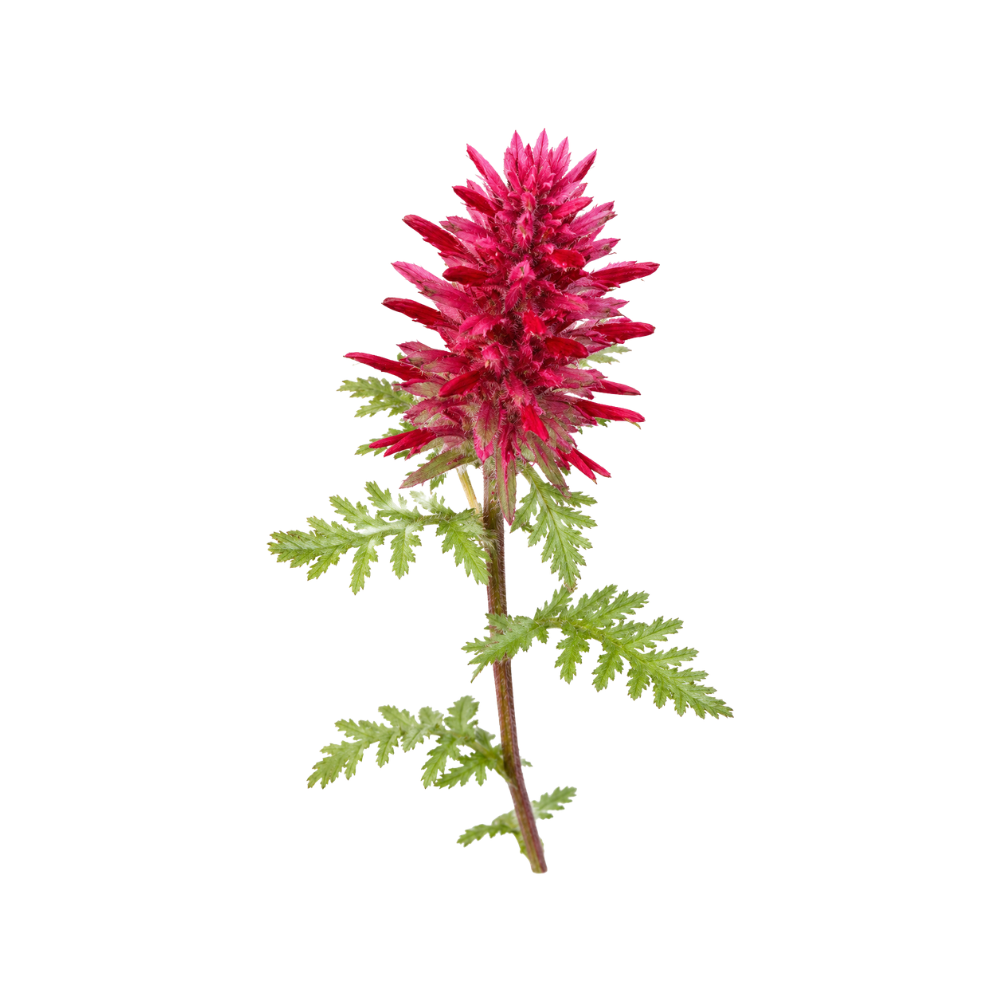 MildMildWarrior’s PlumePedicularis densifloraA Pedicularis used in Western practice as a skeletal-muscle relaxant with a mildly calming quality, usually blended with nervines; the reputation is traditional and unmeasured.Read the evidenceShow lessMonograph →
Warrior’s plume is reached for where muscular tension is the picture, for physical unwinding with a mild calm alongside, and it is usually blended rather than taken alone.
No study in any Pedicularis species demonstrates a relaxant, antispasmodic or sedative action. The genus is hemiparasitic, so alkaloid content can reflect the host plant, which makes wild material variable.
No herbs match these filters.
Also Tagged
2 more herbs carry a sedative action.
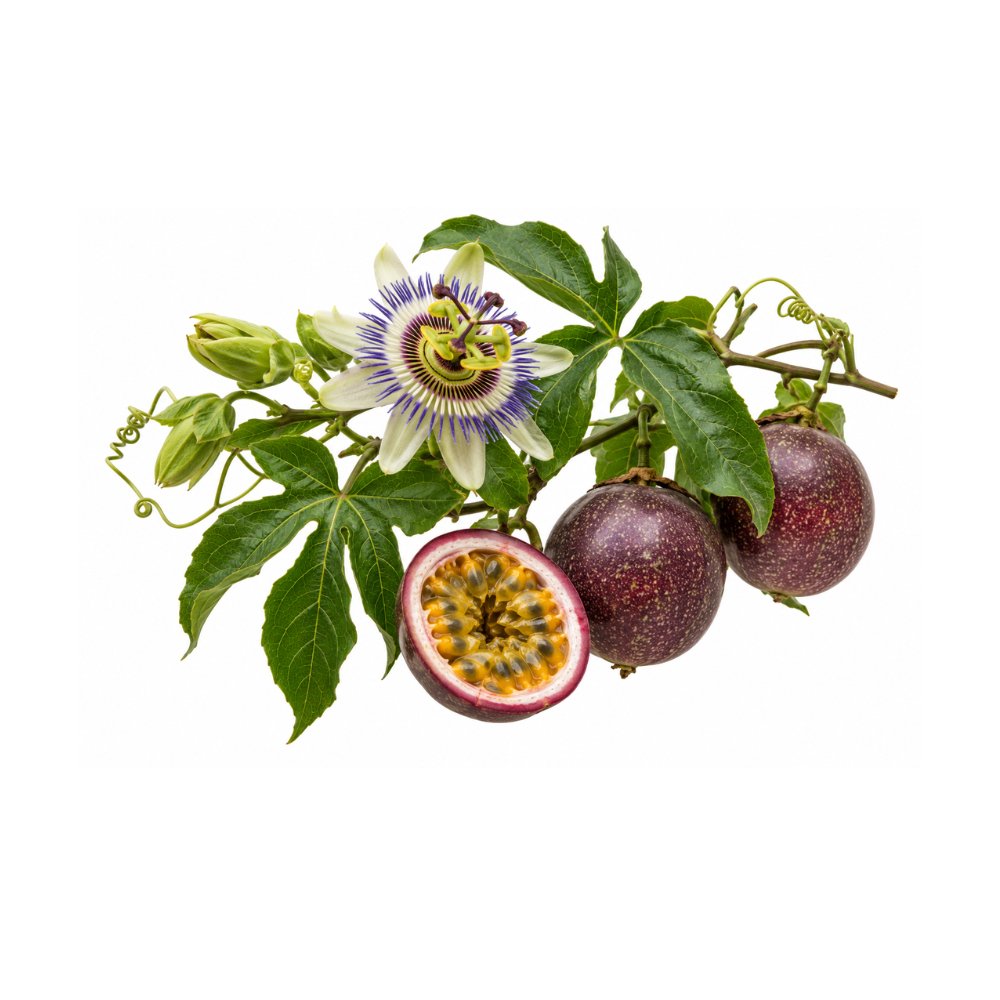
Passion Fruit
Passiflora edulis
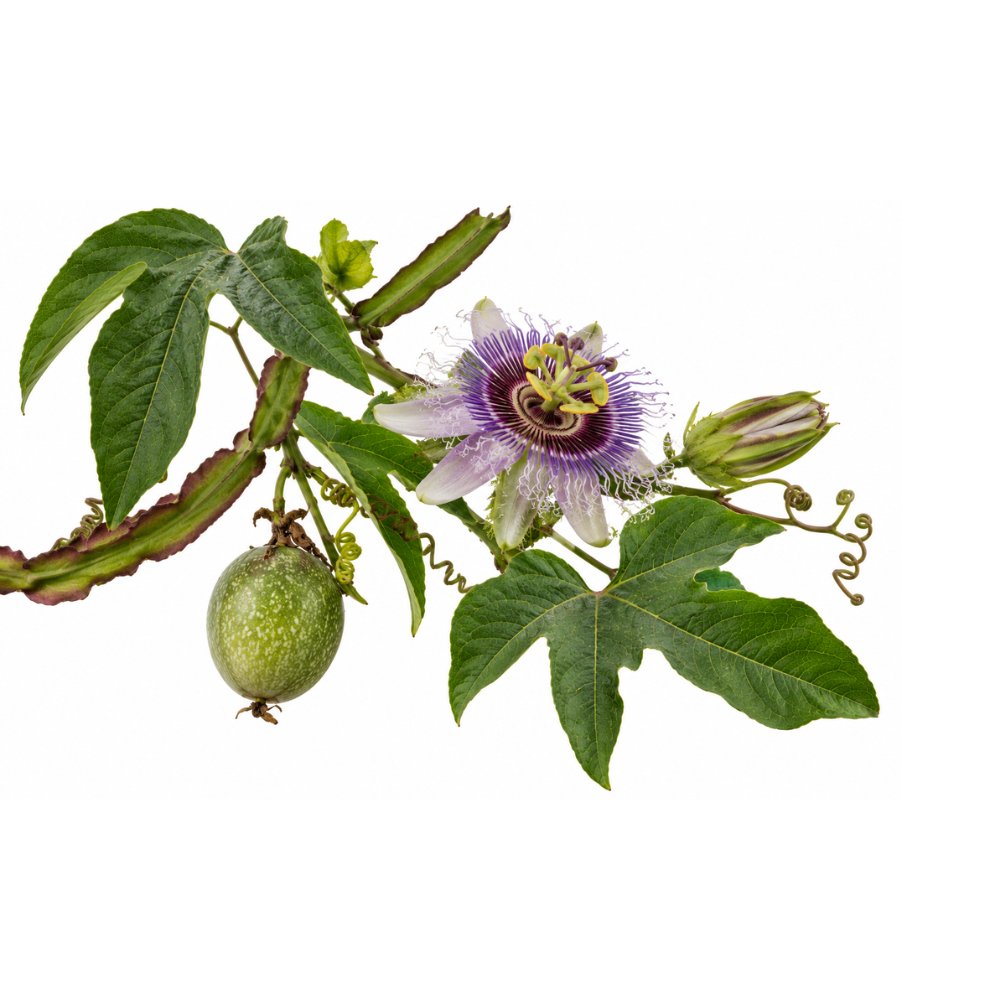
Winged-Stem Passionflower
Passiflora alata
Safety
- Sedative herbs are additive with alcohol, benzodiazepines, opioids, sleep medication, sedating antihistamines and each other.
- Do not drive or operate machinery after taking a sedative herb; several impair next-day function.
- GABA-A modulators have a ceiling and are hard to overdose on alone; that ceiling is no protection against combinations.
- The opioid, cannabinoid and dopaminergic sedatives carry tolerance, dependence and withdrawal with the sedation.
- Herbs acting on the serotonin and melatonin pathway stack with SSRIs, SNRIs, MAOIs and triptans.
- Most sedative herbs have no pregnancy or lactation data, and absence of a warning usually means absence of study.
References
- Wesołowska A, Nikiforuk A, Michalska K, Kisiel W, Chojnacka-Wójcik E (2006). Analgesic and sedative activities of lactucin and some lactucin-like guaianolides in mice — animal in vivo. Journal of Ethnopharmacology. https://pubmed.ncbi.nlm.nih.gov/16621374/
- Kim HW, Suh HJ, Choi HS, Hong KB, Jo K (2019). Effectiveness of the sleep enhancement by green romaine lettuce (Lactuca sativa) in a rodent model — animal in vivo. Biological & Pharmaceutical Bulletin. https://pubmed.ncbi.nlm.nih.gov/31582660/
- Gafner S, Dietz BM, McPhail KL, et al. (2006). Alkaloids from Eschscholzia californica and their capacity to inhibit binding of [3H]8-hydroxy-2-(di-N-propylamino)tetralin to 5-HT1A receptors in vitro. Journal of Natural Products. https://pubmed.ncbi.nlm.nih.gov/16562853/
- Madapa S, Harding WW (2015). Semisynthetic studies on and biological evaluation of N-methyllaurotetanine analogues as ligands for 5-HT receptors. Journal of Natural Products. https://pubmed.ncbi.nlm.nih.gov/25695425/
- Fedurco M, Gregorová J, Šebrlová K, et al. (2015). Modulatory effects of Eschscholzia californica alkaloids on recombinant GABAA receptors. Biochemistry Research International. https://pubmed.ncbi.nlm.nih.gov/26509084/
- Morais LC, Barbosa-Filho JM, Almeida RN. (1998). Central depressant effects of reticuline extracted from Ocotea duckei in rats and mice — animal study. Journal of Ethnopharmacology, 62(1), 57–61. https://pubmed.ncbi.nlm.nih.gov/9720612/
- Cheah KL, et al. (2021). Effect of ashwagandha (Withania somnifera) extract on sleep — a systematic review and meta-analysis. PLoS One. https://pubmed.ncbi.nlm.nih.gov/34559859/
- Langade D, et al. (2019). Efficacy and safety of ashwagandha root extract in insomnia and anxiety — a double-blind, randomised, placebo-controlled study. Cureus. https://pubmed.ncbi.nlm.nih.gov/31728244/
- Langade D, et al. (2021). Clinical evaluation of ashwagandha root extract on sleep in healthy volunteers and insomnia patients — a double-blind, randomised, placebo-controlled study. Journal of Ethnopharmacology. https://pubmed.ncbi.nlm.nih.gov/32818573/
- Farrell, M. S., McCorvy, J. D., Huang, X. P., et al. (2016). In vitro and in vivo characterization of the alkaloid nuciferine — in vitro and mouse. PLoS One. https://pubmed.ncbi.nlm.nih.gov/26963248/
- Schimpf, M., Ulmer, T., Hiller, H., & Barbuto, A. F. (2023). Toxicity from blue lotus (Nymphaea caerulea) after ingestion or inhalation: a case series. Military Medicine. https://pubmed.ncbi.nlm.nih.gov/34345890/
- Emboden, W. A. (1981). Transcultural use of narcotic water lilies in ancient Egyptian and Maya drug ritual — review. Journal of Ethnopharmacology. https://pubmed.ncbi.nlm.nih.gov/7007741/
- Bertol, E., Fineschi, V., Karch, S. B., Mari, F., & Riezzo, I. (2004). Nymphaea cults in ancient Egypt and the New World: a lesson in empirical pharmacology — review. Journal of the Royal Society of Medicine. https://pubmed.ncbi.nlm.nih.gov/14749409/
- Dosoky, N. S., Shah, S. A., Dawson, J. T., Banjara, S. S., Poudel, A., Bascoul, C., & Satyal, P. (2023). Chemical composition, market survey, and safety assessment of blue lotus (Nymphaea caerulea Savigny) extracts — analytical market survey. Molecules. https://pubmed.ncbi.nlm.nih.gov/37894493/
- Poklis, J. L., Mulder, H. A., Halquist, M. S., Wolf, C. E., Poklis, A., & Peace, M. R. (2017). The blue lotus flower (Nymphaea caerulea) resin used in a new type of electronic cigarette, the rebuildable dripping atomizer — analytical. Journal of Psychoactive Drugs. https://pubmed.ncbi.nlm.nih.gov/28266899/
- Makino, Y., et al. (2009). Hastatoside and verbenalin are sleep-promoting components in Verbena officinalis — animal model. Sleep and Biological Rhythms. https://doi.org/10.1111/j.1479-8425.2009.00405.x
- Yokosuka, A., et al. (2021). Chemical Constituents of the Whole Plant of Verbena hastata and Their Inhibitory Activity Against the Production of AGEs — in vitro. Natural Product Communications. https://doi.org/10.1177/1934578X211009727
- Rimpler, H., & Schäfer, B. (1979). Hastatoside, a New Iridoid from Verbena hastata L. and Verbena officinalis L. Zeitschrift für Naturforschung C. https://doi.org/10.1515/znc-1979-5-601
- Khan, A. W., et al. (2016). Anticonvulsant, Anxiolytic, and Sedative Activities of Verbena officinalis — mouse. Frontiers in Pharmacology. https://pubmed.ncbi.nlm.nih.gov/28066246/
- Koshovyi, O., et al. (2025). Verbena officinalis L. Herb Extract, Its Amino Acid Preparations and 3D-Printed Dosage Forms: Phytochemical, Technological and Pharmacological Research — animal model. Plants (Basel). https://pubmed.ncbi.nlm.nih.gov/40941816/
- Rolland A, Fleurentin J, Lanhers MC, et al. Behavioural effects of the American traditional plant Eschscholzia californica: sedative and anxiolytic properties. Planta Medica. 1991;57(3):212–216. https://pubmed.ncbi.nlm.nih.gov/1680240/
- Rolland A, Fleurentin J, Lanhers MC, et al. Neurophysiological effects of an extract of Eschscholzia californica Cham. (Papaveraceae). Phytotherapy Research. 2001;15(5):377–381. https://pubmed.ncbi.nlm.nih.gov/11507727/
- Schulz H, Jobert M, Hübner WD. The quantitative EEG as a screening instrument to identify sedative effects of single doses of plant extracts in comparison with diazepam. Phytomedicine. 1998;5(6):449–458. https://pubmed.ncbi.nlm.nih.gov/23196028/
- Lemoine P, Bablon JC, Da Silva C. A combination of melatonin, vitamin B6 and medicinal plants in the treatment of mild-to-moderate insomnia: a prospective pilot study. Complementary Therapies in Medicine. 2019;45:104–108. https://pubmed.ncbi.nlm.nih.gov/31331545/
- da Silva GHS, Barbosa EC, de Lima FR, et al. (2025). Effectiveness of cannabinoids on subjective sleep quality in people with and without insomnia — systematic review and meta-analysis. Sleep Medicine Reviews. https://pubmed.ncbi.nlm.nih.gov/40929927/
- Wang M, Faust M, Abbott S, et al. (2024). Effects of a cannabidiol/terpene formulation on sleep in individuals with insomnia: a double-blind, placebo-controlled randomised trial. Journal of Clinical Sleep Medicine. https://pubmed.ncbi.nlm.nih.gov/39167421/
- Chang SM, Chen CH. (2016). Effects of an intervention with drinking chamomile tea on sleep quality and depression in sleep disturbed postnatal women: a randomized controlled trial. Journal of Advanced Nursing. https://pubmed.ncbi.nlm.nih.gov/26483209/
- Deepa Y, et al. (2025). Effects of chamomile oil inhalation on sleep quality in young adults with insomnia: a randomized controlled trial. International Journal of Psychiatry in Medicine. https://pubmed.ncbi.nlm.nih.gov/39545336/
- Lee B et al. (2014). L-tetrahydropalmatine ameliorates development of anxiety and depression-related symptoms induced by single prolonged stress in rats — rat, in vivo. Biomol Ther (Seoul). https://pubmed.ncbi.nlm.nih.gov/25009702/
- Jin L et al. (2019). Dehydrocorydaline induced antidepressant-like effect in a chronic unpredictable mild stress mouse model via inhibiting uptake-2 monoamine transporters — mouse, in vivo. Eur J Pharmacol. https://pubmed.ncbi.nlm.nih.gov/31604070/
- Mantsch JR et al. (2007). Levo-tetrahydropalmatine attenuates cocaine self-administration and cocaine-induced reinstatement in rats — rat, in vivo. Psychopharmacology (Berl). https://pubmed.ncbi.nlm.nih.gov/17361394/
- Theobald, W., Büch, O., Kunz, H. A., Krupp, P., Stenger, E. G., & Heimann, H. (1968). Pharmacological and experimental-psychological studies with two components of fly agaric (Amanita muscaria) — early human pharmacological characterisation of muscimol and ibotenic acid. Arzneimittel-Forschung. https://pubmed.ncbi.nlm.nih.gov/5696006/
- Souza, D. O., et al. (2018). Phytochemical analysis and central (sedative/anticonvulsant) effects of Annona muricata Linnaeus in mice — animal model. Iranian Journal of Pharmaceutical Research, 17. https://pubmed.ncbi.nlm.nih.gov/30568689/
- Bourne, R. K., et al. (1979). A preliminary study of the sedative effects of Annona muricata (soursop) — animal study. West Indian Medical Journal, 28. https://pubmed.ncbi.nlm.nih.gov/473760/
- Lannuzel, A., Michel, P. P., Höglinger, G. U., et al. (2003). The mitochondrial complex I inhibitor annonacin is toxic to mesencephalic dopaminergic neurons by impairment of energy metabolism — in vitro. Neuroscience, 121(2), 287–296. https://pubmed.ncbi.nlm.nih.gov/14521988/
- Champy, P., Höglinger, G. U., Féger, J., et al. (2004). Annonacin, a lipophilic inhibitor of mitochondrial complex I, induces nigral and striatal neurodegeneration in rats — animal model. Journal of Neurochemistry, 88(1), 63–69. https://pubmed.ncbi.nlm.nih.gov/14675150/
- Birdsall TC. (1998). 5-Hydroxytryptophan: a clinically-effective serotonin precursor — review. Alternative Medicine Review. https://pubmed.ncbi.nlm.nih.gov/9727088/
- Wyatt RJ, Zarcone V, Engelman K, et al. (1971). Effects of 5-hydroxytryptophan on the sleep of normal human subjects — clinical trial. Electroencephalography and Clinical Neurophysiology. https://pubmed.ncbi.nlm.nih.gov/4105646/
- Caruso I, Sarzi Puttini P, Cazzola M, Azzolini V. (1990). Double-blind study of 5-hydroxytryptophan versus placebo in the treatment of primary fibromyalgia syndrome — randomised controlled trial. Journal of International Medical Research. https://pubmed.ncbi.nlm.nih.gov/2193835/
- Sarzi Puttini P, Caruso I. (1992). Primary fibromyalgia syndrome and 5-hydroxy-L-tryptophan: a 90-day open study. Journal of International Medical Research. https://pubmed.ncbi.nlm.nih.gov/1521674/
- Morin CM, Koetter U, Bastien C, Ware JC, & Wooten V (2005). Valerian-hops combination and diphenhydramine for treating insomnia: a randomized placebo-controlled clinical trial — [randomized]. Sleep, 28(11), 1465-71. https://pubmed.ncbi.nlm.nih.gov/16335333/
- Schicktanz N, Gerhards C, Schlitt T, Aerni A, Müggler E, de Quervain D, et al. (2025). Effects of a Valerian-Hops Extract Combination (Ze 91019) on Sleep Duration and Daytime Cognitive and Psychological Parameters in Occasional Insomnia: A Randomized Controlled Feasibility Trial — [randomized]. Brain Behav, 15(6), e70600. https://pubmed.ncbi.nlm.nih.gov/40462685/
- Maroo N, Hazra A, & Das T (2013). Efficacy and safety of a polyherbal sedative-hypnotic formulation NSF-3 in primary insomnia in comparison to zolpidem: a randomized controlled trial — [randomized]. Indian J Pharmacol, 45(1), 34-9. https://pubmed.ncbi.nlm.nih.gov/23543804/
- Franco L, Sánchez C, Bravo R, Rodriguez A, Barriga C, & Juánez JC (2012). The sedative effects of hops (Humulus lupulus), a component of beer, on the activity/rest rhythm — [animal]. Acta Physiol Hung, 99(2), 133-9. https://pubmed.ncbi.nlm.nih.gov/22849837/
- Inoue N et al. (2003). Autonomic nervous responses according to preference for the odor of jasmine tea — [human autonomic study]. Biosci Biotechnol Biochem. https://pubmed.ncbi.nlm.nih.gov/12843644/
- Kuroda K et al. (2005). Sedative effects of the jasmine tea odor and (R)-(-)-linalool, one of its major odor components, on autonomic nerve activity and mood states — [human study]. Eur J Appl Physiol. https://pubmed.ncbi.nlm.nih.gov/15976995/
- Choi NY et al. (2022). Effects of Olfactory Stimulation with Aroma Oils on Psychophysiological Responses of Female Adults — [human study]. Int J Environ Res Public Health. https://pubmed.ncbi.nlm.nih.gov/35564590/
- Hongratanaworakit T (2010). Stimulating effect of aromatherapy massage with jasmine oil — [human aromatherapy study]. Nat Prod Commun. https://pubmed.ncbi.nlm.nih.gov/20184043/
- Shinomiya, K., Inoue, T., Utsu, Y., et al. (2005). Effects of kava-kava extract on the sleep-wake cycle in sleep-disturbed rats [animal]. Psychopharmacology (Berl). https://pubmed.ncbi.nlm.nih.gov/15700178/
- Sarris, J., LaPorte, E., & Schweitzer, I. (2011). Kava — a comprehensive review of efficacy, safety, and psychopharmacology [review]. Aust N Z J Psychiatry. https://pubmed.ncbi.nlm.nih.gov/21073405/
- Chua, H. C., Christensen, E. T., Hoestgaard-Jensen, K., et al. (2016). Kavain, the major constituent of the anxiolytic kava extract, potentiates GABA-A receptors — functional characteristics and molecular mechanism [in vitro]. PLoS One. https://pubmed.ncbi.nlm.nih.gov/27332705/
- Gleitz, J., Beile, A., & Peters, T. (1995). (±)-Kavain inhibits veratridine-activated voltage-dependent Na⁺ channels in synaptosomes [in vitro]. Neuropharmacology. https://pubmed.ncbi.nlm.nih.gov/8532183/
- Hiranita, T., et al. (2022). In vitro and in vivo pharmacology of kratom — review. Adv Pharmacol. https://pubmed.ncbi.nlm.nih.gov/35341571/
- Cases J, Ibarra A, Feuillère N, Roller M, Sukkar SG. (2011). Pilot trial of Melissa officinalis L. leaf extract in mild-to-moderate anxiety disorders and sleep disturbances — open-label clinical trial. Mediterranean Journal of Nutrition and Metabolism. https://pubmed.ncbi.nlm.nih.gov/22207903/
- Ranjbar M, Firoozabadi A, Salehi A, et al. (2018). Effects of herbal combination (Melissa officinalis L. and Nepeta menthoides) on insomnia severity, anxiety and depression in insomniacs — randomised placebo-controlled trial. Integrative Medicine Research. https://pubmed.ncbi.nlm.nih.gov/30591886/
- Kennedy DO, Little W, Haskell CF, Scholey AB. (2006). Anxiolytic effects of a combination of Melissa officinalis and Valeriana officinalis during laboratory-induced stress — randomised placebo-controlled crossover trial. Phytotherapy Research. https://pubmed.ncbi.nlm.nih.gov/16444660/
- Haybar H, Javid AZ, Haghighizadeh MH, et al. (2018). The effects of Melissa officinalis supplementation on depression, anxiety, stress and sleep disorder in patients with chronic stable angina — randomised placebo-controlled trial. Clinical Nutrition ESPEN. https://pubmed.ncbi.nlm.nih.gov/29908682/
- Ghazizadeh J, Sadigh-Eteghad S, Marx W, et al. (2021). The effects of lemon balm (Melissa officinalis L.) on depression and anxiety in clinical trials — a systematic review and meta-analysis. Phytotherapy Research. https://pubmed.ncbi.nlm.nih.gov/34449930/
- Silveira-Souto, M. L., São-Mateus, C. R., de Almeida-Souza, L. M., & Groppo, F. C. (2014). Effect of Erythrina mulungu on anxiety during extraction of third molars — [randomised double-blind crossover trial]. Medicina Oral, Patología Oral y Cirugía Bucal, 19(5), e518–e524. https://pubmed.ncbi.nlm.nih.gov/24880443/
- da Cunha, R. S., Amorim, K. S., Gercina, A. C., de Oliveira, A. C. A., et al. (2021). Herbal medicines as anxiolytics prior to third molar surgical extraction. A randomised controlled clinical trial — [randomised placebo-controlled trial]. Clinical Oral Investigations, 25(3), 1579–1586. https://pubmed.ncbi.nlm.nih.gov/32951121/
- Ngan, A., Conduit, R. (2011). A double-blind, placebo-controlled investigation of the effects of Passiflora incarnata (passionflower) herbal tea on subjective sleep quality — randomised, placebo-controlled. Phytother Res. https://pubmed.ncbi.nlm.nih.gov/21294203/
- de Almeida RN, et al. (2009). Rosewood oil induces sedation and inhibits compound action potential in rodents — animal model. Journal of Ethnopharmacology. https://pubmed.ncbi.nlm.nih.gov/19505550/
- Sampaio LFS, et al. (2012). Linalool from rosewood (Aniba rosaeodora Ducke) oil inhibits adenylate cyclase in the retina — in vitro mechanism. Phytotherapy Research. https://pubmed.ncbi.nlm.nih.gov/21544884/
- Lian J, Zhong Y, Li H, et al. (2022). Effects of saffron supplementation on improving sleep quality: a meta-analysis of randomised controlled trials. Sleep Medicine. https://pubmed.ncbi.nlm.nih.gov/35325766/
- Pachikian BD, Copine S, Suchareau M, et al. (2021). Effects of saffron extract on sleep quality: a randomised double-blind controlled clinical trial. Nutrients. https://pubmed.ncbi.nlm.nih.gov/33925432/
- Lopresti, A. L., et al. (2021). An investigation into an evening intake of a saffron extract (affron®) on sleep quality, cortisol, and melatonin concentrations in adults with poor sleep: a randomised, double-blind, placebo-controlled, multi-dose study. Sleep Medicine. https://pubmed.ncbi.nlm.nih.gov/34438361/
- Umigai N, Takeda R, Mori A (2018). Effect of crocetin on quality of sleep: a randomised, double-blind, placebo-controlled, crossover study. Complementary Therapies in Medicine. https://pubmed.ncbi.nlm.nih.gov/30477864/
- Robichaud, R. C., et al. (1964). Pharmacodynamics of cryogenine, an alkaloid isolated from Heimia salicifolia. I — animal. Archives Internationales de Pharmacodynamie et de Thérapie. https://pubmed.ncbi.nlm.nih.gov/14204497/
- Robichaud, R. C., et al. (1965). Pharmacodynamics of cryogenine, an alkaloid isolated from Heimia salicifolia. II — animal. Archives Internationales de Pharmacodynamie et de Thérapie. https://pubmed.ncbi.nlm.nih.gov/5885005/
- Nucifora, T. L., & Malone, M. H. (1971). Comparative psychopharmacologic investigation of cryogenine, certain non-steroid anti-inflammatory compounds, lupin alkaloids and cyproheptadine — animal. Archives Internationales de Pharmacodynamie et de Thérapie. https://pubmed.ncbi.nlm.nih.gov/5089223/
- Trottier, R. W., et al. (1969). Comparative in vitro evaluation of cryogenine, cyproheptadine, and diphenhydramine as antagonists of furtrethonium, histamine, and serotonin — in vitro. Journal of Pharmaceutical Sciences. https://pubmed.ncbi.nlm.nih.gov/4390721/
- Kempf, J., et al. (2008). Identification of sinicuichi alkaloids in human serum after intoxication caused by oral intake of a Heimia salicifolia extract — case report. Forensic Science International. https://pubmed.ncbi.nlm.nih.gov/18621494/
- Malone, M. H., & Rother, A. (1994). Heimia salicifolia: a phytochemical and phytopharmacologic review — review. Journal of Ethnopharmacology. https://pubmed.ncbi.nlm.nih.gov/7934084/
- Di Minno, A., Morone, M. V., Buccato, D. G., et al. (2025). Efficacy and tolerability of a chemically characterized Scutellaria lateriflora L. extract-based food supplement for sleep management: a single-center, controlled, randomised, crossover, double-blind clinical trial. Nutrients. https://pubmed.ncbi.nlm.nih.gov/40362800/
- Awad, R., Arnason, J. T., Trudeau, V., et al. (2003). Phytochemical and biological analysis of skullcap (Scutellaria lateriflora L.): a medicinal plant with anxiolytic properties — animal model. Phytomedicine. https://pubmed.ncbi.nlm.nih.gov/14692724/
- Shen, J., Li, P., Liu, S., et al. (2021). Traditional uses, ten-years research progress on phytochemistry and pharmacology, and clinical studies of the genus Scutellaria — systematic review. Journal of Ethnopharmacology. https://pubmed.ncbi.nlm.nih.gov/32739568/
- Brock, C., Whitehouse, J., Tewfik, I., & Towell, T. (2014). American Skullcap (Scutellaria lateriflora): a randomised, double-blind placebo-controlled crossover study of its effects on mood in healthy volunteers. Phytotherapy Research. https://pubmed.ncbi.nlm.nih.gov/23878109/
- Khom S, Baburin I, Timin E, et al. (2007). Valerenic acid potentiates and inhibits GABA(A) receptors: molecular mechanism and subunit specificity. Neuropharmacology. https://pubmed.ncbi.nlm.nih.gov/17585957/
- Benke D, Barberis A, Kopp S, et al. (2009). GABA-A receptors as in vivo substrate for the anxiolytic action of valerenic acid. Neuropharmacology. https://pubmed.ncbi.nlm.nih.gov/18602406/
- Leathwood PD, Chauffard F, Heck E, Munoz-Box R. (1982). Aqueous extract of valerian root improves sleep quality in man. Pharmacol Biochem Behav. https://pubmed.ncbi.nlm.nih.gov/7122669/
- Bent S, Padula A, Moore D, et al. (2006). Valerian for sleep: a systematic review and meta-analysis. Am J Med. https://pubmed.ncbi.nlm.nih.gov/17145239/
- Fernández-San-Martín MI, Masa-Font R, Palacios-Soler L, et al. (2010). Effectiveness of Valerian on insomnia: a meta-analysis of randomized placebo-controlled trials. Sleep Med. https://pubmed.ncbi.nlm.nih.gov/20347389/
- Shinjyo N, Waddell G, Green J. (2020). Valerian Root in Treating Sleep Problems and Associated Disorders — A Systematic Review and Meta-Analysis. J Evid Based Integr Med. https://pubmed.ncbi.nlm.nih.gov/33086877/
- Taibi DM, Landis CA, Petry H, Vitiello MV. (2007). A systematic review of valerian as a sleep aid: safe but not effective. Sleep Med Rev. https://pubmed.ncbi.nlm.nih.gov/17517355/
- Taibi DM, Vitiello MV, Barsness S, et al. (2009). A randomized clinical trial of valerian fails to improve self-reported, polysomnographic, and actigraphic sleep in older women with insomnia. Sleep Med. https://pubmed.ncbi.nlm.nih.gov/18482867/
- Barton DL, Atherton PJ, Bauer BA, et al. (2011). The use of Valeriana officinalis in improving sleep in patients undergoing cancer treatment: a phase III RCT (NCCTG N01C5). J Support Oncol. https://pubmed.ncbi.nlm.nih.gov/21399726/
- Valente V, Machado D, Jorge S, et al. (2024). Does valerian work for insomnia? An umbrella review of the evidence. Eur Neuropsychopharmacol. https://pubmed.ncbi.nlm.nih.gov/38359657/
- Kim HD, et al. (2017). Sleep-inducing effect of lettuce (Lactuca sativa) varieties on pentobarbital-induced sleep — animal in vivo. Food Science and Biotechnology. https://pubmed.ncbi.nlm.nih.gov/30263607/
- Ahn Y, et al. (2023). Heukharang lettuce (Lactuca sativa) leaf extract displays sleep-promoting effects through GABA-A receptor — animal in vivo. Journal of Ethnopharmacology. https://pubmed.ncbi.nlm.nih.gov/37149068/
- Lee M, et al. (2024). Lactuca sativa extract enhances sleep duration through upregulation of adenosine A1 receptor and GABA-A receptor subunits in pentobarbital-injected mice — animal in vivo. Journal of Medicinal Food. https://pubmed.ncbi.nlm.nih.gov/38603571/
- Yakoot M, et al. (2011). Pilot study of the efficacy and safety of lettuce seed oil in patients with sleep disorders — randomised placebo-controlled trial. International Journal of General Medicine. https://pubmed.ncbi.nlm.nih.gov/21731897/
- Taherzadeh Z, et al. (2020). Evaluation of sedative effects of an intranasal dosage form containing saffron, lettuce seeds and sweet violet in primary chronic insomnia — randomised, double-blind, placebo-controlled trial. Journal of Ethnopharmacology. https://pubmed.ncbi.nlm.nih.gov/32736046/
- Kim, H., et al. (2022). The positive effects of Poria cocos extract on quality of sleep in insomnia rat models — animal model. International Journal of Environmental Research and Public Health. https://pubmed.ncbi.nlm.nih.gov/35682214/
- Wang, L. E., et al. (2008). Spinosin, a C-glycoside flavonoid from semen Zizhiphi Spinozae, potentiated pentobarbital-induced sleep via the serotonergic system — [mouse in vivo study]. Pharmacology, biochemistry, and behavior. https://pubmed.ncbi.nlm.nih.gov/18466960/
- Wang, L. E., et al. (2010). Potentiating effect of spinosin, a C-glycoside flavonoid of Semen Ziziphi spinosae, on pentobarbital-induced sleep may be related to postsynaptic 5-HT(1A) receptors — [rat in vivo study]. Phytomedicine : international journal of phytotherapy and phytopharmacology. https://pubmed.ncbi.nlm.nih.gov/20171860/
- Wang, L. E., et al. (2012). Augmentative effect of spinosin on pentobarbital-induced loss of righting reflex in mice associated with presynaptic 5-HT1A receptor — [mouse in vivo study]. The Journal of pharmacy and pharmacology. https://pubmed.ncbi.nlm.nih.gov/22221104/
- Zhao, W., et al. (2025). Spinosin enhances non-rapid eye movement sleep and alters c-Fos expression in sleep-wake regulatory brain regions in mice — [mouse in vivo (EEG/EMG) study]. Sleep & breathing = Schlaf & Atmung. https://pubmed.ncbi.nlm.nih.gov/39934412/
- Wang, M., et al. (2025). Jujuboside A in ameliorating insomnia in mice via GABAergic modulation of the PVT — [mouse in vivo study]. Journal of ethnopharmacology. https://pubmed.ncbi.nlm.nih.gov/40354840/
- Zhang, Z., et al. (2025). Jujuboside A improves insomnia by maintaining mitochondrial homeostasis in prefrontal neurons — [mouse in vivo study]. Brain research bulletin. https://pubmed.ncbi.nlm.nih.gov/40334994/
- Ma, Y., et al. (2007). Sanjoinine A isolated from Zizyphi Spinosi Semen augments pentobarbital-induced sleeping behaviors through the modification of GABA-ergic systems — [mouse in vivo study]. Biological & pharmaceutical bulletin. https://pubmed.ncbi.nlm.nih.gov/17827733/
- Shergis, J. L., et al. (2021). Medicinal seeds Ziziphus spinosa for insomnia: A randomized, placebo-controlled, cross-over, feasibility clinical trial — [randomised, double-blind, placebo-controlled crossover RCT]. Complementary therapies in medicine. https://pubmed.ncbi.nlm.nih.gov/33385511/
- Yang, M., et al. (2023). The Herbal Medicine Suanzaoren (Ziziphi Spinosae Semen) for Sleep Quality Improvements: A Systematic Review and Meta-analysis — [systematic review and meta-analysis]. Integrative cancer therapies. https://pubmed.ncbi.nlm.nih.gov/37014010/
- Birling, Y., et al. (2021). Zao Ren An Shen for insomnia: a systematic review with meta-analysis — [systematic review with meta-analysis]. Sleep medicine. https://pubmed.ncbi.nlm.nih.gov/32045853/
- Liu, X. X., et al. (2022). Suanzaoren Decoction for the treatment of chronic insomnia: a systematic review and meta-analysis — [systematic review and meta-analysis]. European review for medical and pharmacological sciences. https://pubmed.ncbi.nlm.nih.gov/36459033/
- Xie, C. L., et al. (2013). Efficacy and safety of Suanzaoren decoction for primary insomnia: a systematic review of randomized controlled trials — [systematic review of randomised controlled trials]. BMC complementary and alternative medicine. https://pubmed.ncbi.nlm.nih.gov/23336848/
- Yeung, W. F., et al. (2013). Chinese herbal medicine for insomnia: a systematic review of randomized controlled trials — [systematic review of randomised controlled trials]. Sleep medicine reviews. https://pubmed.ncbi.nlm.nih.gov/22440393/
- Zhou, Q. H., et al. (2018). Suanzaoren Formulae for Insomnia: Updated Clinical Evidence and Possible Mechanisms — [systematic review and meta-analysis of RCTs, with animal-model mechanisms]. Frontiers in pharmacology. https://pubmed.ncbi.nlm.nih.gov/29479317/
- Daels-Rakotoarison DA, Seidel V, Gressier B, et al. (2000). Neurosedative and antioxidant activities of phenylpropanoids from ballota nigra — in vitro / animal model (rat tissue). Arzneimittelforschung. https://pubmed.ncbi.nlm.nih.gov/10683711/
- Grundmann O (2017). Patterns of Kratom use and health impact in the US-Results from an online survey — observational. Drug Alcohol Depend. https://pubmed.ncbi.nlm.nih.gov/28521200/
- Zhu XZ (1991). Development of natural products as drugs acting on central nervous system — review. Mem Inst Oswaldo Cruz. https://pubmed.ncbi.nlm.nih.gov/1841995/
- Wang JB, Mantsch JR (2012). l-tetrahydropalamatine: a potential new medication for the treatment of cocaine addiction — review. Future Med Chem. https://pubmed.ncbi.nlm.nih.gov/22300097/
- Harney JW, Barofsky IM, Leary JD (1978). Behavioral and toxicological studies of cyclopentanoid monoterpenes from Nepeta cataria — animal in vivo. Lloydia. https://pubmed.ncbi.nlm.nih.gov/672466/
- Massoco CO, Silva MR, Gorniak SL, et al. (1995). Behavioral effects of acute and long-term administration of catnip (Nepeta cataria) in mice — animal in vivo. Vet Hum Toxicol. https://pubmed.ncbi.nlm.nih.gov/8588288/
- Ranjbar M, Salehi A, Rezaeizadeh H, et al. (2018). Efficacy of a Combination of Melissa officinalis L. and Nepeta Menthoides Boiss. & Buhse on Insomnia: A Triple-Blind, Randomized Placebo-Controlled Clinical Trial — randomised controlled trial (different species). J Altern Complement Med. https://pubmed.ncbi.nlm.nih.gov/29741926/
- Firoozabadi A, Kolouri S, Zarshenas MM, et al. (2016). Efficacy of Nepeta Menthoides Boiss and Buhse Freeze-Dried Aqueous Extract on Anxiety of Patients with Depression: A Double-Blind Randomized Controlled Clinical Trial — randomised controlled trial (different species). Iran J Med Sci. https://pubmed.ncbi.nlm.nih.gov/27840470/
- Lambrigger-Steiner C, Simões-Wüst AP, Kuck A, et al. (2014). Sleep quality in pregnancy during treatment with Bryophyllum pinnatum: an observational study — observational. Phytomedicine. https://pubmed.ncbi.nlm.nih.gov/24373544/
- Simões-Wüst AP, Hassani TA, Müller-Hübenthal B, et al. (2015). Sleep Quality Improves During Treatment With Bryophyllum pinnatum: An Observational Study on Cancer Patients — observational. Integr Cancer Ther. https://pubmed.ncbi.nlm.nih.gov/25873294/
- Pal S, Sen T, Chaudhuri AK (1999). Neuropsychopharmacological profile of the methanolic fraction of Bryophyllum pinnatum leaf extract — animal model. J Pharm Pharmacol. https://pubmed.ncbi.nlm.nih.gov/10344633/
- Yemitan OK, Salahdeen HM (2005). Neurosedative and muscle relaxant activities of aqueous extract of Bryophyllum pinnatum — animal model. Fitoterapia. https://pubmed.ncbi.nlm.nih.gov/15752629/
- Fürer K, Simões-Wüst AP, von Mandach U, et al. (2016). Bryophyllum pinnatum and Related Species Used in Anthroposophic Medicine: Constituents, Pharmacological Activities, and Clinical Efficacy — review. Planta Med. https://pubmed.ncbi.nlm.nih.gov/27220081/
- Howatson G, Bell PG, Tallent J, et al. (2012). Effect of tart cherry juice (Prunus cerasus) on melatonin levels and enhanced sleep quality — randomised controlled trial. Eur J Nutr. https://pubmed.ncbi.nlm.nih.gov/22038497/
- Barforoush F, Ebrahimi S, Abdar MK, et al. (2025). The Effect of Tart Cherry on Sleep Quality and Sleep Disorders: A Systematic Review — review. Food Sci Nutr. https://pubmed.ncbi.nlm.nih.gov/40964149/
- Tucker RM, Kim N, Gurzell E, et al. (2024). Commonly Used Dose of Montmorency Tart Cherry Powder Does Not Improve Sleep or Inflammation Outcomes in Individuals with Overweight or Obesity — randomised controlled trial. Nutrients. https://pubmed.ncbi.nlm.nih.gov/39683518/
- Burkhardt S, Tan DX, Manchester LC, et al. (2001). Detection and quantification of the antioxidant melatonin in Montmorency and Balaton tart cherries (Prunus cerasus). J Agric Food Chem. https://pubmed.ncbi.nlm.nih.gov/11600041/
- Lee J, Jung HY, Lee SI, et al. (2020). Effects of Passiflora incarnata Linnaeus on polysomnographic sleep parameters in subjects with insomnia disorder: a double-blind randomized placebo-controlled study — randomised controlled trial. Int Clin Psychopharmacol. https://pubmed.ncbi.nlm.nih.gov/31714321/
Keep Exploring