

Overview
Uricosuric at a Glance
Uricosuric herbs help lower uric acid by increasing how much of it is excreted in the urine.
The kidneys filter uric acid from the blood, but most of it is normally reabsorbed before the urine leaves the kidney. Uricosurics interfere with that reabsorption, allowing more urate to pass out in the urine.
This is one of two main ways to lower uric acid.
The other is to make less of it in the first place, by inhibiting xanthine oxidase.
Some herbs, including black ant, sarsaparilla, and chanca piedra, appear to do both.
Uricosuric sits among the diuretic actions because it works through the kidney, but it is not the same thing.
Increasing urine volume does not necessarily increase the amount of uric acid being cleared. The important part is how the kidney handles urate itself, especially through transporters such as URAT1 and GLUT9.
Chanca piedra has some of the clearest experimental evidence, increasing urinary uric-acid excretion in hyperuricaemic animals.
Black ant and sarsaparilla also affect renal urate transporters.
Tart cherry is the main example with human data. Small studies suggest it may modestly lower serum uric acid, and sweet cherries have been shown to increase urinary urate excretion after a meal.
Traditional gout herbs such as couchgrass and celery are less clear.
Couchgrass has a long history of use as a diuretic, but its effect on urate clearance has never been demonstrated.
Celery appears to work more through xanthine oxidase inhibition than uricosuric activity.
Overall, the evidence is still limited. No herb has a well-established uricosuric dose or treatment target in humans.
Caution
Not for urate-stone formers — pushing more urate through the kidney raises urate-stone risk, so the route needs high fluid intake and is wrong for anyone who already forms uric-acid stones.
Not with reduced kidney function — impaired kidneys are not a setting for herbal urate lowering.
Not during a gout attack — starting or changing urate-lowering treatment during an attack can prolong it, and acute gout is treated with anti-inflammatories.
Mechanisms
How It Works
01
Urate Transporter Inhibition
Reducing the reabsorption of filtered urate through URAT1 and GLUT9 in the proximal tubule, so that more leaves in the urine.
Black ant down-regulated both transporters in hyperuricaemic rats.
Chanca piedra’s lignans phyllanthin and hypophyllanthin raise urinary urate, and phyllanthin’s effect was blocked by pyrazinamide, the signature of transporter-mediated excretion.
Sarsaparilla’s astilbin stereoisomers act on renal urate transporters in hyperuricaemic mice.
Probenecid and benzbromarone are given with high fluid intake and often with urinary alkalinisation, and are avoided in urate-stone formers. The same applies here, and no dose has been established for any of the herbs.
Herbs: Black AntChanca PiedraSarsaparilla
Key compounds: AstilbinPhyllanthin
02
Xanthine Oxidase Inhibition Alongside
Cutting the production of urate at the enzyme as well as its reabsorption in the kidney.
Black ant, sarsaparilla and chanca piedra all inhibit xanthine oxidase in the same studies that show their transporter effects, and celery seed extract inhibits the enzyme and lowers serum urate in hyperuricaemic mice.
The production half of the mechanism is examined among the xanthine oxidase inhibitor herbs.
No single pharmaceutical does both jobs, and the balance between the two effects at any dose of a plant extract is unknown.
Herbs: Black AntCeleryChanca PiedraSarsaparilla
03
Osmotic Diuresis
Increasing urine flow with sugar alcohols and fructans, on the traditional reasoning that more urine carries more urate away.
Couchgrass rhizome carries mannitol, inositol and the fructan triticin, and its long use for gout rests on the diuresis they produce.
Urate clearance is a function of filtration and transporter handling rather than of volume, so diluting the urine changes concentration and not total clearance.
Nothing in the couchgrass literature measures urate.
Herbs: Couchgrass
04
Mechanism Not Established
Serum urate falls in people without the route being identified.
Tart cherry juice and extract lower serum uric acid modestly in pooled trials.
Sweet cherries lowered plasma urate and raised urinary urate excretion within hours in healthy women, which is the one direct measurement of excretion for any cherry, and the anthocyanins are the presumed actives.
The pooled effect is small and inconsistent, and the best-controlled acute trials are null.
Herbs: Tart Cherry
The Molecules
Pharmacology
What produces a uricosuric effect at the molecular level. The herbs below carry these molecules in different combinations and amounts, which is most of why their potency differs. Roles describe how central a molecule is to the action across plants generally, not how strong any one herb is.
Chiefly Flavonoids1
Carries the action largely on its own — the effect is attributed to the molecule, not just the extract it came from.
Adds to a plant's effect and is often present in quantity, but rarely accounts for it alone.
Real but narrow — one pathway, one tissue, or evidence too thin to lean on.
Quercetin Flavonoids Primary mover Targets Xanthine-oxidase inhibition
Quercetin inhibits xanthine oxidase, the enzyme that synthesises uric acid and the target of allopurinol, and one small randomised, double-blind, placebo-controlled crossover trial (n=22) found 500 mg/day lowered plasma urate in pre-hyperuricaemic men 1Reference 1RCTQuercetin lowers plasma uric acid in pre-hyperuricaemic males — randomised, double-blinded, placebo-controlled, cross-over trial (n=22)View study →.
The mechanism is a production one rather than an excretion one, and a single small RCT is the whole clinical record.
It occurs in elder flower, onion and apple.
Found in Acacia, African Dream Herb, Amaranth, Arjuna, Arnica, Babul, Bael, Bay Bean, Bearberry, Bilberry, Black Walnut, Blue Lotus Flower +75 more
Full Quercetin profile →Materia Medica
Uricosuric Herbs by Potency
The uricosuric herbs, ordered by the relative strength of the effect rather than by how well studied it is. Each herb is described by the mechanism behind its effect and the evidence for it.
None of this is a substitute for professional care.
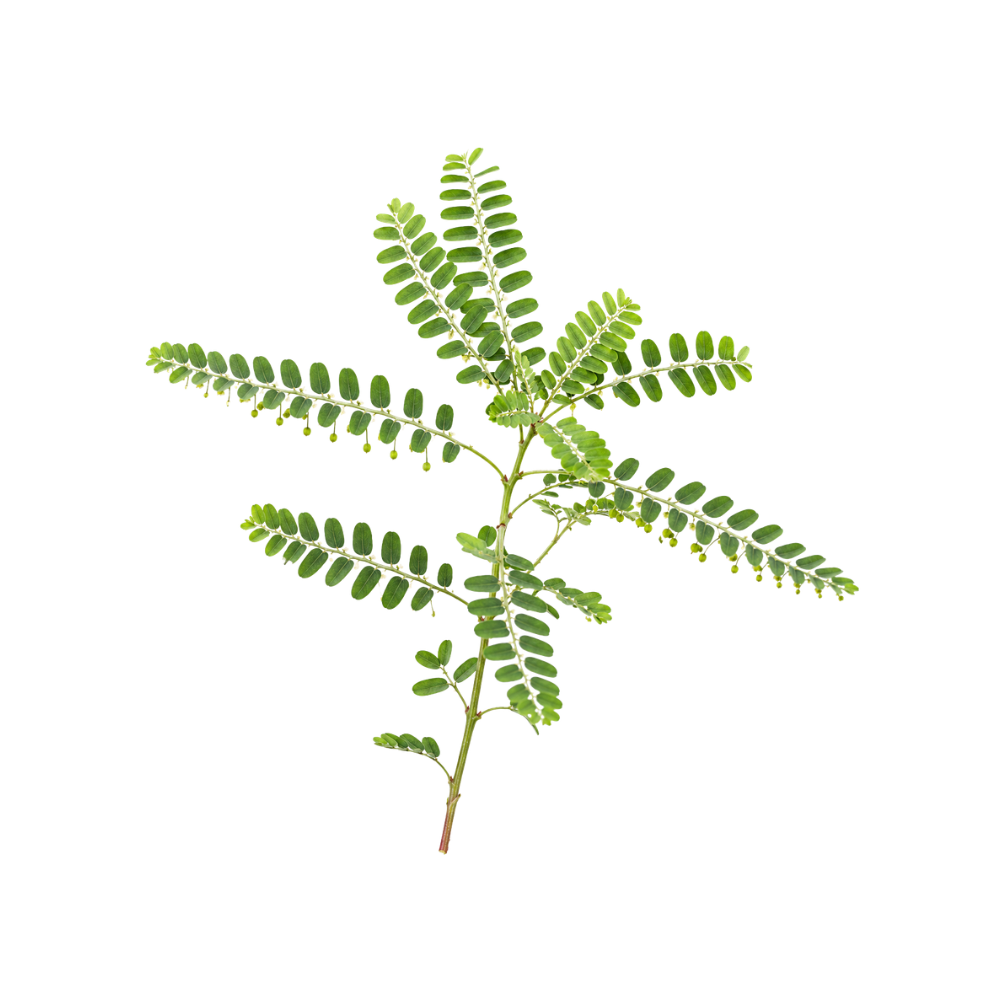 StrongStrongChanca PiedraPhyllanthus niruriRaised urinary uric-acid excretion 1.7-fold in hyperuricaemic rats through its lignans phyllanthin and hypophyllanthin, and lowered urinary uric acid in hyperuricosuric stone formers in a prospective cohort.Mechanismurinary uric-acid excretion raised 1.7-fold in hyperuricemic rats; lignan action on urate transport, with xanthine-oxidase inhibition alongsideRead the evidenceShow lessMonograph →
Chanca piedra, “stone breaker”, is the Amazonian kidney herb, and lowering uric acid by excretion is its best-mapped urate mechanism. In hyperuricaemic rats the methanol extract raised urinary uric-acid excretion 1.7-fold, with the lignans phyllanthin and hypophyllanthin acting on urate transport; phyllanthin’s effect was blocked by pyrazinamide, the signature of transporter-mediated excretion 8Reference 8In vitroMechanisms of antihyperuricemic effect of Phyllanthus niruri and its lignan constituents — animal model (rat) and in vitroView study →.
The same work found xanthine oxidase inhibition alongside, examined among the xanthine oxidase inhibitor herbs.
The human record concerns stones. A prospective randomised trial in 69 calcium-stone formers did not change stone voiding or pain, and its significant finding was lower urinary calcium in the hypercalciuric subgroup 2Reference 2RCTPhyllanthus niruri normalizes elevated urinary calcium levels in calcium stone forming patients — randomized controlled trialView study →.
A later prospective cohort of metabolic parameters in stone patients reported lower urinary uric acid in the hyperuricosuric ones 3Reference 3ObservationalEffect of Phyllanthus niruri on metabolic parameters of patients with kidney stone — prospective cohortView study →.
The animal mechanism is mapped, the randomised trial measured calcium rather than urate, and the human urate signal is uncontrolled. No trial has tested chanca piedra in gout.
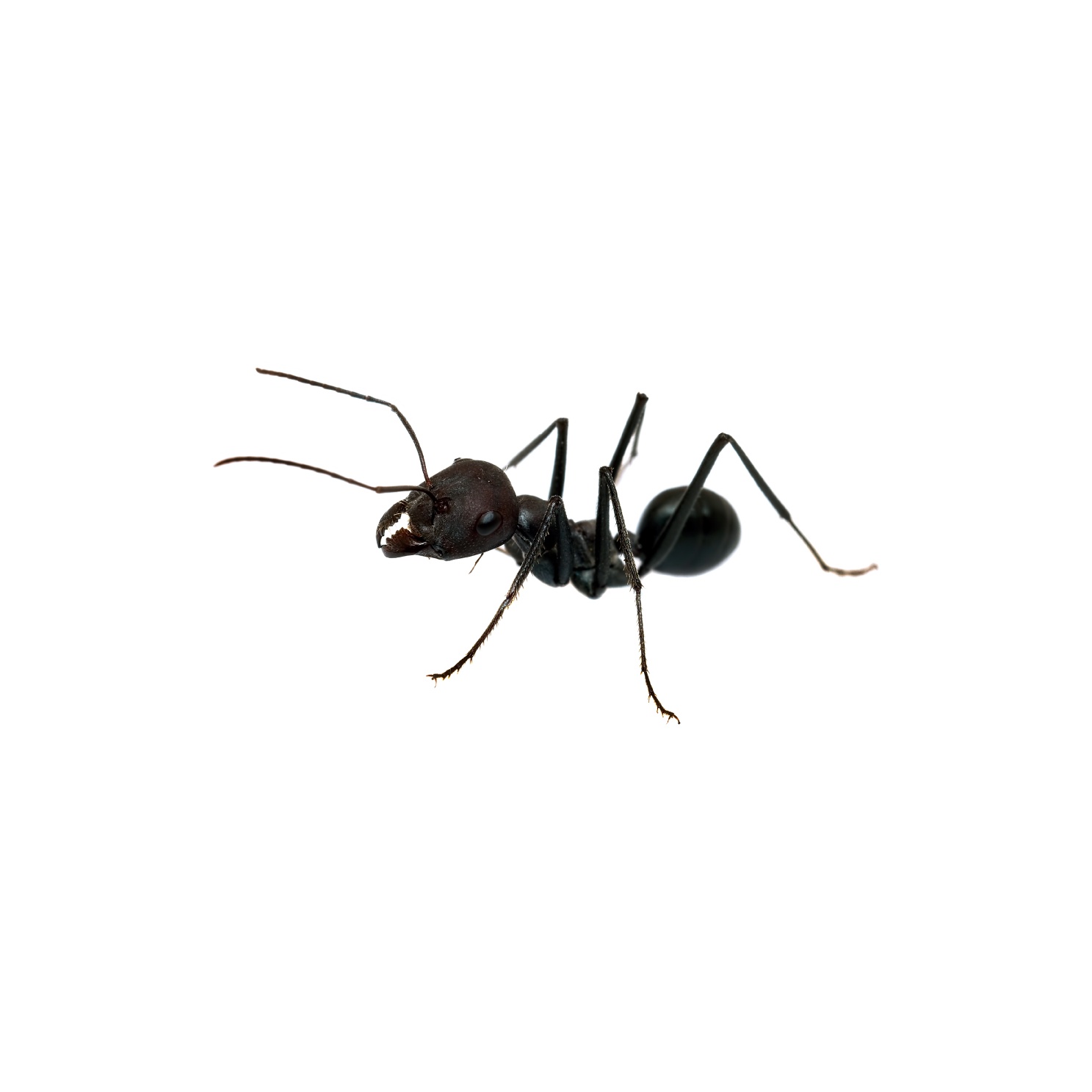 ModerateModerateBlack AntPolyrhachis spp.Down-regulated the renal urate transporters URAT1 and GLUT9 by name in a 12-week rat study, the textbook uricosuric mechanism, while inhibiting xanthine oxidase in the same animals.Mechanismrenal urate transporters URAT1 and GLUT9 down-regulated — the most specific transporter evidence hereRead the evidenceShow lessMonograph →
In potassium-oxonate-induced hyperuricaemic rats, 12 weeks of an oral active fraction of Polyrhachis vicina down-regulated URAT1 and GLUT9, the two carriers that reabsorb urate from the filtrate back into the blood, while up-regulating the secretory transporter OAT1 9Reference 9AnimalHypouricemic and nephroprotective effects of an active fraction from Polyrhachis vicina Roger on potassium-oxonate-induced hyperuricemia in rats — animal model (rat)View study →. Suppressing those carriers is how a pharmaceutical uricosuric works, and few botanical studies name the transporters rather than reporting a lower serum urate.
The same animals showed xanthine oxidase inhibited in liver and serum, so the extract works both ends of the pathway. Creatinine and BUN improved alongside, which matters for a mechanism that pushes more urate through the kidney.
It is one rodent study of a concentrated solvent fraction, and there are no human data of any kind.
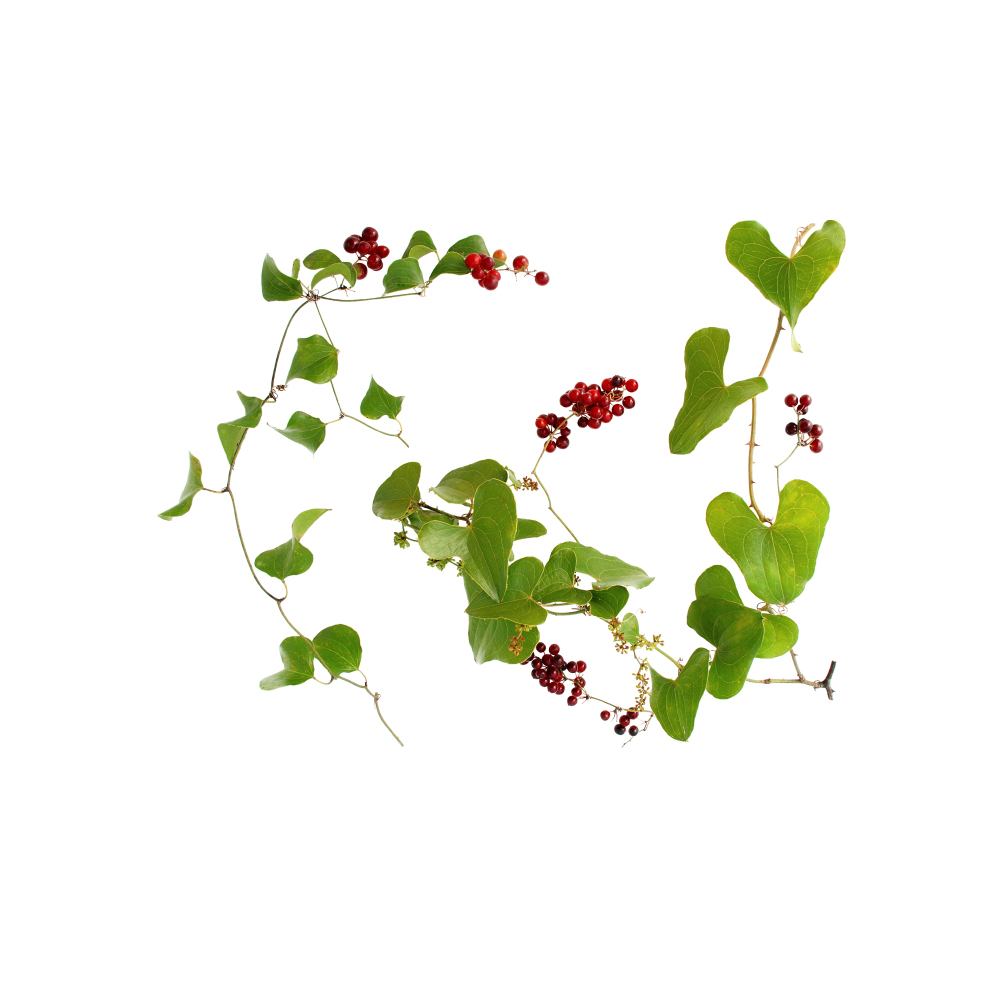 ModerateModerateSarsaparillaSmilax spp.Enhances renal urate excretion in hyperuricaemic mice across several Smilax species and research groups, with the astilbin stereoisomers acting on the renal urate transporters.Mechanismrenal urate excretion enhanced through several constituents, replicated across Smilax species and rodent modelsRead the evidenceShow lessMonograph →
Smilax china extract lowered serum uric acid in hyperuricaemic mice by enhancing renal urate excretion through several constituents alongside xanthine oxidase inhibition 5Reference 5AnimalAnti-hyperuricemic and nephroprotective effects of Smilax china L. — animal model (mouse)View study →. S. glabra (tu fu ling) extracts repeated the effect in potassium-oxonate and monosodium-urate models 6Reference 6AnimalProtective effects of Rhizoma smilacis glabrae extracts on potassium oxonate- and monosodium urate-induced hyperuricemia and gout in mice — animal model (mouse)View study →, and the four astilbin stereoisomers were tested individually and act on the renal urate transporters 7Reference 7AnimalThe anti-hyperuricemic effect of four astilbin stereoisomers in Smilax glabra on hyperuricemic mice — animal model (mouse)View study →.
Different species and different research groups reach the same result, which is more replication than any other herb here has.
No registered clinical trial of sarsaparilla as a single herb exists, and the only human uric-acid data come from a multi-ingredient granule. “Sarsaparilla” is a trade name spanning several Smilax species, so the species carrying the evidence may not be the species in the packet.
Show 3 more herbs with a mild uricosuric action
MildCeleryApium graveolensCelery seed is a traditional Western and Ayurvedic gout remedy taken as a diuretic; its measured mechanism is xanthine oxidase inhibition, and urate excretion has not been measured.Mechanismxanthine oxidase inhibition; serum uric acid ↓ (hyperuricaemic mouse); excretion unmeasuredRead the evidenceShow less
Celery seed, the ajmoda of Ayurveda, is a warming diuretic seed given for gout, rheumatic complaints and fluid retention, often with juniper or nettle. The gout use is its oldest and most specific.
Celery extract inhibits xanthine oxidase and lowers serum uric acid in hyperuricaemic mice 10Reference 10AnimalInhibitory effects of Apium graveolens on xanthine oxidase activity and serum uric acid levels in hyperuricemic mice — animal model (mouse)View study →, a production mechanism examined in full among the xanthine oxidase inhibitor herbs. No study has measured urinary urate excretion with celery.
There is no monotherapy human trial for gout.
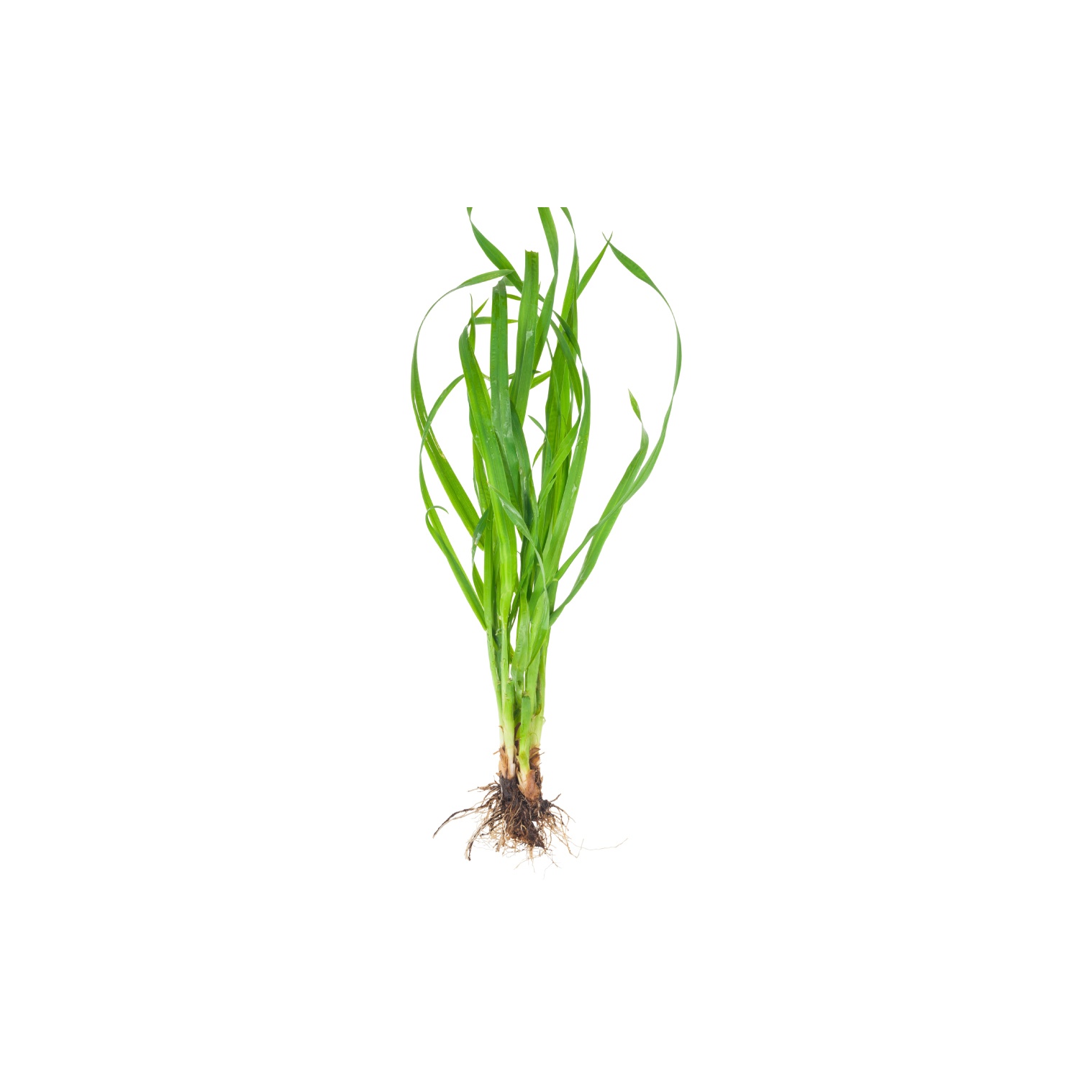 MildMildCouchgrassElymus repensA traditional Western gout remedy with centuries of use; the proposed mechanism is osmotic diuresis from mannitol, inositol and triticin, and urate has never been measured.Mechanismosmotic diuresis from mannitol and fructans; urate unmeasuredRead the evidenceShow lessMonograph →
Couchgrass rhizome has centuries of Western herbal use for gout and rheumatic complaints and remains one of the better-known folk gout remedies 4Reference 4Systematic reviewElymus repens (L.) Gould phytochemistry, pharmacological activities and therapeutic potential — systematic reviewView study →. The proposed mechanism is osmotic diuresis from mannitol, inositol and the fructan triticin.
Passing more water is not the same as excreting more urate. Diluting the urine changes concentration rather than total clearance, and nothing in the couchgrass literature measures urate: no serum level, no fractional excretion, no hyperuricaemia model.
A registered randomised placebo-controlled study (n=82) tested Agropyron with mannitol and magnesium for upper-urinary-tract stone volume, a combination with a stone endpoint rather than a urate one. The demulcent and flushing effect is examined among the urinary demulcent herbs.
MildTart CherryPrunus cerasusLowers serum uric acid modestly across four pooled trials, and a standardised extract cut plasma urate by 37% in four weeks; sweet cherries raised urinary urate excretion in healthy women, the one direct excretion measurement.Mechanismserum urate ↓ (small pooled effect); urinary urate excretion ↑ shown for sweet cherry; anthocyanin-led, route not establishedRead the evidenceShow less
Cherries, sweet and sour alike, carry an old North American and European folk reputation for gout, and the modern urate studies were designed to test it. A 2026 meta-analysis of four RCTs (392 participants) found tart cherry modestly lowered serum uric acid against control (SMD −0.22) with substantial heterogeneity 11Reference 11Meta-analysisTart cherry intake and serum uric acid — meta-analysis of randomised controlled trials and evidence from network pharmacologyView study →.
A crossover in overweight adults found 240 mL/day of juice reduced urate 12Reference 12RCTConsumption of 100% tart cherry juice reduces serum urate in overweight and obese adults — randomised placebo-controlled crossover trialView study →, and a 2026 trial found four weeks of a standardised 500 mg extract cut plasma urate by 37.4% and CRP by 23% 13Reference 13RCTEffects of tart cherry extract supplementation on plasma urate and C-reactive protein levels in healthy adults — randomised controlled trialView study →.
The direct excretion evidence is for sweet cherries. In ten healthy women, two servings of Bing cherries lowered plasma urate and raised urinary urate excretion within three to five hours 16Reference 16Consumption of cherries lowers plasma urate in healthy women — human, acute (sweet cherry)View study →.
The acute tart-cherry studies are often null: a single juice dose gave only a short-lived dip of about 8% with no CRP change 15Reference 15RCTAcute ingestion of Montmorency tart cherry reduces serum uric acid but has no impact on high sensitivity C-reactive protein or oxidative capacity — randomised controlled trialView study →, and a controlled crossover found no acute effect on urate, vascular function or inflammation 17Reference 17RCTTart cherry juice has no acute effects on uric acid, vascular function and inflammation — randomised crossover trialView study →. In a 282-patient gout RCT, adding cherry to a citrate mixture did not improve urate lowering beyond citrate alone, though it further reduced CRP and albuminuria 14Reference 14RCTEfficacy and safety of tart cherry supplementary citrate mixture on gout patients — prospective randomised controlled studyView study →.
No herbs match these filters.
Safety
- The uricosuric route raises urate-stone risk, so it needs high fluid intake and is the wrong mechanism for anyone who already forms uric-acid stones.
- Reduced kidney function is not a setting for herbal urate lowering.
- Starting or changing urate-lowering treatment during an attack can prolong it, and acute gout is treated with anti-inflammatories.
- A hot, swollen, painful joint needs a diagnosis before treatment, because septic arthritis and pseudogout present the same way.
- No uricosuric herb has a controlled human urate trial, and none replaces urate-lowering medication.
References
- Shi, Y., & Williamson, G. (2016). Quercetin lowers plasma uric acid in pre-hyperuricaemic males — randomised, double-blinded, placebo-controlled, cross-over trial (n=22). British Journal of Nutrition, 115(5), 800–806. https://pubmed.ncbi.nlm.nih.gov/26785820/
- Nishiura, J. L., et al. (2004). Phyllanthus niruri normalizes elevated urinary calcium levels in calcium stone forming patients — randomized controlled trial. Urological Research. https://pubmed.ncbi.nlm.nih.gov/15221244/
- Pucci, N. D., et al. (2018). Effect of Phyllanthus niruri on metabolic parameters of patients with kidney stone — prospective cohort. International Brazilian Journal of Urology. https://pubmed.ncbi.nlm.nih.gov/29617079/
- Zhakipbekov, K. S., Serikbayeva, E. A., Tleubayeva, M. I., et al. (2026). Elymus repens (L.) Gould phytochemistry, pharmacological activities and therapeutic potential — systematic review. International Journal of Molecular Sciences. https://pubmed.ncbi.nlm.nih.gov/42278456/
- Chen, L., Yin, H., Lan, Z., et al. (2011). Anti-hyperuricemic and nephroprotective effects of Smilax china L. — animal model (mouse). Journal of Ethnopharmacology. https://pubmed.ncbi.nlm.nih.gov/21420478/
- Liang, G., Nie, Y., Chang, Y., et al. (2019). Protective effects of Rhizoma smilacis glabrae extracts on potassium oxonate- and monosodium urate-induced hyperuricemia and gout in mice — animal model (mouse). Phytomedicine. https://pubmed.ncbi.nlm.nih.gov/31005813/
- Huang, L., Deng, J., Chen, G., et al. (2019). The anti-hyperuricemic effect of four astilbin stereoisomers in Smilax glabra on hyperuricemic mice — animal model (mouse). Journal of Ethnopharmacology. https://pubmed.ncbi.nlm.nih.gov/30851369/
- Murugaiyah, V., & Chan, K. L. (2009). Mechanisms of antihyperuricemic effect of Phyllanthus niruri and its lignan constituents — animal model (rat) and in vitro. Journal of Ethnopharmacology. https://pubmed.ncbi.nlm.nih.gov/19397979/
- Su, Q., Su, H., Nong, Z., et al. (2018). Hypouricemic and nephroprotective effects of an active fraction from Polyrhachis vicina Roger on potassium-oxonate-induced hyperuricemia in rats — animal model (rat). Kidney & Blood Pressure Research. https://pubmed.ncbi.nlm.nih.gov/29490297/
- Dolati, K., Rakhshandeh, H., Golestani, M., et al. (2018). Inhibitory effects of Apium graveolens on xanthine oxidase activity and serum uric acid levels in hyperuricemic mice — animal model (mouse). Preventive Nutrition and Food Science. https://pubmed.ncbi.nlm.nih.gov/30018891/
- Zhang, Z., Feng, Z., Yan, W., et al. (2026). Tart cherry intake and serum uric acid — meta-analysis of randomised controlled trials and evidence from network pharmacology. Asia Pacific Journal of Clinical Nutrition. https://pubmed.ncbi.nlm.nih.gov/42242852/
- Martin, K. R., & Coles, K. M. (2019). Consumption of 100% tart cherry juice reduces serum urate in overweight and obese adults — randomised placebo-controlled crossover trial. Current Developments in Nutrition. https://pubmed.ncbi.nlm.nih.gov/31037275/
- Jäger, R., Purpura, M., Balcombe, S. T., et al. (2026). Effects of tart cherry extract supplementation on plasma urate and C-reactive protein levels in healthy adults — randomised controlled trial. Journal of Dietary Supplements. https://pubmed.ncbi.nlm.nih.gov/41247121/
- Wang, C., Sun, W., Dalbeth, N., et al. (2023). Efficacy and safety of tart cherry supplementary citrate mixture on gout patients — prospective randomised controlled study. Arthritis Research & Therapy. https://pubmed.ncbi.nlm.nih.gov/37679816/
- Hillman, A. R., & Uhranowsky, K. (2021). Acute ingestion of Montmorency tart cherry reduces serum uric acid but has no impact on high sensitivity C-reactive protein or oxidative capacity — randomised controlled trial. Plant Foods for Human Nutrition. https://pubmed.ncbi.nlm.nih.gov/33506357/
- Jacob, R. A., Spinozzi, G. M., Simon, V. A., et al. (2003). Consumption of cherries lowers plasma urate in healthy women — human, acute (sweet cherry). Journal of Nutrition, 133(6), 1826–1829. https://pubmed.ncbi.nlm.nih.gov/12771324/
- Lamb, K. L., & Lynn, A. (2026). Tart cherry juice has no acute effects on uric acid, vascular function and inflammation — randomised crossover trial. Nutrition and Health. https://pubmed.ncbi.nlm.nih.gov/41604330/
Keep Exploring