

Overview
Estrogenic at a Glance
Estrogenic herbs increase estrogen-like signalling, usually through plant compounds that can bind to estrogen receptors.
Most contain phytoestrogens — molecules that act much more weakly than estradiol but can still influence estrogen-responsive tissues.
Their effect depends partly on the hormonal environment.
When endogenous estrogen is low, a weak phytoestrogen can add to the overall signal. When estrogen levels are higher, the same compound may compete with estradiol at the receptor and reduce the strength of the response.
Receptor subtype matters as well.
ERα is prominent in tissues such as the breast and uterus, while ERβ is more important in bone, brain, and blood vessels. Some phytoestrogens show a preference for one subtype, which can change where their effects are most noticeable.
Hops contains 8-prenylnaringenin, one of the most potent known phytoestrogens.
Fennel, fenugreek, red clover, and licorice are other commonly used estrogenic herbs, although the strength and quality of evidence varies considerably between them.
Estrogenic herbs are used mainly for menopausal symptoms, menstrual complaints, and other situations associated with reduced estrogen signalling.
The tradition is older than the hormone. Fennel and anise were given to bring on a delayed period and to increase a nursing mother’s milk, and Culpeper records both uses for fennel in 1653.
It helps also to bring down the courses, and to cleanse the parts after delivery.
Nicholas Culpeper, The Complete Herbal, 1653, on fennel
Dong quai, shatavari and wild yam are among the most widely used women’s herbs in the world, and all three carry an estrogenic reputation from long practice rather than from measurement. Wild yam is the one where a placebo-controlled trial looked for a hormonal change and found none.
Caution
Not with estrogen-sensitive conditions — these herbs are avoided in estrogen-receptor-positive breast, uterine and ovarian cancer and in endometriosis.
Adds to hormone therapy — anyone taking hormone therapy or an oral contraceptive should count these herbs as added hormonal signal.
Not in pregnancy — therapeutic doses are inappropriate in pregnancy, although culinary and flavouring amounts are a different matter.
Mechanisms
How It Works
01
Estrogen-Receptor Agonism
A plant compound shaped closely enough like estradiol occupies the estrogen receptor and triggers the same downstream signalling.
Hops carries the strongest example. Its prenylflavonoid 8-prenylnaringenin competes with estradiol at both receptor subtypes, while the related hop flavonoids carry under 1% of that activity.
Fennel’s anethole dimers behave as receptor-like ligands in isolated tissue, and inhibit prostaglandin E₂ in the uterus.
This is the same mechanism as estrogen therapy, at a much lower affinity and from an extract whose content is not fixed. Hormone therapy delivers a known dose of a known molecule; a plant extract does neither unless it has been standardised.
Key compounds: 8-PrenylnaringeninDianetholeEstragole
02
Receptor-Subtype Selectivity
Preferring one estrogen receptor over the other separates the tissue a herb acts on from the tissue it does not.
8-Prenylnaringenin’s osteoblast and osteoclast effects run mainly through ERβ, and in ovariectomised rats it prevented bone loss with minimal stimulation of the uterus. That is the profile the SERM drugs were designed for, arrived at by chemistry rather than by design.
Selectivity is relative, not absolute. A compound that prefers ERβ still binds ERα, and none of these herbs has been tested for endometrial safety over the years a hormone therapy would be taken.
Herbs: Hops
Key compounds: 8-Prenylnaringenin
03
Unresolved Routes
Some herbs produce an estrogen-like clinical effect with no demonstrated receptor binding behind it.
Fenugreek’s is attributed to the steroidal saponin diosgenin, which displaces estradiol from the receptor in vitro but has repeatedly failed to produce a hormonal change in animals or people.
Licorice’s rests on its isoflavonoids glabridin and formononetin, and binding has never been shown for either in this context.
An unexplained clinical result and an unmeasured mechanism are different kinds of uncertainty, and both are present here.
Licorice’s better-replicated endocrine effect runs the other way, on androgens.
Key compounds: DiosgeninGlabridinFormononetin
The Molecules
Pharmacology
What actually produces an estrogenic effect at the molecular level. The herbs below carry these molecules in different combinations and amounts — which is most of why their potency differs. Roles describe how central a molecule is to the action across plants generally, not how strong any one herb is.
Chiefly Saponins1
Carries the action largely on its own — the effect is attributed to the molecule, not just the extract it came from.
Adds to a plant's effect and is often present in quantity, but rarely accounts for it alone.
Real but narrow — one pathway, one tissue, or evidence too thin to lean on.
Diosgenin Saponins Minor role Targets Estrogen receptor (ERα/ERβ, ligand displacement)
Diosgenin’s hormonal claim is a receptor claim, not a conversion claim.
It displaces [³H]estradiol from the estrogen receptor with an IC50 near 10 nM, and its downstream PI3K/Akt and p38 signalling in preosteoblasts is abolished by ICI 182,780 and tamoxifen 1Reference 1In vitroDiosgenin induces hypoxia-inducible factor-1 activation and angiogenesis through estrogen receptor-related PI3K/Akt and p38 MAPK pathways in osteoblasts — in vitro studyView study →.
Against that, a D. villosa extract standardised to 3.5% diosgenin or less showed no estrogenic activity in the juvenile rat uterotrophic assay up to 500 mg/kg/day 2Reference 2ReviewFinal report of the amended safety assessment of Dioscorea villosa (wild yam) root extract — monographView study →, and the one placebo-controlled human trial of a wild-yam cream found no change in estradiol, progesterone or FSH 3Reference 3RCTEffects of wild yam extract on menopausal symptoms, lipids and sex hormones in healthy menopausal women — double-blind, placebo-controlled crossover studyView study →.
The molecule is active in vitro and inert in vivo, and the body does not convert dietary diosgenin into human hormones.
Reported from wild-yam, fenugreek.
Materia Medica
Estrogenic Herbs by Potency
The estrogenic herbs, ordered by the relative strength of the effect rather than by how well studied it is. Each herb is described by the mechanism behind its effect and the evidence for it.
None of this is a substitute for professional care.
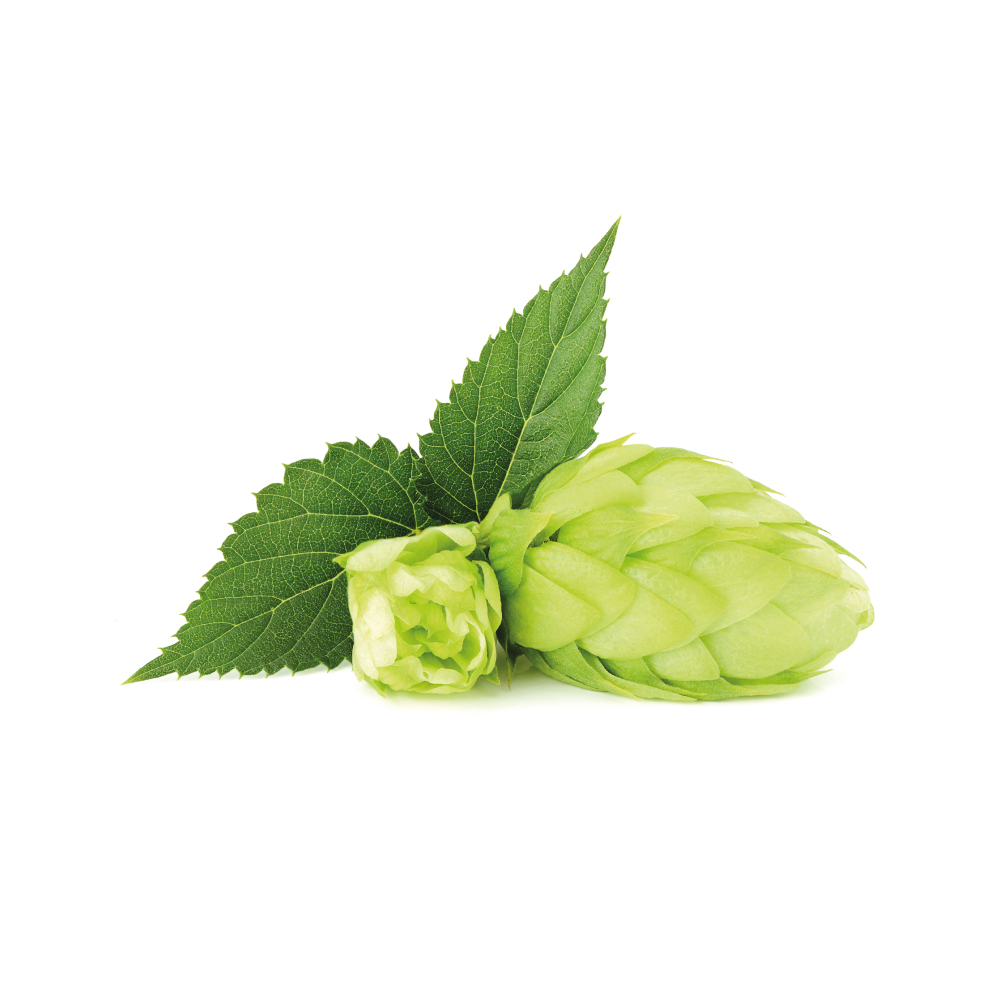 PotentPotentHopsHumulus lupulusCarries 8-prenylnaringenin, the most potent plant estrogen yet identified, which competes with 17β-estradiol at both estrogen receptors.MechanismERα/ERβ agonism (8-prenylnaringenin); ERβ-selective osteoblast signalingRead the evidenceShow lessMonograph →
8-Prenylnaringenin competes strongly with 17β-estradiol at both the α- and β-estrogen receptors, and the related hop flavonoids carry under 1% of its activity 16,
The menopause trials are mixed. A 12-week trial in 67 women found a standardised extract delivering 100 µg 8-PN a day beat placebo on the Kupperman index at 6 weeks but not 12, with no dose-response — the higher 250 µg dose was less active 18Reference 18RCTA first prospective, randomized, double-blind, placebo-controlled study on the use of a standardized hop extract to alleviate menopausal discomforts — [randomized]View study →.
A 16-week crossover in 36 women improved on both arms, marginally more on placebo 19Reference 19RCTA randomized, double-blind, placebo-controlled, cross-over pilot study on the use of a standardized hop extract to alleviate menopausal discomforts — [randomized]View study →. A 12-week trial in 120 women 20Reference 20RCTThe effect of Hop (Humulus lupulus L.) on early menopausal symptoms and hot flashes: A randomized placebo-controlled trial — [randomized]View study → and a soy–hop combination trial 21Reference 21RCTEfficacy and Safety of a Standardized Soy and Hop Extract on Menopausal Symptoms: A 12-Week, Multicenter, Randomized, Double-Blind, Placebo-Controlled Clinical Trial — [randomized]View study → were clearly positive.
The bone work is the more interesting half of the same mechanism. In ovariectomised rats 8-PN completely prevented bone loss with minimal trophic effect on the uterus 22Reference 22Tissue specificity of 8-prenylnaringenin: protection from ovariectomy induced bone loss with minimal trophic effects on the uterus — [animal]View study →, which is estrogen-like benefit to bone without the endometrial stimulation that limits hormone therapy.
Osteoblast and osteoclast culture work places the effect mainly on ERβ 23Reference 23In vitroEffects and mechanisms of 8-prenylnaringenin on osteoblast MC3T3-E1 and osteoclast-like cells RAW264.7 — [in vitro]View study →, and a one-year double-blind trial in 100 osteopenic postmenopausal women is testing an 8-PN-standardised extract with calcium and vitamin D 24Reference 24RCTEffect of a Hop Extract Standardized in 8-Prenylnaringenin on Bone Health and Gut Microbiome in Postmenopausal Women with Osteopenia: A One-Year Randomized, Double-Blind, Placebo-Controlled Trial — [randomized]View study →.
The limit is dose delivery rather than receptor potency. Every positive trial used an 8-PN-standardised extract, and 8-PN content swings several-fold between cultivars and degrades on storage 17,
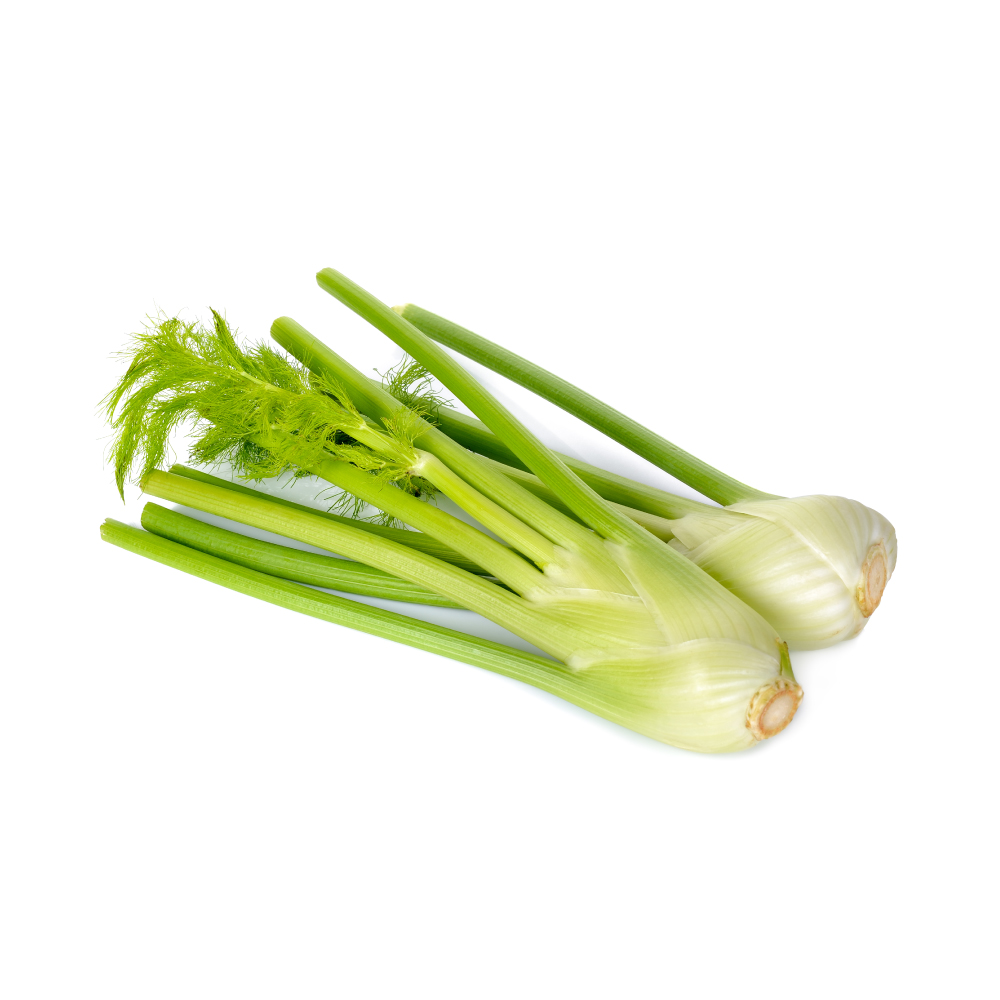 StrongStrongFennelFoeniculum vulgareEstrogenic activity underlies most of fennel's women's-health uses, and a meta-analysis of seven trials favours it for menopausal symptoms.Mechanismestrogen-receptor-like binding (dianethole, photoanethole, estragole); uterine PGE2 inhibitionRead the evidenceShow lessMonograph →
The active species are the anethole dimers dianethole and photoanethole plus estragole, which behave as estrogen-receptor-like ligands 4Reference 4ReviewFennel and anise as estrogenic agents — reviewView study →. In isolated rat uterus, fennel essential oil inhibited prostaglandin E₂ and reduced induced contractions in a pattern the authors read as estrogen-like 5Reference 5In vitroThe effect of fennel essential oil on uterine contraction as a model for dysmenorrhea — in vitro (isolated rat uterus)View study →.
Older reports describe promotion of menstruation and libido 4Reference 4ReviewFennel and anise as estrogenic agents — reviewView study →.
A 2021 meta-analysis of seven menopause trials pooled in favour of fennel for overall symptoms (SMD −1.32, 95% CI −1.76 to −0.87) with no serious adverse events 6Reference 6Meta-analysisFennel for the management of menopausal women’s health — systematic review and meta-analysisView study →. A triple-blind trial in 90 women taking 100 mg twice daily for eight weeks lowered Menopause Rating Scale scores 7Reference 7RCTEffect of fennel on menopausal symptoms in postmenopausal women — randomised, triple-blind, placebo-controlled trialView study →, and vaginal fennel creams improved atrophy and maturation indices 8Reference 8RCTEffect of fennel vaginal cream on vaginal atrophy in postmenopausal women — double-blind RCTView study →.
Topically, 1–3% extract creams reduced facial-hair diameter dose-dependently in idiopathic hirsutism, by 18.3% at 2% against 0.5% for placebo, and from about 98 to 76 µm at 3% over 24 weeks 9,
The receptor work is tissue- and animal-level, and the human magnitude has not been quantified. The benefit is also endpoint-specific: trials for sleep 11Reference 11RCTEffect of fennel on sleep quality of menopausal women — double-blind RCTView study →, serum lipids 12Reference 12RCTThe effect of short-term treatment with fennel on lipid profile in postmenopausal women — RCTView study → and depression and anxiety 13Reference 13RCTEffect of fennel on depression and anxiety in postmenopausal women — double-blind RCTView study → were null or borderline.
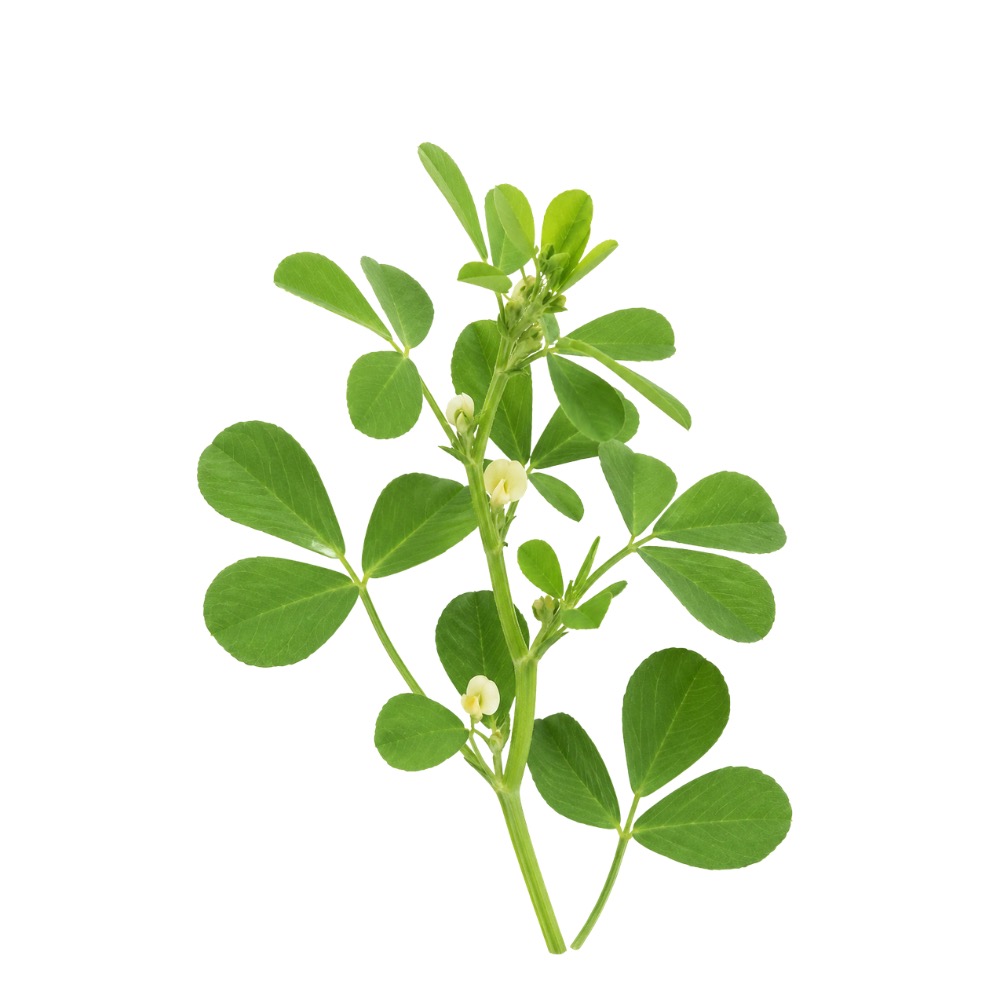 MildMildFenugreekTrigonella foenum-graecumA standardised seed extract reduced hot flushes and shifted estradiol, progesterone and FSH toward premenopausal values in perimenopausal women.Mechanismphytoestrogenic activity linked to the steroidal saponin diosgenin (proposed); estradiol / progesterone / FSH shiftRead the evidenceShow lessMonograph →
A 42-day trial of a standardised seed extract at 250 mg twice daily in perimenopausal women reduced hot flushes, night sweats, insomnia and depression scores, and moved estradiol, progesterone and FSH toward premenopausal balance with no adverse change in safety parameters 14Reference 14RCTEfficacy of a novel extract of fenugreek seeds in alleviating vasomotor symptoms and depression in perimenopausal women: A randomized, double-blinded, placebo-controlled studyView study →.
A separate randomised trial found a fenugreek vaginal cream comparable to ultra-low-dose conjugated estrogen on the Vaginal Maturation Index 15Reference 15RCTComparison of the Effects of Fenugreek Vaginal Cream and Ultra Low-Dose Estrogen on Atrophic Vaginitis — randomized controlled clinical trialView study →.
The proposed driver is phytoestrogenic activity of the steroidal saponin diosgenin. That is the same molecule invoked for fenugreek’s testosterone claim and its lipid claim, which is a reason to doubt how specific the mechanism is.
This is two small single-site trials of different preparations, oral and vaginal, with no replication. There is no long-term endometrial safety data for a herb being taken as an estrogen analogue.
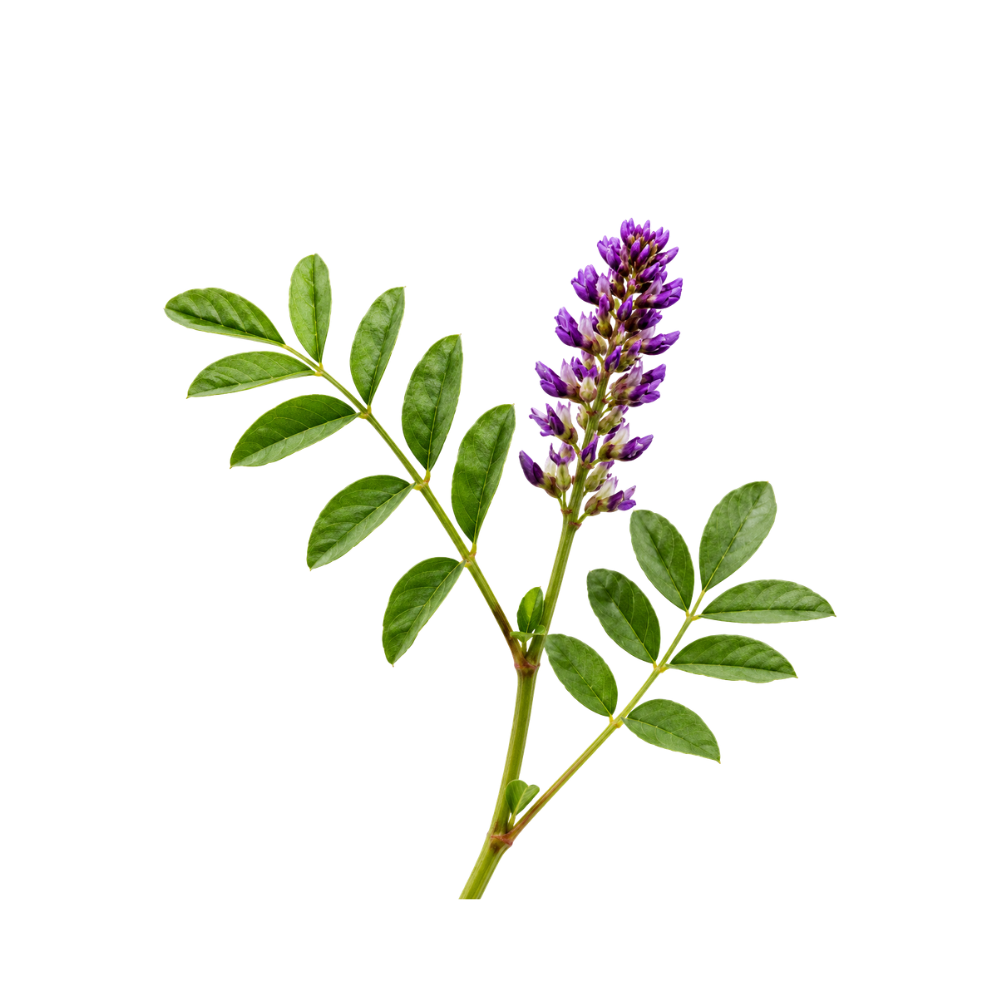 MildMildLicoriceGlycyrrhiza glabraReduced hot-flash frequency and severity in one trial of postmenopausal women; the rationale is the root's isoflavonoids, glabridin and formononetin.Mechanismisoflavonoid ER ligands (glabridin, formononetin) — receptor binding not demonstrated here; androgen-synthesis inhibition + 11β-HSD/cortisol axis (the better-evidenced endocrine route)Read the evidenceShow lessMonograph →
The clinical support is a single randomised trial in 60 postmenopausal women in which licorice reduced hot-flash frequency and severity 26Reference 26RCTEvaluation of licorice effects on reducing hot flashes in postmenopausal women — randomisedView study →. It was compared against hormone therapy with no placebo arm, which is a weak design for a symptom this placebo-responsive.
The proposed basis is the root’s phytoestrogenic isoflavonoids glabridin and formononetin. Estrogen-receptor binding has never been demonstrated for either here, and the closest mechanistic hint is indirect: glabridin inhibits serotonin reuptake in vitro in a manner resembling estradiol 27Reference 27In vitroInhibition of serotonin re-uptake by licorice constituents — in vitroView study →.
Licorice’s better-replicated endocrine effect runs in the other direction. Serum testosterone falls in men 28,
The doses large enough to move sex steroids are also the doses that bring back licorice’s hypertension and hypokalaemia risk.
No herbs match these filters.
Safety
- Estrogenic herbs are contraindicated in estrogen-receptor-positive breast cancer, uterine cancer, ovarian cancer and endometriosis.
- Anyone taking hormone therapy or an oral contraceptive should count these herbs as added hormonal signal.
- Therapeutic doses are inappropriate in pregnancy, although culinary and flavouring amounts are a different matter.
- No herb in this group has long-term endometrial safety data.
- The body does not convert dietary diosgenin into human hormones, and a wild-yam cream does not deliver progesterone.
- The action is the contraindication, so there is no dose at which the estrogenic effect is present and the risk is not.
References
- Yen ML, Su JL, Chien CL, et al. (2005). Diosgenin induces hypoxia-inducible factor-1 activation and angiogenesis through estrogen receptor-related PI3K/Akt and p38 MAPK pathways in osteoblasts — in vitro study. Molecular Pharmacology. https://pubmed.ncbi.nlm.nih.gov/15998873/
- Cosmetic Ingredient Review Expert Panel (2004). Final report of the amended safety assessment of Dioscorea villosa (wild yam) root extract — monograph. International Journal of Toxicology. https://pubmed.ncbi.nlm.nih.gov/15513824/
- Komesaroff PA, Black CV, Cable V, Sudhir K (2001). Effects of wild yam extract on menopausal symptoms, lipids and sex hormones in healthy menopausal women — double-blind, placebo-controlled crossover study. Climacteric. https://pubmed.ncbi.nlm.nih.gov/11428178/
- Albert-Puleo, M. (1980). Fennel and anise as estrogenic agents — review. Journal of Ethnopharmacology. https://pubmed.ncbi.nlm.nih.gov/6999244/
- Ostad, S. N., et al. (2001). The effect of fennel essential oil on uterine contraction as a model for dysmenorrhea — in vitro (isolated rat uterus). Journal of Ethnopharmacology. https://pubmed.ncbi.nlm.nih.gov/11448553/
- Lee, H. W., et al. (2021). Fennel for the management of menopausal women’s health — systematic review and meta-analysis. Complementary Therapies in Clinical Practice. https://pubmed.ncbi.nlm.nih.gov/33725577/
- Rahimikian, F., et al. (2017). Effect of fennel on menopausal symptoms in postmenopausal women — randomised, triple-blind, placebo-controlled trial. Menopause. https://pubmed.ncbi.nlm.nih.gov/28509813/
- Yaralizadeh, M., et al. (2016). Effect of fennel vaginal cream on vaginal atrophy in postmenopausal women — double-blind RCT. Maturitas. https://pubmed.ncbi.nlm.nih.gov/26617271/
- Javidnia, K., et al. (2003). Antihirsutism activity of fennel extract — double-blind placebo-controlled study. Phytomedicine. https://pubmed.ncbi.nlm.nih.gov/13678227/
- Akha, O., et al. (2014). Effect of fennel gel 3% in decreasing hair thickness in idiopathic mild-to-moderate hirsutism — RCT. Caspian Journal of Internal Medicine. https://pubmed.ncbi.nlm.nih.gov/24490010/
- Afiat, M., et al. (2018). Effect of fennel on sleep quality of menopausal women — double-blind RCT. Journal of Menopausal Medicine. https://pubmed.ncbi.nlm.nih.gov/30671414/
- Afiat, M., et al. (2018). The effect of short-term treatment with fennel on lipid profile in postmenopausal women — RCT. Journal of Menopausal Medicine. https://pubmed.ncbi.nlm.nih.gov/29765924/
- Ghazanfarpour, M., et al. (2018). Effect of fennel on depression and anxiety in postmenopausal women — double-blind RCT. Journal of Obstetrics and Gynaecology. https://pubmed.ncbi.nlm.nih.gov/28891367/
- Khanna, A., et al. (2020). Efficacy of a novel extract of fenugreek seeds in alleviating vasomotor symptoms and depression in perimenopausal women: A randomized, double-blinded, placebo-controlled study. J Food Biochem. https://pubmed.ncbi.nlm.nih.gov/33025616/
- Safary, M., et al. (2020). Comparison of the Effects of Fenugreek Vaginal Cream and Ultra Low-Dose Estrogen on Atrophic Vaginitis — randomized controlled clinical trial. Curr Drug Deliv. https://pubmed.ncbi.nlm.nih.gov/32640956/
- Milligan SR, Kalita JC, Pocock V, Van De Kauter V, Stevens JF, Deinzer ML, et al. (2000). The endocrine activities of 8-prenylnaringenin and related hop (Humulus lupulus L.) flavonoids — [in vitro]. J Clin Endocrinol Metab, 85(12), 4912-5. https://pubmed.ncbi.nlm.nih.gov/11134162/
- Tronina T, Popłoński J, & Bartmańska A (2020). Flavonoids as Phytoestrogenic Components of Hops and Beer — [review]. Molecules, 25(18). https://pubmed.ncbi.nlm.nih.gov/32937790/
- Heyerick A, Vervarcke S, Depypere H, Bracke M, & De Keukeleire D (2006). A first prospective, randomized, double-blind, placebo-controlled study on the use of a standardized hop extract to alleviate menopausal discomforts — [randomized]. Maturitas, 54(2), 164-75. https://pubmed.ncbi.nlm.nih.gov/16321485/
- Erkkola R, Vervarcke S, Vansteelandt S, Rompotti P, De Keukeleire D, & Heyerick A (2010). A randomized, double-blind, placebo-controlled, cross-over pilot study on the use of a standardized hop extract to alleviate menopausal discomforts — [randomized]. Phytomedicine, 17(6), 389-96. https://pubmed.ncbi.nlm.nih.gov/20167461/
- Aghamiri V, Mirghafourvand M, Mohammad-Alizadeh-Charandabi S, & Nazemiyeh H (2016). The effect of Hop (Humulus lupulus L.) on early menopausal symptoms and hot flashes: A randomized placebo-controlled trial — [randomized]. Complement Ther Clin Pract, 23, 130-5. https://pubmed.ncbi.nlm.nih.gov/25982391/
- Kim HI, Kim MK, Lee I, Yun J, Kim EH, & Seo SK (2021). Efficacy and Safety of a Standardized Soy and Hop Extract on Menopausal Symptoms: A 12-Week, Multicenter, Randomized, Double-Blind, Placebo-Controlled Clinical Trial — [randomized]. J Altern Complement Med, 27(11), 959-967. https://pubmed.ncbi.nlm.nih.gov/34399063/
- Hümpel M, Isaksson P, Schaefer O, Kaufmann U, Ciana P, Maggi A, et al. (2005). Tissue specificity of 8-prenylnaringenin: protection from ovariectomy induced bone loss with minimal trophic effects on the uterus — [animal]. J Steroid Biochem Mol Biol, 97(3), 299-305. https://pubmed.ncbi.nlm.nih.gov/16153822/
- Luo D, Kang L, Ma Y, Chen H, Kuang H, Huang Q, et al. (2014). Effects and mechanisms of 8-prenylnaringenin on osteoblast MC3T3-E1 and osteoclast-like cells RAW264.7 — [in vitro]. Food Sci Nutr, 2(4), 341-50. https://pubmed.ncbi.nlm.nih.gov/25473491/
- Lecomte M, Tomassi D, Rizzoli R, Tenon M, Berton T, Harney S, et al. (2023). Effect of a Hop Extract Standardized in 8-Prenylnaringenin on Bone Health and Gut Microbiome in Postmenopausal Women with Osteopenia: A One-Year Randomized, Double-Blind, Placebo-Controlled Trial — [randomized]. Nutrients, 15(12). https://pubmed.ncbi.nlm.nih.gov/37375599/
- Stevens JF, & Page JE (2004). Xanthohumol and related prenylflavonoids from hops and beer: to your good health! — [review]. Phytochemistry, 65(10), 1317-30. https://pubmed.ncbi.nlm.nih.gov/15231405/
- Menati L, et al. (2014). Evaluation of licorice effects on reducing hot flashes in postmenopausal women — randomised. Health Care for Women International. https://pubmed.ncbi.nlm.nih.gov/23663094/
- Ofir R, et al. (2003). Inhibition of serotonin re-uptake by licorice constituents — in vitro. Journal of Molecular Neuroscience. https://pubmed.ncbi.nlm.nih.gov/12794307/
- Armanini D, et al. (1999). Reduction of serum testosterone in men by licorice — clinical trial. New England Journal of Medicine. https://pubmed.ncbi.nlm.nih.gov/10515764/
- Armanini D, et al. (2003). Licorice consumption and serum testosterone in healthy man — clinical trial. Experimental and Clinical Endocrinology & Diabetes. https://pubmed.ncbi.nlm.nih.gov/14520600/
- Armanini D, et al. (2004). Licorice reduces serum testosterone in healthy women — clinical trial. Steroids. https://pubmed.ncbi.nlm.nih.gov/15579328/
- Sigurjonsdottir HA, et al. (2006). Liquorice in moderate doses does not affect sex steroid hormones of biological importance — clinical trial. Hormone Research. https://pubmed.ncbi.nlm.nih.gov/16462145/
Keep Exploring