

Overview
Circulatory-Stimulant at a Glance
Circulatory stimulants are warming herbs used for cold hands and feet, poor peripheral circulation, and a general sense of sluggish blood flow.
The category is partly traditional and partly physiological.
Many of the classic herbs — ginger, cayenne, mustard, cinnamon, and prickly ash — create warmth and flushing by stimulating sensory receptors in the skin and tissues.
That sensation can reflect local vasodilation, especially with pungent herbs such as cayenne and ginger.
But feeling warmer is not always the same as increasing blood flow to the extremities.
Some herbs classed as circulatory stimulants have clearer vascular effects through other routes. Garlic, ginkgo, and notoginseng can improve aspects of microcirculation or reduce platelet aggregation, helping blood move more freely through small vessels.
This makes the action overlap with rubefacients, vasodilators, and antiplatelet herbs.
Traditionally, circulatory stimulants are used where the person feels cold, sluggish, or poorly perfused, especially in the hands and feet.
To use it both inwardly and outwardly, to rub the nostrils, forehead and temples, to warm and quicken the spirits.
Nicholas Culpeper, The Complete Herbal, 1653, on mustard seed
Caution
Adds to blood thinners — the herbs with real vascular evidence are antiplatelet, so they add to aspirin, clopidogrel, warfarin, the DOACs and other drugs that raise bleeding risk.
Stop before surgery — stop antiplatelet herbs one to two weeks before surgery or dental work.
Get painful cold hands checked — persistent cold extremities with pain, colour change, numbness or ulceration need vascular assessment rather than a warming herb.
Mechanisms
How It Works
01
Pungency and Sensory Warmth
The pungent principles activate the sensory channels for heat and irritation, which produces warmth and a local flush in the skin.
Capsaicin acts at TRPV1, gingerols at TRPV1 and TRPA1, and polygodial at both. Applied to the skin these produce genuine local vasodilation, which is what a rubefacient does.
This is a sensation and a surface effect. Neither has been shown to increase blood flow to a cold hand or foot, and no perfusion or thermographic measurement of any herb here exists.
Herbs: Ginger
Key compounds: Capsaicin6-Gingerol
02
Platelet Inhibition and Blood Rheology
Thinner blood moves more easily through narrow vessels, which is a circulatory effect achieved by changing what flows rather than by widening the pipe.
Notoginseng’s saponins lower the maximum platelet-aggregation rate across a large trial literature, and a 3,072-patient trial found better functional outcomes after ischaemic stroke.
Garlic’s thiosulfinates suppress thromboxane synthesis and slowed plaque and carotid wall thickening over months.
Ginkgo’s ginkgolide B antagonises platelet-activating factor and improves microcirculatory flow.
This is the mechanism aspirin uses, and it is anti-thrombotic rather than stimulant. The herbs with the best evidence here therefore carry a bleeding risk rather than a pressor one.
Herbs: GarlicGinkgoNotoginseng
Key compounds: Ginsenoside Rg1Ginsenoside Rb1Ginkgolide BAllicin
03
Coronary and Peripheral Perfusion
Widening the small vessels raises the volume of blood a tissue receives, which is the nearest mechanism here to what the category name claims.
Hawthorn’s oligomeric procyanidins phosphorylate eNOS and produce nitric-oxide-mediated relaxation, and older studies reported improved coronary flow after oral dosing in dogs.
A vasodilator lowers resistance rather than driving flow outward, so this is a different agent from the one the traditional category describes.
The same finding is examined as vasodilator and coronary vasodilator.
Herbs: Hawthorn
Key compounds: Quercetin
The Molecules
Pharmacology
What actually produces a circulatory stimulant effect at the molecular level. The herbs below carry these molecules in different combinations and amounts — which is most of why their potency differs. Roles describe how central a molecule is to the action across plants generally, not how strong any one herb is.
Chiefly Amines & Protoalkaloids1
Carries the action largely on its own — the effect is attributed to the molecule, not just the extract it came from.
Adds to a plant's effect and is often present in quantity, but rarely accounts for it alone.
Real but narrow — one pathway, one tissue, or evidence too thin to lean on.
Tyramine Amines & Protoalkaloids Minor role Targets Sympathetic noradrenaline release
The same displacement mechanism read as a whole-circulation effect: transient sympathetic activation with rise in blood pressure and palpitations 1,
A minor contributor at most — no herb supplies enough free tyramine for this to be a meaningful contribution to its traditional circulatory action, and no quantified tyramine figure exists for any of them 3,
Where a herb’s “circulatory stimulant” tag is justified by amine content, the justification is constituent-level inference, not measured exposure.
Reported from broom, shepherds-purse.
Materia Medica
Circulatory-Stimulant Herbs by Potency
The circulatory stimulant herbs, ordered by the relative strength of the effect rather than by how well studied it is. Each herb is described by the mechanism behind its effect and the evidence for it.
None of this is a substitute for professional care.
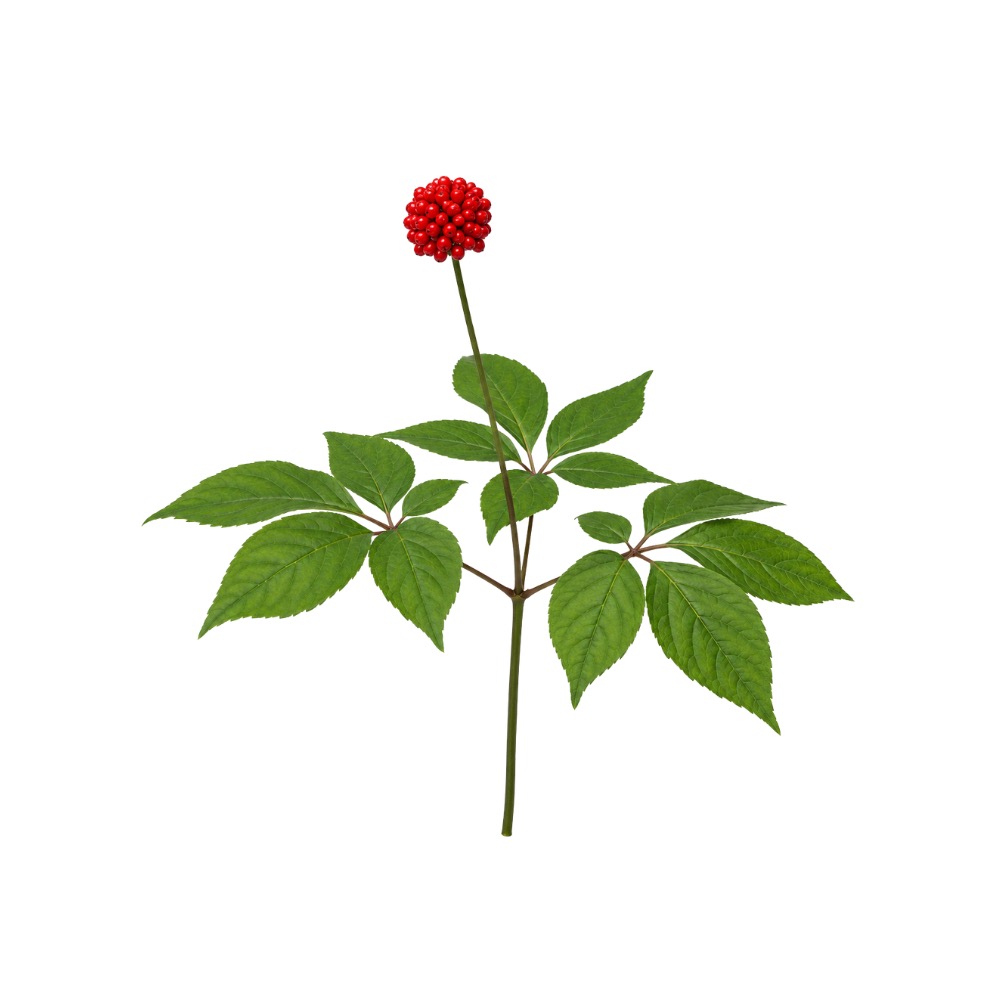 PotentPotentNotoginsengPanax notoginsengGinsenosides Rg1 and Rb1 lower platelet aggregation, thinning the blood so it moves more easily, and a 3,072-patient trial found better recovery after ischaemic stroke.Mechanismplatelet-aggregation ↓ / TXB₂ ↓ (ginsenoside Rg1, ginsenoside Rb1); arachidonic-acid pathway modulationRead the evidenceShow lessMonograph →
A meta-analysis of 36 randomised trials found Panax notoginseng saponin preparations lowered the maximum platelet-aggregation rate against placebo and non-antiplatelet comparators, and added to conventional antiplatelet drugs 15Reference 15Meta-analysisEffect of Panax notoginseng preparations on platelet function — a meta-analysis of 36 randomised controlled trialsView study →. A 2022 meta-analysis confirmed the saponins plus aspirin reduced aggregation and coagulation markers further in coronary heart disease and ischaemic stroke 16Reference 16Meta-analysisPanax notoginseng preparation plus aspirin versus aspirin alone on platelet aggregation and coagulation in coronary heart disease or ischemic stroke — a meta-analysisView study →, and an assessor-blinded trial in 42 patients found the combination deepened platelet inhibition while reducing aspirin-associated gastric injury 17Reference 17RCTCombination of Panax notoginseng saponins and aspirin potentiates platelet inhibition with alleviated gastric injury — a randomised, assessor-blinded trialView study →.
The clinical read is unusually strong for this field. A 2023 multicentre double-blind placebo-controlled trial across 67 centres in 3,072 patients, giving Xuesaitong soft capsule 120 mg twice daily for three months, put 89.3% against 82.4% of ischaemic-stroke patients at a modified Rankin score of 0 to 2, an odds ratio of 1.95 18Reference 18RCTEfficacy and Safety of Panax notoginseng Saponins in the Treatment of Adults With Ischemic Stroke in China — a multicentre, double-blind, placebo-controlled randomised clinical trialView study →.
The dammarane saponins ginsenoside Rg1 and ginsenoside Rb1 are the implicated constituents, and this is the “moves blood stasis” half of san qi.
The antiplatelet endpoint is a pharmacodynamic surrogate rather than a thrombotic event, and the effect belongs to standardised saponin preparations rather than to the crude powder.
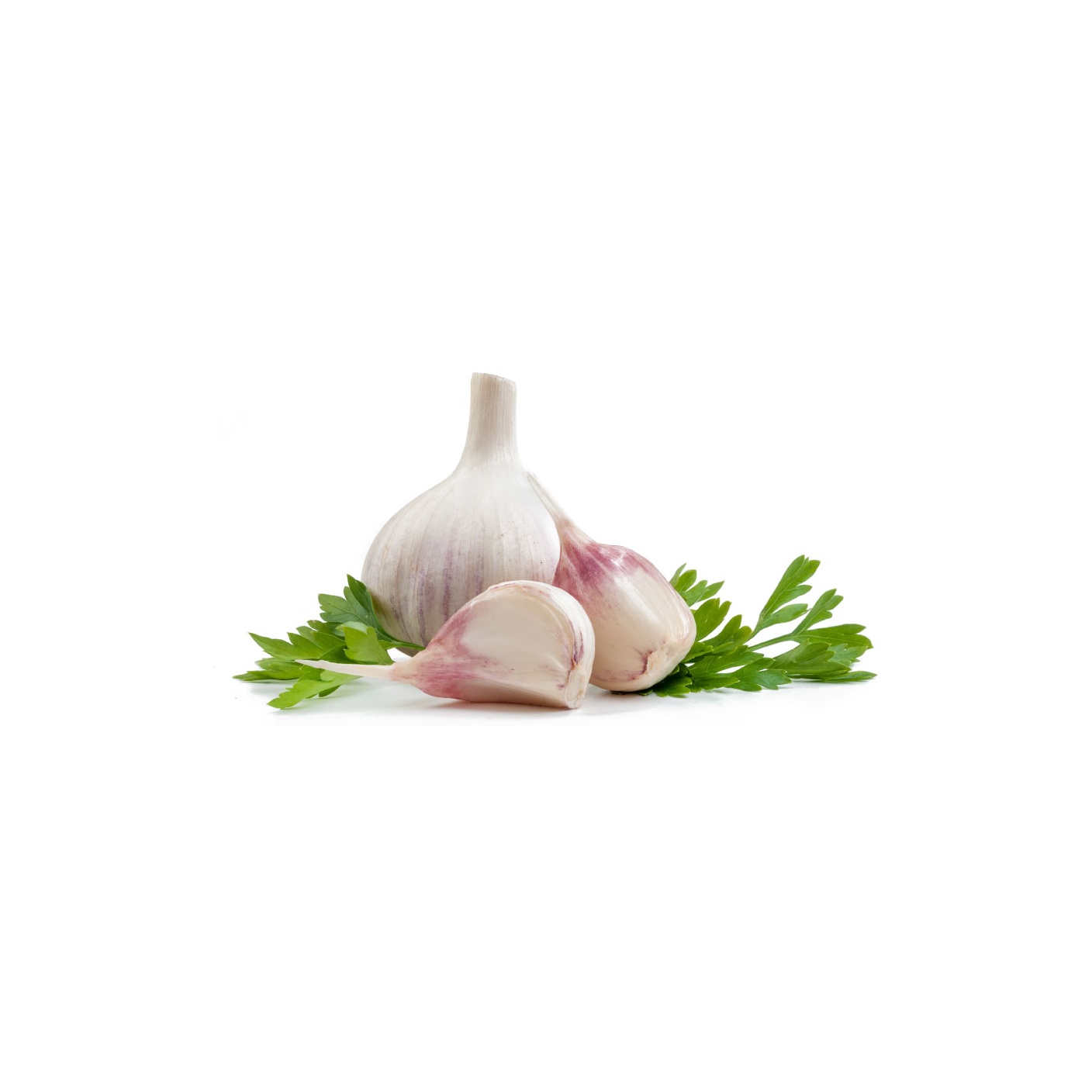 ModerateModerateGarlicAllium sativumThe warming circulatory herb of Western and Ayurvedic practice; what the trials show is slower arterial disease and thinner blood rather than a push to the periphery.MechanismH₂S signaling; nitric-oxide modulation; thromboxane-synthesis inhibitionRead the evidenceShow lessMonograph →
Garlic is a warming circulatory stimulant in Western herbal medicine and a heating, penetrating herb in Ayurveda, given for sluggish circulation and cold conditions in both.
Two randomised trials show a structural vascular effect over months. A four-year double-blind trial of standardised garlic powder in 152 people reported a 5 to 18% reduction in the increase of plaque volume with slight regression in some arteries 6Reference 6RCTThe antiatherosclerotic effect of Allium sativum — randomized, double-blind, placebo-controlled trialView study →, and a three-month trial in 56 coronary-artery patients found powder tablets at 1,200 µg allicin twice daily prevented progression of carotid intima-media thickness while plasma lipids did not differ between groups 7Reference 7RCTEffect of garlic powder tablet on carotid intima-media thickness in patients with coronary artery disease: a preliminary randomized controlled trialView study →.
The flow-side contribution is reduced platelet aggregation and suppressed thromboxane synthesis 8,
Both trials are modest, use surrogate imaging endpoints rather than events, and are specific to dried powder rather than aged extract, fresh cloves or oil. Despite garlic’s reputation in peripheral arterial disease there is no claudication or peripheral-perfusion trial.
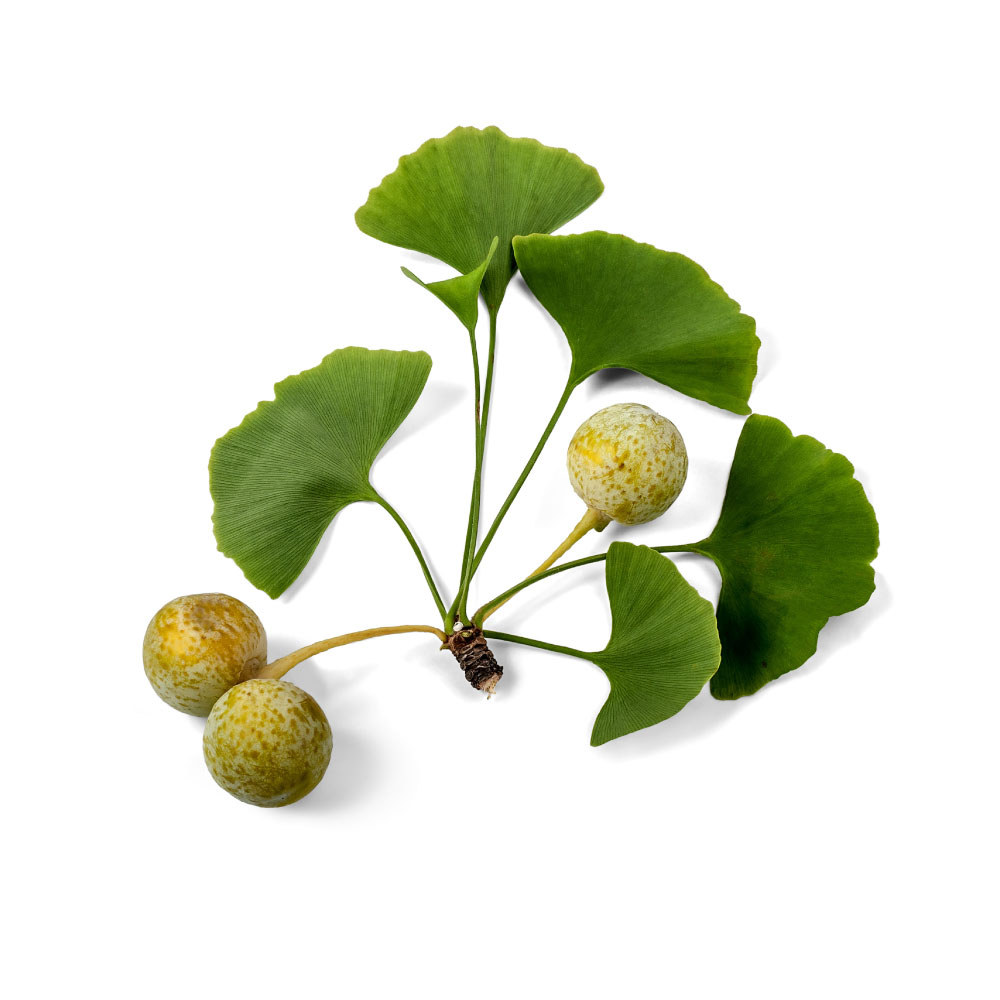 ModerateModerateGinkgoGinkgo bilobaTerpene lactones antagonise platelet-activating factor, improving flow through the smallest vessels of the limbs and brain.MechanismPAF antagonism; improved microcirculationRead the evidenceShow lessMonograph →
Ginkgolide B blocks platelet-activating-factor-driven aggregation 10,
The clinical test is intermittent claudication, where EGb 761 gave a small increase in pain-free walking distance across two meta-analyses and a placebo-controlled multicentre trial 12,
The 2009 Cochrane review judged that walking-distance effect small and clinically marginal 14Reference 14Meta-analysisGinkgo biloba for intermittent claudication — systematic review and meta-analysisView study →.
Show 2 more herbs with a mild circulatory stimulant action
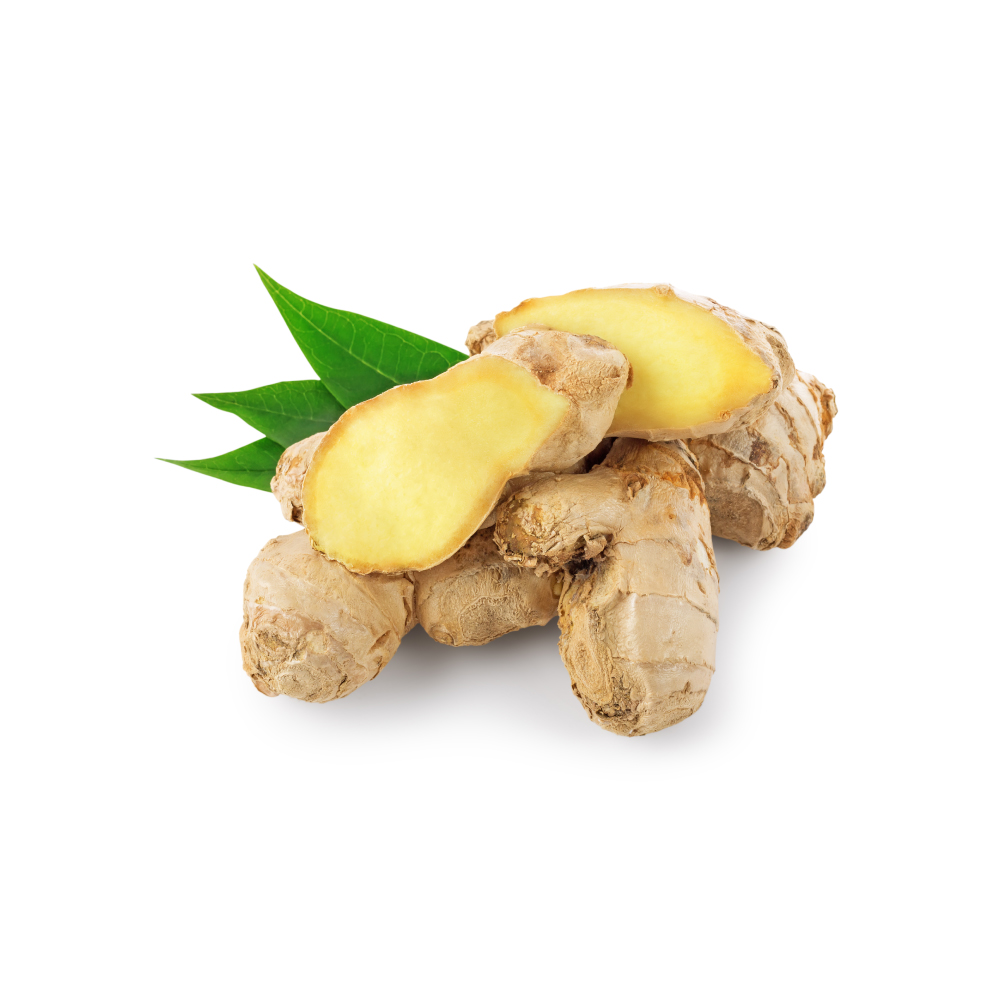 MildMildGingerZingiber officinaleThe archetype of the warming category, and the herb Chinese medicine reaches for first to warm the interior; its measured vascular action is antiplatelet rather than circulatory.Read the evidenceShow lessMonograph →
Ginger is what people mean by a warming circulatory stimulant. Dried ginger is the classic warming herb of Chinese practice for internal cold and sluggish digestion, and fresh ginger is given at the onset of a cold.
Its pungent principles act at TRPV1 and TRPA1, the sensory channels for heat, which is where the sensation of warmth comes from.
Its one measured vascular action is antiplatelet: thromboxane synthesis falls at doses of 5 g and above, an effect documented as a bleeding risk.
No perfusion, capillary or thermographic measurement of ginger exists, so the circulatory claim rests on the tradition and the sensation.
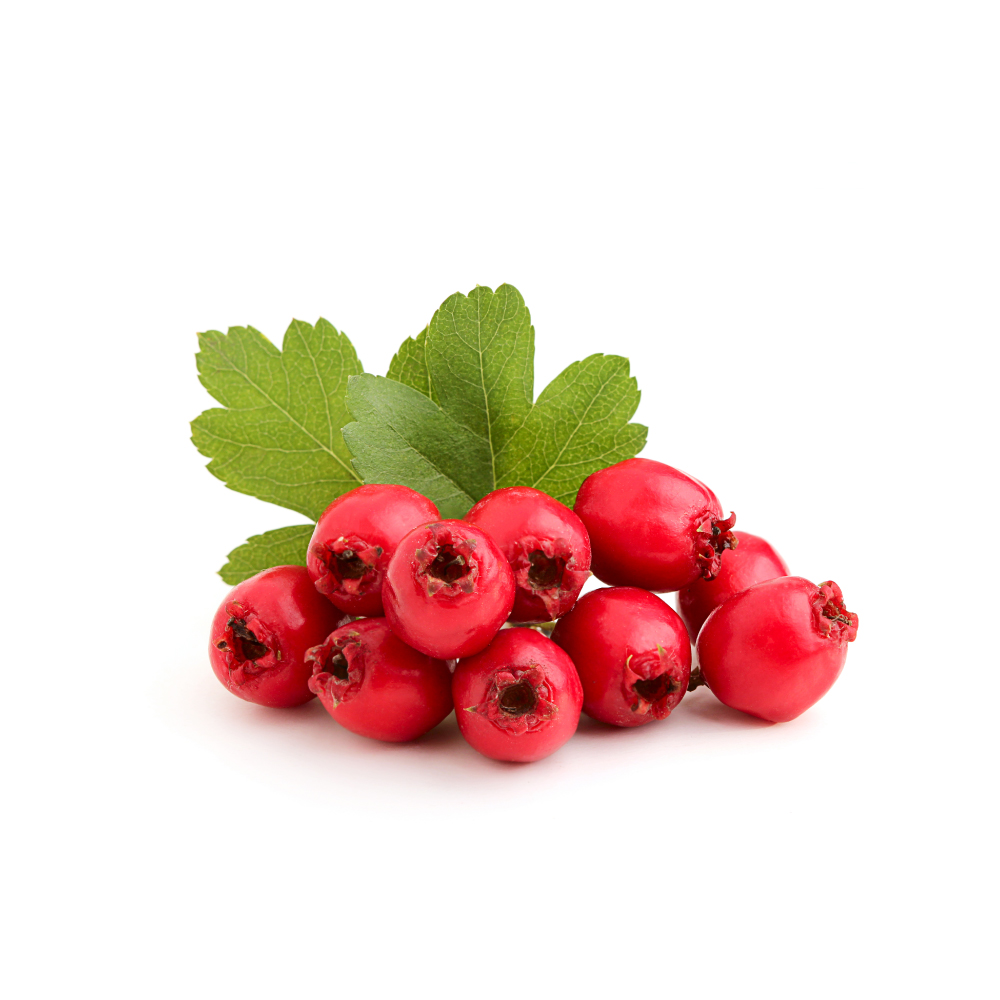 MildMildHawthornCrataegus oxyacanthaThe heart-and-circulation herb of the older Western texts; its measured vascular effect is nitric-oxide-mediated relaxation of the coronary and small vessels.Read the evidenceShow lessMonograph →
Hawthorn is one of the most consistently indicated herbs in the older Western literature, given for cardiac disease and circulation across every text, and its indications barely move between them.
Its oligomeric procyanidins phosphorylate eNOS and produce nitric-oxide-mediated relaxation, and older work reported improved coronary flow after oral dosing in dogs.
Relaxing a vessel lowers resistance rather than driving blood outward, so the measured mechanism is a vasodilator one. It is examined as vasodilator and coronary vasodilator.
There is no human imaging or perfusion data behind the microcirculatory claim.
No herbs match these filters.
Safety
- The herbs here with real vascular evidence are antiplatelet, so they add to aspirin, clopidogrel, warfarin and the DOACs 15,
16Reference 15Meta-analysisEffect of Panax notoginseng preparations on platelet function — a meta-analysis of 36 randomised controlled trialsView study →Reference 16Meta-analysisPanax notoginseng preparation plus aspirin versus aspirin alone on platelet aggregation and coagulation in coronary heart disease or ischemic stroke — a meta-analysisView study → . - Stop antiplatelet herbs one to two weeks before surgery or dental work 19Reference 19ReviewGarlic (Allium sativum L.): adverse effects and drug interactions in humans — reviewView study →.
- The risk this action carries is bleeding rather than the raised blood pressure its name implies.
- A warming sensation in the skin is not evidence that more blood is reaching a cold hand or foot.
- Cold hands and feet with pain, colour change or ulceration needs vascular assessment, not a herb.
References
- Broadley KJ (2010). The vascular effects of trace amines and amphetamines. Pharmacology & Therapeutics. https://pubmed.ncbi.nlm.nih.gov/19948186/
- Rafehi M, Faltraco F, Matthaei J, et al. (2019). Highly variable pharmacokinetics of tyramine in humans and polymorphisms in OCT1, CYP2D6, and MAO-A. Frontiers in Pharmacology. https://pubmed.ncbi.nlm.nih.gov/31736764/
- Jaminet F (1953). [Biochemical study of broom herb (Sarothamnus scoparius L.). I. Its vasoconstrictor amines]. Journal de Pharmacie de Belgique. https://pubmed.ncbi.nlm.nih.gov/13053399/
- Ogunbodede O, McCombs D, Trout K, Daley P, Terry M (2010). New mescaline concentrations from 14 taxa/cultivars of Echinopsis spp. (Cactaceae) (“San Pedro”) and their relevance to shamanic practice. Journal of Ethnopharmacology. https://pubmed.ncbi.nlm.nih.gov/20637277/
- Kuroda K, Takagi K (1968). Physiologically active substance in Capsella bursa-pastoris. Nature. https://pubmed.ncbi.nlm.nih.gov/5688144/
- Koscielny J, et al. (1999). The antiatherosclerotic effect of Allium sativum — randomized, double-blind, placebo-controlled trial. Atherosclerosis. https://pubmed.ncbi.nlm.nih.gov/10381297/
- Mahdavi-Roshan M, et al. (2013). Effect of garlic powder tablet on carotid intima-media thickness in patients with coronary artery disease: a preliminary randomized controlled trial. Nutrition and Health. https://pubmed.ncbi.nlm.nih.gov/25573347/
- Mollahosseini M, et al. (2022). A systematic review of randomized controlled trials related to the effects of garlic supplementation on platelet aggregation. Phytotherapy Research. https://pubmed.ncbi.nlm.nih.gov/36222178/
- Ali M, et al. (1990). Antithrombotic activity of garlic: inhibition of thromboxane-B2 synthesis during infusion of arachidonic acid and collagen in rabbits — animal model. Prostaglandins, Leukotrienes and Essential Fatty Acids. https://pubmed.ncbi.nlm.nih.gov/2274570/
- DeFeudis FV, & Drieu K (2000). Ginkgo biloba extract (EGb 761) and CNS functions: basic studies and clinical applications — review. Current drug targets. https://pubmed.ncbi.nlm.nih.gov/11475535/
- Liu X, et al. (2014). Ginkgolide B inhibits platelet release by blocking Syk and p38 MAPK phosphorylation in thrombin-stimulated platelets — in vitro study. Thrombosis research. https://pubmed.ncbi.nlm.nih.gov/25223809/
- Pittler MH, & Ernst E (2000). Ginkgo biloba extract for the treatment of intermittent claudication: a meta-analysis of randomized trials — meta-analysis. The American journal of medicine. https://pubmed.ncbi.nlm.nih.gov/11014719/
- Peters H, Kieser M, & Hölscher U (1998). Demonstration of the efficacy of ginkgo biloba special extract EGb 761 on intermittent claudication—a placebo-controlled, double-blind multicenter trial — randomised controlled trial. VASA. Zeitschrift fur Gefasskrankheiten. https://pubmed.ncbi.nlm.nih.gov/9612115/
- Nicolaï SP, et al. (2009). Ginkgo biloba for intermittent claudication — systematic review and meta-analysis. The Cochrane database of systematic reviews. https://pubmed.ncbi.nlm.nih.gov/19370657/
- Li, Y., et al. (2017). Effect of Panax notoginseng preparations on platelet function — a meta-analysis of 36 randomised controlled trials. China Journal of Chinese Materia Medica. https://pubmed.ncbi.nlm.nih.gov/29271165/
- Dai, L., et al. (2022). Panax notoginseng preparation plus aspirin versus aspirin alone on platelet aggregation and coagulation in coronary heart disease or ischemic stroke — a meta-analysis. Frontiers in Pharmacology. https://pubmed.ncbi.nlm.nih.gov/36569332/
- Wang, W., et al. (2021). Combination of Panax notoginseng saponins and aspirin potentiates platelet inhibition with alleviated gastric injury — a randomised, assessor-blinded trial. Biomedicine & Pharmacotherapy. https://pubmed.ncbi.nlm.nih.gov/33370633/
- Wu, L., et al. (2023). Efficacy and Safety of Panax notoginseng Saponins in the Treatment of Adults With Ischemic Stroke in China — a multicentre, double-blind, placebo-controlled randomised clinical trial. JAMA Network Open. https://pubmed.ncbi.nlm.nih.gov/37338907/
- Borrelli F, et al. (2007). Garlic (Allium sativum L.): adverse effects and drug interactions in humans — review. Molecular Nutrition & Food Research. https://pubmed.ncbi.nlm.nih.gov/17918162/
Keep Exploring