

Overview
Antiparasitic at a Glance
Antiparasitic herbs act against parasites living in or on the body.
The main distinction is between protozoa and helminths.
Protozoa are single-celled parasites such as Giardia, Trichomonas, Babesia, Leishmania, and the trypanosomes.
Herbs used against these organisms often interfere with their redox chemistry, mitochondria, or other systems needed for survival.
Sweet wormwood, cryptolepis, and epazote are among the better-known herbal examples.
Helminths are parasitic worms and are treated separately under the anthelmintic action, although older materia medica often grouped both kinds of infection together simply as “worms.”
Many antiparasitic plants contain chemically aggressive compounds.
Artemisinin from sweet wormwood, ascaridole from epazote, cryptolepine from cryptolepis, and quinones such as lapachol can damage parasite metabolism, but their activity is not always selective for the parasite.
This is why many traditional antiparasitic herbs were used in short, defined courses rather than continuously.
They have historically been used for intestinal parasites, dysentery-type illnesses, malaria, and other infections now known to be caused by protozoa or worms.
The tradition is old and scattered across continents. Mexican practice reached for epazote and estafiate for intestinal parasites and dysentery, West African healers used cryptolepis for the fevers of malaria, and Chinese physicians recorded qinghao — sweet wormwood — for the same complaint.
Walnut’s green hull is the classic American worm remedy, and neem’s use against intestinal worms and head lice is among the most widespread in the world.
Neither has been tested against a parasite in any species, and both stay in constant use on the strength of that record alone.
Caution
Toxic close to the working dose — several antiparasitic herbs become toxic at modest doses, especially as concentrated extracts and essential oils.
Confirm the parasite first — a suspected infection is confirmed by testing, and an established one has safer, more reliable conventional treatment.
Not in pregnancy or epilepsy — the thujone-bearing herbs are contraindicated in both.
Mechanisms
How It Works
01
Endoperoxide Chemistry
An endoperoxide bridge breaks in the presence of iron and releases reactive oxygen inside the parasite.
This is artemisinin’s mechanism, and epazote’s. Ascaridole, the peroxide monoterpene of epazote’s essential oil, loses its antiparasitic activity when the bridge is removed, and it collapses the mitochondrial membrane potential of Leishmania.
Sweet wormwood carries artemisinin itself, whose derivatives reach schistosomes and trypanosomes as well as the malaria parasite.
The chemistry is not specific to parasites. It generates the same oxidative damage in any cell with iron available, and the figures behind it are concentrated essential-oil doses rather than the doses a tea delivers.
Herbs: EpazoteSweet Wormwood
Key compounds: AscaridoleArtemisinin
02
Thiol-Alkylating Sesquiterpene Lactones
An α-methylene-γ-lactone ring reacts with the parasite’s thiols, stripping out the glutathione and trypanothione it depends on to survive oxidative stress.
Cynaropicrin empties both pools in Trypanosoma brucei within minutes of exposure, and psilostachyin does the same in Leishmania mexicana while raising reactive oxygen several-fold.
Wormwood and estafiate carry lactones of the same family, and wormwood’s activity runs across nematodes, protozoa and insect larvae alike.
Unlike the antiparasitic drugs, which are built around a target the parasite has and the host does not, the reactive ring here works on chemistry both cells share. Derivatives that lose the mammalian toxicity lose the antiparasitic activity with it.
Herbs: EstafiateWormwood
Key compounds: CynaropicrinPsilostachyinPsilostachyin C
03
Alkaloids at Parasite Redox Targets
Some alkaloids inhibit the enzymes a parasite uses to hold its redox balance, or bind the haem it has to detoxify.
Cryptolepine, the indoloquinoline of cryptolepis, blocks haem detoxification and intercalates parasite DNA. It inhibits Babesia duncani in cultured erythrocytes at concentrations comparable to quinine, and it induces apoptosis-like death in Leishmania donovani.
This is the closest thing here to a defined molecular target, and it is also where the semisynthetic derivatives outperform the plant alkaloid. The activity against trypanosomes belongs mostly to those derivatives rather than to cryptolepis.
Herbs: Cryptolepis
Key compounds: Cryptolepine
04
Quinone Redox Cycling
Naphthoquinones cycle between oxidised and reduced states, generating superoxide and uncoupling the parasite’s oxidative phosphorylation.
Pau d’arco’s beta-lapachone was more potent than metronidazole against Giardia duodenalis in an organoid model of human intestinal epithelium, and lapachol acts against Trypanosoma cruzi and Leishmania.
Juglone, the pigment of the green walnut hull, is the same kind of molecule and the presumed active behind that hull’s worming reputation.
Redox cycling does not distinguish between a parasite’s cells and a host’s. Whether the parasite’s defences fail first has not been measured for either plant.
Herbs: Pau D’ArcoWalnut
Key compounds: Beta-LapachoneLapacholJuglone
The Molecules
Pharmacology
What actually produces an antiparasitic effect at the molecular level. The herbs below carry these molecules in different combinations and amounts — which is most of why their potency differs. Roles describe how central a molecule is to the action across plants generally, not how strong any one herb is.
Chiefly Sesquiterpene Lactones3Isoquinoline Alkaloids2
Carries the action largely on its own — the effect is attributed to the molecule, not just the extract it came from.
Adds to a plant's effect and is often present in quantity, but rarely accounts for it alone.
Real but narrow — one pathway, one tissue, or evidence too thin to lean on.
Cynaropicrin Sesquiterpene Lactones Primary mover Targets Trypanothione/glutathione depletion (Michael addition); ornithine decarboxylase
Cynaropicrin inhibits Trypanosoma brucei rhodesiense at IC50 0.3 µM and T. b. gambiense at 0.2 µM with no cross-resistance to melarsoprol- or pentamidine-resistant strains, and 2 × 10 mg/kg/day i.p. cut parasitemia 92% in the acute mouse model — the first plant natural product with in-vivo anti-T. brucei activity 4Reference 4AnimalCynaropicrin: the first plant natural product with in vivo activity against Trypanosoma brucei — acute mouse modelView study →.
The mechanism was demonstrated rather than inferred: within minutes the parasites’ trypanothione and glutathione pools were entirely depleted, with GS- and T(S-)-cynaropicrin adducts quantified inside intact cells, followed by apoptotic death; ODC inhibition comparable to eflornithine was also seen 5Reference 5In vitroCynaropicrin targets the trypanothione redox system in Trypanosoma brucei — in vitro mechanistic studyView study →.
Selectivity indices against mammalian cells run only 7.8–62, and derivatives that lost the toxicity lost the efficacy with it 4,
Reported from artichoke.
Psilostachyin Sesquiterpene Lactones Primary mover Targets Hemin binding; glutathione depletion → ROS; mitochondrial/kinetoplast collapse → apoptosis
Psilostachyin is a reactive α-methylene-γ-lactone that kills trypanosomatids by covalent thiol chemistry rather than by a defined receptor: its effect is partially reversed by glutathione in Trypanosoma cruzi 9Reference 9In vitroAntiproliferative effect and ultrastructural alterations induced by psilostachyin on Trypanosoma cruzi — in vitroView study → and fully reversed at 1.5 mM glutathione in Leishmania mexicana, where it also depletes the parasite’s endogenous glutathione pool and raises ROS 2.7–5.4-fold 10Reference 10In vitroNatural sesquiterpene lactones induce oxidative stress in Leishmania mexicana — in vitroView study →.
The identified molecular partner is hemin — a mode-of-action study separated it cleanly from the near-identical psilostachyin C, which instead blocks ergosterol biosynthesis with squalene accumulation; both kill by apoptosis and the two are additive 7Reference 7In vitroMode of action of the sesquiterpene lactones psilostachyin and psilostachyin C on Trypanosoma cruzi — in vitroView study →.
Potency in vitro is real (trypomastigote IC50 0.76 µg/mL, SI 33.8; amastigote 21 µM; Leishmania promastigote IC50 0.12 µg/mL) 11,
There is no pharmacokinetic data, no human data, and the mechanism is electrophilic and therefore non-selective.
Found in Mugwort
Full Psilostachyin profile →Curine Isoquinoline Alkaloids Contributor Targets Trypanothione reductase; Ca²⁺ channel (host-cell invasion, hypothesized)
Oral curine at 10 mg/kg/day for 10 days rendered parasitemia negative in mice infected with the Y or CL strain of Trypanosoma cruzi and significantly extended survival, outperforming benznidazole against the Y strain 1Reference 1AnimalThe effect of bisbenzylisoquinoline alkaloids on Trypanosoma cruzi infections in mice — animal modelView study →.
In vitro it kills T. cruzi trypomastigotes (LC50 10 µM) as a mixed inhibitor of trypanothione reductase, a validated Chagas target 2Reference 2In vitroTrypanocidal bisbenzylisoquinoline alkaloids are inhibitors of trypanothione reductase — in vitroView study →, and inhibits T. brucei at MIC 3.8 µM 3Reference 3In vitroEffect of temperature on ¹H NMR spectra, antitrypanosomal activity, conformational analysis, and molecular docking of curine derivatives from Berberis brevissima — in vitroView study →.
The proposed Ca²⁺-channel and immunosuppression explanation is a hypothesis rather than a demonstrated pathway, and there is no human data.
Reported from abuta.
Found in Abuta
Full Curine profile →Cycleanine Isoquinoline Alkaloids Contributor Targets Trypanothione reductase (mixed-type, class-level)
Against Trypanosoma cruzi trypomastigotes cycleanine gives an LC₅₀ under 100 µM, and the bisBIQ class acts as mixed-type inhibitors of trypanothione reductase, the parasite’s redox-defence enzyme and a validated Chagas target 2Reference 2In vitroTrypanocidal bisbenzylisoquinoline alkaloids are inhibitors of trypanothione reductase — in vitroView study →.
Oral cycleanine at 2 mg/kg/day for 10 days cleared parasitemia by 5–7 weeks and extended survival against both the Y and CL strains, in a study where benznidazole worked against CL but not Y 1Reference 1AnimalThe effect of bisbenzylisoquinoline alkaloids on Trypanosoma cruzi infections in mice — animal modelView study →.
The enzyme IC₅₀ in that paper belongs to cepharanthine rather than to cycleanine, so the mechanism is a class attribution.
The 2 mg/kg result is a single 1997 report, unreplicated in about thirty years.
Reported from abuta.
Found in Abuta
Full Cycleanine profile →Psilostachyin C Sesquiterpene Lactones Minor role Targets Parasite ergosterol biosynthesis (squalene accumulation); apoptosis-like parasite death
Psilostachyin C inhibits ergosterol biosynthesis in Trypanosoma cruzi, causing squalene to accumulate, which is where it diverges from its congener psilostachyin, which instead binds hemin 7Reference 7In vitroMode of action of the sesquiterpene lactones psilostachyin and psilostachyin C on Trypanosoma cruzi — in vitroView study →.
The isolate kills T. cruzi epimastigotes, trypomastigotes and amastigotes at IC₅₀ 0.6, 3.5 and 0.9 µg/mL (≈2.3, 13.2, 3.4 µM) against a mammalian CC₅₀ of 87.5 µg/mL (≈331 µM) — a measured selectivity index of roughly 25–146, higher than most sesquiterpene lactones report — and reduced parasitemia in T. cruzi-infected mice over 5 days; it also inhibits Leishmania mexicana and L. amazonensis promastigotes (IC₅₀ 1.2 and 1.5 µg/mL) 8Reference 8In vitroPsilostachyin C: a natural compound with trypanocidal activity — in vitro, with a mouse infection modelView study →.
The molecule’s occurrence is confined to Ambrosia (ragweeds), yarrow and an unconfirmed report in mugwort, none of which is used as an antiparasitic herb on that basis.
There is no pharmacokinetic data of any kind, so whether the 2–13 µM active range is reachable in a living animal is unknown, and all findings are for the isolate rather than a plant extract.
Reported from mugwort (reported, not independently confirmed) and yarrow.
Materia Medica
Antiparasitic Herbs by Potency
The antiparasitic herbs, ordered by the relative strength of the effect rather than by how well studied it is. Each herb is described by the mechanism behind its effect and the evidence for it.
None of this is a substitute for professional care.
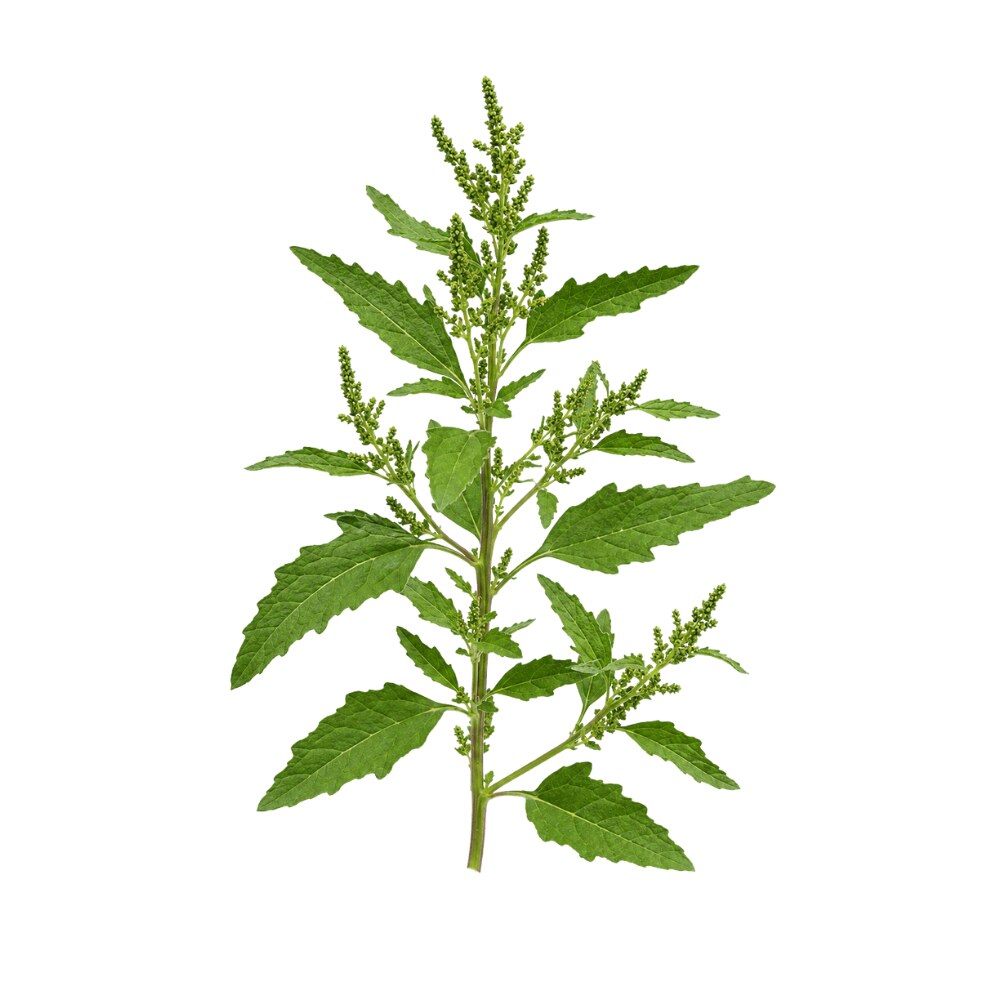 PotentPotentEpazoteDysphania ambrosioidesIts peroxide monoterpene ascaridole is active against Leishmania, Trypanosoma cruzi and schistosomes, through the same endoperoxide chemistry that makes artemisinin work.Mechanismartemisinin-like endoperoxide → ROS; parasite mitochondrial membrane-potential collapseRead the evidenceShow lessMonograph →
Ascaridole’s antiparasitic activity depends on its peroxide bridge 19Reference 19In vitroThe effect of ascaridole on the in vitro development of Plasmodium falciparum. — [in vitro]View study →. The essential oil kills Leishmania promastigotes and amastigotes by collapsing the parasite’s mitochondrial membrane potential 20Reference 20In vitroEssential oil from Chenopodium ambrosioides and main components: activity against Leishmania, their mitochondria and other microorganisms. — [in vitro]View study →, and intralesional whole oil prevented lesion development in L. amazonensis-infected mice, outperforming the reference drug glucantime where purified components alone were ineffective or lethal 21Reference 21AnimalAntileishmanial activity of essential oil from Chenopodium ambrosioides and its main components against experimental cutaneous leishmaniasis in BALB/c mice. — [in vivo mouse model]View study →.
The range is unusually wide for one plant. The oil was the most active of three tested against Trypanosoma cruzi in vitro and in vivo 22Reference 22In vitroTrypanocidal Activity of Dysphania ambrosioides, Lippia alba, and Tetradenia riparia Essential Oils against Trypanosoma cruzi. — [in vitro and in vivo]View study →, leaf extract suppressed Plasmodium berghei in mice 23Reference 23AnimalAntimalarial potential of leaves of Chenopodium ambrosioides L. — [in vivo mouse model]View study →, and the oil is schistosomicidal against adult Schistosoma mansoni 24Reference 24In vitroChemical Composition, Antibacterial, Schistosomicidal, and Cytotoxic Activities of the Essential Oil of Dysphania ambrosioides (L.) Mosyakin & Clemants (Chenopodiaceae). — [in vitro]View study → as well as molluscicidal and cercaricidal against the snail vector 25Reference 25In vitroMolluscicidal and cercaricidal activities of the essential oil of Dysphania ambrosioides (L.) Mosyakin & Clemants: Implications for the control of schistosomiasis. — [in vitro]View study →.
That the whole oil repeatedly beats its isolated constituents points to synergy rather than a single active molecule 26Reference 26Systematic reviewChemistry and biological properties of Ascaridole: A systematic review. — [systematic review]View study →.
Everything outside the intestinal-worm indication is preclinical, with no human trial of any kind.
Ascaridole content ranges from roughly 3% to 54% by chemotype and degrades with heat, so two samples of the same plant are not the same medicine. The doses behind the figures above are concentrated-oil doses far above culinary exposure; the leaf in a pot of beans and the essential oil are effectively different preparations.
 StrongStrongSweet WormwoodArtemisia annuaArtemisinin and its derivatives reach protozoa and worms well beyond malaria, with artemether active against schistosomiasis in animal models.Mechanismsame endoperoxide chemistry against schistosomes, Leishmania, trypanosomesRead the evidenceShow lessMonograph →
The artemisinin derivatives have genuine broad antiprotozoal and antihelminthic activity 14Reference 14ReviewArtemisinin and its derivatives in treating protozoan infections beyond malaria — reviewView study →, and artemether is active against schistosomiasis in animal models.
The human evidence for the herb itself was withdrawn. The large trial claiming an A. annua tea cleared S. mansoni eggs faster than praziquantel has been retracted 15Reference 15Clinical trialRetraction notice: Effect of Artemisia annua and Artemisia afra tea infusions on schistosomiasis in a large clinical trialView study →.
What remains is animal and in vitro work, most of it on the isolated drug rather than on the plant.
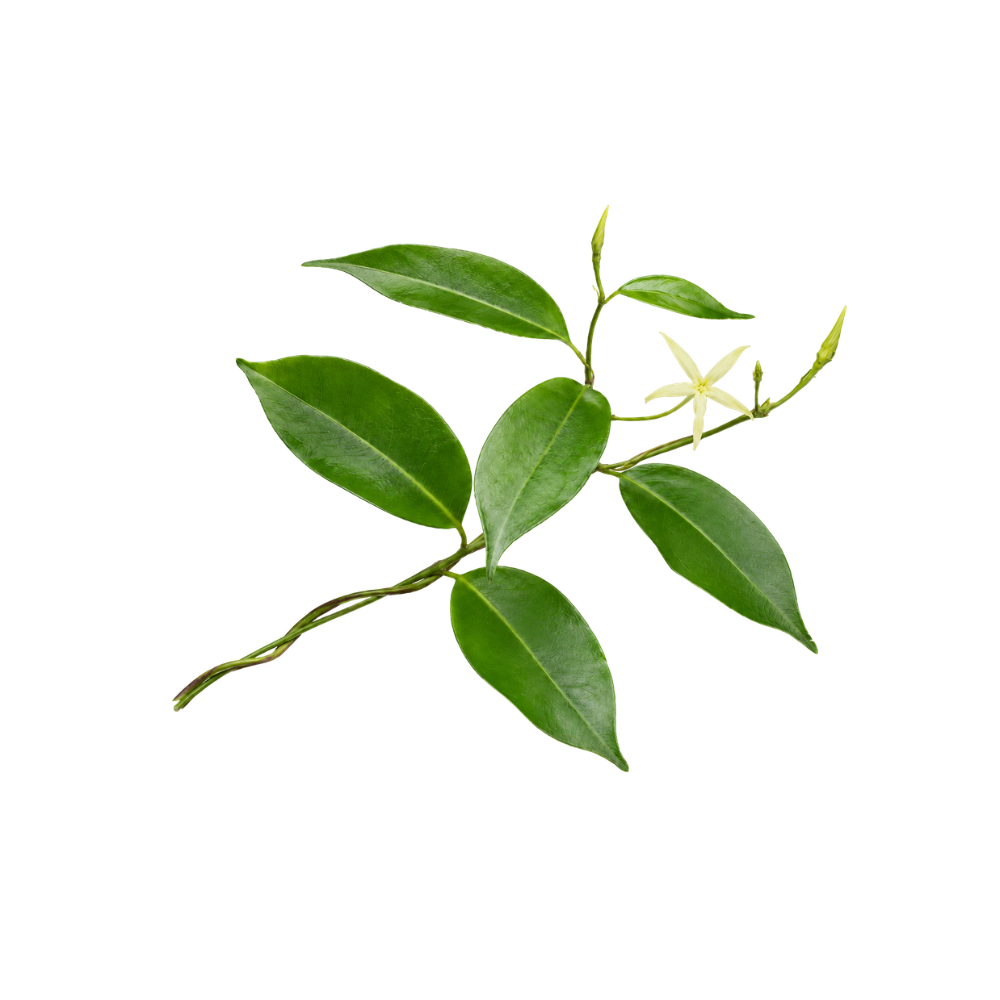 ModerateModerateCryptolepisCryptolepis sanguinolentaCryptolepine inhibits Babesia duncani in culture at concentrations comparable to quinine, and induces apoptosis-like death in Leishmania donovani.Mechanismhem-detoxification / β-hematin inhibition; DNA intercalation in the parasite nucleusRead the evidenceShow lessMonograph →
Against Babesia duncani in a hamster-erythrocyte model, cryptolepine had an IC50 of about 3.4 μM — comparable to or better than quinine (~10 μM) and clindamycin (~37 μM) — and cryptolepine at or above 1× IC50, plus the 90% ethanol extract at 2–8× IC50, prevented regrowth in subculture 17Reference 17In vitroBotanical medicines Cryptolepis sanguinolenta, Artemisia annua, Scutellaria baicalensis, Polygonum cuspidatum, and Alchornea cordifolia demonstrate inhibitory activity against Babesia duncani — in vitroView study →.
Against Leishmania donovani promastigotes cryptolepine induces apoptosis-like death, though the synthetic analogue 2,7-dibromocryptolepine is the more active agent, and antitrypanosomal activity against T. brucei and T. cruzi sits mostly with derivatives rather than with the parent alkaloid 18Reference 18In vitroAntileishmanial activity of cryptolepine analogues and apoptotic effects of 2,7-dibromocryptolepine against Leishmania donovani promastigotes — in vitroView study →.
The babesiosis evidence is a single in-vitro study with no animal or human data behind it, and the clinical protocols built on it can run for months at high extract doses.
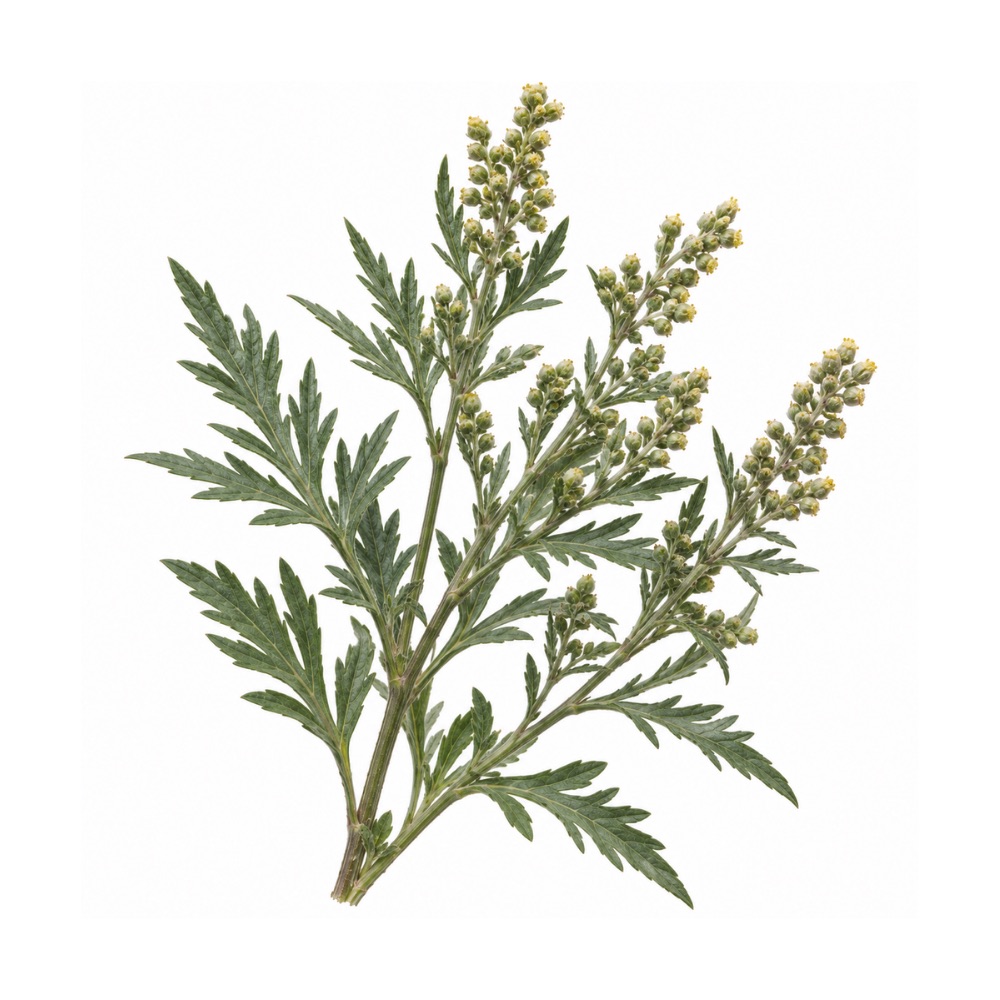 ModerateModerateEstafiateArtemisia ludovicianaActive in vitro against Entamoeba, Giardia and Fasciola — three named parasites, matching the central traditional use of Mexico's most-used medicinal plant.Mechanismsesquiterpene lactone and essential-oil activity against protozoa and trematodesRead the evidenceShow less
A. ludoviciana shows in-vitro activity against Entamoeba, Giardia and Fasciola 27,
Those are the three organisms the traditional use names, which is an unusually specific correspondence — most antiparasitic herb claims rest on a single organism or a crude screen.
The work is in vitro only. No animal or human study of the plant against any of the three exists.
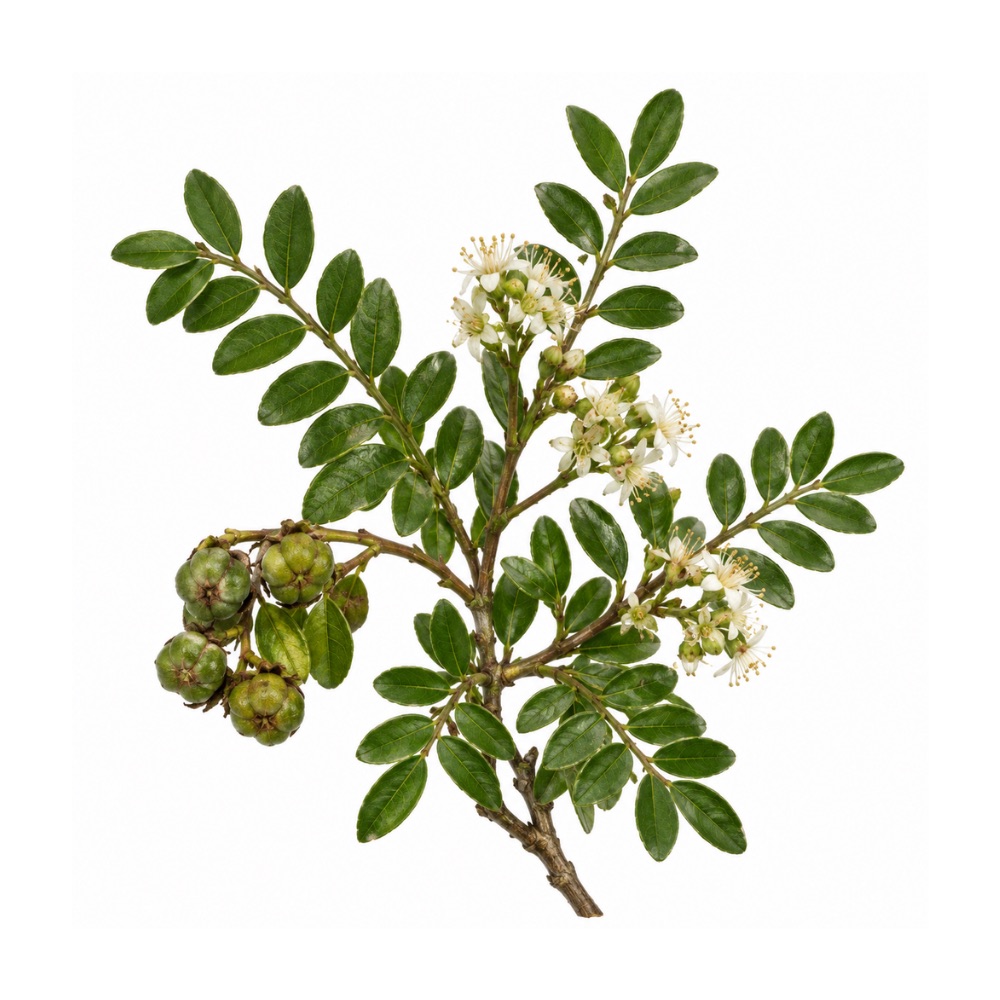 ModerateModerateJaborandiPilocarpus microphyllusIts imidazole alkaloid epiisopiloturine shows reproducible antischistosomal activity in animal and cell models.Mechanismepiisopiloturine → antischistosomal activity in vivo and in vitroRead the evidenceShow less
Epiisopiloturine, with some signal from epiisopilosine, is active against Schistosoma mansoni across animal and cell models, and the finding has been reproduced by more than one group 30,
Schistosomiasis is treated with essentially one drug, praziquantel, so a structurally novel lead against it carries more weight than most screening hits.
The work is preclinical throughout, and no preparation of the leaf has been tested.
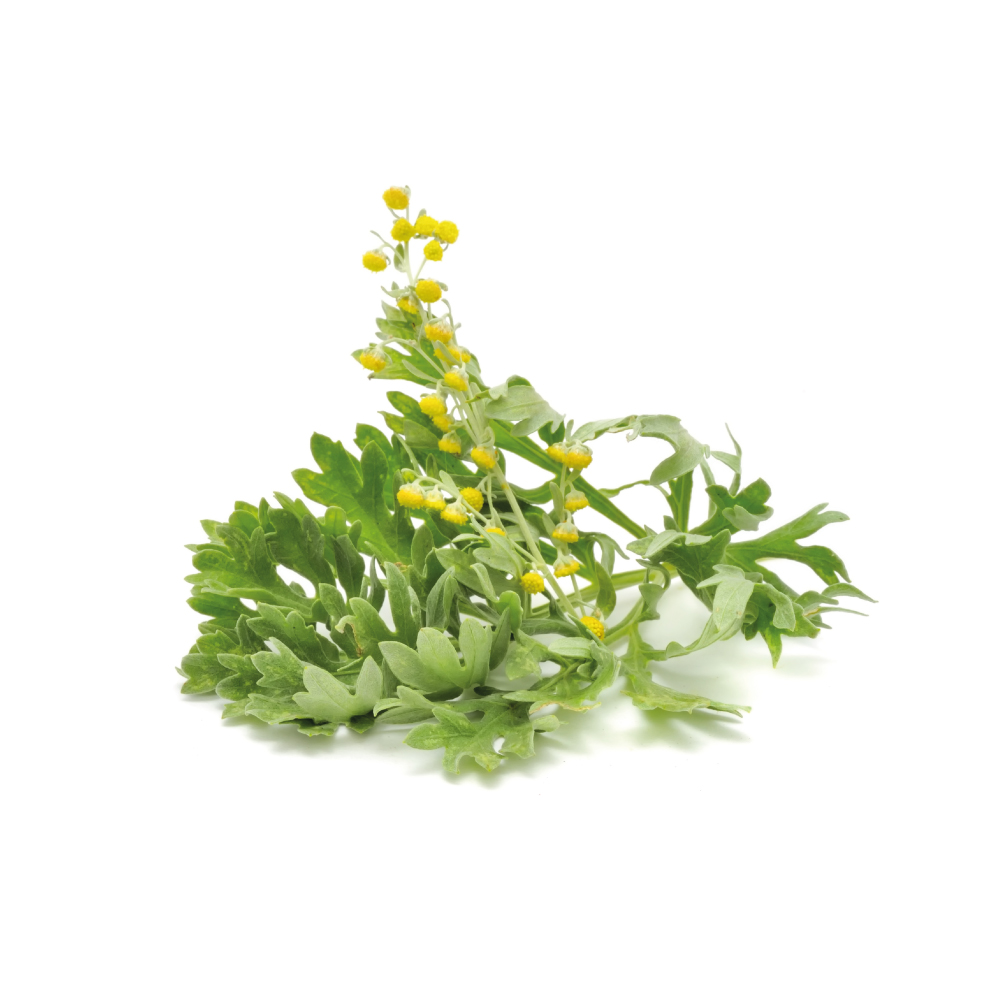 ModerateModerateWormwoodArtemisia absinthiumNamed for the action; its thujone-bearing volatile fraction is active across nematodes, protozoa and insect larvae alike.Mechanismembryogenesis and egg-hatch inhibition (Ascaris suum); activity across protozoa, helminths and insect larvaeRead the evidenceShow lessMonograph →
A. absinthium extract inhibited embryogenesis and egg hatching of the roundworm Ascaris suum in vitro 36Reference 36In vitroThe effects of Allium sativum, Artemisia absinthium, Cucurbita pepo, Coriandrum sativum, Satureja hortensis and Calendula officinalis on the embryogenesis of Ascaris suum eggs — in vitroView study →, a rat study tested it against Trichinella spiralis 37Reference 37AnimalComparison of the effects of Artemisia vulgaris and Artemisia absinthium growing in western Anatolia against trichinellosis (Trichinella spiralis) in rats — animal modelView study →, extracts show strong larvicidal activity against mosquito vectors 38Reference 38In vitroChicory (Cichorium intybus) and wormwood (Artemisia absinthium) extracts exhibit strong larvicidal activity against mosquito vectors of malaria, dengue fever and filariasis — in vitroView study →, and an essential-oil nanocochleate formulation was antileishmanial both in vitro and in vivo 39Reference 39In vitroIn vitro and in vivo evaluation of essential oil from Artemisia absinthium L. formulated in nanocochleates against cutaneous leishmaniasis — animal modelView study →.
Activity that spans nematodes, protozoa and insect larvae points to a non-specific mechanism — plausibly the same thujone-bearing volatile fraction that makes the plant neurotoxic at dose — rather than a targeted pathway.
No human trial of parasite clearance exists, and the preparations differ so much between studies — crude extract, essential oil, nanoformulation — that no single dosage form is supported.
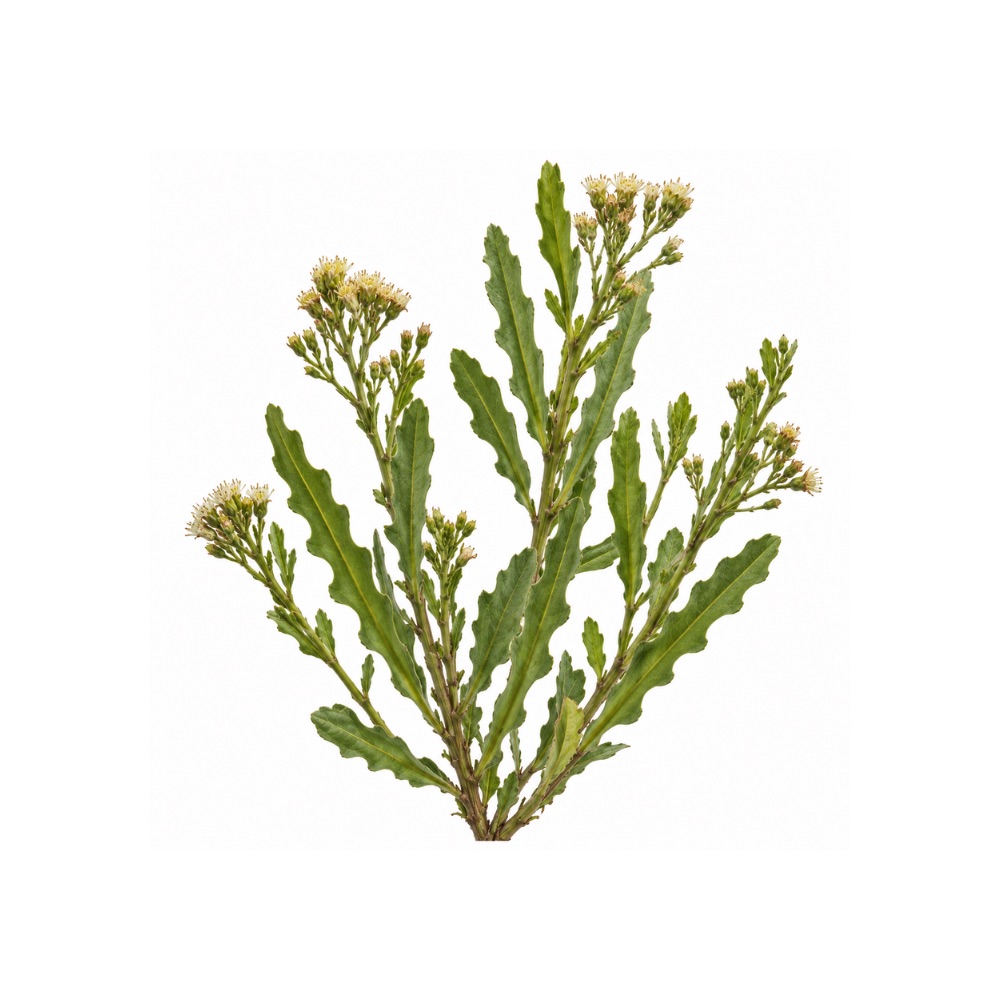 MildMildCarquejaBaccharis trimeraIts essential oil killed schistosomula and adult Schistosoma mansoni in culture; the tea is not the preparation that was tested.Mechanismessential-oil schistosomicidal activity in vitroRead the evidenceShow less
The essential oil of B. trimera was schistosomicidal against Schistosoma mansoni in culture, killing all the adult worms within 30 hours at the highest concentration tested 16Reference 16In vitroSchistosoma mansoni: in vitro schistosomicidal activity of essential oil of Baccharis trimera (Less.) DC — in vitroView study →.
Carqueja is used as a bitter digestive tea, which delivers almost none of that oil. The finding belongs to the distilled fraction rather than to the herb as it is taken.
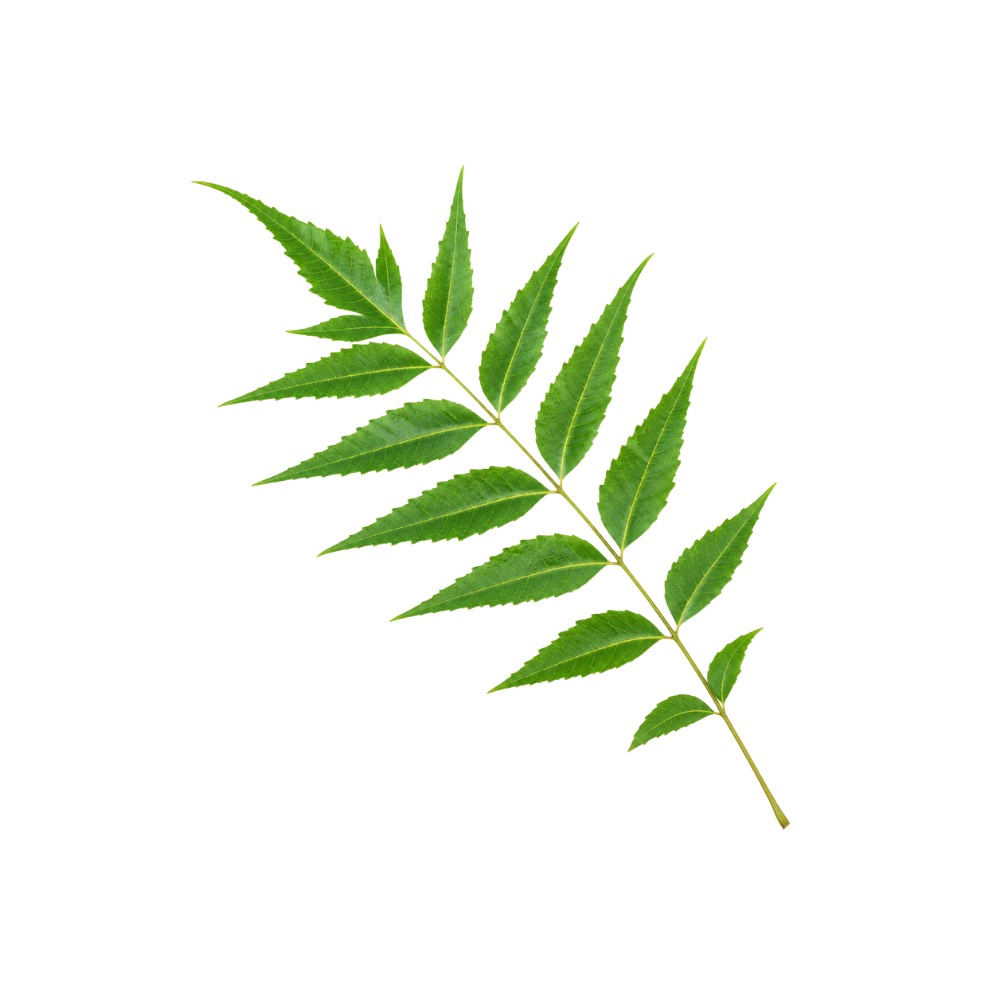 MildMildNeemAzadirachta indicaOne of the most widely used antiparasitic plants in the world, with in-vitro schizonticidal activity for gedunin and little else measured.Mechanismnot established (in vitro schizonticidal activity reported for gedunin; no target identified)Read the evidenceShow lessMonograph →
Neem’s intestinal-worm and head-lice uses are among the most widespread traditional antiparasitic applications anywhere, running from Ayurvedic practice across South and Southeast Asia and West Africa.
In Plasmodium yoelii-infected mice, tablet suspensions of neem leaf and bark produced only moderate suppression of parasitaemia, with no cures and little survival gain over untreated controls 33Reference 33AnimalEvaluation of the antimalarial properties and standardization of tablets of Azadirachta indica in mice — animal modelView study →. In vitro schizonticidal activity is reported for various extracts and for the limonoid gedunin, but no molecular target or pathway has been established.
The traditional worm and lice uses themselves have no research at all, and the insect-specific azadirachtin pharmacology that gets cited for them concerns a different kind of organism.
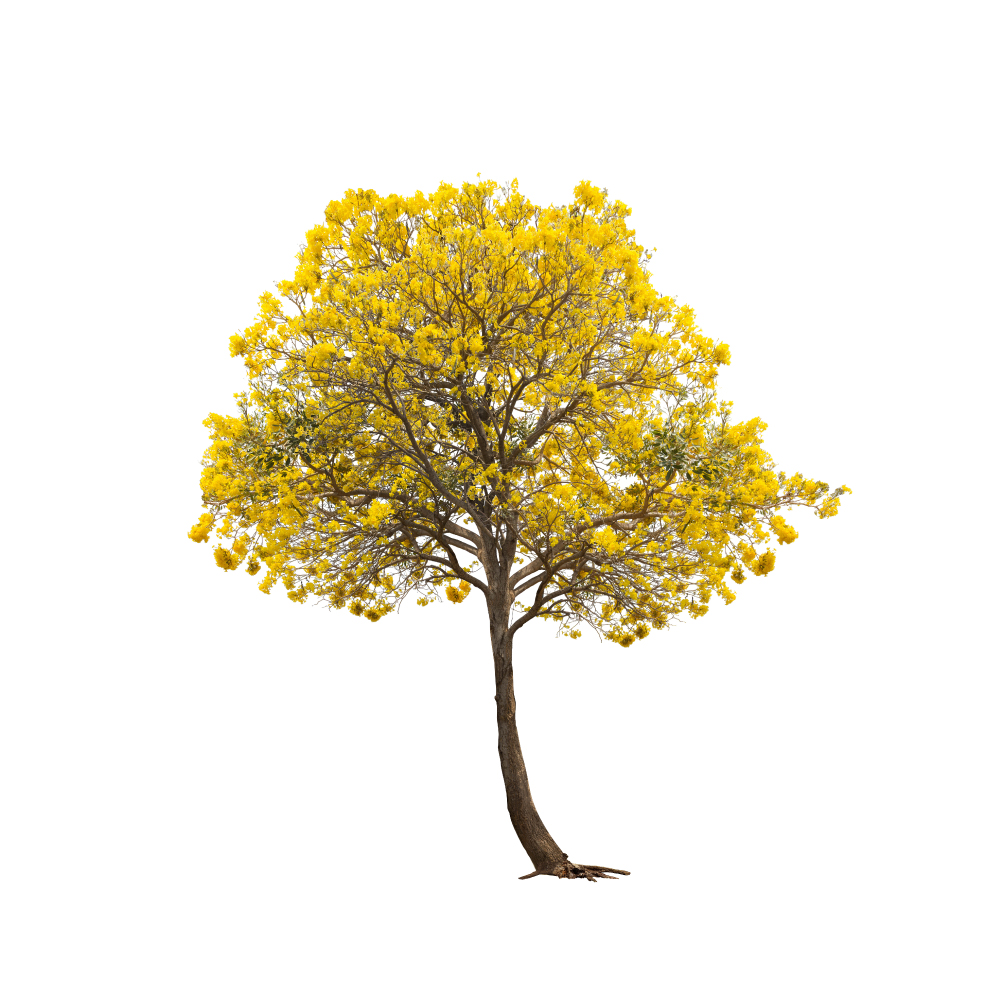 MildMildPau D’ArcoTabebuia impetiginosaIts quinone beta-lapachone beat metronidazole against Giardia in a human intestinal organoid model; the bark extract's advantage was sparing host cells rather than raw potency.Mechanismquinone redox cycling; oxidative-phosphorylation uncouplingRead the evidenceShow lessMonograph →
In an organoid-derived human intestinal model of Giardia duodenalis, T. avellanedae extract and beta-lapachone were both active, β-lapachone with a lower IC50 than metronidazole, while the hydroalcoholic extract’s advantage lay in sparing host cells 34Reference 34In vitroSelective activity of Tabebuia avellanedae against Giardia duodenalis infecting organoid-derived human gastrointestinal epithelia — in vitroView study →. Lapachol has weak antimalarial activity but stronger action against Trypanosoma cruzi and Leishmania 35Reference 35ReviewAnti-infectious activity in plants of the genus Tabebuia — reviewView study →.
All of it is in vitro. There is no in-vivo or human antiparasitic evidence for the bark, and the potency belongs to the isolated quinone rather than to the decoction.
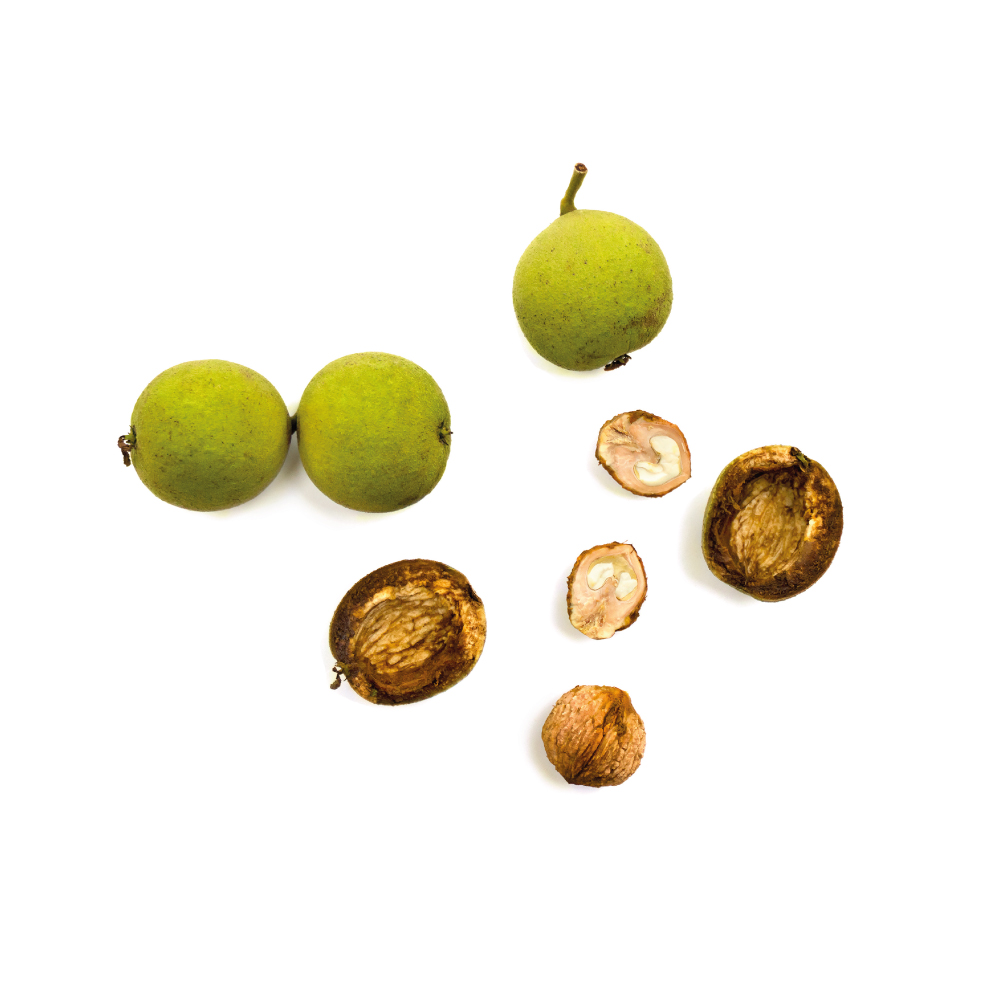 MildMildWalnutJuglans nigraThe green hull is the classic North American worming preparation, and juglone, the pigment that stains it, is the presumed active.Read the evidenceShow lessMonograph →
The unripe green husk, gathered while still green and given as a tincture or in a formula, is one of the oldest and most consistently recorded parasite remedies of American practice. Juglone concentrates in exactly that part of the tree.
Juglone is nematicidal against plant-parasitic nematodes by exacerbating oxidative damage, and antiparasitic activity features in the medicinal-chemistry reviews of the compound.
No controlled study of a Juglans nigra preparation against a human or veterinary parasite has been published. The quinone is cytotoxic by redox cycling rather than selectively antiparasitic, which is also why the courses are kept short.
No herbs match these filters.
Safety
- Confirm the parasite by stool microscopy, serology or PCR before treating it.
- Where a parasite is confirmed, conventional treatment is effective, cheap and safer than anything on this list.
- Most antiparasitic plants kill by general cytotoxicity, so the useful dose and the toxic one sit close together.
- Keep courses short and defined; duration multiplies every hazard in this group.
- Essential oils are not interchangeable with the leaf or the tea, and carry most of the toxicity.
- The sesquiterpene lactones kill host cells at concentrations overlapping their antiparasitic ones.
- Thujone-bearing herbs are contraindicated in pregnancy and in epilepsy.
References
- Fournet A, et al. (1997). The effect of bisbenzylisoquinoline alkaloids on Trypanosoma cruzi infections in mice — animal model. International Journal of Antimicrobial Agents. https://pubmed.ncbi.nlm.nih.gov/18611797/
- Fournet A, et al. (1998). Trypanocidal bisbenzylisoquinoline alkaloids are inhibitors of trypanothione reductase — in vitro. Journal of Enzyme Inhibition. https://pubmed.ncbi.nlm.nih.gov/9879510/
- Ali S, et al. (2020). Effect of temperature on ¹H NMR spectra, antitrypanosomal activity, conformational analysis, and molecular docking of curine derivatives from Berberis brevissima — in vitro. Journal of Natural Products. https://pubmed.ncbi.nlm.nih.gov/32364734/
- Zimmermann S, Kaiser M, Brun R, Hamburger M, Adams M (2012). Cynaropicrin: the first plant natural product with in vivo activity against Trypanosoma brucei — acute mouse model. Planta Medica. https://pubmed.ncbi.nlm.nih.gov/22331812/
- Zimmermann S, Oufir M, Leroux A, Krauth-Siegel RL, Becker K, Kaiser M, Brun R, Hamburger M, Adams M (2013). Cynaropicrin targets the trypanothione redox system in Trypanosoma brucei — in vitro mechanistic study. Bioorganic & Medicinal Chemistry. https://pubmed.ncbi.nlm.nih.gov/24080104/
- Usuki T, Sato M, Hara S, Yoshimoto Y, Kondo R, Zimmermann S, Kaiser M, Brun R, Hamburger M, Adams M (2014). Antitrypanosomal structure-activity-relationship study of synthetic cynaropicrin derivatives — in vitro. Bioorganic & Medicinal Chemistry Letters. https://pubmed.ncbi.nlm.nih.gov/24433861/
- Sülsen VP, Puente V, Papademetrio D, Batlle A, Martino VS, Frank FM, Lombardo ME (2016). Mode of action of the sesquiterpene lactones psilostachyin and psilostachyin C on Trypanosoma cruzi — in vitro. PLoS One. https://pubmed.ncbi.nlm.nih.gov/26939119/
- Sülsen VP, Frank FM, Cazorla SI, Barrera P, Freixa B, Vila R, Sosa MA, Malchiodi EL, Muschietti LV, Martino VS (2011). Psilostachyin C: a natural compound with trypanocidal activity — in vitro, with a mouse infection model. International Journal of Antimicrobial Agents. https://pubmed.ncbi.nlm.nih.gov/21497061/
- Sülsen V, Barrera P, Muschietti L, Martino V, Sosa M (2010). Antiproliferative effect and ultrastructural alterations induced by psilostachyin on Trypanosoma cruzi — in vitro. Molecules. https://pubmed.ncbi.nlm.nih.gov/20110908/
- Barrera P, Sülsen VP, Lozano E, Rivera M, Beer MF, Tonn C, Martino VS, Sosa MA (2013). Natural sesquiterpene lactones induce oxidative stress in Leishmania mexicana — in vitro. Evidence-Based Complementary and Alternative Medicine. https://pubmed.ncbi.nlm.nih.gov/23861697/
- Sülsen VP, Frank FM, Cazorla SI, Anesini CA, Malchiodi EL, Freixa B, Vila R, Muschietti LV, Martino VS (2008). Trypanocidal and leishmanicidal activities of sesquiterpene lactones from Ambrosia tenuifolia Sprengel (Asteraceae) — in vitro and in mice. Antimicrobial Agents and Chemotherapy. https://pubmed.ncbi.nlm.nih.gov/18443111/
- Sülsen VP, Cazorla SI, Frank FM, Laurella LC, Muschietti LV, Catalán CA, Martino VS, Malchiodi EL (2013). Natural terpenoids from Ambrosia species are active in vitro and in vivo against human pathogenic trypanosomatids. PLoS Neglected Tropical Diseases. https://pubmed.ncbi.nlm.nih.gov/24130916/
- da Silva CF, Batista DGJ, De Araújo JS, Batista MM, Lionel J, de Souza EM, Hammer ER, da Silva PB, De Mieri M, Adams M, Zimmermann S, Hamburger M, Brun R, Schühly W, Soeiro MNC (2013). Activities of psilostachyin A and cynaropicrin against Trypanosoma cruzi in vitro and in infected mice. Antimicrobial Agents and Chemotherapy. https://pubmed.ncbi.nlm.nih.gov/23939901/
- Loo, C. S., Lam, N. S., Yu, D., et al. (2017). Artemisinin and its derivatives in treating protozoan infections beyond malaria — review. Pharmacological Research. https://pubmed.ncbi.nlm.nih.gov/27867026/
- Munyangi, J., Cornet-Vernet, L., Idumbo, M., et al. (2020). Retraction notice: Effect of Artemisia annua and Artemisia afra tea infusions on schistosomiasis in a large clinical trial. Phytomedicine. https://pubmed.ncbi.nlm.nih.gov/32972796/
- de Oliveira, R. N., Rehder, V. L. G., Santos Oliveira, A. S., et al. (2012). Schistosoma mansoni: in vitro schistosomicidal activity of essential oil of Baccharis trimera (Less.) DC — in vitro. Experimental Parasitology, 132(2), 135–143. https://pubmed.ncbi.nlm.nih.gov/22771865/
- Zhang, Y., Alvarez-Manzo, H., Leone, J., Schweig, S., & Zhang, Y. (2021). Botanical medicines Cryptolepis sanguinolenta, Artemisia annua, Scutellaria baicalensis, Polygonum cuspidatum, and Alchornea cordifolia demonstrate inhibitory activity against Babesia duncani — in vitro. Frontiers in Cellular and Infection Microbiology. https://pubmed.ncbi.nlm.nih.gov/33763384/
- Hazra, S., et al. (2012). Antileishmanial activity of cryptolepine analogues and apoptotic effects of 2,7-dibromocryptolepine against Leishmania donovani promastigotes — in vitro. Parasitology Research. https://pubmed.ncbi.nlm.nih.gov/22297912/
- Pollack Y, Segal R, Golenser J (1990). The effect of ascaridole on the in vitro development of Plasmodium falciparum. — [in vitro]. Parasitol Res. https://pubmed.ncbi.nlm.nih.gov/2217117/
- Monzote L, et al. (2014). Essential oil from Chenopodium ambrosioides and main components: activity against Leishmania, their mitochondria and other microorganisms. — [in vitro]. Exp Parasitol. https://pubmed.ncbi.nlm.nih.gov/24184772/
- Monzote L, et al. (2014). Antileishmanial activity of essential oil from Chenopodium ambrosioides and its main components against experimental cutaneous leishmaniasis in BALB/c mice. — [in vivo mouse model]. Phytomedicine. https://pubmed.ncbi.nlm.nih.gov/24768411/
- Pagotti MC, et al. (2021). Trypanocidal Activity of Dysphania ambrosioides, Lippia alba, and Tetradenia riparia Essential Oils against Trypanosoma cruzi. — [in vitro and in vivo]. Chem Biodivers. https://pubmed.ncbi.nlm.nih.gov/34669244/
- Cysne DN, et al. (2016). Antimalarial potential of leaves of Chenopodium ambrosioides L. — [in vivo mouse model]. Parasitol Res. https://pubmed.ncbi.nlm.nih.gov/27492200/
- Soares MH, et al. (2017). Chemical Composition, Antibacterial, Schistosomicidal, and Cytotoxic Activities of the Essential Oil of Dysphania ambrosioides (L.) Mosyakin & Clemants (Chenopodiaceae). — [in vitro]. Chem Biodivers. https://pubmed.ncbi.nlm.nih.gov/28504841/
- Pereira LPLA, et al. (2022). Molluscicidal and cercaricidal activities of the essential oil of Dysphania ambrosioides (L.) Mosyakin & Clemants: Implications for the control of schistosomiasis. — [in vitro]. Acta Trop. https://pubmed.ncbi.nlm.nih.gov/35278368/
- Abadia ACM, Gnoatto SCB (2026). Chemistry and biological properties of Ascaridole: A systematic review. — [systematic review]. Fitoterapia. https://pubmed.ncbi.nlm.nih.gov/41213362/
- Anaya-Eugenio, G. D., et al. (2014). Hypoglycemic properties of some preparations and compounds from Artemisia ludoviciana Nutt. — animal model. J Ethnopharmacol. https://pubmed.ncbi.nlm.nih.gov/24892833/
- Said-Fernández, S., et al. (2005). In vitro antiprotozoal activity of the leaves of Artemisia ludoviciana — in vitro. Fitoterapia. https://pubmed.ncbi.nlm.nih.gov/15975735/
- Castillo-Juárez, I., et al. (2009). Anti-Helicobacter pylori activity of plants used in Mexican traditional medicine for gastrointestinal disorders — in vitro. J Ethnopharmacol. https://pubmed.ncbi.nlm.nih.gov/19162157/
- Silva, V. G., et al. (2013). Anti-inflammatory and antinociceptive activity of epiisopiloturine, an imidazole alkaloid isolated from Pilocarpus microphyllus — mouse/in vitro. Journal of Natural Products. https://pubmed.ncbi.nlm.nih.gov/23734744/
- Veras, L. M., et al. (2012). Activity of epiisopiloturine against Schistosoma mansoni — in vitro. Current Medicinal Chemistry. https://pubmed.ncbi.nlm.nih.gov/22420337/
- Rocha, J. A., et al. (2017). Anthelmintic, antibacterial and cytotoxicity activity of imidazole alkaloids from Pilocarpus microphyllus leaves — in vitro. Phytotherapy Research. https://pubmed.ncbi.nlm.nih.gov/28111828/
- Isah, A. B., et al. (2003). Evaluation of the antimalarial properties and standardization of tablets of Azadirachta indica in mice — animal model. Phytotherapy Research. https://pubmed.ncbi.nlm.nih.gov/12916083/
- Rigamonti, G., Veronesi, F., Chiaradia, E., et al. (2025). Selective activity of Tabebuia avellanedae against Giardia duodenalis infecting organoid-derived human gastrointestinal epithelia — in vitro. International Journal for Parasitology: Drugs and Drug Resistance, 27, 100583. https://pubmed.ncbi.nlm.nih.gov/39864282/
- Jiménez-González, F. J., Veloza, L. A., & Sepúlveda-Arias, J. C. (2013). Anti-infectious activity in plants of the genus Tabebuia — review. Universitas Scientiarum, 18(3), 257-267. https://doi.org/10.11144/javeriana.sc18-3.aapg
- Băieş, M. H., et al. (2022). The effects of Allium sativum, Artemisia absinthium, Cucurbita pepo, Coriandrum sativum, Satureja hortensis and Calendula officinalis on the embryogenesis of Ascaris suum eggs — in vitro. Pathogens. https://pubmed.ncbi.nlm.nih.gov/36145497/
- Caner, A., et al. (2008). Comparison of the effects of Artemisia vulgaris and Artemisia absinthium growing in western Anatolia against trichinellosis (Trichinella spiralis) in rats — animal model. Experimental Parasitology. https://pubmed.ncbi.nlm.nih.gov/18325496/
- Ali, S. I., et al. (2018). Chicory (Cichorium intybus) and wormwood (Artemisia absinthium) extracts exhibit strong larvicidal activity against mosquito vectors of malaria, dengue fever and filariasis — in vitro. Parasitology International. https://pubmed.ncbi.nlm.nih.gov/30118862/
- Tamargo, B., et al. (2017). In vitro and in vivo evaluation of essential oil from Artemisia absinthium L. formulated in nanocochleates against cutaneous leishmaniasis — animal model. Medicines (Basel). https://pubmed.ncbi.nlm.nih.gov/28930253/
Keep Exploring