

Overview
Nephroprotective at a Glance
Nephroprotective herbs help protect the kidneys from progressive damage.
Some appear to act directly on kidney tissue.
Poria and rhubarb, for example, have shown effects on pathways involved in renal fibrosis, while astragalus has demonstrated antioxidant and antifibrotic effects in experimental kidney injury.
Other herbs protect the kidneys more indirectly.
High blood pressure, elevated blood glucose, and chronic inflammation are major drivers of kidney damage.
Herbs such as stevia and astragalus may therefore be nephroprotective partly by improving these underlying risk factors rather than through a specific action on the kidney itself.
This is different from a diuretic.
A diuretic changes urine production. A nephroprotective is concerned with preserving the nephrons, glomeruli, tubules, and other renal tissue over time.
These herbs are used mainly where diabetes, hypertension, inflammation, or other chronic stresses are threatening kidney function, rather than simply where urine output is low.
Human research has mostly measured markers such as proteinuria, albuminuria, and serum creatinine rather than whether a herb actually slows progression to kidney failure.
The kidney is one of the places where traditional and biomedical language part company.
In Chinese medicine shen names a functional system of constitution, reproduction and ageing rather than the filtering organ, and both astragalus and poria come into this action from that framework rather than from a renal one.
Western practice mostly approached the kidney through diuresis instead, which is a different idea again — moving water rather than protecting tissue.
Caution
Weak kidneys clear herbs slowly — reduced kidney function lowers clearance, so herbal constituents and their metabolites accumulate at doses that are safe with normal kidneys.
No substitute for blood-pressure control — these herbs do not replace blood-pressure and glucose control, RAAS blockade or nephrology care.
Some herbs injure the kidney — herbal medicine is a well-documented cause of kidney injury, and aristolochic acid nephropathy from misidentified plant material is the paradigm.
Mechanisms
How It Works
01
Antifibrotic Signalling
Chronic kidney disease ends in fibrosis: functioning tissue replaced by scar, driven largely by TGF-β signalling.
Acting on that directly is scarce and valuable, because most nephroprotective claims run through diuresis or antioxidant effects instead.
Poria’s seco-lanostane poricoic acids suppress TGF-β1/Smad signalling and activate Nrf2 in animal models of chronic kidney disease, and rhubarb’s rhein reverses the loss of Klotho, an anti-ageing protein the failing kidney stops expressing, by demethylating its promoter.
An epigenetic mechanism is unusual for a plant constituent, and both findings are constituent-level and animal-only. Neither herb has a human renal trial.
Herbs: PoriaRhubarb
02
Oxidative and Inflammatory Protection
Oxidative stress and inflammation are part of how a kidney is damaged, so an antioxidant, anti-inflammatory plant is a reasonable candidate.
Astragalus has the mechanism work behind it, with an antioxidant and antifibrotic renal effect demonstrated in animals.
Milk thistle is the inference rather than the demonstration: silymarin stabilises hepatocyte membranes, which is exactly what would be expected to protect a nephron too, and nobody has tested it.
This is where the action is weakest, because the reasoning runs from a general property to a specific organ. It is how several real drugs were found, and it remains a hypothesis until someone measures a kidney.
Herbs: AstragalusMilk Thistle
03
Renal Risk-Factor Modification
Blood pressure, glucose and systemic inflammation are the three things that damage a kidney over years, and lowering any of them slows the damage.
Stevia’s trial moved all three at once, and every one of stevia’s own established actions — the antihypertensive calcium-channel effect, the glycaemic effect, the anti-inflammatory one — is a driver of diabetic and hypertensive kidney disease.
Astragalus’s human trials share the shape: they are add-on studies against a background of standard blood-pressure treatment.
This is the mechanism nephrology already uses, and it is a real benefit.
It is not evidence of an action on renal tissue, and no tubular, glomerular or podocyte target has been identified for either herb.
Herbs: AstragalusStevia
The Molecules
Pharmacology
What actually produces a nephroprotective effect at the molecular level. The herbs below carry these molecules in different combinations and amounts — which is most of why their potency differs. Roles describe how central a molecule is to the action across plants generally, not how strong any one herb is.
Chiefly Phenolic Acids1Saponins1Sterols & Steroids1Indole Alkaloids1
Carries the action largely on its own — the effect is attributed to the molecule, not just the extract it came from.
Adds to a plant's effect and is often present in quantity, but rarely accounts for it alone.
Real but narrow — one pathway, one tissue, or evidence too thin to lean on.
Salvianolic Acid B Phenolic Acids Primary mover Targets PDGF-C/PDGFR-α antagonism; renal plasma flow and GFR preservation
Most of the renal literature on this molecule sits under its other name, magnesium lithospermate B. The founding study isolated it from the aqueous danshen extract by activity-guided fractionation as the constituent that improved glomerular filtration rate and increased renal plasma and blood flow in adenine-induced renal failure in rats, and it outperformed every other constituent tested 4Reference 4Isolation of a renal function-facilitating constituent from the Oriental drug, Salviae miltiorrhizae radix — identified as magnesium lithospermate BView study →.
That line of work continued for three decades under the older name, across diabetic nephropathy, cisplatin and ischaemic acute-kidney-injury models.
Dioscin Saponins Contributor Targets Nrf2/HO-1; Sirt3; EPHX2 (soluble epoxide hydrolase)
Dioscin activates Nrf2/HO-1 to suppress ferroptosis and apoptosis in cisplatin-induced acute kidney injury 1Reference 1Dioscin protects against cisplatin-induced acute kidney injury by reducing ferroptosis and apoptosis through activating Nrf2/HO-1 signalingView study →, and acts through Sirt3 to control oxidative stress, fibrosis and lipid handling in fructose-induced renal damage 2Reference 2Protective effects of dioscin against fructose-induced renal damage via adjusting Sirt3-mediated oxidative stress, fibrosis, lipid metabolism and inflammationView study →; in a high-altitude hyperuricemia model dioscin and diosgenin together attenuated renal inflammation through EPHX2 3Reference 3Protective effects of dioscin and diosgenin on plateau hyperuricemia by attenuating renal inflammation via EPHX2View study →.
Found in Fenugreek, Tribulus, Wild Yam
Full Dioscin profile →Sarsasapogenin Sterols & Steroids Contributor Targets NLRP3; AGEs/RAGE; PAR-1; NF-κB
In streptozotocin-diabetic rats (20–60 mg/kg orally, 9–10 weeks) sarsasapogenin lowered albuminuria, kidney weight index and serum uric acid, and reduced extracellular-matrix accumulation (fibronectin, collagen IV), with corresponding falls in renal-cortical NLRP3, activated caspase-1, IL-18 and the AGEs/RAGE axis, plus PAR-1 downregulation without any change in thrombin activity 7,
The same NF-κB/NLRP3-pyroptosis mechanism carries a renal ischemia-reperfusion model 9Reference 9Sarsasapogenin attenuates renal ischemia-reperfusion injury by inhibiting the NF-κB pathway and NLRP3 inflammasome-mediated pyroptosisView study →.
Rodent only.
Reported from sarsaparilla, shatavari.
Vincamine Indole Alkaloids Minor role Targets MAPK/apoptosis signaling; AMPK/mTOR autophagy
Two rodent results: vincamine attenuated MAPK and apoptosis signaling in renal ischemia/reperfusion injury (studied alongside pantoprazole) 10Reference 10AnimalVincamine modulates the effect of pantoprazole in renal ischemia/reperfusion injury by attenuating MAPK and apoptosis signalling — animal modelView study →, and reduced gentamicin nephrotoxicity by inducing AMPK/mTOR-dependent autophagy in the same experiment that covered the liver 11Reference 11AnimalVincamine induces cytoprotective autophagy via regulation of AMPK/mTOR signalling in gentamicin-induced hepatotoxicity and nephrotoxicity in rats — animal modelView study →.
It stays minor because it is two studies, both preclinical, both reading as the general cytoprotective phenotype in a second organ rather than a kidney-specific mechanism.
No human data.
Reported from lesser-periwinkle.
Under the salvianolic-acid-B name, Sal A, Sal B and their combination partially improved kidney function in renal interstitial fibrosis, raising Par-3 and lowering CTGF, PDGF-C and PDGFR-α, and reversing apoptosis and endoplasmic-reticulum stress in HK-2 tubular cells through PDGF-C/PDGFR-α 5Reference 5Effects of salvianolic acid A and salvianolic acid B in renal interstitial fibrosis via PDGF-C/PDGFR-α signaling pathwayView study →. Human data are preparation-level and weak. Salvianolate injection added to valsartan in hypertensive nephropathy improved renal function without excess adverse reactions, but had no effect on endothelin-1 or malondialdehyde, and the evidence was rated moderate to very low 6Reference 6Meta-analysisSalvianolate injection for hypertensive nephropathy patients who were using valsartan — systematic review and meta-analysisView study →.
This is the one line on the compound with independent replication across separate groups. The pathways do not yet converge on a single mechanism the way the hepatic work does, and all of it is rodent isolate work with no human data. Reported from wild-yam.
Materia Medica
Nephroprotective Herbs by Potency
The nephroprotective herbs, ordered by the relative strength of the effect rather than by how well studied it is. Each herb is described by the mechanism behind its effect and the evidence for it.
None of this is a substitute for professional care.
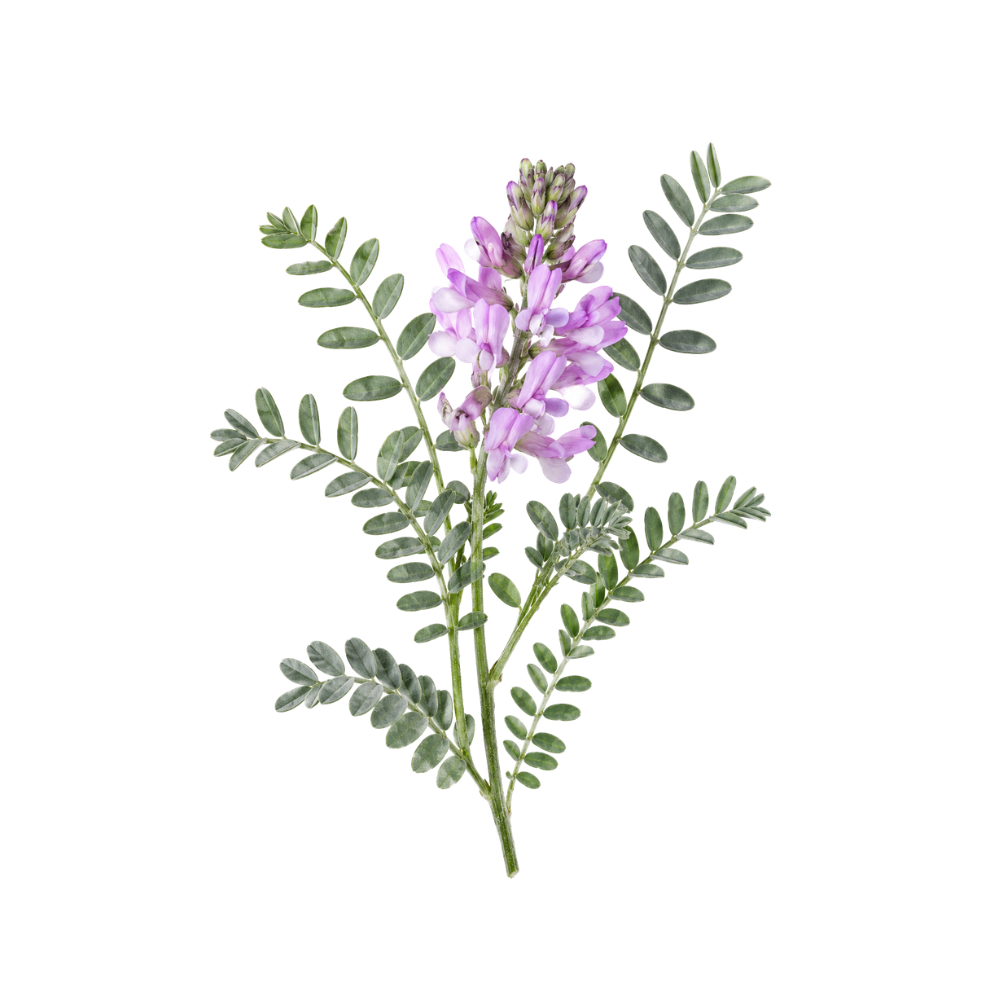 StrongStrongAstragalusAstragalus membranaceusThree independent syntheses agree on lower proteinuria and creatinine in diabetic kidney disease, mostly for injected astragalus added to standard blood-pressure treatment.Mechanismrenal oxidative-stress ↓; anti-fibrotic ECM signalingRead the evidenceShow lessMonograph →
A 2011 meta-analysis of 25 trials in 1,804 patients found astragalus injection improved BUN, serum creatinine, creatinine clearance, urinary protein and serum albumin in diabetic nephropathy 12Reference 12Meta-analysisMeta-analysis of the clinical value of Astragalus membranaceus in diabetic nephropathy — randomized/controlled trialsView study →. A 2024 meta-analysis of 32 randomised trials in 2,462 patients, of astragalus added to RAAS blockers in stage III disease, reported reduced urinary protein, creatinine, BUN and HbA1c 13Reference 13Meta-analysisEfficacy of astragalus combined with RAAS blockers in stage III diabetic nephropathy — a systematic review and meta-analysis of randomized controlled trialsView study →.
A 2014 Cochrane review of astragalus in chronic kidney disease, covering 22 studies and 1,323 participants, found reduced proteinuria with raised haemoglobin and albumin 14Reference 14Systematic reviewAstragalus (a traditional Chinese medicine) for treating chronic kidney disease — Cochrane systematic review of randomised controlled trialsView study →. Three independent syntheses converging is better than most botanical evidence gets.
Animal work supplies the mechanism, an antioxidant and antifibrotic renal effect 15Reference 15Systematic reviewSystematic review of the renal protective effect of Astragalus membranaceus on diabetic nephropathy in animal modelsView study →.
Every benefit is on a surrogate marker. Cochrane flagged that hard endpoints — dialysis, mortality — were never reported, with low study quality overall 14Reference 14Systematic reviewAstragalus (a traditional Chinese medicine) for treating chronic kidney disease — Cochrane systematic review of randomised controlled trialsView study →, and heterogeneity is high.
Most protocols pair injectable astragalus with standard drugs rather than testing the root alone. An oral capsule is a different dose, a different bioavailability and a different molecule profile reaching the kidney, and the trials establish astragalus as an adjunct to ACE inhibitors and ARBs rather than an alternative to them.
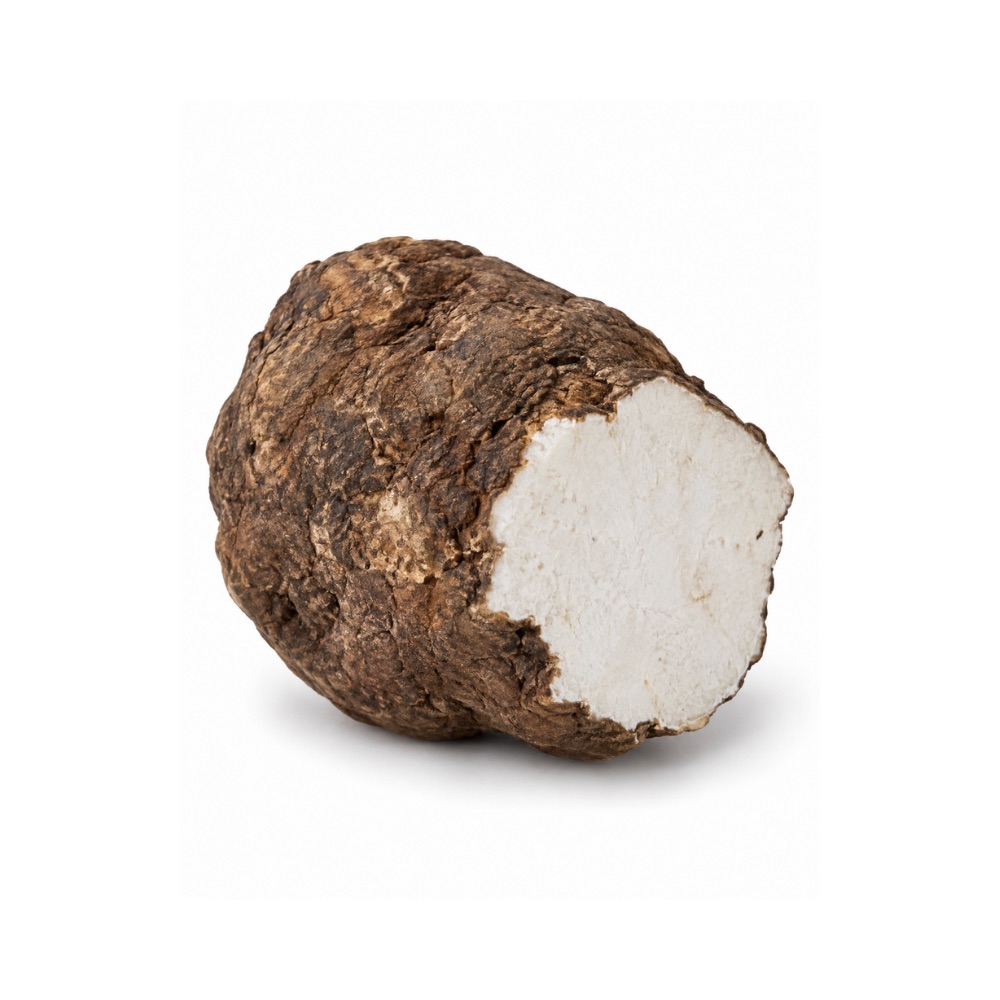 ModerateModeratePoriaWolfiporia extensaIts seco-lanostane poricoic acids suppress TGF-β1/Smad fibrosis signalling in kidney-injury models, and they concentrate in the surface layer tradition already singles out.Mechanismporicoic acids → TGF-β1/Smad ↓, Keap1/Nrf2 ↑Read the evidenceShow less
The 3,4-seco-lanostane poricoic acids show antifibrotic activity in animal models of chronic kidney disease, suppressing TGF-β1/Smad signalling and activating Nrf2 18,
Antifibrotic activity is a scarce property in this group; most nephroprotective herbs work through diuresis or antioxidant effects rather than acting on fibrosis directly.
The poricoic acids concentrate in the surface layer of the sclerotium, the part Chinese practice already separates out as a distinct medicine.
The work is constituent-level and animal-only, with no human renal data.
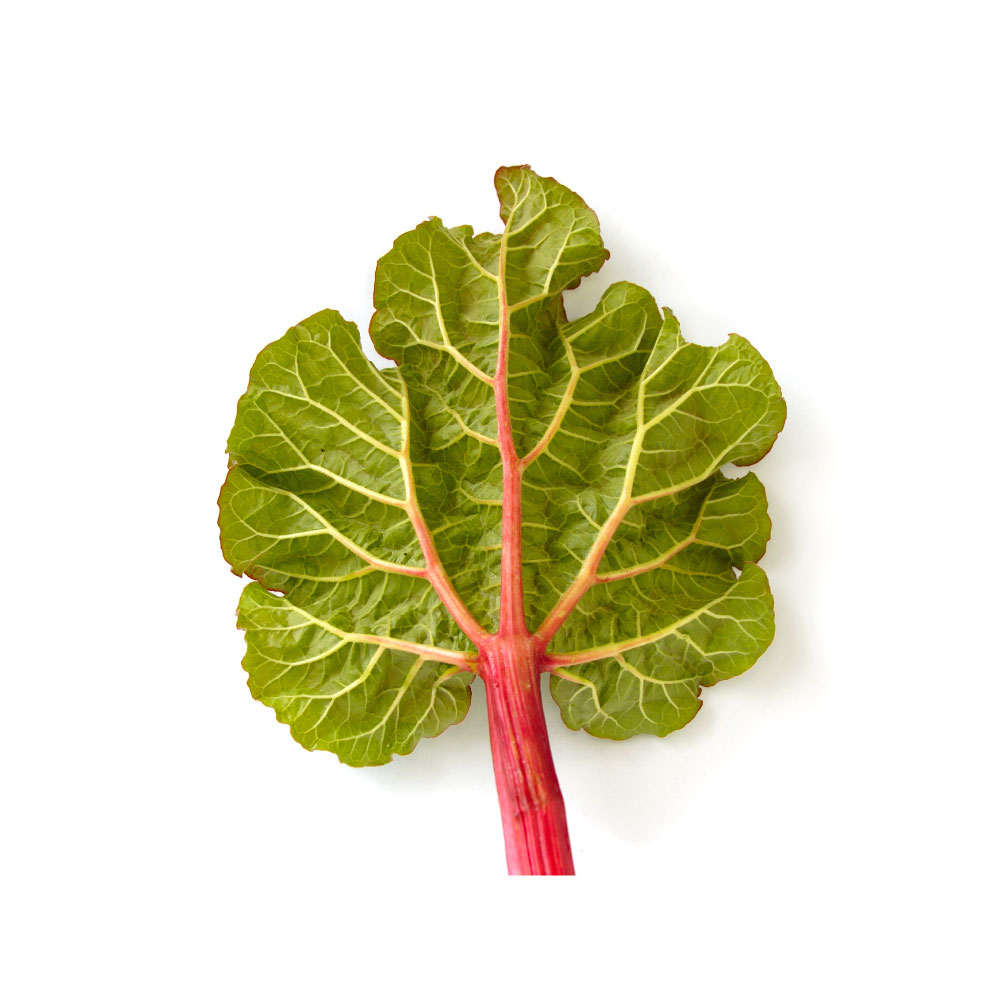 ModerateModerateRhubarbRheum palmatumIts anthraquinone rhein reverses the loss of Klotho, the anti-ageing protein a failing kidney stops expressing, by demethylating the gene's promoter.MechanismKlotho promoter demethylation; diabetic-nephropathy pathwaysRead the evidenceShow lessMonograph →
In adenine-induced chronic kidney disease in mice, rhein reversed Klotho repression by demethylating the gene’s promoter and protected against both kidney and bone injury 21Reference 21AnimalRhein reverses Klotho repression via promoter demethylation and protects against kidney and bone injuries in mice with chronic kidney disease — animal modelView study →. An epigenetic mechanism is an unusual finding for a plant constituent.
A systematic review and meta-analysis of animal studies found a significant association between rhein and improved outcomes in diabetic-nephropathy models 16Reference 16Meta-analysisA significant association between rhein and diabetic nephropathy in animals: A systematic review and meta-analysis — systematic review, animal modelView study →, and rhein is used clinically for diabetic nephropathy in China.
The rhein work is animal-only, and rhubarb root itself is a strong anthraquinone laxative, which sets its own limits on how it can be taken.
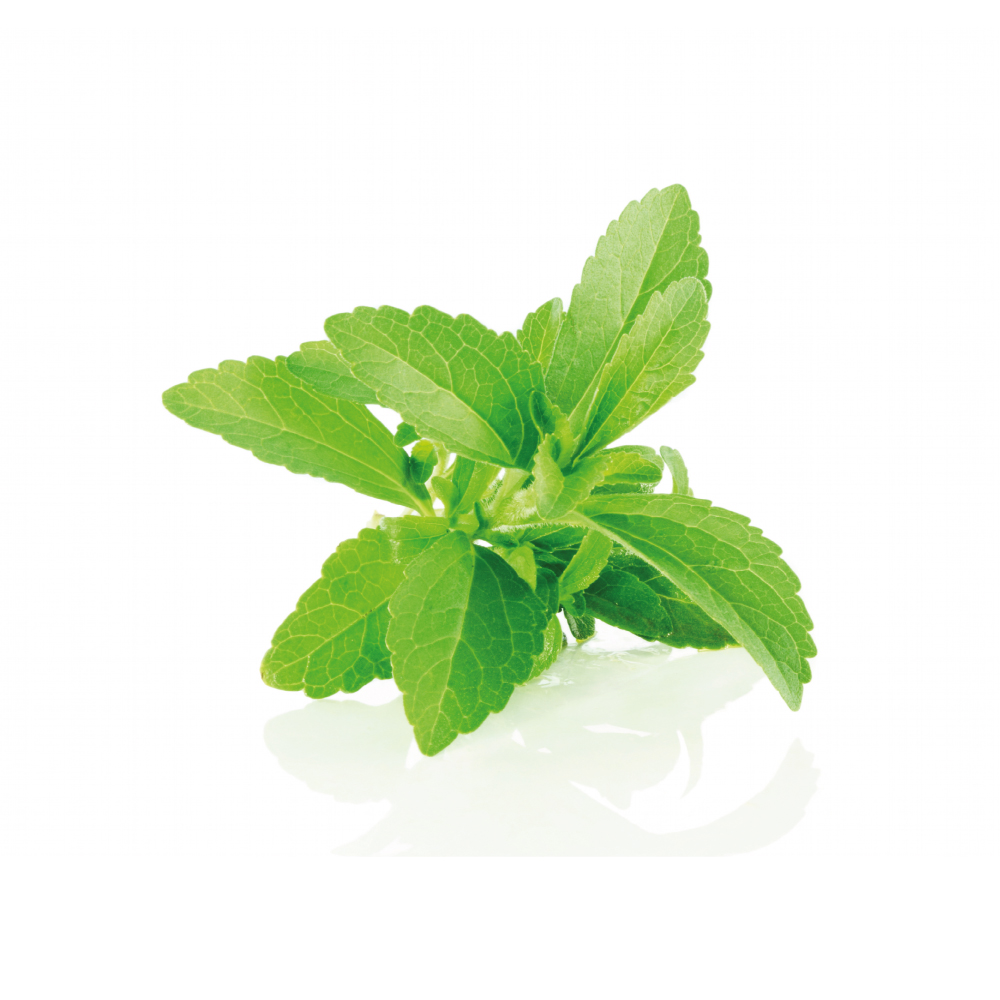 ModerateModerateSteviaStevia rebaudianaNine months of stevioside cut microalbuminuria in chronic kidney disease and the gains reversed on washout — a within-subject control that is rare in this literature.Mechanismmicroalbuminuria ↓ with blood pressure, postprandial glucose and hs-CRP ↓ — a composite renal-risk-factor effect, no renal target identifiedRead the evidenceShow lessMonograph →
In a prospective single-blind placebo-controlled study of 93 stage I–III chronic-kidney-disease patients, stevioside at 250 mg twice daily reduced microalbuminuria, systolic and diastolic blood pressure, postprandial glucose, ESR and hs-CRP over nine months, and the gains reversed during a washout period 17Reference 17RCTEffects of stevia on inflammatory markers, renal and hematological parameters in patients with stage I-III chronic kidney disease — randomised controlled trialView study →.
Reversal on withdrawal is a within-subject control that argues against drift or regression to the mean, and nine months is a serious duration for a renal endpoint.
The mechanism is a composite. Every one of stevia’s established actions — the antihypertensive calcium-channel effect, the glycaemic effect, the anti-inflammatory cytokine suppression — is itself a driver of diabetic and hypertensive kidney disease, and this trial moved all three at once.
No tubular, glomerular or podocyte target is identified anywhere.
It is one small single-blind trial supported by animal work, and it needs replication in a larger blinded study. A diuretic claim does not follow from it either: the trial measured microalbuminuria and renal markers rather than urine output.
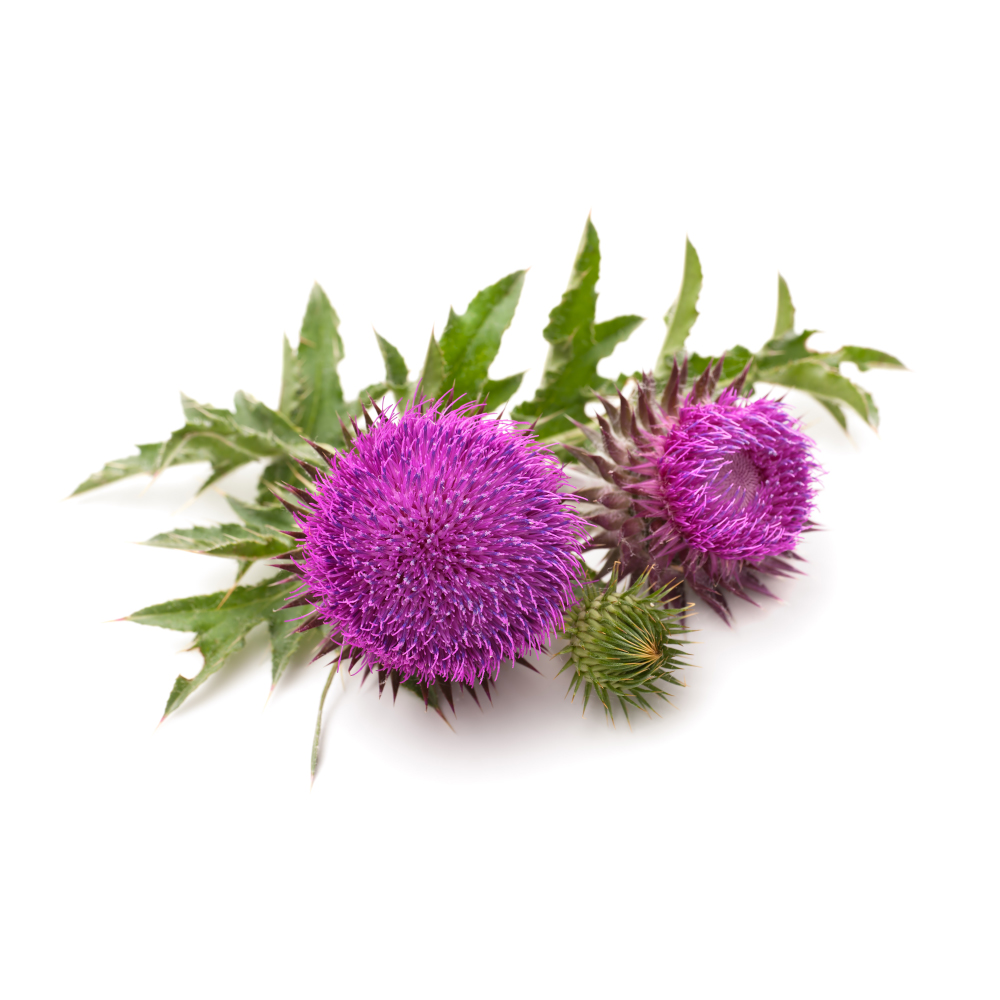 MildMildMilk ThistleSilybum marianumSilymarin stabilises hepatocyte membranes, which is exactly the property that would be expected to protect a nephron — and nobody has measured it.Read the evidenceShow lessMonograph →
Milk thistle’s monographs list nephroprotection alongside its hepatoprotective action, and the reasoning is the same in both places: silymarin works by membrane stabilisation, and the nephron is a membrane-dependent structure under constant oxidative load.
A small share of absorbed silymarin is excreted by the kidney, so the compound does reach the tissue.
No renal study of milk thistle exists. The action stands as an inference from the liver work rather than as a measurement.
No herbs match these filters.
Safety
- No nephroprotective herb substitutes for RAAS blockade or for nephrology care.
- Reduced kidney function lowers clearance of everything, so herbal constituents and their metabolites accumulate at doses that are safe with normal kidneys.
- Concentrated extracts, long courses and multi-herb formulas all carry more risk in the people most likely to seek them out.
- Herbal medicine is a well-documented cause of kidney injury, and aristolochic acid nephropathy is the paradigm: irreversible fibrosis with a urothelial cancer signal, delivered through misidentified plant material.
- Species identity, supplier and single-herb preparations matter more here than almost anywhere else.
- Injected and oral preparations are not interchangeable, and the strongest evidence in this group is for an injection.
- Herbs that lower blood pressure or glucose stack with the medication the same patients are usually taking.
- Falling urine output, swelling, breathlessness or a rising creatinine are investigations rather than indications, and kidney function is monitored by blood and urine tests.
References
- Wang S, Zheng Y, Jin S, Fu Y, Liu Y (2022). Dioscin protects against cisplatin-induced acute kidney injury by reducing ferroptosis and apoptosis through activating Nrf2/HO-1 signaling. Antioxidants. https://pubmed.ncbi.nlm.nih.gov/36552651/
- Qiao Y, Xu L, Tao X, Yin L, Qi Y, Xu Y, Han X, Tang Z, Ma X, Liu K, Peng J (2018). Protective effects of dioscin against fructose-induced renal damage via adjusting Sirt3-mediated oxidative stress, fibrosis, lipid metabolism and inflammation. Toxicology Letters. https://pubmed.ncbi.nlm.nih.gov/29197622/
- Dang W, Li F, Gao R, Zhang C, Cheng H, Wu Z, Yang T, Pan J, Tang X, Gao Y (2024). Protective effects of dioscin and diosgenin on plateau hyperuricemia by attenuating renal inflammation via EPHX2. International Journal of Molecular Sciences. https://pubmed.ncbi.nlm.nih.gov/39769164/
- Yokozawa T, Chung HY, Oura H, Nonaka G, Nishioka I. (1989). Isolation of a renal function-facilitating constituent from the Oriental drug, Salviae miltiorrhizae radix — identified as magnesium lithospermate B. Nihon Jinzo Gakkai Shi (Japanese Journal of Nephrology), 31(11), 1091–1098. https://pubmed.ncbi.nlm.nih.gov/2615020/
- Yao L, et al. (2022). Effects of salvianolic acid A and salvianolic acid B in renal interstitial fibrosis via PDGF-C/PDGFR-α signaling pathway. Phytomedicine, 106, 154414. https://pubmed.ncbi.nlm.nih.gov/36057144/
- Xu Q, Shen L, Zhao J, Shen X. (2023). Salvianolate injection for hypertensive nephropathy patients who were using valsartan — systematic review and meta-analysis. Frontiers in Pharmacology, 14, 1119150. https://pubmed.ncbi.nlm.nih.gov/36794275/
- Mustafa NH, Sekar M, Fuloria S, et al. (2022). Chemistry, biosynthesis and pharmacology of sarsasapogenin: a potential natural steroid molecule for new drug design, development and therapy. Molecules. https://pubmed.ncbi.nlm.nih.gov/35335393/
- Kong L, Liu Y, Zhang YM, et al. (2021). Sarsasapogenin ameliorates diabetes-associated memory impairment and neuroinflammation through down-regulation of PAR-1 receptor. Phytotherapy Research. https://pubmed.ncbi.nlm.nih.gov/33885189/
- Yuan Q, Li Y, Shen K, et al. (2026). Sarsasapogenin attenuates renal ischemia-reperfusion injury by inhibiting the NF-κB pathway and NLRP3 inflammasome-mediated pyroptosis. International Immunopharmacology. https://pubmed.ncbi.nlm.nih.gov/42166861/
- Fawzy, M. A., et al. (2022). Vincamine modulates the effect of pantoprazole in renal ischemia/reperfusion injury by attenuating MAPK and apoptosis signalling — animal model. Molecules. https://pubmed.ncbi.nlm.nih.gov/35209172/
- Abouelhamd, A., et al. (2025). Vincamine induces cytoprotective autophagy via regulation of AMPK/mTOR signalling in gentamicin-induced hepatotoxicity and nephrotoxicity in rats — animal model. Scientific Reports. https://pubmed.ncbi.nlm.nih.gov/40542078/
- Li, M., et al. (2011). Meta-analysis of the clinical value of Astragalus membranaceus in diabetic nephropathy — randomized/controlled trials. Journal of Ethnopharmacology. https://pubmed.ncbi.nlm.nih.gov/20951192/
- Lin, Y.Q., et al. (2024). Efficacy of astragalus combined with RAAS blockers in stage III diabetic nephropathy — a systematic review and meta-analysis of randomized controlled trials. Renal Failure. https://pubmed.ncbi.nlm.nih.gov/38836372/
- Zhang, H.W., et al. (2014). Astragalus (a traditional Chinese medicine) for treating chronic kidney disease — Cochrane systematic review of randomised controlled trials. Cochrane Database of Systematic Reviews. https://pubmed.ncbi.nlm.nih.gov/25335553/
- Zhang, J., et al. (2009). Systematic review of the renal protective effect of Astragalus membranaceus on diabetic nephropathy in animal models. Journal of Ethnopharmacology. https://pubmed.ncbi.nlm.nih.gov/19735713/
- Hu, H. C., et al. (2019). A significant association between rhein and diabetic nephropathy in animals: A systematic review and meta-analysis — systematic review, animal model. Frontiers in Pharmacology. https://pubmed.ncbi.nlm.nih.gov/31920660/
- Rizwan, F. et al. (2025). Effects of stevia on inflammatory markers, renal and hematological parameters in patients with stage I-III chronic kidney disease — randomised controlled trial. Cureus. https://pubmed.ncbi.nlm.nih.gov/40821154/
- Guo, Z. Y., et al. (2025). Poria cocos: traditional uses, triterpenoid components and their renoprotective pharmacology — review. Acta Pharmacologica Sinica. https://pubmed.ncbi.nlm.nih.gov/39482471/
- Chen, D. Q., et al. (2019). Poricoic acid A enhances melatonin inhibition of AKI-to-CKD transition by regulating Gas6/Axl–NF-κB/Nrf2 axis — animal model. Free Radical Biology & Medicine. https://pubmed.ncbi.nlm.nih.gov/30716432/
- Wang, M., et al. (2020). Novel poricoic acids attenuate renal fibrosis through regulating redox signalling and aryl hydrocarbon receptor activation — animal model. Phytomedicine. https://pubmed.ncbi.nlm.nih.gov/32920287/
- Zhang, Q., Liu, L., Lin, W., et al. (2017). Rhein reverses Klotho repression via promoter demethylation and protects against kidney and bone injuries in mice with chronic kidney disease — animal model. Kidney International, 91(1), 144–156. https://pubmed.ncbi.nlm.nih.gov/27692562/
Keep Exploring