
Subclass of Amino Acids & Proteins
Proteins & Peptides
Plant proteins and peptides, including enzymes and the ribosome-inactivating proteins.
Overview
About Proteins & Peptides
Proteins and peptides are chains of amino acids — peptides short, proteins long and folded into a defined three-dimensional shape. In a phytochemistry reference they occupy an awkward but interesting position, because their behaviour is governed by a constraint no small molecule faces.
That constraint is digestion. A protein taken by mouth is normally taken apart into amino acids before it can do anything, so any claim that a plant protein acts systemically after being swallowed needs to explain how it survived the stomach. Some genuinely do; most do not.
What Falls Under This Heading
Several quite different kinds of molecule share this page:
- Lectins
- carbohydrate-binding proteins: ricin, mistletoe viscotoxins, bean phytohaemagglutinin
- Ribosome-inactivating proteins
- trichosanthin, momorcharins, MAP30
- Protease inhibitors
- the Bowman-Birk and Kunitz families of legumes
- Enzymes
- bromelain from pineapple, papain from papaya, ficin
- Cyclotides and small peptides
- the cyclic peptides of Rubiaceae and Violaceae
- Structural and storage proteins
- the bulk by mass, and pharmacologically inert
Pharmacological Importance
The proteolytic enzymes are the clearest case of orally active plant proteins. Bromelain is absorbed intact in small but measurable quantities and has reasonable evidence in post-surgical swelling and osteoarthritis; both bromelain and papain are used as topical debriding agents, where digestion is not an obstacle at all.
The cyclotides are the structural curiosity worth knowing: their backbone is a closed circle stabilized by a knotted disulfide core, which makes them exceptionally resistant to heat and proteases — and an active scaffold in peptide drug design for precisely that reason. Mistletoe lectins are the basis of the injected mistletoe preparations used as adjunctive cancer therapy in parts of Europe.
Toxicity & Safety
This class contains the single most toxic compound in the plant kingdom. Ricin, the lectin of castor bean, inactivates ribosomes catalytically — a handful of molecules can kill a cell, and a few seeds can kill a person.
Less dramatically, undercooked kidney beans cause acute vomiting and diarrhoea through phytohaemagglutinin, which is destroyed by proper boiling but not by slow cooking at low temperature. Plant proteins are also the main route to true IgE-mediated food allergy — the peanut, soy and tree-nut allergens are proteins — and the proteolytic enzymes are recognized occupational sensitizers.
Constituents
All Proteins & Peptides
63 totalA
Adenoregulin Agglutinins Albuminoids Alpha-amanitin Alpha-momorcharin Amanin Amaninamide Amatoxin Amphomycin Angiotensin amideB
Beta-amanitin Beta-momorcharin BG-4 Bombesin Bombesinnona peptides Bradykinin derivativesC
Caerulein Capreomycin Ciclosporin collagen Concanavalin A CorticotrophinD
Deltorphin Deltorphins Dermorphin DermorphinsE
Ebulin Ebulitins EptifibatideG
Gamma-amanitin glutathione gonadorelin GurmarinH
Heterophyllin BI
IsolectinsL
LectinsM
Mannose-binding lectin MAP30 Met-enkephalinN
Neurokinin B Nigrin b Care Nigrin f Care Nigrin s Care noopeptP
Passiflin Pe-AFP1 Phalloidin Phosphoramidon Phyllocaerulein Phyllokinin Phyllolitorin Phyllomedusin Polypeptide-p Preprotachykinin B Proamanullin Pseudostellarin AR
Ranatachykinin A Ribosome-inactivating proteins (RIPs)S
Sauvagine Shepherin IT
T-kininU
Urechistachykinin II Urtica dioica agglutininNo proteins & peptides match.
Source Plants
Herbs Containing Proteins & Peptides
13 herbsPlants in the materia medica documented to carry proteins & peptides, with the compounds each one is listed for. The bar counts how many DISTINCT proteins & peptides are on record for a plant, relative to the best-documented — it measures breadth of record, not potency, so a plant with one well-studied compound can outrank a richer source that has simply been analysed less. No concentration figures are on record for this class yet, so nothing here distinguishes a major source from a trace.
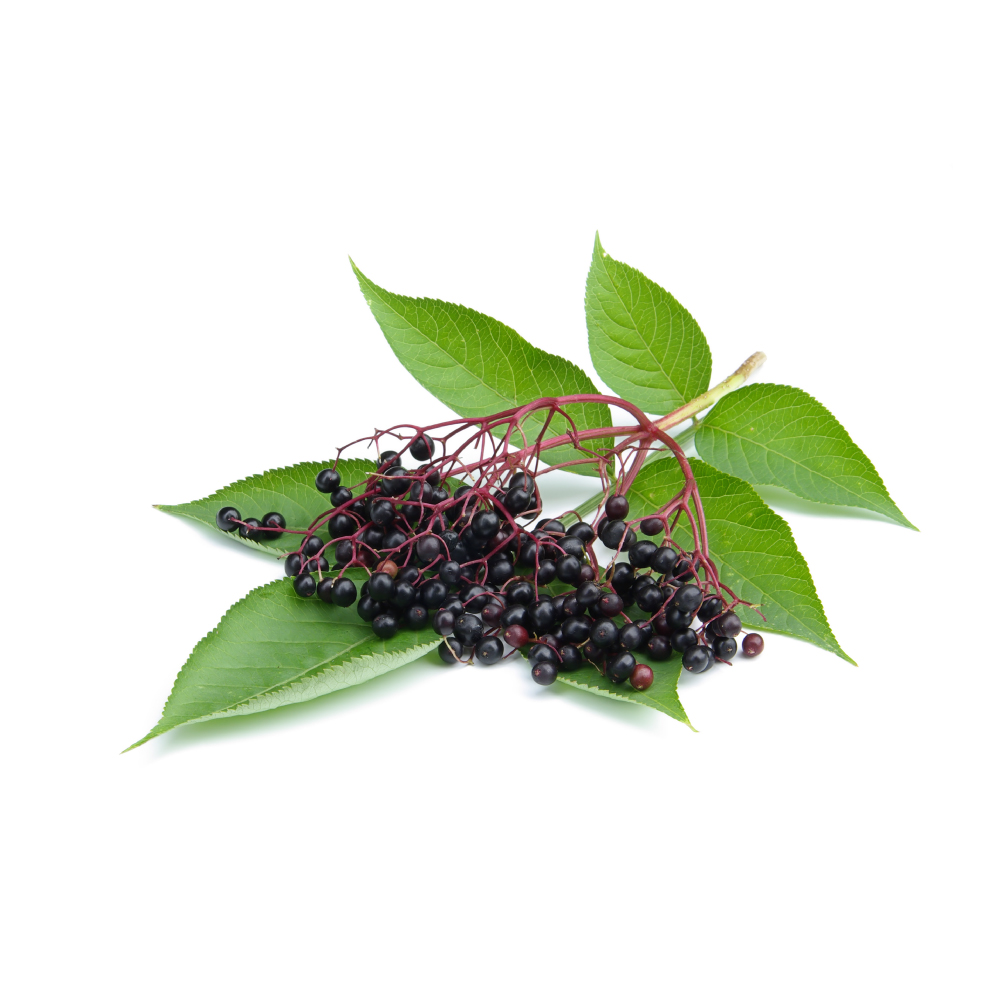 Elderberry Sambucus nigra Documented for ebulin, ebulitins, lectins and 4 more proteins & peptides. Bitter Melon Momordica charantia Documented for alpha-momorcharin, beta-momorcharin, BG-4 and 2 more proteins & peptides.
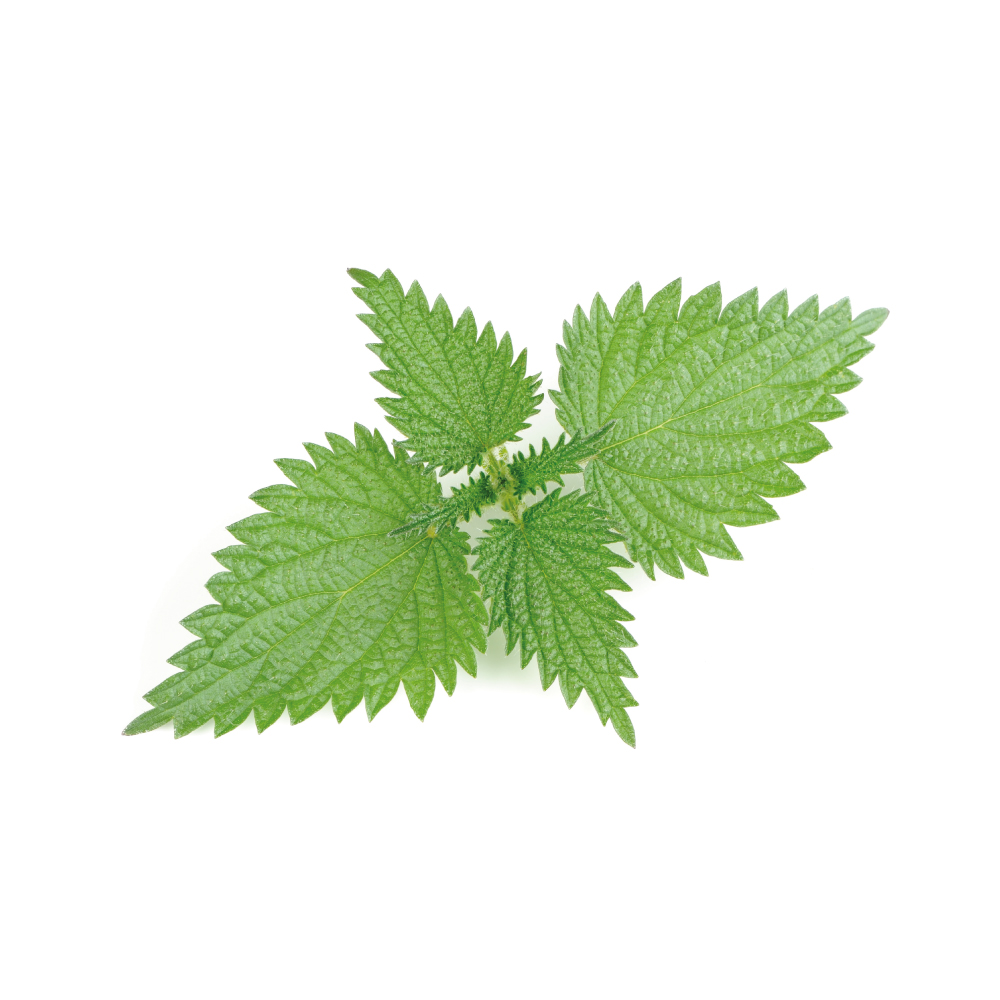 Stinging Nettle Urtica dioica Documented for agglutinins, isolectins, lectins and 1 more.
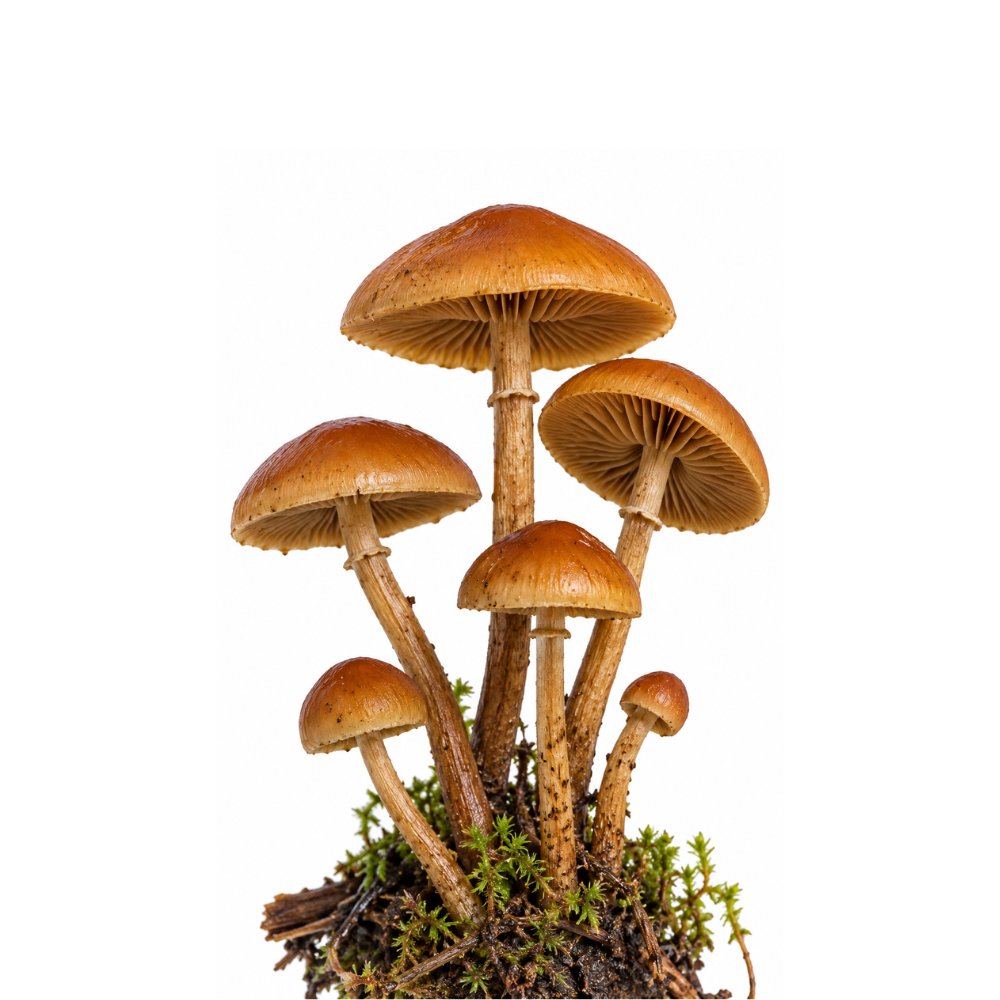 Deadly Galerina ☠️ Galerina marginata Toxic Documented for alpha-amanitin, beta-amanitin, gamma-amanitin.
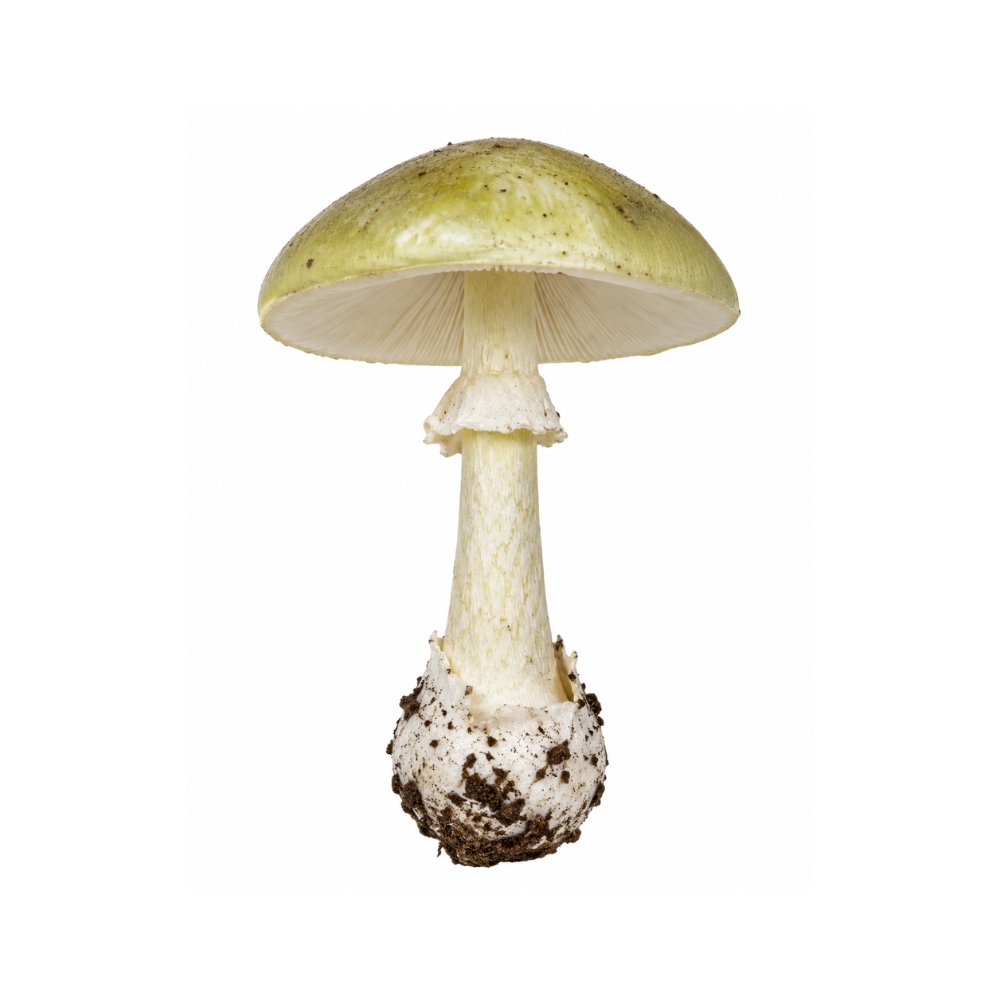 Death Cap ☠️ Amanita phalloides Toxic Documented for alpha-amanitin, beta-amanitin, phalloidin.
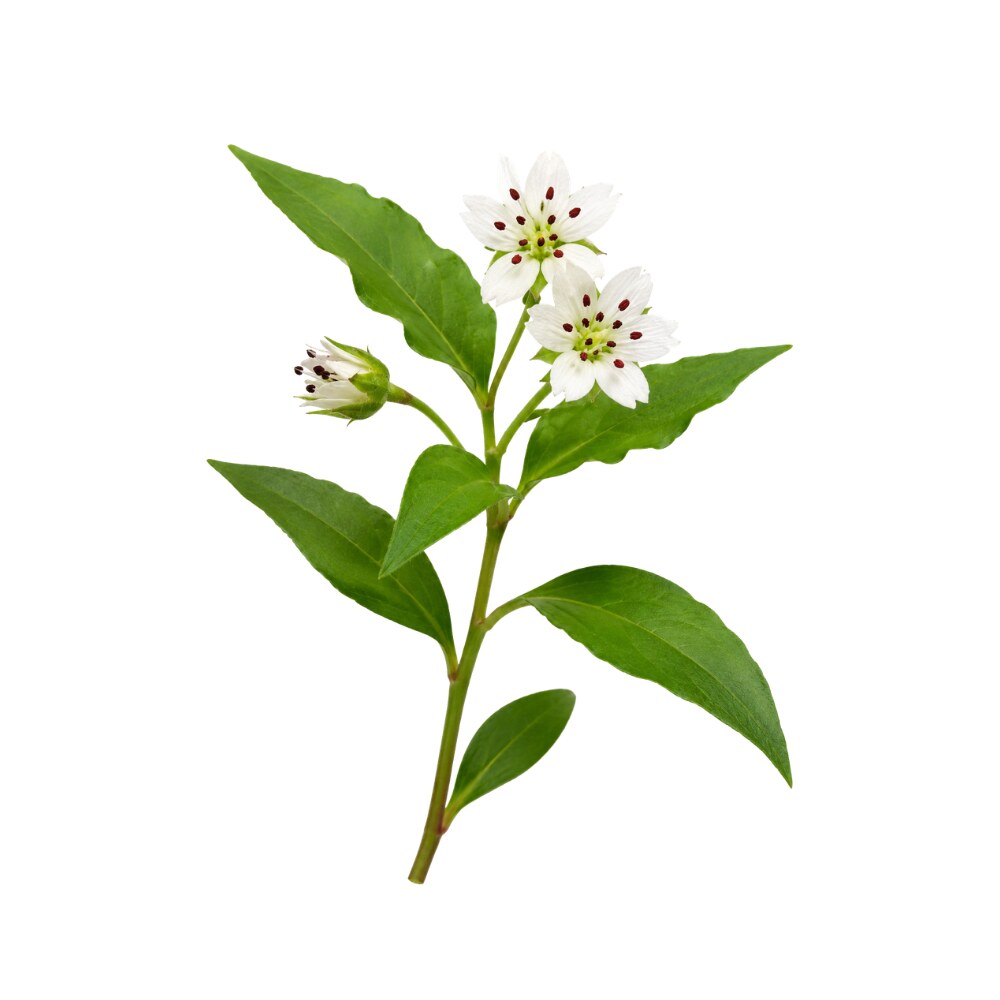 Kid Ginseng Pseudostellaria heterophylla Documented for heterophyllin B, pseudostellarin A.
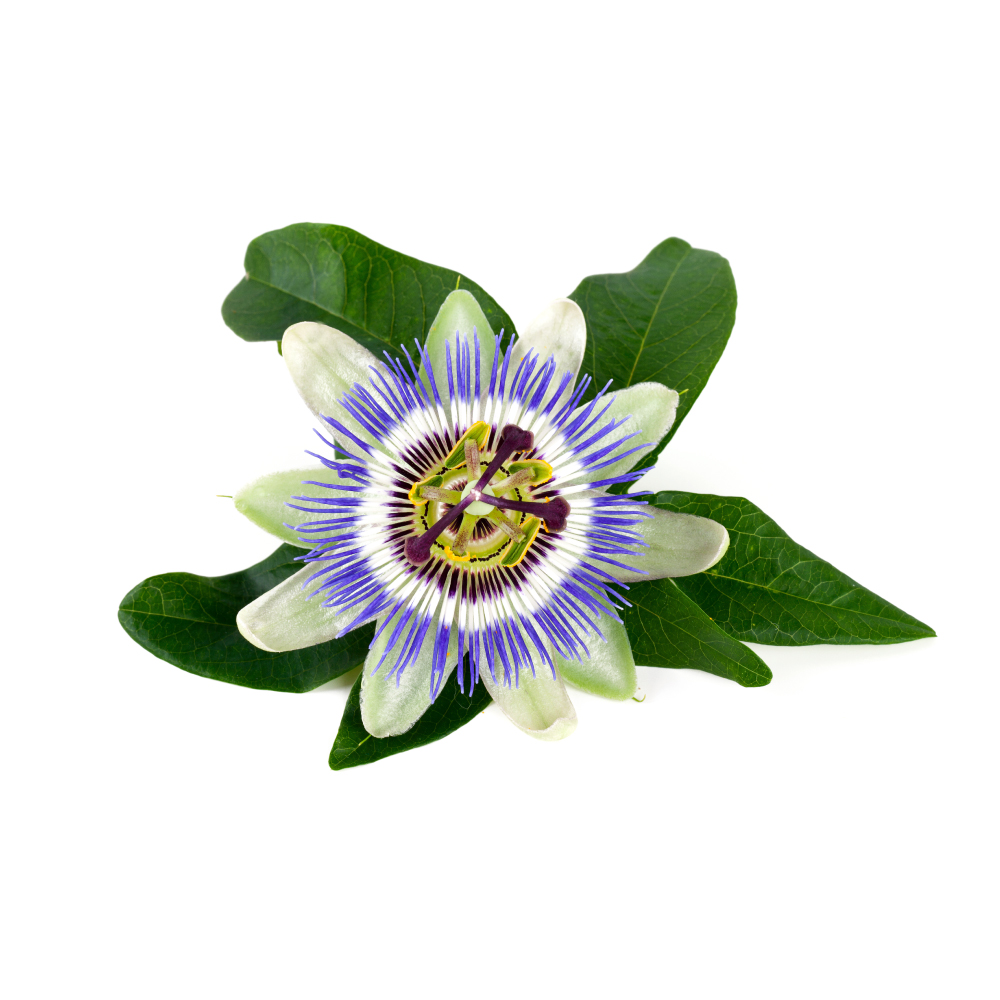 Passionflower Passiflora incarnata Documented for passiflin, Pe-AFP1.
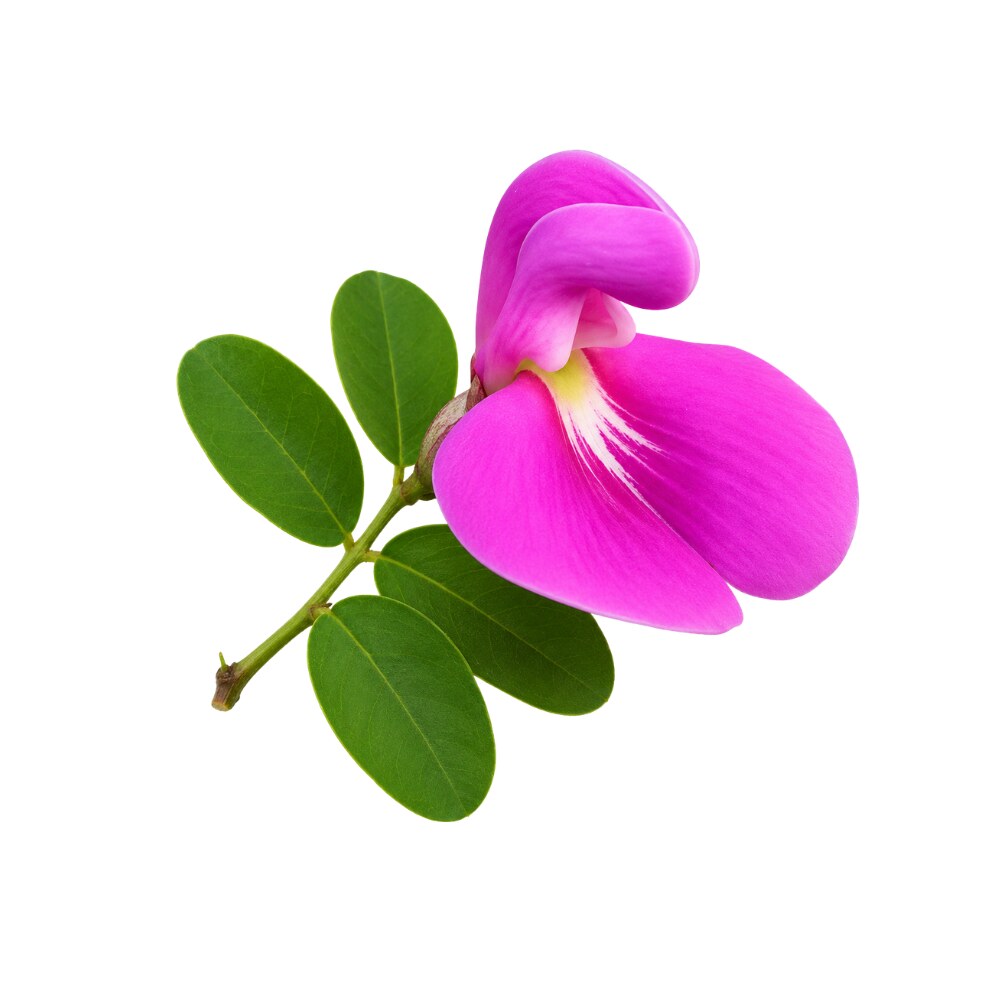 Bay Bean Canavalia rosea Documented for concanavalin A.
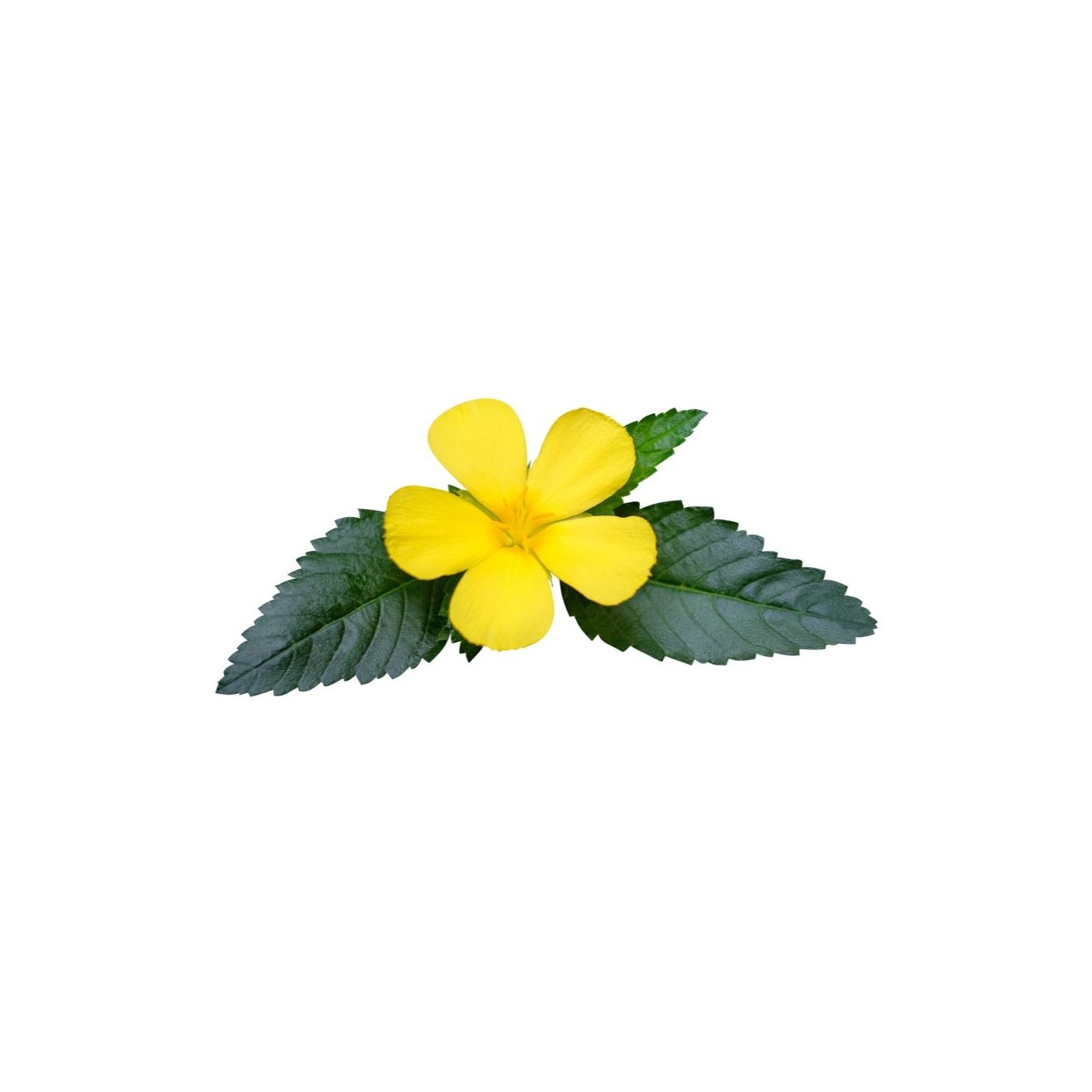 Damiana Turnera diffusa Documented for albuminoids.
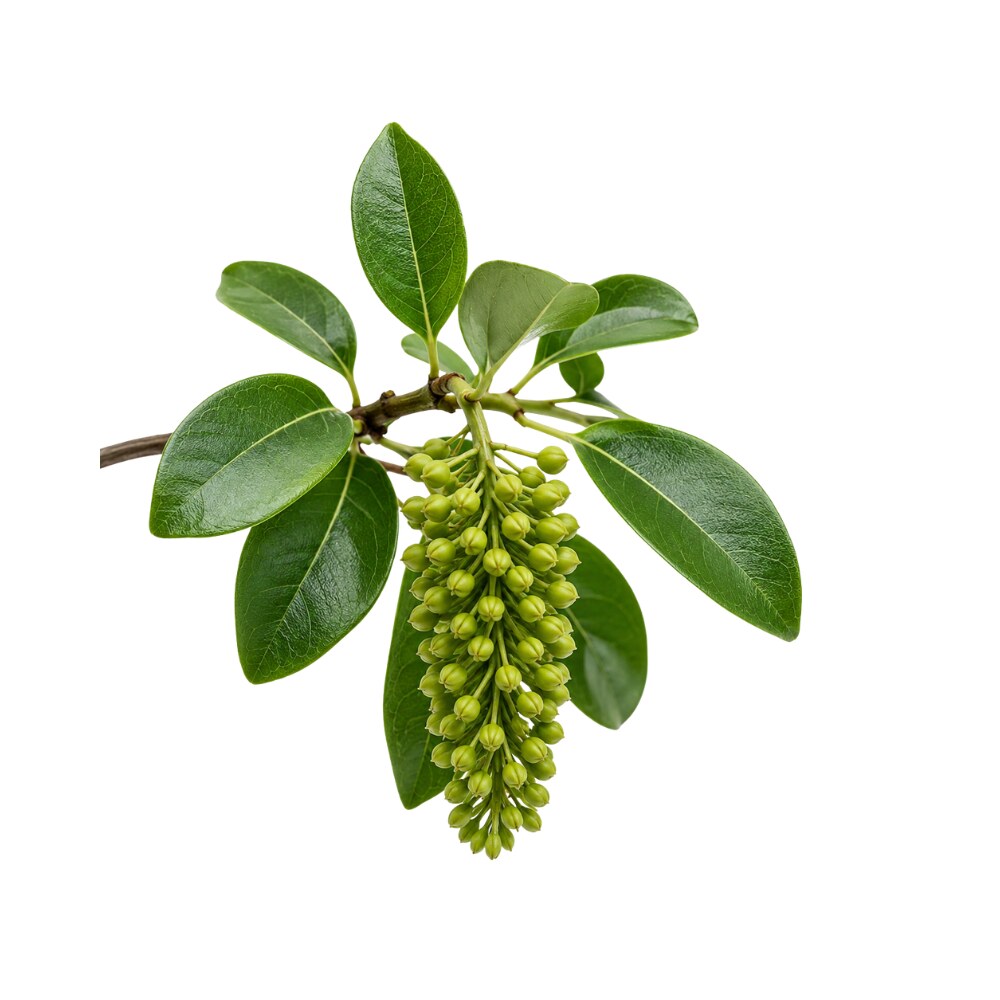 Griffonia Griffonia simplicifolia Documented for lectins.
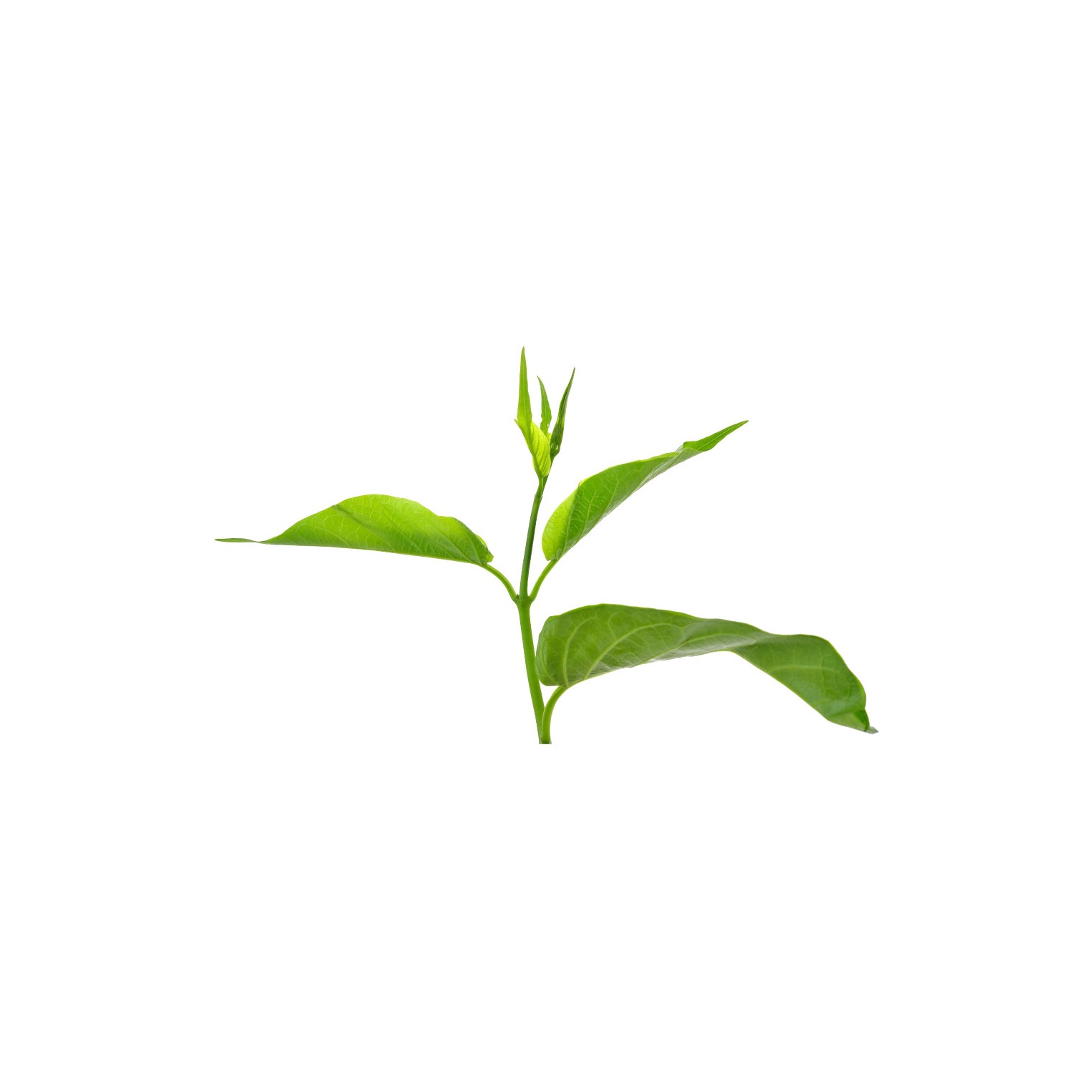 Gymnema Gymnema sylvestre Documented for gurmarin.
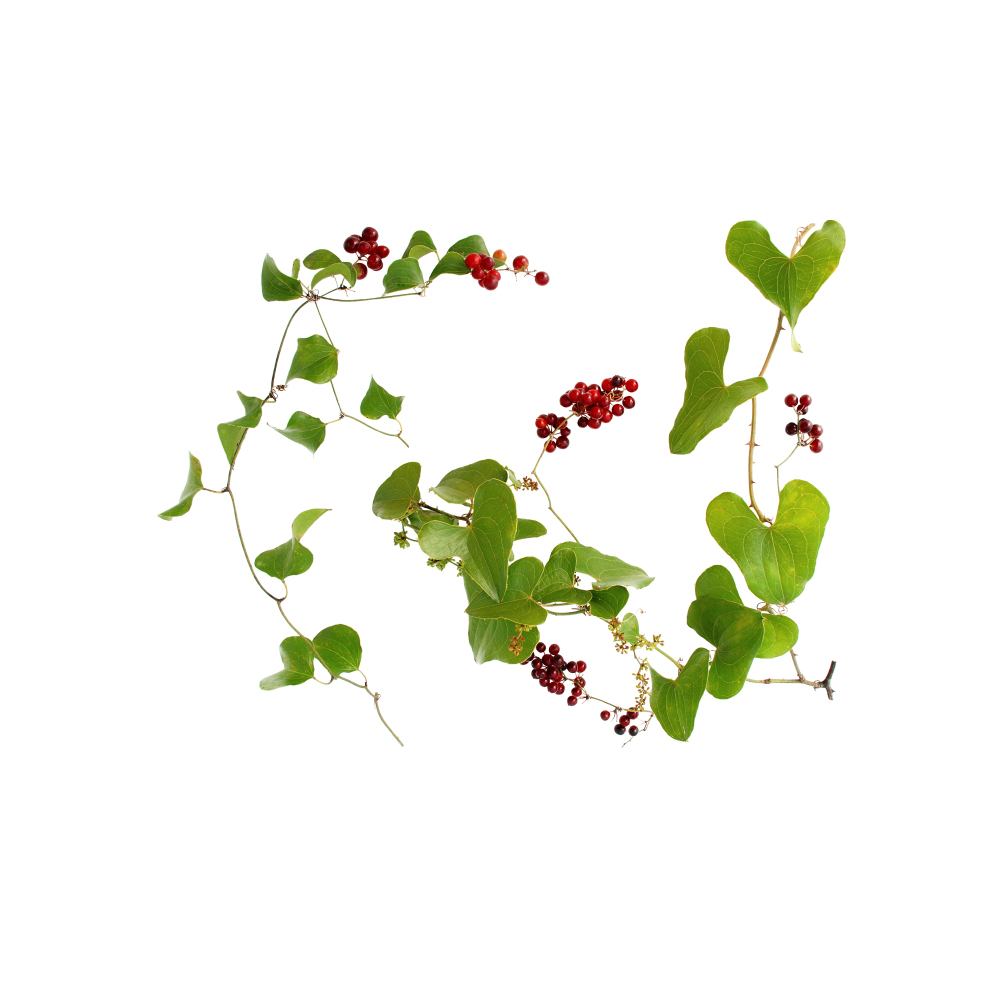 Sarsaparilla Smilax spp. Documented for mannose-binding lectin.
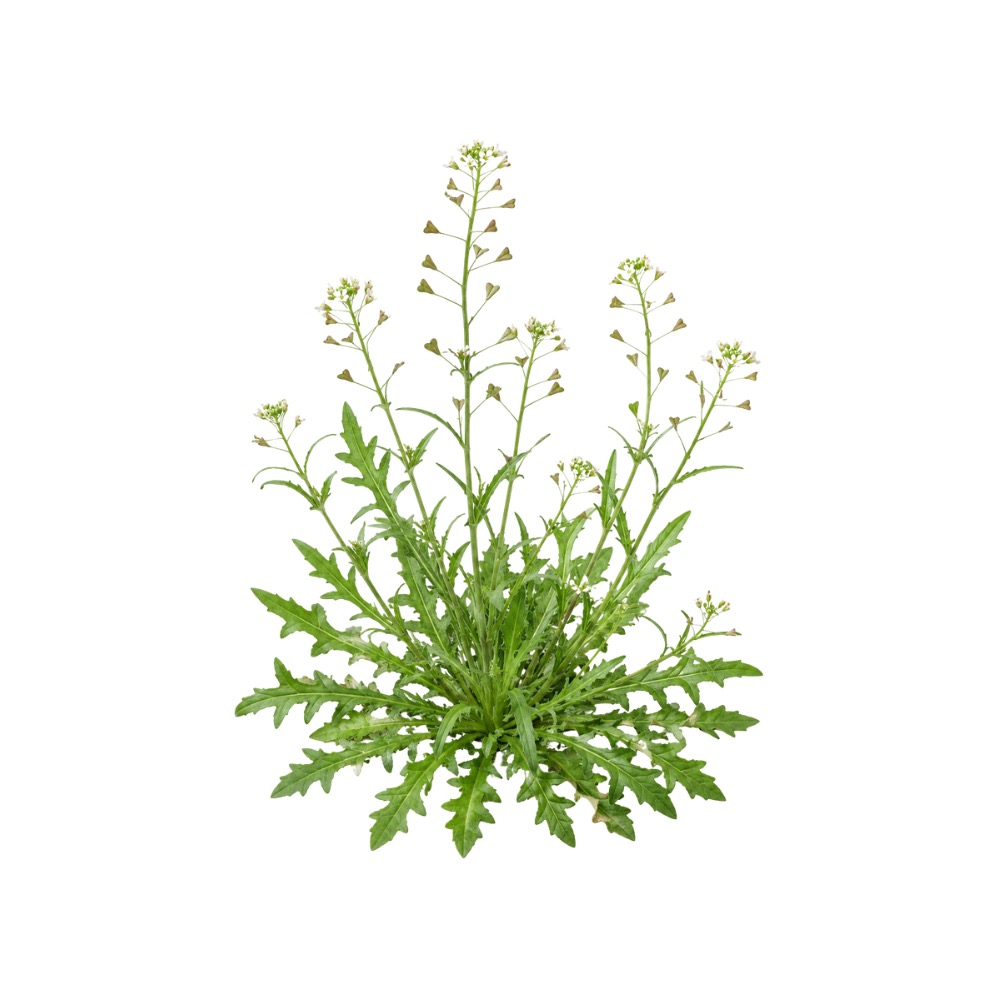 Shepherd's Purse Capsella bursa-pastoris Documented for shepherin I.
Keep Exploring
Other Compound Classes
Keep Reading
 GuidesThe Best Kava: A Buyer's GuideHow to buy good kava: noble vs two-day cultivars, which part of the root, chemotype codes, origin, form, and the batch tests a seller should show you.
Read more
 GuidesThe Amazon's Endangered Medicinal PlantsThe Amazon gives us some of our most important medicines — but which healing plants are actually endangered?
Read more
 NutritionThe Best Yerba Maté Brands [Reviewed]A drinker's guide to buying yerba maté — what actually changes the taste, and ten brands worth your money.
Read more
 GuidesHow to Prepare Yerba Maté — The Five Best MethodsHow to brew yerba maté properly — the traditional gourd method, plus tereré, french press and cold brew.
Read more