
Subclass of Terpenoids
Carotenoids
Orange-red fat-soluble antioxidant pigments, some of which are vitamin-A precursors.
Overview
About Carotenoids
Carotenoids are the forty-carbon tetraterpenes — eight isoprene units joined into a long chain of alternating single and double bonds. That extended conjugated system is what absorbs blue light and reflects yellow, orange and red, making this the pigment class behind carrots, tomatoes, saffron and the colours of autumn leaves.
The same electron-rich backbone makes them efficient quenchers of singlet oxygen, and in the plant that is their day job: protecting the photosynthetic machinery from the oxidative damage that light itself causes.
Where Carotenoids Occur
Every photosynthetic tissue makes them, though green chlorophyll usually masks the colour until autumn. The concentrated dietary sources are mostly fruits, roots and flowers:
Carrots and sweet potato
alpha- and beta-carotene
Tomato and watermelon
lycopene
Kale, spinach and marigold
lutein and zeaxanthin
Peppers and paprika
capsanthin, capsorubin
Saffron
crocin and crocetin, the water-soluble apocarotenoids
Saffron is the informative outlier: its pigments are cleaved carotenoid fragments carrying sugars, which makes them water-soluble where the rest of the class is not.
The Two Halves of the Class
Carotenoids split cleanly by whether they carry oxygen, and the distinction predicts where they end up in the body:
- Carotenes
- pure hydrocarbons: beta-carotene, lycopene
- Xanthophylls
- oxygen-bearing: lutein, zeaxanthin, astaxanthin, capsanthin
Only a subset — those retaining an unsubstituted beta-ionone ring — can be cleaved to vitamin A. Beta-carotene can; lycopene and lutein cannot.
Pharmacological Importance
The provitamin-A carotenes are the dietary route to vitamin A for most of the world's population, and their deficiency remains a leading cause of preventable childhood blindness.
Lutein and zeaxanthin accumulate selectively in the macula, where they filter blue light and are the basis of the AREDS2 formulation for age-related macular degeneration — one of the better-evidenced nutrient interventions in ophthalmology. Because all of these are fat-soluble, absorption depends heavily on eating them with fat, and on cooking, which breaks the cell walls that trap them.
Toxicity & Safety
Dietary carotenoids are extremely well tolerated. Very high intake causes carotenodermia, a harmless orange tinge to the skin that resolves on reducing intake — and, importantly, no vitamin-A toxicity, because the body regulates the conversion.
The one serious signal comes from isolated high-dose supplements, not food: the ATBC and CARET trials found beta-carotene supplementation increased lung-cancer incidence in smokers and asbestos-exposed workers. It is the clearest cautionary tale in the field that an isolated nutrient does not behave like the food it came from.
Constituents
All Carotenoids
13 totalB
beta-CaroteneC
Capsanthin Capsorubin Carotene Crocetin Crocin CryptoxanthinF
FlavoxanthinL
Lutein LuteoxanthinV
ViolaxanthinX
XanthophyllsZ
ZeaxanthinNo carotenoids match.
Source Plants
Herbs Containing Carotenoids
11 herbsPlants in the materia medica documented to carry carotenoids, with the compounds each one is listed for. The bar counts how many DISTINCT carotenoids are on record for a plant, relative to the best-documented — it measures breadth of record, not potency, so a plant with one well-studied compound can outrank a richer source that has simply been analysed less. Where a measured concentration is on record it is quoted inline; most entries have none yet.
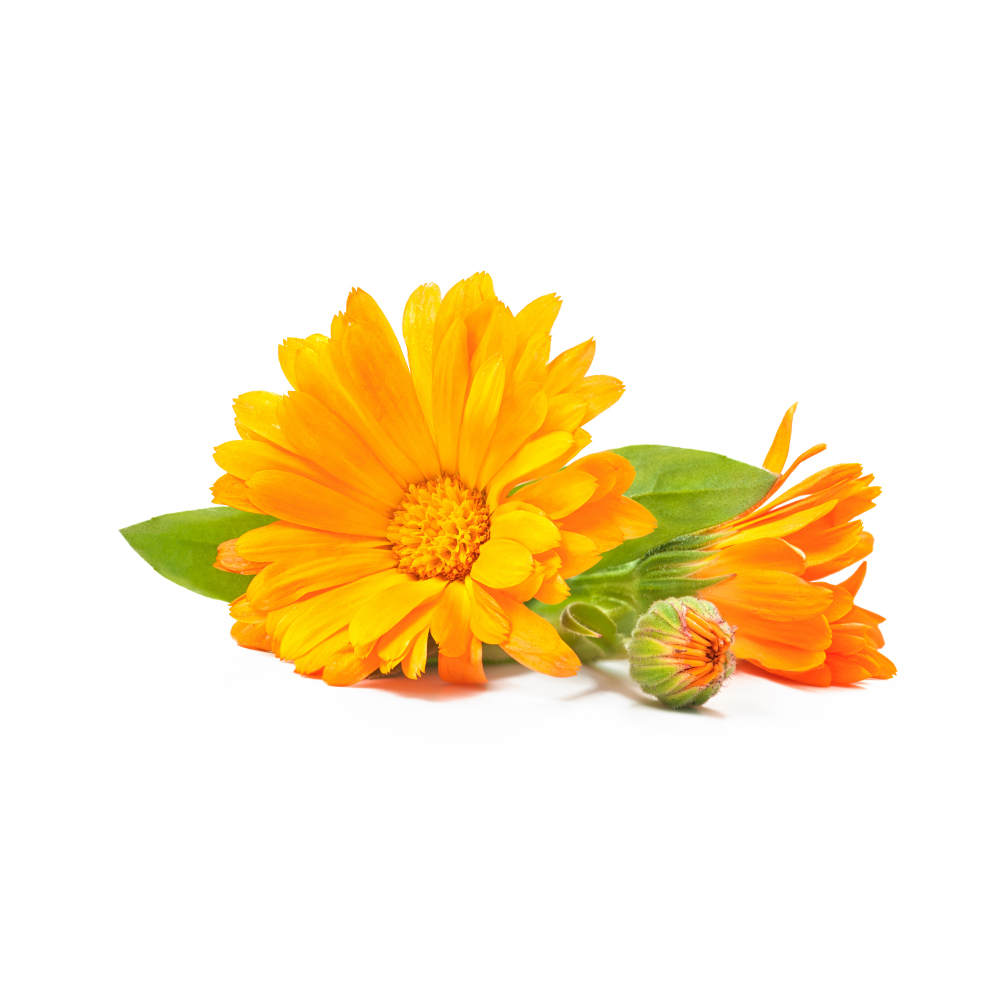 Calendula Calendula officinalis Documented for beta-carotene, carotenoids, flavoxanthin and 3 more carotenoids.
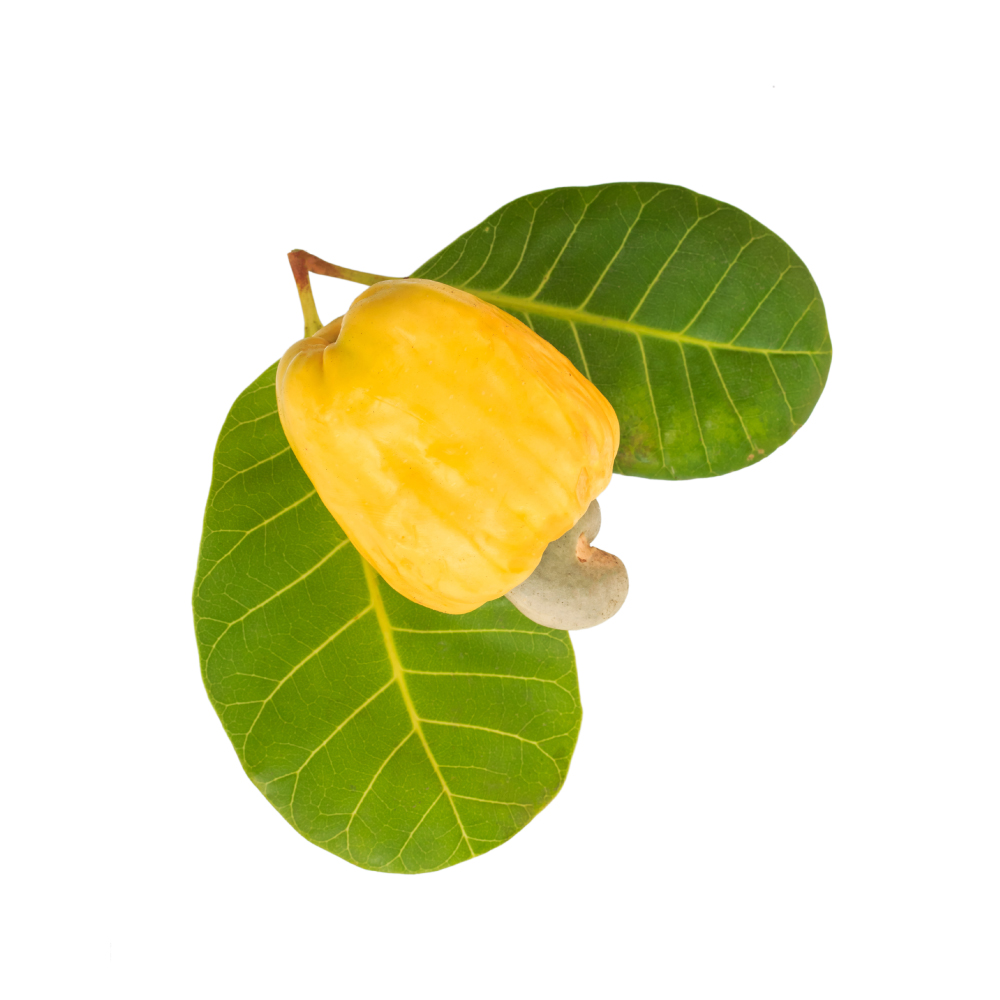 Cashew Anacardium occidentale Documented for carotene, carotenoids, cryptoxanthin.
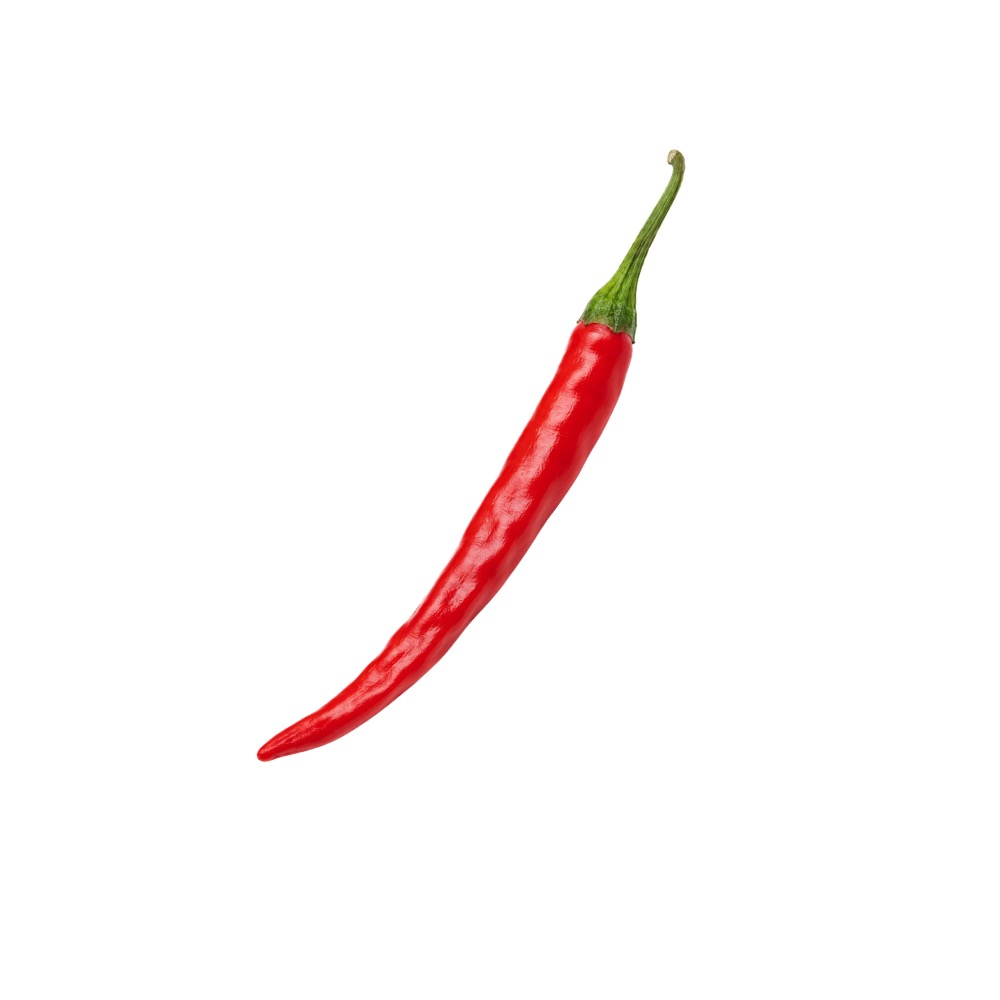 Cayenne Capsicum annuum Documented for capsanthin (2–6 mg/g dry wt), capsorubin (3.2 % of total carotenoids), beta-carotene.
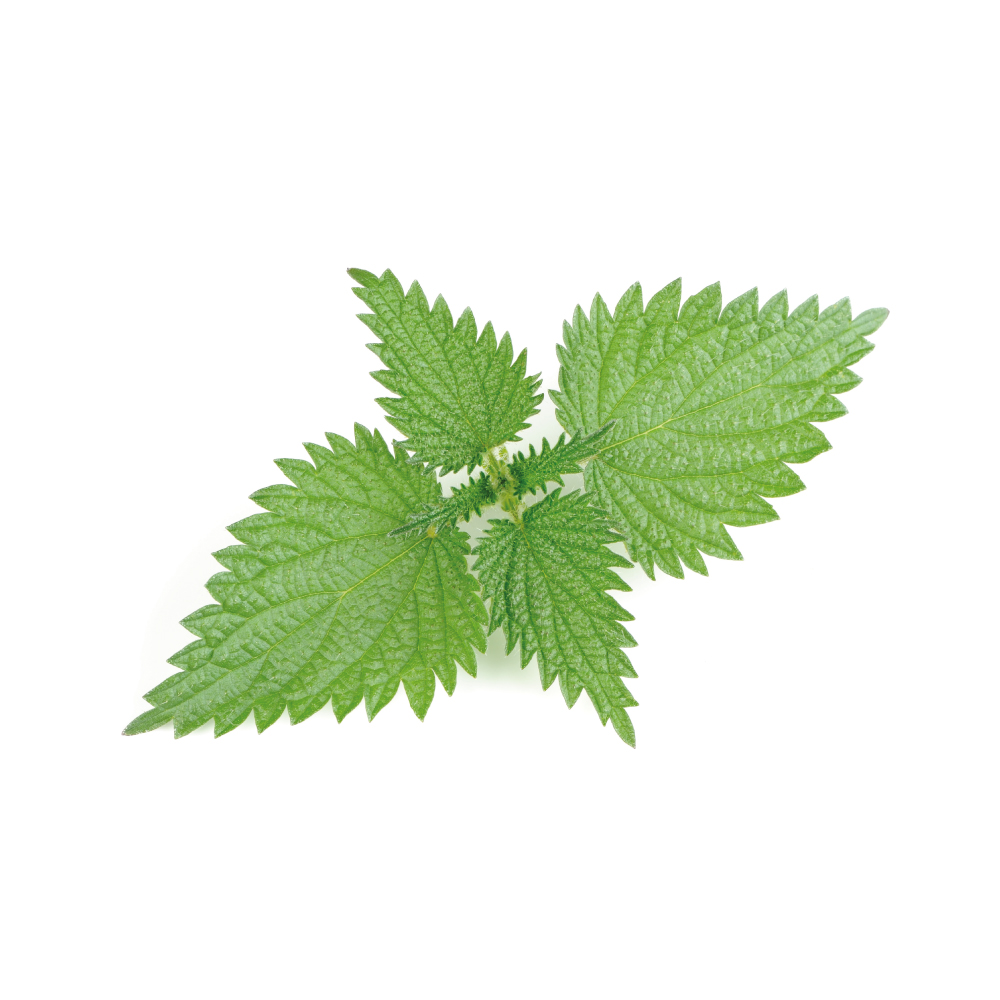 Stinging Nettle Urtica dioica Documented for carotenoids, violaxanthin, xanthophylls.
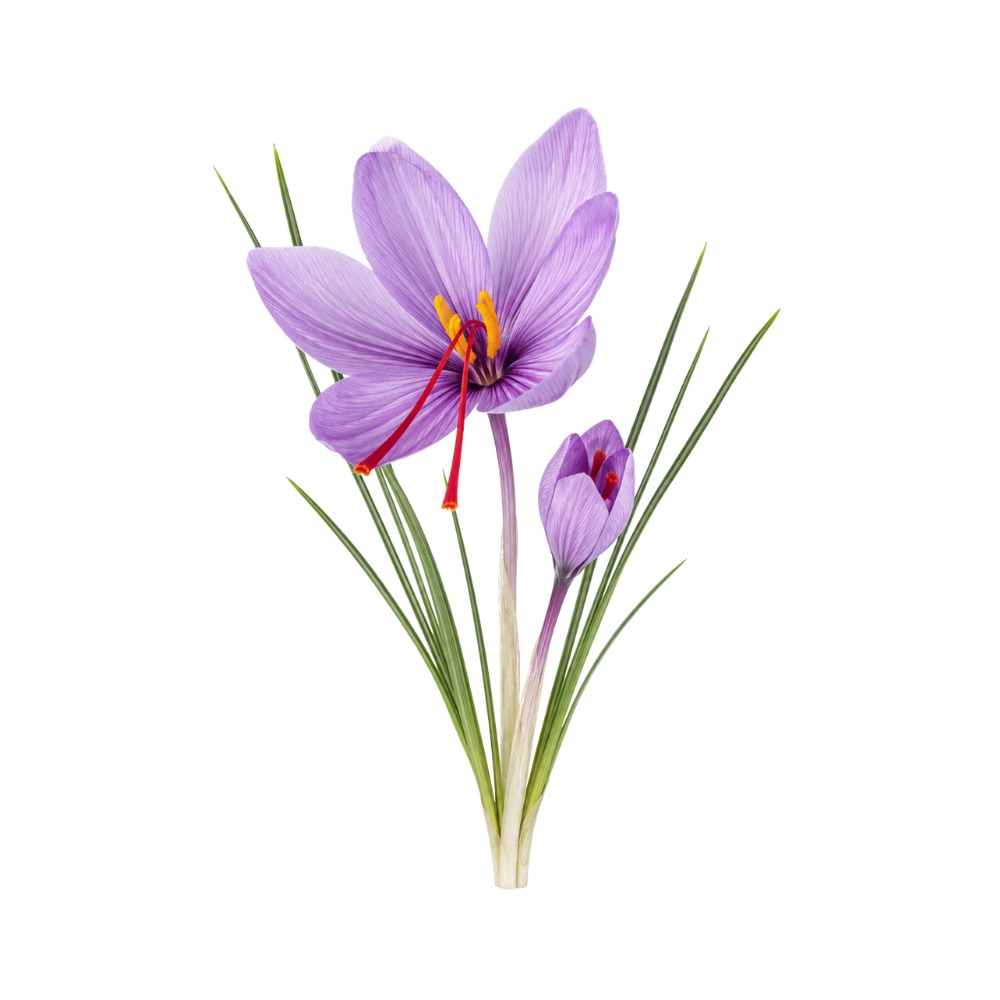 Saffron Crocus sativus Documented for crocetin, crocin.
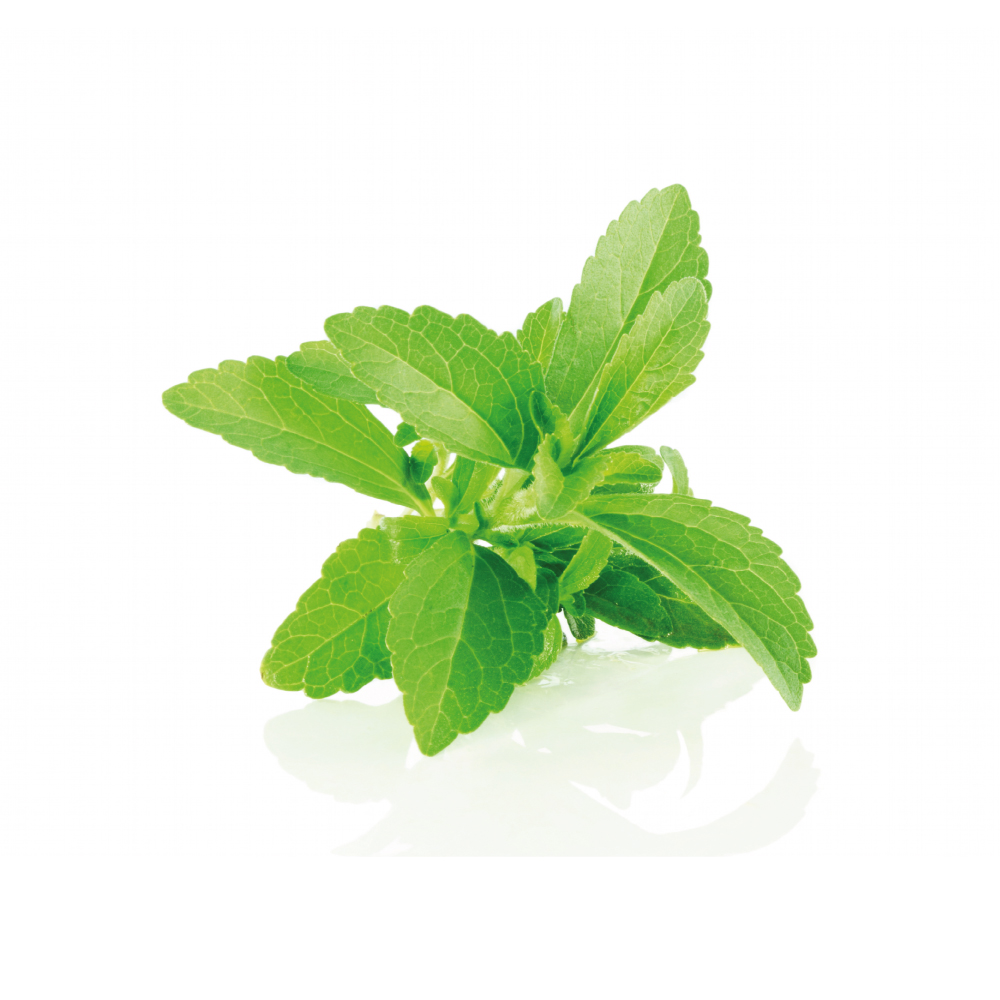 Stevia Stevia rebaudiana Documented for beta-carotene, xanthophylls.
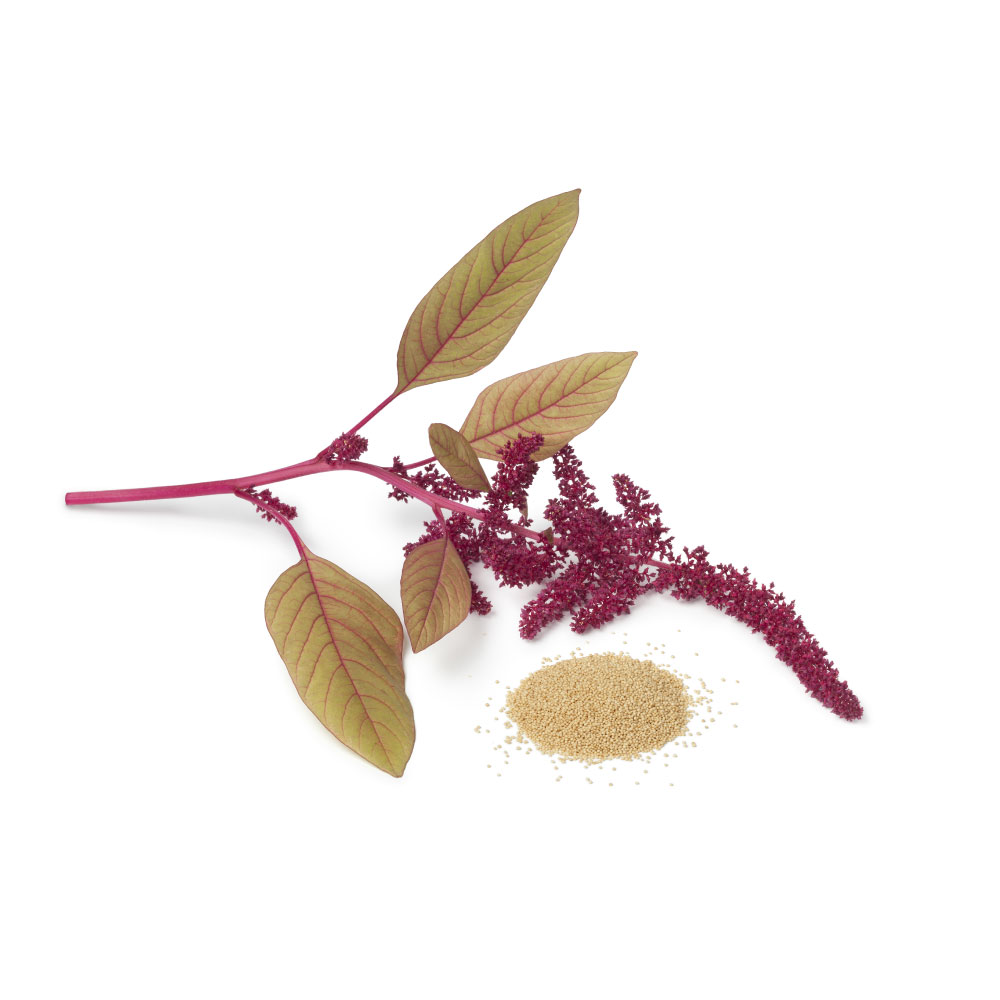 Amaranth Amaranthus blitum Documented for beta-carotene.
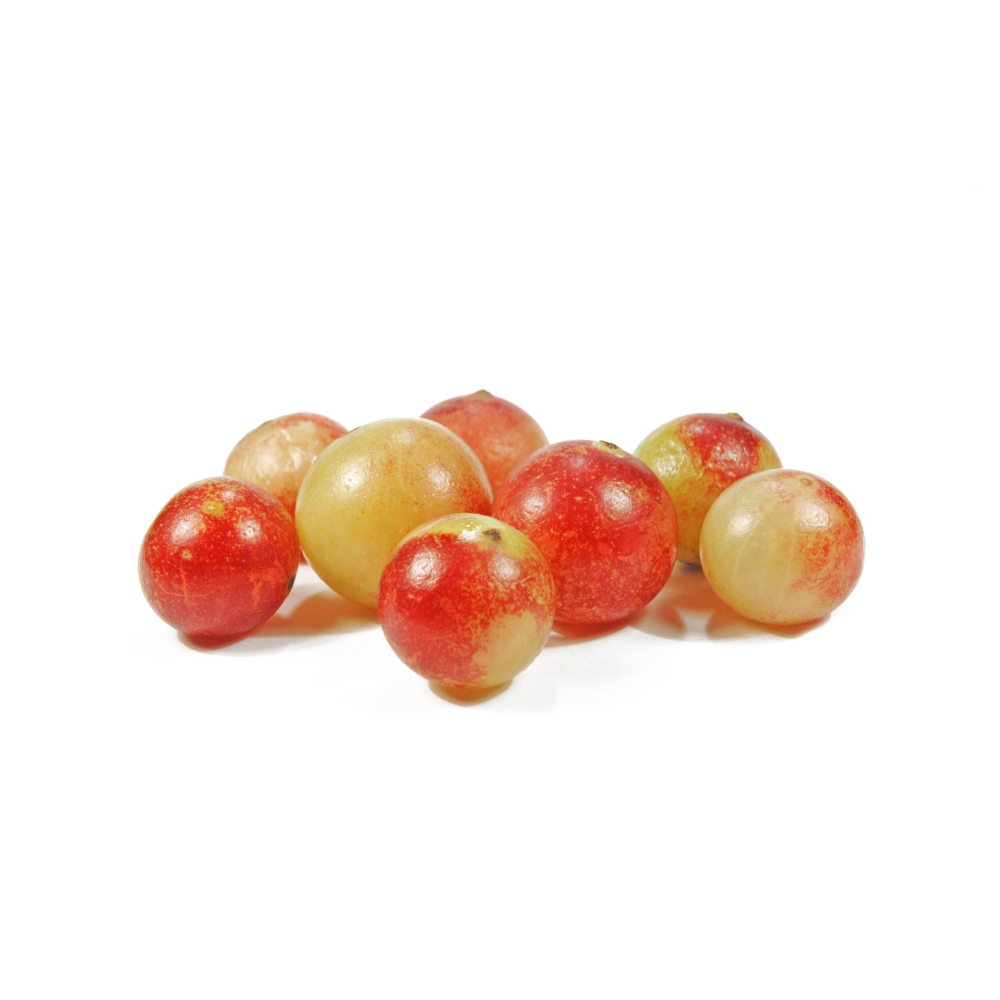 Camu-camu Myrciaria dubia Documented for beta-carotene.
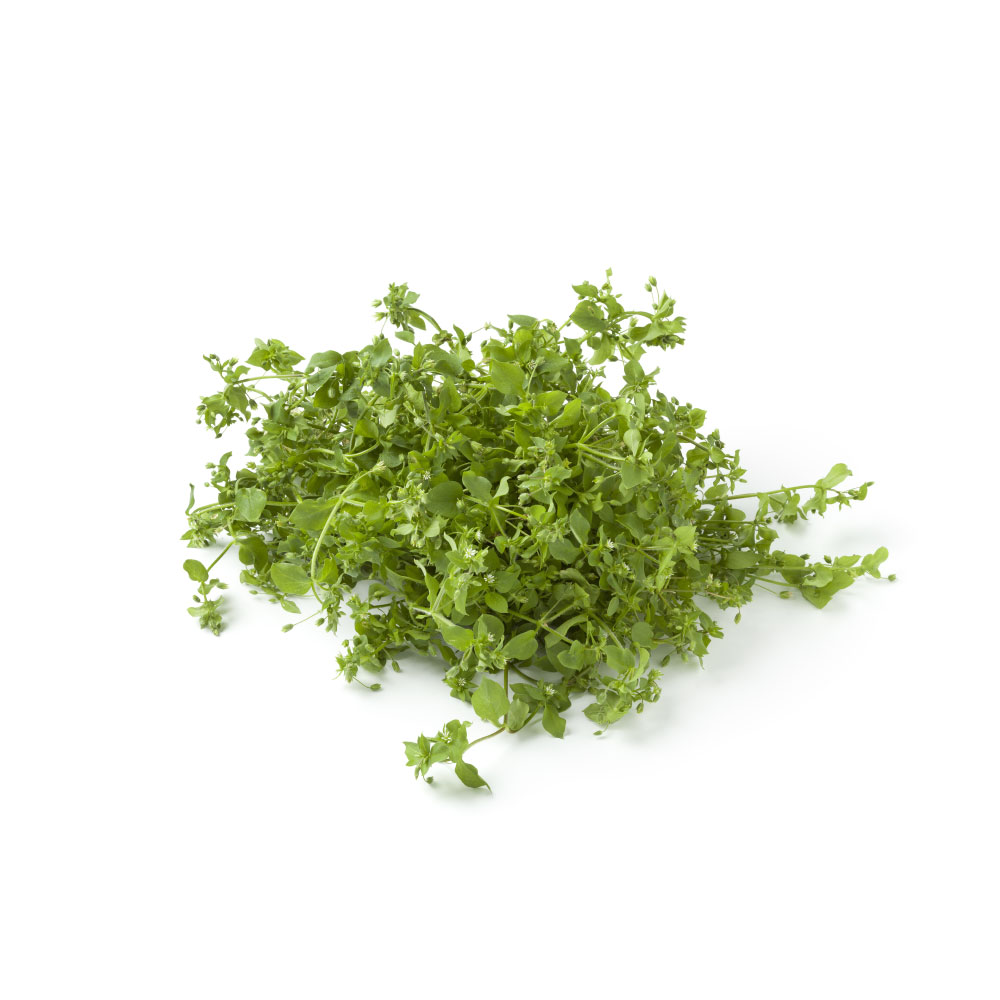 Chickweed Stellaria media Documented for carotenoids.
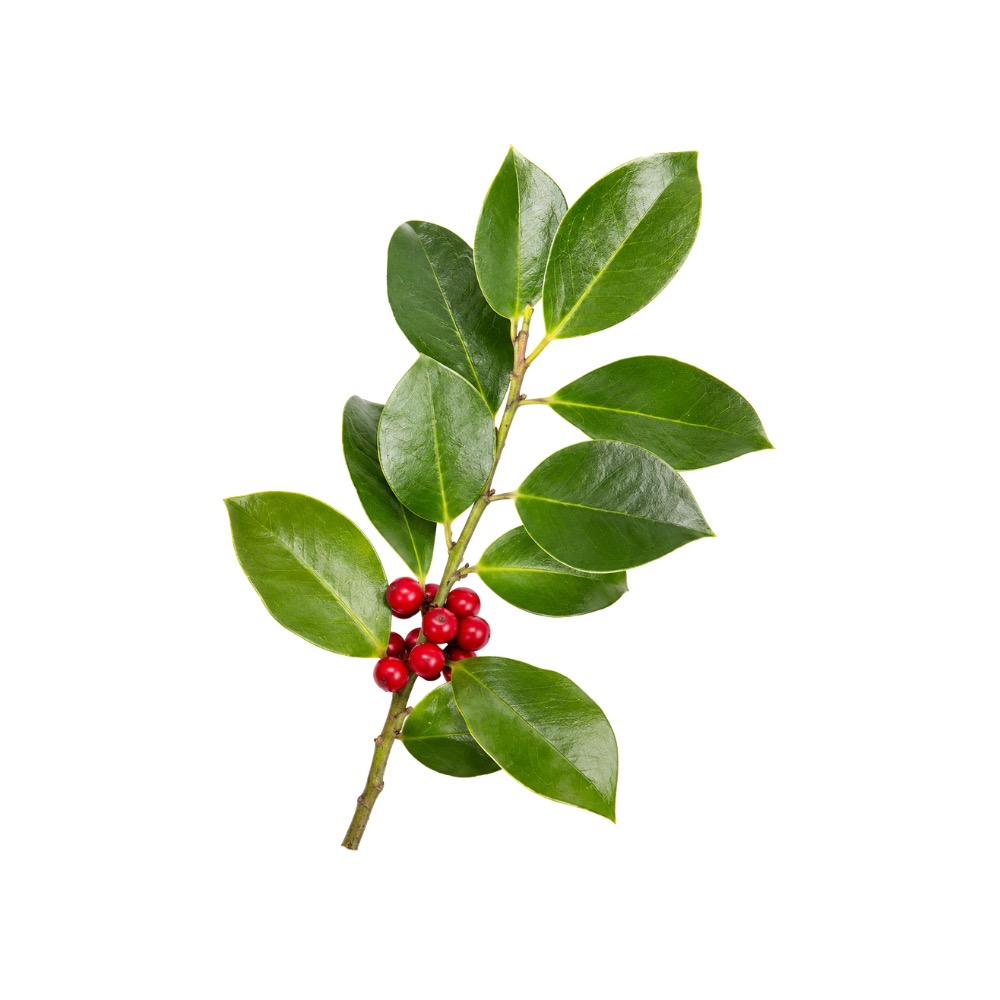 Guayusa Ilex guayusa Documented for lutein.
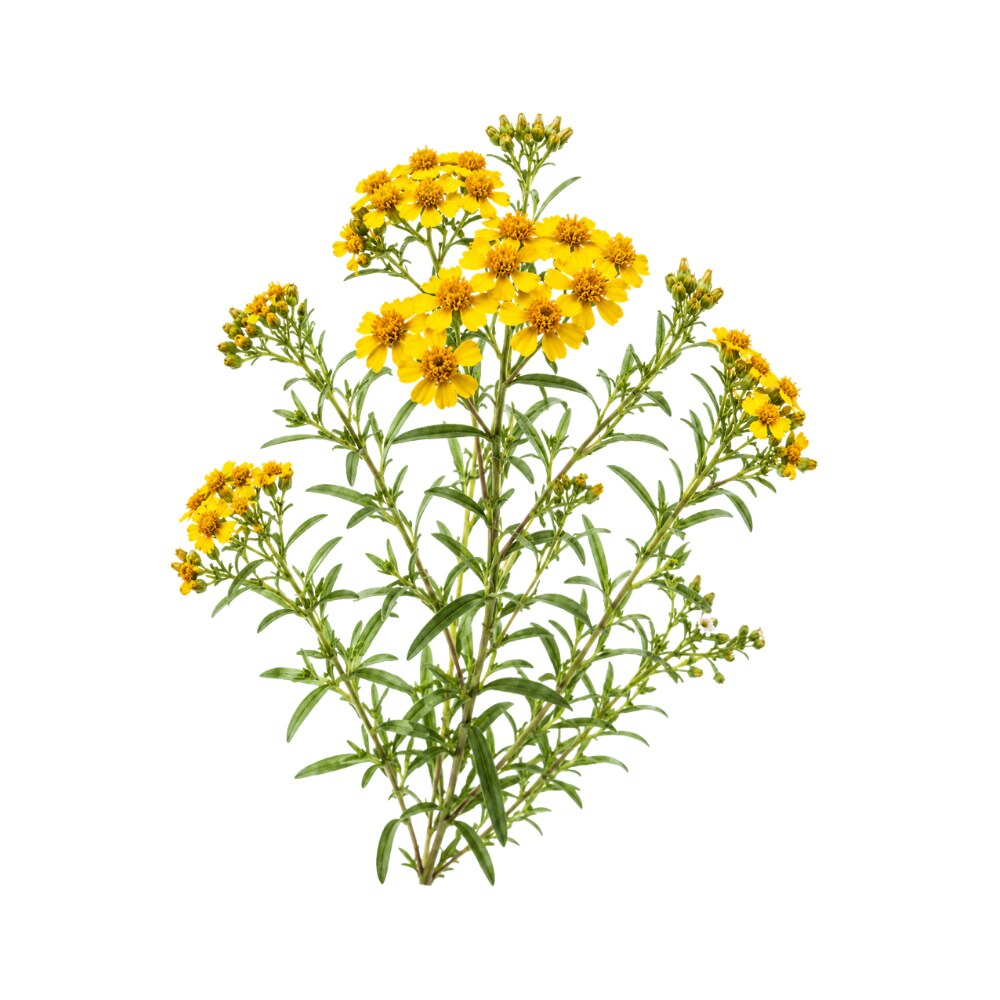 Mexican Tarragon Tagetes lucida Documented for lutein.
Keep Exploring
Other Compound Classes
Keep Reading
 GuidesThe Best Kava: A Buyer's GuideHow to buy good kava: noble vs two-day cultivars, which part of the root, chemotype codes, origin, form, and the batch tests a seller should show you.
Read more
 GuidesThe Amazon's Endangered Medicinal PlantsThe Amazon gives us some of our most important medicines — but which healing plants are actually endangered?
Read more
 NutritionThe Best Yerba Maté Brands [Reviewed]A drinker's guide to buying yerba maté — what actually changes the taste, and ten brands worth your money.
Read more
 GuidesHow to Prepare Yerba Maté — The Five Best MethodsHow to brew yerba maté properly — the traditional gourd method, plus tereré, french press and cold brew.
Read more