

Overview
Lymphatic at a Glance
The lymphatic system is the vessels, nodes, and lymphoid tissue that drain fluid from the tissues back into the blood.
The lymphatic system sits at the intersection of immunity, fluid balance, and tissue clearance.
In herbal medicine, a distinct group of remedies known as lymphatics are used when this system is thought to be congested or sluggish — especially with swollen glands, recurrent infections, chronic inflammation, and certain skin conditions.
Cleavers is the classic example, alongside calendula, red root, poke root, and several herbs that also fall into the broader category of alteratives.
The traditional language of “moving lymph” needs some clarification.
Lymph itself is moved primarily by contraction of surrounding skeletal muscle, breathing, contraction of the lymphatic vessels themselves, and a system of one-way valves. There’s currently no good evidence that traditional lymphatic herbs directly increase lymph flow in humans.
Their effects may instead come from actions on the tissues surrounding the lymphatic system — particularly immune modulation, inflammation, and local tissue swelling.
This distinction is especially important with lymphoedema.
Lymphoedema is a structural impairment of lymphatic drainage, often following lymph-node surgery, radiotherapy, infection, or damage to the lymphatic vessels. It’s managed primarily with compression, movement, exercise, and specialist lymphatic therapy rather than herbal lymphatics.
Herbs such as horse chestnut and gotu kola may reduce some forms of peripheral oedema, but these effects are primarily related to venous circulation and are covered under the cardiovascular system.
Caution
Persistent lymph-node swelling shouldn’t automatically be treated as “lymphatic congestion.” A node that’s hard, fixed, painless, enlarging, or still present after several weeks needs medical investigation, particularly when it’s accompanied by fever, night sweats, or unexplained weight loss.
The Traditional View
How Herbalists Read the Lymphatic System
Western herbal medicine traditionally treats the lymphatic system as part of a broader process of immune defence, tissue clearance, and elimination.
The main herbs used here are the lymphatics.
Cleavers, calendula, red root, and poke root are traditionally used for swollen or congested lymph nodes, particularly when glandular swelling accompanies infection or chronic inflammation.
Cleavers is probably the most characteristic herb in this group. It’s generally used gently and over longer periods, while poke root sits at the opposite end of the spectrum — a much stronger and potentially toxic herb traditionally reserved for very small doses and short courses.
Lymphatics are often paired with other actions depending on what’s driving the swelling.
During acute respiratory infections, they may be combined with diaphoretics, antimicrobials, or immune herbs.
For more chronic patterns, they frequently overlap with the alteratives.
Burdock, red clover, yellow dock, and cleavers were traditionally used for persistent skin eruptions, boils, swollen glands, and other conditions thought to reflect poor elimination or an accumulation of metabolic waste.
Historically, these herbs were described as blood cleansers.
That language doesn’t translate cleanly into modern physiology, but the category can still be useful when it’s understood more broadly. Many alteratives have anti-inflammatory, antimicrobial, hepatic, lymphatic, or immunomodulating actions that may help explain some of their traditional applications.
The important distinction is that herbal treatment is generally aimed at why the lymphatic tissue is enlarged or inflamed, rather than physically forcing lymph through the vessels.
In an acute infection, that may mean supporting the immune response and resolving inflammation.
In a chronic skin or inflammatory condition, it may mean using alteratives over a longer period.
And where there’s a true impairment of lymphatic drainage, herbs play a secondary role to movement, compression, and treatment of the underlying cause.
Key Herbal Actions
What the Herbs Do Here
The actions most often called on here, each linking through to the herbs that carry it:
Lymphatic
The traditional category itself: herbs said to stimulate the movement and clearance of lymph.
Alterative
The slow-acting “blood cleanser” tradition, used for chronic skin and inflammatory conditions.
Immunomodulator
The most plausible modern reframing of what these herbs do at the node; the fuller picture is on the immune page.
Antimicrobial
Addresses the infection that is usually behind acutely swollen glands.
Diaphoretic
Traditionally paired with lymphatics in acute febrile illness.
Mechanisms
How It Works
There are three plausible routes here, and one popular idea that no evidence supports.
01
Immune Modulation at the Lymph Node
Action on the lymphoid tissue itself rather than on the fluid moving through it.
Lymph nodes are where antigen presentation and lymphocyte activation happen, so a herb that changes immune-cell behaviour is acting on lymphatic tissue whether or not it moves any fluid. Cleavers extracts and infusions show immunomodulatory activity in vitro 1,
Echinacea’s alkylamides modulate macrophage responses 8,
This is the most defensible reframing of the whole category. It also describes immune activity in general rather than anything specifically lymphatic, and echinacea’s clinical evidence sits on the immune page.
02
Anti-Oedema Activity in Tissue
Reduction of swelling at the tissue rather than clearance of it through the vessel.
Calendula’s triterpenoid esters, principally faradiol monoester, have measurable anti-oedematous activity in laboratory models 5Reference 5In vitroAnti-oedematous activities of the main triterpendiol esters of marigold (Calendula officinalis L.) — in vitro and mouse modelView study →, which is the pharmacological basis for the traditional use in swollen, inflamed tissue.
That is a local anti-inflammatory action reducing the swelling, which is both different from the traditional account and better supported than it.
Herbs: Calendula
Key compounds: Faradiol
03
Systemic Anti-Inflammatory Action
The plausible modern reading of blood cleansing.
Burdock’s arctigenin has documented anti-inflammatory and immunomodulatory activity across models and attenuates colitis in animals 13Reference 13AnimalArctigenin but not arctiin is the major effective constituent of Arctium lappa fruit for attenuating colitis — animal modelView study →, burdock constituents are antimicrobial in vitro 11Reference 11In vitroAntimicrobial activity of Arctium lappa constituents against microorganisms commonly found in endodontic infections — in vitroView study →, and isolated root peptides carry a pilot anti-acne signal 12Reference 12In vitroAnti-acne action of peptides isolated from burdock root — in vitro and pilot testingView study →.
If the alteratives do anything for chronic skin disease, restraining low-grade systemic inflammation is the most credible route. It is a reconstruction after the fact rather than a mechanism anyone demonstrated and then built a therapy on.
Herbs: BurdockRed Clover
Key compounds: Arctigenin
04
Mechanical Lymph Propulsion
The mechanism the wellness framing implies, and the one no herb reaches.
Lymph is propelled by intrinsic contraction of lymphangion smooth muscle, by surrounding skeletal muscle activity, by respiratory pressure changes, and by one-way valves. No oral herb has been shown to increase lymph flow rate in people, and there is no pharmacology by which cleavers, calendula, or red clover would drive that pump.
Movement, breathing, and where clinically indicated compression and manual lymphatic drainage are what move lymph.
Herbs: CalendulaCleaversRed Clover
The Herbs
Materia Medica
The herbs traditionally used for the lymphatic system, in two groups, the acute and the chronic.
A lymph node that is hard, fixed, growing, or accompanied by night sweats, fever, or weight loss needs investigation rather than herbs.
Lymphatic Drainage & Swollen Glands
4 herbsThe acute end of the tradition, for tender, reactive lymph nodes during and after an infection, usually given alongside antimicrobial and diaphoretic herbs.
Most acutely swollen glands are a normal immune response to a virus and settle in two to four weeks without anything at all. That is both why these herbs have a durable reputation and why testing them would take a large trial nobody has run.
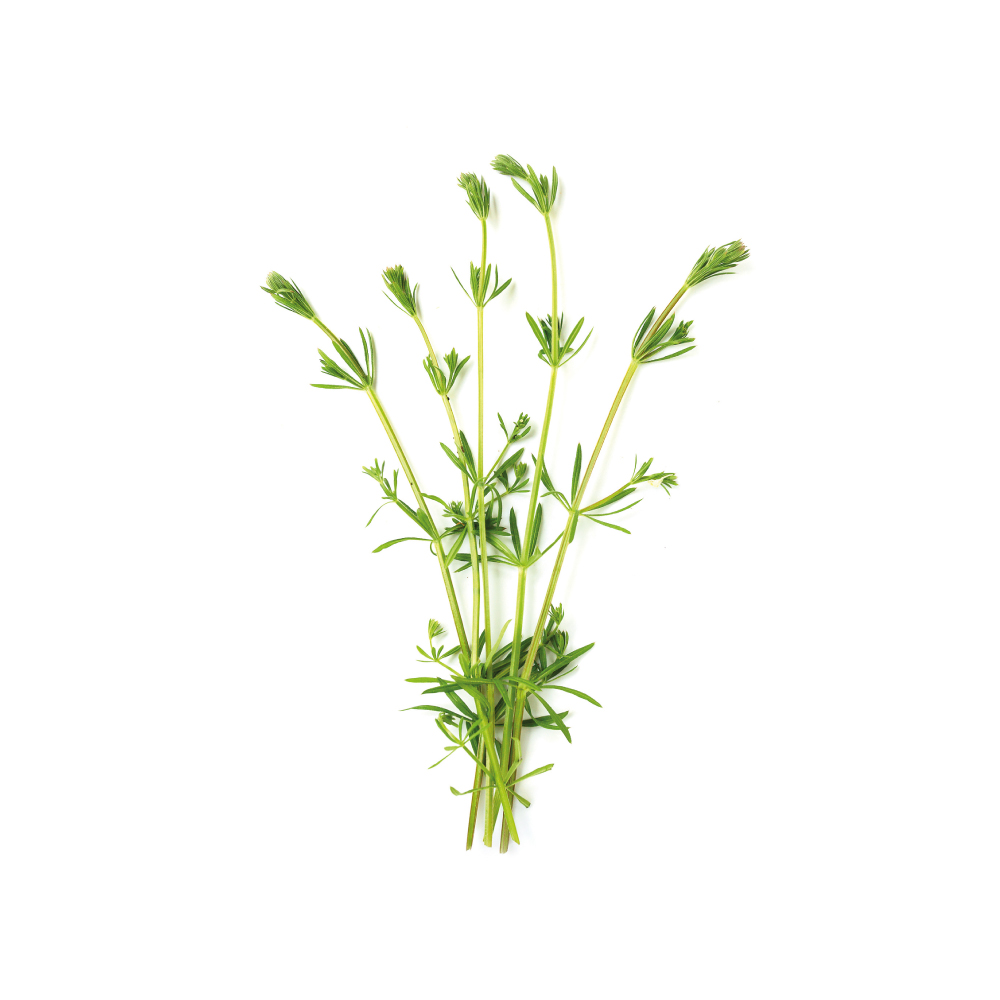 PreclinicalPreclinicalCleaversGalium aparineThe definitive Western lymphatic herb, and the one most British medical herbalists would name first for swollen glands or a congested lymphatic picture.Read the evidenceShow lessMonograph →
There is no controlled human trial for any lymphatic indication. What exists is a small, consistent immunological literature: ethanolic extracts and water infusions both show immunomodulatory activity in vitro 1,
Preparation follows the chemistry. Cleavers is used fresh, as a juice, succus, or cold infusion, because heat is held to destroy the actives, which is why it rarely appears as a dried tea.
It is very low risk, and its mild diuretic action is covered on the urinary page.
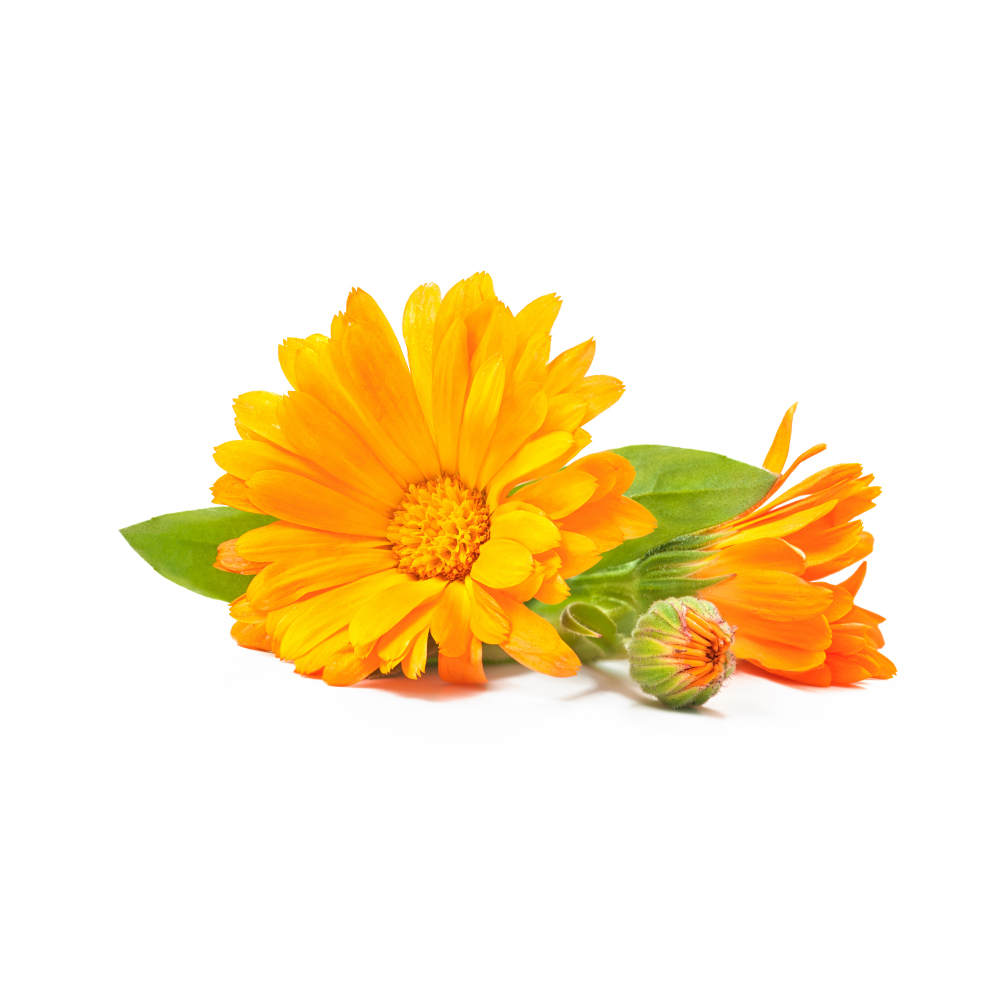 PreclinicalPreclinicalCalendulaCalendula officinalisBetter known as a wound herb, and the lymphatic with the clearest laboratory mechanism behind it. Calendula’s triterpendiol esters have measurable anti-oedematous activity 5Reference 5In vitroAnti-oedematous activities of the main triterpendiol esters of marigold (Calendula officinalis L.) — in vitro and mouse modelView study →, which is the pharmacological basis for the traditional internal use in swollen glands and boggy tissue.Read the evidenceShow lessMonograph →
Its human trial evidence is topical and dermatological rather than lymphatic. A randomised blinded trial found calendula cream no better than aqueous cream for radiation skin reactions 6Reference 6RCTNo differences between calendula cream and aqueous cream in the prevention of acute radiation skin reactions — randomised blinded trialView study →, while a controlled study found marigold preparations protective against irritant contact dermatitis 7Reference 7Clinical trialProtective effects of different marigold (Calendula officinalis L.) and rosemary cream preparations against sodium-lauryl-sulfate-induced irritant contact dermatitis — clinical trialView study →.
That mixed topical record belongs to the integumentary page.
Taken internally as a lymphatic it rests on tradition plus a plausible anti-inflammatory mechanism.
Calendula is an Asteraceae plant, so allergic reactions are possible.
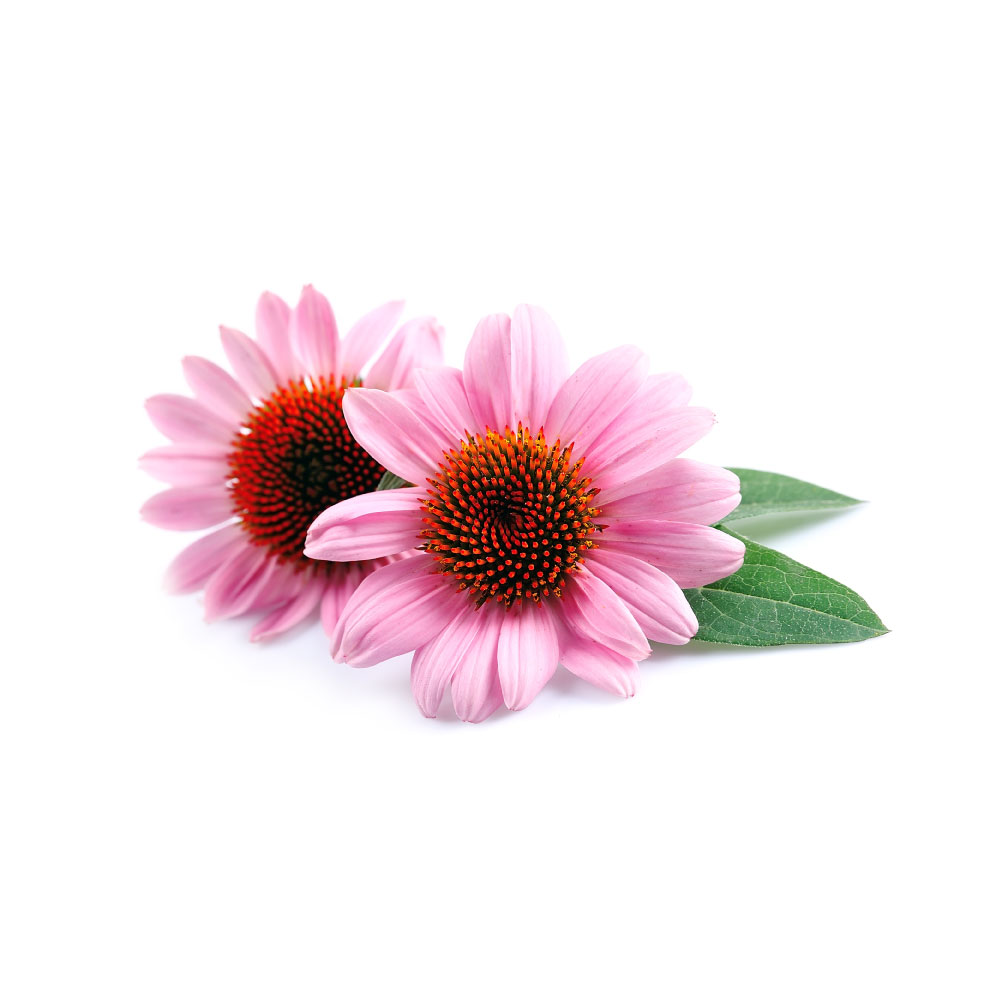 PreclinicalPreclinicalEchinaceaEchinacea purpureaKnown almost entirely as a cold remedy now, echinacea was primarily a lymphatic and alterative in nineteenth-century Eclectic practice, given for boils, abscesses, septic conditions, and swollen glands.Read the evidenceShow lessMonograph →
That indication has never been tested. Its alkylamides modulate macrophage responses in cell models 8Reference 8In vitroModulation of macrophage immune responses by Echinacea — in vitroView study →, echinacea preparations activate macrophages in cell and animal work 9Reference 9In vitroEchinacea-induced macrophage activation — in vitro and in vivo (mouse)View study →, and a review covers the immunological mechanisms 10Reference 10ReviewPhytochemistry, mechanisms and preclinical studies of Echinacea extracts in modulating immune responses to bacterial and viral infections — reviewView study →, all of which describes immune activity rather than lymphatic drainage.
Its clinical evidence is mixed, concerns upper respiratory infection, and sits on the immune page.
Asteraceae allergy applies, as does the caution about immune stimulants in autoimmune disease.
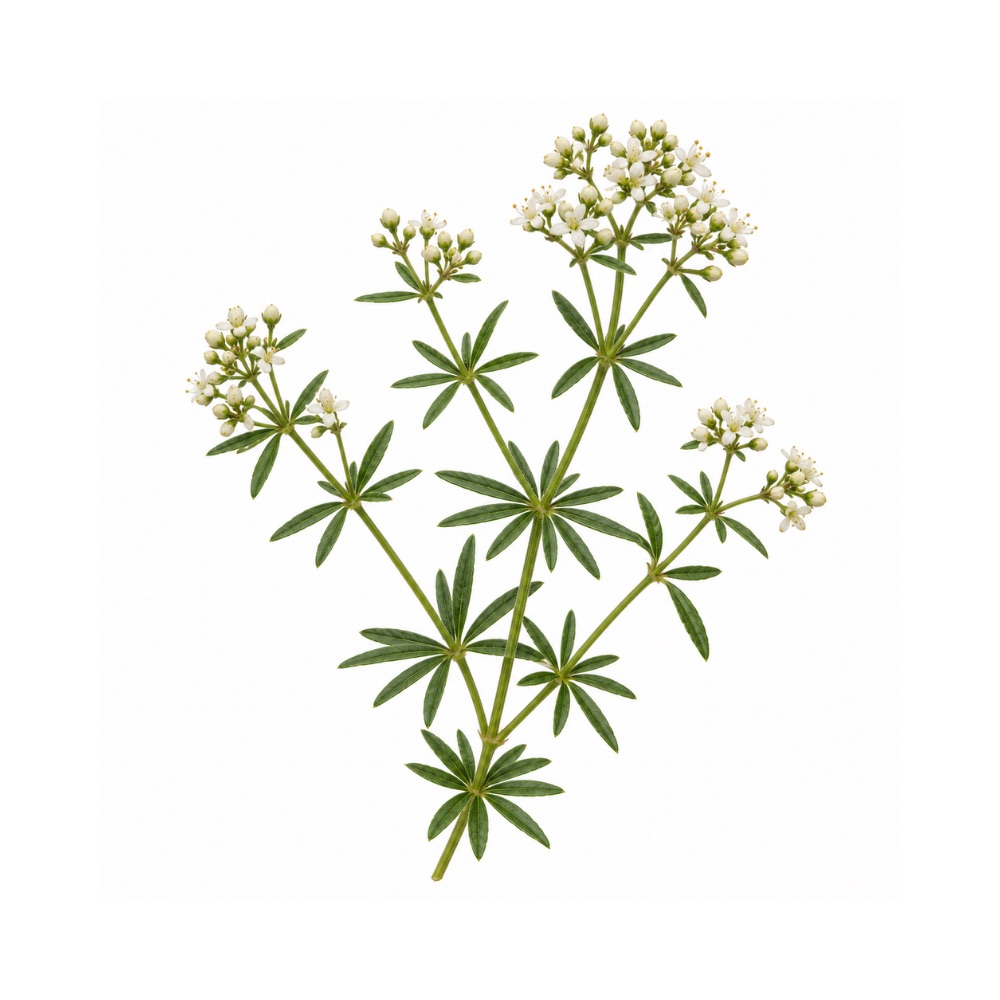 TraditionalTraditionalNorthern BedstrawGalium borealeA circumboreal Galium, whorled-leaved like cleavers and growing through meadows and riverbanks across northern North America, Europe, and Asia.Read the evidenceShow less
Its folk record is mostly topical: a fresh-plant poultice on wounds, cuts, rashes, and ringworm. Taken internally it is a water infusion, used as a diuretic and a diaphoretic, which is the pairing that puts it alongside the acute lymphatics rather than the alteratives.
Nothing has been measured in the species. There is no pharmacology, no phytochemistry, and no toxicology for G. boreale, so everything chemical said about it is read off G. verum, G. aparine, and G. mollugo, which carry the genus’s iridoid glycosides and anthraquinones.
A decoction has documented folk use as a contraceptive, and reproductive safety has never been studied, so it is avoided around conception and in pregnancy.
Alteratives & Chronic Congestion
2 herbsThe slow end of the tradition, given over months for chronic skin disease, recurrent boils, and persistent low-grade swollen glands, on the theory that these reflect a systemic build-up the eliminative organs have not cleared.
It is the oldest idea in Western herbal medicine and the least testable, and the direct ancestor of modern detox marketing.
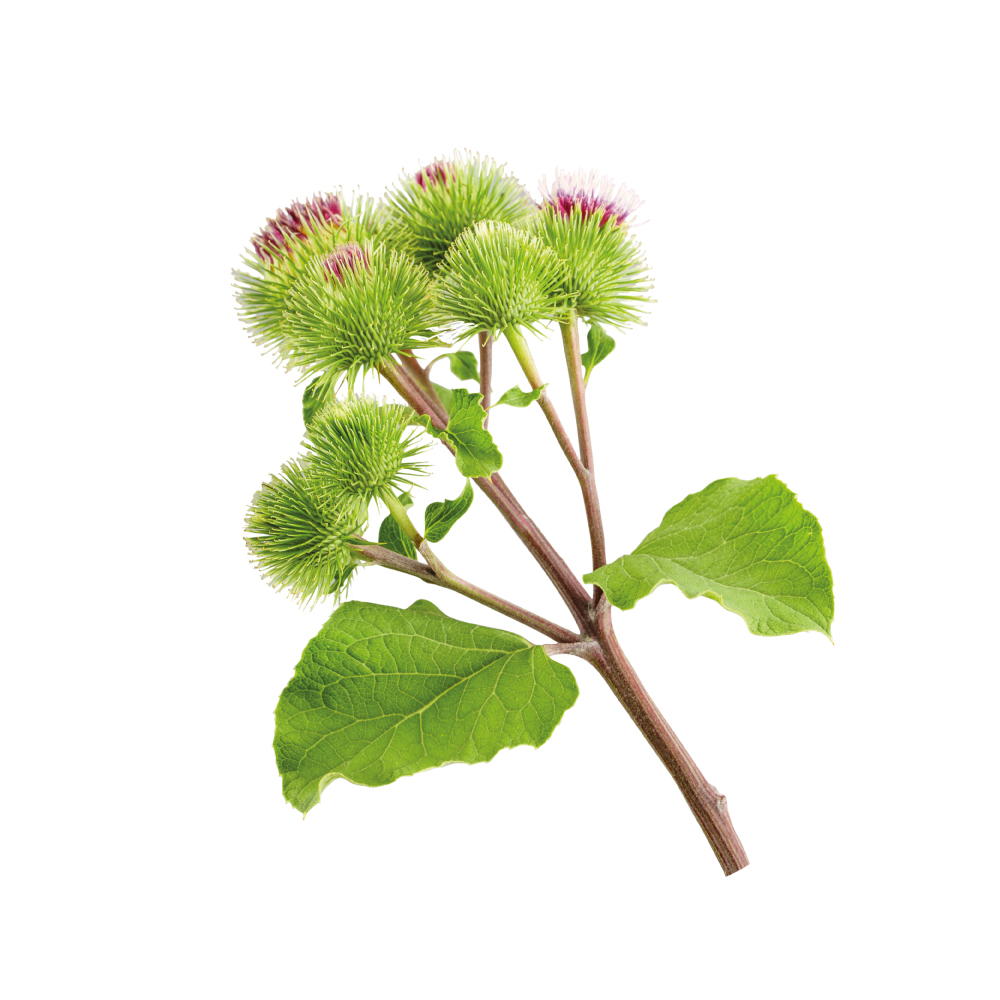 PreclinicalPreclinicalBurdockArctium lappaThe archetypal alterative, gobo in Japanese cooking, a staple root vegetable as much as a medicine, and the classic Western prescription for eczema, acne, and boils taken over months.Read the evidenceShow lessMonograph →
There is no controlled human trial for any skin or lymphatic indication. The supporting work is mechanistic and reasonably substantial.
Arctigenin has broad anti-inflammatory and immunomodulatory activity and attenuates colitis in animal models 13Reference 13AnimalArctigenin but not arctiin is the major effective constituent of Arctium lappa fruit for attenuating colitis — animal modelView study →, burdock constituents are antimicrobial against organisms found in dental infection 11Reference 11In vitroAntimicrobial activity of Arctium lappa constituents against microorganisms commonly found in endodontic infections — in vitroView study →, and isolated root peptides showed anti-acne activity in vitro with pilot testing 12Reference 12In vitroAnti-acne action of peptides isolated from burdock root — in vitro and pilot testingView study →.
The safety profile is that of a food. The one real hazard is misidentification, since wild burdock root has been confused with deadly nightshade in poisoning cases involving commercial teas.
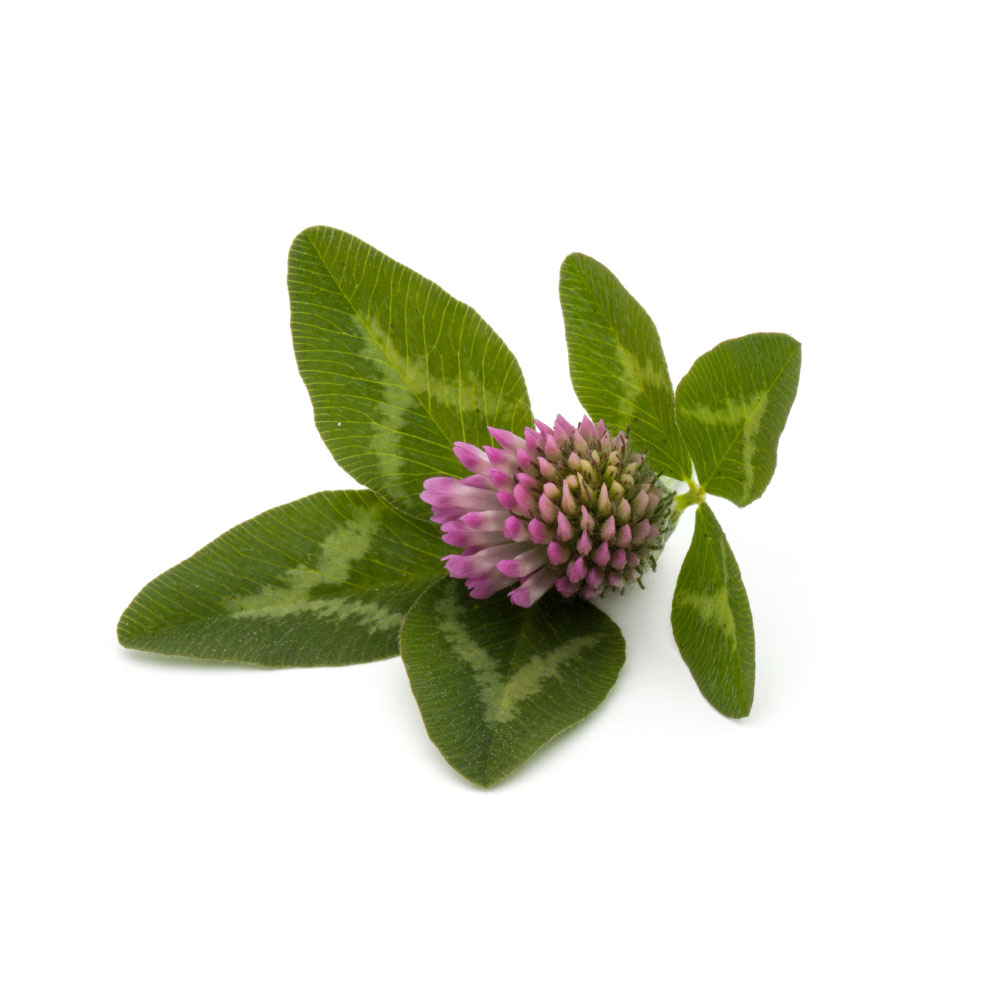 TraditionalTraditionalRed CloverTrifolium pratenseThe other classic alterative, traditionally given for chronic skin disease and swollen glands, and in the Eclectic and later Hoxsey traditions as part of anticancer formulas, a use with no supporting evidence and a long history of exploitation.Read the evidenceShow lessMonograph →
Modern research has gone in a different direction. Red clover is a major dietary source of the isoflavones biochanin A and formononetin, and its trial evidence concerns menopausal symptoms and bone, on the female reproductive page.
The isoflavone work touching this system is peripheral, covering effects on smooth muscle 14Reference 14In vitroIsoflavones isolated from red clover (Trifolium pratense) inhibit smooth-muscle contraction of the isolated rat prostate gland — in vitroView study → and skin-ageing activity in vitro 15Reference 15In vitroRed clover isoflavones as effective longevity agents for anti-aging and regenerative skin applications — cultivar comparison, in vitroView study →. As an alterative it rests on tradition.
The estrogenic activity is the practical caution, so it is avoided in hormone-sensitive conditions and alongside tamoxifen.
No herbs match these filters.
Safety
- A node that is hard, fixed, painless, growing, or still present after six weeks needs assessment, because lymphoma, tuberculosis and metastatic cancer all present this way and all are treatable when found early.
- Lymphoedema is a specialist condition. Persistent limb swelling after cancer treatment is managed with compression, exercise and manual lymphatic drainage, which no herb replaces, and it risks cellulitis untreated.
- Sudden painful swelling with redness and fever is cellulitis or an abscess needing antibiotics, and a red streak tracking up a limb from a wound is urgent.
- Lymphatic drainage supplements sell a mechanism that does not exist. Lymph is moved by muscle contraction, breathing and valves, which makes movement the intervention.
- Poke root is toxic, causing severe vomiting and diarrhoea at modest doses with deaths recorded, despite its place in traditional lymphatic formulas.
- The estrogenic alteratives are avoided in hormone-sensitive cancers and alongside tamoxifen or an aromatase inhibitor.
- Echinacea, calendula and burdock are Asteraceae, so allergic reactions occur in people sensitised to ragweed, daisies or chrysanthemum.
Pregnancy & Lactation
Pregnancy · AvoidLactation · Caution
- Assume avoid unless a clinician has advised otherwise, since the indication itself is untested and there is nothing to weigh an unknown against.
- The estrogenic alteratives are avoided outright, and the gentler traditional lymphatics have long food use but no safety data in pregnancy or lactation.
- Swollen glands in pregnancy are assessed the same way as at any other time, with a lower threshold for asking.
References
- Ilina, T., Kashpur, N., Granica, S., et al. (2019). Phytochemical profiles and in vitro immunomodulatory activity of ethanolic extracts from Galium aparine L. — in vitro study. Plants. https://pubmed.ncbi.nlm.nih.gov/31775336/
- Ilina, T., Skowrońska, W., Kashpur, N., et al. (2020). Immunomodulatory activity and phytochemical profile of infusions from cleavers herb — in vitro study. Molecules. https://pubmed.ncbi.nlm.nih.gov/32824103/
- Lee, S. Y., Park, S. Y., & Park, H. J. (2024). Immuno-enhancing effects of Galium aparine L. in cyclophosphamide-induced immunosuppressed animal models — in vivo animal model. Nutrients. https://pubmed.ncbi.nlm.nih.gov/38474724/
- Beirami, A. D., Akhtari, N., Noroozi, R., et al. (2024). Bringing back Galium aparine L. from forgotten corners of traditional wound treatment procedures: an antimicrobial, antioxidant and in-vitro wound healing assay. BMC Complementary Medicine and Therapies. https://pubmed.ncbi.nlm.nih.gov/39044256/
- Zitterl-Eglseer, K., Sosa, S., Jurenitsch, J., et al. (1997). Anti-oedematous activities of the main triterpendiol esters of marigold (Calendula officinalis L.) — in vitro and mouse model. Journal of Ethnopharmacology. https://pubmed.ncbi.nlm.nih.gov/9254116/
- Sharp, L., Finnilä, K., Johansson, H., et al. (2013). No differences between calendula cream and aqueous cream in the prevention of acute radiation skin reactions — randomised blinded trial. European Journal of Oncology Nursing. https://pubmed.ncbi.nlm.nih.gov/23245940/
- Fuchs, S. M., Schliemann-Willers, S., Fischer, T. W., & Elsner, P. (2005). Protective effects of different marigold (Calendula officinalis L.) and rosemary cream preparations against sodium-lauryl-sulfate-induced irritant contact dermatitis — clinical trial. Skin Pharmacology and Physiology. https://pubmed.ncbi.nlm.nih.gov/15908760/
- Stevenson, L. M., Matthias, A., Banbury, L., et al. (2005). Modulation of macrophage immune responses by Echinacea — in vitro. Molecules. https://pubmed.ncbi.nlm.nih.gov/18007520/
- Sullivan, A. M., Laba, J. G., Moore, J. A., & Lee, T. D. G. (2008). Echinacea-induced macrophage activation — in vitro and in vivo (mouse). Immunopharmacology and Immunotoxicology. https://pubmed.ncbi.nlm.nih.gov/18618312/
- Ahmadi, F., et al. (2024). Phytochemistry, mechanisms and preclinical studies of Echinacea extracts in modulating immune responses to bacterial and viral infections — review. Antibiotics. https://pubmed.ncbi.nlm.nih.gov/39452214/
- Pereira, J. V., Bergamo, D. C., Pereira, J. O., et al. (2005). Antimicrobial activity of Arctium lappa constituents against microorganisms commonly found in endodontic infections — in vitro. Brazilian Dental Journal. https://pubmed.ncbi.nlm.nih.gov/16429183/
- Miazga-Karska, M., Michalak, K., Ginalska, G., et al. (2020). Anti-acne action of peptides isolated from burdock root — in vitro and pilot testing. Molecules. https://pubmed.ncbi.nlm.nih.gov/32349230/
- Wu, X., Yang, Y., Dou, Y., et al. (2014). Arctigenin but not arctiin is the major effective constituent of Arctium lappa fruit for attenuating colitis — animal model. International Immunopharmacology. https://pubmed.ncbi.nlm.nih.gov/25284342/
- Brandli, A., Simpson, J. S., Ventura, S., et al. (2010). Isoflavones isolated from red clover (Trifolium pratense) inhibit smooth-muscle contraction of the isolated rat prostate gland — in vitro. Phytomedicine. https://pubmed.ncbi.nlm.nih.gov/20638256/
- Gościniak A, Bogusławska K, Szymańska M, et al. (2026). Red clover isoflavones as effective longevity agents for anti-aging and regenerative skin applications — cultivar comparison, in vitro. Plants (Basel). https://pubmed.ncbi.nlm.nih.gov/41754260/
Keep Exploring