

Overview
Ocular at a Glance
The ocular system is the retina, the macula, the lens, and the dense microvasculature that supplies them.
The main herbal targets in the eye are retinal protection, ocular microcirculation, intraocular pressure, inflammation, and oxidative stress.
Most of the herbs used here act internally rather than directly on the eye itself.
Saffron is used mainly for retinal and macular function.
Pine bark and other proanthocyanidin-rich extracts are used more for microvascular support, especially where fragile or leaking capillaries are part of the problem.
Coleus acts on aqueous humour dynamics and intraocular pressure through forskolin.
Chrysanthemum and other antioxidant-rich herbs sit more on the inflammatory and vascular side.
The retina is especially vulnerable to oxidative damage.
It has an unusually high oxygen demand, contains large amounts of polyunsaturated fat, and is exposed continuously to light.
That makes antioxidant and microvascular protection more relevant here than in many other systems.
The eye is also one of the least forgiving places to delay proper treatment.
Glaucoma can progress before noticeable symptoms appear.
Diabetic retinopathy can worsen through capillary damage and bleeding.
Wet macular degeneration can cause rapid central vision loss.
Herbs are therefore best used as adjuncts, not replacements for ophthalmological care.
The same caution applies to topical preparations.
Home-made herbal eyewashes, infusions, or drops can introduce microbes or irritants directly onto the cornea and shouldn’t be used unless they’re prepared as sterile ophthalmic products.
Caution
Sudden vision loss, severe eye pain, flashes, new floaters, or a curtain or shadow across the visual field are medical emergencies. Persistent changes in vision need an eye examination rather than self-treatment.
The Traditional View
How Herbalists Read the Eyes
Traditional herbal medicine usually approaches the eyes through the systems believed to support them.
In Chinese medicine, the eyes are closely associated with the Liver.
The traditional phrase gan kai qiao yu mu describes the Liver as “opening into the eyes.”
Herbs such as chrysanthemum, goji, and other liver-clearing or liver-nourishing herbs are used for red, dry, strained, or blurred eyes.
These are generally taken internally rather than applied directly to the eye.
Ayurveda has its own ophthalmic traditions, including triphala preparations and ghee-based treatments such as netra tarpana.
Western herbal medicine historically relied more on topical compresses and washes.
Eyebright, or Euphrasia, became the classic eye herb and was used for irritated, inflamed, or watery eyes.
Modern herbal practice needs to be much more cautious with this route because non-sterile preparations can introduce infection directly onto the ocular surface.
From a modern herbal perspective, the most useful way to read the eye is through oxidative stress, microcirculation, inflammation, and neural protection.
The retina is neural tissue.
It depends on a dense network of very small blood vessels and has a high metabolic demand.
That makes it especially sensitive to poor circulation, chronic hyperglycaemia, inflammation, and oxidative injury.
This helps explain the role of deeply pigmented and polyphenol-rich plants.
Saffron contributes carotenoid-like compounds such as crocin and crocetin.
Bilberry and pine bark are rich in anthocyanins and proanthocyanidins that support capillary function.
Other herbs act more specifically on pressure, inflammation, or vascular growth.
The practical herbal question is:
Does the eye need support around oxidative stress, retinal circulation, inflammation, pressure, or neuroprotection — and is there an underlying eye disease that needs treatment first?
Key Herbal Actions
What the Herbs Do Here
The actions most often called on here, each linking through to the herbs that carry it:
Antioxidant
Dominant actionThe dominant action in this system, since the retina is the body’s most oxidatively stressed tissue.
Anti-Inflammatory
Restrains the inflammatory component of retinal and macular disease.
Circulatory Stimulant & Vasodilator
Act on the ocular microcirculation that feeds the retina.
Neuroprotective
The retina is neural tissue, and the retinal ganglion cells lost in glaucoma are neurons.
Mechanisms
How It Works
Four routes account for essentially all of it.
01
Retinal Antioxidant Protection
The dominant mechanism, and the reason the herbs here are all intensely pigmented.
The macula sits under constant photo-oxidative stress, and its own protective pigment is carotenoid. Crocin and crocetin, saffron’s apocarotenoids and the compounds responsible for its colour, are unusually water-soluble for carotenoids, cross into retinal tissue, and protect photoreceptors from light-induced damage.
This is the mechanism behind saffron’s clinical results 1,
Herbs: Saffron
02
Microvascular Protection & Capillary Permeability
The diabetic retinopathy mechanism.
Chronic hyperglycaemia damages retinal capillaries, which leak and produce the oedema that blurs vision. Proanthocyanidin-rich extracts reduce capillary permeability and improve microcirculation, and maritime pine bark extract measurably improved retinal microcirculation, reduced retinal oedema and improved visual acuity in early diabetic retinopathy 5,
This is the same vascular pharmacology that underlies these extracts’ use in venous insufficiency, applied to a much smaller vessel bed.
Herbs: Pine
Key compounds: Proanthocyanidins
03
Aqueous Humour Dynamics & Intraocular Pressure
The glaucoma mechanism, and the most conventionally pharmacological thing in this system.
Intraocular pressure depends on the balance between aqueous humour production by the ciliary body and its outflow. Forskolin activates adenylate cyclase directly, raising cyclic AMP in the ciliary epithelium, which reduces aqueous production and increases outflow facility.
It was demonstrated in rabbits as far back as 1982 12Reference 12AnimalForskolin stimulates cyclic AMP synthesis, lowers intraocular pressure and increases outflow facility in rabbits — animal modelView study → and is the basis for the human trials below.
Cannabinoids lower intraocular pressure by a separate and less well-defined route, with an effect on ocular blood flow 13Reference 13RCTSingle oral administration of dronabinol increases ocular blood flow in patients with glaucoma — randomised controlled trialView study →. The limit is duration rather than potency.
04
Anti-Angiogenesis
The mechanism behind the most serious form of macular degeneration, and the one where conventional medicine has a transformative treatment.
Wet macular degeneration is driven by abnormal new vessel growth under the retina, mediated by VEGF. Anti-VEGF injections block it and have prevented an enormous amount of blindness.
Chrysanthemum extract attenuates pathological angiogenesis in a macular degeneration model through VEGF and NF-κB signalling 8Reference 8AnimalChrysanthemum morifolium extract attenuates AMD pathological angiogenesis via VEGF / NF-κB — in vivoView study →, which is mechanistically the right target. It is also an animal result standing next to one of the most effective treatments in modern medicine.
Herbs: Chrysanthemum
The Herbs
Materia Medica
The herbs with a written-up ocular indication, grouped by use and ordered within each group by the strength of the evidence.
They are adjuncts to ophthalmological care rather than alternatives to it.
Macula, Retina and Vision
3 herbsAge-related macular degeneration is the leading cause of vision loss in older adults in wealthy countries, and the dry form, which is the common one, has no licensed treatment.
That gap is what the herbs below occupy. Read the endpoints carefully, because retinal flicker sensitivity and contrast sensitivity are genuine functional measures and are not the same as preventing progression to advanced disease over years.
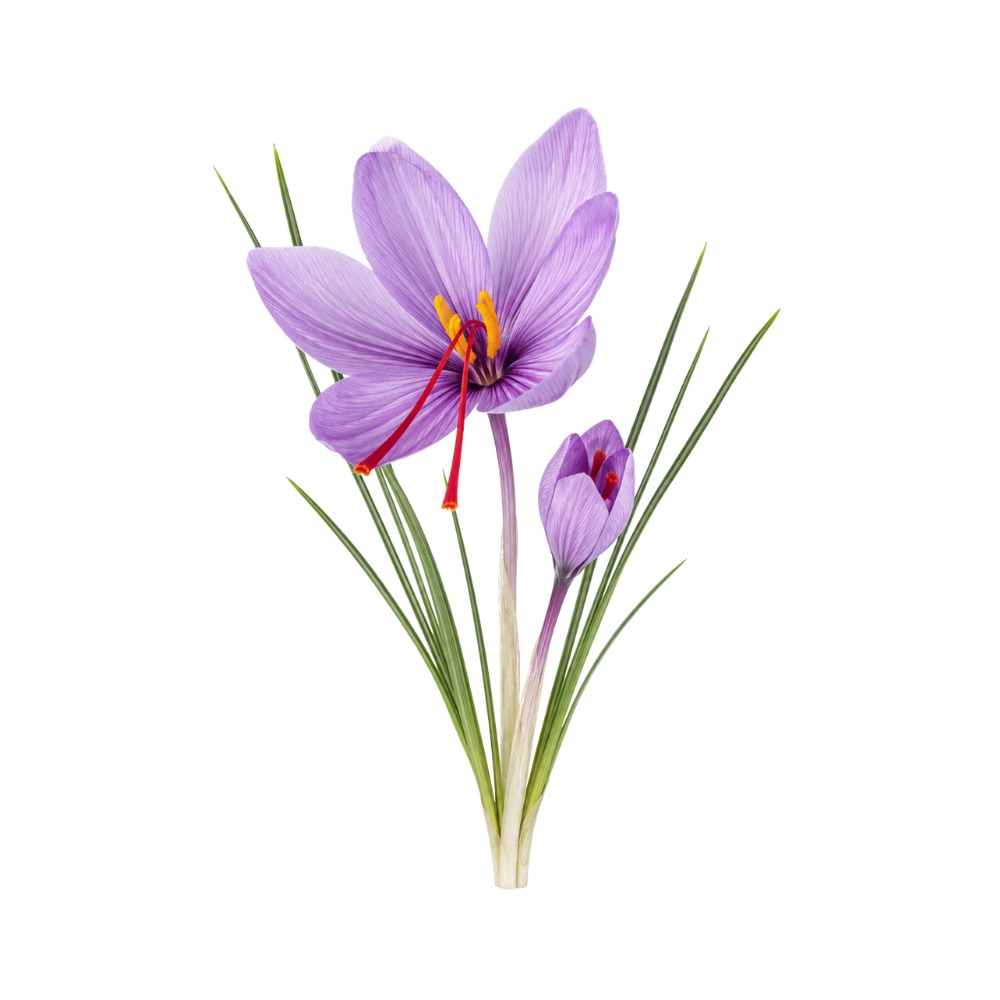 StrongStrongSaffronCrocus sativusThe best-evidenced ocular herb there is, and the least expected one.Read the evidenceShow lessMonograph →
A randomised clinical trial of saffron in mild-to-moderate age-related macular degeneration found improvement in visual function 1Reference 1RCTSaffron therapy for the treatment of mild/moderate age-related macular degeneration — randomised clinical trialView study →, with follow-up work assessing longer-term treatment 2Reference 2Saffron therapy for the ongoing treatment of age-related macular degenerationView study →. An earlier crossover study found saffron improved retinal flicker sensitivity in early disease 3Reference 3Influence of saffron supplementation on retinal flicker sensitivity in early age-related macular degenerationView study →, which is an objective electrophysiological measure of photoreceptor function rather than a symptom score.
In diabetic maculopathy, a placebo-controlled randomised clinical trial of crocin found benefit 4Reference 4RCTEffects of crocin on diabetic maculopathy — placebo-controlled randomised clinical trialView study →.
The active apocarotenoids crocin and crocetin are unusually bioavailable for carotenoids, which is the plausible reason a spice reaches the retina at all.
The trials are small and several come from the same Italian and Australian groups. Twenty milligrams a day of real saffron is also expensive, which makes adulteration of commercial saffron a practical problem.
Culinary and trial doses up to about 30 mg a day are well tolerated, but several grams is toxic, and saffron carries a traditional abortifacient reputation at therapeutic doses. Its larger evidence base is in depression, on the nervous system page.
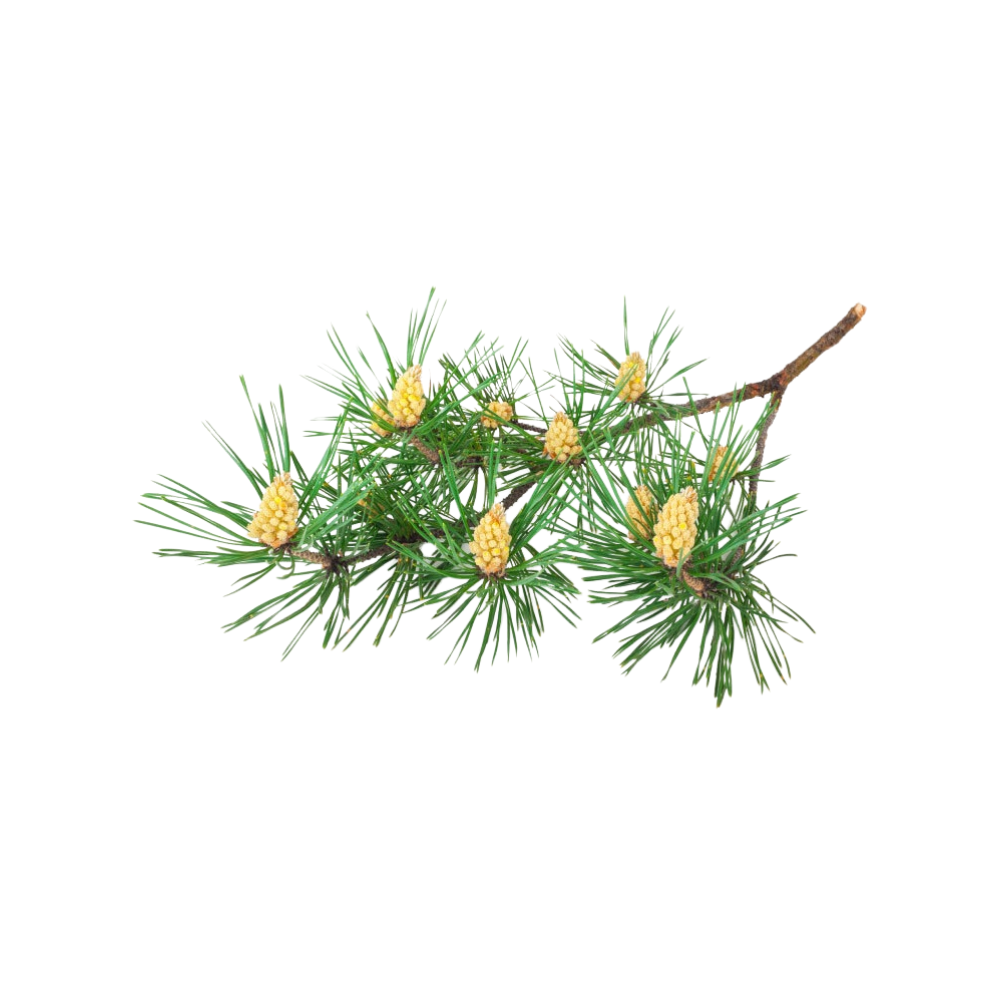
 ModerateModeratePinePinus spp.Maritime pine bark extract, sold as Pycnogenol, carries the most specific retinal evidence in this system.Read the evidenceShow lessMonograph →
A randomised controlled trial found it improved retinal microcirculation, reduced retinal oedema and improved visual acuity in early diabetic retinopathy 5Reference 5RCTPycnogenol improves microcirculation, retinal edema and visual acuity in early diabetic retinopathy — randomised controlled trialView study →, with an earlier review collating the retinopathy data 6Reference 6ReviewPycnogenol for diabetic retinopathy — reviewView study →.
The mechanism is capillary protection rather than glycaemic control. It works on the vessel and not on the sugar, which makes it a plausible adjunct to the glycaemic and blood-pressure control that actually prevents retinopathy.
The evidence belongs to a patented standardised extract at defined doses, the trials are small, and much of the work is connected to the manufacturer. Its wider diabetes and vascular evidence is on the metabolic and cardiovascular pages.
 PreclinicalPreclinicalChrysanthemumChrysanthemum morifoliumJu hua, the classical Chinese herb for the eyes, drunk as a tea for red, dry, sore or strained eyes on the reasoning that the Liver opens into the eyes and chrysanthemum clears Liver heat.Read the evidenceShow lessMonograph →
It is one of the most widely consumed eye remedies on earth and has no controlled human trial.
The modern work is mechanistically apt. Chrysanthemum extract attenuates pathological angiogenesis in a macular degeneration model through VEGF and NF-κB signalling 8Reference 8AnimalChrysanthemum morifolium extract attenuates AMD pathological angiogenesis via VEGF / NF-κB — in vivoView study →, and a review covers the flavonoids’ effects on liver and eye disease 7Reference 7ReviewPharmacological effects of Chrysanthemum flavonoids on liver and eye diseases — reviewView study →.
The flavonoids luteolin and apigenin are the plausible actives.
It is a pleasant and essentially harmless tea, Asteraceae allergy aside, which is more than most untested remedies can claim.
Glaucoma & Intraocular Pressure
2 herbsGlaucoma damages the optic nerve, usually through raised intraocular pressure, and it takes peripheral vision silently. Most people do not notice until substantial permanent loss has happened.
Lowering pressure is the only intervention shown to slow it. Every herb here is an add-on to prescribed pressure-lowering treatment, tested in patients already on maximum tolerated therapy.
 ModerateModerateColeusColeus forskohliiThe most pharmacologically credible ocular herb.Read the evidenceShow lessMonograph →
Forskolin lowers intraocular pressure by raising cyclic AMP in the ciliary body, reducing aqueous production and improving outflow, established in animals in 1982 12Reference 12AnimalForskolin stimulates cyclic AMP synthesis, lowers intraocular pressure and increases outflow facility in rabbits — animal modelView study →.
In humans, a randomised controlled trial found oral forskolin with rutin contributed to pressure control in primary open-angle glaucoma patients already on maximum tolerated medical therapy 9Reference 9RCTOral administration of forskolin and rutin contributes to intraocular pressure control in primary open angle glaucoma patients under maximum tolerated medical therapy — randomised controlled trialView study →, and a further randomised trial of a forskolin combination found similar results 10Reference 10RCTOral administration of forskolin, homotaurine, carnosine and folic acid in patients with primary open angle glaucoma — randomised controlled trialView study →. A clinical trial also found forskolin and rutin prevented pressure spikes after Nd:YAG laser iridotomy 11Reference 11Clinical trialForskolin and rutin prevent intraocular pressure spikes after Nd:YAG laser iridotomy — clinical trialView study →, which is a specific procedural use.
The trials are small and Italian, most use multi-ingredient formulations, and forskolin is poorly absorbed orally, the same limitation that undermines its weight-loss marketing.
Forskolin also lowers blood pressure and inhibits platelets, which matters alongside antihypertensives and anticoagulants and before surgery.
 PreclinicalPreclinicalCannabisCannabis sativaCannabis does lower intraocular pressure, which has been known since the 1970s, and a randomised controlled trial found a single oral dose of dronabinol increased ocular blood flow in glaucoma patients 13Reference 13RCTSingle oral administration of dronabinol increases ocular blood flow in patients with glaucoma — randomised controlled trialView study →.Read the evidenceShow lessMonograph →
The reason ophthalmology does not use it is duration. The pressure-lowering effect lasts roughly three to four hours, so maintaining control would mean dosing around the clock, with the cognitive impairment that implies.
THC additionally lowers systemic blood pressure in a way that may reduce optic nerve perfusion.
Major ophthalmology bodies advise against it for glaucoma on exactly those grounds. It is a real pharmacological effect that does not translate into a usable treatment.
No herbs match these filters.
Safety
- Nothing herbal goes into the eye. Home-made eyebright, chamomile and eyewash infusions are not sterile, and corneal contamination causes keratitis and ulcers that threaten sight.
- Pressure-lowering drops are not optional or substitutable. They are the only intervention shown to preserve vision in glaucoma, and the damage they prevent is silent and permanent.
- The evidence here is for add-on use. The ocular herbs with human trials were tested on top of standard care in patients already on maximum tolerated therapy, never instead of it.
- Diabetic retinopathy is caught by annual retinal screening rather than by symptoms, because laser and anti-VEGF treatment work when they are started early.
- Sudden distortion of straight lines, a grey patch in central vision or rapid blurring needs same-week ophthalmology, since anti-VEGF injections work far better the earlier they begin.
- Get medical care for sudden vision loss, eye pain with nausea and haloes, a shower of floaters or flashes, a curtain across the vision, or any injury or chemical splash.
Pregnancy & Lactation
Pregnancy · AvoidLactation · Caution
- Assume avoid unless a clinician has advised otherwise, because these herbs are untested in pregnancy and several carry traditional emmenagogue reputations at therapeutic doses.
- A culinary amount of a food plant is a different question from a concentrated extract taken daily for months.
- Vision changes in pregnancy are assessed rather than treated at home, because gestational diabetes accelerates retinopathy and visual disturbance with headache or swelling can signal pre-eclampsia.
References
- Broadhead, G. K., Grigg, J. R., McCluskey, P., et al. (2019). Saffron therapy for the treatment of mild/moderate age-related macular degeneration — randomised clinical trial. Graefe’s Archive for Clinical and Experimental Ophthalmology. https://pubmed.ncbi.nlm.nih.gov/30343354/
- Broadhead GK, Grigg J, McCluskey PJ, et al. (2024). Saffron therapy for the ongoing treatment of age-related macular degeneration. BMJ Open Ophthalmology. https://pubmed.ncbi.nlm.nih.gov/38485112/
- Falsini, B., Piccardi, M., Minnella, A., et al. (2010). Influence of saffron supplementation on retinal flicker sensitivity in early age-related macular degeneration. Investigative Ophthalmology & Visual Science. https://pubmed.ncbi.nlm.nih.gov/20688744/
- Sepahi, S., Mohajeri, S. A., Hosseini, S. M., et al. (2018). Effects of crocin on diabetic maculopathy — placebo-controlled randomised clinical trial. American Journal of Ophthalmology. https://pubmed.ncbi.nlm.nih.gov/29550187/
- Steigerwalt, R., Belcaro, G., Cesarone, M. R., et al. (2009). Pycnogenol improves microcirculation, retinal edema and visual acuity in early diabetic retinopathy — randomised controlled trial. Journal of Ocular Pharmacology and Therapeutics. https://pubmed.ncbi.nlm.nih.gov/19916788/
- Schönlau, F., & Rohdewald, P. (2001). Pycnogenol for diabetic retinopathy — review. International Ophthalmology. https://pubmed.ncbi.nlm.nih.gov/12498513/
- Xiong, et al. (2024). Pharmacological effects of Chrysanthemum flavonoids on liver and eye diseases — review. Journal of Ethnopharmacology. https://pubmed.ncbi.nlm.nih.gov/39532220/
- Jiang, et al. (2025). Chrysanthemum morifolium extract attenuates AMD pathological angiogenesis via VEGF / NF-κB — in vivo. Journal of Ethnopharmacology. https://pubmed.ncbi.nlm.nih.gov/41016543/
- Vetrugno, M., Uva, M. G., Russo, V., et al. (2012). Oral administration of forskolin and rutin contributes to intraocular pressure control in primary open angle glaucoma patients under maximum tolerated medical therapy — randomised controlled trial. Journal of Ocular Pharmacology and Therapeutics. https://pubmed.ncbi.nlm.nih.gov/22731245/
- Mutolo, M. G., Albanese, G., Rusciano, D., et al. (2016). Oral administration of forskolin, homotaurine, carnosine and folic acid in patients with primary open angle glaucoma — randomised controlled trial. Journal of Ocular Pharmacology and Therapeutics. https://pubmed.ncbi.nlm.nih.gov/26771282/
- Nebbioso, M., Belcaro, G., Librando, A., et al. (2012). Forskolin and rutin prevent intraocular pressure spikes after Nd:YAG laser iridotomy — clinical trial. Panminerva Medica. https://pubmed.ncbi.nlm.nih.gov/23241939/
- Bartels, S. P., Lee, S. R., & Neufeld, A. H. (1982). Forskolin stimulates cyclic AMP synthesis, lowers intraocular pressure and increases outflow facility in rabbits — animal model. Current Eye Research. https://pubmed.ncbi.nlm.nih.gov/6137323/
- Lindner T, Pai V, Janku P, et al. (2026). Single oral administration of dronabinol increases ocular blood flow in patients with glaucoma — randomised controlled trial. Acta Ophthalmologica. https://pubmed.ncbi.nlm.nih.gov/40772417/
Keep Exploring