Overview
Antidepressant at a Glance
Antidepressant herbs are used to help relieve depression and improve mood.
There is some overlap with anxiolytics, sedatives, adaptogens, and nervines, since anxiety, poor sleep, chronic stress, and depression often occur together.
But those are separate actions. An herb can make someone calmer or sleep better without having a meaningful antidepressant effect.
Herbal antidepressants work through several different pathways.
Some act directly on serotonin, noradrenaline, or dopamine.
Others influence monoamine oxidase, provide serotonin precursors, or act more slowly through the stress response and neurotrophic pathways such as BDNF.
The best-supported examples are St. John’s wort and saffron.
St. John’s wort affects serotonin, noradrenaline, and dopamine signalling and has performed similarly to standard antidepressants in trials of mild to moderate depression.
Saffron also has good human evidence, including trials comparing it directly with fluoxetine and imipramine.
Other herbs have more limited or mechanism-based evidence.
Griffonia supplies 5-HTP, a precursor to serotonin. Ayahuasca vine contains reversible MAO inhibitors. Kanna inhibits serotonin reuptake, while rhodiola and several other herbs appear to work more through stress regulation and neurotrophic signalling.
Lemon balm and turmeric have also reduced depression scores in clinical trials, although the effects are more modest.
Several other herbs remain supported mainly by traditional use or preliminary research.
Caution
Adds to serotonergic drugs — serotonergic herbs add to SSRIs, SNRIs, MAOIs, tramadol, triptans and other serotonergic medicines, with a risk of serotonin syndrome.
St John's wort lowers drug levels — it lowers the blood levels of many prescription drugs, so check every co-medication before adding it.
Don't stop a prescription — a prescribed antidepressant is not stopped or reduced to try a herb, and depression with suicidal thoughts needs urgent professional care.
Mechanisms
How It Works
01
Monoamine Reuptake Inhibition
Blocking the transporters that clear serotonin, noradrenaline and dopamine from the synapse raises their signalling. This is the target of the SSRI, SNRI and tricyclic drug classes.
St John’s wort’s hyperforin inhibits the reuptake of all three monoamines non-selectively, a profile closer to an older tricyclic than to an SSRI.
Saffron’s crocin and safranal modulate the same transporters, kanna’s mesembrine inhibits serotonin reuptake, and catuaba inhibits dopamine reuptake in synaptosomes.
The herbal extracts are weaker than the drugs at the transporter, and the clinical evidence for St John’s wort and saffron is in mild to moderate depression.
St John’s wort also induces CYP3A4 and P-glycoprotein, which lowers the blood levels of a long list of drugs and is the single most important interaction among the antidepressant herbs.
Herbs: CatuabaKannaSaffronSt. John’s Wort
Key compounds: HyperforinCrocinMesembrine
02
MAO Inhibition
Monoamine oxidase degrades serotonin, noradrenaline and dopamine, and inhibiting it raises all three. It is the mechanism of the oldest antidepressant drug class.
Ayahuasca vine’s harmine, tetrahydroharmine and harmaline are reversible MAO-A inhibitors. Rhodiola root extracts inhibit MAO-A and MAO-B ex vivo, and catuaba’s aqueous extract inhibits MAO-A in vitro.
The herbal inhibition is reversible and, for rhodiola and catuaba, unquantified in people, while the drug MAOIs are irreversible.
Modern psychiatry largely set MAOIs aside for safety reasons rather than efficacy.
Combining an MAO inhibitor with a serotonergic drug can cause serotonin syndrome, and SSRIs, SNRIs, triptans, tramadol, dextromethorphan and linezolid are all in scope.
Herbs: Ayahuasca VineCatuabaRhodiola
Key compounds: Harmine
03
Serotonin Precursor Loading
Supplying 5-hydroxytryptophan adds substrate downstream of tryptophan hydroxylase, the rate-limiting step in serotonin synthesis. More substrate means more serotonin.
Griffonia seed is the natural source of 5-HTP, and the trials that support it were run on the isolated molecule.
No antidepressant drug works this way.
Adding substrate to a system whose reuptake is already blocked is the most direct route to serotonin excess, so griffonia carries the sharpest serotonin-syndrome warning among these herbs and should never be combined with an SSRI, SNRI, MAOI, triptan, tramadol or St John’s wort.
Herbs: Griffonia
04
HPA Axis and Neurotrophic Signalling
Lowering cortisol output and raising brain-derived neurotrophic factor (BDNF) is the slower route.
BDNF depletion is one of the better-supported biological correlates of depression, and conventional antidepressants also raise BDNF over weeks.
Rhodiola lowers cortisol, muira puama blocks stress-induced corticosterone rises in rodents, rosewood oil raises BDNF in the rat prefrontal cortex and hippocampus, and passionflower’s chrysin raises BDNF and NGF in stressed mice.
This route carries far less interaction risk than the monoamine routes and correspondingly less acute effect.
It overlaps with the adaptogen action.
Herbs: Muira PuamaPassionflowerRhodiolaRosewood
Key compounds: Chrysin
05
Mechanism Not Established
Several herbs have a measured antidepressant or antidepressant-like effect with no identified target.
Lemon balm and turmeric reduce depression scores in pooled human trials, abuta and ice plant have rodent and zebrafish results, and rosemary has two small human signals, none with a named pathway.
Ice plant’s result is informative on its own terms: the antidepressant-like effect of the Sceletium extract could not be reproduced by any single alkaloid and appears to require the intact extract.
More Specific Actions
Sub-Actions
Antidepressant has one narrower action beneath it, for the herbs that act on a named enzyme.
MAO Inhibitor
3 herbsSlows the breakdown of serotonin, noradrenaline and dopamine by inhibiting monoamine oxidase, the mechanism of the first antidepressant drug class. It involves confirmed inhibition of the human MAO-A enzyme, and with it the tyramine and serotonin-syndrome interactions of that drug class.
The Molecules
Pharmacology
What produces an antidepressant effect at the molecular level. The herbs below carry these molecules in different combinations and amounts, which is most of why their potency differs. Roles describe how central a molecule is to the action across plants generally, not how strong any one herb is.
Chiefly Other Alkaloids2Amines & Protoalkaloids1Sterols & Steroids1
Carries the action largely on its own — the effect is attributed to the molecule, not just the extract it came from.
Adds to a plant's effect and is often present in quantity, but rarely accounts for it alone.
Real but narrow — one pathway, one tissue, or evidence too thin to lean on.
Mesembrine Other Alkaloids Contributor Targets SERT; VMAT-2; MAO-A (weak)
Mesembrine inhibits SERT at nanomolar concentrations 1Reference 1Pharmacological actions of the South African medicinal and functional food plant Sceletium tortuosum and its principal alkaloidsView study →, the direct pharmacological rationale for kanna’s traditional use as a mood-lifter 2Reference 2ReviewMesembrine alkaloids: review of their occurrence, chemistry, and pharmacologyView study →.
The informative experiment is a negative one: only the intact extract at its highest concentration reversed reserpine-induced depression-like behaviour, and no single alkaloid, mesembrine included, reproduced it, which the authors attributed to synergy or to untested constituents 4Reference 4Sceletium tortuosum-derived mesembrine significantly contributes to the anxiolytic effect of Zembrin®, but its anti-depressant effect may require synergy of multiple plant constituentsView study →.
Work on a high-mesembrine extract argues the reuptake inhibition is secondary to monoamine release, with SERT down-regulated as with citalopram and VMAT-2 up-regulated, and only mild AChE and MAO-A inhibition 6Reference 6High-mesembrine Sceletium extract (Trimesemine™) is a monoamine releasing agent, rather than only a selective serotonin reuptake inhibitorView study →.
Isolated mesembrine did reverse a subset of behavioural changes in a rat chronic-mild-stress model 5Reference 5AnimalNeuro-inflammatory and behavioral changes are selectively reversed by Sceletium tortuosum (Zembrin®) and mesembrine in male rats subjected to unpredictable chronic mild stressView study →.
The whole-extract effect survives without it and the isolate alone does not deliver it, so mesembrine is a contributor rather than the sole active.
Mesembrenone Other Alkaloids Minor role Targets SERT
Mesembrenone is a serotonin-reuptake inhibitor 1,
The two experiments that tried to apportion an extract’s antidepressant-like effect either failed to reproduce it with any single alkaloid 4Reference 4Sceletium tortuosum-derived mesembrine significantly contributes to the anxiolytic effect of Zembrin®, but its anti-depressant effect may require synergy of multiple plant constituentsView study → or carried mesembrine into the in-vivo arm instead 5Reference 5AnimalNeuro-inflammatory and behavioral changes are selectively reversed by Sceletium tortuosum (Zembrin®) and mesembrine in male rats subjected to unpredictable chronic mild stressView study →.
A high-mesembrine preparation behaves as a monoamine-releasing agent with VMAT-2 up-regulation rather than a pure SSRI 6Reference 6High-mesembrine Sceletium extract (Trimesemine™) is a monoamine releasing agent, rather than only a selective serotonin reuptake inhibitorView study →.
No isolated mesembrenone has been tested for antidepressant-like activity in a mammal, and the plant has never been trialled in a clinically depressed population 7Reference 7ReviewSceletium tortuosum: a review on its phytochemistry, pharmacokinetics, biological and clinical activitiesView study →.
Phenethylamine Amines & Protoalkaloids Minor role Targets TAAR1; MAO-B substrate competition
The claim rests on a single small open-label series: oral PEA at 10–60 mg/day, given with 10 mg/day selegiline to prevent rapid PEA destruction, relieved depression, sustained at 20–50 weeks in 12 of 14 re-examined responders 8,
The mechanism is coherent, raising trace-amine tone at TAAR1 by removing its catabolic enzyme, but the design cannot separate PEA’s contribution from selegiline’s, which is itself an established antidepressant.
The one urinary-biomarker link to exercise 10Reference 10Phenylethylamine, a possible link to the antidepressant effects of exercise? British Journal of Sports Medicine. https://pubmed.ncbi.nlm.nih.gov/11579070/View study → is undercut by isotope and inhibitor work showing urinary phenylacetic acid derives mainly from phenylalanine transamination or non-MAO pathways, so it is not a usable PEA proxy 11Reference 11Phenylacetic acid excretion in schizophrenia and depression: the origins of PAA in manView study →.
No randomized controlled trial of phenethylamine exists.
Found in Cacao
Full Phenethylamine profile →Sarsasapogenin Sterols & Steroids Minor role Targets Hippocampal AChE; α4/α7 nAChR
In olfactory-bulbectomised rats, a model with raised hippocampal AChE activity, sarsasapogenin reversed depressive-like behaviour alongside changes in AChE and α4- and α7-nicotinic acetylcholine receptor expression, the same cholinergic thread that carries its nootropic action 12Reference 12Sarsasapogenin reverses depressive-like behaviors and nicotinic acetylcholine receptors induced by olfactory bulbectomyView study →.
The rapid-onset mTOR/BDNF result belongs to YY-21, a synthetic compound several steps removed from sarsasapogenin via timosaponin B-III, and cannot be attributed to the natural molecule or to any plant containing it 13Reference 13The rapid antidepressant and anxiolytic-like effects of YY-21 involve enhancement of excitatory synaptic transmission via activation of mTOR signaling in the mPFCView study →.
One behavioural study for the parent compound is the whole basis.
What It's For
Indications
- Low, flat or persistently down mood
- Seasonal low mood
- Low mood with fatigue and poor motivation
- Emotional flatness during convalescence
Materia Medica
Antidepressant Herbs by Potency
The antidepressant herbs, ordered by the relative strength of the effect rather than by how well studied it is. Each herb is described by the mechanism behind its effect and the evidence for it.
None of this is a substitute for professional care.
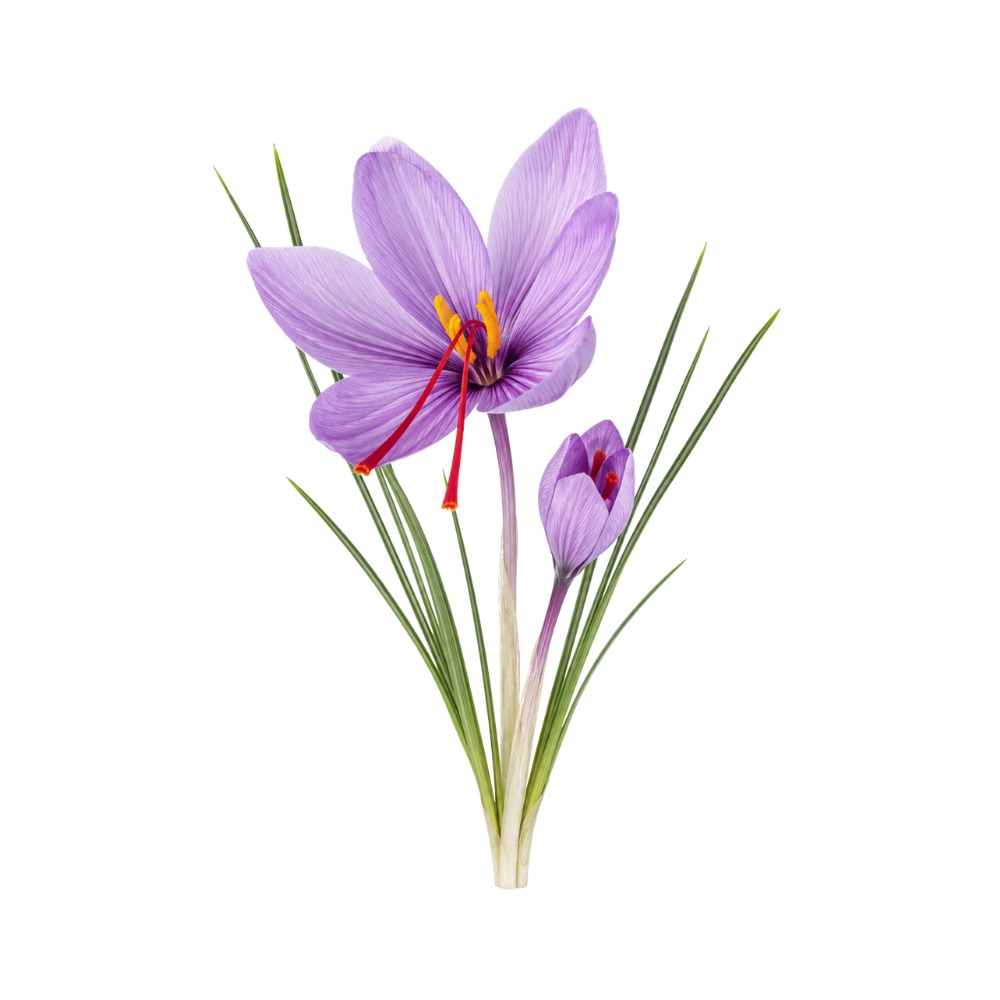 PotentPotentSaffronCrocus sativusDried stigma at 30 mg a day matched imipramine and fluoxetine in head-to-head trials and beats placebo across successive meta-analyses; crocin and safranal modulate serotonin, dopamine and noradrenaline reuptake.Mechanismserotonin reuptake inhibition (crocin/safranal); dopamine/noradrenaline reuptake modulation; NMDA antagonismRead the evidenceShow lessMonograph →
Dried stigma at 30 mg/day beat placebo on the Hamilton Depression Rating Scale in early double-blind Iranian RCTs 49,
Successive meta-analyses have held up as the base grew: major depression 53Reference 53Meta-analysisSaffron (Crocus sativus L.) and major depressive disorder: a meta-analysis of randomized clinical trialsView study →, mild-to-moderate cases 54Reference 54Meta-analysisThe efficacy of saffron in the treatment of mild to moderate depression: a meta-analysisView study →, superiority to placebo with equivalence to synthetic antidepressants and no excess adverse events 55Reference 55Meta-analysisSafety and efficacy of saffron (Crocus sativus L.) for treating mild to moderate depression: a systematic review and meta-analysisView study →, an umbrella analysis of seven prior meta-analyses 56Reference 56Meta-analysisSaffron, as an adjunct therapy, contributes to relieve depression symptoms: an umbrella meta-analysisView study →, and a 2026 GRADE-assessed review of 34 RCTs (1,769 participants) 57Reference 57Meta-analysisEffect of saffron on depression, anxiety and mood disorder: a GRADE-assessed systematic review and meta-analysis of 34 randomised controlled trialsView study →.
Crocin and safranal modulate serotonin, dopamine and noradrenaline reuptake, with NMDA antagonism alongside.
Trials are short (mostly 6–8 weeks), modestly sized and dominated by a small number of Iranian centres, which the GRADE review flags as limiting certainty 57Reference 57Meta-analysisEffect of saffron on depression, anxiety and mood disorder: a GRADE-assessed systematic review and meta-analysis of 34 randomised controlled trialsView study →. Severe depression and relapse prevention are untested, the umbrella analysis warns against standalone therapy 56Reference 56Meta-analysisSaffron, as an adjunct therapy, contributes to relieve depression symptoms: an umbrella meta-analysisView study →, and a 2025 trial in adults with subclinical symptoms was null on a combined mood, anxiety and fatigue outcome 58Reference 58RCTEffect of saffron extract supplementation on mood in healthy adults with subclinical symptoms of depression: a randomised, double-blind placebo-controlled studyView study →.
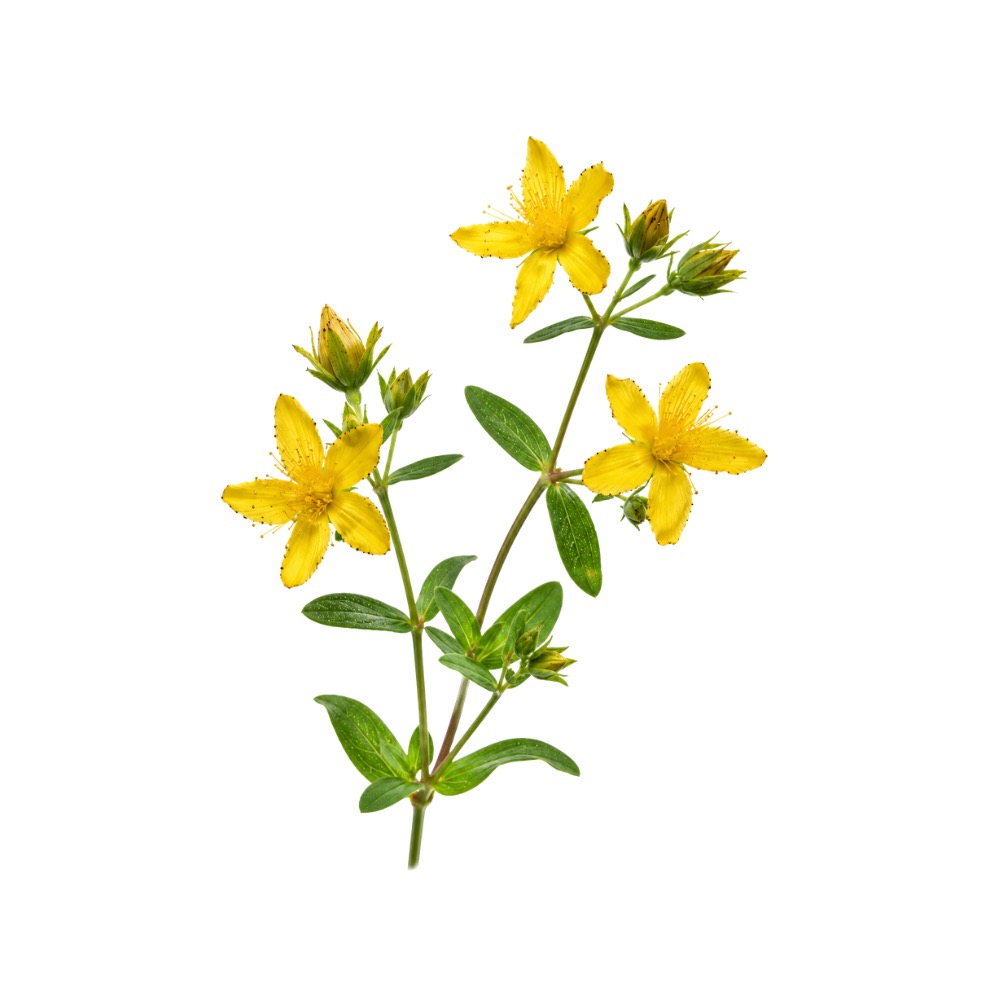 PotentPotentSt. John’s WortHypericum perforatumHyperforin-standardized extracts match standard antidepressants in mild to moderate depression across meta-analyses of thousands of patients, with fewer dropouts for side effects; the mechanism is non-selective reuptake inhibition of serotonin, noradrenaline and dopamine.Mechanismnon-selective monoamine reuptake inhibition (5-HT / NE / DA); GABA and glutamate uptake inhibitionRead the evidenceShow lessMonograph →
The 2008 Cochrane review pooled 29 randomized double-blind trials in 5,489 patients and found hypericum extracts superior to placebo and similarly effective to standard antidepressants, with fewer patients discontinuing for adverse effects 59Reference 59Meta-analysisSt John’s wort for major depression — systematic review, meta-analysisView study →. A 2017 meta-analysis of 27 trials (3,808 patients) reported response and remission comparable to SSRIs at about half the dropout rate 60Reference 60Meta-analysisClinical use of Hypericum perforatum (St John’s wort) in depression: A meta-analysisView study →, a 2023 meta-analysis against SSRIs concurred 61Reference 61Meta-analysisThe efficacy and safety of StView study →, and a 2025 meta-analysis in milder depression found no significant difference from fluoxetine 39Reference 39Meta-analysisEfficacy of pharmacological interventions in milder depression — systematic review and meta-analysisView study →.
The active constituent is hyperforin rather than the hypericin the products are labelled to. It inhibits the reuptake of serotonin, noradrenaline and dopamine non-selectively and inhibits GABA and glutamate uptake 62,
The effect belongs to specific standardized hydroalcoholic extracts. Hyperforin-standardized WS 5570 at 300 mg three times daily beat placebo on the Hamilton scale in a 375-patient RCT 64Reference 64RCTEfficacy of StView study →, and the result does not transfer to tea or generic powder 62,
Two large US trials in more severe major depression (HAM-D ≥20) were null 66,
St John’s wort induces CYP3A4 and P-glycoprotein, lowering the blood levels of oral contraceptives, ciclosporin and tacrolimus, warfarin, antiretrovirals and many other drugs.
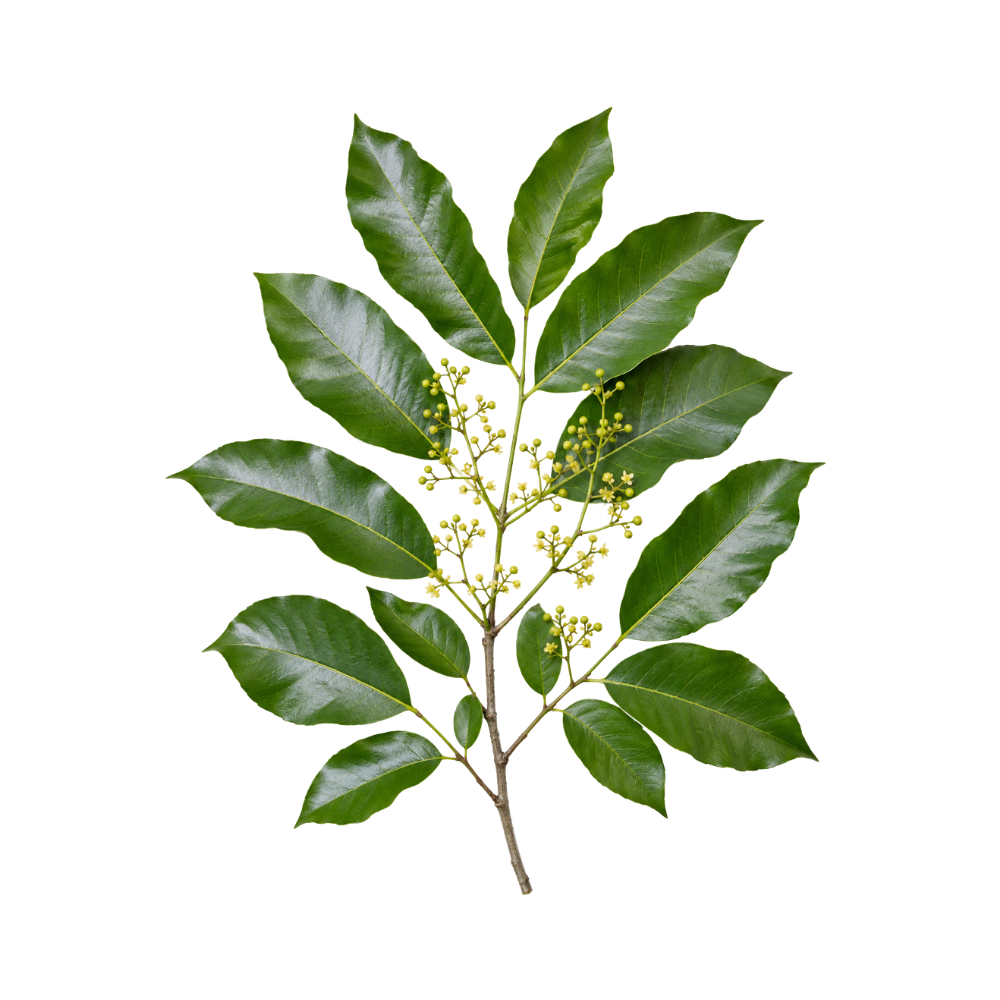 StrongStrongCatuabaTrichilia catiguaCatuaba's antidepressant-like effect in rodents is dopaminergic: the bark extract inhibits dopamine reuptake, inhibits MAO-A in vitro and raises hippocampal cell proliferation.Mechanismdopamine reuptake inhibition; MAO-A inhibition; hippocampal cell proliferationRead the evidenceShow lessMonograph →
An acute hydroalcoholic extract cut forced-swim immobility in both mice and rats and, in synaptosomes, inhibited monoamine reuptake, with dopamine uptake inhibition far outlasting any effect on serotonin 17Reference 17AnimalAntidepressant-like effects of Trichilia catigua (Catuaba) extract: evidence for dopaminergic-mediated mechanisms — animal modelView study →. A subchronic ethyl-acetate fraction (200–400 mg/kg for 14 days) sustained the effect and raised hippocampal cell proliferation 18Reference 18AnimalSubchronic administration of Trichilia catigua ethyl-acetate fraction promotes antidepressant-like effects and increases hippocampal cell proliferation in mice — animal modelView study →.
An independent screen reproduced the antidepressant-like action with no anxiolytic effect and no locomotor change, which argues against simple stimulation 19Reference 19AnimalPreclinical evaluation of Trichilia catigua extracts on the central nervous system of mice — animal modelView study →, and the aqueous extract inhibits MAO-A in vitro 20Reference 20In vitroIn vitro multimodal-effect of Trichilia catigua AView study →.
Every result is animal or cell-free. A Phase III head-to-head against escitalopram (NCT02532660, standardized LABCAT extract 1000 mg/day) was registered and then terminated for recruitment difficulties without reporting, so there is no controlled human efficacy datum in either direction.
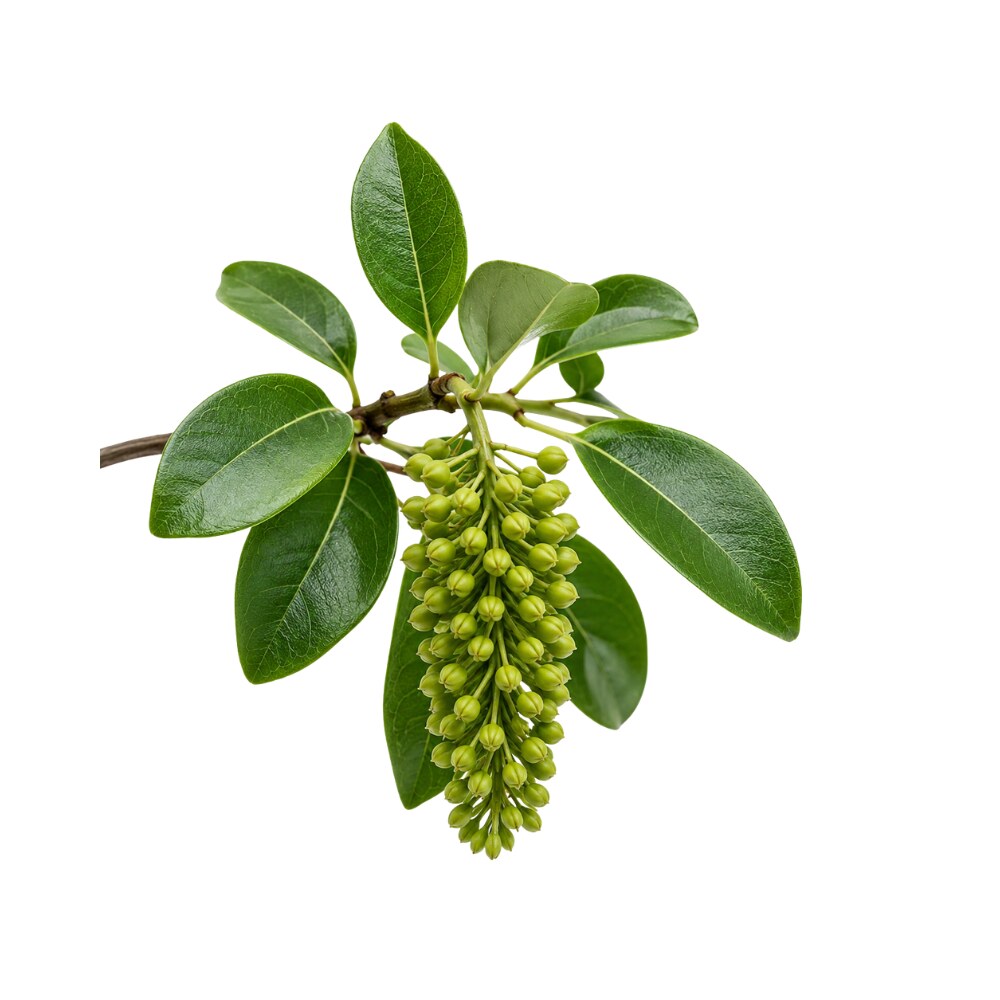 StrongStrongGriffoniaGriffonia simplicifoliaSupplies 5-HTP, the direct serotonin precursor, bypassing the rate-limiting step in serotonin synthesis; 5-HTP matched fluoxetine and fluvoxamine in small trials, none of them run on the seed extract itself.Mechanism5-HT precursor loading — bypasses rate-limiting tryptophan hydroxylase; aromatic L-amino-acid decarboxylase conversion to serotonin; blood–brain-barrier transport via the large-neutral-amino-acid carrierRead the evidenceShow lessMonograph →
5-HTP enters serotonin synthesis downstream of tryptophan hydroxylase, the rate-limiting step, crosses the blood–brain barrier unaided and is decarboxylated to serotonin. The mechanism is substrate supply rather than receptor or transporter action.
5-HTP matched fluoxetine over 8 weeks in first-episode depression (n=60) 21Reference 21RCTComparative study of efficacy of l-5-hydroxytryptophan and fluoxetine in first depressive episode — randomised double-blind trialView study → and was comparable to fluvoxamine 22Reference 22RCTA functional-dimensional approach to depression: 5-hydroxytryptophan versus fluvoxamine — randomised multicentre trialView study →, and a small placebo-controlled crossover trial in Parkinson’s disease improved depressive and apathy scores at 50 mg/day 23Reference 23RCTEfficacy and safety of 5-hydroxytryptophan on depression and apathy in Parkinson’s disease — randomised, double-blind, placebo-controlled crossover trialView study →.
Cochrane found only two adequate trials (64 patients). Pooled, they favoured the precursors (Peto OR ≈ 4.1, 95% CI 1.3–13.2), but the reviewers called the evidence insufficient given probable publication bias across roughly 100 excluded studies 24,
The positive trials use active comparators rather than placebo, and none used Griffonia seed extract; the herb’s standing rests on the isolated molecule.
5-HTP is decarboxylated peripherally as well as centrally unless given with a peripheral decarboxylase inhibitor such as carbidopa, which over-the-counter extracts do not contain. A large fraction of each dose never reaches the brain, which is why gastrointestinal side effects dominate and response is inconsistent.
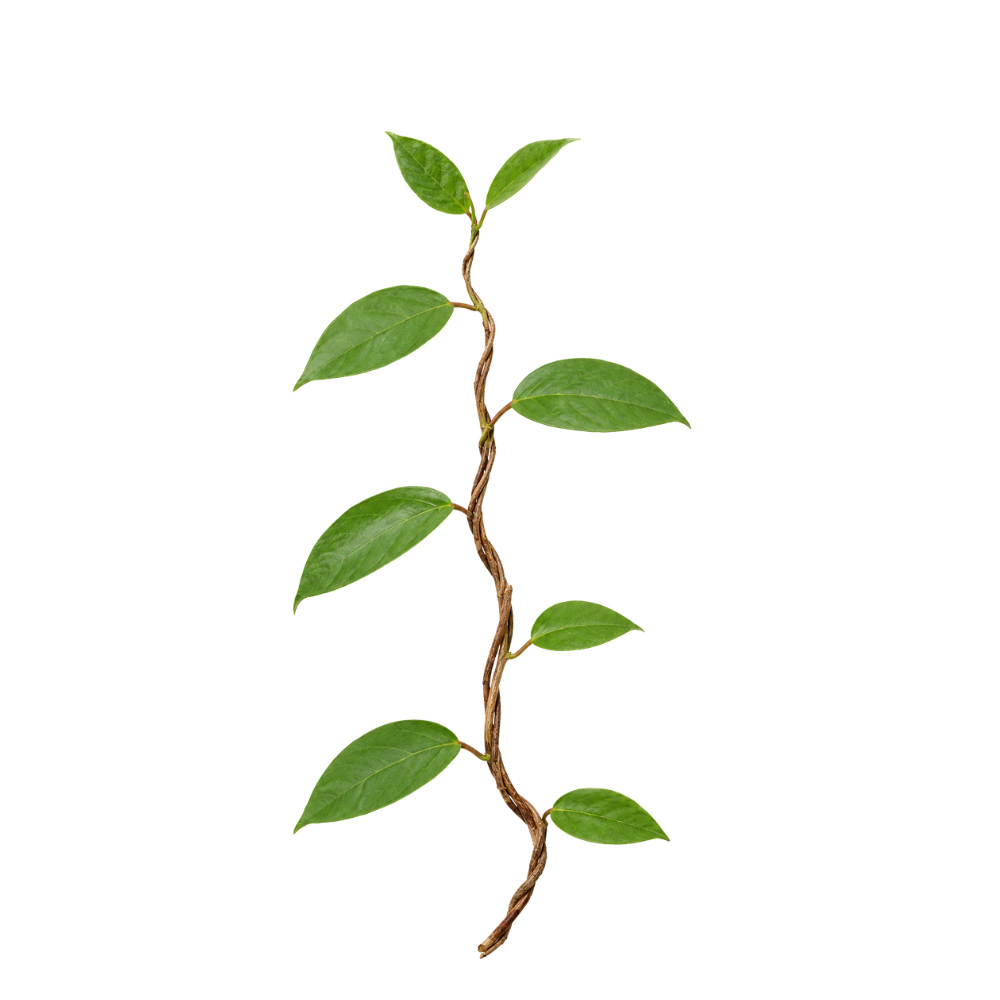 ModerateModerateAyahuasca VineBanisteriopsis caapiThe vine's β-carbolines harmine, tetrahydroharmine and harmaline are reversible MAO-A inhibitors, the lever of the MAOI antidepressant class; no clinical data test the vine alone.Mechanismreversible MAO-A inhibition; monoamine potentiationRead the evidenceShow lessMonograph →
Harmine, tetrahydroharmine and harmaline are reversible inhibitors of monoamine oxidase-A 15,
No efficacy or clinical data exist for the vine on its own. The antidepressant reputation attached to ayahuasca belongs to the whole brew, the MAO-inhibiting vine with a DMT-bearing admixture and the psychedelic experience.
Alkaloid content is highly variable, with dried stem at roughly 0.1–0.8% total β-carbolines and harmine commonly 40–96% of that 15Reference 15Phytochemical analyses of Banisteriopsis caapi and Psychotria viridisView study →, so the dose is poorly defined.
 ModerateModerateKannaSceletium tortuosumMesembrine-type alkaloids inhibit serotonin reuptake, the SSRI target, and the effect is state-dependent: kanna returns a low mood toward baseline rather than pushing normal mood upward.Mechanismserotonin reuptake inhibition; VMAT2 activation (in vitro)Read the evidenceShow lessMonograph →
Mesembrine-type alkaloids slow serotonin reabsorption at the synapse, the same broad target class as prescription SSRIs 1Reference 1Pharmacological actions of the South African medicinal and functional food plant Sceletium tortuosum and its principal alkaloidsView study →, with in-vitro VMAT2 activation described as a secondary monoamine-handling effect.
The effect is state-dependent. Kanna does not push normal mood upward the way a stimulant does; it returns a low mood toward baseline, so the lift is most visible in people who are down 1Reference 1Pharmacological actions of the South African medicinal and functional food plant Sceletium tortuosum and its principal alkaloidsView study →.
Response varies between people in a way attributed to natural variation in serotonin-handling genes 27Reference 27The genetics of selective serotonin reuptake inhibitors.
There is no depression trial of kanna. The mood claim rests on mechanism, tradition and a pharmacology review rather than a clinical endpoint.
Roughly one user in three experiences a transient opposite reaction of nausea, fatigue and mental fog over the first one to three sessions.
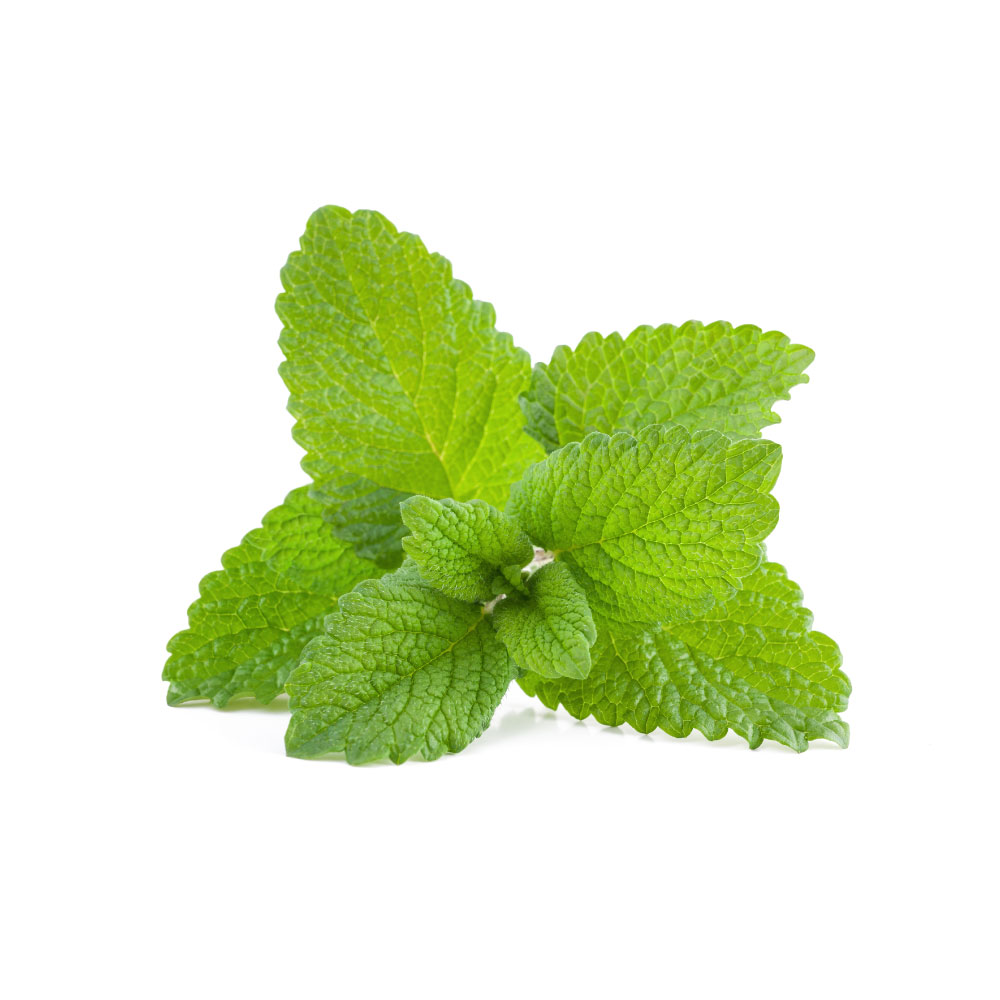 ModerateModerateMelissaMelissa officinalisLemon balm reduced depression scores versus placebo in a 2021 meta-analysis and in two dedicated RCTs in medically ill patients, the modern echo of its traditional use as a gladdening herb for melancholy.Mechanismnot establishedRead the evidenceShow lessMonograph →
The 2021 meta-analysis found a significant reduction in depression scores versus placebo (SMD −0.47, 95% CI −0.73 to −0.21), smaller than the effect on anxiety 30Reference 30Meta-analysisThe effects of lemon balm (Melissa officinalis L.) on depression and anxiety in clinical trials — a systematic review and meta-analysisView study →. Two dedicated RCTs back it in comorbid populations: 700 mg/day hydroalcoholic extract for 12 weeks lowered Beck Depression and Anxiety scores in type 2 diabetes patients with depressive symptoms 31Reference 31RCTThe effects of Melissa officinalis on depression and anxiety in type 2 diabetes patients with depression — randomised double-blind placebo-controlled trialView study →, and 3 g/day powdered leaf for 8 weeks cut DASS-21 depression, anxiety and stress in chronic stable angina 32Reference 32RCTThe effects of Melissa officinalis supplementation on depression, anxiety, stress and sleep disorder in patients with chronic stable angina — randomised placebo-controlled trialView study →.
Lemon balm’s traditional role is as a gladdening herb for melancholy 33Reference 33ReviewMelissa officinalis L. — a review of its traditional uses, phytochemistry and pharmacology.
No antidepressant pathway is established, both dedicated trials studied medically ill rather than primary-depressed populations, and heterogeneity across the pooled set is high.
 ModerateModerateMuira PuamaPtychopetalum olacoidesThe ethanol extract reduced despair behaviour in rodents through D1-dopamine and β-noradrenergic receptors and blocked stress-induced corticosterone rises, dampening the HPA-axis hyperactivity seen in depression.MechanismHPA-axis / corticosterone ↓; D1-dopaminergic; β-noradrenergicRead the evidenceShow lessMonograph →
The ethanol extract (POEE) cut immobility in the tail-suspension and forced-swim tests, mapped to D1-dopamine and β-noradrenergic receptors 34Reference 34AnimalAntidepressant profile of Ptychopetalum olacoides Bentham (Marapuama) in mice — animal studyView study →. In the unpredictable chronic mild stress model it prevented coat-state degradation, restored grooming and blocked stress-induced rises in serum corticosterone 35Reference 35Effects of Marapuama in the chronic mild stress model: further indication of antidepressant properties — animal studyView study →, a dampening of HPA-axis hyperactivity that clinical antidepressants share.
An earlier study found the extract anxiogenic-like at 30–300 mg/kg 36Reference 36Anxiogenic properties of Ptychopetalum olacoides Benth. (Marapuama) — animal studyView study →, so the affective effect is dose-dependent and not uniformly calming.
No human mood data exist.
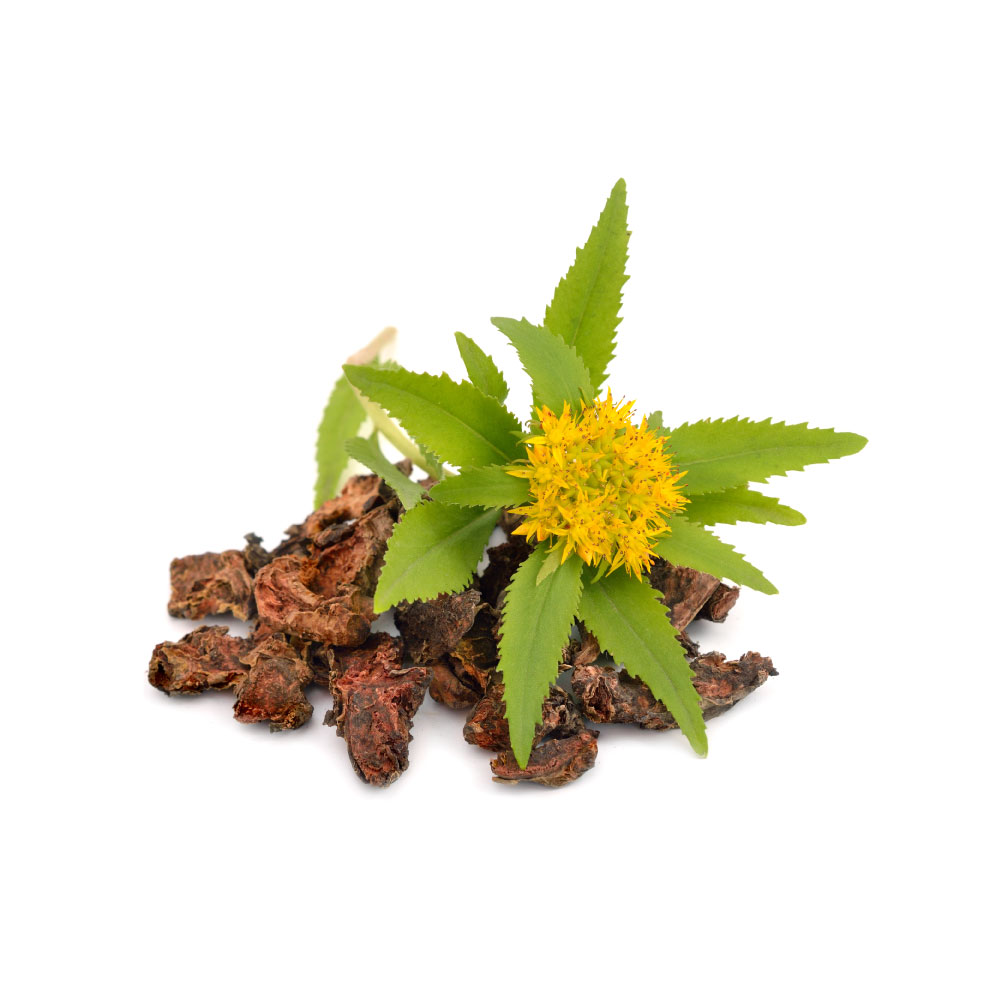 ModerateModerateRhodiolaRhodiola roseaImproved mild to moderate depression versus placebo in a phase III trial and a 2025 meta-analysis; root extracts inhibit MAO-A and MAO-B ex vivo and lower cortisol.MechanismMAO-A/B inhibition (ex vivo); HPA-axis cortisol ↓Read the evidenceShow lessMonograph →
A phase III RCT in 89 adults with mild-to-moderate depression (SHR-5, 340 or 680 mg/day, 6 weeks) significantly improved overall depression, insomnia and emotional instability versus placebo 38Reference 38RCTClinical trial of Rhodiola rosea L. extract SHR-5 in the treatment of mild to moderate depression — randomised controlled trialView study →, and a 2025 systematic review and meta-analysis of pharmacological treatments for milder depression found rhodiola beat placebo on depressive symptoms 39Reference 39Meta-analysisEfficacy of pharmacological interventions in milder depression — systematic review and meta-analysisView study →.
Root extracts inhibit monoamine oxidase A and B ex vivo 40Reference 40In vitroMonoamine oxidase inhibition by Rhodiola rosea L. roots — in vitroView study →, reviewed alongside broader neuroendocrine effects 41Reference 41ReviewRhodiola rosea L. as a putative botanical antidepressant — reviewView study →.
A US three-arm RCT (n=57) was an underpowered null: rhodiola’s effect was smaller than sertraline’s and not statistically significant, with far fewer adverse events (30% vs 63%) 42Reference 42RCTRhodiola rosea versus sertraline for major depressive disorder — randomised placebo-controlled trialView study →. No evidence exists in moderate-to-severe depression.
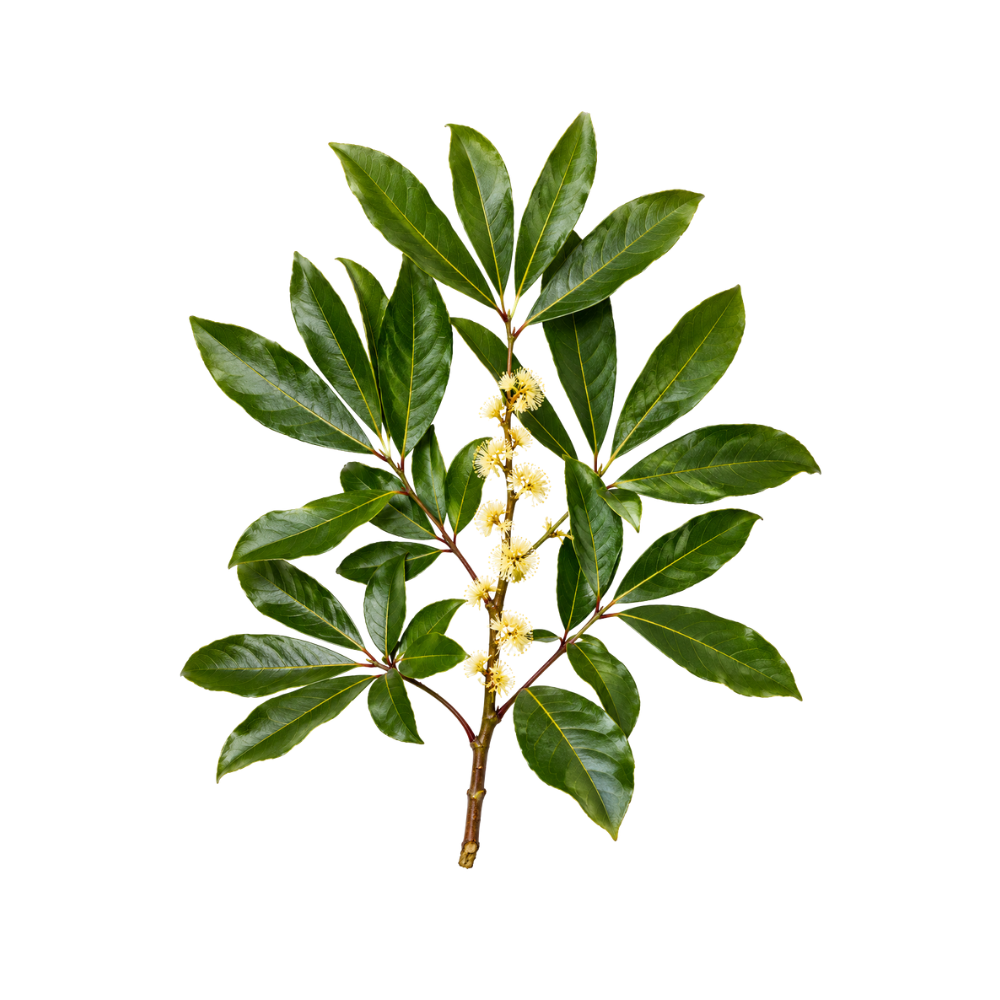
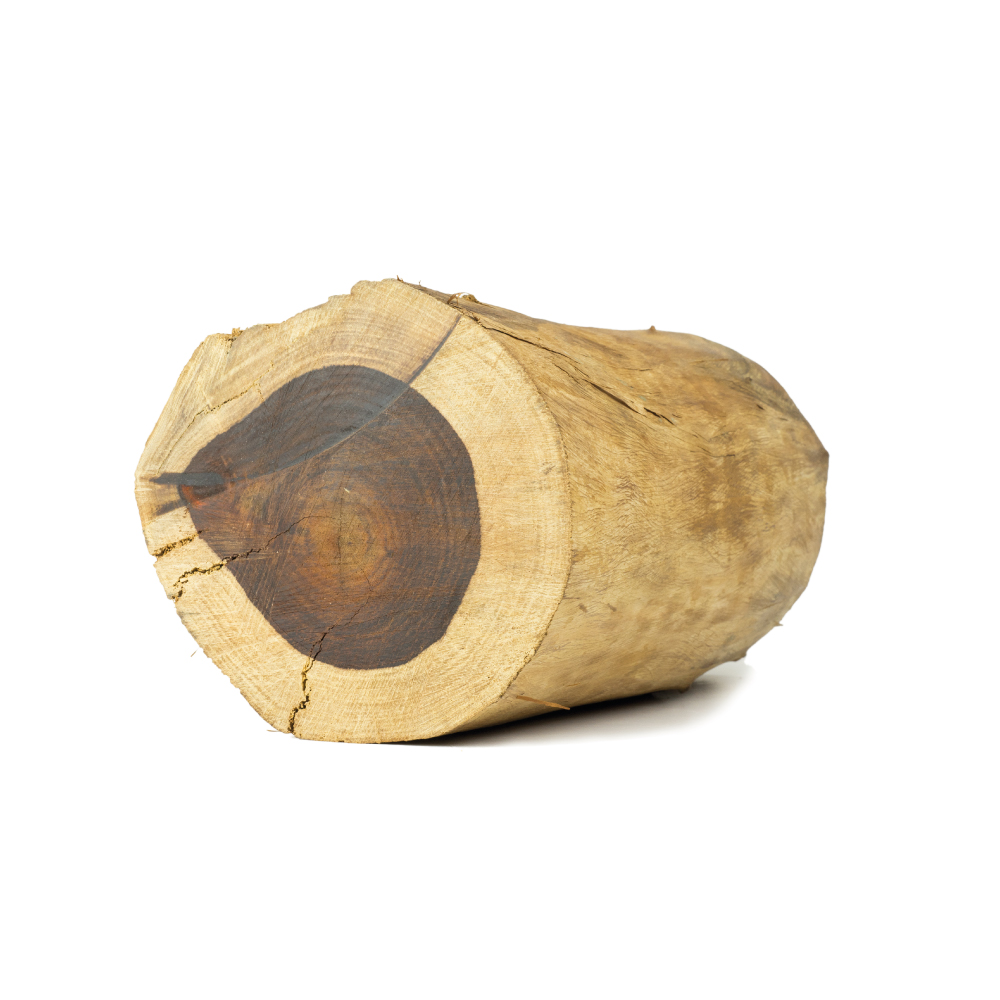 ModerateModerateRosewoodAniba rosaeodoraLinalool-rich rosewood oil produced antidepressant-type effects in rats and raised BDNF, S100B and glutathione in the prefrontal cortex and hippocampus, a neurotrophic route consistent with its Amazonian use for the nerves.MechanismBDNF ↑; S100B ↑; glutathione ↑ (prefrontal cortex, hippocampus); adenylate cyclase ↓ / cAMP ↓Read the evidenceShow lessMonograph →
Linalool-rich rosewood leaf oil produced significant antidepressant-type activity in rats in the forced-swim and splash tests, alongside two other Amazonian linalool oils, with the effect attributed to linalool (88.6% of the oil) 46Reference 46AnimalLinalool-rich essential oils from the Amazon display antidepressant-type effect in rodents — animal modelView study →. A 2024 follow-up found intranasal rosewood oil (35 mg/kg) in adolescent female rats reversed emotional impairment from binge ethanol exposure while raising BDNF, S100B and glutathione in the prefrontal cortex and hippocampus 47Reference 47AnimalLinalool-rich rosewood essential oil mitigates emotional and neurochemical impairments from ethanol binge exposure in female rats — animal modelView study →.
The route is neurotrophic and redox rather than monoaminergic, and linalool from the oil also inhibits adenylate cyclase in retinal tissue, lowering cAMP 48Reference 48In vitroLinalool from rosewood (Aniba rosaeodora Ducke) oil inhibits adenylate cyclase in the retina — in vitro mechanismView study →.
Everything is rodent work from essentially one research group, and the anxiolytic arm was weaker than the antidepressant arm 46,
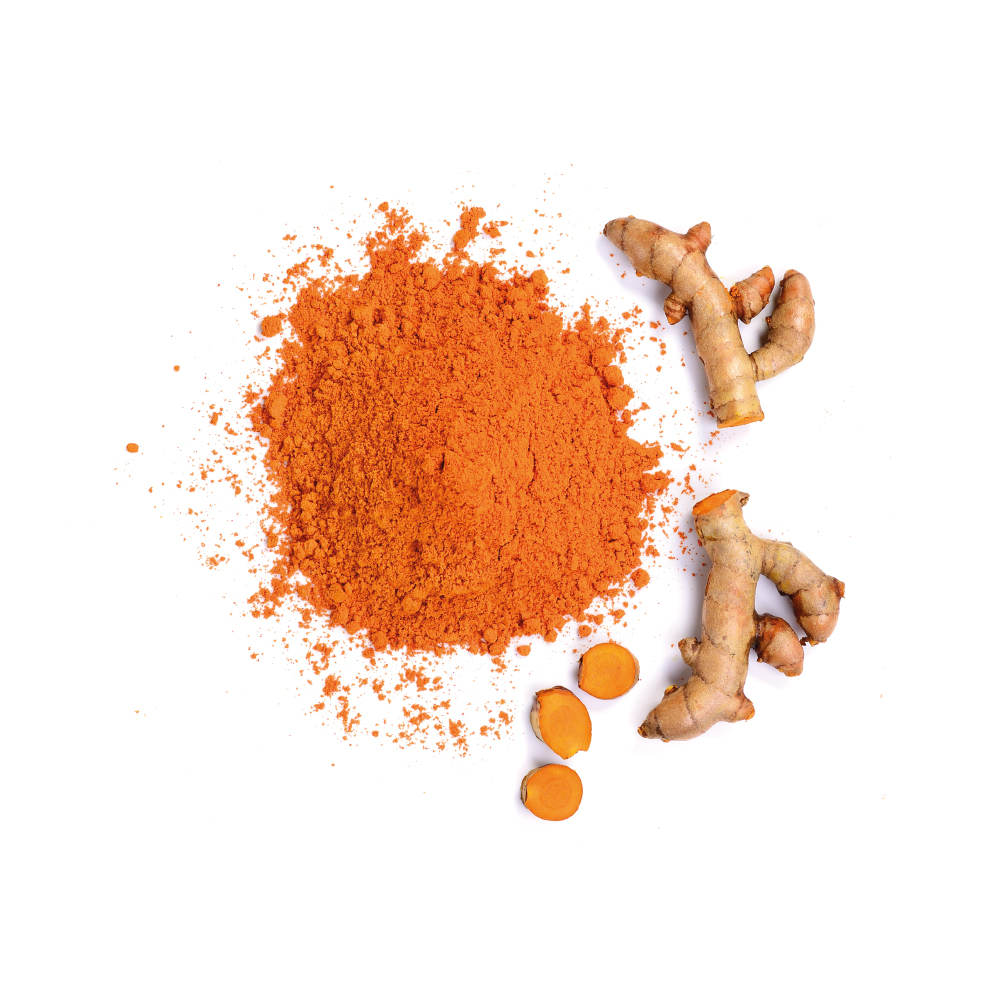 ModerateModerateTurmericCurcuma longaCurcumin reduced depressive symptoms versus placebo in a meta-analysis of six trials, a modest effect mostly seen as an add-on to standard antidepressants.Mechanismnot established (effect measured, pathway not); anti-inflammatory contribution presumedRead the evidenceShow lessMonograph →
A meta-analysis of 6 RCTs (377 patients) found curcumin significantly reduced depressive symptoms versus placebo (Hamilton Rating Scale SMD −0.34), with anti-anxiety benefit in 3 of the trials and no reported adverse events 68Reference 68Meta-analysisClinical Use of Curcumin in Depression: a meta-analysis of clinical trialsView study →. Later meta-reviews of psychiatric phytoceuticals report a modest antidepressant effect, generally as an adjunct to standard antidepressants 69Reference 69Meta-analysisPlant-based Medicines (Phytoceuticals) in the Treatment of Psychiatric Disorders: a meta-review of meta-analyses of randomized controlled trialsView study →.
An SMD of −0.34 is a modest effect.
Trials are short (4–8 weeks) and small, several used adjunctive rather than monotherapy designs, and no mechanism is established. The inflammation-and-depression link is a plausible prior given turmeric’s anti-inflammatory evidence rather than a demonstrated route.
Unformulated turmeric is poorly absorbed, and the trials used enhanced curcumin preparations.
Show 8 more herbs with a mild antidepressant action
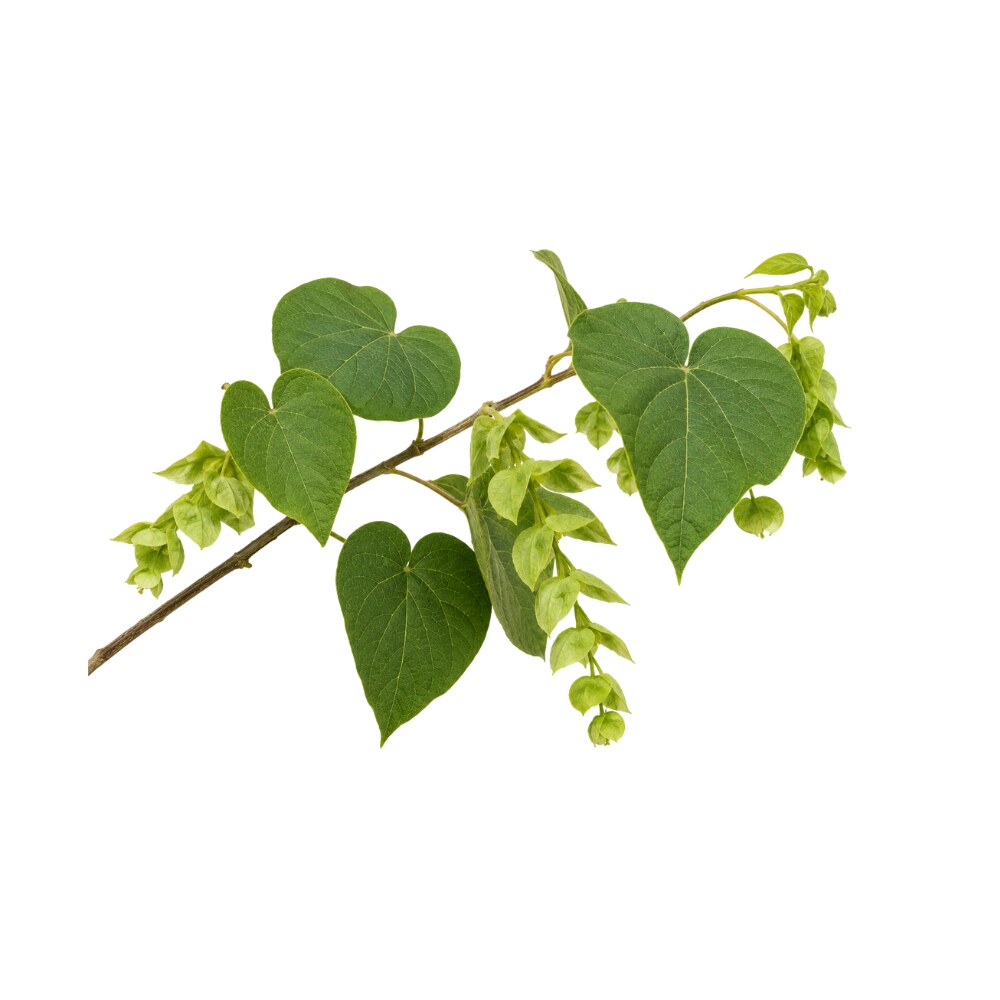 MildMildAbutaCissampelos pareiraA hydroalcoholic leaf extract reduced immobility in the despair-swim and tail-suspension tests at 200–400 mg/kg, the standard rodent screens for antidepressant-like activity.Mechanismnot established (no receptor or pathway named); the behavioral readout is shared with the anxiolytic resultRead the evidenceShow lessMonograph →
A hydroalcoholic leaf extract (200–400 mg/kg) reduced immobility in both the despair-swim and tail-suspension tests 14Reference 14AnimalAnti-depressant, anxiolytic, and muscle relaxant activity of hydroalcoholic extract of Cissampelos pareira Linn. leaves — animal model (mice)View study →, the two standard rodent behavioural screens for antidepressant-like activity.
The evidence is rodent only, with no receptor or pathway identified and an unstandardized extract. The same experiment carries the herb’s anxiolytic result, and because abuta’s curare-family alkaloids relax skeletal muscle, reduced immobility in a swim or suspension test is a readout that muscle relaxation can confound.
The part is the leaf, unlike the root-based evidence for the herb’s other actions.
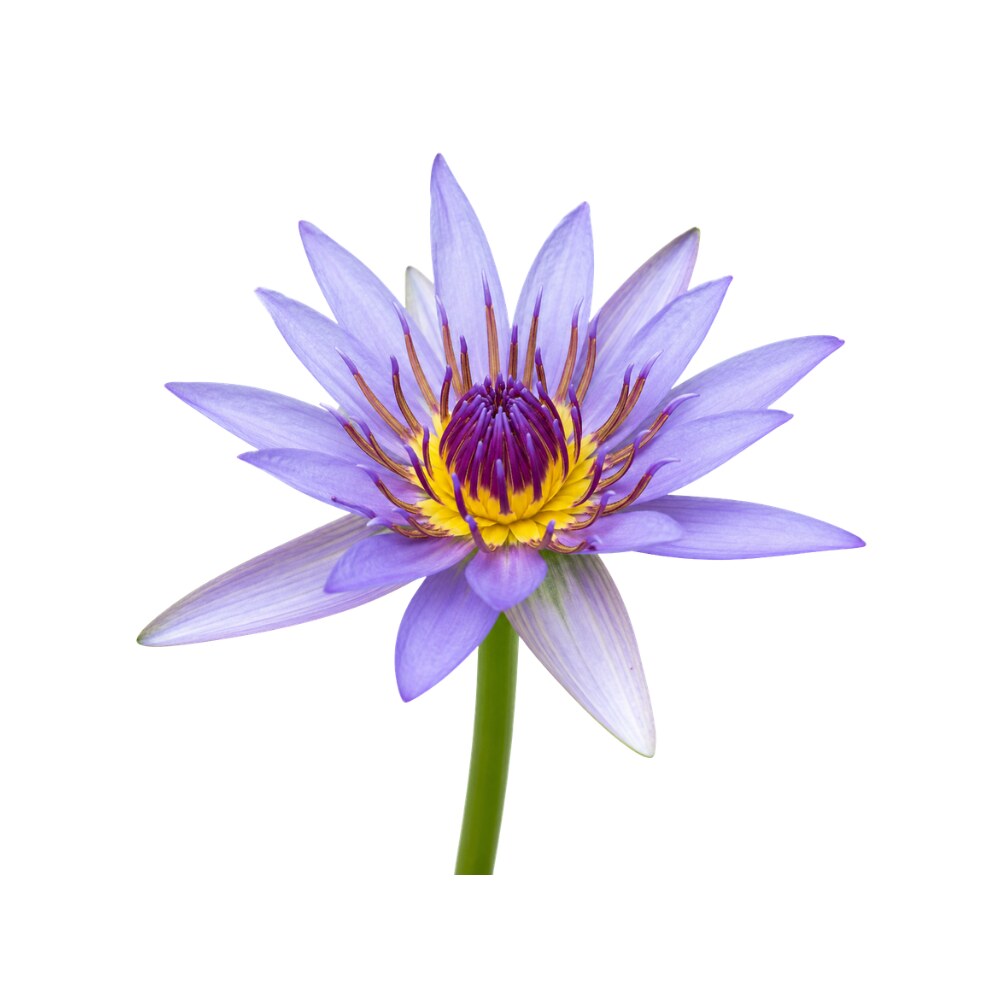 MildMildBlue Lotus FlowerNymphaea caeruleaSteeped in wine in ancient Egypt as a gently euphoric, mood-lifting flower; its aporphine alkaloids act at dopamine D2 receptors, and no depression study exists.Read the evidenceShow lessMonograph →
Blue lotus was steeped in wine in Egyptian social and ceremonial use, producing a relaxing, faintly euphoric drink, and the flower keeps a folk reputation as mood-lifting.
The aporphine alkaloids are close relatives of apomorphine, a dopamine D2 agonist, and that action is the most likely basis for the gentle euphoria.
No depression model, mood scale or sustained outcome has been studied. Euphoria is a subjective quality and an antidepressant effect is a clinical one.
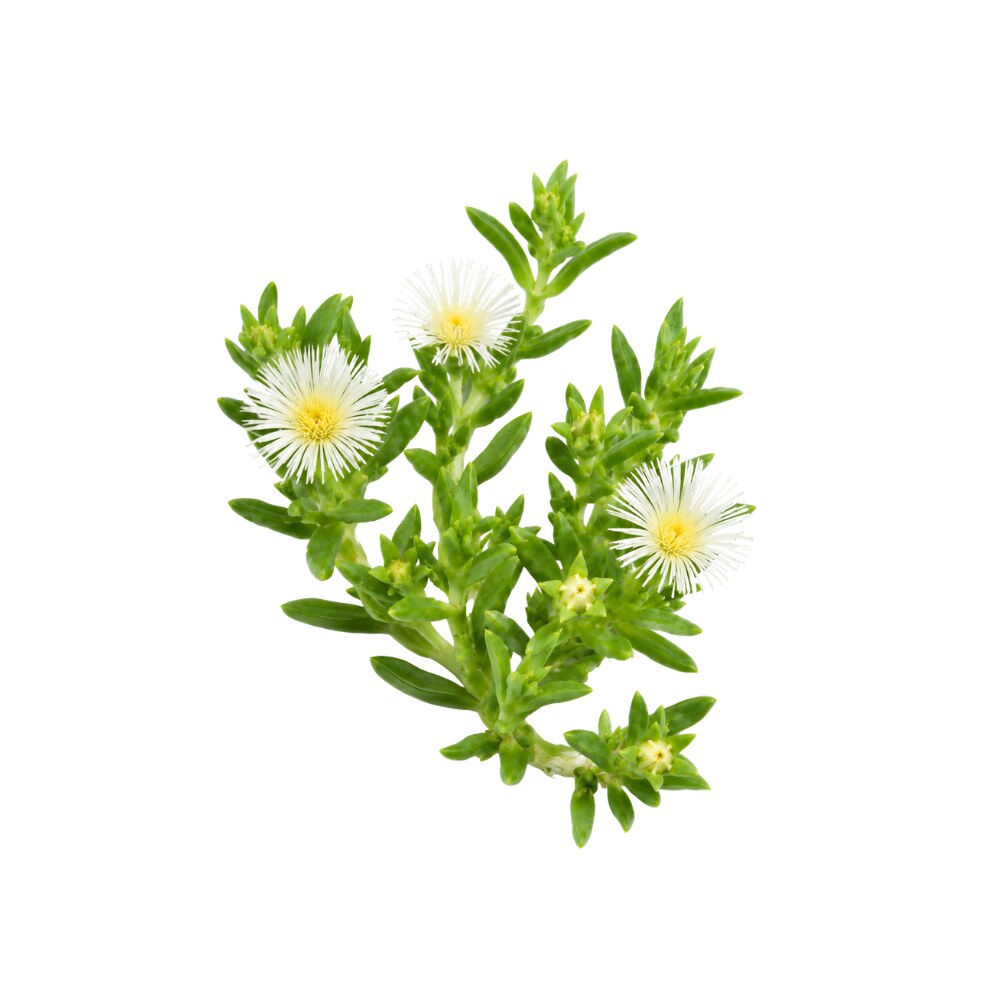
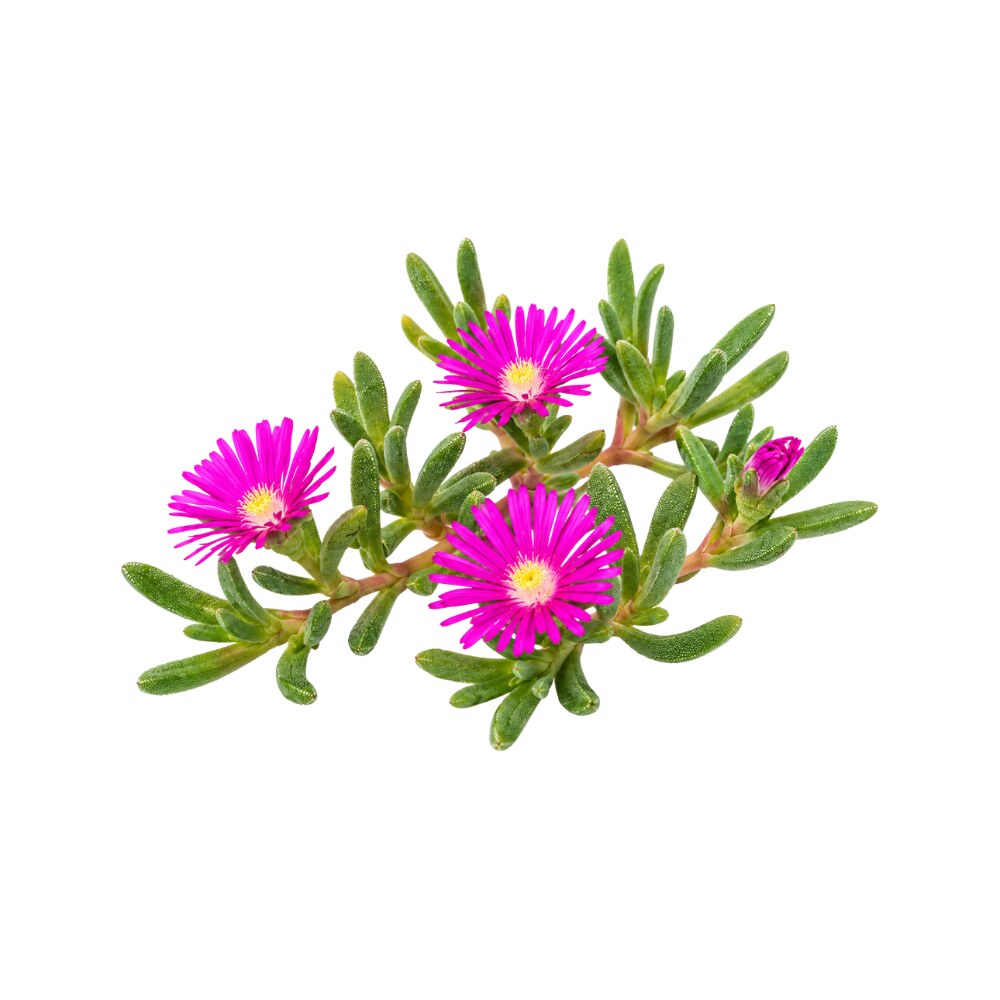 MildMildIce PlantDelosperma spp.Some Delosperma species carry the mesembrine-type alkaloids of kanna, whose antidepressant-like effect in zebrafish needed the intact extract; no single alkaloid reproduced it.Mechanismnot established — whole-extract composition effect; no single alkaloid reproduces itRead the evidenceShow lessMonograph →
Some Delosperma taxa are reported to carry, at trace levels, the same mesembrine-type alkaloids that make kanna active. Reliably quantified, Delosperma-specific alkaloid data are lacking.
In a zebrafish dose–response, the antidepressant-like effect of a Sceletium extract could not be reproduced by any single alkaloid 4,
All the supporting data come from Sceletium tortuosum rather than from Delosperma.
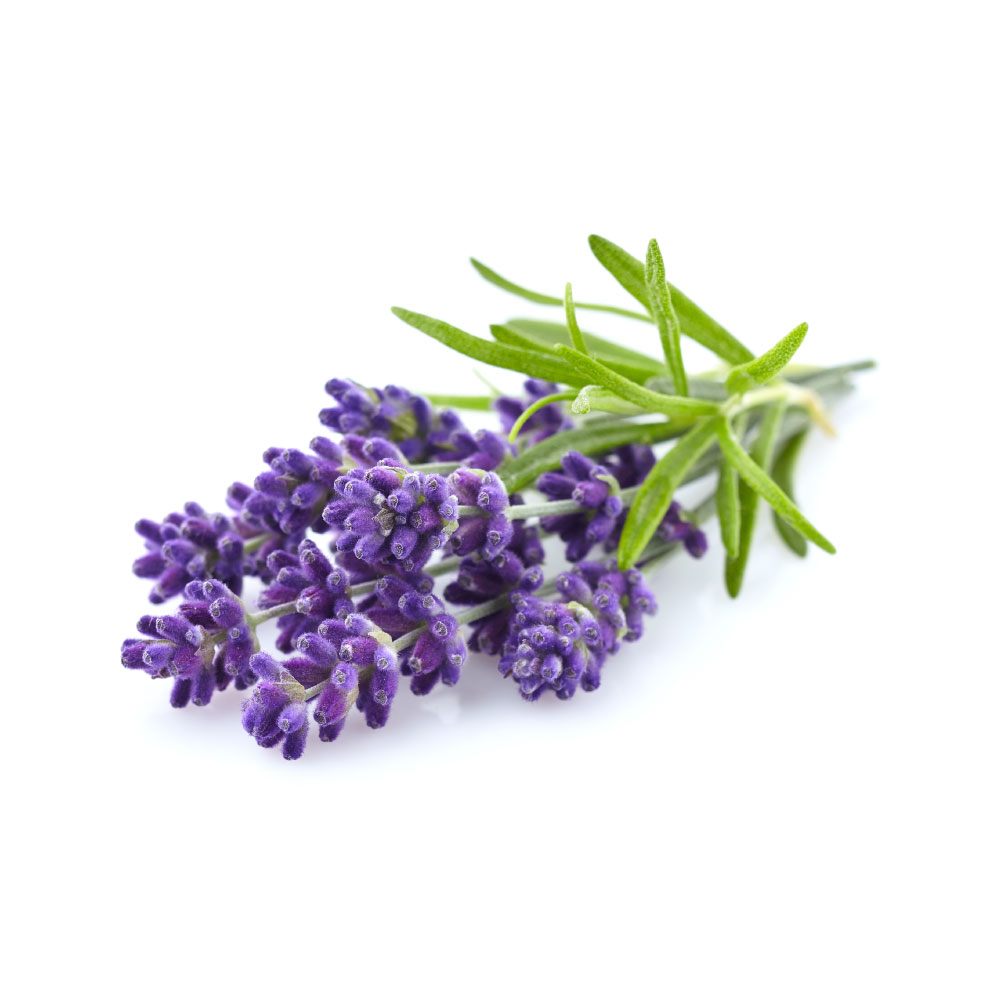 MildMildLavenderLavandula angustifoliaSilexan reduces the depressive symptoms that travel with anxiety, shown in a 2023 meta-analysis and an RCT in mixed anxiety–depression, most likely through its 5-HT1A anxiolysis.Mechanism5-HT1A serotonin-receptor modulationRead the evidenceShow lessMonograph →
A 2023 meta-analysis found Silexan reduced co-occurring depressive symptoms in subthreshold and generalized anxiety 28Reference 28Meta-analysisBeneficial effects of Silexan on co-occurring depressive symptoms in patients with subthreshold anxiety — meta-analysisView study →, and an RCT in mixed anxiety–depression showed benefit on both symptom clusters 29Reference 29RCTEfficacy of Silexan in mixed anxiety–depression — a randomized, placebo-controlled trialView study →.
The mood benefit most plausibly follows from the 5-HT1A anxiolysis rather than a primary mood mechanism. No trial exists in primary major depression where anxiety is not the driver.
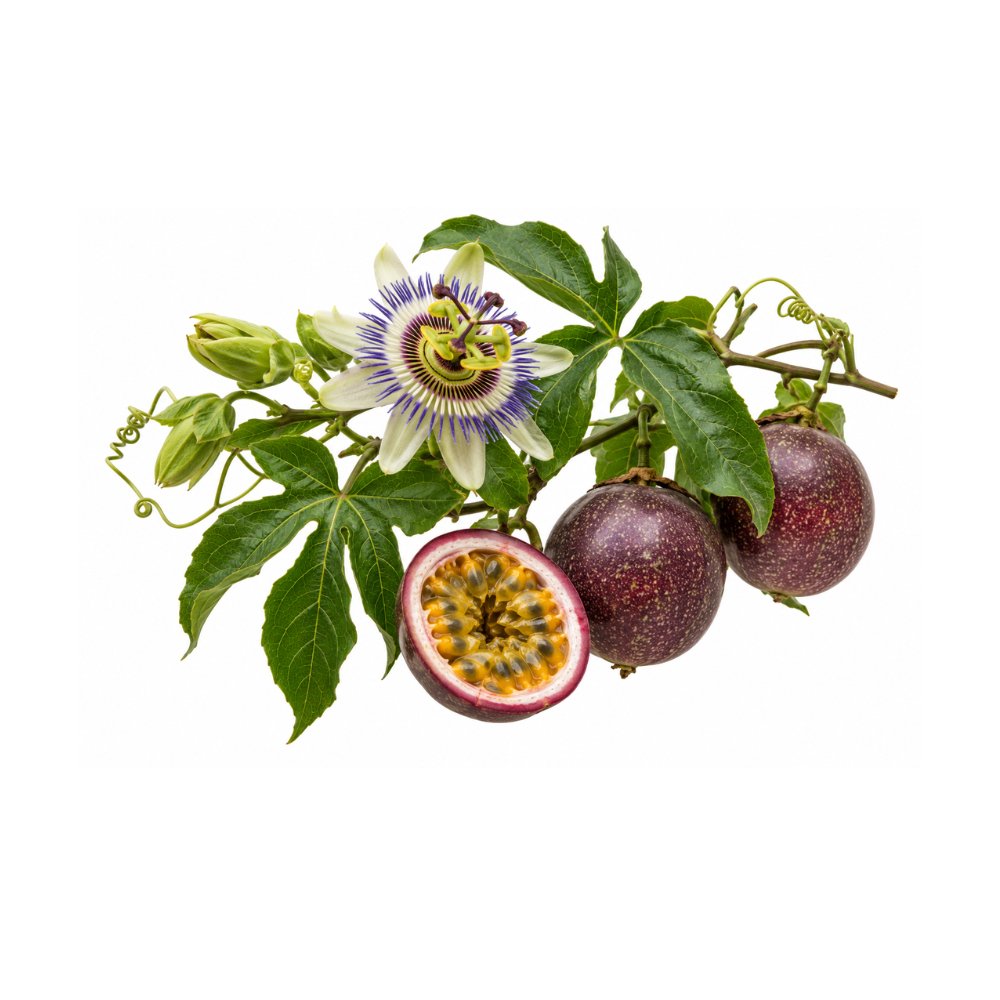
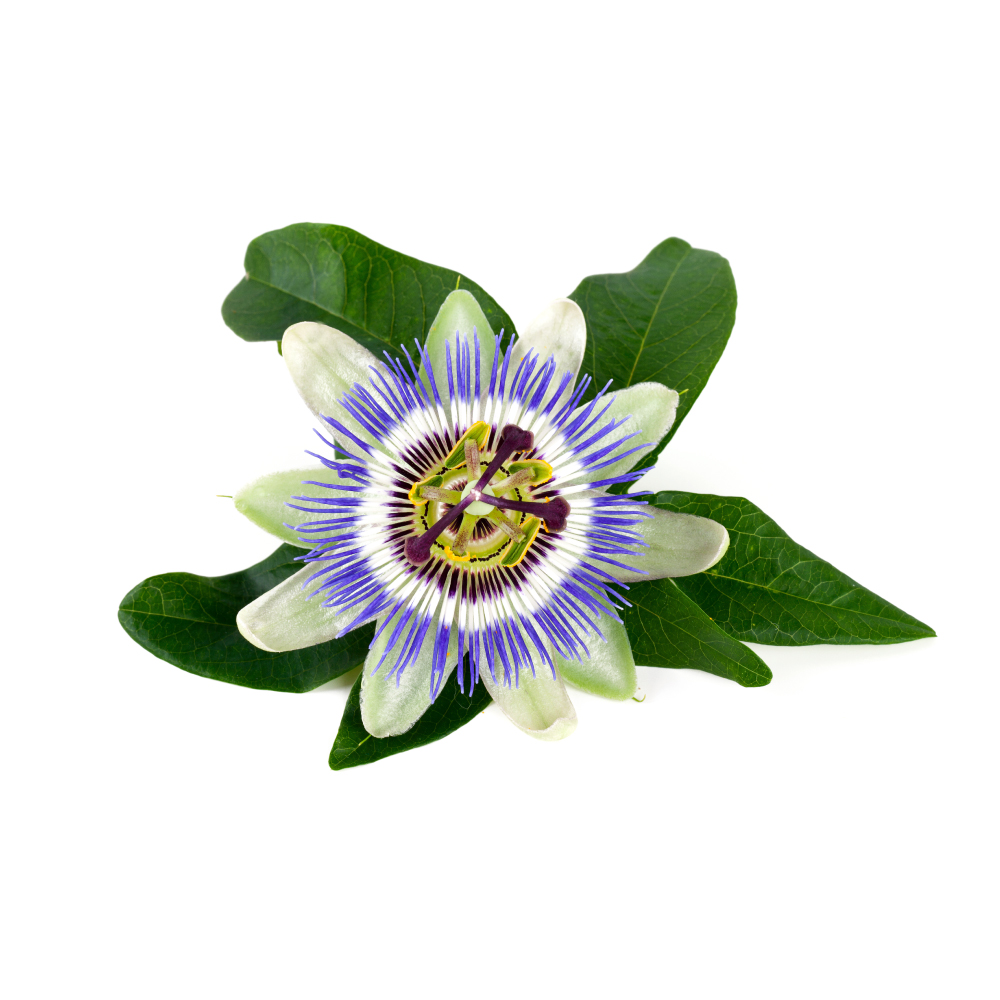 MildMildPassionflowerPassiflora incarnataChrysin, a passionflower flavonoid, reversed behavioural despair, normalized corticosterone and raised BDNF and NGF in chronically stressed mice, comparably to fluoxetine.MechanismHPA-axis modulation; BDNF/NGF ↑ (chrysin)Read the evidenceShow lessMonograph →
In a chronic-unpredictable-mild-stress mouse model, chrysin reversed behavioural despair, normalized corticosterone, upregulated BDNF and NGF and preserved Na⁺/K⁺-ATPase in the hippocampus and prefrontal cortex, comparably to fluoxetine 37Reference 37AnimalChronic unpredictable mild stress decreases BDNF and NGF levels and Na⁺,K⁺-ATPase activity in the hippocampus and prefrontal cortex of mice: antidepressant effect of chrysin — animal modelView study →.
The result is for chrysin at pharmacological doses. No whole-extract or human antidepressant data exist for passionflower.
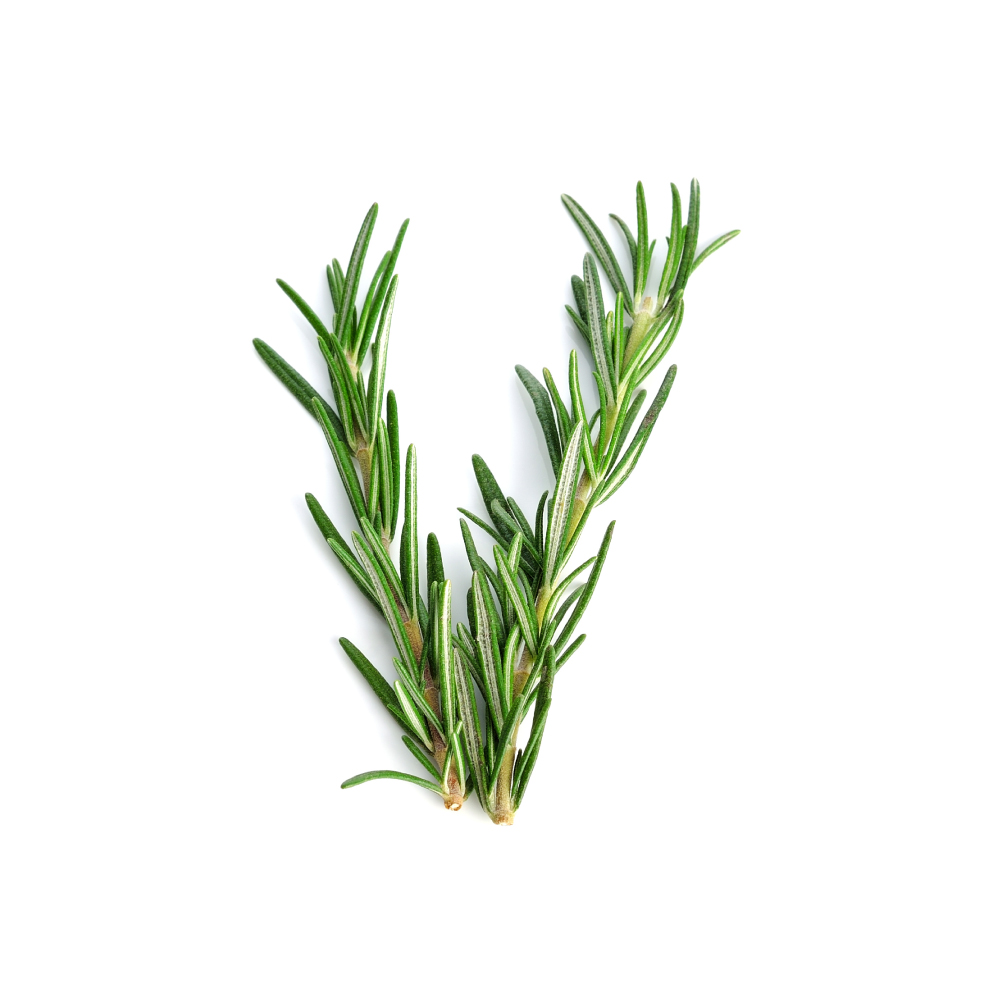 MildMildRosemaryRosmarinus officinalisAn oral rosemary extract improved mood-disturbance and vigour scores in working men, and a capsule lowered depression and anxiety scores in students; the inhaled aroma raised tension in a separate study.Mechanismnot establishedRead the evidenceShow lessMonograph →
Continuous intake of a rosemary extract improved mood-disturbance and vigour scores in working-age Japanese men, most in those with poorer baseline mental health 43Reference 43RCTEffects of Continuous Intake of Rosemary Extracts on Mental Health in Working Generation Healthy Japanese Men — randomized controlled trial (post-hoc)View study →, and a university-student RCT of an oral rosemary capsule reported reduced depression and anxiety scores alongside memory gains 44Reference 44RCTEffects of Rosmarinus officinalis L. on memory performance, anxiety, depression, and sleep quality in university students: a randomized clinical trialView study →.
In an anxiety-provoking-task study, the inhaled rosemary scent condition scored higher on tension-anxiety and confusion than lavender or control 45Reference 45Clinical trialScent and mood state following an anxiety-provoking task — clinical trialView study →. The two routes may do different things, an ingested extract lifting mood while the stimulating aroma raises acute arousal.
No monoamine, HPA or receptor mechanism has been proposed.
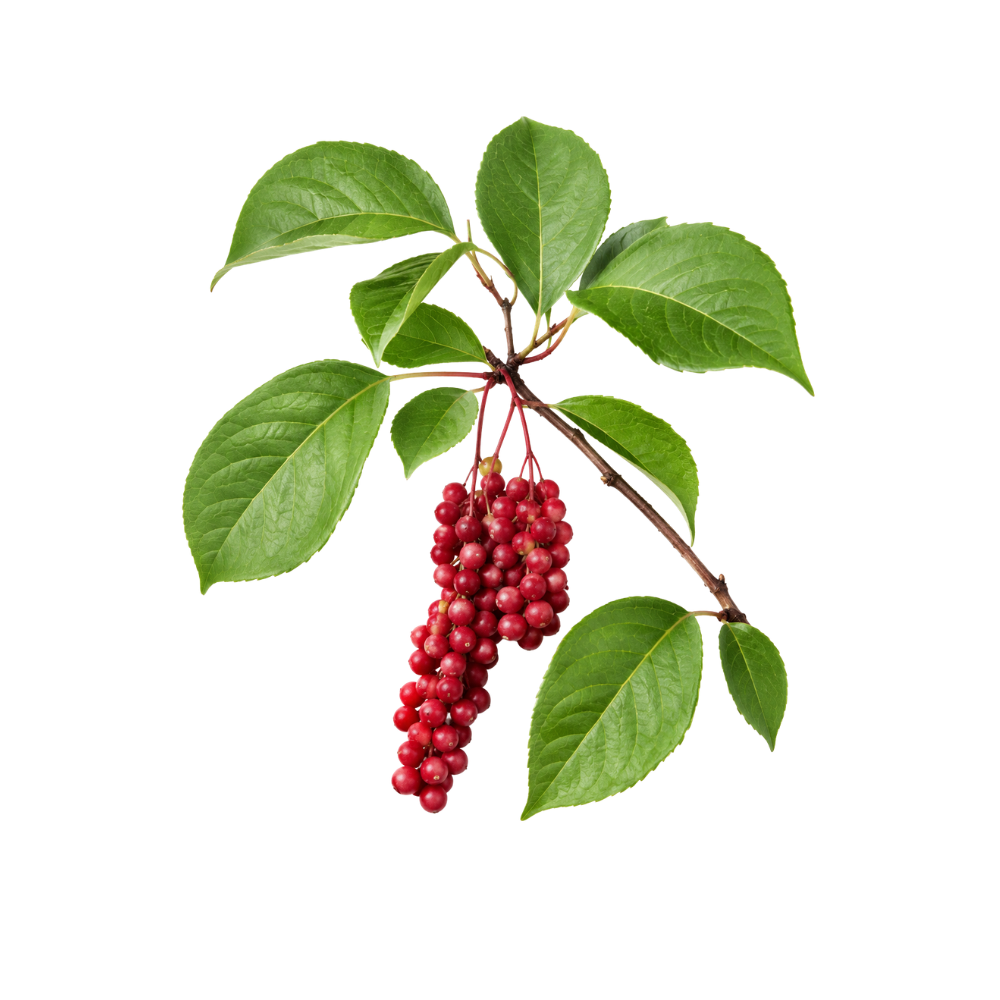 MildMildSchisandraSchisandra chinensisWu wei zi is a classical shen tonic that eases the mind; mood benefits are reported for schisandra-containing formulas in reviews of adaptogens, with no single-herb mood trial.Read the evidenceShow lessMonograph →
Schisandra eases the mind among its classical actions in Chinese medicine and reaches the shen, and it is given in formulas for insomnia, dream-disturbed sleep and palpitations.
Cognitive and mood benefits are reported for schisandra-containing formulas in a review of adaptogens in mental and behavioural disorders 75Reference 75ReviewAdaptogens in mental and behavioral disorders — reviewView study →. Schisandra is traditionally a formula herb, so nothing isolates its own contribution.
Its single-herb evidence is examined under the adaptogen action.
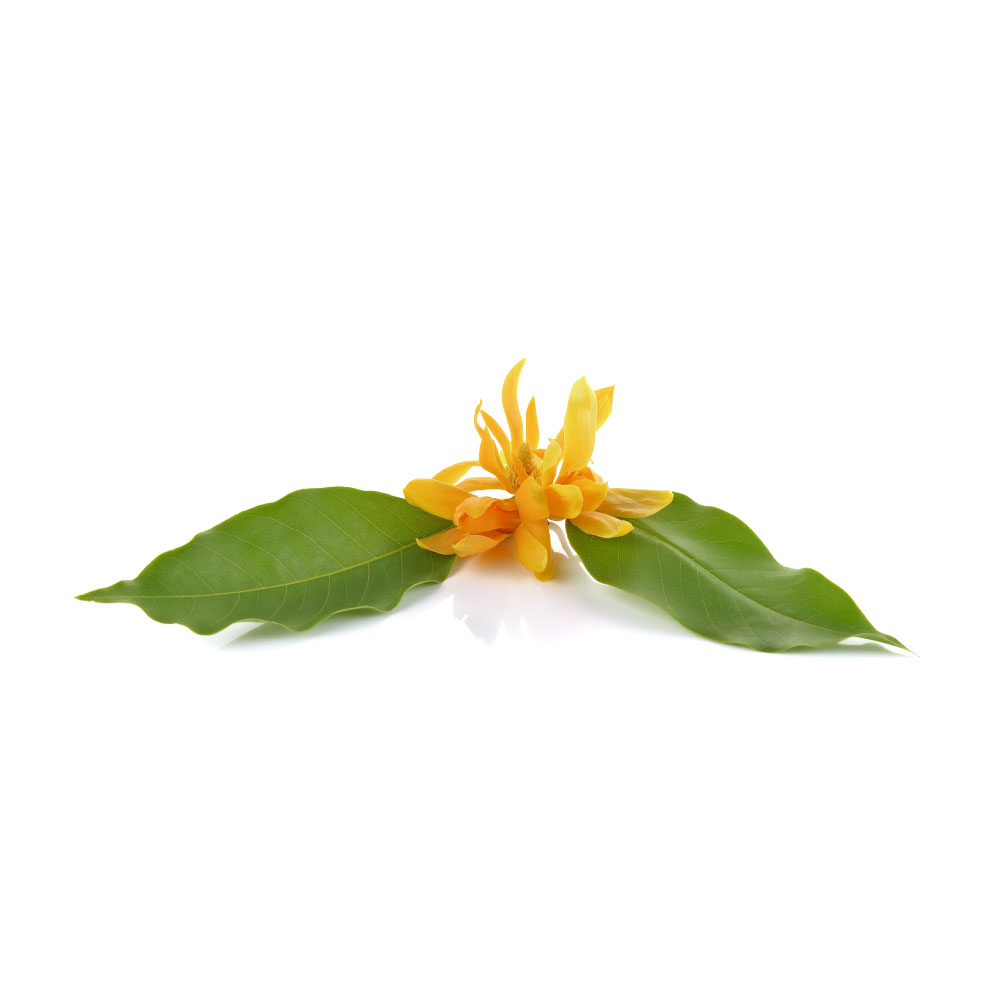 MildMildYlang YlangCananga odorataThe inhaled oil reduced the depression- and anxiety-like behaviour that accompanies neuropathic pain in mice, with serotonin and dopamine metabolism shifted in the supporting rodent work; no human mood-disorder trial exists.Mechanismserotonin/dopamine metabolism modulation; MAPK/ERK–CREB signalingRead the evidenceShow lessMonograph →
In a mouse spared-nerve-injury study the oil reduced neuropathic pain behaviour and the accompanying anxiety- and depression-like behaviour 70Reference 70AnimalYlang-ylang (Cananga odorata) essential oil reduced neuropathic pain and associated anxiety in mice — animal modelView study →, a comorbidity read-out in a pain model rather than a depression model. The supporting monoamine work 71,
There is no human mood-disorder trial of any size, and the one human cognition and mood RCT was negative on the cognitive side 74Reference 74RCTModulation of cognitive performance and mood by aromas of peppermint and ylang-ylang — randomized controlled trialView study →.
No herbs match these filters.
Safety
- Combining a serotonergic herb with an SSRI, SNRI, MAOI, triptan, tramadol, dextromethorphan or linezolid risks serotonin syndrome.
- The MAO-inhibiting herbs also react with tyramine-rich foods and with stimulant and decongestant drugs.
- St John’s wort lowers the blood levels of oral contraceptives, immunosuppressants, anticoagulants, antiretrovirals and many other drugs; check every co-medication before adding it.
- Do not stop or reduce a prescribed antidepressant to try a herb; discontinuation has its own syndrome and relapse carries a suicide risk.
- Herbal antidepressants are evidenced in mild to moderate depression only, and severe depression is not for self-treatment.
- Depression with suicidal thoughts is an emergency, and no herb substitutes for crisis support.
References
- Harvey AL, Young LC, Viljoen AM, Gericke NP (2011). Pharmacological actions of the South African medicinal and functional food plant Sceletium tortuosum and its principal alkaloids. Journal of Ethnopharmacology. https://pubmed.ncbi.nlm.nih.gov/21798331/
- Krstenansky JL (2017). Mesembrine alkaloids: review of their occurrence, chemistry, and pharmacology. Journal of Ethnopharmacology. https://pubmed.ncbi.nlm.nih.gov/27939420/
- Makolo F, Viljoen A, Veale CGL (2019). Mesembrine: the archetypal psycho-active Sceletium alkaloid. Review. Phytochemistry. https://pubmed.ncbi.nlm.nih.gov/31299396/
- Gericke J, Harvey BH, Pretorius L, et al. (2024). Sceletium tortuosum-derived mesembrine significantly contributes to the anxiolytic effect of Zembrin®, but its anti-depressant effect may require synergy of multiple plant constituents. Journal of Ethnopharmacology. https://pubmed.ncbi.nlm.nih.gov/37660956/
- Gericke J, Steyn SF, Viljoen FP, Harvey BH (2025). Neuro-inflammatory and behavioral changes are selectively reversed by Sceletium tortuosum (Zembrin®) and mesembrine in male rats subjected to unpredictable chronic mild stress. Cells. https://pubmed.ncbi.nlm.nih.gov/40643548/
- Coetzee DD, López V, Smith C (2016). High-mesembrine Sceletium extract (Trimesemine™) is a monoamine releasing agent, rather than only a selective serotonin reuptake inhibitor. Journal of Ethnopharmacology. https://pubmed.ncbi.nlm.nih.gov/26615766/
- Olatunji TL, Siebert F, Adetunji AE, et al. (2021). Sceletium tortuosum: a review on its phytochemistry, pharmacokinetics, biological and clinical activities. Journal of Ethnopharmacology. https://pubmed.ncbi.nlm.nih.gov/34333104/
- Sabelli H, et al. (1996). Sustained antidepressant effect of PEA replacement. Journal of Neuropsychiatry and Clinical Neurosciences. https://pubmed.ncbi.nlm.nih.gov/9081552/
- Sabelli H, et al. (1994). Phenylethylamine relieves depression after selective MAO-B inhibition. Journal of Neuropsychiatry and Clinical Neurosciences. https://pubmed.ncbi.nlm.nih.gov/8044048/
- Szabo A, Billett E, Turner J (2001). Phenylethylamine, a possible link to the antidepressant effects of exercise? British Journal of Sports Medicine. https://pubmed.ncbi.nlm.nih.gov/11579070/
- Karoum F, et al. (1984). Phenylacetic acid excretion in schizophrenia and depression: the origins of PAA in man. Biological Psychiatry. https://pubmed.ncbi.nlm.nih.gov/6713036/
- Feng B, Zhao XY, Song YZ, Liang WN, Liu JL (2017). Sarsasapogenin reverses depressive-like behaviors and nicotinic acetylcholine receptors induced by olfactory bulbectomy. Neuroscience Letters. https://pubmed.ncbi.nlm.nih.gov/27988349/
- Guo F, Zhang B, Fu Z, et al. (2016). The rapid antidepressant and anxiolytic-like effects of YY-21 involve enhancement of excitatory synaptic transmission via activation of mTOR signaling in the mPFC. European Neuropsychopharmacology. https://pubmed.ncbi.nlm.nih.gov/27211904/
- Asif M, Dwivedi J, Yadav S (2021). Anti-depressant, anxiolytic, and muscle relaxant activity of hydroalcoholic extract of Cissampelos pareira Linn. leaves — animal model (mice). Central Nervous System Agents in Medicinal Chemistry. https://pubmed.ncbi.nlm.nih.gov/33964866/
- Callaway, J. C., Brito, G. S., & Neves, E. S. (2005). Phytochemical analyses of Banisteriopsis caapi and Psychotria viridis. Journal of Psychoactive Drugs. https://pubmed.ncbi.nlm.nih.gov/16149327/
- Wang, Y. H., Samoylenko, V., Tekwani, B. L., et al. (2010). Composition, standardization and chemical profiling of Banisteriopsis caapi — in vitro. Journal of Ethnopharmacology. https://pubmed.ncbi.nlm.nih.gov/20219660/
- Campos, M. M., Fernandes, E. S., Ferreira, J., Santos, A. R. S., & Calixto, J. B. (2005). Antidepressant-like effects of Trichilia catigua (Catuaba) extract: evidence for dopaminergic-mediated mechanisms — animal model. Psychopharmacology (Berl). https://pubmed.ncbi.nlm.nih.gov/15991001/
- Bonassoli, V. T., et al. (2012). Subchronic administration of Trichilia catigua ethyl-acetate fraction promotes antidepressant-like effects and increases hippocampal cell proliferation in mice — animal model. Journal of Ethnopharmacology. https://pubmed.ncbi.nlm.nih.gov/22728168/
- Chassot, J. M., et al. (2011). Preclinical evaluation of Trichilia catigua extracts on the central nervous system of mice — animal model. Journal of Ethnopharmacology. https://pubmed.ncbi.nlm.nih.gov/21801825/
- Bernardo, J., et al. (2018). In vitro multimodal-effect of Trichilia catigua A. Juss. (Meliaceae) bark aqueous extract in CNS targets — in vitro. Journal of Ethnopharmacology. https://pubmed.ncbi.nlm.nih.gov/28970152/
- Jangid P, Malik P, Singh P, et al. (2013). Comparative study of efficacy of l-5-hydroxytryptophan and fluoxetine in first depressive episode — randomised double-blind trial. Asian Journal of Psychiatry. https://pubmed.ncbi.nlm.nih.gov/23380314/
- Pöldinger W, Calanchini B, Schwarz W. (1991). A functional-dimensional approach to depression: 5-hydroxytryptophan versus fluvoxamine — randomised multicentre trial. Psychopathology. https://pubmed.ncbi.nlm.nih.gov/1909444/
- Meloni M, Puligheddu M, Carta M, et al. (2020). Efficacy and safety of 5-hydroxytryptophan on depression and apathy in Parkinson’s disease — randomised, double-blind, placebo-controlled crossover trial. European Journal of Neurology. https://pubmed.ncbi.nlm.nih.gov/32067288/
- Shaw K, Turner J, Del Mar C. (2001). Tryptophan and 5-hydroxytryptophan for depression — systematic review. Cochrane Database of Systematic Reviews. https://pubmed.ncbi.nlm.nih.gov/11687048/
- Shaw K, Turner J, Del Mar C. (2002). Are tryptophan and 5-hydroxytryptophan effective treatments for depression? A meta-analysis. Australian & New Zealand Journal of Psychiatry. https://pubmed.ncbi.nlm.nih.gov/12169147/
- Maphanga VB, Skalicka-Woźniak K, Budzynska B, et al. (2022). Mesembryanthemum tortuosum L. alkaloids modify anxiety-like behaviour in a zebrafish model — in vivo zebrafish. Journal of Ethnopharmacology, 290:115068. https://pubmed.ncbi.nlm.nih.gov/35134486/
- Kroeze, Y., Zhou, H., & Homberg, J. R. (2012). The genetics of selective serotonin reuptake inhibitors. Pharmacology & Therapeutics, 136(3), 375–400.
- Bartova, L., et al. (2023). Beneficial effects of Silexan on co-occurring depressive symptoms in patients with subthreshold anxiety — meta-analysis. European Archives of Psychiatry and Clinical Neuroscience. https://pubmed.ncbi.nlm.nih.gov/35262795/
- Kasper, S., et al. (2016). Efficacy of Silexan in mixed anxiety–depression — a randomized, placebo-controlled trial. European Neuropsychopharmacology. https://pubmed.ncbi.nlm.nih.gov/26718792/
- Ghazizadeh J, Sadigh-Eteghad S, Marx W, et al. (2021). The effects of lemon balm (Melissa officinalis L.) on depression and anxiety in clinical trials — a systematic review and meta-analysis. Phytotherapy Research. https://pubmed.ncbi.nlm.nih.gov/34449930/
- Safari M, Asadi A, Aryaeian N, et al. (2023). The effects of Melissa officinalis on depression and anxiety in type 2 diabetes patients with depression — randomised double-blind placebo-controlled trial. BMC Complementary Medicine and Therapies. https://pubmed.ncbi.nlm.nih.gov/37131158/
- Haybar H, Javid AZ, Haghighizadeh MH, et al. (2018). The effects of Melissa officinalis supplementation on depression, anxiety, stress and sleep disorder in patients with chronic stable angina — randomised placebo-controlled trial. Clinical Nutrition ESPEN. https://pubmed.ncbi.nlm.nih.gov/29908682/
- Shakeri A, Sahebkar A, Javadi B. (2016). Melissa officinalis L. — a review of its traditional uses, phytochemistry and pharmacology. Journal of Ethnopharmacology, 188, 204–228.
- Piato, Â. L., Rizon, L. P., Martins, B. S., et al. (2009). Antidepressant profile of Ptychopetalum olacoides Bentham (Marapuama) in mice — animal study. Phytotherapy Research. https://pubmed.ncbi.nlm.nih.gov/19067380/
- Piato, A. L., Detanico, B. C., Jesus, J. F., et al. (2008). Effects of Marapuama in the chronic mild stress model: further indication of antidepressant properties — animal study. Journal of Ethnopharmacology. https://pubmed.ncbi.nlm.nih.gov/18513902/
- da Silva, A. L., Bardini, S., Nunes, D. S., & Elisabetsky, E. (2002). Anxiogenic properties of Ptychopetalum olacoides Benth. (Marapuama) — animal study. Phytotherapy Research. https://pubmed.ncbi.nlm.nih.gov/12164265/
- Filho, C. B., Jesse, C. R., Donato, F., et al. (2015). Chronic unpredictable mild stress decreases BDNF and NGF levels and Na⁺,K⁺-ATPase activity in the hippocampus and prefrontal cortex of mice: antidepressant effect of chrysin — animal model. Neuroscience. https://pubmed.ncbi.nlm.nih.gov/25592430/
- Darbinyan, V., Aslanyan, G., Amroyan, E., Gabrielyan, E., Malmström, C., & Panossian, A. (2007). Clinical trial of Rhodiola rosea L. extract SHR-5 in the treatment of mild to moderate depression — randomised controlled trial. Nordic Journal of Psychiatry. https://pubmed.ncbi.nlm.nih.gov/17990195/
- Urata, M., et al. (2025). Efficacy of pharmacological interventions in milder depression — systematic review and meta-analysis. Neuropsychopharmacology Reports. https://pubmed.ncbi.nlm.nih.gov/40014460/
- Van Diermen, D., Marston, A., Bravo, J., Reist, M., Carrupt, P. A., & Hostettmann, K. (2009). Monoamine oxidase inhibition by Rhodiola rosea L. roots — in vitro. Journal of Ethnopharmacology. https://pubmed.ncbi.nlm.nih.gov/19168123/
- Amsterdam, J. D., & Panossian, A. G. (2016). Rhodiola rosea L. as a putative botanical antidepressant — review. Phytomedicine. https://pubmed.ncbi.nlm.nih.gov/27013349/
- Mao, J. J., Xie, S. X., Zee, J., Soeller, I., Li, Q. S., Rockwell, K., & Amsterdam, J. D. (2015). Rhodiola rosea versus sertraline for major depressive disorder — randomised placebo-controlled trial. Phytomedicine. https://pubmed.ncbi.nlm.nih.gov/25837277/
- Araki, R., Sasaki, K., Onda, H., et al. (2020). Effects of Continuous Intake of Rosemary Extracts on Mental Health in Working Generation Healthy Japanese Men — randomized controlled trial (post-hoc). Nutrients. https://pubmed.ncbi.nlm.nih.gov/33233510/
- Nematolahi, P., Mehrabani, M., Karami-Mohajeri, S., Dabaghzadeh, F. (2018). Effects of Rosmarinus officinalis L. on memory performance, anxiety, depression, and sleep quality in university students: a randomized clinical trial. Complementary Therapies in Clinical Practice. https://pubmed.ncbi.nlm.nih.gov/29389474/
- Burnett, K. M., Solterbeck, L. A., Strapp, C. M. (2004). Scent and mood state following an anxiety-provoking task — clinical trial. Psychological Reports. https://pubmed.ncbi.nlm.nih.gov/15587240/
- Dos Santos ÉRQ, et al. (2018). Linalool-rich essential oils from the Amazon display antidepressant-type effect in rodents — animal model. Journal of Ethnopharmacology. https://pubmed.ncbi.nlm.nih.gov/29037915/
- Dos Santos ÉRQ, et al. (2024). Linalool-rich rosewood essential oil mitigates emotional and neurochemical impairments from ethanol binge exposure in female rats — animal model. Biomedicine & Pharmacotherapy. https://pubmed.ncbi.nlm.nih.gov/39024836/
- Sampaio LFS, et al. (2012). Linalool from rosewood (Aniba rosaeodora Ducke) oil inhibits adenylate cyclase in the retina — in vitro mechanism. Phytotherapy Research. https://pubmed.ncbi.nlm.nih.gov/21544884/
- Akhondzadeh, S., et al. (2005). Crocus sativus L. in the treatment of mild to moderate depression: a double-blind, randomised and placebo-controlled trial. Phytotherapy Research. https://pubmed.ncbi.nlm.nih.gov/15852492/
- Akhondzadeh Basti, A., et al. (2006). Crocus sativus L. (petal) in the treatment of mild-to-moderate depression: a double-blind, randomised and placebo-controlled trial. Phytomedicine. https://pubmed.ncbi.nlm.nih.gov/16979327/
- Akhondzadeh, S., et al. (2004). Comparison of Crocus sativus L. and imipramine in the treatment of mild to moderate depression: a pilot double-blind randomised trial. BMC Complementary and Alternative Medicine. https://pubmed.ncbi.nlm.nih.gov/15341662/
- Noorbala, A. A., et al. (2005). Hydro-alcoholic extract of Crocus sativus L. versus fluoxetine in the treatment of mild to moderate depression: a double-blind, randomised pilot trial. Journal of Ethnopharmacology. https://pubmed.ncbi.nlm.nih.gov/15707766/
- Hausenblas, H. A., et al. (2013). Saffron (Crocus sativus L.) and major depressive disorder: a meta-analysis of randomized clinical trials. Journal of Integrative Medicine. https://pubmed.ncbi.nlm.nih.gov/24299602/
- Tóth, B., et al. (2019). The efficacy of saffron in the treatment of mild to moderate depression: a meta-analysis. Planta Medica. https://pubmed.ncbi.nlm.nih.gov/30036891/
- Dai, L., Chen, L., Wang, W., et al. (2020). Safety and efficacy of saffron (Crocus sativus L.) for treating mild to moderate depression: a systematic review and meta-analysis. Journal of Nervous and Mental Disease. https://pubmed.ncbi.nlm.nih.gov/32221179/
- Musazadeh, V., Zarezadeh, M., Faghfouri, A. H., et al. (2022). Saffron, as an adjunct therapy, contributes to relieve depression symptoms: an umbrella meta-analysis. Pharmacological Research. https://pubmed.ncbi.nlm.nih.gov/34757208/
- Mahmoudi R, Mohammadi-Sartang M, Servatyari K, et al. (2026). Effect of saffron on depression, anxiety and mood disorder: a GRADE-assessed systematic review and meta-analysis of 34 randomised controlled trials. Nutritional Neuroscience. https://pubmed.ncbi.nlm.nih.gov/41693488/
- Amadieu C, Leyrolle Q, Farneti M, et al. (2025). Effect of saffron extract supplementation on mood in healthy adults with subclinical symptoms of depression: a randomised, double-blind placebo-controlled study. American Journal of Clinical Nutrition. https://pubmed.ncbi.nlm.nih.gov/41047129/
- Linde, K., Berner, M. M., & Kriston, L. (2008). St John’s wort for major depression — systematic review, meta-analysis. Cochrane Database of Systematic Reviews. https://pubmed.ncbi.nlm.nih.gov/18843608/
- Ng, Q. X., Venkatanarayanan, N., & Ho, C. Y. X. (2017). Clinical use of Hypericum perforatum (St John’s wort) in depression: A meta-analysis. Journal of Affective Disorders. https://pubmed.ncbi.nlm.nih.gov/28064110/
- Zhao, X., Zhang, H., et al. (2023). The efficacy and safety of St. John’s wort extract in depression therapy compared to SSRIs in adults: A meta-analysis of randomised clinical trials. Advances in Clinical and Experimental Medicine. https://pubmed.ncbi.nlm.nih.gov/36226689/
- Müller, W. E. (2001). Hyperforin — antidepressant activity by a novel mechanism of action. Pharmacopsychiatry. https://pubmed.ncbi.nlm.nih.gov/11518085/
- Mennini, T., & Gobbi, M. (2004). The antidepressant mechanism of Hypericum perforatum — review. Life Sciences. https://pubmed.ncbi.nlm.nih.gov/15207650/
- Lecrubier, Y., Clerc, G., Didi, R., & Kieser, M. (2002). Efficacy of St. John’s wort extract WS 5570 in major depression: a double-blind, randomised, placebo-controlled trial. American Journal of Psychiatry. https://pubmed.ncbi.nlm.nih.gov/12153829/
- Bagdonaitė, E., Mártonfi, P., Repčák, M., & Labokas, J. (2012). Variation in concentrations of major bioactive compounds in Hypericum perforatum L. from Lithuania. Industrial Crops and Products, 35(1), 302–308. doi:10.1016/j.indcrop.2011.07.018
- Hypericum Depression Trial Study Group. (2002). Effect of Hypericum perforatum (St John’s wort) in major depressive disorder: a randomised controlled trial. JAMA. https://pubmed.ncbi.nlm.nih.gov/11939866/
- Shelton, R. C., et al. (2001). Effectiveness of St John’s wort in major depression: a randomised controlled trial. JAMA. https://pubmed.ncbi.nlm.nih.gov/11308434/
- Ng QX, Koh SSH, Chan HW, Ho CYX. (2017). Clinical Use of Curcumin in Depression: a meta-analysis of clinical trials. J Am Med Dir Assoc. https://pubmed.ncbi.nlm.nih.gov/28236605/
- Sarris J, et al. (2021). Plant-based Medicines (Phytoceuticals) in the Treatment of Psychiatric Disorders: a meta-review of meta-analyses of randomized controlled trials. Can J Psychiatry. https://pubmed.ncbi.nlm.nih.gov/33596697/
- Borgonetti, V., et al. (2022). Ylang-ylang (Cananga odorata) essential oil reduced neuropathic pain and associated anxiety in mice — animal model. J Ethnopharmacol, 294, 115362. https://pubmed.ncbi.nlm.nih.gov/35551977/
- Zhang, N., et al. (2016). The anxiolytic effect of essential oil of Cananga odorata exposure on mice and determination of its major active constituents — animal model. Phytomedicine, 23(14), 1727–1734. https://pubmed.ncbi.nlm.nih.gov/27912874/
- Zhang, N., et al. (2018). Cananga odorata essential oil reverses m-CPP-induced anxiety via the MAPK pathway and serotonin system in mice — animal model. J Ethnopharmacol, 219, 23–30. https://pubmed.ncbi.nlm.nih.gov/29545208/
- Zhang, N., et al. (2023). Inhalation of Cananga odorata essential oil relieves anxiety behaviors in autism-like rats via serotonin and dopamine metabolism — animal model. J Integr Med, 21(2), 205–214. https://pubmed.ncbi.nlm.nih.gov/36792414/
- Moss, M., Hewitt, S., Moss, L., & Wesnes, K. (2008). Modulation of cognitive performance and mood by aromas of peppermint and ylang-ylang — randomized controlled trial. Int J Neurosci, 118(1), 59–77. https://pubmed.ncbi.nlm.nih.gov/18041606/
- Panossian, A. G. (2013). Adaptogens in mental and behavioral disorders — review. Psychiatric Clinics of North America, 36(1), 49–64. https://pubmed.ncbi.nlm.nih.gov/23538076/
Keep Exploring