
Subclass of Phenolics
Stilbenes
Defensive polyphenols such as resveratrol, studied for cardiovascular and longevity effects.
Overview
About Stilbenes
Stilbenes are two aromatic rings joined by a two-carbon double bond — a compact C6–C2–C6 skeleton. They are phytoalexins: defensive compounds a plant synthesizes on demand in response to fungal attack, ultraviolet light or injury, rather than storing constitutively.
That inducible nature explains the group's erratic occurrence. A stressed vine makes far more resveratrol than a pampered one, which is why stilbene content varies so much between growing seasons and vineyards.
Where Stilbenes Occur
A narrow distribution — grapes, knotweed, peanuts, pines and a few others:
Grape skin and red wine
resveratrol and its glucoside piceid
Japanese knotweed (Polygonum cuspidatum)
the commercial resveratrol source by far
Peanuts and blueberries
resveratrol, pterostilbene
Pine heartwood
pinosylvin
Rhubarb and hydrangea
rhapontigenin, hydrangeic acid
Almost every resveratrol supplement on the market is knotweed extract, not grape — the grape connection is marketing lineage rather than sourcing.
Resveratrol & the Reality Check
Resveratrol became the most-hyped plant compound of the 2000s on the strength of the French paradox and reports that it activated the longevity protein SIRT1 and extended lifespan in yeast and worms. Much of that has not held up: the SIRT1 activation was substantially an artefact of the fluorophore-based assay used, and the lifespan findings did not replicate consistently in mammals.
The bioavailability picture is worse still. Oral resveratrol is absorbed reasonably but conjugated so fast that free plasma levels sit far below the concentrations used in the cell-culture work everything was built on. Human trials have been mostly small and mixed.
This is not a reason to dismiss the class — pterostilbene, the dimethylated relative, is meaningfully more bioavailable and holds a more defensible position — but it is the clearest example on this site of preclinical excitement outrunning human evidence, and worth carrying as a general caution.
Pharmacological Importance
The reproducible effects are anti-inflammatory and metabolic, and modest. Resveratrol shows small improvements in insulin sensitivity and endothelial function in some trials, and it is a genuine antioxidant and mild oestrogen-receptor ligand.
Pinosylvin and the other pine stilbenes retain real antifungal activity — the phytoalexin function the class evolved for.
Toxicity & Safety
Resveratrol is well tolerated up to about a gram a day, with gastrointestinal upset the dose-limiting complaint above that.
The real caution is interaction: it inhibits CYP3A4 and has antiplatelet activity, so it warrants care alongside anticoagulants and with narrow-therapeutic-index drugs. Its weak oestrogenic activity is also worth flagging in hormone-sensitive conditions.
Constituents
All Stilbenes
9 totalH
Hydrangeic acidO
OxyresveratrolP
Piceatannol Pinosylvin Pinosylvin monomethyl ester Polydatin pterostilbeneR
ResveratrolS
StilbenoidsNo stilbenes match.
Source Plants
Herbs Containing Stilbenes
8 herbsPlants in the materia medica documented to carry stilbenes, with the compounds each one is listed for. The bar counts how many DISTINCT stilbenes are on record for a plant, relative to the best-documented — it measures breadth of record, not potency, so a plant with one well-studied compound can outrank a richer source that has simply been analysed less. No concentration figures are on record for this class yet, so nothing here distinguishes a major source from a trace.
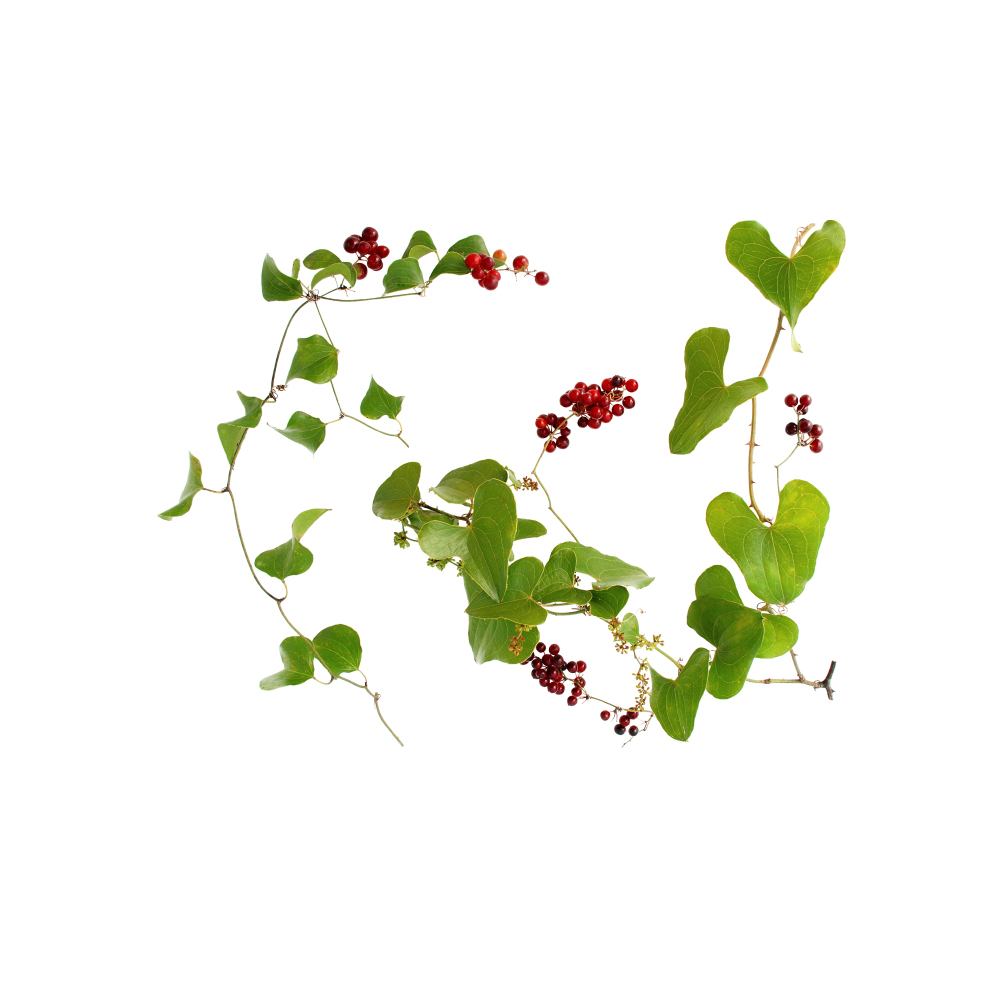 Sarsaparilla Smilax spp. Documented for oxyresveratrol, polydatin, resveratrol and 1 more.
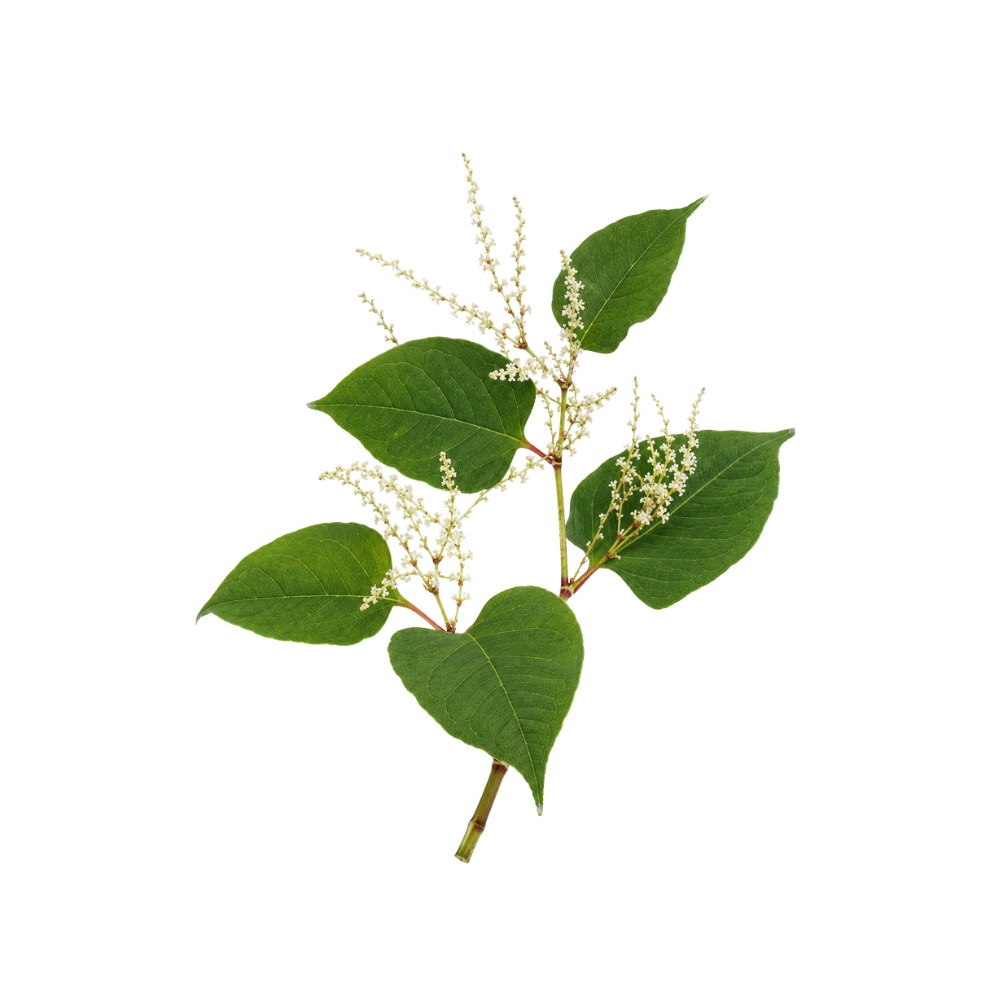 Japanese Knotweed Reynoutria japonica Documented for polydatin, resveratrol.
 Pine Pinus sylvestris Documented for pinosylvin, pinosylvin monomethyl ester.
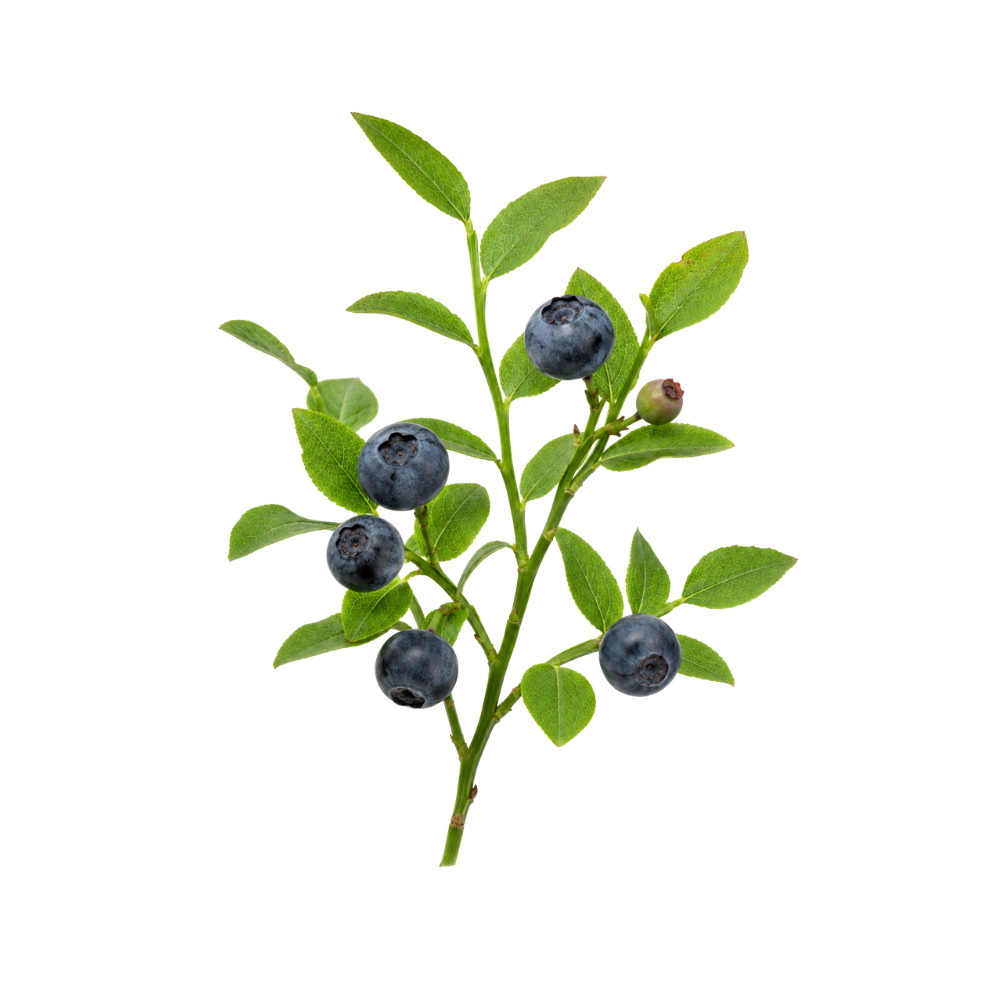 Bilberry Vaccinium myrtillus Documented for resveratrol.
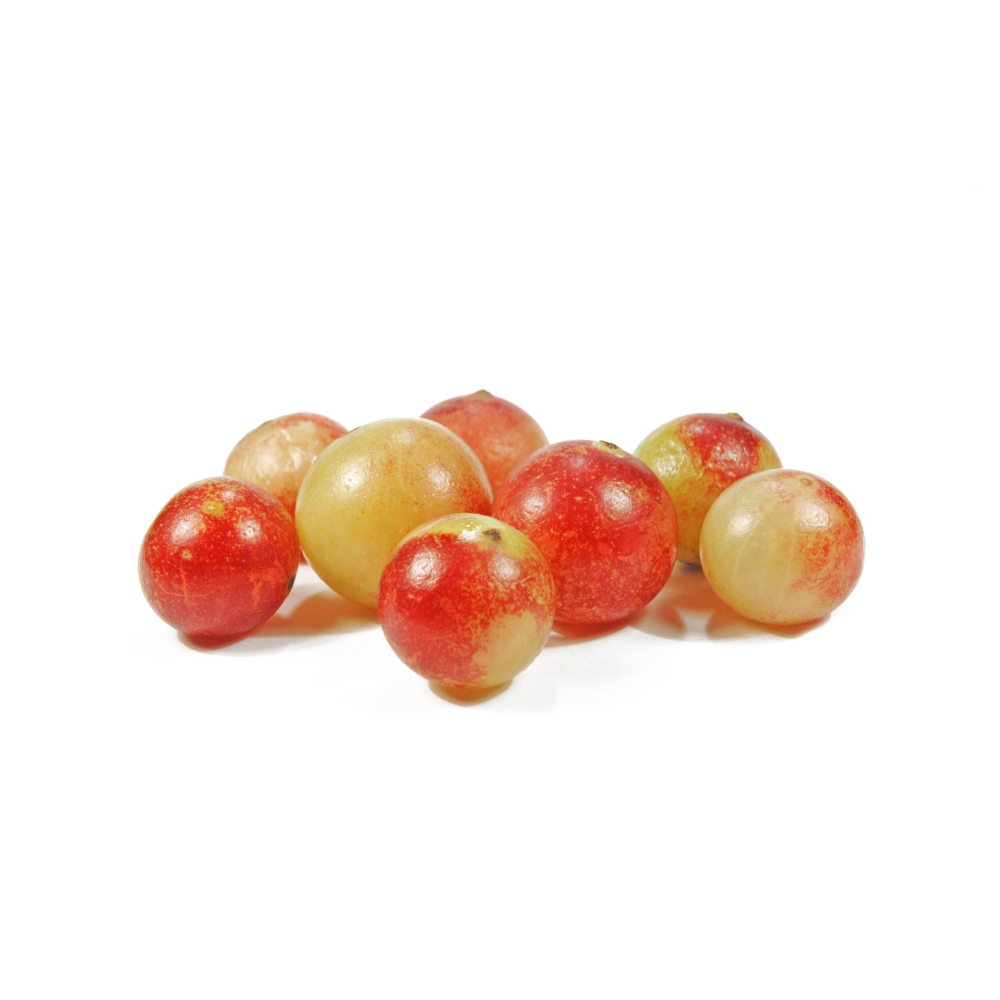 Camu-camu Myrciaria dubia Documented for resveratrol. Maritime Pine Pinus pinaster Documented for pinosylvin.
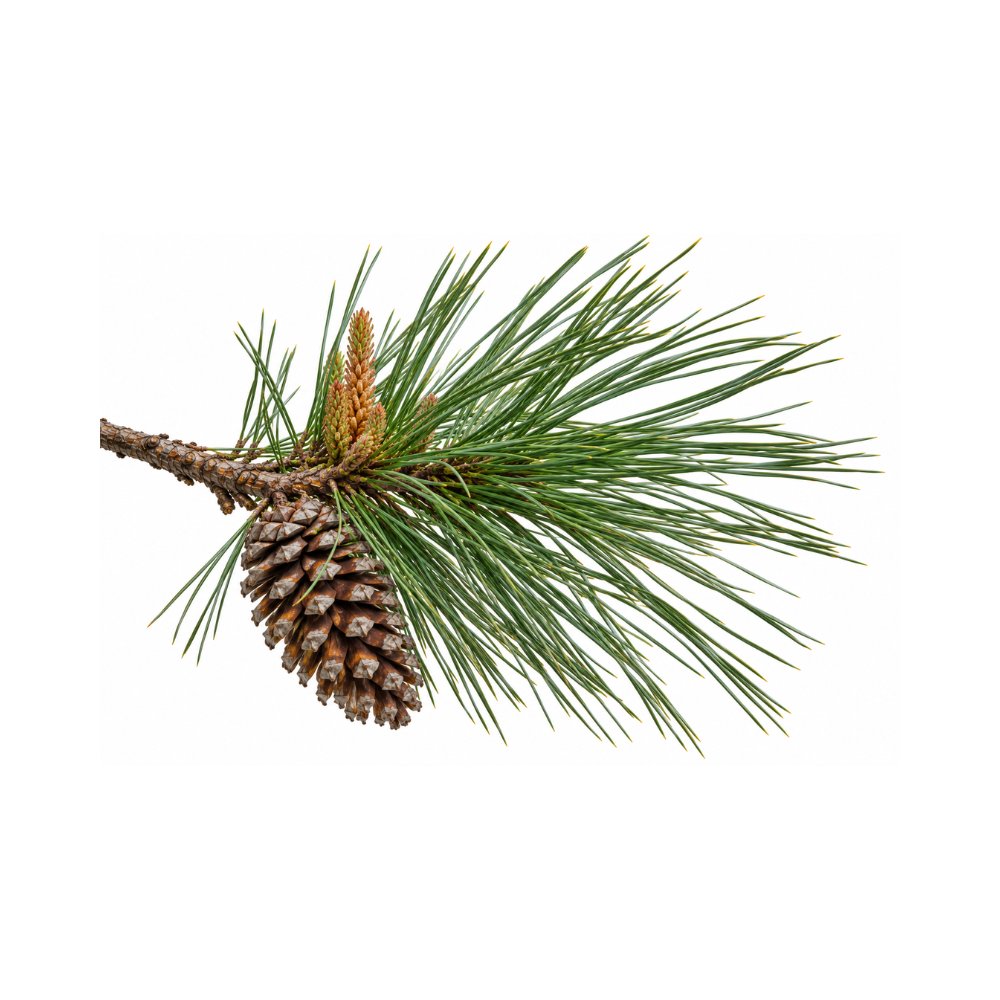 Monterey Pine Pinus radiata Documented for piceatannol.
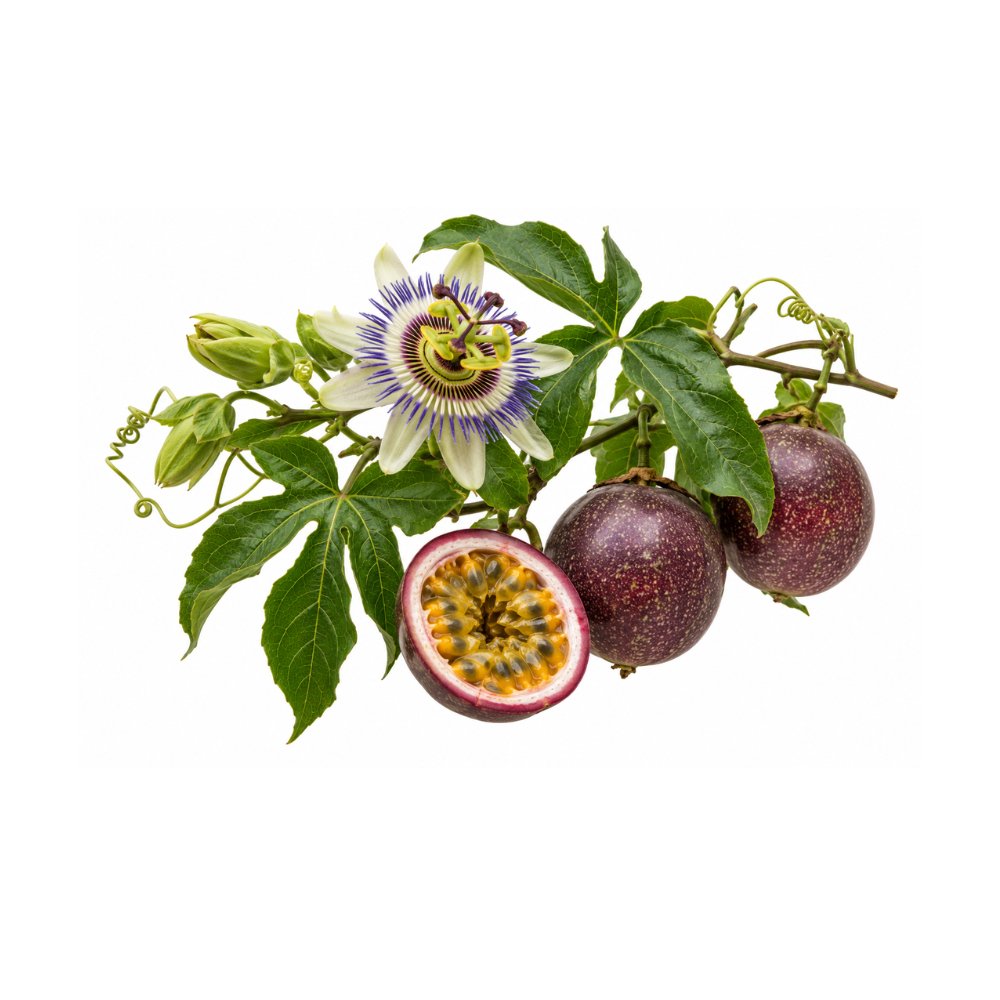 Passion Fruit Passiflora edulis Documented for piceatannol.
Keep Exploring
Other Compound Classes
Keep Reading
 GuidesThe Best Kava: A Buyer's GuideHow to buy good kava: noble vs two-day cultivars, which part of the root, chemotype codes, origin, form, and the batch tests a seller should show you.
Read more
 GuidesThe Amazon's Endangered Medicinal PlantsThe Amazon gives us some of our most important medicines — but which healing plants are actually endangered?
Read more
 NutritionThe Best Yerba Maté Brands [Reviewed]A drinker's guide to buying yerba maté — what actually changes the taste, and ten brands worth your money.
Read more
 GuidesHow to Prepare Yerba Maté — The Five Best MethodsHow to brew yerba maté properly — the traditional gourd method, plus tereré, french press and cold brew.
Read more