
Subclass of Phenolics
Isoflavones
Estrogen-like flavonoids (phytoestrogens) concentrated in legumes such as red clover and licorice.
Overview
About Isoflavones
Isoflavones are flavonoids with the second aromatic ring shifted from position 2 to position 3. That single rearrangement produces a molecule whose shape and hydroxyl spacing resemble estradiol closely enough to bind human estrogen receptors — which is why this small subclass gets attention out of all proportion to its size.
They are largely confined to the legume family, where they serve as antimicrobial phytoalexins and as chemical signals to nitrogen-fixing rhizobia.
Where Isoflavones Occur
Almost entirely a legume (Fabaceae) group:
Soy
genistein, daidzein, glycitein
Red clover
biochanin A, formononetin
Kudzu
puerarin and daidzin
Astragalus
calycosin and formononetin
Liquorice
glabridin and the isoflavans
Selective, Not Simply Estrogenic
Calling isoflavones "plant estrogens" understates what they do. They bind estrogen receptor beta with far greater affinity than receptor alpha, whereas estradiol binds both. Because the two receptors have different tissue distributions and often opposing effects, an isoflavone can act as an agonist in one tissue and an antagonist in another — the behaviour of a selective estrogen receptor modulator rather than a hormone.
The equol story complicates it further: daidzein's most active metabolite is produced only by gut bacteria that roughly a third of Western populations carry. Non-producers and producers respond differently to the same dose, which is a plausible reason trial results have been so inconsistent.
Pharmacological Importance
The best-supported use is menopausal vasomotor symptoms, where meta-analyses show a modest but real reduction in hot-flush frequency — smaller than hormone therapy, larger than placebo. Evidence for bone-density preservation is weaker and mixed.
Puerarin from kudzu has a separate literature in alcohol-use reduction and cardiovascular effects that has little to do with estrogen receptors.
Toxicity & Safety
Dietary soy intake has a long safety record and, on current evidence, does not increase breast-cancer risk; observational data in Asian populations trend the other way.
Concentrated isoflavone supplements are a more open question, and the hormone-sensitive-cancer and tamoxifen-interaction concerns have not been fully resolved. Anyone with estrogen-receptor-positive disease or on endocrine therapy should treat isolated isoflavone products as a decision for their oncology team, not a self-directed one.
Constituents
All Isoflavones
25 totalB
Biochanin A Boeravinone BC
CalycosinD
Daidzein DeguelinF
FormononetinG
Genistein Genistin Glabridin Glabrone Glycitein Glycyrrhisoflavone Glycyrrhizol AI
Iridin Irigenin Irilone Isoflavans Isoflavenes Isoflavonoid phytoestrogens IsoflavonoidsM
Maackiain MedicarpinP
PunarnavosideT
Tectorigenin TephrosinNo isoflavones match.
Source Plants
Herbs Containing Isoflavones
9 herbsPlants in the materia medica documented to carry isoflavones, with the compounds each one is listed for. The bar counts how many DISTINCT isoflavones are on record for a plant, relative to the best-documented — it measures breadth of record, not potency, so a plant with one well-studied compound can outrank a richer source that has simply been analysed less. Where a measured concentration is on record it is quoted inline; most entries have none yet.
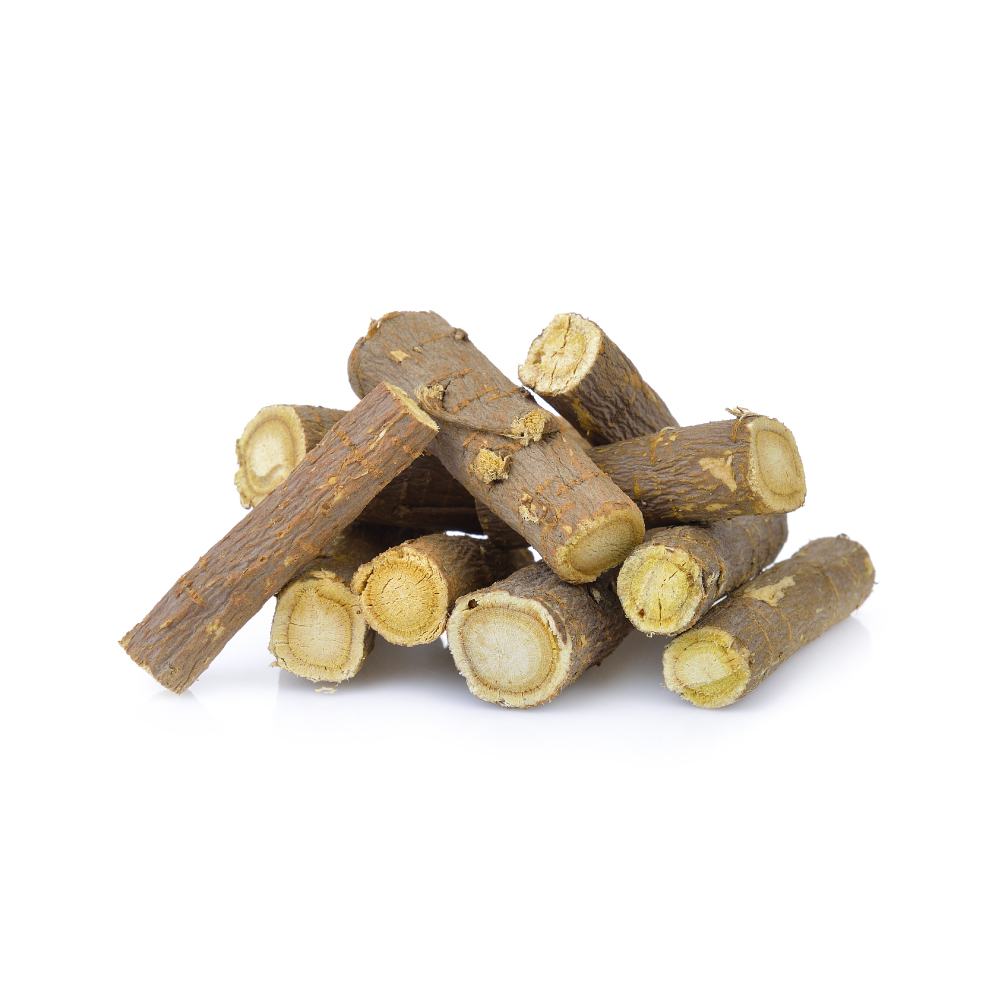 Licorice Glycyrrhiza glabra Documented for glabridin (0.08–0.35 % dry wt), glycyrrhisoflavone (0.02–0.09 % dry wt), daidzein and 7 more isoflavones. Red Clover Trifolium pratense Documented for biochanin A (0.07–0.64 % dry wt), irilone (1.8–10.9 mg/g capsule), daidzein and 5 more isoflavones.
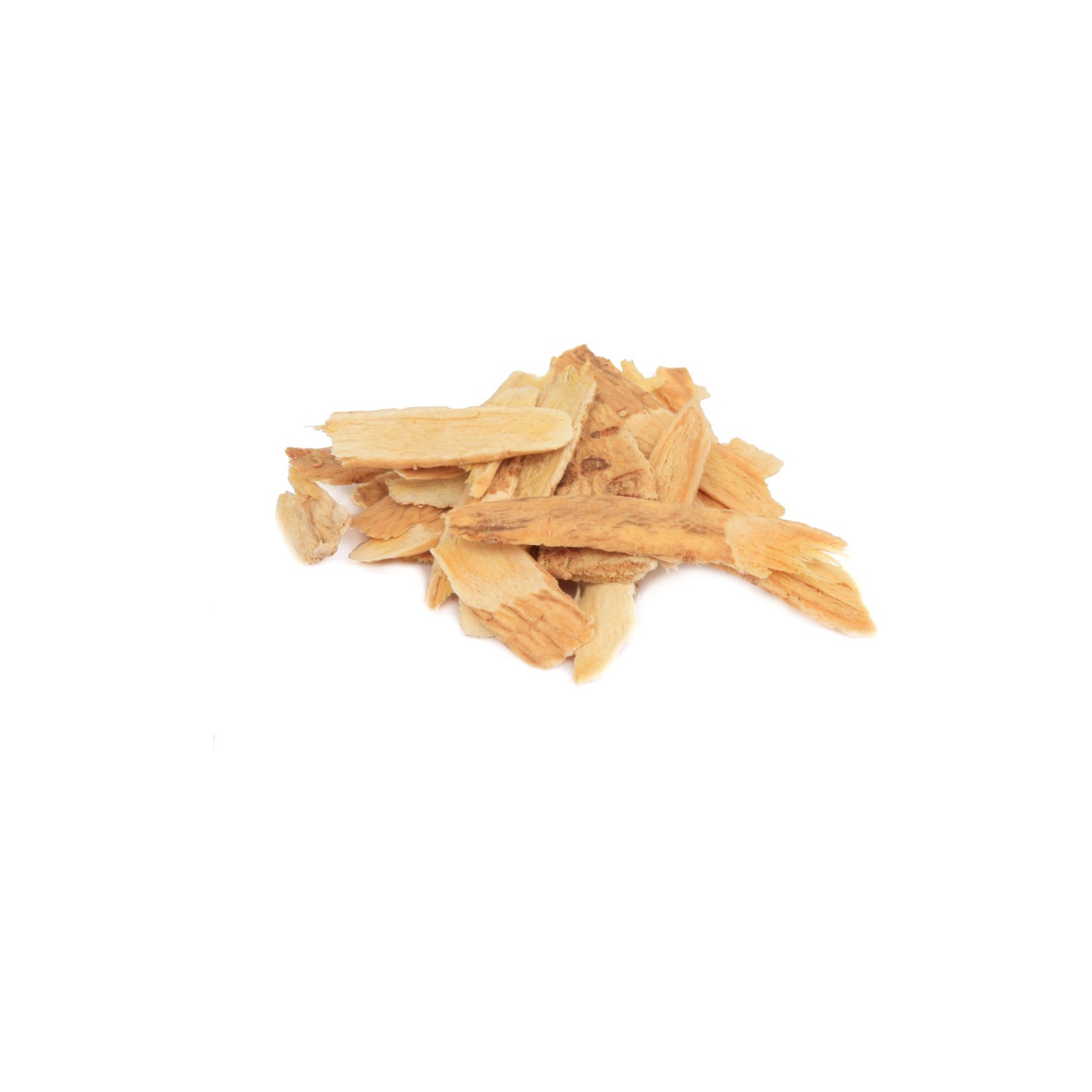 Astragalus Astragalus mongholicus Documented for calycosin (0–0.04 % dry wt), formononetin, medicarpin.
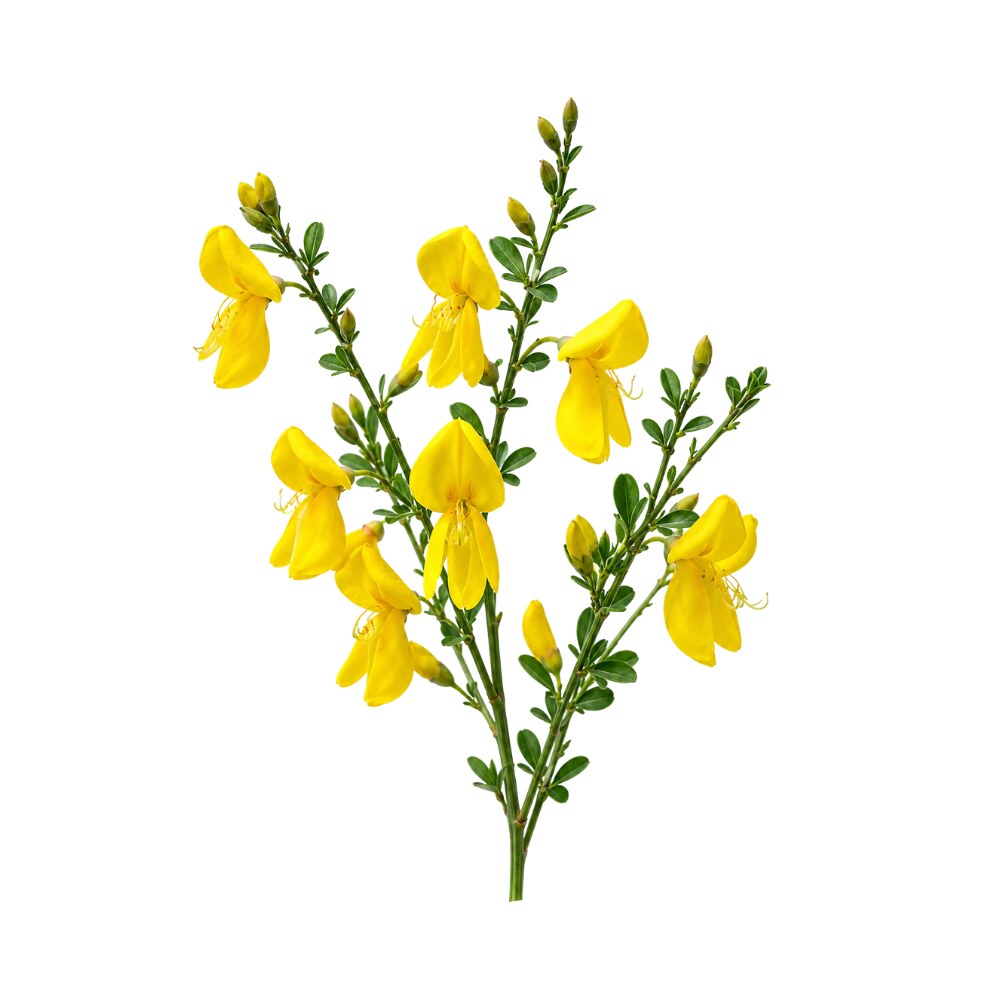 Broom Cytisus scoparius Toxic Documented for genistein, genistin.
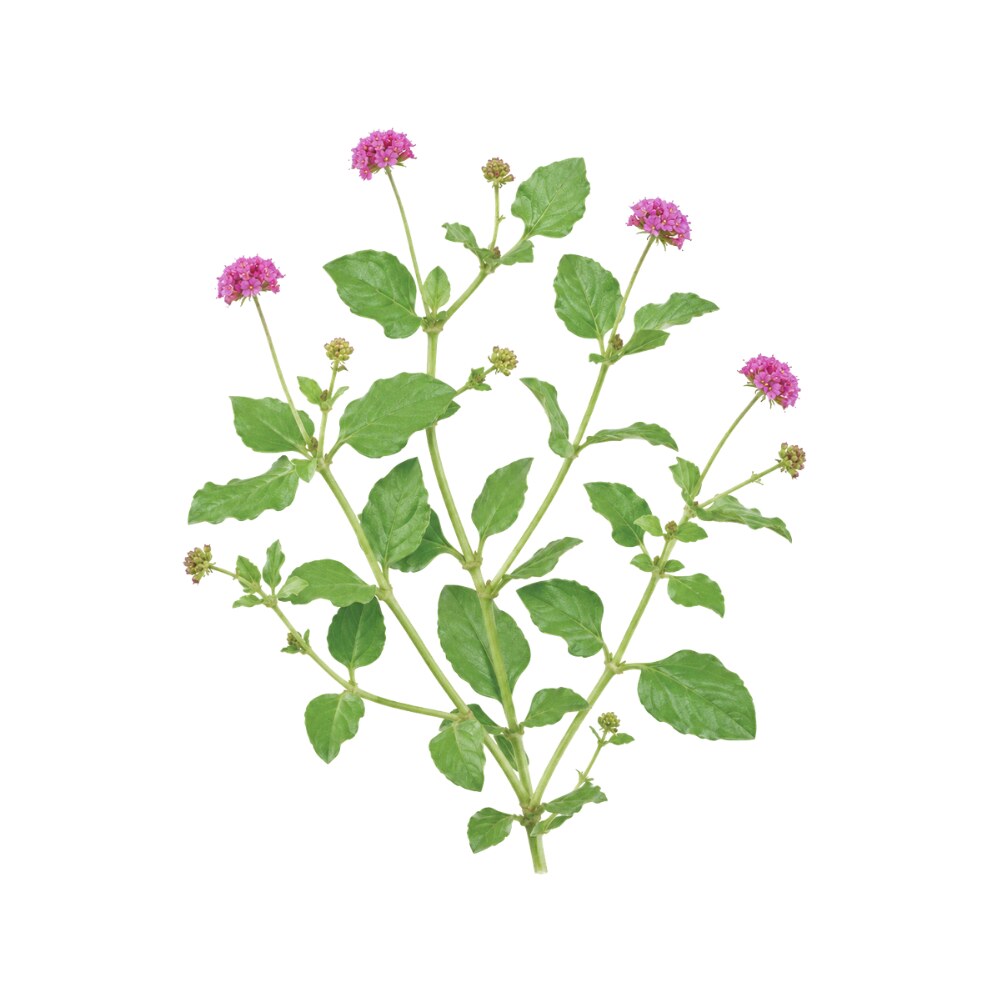 Erva Tostão Boerhavia diffusa Documented for boeravinone B, punarnavoside.
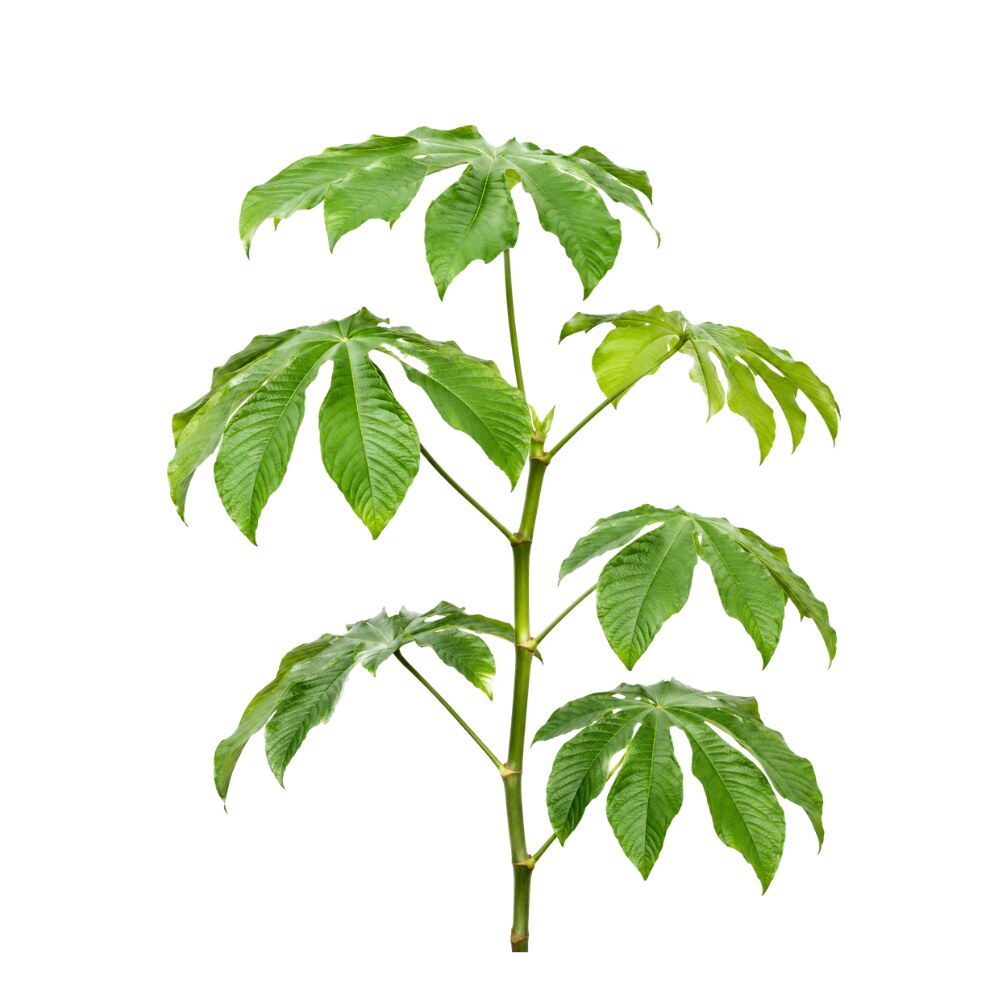 Guamura Cecropia obtusifolia Documented for daidzein, genistein.
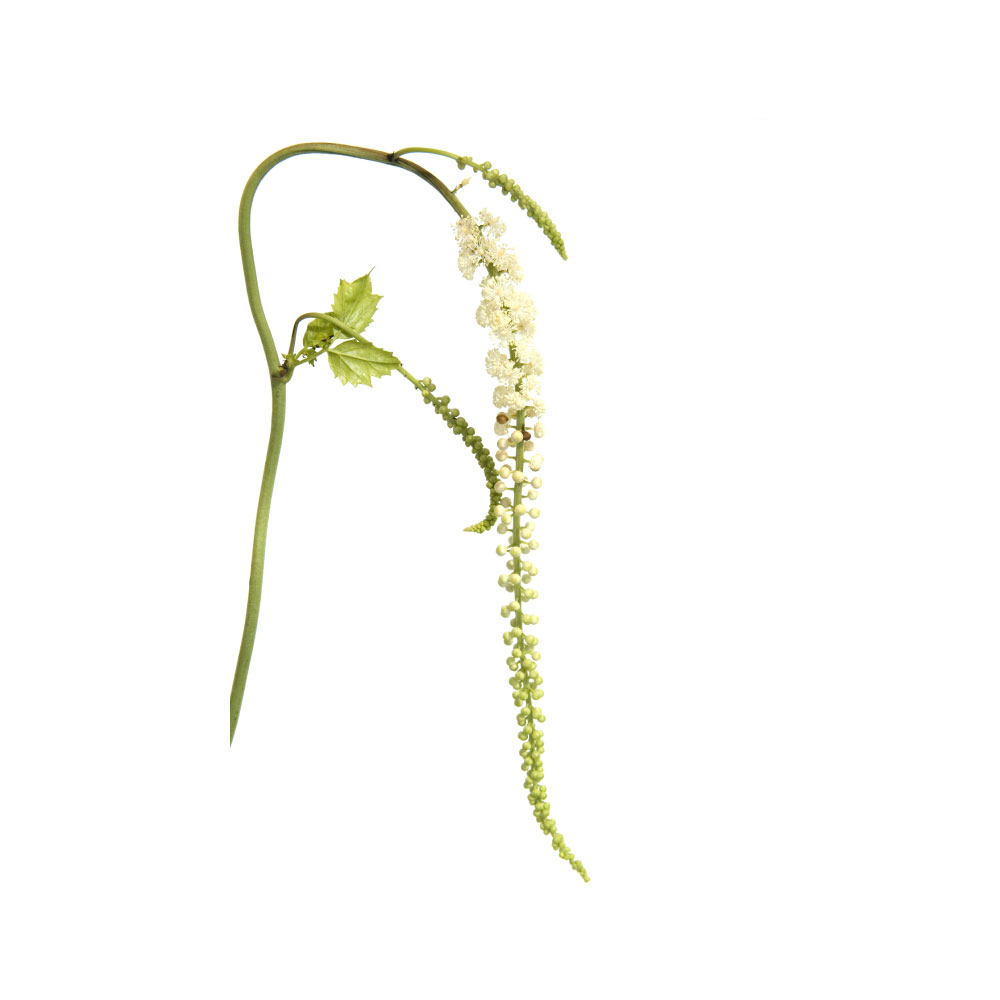 Black Cohosh Cimicifuga racemosa Documented for formononetin.
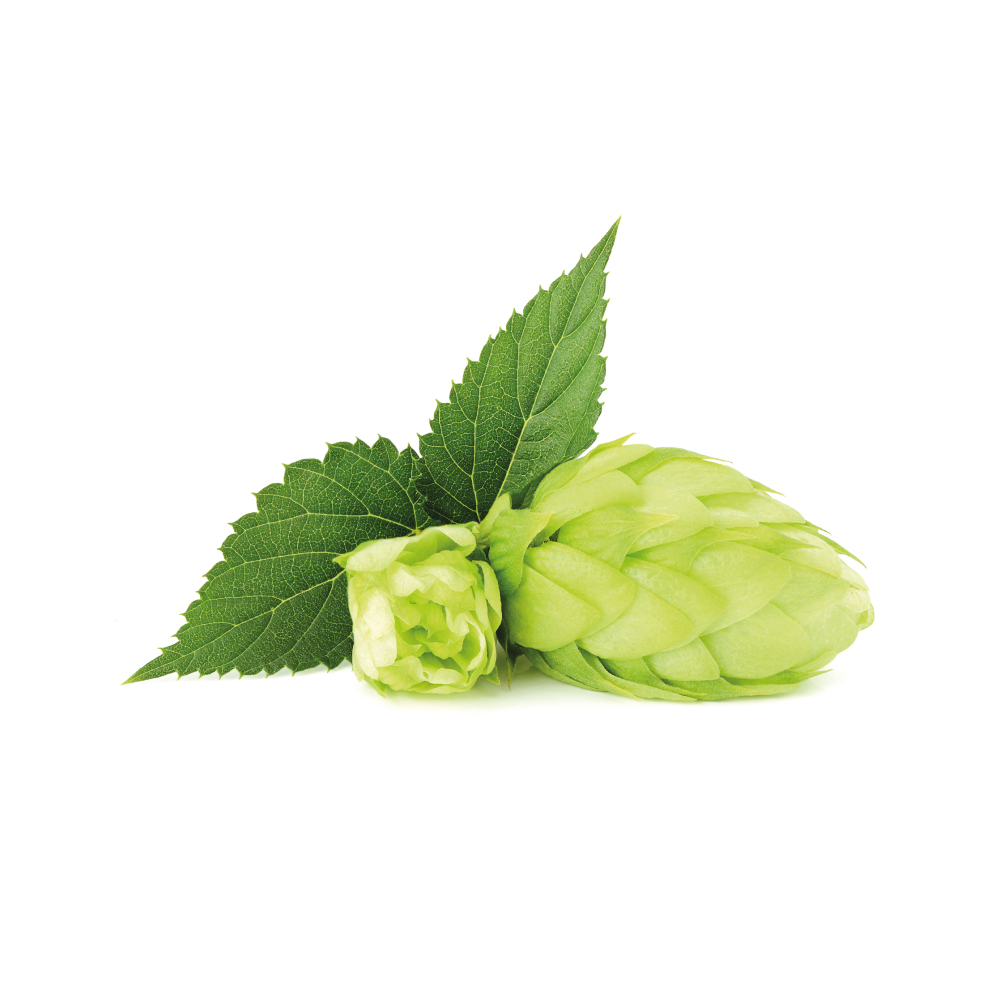 Hops Humulus lupulus Documented for isoflavonoid phytoestrogens.
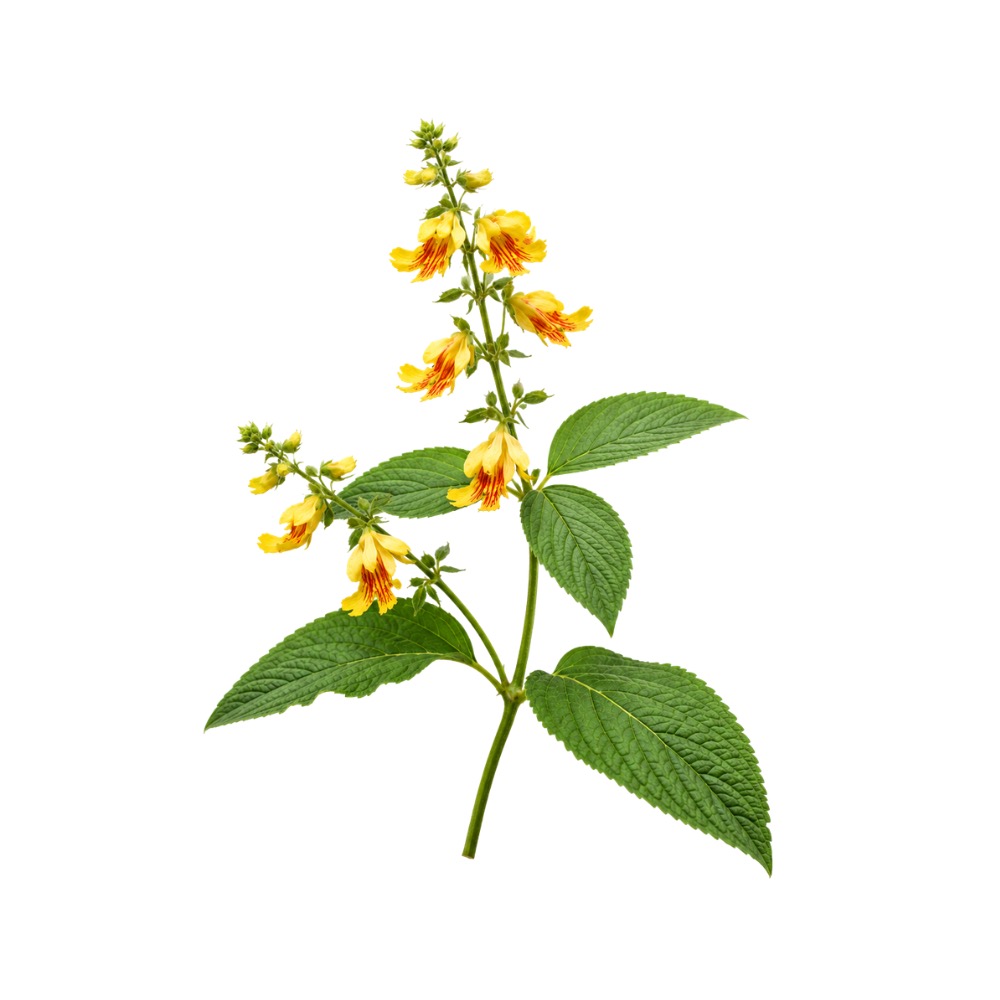 Maconha Brava Zornia latifolia Documented for genistein.
Keep Exploring
Other Compound Classes
Keep Reading
 GuidesThe Best Kava: A Buyer's GuideHow to buy good kava: noble vs two-day cultivars, which part of the root, chemotype codes, origin, form, and the batch tests a seller should show you.
Read more
 GuidesThe Amazon's Endangered Medicinal PlantsThe Amazon gives us some of our most important medicines — but which healing plants are actually endangered?
Read more
 NutritionThe Best Yerba Maté Brands [Reviewed]A drinker's guide to buying yerba maté — what actually changes the taste, and ten brands worth your money.
Read more
 GuidesHow to Prepare Yerba Maté — The Five Best MethodsHow to brew yerba maté properly — the traditional gourd method, plus tereré, french press and cold brew.
Read more