

Overview
Antiallergic at a Glance
Antiallergic herbs help reduce allergic reactions such as hay fever, itching, sneezing, and allergic inflammation.
Some act early in the reaction by stabilising mast cells.
Mast cells store histamine and release it when activated by an allergen.
Herbs such as albizzia, Chinese skullcap, feverfew, and fish mint can reduce this degranulation, limiting the amount of histamine and other inflammatory mediators released in the first place.
This kind of action is mainly preventive. Mast-cell stabilisers make more sense before repeated allergen exposure than once a reaction is already underway.
Other herbs act further downstream.
Stinging nettle, for example, has shown activity at the H1 histamine receptor — the same receptor targeted by common antihistamine drugs — alongside effects on mast cells and inflammatory enzymes.
Several antiallergic herbs also act on the wider immune response, including IgE signalling, eosinophils, and Th2 cytokines. Fish mint and nigella are better examples of this broader effect.
The category has an unusual relationship with traditional herbal medicine.
Hay fever, asthma, catarrh, itching, and similar complaints were treated for centuries, but the modern idea of an IgE-mediated allergy only emerged much later. Traditional uses therefore do not map neatly onto the mechanisms used to define antiallergic herbs today.
There is another complication: some antiallergic herbs can themselves cause allergy.
Feverfew and German chamomile belong to the daisy family and may provoke contact or allergic reactions in susceptible people, even though their constituents can suppress parts of the allergic response.
Evidence varies considerably between herbs. Albizzia and Chinese skullcap have useful mechanistic evidence for mast-cell stabilisation, while several others remain supported mainly by laboratory studies, constituent chemistry, or traditional use.
Caution
Not a rescue for anaphylaxis — anaphylaxis needs adrenaline, and no herb replaces an auto-injector, prescribed asthma medication or emergency care.
Taken before exposure — a mast-cell stabiliser has no role once a reaction is already underway.
Two are daisy-family allergens — feverfew and chamomile can provoke reactions in ragweed-sensitised people, so patch-test topical use and avoid chamomile eye washes.
Mechanisms
How It Works
01
Mast-Cell Stabilisation
Rather than blocking histamine after release, these herbs stabilise the mast-cell membrane so it degranulates less.
Albizzia is the strongest case, with measured membrane stabilisation and reduced histamine and leukotriene release.
Chinese skullcap and feverfew work the same way, feverfew by blocking calcium entry into the mast cell.
This is the sodium cromoglicate strategy, and it explains the shape these herbs are used in: taken before exposure and over time, rather than as rescue for an attack already underway.
Parthenolide, feverfew’s marker compound, is itself a potent type-IV contact allergen. A herb can damp one arm of allergy while provoking another.
Herbs: AlbizziaChinese SkullcapCurareFeverfewFish MintHoropitoStinging Nettle
Key compounds: QuercetinParthenolide
02
IgE Signalling and Th2 Cytokines
One step further upstream is the signal that arms the mast cell in the first place.
Houttuynia reduces FcεRI signalling, the high-affinity IgE receptor, along with the Th2 cytokines IL-4 and IL-5 that drive the allergic phenotype.
Nigella’s thymoquinone works through NF-κB with reduced eosinophil recruitment, and rehmannia shows reduced IgE-mediated immediate hypersensitivity with the downstream pathway unspecified.
Shifting the Th1/Th2 balance is a more ambitious claim than blocking a receptor, and the evidence for it is correspondingly more preclinical.
Herbs: Chinese SkullcapCurareEnokiFish MintNigellaOyster MushroomRehmannia
03
H1-Receptor Antagonism
One herb reaches the target that loratadine and cetirizine act on.
Stinging nettle extract shows H1-receptor activity alongside mast-cell tryptase inhibition and inhibition of COX-1, COX-2 and haematopoietic prostaglandin-D2 synthase, three routes into the same reaction.
In-vitro receptor affinity does not tell you what a nettle infusion achieves at the receptor in a person, and no herb here is a dose-equivalent of an antihistamine tablet.
Herbs: Stinging Nettle
04
Mechanism Not Established
Two herbs are used against allergy with no identified target.
Peppermint’s antiallergic finding is a single study of leaf flavonoid glycosides, mechanistically separate from anything the essential oil does.
Nigella’s symptom-questionnaire results in asthma and rhinitis are not matched by changes in IL-4 or IFN-γ, so its route is unresolved beyond a falling eosinophil count.
Herbs: NigellaPeppermint
The Molecules
Pharmacology
What produces an antiallergic effect at the molecular level. The herbs carry these molecules in different combinations and amounts, which is most of why their potency differs. Roles describe how central a molecule is to the action across plants generally, not how strong any one herb is.
Chiefly Tannins2Flavonoids1Isoquinoline Alkaloids1Sesquiterpenes1Sesquiterpene Lactones1
Carries the action largely on its own — the effect is attributed to the molecule, not just the extract it came from.
Adds to a plant's effect and is often present in quantity, but rarely accounts for it alone.
Real but narrow — one pathway, one tissue, or evidence too thin to lean on.
Curine Isoquinoline Alkaloids Primary mover Targets Mast-cell stabilization; Ca²⁺ influx; PGD₂/CysLT
Curine inhibits mast-cell activation rather than histamine receptors, and the distinction is visible in the data: it was a weak inhibitor of histamine-induced paw oedema, which promethazine abolished, while strongly inhibiting compound-48/80- and allergen-induced scratching, oedema, pleural protein extravasation and PGD₂ and cysteinyl-leukotriene production.
In the RBL-2H3 mast-cell line it blocked IgE-driven degranulation 2Reference 2AnimalCurine inhibits mast cell-dependent responses in mice — animal modelView study →.
Verapamil reproduced the effect in the same models, tying the action back to Ca²⁺ influx 2,
The work is mouse and cell only, from one collaborating group, with no human data.
Abuta carries the compound.
Found in Abuta
Full Curine profile →Quercetin Flavonoids Primary mover Targets Mast-cell stabilization; histamine & IL-8/TNF release
Quercetin is the reference molecule for herbal antiallergic activity, and the mechanism is specific rather than generic: it stabilises human mast cells, inhibiting histamine and cytokine (IL-8, TNF) release more effectively than cromolyn, the pharmaceutical mast-cell stabiliser, in a head-to-head comparison 6Reference 6Quercetin is more effective than cromolyn in blocking human mast cell cytokine release and inhibits contact dermatitis and photosensitivity in humansView study →.
That is a named cell target with a drug benchmark, which is rare in this class.
The clinical trials do not use quercetin itself: the human allergy data rest on better-absorbed derivatives such as enzymatically modified isoquercitrin, or on multi-ingredient supplements, and there is no convincing rhinitis trial of the pure molecule 6Reference 6Quercetin is more effective than cromolyn in blocking human mast cell cytokine release and inhibits contact dermatitis and photosensitivity in humansView study →.
Onion, apple, elderflower, ginkgo, St John’s wort and capers carry it.
Found in Acacia, African Dream Herb, Amaranth, Arjuna, Arnica, Babul, Bael, Bay Bean, Bearberry, Bilberry, Black Walnut, Blue Lotus Flower +75 more
Full Quercetin profile →Tussilagone Sesquiterpenes Primary mover Targets PAF receptor antagonism; IgE-mediated mast-cell stabilization; MRGPRX2-mediated degranulation ↓
Three strands, four decades apart, each in a single system.
As L-652,469 the molecule is a competitive PAF-receptor antagonist that inhibited PAF-induced rat paw oedema after oral dosing, the only report of oral activity for this compound 10Reference 10In vitroL-652,469 — a dual receptor antagonist of platelet activating factor and dihydropyridines from Tussilago farfara L. — in vitroView study →.
Isolated tussilagone reduced symptoms and serum histamine, IgE and cytokines in ovalbumin-sensitised allergic-rhinitis guinea pigs and stabilised IgE-stimulated RBL-2H3 mast cells 11Reference 11In vitroFitoterapia. https://pubmed.ncbi.nlm.nih.gov/32058052/View study →.
Most recently it inhibits MRGPRX2-mediated mast-cell degranulation, suppressing pseudo-allergic non-IgE reactions 12Reference 12In vitroToxicology and Applied Pharmacology. https://pubmed.ncbi.nlm.nih.gov/41707990/View study →, through a receptor distinct from the IgE route.
There is one species per strand, no cross-validation between the three mechanisms, no human allergy data, and the PAF work has not been revisited since 1987.
Coltsfoot carries it.
Found in Coltsfoot
Full Tussilagone profile →Agrimoniin Tannins Contributor Targets Mast-cell membrane stabilization; superoxide-induced histamine release
In rat peritoneal mast cells, agrimoniin was, with euphorbin C, the most effective inhibitor of superoxide-induced histamine release tested, at IC₅₀ 0.68 µM, more potent than the clinical antiallergics azelastine, astemizole, ketotifen and epinastine run alongside it.
Dimeric ellagitannins carrying HHDP plus a valoneoyl or dehydrodigalloyl-type acyl unit were consistently more potent than monomeric hydrolysable tannins, while procyanidins and small flavonoids were negligible, which is a structure–activity relationship rather than a generic polyphenol effect.
Higher-molecular-weight tannins also inhibited compound 48/80-induced release, and the pattern is read as membrane stabilisation plus radical scavenging 1Reference 1In vitroEffects of tannins and related polyphenols on superoxide-induced histamine release from rat peritoneal mast cells — in vitroView study →.
It rests on one laboratory, one 2000 paper and ex-vivo rodent cells, never followed up.
Parthenolide Sesquiterpene Lactones Contributor Targets Mast-cell degranulation; Ca²⁺ entry
Compounds extracted from feverfew, parthenolide among them, inhibited histamine release from rat peritoneal mast cells and suppressed passive cutaneous anaphylaxis in mice dose-dependently, with the proposed mechanism being blockade of calcium entry into the mast cell rather than histamine-receptor antagonism 4Reference 4AnimalThe activity of compounds extracted from feverfew on histamine release from rat mast cells — animal modelView study →.
That is mechanistically continuous with the compound’s broader suppression of regulated granule secretion 5Reference 5In vitroExtracts of feverfew inhibit granule secretion in blood platelets and polymorphonuclear leucocytes — in vitroView study →.
The data are animal and isolated-cell only, part of it on a mixed feverfew fraction rather than purified parthenolide, and no human trial of feverfew or parthenolide exists for allergy, rhinitis or urticaria.
Mast-cell stabilisation is not a defining sesquiterpene-lactone action across plants.
Feverfew carries it.
Found in Chrysanthemum, Feverfew
Full Parthenolide profile →Rugosin A Tannins Minor role Targets Histidine decarboxylase (HDC, EC 4.1.1.22) — non-competitive inhibition
Rugosin A is one of four ellagitannins isolated from Filipendula ulmaria petal that inhibit recombinant human histidine decarboxylase, the sole enzyme converting histidine to histamine, non-competitively, at Kᵢ of about 0.35–1 µM, comparable to the substrate-analogue inhibitor histidine methyl ester 7Reference 7Inhibitory activity of Filipendula ulmaria constituents on recombinant human histidine decarboxylaseView study →.
Measured individually against the bacterial (Morganella morganii) enzyme, rugosin A was the least potent of the four at IC₅₀ 6.8 µM, behind rugosin D (1.5 µM), rugosin A methyl ester (4.4 µM) and tellimagrandin II (6.1 µM) 8Reference 8Inhibition of Morganella morganii histidine decarboxylase activity and histamine accumulation in mackerel muscle derived from Filipendula ulmaria extractsView study →.
Potency in this series tracks linear oligomer size, since the trimer rugosin G outperforms monomers and the macrocyclic dimer oenothein B 9Reference 9The ellagitannin trimer rugosin G inhibits recombinant human histidine decarboxylaseView study →, but that ladder runs tellimagrandin II to rugosin D to rugosin G, through the actual monomer unit.
Rugosin A is a structurally distinct monomer that co-occurs in the same petals and is the weakest compound in the set.
The evidence is enzyme assays only, and at 1,107 Da the molecule is not absorbed intact, so systemic HDC inhibition is implausible and any real effect is local to the gut lumen.
Meadowsweet and rose carry it.
Found in Meadowsweet, Rose
Full Rugosin A profile →What It's For
Indications
- Hay fever and seasonal allergies
- Allergic rhinitis and itchy eyes
- Allergic skin reactions and hives
- Allergic asthma as supportive care
Materia Medica
Antiallergic Herbs by Potency
The antiallergic herbs, ordered by the relative strength of the effect rather than by how well studied it is. Each herb is described by the mechanism behind its effect and the evidence for it.
None of this is a substitute for professional care.
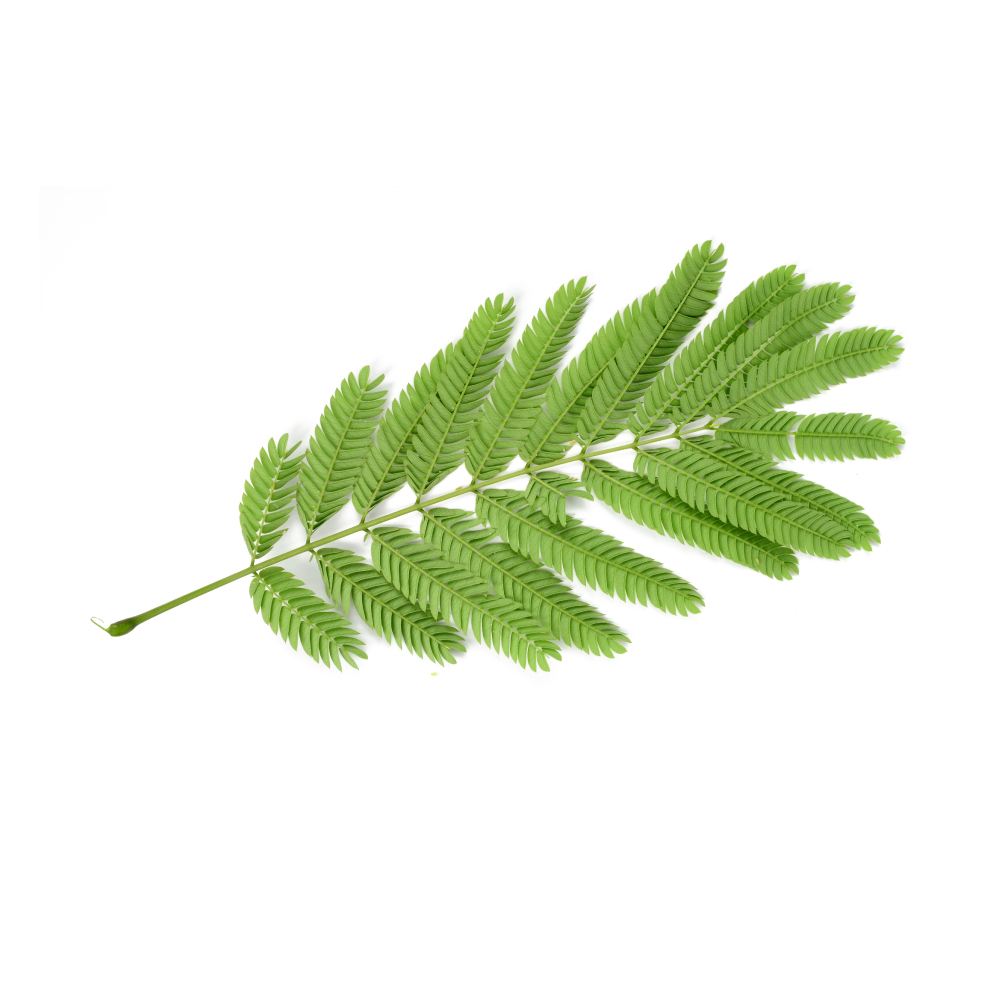 PotentPotentAlbizziaAlbizzia lebbeckBark extract stabilises the mast-cell membrane so histamine and leukotrienes are never released, and a stem-bark decoction reduced symptoms in most of a small asthma series.Mechanismmast-cell membrane stabilization; degranulation ↓; histamine + leukotriene release ↓; T-/B-cell sensitization ↓Read the evidenceShow lessMonograph →
Albizzia works upstream of the mediators. Bark extract stabilises the mast-cell membrane and prevents degranulation, so histamine and leukotrienes are never released, and older work reports that it also blunts the early sensitisation step by damping T-cell and B-cell activity 13,
A single-blinded study of A. lebbeck stem-bark decoction reported symptom reduction in 94% of bronchial asthma patients 15Reference 15Clinical trialClinical efficacy of Albizia lebbeck stem-bark decoction on bronchial asthma — uncontrolled clinical study. That magnitude is what puts it at the top here.
The effect is prophylactic rather than rescue, because stabilising a mast cell that has already fired does nothing.
The primary literature is from the 1970s and 1980s and is thin, and the dose that produces this is large, 25–60 mL a week of a 1:2 liquid extract of inner bark, so a token capsule dose is not the same intervention.
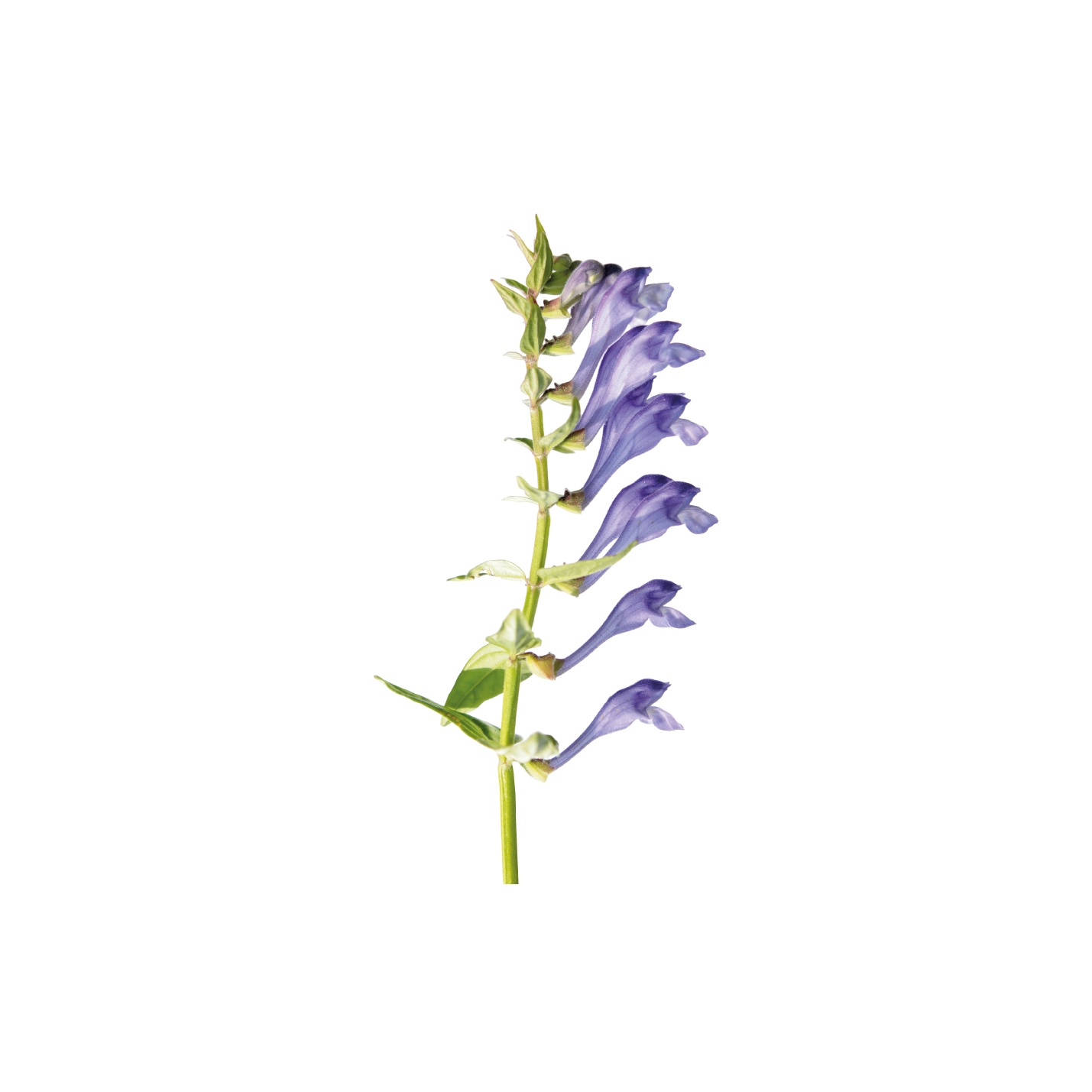 StrongStrongChinese SkullcapScutellaria baicalensisRoot flavonoids stabilise mast cells, suppress IgE-mediated responses and drive eosinophil apoptosis, which is a resolution mechanism rather than symptom suppression.Mechanismmast-cell stabilization; histamine release ↓; IgE-mediated response ↓; eosinophil apoptosisRead the evidenceShow lessMonograph →
Baicalein, wogonin and an ethanol root extract reduced airway inflammation in ovalbumin-sensitised mice 40Reference 40Baicalein, wogonin, and Scutellaria baicalensis ethanol extract alleviate ovalbumin-induced allergic airway inflammation — animal studyView study →, and wogonin induced eosinophil apoptosis while attenuating allergic airway inflammation in a mouse asthma model 41Reference 41In vitroWogonin induces eosinophil apoptosis and attenuates allergic airway inflammation — in vitro and mouse studyView study →.
Eosinophil apoptosis clears the cells driving the inflammation rather than blocking a mediator, which is what separates this from an antihistamine. It maps onto the documented traditional use for hay fever and allergic complaints 42,
Every result is in cells or mice, and there is no human allergy or asthma trial of any preparation. The ethanol extract is one of the few datasets using the actual root.
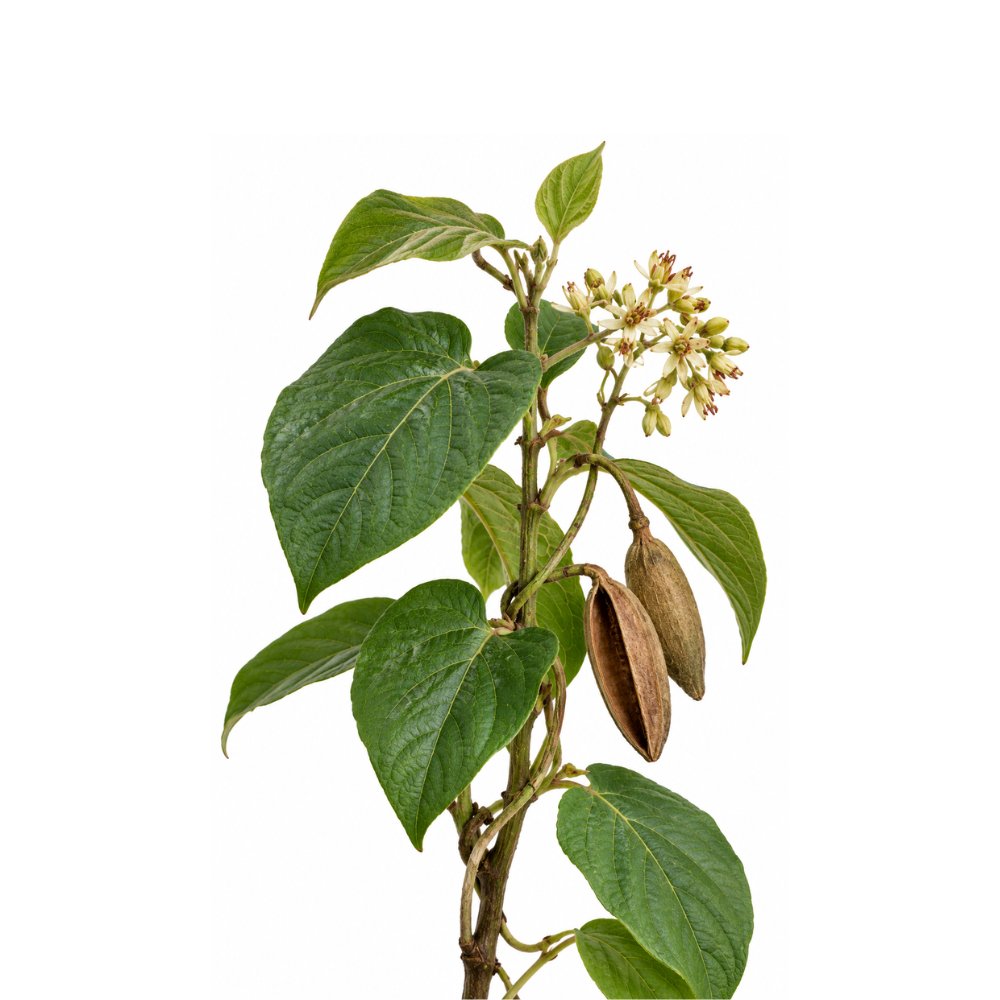 ModerateModerateCurareChondrodendron tomentosumCurine damps allergic airway responses in replicated mouse asthma and mast-cell models, through a molecule unrelated to the paralysing alkaloid the plant is known for.Mechanismcurine → mast-cell stabilization; Th2/airway response dampingRead the evidenceShow lessMonograph →
Replicated mouse asthma and mast-cell models show curine damping allergic airway responses 16,
Curine is a different molecule from the neuromuscular blocker and acts by a different mechanism, on mast-cell calcium entry rather than the acetylcholine receptor.
The work is preclinical, and much of it used C. platyphyllum rather than C. tomentosum.
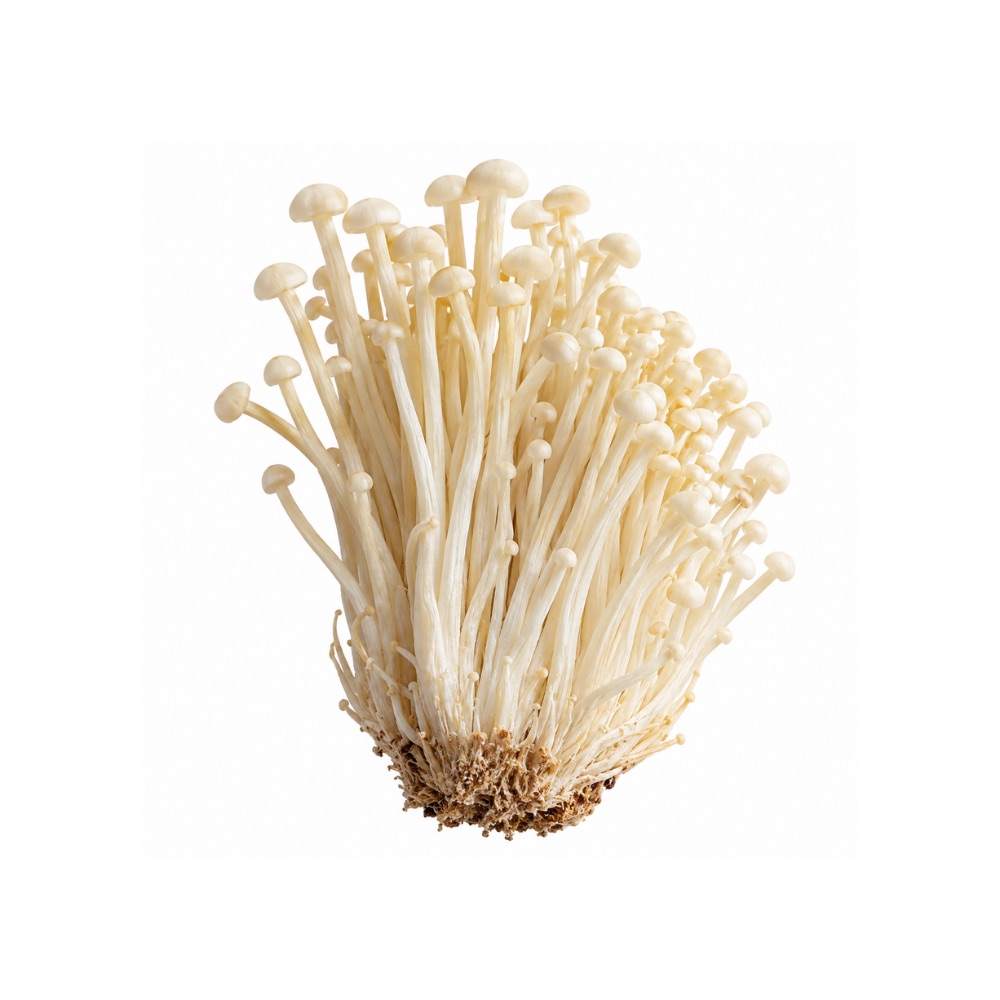 ModerateModerateEnokiFlammulina velutipesOral FIP-fve, the mushroom's immunomodulatory protein, reduced airway hyper-responsiveness, IgE and Th2 cytokines across several independent mouse models.MechanismTh2 damping — airway hyper-responsiveness ↓, IgE ↓, Th2 cytokines ↓Read the evidenceShow less
Oral FIP-fve reduced airway hyper-responsiveness, IgE and Th2 cytokines across multiple independent mouse models of allergy, asthma and RSV infection 17,
Mechanistically it is the other side of the mushroom’s Th1 skewing: pushing toward Th1 pulls away from the Th2 axis that drives allergy.
No human trial exists.
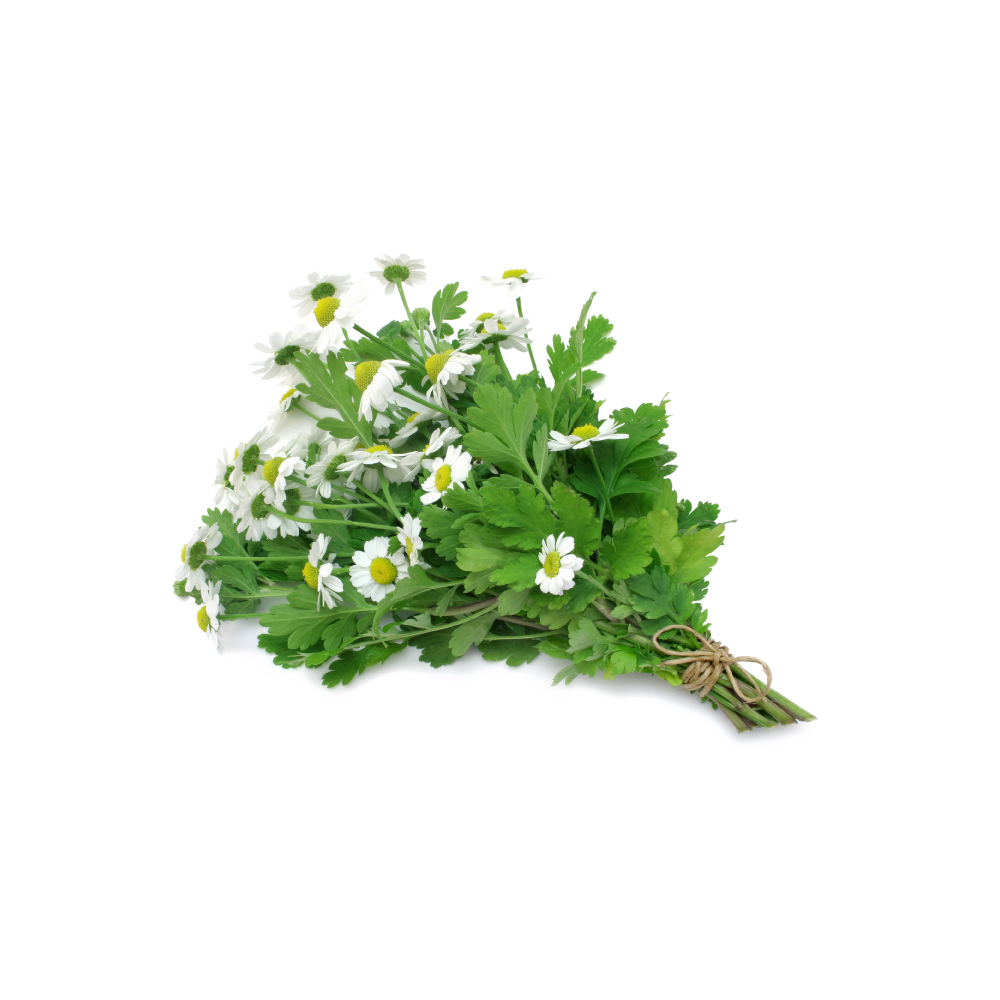 ModerateModerateFeverfewTanacetum partheniumParthenolide blocks calcium entry into the mast cell, cutting histamine release and suppressing passive cutaneous anaphylaxis in mice; the herb has no human allergy trial.Mechanismmast-cell Ca²⁺-entry blockade → histamine release ↓; platelet/PMN granule + serotonin release ↓Read the evidenceShow lessMonograph →
Parthenolide inhibited histamine release from rat peritoneal mast cells and suppressed passive cutaneous anaphylaxis in mice dose-dependently, with the proposed mechanism being blockade of calcium entry into the mast cell rather than receptor antagonism 4Reference 4AnimalThe activity of compounds extracted from feverfew on histamine release from rat mast cells — animal modelView study →.
Feverfew extracts separately inhibit serotonin release and granule secretion from platelets and polymorphonuclear leucocytes, in a pattern distinct from conventional NSAIDs and, in leucocytes, more pronounced 5Reference 5In vitroExtracts of feverfew inhibit granule secretion in blood platelets and polymorphonuclear leucocytes — in vitroView study →.
There are no human trials of feverfew for allergy, rhinitis or urticaria, and the slow-onset antihistamine effect the herb is often promised for is not something the evidence demonstrates.
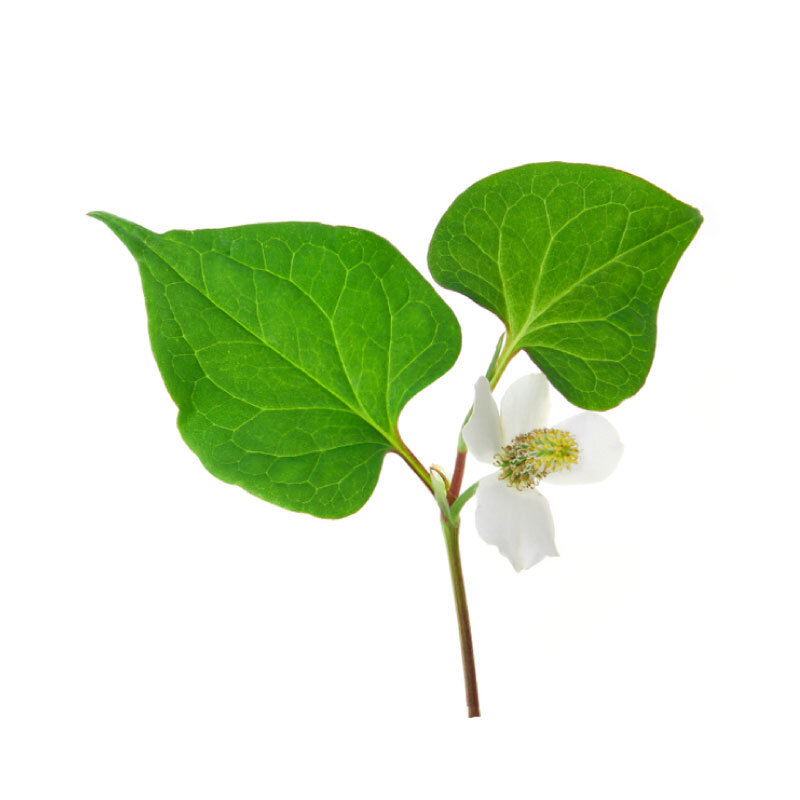 ModerateModerateFish MintHouttuynia cordataWater extract blocks multiple steps of FcεRI signalling, the IgE receptor that arms a mast cell, and lowers the Th2 cytokines IL-4 and IL-5.MechanismFcεRI signaling ↓; Th2 cytokines ↓ (IL-4, IL-5); histamine release ↓Read the evidenceShow lessMonograph →
Houttuynia water extract suppressed IgE-mediated allergic responses in mice by blocking multiple steps of FcεRI signalling 26Reference 26AnimalHouttuynia cordata water extract suppresses anaphylactic reaction and IgE-mediated allergic response by inhibiting FcεRI signaling in mast cells — animal modelView study →, with a companion Th2-suppressing effect of lower IL-4 and IL-5.
This is the one herb here with human data attached. A randomised controlled trial of the houttuynia-based multi-herb formula Zheng-Yi-Fang improved allergic-rhinitis symptoms over four weeks 27Reference 27RCTA Houttuynia cordata-based Chinese herbal formula improved symptoms of allergic rhinitis during the COVID-19 pandemic — randomised controlled trialView study →.
The formula’s other herbs are uncontrolled, so houttuynia’s specific contribution is unresolved.
 ModerateModerateNigellaNigella sativaBlack seed oil improved asthma control scores and lowered blood eosinophils across randomised trials, and raised the response rate in allergic rhinitis; the objective endpoints stayed flat.MechanismNF-κB ↓ (thymoquinone); eosinophil recruitment ↓; Th2 cytokine axis not established (IL-4 / IFN-γ unchanged)Read the evidenceShow lessMonograph →
In asthma, a four-RCT meta-analysis found improved Asthma Control Test scores and FEV1, with no change in peak expiratory flow and no change in IL-4 or IFN-γ 28Reference 28Meta-analysisThe influence of Nigella sativa for asthma control — a meta-analysisView study →. The largest single trial, 500 mg black seed oil twice daily for four weeks, improved control scores and lowered blood eosinophils against placebo 29Reference 29RCTNigella sativa supplementation improves asthma control and biomarkers — a randomized, double-blind, placebo-controlled trialView study →, and a further RCT reported better lung function and inflammatory mediators in partly controlled asthma 30Reference 30RCTEffect of Nigella sativa supplementation on lung function and inflammatory mediators in partly controlled asthma — a randomized controlled trialView study →.
In allergic rhinitis, an eight-RCT meta-analysis found an increased overall response rate 31Reference 31Meta-analysisMeta-analysis of randomized controlled trials assessing the efficacy of Nigella spp in allergic rhinitisView study →, supported by an oil trial that reduced congestion, rhinorrhoea, itch and sneezing over 30 days 32Reference 32Herbal treatment of allergic rhinitis — the use of Nigella sativaView study → and a standardised 5%-thymoquinone oil trial that lowered total nasal symptom scores 33Reference 33RCTA randomized, double-blind, placebo-controlled study of a standardized Nigella sativa oil containing 5% thymoquinone in reducing symptoms of seasonal allergyView study →.
The symptom-questionnaire wins come with null objective endpoints, so the mechanism is not established as Th2 modulation and the falling eosinophil count is the only cellular handle.
Every positive trial used oil, and one of them co-administered piperine 33Reference 33RCTA randomized, double-blind, placebo-controlled study of a standardized Nigella sativa oil containing 5% thymoquinone in reducing symptoms of seasonal allergyView study →, which confounds the herb’s own contribution.
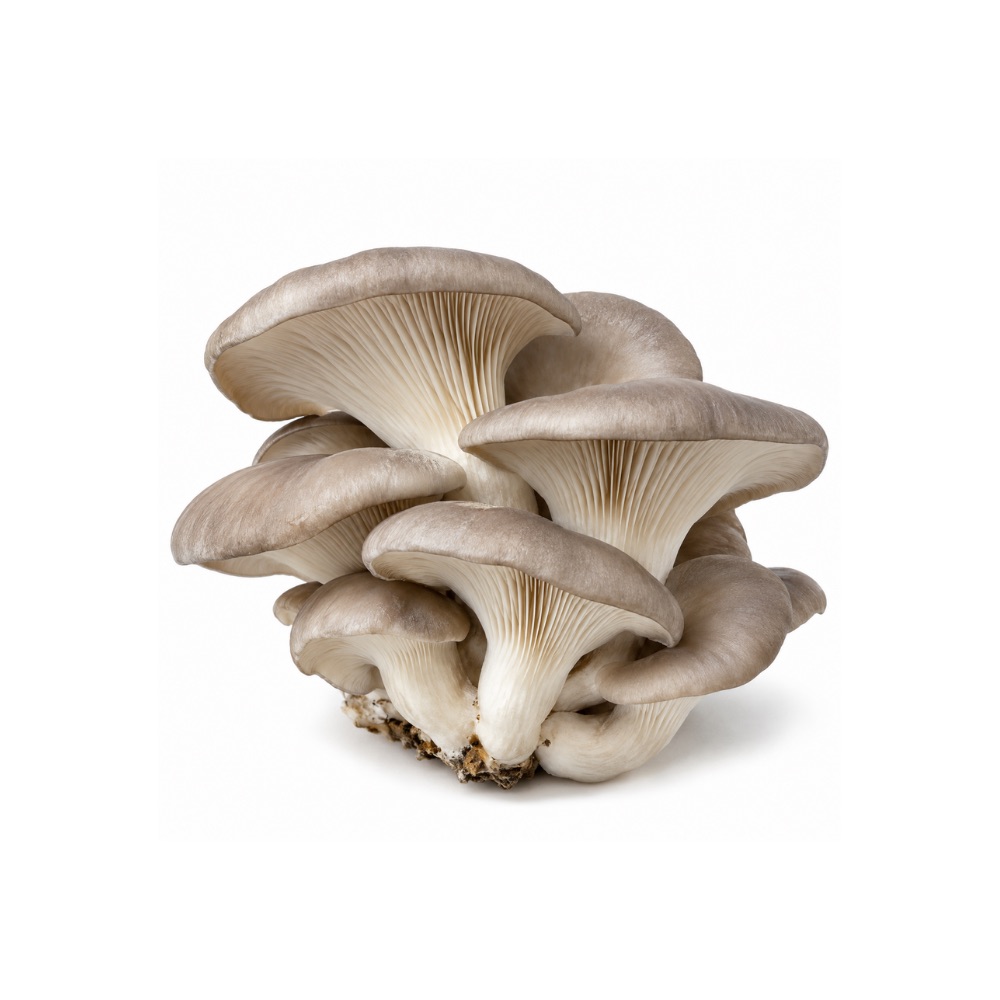 ModerateModerateOyster MushroomPleurotus ostreatusPleuran, the β-glucan that primes innate defence against infection, also improved asthma control and lowered blood eosinophilia in children.Mechanismeosinophil ↓, IgE stabilization; Th2 dampingRead the evidenceShow less
In 230 children with partially controlled perennial asthma, pleuran improved control 34Reference 34RCTBeneficial effects of pleuran on asthma control and respiratory tract-infection frequency in children with perennial asthma — randomised controlled trialView study →, and a companion trial reported reduced blood eosinophilia and stabilised IgE 35Reference 35RCTAnti-allergic effect of pleuran (β-glucan from Pleurotus ostreatus) in children with recurrent respiratory tract infections — randomised controlled trialView study →.
The same β-glucan that primes innate defence damps the allergic arm, which is a demonstration of immune modulation working in both directions rather than the marketing sense of the word.
The findings are replicated within one research programme, modest in size, and unreplicated outside it.
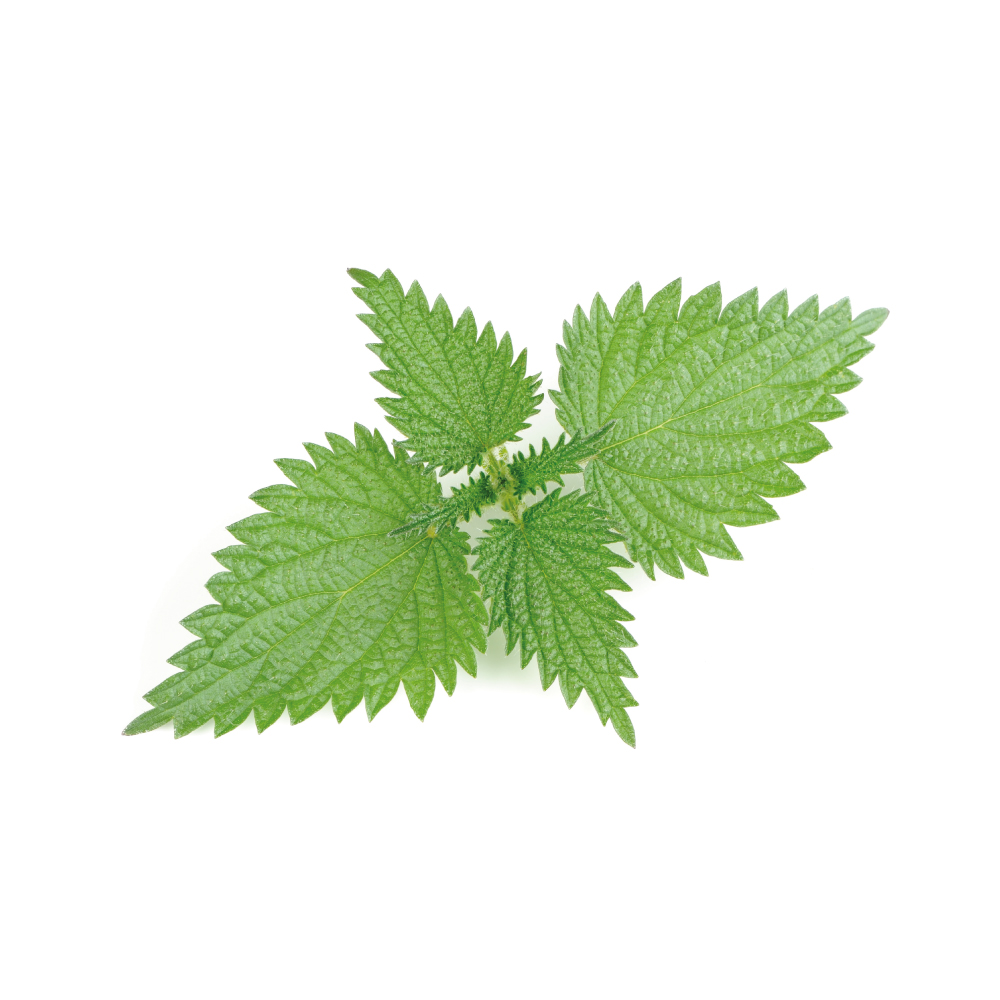 ModerateModerateStinging NettleUrtica dioicaLeaf extract hits H1 receptors, mast-cell tryptase and the prostaglandin enzymes at once, and two randomised trials find a real but modest hay-fever effect.MechanismH1-receptor antagonism; mast-cell tryptase inhibition; COX-1/COX-2 & HPGDS inhibitionRead the evidenceShow lessMonograph →
In vitro a nettle extract hits most of the allergic-inflammation machine at once: H1-receptor activity, mast-cell tryptase, and the prostaglandin-forming enzymes COX-1, COX-2 and haematopoietic prostaglandin-D2 synthase 44Reference 44In vitroNettle extract (Urtica dioica) affects key receptors and enzymes associated with allergic rhinitis — in vitroView study →.
Clinically it thins out. A 1990 double-blind RCT of freeze-dried leaf (n=98) rated nettle above placebo on global assessment but only slightly better on daily symptom diaries 45Reference 45RCTRandomised, double-blind study of freeze-dried Urtica dioica in the treatment of allergic rhinitis — randomised controlled trialView study →, and a 2017 root-extract RCT found a SNOT-22 improvement matched by an equally large placebo response, with no change in IgE or IL-4 and IL-5 46Reference 46RCTEfficacy of supportive therapy of allergic rhinitis by stinging nettle (Urtica dioica) root extract — randomised, double-blind, placebo-controlled trialView study →.
Neither trial separates convincingly from placebo, so the effect is real but modest and well short of the field’s first-line antiallergics.
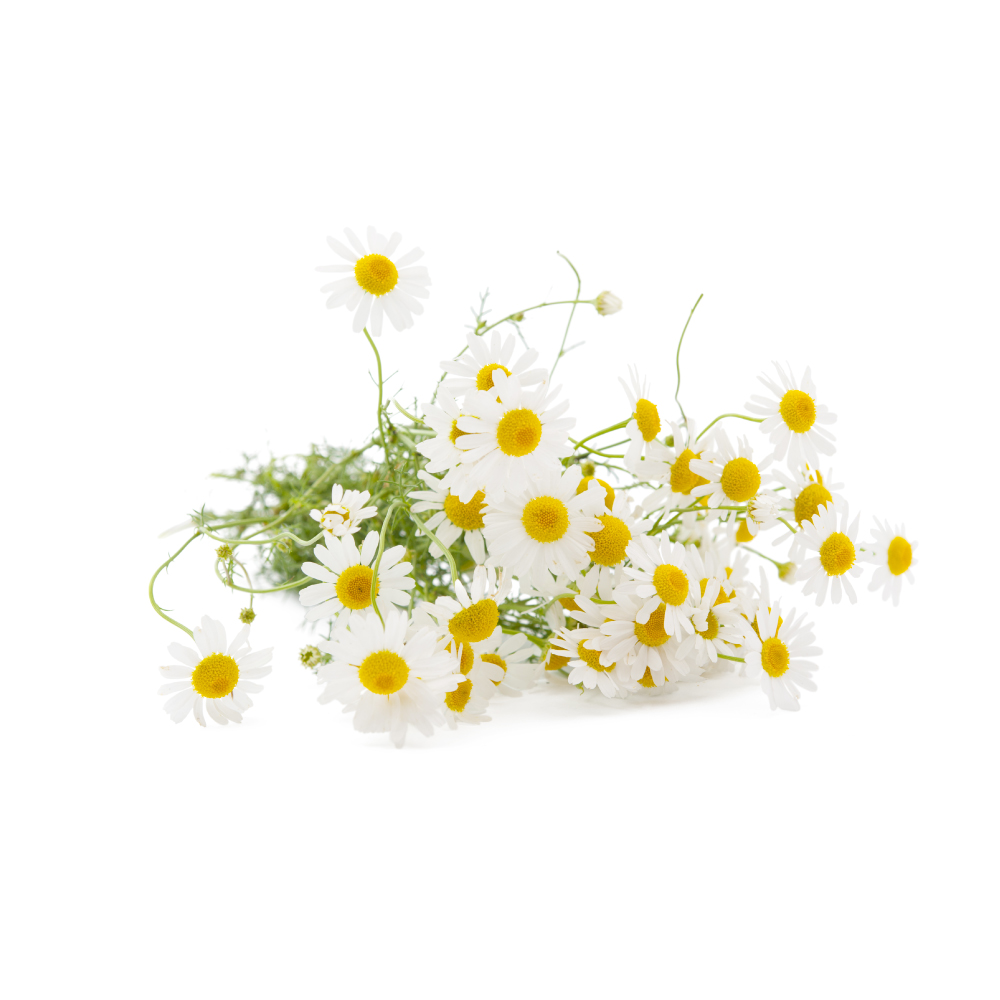 MildMildGerman ChamomileMatricaria chamomillaAlpha-bisabolol, chamazulene and apigenin carry the anti-inflammatory case behind a long topical tradition for reactive skin; the flower is also a documented Asteraceae allergen.Read the evidenceShow lessMonograph →
Chamomile’s antiallergic use rests on α-bisabolol, chamazulene and apigenin, and on a long topical tradition for irritated, reactive skin.
Chamomile is also a well-known Asteraceae allergen. The pollen fraction causes contact dermatitis and, rarely, anaphylaxis in ragweed-sensitised people, which is why eye washes are cautioned against.
Provoking a reaction in sensitised individuals and damping an allergic pathway in everyone else are different events involving different constituents.
No histamine, mast-cell or IgE endpoint has been reported for the herb.
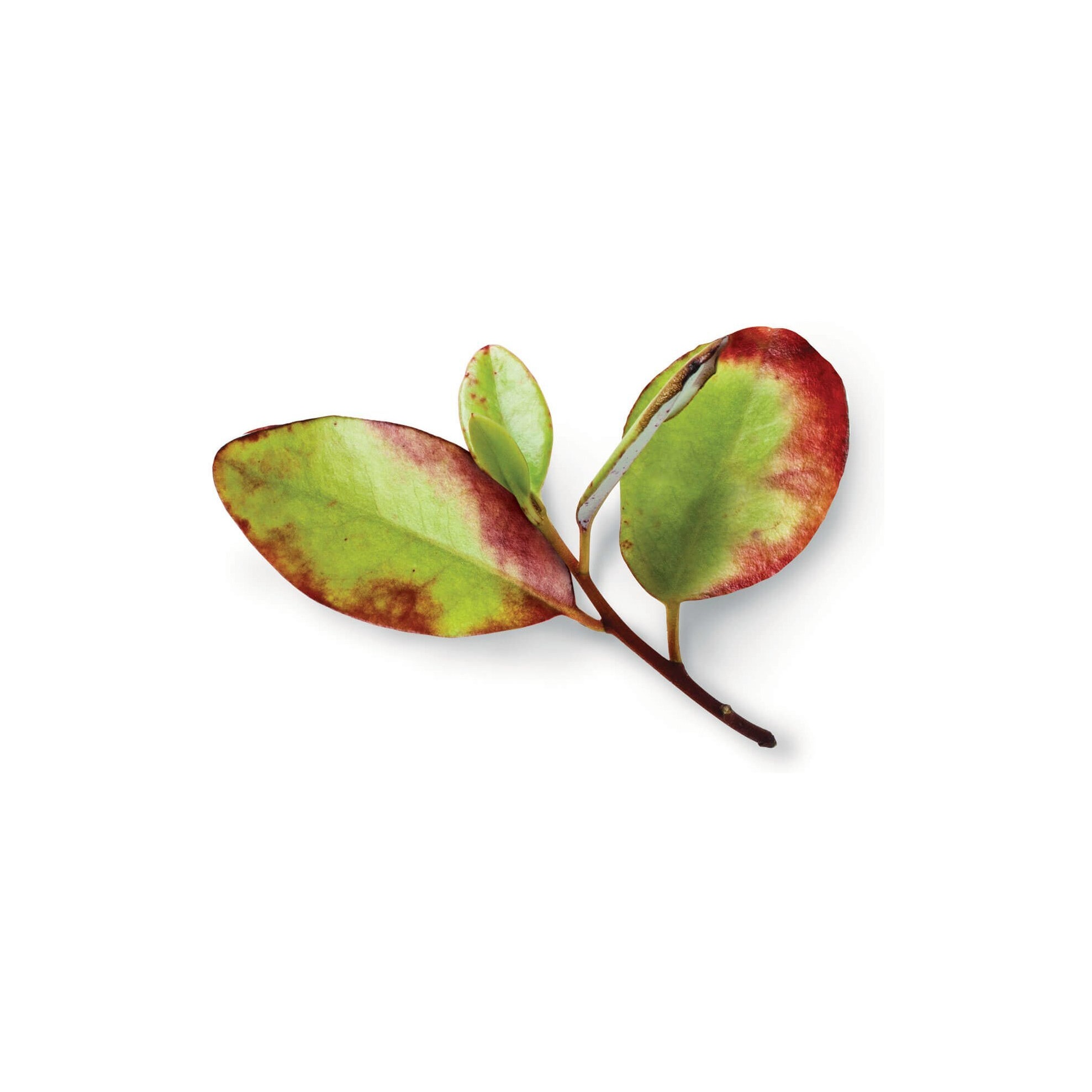 MildMildHoropitoPseudowintera colorataPolygodial inhibited ovalbumin-induced paw oedema and protected against anaphylactic shock in sensitised mice, while the herb itself has caused allergic contact dermatitis.Mechanismmast-cell depletion; substance-P and histamine pathway suppressionRead the evidenceShow lessMonograph →
In sensitised mice polygodial dose-dependently inhibited ovalbumin-induced paw oedema and protected against anaphylactic shock, alongside suppressing substance-P and histamine-driven pleurisy 23Reference 23AnimalAdditional evidence for the anti-inflammatory and anti-allergic properties of the sesquiterpene polygodial — animal (rat/mouse) in vivoView study →, and an implant study’s drop in mast-cell numbers points the same way 24Reference 24AnimalSesquiterpene polygodial from Drimys brasiliensis down-regulates implant-induced inflammation and fibrogenesis in mice — animal in vivoView study →.
The herb itself carries a contact-sensitisation risk. A topical P. colorata medicament caused allergic contact vulvitis 25Reference 25Case reportContact vulvitis due to Pseudowintera colorata in a topical herbal medicament — case reportView study →.
The systemic antiallergic evidence is animal, uses the isolated compound, and largely uses another species.
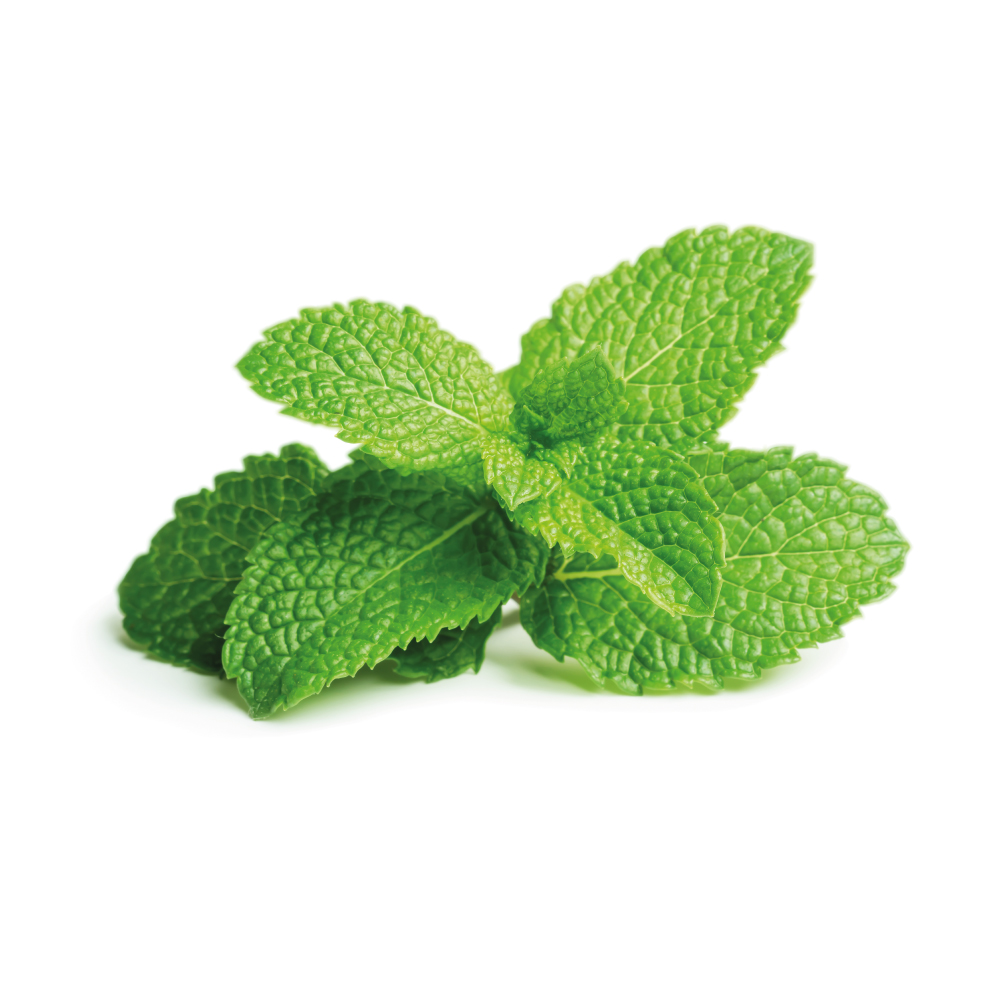 MildMildPeppermintMentha × piperitaFlavonoid glycosides isolated from the leaf showed an antiallergic effect in one study, a water-soluble-fraction finding separate from anything the essential oil does.Mechanismnot establishedRead the evidenceShow lessMonograph →
Flavonoid glycosides isolated from Mentha piperita showed an antiallergic effect 36Reference 36Antiallergic effect of flavonoid glycosides obtained from Mentha piperita LView study →.
The finding belongs to the leaf’s water-soluble fraction and is mechanistically distinct from the essential oil’s activity.
It is a single study with no identified target and no follow-up.
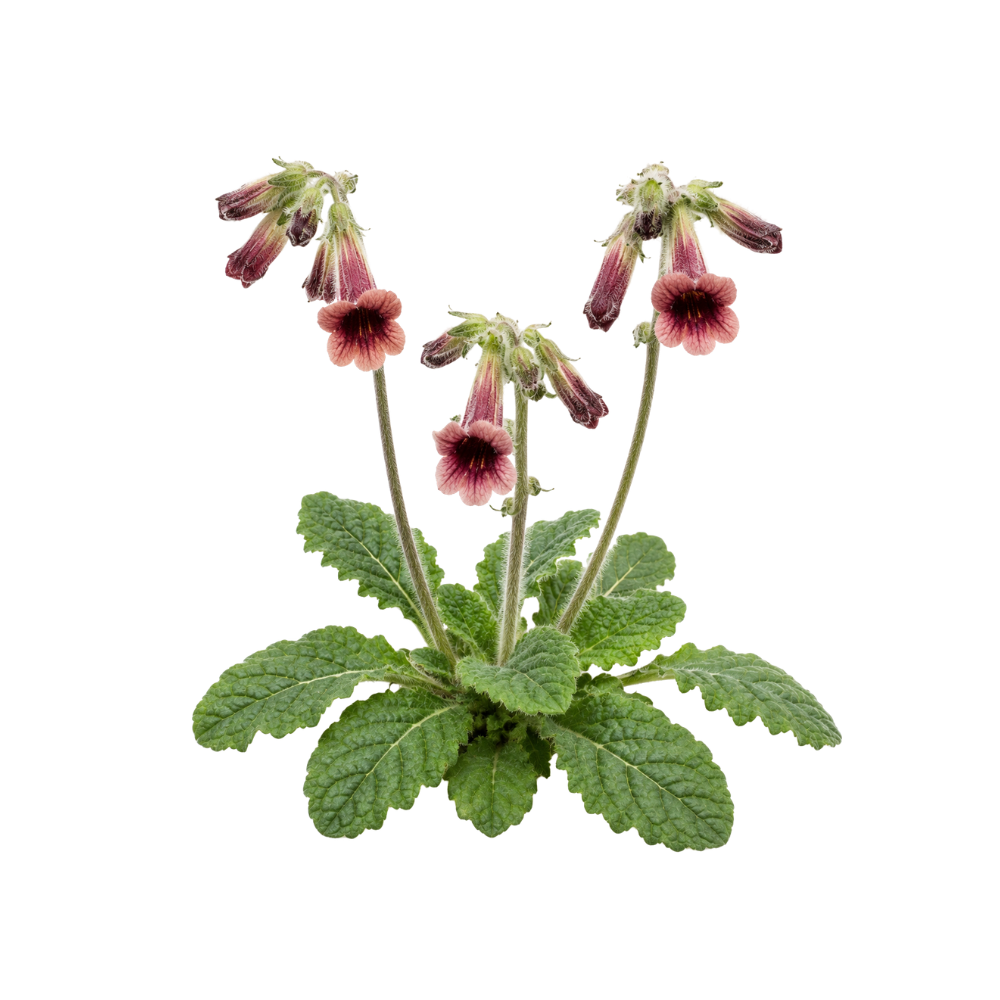 MildMildRehmanniaRehmannia glutinosaThe root inhibited immediate-type IgE-mediated allergic reactions in one 1998 animal study, with no mediator-release mechanism characterised since.MechanismIgE-mediated immediate-hypersensitivity ↓ (downstream pathway uncharacterised)Read the evidenceShow lessMonograph →
The finding is a single thread. It comes from one 1998 animal study 37Reference 37AnimalEffect of Rehmannia glutinosa on immediate-type allergic reaction — animal modelView study → sitting inside the root’s immunomodulatory work rather than inside any allergy-specific research.
It sits alongside better-worked immune findings: the root polysaccharide matures and activates human dendritic cells in vitro 38Reference 38In vitroRehmannia glutinosa polysaccharide promotes activation of human dendritic cells — in vitroView study →, and a hot-compressed-steamed polysaccharide activates TLR4 and NF-κB and reverses cyclophosphamide-induced immunosuppression in mice 39Reference 39In vitroPolysaccharide from hot-compressed steamed Rehmannia glutinosa on the immune system and gut microbiota in immunosuppressed mice — animal model, in vitroView study →.
No mast-cell or mediator-release mechanism is characterised, so the route is unresolved. The herb’s other immune activity is stimulating, which pairs awkwardly with an antiallergic claim, and the fractions may simply be doing different things.
No herbs match these filters.
Safety
- None of these is rescue medication; anaphylaxis is treated with adrenaline, and no herb removes the need for an auto-injector.
- A mast-cell stabiliser is taken before exposure and has no role once a reaction is underway.
- Two of these herbs are daisy-family plants that are themselves common allergens in ragweed-sensitised people, so patch-test topical use and avoid chamomile eye washes.
- No herb here is a dose-equivalent of an antihistamine tablet, and substituting one during a serious seasonal allergy is a downgrade rather than a swap.
- No herb replaces a prescribed asthma preventer, and worsening asthma control needs medical review rather than a herb.
- High-dose quercetin supplements inhibit CYP enzymes and can raise levels of co-administered drugs; dietary amounts are not the issue.
References
- Kanoh R, Hatano T, Ito H, Yoshida T, Akagi M (2000). Effects of tannins and related polyphenols on superoxide-induced histamine release from rat peritoneal mast cells — in vitro. Phytomedicine. https://pubmed.ncbi.nlm.nih.gov/10969723/
- Ribeiro-Filho J, et al. (2014). Curine inhibits mast cell-dependent responses in mice — animal model. Journal of Ethnopharmacology. https://pubmed.ncbi.nlm.nih.gov/24969825/
- Ribeiro-Filho J, Piuvezam MR, Bozza PT (2015). Anti-allergic properties of curine, a bisbenzylisoquinoline alkaloid — review. Molecules. https://pubmed.ncbi.nlm.nih.gov/25781071/
- Hayes NA, Foreman JC. (1987). The activity of compounds extracted from feverfew on histamine release from rat mast cells — animal model. Journal of Pharmacy and Pharmacology. https://pubmed.ncbi.nlm.nih.gov/2441022/
- Heptinstall S, White A, Williamson L, Mitchell JR. (1985). Extracts of feverfew inhibit granule secretion in blood platelets and polymorphonuclear leucocytes — in vitro. Lancet. https://pubmed.ncbi.nlm.nih.gov/2860288/
- Weng Z, Zhang B, Asadi S, Sismanopoulos N, Butcher A, Fu X, et al. (2012). Quercetin is more effective than cromolyn in blocking human mast cell cytokine release and inhibits contact dermatitis and photosensitivity in humans. PLoS ONE, 7(3), e33805. https://pubmed.ncbi.nlm.nih.gov/22470478/
- Nitta Y, Kikuzaki H, Azuma T, Ye Y, Sakaue M, Higuchi Y, Komori H, Ueno H. (2013). Inhibitory activity of Filipendula ulmaria constituents on recombinant human histidine decarboxylase. Food Chemistry, 138(2–3), 1551–1556. https://pubmed.ncbi.nlm.nih.gov/23411280/
- Nitta Y, Yasukata F, Kitamoto N, Ito M, Sakaue M, Kikuzaki H, Ueno H. (2016). Inhibition of Morganella morganii histidine decarboxylase activity and histamine accumulation in mackerel muscle derived from Filipendula ulmaria extracts. Journal of Food Protection, 79(3), 463–467. https://pubmed.ncbi.nlm.nih.gov/26939657/
- Nitta Y, Ito H, Komori H, Ueno H, Takeshima D, Ito M, Sakaue M, Kikuzaki H. (2019). The ellagitannin trimer rugosin G inhibits recombinant human histidine decarboxylase. Bioscience, Biotechnology, and Biochemistry, 83(7), 1315–1318. https://pubmed.ncbi.nlm.nih.gov/30995171/
- Hwang SB, Chang MN, Garcia ML, et al. (1987). L-652,469 — a dual receptor antagonist of platelet activating factor and dihydropyridines from Tussilago farfara L. — in vitro. European Journal of Pharmacology. https://pubmed.ncbi.nlm.nih.gov/2824219/
- Tussilagone inhibits allergic responses in OVA-induced allergic rhinitis guinea pigs and IgE-stimulated RBL-2H3 cells — animal / in vitro. (2020). Fitoterapia. https://pubmed.ncbi.nlm.nih.gov/32058052/
- Tussilagone inhibits MRGPRX2-mediated mast cell degranulation and suppresses pseudo-allergic reactions — in vitro. (2026). Toxicology and Applied Pharmacology. https://pubmed.ncbi.nlm.nih.gov/41707990/
- Bone, K. (2003). A Clinical Guide to Blending Liquid Herbs: Herbal Formulations for the Individual Patient. Edinburgh: Churchill Livingstone. (Pg. 59–60.)
- Tripathi, S. N., & Shukla, P. (1979). Effect of histamine and Albizzia lebbeck Benth. on guinea-pig adrenal glands — animal model. Indian Journal of Experimental Biology, 17, 915–917.
- Kumar, S., Bansal, P., Gupta, V., & Rao, M. M. (2010). Clinical efficacy of Albizia lebbeck stem-bark decoction on bronchial asthma — uncontrolled clinical study. International Journal of Pharmaceutical Science and Drug Research, 2(1), 48–50.
- Ribeiro-Filho, J., et al. (2013). Curine inhibits eosinophil activation and airway hyper-responsiveness in a mouse model of allergic asthma — in vivo. Toxicology and Applied Pharmacology. https://pubmed.ncbi.nlm.nih.gov/23994558/
- Hsieh KY, Hsu CI, Lin JY, et al. (2003). Oral administration of an edible-mushroom-derived protein inhibits the development of food-allergic reactions — mouse. Clin Exp Allergy. https://pubmed.ncbi.nlm.nih.gov/14616874/
- Chang YC, Hsiao YM, Hung SC, et al. (2015). Alleviation of Dermatophagoides microceras-induced allergy by the immunomodulatory protein FIP-fve — mouse. Biosci Biotechnol Biochem. https://pubmed.ncbi.nlm.nih.gov/25209380/
- Lee YT, Lee SS, Sun HL, et al. (2013). Effect of the fungal immunomodulatory protein FIP-fve on airway inflammation and cytokine production in a mouse asthma model. Cytokine. https://pubmed.ncbi.nlm.nih.gov/23107824/
- Chu PY, Sun HL, Ko JL, et al. (2017). Oral fungal immunomodulatory protein FIP-fve influences pulmonary inflammation: potential treatment for allergic airway disease — mouse. J Microbiol Immunol Infect. https://pubmed.ncbi.nlm.nih.gov/26427878/
- Chang YC, Chow YH, Sun HL, et al. (2014). Alleviation of respiratory syncytial virus replication and inflammation by FIP-fve — mouse and in vitro. Antiviral Res. https://pubmed.ncbi.nlm.nih.gov/25131377/
- Hsiao CH, Ko JL, Wu TS, et al. (2025). Fungal immunomodulatory protein FIP-fve mitigates airway inflammation and metabolic dysfunction in an obese allergic asthma model — mouse. Sci Rep. https://pubmed.ncbi.nlm.nih.gov/40998975/
- da Cunha, F. M., Fröde, T. S., Mendes, G. L., et al. (2001). Additional evidence for the anti-inflammatory and anti-allergic properties of the sesquiterpene polygodial — animal (rat/mouse) in vivo. Life Sciences. https://pubmed.ncbi.nlm.nih.gov/11787941/
- Ferreira, B. A., Norton Filho, A. F., Deconte, S. R., et al. (2020). Sesquiterpene polygodial from Drimys brasiliensis down-regulates implant-induced inflammation and fibrogenesis in mice — animal in vivo. Journal of Natural Products. https://pubmed.ncbi.nlm.nih.gov/33232149/
- Corazza, M., Lauriola, M. M., Poli, F., & Virgili, A. (2007). Contact vulvitis due to Pseudowintera colorata in a topical herbal medicament — case report. Acta Dermato-Venereologica. https://pubmed.ncbi.nlm.nih.gov/17340033/
- Han, E. H., Park, J. H., Kim, J. Y., & Jeong, H. G. (2009). Houttuynia cordata water extract suppresses anaphylactic reaction and IgE-mediated allergic response by inhibiting FcεRI signaling in mast cells — animal model. Food and Chemical Toxicology. https://pubmed.ncbi.nlm.nih.gov/19394399/
- Chang, K. W., et al. (2022). A Houttuynia cordata-based Chinese herbal formula improved symptoms of allergic rhinitis during the COVID-19 pandemic — randomised controlled trial. Journal of the Chinese Medical Association. https://pubmed.ncbi.nlm.nih.gov/35421875/
- He T, Xu X. (2020). The influence of Nigella sativa for asthma control — a meta-analysis. Am J Emerg Med. https://pubmed.ncbi.nlm.nih.gov/31892440/
- Koshak A, Wei L, et al. (2017). Nigella sativa supplementation improves asthma control and biomarkers — a randomized, double-blind, placebo-controlled trial. Phytother Res. https://pubmed.ncbi.nlm.nih.gov/28093815/
- Salem AM, Bamosa AO, et al. (2017). Effect of Nigella sativa supplementation on lung function and inflammatory mediators in partly controlled asthma — a randomized controlled trial. Ann Saudi Med. https://pubmed.ncbi.nlm.nih.gov/28151459/
- He Y, Hu X, et al. (2024). Meta-analysis of randomized controlled trials assessing the efficacy of Nigella spp in allergic rhinitis. Front Pharmacol. https://pubmed.ncbi.nlm.nih.gov/39372205/
- Nikakhlagh S, Rahim F, et al. (2011). Herbal treatment of allergic rhinitis — the use of Nigella sativa. Am J Otolaryngol. https://pubmed.ncbi.nlm.nih.gov/20947211/
- Majeed A, Majeed S, et al. (2024). A randomized, double-blind, placebo-controlled study of a standardized Nigella sativa oil containing 5% thymoquinone in reducing symptoms of seasonal allergy. Medicine (Baltimore). https://pubmed.ncbi.nlm.nih.gov/39121267/
- Jesenak, M. et al. (2025). Beneficial effects of pleuran on asthma control and respiratory tract-infection frequency in children with perennial asthma — randomised controlled trial. Sci Rep. https://pubmed.ncbi.nlm.nih.gov/40021713/
- Jesenak, M. et al. (2014). Anti-allergic effect of pleuran (β-glucan from Pleurotus ostreatus) in children with recurrent respiratory tract infections — randomised controlled trial. Phytother Res. https://pubmed.ncbi.nlm.nih.gov/23744488/
- Inoue, T., Sugimoto, Y., Masuda, H., & Kamei, C. (2002). Antiallergic effect of flavonoid glycosides obtained from Mentha piperita L. Biological & Pharmaceutical Bulletin. https://pubmed.ncbi.nlm.nih.gov/11853178/
- Kim H, et al. (1998). Effect of Rehmannia glutinosa on immediate-type allergic reaction — animal model. Int J Immunopharmacol. https://pubmed.ncbi.nlm.nih.gov/9730258/
- Wang Y, et al. (2018). Rehmannia glutinosa polysaccharide promotes activation of human dendritic cells — in vitro. Int J Biol Macromol. https://pubmed.ncbi.nlm.nih.gov/29715554/
- Jia Y, et al. (2024). Polysaccharide from hot-compressed steamed Rehmannia glutinosa on the immune system and gut microbiota in immunosuppressed mice — animal model, in vitro. Int Immunopharmacol. https://pubmed.ncbi.nlm.nih.gov/39303540/
- Bui, T. T., et al. (2017). Baicalein, wogonin, and Scutellaria baicalensis ethanol extract alleviate ovalbumin-induced allergic airway inflammation — animal study. Anatomy & Cell Biology. https://pubmed.ncbi.nlm.nih.gov/28713616/
- Lucas, C. D., et al. (2015). Wogonin induces eosinophil apoptosis and attenuates allergic airway inflammation — in vitro and mouse study. American Journal of Respiratory and Critical Care Medicine. https://pubmed.ncbi.nlm.nih.gov/25629436/
- Bone, K. (2003). A clinical guide to blending liquid herbs: Herbal formulations for the individual patient. Edinburgh [u.a.: Churchill Livingstone. (Pg. 83-85)
- Barnes, J., Anderson, L. A., & Phillipson, J. D. (2007). Herbal medicines (3rd ed.). London, United Kingdom: Pharmaceutical Press.
- Roschek B Jr, Fink RC, McMichael M, Alberte RS (2009). Nettle extract (Urtica dioica) affects key receptors and enzymes associated with allergic rhinitis — in vitro. Phytother Res. https://pubmed.ncbi.nlm.nih.gov/19140159/
- Mittman P (1990). Randomised, double-blind study of freeze-dried Urtica dioica in the treatment of allergic rhinitis — randomised controlled trial. Planta Med. https://pubmed.ncbi.nlm.nih.gov/2192379/
- Bakhshaee M, Mohammad Pour AH, Esmaeili M, et al. (2017). Efficacy of supportive therapy of allergic rhinitis by stinging nettle (Urtica dioica) root extract — randomised, double-blind, placebo-controlled trial. Iran J Pharm Res. https://pubmed.ncbi.nlm.nih.gov/29844782/
Keep Exploring