

Overview
Fruiting Body at a Glance
A mushroom is mostly hidden. The fruiting body is only the reproductive organ, thrown up by a mycelial network that may have been feeding for years.
It is the part that concentrates the fungal chemistry: beta-glucans locked inside chitin cell walls, bitter triterpenes, and nucleosides.
Fungi are not plants, and this corner of the materia medica follows none of the usual rules. There is no chlorophyll, no plant-type alkaloid chemistry, and the membrane sterol is ergosterol rather than cholesterol.
That makes fungal medicine an extraction problem before it is a dosing one, because raw mushroom is largely indigestible and gives up very little to a cold soak.
Most of these fungi are used as immunomodulators and adaptogens, which puts them on the immune system more than anywhere else.
Reishi is the type example, carrying beta-glucans alongside the bitter ganoderic acids. Cordyceps is built on the nucleoside cordycepin and its own polysaccharide fraction.
Chaga grows as a sterile conk on birch, and the betulin it is credited with is birch-derived and present only in traces. Lion's mane is the neurotrophic outlier, on its hericenones and erinacines.
A second group is neuroactive rather than tonic, and shares nothing with the polysaccharide tradition. Magic mushrooms carry psilocybin, and fly agaric carries ibotenic acid and muscimol.
Nothing here is a substitute for knowing the species. Several of the fungi on the poison list are near-perfect lookalikes for food, and the fatal ones are told apart at species level or not at all.
Working Notes
Insist on fruiting body, not mycelium on grain. — A great deal of what is sold as mushroom powder is cultured mycelium grown on rice or oats and milled with its substrate, so it is mostly starch.
If it is not bitter, the triterpenes are not there. — Bitterness is the single most useful bench test for a reishi extract, and a pleasant, mild product has usually been water-extracted only, or diluted.
Never eat a wild fungus on a resemblance. — Identification is a species-level discipline with fatal error modes, and no amount of reading about parts and chemistry substitutes for it.
An extract ratio on a fungal product means little without a method. — A figure like 10:1 says nothing about whether the water fraction, the alcohol fraction, or both are in the bottle, so ask which.
Preparation
How Fruiting Bodies Are Prepared
Nearly every method below exists to break chitin. The standard medicinal-mushroom preparations are hot water, alcohol, or both, and the psychoactive and toxic species are exceptions handled on their own monographs.
01
Hot-Water Decoction
The foundation. Simmer dried, sliced fruiting body at roughly 1:20 in water for 1–2 hours, topping up as it reduces.
Reishi and other woody species take the long end; softer fungi need less. The broth should be visibly colored and faintly bitter before you strain it.
02
Dual Extraction
The proper way to take a triterpene-bearing mushroom. Macerate the dried material at 1:5 in 40–60% alcohol for 4–6 weeks, decoct a separate batch in water, then combine the two liquids so the finished tincture lands somewhere near 25% alcohol.
Water alone misses the triterpenes; alcohol alone misses the glucans.
03
Drying & Storage
Slice thinly while fresh and dry at 40–50 °C until snapping-dry, not leathery. Fungi are sponges — anything left with residual moisture will mold or go rancid within months.
Store in the dark; light degrades both pigment and sterol content.
04
Powder & Culinary Use
Milled fruiting body can be cooked into stock or food, which is effectively a slow decoction. Treat a raw powder with scepticism, though: without heat or solvent the glucans stay behind their chitin wall, and you are largely eating indigestible fiber.
Fruiting Body Medicines
Herbs Used for Their Fruiting Bodies
8 herbs are used as the fungal fruiting body, a small and chemically distinct corner of the materia medica that follows none of the usual plant rules.
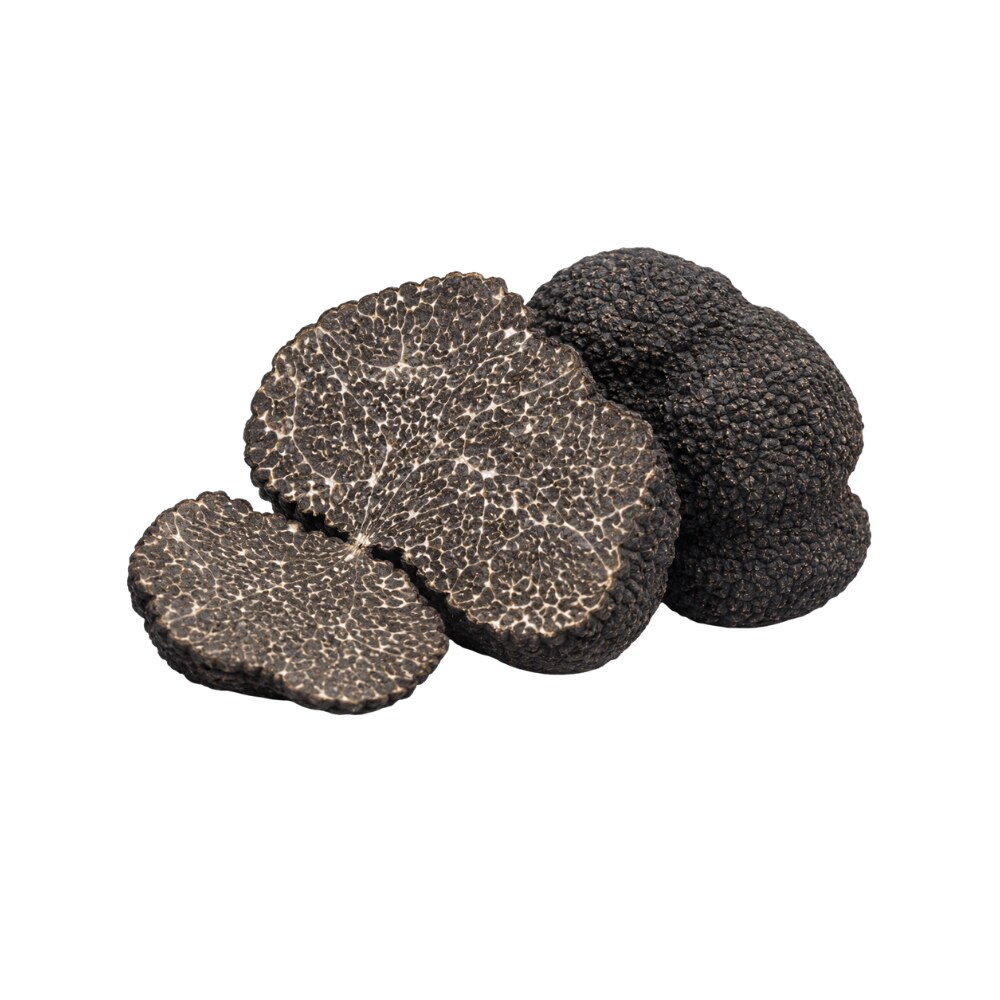
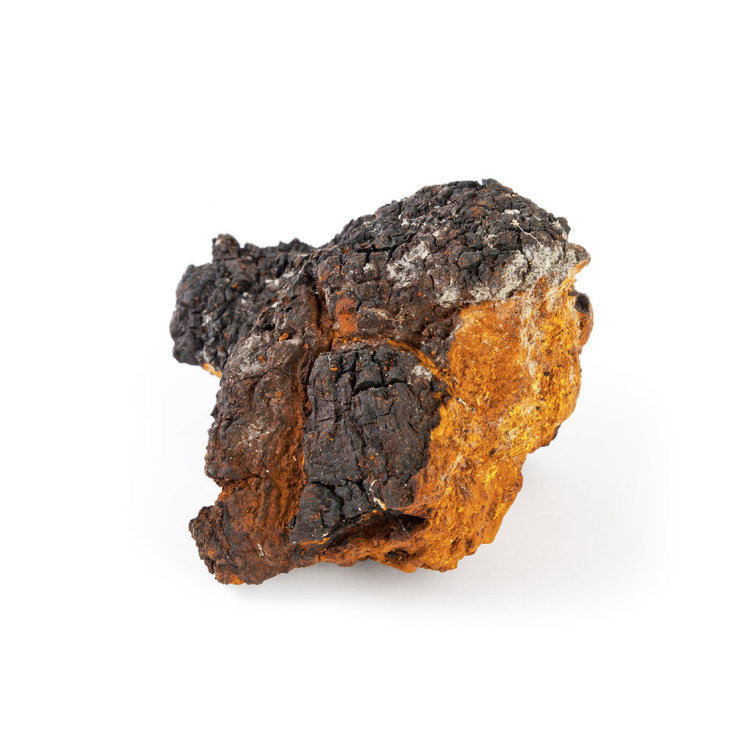
AdaptogenAntiulcerAnticancerAnti-InflammatoryAntioxidantAntiviralImmunomodulatorImmunostimulant
Monograph →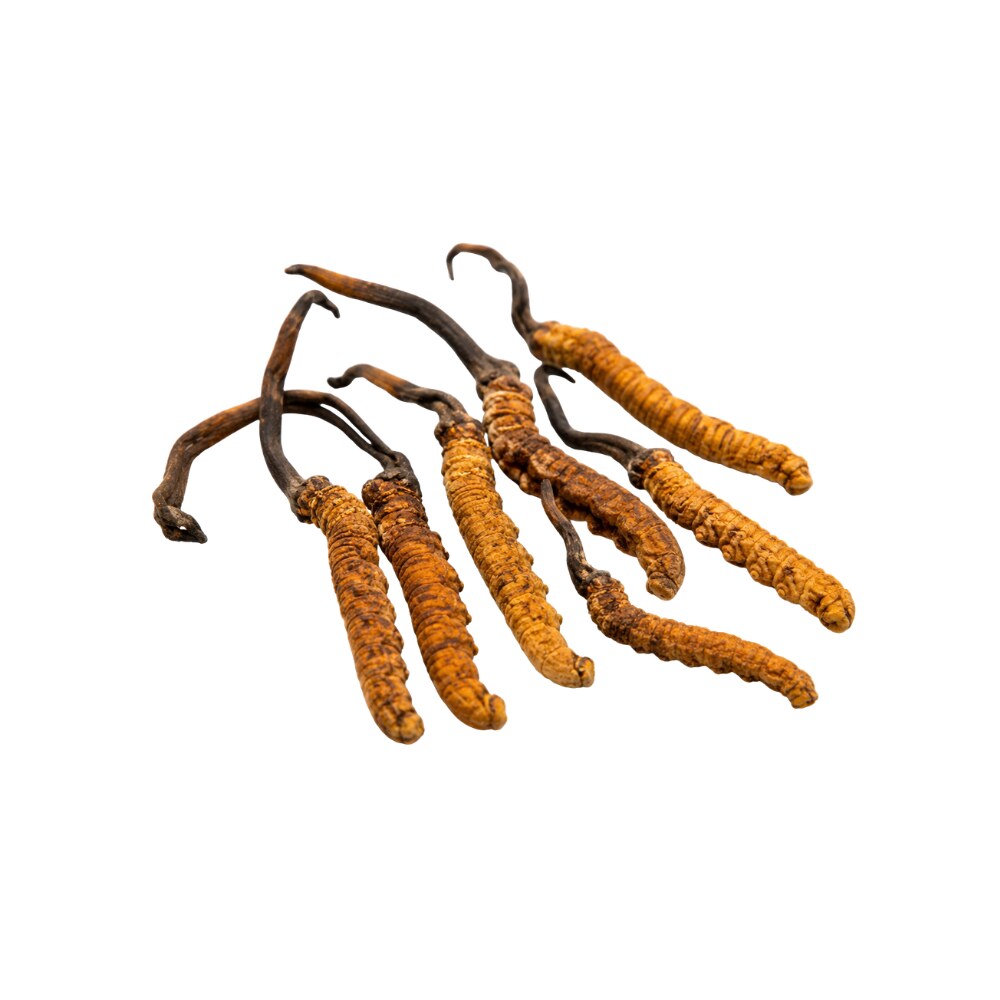
SpermatogenicAdaptogenImmunomodulator
Monograph →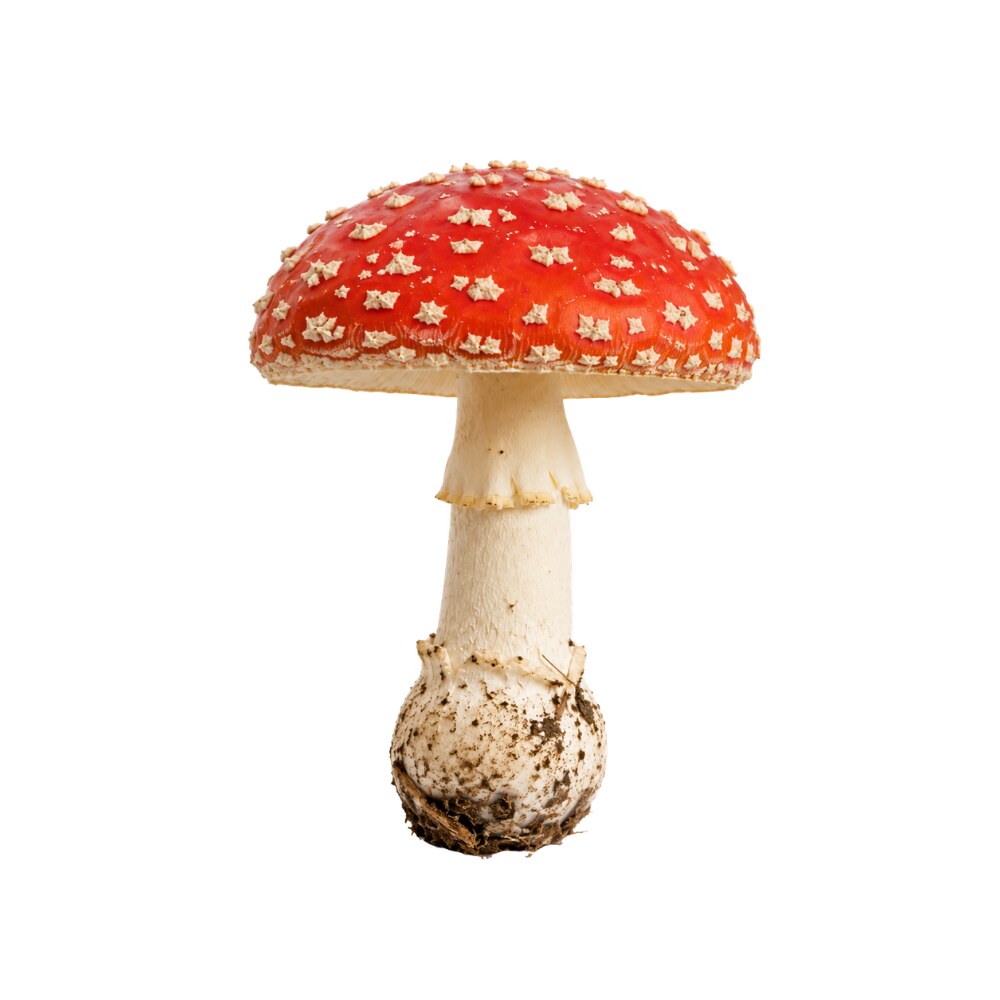
PsychoactiveSedativeDeliriantOneirogenic
Monograph →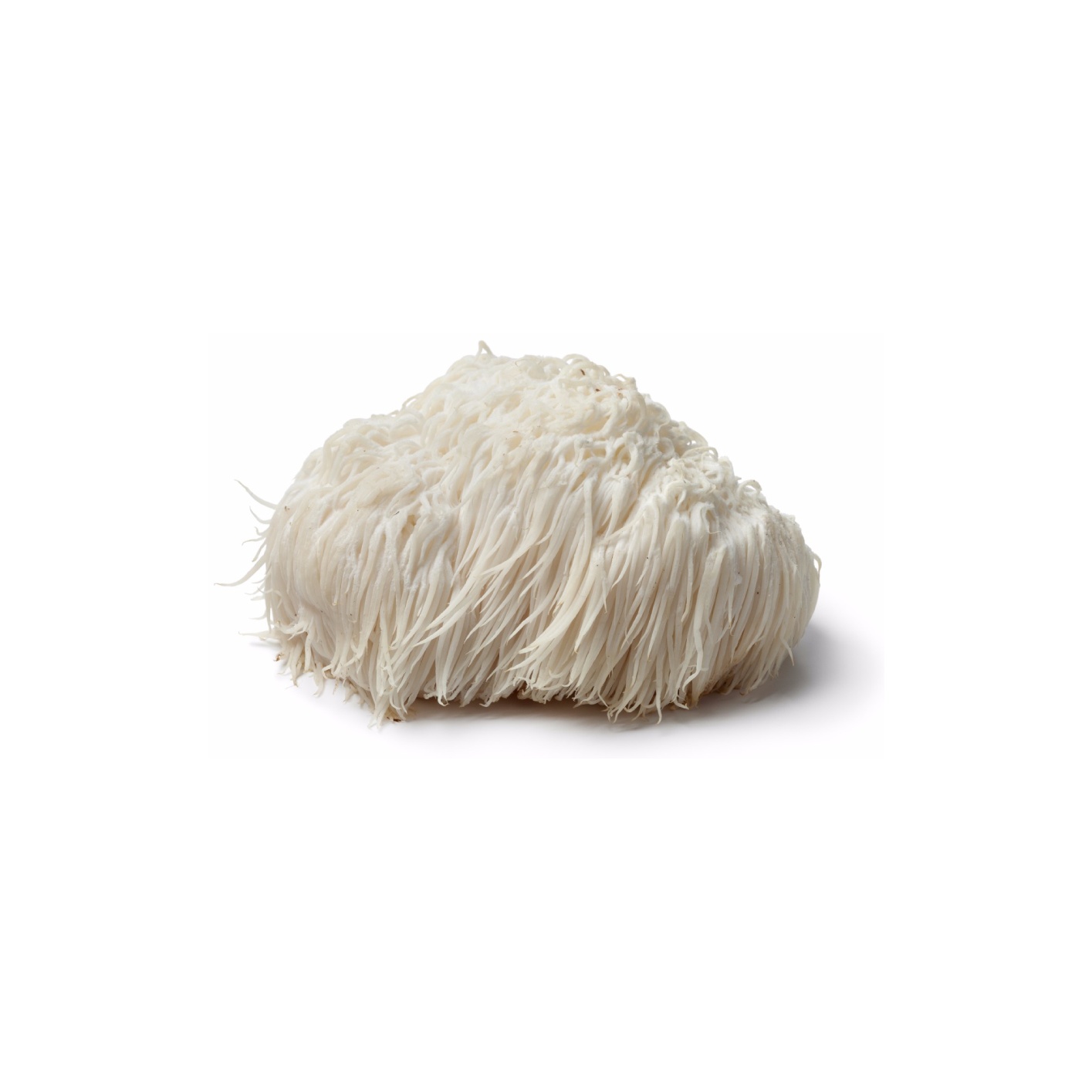
NervineAntioxidantImmunomodulatorAnticancerAntidiabeticHepatoprotectiveNeuroprotectiveNeurotrophicGastroprotectiveAntiulcer
Monograph →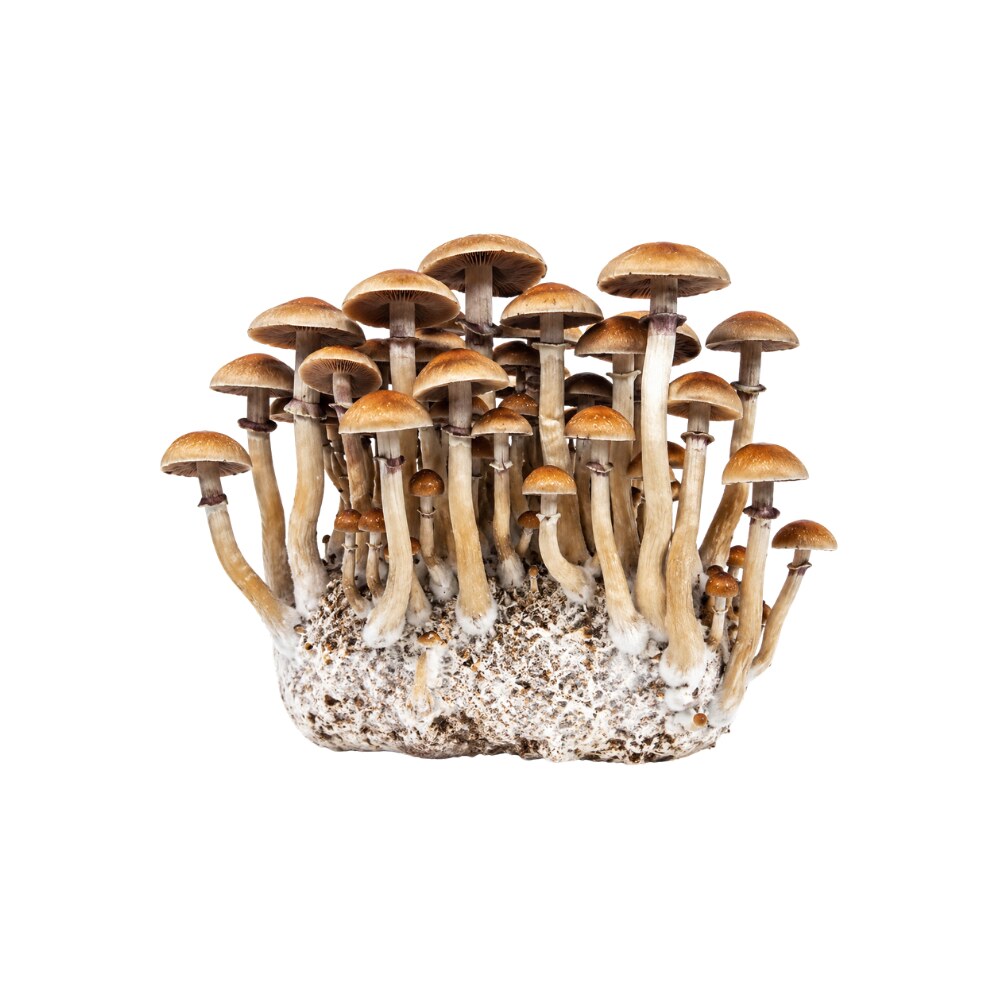
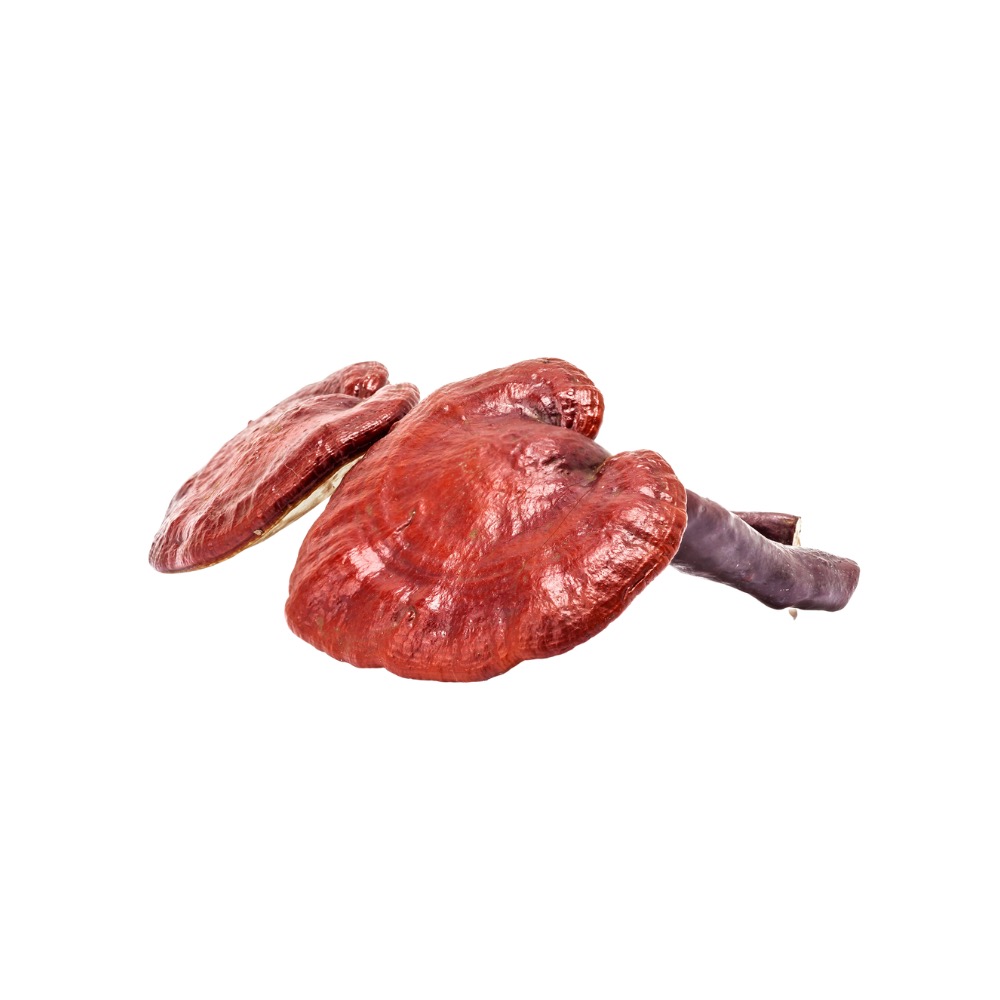
AdaptogenImmunomodulatorNervineHepatoprotectiveChemoprotectiveAntioxidantAntiprostatic5-Alpha-Reductase InhibitorAntiviralAntiulcer
Monograph →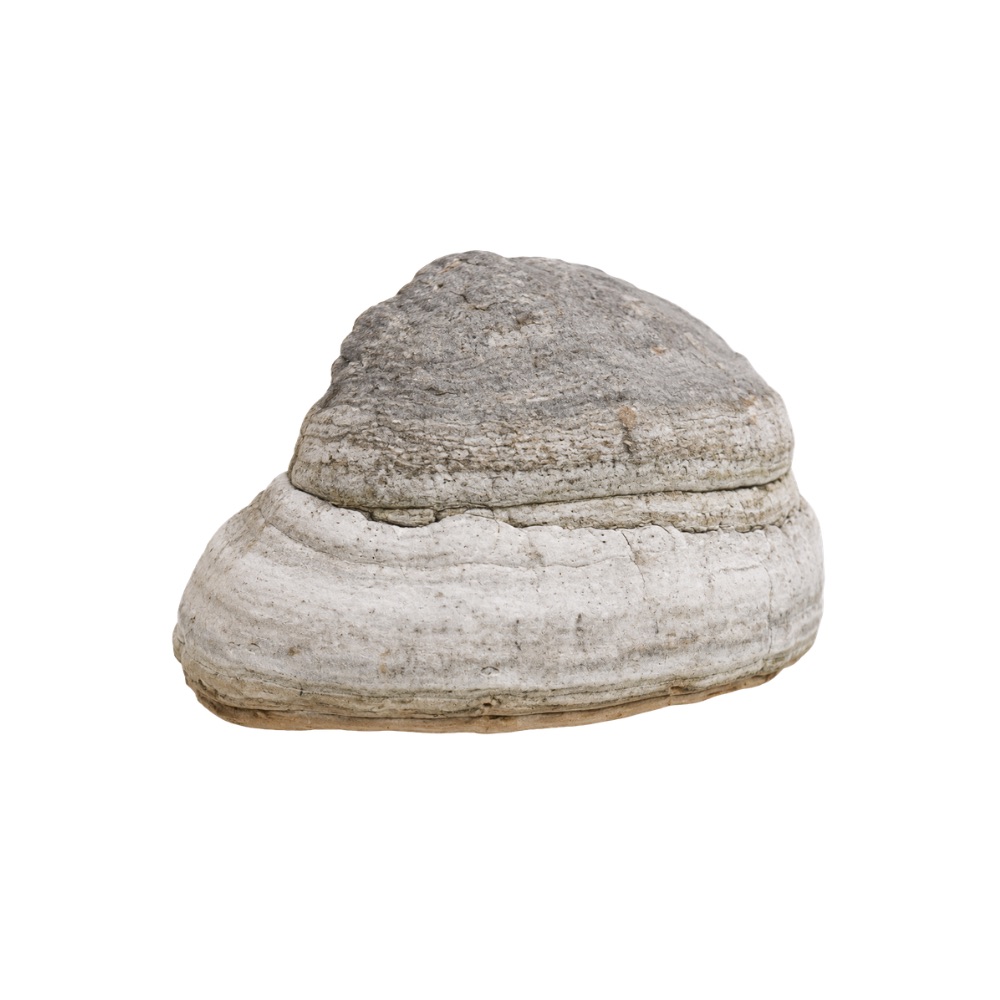
ImmunomodulatorAntioxidantAntimicrobialStypticAnti-Inflammatory
Monograph →No herbs match these filters.
Phytochemistry
Fruiting Bodies Phytochemicals
Fungi are not plants, and their chemistry reflects it. There is no chlorophyll and no plant-type alkaloid chemistry, only a wall of structural polysaccharide, a sterol backbone built on ergosterol, and in some genera a heavy triterpene load.
Beta-Glucans The branched glucose polymers that carry most of the immune-modulating reputation of medicinal fungi.
Chitin The tough nitrogenous polymer that forms the cell wall itself.
It is not the medicine, it is the obstacle: chitin is why mushrooms must be cooked or extracted rather than eaten raw, and why extract yields are quoted so carefully.
Found in Reishi
Triterpenes Bitter, lipid-soluble terpene acids — the ganoderic acids of reishi are the type example.
They dissolve in alcohol, not water, and their bitterness is a rough field indicator that the alcohol fraction is worth taking.
Found in Reishi
View compound class →Nucleosides Adenosine analogues such as cordycepin, structurally close to the body’s own signaling molecules.
Water-soluble and heat-sensitive enough that a long, violent boil is a poor idea even though decoction is the right method.
Found in Cordyceps
Ergosterol & Vitamin D₂ The fungal membrane sterol, and the precursor that converts to vitamin D₂ under ultraviolet light.
Volatile Sulfur Aromatics The dimethyl sulphide and related volatiles that give certain fungi their extraordinary aroma.
They are culinary rather than medicinal, and they are the first thing lost to heat, storage, or clumsy drying.
Found in Black Truffle
Isoxazoles Ibotenic acid and its decarboxylation product muscimol — a genuinely neuroactive and, at ordinary quantities, toxic class.
These are not immune-tonic chemistry and nothing on this page describes how to handle them.
Found in Fly Agaric
Tryptamines Phosphorylated indole alkaloids, psilocybin chief among them, dephosphorylated in the body to psilocin.
A controlled class in most jurisdictions and a separate subject entirely from the polysaccharide tradition.
Found in Magic Mushrooms
Keep Exploring