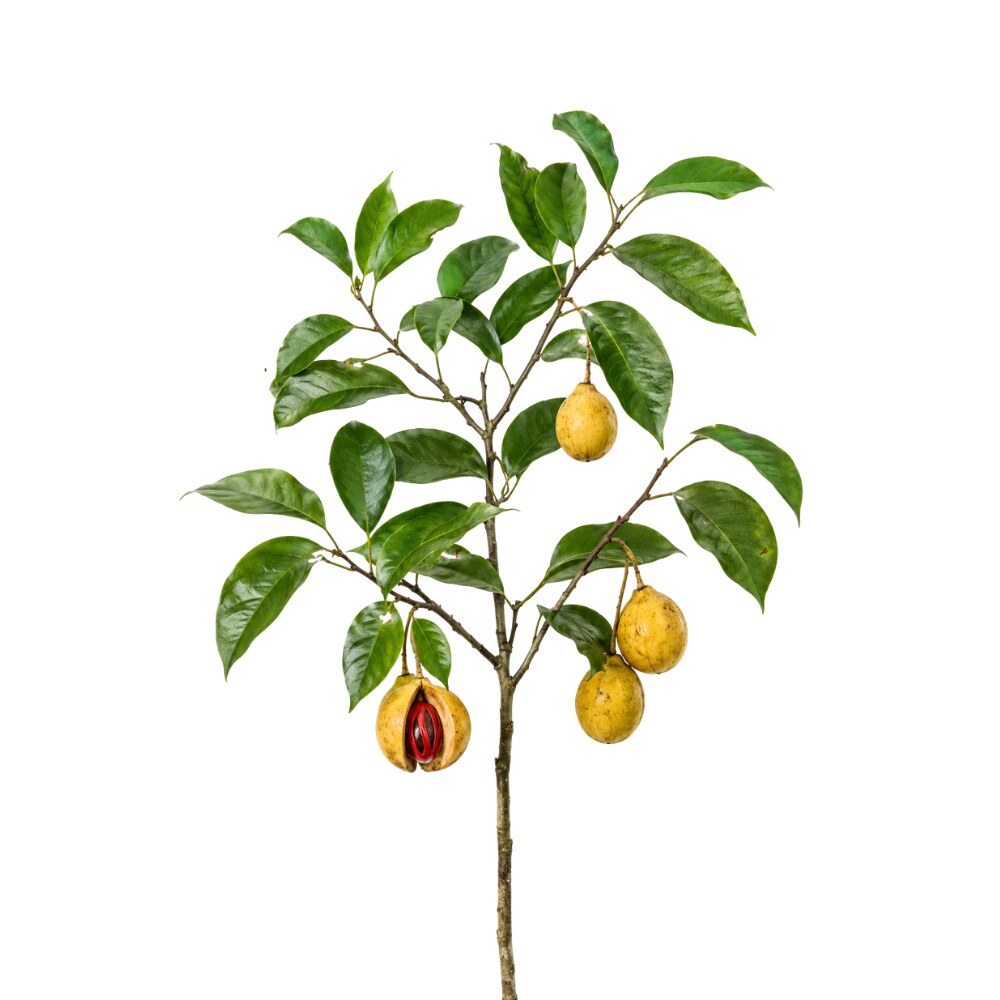
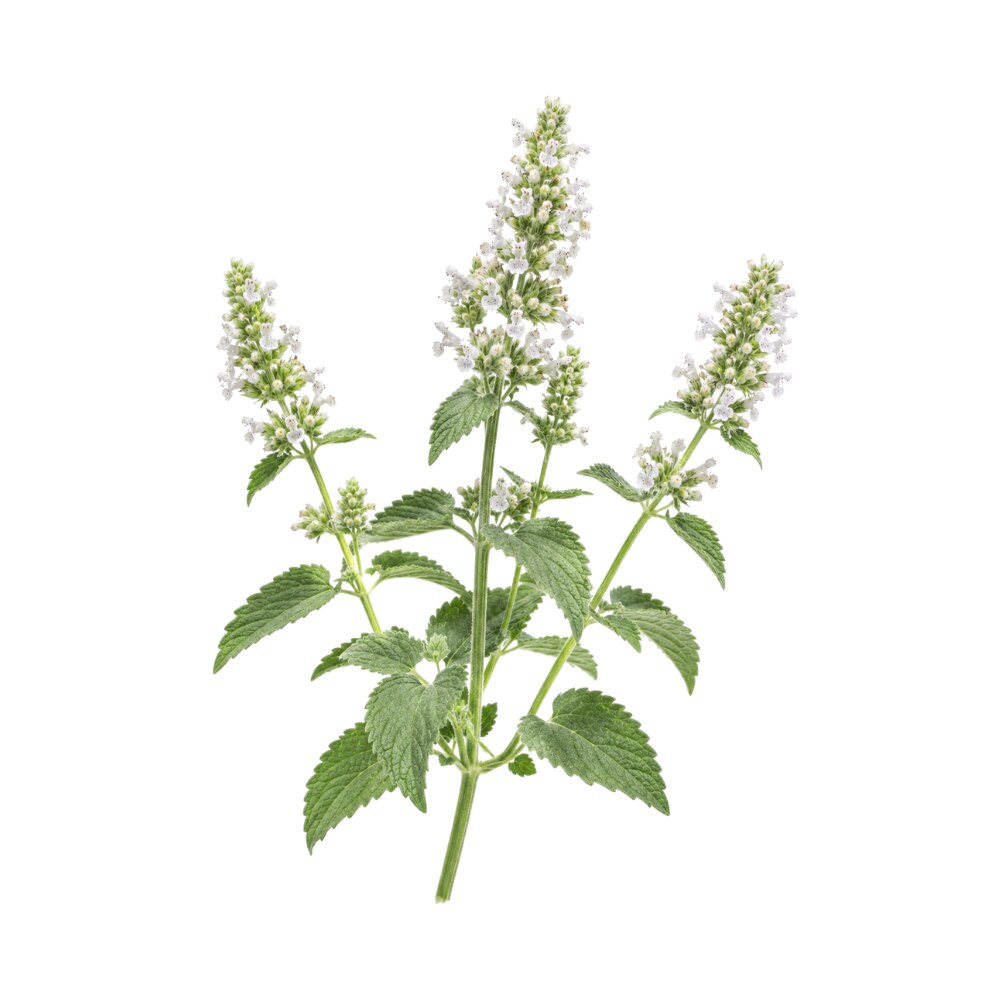
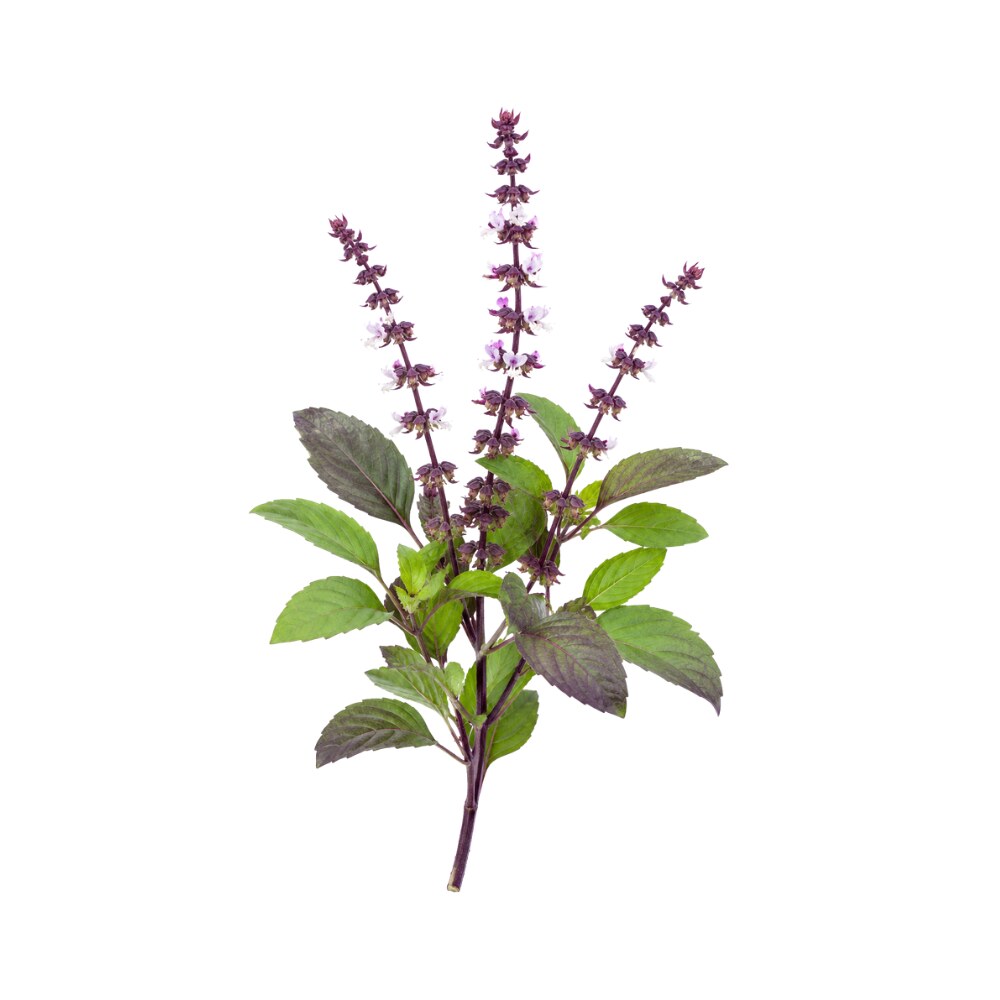
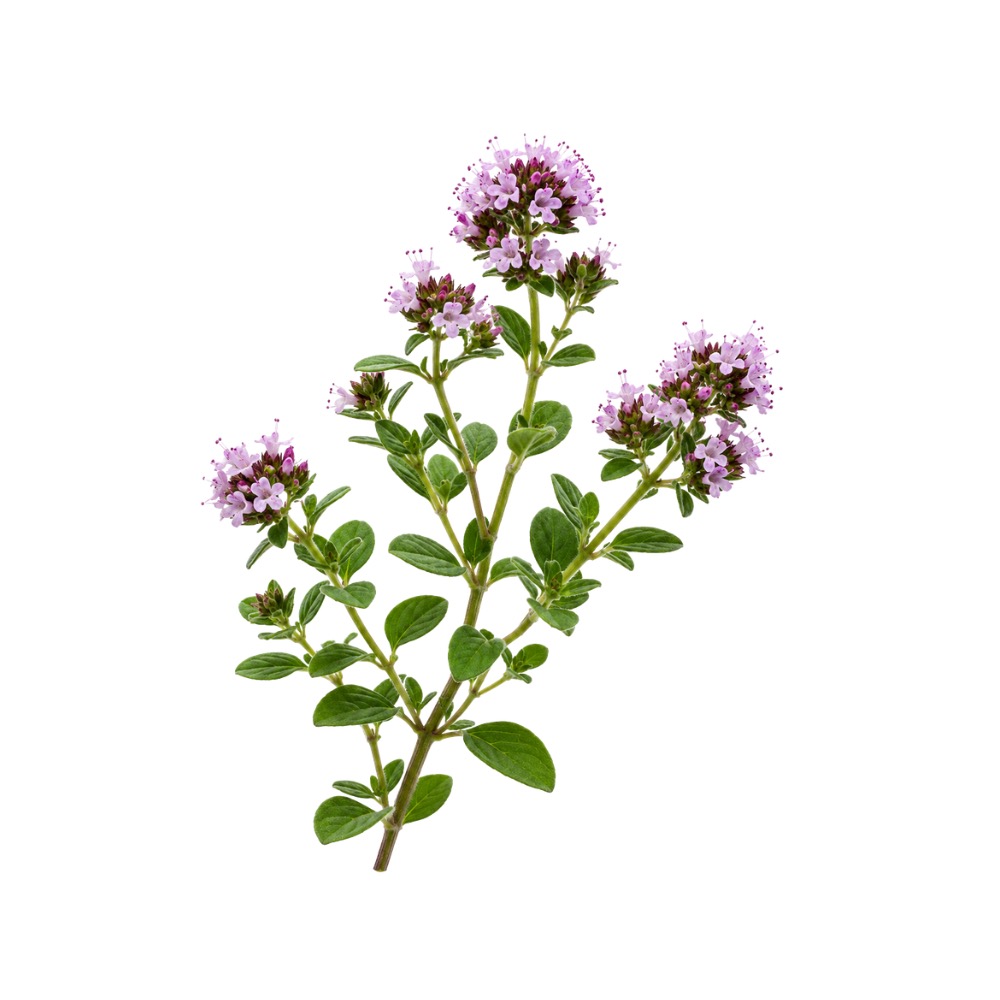
What essential oils are, how they are made, and the chemistry inside them, with a genus-by-genus materia medica of 155 oils from 141 plants: composition charts, traditional use, research, and safety.
An essential oil is the concentrated, volatile part of a plant, the part that carries its scent. “Volatile” means the molecules evaporate easily at room temperature, which is why you can smell them.
Chemically, an essential oil is a mixture, not one molecule. A single oil can hold more than 300 compounds, most of them terpenes and their relatives: alcohols, esters, aldehydes, ketones, phenols, and oxides 1Reference 1Dhifi et al. · 2016ReviewEssential oils’ chemical characterization and investigation of some biological activities: a critical reviewView study →. A handful of them usually make up most of the bottle.
The word “oil” is loose. Essential oils are chemically quite different from fatty oils such as olive or almond oil 2Reference 2PDQ Integrative et al. · 2024Aromatherapy With Essential Oils (PDQ®): Health Professional Version. They are called oils because they behave like one: they barely dissolve in water, but they mix readily with alcohol and fatty oils 1Reference 1Dhifi et al. · 2016ReviewEssential oils’ chemical characterization and investigation of some biological activities: a critical reviewView study →.
Most are lighter than water and float on it. A few, such as cinnamon, sassafras, and vetiver, are denser 1Reference 1Dhifi et al. · 2016ReviewEssential oils’ chemical characterization and investigation of some biological activities: a critical reviewView study →.
Plants make these compounds for their own use. They work as chemical signals: they attract pollinators, repel animals that would eat the plant, hold back the germination of competing seeds, and warn neighbouring plants of attack. Many are also antifungal or insecticidal 1Reference 1Dhifi et al. · 2016ReviewEssential oils’ chemical characterization and investigation of some biological activities: a critical reviewView study →.
Before You Reach For Them
Essential oils are highly concentrated, and natural does not mean safe. Wintergreen, pennyroyal, camphor, and eucalyptus oils are dangerous if swallowed, even in small amounts 3Reference 3Poison Control (National Capital Poison Essential Oils: Poisonous When Misused.
On the skin, dilute them in a carrier oil, and never use them on damaged skin. Many can cause a rash 3Reference 3Poison Control (National Capital Poison Essential Oils: Poisonous When Misused.
Keep every bottle locked away from children and pets. Children have thin skin and immature livers, which may make them more vulnerable 3Reference 3Poison Control (National Capital Poison Essential Oils: Poisonous When Misused.
Oils are normally inhaled or applied diluted to the skin 4Reference 4National Center for Complementary et al.Aromatherapy. Swallowing them, or using them inside the body, belongs only under a qualified practitioner.
How Essential Oils Are Made
Most essential oils are made by distillation, which accounts for about 93% of world production 5Reference 5Almeida et al. · 2024Unlocking the potential of hydrosols: transforming essential oil byproducts into valuable resourcesView study →.
Steam distillation
~93% of oils
Steam passes through the plant material and carries the volatile molecules with it. The steam is then cooled, and as it condenses the oil separates from the water 6Reference 6Hedayati et al. · 2025Towards a greener future: sustainable innovations in the extraction of lavender (Lavandula spp.) essential oilView study →. In hydrodistillation, the plant sits in boiling water instead 6Reference 6Hedayati et al. · 2025Towards a greener future: sustainable innovations in the extraction of lavender (Lavandula spp.) essential oilView study →.
The water left over is the hydrosol, sold as floral water or hydrolat. It holds only traces of dissolved oil, usually under 1 gram per litre, which is less than 0.1% 5Reference 5Almeida et al. · 2024Unlocking the potential of hydrosols: transforming essential oil byproducts into valuable resourcesView study →. It also carries water-soluble plant compounds, and the oil molecules that stay in it are mostly the polar, oxygenated ones 5Reference 5Almeida et al. · 2024Unlocking the potential of hydrosols: transforming essential oil byproducts into valuable resourcesView study →.
Cold expression
Citrus peel
Used for citrus peel. The oil sacs in the peel are broken mechanically, releasing an emulsion, and the oil is then separated out in a centrifuge 6Reference 6Hedayati et al. · 2025Towards a greener future: sustainable innovations in the extraction of lavender (Lavandula spp.) essential oilView study →. No heat is involved, so a pressed citrus oil also keeps heavier peel compounds that distillation leaves behind.
Solvent extraction
Delicate flowers
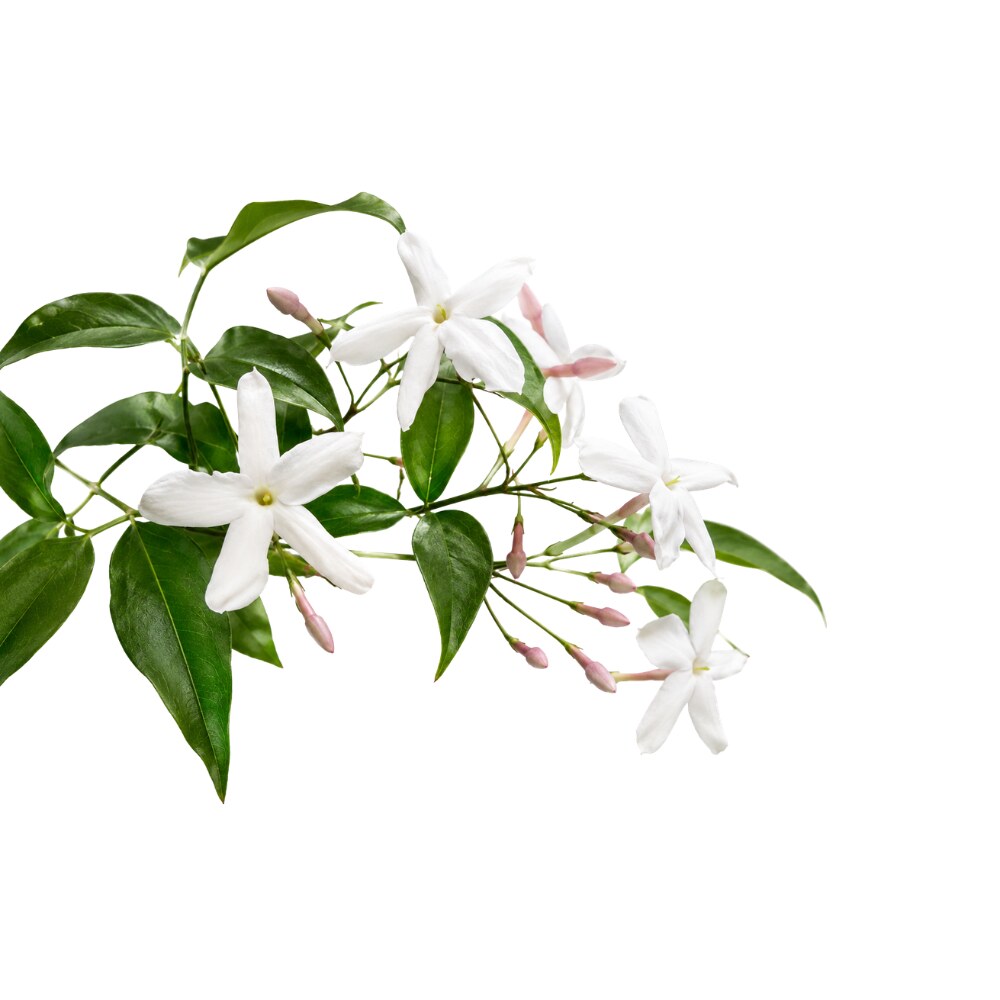
Used for flowers that give little or no oil in a still, such as jasmine. A solvent draws a waxy concrete from the flowers, and a cold alcohol wash then separates the fragrant absolute7Reference 7Prakash et al. · 2012Liquid CO₂ extraction of Jasminum grandiflorum and comparison with conventional processes. In one study, jasmine flowers gave about 0.35% concrete and 0.27% absolute, while distillation gave only 0.05% oil 7Reference 7Prakash et al. · 2012Liquid CO₂ extraction of Jasminum grandiflorum and comparison with conventional processes.
Rose is sold both ways: as a distilled oil, called rose otto, and as a solvent-extracted rose absolute. Strictly, an absolute is not an essential oil, because a solvent was used to make it 2Reference 2PDQ Integrative et al. · 2024Aromatherapy With Essential Oils (PDQ®): Health Professional Version.
CO₂ extraction
No residue
Carbon dioxide under pressure is the solvent. When the pressure is released the CO₂ escapes as a gas, so the extract is free of solvent residue 6Reference 6Hedayati et al. · 2025Towards a greener future: sustainable innovations in the extraction of lavender (Lavandula spp.) essential oilView study →. It suits fat-soluble compounds, and in jasmine a liquid CO₂ extract recovered the key scent compounds better than distillation 6Reference 6Hedayati et al. · 2025Towards a greener future: sustainable innovations in the extraction of lavender (Lavandula spp.) essential oilView study →7Reference 7Prakash et al. · 2012Liquid CO₂ extraction of Jasminum grandiflorum and comparison with conventional processes.
Yield Explains Price
Yield is the weight of oil recovered as a share of the plant material, and it varies enormously between plants.
~3,000 kg
Rose · fresh flowers
for 1 kg of oil · 0.03–0.04% yield 8Reference 8Dobreva et al. · 2011Improvement of essential oil yield of oil-bearing (Rosa damascena Mill.) due to surfactant and maceration
20–36 kg
Lavender · dried heads
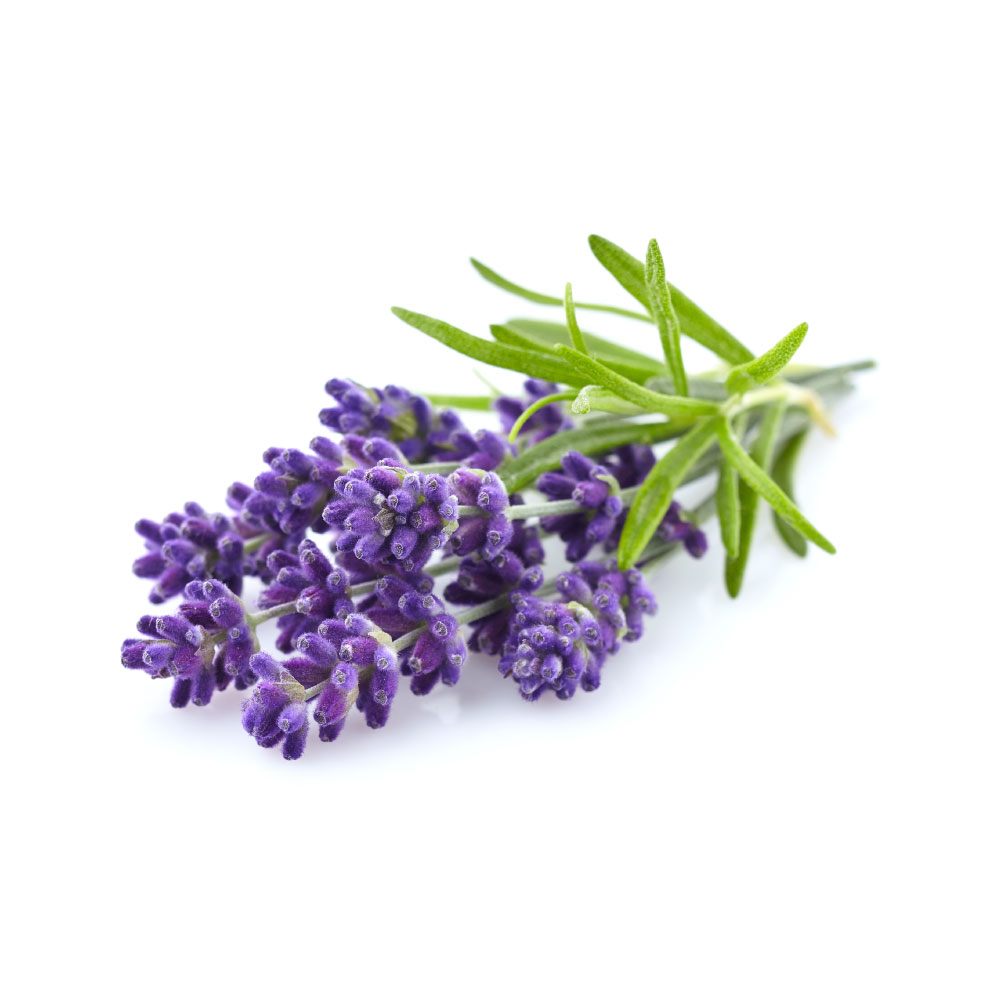
for 1 kg of oil · 2.8–5% yield 9Reference 9Renaud et al. · 2001Essential oil quantity and composition from 10 cultivars of organically grown lavender and lavandin
~6 kg
Clove · dried buds
for 1 kg of oil · up to ~18% yield 10Reference 10Cortés-Rojas et al. · 2014Clove (Syzygium aromaticum): a precious spice
This is why rose oil is among the most expensive oils and lavender among the cheapest.
History of Essential Oils
People have used aromatic plants for thousands of years, in medicine, perfume, cooking, and ritual. Fragrant plants were burned in religious rites 2Reference 2PDQ Integrative et al. · 2024Aromatherapy With Essential Oils (PDQ®): Health Professional Version.
Ancient Egypt used infused oils and unguents 2Reference 2PDQ Integrative et al. · 2024Aromatherapy With Essential Oils (PDQ®): Health Professional Version. Aromatic materials also had a place in mummification. Natron salt dried the body, but organic preservatives were also needed, and Herodotus, writing about 450 BC, named myrrh and cassia among them 11Reference 11Buckley et al. · 2001Organic chemistry of embalming agents in Pharaonic and Graeco-Roman mummiesView study →.
Many of these preparations were resins, or plant material steeped in oil or fat, rather than distilled oils.
By the Middle Ages, essential oils were widely used in medicine and cosmetics, and against bacteria, fungi, and parasites 12Reference 12Bakkali et al. · 2008ReviewBiological effects of essential oils: a reviewView study →. The name itself dates to the 16th century and is traced to the quinta essentia, or quintessence, of the Swiss physician Paracelsus 1Reference 1Dhifi et al. · 2016ReviewEssential oils’ chemical characterization and investigation of some biological activities: a critical reviewView study →.
Modern aromatherapy is a 20th-century practice. The French chemist and perfumer René-Maurice Gattefossé coined the word and published a book of that name in 1937 2Reference 2PDQ Integrative et al. · 2024Aromatherapy With Essential Oils (PDQ®): Health Professional Version. He proposed oils for diseases of almost every organ system, mostly on anecdotal and case evidence 2Reference 2PDQ Integrative et al. · 2024Aromatherapy With Essential Oils (PDQ®): Health Professional Version.
Interest faded in the middle of the century. The French physician Jean Valnet revived it, and his book The Practice of Aromatherapy (1982) helped it spread in Britain and the United States 2Reference 2PDQ Integrative et al. · 2024Aromatherapy With Essential Oils (PDQ®): Health Professional Version.
Today, nurses and aromatherapists are the main practitioners in Britain and the United States, while in France and Germany oils are also given by medical doctors 2Reference 2PDQ Integrative et al. · 2024Aromatherapy With Essential Oils (PDQ®): Health Professional Version. They are most often inhaled or applied, diluted, to the skin, sometimes as part of a massage 4Reference 4National Center for Complementary et al.Aromatherapy.
How Essential Oils Work
Essential oils reach the body by two routes: the nose and the bloodstream.
Smell comes first. Scent molecules bind receptors in the nose, and the signal passes through the olfactory bulb to the limbic system, the brain’s centre for emotion and memory. This link is thought to explain much of aromatherapy, and brain-imaging studies support an effect of odours on these emotional pathways 2Reference 2PDQ Integrative et al. · 2024Aromatherapy With Essential Oils (PDQ®): Health Professional Version.
Studies in people have shown that odours can shift mood, arousal, and the body’s automatic functions 2Reference 2PDQ Integrative et al. · 2024Aromatherapy With Essential Oils (PDQ®): Health Professional Version.
The human nose is also sharper than once believed. The old figure of 10,000 smells is far too low: one study estimated that people can tell apart more than a trillion odour mixtures 13Reference 13Bushdid et al. · 2014Humans can discriminate more than 1 trillion olfactory stimuli.
The second route is absorption. Inhaled molecules reach the blood quickly. In people breathing 1,8-cineole, blood levels peaked at about 18 minutes 14Reference 14Jäger et al. · 1996Pharmacokinetic studies of the fragrance compound 1,8-cineol in humans during inhalationView study →.
On the skin, oil components pass through the outer layer 15Reference 15Herman et al. · 2015ReviewEssential oils and their constituents as skin penetration enhancer for transdermal drug delivery: a reviewView study →. They loosen the orderly fats between skin cells, which is why they are studied as aids for topical drugs. Once absorbed, they are broken down and cleared quickly rather than building up in the body 15Reference 15Herman et al. · 2015ReviewEssential oils and their constituents as skin penetration enhancer for transdermal drug delivery: a reviewView study →.
What an oil does after that depends on which molecules it carries.
The Chemical Families in an Essential Oil
An essential oil is a mixture of dozens to hundreds of compounds, and a few of them usually make up most of the bottle. Those compounds fall into a small number of chemical families. Each has a typical naming suffix and a broad tendency.
The family says a lot about an oil. Lavender is an ester and alcohol oil, tea tree an alcohol oil, clove a phenylpropene oil, and eucalyptus an oxide oil. Each smells, acts, and needs handling in its own way.
Three caveats apply.
The suffix is a rough guide. “-ol” marks an alcohol or a phenol, “-ene” a terpene, “-al” an aldehyde, “-one” a ketone, and “-ate” an ester. There are exceptions, but the pattern holds often enough to be useful.
Sources disagree. Older aromatherapy lists differ on spelling, classification, and which plants contain what, and one molecule can sit in more than one family.
The family sets the tendency, and the dose sets the reality. Phenols are strongly antimicrobial, but a 2% dilution of a phenol-rich oil behaves very differently from a neat drop.
Terpenes (Monoterpenes)
Names end in “-ene”
Terpene names end in “-ene”. They are the most abundant group of essential-oil compounds, made in quantity by conifers, citrus, cannabis, and many medicinal plants.
Chemically they are hydrocarbons, built from carbon and hydrogen alone. The related terpenoids are the same skeletons with an oxygen-containing group attached. That group is what turns a terpene into an alcohol, aldehyde, ketone, or oxide.
Terpenes are the building blocks of countless larger molecules. In oils they tend to be light, fresh top notes: the bright zing of limonene in citrus peel, or the pine sharpness of α-pinene.
They are also the fraction most prone to oxidation in air. This is the main reason citrus and conifer oils keep poorly.
Limonenethe main compound of citrus peel oils, 83–97% in sweet orange
Cadinene, sylvestrene, vetivene, and other minor hydrocarbons round out many oils.
Sesquiterpenes
Names end in “-ene”
Sesquiterpenes also end in “-ene”, but they are half again as large as a monoterpene: 15 carbons instead of 10. The extra size makes them heavier and slower to evaporate, so they sit in the middle and base of a blend.
Many carry calming and anti-inflammatory reputations. They are also more stable in air than the light monoterpenes.
Chamazulenedeep blue, formed during distillation 17Reference 17Gabbanini S et al. · 2024Photochemical and oxidative degradation of chamazulene contained in Artemisia, Matricaria and Achillea essential oils and setup of protection strategiesView study →
Phenols also end in “-ol” and are technically aromatic alcohols, but they behave very differently. Oils rich in phenols and aldehydes show the strongest antibacterial activity of any essential oils 1Reference 1Dhifi et al. · 2016ReviewEssential oils’ chemical characterization and investigation of some biological activities: a critical reviewView study →.
They are also among the harshest compounds on skin and mucous membranes. Phenol-rich oils are used well diluted and for short periods.
Eugenol is a phenylpropene, often grouped with the phenols for its phenol-like strength.
Phenylpropenes (Phenylpropanoids)
Phenylpropenes carry an aromatic ring on a three-carbon side chain. Plants make them by a different route from the terpenes 1Reference 1Dhifi et al. · 2016ReviewEssential oils’ chemical characterization and investigation of some biological activities: a critical reviewView study →.
They range from warm and sweet to genuinely hazardous. Safrole, methyleugenol, estragole, and apiol are flagged for genotoxic or abortifacient potential, so the oils that carry them are used sparingly.
Oxide names often end in “-ole”. The main one is 1,8-cineole, also written eucalyptol, the molecule that makes eucalyptus, rosemary, and cardamom feel as if they open the chest.
It is used as a mucolytic in airway disease, and it has human trial evidence of its own. In a six-month trial in COPD, 200 mg capsules of isolated cineole, added to usual treatment, reduced flare-ups and improved lung function 18Reference 18Worth et al. · 2009RCTConcomitant therapy with cineole (eucalyptole) reduces exacerbations in COPD: a placebo-controlled double-blind trialView study →.
Aldehyde names end in “-al”. Aromatherapists class them as calming and soothing, and they carry much of an oil’s bright, lemony character even in small amounts. A citrus oil can smell strongly of lemon on the strength of a few percent citral.
Aldehydes are also among the more common skin sensitisers. Citral-rich oils such as lemongrass and litsea are used well diluted.
Ketone names end in “-one”. Aromatherapy texts credit them with skin-regenerating, mucolytic, and wound-healing effects.
They are also the family that needs the most care. Some, notably thujone, pulegone, and camphor, are toxic to the nerves or the liver in quantity. Oils rich in them are avoided in early pregnancy, with children, and for internal use.
Ester names end in “-ate”. They are the gentlest family and give the finest oils their soft, fruity-floral heart. Aromatherapists use them as antispasmodic, sedative, and balancing to the nervous system.
Roman chamomile is often called the “king of the esters” for its high and varied ester content. Linalyl acetate is what gives true lavender and clary sage their calming character.
Two bottles labelled “lavender” or “rosemary” can be chemically quite different. Sometimes the difference changes what the oil does and how safe it is.
An oil’s makeup is not fixed by its species. It shifts with genetics, origin, season, the plant’s age, the part used, and the way the oil is extracted 1Reference 1Dhifi et al. · 2016ReviewEssential oils’ chemical characterization and investigation of some biological activities: a critical reviewView study →.
This is why careful buyers ask for a GC-MS report, a gas-chromatography breakdown of the actual batch, rather than trusting the label. It is also why ISO standards set an accepted range for each named oil.
01
Chemotype
Chemotype is the biggest source of variation. A chemotype is a population of one species that reliably makes a different main compound, largely because of its genetics.
Rosemary comes in cineole, camphor-borneol, and verbenone chemotypes. Thyme comes in at least six (thymol, carvacrol, linalool, geraniol, α-terpineol, and thujanol), and basil in linalool and methyl chavicol types.
A hot, phenolic thymol thyme and a gentle linalool thyme are the same plant on paper and very different in the bottle.
02
Climate & Site
In rosemary, cooler coastal growing tends to favour cineole, while hot continental sites raise camphor.
Climate also leaves its mark in the genes. When wild alpine lavender populations were grown side by side, their oils differed mainly with the latitude they came from, and altitude played a smaller part 19Reference 19Demasi et al. · 2018Latitude and altitude influence secondary metabolite production in peripheral alpine populations of the Mediterranean species Lavandula angustifolia MillView study →.
03
Season & Maturity
Composition drifts as a plant grows. Young peppermint leaves fill their oil glands with menthone, and a later stage, around the start of flowering, converts much of it to menthol20Reference 20Davis et al. · 2005Monoterpene metabolismView study →.
Even the time of day a plant is harvested can matter 1Reference 1Dhifi et al. · 2016ReviewEssential oils’ chemical characterization and investigation of some biological activities: a critical reviewView study →.
04
Plant Part
One plant can give completely different oils from different organs. Cinnamon bark oil is a cinnamaldehyde oil, while cinnamon leaf oil is a eugenol oil. Clove bud, leaf, and stem oils all differ.
Bitter orange gives three named oils: neroli from the blossom, petitgrain from the leaf and twig, and bitter orange from the peel.
05
Extraction
How the oil is drawn out changes what comes across. A long, hot distillation brings over more of the heavier molecules.
The deep-blue chamazulene of German chamomile is not in the flower at all. It forms from a colourless precursor, matricin, in the heat of the still17Reference 17Gabbanini S et al. · 2024Photochemical and oxidative degradation of chamazulene contained in Artemisia, Matricaria and Achillea essential oils and setup of protection strategiesView study →.
A cold-pressed citrus oil is chemically different from a distilled oil of the same peel.
06
Oxidation & Storage
From the moment an oil is bottled, air, heat, and light begin to change it, and the light monoterpenes oxidise first.
Allergic reactions to tea tree oil may be due to oxidation products formed by light and air 21Reference 21Hammer et al. · 2006ReviewA review of the toxicity of Melaleuca alternifolia (tea tree) oil. Oxidised limonene, the main compound of citrus oils, is a common fragrance allergen: 5.2% of 2,900 dermatitis patients reacted to it on patch testing 22Reference 22Bråred Christensson et al. · 2014Positive patch test reactions to oxidized limonene: exposure and relevanceView study →.
Old oil is not just weaker. It can be more irritating than fresh.
Find a Plant
Each oil by its common name, with the botanical name of the plant it comes from.
The line under each species name gives its common name, the part distilled, the extraction method, and the aroma note. Top notes are light and fade first, middle notes form the body of a blend, and base notes are heavy and linger for hours.
The bar
Each bar is one compound’s share of the whole essential oil (0–100%).
Solid vs. faded
The solid segment is the low end of the reported range. The faded extension runs to the high end. A wide faded zone means the figure varies a lot from batch to batch.
Colour
Colour marks the chemical family. The legend under each chart names the ones present.
Figures
Ranges come from ISO standards, pharmacopoeias, and published analyses across origins and chemotypes, not a single batch. Click a linked compound for its full page.
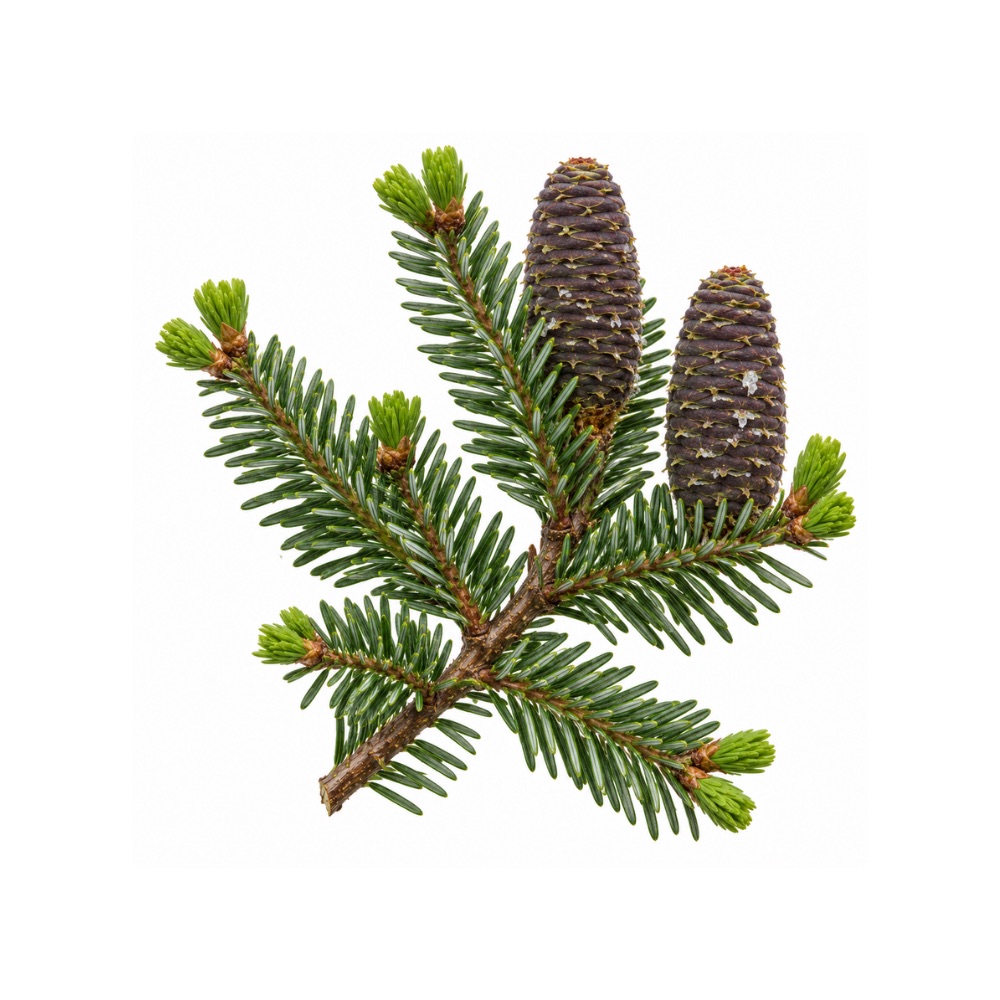
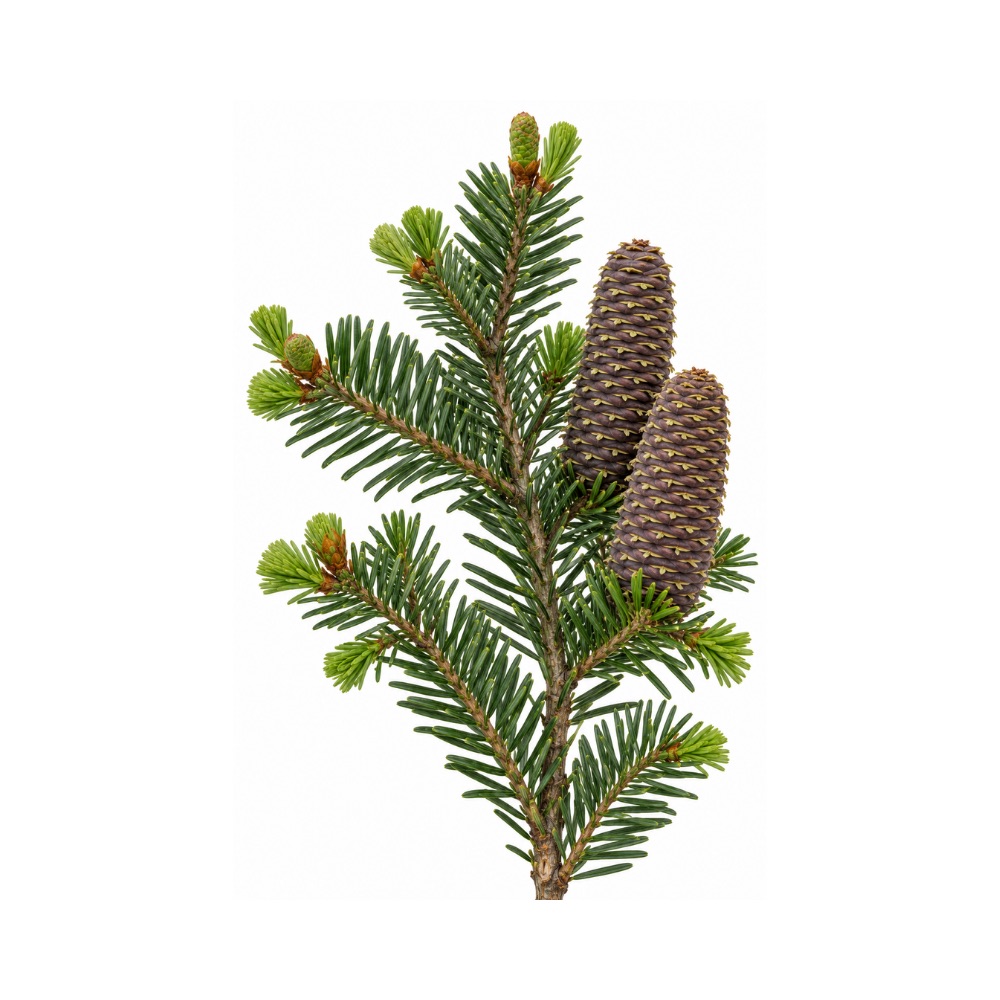
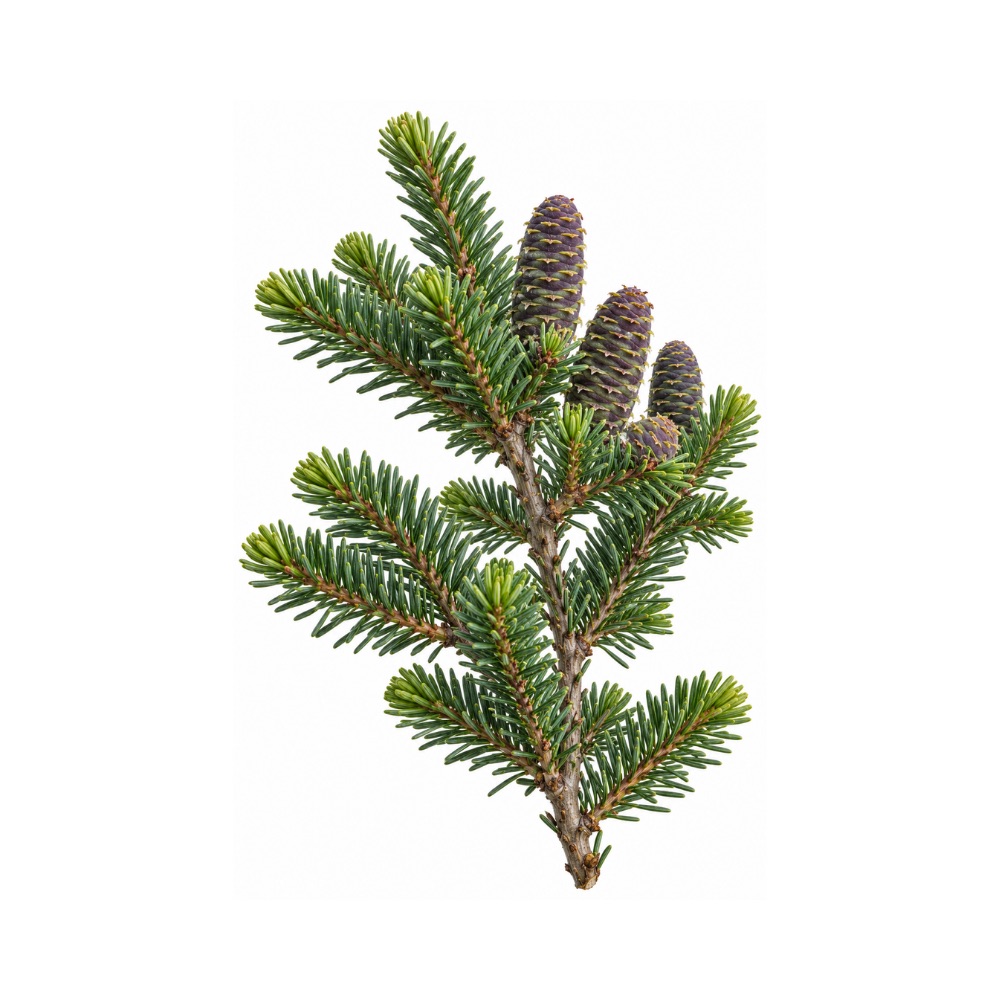
The true firs are conifers of the pine family. Their needle oils are monoterpene oils, built on α- and β-pinene, camphene, limonene, and δ-3-carene, with the ester bornyl acetate adding a soft, balsamic note.
Each species tips that balance its own way. Balsam fir leans to β-pinene, subalpine fir to limonene, and Siberian fir to bornyl acetate23Reference 23Ayupova et al. · 2025In vitroComparative phytochemical profiling of essential oils from selected Abies species and analysis of their antifungal and antiradical activity — in vitroView study →.
Fir oils also shift with the tree, the region, and the age of the shoots distilled, so the botanical name on the label is the first thing to check.
Balsam firAbies balsameaneedles · steam-distilledAlmost entirely monoterpenes, led by β-pinene with δ-3-carene and α-pinene, from the boreal fir that also yields Canada balsam resin.
Balsam fir oil is steam-distilled from the needles of the boreal conifer that also gives Canada balsam, the clear resin held in blisters on its bark.
It is almost entirely monoterpenes, more than 96% of the oil 24Reference 24Pichette et al. · 2006In vitroComposition and antibacterial activity of Abies balsamea essential oil — in vitroView study →. β-Pinene leads, with δ-3-carene and α-pinene behind it.
Composition · needles
Trees differ. Across 29 Quebec trees, one chemotype carried about 18.7% δ-3-carene and another less than 1% 25Reference 25Regimbal et al. · 1994Essential oil analysis of balsam fir Abies balsamea (L.) Mill. — chemotype/composition analysisView study →. Western populations lack 3-carene altogether 26Reference 26Hunt · 1993Abies balsamea (Linnaeus) Miller — species description, habitat and distribution — floraView study →. The α-pinene and sesquiterpene figures come from one GC-MS analysis 24Reference 24Pichette et al. · 2006In vitroComposition and antibacterial activity of Abies balsamea essential oil — in vitroView study →.
The needle oil was active against Staphylococcus aureus in the laboratory, with a minimum inhibitory concentration of 56 µg/mL, and inactive against Escherichia coli24Reference 24Pichette et al. · 2006In vitroComposition and antibacterial activity of Abies balsamea essential oil — in vitroView study →.
The activity did not come from the main compounds. β-Pinene and δ-3-carene were inactive, while α-pinene and the minor sesquiterpenes β-caryophyllene and α-humulene were active 24Reference 24Pichette et al. · 2006In vitroComposition and antibacterial activity of Abies balsamea essential oil — in vitroView study →.
The oil was also toxic to six tumour cell lines, but only at milligram-per-millilitre doses, and the effect traced to α-humulene 29Reference 29Legault et al. · 2003In vitroAntitumor activity of balsam fir oil: production of reactive oxygen species induced by alpha-humulene as possible mechanism of action — in vitroView study →. No trial has tested the oil in people.
Caution: Conifer resins are recognised skin sensitisers, and oxidised fir oil is more sensitising than fresh oil. Keep the bottle sealed and cool, and dilute the oil before it touches skin. Use in pregnancy has not been researched.
Grand firAbies grandisneedles · steam-distilledA bornyl-acetate fir oil from the Pacific Northwest, used in aromatherapy blends and tested only as part of a dental-anxiety scent.
Grand fir is a tall true fir of the Pacific Northwest, with flat, glossy needles lying in two neat rows along the twig. Its steam-distilled needle oil goes into aromatherapy blends 30Reference 30Czakert et al. · 2024RCTScenting serenity: influence of essential-oil vaporization on dental anxiety — a cluster-randomised, controlled, single-blinded study (AROMA_dent) — randomised controlled trialView study →.
A comparison of seven fir oils placed grand fir with Siberian fir in a bornyl-acetate type23Reference 23Ayupova et al. · 2025In vitroComparative phytochemical profiling of essential oils from selected Abies species and analysis of their antifungal and antiradical activity — in vitroView study →. In the young shoots, though, β-pinene and camphene lead.
Composition · needles
One GC-MS analysis of needles from trees in a Czech botanical garden, comparing one- and three-year-old shoots 23Reference 23Ayupova et al. · 2025In vitroComparative phytochemical profiling of essential oils from selected Abies species and analysis of their antifungal and antiradical activity — in vitroView study →. Bornyl acetate rose from under 1% in the young shoots to 16% in the older ones.
Coast Salish healers on Vancouver Island use the bark in decoctions for respiratory, digestive, and gynaecological complaints 31Reference 31Turner et al. · 1990ObservationalContemporary use of bark for medicine by two Salishan native elders of southeast Vancouver Island, Canada — ethnobotanical/observationalView study →. A decoction of branches and cones is taken for respiratory ailments, and the pitch is made into a poultice for wounds, burns, and sore eyes 32Reference 32Howard et al. · 2000ReviewAbies grandis, grand fir — distribution, site characteristics, botanical description and other uses — species reviewView study →.
The oil appears in one human trial, as one of eight oils in a “Forest Walk” scent vaporised in four dental practices. Across 486 patients, acute anxiety was slightly lower with scent, and the effect held up only in women and in patients with high trait anxiety 30Reference 30Czakert et al. · 2024RCTScenting serenity: influence of essential-oil vaporization on dental anxiety — a cluster-randomised, controlled, single-blinded study (AROMA_dent) — randomised controlled trialView study →.
No study has tested grand fir oil on its own.
Caution: There is no toxicology data for any grand fir preparation. Conifer resins can cause contact allergy, and the oil is for inhaling or diluted use on the skin, not for swallowing. Pregnancy and breastfeeding have not been studied.
Subalpine firAbies lasiocarpaneedles · distilledLimonene and bornyl acetate lead the oil of this western mountain fir, though coastal trees yield a β-phellandrene type instead.
Subalpine fir is a narrow, spire-shaped fir of the western North American mountains, growing up to the treeline. Its needles yield an oil rich in limonene and bornyl acetate33Reference 33Swor et al. · 2023Gymnosperms of Idaho: chemical compositions and enantiomeric distributions of essential oils of Abies lasiocarpa, Picea engelmannii, Pinus contorta, Pseudotsuga menziesii and Thuja plicata — essential-oil analysisView study →.
The oil changes across the range. Coastal trees give a β-phellandrene oil, while Rocky Mountain trees give a limonene, camphene, and bornyl acetate oil 33Reference 33Swor et al. · 2023Gymnosperms of Idaho: chemical compositions and enantiomeric distributions of essential oils of Abies lasiocarpa, Picea engelmannii, Pinus contorta, Pseudotsuga menziesii and Thuja plicata — essential-oil analysisView study →.
Composition · needles
Two Rocky Mountain trees from southern Idaho, distilled at 1.6–1.9% of the fresh foliage 33Reference 33Swor et al. · 2023Gymnosperms of Idaho: chemical compositions and enantiomeric distributions of essential oils of Abies lasiocarpa, Picea engelmannii, Pinus contorta, Pseudotsuga menziesii and Thuja plicata — essential-oil analysisView study →. Earlier studies found coastal oils with 36.8–58.8% β-phellandrene, and other Rocky Mountain oils with 13.0–31.6% bornyl acetate 33Reference 33Swor et al. · 2023Gymnosperms of Idaho: chemical compositions and enantiomeric distributions of essential oils of Abies lasiocarpa, Picea engelmannii, Pinus contorta, Pseudotsuga menziesii and Thuja plicata — essential-oil analysisView study →.
Its scent was put to use long before distillation. Pulverised needles served as a body and clothing perfume, and boughs were brought indoors for their aroma 34Reference 34Uchytil · 1991ReviewAbies lasiocarpa, subalpine fir — distribution, botanical description, elevation, associated species and other uses — species reviewView study →.
The boiled resin was used as an antiseptic for wounds or drunk as a tea for colds, and the Shoshoni took a needle tea for colds 33Reference 33Swor et al. · 2023Gymnosperms of Idaho: chemical compositions and enantiomeric distributions of essential oils of Abies lasiocarpa, Picea engelmannii, Pinus contorta, Pseudotsuga menziesii and Thuja plicata — essential-oil analysisView study →34Reference 34Uchytil · 1991ReviewAbies lasiocarpa, subalpine fir — distribution, botanical description, elevation, associated species and other uses — species reviewView study →.
The oil’s chemistry is well mapped, but no study has yet tested it for biological activity.
Caution: Aged resin is the main allergy risk. Abietic acid itself was not allergenic in testing, but its oxidation products, which build up as resin sits in air, were 35Reference 35Karlberg · 1988AnimalContact allergy to colophonyView study →. The oil should not be swallowed, and pregnancy and breastfeeding have not been studied.
Siberian firAbies sibiricaneedles · steam-distilledBornyl acetate fir oil, backed by camphene, α-pinene, and δ-3-carene, that inhibited Candida albicans in laboratory tests.
Siberian fir oil is distilled from the needles of a fir of Siberia and Kazakhstan. It is a bornyl acetate fir, with about 31% of the ester in one analysis 23Reference 23Ayupova et al. · 2025In vitroComparative phytochemical profiling of essential oils from selected Abies species and analysis of their antifungal and antiradical activity — in vitroView study →.
One GC-MS analysis of steam-distilled oil from East Kazakhstan 23Reference 23Ayupova et al. · 2025In vitroComparative phytochemical profiling of essential oils from selected Abies species and analysis of their antifungal and antiradical activity — in vitroView study →. Extraction method matters: supercritical CO₂ raised bornyl acetate to 40% and cut δ-3-carene to 2.9% 23Reference 23Ayupova et al. · 2025In vitroComparative phytochemical profiling of essential oils from selected Abies species and analysis of their antifungal and antiradical activity — in vitroView study →.
Siberian fir oil distilled with microwave heating inhibited Candida albicans by 82% in the laboratory, against 95% for the antifungal drug 5-flucytosine 23Reference 23Ayupova et al. · 2025In vitroComparative phytochemical profiling of essential oils from selected Abies species and analysis of their antifungal and antiradical activity — in vitroView study →.
It was also one of the eight oils in the “Forest Walk” blend tested against dental anxiety 30Reference 30Czakert et al. · 2024RCTScenting serenity: influence of essential-oil vaporization on dental anxiety — a cluster-randomised, controlled, single-blinded study (AROMA_dent) — randomised controlled trialView study →.
In a safety study, a dental gel made with the oil caused no visible changes on the skin of guinea pigs. The oil given by mouth to mice for four weeks caused only minimal changes 36Reference 36Noreikaitė et al. · 2017General toxicity and antifungal activity of a new dental gel with essential oil from Abies sibirica LView study →.
Caution: Like other conifer oils, it is for inhaling or diluted use on the skin. Oxidised oil is more irritating than fresh, so keep it sealed and cool.
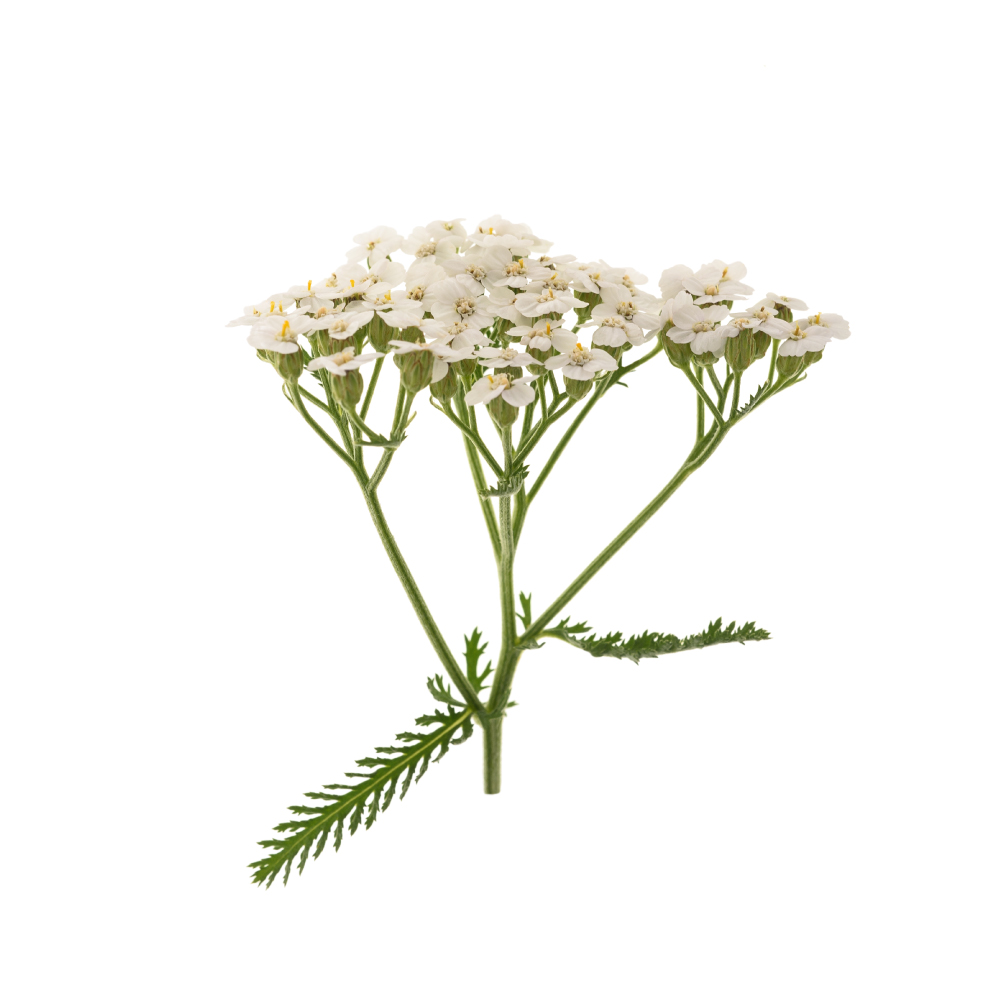
The yarrows are aromatic herbs of the daisy family, named for Achilles, who by legend staunched his soldiers’ wounds with them 37Reference 37A Modern Herbal (Grieve M) · 1931YarrowView study →.
Common yarrow is the one distilled for its oil. Its chemistry swings widely from one plant source to the next, and only some oils turn blue 38Reference 38Benedek B et al. · 2008In vitroYarrow (Achillea millefolium L. s.l.): pharmaceutical quality of commercial samples — [in vitro]View study →.
Yarrow, milfoilAchillea millefoliumflowering tops · steam-distilledAn oxygenated monoterpene oil led by camphor, sabinene, and 1,8-cineole, sometimes deep blue from chamazulene formed during distillation.
Yarrow oil is distilled from the flowering tops of a feathery-leaved meadow herb found across the Northern Hemisphere.
It is mostly an oxygenated monoterpene oil, led in one aromatherapy analysis by camphor, sabinene, 1,8-cineole, and α-pinene39Reference 39Battaglia S · 2003The Complete Guide to Aromatherapy (2nd ed.).
Some yarrow oils are deep blue. The colour is chamazulene, which is not in the fresh plant. It forms during steam distillation from proazulenes such as achillicin 39Reference 39Battaglia S · 2003The Complete Guide to Aromatherapy (2nd ed.).
Composition · flowering tops
One aromatherapy analysis 39Reference 39Battaglia S · 2003The Complete Guide to Aromatherapy (2nd ed.). Chamazulene was only a trace in this oil, but it can reach about 44% in azulene chemotypes 39Reference 39Battaglia S · 2003The Complete Guide to Aromatherapy (2nd ed.). Oil from wild French yarrow was instead led by camphor (12.8%) and germacrene D (12%) 40Reference 40El-Kalamouni C et al. · 2017In vitroAntioxidant and antimicrobial activities of the essential oil of Achillea millefolium L. grown in France — [in vitro]View study →.
The herb is a classic of Western herbalism for wounds, bleeding, and the onset of fevers 37Reference 37A Modern Herbal (Grieve M) · 1931YarrowView study →. Commission E approves it externally as a sitz bath or compress for skin inflammation and slow-healing wounds 41Reference 41Németh E · 2008ReviewBiological activities of yarrow species (Achillea spp.) — [review]View study →.
In the laboratory, the oil inhibited Streptococcus pneumoniae, Clostridium perfringens, Candida albicans, and Mycobacterium smegmatis, and it scavenged free radicals 42Reference 42Candan F et al. · 2003In vitroAntioxidant and antimicrobial activity of the essential oil and methanol extracts of Achillea millefolium subsp. millefolium Afan. — [in vitro]View study →. No trial has tested the oil in people.
Quality varies. In a survey of 40 commercial yarrow samples, only half met European Pharmacopoeia standards 38Reference 38Benedek B et al. · 2008In vitroYarrow (Achillea millefolium L. s.l.): pharmaceutical quality of commercial samples — [in vitro]View study →.
Caution: Yarrow can cause allergic contact dermatitis in people sensitive to the daisy family 43Reference 43Cosmetic Ingredient Review (Andersen FA · 2001ReviewFinal report on the safety assessment of Yarrow (Achillea millefolium) Extract — [review]View study →. It is a traditional menstrual stimulant and is best avoided in pregnancy 41Reference 41Németh E · 2008ReviewBiological activities of yarrow species (Achillea spp.) — [review]View study →.
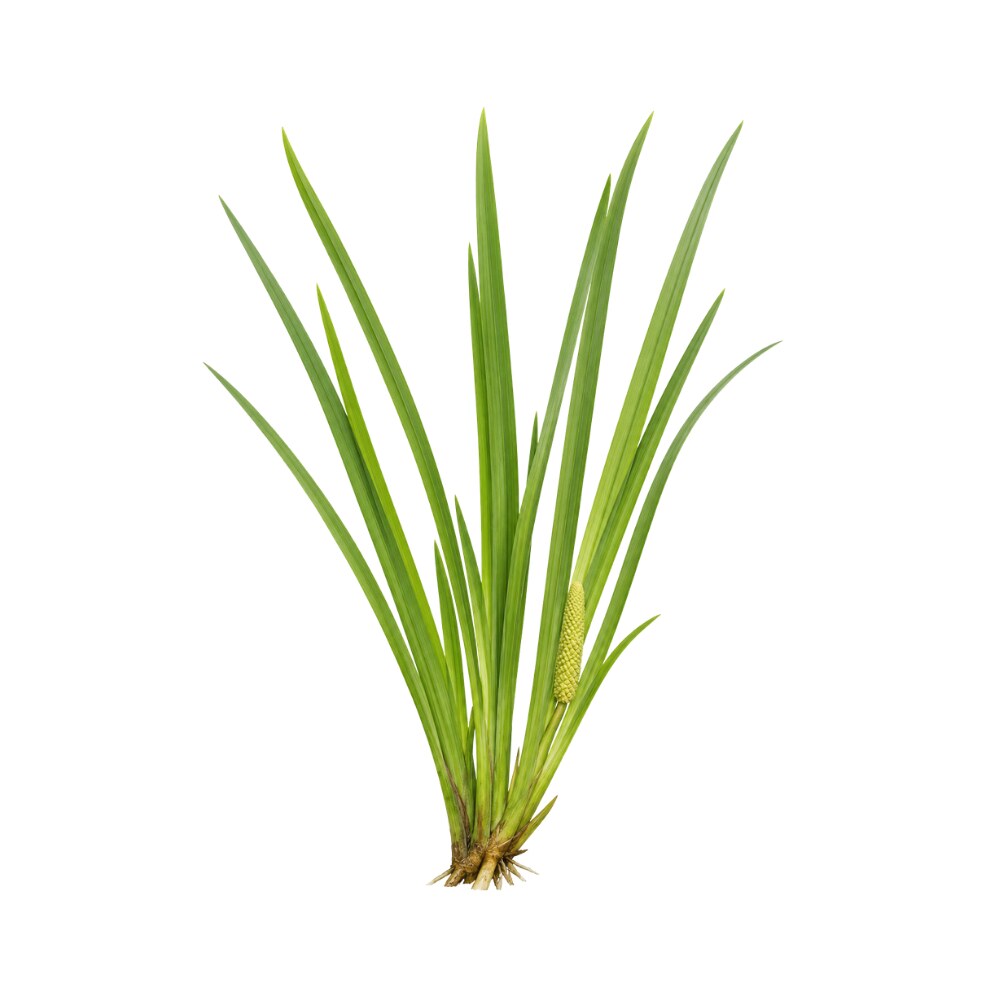
Acorus is a small genus of aromatic marsh plants, the only genus of its family, Acoraceae.
Its rhizome oils are phenylpropene oils. How much β-asarone, a rodent carcinogen, they carry follows the plant’s chromosome count, from none in diploid plants to most of the oil in tetraploids 44Reference 44Szczeblewski P et al. · 2022The role of centrifugal partition chromatography in the removal of β-asarone from Acorus calamus essential oil — analytical, Scientific reports, 12. https://pubmed.ncbi.nlm.nih.gov/36564541/View study →.
Calamus, sweet flagAcorus calamusrhizome · steam-distilledAsarone oil whose β-asarone is genotoxic and causes tumours in rodents, so calamus is banned as a food additive in the United States.
Calamus oil is distilled from the pungent, spicy rhizome of a wetland plant of Asia and Europe. It has been used in pharmaceuticals and to flavour wines and liqueurs 45Reference 45Bertea CM et al et al. · 2005In vitroIdentification of an EcoRI restriction site for a rapid and precise determination of beta-asarone-free Acorus calamus cytotypes — in vitroView study →.
The oil is led by β-asarone and α-asarone, and the amount depends on the type of plant.
Diploid plants hold about 2% oil with no or trace β-asarone. Triploids hold about 3%, with 5–19% of the oil as β-asarone. Tetraploids hold up to 6%, with 70–96% 44Reference 44Szczeblewski P et al. · 2022The role of centrifugal partition chromatography in the removal of β-asarone from Acorus calamus essential oil — analytical, Scientific reports, 12. https://pubmed.ncbi.nlm.nih.gov/36564541/View study →.
Composition · rhizome
Twelve rhizome oils from three altitudes in the Himalaya of Uttarakhand, sampled across four seasons, in one GC-MS study 46Reference 46Parki et al. · 2017Seasonal variation in essential oil compositions and antioxidant properties of Acorus calamus L. accessionsView study →. These are high-asarone Indian plants. Diploid rhizome carries no β-asarone and is rich in the sesquiterpene ketones acorone and isoshyobunone instead 45Reference 45Bertea CM et al et al. · 2005In vitroIdentification of an EcoRI restriction site for a rapid and precise determination of beta-asarone-free Acorus calamus cytotypes — in vitroView study →.
In Ayurveda the rhizome is vacha, a herb for memory, speech, and clarity of mind. Western herbalism uses it in small doses as a warming digestive bitter.
The type of oil changes the result. A β-asarone-free oil relaxed gut muscle in spasm as well as an antihistamine did, while a β-asarone-rich oil had no such effect at the same concentration 47Reference 47Keller K et al et al. · 1985In vitroSpasmolytische wirkung des isoasaronfreien kalmus1 — in vitroView study →.
The oil also killed bacteria and fungi in the laboratory 48Reference 48Joshi RK · 2016In vitroAcorus calamus Linn.: phytoconstituents and bactericidal property — in vitroView study →. No trial has tested it in people.
Caution: The isolated compound β-asarone is genotoxic and causes liver and intestinal tumours in rodents 49Reference 49Cartus AT et al et al. · 2015In vitroHepatic metabolism of carcinogenic β-asarone — in vitroView study →50Reference 50Chellian R et al et al. · 2017ReviewPharmacology and toxicology of α- and β-Asarone: A review of preclinical evidence — reviewView study →, and calamus is banned as a food additive in the United States.
The oil is also a moderate skin sensitiser and irritant. One assessment set safe levels of 0.13–0.78% for leave-on skin products 51Reference 51Desai et al. · 2025In vitroComprehensive in vitro safety assessment of Acorus calamus rhizome oil using OECD-compliant new approach methods: classification as a GHS category 1B sensitiser and category 2 irritantView study →.
Calamus products sold online as hallucinogens caused 30 intoxications reported to the Swedish Poisons Information Centre, mostly prolonged vomiting 52Reference 52Björnstad K et al et al. · 2009Case reportBioanalytical investigation of asarone in connection with Acorus calamus oil intoxications — human case seriesView study →. Avoid it in pregnancy and while breastfeeding.
Agathosma holds about 150 species, all native to South Africa 53Reference 53Brendler T · 2022ReviewBuchu (Agathosma betulina and A. crenulata): Rightfully Forgotten or Underutilized? — reviewView study →. The name “buchu” covers two of them, and their oils are not interchangeable.
A. crenulata, the longer-leaved relative, carries 31–73% pulegone in its oil, against 2.4–4.5% in A. betulina53Reference 53Brendler T · 2022ReviewBuchu (Agathosma betulina and A. crenulata): Rightfully Forgotten or Underutilized? — reviewView study →. The species on the label matters.
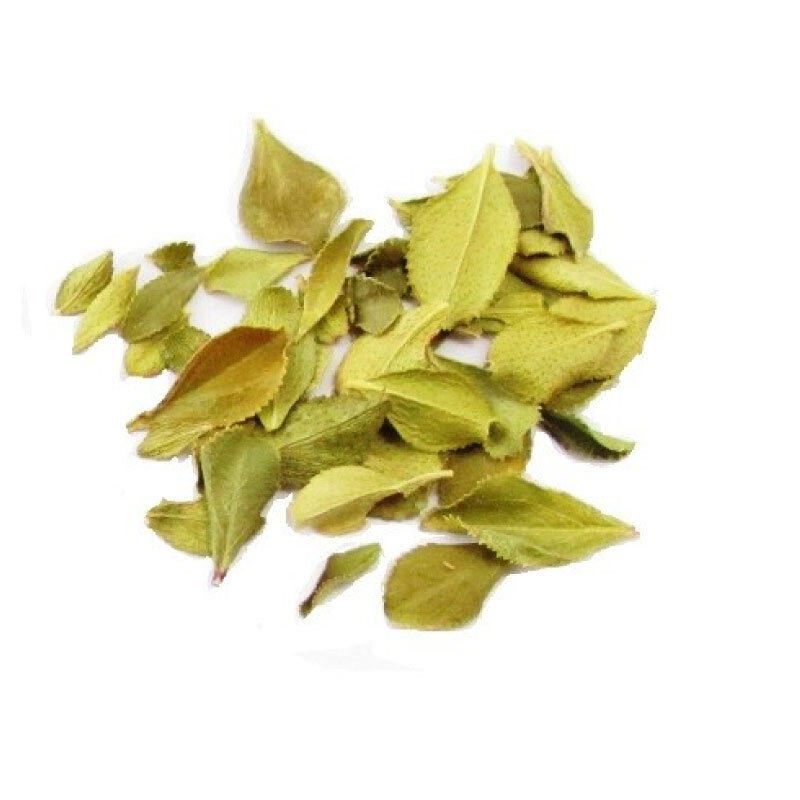
BuchuAgathosma betulinaleaf · steam-distilledA blackcurrant-scented ketone oil of isomenthone and menthone, used mainly as a flavouring and avoided in pregnancy for its pulegone.
Buchu oil is distilled from the small, leathery leaves of a shrub that grows wild only in the mountains of the Western Cape. The leaf and its oil smell strongly of blackcurrant53Reference 53Brendler T · 2022ReviewBuchu (Agathosma betulina and A. crenulata): Rightfully Forgotten or Underutilized? — reviewView study →.
It is a ketone oil. Its main compounds are isomenthone, menthone, and limonene, with diosphenol, a compound produced by no other genus 53Reference 53Brendler T · 2022ReviewBuchu (Agathosma betulina and A. crenulata): Rightfully Forgotten or Underutilized? — reviewView study →.
Sulphur compounds such as 8-mercapto-p-menthan-3-one sit at low levels and carry much of the blackcurrant note 53Reference 53Brendler T · 2022ReviewBuchu (Agathosma betulina and A. crenulata): Rightfully Forgotten or Underutilized? — reviewView study →.
Composition · leaf
One early analysis, with the pulegone range from a later study 53Reference 53Brendler T · 2022ReviewBuchu (Agathosma betulina and A. crenulata): Rightfully Forgotten or Underutilized? — reviewView study →. A. betulina has two chemotypes. One carries diosphenol and ψ-diosphenol at over 10% each; the other is over 31% isomenthone with almost no diosphenol 53Reference 53Brendler T · 2022ReviewBuchu (Agathosma betulina and A. crenulata): Rightfully Forgotten or Underutilized? — reviewView study →.
The Khoi and San powdered the dried leaf, mixed it with fat, and rubbed it on the body as an anointment and perfume 53Reference 53Brendler T · 2022ReviewBuchu (Agathosma betulina and A. crenulata): Rightfully Forgotten or Underutilized? — reviewView study →. As a medicine it was taken for the kidneys and bladder, and Europe adopted it as a urinary remedy in the nineteenth century 53Reference 53Brendler T · 2022ReviewBuchu (Agathosma betulina and A. crenulata): Rightfully Forgotten or Underutilized? — reviewView study →.
Today the oil is mainly a blackcurrant flavouring, with FEMA GRAS status 54Reference 54Cohen SM et al. · 2020ReviewFEMA GRAS assessment of natural flavor complexes: mint, buchu, dill and caraway derived flavoring ingredients — reviewView study →.
In the laboratory the oil relaxed guinea-pig gut muscle through a cyclic-AMP pathway and calcium-channel block 55Reference 55Lis-Balchin M et al. · 2001In vitroBuchu (Agathosma betulina and A. crenulata, Rutaceae) essential oils: their pharmacological action on guinea-pig ileum and antimicrobial activity on microorganisms — in vitro studyView study →. Its antimicrobial activity was weak 53Reference 53Brendler T · 2022ReviewBuchu (Agathosma betulina and A. crenulata): Rightfully Forgotten or Underutilized? — reviewView study →55Reference 55Lis-Balchin M et al. · 2001In vitroBuchu (Agathosma betulina and A. crenulata, Rutaceae) essential oils: their pharmacological action on guinea-pig ileum and antimicrobial activity on microorganisms — in vitro studyView study →. It also inhibited the diabetes-related enzymes PTP1B and DPP4 in enzyme tests 56Reference 56Adedirin O · 2026In vitroDual PTP1B/DPP4 inhibitory potential of Agathosma betulina, Cymbopogon citratus and Artemisia afra: structure-based modeling of phytochemical leads and essential oil bioassays — in vitro/in silico studyView study →.
Caution: The oil carries pulegone, which the liver converts to the toxic menthofuran57Reference 57Zárybnický T et al. · 2018ReviewHepatotoxicity of monoterpenes and sesquiterpenes — reviewView study →. High doses of buchu oil harmed liver and uterine function in rats, so the oil is avoided in pregnancy 53Reference 53Brendler T · 2022ReviewBuchu (Agathosma betulina and A. crenulata): Rightfully Forgotten or Underutilized? — reviewView study →.
EFSA classes the oil as a skin and eye irritant and a skin and respiratory sensitiser 58Reference 58Bampidis V et al. · 2022ReviewSafety and efficacy of a feed additive consisting of an essential oil from the leaves of Agathosma betulina/A. crenulata — reviewView study →. A leaf infusion carries little pulegone, because pulegone does not dissolve in water 53Reference 53Brendler T · 2022ReviewBuchu (Agathosma betulina and A. crenulata): Rightfully Forgotten or Underutilized? — reviewView study →.
Dill is the one species of Anethum in common use. The same plant gives two different oils: one from the seed, and one from the leafy herb cut before the seed ripens.
DillAnethum graveolensseed; leafy herb · steam-distilledCarvone and limonene build both oils, the seed oil close to caraway and the herb oil freshened by α-phellandrene and dill ether.
Dill seed oil is distilled from the ripe fruit. It is a ketone and monoterpene oil, close to caraway in character, built almost entirely on carvone and limonene59Reference 59Milenković et al. · 2024Chemical composition and bioactivity of dill seed (Anethum graveolens L.) essential oil from plants grown under shadingView study →.
Composition · seed
One GC-MS analysis of Serbian seed oil, from plants grown in the open and under shade nets 59Reference 59Milenković et al. · 2024Chemical composition and bioactivity of dill seed (Anethum graveolens L.) essential oil from plants grown under shadingView study →. Shade raised carvone and lowered limonene. Seed oils from Egypt and Saudi Arabia have carried about 20% dillapiole and 33% apiole respectively 59Reference 59Milenković et al. · 2024Chemical composition and bioactivity of dill seed (Anethum graveolens L.) essential oil from plants grown under shadingView study →.
Dill herb oil, also called dill weed oil, is steam-distilled from the stalks and leaves before the seed ripens 60Reference 60EFSA Panel on Additives et al. · 2022Safety and efficacy of a feed additive consisting of an essential oil from the aerial parts of Anethum graveolens L. (dill herb oil) for use in dogs and cats (FEFANA asbl)View study →. It keeps carvone and limonene but adds α-phellandrene and dill ether, which give it the fresh smell of the green herb.
Composition · leaf and stalk
The first four rows are the specification ranges set for commercial dill herb oil. The last three are from five batches 60Reference 60EFSA Panel on Additives et al. · 2022Safety and efficacy of a feed additive consisting of an essential oil from the aerial parts of Anethum graveolens L. (dill herb oil) for use in dogs and cats (FEFANA asbl)View study →.
The seed oil was active against several Candida species in the laboratory. As a 2% preparation it cleared vaginal Candida albicans faster in immunosuppressed mice 61Reference 61Zeng et al. · 2011In vitroIn vitro and in vivo activities of essential oil from the seed of Anethum graveolens L. against Candida sppView study →. No trial has tested dill oil in people.
Caution: EFSA classes dill herb oil as a skin and eye irritant and a skin and respiratory sensitiser 60Reference 60EFSA Panel on Additives et al. · 2022Safety and efficacy of a feed additive consisting of an essential oil from the aerial parts of Anethum graveolens L. (dill herb oil) for use in dogs and cats (FEFANA asbl)View study →. Myristicin, dillapiole, and apiole have been reported in some dill oils, though not in the commercial batches EFSA tested 60Reference 60EFSA Panel on Additives et al. · 2022Safety and efficacy of a feed additive consisting of an essential oil from the aerial parts of Anethum graveolens L. (dill herb oil) for use in dogs and cats (FEFANA asbl)View study →. Apiole is an abortifacient, so apiole-rich dill oil is best avoided in pregnancy.
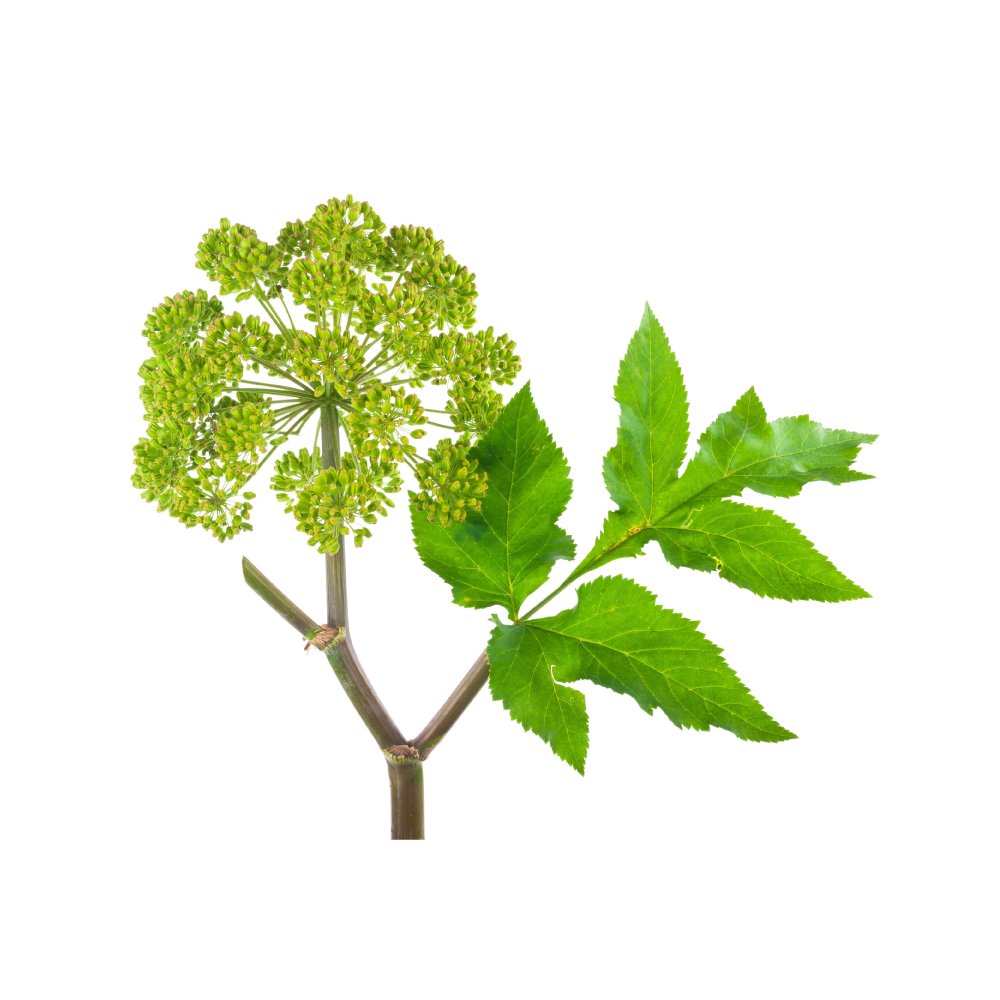
Angelica is a large genus of tall, aromatic plants in the carrot family. Garden angelica, A. archangelica, is the species distilled for its oil 62Reference 62Grieve · 1931A Modern Herbal — AngelicaView study →.
It is a different plant from dong quai, A. sinensis, the angelica of Chinese medicine.
Angelica, garden angelicaAngelica archangelicaroot; seed · steam-distilledTwo monoterpene oils, the root oil musky with macrocyclic lactones and the seed oil mostly β-phellandrene, long used to flavour gin and liqueurs.
Angelica gives two oils. Both are monoterpene oils, but they are built differently. Its seeds and roots have long flavoured gin, vermouth, and liqueurs such as Chartreuse 62Reference 62Grieve · 1931A Modern Herbal — AngelicaView study →.
Angelica root oil is distilled from the thick, fleshy root, which yields about 1% oil 62Reference 62Grieve · 1931A Modern Herbal — AngelicaView study →. It spreads its weight across several monoterpenes. The musky macrocyclic lactones pentadecanolide and tridecanolide are present in smaller amounts 63Reference 63Battaglia · 2003The Complete Guide to Aromatherapy (2nd ed.)64Reference 64Arctander S · 1994Perfume and flavour materials of natural origin, Allured publishing, USA.
Composition · root
Ranges from aromatherapy references 63Reference 63Battaglia · 2003The Complete Guide to Aromatherapy (2nd ed.)64Reference 64Arctander S · 1994Perfume and flavour materials of natural origin, Allured publishing, USA and from Italian 65Reference 65Fraternale D et al. · 2014In vitroEssential oil composition and antimicrobial activity of Angelica archangelica L. (Apiaceae) roots — in vitroView study → and Serbian 66Reference 66Aćimović MG et al. · 2017In vitroChemical Composition and Antibacterial Activity of Angelica archangelica Root Essential Oil — in vitroView study → root oils. Wild Serbian roots gave only 0.1% oil, with 29.7% α-pinene 66Reference 66Aćimović MG et al. · 2017In vitroChemical Composition and Antibacterial Activity of Angelica archangelica Root Essential Oil — in vitroView study →.
Angelica seed oil is distilled from the ripe fruit. It is far simpler, a β-phellandrene oil with little else.
Composition · seed
Three French seed oils in one GC-MS study 67Reference 67Langrand J et al. · 2025In vitroBiocidal, antioxidant, and anti-inflammatory activities of essential oils extracted from Angelica spp. cultivated on contaminated soils — in vitroView study →. Earlier work reported 65–76% β-phellandrene 67Reference 67Langrand J et al. · 2025In vitroBiocidal, antioxidant, and anti-inflammatory activities of essential oils extracted from Angelica spp. cultivated on contaminated soils — in vitroView study →. Icelandic fruit oils come in two chemotypes, one with β-phellandrene and one without it 68Reference 68Sigurdsson S et al. · 2005In vitroThe cytotoxic effect of two chemotypes of essential oils from the fruits of Angelica archangelica L — in vitroView study →.
In the European herbal tradition the root is a warming carminative and digestive, and the seeds are the strongest part 62Reference 62Grieve · 1931A Modern Herbal — AngelicaView study →.
Root oil delayed and shortened seizures in mice, though it also impaired movement at those doses 69Reference 69Pathak S et al. · 2010AnimalEvaluation of Antiseizure Activity of Essential Oil from Roots of Angelica archangelica Linn. in Mice — animal model (mouse)View study →. It inhibited Clostridium difficile, Enterococcus faecalis, and Candida albicans in the laboratory, and had much weaker effects on the bifidobacteria and lactobacilli of a healthy gut 65Reference 65Fraternale D et al. · 2014In vitroEssential oil composition and antimicrobial activity of Angelica archangelica L. (Apiaceae) roots — in vitroView study →.
Seed oils were toxic to pancreatic and breast cancer cells in culture 68Reference 68Sigurdsson S et al. · 2005In vitroThe cytotoxic effect of two chemotypes of essential oils from the fruits of Angelica archangelica L — in vitroView study →. No trial has tested either oil in people.
Caution: The root contains linear furanocoumarins, which make skin burn in sunlight and are photo-genotoxic under UVA in the laboratory 70Reference 70Raquet N · 2014In vitroApplication of the equivalency factor concept to the phototoxicity and -genotoxicity of furocoumarin mixtures — in vitroView study →. Do not apply angelica oil before sun exposure. Angelica is a traditional emmenagogue and is avoided in pregnancy 62Reference 62Grieve · 1931A Modern Herbal — AngelicaView study →.
Aniba is a genus of Amazonian trees of the laurel family. Its species look alike and are easily misidentified, which makes their oils hard to keep consistent 71Reference 71Amazonas DR et al. · 2020Chemical and genotypic variations in Aniba rosaeodora — chemistryView study →.
Rosewood, pau-rosa, bois de roseAniba rosaeodoraheartwood; leaves and twigs · steam-distilled · middle noteOne of the purest linalool oils, rose-scented and listed on CITES Appendix II because its production meant felling the whole tree.
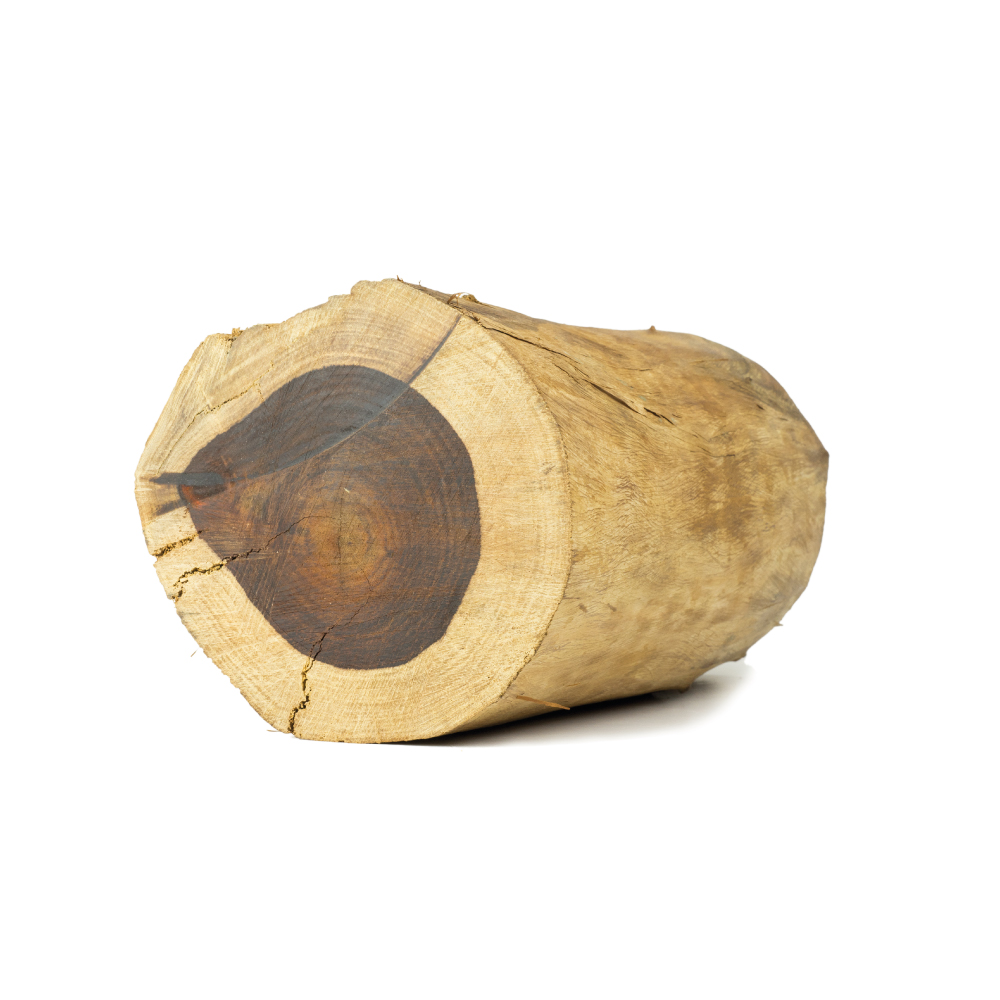
Rosewood oil is steam-distilled from the chipped heartwood of an evergreen Amazonian tree of the laurel family 72Reference 72Useful Tropical Plants (FernAniba rosaeodora Ducke — habit, habitat, range, harvest and uses — species databaseView study →. In Brazil the tree is called pau-rosa, and its oil is rose-scented.
It is one of the purest alcohol oils. Heartwood oil is about 78–93% linalool73Reference 73Maia et al. · 2009Database of the Amazon aromatic plants and their essential oils. An oil from the leaves and thin branches of one western Pará population held 83.7% 71Reference 71Amazonas DR et al. · 2020Chemical and genotypic variations in Aniba rosaeodora — chemistryView study →, and a leaf oil held 88.6% 74Reference 74Dos Santos ÉRQ et al. · 2018AnimalLinalool-rich essential oils from the Amazon display antidepressant-type effect in rodents — animal modelView study →.
One GC-MS analysis of leaf-and-twig oil from five trees in the Tapajós National Forest 71Reference 71Amazonas DR et al. · 2020Chemical and genotypic variations in Aniba rosaeodora — chemistryView study →. Genetically distinct trees across the Tapajós River gave an oil with only 39.6% linalool and 22.8% α-phellandrene 71Reference 71Amazonas DR et al. · 2020Chemical and genotypic variations in Aniba rosaeodora — chemistryView study →.
The name “rosewood” also belongs to the unrelated Dalbergia timbers of the pea family. They are a different plant and a different product.
Its sourcing is a real concern. Oil production has meant felling the whole tree, and heavy exploitation has made rosewood endangered.
Since 2010 its logs, sawn wood, and pure essential oil have been listed on CITES Appendix II, so international trade needs permits 75Reference 75CITES Secretariat · 2010Notification to the Parties NoView study →. Leaf oil can be distilled without cutting the tree down 76Reference 76d’Acampora Zellner B et al. · 2006Leaf-derived extracts as an environmentally sustainable source of rosewood essential oil — chemistryView study →. Ask whether an oil comes from cultivated trees or from leaves, and whether it carries CITES paperwork.
In Brazilian Amazonian folk medicine, rosewood is used for the nerves and valued as a sedative. Aromatherapists apply it to the skin for acne, dermatitis, and minor wounds, and inhale it for headaches, nervous tension, and nausea.
In mice, linalool-rich rosewood oil shortened the time to fall asleep and lengthened drug-induced sleep 77Reference 77de Almeida RN et al. · 2009AnimalRosewood oil induces sedation and inhibits compound action potential in rodents — animal modelView study →. The leaf oil produced antidepressant-type effects in rats, which the authors attributed to linalool 74Reference 74Dos Santos ÉRQ et al. · 2018AnimalLinalool-rich essential oils from the Amazon display antidepressant-type effect in rodents — animal modelView study →.
The oil also inhibits bacteria. It reduced injury and bacterial colonisation in mice and chicks infected with Salmonella when given as a preventive 78Reference 78Wang L et al. · 2024In vitroProtective effects and mechanisms of rosewood essential oil against Salmonella infection — in vitro and animal modelView study →. No trial has tested rosewood oil on its own in people.
Caution: Rosewood is for the skin and inhalation, not for taking by mouth. Linalool oxidises in air to form potent skin sensitisers, and 7.0% of 5,773 Swedish patients with dermatitis were allergic to oxidised linalool 79Reference 79Sukakul T et al. · 2022ObservationalContact allergy to oxidized linalool and oxidized limonene: patch testing in consecutive patients — observationalView study →. Keep the oil sealed, cool, and dark, dilute it to about 1–2%, and patch-test first.
Apium graveolens is celery, grown worldwide as a vegetable and for its seed. The oil comes from the tiny fruit sold as celery seed 80Reference 80EFSA Panel on Additives et al. · 2024Safety and efficacy of a feed additive consisting of an essential oil obtained from the fruit of Apium graveolens L. (celery seed oil) for all animal species (FEFANA asbl) — regulatory opinion: composition and safety of celery seed oilView study →.
Celery seedApium graveolensfruit (seed) · steam-distilledLimonene oil whose celery smell comes from phthalides, from a seed long used for gout, rheumatism, and fluid retention.
Celery seed oil is steam-distilled from the ripe fruit 80Reference 80EFSA Panel on Additives et al. · 2024Safety and efficacy of a feed additive consisting of an essential oil obtained from the fruit of Apium graveolens L. (celery seed oil) for all animal species (FEFANA asbl) — regulatory opinion: composition and safety of celery seed oilView study →. It is a limonene oil, but its smell comes from the phthalides, the compounds that make celery smell like celery.
Limonene leads at more than half the oil, with β-selinene next. Phthalides make up about a quarter, led by senkyunolide A and 3-n-butylphthalide 80Reference 80EFSA Panel on Additives et al. · 2024Safety and efficacy of a feed additive consisting of an essential oil obtained from the fruit of Apium graveolens L. (celery seed oil) for all animal species (FEFANA asbl) — regulatory opinion: composition and safety of celery seed oilView study →.
Composition · seed
Seven commercial batches, assessed by EFSA 80Reference 80EFSA Panel on Additives et al. · 2024Safety and efficacy of a feed additive consisting of an essential oil obtained from the fruit of Apium graveolens L. (celery seed oil) for all animal species (FEFANA asbl) — regulatory opinion: composition and safety of celery seed oilView study →. Limonene, β-selinene, senkyunolide A, and β-pinene are GC-FID figures; the rest are GC-MS. Bergapten, the phototoxic furanocoumarin, was present at only about 0.001% 80Reference 80EFSA Panel on Additives et al. · 2024Safety and efficacy of a feed additive consisting of an essential oil obtained from the fruit of Apium graveolens L. (celery seed oil) for all animal species (FEFANA asbl) — regulatory opinion: composition and safety of celery seed oilView study →.
The seed is a traditional remedy for gout, rheumatism, and fluid retention 81Reference 81Tan et al. · 2023Systematic reviewNeurological applications of celery (Apium graveolens): a scoping review — systematic reviewView study →. Culpeper used the seed of smallage, the wild form, “to break and expel wind” 82Reference 82Culpeper et al. · 2015https://www.gutenberg.org/ebooks/49513View study →.
Phthalides from the seed, including sedanolide, inhibited the COX-1 and COX-2 enzymes in the laboratory 83Reference 83Momin et al. · 2002In vitroAntioxidant, cyclooxygenase and topoisomerase inhibitory compounds from Apium graveolens Linn. seeds — in vitroView study →. 3-n-Butylphthalide, first isolated from celery seed, is the basis of a synthetic stroke drug licensed in China 84Reference 84Abdoulaye et al. · 2016ReviewA review of recent advances in neuroprotective potential of 3-N-butylphthalide and its derivatives — reviewView study →. That drug is not the oil, and no trial has tested celery seed oil in people.
Caution: EFSA classes the oil as a skin and eye irritant and a skin and respiratory sensitiser 80Reference 80EFSA Panel on Additives et al. · 2024Safety and efficacy of a feed additive consisting of an essential oil obtained from the fruit of Apium graveolens L. (celery seed oil) for all animal species (FEFANA asbl) — regulatory opinion: composition and safety of celery seed oilView study →. Celery is a labelled food allergen in the EU 85Reference 85European Parliament et al. · 2011Regulation (EU) No 1169/2011 on the provision of food information to consumers, Annex II: substances or products causing allergies or intolerances, item 9, “Celery and products thereof” — regulation. https://www.legislation.gov.uk/eur/2011/1169/annex/IIView study →. Medicinal doses have not been studied in pregnancy, and Culpeper wrote that smallage “provokes urine and women’s courses” 82Reference 82Culpeper et al. · 2015https://www.gutenberg.org/ebooks/49513View study →.
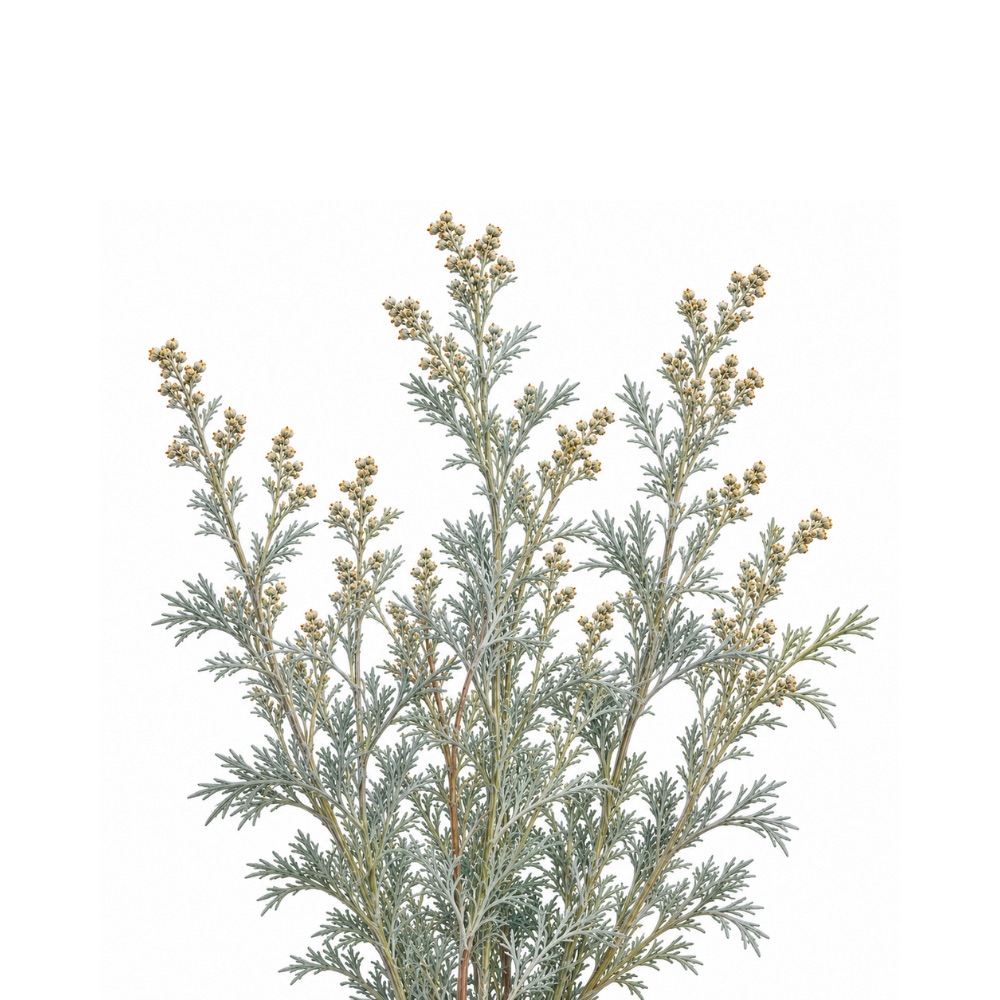
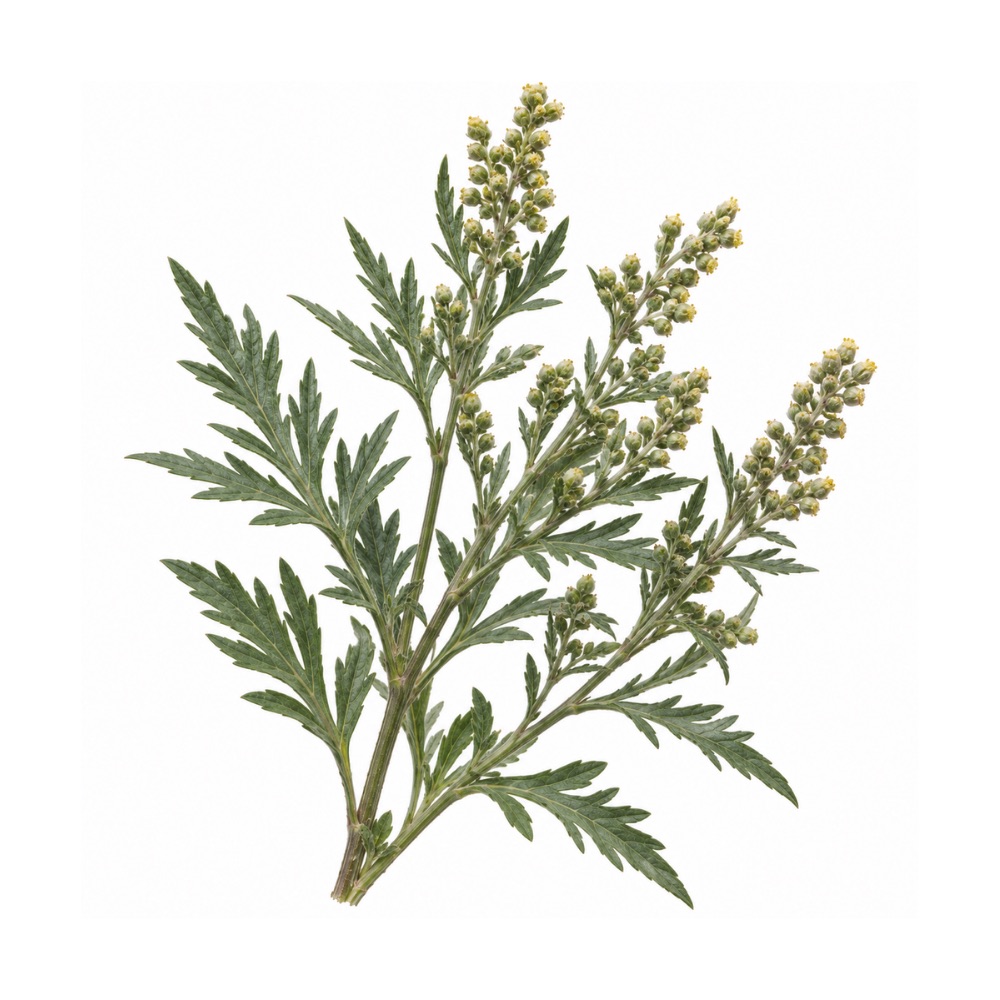
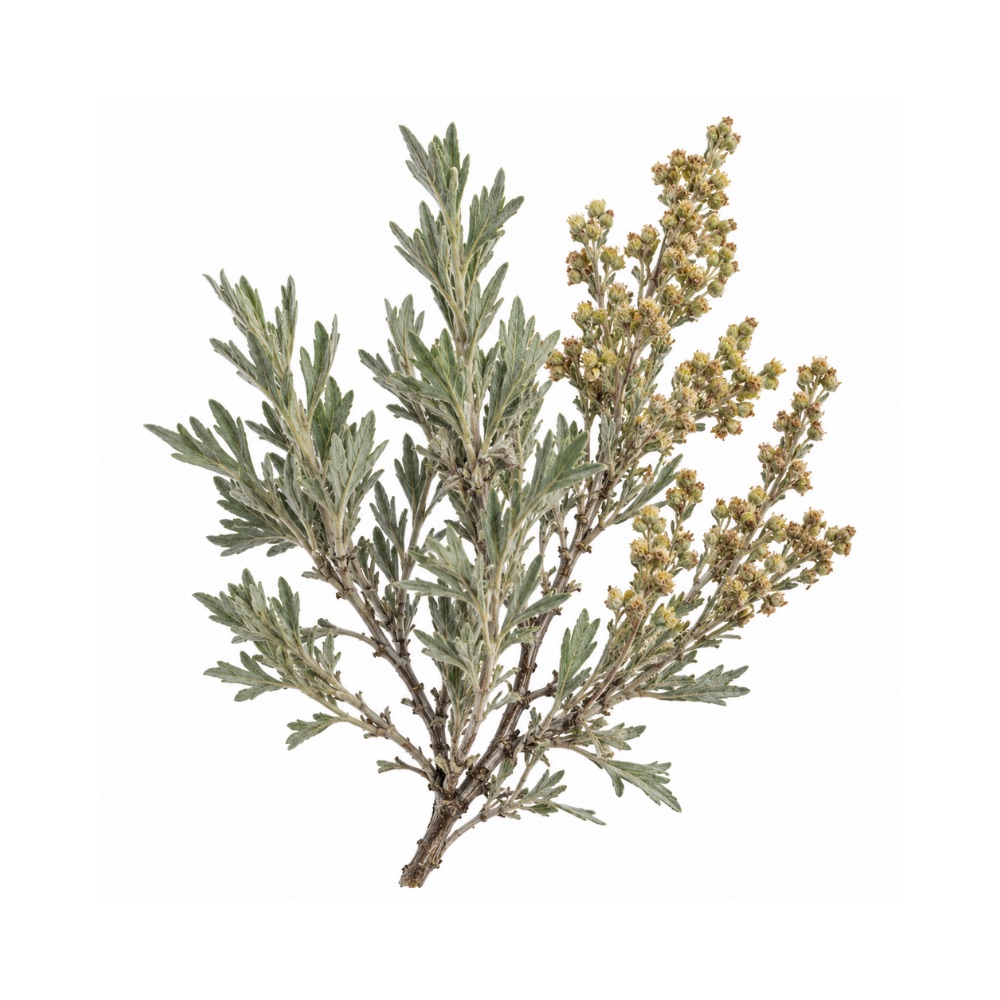
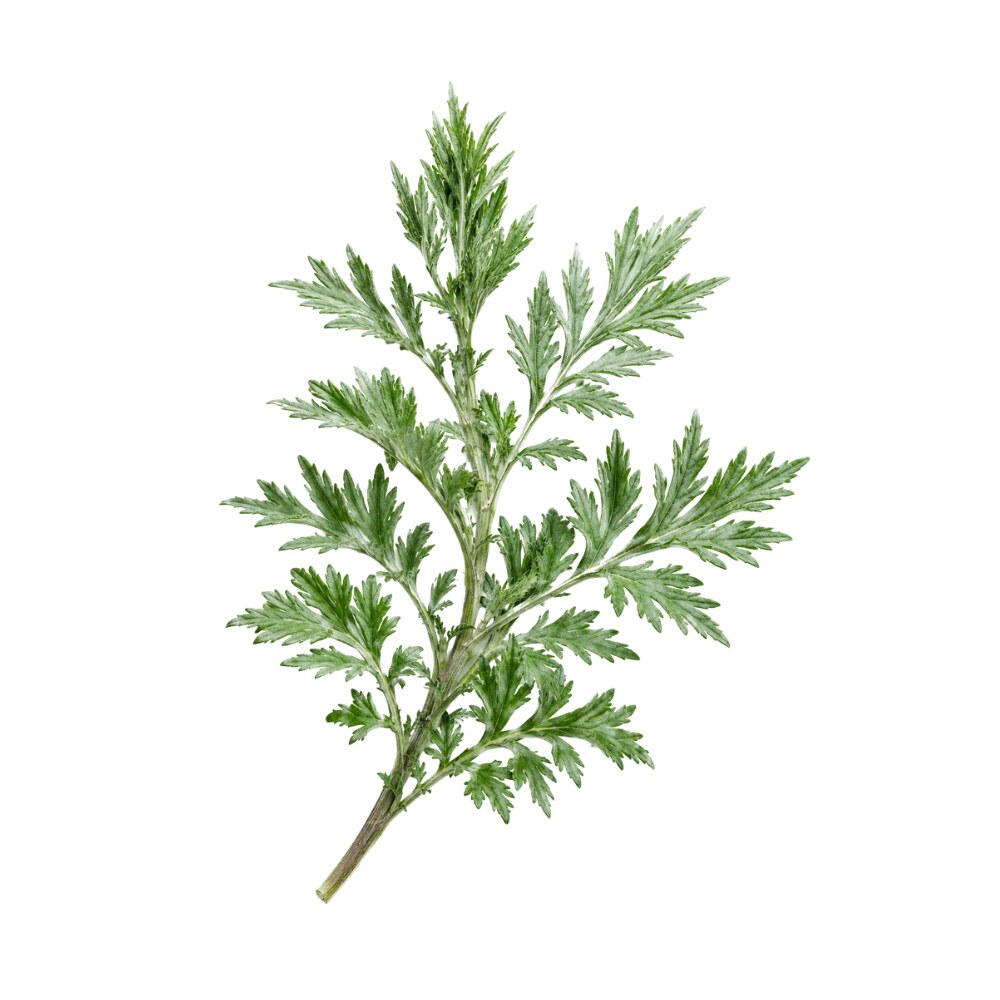
Artemisia is the wormwood genus of the daisy family (Asteraceae). Its oils are distilled from the leafy, flowering tops of silver-grey herbs and shrubs.
Most of them are ketone and oxide oils. Camphor, 1,8-cineole, artemisia ketone, and the thujones lead in different species. Tarragon is the exception, with an oil built on phenylpropenes such as estragole.
The genus is known for its chemotypes. Two plants of one species, grown in different places, can give oils with little in common, so a single analysis describes one oil rather than the whole species.
Several North American species are called “sage” or “sagebrush”. They are wormwoods, not true sages (Salvia), which belong to the mint family.
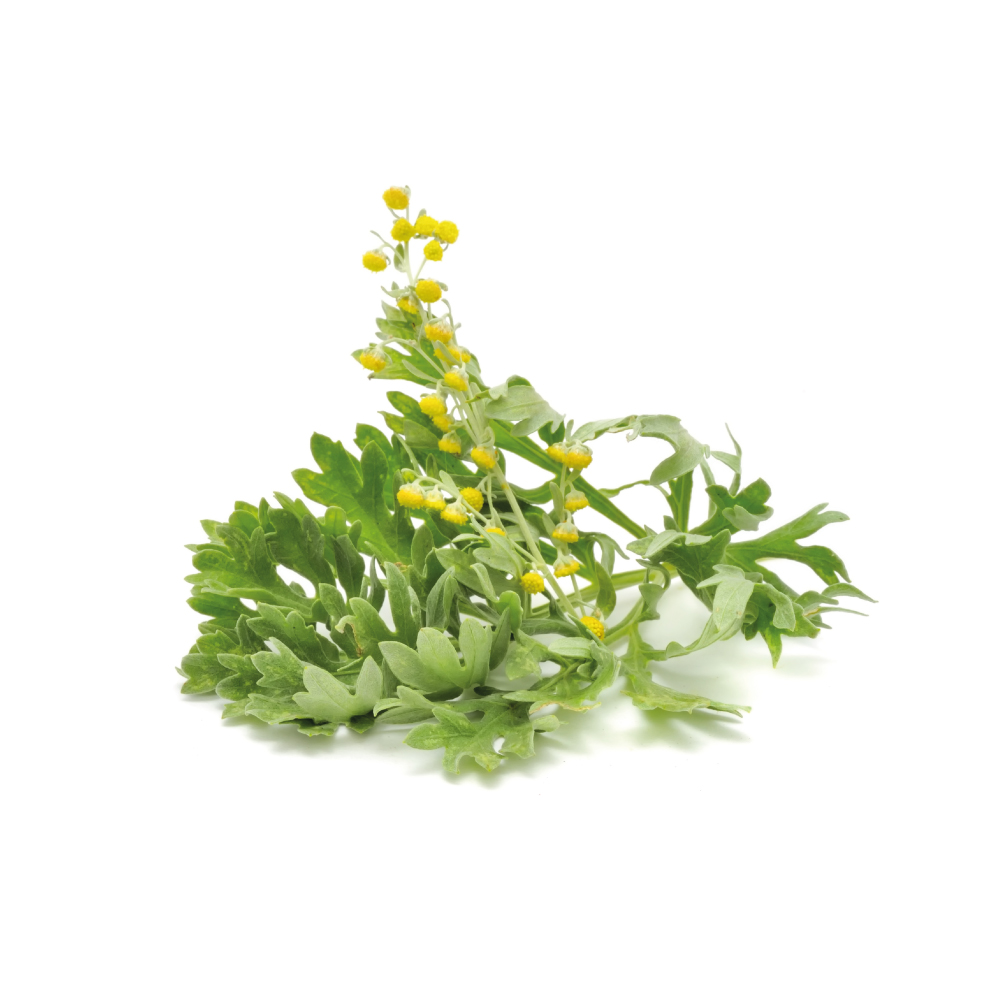
WormwoodArtemisia absinthiumaerial parts · distilledOften a thujone oil from the bitter herb that flavours absinthe, and thujone causes convulsions at high doses, so it is not taken internally.
Wormwood oil is distilled from the intensely bitter, silver-leaved herb that flavours absinthe and vermouth. The dried herb holds roughly 0.2–1.3% oil 86Reference 86Ghafoori et al. · 2014Study of effect of extraction conditions on the biochemical composition and antioxidant activity of Artemisia absinthium by HPLC and TLC87Reference 87Joshi · 2013In vitroVolatile composition and antimicrobial activity of the essential oil of Artemisia absinthium growing in the Western Ghats region of North West Karnataka, India — in vitroView study →.
It is often a thujone oil. α-Thujone and β-thujone are monoterpene ketones, and in many plants they lead the oil.
Wormwood also occurs in sabinyl-acetate and cis-epoxyocimene chemotypes, so thujone content varies widely between oils. Distillation turns precursors in the herb into deep-blue chamazulene, which the fresh plant does not contain.
Composition · aerial parts
The thujone and β-pinene ranges come from oils of different geographic origins 88Reference 88Orav et al. · 2006Composition of the essential oil of Artemisia absinthium L. of different geographical origin. The sabinyl acetate and myrcene figures are from one western Canadian oil 89Reference 89Lopes-Lutz et al. · 2008In vitroScreening of chemical composition, antimicrobial and antioxidant activities of Artemisia essential oils — in vitroView study →. A sabinyl-acetate oil can hold little thujone, so the chemotype matters more than the species name.
Wormwood is one of the classic bitters of Western herbal medicine. The dried herb is taken before meals for appetite and digestion, and its English name records its old use against intestinal worms.
The oil has been studied in the lab. It inhibits bacteria in culture, most strongly gram-positive species 87Reference 87Joshi · 2013In vitroVolatile composition and antimicrobial activity of the essential oil of Artemisia absinthium growing in the Western Ghats region of North West Karnataka, India — in vitroView study →. In a screen of seven western Canadian Artemisia oils, wormwood’s was the most active against staphylococci 89Reference 89Lopes-Lutz et al. · 2008In vitroScreening of chemical composition, antimicrobial and antioxidant activities of Artemisia essential oils — in vitroView study →.
Formulated in nanocochleates, the oil was active against cutaneous leishmaniasis in the test tube and in an animal model 90Reference 90Tamargo et al. · 2017In vitroIn vitro and in vivo evaluation of essential oil from Artemisia absinthium L. formulated in nanocochleates against cutaneous leishmaniasis — animal modelView study →. Wormwood’s human trials, in Crohn’s disease, used the dried herb rather than the oil 91Reference 91Omer et al. · 2007RCTSteroid-sparing effect of wormwood (Artemisia absinthium) in Crohn’s disease: a double-blind placebo-controlled study — randomised placebo-controlled trialView study →92Reference 92Krebs et al. · 2010Clinical trialWormwood (Artemisia absinthium) suppresses tumour necrosis factor alpha and accelerates healing in patients with Crohn’s disease — controlled clinical trialView study →.
Caution: Thujone blocks the GABA-A receptor and causes convulsions at high doses 93Reference 93Höld et al. · 2000Höld, K. M., Sirisoma, N. S., Ikeda, T., Narahashi, T., & Casida, J. E. (2000). α-Thujone (the active component of absinthe): gamma-aminobutyric acid type A receptor modulation and metabolic detoxification. Proceedings of the National Academy of Sciences USA. https://pubmed.ncbi.nlm.nih.gov/10725394/View study →. It is concentrated in the oil, which is not taken internally. Absinthe’s old reputation was long blamed on thujone, but the levels in the drink were too low to reach a toxic threshold 94Reference 94Lachenmeier · 2010ReviewWormwood (Artemisia absinthium L.) — a curious plant with both neurotoxic and neuroprotective properties? — review/commentaryView study →. Wormwood is traditionally an emmenagogue and abortifacient, so the oil is avoided in pregnancy. People allergic to the daisy family may react to it.
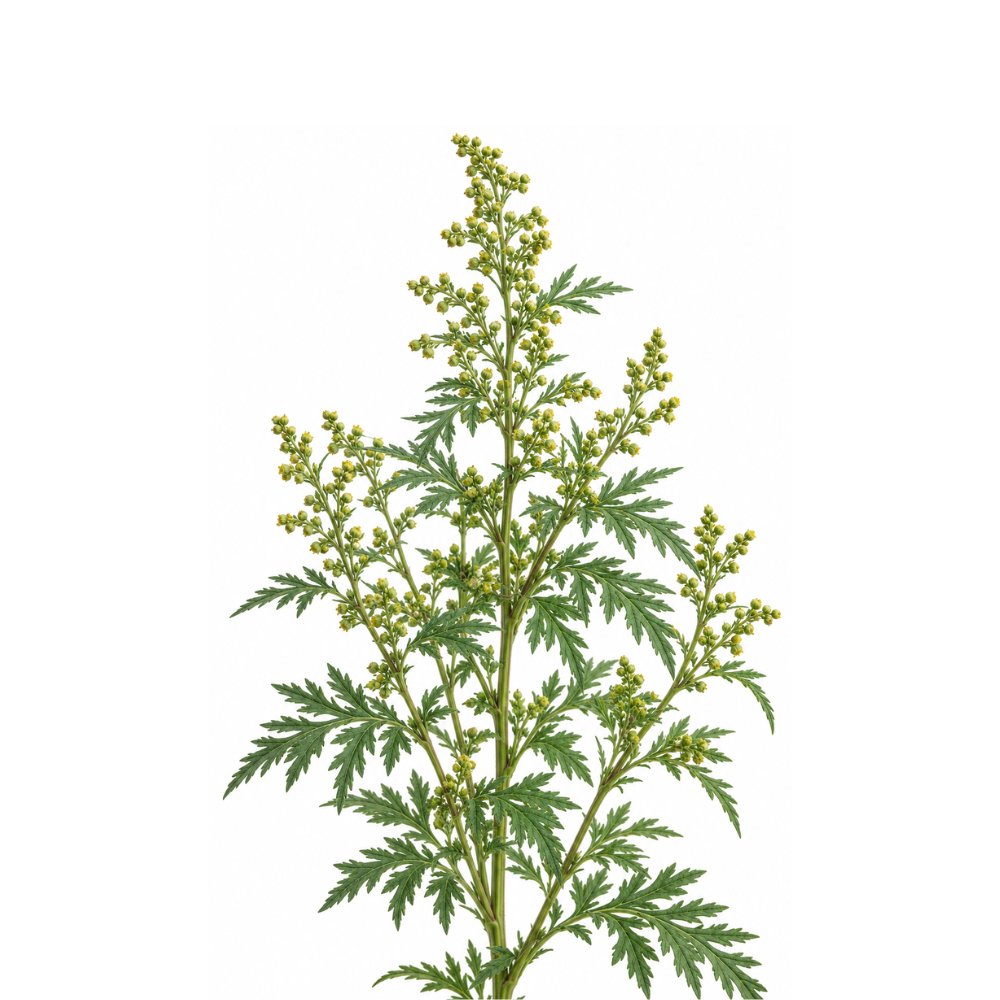
Sweet wormwood, sweet Annie, qinghaoArtemisia annualeaf and flowering tops · distilledUsually an artemisia ketone oil with 1,8-cineole and camphor, a by-product of the crop grown for the antimalarial drug artemisinin.
Sweet wormwood is the sweetly aromatic annual from which the antimalarial artemisinin was isolated. Its essential oil is a separate product, a by-product of a crop grown for the drug 95Reference 95Bilia et al. · 2014Essential Oil of Artemisia annua L.: An Extraordinary Component with Numerous Antimicrobial PropertiesView study →.
The herb usually yields 0.3–0.4% oil, and selected strains reach 4% 95Reference 95Bilia et al. · 2014Essential Oil of Artemisia annua L.: An Extraordinary Component with Numerous Antimicrobial PropertiesView study →.
It is usually an artemisia ketone oil, with 1,8-cineole and camphor as its other main compounds. Which of the three leads depends largely on where the plant grew 95Reference 95Bilia et al. · 2014Essential Oil of Artemisia annua L.: An Extraordinary Component with Numerous Antimicrobial PropertiesView study →.
Composition · leaf and flowering tops
Origin is the main variable. Chinese and North American oils are led by artemisia ketone (up to 68%), Vietnamese oils carry camphor and germacrene D, and one Iranian oil held 48% camphor 95Reference 95Bilia et al. · 2014Essential Oil of Artemisia annua L.: An Extraordinary Component with Numerous Antimicrobial PropertiesView study →. A Serbian oil carried 35.7% artemisia ketone and 16.5% α-pinene96Reference 96Radulović et al. · 2013Toxic essential oilsView study →.
In Chinese medicine the herb is qinghao, a cold, bitter remedy for fevers. That tradition, and the malaria research, belong to the herb and to artemisinin rather than to the distilled oil.
The oil has been tested widely against bacteria and fungi, with activity against both gram-positive and gram-negative species. The studies used different methods, which makes them hard to compare 95Reference 95Bilia et al. · 2014Essential Oil of Artemisia annua L.: An Extraordinary Component with Numerous Antimicrobial PropertiesView study →.
In one study, the oil inhibited multidrug-resistant E. coli more strongly than ethanolic or aqueous extracts of the herb 97Reference 97Golbarg et al. · 2021In vitroAntibacterial potency of medicinal plants including Artemisia annua against multidrug-resistant E. coli — in vitroView study →. A Serbian oil showed relatively low toxicity in animal tests 96Reference 96Radulović et al. · 2013Toxic essential oilsView study →.
Caution: The oil is ketone-rich and often camphor-rich, and it is not taken internally. A. annua pollen is a major cause of hay fever and asthma in northern China 98Reference 98Wang et al. · 2025In vitroImmunoproteomic analysis and identification of possible allergenic proteins in Artemisia annua pollen — in vitro / animalView study →, and people allergic to the daisy family may react. The herb has not been studied in pregnancy, where it is best avoided.
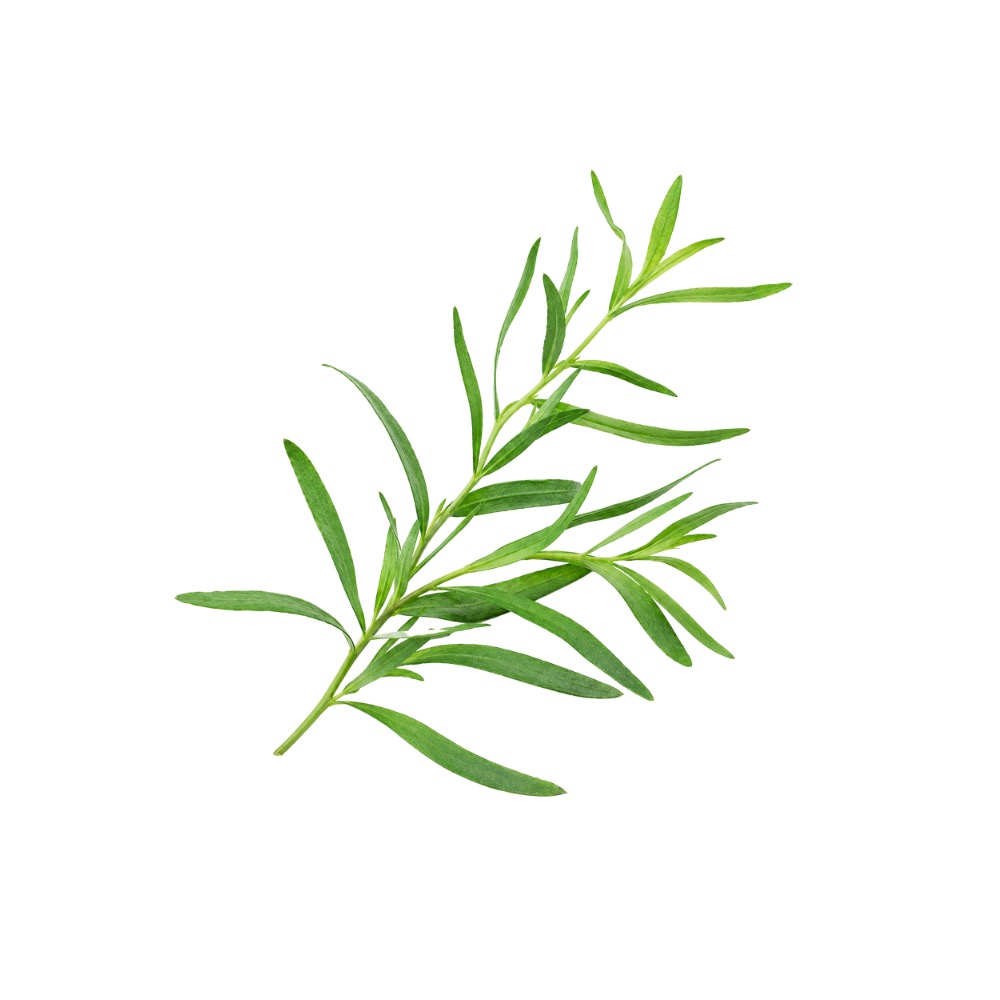
TarragonArtemisia dracunculusherb · distilled · middle noteAnise-scented phenylpropene oil led by estragole, which induced liver tumours in mice, so it is kept from sustained internal use.
Tarragon oil is distilled from the anise-scented herb of the daisy family, a classic of French cooking. The herb holds 0.15–3.1% oil 99Reference 99Obolskiy D et al. · 2011ReviewArtemisia dracunculus L. (tarragon): a critical review of its traditional use, chemical composition, pharmacology, and safety — reviewView study →.
It is a phenylpropene oil, usually led by estragole. The compound takes its name from estragon, the French word for tarragon.
Methyleugenol, elemicin, and the monoterpene sabinene make up much of the rest. Their proportions vary widely between cultivars and places of origin 99Reference 99Obolskiy D et al. · 2011ReviewArtemisia dracunculus L. (tarragon): a critical review of its traditional use, chemical composition, pharmacology, and safety — reviewView study →.
Composition · herb
French tarragon, the kitchen herb, is the high-estragole type, and Russian tarragon carries far less. Some oils hold little estragole at all: one Iranian oil was led by trans-anethole (21%), ocimene (21%), and limonene (12%). A water infusion of the herb carries almost none of the oil’s estragole or methyleugenol.
Tarragon’s traditional uses belong to the herb. European herbalists put a leaf paste with honey on bruises, and Central Asian folk medicine uses tarragon for skin irritation, allergic rashes, and dermatitis. Aromatherapists treat the oil as a middle note.
The oil has a small body of animal and lab work. Injected into rodents, it reduced pain in standard tests 100Reference 100Maham M et al. · 2014AnimalAntinociceptive effect of the essential oil of tarragon (Artemisia dracunculus) — animal model (rat/mouse)View study →. It also had anti-seizure activity in rodents, though some effective doses sedated them 101Reference 101Sayyah M et al. · 2004AnimalAnticonvulsant activity and chemical composition of Artemisia dracunculus L. essential oil — animal modelView study →.
In culture, it inhibited Staphylococcus aureus and Escherichia coli102Reference 102Raeisi M et al. · 2012In vitroEssential oil of tarragon (Artemisia dracunculus) antibacterial activity on Staphylococcus aureus and Escherichia coli — in vitroView study →.
The best-known tarragon research, on blood sugar, used an alcohol extract of Russian tarragon rather than the oil 103Reference 103Ribnicky DM et al. · 2006AnimalAntihyperglycemic activity of Tarralin, an ethanolic extract of Artemisia dracunculus L. — animal model (mouse)View study →.
Caution: Depending on the cultivar, the oil can hold up to 82% estragole and 39% methyleugenol 99Reference 99Obolskiy D et al. · 2011ReviewArtemisia dracunculus L. (tarragon): a critical review of its traditional use, chemical composition, pharmacology, and safety — reviewView study →. Estragole given to mice induced liver tumours 104Reference 104Ekiert H et al. · 2021ReviewArtemisia dracunculus (tarragon): a review of its traditional uses, phytochemistry and pharmacology — reviewView study →, and tarragon oil damaged DNA in a bacterial test, an effect traced to its estragole 105Reference 105Zani F et al. · 1991In vitroStudies on the genotoxic properties of essential oils with Bacillus subtilis rec-assay and Salmonella/microsome reversion assay — in vitroView study →. The oil is not for sustained internal use. Tarragon’s oils can also cause contact dermatitis 106Reference 106North Carolina State Extension (n.d.)Artemisia dracunculus (Tarragon) — species description, cultivars, native range, growing conditions and toxicity — plant databaseView study →, and as a daisy-family plant it may cross-react in people allergic to ragweed or mugwort. The oil is best avoided in pregnancy and while breastfeeding.
Fringed sagewort, prairie sagewortArtemisia frigidaaerial parts · distilledCamphor, 1,8-cineole, and bornyl acetate dominate this prairie wormwood oil, whose plant was inhaled as steam for congestion in Alaska.
Fringed sagewort is a low, silver-grey wormwood of dry steppes and prairies, from Siberia and Mongolia to the northern Plains of North America. Its oil has a camphor scent.
The oil is led by camphor, 1,8-cineole, and bornyl acetate, which dominate 93–95% of samples across Eurasia. Germacrene D is the main sesquiterpene in about two-thirds of them 107Reference 107Zhigzhitzhapova et al. · 2023ReviewEssential oils of Artemisia frigida plants (Asteraceae): conservatism and lability of the composition — phytochemistry reviewView study →.
Composition · aerial parts
Fifteen samples from the Altai, Khakassia, Tuva, and eastern Kazakhstan 108Reference 108Korolyuk et al. · 2010Chemical composition of the essential oil from two wormwood species, Artemisia frigida and Artemisia argyrophylla — phytochemistryView study →. Some of these oils carried α- and β-thujone totalling up to 19.1%, and others none. Plants from high altitude or unusual sites give the most divergent oils 107Reference 107Zhigzhitzhapova et al. · 2023ReviewEssential oils of Artemisia frigida plants (Asteraceae): conservatism and lability of the composition — phytochemistry reviewView study →.
The plant’s long folk record is as a tea, drunk in Siberia as sagaan aya and on the Plains for colds and coughs. In Alaska’s Fort Yukon region, the steam from boiled leaves and stems was inhaled for congestion109Reference 109McWilliams · 2003Artemisia frigida, fringed sagebrushView study →.
In a screen of seven western Canadian Artemisia oils, this one among them, the oils inhibited bacteria, yeasts, and dermatophytes as a group 89Reference 89Lopes-Lutz et al. · 2008In vitroScreening of chemical composition, antimicrobial and antioxidant activities of Artemisia essential oils — in vitroView study →. A Siberian tincture of the herb had about 20 times the radical-scavenging activity of the oil 110Reference 110Dylenova et al. · 2023In vitroArtemisia frigida Willd. of the Baikal region (Siberia): essential oils, tincture, and antiradical activity — in vitroView study →.
Caution: Camphor can make up about 40% of the oil, and some populations carry substantial thujone 108Reference 108Korolyuk et al. · 2010Chemical composition of the essential oil from two wormwood species, Artemisia frigida and Artemisia argyrophylla — phytochemistryView study →. Both are toxic in overdose, so the oil is not taken internally. Avoid it in pregnancy. As a daisy-family plant it may cross-react in people sensitised to ragweed, mugwort, or chamomile.
Estafiate, white sagebrush, western mugwortArtemisia ludovicianaaerial parts · distilledUsually camphor and 1,8-cineole, from a North American wormwood whose oil eased pain in mice partly through opioid receptors.
Estafiate is a silver-leaved North American wormwood, drunk in Mexico as a bitter tea for stomach complaints. Plains peoples burned the dried leaves as a purifying smoke.
Its oil is usually led by camphor and 1,8-cineole, with borneol and α-terpineol behind them 111Reference 111Swor et al. · 2024The essential oil compositions of Ambrosia acanthicarpa Hook., Artemisia ludoviciana Nutt., and Gutierrezia sarothrae (Pursh) Britton & Rusby (Asteraceae) from the Owyhee Mountains of Idaho — analyticalView study →.
Composition · aerial parts
Ranges across six earlier analyses, where camphor averaged 30% 111Reference 111Swor et al. · 2024The essential oil compositions of Ambrosia acanthicarpa Hook., Artemisia ludoviciana Nutt., and Gutierrezia sarothrae (Pursh) Britton & Rusby (Asteraceae) from the Owyhee Mountains of Idaho — analyticalView study →. Twelve samples from Idaho’s Owyhee Mountains spread much wider, from 0.1% to 61.9% camphor, with nerolidol up to 41% and artemisia ketone up to 46% in some 111Reference 111Swor et al. · 2024The essential oil compositions of Ambrosia acanthicarpa Hook., Artemisia ludoviciana Nutt., and Gutierrezia sarothrae (Pursh) Britton & Rusby (Asteraceae) from the Owyhee Mountains of Idaho — analyticalView study →. A western Canadian oil carried davanone at 11.5% 89Reference 89Lopes-Lutz et al. · 2008In vitroScreening of chemical composition, antimicrobial and antioxidant activities of Artemisia essential oils — in vitroView study →.
The name “white sage” is also used for Salvia apiana, a Californian sage of the mint family, which is a different plant 112Reference 112California Native Plant Society (n.d.)White sage, Salvia apiana — species profileView study →.
Injected into mice, the oil reduced both phases of the formalin pain test and raised hot-plate latency. Naloxone blocked the effect, which suggests it works partly through opioid receptors 113Reference 113Anaya-Eugenio et al. · 2016AnimalAntinociceptive activity of the essential oil from Artemisia ludoviciana — animal modelView study →.
In diabetic mice, the infusion and an organic extract lowered blood glucose, while the oil was inactive 114Reference 114Anaya-Eugenio et al. · 2014AnimalHypoglycemic properties of some preparations and compounds from Artemisia ludoviciana Nutt. — animal modelView study →.
Caution: The oil is usually camphor-rich. Camphor causes seizures in overdose, and poison-centre guidance sends anyone who has swallowed more than 30 mg/kg of a camphor product to hospital 115Reference 115Manoguerra et al. · 2006Camphor poisoning: an evidence-based practice guideline for out-of-hospital management — clinical guidelineView study →. Thujone was absent from most samples tested 111Reference 111Swor et al. · 2024The essential oil compositions of Ambrosia acanthicarpa Hook., Artemisia ludoviciana Nutt., and Gutierrezia sarothrae (Pursh) Britton & Rusby (Asteraceae) from the Owyhee Mountains of Idaho — analyticalView study →. The plant’s sesquiterpene lactones made it a medium-strength skin sensitiser in guinea pigs 116Reference 116Zeller et al. · 1985AnimalThe sensitizing capacity of Compositae plantsView study →. It is avoided in pregnancy.
Big sagebrushArtemisia tridentataleaf · distilledCamphor and 1,8-cineole lead the leaf oil of the western smudge shrub, whose smoke and steam were long breathed for colds.
Big sagebrush is the silver-grey, three-toothed shrub that covers the dry basins of western North America. Its leaves and branches are burned as a smudge in cleansing rituals.
The leaf oil is rich in camphor and 1,8-cineole, with α-pinene and camphene. Fresh herbage yields 0.25–1.69% oil, depending on the variety 117Reference 117Zheljazkov et al. · 2022In vitroEssential oil yield, composition, and bioactivity of sagebrush species in the Bighorn Mountains — in vitroView study →.
Composition · leaf
Ranges across sagebrush accessions from Wyoming’s Bighorn Mountains, most of them A. tridentata varieties 117Reference 117Zheljazkov et al. · 2022In vitroEssential oil yield, composition, and bioactivity of sagebrush species in the Bighorn Mountains — in vitroView study →. The varieties and single stands differ widely, and some accessions gave oil with significant cis-thujone.
Many peoples of the American West used the plant for colds. The Kawaiisu inhaled the fumes of a decoction for head and chest colds, and the Havasupai breathed the smoke of leafy stems laid on the fire 118Reference 118Botanical Research Institute of TexasNative American Ethnobotany Database: Artemisia tridentataView study →.
A 1967 study found the oil inhibited four aerobic bacteria, with Staphylococcus aureus the most sensitive 119Reference 119Nagy et al. · 1967In vitroAntibacterial action of essential oils of Artemisia as an ecological factorView study →. A 2022 study of Bighorn Mountain oils found no significant antimicrobial, antimalarial, or antileishmanial activity 117Reference 117Zheljazkov et al. · 2022In vitroEssential oil yield, composition, and bioactivity of sagebrush species in the Bighorn Mountains — in vitroView study →.
Caution: No formal toxicology exists for big sagebrush. Some oils contain cis-thujone 117Reference 117Zheljazkov et al. · 2022In vitroEssential oil yield, composition, and bioactivity of sagebrush species in the Bighorn Mountains — in vitroView study →, so the oil is not taken internally and is avoided in pregnancy. Big sagebrush is not culinary sage, which is an unrelated mint-family plant.
MugwortArtemisia vulgarisleafy tops · distilledCineole, sabinene, camphor, and the thujones mark the oil of the moxa and dream herb, which is avoided in pregnancy.
Mugwort is the tall, aromatic “mother of herbs” of medieval Europe. Its dried, woolly leaves are the moxa burned in moxibustion 120Reference 120Ekiert et al. · 2020ReviewSignificance of Artemisia vulgaris L. (Common Mugwort) in the History of Medicine and Its Possible Contemporary Applications — reviewView study →.
The oil is about 72% monoterpenoids and 26% sesquiterpenoids. 1,8-Cineole, sabinene, camphor, camphene, and the thujones are the compounds found most often 120Reference 120Ekiert et al. · 2020ReviewSignificance of Artemisia vulgaris L. (Common Mugwort) in the History of Medicine and Its Possible Contemporary Applications — reviewView study →.
Composition · leafy tops
Origin decides which compound leads. Camphor, cineole, borneol, and thujone figures span published analyses 120Reference 120Ekiert et al. · 2020ReviewSignificance of Artemisia vulgaris L. (Common Mugwort) in the History of Medicine and Its Possible Contemporary Applications — reviewView study →. The davanone and germacrene D ranges come from wild Lithuanian oils dominated by those compounds 121Reference 121Judžentienė et al. · 2016In vitroCompositional Variability and Toxic Activity of Mugwort (Artemisia vulgaris) Essential Oils — in vitroView study →, and the sabinene figure from one Indian leaf oil 122Reference 122Singh NB et al. · 2023In vitroPhytochemical composition and antimicrobial activity of essential oil from Artemisia vulgaris leaves — in vitroView study →. Thujone reached 20% in some northern Lithuanian oils 120Reference 120Ekiert et al. · 2020ReviewSignificance of Artemisia vulgaris L. (Common Mugwort) in the History of Medicine and Its Possible Contemporary Applications — reviewView study →.
Mugwort is a traditional dream herb, drunk as a bedtime tea or put into a dream pillow. It is also a bitter for poor appetite and a menstrual herb, uses that belong to the dried herb.
The oil eased chemically induced gut inflammation in zebrafish 123Reference 123Meng R et al. · 2022AnimalEssential oil from Artemisia vulgaris alleviates enteritis in zebrafish via oxidative stress and inflammatory modulation — animal modelView study →. A leaf oil from Manipur, rich in cineole, sabinene, and borneol, inhibited bacteria and fungi in culture 122Reference 122Singh NB et al. · 2023In vitroPhytochemical composition and antimicrobial activity of essential oil from Artemisia vulgaris leaves — in vitroView study →. Another oil, about 29% camphor, killed and repelled a plant-pest mite 124Reference 124Kunnathattil M et al. · 2025In vitroChemical composition, acaricidal and repellent activities of Artemisia vulgaris essential oil — in vitroView study →.
Caution: Large doses of the oil may cause nausea, vomiting, and nervous-system effects. The European Food Safety Authority lists its thujone, camphor, and 1,8-cineole as potentially harmful in food or supplements 120Reference 120Ekiert et al. · 2020ReviewSignificance of Artemisia vulgaris L. (Common Mugwort) in the History of Medicine and Its Possible Contemporary Applications — reviewView study →. Avoid it in pregnancy, since large doses of the herb may cause miscarriage. Mugwort pollen is a major hay-fever allergen, and people allergic to the daisy family may react.
Backhousia is a genus of Australian trees in the myrtle family (Myrtaceae). Lemon myrtle is the one distilled for its oil.
It is a different plant from common myrtle (Myrtus) and from lemon-scented gum (Corymbia citriodora, formerly Eucalyptus citriodora), another lemon-scented member of the family 125Reference 125Southwell · 2021Backhousia citriodora FView study →.
Lemon myrtle, lemon-scented myrtle, lemon ironwoodBackhousia citriodoraleaf · steam-distilledThe richest known natural source of citral, typically 90–98% of the oil, tested in one small trial in children with molluscum contagiosum.
Lemon myrtle is a tree native only to coastal Queensland. Plantations from north Queensland to northern New South Wales grow it for dried leaf and for oil 125Reference 125Southwell · 2021Backhousia citriodora FView study →.
The fresh leaf yields 1–3% oil, and it is the richest natural source of citral known. Steam-distilled lemon myrtle oil is typically 90–98% citral, against 2–3% in lemon peel oil itself 125Reference 125Southwell · 2021Backhousia citriodora FView study →.
It is an aldehyde oil. Citral is a pair of isomers, geranial and neral, that together give the sharp lemon smell.
Composition · leaf
Ranges for the citral chemotype, the type grown commercially 125Reference 125Southwell · 2021Backhousia citriodora FView study →. A rarer citronellal chemotype exists. It does not breed true from seed, and its oil is 62–89% citronellal instead.
The oil is used to give a lemon or verbena scent to foods, cosmetics, aromatherapy massage oils, and household products. The leaf is sold as a native-food flavouring 125Reference 125Southwell · 2021Backhousia citriodora FView study →.
In culture, the oil inhibited Staphylococcus aureus, MRSA, Escherichia coli, Pseudomonas aeruginosa, Candida albicans, and Propionibacterium acnes, much like citral alone 126Reference 126Hayes et al. · 2002In vitroToxicity of Australian essential oil Backhousia citriodora (Lemon myrtle)View study →.
In a small trial in 31 children with molluscum contagiosum, a 10% solution was applied once a day. After 21 days, lesions fell by more than 90% in 9 of 16 children on lemon myrtle, against none of those given olive oil. No adverse events were reported 127Reference 127Burke et al. · 2004Essential oil of Australian lemon myrtle (Backhousia citriodora) in the treatment of molluscum contagiosum in childrenView study →.
Caution: In cell culture, both the oil and citral were highly toxic to human skin cells, while a product holding 1% oil was low in toxicity 126Reference 126Hayes et al. · 2002In vitroToxicity of Australian essential oil Backhousia citriodora (Lemon myrtle)View study →. Neat oil damaged the outer layer of excised human skin, and a 1% product caused limited damage 128Reference 128Hayes et al. · 2003Toxicity of Australian essential oil Backhousia citriodora (lemon myrtle)View study →. Citral irritates and sensitises skin at high concentrations, so use the oil well diluted. Because citral has shown reproductive toxicity in animals, citral-rich oils are best restricted in pregnancy 125Reference 125Southwell · 2021Backhousia citriodora FView study →.
The birches (Betula, Betulaceae) are trees of the northern hemisphere. Only the sweet birches give the wintergreen-scented oil sold as birch oil.
Other birch barks give very different oils. River birch (B. nigra) bark gives an oil made mostly of fatty acids, and the inner bark of silver birch and paper birch gives sesquiterpene oils led by bergamotene 129Reference 129Dosoky et al. · 2022Authentication and market survey of sweet birch (Betula lenta L.) essential oil.
The white-barked paper birch (B. papyrifera) also yields only about 0.010% oil from its hardwood, dominated by linoleic acid and its oxidation products 130Reference 130Fortier et al. · 2025Characterisation of the volatile compounds of the hardwood portion of Betula papyrifera Marshall from Quebec, CanadaView study →.
Sweet birch, black birchBetula lentabark · distilled · top noteMethyl salicylate gives sweet birch bark its wintergreen smell, and it is toxic in small amounts if swallowed and readily absorbed through skin.
Birch oil comes from the bark of the sweet birches, such as Betula lenta and B. alleghaniensis. Their bark is rich in methyl salicylate, which gives it a sharp wintergreen smell. The bark yields only 0.07–0.1% oil 129Reference 129Dosoky et al. · 2022Authentication and market survey of sweet birch (Betula lenta L.) essential oil.
That makes birch a close chemical relative of wintergreen oil, which is mostly methyl salicylate. The compound is an ester of salicylic acid.
Composition · bark
Twenty-one authentic oils, distilled in the lab and by trusted commercial distillers 129Reference 129Dosoky et al. · 2022Authentication and market survey of sweet birch (Betula lenta L.) essential oil. Guaiacol, veratrole, and two decadienals were found in every authentic sample and mark real birch oil.
Methyl salicylate belongs to the same salicylate family as aspirin, but it is a different molecule. Salicylic acid, the parent of aspirin, was first isolated in 1838 by oxidising salicin, the glucoside of willow and meadowsweet 131Reference 131Marson P · 2006Marson P, Pasero G (2006). [The Italian contributions to the history of salicylates]. Reumatismo. https://pubmed.ncbi.nlm.nih.gov/16639491/View study →.
Aspirin itself is acetylsalicylic acid. Felix Hoffmann at Bayer made it in 1897 by acetylating salicylic acid, which was too harsh on the stomach 132Reference 132Ozleyen A et al. · 2023Looking at NSAIDs from a historical perspective and their current status in drug repurposing for cancer treatment and preventionView study →.
Like wintergreen, birch is traditionally used as a warming rub. It goes into liniments for sore muscles and joints.
Much of what is sold as birch oil is something else. None of 27 commercial “birch” oils tested carried the birch marker compounds, and several showed signs of wintergreen oil, synthetic methyl salicylate, or castor oil 129Reference 129Dosoky et al. · 2022Authentication and market survey of sweet birch (Betula lenta L.) essential oil.
Caution: Methyl salicylate is toxic in small amounts if swallowed, and it is readily absorbed through the skin. Wintergreen is among the essential oils that are toxic in small amounts 3Reference 3Poison Control (National Capital Poison Essential Oils: Poisonous When Misused. Use birch well diluted, keep it away from children, and avoid it with a salicylate allergy or alongside blood thinners or aspirin.
Frankincense is the gum resin that weeps from cut Boswellia bark, in the Burseraceae, the family of myrrh. Distilled, the resin yields about 3–5.5% oil 133Reference 133Mikhaeil et al. · 2003Chemistry and immunomodulatory activity of frankincense oil134Reference 134Al-Harrasi et al. · 2008Phytochemical analysis of the essential oil from botanically certified oleogum resin of Boswellia sacra (Omani Luban).
The oil and the resin are different products. The boswellic acids, including β-boswellic acid and AKBA, are large triterpene acids that stay behind in the still.
Species is the main variable in the oil. Four species are traded in volume: B. papyrifera, B. serrata, B. sacra (with B. carterii), and B. frereana135Reference 135Johnson et al. · 2019Organic Certification is Not Enough: The Case of the Methoxydecane FrankincenseView study →.
The resin volatiles of B. serrata, B. papyrifera, and B. frereana each carry their own markers, while B. carterii and B. sacra are much alike 136Reference 136Hamm et al. · 2005A chemical investigation by headspace SPME and GC-MS of volatile and semi-volatile terpenes in various olibanum samplesView study →. Octanol and octyl acetate mark B. papyrifera.
Mixing is common. Oils sold as one species often contain another, or synthetic additions 135Reference 135Johnson et al. · 2019Organic Certification is Not Enough: The Case of the Methoxydecane FrankincenseView study →137Reference 137Ojha et al. · 2022Comparison of Volatile Constituents Present in Commercial and Lab-Distilled Frankincense (Boswellia carteri) Essential Oils for AuthenticationView study →.
The resin is wild-harvested by cutting the bark, and in Somaliland overharvesting appears to be the main threat to the trees 135Reference 135Johnson et al. · 2019Organic Certification is Not Enough: The Case of the Methoxydecane FrankincenseView study →. Look for suppliers who say how their trees are tapped and rested.
Somali frankincense, beeyoBoswellia carteriiresin · distilledSomali beeyo frankincense, a monoterpene oil led by α-pinene or limonene and used in meditative blends, though much on the market is mixed.
Somali frankincense comes from northern Somalia and Somaliland, where harvesters call the resin beeyo135Reference 135Johnson et al. · 2019Organic Certification is Not Enough: The Case of the Methoxydecane FrankincenseView study →. Many botanists treat B. carterii as part of B. sacra. Its oil has a different optical rotation and a different balance of α-pinene enantiomers, which some chemists take as a sign of a separate species 138Reference 138Woolley et al. · 2012Chemical differentiation of Boswellia sacra and Boswellia carterii essential oils by gas chromatography and chiral gas chromatography-mass spectrometryView study →.
The resin typically yields 4–8% oil 135Reference 135Johnson et al. · 2019Organic Certification is Not Enough: The Case of the Methoxydecane FrankincenseView study →. It is a monoterpene oil, usually led by α-pinene, limonene, or both.
Composition · resin
Ranges across the three α-pinene chemotypes of Somali oil, as tabled in one study 135Reference 135Johnson et al. · 2019Organic Certification is Not Enough: The Case of the Methoxydecane FrankincenseView study →. A fourth chemotype is led instead by α-thujene (33–51%) and p-cymene (4–20%). On average, Somali oils carry about 37% α-pinene, against about 68% in Omani oil 138Reference 138Woolley et al. · 2012Chemical differentiation of Boswellia sacra and Boswellia carterii essential oils by gas chromatography and chiral gas chromatography-mass spectrometryView study →.
Aromatherapists use frankincense in meditative blends and in blends meant to rejuvenate the skin. The oil is also inhaled for the chest.
Much frankincense oil on the market is mixed. In 9 of 13 commercial frankincense oils, including 4 of 5 certified organic ones, analysts found methoxydecane. It is the marker of a different tree, B. occulta, whose resin is gathered alongside B. carterii135Reference 135Johnson et al. · 2019Organic Certification is Not Enough: The Case of the Methoxydecane FrankincenseView study →.
Of 21 commercial frankincense oils in another survey, six held synthetic limonene, three synthetic octyl acetate, and three castor oil 137Reference 137Ojha et al. · 2022Comparison of Volatile Constituents Present in Commercial and Lab-Distilled Frankincense (Boswellia carteri) Essential Oils for AuthenticationView study →.
Caution: The oil is mostly monoterpenes, which oxidise with age, so keep it fresh, diluted, and patch-tested.
MaydiBoswellia frereanaresin · distilledAn α-thujene oil, often with plenty of α-pinene, from Somali maydi frankincense, whose resin lacks the incensole-type diterpenes of other species.
Boswellia frereana is a Somali frankincense whose resin harvesters call maydi, distinct from the beeyo of B. carterii135Reference 135Johnson et al. · 2019Organic Certification is Not Enough: The Case of the Methoxydecane FrankincenseView study →.
Its oil is an α-thujene oil, often with a good deal of α-pinene. In twelve single-tree samples, α-thujene made up 14.5–43.9% and α-pinene anywhere from 3.0% to 63.0% 139Reference 139Johnson et al. · 2021The Chemical Composition of Single-Tree Boswellia frereana Resin SamplesView study →. Sabinene and p-cymene are present in moderate amounts 140Reference 140DeCarlo et al. · 2023Evaluating the Potential of Boswellia rivae to Provide Sustainable Livelihood Benefits in Eastern EthiopiaView study →.
Its resin lacks the incensole-type diterpenes found in the other main species, and holds instead many dimers of α-phellandrene 136Reference 136Hamm et al. · 2005A chemical investigation by headspace SPME and GC-MS of volatile and semi-volatile terpenes in various olibanum samplesView study →.
Caution: As with other frankincense oils, the monoterpenes oxidise with age, so keep the oil fresh, diluted, and patch-tested.
Omani frankincense, lubanBoswellia sacraresin · steam-distilledOmani luban frankincense, a monoterpene oil led by α-pinene with marked antibacterial activity, though none of the boswellic acids distil into it.
Omani frankincense is the luban of the Arabian incense trade. The resin is also burned as incense in meditation and religious ritual, and its aroma resembles smoky wood.
The oil is a monoterpene oil. It is led by α-pinene, with limonene and α-thujene behind it.
Omani resin is rich in boswellic acids. In one analysis, they made up about 29% of B. sacra resin, against about 16% of Indian frankincense 141Reference 141Mannino G et al. · 2016Quantitative Determination of 3-O-Acetyl-11-Keto-βBoswellic Acid (AKBA) and Other Boswellic Acids in Boswellia sacra Flueck (synView study →. None of them distils into the oil.
Composition · resin, steam-distilled
Four commercial grades of Omani luban all gave α-pinene-led oils, two of them high in limonene and one high in myrcene 142Reference 142Al-Saidi S et al. · 2012In vitroComposition and antibacterial activity of the essential oils of four commercial grades of Omani luban, the oleo-gum resin of Boswellia sacra FLUECK — [in vitro]View study →. One botanically certified resin, distilled at 5.5%, was led instead by (E)-β-ocimene and limonene 134Reference 134Al-Harrasi et al. · 2008Phytochemical analysis of the essential oil from botanically certified oleogum resin of Boswellia sacra (Omani Luban). The boswellic acids are absent, because they do not distil.
The oil itself has been studied mainly in the lab. Oils distilled from four commercial grades of Omani resin all showed marked antibacterial activity, with α-pinene the main component of each 142Reference 142Al-Saidi S et al. · 2012In vitroComposition and antibacterial activity of the essential oils of four commercial grades of Omani luban, the oleo-gum resin of Boswellia sacra FLUECK — [in vitro]View study →.
Frankincense compounds, chiefly AKBA, have been tested against cancer cells in lab and animal studies 143Reference 143Efferth T et al. · 2022Systematic reviewAnti-inflammatory and anti-cancer activities of frankincense: Targets, treatments and toxicities — [systematic review]View study →. There is no clinical evidence that frankincense essential oil treats cancer in people, and it is no substitute for cancer treatment 144Reference 144Cancer Council AustraliaDoes Frankincense Oil Have Cancer-Fighting Properties? Link.
Caution: The oil is mostly monoterpenes, which oxidise with age, so keep it fresh, diluted, and patch-tested. The resin is traditionally an emmenagogue and is avoided by mouth in pregnancy.
Indian frankincense, salai guggulBoswellia serrataresin · distilledUsually an α-thujene oil carrying estragole and methyleugenol, which set it apart from other frankincense and keep it from internal use.
Indian frankincense is the salai guggul of Ayurveda, tapped from a deciduous tree of the dry hill forests of India and Pakistan. The resin is best known for its boswellic acids, which go into standardised extracts.
Its oil is usually an α-thujene oil, with smaller amounts of myrcene, sabinene, and α-pinene 140Reference 140DeCarlo et al. · 2023Evaluating the Potential of Boswellia rivae to Provide Sustainable Livelihood Benefits in Eastern EthiopiaView study →. Its resin volatiles also carry estragole (methylchavicol) and methyleugenol, which set it apart from the Somali and Omani species 136Reference 136Hamm et al. · 2005A chemical investigation by headspace SPME and GC-MS of volatile and semi-volatile terpenes in various olibanum samplesView study →.
Those two compounds can be substantial. In oil distilled from five batches of an Indian frankincense extract, estragole made up 9.9–21.6% and methyleugenol 2.9–7.7% 145Reference 145EFSA Panel on Additives et al. · 2022Safety and efficacy of a feed additive consisting of an extract of olibanum from Boswellia serrata Roxb. ex Colebr. for use in dogs and horses (FEFANA asbl)View study →.
Resin sold as Indian frankincense also varies. Across ten batches, the resin held 2.5–9.1 mg of octyl acetate per gram, against 0.02–0.15 mg of α-pinene 146Reference 146Song Z et al. · 2012Song Z, Xia L, Wei Z, Cao Y, Zhang L, & Liu Z (2012). [Determination of alpha-pinene and octyl acetate contents in Boswellia serrata] — [analytical chemistry study]. Zhongguo Zhong Yao Za Zhi, 37(10), 1431-3. https://pubmed.ncbi.nlm.nih.gov/22860456/View study →.
Most of frankincense’s human research tested standardised B. serrata extracts, high in AKBA and taken by mouth. Pooled trials in knee osteoarthritis favoured them for pain and function scores 147Reference 147Yu G et al. · 2020Meta-analysisEffectiveness of Boswellia and Boswellia extract for osteoarthritis patients: a systematic review and meta-analysis — [systematic review and meta-analysis]View study →. Those results belong to the extracts, and they do not carry over to the essential oil.
Caution: Estragole and methyleugenol are the same compounds that limit tarragon and basil oils, so this oil is not for internal use. In the lab, frankincense resin extracts inhibited the main drug-metabolising liver enzymes 148Reference 148Frank A et al. · 2006In vitroAnalysis of frankincense from various Boswellia species with inhibitory activity on human drug metabolising cytochrome P450 enzymes using liquid chromatography mass spectrometry after automated on-line extraction — [in vitro enzyme study]View study →. Isolated AKBA was toxic to developing zebrafish embryos 149Reference 149Han L et al. · 2022In vitroInduction of developmental toxicity and cardiotoxicity in zebrafish embryos/larvae by acetyl-11-keto-β-boswellic acid (AKBA) through oxidative stress — [in vitro / zebrafish developmental toxicity]View study →, and the resin is avoided in pregnancy.
Cananga is a small genus of tropical trees in the custard-apple family. One species, Cananga odorata, gives two oils.
Ylang-ylang is the fine oil, distilled in fractions from the cultivated tree of the Indian Ocean islands. Cananga oil is a coarser oil from a different cultivated form of the same tree.
Ylang-ylang, canangaCananga odoratafresh flowers · water- or steam-distilled in fractions · middle to base noteA benzenoid ester and sesquiterpene oil sold in fractions for perfume, inhaled for calm, and most consistently found to lower blood pressure.
Ylang-ylang oil is distilled from the drooping yellow flowers of a tropical tree in the custard-apple family. The flowers become strongly fragrant only once they turn yellow, and their scent peaks at night.
The Comoros, Madagascar, and Mayotte are the main producers. The oil is a major raw material of the perfume industry.
Fresh flowers give about 0.5–0.8% oil by distillation 150Reference 150Chakira et al. · 2025Improving the quality of ylang-ylang essential oils [Cananga odorata (Lam.) Hook.f. & Thomson] through microwave-assisted extraction compared to conventional extraction methods.
Chemically it is a benzenoid ester and sesquiterpene oil. Its fragrant fraction is led by linalool, benzyl acetate, p-cresyl methyl ether, and methyl benzoate. Its heavier fraction is mostly germacrene D and β-caryophyllene.
The oil is sold in fractions, collected one after another during a single distillation: Extra, First, Second, and Third. The ISO standard adds an Extra Superior grade for oil from the Comoros, and a “Complete” grade is sold too.
Extra is richest in the light esters, the ether, and linalool, and goes into fine perfume. First and Second go into cosmetics, and Third into soap.
Composition · flower
Ranges are the ISO 3063 specification for Extra grade oil from the Comoros. Each later fraction carries less of the light esters and more heavy sesquiterpenes. In Third grade, benzyl acetate falls to 0.5–3% and linalool to 0.1–2%, while germacrene D rises to 20–35% and α-farnesene to 12–29%. Madagascan oil of the same grade carries more linalool and geranyl acetate and less benzyl acetate. ISO 3063.
Aromatherapists use ylang-ylang as a euphoric, calming, and aphrodisiac oil, and for nervous tension and high blood pressure. In Indonesia it is used to heighten pleasure and ease anxiety during sex, and Polynesians scent coconut oil with the flowers for massage.
It is a powerful blend modifier and easy to overdo.
Blood pressure is the most consistent finding. Inhaled by 24 healthy volunteers, the oil lowered blood pressure and pulse while raising alertness, which the authors called “harmonisation” rather than sedation 151Reference 151Hongratanaworakit et al. · 2004RCTEvaluation of the harmonizing effect of ylang-ylang oil on humans after inhalation — randomized controlled trialView study →. Applied to the skin in 40 volunteers, it lowered blood pressure and left people feeling calmer 152Reference 152Hongratanaworakit et al. · 2006Clinical trialRelaxing effect of ylang ylang oil on humans after transdermal absorption — clinical trialView study →.
In people with high blood pressure it has been tested only in blends, such as lavender and ylang-ylang pads worn for 14 days 153Reference 153Napavichayanun et al. · 2024RCTEffect of Lavandula angustifolia and Cananga odorata sticker pads on blood pressure in high blood pressure volunteers — randomized controlled trialView study →.
The calming results are mixed. A pilot trial in nursing staff found no effect on anxiety 154Reference 154Gnatta et al. · 2014RCTAromatherapy with ylang ylang for anxiety and self-esteem: a pilot randomized controlled trialView study →, and in 144 volunteers the aroma raised calmness but slowed memory and processing speed 155Reference 155Moss et al. · 2008RCTModulation of cognitive performance and mood by aromas of peppermint and ylang-ylang — randomized controlled trialView study →.
In mice, the inhaled oil was anxiolytic, and benzyl benzoate, linalool, and benzyl alcohol were each anxiolytic as isolated compounds 156Reference 156Zhang et al. · 2016AnimalThe anxiolytic effect of essential oil of Cananga odorata exposure on mice and determination of its major active constituents — animal modelView study →.
Caution: Ylang-ylang is a known skin sensitiser. In clinic patch-test data, 3.9% of dermatitis patients reacted to it, with masseurs and cosmeticians at higher risk 157Reference 157Geier et al. · 2022ObservationalContact sensitization to essential oils: IVDK data 2010–2019 — observationalView study →.
Dilute it, patch-test first, and keep it off damaged skin. It is not taken by mouth, it may add to blood-pressure medicines, and it has not been studied in pregnancy.
Canarium is a genus of tropical trees in the Burseraceae, the family of frankincense and myrrh. Like their relatives, the trees bleed fragrant resin when the bark is cut.
That resin is sold as elemi. The essential oil of commerce comes from Canarium luzonicum, a tree of the Philippines.
ElemiCanarium luzonicumresin · steam-distilledLemony resin oil led by limonene, with elemol and elemicin behind it, used in meditation blends and skin-rejuvenating blends.
Elemi is a soft, resinous oil with a lemony edge. The crude resin is rich in it, giving about a quarter of its weight as oil 158Reference 158Coppen · 1995Gums, Resins and Latexes of Plant Origin.
Chemically it is a monoterpene oil led by limonene. Behind it sit the sesquiterpene alcohol elemol, α-phellandrene, and the phenylpropene elemicin159Reference 159Kačániová et al. · 2020Chemical composition and antimicrobial activity of selected essential oils against Staphylococcus spp. isolated from human semenView study →160Reference 160Nikolic et al. · 2016Sensitivity of clinical isolates of Candida to essential oils from Burseraceae familyView study →.
Elemi resin is one of the listed natural sources of elemicin. This phenylpropene is better known from nutmeg.
Composition · resin
Limonene is the range across two analyses of commercial elemi oil 159Reference 159Kačániová et al. · 2020Chemical composition and antimicrobial activity of selected essential oils against Staphylococcus spp. isolated from human semenView study →160Reference 160Nikolic et al. · 2016Sensitivity of clinical isolates of Candida to essential oils from Burseraceae familyView study →. The other figures come from one of them, an oil from a Slovak producer 159Reference 159Kačániová et al. · 2020Chemical composition and antimicrobial activity of selected essential oils against Staphylococcus spp. isolated from human semenView study →. In the second oil, limonene, elemol, elemicin, and α-phellandrene together made up 79% 160Reference 160Nikolic et al. · 2016Sensitivity of clinical isolates of Candida to essential oils from Burseraceae familyView study →.
Aromatherapists use elemi in meditation blends. It also goes into blends meant to rejuvenate the skin.
The research is all in the lab. Elemi was among the four most active of 14 commercial oils against Staphylococcus bacteria isolated from human semen 159Reference 159Kačániová et al. · 2020Chemical composition and antimicrobial activity of selected essential oils against Staphylococcus spp. isolated from human semenView study →.
Another commercial elemi oil inhibited Candida yeasts taken from the mouth, though a frankincense oil tested beside it was stronger 160Reference 160Nikolic et al. · 2016Sensitivity of clinical isolates of Candida to essential oils from Burseraceae familyView study →.
Caution: Treat it like any resin oil. Dilute it in a carrier oil and patch-test a small area of skin first. Keep the bottle closed and use the oil fresh, since oxidised limonene is a recognised contact allergen 79Reference 79Sukakul T et al. · 2022ObservationalContact allergy to oxidized linalool and oxidized limonene: patch testing in consecutive patients — observationalView study →.
Carum is a small genus of the carrot family. Its one essential oil comes from caraway, whose small fruits are sold as caraway seed and are among Europe’s oldest spices.
CarawayCarum carvifruit (seed) · distilledBuilt on (+)-carvone and limonene, a traditional carminative tested in people only in a capsule with peppermint oil for dyspepsia.
Caraway oil is distilled from the ripe fruits of a biennial herb of the carrot family. The fruit holds 3–7% oil 161Reference 161European Medicines Agency · 2015Assessment report on Carum carvi L., fructus and Carum carvi L., aetheroleum (EMA/HMPC/715093/2013) — regulatory assessment report: constituents, historical use and posology. https://www.ema.europa.eu/en/documents/herbal-report/final-assessment-report-carum-carvi-l-fructus-and-carum-carvi-l-aetheroleum_en.pdfView study →.
It is a ketone oil, built on (+)-carvone and limonene161Reference 161European Medicines Agency · 2015Assessment report on Carum carvi L., fructus and Carum carvi L., aetheroleum (EMA/HMPC/715093/2013) — regulatory assessment report: constituents, historical use and posology. https://www.ema.europa.eu/en/documents/herbal-report/final-assessment-report-carum-carvi-l-fructus-and-carum-carvi-l-aetheroleum_en.pdfView study →.
Caraway’s carvone is the same mirror-image form as dill’s. The opposite form is the carvone of spearmint oil 161Reference 161European Medicines Agency · 2015Assessment report on Carum carvi L., fructus and Carum carvi L., aetheroleum (EMA/HMPC/715093/2013) — regulatory assessment report: constituents, historical use and posology. https://www.ema.europa.eu/en/documents/herbal-report/final-assessment-report-carum-carvi-l-fructus-and-carum-carvi-l-aetheroleum_en.pdfView study →.
Composition · fruit
Ranges are the European Pharmacopoeia specification for caraway oil 161Reference 161European Medicines Agency · 2015Assessment report on Carum carvi L., fructus and Carum carvi L., aetheroleum (EMA/HMPC/715093/2013) — regulatory assessment report: constituents, historical use and posology. https://www.ema.europa.eu/en/documents/herbal-report/final-assessment-report-carum-carvi-l-fructus-and-carum-carvi-l-aetheroleum_en.pdfView study →. Carvenone, carvacrol, and perillyl alcohol can form in the oil during distillation and storage 161Reference 161European Medicines Agency · 2015Assessment report on Carum carvi L., fructus and Carum carvi L., aetheroleum (EMA/HMPC/715093/2013) — regulatory assessment report: constituents, historical use and posology. https://www.ema.europa.eu/en/documents/herbal-report/final-assessment-report-carum-carvi-l-fructus-and-carum-carvi-l-aetheroleum_en.pdfView study →.
Caraway oil is a traditional carminative, used for wind, bloating, and mild digestive cramps. The European Union registers the oil for bloating and flatulence on the basis of traditional use 162Reference 162European Medicines Agency · 2015ReviewEuropean Union herbal monograph on Carum carvi L., aetheroleum (EMA/HMPC/715094/2013) — [regulatory monograph]. https://www.ema.europa.eu/en/documents/herbal-monograph/final-european-union-herbal-monograph-carum-carvi-l-aetheroleum_en.pdfView study →.
The clinical research tests caraway oil only in a fixed, enteric-coated capsule with peppermint oil. In 96 people with functional dyspepsia, the capsule cut pain by 40%, against 22% on placebo 163Reference 163May B et al. · 2000RCTEfficacy and tolerability of a fixed combination of peppermint oil and caraway oil in patients suffering from functional dyspepsia — [human RCT, double-blind, placebo-controlled, n=96]View study →. In a second trial it matched the drug cisapride 164Reference 164Madisch A et al. · 1999RCTTreatment of functional dyspepsia with a fixed peppermint oil and caraway oil combination preparation as compared to cisapride: a multicenter, reference-controlled double-blind equivalence study — [human RCT, active comparator, n=120]View study →.
Delivered straight into the duodenum of healthy volunteers, caraway oil relaxed the muscle of the stomach and duodenum 165Reference 165Micklefield G et al. · 2003Effects of intraduodenal application of peppermint oil (WS 1340) and caraway oil (WS 1520) on gastroduodenal motility in healthy volunteers — [human crossover, manometry]View study →. It also stopped the gallbladder from emptying 166Reference 166Goerg KJ · 2003RCTEffect of peppermint oil and caraway oil on gastrointestinal motility in healthy volunteers: a pharmacodynamic study using simultaneous determination of gastric and gall-bladder emptying and orocaecal transit time — [human RCT, double-blind crossover, n=12]View study →.
In the lab the oil is antibacterial, and most of that work concerns preserving food 167Reference 167Shad et al. · 2026In vitroApplication of Finnish caraway (Carum carvi) essential oil in gelled lipid-based nanoparticles to enhance the shelf-life of freshwater fish — [in vitro and food study]View study →.
Caution: Avoid caraway oil with an allergy to the carrot family, such as fennel, anise, celery, coriander, or dill 162Reference 162European Medicines Agency · 2015ReviewEuropean Union herbal monograph on Carum carvi L., aetheroleum (EMA/HMPC/715094/2013) — [regulatory monograph]. https://www.ema.europa.eu/en/documents/herbal-monograph/final-european-union-herbal-monograph-carum-carvi-l-aetheroleum_en.pdfView study →. The EU monographs do not recommend medicinal use with liver disease, gallstones, or inflammation of the bile ducts 168Reference 168European Medicines Agency · 2015ReviewEuropean Union herbal monograph on Carum carvi L., fructus — [regulatory monograph]View study →162Reference 162European Medicines Agency · 2015ReviewEuropean Union herbal monograph on Carum carvi L., aetheroleum (EMA/HMPC/715094/2013) — [regulatory monograph]. https://www.ema.europa.eu/en/documents/herbal-monograph/final-european-union-herbal-monograph-carum-carvi-l-aetheroleum_en.pdfView study →.
Two people on levothyroxine had a rise in TSH after taking caraway 169Reference 169European Medicines Agency · 2020ReviewAddendum to assessment report on Carum carvi L., fructus and aetheroleum (EMA/HMPC/351955/2020) — periodic review; no revision of the monographs. https://www.ema.europa.eu/en/documents/herbal-report/addendum-assessment-report-carum-carvi-l-fructus-and-aetheroleum_en.pdfView study →. Safety in pregnancy and breastfeeding has not been established 162Reference 162European Medicines Agency · 2015ReviewEuropean Union herbal monograph on Carum carvi L., aetheroleum (EMA/HMPC/715094/2013) — [regulatory monograph]. https://www.ema.europa.eu/en/documents/herbal-monograph/final-european-union-herbal-monograph-carum-carvi-l-aetheroleum_en.pdfView study →.
The true cedars are conifers of the pine family. Their wood oils are dominated by sesquiterpenes called himachalenes and by ketones called atlantones170Reference 170Setzer et al. · 2026ReviewCedarwood oils: the wood essential-oil compositions from trees known as “cedar” — reviewView study →.
Many oils sold as cedarwood come from other trees entirely. Texas cedar and eastern red cedar are junipers, and Chinese cedar is a cypress. Their oils are built on cedrol, cedrenes, and thujopsene instead 170Reference 170Setzer et al. · 2026ReviewCedarwood oils: the wood essential-oil compositions from trees known as “cedar” — reviewView study →. The botanical name on the label tells them apart.
Cedarwood was one of four oils, with thyme, rosemary, and lavender, in a scalp-massage blend tested for alopecia areata, a patchy autoimmune hair loss. Over seven months, 44% of 43 patients improved, against 15% of 41 using the carrier oils alone 171Reference 171Hay et al. · 1998RCTRandomized trial of aromatherapyView study →.
Atlas cedarCedrus atlanticawood · steam-distilledA sesquiterpene oil from Moroccan and Algerian cedar wood, led by the himachalenes and atlantones and antibacterial in laboratory tests.
Atlas cedarwood oil comes from the wood of the Atlas cedar, native to the Rif and Atlas mountains of Morocco and Algeria 170Reference 170Setzer et al. · 2026ReviewCedarwood oils: the wood essential-oil compositions from trees known as “cedar” — reviewView study →.
It is a sesquiterpene oil. β-Himachalene alone makes up about two-fifths of a typical commercial oil, with α- and γ-himachalene and the atlantones behind it 170Reference 170Setzer et al. · 2026ReviewCedarwood oils: the wood essential-oil compositions from trees known as “cedar” — reviewView study →.
Composition · wood
Ranges are the mean plus or minus one standard deviation across 48 commercial oils 170Reference 170Setzer et al. · 2026ReviewCedarwood oils: the wood essential-oil compositions from trees known as “cedar” — reviewView study →. Trees grown in Corsica fall into two groups instead, one dominated by α-pinene (up to 79%) and one by the alcohol himachalol (up to 66%) 172Reference 172Paoli et al. · 2011Chemical variability of the wood essential oil of Cedrus atlantica Manetti from CorsicaView study →. One Moroccan oil also carried 12% longifolene 173Reference 173El Hachlafi et al. · 2023In vitroAntioxidant, volatile compounds; antimicrobial, anti-inflammatory, and dermatoprotective properties of Cedrus atlantica (Endl.) Manetti ex Carriere essential oil: in vitro and in silico investigationsView study →.
In the lab, a Moroccan oil was antibacterial and antifungal, most strongly against Gram-positive bacteria 173Reference 173El Hachlafi et al. · 2023In vitroAntioxidant, volatile compounds; antimicrobial, anti-inflammatory, and dermatoprotective properties of Cedrus atlantica (Endl.) Manetti ex Carriere essential oil: in vitro and in silico investigationsView study →. Rodent studies report anti-inflammatory and pain-relieving effects 170Reference 170Setzer et al. · 2026ReviewCedarwood oils: the wood essential-oil compositions from trees known as “cedar” — reviewView study →.
Caution: Dilute it in a carrier oil and patch-test a small area of skin first. It is not taken by mouth.
Himalayan cedar, deodarCedrus deodarawood · steam-distilledβ-Himachalene leads the wood oil, as in Atlas cedar but with more atlantones, while the needles give a separate α-terpineol oil.
Himalayan cedarwood oil comes from the deodar, the cedar of the western Himalayas, from Afghanistan to Nepal 170Reference 170Setzer et al. · 2026ReviewCedarwood oils: the wood essential-oil compositions from trees known as “cedar” — reviewView study →.
Its wood oil is close to Atlas cedarwood, led by β-himachalene, but it carries more of the atlantones 170Reference 170Setzer et al. · 2026ReviewCedarwood oils: the wood essential-oil compositions from trees known as “cedar” — reviewView study →.
Composition · wood
Ranges are the mean plus or minus one standard deviation across 43 commercial oils 170Reference 170Setzer et al. · 2026ReviewCedarwood oils: the wood essential-oil compositions from trees known as “cedar” — reviewView study →. One oil distilled from wood chips ran 38% β-himachalene, 17% α-himachalene, and 13% γ-himachalene, while a solvent extract of the same chips was led instead by the atlantones 174Reference 174Chaudhary et al. · 2009Chemical composition of hydrodistilled and solvent volatiles extracted from woodchips of Himalayan Cedrus: Cedrus deodara (Roxb.) LoudView study →.
The needles give a different oil. It is led by α-terpineol at about 30% and linalool at about 24% 175Reference 175Zeng WC et al. · 2012In vitroChemical composition, antioxidant, and antimicrobial activities of essential oil from pine needle (Cedrus deodara) — analytical / in vitroView study →.
In animal studies the wood oil has shown pain-relieving and anti-inflammatory effects, and an antispasmodic effect credited to himachalol. It is also insecticidal 170Reference 170Setzer et al. · 2026ReviewCedarwood oils: the wood essential-oil compositions from trees known as “cedar” — reviewView study →.
Caution: Dilute it in a carrier oil and patch-test a small area of skin first. It is not taken by mouth.
Chamaemelum is a small genus of the daisy family. Its one essential oil, Roman chamomile, is often confused with German chamomile, a different plant with a blue, sesquiterpene oil. The two are used in similar ways, but they differ in chemistry.
Roman chamomile, English chamomileChamaemelum nobileflowering herb · distilled · middle noteAn ester oil of angelates with a soft, apple-like scent, used for restlessness and a documented cause of daisy-family dermatitis.
Roman chamomile oil is distilled from the flowering herb of a perennial daisy, also known as Anthemis nobilis. The flowering herb gives about 0.2–1.6% oil 176Reference 176Baranauskienė et al. · 2022Valorisation of Roman chamomile (Chamaemelum nobile L.) herb by comprehensive evaluation of hydrodistilled aroma and residual non-volatile fractions177Reference 177Filipović et al. · 2024The first study on cultivating Roman chamomile (Chamaemelum nobile (L.) All.) for its flower and essential oil in southeast Serbia.
It is an ester oil. Most of it is a long series of angelates, esters of angelic acid 178Reference 178Radulović et al. · 2026Unlocking the secrets of Roman chamomile (Anthemis nobilis L.) essential oil: structural elucidation and acute toxicity of new estersView study →. They give it a soft, sweet, apple-like scent.
It carries far less chamazulene than German chamomile, so it is pale rather than blue.
Composition · flowering herb
Ranges combine two analyses: one Lithuanian crop sampled at six stages of growth 176Reference 176Baranauskienė et al. · 2022Valorisation of Roman chamomile (Chamaemelum nobile L.) herb by comprehensive evaluation of hydrodistilled aroma and residual non-volatile fractions, and two Serbian commercial oils 178Reference 178Radulović et al. · 2026Unlocking the secrets of Roman chamomile (Anthemis nobilis L.) essential oil: structural elucidation and acute toxicity of new estersView study →. Isobutyl angelate ran 12–14% in the commercial oils and 5–7% in the crop. Yield peaked at full flowering 176Reference 176Baranauskienė et al. · 2022Valorisation of Roman chamomile (Chamaemelum nobile L.) herb by comprehensive evaluation of hydrodistilled aroma and residual non-volatile fractions.
Aromatherapists use it as a calming, antispasmodic middle note for restlessness and irritability.
Research on the oil itself is early. In zebrafish, the oil at its highest dose reduced anxiety-like behaviour without slowing the fish down 179Reference 179Silveira et al. · 2022Anxiolytic effect of Anthemis nobilis L. (roman chamomile) and Citrus reticulata Blanco (tangerine) essential oils using the light-dark test in zebrafish (Danio rerio)View study →.
Caution: Roman chamomile belongs to the daisy family. Its extract is one of the plant extracts dermatologists patch-test for daisy-family allergy, and contact dermatitis from it is well documented 180Reference 180Ključevšek et al. · 2025Allergic potential of medicinal plants from the Asteraceae familyView study →.
One case of allergic dermatitis followed inhaling the essential oil 180Reference 180Ključevšek et al. · 2025Allergic potential of medicinal plants from the Asteraceae familyView study →. People with a known daisy-family allergy are best to avoid it.
Chrysopogon is a genus of tropical grasses. Vetiver, its one essential-oil species, was long classed as Vetiveria zizanioides, and the older name is still common on labels. The roots, not the leaves, are distilled.
VetiverChrysopogon zizanioidesroot · distilled · base noteOne of the heaviest base notes, a sesquiterpene oil led by khusimol and the vetivones, from the roots of a lemongrass relative.
Vetiver is a tall grass of the grass family, a relative of lemongrass. Its oil comes from the roots, and it is one of the heaviest base notes, alongside patchouli and sandalwood.
It is a sesquiterpene oil. Its main compounds are sesquiterpene alcohols, led by khusimol, and the ketones α- and β-vetivone 181Reference 181Barcellos-Silva et al. · 2025Vetiver, Vetiveria zizanioides (L.) Nash: biotechnology, biorefineries, and the production of volatile phytochemicalsView study →.
Haitian oil is the most traded kind. In it, khusimol and the two vetivones carry much of the scent 181Reference 181Barcellos-Silva et al. · 2025Vetiver, Vetiveria zizanioides (L.) Nash: biotechnology, biorefineries, and the production of volatile phytochemicalsView study →.
Composition · root
Ranges span commercial oils from Madagascar, India, Indonesia, the Philippines, Guatemala, and Haiti 181Reference 181Barcellos-Silva et al. · 2025Vetiver, Vetiveria zizanioides (L.) Nash: biotechnology, biorefineries, and the production of volatile phytochemicalsView study →. Indian oil ran highest in khusimol and Madagascan oil in β-vetivone. The Guatemalan oil also carried 27% zizanoic acid 181Reference 181Barcellos-Silva et al. · 2025Vetiver, Vetiveria zizanioides (L.) Nash: biotechnology, biorefineries, and the production of volatile phytochemicalsView study →.
One vetiver root oil, extracted with CO₂-expanded ethanol rather than distilled, showed antioxidant and antimicrobial activity in lab tests 182Reference 182David A et al. · 2019Chemical composition, antioxidant, and antimicrobial activities of Vetiveria zizanioides (L.) Nash essential oil extracted by carbon dioxide expanded ethanolView study →. That analysis named valerenol, a compound better known from valerian, as a major component at 18.5% 182Reference 182David A et al. · 2019Chemical composition, antioxidant, and antimicrobial activities of Vetiveria zizanioides (L.) Nash essential oil extracted by carbon dioxide expanded ethanolView study →. Identifications like this outside valerian are still provisional.
In rodents, the root oil reduced pain responses and inflammation 183Reference 183Gunasekar et al. · 2025ReviewPharmacological and therapeutic potential of Chrysopogon zizanioides (vetiver): a comprehensive review of its medicinal applications and future prospectsView study →.
Vetiver has been inhaled in one human trial, as part of a blend. In 486 dental patients, a vaporised eight-oil “Forest Walk” blend that included vetiver was tested against dental anxiety 30Reference 30Czakert et al. · 2024RCTScenting serenity: influence of essential-oil vaporization on dental anxiety — a cluster-randomised, controlled, single-blinded study (AROMA_dent) — randomised controlled trialView study →.
Anxiety was slightly lower in the scent groups overall. The effect held up only in women and in patients with high anxiety, and vetiver’s own share of it is unknown 30Reference 30Czakert et al. · 2024RCTScenting serenity: influence of essential-oil vaporization on dental anxiety — a cluster-randomised, controlled, single-blinded study (AROMA_dent) — randomised controlled trialView study →.
Caution: Dilute vetiver in a carrier oil for use on the skin, and patch-test a small area first.
Cinnamomum is a genus of aromatic trees in the laurel family. In this genus, the part distilled and the chemotype decide the oil more than the species does.
The bark oils of Ceylon cinnamon and cassia are both cinnamaldehyde oils. Their leaf oils split: Ceylon leaf oil is mostly eugenol, while cassia leaf oil stays a cinnamaldehyde oil 184Reference 184Xavier et al. · 2022Essential oil chemotypes and genetic variability of Cinnamomum verum leaf samples commercialized and cultivated in the Amazon185Reference 185Cheng et al. · 2024Seasonal variation in chemical composition and antioxidant and antibacterial activity of essential oil from Cinnamomum cassia leavesView study →.
The camphor laurel divides so sharply by chemotype that one species is sold as three different oils: camphor, ravintsara, and ho 186Reference 186Chen W et al. · 2013ReviewCamphor—a fumigant during the Black Death and a coveted fragrant wood in ancient Egypt and Babylon—a reviewView study →.
Camphor laurelCinnamomum camphorawood and leaf · steam-distilledTrees of one species yield camphor, ravintsara, and ho oils by chemotype, and camphor oil is a poison if swallowed.
The camphor laurel is an evergreen tree native to China, Taiwan, Japan, Korea, and Vietnam. It is now often placed in its own genus, as Camphora officinarum.
Trees that look alike make very different oils. A survey of 974 wild trees across 13 Chinese provinces sorted their leaf oils into chemotypes named for the leading compound: 1,8-cineole, nerolidol, camphor, linalool, a selinene alcohol, and mixed 187Reference 187Zhang et al. · 2023Chemical variation and environmental influence on essential oil of Cinnamomum camphoraView study →.
Leaf oil yields ran from 0.01% to 3.46% 187Reference 187Zhang et al. · 2023Chemical variation and environmental influence on essential oil of Cinnamomum camphoraView study →. Three of the chemotypes are traded as named oils, and a label that gives only the species does not say which one is in the bottle.
Camphor oil comes from the camphor chemotype, distilled from the wood and leaves. Camphor commonly makes up 40–90% of it, and crude camphor has been distilled from the wood for centuries 186Reference 186Chen W et al. · 2013ReviewCamphor—a fumigant during the Black Death and a coveted fragrant wood in ancient Egypt and Babylon—a reviewView study →.
Composition · leaf, camphor type
One camphor-type tree from Hunan, in the survey of 974 wild Chinese trees 187Reference 187Zhang et al. · 2023Chemical variation and environmental influence on essential oil of Cinnamomum camphoraView study →. Across the camphor chemotype, camphor commonly runs 40–90% of the oil 186Reference 186Chen W et al. · 2013ReviewCamphor—a fumigant during the Black Death and a coveted fragrant wood in ancient Egypt and Babylon—a reviewView study →.
Ravintsara is the cineole chemotype, a leaf oil led by 1,8-cineole with little camphor 186Reference 186Chen W et al. · 2013ReviewCamphor—a fumigant during the Black Death and a coveted fragrant wood in ancient Egypt and Babylon—a reviewView study →. It is easily confused with ravensara, a different tree.
Composition · leaf, cineole type
One cineole-type tree from Guangdong, in the survey of 974 wild Chinese trees 187Reference 187Zhang et al. · 2023Chemical variation and environmental influence on essential oil of Cinnamomum camphoraView study →. A commercial camphor oil distilled from wood and branches tested as a cineole oil too: 45% 1,8-cineole, 26% limonene, and 12% o-cymene, with no camphor at 1% or more 159Reference 159Kačániová et al. · 2020Chemical composition and antimicrobial activity of selected essential oils against Staphylococcus spp. isolated from human semenView study →.
Ho oil is the linalool chemotype, sold as ho wood oil and ho leaf oil 186Reference 186Chen W et al. · 2013ReviewCamphor—a fumigant during the Black Death and a coveted fragrant wood in ancient Egypt and Babylon—a reviewView study →159Reference 159Kačániová et al. · 2020Chemical composition and antimicrobial activity of selected essential oils against Staphylococcus spp. isolated from human semenView study →. It is almost pure linalool 159Reference 159Kačániová et al. · 2020Chemical composition and antimicrobial activity of selected essential oils against Staphylococcus spp. isolated from human semenView study →187Reference 187Zhang et al. · 2023Chemical variation and environmental influence on essential oil of Cinnamomum camphoraView study →.
Composition · leaf, linalool type
Linalool spans a commercial ho leaf oil, steam-distilled from the leaves 159Reference 159Kačániová et al. · 2020Chemical composition and antimicrobial activity of selected essential oils against Staphylococcus spp. isolated from human semenView study →, and one linalool-type wild tree from Fujian 187Reference 187Zhang et al. · 2023Chemical variation and environmental influence on essential oil of Cinnamomum camphoraView study →. Epoxylinalool is from the commercial oil, and the minor compounds from the tree.
A rare Chinese variant, chvar. borneol, is farmed for an oil rich in d-borneol188Reference 188Huang SQ et al. · 2024ReviewHuang SQ, Yi C, Liu XX, et al. (2024). [Chemical composition and pharmacological effects of Cinnamomum camphora chvar. borneol essential oil: a review] — review. Zhongguo Zhong Yao Za Zhi. https://pubmed.ncbi.nlm.nih.gov/39041145/View study →.
Camphor is a traditional chest-rub ingredient. In a randomised trial in children with colds, a vapour rub of camphor, menthol, and eucalyptus oil eased night-time cough, congestion, and sleep better than petrolatum or no treatment 189Reference 189Paul IM et al. · 2010Vapor rub, petrolatum, and no treatment for children with nocturnal cough and cold symptomsView study →.
That result belongs to the three-ingredient rub, not to camphor alone.
In the lab, a commercial ho leaf oil was among the four most active of 14 oils against Staphylococcus bacteria isolated from human semen 159Reference 159Kačániová et al. · 2020Chemical composition and antimicrobial activity of selected essential oils against Staphylococcus spp. isolated from human semenView study →.
Caution:Camphor is a poison if swallowed. It is absorbed quickly and can cause vomiting, agitation, and seizures; small amounts have killed young children. US poison centres see about 10,000 camphor ingestions a year 115Reference 115Manoguerra et al. · 2006Camphor poisoning: an evidence-based practice guideline for out-of-hospital management — clinical guidelineView study →.
Over-the-counter camphor products are capped at 11% in the United States 186Reference 186Chen W et al. · 2013ReviewCamphor—a fumigant during the Black Death and a coveted fragrant wood in ancient Egypt and Babylon—a reviewView study →. Camphor oil is for the skin only, well diluted, and kept well away from children.
Cineole-rich oils such as ravintsara are kept away from the face and nostrils of infants and young children. Linalool oxidises in air into a contact allergen, so ho oil is best used fresh 79Reference 79Sukakul T et al. · 2022ObservationalContact allergy to oxidized linalool and oxidized limonene: patch testing in consecutive patients — observationalView study →.
Cassia, Chinese cinnamonCinnamomum cassiabark or leaf · distilledAn aldehyde oil of mostly cinnamaldehyde, used as a flavouring and strong modifier, and irritating to skin and mucous membranes.
Cassia oil comes from the Chinese cinnamon tree, the source of the warming medicine rou gui in Chinese practice.
Both its bark oil and its leaf oil are aldehyde oils. Cassia bark oil was about 85% cinnamaldehyde in one analysis 190Reference 190Ooi LS et al. · 2006In vitroAntimicrobial activities of cinnamon oil and cinnamaldehyde from the Chinese medicinal herb Cinnamomum cassia — [in vitro]View study →, and leaf oil sampled through the year ran 73–93% 185Reference 185Cheng et al. · 2024Seasonal variation in chemical composition and antioxidant and antibacterial activity of essential oil from Cinnamomum cassia leavesView study →.
That sets it apart from Ceylon cinnamon, whose leaf oil is mostly eugenol.
The real difference between the two as spices sits in the bark. Ceylon bark holds only traces of coumarin, while cassia bark can carry a great deal 191Reference 191Wang et al. · 2013Cassia cinnamon as a source of coumarin in cinnamon-flavored food and food supplements in the United States — analytical studyView study →.
Composition · leaf
Leaf oil from Chinese trees, sampled in each season of one year 185Reference 185Cheng et al. · 2024Seasonal variation in chemical composition and antioxidant and antibacterial activity of essential oil from Cinnamomum cassia leavesView study →. Spring and autumn oils were the richest, at 91–93% cinnamaldehyde, and winter oil the least. Bark oil is also a cinnamaldehyde oil, at about 85% in one analysis 190Reference 190Ooi LS et al. · 2006In vitroAntimicrobial activities of cinnamon oil and cinnamaldehyde from the Chinese medicinal herb Cinnamomum cassia — [in vitro]View study →.
The oil is a flavouring. Aromatherapists treat it, like cinnamon bark, as a strong modifier used in tiny amounts.
Cassia oil and pure cinnamaldehyde inhibited bacteria, Candida yeasts, moulds, and skin fungi in vitro at almost the same strength, so the oil’s activity is put down to the aldehyde 190Reference 190Ooi LS et al. · 2006In vitroAntimicrobial activities of cinnamon oil and cinnamaldehyde from the Chinese medicinal herb Cinnamomum cassia — [in vitro]View study →.
Leaf oil picked in spring was the most antibacterial of the four seasons’ oils, against Staphylococcus aureus and Listeria185Reference 185Cheng et al. · 2024Seasonal variation in chemical composition and antioxidant and antibacterial activity of essential oil from Cinnamomum cassia leavesView study →.
Caution: The oil irritates skin and mucous membranes, and cinnamaldehyde is a recognised contact allergen. It is used only well diluted, and it is not taken internally without professional guidance.
Ceylon cinnamon, true cinnamonCinnamomum verumbark or leaf · distilled · top noteBark oil built on cinnamaldehyde and among the harshest on skin, while the leaf gives a softer, clove-like eugenol oil.
Ceylon cinnamon is the true cinnamon of Sri Lanka, also known by its older name, C. zeylanicum. Its tree gives two main oils, and the part distilled matters more than anything else.
Cinnamon bark oil is an aldehyde oil, built on cinnamaldehyde. It smells warm and sweet, and it is one of the harshest oils on the skin.
The bark gives about 1–4% oil, and the leaf 0.5–2.5% of the dried material 192Reference 192Stevens et al. · 2022ReviewAntidiabetic potential of volatile cinnamon oil: a review and exploration of mechanisms using in silico molecular docking simulations184Reference 184Xavier et al. · 2022Essential oil chemotypes and genetic variability of Cinnamomum verum leaf samples commercialized and cultivated in the Amazon.
Composition · bark
Eugenol and cinnamyl acetate shift with origin and distillation, and one analysis also found about 10% benzaldehyde193Reference 193Unlu et al. · 2010In vitroComposition, antimicrobial activity and in vitro cytotoxicity of essential oil from Cinnamomum zeylanicum Blume — in vitro studyView study →. Cinnamaldehyde oxidises to cinnamic acid in light and air, which darkens the oil. ISO 3524.
Cinnamon leaf oil is a different oil, made mostly of eugenol194Reference 194Jayaprakasha et al. · 2011ReviewChemistry, biogenesis, and biological activities of Cinnamomum zeylanicum — reviewView study →. It smells softer and more like clove.
Leaf oil comes in chemotypes too. Nine leaf oils from the Brazilian Amazon ran from under 1% to 91% eugenol, and some were led instead by benzyl benzoate 184Reference 184Xavier et al. · 2022Essential oil chemotypes and genetic variability of Cinnamomum verum leaf samples commercialized and cultivated in the Amazon.
Composition · leaf
Ranges span nine leaf oils from cultivated and commercial trees in the Brazilian Amazon, which split into chemotypes 184Reference 184Xavier et al. · 2022Essential oil chemotypes and genetic variability of Cinnamomum verum leaf samples commercialized and cultivated in the Amazon. The wide bars show how much the leaf oil varies from tree to tree.
Other parts of the tree give other oils again. The root-bark oil is mainly camphor, and the fruit and flower oils are mainly cinnamyl acetate 194Reference 194Jayaprakasha et al. · 2011ReviewChemistry, biogenesis, and biological activities of Cinnamomum zeylanicum — reviewView study →.
Aromatherapists treat cinnamon as a top note and a powerful modifier. A little goes a very long way.
In the lab, Ceylon bark oil of about 69% cinnamaldehyde was strongly active against 21 bacteria and four Candida species 193Reference 193Unlu et al. · 2010In vitroComposition, antimicrobial activity and in vitro cytotoxicity of essential oil from Cinnamomum zeylanicum Blume — in vitro studyView study →. It was also active against 50 multidrug-resistant Shigella isolates 195Reference 195Akrami et al. · 2021In vitroIn vitro evaluation of the antibacterial effects of Cinnamomum zeylanicum essential oil against clinical multidrug-resistant Shigella isolatesView study →.
Ceylon bark oil was the strongest of six oils at inhibiting the cholinesterase enzymes in a test-tube study 196Reference 196Saeedi et al. · 2022In vitroCinnamomum verum JView study →.
Cinnamaldehyde is what makes cinnamon burn. It is the most specific natural activator of TRPA1, the nerve channel that registers its heat 197Reference 197Bandell M et al. · 2004In vitroNoxious cold ion channel TRPA1 is activated by pungent compounds and bradykinin — in vitro and mouse in vivoView study →.
Caution: Bark oil irritates skin and mucous membranes, and cinnamaldehyde is a recognised contact allergen. It is used only well diluted, never neat on the skin, and never swallowed undiluted. The concentrated oil has not been assessed in pregnancy or breastfeeding.
Cistus is the rockrose genus, shrubs of the Mediterranean in the family Cistaceae. Gum rockrose, Cistus ladanifer, is the most important of them to perfumery and cosmetics. Its sticky leaves give both a distilled oil and a resin, labdanum 198Reference 198Gago et al. · 2025Cistus ladanifer L.: essential oils, volatiles, by-products, and their biological propertiesView study →.
Gum rockrose, cistus, labdanumCistus ladaniferleafy branches · steam-distilledMostly an α-pinene oil, sometimes viridiflorol-led, used as a perfume fixative and traditionally applied to wounds, ulcers, and eczema.
Gum rockrose is a sticky-leaved shrub of the Iberian Peninsula, southern France, and North Africa 198Reference 198Gago et al. · 2025Cistus ladanifer L.: essential oils, volatiles, by-products, and their biological propertiesView study →.
It gives two kinds of aromatic material. Labdanum is the gum resin secreted by glandular hairs on the young leaves, most heavily in summer. It is extracted as a raw gum, a concrete, or an absolute, and is rich in labdane diterpenes and flavonoids 198Reference 198Gago et al. · 2025Cistus ladanifer L.: essential oils, volatiles, by-products, and their biological propertiesView study →.
Cistus oil is distilled from the leafy branches or from the labdanum. Both are used as fixatives in perfume and cosmetics 198Reference 198Gago et al. · 2025Cistus ladanifer L.: essential oils, volatiles, by-products, and their biological propertiesView study →.
Most commercial cistus oils are monoterpene oils, led by α-pinene with camphene. Others are led by the sesquiterpene alcohol viridiflorol198Reference 198Gago et al. · 2025Cistus ladanifer L.: essential oils, volatiles, by-products, and their biological propertiesView study →. Yields are low, mostly well under 0.5% of the plant 198Reference 198Gago et al. · 2025Cistus ladanifer L.: essential oils, volatiles, by-products, and their biological propertiesView study →.
Composition · leafy branches
Ranges span some 40 published analyses from Spain, Portugal, Morocco, and France, counting each compound where it was reported as a major constituent 198Reference 198Gago et al. · 2025Cistus ladanifer L.: essential oils, volatiles, by-products, and their biological propertiesView study →. Most commercial oils analysed were α-pinene types, at 36–50%. Hydrodistilled oils from Extremadura in Spain were mostly viridiflorol types, at 16–23% viridiflorol 198Reference 198Gago et al. · 2025Cistus ladanifer L.: essential oils, volatiles, by-products, and their biological propertiesView study →.
Its traditional medicinal use is mostly for the skin. The oil has been applied to wounds, skin ulcers, and conditions such as eczema and psoriasis 198Reference 198Gago et al. · 2025Cistus ladanifer L.: essential oils, volatiles, by-products, and their biological propertiesView study →.
In the lab, a Moroccan oil rich in viridiflorol strongly inhibited Staphylococcus aureus, E. coli, and an Acinetobacter baumannii strain resistant to all antibiotics tested 199Reference 199El Karkouri et al. · 2021Chemical composition, antibacterial and antifungal activity of the essential oil from Cistus ladanifer LView study →.
Caution: Dilute it in a carrier oil and patch-test a small area of skin first. It is not taken by mouth.
The citrus oils come from the rue family (Rutaceae). Most are pressed from the peel rather than distilled, and most are built on limonene.
The genus is tangled. Almost all commercial citrus fruits are hybrids descended from three ancestral species, the mandarin, the pomelo, and the citron 200Reference 200EFSA Panel on Additives et al. · 2021Safety and efficacy of feed additives consisting of expressed lemon oil and its fractions from Citrus limon (L.) Osbeck and of lime oil from Citrus aurantiifolia (Christm.) Swingle for use in all animal species (FEFANA asbl)View study →.
How an oil is made matters for safety. Several cold-pressed peel oils carry furanocoumarins that make skin burn in sunlight. The same oils distilled carry little or none.
The bitter orange tree gives three different oils from three parts: neroli from the flower, petitgrain from the leaf and twig, and bitter orange oil from the peel.
Lime, Key limeCitrus aurantifoliafruit · cold-pressed or steam-distilled · top to middle noteTwo different oils, a phototoxic cold-pressed one of limonene and citral and a distilled one richer in α-terpineol that is not phototoxic.
Lime oil comes in two forms, and they are different oils.
Cold-pressed lime is rich in limonene and citral, with β-pinene, sabinene, and terpinolene among its supporting monoterpenes. Like other pressed peel oils, it is phototoxic.
Distilled lime is made by passing steam through the juice and oil pressed from whole limes 200Reference 200EFSA Panel on Additives et al. · 2021Safety and efficacy of feed additives consisting of expressed lemon oil and its fractions from Citrus limon (L.) Osbeck and of lime oil from Citrus aurantiifolia (Christm.) Swingle for use in all animal species (FEFANA asbl)View study →. The heat reshapes it. It carries more α-terpineol, and it is not phototoxic 200Reference 200EFSA Panel on Additives et al. · 2021Safety and efficacy of feed additives consisting of expressed lemon oil and its fractions from Citrus limon (L.) Osbeck and of lime oil from Citrus aurantiifolia (Christm.) Swingle for use in all animal species (FEFANA asbl)View study →.
The peel holds only about 0.4–0.5% oil 201Reference 201Permadi et al. · 2024Elucidation of the composition, antioxidant, and antimicrobial properties of essential oil and extract from Citrus aurantifolia (Christm.) Swingle peel202Reference 202Ameen et al. · 2021Chemical composition and antioxidant potential of essential oils from peels of four Citrus species.
Composition · distilled fruit
Ranges are the ISO 3519 specification for distilled Mexican lime, as reported by EFSA. p-Cymene and β-pinene are the ranges across commercial batches 200Reference 200EFSA Panel on Additives et al. · 2021Safety and efficacy of feed additives consisting of expressed lemon oil and its fractions from Citrus limon (L.) Osbeck and of lime oil from Citrus aurantiifolia (Christm.) Swingle for use in all animal species (FEFANA asbl)View study →. Cold-pressed lime is a different oil, richer in citral.
Lime is the cheapest of the citrus essential oils. Aromatherapists use it like its relatives, as a bright, happy, uplifting oil for low mood and grogginess.
Lime is one of the citrus fruits measured as a dietary source of furocoumarins 203Reference 203Melough MM et al. · 2017Identification and quantitation of furocoumarins in popularly consumed foods in the U.S. using QuEChERS extraction coupled with UPLC-MS/MS analysisView study →. Bergapten from expressed lime peel oil is a classic cause of sun-triggered skin burns 70Reference 70Raquet N · 2014In vitroApplication of the equivalency factor concept to the phototoxicity and -genotoxicity of furocoumarin mixtures — in vitroView study →.
Caution: For anything left on skin that will see the sun, distilled lime is the safer form. In volunteer testing it did not irritate or sensitise the skin, at 15% or undiluted 200Reference 200EFSA Panel on Additives et al. · 2021Safety and efficacy of feed additives consisting of expressed lemon oil and its fractions from Citrus limon (L.) Osbeck and of lime oil from Citrus aurantiifolia (Christm.) Swingle for use in all animal species (FEFANA asbl)View study →.
Keep cold-pressed lime off sun-exposed skin for about 12 hours. Its limonene oxidises with age to compounds that sensitise skin, so fresh oil is best 204Reference 204Karlberg AT · 1997Contact allergy to oxidized d-limonene among dermatitis patients — clinical patch-test studyView study →.
Bitter orange, Seville orangeCitrus aurantiumblossom, leaf and twig, peel · steam-distilled or cold-pressed · top to middle noteThree oils from one tree, neroli from the blossom and petitgrain from the leaves, both linalool-rich, and a limonene peel oil.
The bitter orange tree gives three distinct oils. Neroli comes from the flowers and petitgrain from the leaves and twigs, and both are linalool and linalyl acetate oils. Bitter orange peel oil, like most citrus peel oils, is led by limonene.
Sweet orange is a different species, Citrus sinensis.
Nerol is named for it. The compound was isolated from neroli oil and named in 1902 205Reference 205Hesse A · 1902Ueber Orangenblüthenöl II — chemical isolationView study →.
Neroli is scarce. World production is around 1.5 tonnes a year, more than 90% of it from Tunisia and Morocco, so adulteration is a real concern 206Reference 206Bonaccorsi I et al. · 2011Composition of Egyptian nerolì oil — GC-MS and chiral composition studyView study →. The fresh blossom yields only about 0.1% oil 207Reference 207Maksoud et al. · 2021ReviewCitrus aurantium L. active constituents, biological effects and extraction methods: an updated review. Like jasmine and rose, it is expensive and often sold diluted.
Composition · blossom
One GC-MS analysis of Iranian neroli 208Reference 208Azanchi et al. · 2014Anticonvulsant activity of Citrus aurantium blossom essential oil (neroli): involvment of the GABAergic systemView study →. The balance moves with the harvest: in Egyptian neroli, linalool fell and linalyl acetate rose from March to April 206Reference 206Bonaccorsi I et al. · 2011Composition of Egyptian nerolì oil — GC-MS and chiral composition studyView study →.
Aromatherapists value neroli as one of the great anti-anxiety and euphoric oils. It is traditionally used for insomnia, nervous tension, and menopausal symptoms, and it is a favourite for emotional shock.
Its calming reputation is usually tied to linalool. Rosewood oil and isolated linalool induce sedation in rodents 77Reference 77de Almeida RN et al. · 2009AnimalRosewood oil induces sedation and inhibits compound action potential in rodents — animal modelView study →. That is evidence for the compound, not for neroli oil.
Petitgrain is distilled from the leaves and twigs of the same tree. It is a linalyl acetate oil: the ester linalyl acetate leads, with its alcohol linalool second, and smaller amounts of geranyl acetate, α-terpineol, and geraniol round it out 209Reference 209EFSA Panel on Additives et al. · 2021Safety and efficacy of a feed additive consisting of an essential oil from the leaves of Citrus × aurantium L. (petitgrain bigarade oil) for use in all animal species (FEFANA asbl)View study →.
The leaves give anywhere from a trace to about 1.1% oil 210Reference 210Almeida et al. · 2015Chemical characterization of leaf essential oil from seven accessions of sour orange (Citrus aurantium L.).
Composition · leaf and twig
Ranges are the ISO 8901 specification for bitter orange petitgrain, as reported by EFSA. Neryl acetate is the range across four commercial batches 209Reference 209EFSA Panel on Additives et al. · 2021Safety and efficacy of a feed additive consisting of an essential oil from the leaves of Citrus × aurantium L. (petitgrain bigarade oil) for use in all animal species (FEFANA asbl)View study →. Leaf oils distilled in the lab can differ: Tunisian leaves picked through the year gave a linalool-led oil, with linalyl acetate swinging from under 1% to 25% by season and α-terpineol at 9–12% 211Reference 211Ellouze I et al. · 2012In vitroSeason’s variation impact on Citrus aurantium leaves essential oil: chemical composition and biological activities — GC-MS composition and in vitro studyView study →.
Neroli and petitgrain share much of their chemistry. Petitgrain is the leaf oil, and it is far more affordable than the blossom oil.
Aromatherapists use petitgrain as a gentle, calming oil for the nervous system.
In the body, linalyl acetate is largely hydrolysed back to linalool 212Reference 212Hareng L et al. · 2024Critical assessment of the endocrine potential of linalool and linalyl acetate: proactive testing strategy assessing estrogenic and androgenic activity of lavender oil main componentsView study →. The human evidence for this pair comes from a standardised lavender oil in generalised anxiety, not from petitgrain 213Reference 213Kasper S et al. · 2014RCTLavender oil preparation Silexan is effective in generalized anxiety disorder — a randomized, double-blind comparison to placebo and paroxetineView study →.
Bitter orange peel oil comes from the rind of the Seville orange. It is almost pure limonene.
Composition · peel
One analysis of Egyptian bitter orange peel, distilled three ways. The method shifted only the traces; limonene stayed above 98% in every oil 214Reference 214Ashmawy et al. · 2024Metabolic profiling and enzyme inhibitory activity of the essential oil of Citrus aurantium fruit peelView study →.
The bitter orange in weight-loss supplements is a different product. Those are fruit-peel extracts carrying the alkaloid p-synephrine, often combined with caffeine 207Reference 207Maksoud et al. · 2021ReviewCitrus aurantium L. active constituents, biological effects and extraction methods: an updated review.
Caution: Linalool oxidises in air to hydroperoxides that are among the most frequent fragrance allergens on patch testing 215Reference 215Schubert S et al. · 2023Patch testing hydroperoxides of limonene and linalool in consecutive patients — results of the IVDK 2018–2020View study →. Keep neroli and petitgrain fresh, sealed, and diluted. EFSA classes petitgrain as a skin irritant and sensitiser 209Reference 209EFSA Panel on Additives et al. · 2021Safety and efficacy of a feed additive consisting of an essential oil from the leaves of Citrus × aurantium L. (petitgrain bigarade oil) for use in all animal species (FEFANA asbl)View study →.
The citrus sun caution belongs to cold-pressed peel oils, which carry bergapten and related furanocoumarins 70Reference 70Raquet N · 2014In vitroApplication of the equivalency factor concept to the phototoxicity and -genotoxicity of furocoumarin mixtures — in vitroView study →. Neroli and petitgrain are distilled from flower and leaf.
BergamotCitrus bergamiapeel · cold-pressed · top noteThe scent of Earl Grey, a limonene peel oil rich in linalyl acetate and linalool, calming but strongly phototoxic when cold-pressed.
Bergamot oil is pressed from the peel of a fragrant citrus grown mainly on the Calabrian coast of southern Italy. It is the scent of Earl Grey tea, and it is used widely in perfumes and cosmetics 216Reference 216Mannucci et al. · 2017Systematic reviewClinical pharmacology of Citrus bergamia: a systematic reviewView study →.
The tree is known only from cultivation. It is probably a hybrid, most often said to be between sour orange and lemon 217Reference 217Fern · 2024Citrus bergamia — habit, range, hybrid origin, cultivation, uses and hazards — species databaseView study →.
For a citrus, bergamot smells soft and floral. Like the other peel oils it is led by limonene, but it carries far more of the ester linalyl acetate and its alcohol linalool. In an analysis of five Calabrian citrus oils, bergamot held the most of both 218Reference 218Bava et al. · 2026In vitroTherapeutic potential of Calabrian Citrus essential oils as sustainable anthelmintics against Haemonchus contortus and Trichostrongylus colubriformis in sheep — in vitro, with GC-MS compositionView study →.
Distilled, the fresh peel gives about 2.6% oil 219Reference 219Bozova et al. · 2024The effect of different hydrodistillation times on the composition and yield of bergamot (Citrus bergamia Risso) peel essential oil and a comparison of the cold-pressing method.
Composition · cold-pressed peel
Higher linalyl acetate with lower limonene marks a finer, more floral oil, the Reggio Calabria benchmark set by ISO 3520. As the fruit ripens, the ester and linalool fall and limonene rises. The phototoxic bergapten (about 0.2–0.4% of expressed oil) is removed in FCF grades, which barely shifts these ratios.
Aromatherapists treat bergamot as one of the most reliably calming citrus oils. It anchors many blends for anxiety, stress, and low mood, and some practitioners use it to stir the appetite before meals.
The bergamot studied for cholesterol is a different product. That work uses a polyphenol fraction from the juice, not the peel oil 216Reference 216Mannucci et al. · 2017Systematic reviewClinical pharmacology of Citrus bergamia: a systematic reviewView study →.
For the oil itself, the human evidence is small. In an open-label crossover trial in 48 university students, a bergamot oil spray used at bedtime and on waking lengthened sleep, improved how rested they felt, and lowered stress, anxiety, and depression scores 220Reference 220Wakui et al. · 2023Relieving psychological stress and improving sleep quality by bergamot essential oil use before bedtime and upon awakeningView study →.
A systematic review found that aromatherapy with the oil may help reduce stress, but the trials were small and of low quality 216Reference 216Mannucci et al. · 2017Systematic reviewClinical pharmacology of Citrus bergamia: a systematic reviewView study →.
In rodents, the oil’s anxiolytic and relaxing effect appears to run through the 5-HT1A serotonin receptor221Reference 221Rombolà L et al. · 2020AnimalRole of 5-HT1A receptor in the anxiolytic-relaxant effects of bergamot essential oil in rodentView study →. Inhaled bergamot oil also reduced pain responses in mice 222Reference 222Scuteri D et al. · 2018AnimalAntinociceptive effect of inhalation of the essential oil of bergamot in miceView study →.
Caution: Cold-pressed bergamot is strongly phototoxic. Its bergapten is one of the most potent phototoxic furanocoumarins, and with UVA light it can irritate and burn the skin 223Reference 223Irizar et al. · 2025ReviewPhototoxicity and skin damage: a review of adverse effects of some furocoumarins found in natural extractsView study →. Cosmetics are capped at 1 ppm total furanocoumarins where long sun exposure is likely 223Reference 223Irizar et al. · 2025ReviewPhototoxicity and skin damage: a review of adverse effects of some furocoumarins found in natural extractsView study →. Furocoumarin-free (FCF) grades are made for this reason 217Reference 217Fern · 2024Citrus bergamia — habit, range, hybrid origin, cultivation, uses and hazards — species databaseView study →.
A second peel furanocoumarin, bergamottin, inactivates the drug-metabolising enzymes CYP3A4 and CYP2C9 224Reference 224Fuhr et al. · 2023Physiologically based pharmacokinetic modeling of bergamottin and 6,7-dihydroxybergamottin to describe CYP3A4-mediated grapefruit–drug interactionsView study →225Reference 225Liu et al. · 2021In vitroMechanistic study of bergamottin-induced inactivation of CYP2C9 — in vitroView study →. That matters for oil and peel products that are swallowed alongside medicines. Bergamot oil has not been studied in pregnancy.
LemonCitrus limonpeel · cold-pressed (also distilled) · top noteMostly limonene, with its lemon smell from a small fraction of citral, an uplifting top note that is phototoxic when cold-pressed.
Lemon oil is pressed from the peel of the lemon. It is limonene-led, like sweet orange, but its chemistry is more varied.
Its familiar lemon smell comes from a small fraction of citral, the pair of aldehydes neral and geranial. The limonene bulk carries much less of the character.
The peel yields roughly 0.9–1.9% oil 226Reference 226Martinidou et al. · 2024Comparative evaluation of secondary metabolite chemodiversity of Citrus genebank collection in Greece: can the peel be more than waste? Journal of Agricultural and Food Chemistry, 72(16), 9019–9032.
Composition · cold-pressed peel
Still limonene-dominant, but the lemon aroma comes from the small citral fraction (neral plus geranial, about 2–5%). Sicilian fruit is the ISO 855 reference, and riper fruit tends to carry less citral. Cold-pressed lemon carries phototoxic furanocoumarins that distilled lemon lacks, and oxidation depletes both limonene and citral.
Aromatherapists use lemon as a clean, uplifting top note. It is traditionally used to cheer people up and to clear the fog of jet lag.
Caution: Cold-pressed lemon is phototoxic. Expressed citrus peel oils carry bergapten and related furanocoumarins, which burn sun-exposed skin as a combined mixture 70Reference 70Raquet N · 2014In vitroApplication of the equivalency factor concept to the phototoxicity and -genotoxicity of furocoumarin mixtures — in vitroView study →. Distilled lemon lacks them.
Citral is a recognised skin sensitiser 227Reference 227Lalko J · 2008Citral: identifying a threshold for induction of dermal sensitizationView study →, and old lemon oil oxidises to more irritating products. Fresh, well-stored oil, used diluted, is the gentler choice.
GrapefruitCitrus × paradisipeel · cold-pressed · top noteLimonene with traces of nootkatone, octanal, and decanal, a bright, uplifting top note that is mildly phototoxic when cold-pressed.
Grapefruit oil is pressed from the peel of the grapefruit. Like most citrus peel oils, it is a monoterpene oil built mostly on limonene228Reference 228Vieira AJ et al. · 2018ReviewLimonene: aroma of innovation in health and disease — reviewView study →.
Smaller amounts of myrcene, the ketone nootkatone, and the aldehydes octanal and decanal sit around that limonene core 229Reference 229Amawi et al. · 2025GC-MS-based metabolic profiling of essential oils from Citrus paradisi, Lawsonia inermis, and Ruta graveolens and assessment of their acetylcholinesterase inhibitory potentialView study →.
The fresh peel gives only about 0.3–0.6% oil 230Reference 230Miya et al. · 2021Chemical profiling, toxicity and anti-inflammatory activities of essential oils from three grapefruit cultivars from KwaZulu-Natal in South Africa.
Composition · peel
One GC-MS analysis of hydrodistilled grapefruit peel 229Reference 229Amawi et al. · 2025GC-MS-based metabolic profiling of essential oils from Citrus paradisi, Lawsonia inermis, and Ruta graveolens and assessment of their acetylcholinesterase inhibitory potentialView study →. Limonene is so dominant that every other compound is a trace.
Aromatherapists describe grapefruit as astringent and uplifting. It is a classic bright top note for mood-lifting blends, and like the other citrus oils it is used to shake off grogginess and jet lag.
The fruit is better known for its juice than its oil. Grapefruit is the source of the well-known grapefruit and drug interaction, which is caused by furanocoumarins such as bergamottin, not by its bitter flavonoid naringin 231Reference 231Paine MF et al. · 2006A furanocoumarin-free grapefruit juice establishes furanocoumarins as the mediators of the grapefruit-juice–felodipine interactionView study →224Reference 224Fuhr et al. · 2023Physiologically based pharmacokinetic modeling of bergamottin and 6,7-dihydroxybergamottin to describe CYP3A4-mediated grapefruit–drug interactionsView study →.
Grapefruit is also one of the citrus foods measured as a dietary source of these furocoumarins 203Reference 203Melough MM et al. · 2017Identification and quantitation of furocoumarins in popularly consumed foods in the U.S. using QuEChERS extraction coupled with UPLC-MS/MS analysisView study →.
Caution: Cold-pressed grapefruit oil is mildly phototoxic, so keep it off skin that will see sun within about 12 hours. Limonene oxidises in air, and oxidised limonene is a common cause of positive patch tests in people with dermatitis 204Reference 204Karlberg AT · 1997Contact allergy to oxidized d-limonene among dermatitis patients — clinical patch-test studyView study →. Store the oil cool, dark, and sealed.
Mandarin, tangerineCitrus reticulatapeel · cold-pressed · top noteA limonene oil carrying far more γ-terpinene than orange, given its character by a trace of methyl N-methylanthranilate.
Mandarin oil is pressed from the peel of the mandarin. It is sold as green, yellow, and red mandarin, pressed from fruit picked at different stages of ripeness 232Reference 232Pierson et al. · 2021Type and magnitude of non-compliance and adulteration in neroli, mandarin and bergamot essential oils purchased on-line: potential consumer vulnerabilityView study →.
Like sweet orange, it is a limonene oil. It carries far more γ-terpinene, though, at 13–22% of the oil 233Reference 233EFSA Panel on Additives et al. · 2021Safety and efficacy of a feed additive consisting of expressed mandarin oil from the fruit peels of Citrus reticulata Blanco for use in all animal species (FEFANA asbl)View study →.
Its character comes from a trace of methyl N-methylanthranilate, an important odorant in mandarin oil despite its tiny share 232Reference 232Pierson et al. · 2021Type and magnitude of non-compliance and adulteration in neroli, mandarin and bergamot essential oils purchased on-line: potential consumer vulnerabilityView study →.
Composition · cold-pressed peel
Ranges are the ISO 3528 specification for Italian mandarin, as reported by EFSA. Ten commercial batches of green and red oil met the specification 233Reference 233EFSA Panel on Additives et al. · 2021Safety and efficacy of a feed additive consisting of expressed mandarin oil from the fruit peels of Citrus reticulata Blanco for use in all animal species (FEFANA asbl)View study →.
Tangerine oil has no ISO standard of its own. It typically runs above 90% limonene, with γ-terpinene near 4% 232Reference 232Pierson et al. · 2021Type and magnitude of non-compliance and adulteration in neroli, mandarin and bergamot essential oils purchased on-line: potential consumer vulnerabilityView study →.
Mandarin leaf oil is different again. One Egyptian leaf oil was almost 90% methyl N-methylanthranilate, and it inhibited Helicobacter pylori in the lab 234Reference 234Elkousy et al. · 2022In vitroGC/MS analysis and potential synergistic effect of mandarin and marjoram oils on Helicobacter pylori — in vitroView study →.
Aromatherapists treat mandarin as a soft, sweet, calming citrus oil.
It is an inexpensive oil, and it is still adulterated. Of 11 commercial mandarin oils analysed, two were about 95% limonene with no methyl N-methylanthranilate, which points to sweet orange oil sold as mandarin 232Reference 232Pierson et al. · 2021Type and magnitude of non-compliance and adulteration in neroli, mandarin and bergamot essential oils purchased on-line: potential consumer vulnerabilityView study →.
Caution: Mandarins make little furanocoumarin. Expressed mandarin oil carries only traces of bergamottin and bergapten, and ten commercial batches held no detectable 8-methoxypsoralen 233Reference 233EFSA Panel on Additives et al. · 2021Safety and efficacy of a feed additive consisting of expressed mandarin oil from the fruit peels of Citrus reticulata Blanco for use in all animal species (FEFANA asbl)View study →.
Its limonene still oxidises to skin sensitisers, so use it fresh 204Reference 204Karlberg AT · 1997Contact allergy to oxidized d-limonene among dermatitis patients — clinical patch-test studyView study →. The oil also holds a trace of perillaldehyde, a flavouring EFSA flags for possible genotoxicity, and EFSA classes the oil as a skin irritant and sensitiser 233Reference 233EFSA Panel on Additives et al. · 2021Safety and efficacy of a feed additive consisting of expressed mandarin oil from the fruit peels of Citrus reticulata Blanco for use in all animal species (FEFANA asbl)View study →.
Sweet orangeCitrus sinensispeel · cold-pressed · top noteAlmost pure limonene with trace aldehydes, a cheerfully uplifting oil and among the safest and most affordable.
Sweet orange oil is pressed from the peel of the sweet orange. It is almost pure limonene, about 90% or more of the oil 228Reference 228Vieira AJ et al. · 2018ReviewLimonene: aroma of innovation in health and disease — reviewView study →.
Its sweet orange smell rides on trace aldehydes such as decanal, octanal, and citral, each under 1%.
The peel gives roughly 0.3–1.1% oil when distilled 235Reference 235Hacib et al. · 2024Chemical composition and antioxidant and antibacterial properties of the essential oils extracted from Citrus sinensis peels by hydrodistillation and microwave methods236Reference 236Mohammed et al. · 2024GC-MS analysis and study of the antimicrobial activity of Citrus paradisi, Citrus aurantifolia, and Citrus sinensis peel essential oils as hand sanitizer.
Composition · cold-pressed peel
Overwhelmingly limonene, so the profile barely moves. The sweet orange aroma is carried by trace aldehydes that sit under 1%. Cultivar (Valencia, blood, navel) and region shift the minor compounds more than the limonene bulk. Limonene oxidises readily to carvone and limonene oxides, so storage is the main quality risk. ISO 3140.
Sweet orange is a different oil from bitter orange peel, which comes from Citrus aurantium, the tree that also gives neroli and petitgrain.
Aromatherapists describe orange as astringent, sweet, and cheerfully uplifting. It is one of the safest and most affordable oils.
Inhaled sweet orange oil, and limonene on its own, reversed depression-like behaviour in stressed mice, calming the stress-hormone axis and restoring brain monoamines 237Reference 237Zhang LL et al. · 2019AnimalAntidepressant-like effect of Citrus sinensis (L.) Osbeck essential oil and its main component limonene on mice — mouse in vivoView study →. Isolated limonene also eased anxiety in mice through adenosine A2A receptors 238Reference 238Song Y et al. · 2021AnimalLimonene has anti-anxiety activity via adenosine A2A receptor-mediated regulation of dopaminergic and GABAergic neuronal function in the striatum — mouse in vivoView study →. Both are animal studies.
Caution: Oxidised limonene is a common cause of positive patch tests in people with dermatitis 204Reference 204Karlberg AT · 1997Contact allergy to oxidized d-limonene among dermatitis patients — clinical patch-test studyView study →. Store the oil cool, dark, and sealed, and use it fresh.
Commiphora is a large genus of resin-bearing trees and shrubs in the frankincense family (Burseraceae). More than 200 species are known, and their resins differ widely in chemistry 239Reference 239Ulrich et al. · 2022Phytochemical composition of Commiphora oleogum resins and their cytotoxicity against skin cancer cellsView study →.
Several species are traded as myrrh. Opopanax is often used to adulterate true myrrh, and it can be told apart because it lacks myrrh’s marker compound, furanoeudesma-1,3-diene239Reference 239Ulrich et al. · 2022Phytochemical composition of Commiphora oleogum resins and their cytotoxicity against skin cancer cellsView study →.
Guggul, from C. mukul, is a different product again. Its resin carries guggulsterones and no furanosesquiterpenes 239Reference 239Ulrich et al. · 2022Phytochemical composition of Commiphora oleogum resins and their cytotoxicity against skin cancer cellsView study →.
Opopanax, bisabol myrrhCommiphora erythraeaoleo-gum-resin · distilled · base noteAlso called bisabol myrrh, a heavy sesquiterpene oil scented largely by (Z)-α-bisabolene and lacking myrrh's furanoeudesma-1,3-diene.
Opopanax is the resin of Commiphora erythraea, a tree of Somalia, Eritrea, and Kenya. It is also called bisabol myrrh, and it was the more important of the two myrrhs in ancient times 239Reference 239Ulrich et al. · 2022Phytochemical composition of Commiphora oleogum resins and their cytotoxicity against skin cancer cellsView study →.
Trade names are inconsistent. Opopanax oil is also sold as Commiphora guidottii, and one analysis of oil sold under that name found bisabolene isomers as its main compounds 240Reference 240Yeo et al. · 2016Yeo, S. K., et al. (2016). β-Bisabolene, a sesquiterpene from the essential oil extract of opoponax (Commiphora guidottii), exhibits cytotoxicity in breast cancer cell lines. Phytotherapy Research. https://pubmed.ncbi.nlm.nih.gov/26666387/View study →.
Its typical scent is credited largely to (Z)-α-bisabolene239Reference 239Ulrich et al. · 2022Phytochemical composition of Commiphora oleogum resins and their cytotoxicity against skin cancer cellsView study →. Like myrrh it is a heavy sesquiterpene oil, but with none of myrrh’s furanoeudesma-1,3-diene.
Composition · resin
One GC analysis of a hydrodistilled Somali resin, which gave 3% oil 239Reference 239Ulrich et al. · 2022Phytochemical composition of Commiphora oleogum resins and their cytotoxicity against skin cancer cellsView study →. Oils sold as opopanax vary with the species behind them.
The research is early. In the lab, opopanax oil was among the most toxic of several Commiphora oils to skin-cancer cell lines 239Reference 239Ulrich et al. · 2022Phytochemical composition of Commiphora oleogum resins and their cytotoxicity against skin cancer cellsView study →. Its β-bisabolene killed breast-cancer cells and slowed the growth of transplanted tumours in mice 240Reference 240Yeo et al. · 2016Yeo, S. K., et al. (2016). β-Bisabolene, a sesquiterpene from the essential oil extract of opoponax (Commiphora guidottii), exhibits cytotoxicity in breast cancer cell lines. Phytotherapy Research. https://pubmed.ncbi.nlm.nih.gov/26666387/View study →.
Caution: There are no human studies of opopanax oil. Like other resin oils, it is best used diluted on the skin.
MyrrhCommiphora myrrhaoleo-gum-resin · steam-distilled or CO₂-extracted · base noteHeavy resin oil rich in furanosesquiterpenoids, used for meditation and to fix a blend, and avoided internally in pregnancy.
Myrrh oil is the volatile fraction of myrrh, the reddish-brown resin that hardens on the cut bark of a spiny tree of the Horn of Africa and southern Arabia. It is a heavy resin oil that anchors and fixes a blend.
Its chemistry is unusual. The oil is rich in furanosesquiterpenoids, fifteen-carbon terpenes that carry a furan ring and are characteristic of C. myrrha241Reference 241Batiha GE et al. · 2023ReviewCommiphora myrrh: a phytochemical and pharmacological update — reviewView study →.
Myrrh and frankincense come from the same plant family and are often paired, but their oils are opposites. Frankincense oil is mostly light monoterpenes, while myrrh oil is mostly heavier sesquiterpenes.
The main one is furanoeudesma-1,3-diene, at about 35% of one CO₂-extracted oil 242Reference 242Marongiu B et al. · 2005Chemical composition of the essential oil and supercritical CO₂ extract of Commiphora myrrha — analyticalView study →. These compounds barely dissolve in water. They concentrate in the oil and in alcohol extracts rather than in water infusions 242Reference 242Marongiu B et al. · 2005Chemical composition of the essential oil and supercritical CO₂ extract of Commiphora myrrha — analyticalView study →.
Distilled, the resin gives 0.4–2.8% oil 242Reference 242Marongiu B et al. · 2005Chemical composition of the essential oil and supercritical CO₂ extract of Commiphora myrrha — analyticalView study →.
Composition · resin, CO₂ extract
Figures are from one analysis of a supercritical CO₂ extract of the resin, not a steam-distilled oil. Resin from different Commiphora species differs in its furanodiene content, and several species are traded as myrrh.
A distilled oil reads differently. Oil hydrodistilled from Somali resin was led by curzerene, with furanoeudesma-1,3-diene second 239Reference 239Ulrich et al. · 2022Phytochemical composition of Commiphora oleogum resins and their cytotoxicity against skin cancer cellsView study →.
Composition · resin, distilled
One GC analysis of oil hydrodistilled from Somali resin, which gave 2.2% oil 239Reference 239Ulrich et al. · 2022Phytochemical composition of Commiphora oleogum resins and their cytotoxicity against skin cancer cellsView study →. The same marker compounds appear as in the CO₂ extract, in a different order.
Myrrh’s scent has been used since antiquity as an aid to prayer and meditation243Reference 243Orwa et al. · 2009Commiphora myrrha — botanic description, ecology, biophysical limits, native range and products — tree databaseView study →. Aromatherapists still use it in meditative blends.
Western herbal medicine classes the resin as an antiseptic and astringent. It is traditionally used for gums, mouth ulcers, sore throats, and slow-healing wounds, usually as a tincture.
In mice, furanoeudesma-1,3-diene produced pain relief that an opioid blocker reversed 244Reference 244Dolara et al. · 1996AnimalAnalgesic effects of myrrh — animal model, opioid mechanismView study →. Myrrh essential oils showed antibacterial and larvicidal activity, attributed to their furanosesquiterpene and germacrane fractions 245Reference 245Alanazi NAH et al. · 2024In vitroGas chromatography–mass spectrometry chemical profiling of myrrh essential oil and antimicrobial activity — in vitroView study →.
The human trials tested purpose-made myrrh preparations, not the essential oil. A 0.5% myrrh gel gave the greatest pain relief by day 6 in recurrent mouth ulcers 246Reference 246Mansour et al. · 2014RCTClinical efficacy of aloe vera- and myrrh-based oral mucoadhesive gels in minor recurrent aphthous stomatitis — randomised, double-blind, vehicle-controlled trialView study →. A meta-analysis found myrrh improved gum and plaque scores after periodontal treatment, though the evidence was low to moderate 247Reference 247Alnakhli RA et al. · 2026Meta-analysisMyrrh in the management of periodontal disease and gingival healing — systematic review and meta-analysisView study →.
Caution: The concentrated oil damaged DNA in human white blood cells only at the highest concentration tested, and it was not mutagenic in the Ames test 248Reference 248Abdelsalam AH · 2022In vitroIn vitro cytogenotoxic and mutagenic effects of Commiphora myrrha essential oil — in vitroView study →. Taken by mouth, myrrh acts on the pregnant uterus: in women with incomplete abortion, 500 mg three times daily raised the rate of complete abortion 249Reference 249Vafaei H et al. · 2020RCTEfficacy and safety of myrrh in patients with incomplete abortion — randomised, double-blind, placebo-controlled clinical studyView study →. Avoid it internally in pregnancy.
Copaifera is a genus of more than 70 trees in the legume family (Fabaceae), mostly of Central and South America, with four species in Africa 250Reference 250Lee et al. · 2023Chemical characterization and quality assessment of copaiba oil-resin using GC/MS and SFC/MSView study →. Their trunks hold an oleoresin, drawn off through a hole bored into the trunk and traded as copaiba250Reference 250Lee et al. · 2023Chemical characterization and quality assessment of copaiba oil-resin using GC/MS and SFC/MSView study →.
The pressure on these trees falls on the whole genus. Of 32 Copaifera species assessed on the IUCN Red List, seven are threatened 251Reference 251IUCN · 2026The IUCN Red List of Threatened Species.
Copaiba, copaiba balsamCopaifera reticulataoleoresin from the trunk · distilled, or sold wholeDistilled from Amazonian oleoresin, a sesquiterpene oil whose best-known compound, β-caryophyllene, acts on the CB2 cannabinoid receptor.
Copaiba is the oleoresin of several Amazonian Copaifera trees, often pooled from many trees. Up to 70% of the commercial supply comes from C. reticulata, with C. multijuga and C. langsdorffii the other common sources 250Reference 250Lee et al. · 2023Chemical characterization and quality assessment of copaiba oil-resin using GC/MS and SFC/MSView study →.
The whole oleoresin is a mix of volatile sesquiterpenes and heavier diterpene resins. Distilling it leaves the resins behind and gives an essential oil dominated by sesquiterpenes 252Reference 252Costa Filho et al. · 2026Chemical composition and ixodicidal activity of Copaifera reticulata Ducke oleoresin and its sesquiterpenic (volatile) and diterpenic (resin) fractions against Rhipicephalus microplus larvaeView study →.
The best known of them is β-caryophyllene, the one common plant terpene that acts on the CB2 cannabinoid receptor, the receptor on immune cells 16Reference 16Gertsch et al. · 2008Beta-caryophyllene is a dietary cannabinoidView study →.
Composition · oleoresin, distilled
One hydrodistilled C. reticulata oil 252Reference 252Costa Filho et al. · 2026Chemical composition and ixodicidal activity of Copaifera reticulata Ducke oleoresin and its sesquiterpenic (volatile) and diterpenic (resin) fractions against Rhipicephalus microplus larvaeView study →. Copaiba varies a great deal: in five authenticated Brazilian oleoresins, β-caryophyllene led at 39–46%, with α-copaene at 7–11% 250Reference 250Lee et al. · 2023Chemical characterization and quality assessment of copaiba oil-resin using GC/MS and SFC/MSView study →.
Copaiba is one of the most widely used plant medicines in Brazil. It is traditionally used for wounds, skin disorders, and inflammation 250Reference 250Lee et al. · 2023Chemical characterization and quality assessment of copaiba oil-resin using GC/MS and SFC/MSView study →.
The human evidence is for the oleoresin, not the distilled oil. In a randomised trial in 84 older adults with skin tears, a hydrogel with 2% C. multijuga oleoresin healed wounds faster than one with 10%, with no side effects in any group 253Reference 253Cardinelli et al. · 2024RCTSkin tear treatment with Copaifera multijuga Hayne in polymeric hydrogel: a randomized clinical trialView study →.
Commercial copaiba is often adulterated. In an analysis of 40 samples, some commercial products lacked the compounds typical of copaiba, and soybean oil was found mixed into them 250Reference 250Lee et al. · 2023Chemical characterization and quality assessment of copaiba oil-resin using GC/MS and SFC/MSView study →.
Caution: Human safety data for the concentrated oil are thin. Use it diluted on the skin.
Coriandrum has one cultivated species, coriander, an annual of the carrot family (Apiaceae). It gives two very different oils.
The seed oil is a soft, floral linalool oil. The leaf oil smells of fresh cilantro and is built mostly on long-chain aldehydes 254Reference 254Machado et al. · 2023Chemical variability of the essential oils from two Portuguese Apiaceae: Coriandrum sativum L. and Foeniculum vulgare MillView study →.
Coriander, cilantroCoriandrum sativumseed (fruit); leaf and stem · steam-distilledSeed oil is 60–80% linalool, mostly the citrus-like coriandrol form, while the leaf oil is an aldehyde oil of decenal and decanal.
Coriander seed oil is distilled from the ripe, dried fruits. It is one of the richest natural sources of linalool, which makes up 60–80% of the oil 255Reference 255Aprotosoaie AC et al. · 2014ReviewLinalool: a review on a key odorant molecule with valuable biological propertiesView study →.
Its linalool is mostly the (S)-(+) form, called coriandrol. It smells sharper and more citrus-like than the form in lavender 255Reference 255Aprotosoaie AC et al. · 2014ReviewLinalool: a review on a key odorant molecule with valuable biological propertiesView study →.
Composition · fruit
Ranges are the ISO 3516 specification for coriander fruit oil, as reported by EFSA 256Reference 256EFSA Panel on Additives et al. · 2023Safety and efficacy of a feed additive consisting of an essential oil obtained from the fruit of Coriandrum sativum L. (coriander oil) (FEFANA asbl)View study →. Portuguese seed oils fell in the same pattern, at 60–73% linalool 254Reference 254Machado et al. · 2023Chemical variability of the essential oils from two Portuguese Apiaceae: Coriandrum sativum L. and Foeniculum vulgare MillView study →.
Coriander leaf oil is distilled from the leafy aerial parts of the plant. It shares almost nothing with the seed oil. It is an aldehyde oil, led by (E)-2-decenal and decanal 254Reference 254Machado et al. · 2023Chemical variability of the essential oils from two Portuguese Apiaceae: Coriandrum sativum L. and Foeniculum vulgare MillView study →.
Composition · leaf and stem
Hydrodistilled oils from the leafy aerial parts of Portuguese plants. Compounds derived from fatty acids, mostly aldehydes, made up 92–97% of each oil 254Reference 254Machado et al. · 2023Chemical variability of the essential oils from two Portuguese Apiaceae: Coriandrum sativum L. and Foeniculum vulgare MillView study →.
Coriander is far better known as a kitchen spice and herb than as an aromatherapy oil.
Most of the research is in the lab. A scoping review of 30 studies found coriander oil active against Candida, including resistant strains and biofilms, but found no clinical or animal trials 257Reference 257Veras et al. · 2026ReviewEffects of Coriandrum sativum L. (coriander) essential oil on Candida spp. in oral infection: scoping reviewView study →.
The first small trial was neutral. People with periodontitis rinsed twice daily for two weeks with a coriander oil mouthwash, chlorhexidine, or water. The coriander rinse did not change the mouth’s microbiome compared with water, while chlorhexidine did 258Reference 258Kazarina et al. · 2026RCTSalivary microbiome responses to chlorhexidine and Coriandrum sativum essential oil mouthwashes in patients with periodontitis in a randomized 2-week clinical trialView study →.
Caution: EFSA classes coriander seed oil as an irritant to the skin, eyes, and airways, and as a skin and respiratory sensitiser 256Reference 256EFSA Panel on Additives et al. · 2023Safety and efficacy of a feed additive consisting of an essential oil obtained from the fruit of Coriandrum sativum L. (coriander oil) (FEFANA asbl)View study →. Its linalool oxidises in air to allergenic hydroperoxides, so keep it fresh and diluted 215Reference 215Schubert S et al. · 2023Patch testing hydroperoxides of limonene and linalool in consecutive patients — results of the IVDK 2018–2020View study →.
Cuminum has one species of note, cumin, a small annual of the carrot family (Apiaceae) grown for its seeds. It is unrelated to black cumin, nigella.
CuminCuminum cyminumseed · steam-distilledAn aldehyde oil marked by cuminaldehyde, and a daily capsule improved reaction time in older adults in one small pilot trial.
Cumin oil is distilled from the dried seeds. Iranian seeds gave 2.3–3.6% oil, with the most from hotter, drier regions 259Reference 259Nouri A et al. · 2024AnimalPhytochemical composition, hypnotic activity, and antinociceptive properties of cumin essential oil collected from various geographical regions — GC-MS composition study and mouse animal modelView study →.
It is an aldehyde oil. Its marker compound is cuminaldehyde, carried on a monoterpene base of γ-terpinene, β-pinene, and p-cymene260Reference 260EFSA Panel on Additives et al. · 2022Safety and efficacy of a feed additive consisting of an essential oil from the fruit of Cuminum cyminum L. (cumin oil) for use in all animal species (FEFANA asbl)View study →.
Composition · seed
Ranges are the ISO 9301 specification for cumin seed oil, as reported by EFSA. p-Cymene and the two terpinen-7-als are the ranges across seven commercial batches 260Reference 260EFSA Panel on Additives et al. · 2022Safety and efficacy of a feed additive consisting of an essential oil from the fruit of Cuminum cyminum L. (cumin oil) for use in all animal species (FEFANA asbl)View study →. Iranian seeds from hotter, drier regions carried more cuminaldehyde, with moderate γ-terpinene, β-pinene, and p-cymene 259Reference 259Nouri A et al. · 2024AnimalPhytochemical composition, hypnotic activity, and antinociceptive properties of cumin essential oil collected from various geographical regions — GC-MS composition study and mouse animal modelView study →.
Cumin is far better known as a spice than as an oil.
The oil has one small human trial. In a 12-week pilot in 38 adults aged 65 to 86, a daily capsule of cumin oil carrying 25 mg of cuminaldehyde improved psychomotor speed and reaction time compared with placebo. Blood markers did not differ between the groups 261Reference 261Ito et al. · 2026RCTDaily intake of cuminaldehyde-rich cumin essential oil improves cognitive function in healthy elderly Japanese adults: a randomized, double-blind, placebo-controlled pilot studyView study →.
In mice, the oil had sedative and pain-relieving effects 259Reference 259Nouri A et al. · 2024AnimalPhytochemical composition, hypnotic activity, and antinociceptive properties of cumin essential oil collected from various geographical regions — GC-MS composition study and mouse animal modelView study →.
Caution: EFSA classes cumin oil as an irritant to skin and eyes, and as a skin and respiratory sensitiser. It also carries traces of estragole and dillapiole, each under 0.05% 260Reference 260EFSA Panel on Additives et al. · 2022Safety and efficacy of a feed additive consisting of an essential oil from the fruit of Cuminum cyminum L. (cumin oil) for use in all animal species (FEFANA asbl)View study →.
Cupressus is the true cypress genus, a group of conifers in the cypress family, which also holds juniper.
Italian cypress, Mediterranean cypressCupressus sempervirensneedles and twigs · steam-distilled · base noteA woody conifer oil led by α-pinene and δ-3-carene, counted among the most astringent oils for broken capillaries, heavy sweating, and sluggish lymph.
Cypress oil comes from the Italian cypress, Cupressus sempervirens.
The scent is woody, and not everyone finds it pleasant.
Chemically it is a conifer oil. It is led by the monoterpene α-pinene, usually with δ-3-carene second and the sesquiterpene alcohol cedrol in smaller amounts 262Reference 262Medini et al. · 2025Chemotaxonomy and bioactivity of Cupressus sempervirens varieties essential oils: insights into their antioxidant and enzyme inhibitory potential.
The leaves give about 0.5–0.6% oil 262Reference 262Medini et al. · 2025Chemotaxonomy and bioactivity of Cupressus sempervirens varieties essential oils: insights into their antioxidant and enzyme inhibitory potential.
Composition · leaf
Leaf oils of three Tunisian varieties 262Reference 262Medini et al. · 2025Chemotaxonomy and bioactivity of Cupressus sempervirens varieties essential oils: insights into their antioxidant and enzyme inhibitory potential. The upright form, var. pyramidalis, carried the least α-pinene and the most cedrol. Oils from the drier sites ran highest in α-pinene.
Bees use the tree as well. Some Mediterranean propolis is rich in diterpenes from Italian cypress resin.
Aromatherapists count cypress among the most astringent oils, and some call it the “king of the astringents”. It is traditionally used for anything “leaky” or congested: broken capillaries, heavy sweating, and sluggish lymph.
Caution: Like other conifer oils, it is rich in monoterpenes that oxidise with age. Oxidised oil is more likely to irritate and sensitise the skin, so use it fresh and diluted.
Curcuma is a genus of the ginger family (Zingiberaceae). Turmeric is the medicinal species.
Its relatives, wild turmeric (C. aromatica), Javanese C. xanthorrhiza, and zedoary (C. zedoaria), differ in their constituents and are sometimes substituted for it.
TurmericCurcuma longarhizome · steam-distilledBuilt on the turmerones, a family of sesquiterpene ketones, and carrying none of the curcumin behind turmeric's human research.
Turmeric oil is steam-distilled from the dried rhizome, which holds about 3–6% oil. It is a pale yellow to reddish-brown liquid 263Reference 263EFSA Panel on Additives et al. · 2020Safety and efficacy of turmeric extract, turmeric oil, turmeric oleoresin and turmeric tincture from Curcuma longa L. rhizome when used as sensory additives in feed for all animal species — regulatory scientific opinionView study →.
It is a sesquiterpene ketone oil, led by the turmerones: ar-turmerone, α-turmerone, and β-turmerone264Reference 264Setzer WN et al. · 2021Variation in the Chemical Composition of Five Varieties of Curcuma longa Rhizome Essential Oils Cultivated in North AlabamaView study →.
The yellow curcuminoids are not part of the distilled oil. They are drawn out with a solvent instead, to make turmeric oleoresin, a thick extract that carries both the curcuminoids and the essential oil 263Reference 263EFSA Panel on Additives et al. · 2020Safety and efficacy of turmeric extract, turmeric oil, turmeric oleoresin and turmeric tincture from Curcuma longa L. rhizome when used as sensory additives in feed for all animal species — regulatory scientific opinionView study →.
Composition · rhizome
Five varieties grown in Alabama 264Reference 264Setzer WN et al. · 2021Variation in the Chemical Composition of Five Varieties of Curcuma longa Rhizome Essential Oils Cultivated in North AlabamaView study →. The oil varies widely by variety; a regulatory assessment of commercial turmeric oil put ar-turmerone at about 60% 263Reference 263EFSA Panel on Additives et al. · 2020Safety and efficacy of turmeric extract, turmeric oil, turmeric oleoresin and turmeric tincture from Curcuma longa L. rhizome when used as sensory additives in feed for all animal species — regulatory scientific opinionView study →.
Turmeric’s human research is research on curcumin. The distilled oil carries none, so those trials say nothing about it.
The oil’s own research is in cells and animals. Its ar-turmerone increased neural stem cell growth in a dish and in adult rats 265Reference 265Hucklenbroich J et al. · 2014In vitroAromatic-turmerone induces neural stem cell proliferation in vitro and in vivoView study →, and it calmed inflammatory signalling in microglia, the brain’s immune cells 266Reference 266Park SY et al. · 2012Anti-inflammatory effects of aromatic-turmerone through blocking NF-κB, JNK and p38 MAPK in amyloid-β-stimulated microgliaView study →.
Caution: EFSA classes turmeric oil as an irritant to skin, eyes, and airways, and as a skin sensitiser 263Reference 263EFSA Panel on Additives et al. · 2020Safety and efficacy of turmeric extract, turmeric oil, turmeric oleoresin and turmeric tincture from Curcuma longa L. rhizome when used as sensory additives in feed for all animal species — regulatory scientific opinionView study →. Concentrated turmeric products have not been studied in pregnancy, so the oil is best avoided then.
Cymbopogon is a genus of aromatic tropical grasses. Several are distilled for well-known oils: lemongrass, East Indian lemongrass, palmarosa, and the two citronellas.
Their oils fall into three groups. Lemongrass oils are citral oils. Palmarosa is a geraniol oil. The two citronellas mix citronellal, geraniol, and citronellol in different proportions.
Lemongrass, West Indian lemongrass, fever grassCymbopogon citratusleaf · steam-distilledMostly citral, a pair of lemon-scented aldehydes, and used in aromatherapy for anxiety, as an insect repellent, and in antimicrobial preparations.
Lemongrass oil is steam-distilled from the leaves of a tall, clumping tropical grass. It is grown on a large scale in tropical Asia and South America for this oil, and it has the bright lemon scent of the kitchen herb.
It is an aldehyde oil. Most of it is citral, a pair of lemon-scented aldehydes, geranial and neral. Leaf oil holds more citral than oil from the stem.
Composition · leaf
Citral, the geranial and neral pair, usually makes up 61–85% of the oil, varying with origin, cultivar, leaf maturity, season, and distillation. Composition can swing widely: one analysed oil held only about 29% citral, with about 10% geranyl acetate. The leaf tea is a different preparation, carrying water-soluble polyphenols and little of the oil.
The leaf tea is a calming household remedy in Brazil, and in the Caribbean, where the plant is called fever grass, it is drunk hot to bring on a sweat. The oil is used in aromatherapy, as an insect repellent, and in topical and dental antimicrobial preparations.
The tea and the oil behave differently in people. In 38 patients having dental scaling, inhaling lemongrass oil lowered anxiety, blood pressure, and heart rate 267Reference 267Maybodi et al. · 2025RCTEffect of aromatherapy with lemongrass on the anxiety of patients undergoing scaling and root planing — randomised controlled trialView study →. The drunk tea, in a 1986 double-blind trial, had no effect on sleep or anxiety 268Reference 268Leite et al. · 1986RCTPharmacology of lemongrass III: assessment of toxic, hypnotic and anxiolytic effects in humans — randomised double-blind controlled clinical trialView study →.
In mice, the oil had an anti-anxiety effect that a benzodiazepine blocker reversed, pointing to the GABA-A receptor 269Reference 269Costa et al. · 2011AnimalThe GABAergic system contributes to the anxiolytic-like effect of essential oil from Cymbopogon citratus — mouse in vivoView study →.
The oil inhibits a broad range of bacteria, skin fungi, and yeasts in the lab 270Reference 270Mukarram et al. · 2022ReviewLemongrass essential oil components with antimicrobial and anticancer activities — reviewView study →. Its activity against Candida was stronger as a vapour than as a liquid 271Reference 271Boukhatem et al. · 2014In vitroLemon grass (Cymbopogon citratus) essential oil as a potent anti-inflammatory and antifungal agent — in vitro and in vivo animal studyView study →.
It also killed scabies mites within 10–25 minutes at 5–10% 272Reference 272Li et al. · 2020In vitroLemongrass oil: a promising miticidal and ovicidal agent against Sarcoptes scabiei — in vitro studyView study →. In rodents, 10 mg/kg by mouth reduced paw swelling about as much as diclofenac 271Reference 271Boukhatem et al. · 2014In vitroLemon grass (Cymbopogon citratus) essential oil as a potent anti-inflammatory and antifungal agent — in vitro and in vivo animal studyView study →.
Caution: The oil irritates skin and mucous membranes, so it is diluted for the skin and not swallowed undiluted. Citral is a recognised contact allergen in fragrance-sensitive people, and a patch test first is sensible. In pregnant rats, citral relaxed uterine contractions and lengthened gestation 273Reference 273Seres-Bokor et al. · 2021In vitroThe effect of citral on aquaporin 5 and TRPV4 expressions and uterine contraction in rat — an alternative mechanism — in vitro / animalView study →, so the oil is best avoided in pregnancy and while breastfeeding.
East Indian lemongrassCymbopogon flexuosusleaf · steam-distilledThe second lemongrass of the oil trade, a citral oil that can run richer in citral than its West Indian relative.
East Indian lemongrass is the second lemongrass of the oil trade, a close relative of the West Indian kitchen plant. Its oil is a citral oil too, and it can run richer in citral. It is grown worldwide for that citral, and Kenya is developing it as an export crop 274Reference 274Mwithiga et al. · 2024Lemongrass (Cymbopogon flexuosus) growth rate, essential oil yield and composition as influenced by different soil conditioners under two watering regimesView study →.
Composition · leaf
One field study in Kenya measured citral, the geranial and neral pair, at 76–88% across soil and watering treatments, from herbage that held only 0.11–0.23% oil 274Reference 274Mwithiga et al. · 2024Lemongrass (Cymbopogon flexuosus) growth rate, essential oil yield and composition as influenced by different soil conditioners under two watering regimesView study →. In two Indian cultivars, citral peaked near 95% at a harvest 75 days after planting 275Reference 275Chopra et al. · 2025Morphological and phytochemical characteristics of Cymbopogon flexuosus (Nees ex Steud.) W.Watson cultivars at different harvest intervals in the Western Himalayas, IndiaView study →.
Most of the research on lemongrass oil was done on C. citratus. The two oils share their main molecule, citral, so their skin precautions are the same.
Caution: Citral is a recognised skin sensitiser 227Reference 227Lalko J · 2008Citral: identifying a threshold for induction of dermal sensitizationView study →. The oil is used well diluted and patch-tested first, and it is not swallowed.
PalmarosaCymbopogon martiniileaf · steam-distilledA rose-scented grass oil dominated by geraniol, first isolated from it in 1871, and studied mainly against acne and skin bacteria.
Palmarosa oil is distilled from an Indian grass, and it smells of rose rather than lemon. It was once sold as “Indian geranium oil,” and geraniol was first isolated from it in 1871.
It is an alcohol oil. Geraniol is its main constituent by a wide margin, and its ester, geranyl acetate, comes second.
Composition · leaf
Geraniol led in every analysis: 83% in a supplier’s oil 276Reference 276Cebollada et al. · 2025Antibacterial Activity of Palmarosa (Cymbopogon martini (Roxb.) Will.Watson) Essential Oil and Geraniol Against Clinical Isolates from Respiratory, Skin, and Soft Tissue InfectionsView study → and about 90% in Colombian oils that met their ISO standard. Those Colombian plants gave 0.41% oil 277Reference 277Romero et al. · 2023Enhanced Two-Step Extraction from Biomass of Two Cymbopogon Species Cultivated in Santander, ColombiaView study →. The minor figures come from the supplier’s oil alone 276Reference 276Cebollada et al. · 2025Antibacterial Activity of Palmarosa (Cymbopogon martini (Roxb.) Will.Watson) Essential Oil and Geraniol Against Clinical Isolates from Respiratory, Skin, and Soft Tissue InfectionsView study →.
Most of its research is on skin microbes. The oil killed Cutibacterium acnes, the acne bacterium, and lowered inflammatory signals in cell tests 278Reference 278Mahant S et al. · 2021In vitroInsights into the mechanism of Cymbopogan martinii essential oil in topical therapy of acne vulgaris — GC-MS composition and in vitro studyView study →.
Against clinical isolates from wounds and airways, it inhibited Streptococcus and Staphylococcus at lower concentrations than pure geraniol 276Reference 276Cebollada et al. · 2025Antibacterial Activity of Palmarosa (Cymbopogon martini (Roxb.) Will.Watson) Essential Oil and Geraniol Against Clinical Isolates from Respiratory, Skin, and Soft Tissue InfectionsView study →. In guinea pigs, ointments made from palmarosa and epazote oils cleared ringworm in 7–21 days 279Reference 279Prasad CS et al. · 2010In vitroIn vitro and in vivo antifungal activity of essential oils of Cymbopogon martini and Chenopodium ambrosioides and their synergism against dermatophytes. — [in vivo guinea pig model]View study →.
Caution: Geraniol is a labelled fragrance allergen in the EU. Once exposed to air, it forms oxidation products that sensitise skin more strongly than fresh geraniol 280Reference 280Hagvall L et al. · 2007AnimalFragrance compound geraniol forms contact allergens on air exposureView study →, so old or often-opened bottles carry more risk.
Ceylon citronellaCymbopogon nardusleaf · steam-distilledThe geraniol type of citronella, with camphene, borneol, and methyl isoeugenol in place of citronellal, and best known as a modest mosquito repellent.
Ceylon citronella is the geraniol type of citronella. Geraniol leads, and it carries far less citronellal than Java citronella. In its place come camphene, borneol, and the phenylpropene methyl isoeugenol.
Composition · leaf
One GC-MS analysis of a commercial oil, in which geraniol led and citronellal made up under 4% 281Reference 281Elmi et al. · 2025Exploring the Antibacterial Potency of Cymbopogon Essential Oils: Liposome Encapsulation and Phytochemical InsightsView study →.
Citronella oil is best known as a mosquito repellent, in candles, diffusers, and sprays. Its protection is real but modest. Indoors, citronella candles repelled 14% of mosquitoes and citronella diffusers 68%, against 50% and 97% for geraniol 282Reference 282Müller GC et al. · 2009Efficacy of the botanical repellents geraniol, linalool and citronella against mosquitoesView study →.
In the lab, liposomes carrying Ceylon citronella oil inhibited Staphylococcus aureus281Reference 281Elmi et al. · 2025Exploring the Antibacterial Potency of Cymbopogon Essential Oils: Liposome Encapsulation and Phytochemical InsightsView study →.
Caution: Geraniol and citronellal are both labelled fragrance allergens in the EU. Geraniol grows more sensitising as it oxidises in air 280Reference 280Hagvall L et al. · 2007AnimalFragrance compound geraniol forms contact allergens on air exposureView study →, so the oil is kept tightly closed and used diluted.
Java citronellaCymbopogon winterianusleaf · steam-distilledLed by citronellal with geraniol and citronellol close behind, an insect-repellent oil that also kills the snails carrying schistosomiasis.
Java citronella is the citronellal type of citronella. Citronellal leads, with geraniol and citronellol close behind, and the sesquiterpene alcohol elemol can reach 15%.
Composition · leaf
Three analyses. Citronellal ran from 27% in a Brazilian oil 283Reference 283Rodrigues KA et al. · 2013In vitroMolluscicidal and larvicidal activities and essential oil composition of Cymbopogon winterianus — GC-MS composition and in vitro bioassayView study → and 31% in a commercial one 281Reference 281Elmi et al. · 2025Exploring the Antibacterial Potency of Cymbopogon Essential Oils: Liposome Encapsulation and Phytochemical InsightsView study → to about 50% in Colombian oils that met their ISO standard. Those plants gave 1% oil 277Reference 277Romero et al. · 2023Enhanced Two-Step Extraction from Biomass of Two Cymbopogon Species Cultivated in Santander, ColombiaView study →. The other figures come from the first two analyses.
In Colombia, Java citronella and palmarosa are being studied as oil crops that could replace coca 277Reference 277Romero et al. · 2023Enhanced Two-Step Extraction from Biomass of Two Cymbopogon Species Cultivated in Santander, ColombiaView study →.
Like Ceylon citronella, it is used as an insect repellent. In the same lab study, liposomes carrying Java citronella oil were the most active of four against Enterococcus faecalis281Reference 281Elmi et al. · 2025Exploring the Antibacterial Potency of Cymbopogon Essential Oils: Liposome Encapsulation and Phytochemical InsightsView study →. The oil also killed the snails that carry schistosomiasis 283Reference 283Rodrigues KA et al. · 2013In vitroMolluscicidal and larvicidal activities and essential oil composition of Cymbopogon winterianus — GC-MS composition and in vitro bioassayView study →.
Caution: Citronellal and geraniol are both labelled fragrance allergens in the EU. The oil is used diluted, and kept tightly closed so its geraniol does not oxidise 280Reference 280Hagvall L et al. · 2007AnimalFragrance compound geraniol forms contact allergens on air exposureView study →.
Daucus is the carrot genus, in the celery family. Its one essential oil of note is carrot seed oil, from Daucus carota, the species that includes both the garden carrot and the wild carrot, Queen Anne’s lace 284Reference 284Ismail et al. · 2023ReviewThe Wild Carrot (Daucus carota): A Phytochemical and Pharmacological ReviewView study →.
Carrot seedDaucus carotaseed · steam-distilledCarotol, a sesquiterpene alcohol, marks the seed oil, used in anti-wrinkle creams and avoided in pregnancy for wild carrot's uterine-stimulating reputation.
Carrot seed oil is distilled from the seeds of the carrot plant.
Its marker is carotol, a sesquiterpene alcohol. Beside it sit the monoterpenes sabinene and α-pinene.
Composition · seed
Carotol varies widely. Two lab-distilled oils held 28% and 42% 285Reference 285Hadini et al. · 2026Essential oil production from seeds of carrot (Daucus carota L.) grown on phytomanaged trace element-contaminated soilsView study →286Reference 286Önder et al. · 2024Chemical composition and biological activities of essential oils of seven Cultivated Apiaceae speciesView study →, a commercial oil 38% 285Reference 285Hadini et al. · 2026Essential oil production from seeds of carrot (Daucus carota L.) grown on phytomanaged trace element-contaminated soilsView study →, and a sample screened for mosquito repellency over 75% 287Reference 287Ali et al. · 2018Repellent Activity of Carrot Seed Essential Oil and Its Pure Compound, Carotol, Against MosquitoesView study →.
The seed oil is used in anti-wrinkle creams and as a flavouring in drinks and foods. In European and Middle Eastern folk medicine, wild carrot oil is used for cystitis and prostatitis 284Reference 284Ismail et al. · 2023ReviewThe Wild Carrot (Daucus carota): A Phytochemical and Pharmacological ReviewView study →.
In mosquito bite tests, carrot seed oil and carotol deterred biting about as well as DEET. On treated cloth, DEET still worked at a lower dose 287Reference 287Ali et al. · 2018Repellent Activity of Carrot Seed Essential Oil and Its Pure Compound, Carotol, Against MosquitoesView study →. In one lab screen, the oil did not inhibit any of four bacteria 286Reference 286Önder et al. · 2024Chemical composition and biological activities of essential oils of seven Cultivated Apiaceae speciesView study →.
Caution: Wild carrot has a traditional use as a “morning after” contraceptive, by stimulating the uterus 284Reference 284Ismail et al. · 2023ReviewThe Wild Carrot (Daucus carota): A Phytochemical and Pharmacological ReviewView study →. The oil is best avoided in pregnancy, and it is diluted for the skin.
Dysphania is a genus in the amaranth family. Its best-known species, epazote, was long classified as Chenopodium ambrosioides288Reference 288Clemants et al. · 2003Dysphania ambrosioides (Linnaeus) Mosyakin & Clemants — species description, habitat and distribution — floraView study →, which is why its oil was sold as oil of chenopodium.
Epazote, wormseedDysphania ambrosioidesaerial parts · steam-distilledThe historical oil of chenopodium, built on the peroxide ascaridole, once used to deworm whole communities and now never swallowed after it caused deaths.
Epazote is a pungent herb of the Americas, used as a seasoning in Mexican bean dishes and as a traditional remedy for intestinal worms. Its oil is the historical “oil of chenopodium,” once used to deworm whole communities.
The oil is built on ascaridole, a monoterpene with a peroxide bridge. Its antimalarial activity depends on that bridge, as artemisinin’s does 289Reference 289Pollack Y et al. · 1990In vitroThe effect of ascaridole on the in vitro development of Plasmodium falciparum. — [in vitro]View study →. Beside it sit the hydrocarbons α-terpinene and p-cymene.
Composition · aerial parts
Composition varies widely between populations. Ascaridole ran from about 3% in an Ecuadorian oil to 55% in a Madagascan one 290Reference 290Cavalli JF et al. · 2004Combined analysis of the essential oil of Chenopodium ambrosioides by GC, GC-MS and 13C-NMR spectroscopy: quantitative determination of ascaridole, a heat-sensitive compound. — [analytical chemistry]View study →291Reference 291Blacio S et al. · 2026In vitroImpact of Soil Nutrients on Chemical Composition and Antioxidant Activities of Dysphania ambrosioides Essential Oil in Southern Ecuador. — [analytical / in vitro]View study →, and α-terpinene from under 1% to 65% 292Reference 292Jardim CM et al. · 2008In vitroComposition and antifungal activity of the essential oil of the Brazilian Chenopodium ambrosioides L. — [in vitro]View study →291Reference 291Blacio S et al. · 2026In vitroImpact of Soil Nutrients on Chemical Composition and Antioxidant Activities of Dysphania ambrosioides Essential Oil in Southern Ecuador. — [analytical / in vitro]View study →. Ascaridole is heat-sensitive, so ordinary GC under-reads it: the Madagascan oil measured 42% by GC and 55% by NMR 290Reference 290Cavalli JF et al. · 2004Combined analysis of the essential oil of Chenopodium ambrosioides by GC, GC-MS and 13C-NMR spectroscopy: quantitative determination of ascaridole, a heat-sensitive compound. — [analytical chemistry]View study →. Oil yields are low, 0.03–0.8% 293Reference 293Pereira LPLA et al. · 2022In vitroMolluscicidal and cercaricidal activities of the essential oil of Dysphania ambrosioides (L.) Mosyakin & Clemants: Implications for the control of schistosomiasis. — [in vitro]View study →291Reference 291Blacio S et al. · 2026In vitroImpact of Soil Nutrients on Chemical Composition and Antioxidant Activities of Dysphania ambrosioides Essential Oil in Southern Ecuador. — [analytical / in vitro]View study →.
The two leading compounds move in opposite directions. A Brazilian oil was mostly ascaridole 292Reference 292Jardim CM et al. · 2008In vitroComposition and antifungal activity of the essential oil of the Brazilian Chenopodium ambrosioides L. — [in vitro]View study →, while another oil was about half α-terpinene 294Reference 294Chekem MS et al. · 2010AnimalAntifungal Properties of Chenopodium ambrosioides Essential Oil Against Candida Species. — [in vivo rat model]View study →. The strength of any sample is unpredictable.
Oil of chenopodium and purified ascaridole were used with considerable success in mass deworming campaigns 295Reference 295Kliks MM · 1985Studies on the traditional herbal anthelmintic Chenopodium ambrosioides L.: ethnopharmacological evaluation and clinical field trials. — [clinical field trial]View study →. Ascaridole also caused deaths, and the oil fell out of use 296Reference 296MacDonald D et al. · 2004In vitroAscaridole-less infusions of Chenopodium ambrosioides contain a nematocide(s) that is(are) not toxic to mammalian smooth muscle. — [in vitro / animal]View study →.
The one positive human trial used fresh leaf juice, not the oil. In Peruvian children it cleared roundworm as often as albendazole 297Reference 297López De Guimaraes D et al. · 2001RCTLópez De Guimaraes D, Neyra Llanos RS, Romero Acevedo JH (2001). [Ascariasis: comparison of the therapeutic efficacy between paico and albendazole in children from Huaraz]. — [randomised clinical trial]. Rev Gastroenterol Peru. https://pubmed.ncbi.nlm.nih.gov/11818981/View study →. In laboratory tests, almost 90% of an infusion’s worm-killing activity came from a water-soluble compound other than ascaridole 296Reference 296MacDonald D et al. · 2004In vitroAscaridole-less infusions of Chenopodium ambrosioides contain a nematocide(s) that is(are) not toxic to mammalian smooth muscle. — [in vitro / animal]View study →.
The oil’s modern research is in animals and cells. Injected into the infection site, it stopped the skin lesions of leishmaniasis developing in mice 298Reference 298Monzote L et al. · 2014AnimalAntileishmanial activity of essential oil from Chenopodium ambrosioides and its main components against experimental cutaneous leishmaniasis in BALB/c mice. — [in vivo mouse model]View study →, and cured amoebic liver abscess in hamsters when given by mouth 299Reference 299Avila-Blanco ME et al. · 2014AnimalAmoebicidal Activity of Essential Oil of Dysphania ambrosioides (L.) Mosyakin & Clemants in an Amoebic Liver Abscess Hamster Model. — [in vivo hamster model]View study →. Ascaridole stopped the growth of the malaria parasite in culture 289Reference 289Pollack Y et al. · 1990In vitroThe effect of ascaridole on the in vitro development of Plasmodium falciparum. — [in vitro]View study →.
Caution: The oil is not taken internally. Its ascaridole caused human deaths 296Reference 296MacDonald D et al. · 2004In vitroAscaridole-less infusions of Chenopodium ambrosioides contain a nematocide(s) that is(are) not toxic to mammalian smooth muscle. — [in vitro / animal]View study →. Even the herb is a risk at medicinal doses: children in Morocco have died after large or repeated doses of the infusion given for fever 300Reference 300Elhaddadi H et al. · 2024Case reportA Fatal Case Report of Chenopodium ambrosioides L. (M’khinza) Intoxication. — [case report]View study →301Reference 301Badinga LPCL et al. · 2018Case reportBadinga LPCL, et al. (2018). [M’khinza-related intoxication: about two observations]. — [case report]. Pan Afr Med J. https://pubmed.ncbi.nlm.nih.gov/30918546/View study →. Mexican traditional medicine uses epazote to bring on menstruation and abortion, so it is avoided in pregnancy 302Reference 302Cabada-Aguirre P et al. · 2023ReviewMexican traditional medicines for women’s reproductive health. — [review]View study →.
Elettaria is a genus in the ginger family (Zingiberaceae). Its best-known species is cardamom, grown for the spice and the oil. Indian cardamom is mostly cultivated in the south of the country, at 900–1,400 m 303Reference 303Ashokkumar K et al. · 2020Phytochemical variations among four distinct varieties of Indian cardamom Elettaria cardamomum (L.) Maton — GC-MS composition studyView study →.
CardamomElettaria cardamomumseed pods · distilled · top noteWarm and sweetly spicy, an oxide and ester oil of 1,8-cineole and α-terpinyl acetate, used as a digestive, gentle expectorant, and blend modifier.
Cardamom oil is distilled from the seed pods of a plant in the ginger family. It smells warm, sweet, and spicy. Dried pods yield 2.2–9.6% oil 304Reference 304Ashokkumar et al. · 2020Assessment of variation in volatile oil content in cardamom [Elettaria cardamomum (L.) Maton].
It is an oxide and ester oil. 1,8-Cineole makes up about 29–35% of it, and α-terpinyl acetate, the ester behind cardamom’s characteristic scent, more than a quarter.
Two analyses. Indian dried-capsule oils from four varieties held 29–35% cineole, with 27% α-terpinyl acetate in one variety 303Reference 303Ashokkumar K et al. · 2020Phytochemical variations among four distinct varieties of Indian cardamom Elettaria cardamomum (L.) Maton — GC-MS composition studyView study →. A commercial seed oil held 46% α-terpinyl acetate and 31% cineole. The minor figures come from that commercial oil 305Reference 305Wanna R et al. · 2024Chemical compositions and fumigation effects of essential oils derived from cardamom (Elettaria cardamomum) and galangal (Alpinia galanga)View study →.
Aromatherapists use cardamom as a digestive and a gentle expectorant. It is also a classic modifier, an oil used in small amounts to warm and lift a blend rather than lead it.
Cineole is the airway-opening compound that gives cardamom, eucalyptus, and rosemary their chest-clearing feel.
Taken on its own as 200 mg capsules, cineole cut flare-ups in COPD and shortened acute bronchitis in placebo-controlled trials 18Reference 18Worth et al. · 2009RCTConcomitant therapy with cineole (eucalyptole) reduces exacerbations in COPD: a placebo-controlled double-blind trialView study →306Reference 306Fischer et al. · 2013RCTEfficacy of cineole in patients suffering from acute bronchitis: a placebo-controlled double-blind trial — RCTView study →. Those trials used the isolated compound, not cardamom oil.
Caution: Cineole-rich oils are kept away from the face and nostrils of infants and young children. Like any concentrated oil, cardamom oil is diluted for the skin and never taken neat.
Eucalyptus holds about 900 species. More than 300 carry volatile oil in their leaves, and about 20 of these run above 70% 1,8-cineole307Reference 307Dhakad et al. · 2018ReviewBiological, medicinal and toxicological significance of eucalyptus leaf essential oil: a reviewView study →. Those cineole oils are what most people mean by eucalyptus oil.
The European Medicines Agency (EMA) monograph on eucalyptus oil covers three of them: E. globulus, E. polybractea, and E. smithii308Reference 308Committee on Herbal Medicinal Products ( · 2024ReviewEuropean Union herbal monograph on Eucalyptus globulus Labill.; Eucalyptus polybractea R.TView study →.
Not every eucalypt smells of cineole. Broad-leaved peppermint (E. dives) gives a minty ketone oil, and two lemon-scented trees give aldehyde oils. One of those, lemon eucalyptus, is now classed in a separate genus, Corymbia, but it is still sold as a eucalyptus 309Reference 309Miguel et al. · 2018Antibacterial, Antioxidant, and Antiproliferative Activities of Corymbia citriodora and the Essential Oils of Eight Eucalyptus SpeciesView study →.
Oil
Leading compounds
Type
Lemon eucalyptus (Corymbia citriodora)
citronellal 36–71%
aldehyde
Broad-leaved peppermint (E. dives)
piperitone 40–48%, α-phellandrene
ketone
Blue gum (E. globulus)
1,8-cineole 60–85%, α-pinene
oxide
Blue mallee (E. polybractea)
1,8-cineole 83–85%
oxide
Narrow-leaved peppermint (E. radiata)
1,8-cineole 60–75%, α-terpineol
oxide and alcohol
Gully gum (E. smithii)
1,8-cineole 72–83%
oxide
Lemon-scented ironbark (E. staigeriana)
citral 31–34%, limonene
aldehyde
Lemon eucalyptus, lemon-scented gumCorymbia citriodoraleaf · steam-distilledCitronellal, the lemony aldehyde of citronella grass, leads an oil distinct from PMD, the distilling by-product that repels mosquitoes about as well as DEET.
Lemon eucalyptus oil is distilled from the leaves of an Australian gum long known as Eucalyptus citriodora. Botanists now place it in the genus Corymbia, and list the old eucalyptus name as a synonym 309Reference 309Miguel et al. · 2018Antibacterial, Antioxidant, and Antiproliferative Activities of Corymbia citriodora and the Essential Oils of Eight Eucalyptus SpeciesView study →. The oil is still traded under the eucalyptus name.
Unlike the medicinal eucalypts, it is an aldehyde oil. Most of it is citronellal, the lemony aldehyde also found in citronella grass, with citronellol and isopulegol behind it.
Composition · leaf
Citronellal led in all three analyses. An Algerian oil and a second sample each held about 70% 310Reference 310Tolba H et al. · 2015In vitroEssential oil of Algerian Eucalyptus citriodora: Chemical composition, antifungal activity — GC-MS composition and in vitro studyView study →311Reference 311Demeter et al. · 2021Insecticidal Activity of 25 Essential Oils on the Stored Product Pest, Sitophilus granariusView study →. A Portuguese-grown oil held only 36%, with more isopulegol, and it is the only one of the three to report cineole 309Reference 309Miguel et al. · 2018Antibacterial, Antioxidant, and Antiproliferative Activities of Corymbia citriodora and the Essential Oils of Eight Eucalyptus SpeciesView study →.
The tree’s best-known product is PMD (para-menthane-3,8-diol), a by-product of distilling the leaves 312Reference 312Carroll et al. · 2006PMD, a registered botanical mosquito repellent with deet-like efficacyView study →. It is a ring-closed relative of citronellal, and it is the active ingredient sold as “oil of lemon eucalyptus” in insect repellents.
In 2005 the US Centers for Disease Control and Prevention endorsed PMD as one of two alternatives to DEET. In field and laboratory tests on volunteers, it repelled mosquitoes about as well as DEET 312Reference 312Carroll et al. · 2006PMD, a registered botanical mosquito repellent with deet-like efficacyView study →.
The essential oil itself is a different material. Its citronellal evaporates from skin quickly, so a bottle of lemon eucalyptus oil does not give the protection of a registered PMD repellent.
In the lab, the oil inhibited the fungi that cause ringworm 310Reference 310Tolba H et al. · 2015In vitroEssential oil of Algerian Eucalyptus citriodora: Chemical composition, antifungal activity — GC-MS composition and in vitro studyView study →.
Caution: Citronellal is a labelled fragrance allergen in the EU. The oil is diluted for the skin, and a patch test first is sensible.
Broad-leaved peppermintEucalyptus divesleaf · steam-distilledA eucalyptus built on the minty ketone piperitone rather than cineole, researched mainly as an insecticide against granary weevils and flour beetles.
Eucalyptus dives oil is built on a ketone rather than an oxide. The oil traded under this name comes from the piperitone chemotype of the tree 313Reference 313Lee et al. · 2026From chemotype to control: insecticidal efficacy of piperitone and 2-cyclohexen-1-one analogues against dual-stage stored-product pestsView study →.
Piperitone is a minty monoterpene ketone that also occurs in peppermint. Behind it come α-phellandrene and p-cymene. In one analysis the oil held under 1% of the 1,8-cineole that defines blue gum 313Reference 313Lee et al. · 2026From chemotype to control: insecticidal efficacy of piperitone and 2-cyclohexen-1-one analogues against dual-stage stored-product pestsView study →.
Composition · leaf
Three analyses agree that piperitone leads at 40–48%, with α-phellandrene next 309Reference 309Miguel et al. · 2018Antibacterial, Antioxidant, and Antiproliferative Activities of Corymbia citriodora and the Essential Oils of Eight Eucalyptus SpeciesView study →311Reference 311Demeter et al. · 2021Insecticidal Activity of 25 Essential Oils on the Stored Product Pest, Sitophilus granariusView study →313Reference 313Lee et al. · 2026From chemotype to control: insecticidal efficacy of piperitone and 2-cyclohexen-1-one analogues against dual-stage stored-product pestsView study →. The minor figures, including cineole, come from one GC-MS analysis 313Reference 313Lee et al. · 2026From chemotype to control: insecticidal efficacy of piperitone and 2-cyclohexen-1-one analogues against dual-stage stored-product pestsView study →. A Portuguese-grown sample gave 3.3% oil from fresh aerial parts 309Reference 309Miguel et al. · 2018Antibacterial, Antioxidant, and Antiproliferative Activities of Corymbia citriodora and the Essential Oils of Eight Eucalyptus SpeciesView study →.
The research on this oil is about insects. Of 25 oils tested on the granary weevil, it was one of three picked out for its toxicity against its cost 311Reference 311Demeter et al. · 2021Insecticidal Activity of 25 Essential Oils on the Stored Product Pest, Sitophilus granariusView study →. Piperitone itself killed flour-beetle larvae on contact 313Reference 313Lee et al. · 2026From chemotype to control: insecticidal efficacy of piperitone and 2-cyclohexen-1-one analogues against dual-stage stored-product pestsView study →.
Caution: The oil’s safety in people has not been studied. It is a concentrated oil, so it is diluted for the skin and kept away from children.
Blue gum, Tasmanian blue gumEucalyptus globulusleaf · steam-distilled · top noteThe most important eucalyptus oil, mostly 1,8-cineole, inhaled in steam for a blocked nose and chest and toxic if swallowed, especially by young children.
Eucalyptus globulus oil is steam-distilled from the leaves of the Tasmanian blue gum, a tall evergreen tree from south-eastern Australia. It is the most important species for eucalyptus oil, and the most widely planted eucalypt in the world. Fresh leaves yield 0.01–1.7% oil 314Reference 314Mieres-Castro et al. · 2024Enhancing prediction accuracy of foliar essential oil content, growth, and stem quality in Eucalyptus globulus using multi-trait deep learning models.
It is an oxide oil. Most of it is 1,8-cineole, also called eucalyptol, the molecule behind the sharp, cooling smell.
The rest is mainly monoterpenes, such as α-pinene, p-cymene, and limonene, with small amounts of sesquiterpenes and the alcohol globulol. That small alcohol fraction is the main chemical difference from radiata.
Composition · leaf
The pharmacopoeial grade is rectified to at least 70% cineole, while crude field oil starts lower and richer in α-pinene. Young foliage runs higher in pinene. Storage in air generates para-cymene and pinene oxides, which raise the oil’s potential to sensitise skin. ISO 770.
Eucalyptus oil is traditionally inhaled in steam for a blocked nose and chest, rubbed on the chest in a diluted liniment, and gargled for sore throats. Aromatherapists treat globulus as the stronger, harsher eucalyptus: a powerful airway-opener and a household antiseptic.
The controlled trials tested purified 1,8-cineole, taken as 200 mg capsules three times a day, rather than the oil itself.
Added to usual treatment through a winter, cineole reduced COPD exacerbations in 242 patients 18Reference 18Worth et al. · 2009RCTConcomitant therapy with cineole (eucalyptole) reduces exacerbations in COPD: a placebo-controlled double-blind trialView study →. In steroid-dependent asthma it allowed a 36% cut in daily prednisolone, against 7% on placebo 315Reference 315Juergens et al. · 2003RCTAnti-inflammatory activity of 1.8-cineol (eucalyptol) in bronchial asthma: a double-blind placebo-controlled trial — randomisedView study →. It also eased symptoms in acute sinusitis and acute bronchitis 316Reference 316Kehrl et al. · 2004RCTTherapy for acute nonpurulent rhinosinusitis with cineole: results of a double-blind, randomised, placebo-controlled trial — RCTView study →306Reference 306Fischer et al. · 2013RCTEfficacy of cineole in patients suffering from acute bronchitis: a placebo-controlled double-blind trial — RCTView study →.
Those results do not carry over automatically to steam inhalation or chest rubs. For the oil itself, patients who inhaled eucalyptus oil after knee replacement reported less pain than those who inhaled almond oil 317Reference 317Jun et al. · 2013RCTEffect of eucalyptus oil inhalation on pain and inflammatory responses after total knee replacement — randomised controlled trialView study →.
Caution: Eucalyptus oil is toxic if swallowed. In young children, 5 mL or more can cause marked drowsiness or unconsciousness 318Reference 318Tibballs · 1995Clinical effects and management of eucalyptus oil ingestion in infants and young childrenView study →. The EMA lists it as unsuitable for children under two, because cineole preparations can bring on a spasm of the vocal cords, and for children with a history of seizures 308Reference 308Committee on Herbal Medicinal Products ( · 2024ReviewEuropean Union herbal monograph on Eucalyptus globulus Labill.; Eucalyptus polybractea R.TView study →. Cineole is broken down by the liver enzyme CYP3A4, so drug interactions are possible 319Reference 319Duisken et al. · 2005In vitroMetabolism of 1,8-cineole by human cytochrome P450 enzymes: identification of a new hydroxylated metabolite — in vitroView study →. It has not been studied in pregnancy.
Blue malleeEucalyptus polybractealeaf · steam-distilledAmong the richest cineole oils, from a plantation mallee whose cineole content is the quality test for pharmaceutical-grade eucalyptus oil.
Blue mallee is a small, many-stemmed eucalypt grown mainly for its oil. Plantations are cut back and left to regrow, and most were raised from seed of wild trees chosen for high oil and high cineole 320Reference 320Kainer et al. · 2018Accuracy of Genomic Prediction for Foliar Terpene Traits in Eucalyptus polybracteaView study →.
It is one of the richest cineole oils. Selected trees carry oil at up to 13% of the leaf’s dry weight, and the share of 1,8-cineole in that oil is the main quality test for pharmaceutical-grade eucalyptus oil 320Reference 320Kainer et al. · 2018Accuracy of Genomic Prediction for Foliar Terpene Traits in Eucalyptus polybracteaView study →.
Composition · leaf
Two analyses, one of leaves grown in Western Australia 321Reference 321Aldoghaim et al. · 2018Antimicrobial Activity of Several Cineole-Rich Western Australian Eucalyptus Essential OilsView study → and one quoted in a 2025 review 322Reference 322Shiekh et al. · 2025ReviewTherapeutic applications of eucalyptus essential oils — reviewView study →, put cineole at 83–85%. The p-cymene range spans both; the other minor figures come from the Western Australian oil 321Reference 321Aldoghaim et al. · 2018Antimicrobial Activity of Several Cineole-Rich Western Australian Eucalyptus Essential OilsView study →.
The EMA’s eucalyptus-oil monograph covers blue mallee oil alongside blue gum 308Reference 308Committee on Herbal Medicinal Products ( · 2024ReviewEuropean Union herbal monograph on Eucalyptus globulus Labill.; Eucalyptus polybractea R.TView study →. The clinical trials of 1,8-cineole tested the purified molecule, which is the main constituent of both oils.
In a lab comparison of Western Australian mallee oils with a commercial blue gum oil, blue mallee and blue gum were the most active against a panel of bacteria and a yeast. Most microbes were inhibited at 0.25–8% oil 321Reference 321Aldoghaim et al. · 2018Antimicrobial Activity of Several Cineole-Rich Western Australian Eucalyptus Essential OilsView study →.
Caution: The EMA’s limits apply to this oil too: it is not used on children under two, or on children who have had seizures 308Reference 308Committee on Herbal Medicinal Products ( · 2024ReviewEuropean Union herbal monograph on Eucalyptus globulus Labill.; Eucalyptus polybractea R.TView study →. Like any eucalyptus oil, it is never swallowed.
Narrow-leaved peppermintEucalyptus radiataleaf · steam-distilled · top noteA cineole oil softened by terpene alcohols such as α-terpineol and geraniol, sweeter than blue gum and often preferred for respiratory blends.
Eucalyptus radiata is the second common eucalyptus oil, from a different species in the same genus as the blue gum. It is still a cineole oil, with 1,8-cineole at a level close to globulus. Fresh leaves yield 2.7–5.4% oil 323Reference 323Doran et al. · 2024Eucalyptus radiata subsp. radiata: Australian essential oil woody-plant species profile.
What sets it apart is a larger share of terpene alcohols, chiefly α-terpineol and geraniol. They give radiata a softer, sweeter, less medicinal aroma.
Composition · leaf
Distinguished from globulus by its higher terpene-alcohol fraction, with similar cineole and a softer odour. A separate phellandrene- and piperitone-rich chemotype grows in the wild and is not used medicinally. One Portuguese-grown oil held only 48% cineole, with 13% p-cymene 309Reference 309Miguel et al. · 2018Antibacterial, Antioxidant, and Antiproliferative Activities of Corymbia citriodora and the Essential Oils of Eight Eucalyptus SpeciesView study →. As with all eucalypts, storage in air raises para-cymene.
The two oils differ in degree. Globulus reaches higher in cineole and carries little alcohol, so it reads as the stronger cleaner and airway-opener. Radiata trades some of that strength for a gentler scent.
Aromatherapists often prefer radiata for respiratory blends, and many consider it more suitable around children than globulus.
Leaf oils differ in composition from one eucalyptus species to the next 307Reference 307Dhakad et al. · 2018ReviewBiological, medicinal and toxicological significance of eucalyptus leaf essential oil: a reviewView study →. The clinical work on eucalyptus used purified cineole capsules, so it describes the molecule both oils share rather than radiata in particular.
Caution: A softer aroma does not change the chemistry much. The EMA keeps eucalyptus oil away from children under two because cineole preparations can bring on a spasm of the vocal cords 308Reference 308Committee on Herbal Medicinal Products ( · 2024ReviewEuropean Union herbal monograph on Eucalyptus globulus Labill.; Eucalyptus polybractea R.TView study →, and radiata is a cineole oil too. Like any concentrated eucalyptus oil, it is never swallowed.
Gully gumEucalyptus smithiileaf · steam-distilledThird of the EMA's monograph eucalypts beside blue gum and blue mallee, a high-cineole oxide oil that killed ringworm fungi in the lab.
Gully gum is the third species in the EMA’s eucalyptus-oil monograph, beside blue gum and blue mallee 308Reference 308Committee on Herbal Medicinal Products ( · 2024ReviewEuropean Union herbal monograph on Eucalyptus globulus Labill.; Eucalyptus polybractea R.TView study →. Its oil is a high-cineole oxide oil, much like theirs. The clinical trials of 1,8-cineole tested the purified molecule, so they concern the main constituent of this oil too.
Composition · leaf
Three analyses put cineole at 72–83%: a commercial oil 324Reference 324Baptista et al. · 2015Chemical composition and antifungal activity of essential oil from Eucalyptus smithii against dermatophytesView study →, a Portuguese-grown oil 309Reference 309Miguel et al. · 2018Antibacterial, Antioxidant, and Antiproliferative Activities of Corymbia citriodora and the Essential Oils of Eight Eucalyptus SpeciesView study →, and one quoted in a 2025 review 322Reference 322Shiekh et al. · 2025ReviewTherapeutic applications of eucalyptus essential oils — reviewView study →. The limonene and β-eudesmol figures come from that last oil alone. The Portuguese sample gave 2.8% oil from fresh aerial parts 309Reference 309Miguel et al. · 2018Antibacterial, Antioxidant, and Antiproliferative Activities of Corymbia citriodora and the Essential Oils of Eight Eucalyptus SpeciesView study →.
In the lab, a commercial gully gum oil inhibited and killed the fungi that cause ringworm, and damaged their structure under the electron microscope 324Reference 324Baptista et al. · 2015Chemical composition and antifungal activity of essential oil from Eucalyptus smithii against dermatophytesView study →.
Caution: The same EMA limits apply: no use on children under two or on children with a history of seizures 308Reference 308Committee on Herbal Medicinal Products ( · 2024ReviewEuropean Union herbal monograph on Eucalyptus globulus Labill.; Eucalyptus polybractea R.TView study →. It is never swallowed.
Lemon-scented ironbarkEucalyptus staigerianaleaf · steam-distilledLemon-scented through citral rather than citronellal, a mixed oil with limonene and some cineole, studied mainly against fungal rots of grapes.
Lemon-scented ironbark gives the second lemon eucalyptus oil. Its lemon note comes from citral, the same pair of aldehydes that scents lemongrass, where lemon eucalyptus (Corymbia citriodora) relies on citronellal.
It is a mixed oil. Citral sits beside a large share of limonene and some 1,8-cineole. At 12–25%, that cineole is a minor part of the oil, against 60–85% in blue gum.
Composition · leaf
Two analyses. Citral, the geranial and neral pair, made up 31–34% of both, and limonene about a fifth. Cineole varied most, from 12% in one oil to 25% in the other 325Reference 325Pedrotti et al. · 2019Alternative control of grape rots by essential oils of two Eucalyptus speciesView study →326Reference 326Pedrotti et al. · 2022Antifungal activity of essential oil from Eucalyptus staigeriana against Alternaria alternata causing of leaf spot and black rot in table grapesView study →.
Its research is on plant disease. The oil inhibited the fungi behind grey rot, ripe rot, and black rot of grapes in the lab, and reduced those rots on treated grapes 325Reference 325Pedrotti et al. · 2019Alternative control of grape rots by essential oils of two Eucalyptus speciesView study →326Reference 326Pedrotti et al. · 2022Antifungal activity of essential oil from Eucalyptus staigeriana against Alternaria alternata causing of leaf spot and black rot in table grapesView study →.
Caution: Citral is a recognised skin sensitiser 227Reference 227Lalko J · 2008Citral: identifying a threshold for induction of dermal sensitizationView study →. The oil is used well diluted, and a patch test first is sensible.
Ferula is a large genus of the carrot family, with about 180 species centred on Iran and Afghanistan. Its plants bleed oleo-gum resins when cut: asafoetida, galbanum, sagapenum, and ammoniacum 327Reference 327Sonigra et al. · 2020Metabolic profile, bioactivities, and variations in the chemical constituents of essential oils of the Ferula genus (Apiaceae)View study →.
Asafoetida is the sulphur-scented kitchen spice. Galbanum is the one used in perfumery and aromatherapy.
GalbanumFerula gummosaoleo-gum resin · distilledPrized by perfumers for its intense green note, a pinene-led monoterpene oil from an Iranian resin named in ancient temple incense.
Galbanum is the gum resin of Ferula gummosa, a tall Iranian plant of the carrot family. It is gathered from cuts made in the lower stem. Perfumery galbanum is often labelled F. galbaniflua, and some botanists keep the two as separate species while others treat them as one 328Reference 328Canton et al. · 2025Chemical profiling of volatile and non-volatile fractions of galbanum (Ferula galbaniflua Boiss.) used in perfumeryView study →.
Perfumers prize it for an intense green note, described as woody, balsamic, bell-pepper, and leafy. It sits in fine fragrances such as Chanel No. 19 328Reference 328Canton et al. · 2025Chemical profiling of volatile and non-volatile fractions of galbanum (Ferula galbaniflua Boiss.) used in perfumeryView study →.
Chemically it is a monoterpene oil, led by the pinenes. The green smell comes from traces: undecatrienones, a sulphur compound, and a methoxypyrazine 328Reference 328Canton et al. · 2025Chemical profiling of volatile and non-volatile fractions of galbanum (Ferula galbaniflua Boiss.) used in perfumeryView study →. The resin gives a lot of oil, 11–17% of its weight across wild populations 327Reference 327Sonigra et al. · 2020Metabolic profile, bioactivities, and variations in the chemical constituents of essential oils of the Ferula genus (Apiaceae)View study →.
Composition · resin
Ranges across wild Iranian populations, from a study summarised in a 2020 review 327Reference 327Sonigra et al. · 2020Metabolic profile, bioactivities, and variations in the chemical constituents of essential oils of the Ferula genus (Apiaceae)View study →. Other oils are led by β-pinene instead: one GC-MS analysis found 62% β-pinene, only 3.5% α-pinene, and about 5% each of guaiol and bulnesol. The green-smelling undecatrienes ran under 1% 329Reference 329Osanloo et al. · 2023Comparison effects of Ferula gummosa essential oil and beta-pinene alginate nanoparticles on human melanoma and breast cancer cells proliferation and apoptotic index in short term normobaric hyperoxic modelView study →.
Galbanum is mentioned in ancient and biblical writing 328Reference 328Canton et al. · 2025Chemical profiling of volatile and non-volatile fractions of galbanum (Ferula galbaniflua Boiss.) used in perfumeryView study →, including as an ingredient of the temple incense in Exodus. In Persian medicine the oil is rubbed into the skin during dry cupping 330Reference 330Seydi et al. · 2023RCTEfficacy of topical galbanum oil with dry cupping in hospitalized COVID-19 patients: a randomized open-label clinical trialView study →.
That practice has one trial behind it. In 60 people in hospital with COVID-19, dry cupping with galbanum oil alongside standard care raised blood oxygen and eased fever, cough, and breathlessness more than standard care alone 330Reference 330Seydi et al. · 2023RCTEfficacy of topical galbanum oil with dry cupping in hospitalized COVID-19 patients: a randomized open-label clinical trialView study →. The trial was open-label, and the oil’s share cannot be separated from the cupping.
In isolated gut tissue the oil, and its α- and β-pinene, relaxed contractions 327Reference 327Sonigra et al. · 2020Metabolic profile, bioactivities, and variations in the chemical constituents of essential oils of the Ferula genus (Apiaceae)View study →.
Caution: The oil has little safety research of its own. No adverse effects were reported in the cupping trial 330Reference 330Seydi et al. · 2023RCTEfficacy of topical galbanum oil with dry cupping in hospitalized COVID-19 patients: a randomized open-label clinical trialView study →. It has not been studied in pregnancy, and it is used diluted on the skin.
Fennel is a tall, feathery herb of the carrot family, a relative of anise, dill, and galbanum. Its oil is distilled from the ripe seed and smells sweet and anise-like.
Most fennel oil is built on trans-anethole, the same compound that flavours aniseed and star anise. Bitter fennel carries more of the ketone fenchone than sweet fennel.
FennelFoeniculum vulgareseed · steam-distilledSweet trans-anethole leads a phenylpropene oil used for wind and infant colic, with estragole, a rodent liver carcinogen, keeping doses modest.
Fennel oil is distilled from the ripe seed of a tall, anise-scented herb of the carrot family. It smells sweet and anise-like.
It is a phenylpropene oil. Most of it is trans-anethole, the sweet compound also found in anise and star anise. The bitter ketone fenchone, limonene, and estragole follow.
Anethole and estragole are isomers, two arrangements of the same atoms. The small difference matters, because estragole is the one flagged as a liver carcinogen in rodents.
Composition · seed
Most seed oils are anethole oils, but some commercial fruit oils are dominated by estragole instead, at 79–88%. Bitter fennel runs higher in fenchone, up to about 23%. Oil from the dried aerial parts holds less anethole, about 31–36%. As the oil ages, anethole oxidises to anisic aldehyde and anisic acid.
Fennel seed is a classic carminative, taken for wind, bloating, and digestive cramping, and a traditional aid to milk flow. Much of that reputation rests on the volatile oil.
In 125 infants with colic, a fennel seed-oil emulsion ended the colic in 65% of babies, against 24% on placebo 331Reference 331Alexandrovich et al. · 2003RCTThe effect of fennel seed oil emulsion in infantile colic — randomised placebo-controlled studyView study →.
In irritable bowel syndrome, fennel oil combined with curcumin improved symptoms over 30 days in a placebo-controlled trial of 121 patients 332Reference 332Portincasa et al. · 2016RCTCurcumin and fennel essential oil improve symptoms and quality of life in IBS — RCTView study →. Fennel’s own share of that effect cannot be separated from curcumin’s.
In the lab, the oil weakened contractions of isolated rat uterus 333Reference 333Ostad et al. · 2001In vitroThe effect of fennel essential oil on uterine contraction as a model for dysmenorrhea — in vitro (isolated rat uterus)View study →, the proposed basis of fennel’s use for period pain. Anethole sped up delayed stomach emptying in rodents 334Reference 334Asano et al. · 2016AnimalAnethole restores delayed gastric emptying and impaired gastric accommodation in rodents — animal modelView study →.
Fennel’s estrogen-like activity was long credited to anethole, and later work points to its dimers instead 335Reference 335Albert-Puleo · 1980ReviewFennel and anise as estrogenic agents — reviewView study →.
Caution: Estragole is suspected of causing liver tumours in mice at high doses, though in human liver cells in vitro it did not damage DNA 336Reference 336Villarini et al. · 2014In vitroCytotoxic, genotoxic and apoptosis-inducing effects of estragole isolated from fennel — in vitroView study →. Other substances in a seed tea appear to inactivate much of it, so the concern is greater for the oil than for the seed 337Reference 337Gori et al. · 2012ReviewCan estragole in fennel seed decoctions really be considered a danger for human health? — safety reviewView study →. Oil doses are kept modest, especially for infants.
The oil is best avoided in pregnancy, since fennel is a traditional emmenagogue with estrogen-like activity. Rare allergy occurs in people sensitised to celery, carrot, or anise.
Gaultheria is a genus of low, evergreen shrubs in the heath family. Its best-known oil is wintergreen, from eastern teaberry, and it is almost pure methyl salicylate.
A second species, G. fragrantissima, is also distilled as wintergreen oil. Synthetic methyl salicylate can be passed off as the natural oil, and a marker compound left by one synthesis route helps laboratories detect it 338Reference 338Ojha et al. · 2022Volatile constituent analysis of wintergreen essential oil and comparison with synthetic methyl salicylate for authenticationView study →.
Not every Gaultheria is a salicylate plant. Salal (G. shallon), a berry shrub of the Pacific coast, had about 1.2 µg of total salicylate per gram in one analysis, against about 10,700 µg in teaberry 339Reference 339Ribnicky et al. · 2006Methods of administering gaultherin-containing compositions (Table III: gaultherin and salicylate content of G. procumbens, G. shallon and Filipendula ulmaria) — US Patent 7,033,618 B2. https://patents.google.com/patent/US7033618B2/enView study →. Sweet birch bark gives an oil chemically very close to wintergreen.
Wintergreen, eastern teaberryGaultheria procumbensleaf · steam-distilledAlmost pure methyl salicylate, the scent of muscle rubs, and toxic in small amounts, with as little as 4 mL lethal to a child.
Wintergreen oil comes from Gaultheria procumbens, a small, low-growing shrub of north-eastern North America 340Reference 340Michel et al. · 2024Phytochemistry and biological profile of Gaultheria procumbens L. and wintergreen essential oil: from traditional application to molecular mechanisms and therapeutic targetsView study →. It has a sharp, sweet, medicinal smell, familiar from muscle rubs and chewing gum.
It is a one-compound oil. Methyl salicylate, an ester of salicylic acid, makes up 96.9–100% of it 340Reference 340Michel et al. · 2024Phytochemistry and biological profile of Gaultheria procumbens L. and wintergreen essential oil: from traditional application to molecular mechanisms and therapeutic targetsView study →. Five batches of one commercial leaf oil assayed at 99.3–99.7% 341Reference 341EFSA Panel on Additives et al. · 2026Safety and efficacy of a feed additive consisting of methyl salicylate [09.749] obtained from the leaves of Gaultheria procumbens L. for use in all animal species except cats (FEFANA asbl)View study →.
In the living plant much of the salicylate is held as a glycoside, gaultherin 340Reference 340Michel et al. · 2024Phytochemistry and biological profile of Gaultheria procumbens L. and wintergreen essential oil: from traditional application to molecular mechanisms and therapeutic targetsView study →.
Composition · leaf
Ranges for commercial wintergreen oils, compiled in a 2024 review 340Reference 340Michel et al. · 2024Phytochemistry and biological profile of Gaultheria procumbens L. and wintergreen essential oil: from traditional application to molecular mechanisms and therapeutic targetsView study →. In five batches of one leaf oil, up to 16 trace compounds together made up only 0.3–0.6% 341Reference 341EFSA Panel on Additives et al. · 2026Safety and efficacy of a feed additive consisting of methyl salicylate [09.749] obtained from the leaves of Gaultheria procumbens L. for use in all animal species except cats (FEFANA asbl)View study →.
The plant has been used for centuries for rheumatism, influenza, colds, and fever. The oil is used for muscular pain and inflammation, and it is a common food flavouring and cosmetic ingredient 340Reference 340Michel et al. · 2024Phytochemistry and biological profile of Gaultheria procumbens L. and wintergreen essential oil: from traditional application to molecular mechanisms and therapeutic targetsView study →.
The research is thin. In the lab the oil is strongly anti-inflammatory, with moderate antioxidant and antimicrobial activity, but no clinical trial has tested it 340Reference 340Michel et al. · 2024Phytochemistry and biological profile of Gaultheria procumbens L. and wintergreen essential oil: from traditional application to molecular mechanisms and therapeutic targetsView study →.
Caution: Wintergreen is among the essential oils that are toxic in small amounts 3Reference 3Poison Control (National Capital Poison Essential Oils: Poisonous When Misused. Swallowed, it causes salicylate poisoning, and as little as 4 mL has been lethal to a child and 6 mL to an adult 340Reference 340Michel et al. · 2024Phytochemistry and biological profile of Gaultheria procumbens L. and wintergreen essential oil: from traditional application to molecular mechanisms and therapeutic targetsView study →.
Methyl salicylate is also absorbed through the skin. Heavy use of methyl salicylate rubs can cause bleeding in people taking warfarin 342Reference 342Chan · 1996Potential dangers from topical preparations containing methyl salicylateView study →. The compound is a skin and respiratory sensitiser 341Reference 341EFSA Panel on Additives et al. · 2026Safety and efficacy of a feed additive consisting of methyl salicylate [09.749] obtained from the leaves of Gaultheria procumbens L. for use in all animal species except cats (FEFANA asbl)View study →.
Use it well diluted and keep it away from children. It is avoided by anyone who cannot take aspirin.
Helichrysum is a large genus of the daisy family. Its flower heads keep their shape and colour when dried, which earned them the name everlasting.
The oil comes mainly from H. italicum, a silvery Mediterranean shrub. Its composition swings more than most, and at least ten chemotypes have been described 343Reference 343Ninčević Runjić et al. · 2025Phenotypic plasticity vs. local genetic adaptation: essential oil diversity of natural immortelle (Helichrysum italicum (Roth.) G.Don) populations along eastern Adriatic coastView study →. The label’s country of origin says a lot about what is in the bottle.
Immortelle, everlasting, curry plantHelichrysum italicumflowering tops · steam-distilledNeryl acetate leads a mixed ester and sesquiterpene oil carrying unusual italidiones, used by aromatherapists on bruises and old scars.
Immortelle oil is distilled from the flowering tops of Helichrysum italicum. The oil sits in glandular hairs on the petals, sepals, bracts, and stem leaves. It is produced around the Mediterranean for the cosmetic and pharmaceutical industries 343Reference 343Ninčević Runjić et al. · 2025Phenotypic plasticity vs. local genetic adaptation: essential oil diversity of natural immortelle (Helichrysum italicum (Roth.) G.Don) populations along eastern Adriatic coastView study →.
It is a mixed ester and sesquiterpene oil. The ester neryl acetate leads in many oils, alongside the sesquiterpenes ar-curcumene and β-selinene, and α-pinene 343Reference 343Ninčević Runjić et al. · 2025Phenotypic plasticity vs. local genetic adaptation: essential oil diversity of natural immortelle (Helichrysum italicum (Roth.) G.Don) populations along eastern Adriatic coastView study →. It also carries italidiones, unusual diketones 344Reference 344Zeremski et al. · 2024Combination of chromatographic analysis and chemometric methods with bioactivity evaluation of the antibacterial properties of Helichrysum italicum essential oilView study →.
Composition · flowering tops
Eighteen wild Croatian populations grown side by side 343Reference 343Ninčević Runjić et al. · 2025Phenotypic plasticity vs. local genetic adaptation: essential oil diversity of natural immortelle (Helichrysum italicum (Roth.) G.Don) populations along eastern Adriatic coastView study →. Neryl acetate was highest in the north and ar-curcumene in the south. Sardinian oils can reach 50–83% neryl acetate, and some Italian, Portuguese, and Croatian oils are 25–54% α-pinene 343Reference 343Ninčević Runjić et al. · 2025Phenotypic plasticity vs. local genetic adaptation: essential oil diversity of natural immortelle (Helichrysum italicum (Roth.) G.Don) populations along eastern Adriatic coastView study →. Commercial Serbian oils are a γ-curcumene type 344Reference 344Zeremski et al. · 2024Combination of chromatographic analysis and chemometric methods with bioactivity evaluation of the antibacterial properties of Helichrysum italicum essential oilView study →.
Aromatherapists use immortelle on the skin, for bruises and old scars.
Four Serbian oils inhibited Staphylococcus aureus, Listeria, Bacillus cereus, and Candida albicans in the lab 344Reference 344Zeremski et al. · 2024Combination of chromatographic analysis and chemometric methods with bioactivity evaluation of the antibacterial properties of Helichrysum italicum essential oilView study →. Its use for mouth ulcers has a biological rationale, but no clinical evidence yet 345Reference 345Ivkovic et al. · 2026ReviewOral ulcerations and phytotherapy: potential role of Helichrysum essential oilView study →.
Caution: Immortelle has little safety research. It is used diluted on the skin, and it has not been studied in pregnancy.
Hyssopus is a small genus of the mint family, and one species, H. officinalis, gives the oil. It is a ketone oil, which is why it is handled with more care than its mint relatives.
HyssopHyssopus officinalisflowering tops · steam-distilledPinocamphone and isopinocamphone dominate a ketone oil with an old cold-sore reputation, and those ketones can bring on seizures.
Hyssop oil is distilled from the flowering tops of Hyssopus officinalis, a small, semi-woody herb of the mint family. The dried herb holds about 0.3–1.8% oil 346Reference 346Nurzyńska-Wierdak · 2026Ontogenetic and environmental variability of hyssop (Hyssopus officinalis L.) essential oil composition and activity, most of it at full bloom.
It is a ketone oil. In most oils the monoterpene ketones pinocamphone and isopinocamphone dominate, together 61–74% of the oil across three flower-colour forms in one study.
Composition · flowering tops
The figures are for the common pinocamphone type. Other chemotypes are led by 1,8-cineole, camphor, or the pinenes. Oils from subsp. aristatus ran 38–67% 1,8-cineole and 8–24% limonene, and some samples carried up to 28% methyl eugenol, a compound absent from others. The ketone content of a given oil cannot be read from the species name.
The herb is a traditional expectorant for coughs, colds, and chest congestion, and the oil is used in perfumery and as a flavouring. Hyssop has an old reputation as an antiviral and a cold-sore oil.
The antiviral research is early lab work with leaf extracts, not the oil. Crude leaf extracts inhibited HIV-1 replication in cell culture, with caffeic acid identified among the actives 347Reference 347Kreis W et al. · 1990In vitroInhibition of HIV replication by Hyssop officinalis extracts — [in vitro]View study →.
The oil itself relaxed isolated guinea-pig gut, and isopinocamphone did the same on its own 348Reference 348Lu M et al. · 2002Muscle relaxing activity of Hyssopus officinalis essential oil on isolated intestinal preparations — [ex vivo (isolated guinea-pig ileum)]View study →. That is the same ketone fraction that makes the oil hazardous.
Caution: Hyssop oil can cause seizures. Its ketones block the GABA-A receptor 349Reference 349Höld KM et al. · 2002In vitroMetabolism and mode of action of cis- and trans-3-pinanones (the active ingredients of hyssop oil) — [in vitro — mechanistic (liver microsomes, CYP3A4)]View study →, and commercial hyssop oils have caused tonic-clonic seizures in people 350Reference 350Millet Y et al. · 1981Case reportToxicity of some essential plant oilsView study →351Reference 351Burkhard PR et al. · 1999Case reportPlant-induced seizures: reappearance of an old problem — [case reports]View study →. The oil is not taken internally, and it is avoided in epilepsy, pregnancy, and young children.
Some chemotypes also carry methyl eugenol, which the EU herbal committee describes as a naturally occurring genotoxic carcinogen 352Reference 352Committee on Herbal Medicinal Products ( · 2005Final public statement on the use of herbal medicinal products containing methyleugenol (EMEA/HMPC/138363/2005) — regulatory statementView study →. A water infusion of the herb carries far less of the ketones than the distilled oil.
Illicium is a genus of evergreen trees and shrubs whose fruits are star-shaped. Only one is a spice. Chinese star anise, I. verum, is an anethole plant like fennel and aniseed.
Its relatives are dangerous. Japanese star anise, I. anisatum, carries anisatin, a seizure-causing GABA-A blocker 353Reference 353Kudo et al. · 1981In vitroAnisatin, a potent GABA antagonist, isolated from Illicium anisatum — in vitroView study →, and high levels have also been measured in I. lanceolatum and I. majus354Reference 354Mathon et al. · 2013Analysis of the neurotoxin anisatin in star anise by LC-MS/MS — analyticalView study →. The dried fruits look almost identical, so star anise is tested for anisatin to catch contamination 354Reference 354Mathon et al. · 2013Analysis of the neurotoxin anisatin in star anise by LC-MS/MS — analyticalView study →.
Star anise, Chinese star aniseIllicium verumfruit · distilledLiquorice-sweet trans-anethole makes up most of a phenylpropene oil that flavours drinks, sweets, and toothpaste and eased gum inflammation as a mouthwash.
Star anise oil is distilled from the dried, star-shaped fruit of Illicium verum, an evergreen tree of southern China. It smells sweet and strongly of liquorice and aniseed.
The fruit holds 2.5–8% oil, and 80–90% of that oil is trans-anethole355Reference 355European Agency for the Evaluation of Me · 2000Anisi stellati fructus: summary report, EMEA/MRL/710/99-FINAL — regulatory. https://www.ema.europa.eu/en/documents/mrl-report/anisi-stellati-fructus-summary-report-committee-veterinary-medicinal-products_en.pdfView study →. That makes it a phenylpropene oil. One oil also carried 4.9% estragole356Reference 356Dwivedy et al. · 2018In vitroNanoencapsulated Illicium verum essential oil as a plant-based preservative against aflatoxin B₁ production and free-radical generation — in vitroView study →.
Composition · fruit
The anethole range is the usual span for the oil 355Reference 355European Agency for the Evaluation of Me · 2000Anisi stellati fructus: summary report, EMEA/MRL/710/99-FINAL — regulatory. https://www.ema.europa.eu/en/documents/mrl-report/anisi-stellati-fructus-summary-report-committee-veterinary-medicinal-products_en.pdfView study →. The estragole figure comes from one sample 356Reference 356Dwivedy et al. · 2018In vitroNanoencapsulated Illicium verum essential oil as a plant-based preservative against aflatoxin B₁ production and free-radical generation — in vitroView study →, and the three minor figures from one hydro-distilled fruit oil that held 89.5% trans-anethole 357Reference 357Huang et al. · 2010In vitroAntifungal activity of the essential oil of Illicium verum fruit and its main component trans-anethole — in vitroView study →.
In Chinese medicine the dried fruit is ba jiao hui xiang, a warming remedy for cold, cramping pain in the abdomen 358Reference 358Chinese Pharmacopoeia CommissionPharmacopoeia of the People’s Republic of China, Part I: 八角茴香 Bajiaohuixiang (Anisi Stellati Fructus) — nature and flavour, channels, functions and indications, dosage — pharmacopoeiaView study →. The oil flavours drinks, sweets, and toothpaste 355Reference 355European Agency for the Evaluation of Me · 2000Anisi stellati fructus: summary report, EMEA/MRL/710/99-FINAL — regulatory. https://www.ema.europa.eu/en/documents/mrl-report/anisi-stellati-fructus-summary-report-committee-veterinary-medicinal-products_en.pdfView study →.
The one human trial tested a mouthwash. In a double-blind crossover trial of 50 people, a star anise rinse used for 21 days reduced gum inflammation, bleeding, and oral bacteria compared with placebo 359Reference 359Assiry et al. · 2021RCTCrossover analysis of the astringent, antimicrobial and anti-inflammatory effects of Illicium verum in the oral cavity — randomised controlled trialView study →.
In the lab, the fruit oil inhibited every plant-pathogenic fungus tested, and trans-anethole alone reproduced most of the effect 357Reference 357Huang et al. · 2010In vitroAntifungal activity of the essential oil of Illicium verum fruit and its main component trans-anethole — in vitroView study →. The oil also suppressed aflatoxin production by Aspergillus flavus356Reference 356Dwivedy et al. · 2018In vitroNanoencapsulated Illicium verum essential oil as a plant-based preservative against aflatoxin B₁ production and free-radical generation — in vitroView study →.
Caution: The main documented harm is contamination with Japanese star anise. Star anise teas given to babies have caused tremor, vomiting, jerky eye movements, and seizures 360Reference 360Ize-Ludlow et al. · 2004Case reportNeurotoxicities in infants seen with the consumption of star anise tea — case reportView study →361Reference 361Minodier et al. · 2003Case reportStar anise poisoning in infants — case report, in FrenchView study →362Reference 362Perret et al. · 2011Case reportApparent life-threatening event in infants: think about star anise intoxication — case report, in FrenchView study →, and a contaminated herbal tea caused an outbreak of seizures in the Netherlands 363Reference 363Johanns et al. · 2002Johanns, E. S., van der Kolk, L. E., van Gemert, H. M., Sijben, A. E., Peters, P. W., & de Vries, I. (2002). [An epidemic of epileptic seizures after consumption of herbal tea] — outbreak report, in Dutch. Nederlands Tijdschrift voor Geneeskunde, 146(17), 813–816. https://pubmed.ncbi.nlm.nih.gov/12014242/View study →.
Authentic star anise also carries low levels of its own convulsant veranisatins, which caused seizures in mice 364Reference 364Nakamura et al. · 1996Neurotropic components from star anise (Illicium verum Hook. fil.) — veranisatins A–C — animalView study →. Star anise tea is never given to infants.
The oil contains estragole, and EU guidance limits estragole-containing herbal medicines in children, pregnancy, and breastfeeding 365Reference 365European Medicines Agency · 2023Public statement on the use of herbal medicinal products containing estragole, EMA/HMPC/137212/2005 Rev 1 Corr 1 (12 May 2023) — regulatory. https://www.ema.europa.eu/en/documents/other/public-statement-use-herbal-medicinal-products-containing-estragole-revision-1_en.pdfView study →. The oil at 1–2% sensitised 5% of volunteers in patch testing 355Reference 355European Agency for the Evaluation of Me · 2000Anisi stellati fructus: summary report, EMEA/MRL/710/99-FINAL — regulatory. https://www.ema.europa.eu/en/documents/mrl-report/anisi-stellati-fructus-summary-report-committee-veterinary-medicinal-products_en.pdfView study →.
Jasmines are climbing shrubs of the olive family, relatives of lilac. Their scent is too delicate for steam, so jasmine is sold as an absolute, a solvent extract of the fresh flowers. Distillation recovers very little: one study got 0.05% essential oil, against 0.27% as absolute 7Reference 7Prakash et al. · 2012Liquid CO₂ extraction of Jasminum grandiflorum and comparison with conventional processes.
Most jasmine absolute comes from J. grandiflorum. Arabian jasmine, J. sambac, is the other main source and scents most jasmine tea 366Reference 366Yassen et al. · 2026Comparative analysis of flower volatiles from four Jasminum species growing in Egypt using multivariate analysis — analytical (GC-MS)View study →. Common jasmine, J. officinale, is the garden plant, and some botanists treat J. grandiflorum as one of its varieties.
Several plants called jasmine are not jasmines. Star jasmine belongs to the dogbane family 367Reference 367North Carolina State ExtensionTrachelospermum jasminoides (star jasmine) — plant profile — horticultural databaseView study →, and Carolina jessamine is a highly poisonous vine from another family again 368Reference 368North Carolina State ExtensionGelsemium sempervirens (Carolina jessamine) — plant profile and poison information — horticultural databaseView study →.
Spanish jasmineJasminum grandiflorumfresh flowers · solvent-extracted absoluteAn ester-rich floral absolute led by benzyl acetate and benzyl benzoate, traditionally used as a euphoric, an aphrodisiac, and a lift for low mood.
Spanish jasmine is the main source of jasmine absolute. The flowers yield about 0.3% absolute 7Reference 7Prakash et al. · 2012Liquid CO₂ extraction of Jasminum grandiflorum and comparison with conventional processes, which is part of why it is so expensive and is often sold pre-diluted to 10%. The flowers are picked before sunrise, to catch the volatiles before the day’s heat drives them off.
It is an ester-rich floral, led by benzyl acetate and benzyl benzoate, with linalool and cis-jasmone. The flower scent also carries a trace of indole.
Composition · flower
Single figures come from one commercial absolute; ranges show where other samples were reported 366Reference 366Yassen et al. · 2026Comparative analysis of flower volatiles from four Jasminum species growing in Egypt using multivariate analysis — analytical (GC-MS)View study →. Absolutes vary widely, and benzyl benzoate has run from under 1% in one sample to 21% in another.
Jasmine absolute is traditionally used as a euphoric and an aphrodisiac, and to lift low mood. Not everyone likes the scent of J. grandiflorum.
Caution: The absolute is for inhalation and diluted use on the skin, not for swallowing. It contains the fragrance allergens benzyl benzoate, benzyl alcohol, and linalool, so dilute it and patch-test first.
Common jasmine, poet’s jasmineJasminum officinalefresh flowers · solvent-extracted absoluteGrown for its sweetly scented white flowers, a climbing jasmine with little scent analysis of its own and small, mixed aromatherapy trials.
Common jasmine is a climbing shrub that grows wild from the Caucasus and northern Iran to south-western China. It is grown for its sweetly scented white flowers.
Most published analyses of jasmine scent are of J. grandiflorum and J. sambac, and they are not read across to J. officinale flowers 366Reference 366Yassen et al. · 2026Comparative analysis of flower volatiles from four Jasminum species growing in Egypt using multivariate analysis — analytical (GC-MS)View study →.
The human research on “jasmine” aromatherapy is small. In 56 children, 15 minutes of jasmine aromatherapy reduced anxiety and pain during dental treatment 369Reference 369Jafarzadeh Samani M et al et al. · 2024RCTAnxiolytic Effect of Jasmine Aromatherapy in Pediatric Dental Procedures: A Single-Blinded Randomized Placebo-Controlled Trial — [randomised placebo-controlled trial]View study →. In 156 women in labour, aromatherapy with J. officinale did not significantly reduce pain 370Reference 370Kaviani M et al et al. · 2014Clinical trialComparison of the effect of aromatherapy with Jasminum officinale and Salvia officinale on pain severity and labor outcome in nulliparous women — [clinical trial]View study →.
Caution: Absolutes sold under this name are for inhalation and diluted skin use. Jasmine has not been studied in pregnancy.
Arabian jasmineJasminum sambacfresh flowers · solvent-extracted absoluteThe jasmine of jasmine tea, with a linalool-led absolute and flowers that, applied to the breasts, suppress milk about as well as bromocriptine.
Arabian jasmine is the jasmine of jasmine tea, and its absolute is a second major perfumery jasmine. Unlike Spanish jasmine, its absolute lacks cis-jasmone and methyl jasmonate 366Reference 366Yassen et al. · 2026Comparative analysis of flower volatiles from four Jasminum species growing in Egypt using multivariate analysis — analytical (GC-MS)View study →.
The flower scent is led by linalool. The absolute is heavier, and farnesol made up 21% of one Egyptian J. sambac absolute 366Reference 366Yassen et al. · 2026Comparative analysis of flower volatiles from four Jasminum species growing in Egypt using multivariate analysis — analytical (GC-MS)View study →.
Composition · flower scent
The scent given off by living flowers, from one Egyptian study, harvested in July and August 366Reference 366Yassen et al. · 2026Comparative analysis of flower volatiles from four Jasminum species growing in Egypt using multivariate analysis — analytical (GC-MS)View study →. The two harvests differed sharply: linalool and ocimene led in July, while cis-3-hexenyl acetate appeared in August.
The aroma acts on the nervous system, but not always in the same direction. The odour of jasmine tea at low intensity raised parasympathetic activity and slowed heart rate, and (R)-linalool, one of its main odour compounds, did the same 371Reference 371Inoue N et al et al. · 2003Autonomic nervous responses according to preference for the odor of jasmine tea — [human autonomic study]View study →372Reference 372Kuroda K et al et al. · 2005Clinical trialSedative effects of the jasmine tea odor and (R)-(-)-linalool, one of its major odor components, on autonomic nerve activity and mood states — [human study]View study →.
Aromatherapy massage with J. sambac oil had the opposite effect in 40 volunteers. It raised breathing rate, blood pressure, and alertness compared with placebo 373Reference 373Hongratanaworakit T · 2010Stimulating effect of aromatherapy massage with jasmine oil — [human aromatherapy study]View study →.
Caution: Arabian jasmine flowers applied to the breasts lowered prolactin and suppressed milk after childbirth about as well as the drug bromocriptine 374Reference 374Shrivastav P et al et al. · 1988Clinical trialSuppression of puerperal lactation using jasmine flowers (Jasminum sambac) — [comparative clinical study]View study →. Nursing mothers who want to keep their supply should avoid concentrated flower preparations.
Junipers are conifers of the cypress family, and they give three quite different oils. The berry oil of common juniper is a light monoterpene oil. The wood oils are heavy sesquiterpene oils.
Two of those wood oils are sold under other names. The heartwood oil of eastern red cedar is traded as cedarwood, though the tree is a juniper, not a true cedar (Cedrus) 170Reference 170Setzer et al. · 2026ReviewCedarwood oils: the wood essential-oil compositions from trees known as “cedar” — reviewView study →. Cade is a dark tar distilled from the wood of prickly juniper 375Reference 375Chaïmae et al. · 2024Fatal neonatal intoxication from cutaneous cade oil: a case of multivisceral failureView study →.
Savin (Juniperus sabina) is a toxic juniper whose oil is one of the plant oils known to cause seizures 351Reference 351Burkhard PR et al. · 1999Case reportPlant-induced seizures: reappearance of an old problem — [case reports]View study →.
Juniper, common juniperJuniperus communisripe berries · distilled · middle noteFrom the cones that flavour gin, a crisp monoterpene oil of α-pinene, sabinene, and myrcene, rubbed over rheumatic joints and muscles.
Juniper berry oil comes from the ripe, berry-like seed cones of common juniper, the conifer that flavours gin. It is a crisp monoterpene oil, led by α-pinene with sabinene and myrcene.
The berries yield about 2.2% oil by distillation. The distilled oil is richer in α-pinene, sabinene, and myrcene, while solvent extracts carry more of the heavier compounds 376Reference 376Damjanović et al. · 2003A comparison between the oil, hexane extract and supercritical carbon dioxide extract of Juniperus communis LView study →.
The oil and the berry differ. The berry’s polyphenols, such as hyperoside and rutin, sit mainly outside the oil 377Reference 377Jojić et al. · 2026In vitroFraction-dependent polyphenolic profile and biological activities of Juniperus communis pseudo-fruit extracts: antioxidant, antimicrobial and selective antimelanoma effects — in vitroView study →.
Composition · berries
European Pharmacopoeia ranges. Single oils sit anywhere inside them: one Bulgarian oil held 51% α-pinene, and another held 29% α-pinene with 18% β-pinene.
The British Herbal Pharmacopoeia lists the oil rubbed over rheumatic pain in joints and muscles 378Reference 378British Herbal Medicine Association · 1983British Herbal Pharmacopoeia. Aromatherapists add it to massage blends for circulation and fluid retention, an echo of the berry’s long use to increase urine flow.
Juniper has also been burned ceremonially. The ancient Greeks burned it against epidemics, and it is still burned in Tibetan and Native American practice.
No human trial has been published for the oil or the berry 379Reference 379Laekeman G (rapporteur) · 2023Assessment report on Juniperus communis L., galbulus (pseudo-fructus), Final – Revision 1 (EMA/HMPC/241319/2021) — regulatory assessmentView study →. In the lab, the berry oil was a stronger fungicide than bactericide, most active against Candida and the dermatophyte fungi 380Reference 380Pepeljnjak et al. · 2006In vitroAntimicrobial activity of juniper berry essential oil (Juniperus communis L., Cupressaceae) — in vitroView study →.
In rats given amyloid-beta, inhaled juniper oil lowered acetylcholinesterase activity and oxidative damage in the hippocampus 381Reference 381Cioancă et al. · 2016AnimalAnti-acetylcholinesterase and antioxidant activities of inhaled juniper oil on amyloid beta (1-42)-induced oxidative stress in the rat hippocampus — animal modelView study →. The berry oil also triggered cell death in cervical and colorectal cancer cells 382Reference 382Marković et al. · 2024In vitroInsights into molecular mechanisms of anticancer activity of Juniperus communis essential oil in HeLa and HCT 116 cells — in vitroView study →.
Older warnings that juniper irritates the kidneys trace back to 19th-century texts that probably copied findings for turpentine oil. Later work found no kidney damage from juniper oil or terpinen-4-ol 379Reference 379Laekeman G (rapporteur) · 2023Assessment report on Juniperus communis L., galbulus (pseudo-fructus), Final – Revision 1 (EMA/HMPC/241319/2021) — regulatory assessmentView study →.
Caution: Juniper is avoided in pregnancy and is not recommended in severe kidney disease 383Reference 383Committee on Herbal Medicinal Products ( · 2023ReviewEuropean Union herbal monograph on Juniperus communis L., galbulus (pseudo-fructus), Final – Revision 1 (EMA/HMPC/241320/2021) — regulatory monographView study →. Savin is an occasional adulterant of juniper berries 351Reference 351Burkhard PR et al. · 1999Case reportPlant-induced seizures: reappearance of an old problem — [case reports]View study →. Buy oil labelled Juniperus communis.
Cade, prickly juniperJuniperus oxycedruswood and branches · destructive distillationDark, smoky, and phenolic, a cadinene-led wood tar used in Moroccan medicine and blamed for infant deaths when spread on babies' skin.
Cade oil is a dark, smoky tar distilled from the wood and branches of prickly juniper, a Mediterranean shrub 375Reference 375Chaïmae et al. · 2024Fatal neonatal intoxication from cutaneous cade oil: a case of multivisceral failureView study →. Moroccan traditional medicine uses it for pain, digestion, the chest, and the skin 375Reference 375Chaïmae et al. · 2024Fatal neonatal intoxication from cutaneous cade oil: a case of multivisceral failureView study →. In cosmetics it is a hair-conditioning agent and a fragrance ingredient 384Reference 384CIR Expert Panel · 2001ReviewFinal report on the safety assessment of Juniperus communis extract, J. oxycedrus extract/tar, J. phoenicea extract, and J. virginiana extract — safety reviewView study →.
It is a sesquiterpene oil with a phenolic edge. Its principal component is cadinene, and it also carries the phenols cresol and guaiacol 384Reference 384CIR Expert Panel · 2001ReviewFinal report on the safety assessment of Juniperus communis extract, J. oxycedrus extract/tar, J. phoenicea extract, and J. virginiana extract — safety reviewView study →.
Composition · wood
One GC-MS analysis of a commercial cade oil 385Reference 385Fang et al. · 2016In vitroIn vitro activity of ten essential oils against Sarcoptes scabieiView study →. Tar-type oils also carry phenols such as guaiacol and cresol, which this analysis did not list among its main components 384Reference 384CIR Expert Panel · 2001ReviewFinal report on the safety assessment of Juniperus communis extract, J. oxycedrus extract/tar, J. phoenicea extract, and J. virginiana extract — safety reviewView study →.
Cade has been reported to kill head lice and poultry mites. Against scabies mites in the lab it killed none, while clove and tea tree oils killed them all 385Reference 385Fang et al. · 2016In vitroIn vitro activity of ten essential oils against Sarcoptes scabieiView study →.
Caution: Cade is a hazardous oil. Spread over the skin of babies in Morocco, it has caused shock, organ failure, and deaths, and the phenols are blamed 375Reference 375Chaïmae et al. · 2024Fatal neonatal intoxication from cutaneous cade oil: a case of multivisceral failureView study →386Reference 386Ouali et al. · 2026Fatal cade oil poisoning: three casesView study →.
The tar was also genotoxic in several lab assays and showed some evidence of skin sensitisation, and a safety panel found the data insufficient to support its use in cosmetics 384Reference 384CIR Expert Panel · 2001ReviewFinal report on the safety assessment of Juniperus communis extract, J. oxycedrus extract/tar, J. phoenicea extract, and J. virginiana extract — safety reviewView study →. It is never swallowed and never used on infants.
Virginian cedarwood, eastern red cedarJuniperus virginianaheartwood · distilled · base noteThe classic pencil-shaving woody base, a sesquiterpene oil of α-cedrene, thujopsene, and cedrol, unlike the true cedars' himachalene oils.
Virginian cedarwood oil is distilled from the heartwood of eastern red cedar, a juniper native to the eastern United States, from Michigan to Florida and west to Kansas 170Reference 170Setzer et al. · 2026ReviewCedarwood oils: the wood essential-oil compositions from trees known as “cedar” — reviewView study →. Its dry, pencil-shaving smell is one of the classic woody base notes.
It is a sesquiterpene oil, built on α-cedrene, thujopsene, and the alcohol cedrol 170Reference 170Setzer et al. · 2026ReviewCedarwood oils: the wood essential-oil compositions from trees known as “cedar” — reviewView study →. That sets it apart from Atlas and Himalayan cedarwood, true cedars whose oils are led by himachalenes and atlantones 170Reference 170Setzer et al. · 2026ReviewCedarwood oils: the wood essential-oil compositions from trees known as “cedar” — reviewView study →.
Composition · wood
Ranges span three analyses summarised in a 2026 review: the average of 56 commercial oils, one French commercial sample, and one wood oil 170Reference 170Setzer et al. · 2026ReviewCedarwood oils: the wood essential-oil compositions from trees known as “cedar” — reviewView study →. Widdrol was not detected in the French sample.
Cedarwood oils are used as fragrance and flavour materials 170Reference 170Setzer et al. · 2026ReviewCedarwood oils: the wood essential-oil compositions from trees known as “cedar” — reviewView study →, and this one has been used to relax the mind 387Reference 387Zhang et al. · 2018The anxiolytic effect of Juniperus virginiana L. essential oil and determination of its active constituentsView study →.
The research is in animals. In mice given injections of the oil, it reduced anxiety-like behaviour in one of two tests, and cedrol produced the effect on its own while the cedrenes did not 387Reference 387Zhang et al. · 2018The anxiolytic effect of Juniperus virginiana L. essential oil and determination of its active constituentsView study →. Rodent studies also report anti-inflammatory and wound-healing effects 170Reference 170Setzer et al. · 2026ReviewCedarwood oils: the wood essential-oil compositions from trees known as “cedar” — reviewView study →.
Caution: The oil did not irritate or sensitise skin in animal tests, and tested juniper oils caused no irritation or sensitisation in people 384Reference 384CIR Expert Panel · 2001ReviewFinal report on the safety assessment of Juniperus communis extract, J. oxycedrus extract/tar, J. phoenicea extract, and J. virginiana extract — safety reviewView study →. It is used diluted, and has not been studied in pregnancy.
Laurus is a small genus of the laurel family, the family of cinnamon, camphor, and avocado. Bay laurel is the source of the bay leaf used in cooking.
It is a different plant from West Indian bay (Pimenta racemosa), a myrtle-family tree whose spicy leaf oil scents bay rum. A bottle labelled only “bay” can be either.
Bay laurel, sweet bayLaurus nobilisleaf · steam-distilledLed by 1,8-cineole, an oxide oil that can carry up to 15% methyl eugenol, a genotoxic carcinogen, so it is not taken internally.
Bay laurel oil is distilled from the leaves of Laurus nobilis, an evergreen Mediterranean tree. The leaves yield about 1.3–2.1% oil, more in summer and autumn than in winter and spring 388Reference 388Ilić et al. · 2026Seasonal variation of essential oil quantity and quality in bay laurel (Laurus nobilis L.) leaves from MontenegroView study →.
It is an oxide oil, led by 1,8-cineole, with linalool, α-terpinyl acetate, and smaller amounts of eugenol and methyl eugenol389Reference 389Fantasma et al. · 2024Essential oils of Laurus nobilis L.: from chemical analysis to in silico investigation of anti-inflammatory activity by soluble epoxide hydrolase (sEH) inhibitionView study →.
Composition · leaf
Ranges across seven wild populations from different altitudes in central Italy 389Reference 389Fantasma et al. · 2024Essential oils of Laurus nobilis L.: from chemical analysis to in silico investigation of anti-inflammatory activity by soluble epoxide hydrolase (sEH) inhibitionView study →. In one Montenegrin population sampled through the year, 1,8-cineole peaked at 52% in summer, and α-terpinyl acetate was highest in winter and spring 388Reference 388Ilić et al. · 2026Seasonal variation of essential oil quantity and quality in bay laurel (Laurus nobilis L.) leaves from MontenegroView study →.
In folk medicine, bay leaf is taken as an infusion or decoction for digestive complaints and wind, and as an antiseptic and anti-inflammatory 389Reference 389Fantasma et al. · 2024Essential oils of Laurus nobilis L.: from chemical analysis to in silico investigation of anti-inflammatory activity by soluble epoxide hydrolase (sEH) inhibitionView study →.
The research is early lab work. Oils from all seven Italian populations inhibited soluble epoxide hydrolase, an enzyme in inflammatory signalling 389Reference 389Fantasma et al. · 2024Essential oils of Laurus nobilis L.: from chemical analysis to in silico investigation of anti-inflammatory activity by soluble epoxide hydrolase (sEH) inhibitionView study →. Oil distilled in autumn had the strongest antioxidant activity 388Reference 388Ilić et al. · 2026Seasonal variation of essential oil quantity and quality in bay laurel (Laurus nobilis L.) leaves from MontenegroView study →.
Caution: Bay laurel oil can carry up to 15% methyl eugenol 389Reference 389Fantasma et al. · 2024Essential oils of Laurus nobilis L.: from chemical analysis to in silico investigation of anti-inflammatory activity by soluble epoxide hydrolase (sEH) inhibitionView study →, which the EU herbal committee describes as a naturally occurring genotoxic carcinogen 352Reference 352Committee on Herbal Medicinal Products ( · 2005Final public statement on the use of herbal medicinal products containing methyleugenol (EMEA/HMPC/138363/2005) — regulatory statementView study →. The oil is not taken internally. A bay leaf in the cooking pot is a far smaller exposure.
The lavenders are small Mediterranean shrubs of the mint family. Four of them are distilled for oil, and all four draw on the same handful of compounds: linalool, linalyl acetate, 1,8-cineole, camphor, and, in Spanish lavender, fenchone.
What changes from one to the next is the balance. True lavender is soft and ester-rich. The others carry more of the sharp ketones and oxides, and that changes how each is used.
Lavandin oil, the cheaper hybrid, is the one most of the market actually trades 390Reference 390Pokajewicz et al. · 2023Lavandula × intermedia-A Bastard Lavender or a Plant of Many Values? Part IView study →. A bottle sold simply as “lavender” can be any of them, so the botanical name on the label matters.
True lavender, English lavenderLavandula angustifoliaflowering tops · steam-distilled · top noteThe staple calming oil, an ester and alcohol oil of linalyl acetate and linalool, with capsule trials showing it reduces anxiety.
Lavender oil is distilled from the flowering spikes of true lavender, Lavandula angustifolia, a small Mediterranean shrub. The plant yields a lot of oil, about 2.8–5% of the dried flower heads 9Reference 9Renaud et al. · 2001Essential oil quantity and composition from 10 cultivars of organically grown lavender and lavandin, which keeps it one of the cheaper oils.
It is an ester and alcohol oil. Linalyl acetate and linalool make up most of it, and the ester carries its sweet, fruity-floral scent. True lavender is defined as much by what it lacks: very little camphor or 1,8-cineole.
Composition · flowering tops
Cooler, high-altitude growing raises linalyl acetate and suppresses camphor, which is why premium lavender is grown high. Under ISO 3515, camphor should stay at or below 0.5%, and higher camphor or cineole points to lavandin or spike lavender in the bottle. Long or warm storage breaks the ester back down to free linalool. ISO 3515.
Aromatherapists treat lavender as the staple calming oil, used for sleep, tension headaches, and stress. It is also the oil kept on hand for the skin, for insect bites, cuts, scrapes, and minor burns.
Most of the human research uses one preparation, Silexan, an oral capsule of steam-distilled lavender oil taken at 80–160 mg a day. A 2023 meta-analysis of five placebo-controlled trials found it reduced anxiety 391Reference 391Dold et al. · 2023Meta-analysisEfficacy of Silexan in patients with anxiety disorders — a meta-analysis of randomized, placebo-controlled trialsView study →. In a six-week trial against lorazepam, anxiety fell by a similar amount on both 392Reference 392Woelk et al. · 2010RCTA multi-center, double-blind, randomised study of the Lavender oil preparation Silexan in comparison to Lorazepam for generalized anxiety disorder — randomized controlled trialView study →.
In those trials, sleep improved almost entirely because anxiety fell 393Reference 393Seifritz et al. · 2022ReviewEffect of the anxiolytic drug silexan on sleep — a narrative reviewView study →. Inhaled lavender oil improved sleep quality in a 2026 meta-analysis of eleven trials, though the studies were few and of limited quality 394Reference 394Shen et al. · 2026Meta-analysisThe sleep-enhancing effect of lavender essential oil in adults — a systematic review and meta-analysisView study →.
In rats, linalool and linalyl acetate reduced inflammatory paw swelling, linalool more strongly 395Reference 395Peana et al. · 2002AnimalAnti-inflammatory activity of linalool and linalyl acetate constituents of essential oils — rat modelView study →. These are findings for the isolated compounds.
Caution: Lavender is well tolerated inhaled and in the capsule trials. On the skin it can cause contact allergy, because its linalool forms sensitising hydroperoxides as the oil ages in air 396Reference 396de Groot AC · 2016Essential Oils, Part IV: Contact AllergyView study →.
Case reports have linked repeated use of lavender products to breast growth in prepubertal children 397Reference 397Henley et al. · 2007Case reportPrepubertal gynecomastia linked to lavender and tea tree oils — case series with in-vitro endocrine assaysView study →. A 2020 systematic review found little evidence for that link 398Reference 398Hawkins et al. · 2020Systematic reviewThe relationship between lavender and tea tree essential oils and pediatric endocrine disorders — systematic reviewView study →, but repeated skin use in young children is still best avoided. The concentrated oil and capsules have not been studied in pregnancy.
LavandinLavandula × intermediaflowering tops · steam-distilledHigh-yielding and dominant in the lavender market, a hybrid oil with less linalyl acetate and far more camphor and cineole than true lavender.
Lavandin is a hybrid of true lavender and spike lavender, grown for its oil 390Reference 390Pokajewicz et al. · 2023Lavandula × intermedia-A Bastard Lavender or a Plant of Many Values? Part IView study →. It yields far more oil than true lavender. In one Polish comparison, lavandin gave 4.4–8.1% against true lavender’s 3.1–3.6% 390Reference 390Pokajewicz et al. · 2023Lavandula × intermedia-A Bastard Lavender or a Plant of Many Values? Part IView study →.
That yield is why lavandin oil dominates the lavender market. ISO standards exist only for two French cultivars, ‘Grosso’ and ‘Abrial’, and the World Health Organization’s definition of lavender oil accepts lavandin as a source 390Reference 390Pokajewicz et al. · 2023Lavandula × intermedia-A Bastard Lavender or a Plant of Many Values? Part IView study →.
It shares true lavender’s linalool and linalyl acetate, but it carries much less of the ester. In its place it has far more camphor and 1,8-cineole than true lavender 399Reference 399Cavanagh et al. · 2002ReviewBiological activities of lavender essential oil — review.
Camphor is the sharp, penetrating note of chest rubs, and cineole is the airway-opening note of eucalyptus.
Composition · flowering tops
Ranges from five analyses of ‘Grosso’ oil, grown in Australia, France, Norway, and Spain, gathered in a 2023 review 390Reference 390Pokajewicz et al. · 2023Lavandula × intermedia-A Bastard Lavender or a Plant of Many Values? Part IView study →. Linalool varies most, from about a fifth to half of the oil. ‘Abrial’ runs higher in camphor, and ‘Super’ carries more linalyl acetate and smells closer to true lavender.
Lavandin is less consistent from batch to batch than true lavender, so aromatherapists recommend reading a GC-MS report for each lot. Raised camphor and cineole are also the usual sign that lavandin has been used to stretch true lavender oil.
The clinical lavender trials all used true lavender oil, and their results do not carry over to lavandin.
Caution: Camphor is the main difference in safety. Concentrated camphor, swallowed, causes rapid seizures, and small amounts have killed young children 115Reference 115Manoguerra et al. · 2006Camphor poisoning: an evidence-based practice guideline for out-of-hospital management — clinical guidelineView study →. That is a finding for camphor itself, but it is why lavandin oil is kept away from children and is not taken internally. As with lavender, aged oil is more likely to sensitise skin 396Reference 396de Groot AC · 2016Essential Oils, Part IV: Contact AllergyView study →.
Spike lavenderLavandula latifoliaflowering tops · steam-distilledStimulating and expectorant rather than sedating, a lavender whose cineole and camphor suit congestion and aches but keep it away from young children.
Spike lavender, Lavandula latifolia, is a bigger plant than true lavender. Its flowering tops give about 1.5–2.2% oil at flowering 400Reference 400Salido et al. · 2004Chemical composition and seasonal variations of spike lavender oil from southern Spain. It shares many of lavender’s uses, but its chemistry points the other way.
Linalool still leads the oil, but 1,8-cineole and camphor make up much of the rest 390Reference 390Pokajewicz et al. · 2023Lavandula × intermedia-A Bastard Lavender or a Plant of Many Values? Part IView study →. Linalyl acetate, the ester at the heart of true lavender, is almost absent.
Composition · flowering tops
The ranges the European Pharmacopoeia accepts for spike lavender oil, as set out in a 2023 review 390Reference 390Pokajewicz et al. · 2023Lavandula × intermedia-A Bastard Lavender or a Plant of Many Values? Part IView study →. Together, cineole and camphor make up roughly a quarter to a half of the oil, while linalyl acetate stays below 1.6%.
So spike lavender is stimulating and expectorant rather than sedating. Cineole is the airway-opening molecule of eucalyptus and rosemary, and it acts partly by stimulating the mucous glands of the airway lining.
Aromatherapists use it for congestion, blocked sinuses, and muscular aches rather than for sleep. Its aroma is sharper and more medicinal than true lavender’s. Raised camphor and cineole in a “lavender” oil often mean spike lavender has been mixed in.
Caution: The camphor content sets the limit. Concentrated camphor, swallowed, causes rapid seizures and has killed young children 115Reference 115Manoguerra et al. · 2006Camphor poisoning: an evidence-based practice guideline for out-of-hospital management — clinical guidelineView study →. Spike lavender oil is not taken internally and is kept away from young children.
Spanish lavender, French lavenderLavandula stoechasflowering tops · steam-distilledChemically unlike true lavender, a specialty ketone oil of fenchone and camphor, not taken internally and kept away from children.
Spanish lavender, also called French lavender, is Lavandula stoechas. Its oil is a specialty oil, and chemically it is a different kind of oil from true lavender.
It is a ketone oil. In a Greek study, the flower oil was about 40% fenchone, with camphor second at 24%, and the leaf oil about 21% fenchone. Only the (+) form of fenchone was found 401Reference 401Tzakou O et al. · 2009Essential oil composition and enantiomeric distribution of fenchone and camphor of Lavandula cariensis and L. stoechas subsp. stoechas grown in Greece — GC-MS and chiral composition studyView study →.
Composition · flowering tops
Ranges for subspecies stoechas, from the studies gathered in a 2023 review 402Reference 402Domingues et al. · 2023Mediterranean Lavenders from Section Stoechas: An Undervalued Source of Secondary Metabolites with Pharmacological PotentialView study →. Other subspecies differ: Iberian luisieri oil is led by trans-α-necrodyl acetate, and one Turkish oil was mostly pulegone, with no fenchone at all.
Fenchone is the bitter, camphor-like ketone of fennel and camphor’s close chemical relative. No camphor-type seizure toxicity has been reported for it, though high isolated doses were toxic in rats 403Reference 403Bashir A et al. · 2023AnimalFenchone, a monoterpene: toxicity and diuretic profiling in ratsView study →.
Caution: The camphor fraction is the concern. Concentrated camphor, swallowed, causes rapid seizures and has killed young children 115Reference 115Manoguerra et al. · 2006Camphor poisoning: an evidence-based practice guideline for out-of-hospital management — clinical guidelineView study →. Spanish lavender oil is not taken internally and is kept away from children.
Leptospermum is a myrtle-family genus of Australia and New Zealand, the shrubs often called tea trees. Manuka is its main oil plant, and its oil is set apart by its β-triketones.
Manuka is easily confused with kānuka, a Kunzea404Reference 404Dawson et al. · 2020Leptospermum scoparium — species description, distribution and similar species — floraView study →. Kānuka oil is a different product, more than half α-pinene 405Reference 405Porter et al. · 1999In vitroChemical, physical and antimicrobial properties of essential oils of Leptospermum scoparium and Kunzea ericoides [in vitro]View study →.
Manuka, New Zealand tea treeLeptospermum scopariumleaf · steam-distilledA sesquiterpene oil whose β-triketones, chiefly leptospermone, drive strong lab activity against Staphylococcus, MRSA, ringworm fungi, and herpes simplex.
Manuka grows throughout New Zealand, from the coast to the low alpine zone, and is planted commercially for oil and honey 404Reference 404Dawson et al. · 2020Leptospermum scoparium — species description, distribution and similar species — floraView study →. Its leaves are steam-distilled, and bees make manuka honey from its nectar.
Commercial manuka oil is a sesquiterpene oil, at 60% or more, with monoterpenes at 3% or less 405Reference 405Porter et al. · 1999In vitroChemical, physical and antimicrobial properties of essential oils of Leptospermum scoparium and Kunzea ericoides [in vitro]View study →. Its distinctive actors are the β-triketones, chiefly leptospermone, with isoleptospermone and flavesone 406Reference 406Mathew et al. · 2020ReviewMānuka Oil — A Review of Antimicrobial and Other Medicinal Properties [review]View study →.
Composition · leaf
Composition follows where the plant grew. Oils from the East Cape of the North Island run above 20% total triketones, Northland oils are higher in pinene, and manuka grown in Australia has almost no triketones 406Reference 406Mathew et al. · 2020ReviewMānuka Oil — A Review of Antimicrobial and Other Medicinal Properties [review]View study →407Reference 407Douglas et al. · 2004In vitroEssential oils from New Zealand manuka: triketone and other chemotypes of Leptospermum scoparium [in vitro]View study →. The isoleptospermone figure is from one analysed oil.
A survey of 261 plants found ten further chemotypes beyond the triketone type, including one rich in geranyl acetate and one high in linalool 407Reference 407Douglas et al. · 2004In vitroEssential oils from New Zealand manuka: triketone and other chemotypes of Leptospermum scoparium [in vitro]View study →. So a high-triketone East Cape oil is the type to look for when antimicrobial activity is wanted.
Manuka oil and manuka honey are different products. The honey’s antibacterial strength comes from methylglyoxal, which forms in the honey rather than in the plant 408Reference 408Mavric et al. · 2008Identification and quantification of methylglyoxal as the dominant antibacterial constituent of Manuka (Leptospermum scoparium) honeys from New ZealandView study →.
The oil’s research is all in the laboratory. It is most active against Gram-positive bacteria, including Staphylococcus aureus and MRSA 406Reference 406Mathew et al. · 2020ReviewMānuka Oil — A Review of Antimicrobial and Other Medicinal Properties [review]View study →. Among the “tea tree” oils it gave the best inhibition of the fungi behind ringworm and athlete’s foot 409Reference 409Christoph et al. · 2000In vitroA comparative study of the in vitro antimicrobial activity of tea tree oils with special reference to the activity of β-triketones [in vitro]View study →.
A triketone-rich oil cut herpes simplex plaque formation by about 99% when it touched the virus before infection 410Reference 410Reichling et al. · 2005In vitroVirucidal activity of a β-triketone-rich essential oil of Leptospermum scoparium (manuka oil) against HSV-1 and HSV-2 in cell culture [in vitro]View study →. In vitro it also killed scabies mites and their eggs more effectively than ivermectin, permethrin, or tea tree oil 411Reference 411Nammunige et al. · 2025In vitroNammunige, N. A., Agnew-Francis, K. A., Fernando, D. D., et al. (2025). β-Triketones from Leptospermum scoparium (mānuka) oil show potential as scabicides [in vitro]. Phytomedicine. https://pubmed.ncbi.nlm.nih.gov/39752786/View study →.
Caution: Patch tests in 50 volunteers, at concentrations up to the neat oil, caused no significant irritation 406Reference 406Mathew et al. · 2020ReviewMānuka Oil — A Review of Antimicrobial and Other Medicinal Properties [review]View study →. The oil is used diluted on the skin or inhaled, and not taken by mouth. It has not been studied in pregnancy.
Litsea is a genus of the laurel family, trees and shrubs of tropical and subtropical Asia 412Reference 412Kamle et al. · 2019Ethnopharmacological Properties and Medicinal Uses of Litsea cubebaView study →. One species, Litsea cubeba, is grown for a lemon-scented fruit oil.
May chang, litseaLitsea cubebafruit · steam-distilled · top noteIntensely lemon-scented and rich in citral, an aldehyde oil that goes into food and perfume and serves as a raw material for vitamins.
May chang oil is distilled from the small, pepper-like fruits of Litsea cubeba, a tree known in China as May chang or Chinese pepper 412Reference 412Kamle et al. · 2019Ethnopharmacological Properties and Medicinal Uses of Litsea cubebaView study →. It has an intense, fresh, sweet lemon scent.
It is an aldehyde oil. The fresh-fruit oil is about 60–90% citral412Reference 412Kamle et al. · 2019Ethnopharmacological Properties and Medicinal Uses of Litsea cubebaView study →, the pair geranial and neral. The fruit is rich in oil, giving 3–4.6% of its dry weight 413Reference 413Si et al. · 2012Chemical composition of essential oils of Litsea cubeba harvested from its distribution areas in ChinaView study →.
Composition · fruit
Ranges from one GC-MS study of fruit oils from eight regions of China 413Reference 413Si et al. · 2012Chemical composition of essential oils of Litsea cubeba harvested from its distribution areas in ChinaView study →. Limonene ran lower in these oils than in earlier reports, which found 6–15%. The leaf oil is a different oil, led by 1,8-cineole rather than citral 412Reference 412Kamle et al. · 2019Ethnopharmacological Properties and Medicinal Uses of Litsea cubebaView study →.
China is one of the largest producers. Much of the oil goes into food and perfume, and it is a raw material for making citral and vitamins A, E, and K 412Reference 412Kamle et al. · 2019Ethnopharmacological Properties and Medicinal Uses of Litsea cubebaView study →.
The plant is traditionally used in China and northeast India for digestive complaints such as diarrhoea and indigestion, and for colds, arthritis, and asthma 412Reference 412Kamle et al. · 2019Ethnopharmacological Properties and Medicinal Uses of Litsea cubebaView study →.
In laboratory tests, the fruit oil killed a broad range of bacteria and fungi. The ringworm fungus Trichophyton rubrum and the yeast Candida albicans were among the most susceptible 414Reference 414Sreepian et al. · 2025Comprehensive investigation of Litsea cubeba antibacterial and antifungal activities across solid, liquid, and vapor phases against key human pathogensView study →.
Caution: Citral is a recognised skin sensitiser, with set use limits in fragrance 227Reference 227Lalko J · 2008Citral: identifying a threshold for induction of dermal sensitizationView study →. Like other citral-rich oils, may chang is used well diluted.
Matricaria is a daisy-family genus, and German chamomile is its oil plant. Roman chamomile, the other chamomile oil, belongs to a different genus, Chamaemelum, and has a different chemistry.
German chamomileMatricaria chamomilladried flower heads · steam-distilledInky blue from chamazulene, which forms only during distillation, a sesquiterpene oil with α-bisabolol used for irritated and inflamed skin.
German chamomile oil is distilled from the small flower heads of an annual daisy-family herb. The flowers give about 0.2–1.9% oil 415Reference 415Singh et al. · 2011Chamomile (Matricaria chamomilla L.): an overview.
It is an inky blue oil, built almost entirely on sesquiterpenes: α-bisabolol, its oxides, and chamazulene.
The blue is not in the plant. The fresh flower holds a colourless precursor, matricin, and the heat of steam distillation turns it into chamazulene.
That is why the oil is blue while a cup of chamomile tea stays pale gold. Tea and cold tinctures never get hot enough to make it.
The flowers hold the most oil at the start of flowering. Drying them gently, at 40 to 45 °C, is suggested to give the best oil.
Composition · flower
The balance of α-bisabolol and its oxides is a true chemotype split. Some populations are bisabolol-rich and others oxide-rich, so each figure spans a wide range. One analysed oil ran about 51% bisabolol oxide B, 18% chamazulene, and only 4% α-bisabolol. Chamazulene rises with longer, hotter distillation and fades in storage as the blue dulls. ISO 19332.
Roman chamomile oil is built on gentle angelate esters instead, and carries far less chamazulene, so it is pale rather than blue.
German chamomile oil is traditionally used for irritated skin, allergic flare-ups, and inflammatory complaints, and older European sources used it for rheumatism. Most of it goes into cosmetics.
In 80 young adults with insomnia, inhaling chamomile oil at bedtime for 15 days improved sleep-quality and insomnia scores against a group keeping their usual routine. The trial was not blinded 416Reference 416Deepa Y et al. · 2025RCTEffects of chamomile oil inhalation on sleep quality in young adults with insomnia: a randomized controlled trialView study →.
In 72 people with diabetic neuropathy, topical chamomile oil added to gabapentin improved nerve-symptom scores more than placebo 417Reference 417Amiri M et al. · 2025RCTTopical chamomile oil as a novel therapeutic intervention for diabetic neuropathy: a randomized double-blind controlled clinical trialView study →.
The anti-inflammatory action is credited mainly to α-bisabolol and chamazulene. In classic animal studies α-bisabolol reduced experimentally induced inflammation 418Reference 418Jakovlev V et al. · 1979Pharmacological investigations with compounds of chamomile: antiphlogistic effects of (−)-α-bisabolol and bisabolol oxides — animal studyView study →, and in the lab chamazulene blocks the formation of leukotriene B4, an inflammatory signal 419Reference 419Safayhi H et al. · 1994Chamazulene: an antioxidant-type inhibitor of leukotriene B4 formationView study →.
Antimicrobial activity appears to follow the bisabolol content. One oil with only 4.1% α-bisabolol showed weak or no antibacterial and antifungal activity 420Reference 420Mekonnen A et al. · 2016In vitroIn vitro antimicrobial activity of essential oil of Thymus schimperi, Matricaria chamomilla, Eucalyptus globulus and Rosmarinus officinalisView study →.
Caution: Chamomile belongs to the daisy family, and allergy is the main risk. Contact dermatitis and rare anaphylaxis have been reported, mostly in people already sensitised to ragweed, mugwort, or feverfew421Reference 421Ostovar M et al. · 2025Systematic reviewChamomile: a systematic review of adverse eventsView study →. Keep the oil away from the eyes. It has not been studied in pregnancy, where it is best avoided, and it may add to sedatives or alcohol.
Melaleuca is a large myrtle-family genus, the paperbarks and tea trees, most of them Australian. Its oils fall into separate chemical families, so the genus name says little about what is in the bottle.
Tea tree is a terpinen-4-ol oil. Cajuput and most niaouli are 1,8-cineole oils, closer to eucalyptus. Honey myrtle is a lemon-scented citral oil.
“Tea tree” is also the common name of manuka, a Leptospermum, which has a different oil again 409Reference 409Christoph et al. · 2000In vitroA comparative study of the in vitro antimicrobial activity of tea tree oils with special reference to the activity of β-triketones [in vitro]View study →.
Tea treeMelaleuca alternifolialeaf · steam-distilledTerpinen-4-ol defines an antimicrobial skin oil with trial support in athlete's foot and acne, though it is toxic if swallowed.
Tea tree oil is steam-distilled from the leaves of Melaleuca alternifolia, an Australian tree in the myrtle family. Dried leafy twigs yield about 1.8–5.8% oil 422Reference 422Murtagh et al. · 1990Variation in oil concentration and economic return from tea-tree (Melaleuca alternifolia Cheel) oil. It is an alcohol oil, built around terpinen-4-ol.
The international standard, ISO 4730, grades the oil on its terpinen-4-ol content and caps the harsher 1,8-cineole at 15%. The terpinen-4-ol-rich, low-cineole type is both the most antimicrobial and the least irritating 423Reference 423Carson CF et al. · 2006ReviewMelaleuca alternifolia (tea tree) oil: a review of antimicrobial and other medicinal propertiesView study →.
Composition · leaf
Buyers prefer cineole at 5% or less, well under the ISO ceiling. The terpinenes oxidise, so aged, heat- or light-exposed oil loses γ-terpinene and α-terpinene and gains para-cymene, ascaridole, and peroxides. Rising cymene is the classic sign of oxidation. ISO 4730.
Aromatherapists use tea tree as an antibacterial, antifungal, and anti-parasitic oil for the skin.
Most of the evidence tested the whole oil, applied to the skin. In athlete’s foot, 25% and 50% solutions improved about 68–72% of patients, against 39% on placebo 424Reference 424Satchell AC et al. · 2002RCTTreatment of interdigital tinea pedis with 25% and 50% tea tree oil solution: a randomized, placebo-controlled, blinded studyView study →. A 5% gel worked about as well as 5% benzoyl peroxide for acne, more slowly but with fewer side effects 425Reference 425Bassett IB et al. · 1990A comparative study of tea-tree oil versus benzoylperoxide in the treatment of acneView study →.
In the laboratory, terpinen-4-ol was the most active component against Demodex mites, and more potent than the whole oil 426Reference 426Tighe S et al. · 2013Terpinen-4-ol is the most active ingredient of tea tree oil to kill Demodex mitesView study →.
Caution: Tea tree oil is toxic if swallowed. Case reports describe vomiting, ataxia, and depression of the central nervous system, even from small amounts 21Reference 21Hammer et al. · 2006ReviewA review of the toxicity of Melaleuca alternifolia (tea tree) oil. Oxidised oil is about three times stronger as a skin sensitiser than fresh oil, because of breakdown products such as ascaridole rather than terpinen-4-ol itself 427Reference 427Hausen BM et al. · 1999Degradation products of monoterpenes are the sensitizing agents in tea tree oilView study →. Keep it fresh, cool, and sealed.
Cajuput, cajeputMelaleuca cajuputileaf and twig · steam-distilledSoutheast Asia's household cineole oil, distilled from a paperbark and used for colds, stomach aches, and insect bites.
Cajuput oil is distilled from the leaves and twigs of Melaleuca cajuputi, a paperbark native to most of Southeast Asia and northern Australia 428Reference 428EFSA Panel on Additives et al. · 2024Safety and efficacy of a feed additive consisting of an essential oil derived from fresh leaves of Melaleuca cajuputi Maton & Sm. ex RView study →. The leaves are often mixed with those of the related M. leucadendra before distilling 428Reference 428EFSA Panel on Additives et al. · 2024Safety and efficacy of a feed additive consisting of an essential oil derived from fresh leaves of Melaleuca cajuputi Maton & Sm. ex RView study →.
It is a cineole oil, with 1,8-cineole at 50–70% of the traded oil, then α-terpineol and limonene428Reference 428EFSA Panel on Additives et al. · 2024Safety and efficacy of a feed additive consisting of an essential oil derived from fresh leaves of Melaleuca cajuputi Maton & Sm. ex RView study →.
Composition · leaf and twig
Ranges from five commercial batches assessed by the European Food Safety Authority 428Reference 428EFSA Panel on Additives et al. · 2024Safety and efficacy of a feed additive consisting of an essential oil derived from fresh leaves of Melaleuca cajuputi Maton & Sm. ex RView study →. The specification allows cineole anywhere from 50 to 70%. Some M. leucadendra chemotypes carry methyleugenol, and the safety assessment applies only to oil in which it is not detected.
Cajuput is a household medicine across Southeast Asia. In Indonesia it has a long tradition of use for colds, stomach aches, and insect bites 428Reference 428EFSA Panel on Additives et al. · 2024Safety and efficacy of a feed additive consisting of an essential oil derived from fresh leaves of Melaleuca cajuputi Maton & Sm. ex RView study →.
In the laboratory, a Thai cajuput oil killed fluconazole-resistant Candida albicans and worked together with fluconazole, lowering the dose of each needed 429Reference 429Keereedach et al. · 2020Antifungal Activity of Thai Cajuput Oil and Its Effect on Efflux-Pump Gene Expression in Fluconazole-Resistant Candida albicans Clinical IsolatesView study →.
Caution: The oil is an irritant to the skin and eyes, and a recognised skin and respiratory sensitiser 428Reference 428EFSA Panel on Additives et al. · 2024Safety and efficacy of a feed additive consisting of an essential oil derived from fresh leaves of Melaleuca cajuputi Maton & Sm. ex RView study →. It is used well diluted and kept away from the eyes.
Niaouli, broad-leaved paperbarkMelaleuca quinquenervialeaf · steam-distilledFound in two chemotypes, one of nerolidol and linalool and one of cineole and viridiflorol, and used for respiratory and inflammatory complaints.
Niaouli oil comes from the leaves of Melaleuca quinquenervia, a paperbark tree. Its cineole-rich oil is traditionally used for respiratory and inflammatory complaints 430Reference 430Fikry et al. · 2025Chemical Composition and Anti-Lung Cancer Activities of Melaleuca quinquenervia Leaf Essential Oil: Integrating Gas Chromatography-Mass Spectrometry (GC/MS) Profiling, Network Pharmacology, and Molecular DockingView study →.
The species has two chemotypes431Reference 431Hsieh et al. · 2021Characterization of terpene biosynthesis in Melaleuca quinquenervia and ecological consequences of terpene accumulation during myrtle rust infectionView study →. One, found mainly in the south of its Australian range, is dominated by nerolidol and linalool. The other, found throughout its range, is led by 1,8-cineole and the sesquiterpene alcohol viridiflorol.
Composition · leaf
Ranges for the cineole chemotype, as summarised in a 2025 study 430Reference 430Fikry et al. · 2025Chemical Composition and Anti-Lung Cancer Activities of Melaleuca quinquenervia Leaf Essential Oil: Integrating Gas Chromatography-Mass Spectrometry (GC/MS) Profiling, Network Pharmacology, and Molecular DockingView study →. The nerolidol chemotype is a different oil, 74–95% E-nerolidol with 14–30% linalool. One Egyptian oil carried 32% cineole, 21% α-pinene, and 14% viridiflorol.
Its research is thin. In cell culture, the Egyptian oil slowed lung-cancer cells and triggered their death 430Reference 430Fikry et al. · 2025Chemical Composition and Anti-Lung Cancer Activities of Melaleuca quinquenervia Leaf Essential Oil: Integrating Gas Chromatography-Mass Spectrometry (GC/MS) Profiling, Network Pharmacology, and Molecular DockingView study →, a finding not yet tested in animals or people.
Caution: Niaouli has been studied far less than tea tree. Like other cineole oils, it is used diluted and kept away from the faces of infants and young children.
Honey myrtleMelaleuca teretifolialeaf and twig · steam-distilledTea tree's genus but a different chemistry, an aldehyde oil rich in sweet-lemon citral and used by aromatherapists for its calming properties.
Honey myrtle is a Melaleuca that grows wild in Western Australia 432Reference 432Southwell et al. · 2003Melaleuca teretifolia chemovars: new Australian sources of citral and 1,8-cineole. It is the same genus as tea tree, but its oil belongs to a different chemical family.
It is an aldehyde oil, abundant in citral, which gives it a strong sweet-lemon aroma. Citral is a near-equal pair of two interconverting aldehydes, geranial and neral.
Composition · leaf and twig
One analysis of the lemon form, which gave about 1.5% oil from fresh material 432Reference 432Southwell et al. · 2003Melaleuca teretifolia chemovars: new Australian sources of citral and 1,8-cineole. A second chemovar is a different oil altogether: 84% 1,8-cineole, at a much lower yield of 0.2%.
Aromatherapists use honey myrtle for its calming properties.
In laboratory tests against a fruit-fly pest, the oil was strongly toxic as a fumigant and on contact, and geranial was its most active component 433Reference 433Jang et al. · 2017Biological activity of Myrtaceae plant essential oils and their major components against Drosophila suzukii (Diptera: Drosophilidae)View study →.
It is a different oil from lemon myrtle (Backhousia citriodora), another high-citral plant in a different genus.
Caution: Citral is a recognised skin sensitiser 227Reference 227Lalko J · 2008Citral: identifying a threshold for induction of dermal sensitizationView study →. Like other citral-rich oils, honey myrtle is used well diluted.
Melissa is a small genus of the mint family. Lemon balm is the only species distilled for oil, and one of the costliest oils to make.
Melissa, lemon balmMelissa officinalisleaf · steam-distilledScarce, costly, and often adulterated with lemongrass or citronella, a citral oil used to calm anxiety, grief, and stress.
Melissa oil is distilled from the leaves of lemon balm. It is an aldehyde oil. Its lemon scent comes from citral, the pair geranial and neral, with citronellal behind them.
The leaf holds very little oil, only about 0.05–0.2% of the herb 434Reference 434Nurzyńska-Wierdak R et al. · 2014Volatile constituents of Melissa officinalis leaves determined by plant ageView study →. That makes true melissa one of the most expensive oils, and one of the most often adulterated. Cheap “melissa” is usually a lemongrass or citronella blend.
Composition · leaf
The oil shifts with plant age and source. One Iranian oil carried about 20% citronellal, far above the usual few percent.
Aromatherapists use melissa as a very calming oil for anxiety, grief, and stress. It also has a reputation as an antiviral oil.
The oil inhibited herpes simplex type 2 in cell culture 435Reference 435Allahverdiyev A et al. · 2004In vitroAntiviral activity of the volatile oils of Melissa officinalis against Herpes simplex virus type-2 — in vitroView study →. The cold-sore trial with a positive result used a concentrated leaf-extract cream, not the oil 436Reference 436Koytchev R et al. · 1999RCTBalm mint extract (Lo-701) for topical treatment of recurring herpes labialis — randomised placebo-controlled trialView study →.
The aromatherapy trials for agitation in dementia are mixed. An early trial of the oil was positive 437Reference 437Ballard CG et al. · 2002RCTAromatherapy for the management of agitation in severe dementia — randomised double-blind placebo-controlled trial with MelissaView study →. A larger, carefully blinded trial comparing melissa oil, donepezil, and placebo found no difference between them 438Reference 438Burns A et al. · 2011RCTA double-blind placebo-controlled randomised trial of Melissa officinalis oil and donepezil for the treatment of agitation in Alzheimer’s diseaseView study →, and a later trial found no benefit over placebo 439Reference 439Watson K et al. · 2019RCTA randomised controlled trial of Lavender and Lemon Balm essential oils for agitated behaviour in older people with and without dementiaView study →.
Caution: Citral is a recognised skin sensitiser with set use limits in fragrance, and geranial is the more sensitising half 227Reference 227Lalko J · 2008Citral: identifying a threshold for induction of dermal sensitizationView study →. Melissa oil is used well diluted on the skin, and melissa’s safety in pregnancy has not been established.
The mints give four very different oils, each led by a different compound. Peppermint and field mint make menthol oils, spearmint a carvone oil, and pennyroyal a pulegone oil.
Pulegone is the one to watch. It makes up most of pennyroyal oil, and peppermint and corn mint oils carry a little of it, at 0.5–4.6% 440Reference 440European Medicines Agency · 2016Public statement on the use of herbal medicinal products containing pulegone and menthofuran, EMA/HMPC/138386/2005 RevView study →.
Field mint, corn mint, Japanese mintMentha canadensisflowering aerial parts · steam-distilledRicher in menthol than peppermint, the cornmint oil of trade, used as a flavouring and as a source of menthol itself.
Field mint is a wild mint of wet ground across East Asia and North America. Its oil is sold as cornmint oil, and the plant is grown commercially for it in India, China, and Brazil 441Reference 441EFSA Panel on Additives et al. · 2026Safety and efficacy of a feed additive consisting of an essential oil derived from the flowering aerial parts of Mentha arvensis L. (cornmint oil) for use in all animal species (FEFANA asbl) — regulatory opinionView study →.
The same plant is published under three names. The Chinese Pharmacopoeia calls it Mentha haplocalyx, and the oil trade calls it Mentha arvensis442Reference 442Tang et al. · 2024ReviewMentha haplocalyx Briq. (mint): a comprehensive review on the botany, traditional uses, nutritional value, phytochemistry, health benefits and applications — reviewView study →441Reference 441EFSA Panel on Additives et al. · 2026Safety and efficacy of a feed additive consisting of an essential oil derived from the flowering aerial parts of Mentha arvensis L. (cornmint oil) for use in all animal species (FEFANA asbl) — regulatory opinionView study →.
It is a menthol oil, richer in menthol than peppermint. That makes cornmint oil a source of the compound itself as well as a flavouring 441Reference 441EFSA Panel on Additives et al. · 2026Safety and efficacy of a feed additive consisting of an essential oil derived from the flowering aerial parts of Mentha arvensis L. (cornmint oil) for use in all animal species (FEFANA asbl) — regulatory opinionView study →.
Composition · flowering aerial parts
The menthol range and the menthone figure are for the volatile oil of Chinese material 442Reference 442Tang et al. · 2024ReviewMentha haplocalyx Briq. (mint): a comprehensive review on the botany, traditional uses, nutritional value, phytochemistry, health benefits and applications — reviewView study →. The isomenthone figure is from one Indian menthol cultivar, whose leaf oil held 77.9% menthol 443Reference 443Makkar et al. · 2018In vitroEvaluation of Mentha arvensis essential oil and its major constituents for fungitoxicity — in vitroView study →, and the pulegone figure from one commercial cornmint oil 441Reference 441EFSA Panel on Additives et al. · 2026Safety and efficacy of a feed additive consisting of an essential oil derived from the flowering aerial parts of Mentha arvensis L. (cornmint oil) for use in all animal species (FEFANA asbl) — regulatory opinionView study →.
As bo he, the dried aerial parts are a Chinese Pharmacopoeia herb for colds, headache, and sore throat, and the pharmacopoeia sets a minimum volatile-oil content for it 444Reference 444ShenNong Alpha (Westlake University) · 2020ReviewBohe (薄荷), Mentha haplocalyx Briq., dried aerial parts — Chinese Pharmacopoeia 2020 monograph summary (nature, channels, functions, indications, dose 3–6 g, added late) — pharmacopoeiaView study →.
The research on the oil is laboratory work. An Indian cornmint oil, its menthol, and its menthone all inhibited two plant-disease fungi. Menthol was the most active of the three, and all were weaker than a standard fungicide 443Reference 443Makkar et al. · 2018In vitroEvaluation of Mentha arvensis essential oil and its major constituents for fungitoxicity — in vitroView study →.
Caution: EFSA considers cornmint oil an irritant to the skin and eyes and a skin and respiratory sensitiser 441Reference 441EFSA Panel on Additives et al. · 2026Safety and efficacy of a feed additive consisting of an essential oil derived from the flowering aerial parts of Mentha arvensis L. (cornmint oil) for use in all animal species (FEFANA asbl) — regulatory opinionView study →. Menthol can trigger reflex apnoea in children under 2, so keep the oil away from them 445Reference 445European Medicines Agency · 2020ReviewEuropean Union herbal monograph on Mentha x piperita L., aetheroleum (Final – Revision 1), section 4.3, menthol contraindication in children — regulatoryView study →. The oil carries pulegone and menthofuran, which EU regulators limit in medicines, so it is not taken internally in pregnancy or while breastfeeding 440Reference 440European Medicines Agency · 2016Public statement on the use of herbal medicinal products containing pulegone and menthofuran, EMA/HMPC/138386/2005 RevView study →.
PeppermintMentha × piperitaleaf · steam-distilled · top noteMenthol and menthone lead a cooling alcohol oil, used in enteric-coated capsules for irritable bowel syndrome and on the temples for tension headache.
Peppermint is a natural hybrid of watermint and spearmint, grown across temperate Europe, Asia, and North America. The leaf is cut as the plant begins to flower and steam-distilled into a bright, cooling oil. Dried leaf yields about 1.2–3.9% oil 446Reference 446European Medicines Agency · 2020Assessment report on Mentha x piperita L., folium and aetheroleum, Final – Revision 1447Reference 447Sarić-Krsmanović et al. · 2020Infestation of field dodder (Cuscuta campestris Yunck.) promotes changes in host dry weight and essential oil production in two aromatic plants, peppermint and chamomile.
It is an alcohol oil. Its signature compound is menthol, followed by its ketone partner menthone.
Menthol acts on the TRP channels that sense cold, which is why the oil feels cool on the skin 448Reference 448Chumpitazi et al. · 2018ReviewReview article: the physiological effects and safety of peppermint oil and its efficacy in irritable bowel syndrome and other functional disorders — reviewView study →. It also blocks calcium channels in gut smooth muscle, which relaxes the gut 449Reference 449Hills et al. · 1991In vitroThe mechanism of action of peppermint oil on gastrointestinal smooth muscleView study →450Reference 450Hawthorn et al. · 1988In vitroThe actions of peppermint oil and menthol on calcium channel dependent processes in intestinal, neuronal and cardiac preparations — in vitroView study →.
Composition · leaf
The menthone to menthol conversion advances as the plant matures, so a late, fully flowering harvest is menthol-rich and young leaf is menthone-rich. Menthofuran and pulegone climb under cool, cloudy, immature conditions, and the European Pharmacopoeia caps both. The ranges shown are the pharmacopoeia limits 451Reference 451European Directorate for the Quality of et al.European Pharmacopoeia — Peppermint oil (Menthae piperitae aetheroleum): gas-chromatographic composition limits. Peppermint oil has been adulterated with camphor, cedarwood, rosemary, and turpentine oils.
Peppermint entered the London Pharmacopoeia in 1721. The herb and its oil were used for wind, colic, cramp, and nausea, and the oil was rubbed on the temples for headache and used for toothache.
Aromatherapists use it for travel sickness, jet lag, and faintness. In blending it is a bright top note and a modifier, used in small amounts to lift other oils.
The best evidence is for enteric-coated capsules in irritable bowel syndrome. The coating releases the oil past the stomach.
A 2022 meta-analysis of 10 trials in 1,030 patients found a benefit for overall symptoms and abdominal pain. It rated the evidence very low quality, and side effects were more common than on placebo 452Reference 452Ingrosso et al. · 2022Meta-analysisSystematic review and meta-analysis: efficacy of peppermint oil in irritable bowel syndrome — systematic review, meta-analysisView study →. The largest single trial, in 190 patients, missed its main endpoints, though abdominal pain improved 453Reference 453Weerts et al. · 2020RCTEfficacy and safety of peppermint oil in a randomized, double-blind trial of patients with irritable bowel syndrome — randomised controlled trialView study →.
On the skin, a 10% solution of the oil in ethanol, applied to the forehead and temples, eased tension headache within 15 minutes. In 41 patients its effect did not differ significantly from 1,000 mg of paracetamol 454Reference 454Göbel et al. · 1996RCTEffectiveness of Oleum menthae piperitae and paracetamol in therapy of headache of the tension type — randomised controlled trialView study →.
Inhaled, peppermint was among the more successful oils for nausea in a 2024 meta-analysis of aromatherapy in cancer patients, though the authors judged the evidence not yet conclusive 455Reference 455Ahn et al. · 2024Meta-analysisEffects of aromatherapy on nausea and vomiting in patients with cancer: a systematic review and meta-analysis of randomized controlled trials — systematic review, meta-analysisView study →.
Caution: Menthol relaxes the valve at the top of the stomach, and heartburn is the most common side effect 448Reference 448Chumpitazi et al. · 2018ReviewReview article: the physiological effects and safety of peppermint oil and its efficacy in irritable bowel syndrome and other functional disorders — reviewView study →. Keep the oil off the face and chest of infants and young children, because menthol can trigger reflex apnea. Pulegone and menthofuran are toxic to the liver at high doses, and the European Pharmacopoeia limits both in the oil 451Reference 451European Directorate for the Quality of et al.European Pharmacopoeia — Peppermint oil (Menthae piperitae aetheroleum): gas-chromatographic composition limits. Prolonged high-dose use is best avoided. Dilute the oil for the skin. Concentrated oil at therapeutic doses has not been studied in pregnancy.
PennyroyalMentha pulegiumflowering tops · distilledOne of the best-documented liver poisons, a ketone oil of pulegone once swallowed to end pregnancies and fatal at more than 15 mL.
Pennyroyal is a small, creeping mint of damp European grassland. Its oil is one of the best-documented plant poisons of the liver, and it is no longer used as a medicine 440Reference 440European Medicines Agency · 2016Public statement on the use of herbal medicinal products containing pulegone and menthofuran, EMA/HMPC/138386/2005 RevView study →.
It is a ketone oil, made mostly of pulegone. The EU regulator puts pulegone at 85–97% of European pennyroyal oil, and oils in recorded poisoning cases held 62–97% 440Reference 440European Medicines Agency · 2016Public statement on the use of herbal medicinal products containing pulegone and menthofuran, EMA/HMPC/138386/2005 RevView study →.
Composition · flowering tops
The pulegone range spans the EU regulator’s figures and the oils from recorded poisonings 440Reference 440European Medicines Agency · 2016Public statement on the use of herbal medicinal products containing pulegone and menthofuran, EMA/HMPC/138386/2005 RevView study →. The smaller compounds are from two GC-MS analyses, a commercial oil that held 76.5% pulegone 456Reference 456Adaszyńska-Skwirzyńska M et al. · 2025In vitroPotential of essential oils from different mint species against multidrug-resistant Escherichia coli strains isolated from clinical cases in poultry — [in vitro]View study → and a Tunisian oil that held 80.6% 457Reference 457El Ayeb-Zakhama A et al. · 2026Essential oil formulations from Salvia officinalis, Ormenis africana, and Mentha pulegium: chemical profiles and insecticidal activity against Myzus persicae — [laboratory and greenhouse bioassay]View study →.
Garden mints carry far less. Peppermint and corn mint oils hold 0.5–4.6% pulegone 440Reference 440European Medicines Agency · 2016Public statement on the use of herbal medicinal products containing pulegone and menthofuran, EMA/HMPC/138386/2005 RevView study →.
American pennyroyal (Hedeoma pulegioides) is a separate North American plant that has also supplied “pennyroyal oil.” Its oil carries about 30% pulegone 440Reference 440European Medicines Agency · 2016Public statement on the use of herbal medicinal products containing pulegone and menthofuran, EMA/HMPC/138386/2005 RevView study →.
The Latin name records its oldest use. Pliny called the plant pulegium for its power to drive away fleas, pulex being Latin for flea, and it was strewn against them. Its leaves are still used to repel insects in Morocco.
In the herbals of Culpeper and Grieve, pennyroyal was a remedy to bring on a delayed period. The oil was also long taken to end a pregnancy.
That use caused severe poisonings. In 1979, doctors in Denver reported two cases of the oil swallowed to end a pregnancy, one of them fatal 458Reference 458Sullivan JB Jr et al. · 1979Case reportPennyroyal oil poisoning and hepatotoxicity — [human case reports, one fatal]View study →. In 1980, three more women in the Denver area were reported with severe poisoning 459Reference 459Gold J · 1980Case reportHerbal abortifacients — [human case reports]View study →.
The liver turns pulegone into menthofuran and other reactive compounds. Once the liver’s glutathione runs out, they destroy liver tissue 440Reference 440European Medicines Agency · 2016Public statement on the use of herbal medicinal products containing pulegone and menthofuran, EMA/HMPC/138386/2005 RevView study →.
About 10 mL of the oil has caused moderate to severe poisoning, and more than 15 mL has been fatal 440Reference 440European Medicines Agency · 2016Public statement on the use of herbal medicinal products containing pulegone and menthofuran, EMA/HMPC/138386/2005 RevView study →. Two infants were poisoned by mint tea brewed from plants that turned out to contain pennyroyal oil, and one died of liver failure 460Reference 460Bakerink JA et al. · 1996Case reportMultiple organ failure after ingestion of pennyroyal oil from herbal tea in two infants — [human case reports, one fatal]View study →.
In modern lab work, pulegone inhibited acetylcholinesterase, the nerve enzyme many insecticides target, and the oil killed fruit flies in fumigation tests 461Reference 461Silva V et al. · 2026In vitroInsecticidal potential of Mentha pulegium essential oil and its main monoterpenes in Drosophila melanogaster — [in vitro bioassay + molecular docking]View study →. The International Agency for Research on Cancer classes pulegone as possibly carcinogenic to humans, on the basis of rodent studies 462Reference 462Voigt V et al. · 2024AnimalRisk assessment of pulegone in foods based on benchmark dose-response modeling — [risk assessment, rodent carcinogenicity data]View study →.
Caution: Never swallow pennyroyal oil, and never use it in pregnancy, while breastfeeding, or on infants and children. The pulegone content of the plant cannot be judged by eye or smell, so even the tea has no safe dose. Pulegone may also pass through the skin, and the oil irritates it 440Reference 440European Medicines Agency · 2016Public statement on the use of herbal medicinal products containing pulegone and menthofuran, EMA/HMPC/138386/2005 RevView study →. Suspected poisoning is a medical emergency.
SpearmintMentha spicataleaf and flowering tops · steam-distilledA carvone-led ketone oil with little menthol, sweeter and softer than peppermint, and held to be a gentle remedy for nausea, vomiting, and colic.
Spearmint is the common garden mint, the mint of mint sauce, chewing gum, and toothpaste. Its oil is steam-distilled from the leaf and tops, at about 1.1% of the herb on average 463Reference 463Mokhtarikhah et al. · 2022Agro-morphological and phytochemical studies of spearmint landraces (Mentha spicata L.) in Iran.
It is a ketone oil. Its main compound is carvone, about 55% of the oil, which gives spearmint its sweet, less cooling flavour 464Reference 464Mahendran G et al. · 2021ReviewThe traditional uses, phytochemistry and pharmacology of spearmint (Mentha spicata L.): A review — [review]View study →. Limonene and 1,8-cineole are other components.
Composition · leaf and flowering tops
One GC-MS analysis of a commercial spearmint oil 456Reference 456Adaszyńska-Skwirzyńska M et al. · 2025In vitroPotential of essential oils from different mint species against multidrug-resistant Escherichia coli strains isolated from clinical cases in poultry — [in vitro]View study →. Menthol, the lead compound of peppermint, is only a minor component of spearmint oil.
Carvone comes in two mirror-image forms. One smells of spearmint, and the other of caraway and dill.
Peppermint is a hybrid of spearmint and watermint, but its oil is led by the alcohol menthol, at 30–55% of the oil. In spearmint, menthol is only a minor component464Reference 464Mahendran G et al. · 2021ReviewThe traditional uses, phytochemistry and pharmacology of spearmint (Mentha spicata L.): A review — [review]View study →.
That is the difference in the bottle. Carvone gives a sweet, rounded mint, and menthol gives the sharp, cold bite.
Herbalists considered spearmint oil stimulant, carminative, and antispasmodic, like peppermint’s but weaker, and better suited to children’s complaints. It was held to be a specific for nausea, vomiting, and colic. Aromatherapists value it as a soft, gentle oil that blends easily.
In a randomised, double-blind trial in chemotherapy patients, spearmint or peppermint oil reduced the intensity of nausea and the number of vomiting episodes in the first 24 hours, with no adverse effects 465Reference 465Tayarani-Najaran Z et al. · 2013RCTAntiemetic activity of volatile oil from Mentha spicata and Mentha × piperita in chemotherapy-induced nausea and vomiting — [randomised controlled trial]View study →.
In isolated guinea-pig gut, the spearmint form of carvone relaxed contractions the way a calcium-channel blocker does 466Reference 466Souza FV et al. · 2013AnimalSouza FV, et al. (2013). (-)-Carvone: antispasmodic effect and mode of action — [animal model (ex vivo, guinea pig ileum)]. Fitoterapia. https://pubmed.ncbi.nlm.nih.gov/23103297/View study →. Against the tooth-decay bacterium Streptococcus mutans, spearmint oil had no activity, and neither did peppermint oil 467Reference 467Chaudhari LK et al. · 2012In vitroAntimicrobial activity of commercially available essential oils against Streptococcus mutans — [in vitro]View study →.
The best-known spearmint research, on lowering free testosterone in women with polycystic ovary syndrome, used twice-daily tea, not the oil 468Reference 468Grant P et al. · 2010RCTSpearmint herbal tea has significant anti-androgen effects in polycystic ovarian syndromeView study →.
Caution: Spearmint and its extracts are recognised as safe as flavourings 469Reference 469Lasrado JA et al. · 2017RCTSafety and tolerability of a dried aqueous spearmint extract — [randomised controlled trial]View study →. Dilute the oil before it goes on the skin. The concentrated oil has not been studied in pregnancy, and therapeutic amounts of the tea are best avoided there because they lower free testosterone.
The beebalms are North American mints whose oils are mostly phenolic, led by thymol or carvacrol. Each plant leans toward one phenol, so the same species can give either type.
Wild bergamot and scarlet beebalm look alike and share common names, including “Oswego tea” 470Reference 470Botanical Research Institute of TexasNative American Ethnobotany Database — records for Monarda fistulosa and its varieties, and for Monarda didyma (Blackfoot, Cherokee, Chippewa, Crow, Dakota, Flathead, Lakota, Menominee, Navajo, Ojibwa, Sioux, Tewa, Winnebago and others), compiled from the cited primary ethnographies — ethnobotany databaseView study →471Reference 471North Carolina State ExtensionMonarda fistulosa (wild bergamot) — species profile: description, habitat, range, hardiness zones, flowers and leaves — species databaseView study →. Their oils differ, so results for one do not carry over to the other 472Reference 472Di Vito et al. · 2021In vitroIs the antimicrobial activity of hydrolates lower than that of essential oils? — [in vitro]View study →473Reference 473Pokajewicz et al. · 2026In vitroBiological characterization and essential oil profiles of Eastern European cultivars of Thymus, Satureja and Monarda — [in vitro]View study →.
Scarlet beebalm, Oswego teaMonarda didymaflowering aerial parts · steam-distilledUsually a thymol oil and sometimes a carvacrol one, strongly antioxidant and broadly antimicrobial in the lab, with no human trials.
Scarlet beebalm is the red-flowered garden beebalm. Its oil is usually a thymol oil. Oils from the leaves, flowers, and whole herb held 52–69% thymol 474Reference 474Cichosz et al. · 2026Chemical composition, and antioxidant and antimicrobial properties of Monarda didyma L.’s essential oils and hydrosolsView study →.
Carvacrol types also exist. One oil was 49% carvacrol 475Reference 475Côté et al. · 2021AnimalThe biological activity of Monarda didyma L. essential oil and its effect as a diet supplement in mice and broiler chickenView study →.
Composition · flowering aerial parts
One GC-MS analysis of a thymol-type oil grown in central Italy 476Reference 476Ricci et al. · 2017In vitroThe essential oil of Monarda didyma L. (Lamiaceae) exerts phytotoxic activity in vitro against various weed seedView study →. Carvacrol-type plants give a different profile.
The Cherokee record for beebalm is filed under both this species and wild bergamot. It lists a leaf infusion for weak bowels and stomach, a carminative for colic, and a leaf poultice for headache and colds 470Reference 470Botanical Research Institute of TexasNative American Ethnobotany Database — records for Monarda fistulosa and its varieties, and for Monarda didyma (Blackfoot, Cherokee, Chippewa, Crow, Dakota, Flathead, Lakota, Menominee, Navajo, Ojibwa, Sioux, Tewa, Winnebago and others), compiled from the cited primary ethnographies — ethnobotany databaseView study →.
There are no human trials of the oil. In the lab, the thymol-type oils were strongly antioxidant and inhibited a broad range of bacteria and yeasts 474Reference 474Cichosz et al. · 2026Chemical composition, and antioxidant and antimicrobial properties of Monarda didyma L.’s essential oils and hydrosolsView study →. The carvacrol-type oil inhibited E. coli, Staphylococcus aureus, and Clostridium perfringens, and as a 0.1% feed additive it improved weight gain in mice and broiler chickens 475Reference 475Côté et al. · 2021AnimalThe biological activity of Monarda didyma L. essential oil and its effect as a diet supplement in mice and broiler chickenView study →.
Caution: Like other thymol and carvacrol oils, it is used diluted and kept away from the eyes and mucous membranes.
Wild bergamot, horse mintMonarda fistulosaflowering tops · distilledA phenolic oil led by thymol or carvacrol, smelling much like oregano and valued by aromatherapists as a strong infection fighter, always diluted.
Monarda, also called wild bergamot or horse mint, is a North American wildflower of the mint family. It has ragged lavender-pink flower heads and strongly aromatic leaves. The dried herb yields about 1.3–1.5% oil 477Reference 477Casian et al. · 2020Obtaining the wild bergamot essential oil with high content of thymoquinone.
Its oil is a phenolic oil. Most plants make an oil led by thymol or carvacrol, the same compounds that give thyme and oregano their bite. That shared chemistry is why the oil smells so much like oregano.
The plant varies from place to place. A survey of 86 wild populations from Colorado to Manitoba found mostly thymol and carvacrol chemotypes, and the chemotype at each site stayed stable over decades 478Reference 478Keefover-Ring · 2022The chemical biogeography of a widespread aromatic plant species (Monarda fistulosa) shows both spatial and temporal variation — [field/analytical]View study →. Geraniol and linalool types also occur.
Composition · flowering tops
Each plant leans toward one phenol. The thymol figure is from a thymol-type Ukrainian cultivar, and the carvacrol range is from carvacrol-type plants grown in Poland and Italy. As the flowers set fruit, the flower-head oil shifts toward p-cymene and thymoquinone, and leaf and flower oils from the same plant also differ.
Indigenous peoples across its range used the plant for colds, coughs, fevers, stomach pain, wounds, boils, and sore eyes, mostly as teas, poultices, and washes. Aromatherapists value the oil as a strong infection fighter, always used diluted.
There are no human trials. In lab tests from several independent groups, the oil inhibited bacteria, yeasts, and skin fungi, including MRSA and Trichophyton472Reference 472Di Vito et al. · 2021In vitroIs the antimicrobial activity of hydrolates lower than that of essential oils? — [in vitro]View study →473Reference 473Pokajewicz et al. · 2026In vitroBiological characterization and essential oil profiles of Eastern European cultivars of Thymus, Satureja and Monarda — [in vitro]View study →479Reference 479Gontar et al. · 2024In vitroInfluence of plant phenology on chemical composition of Monarda fistulosa L. organs and their bioactive properties — [in vitro]View study →. The activity tracks the phenol content.
The oil also repelled the yellow-fever mosquito at a dose close to that of DEET 480Reference 480Tabanca et al. · 2013AnimalBioassay-guided investigation of two Monarda essential oils as repellents of yellow fever mosquito Aedes aegypti — [in vivo insect bioassay]View study →. The same study found the whole oil toxic to every mammalian cell line tested, while its isolated repellent compounds were not 480Reference 480Tabanca et al. · 2013AnimalBioassay-guided investigation of two Monarda essential oils as repellents of yellow fever mosquito Aedes aegypti — [in vivo insect bioassay]View study →.
Caution: Use the oil diluted and keep it away from the eyes and mucous membranes. It activates TRPA1, the channel that senses pungent irritants, which is part of why the neat oil stings 481Reference 481Ghosh et al. · 2020In vitroEssential oils from Monarda fistulosa: chemical composition and activation of TRPA1 channels — [in vitro / mechanistic]View study →. It was traditionally given after childbirth and to expel the afterbirth, so avoid the oil in pregnancy. People who react to thyme or oregano may react to it too.
Nutmeg is the species behind the oil. Its seed and the red aril around it, sold as mace, are distilled separately, and the two oils can differ. Sabinene led both oils in one Indian study, but a Pakistani mace oil was led by γ-terpinene and safrole482Reference 482Ashokkumar et al. · 2022ReviewNutmeg (Myristica fragrans Houtt.) essential oil: a review on its composition, biological and pharmacological activitiesView study →.
Nutmeg, maceMyristica fragransseed · steam-distilledWarm, spicy monoterpene oil that also carries myristicin, the toxic principle behind nutmeg intoxication, so it is never taken internally.
Nutmeg is the seed of a tropical evergreen tree native to the Moluccas, the historic Spice Islands. Its oil is warm, sweet, and spicy, and it is mostly monoterpenes, chiefly sabinene and α-pinene.
The smaller share is the phenylpropenesmyristicin, elemicin, and safrole 482Reference 482Ashokkumar et al. · 2022ReviewNutmeg (Myristica fragrans Houtt.) essential oil: a review on its composition, biological and pharmacological activitiesView study →483Reference 483Muchtaridi et al. · 2010AnimalIdentification of compounds in the essential oil of nutmeg seeds that inhibit locomotor activity in miceView study →. Myristicin and elemicin have anticholinergic properties 484Reference 484Bleisch A et al. · 2026Case reportIntoxication with nutmeg: a case presentation and analysis of Swiss poisons information center (Tox Info Suisse) enquiries 2014-2023 — case report and poison-centre seriesView study →.
Composition · seed
Ranges span seed and kernel oils from India, Sri Lanka, Indonesia, Pakistan, Brazil, and Grenada 482Reference 482Ashokkumar et al. · 2022ReviewNutmeg (Myristica fragrans Houtt.) essential oil: a review on its composition, biological and pharmacological activitiesView study →. East Indian oils run higher in myristicin and safrole, and West Indian oils higher in elemicin 482Reference 482Ashokkumar et al. · 2022ReviewNutmeg (Myristica fragrans Houtt.) essential oil: a review on its composition, biological and pharmacological activitiesView study →483Reference 483Muchtaridi et al. · 2010AnimalIdentification of compounds in the essential oil of nutmeg seeds that inhibit locomotor activity in miceView study →.
Nutmeg is a warming carminative across European, Chinese, Ayurvedic, and Unani practice, always in small amounts. The grated seed is the traditional form, a pinch in food or warm milk.
The oil research is in animals and cells. Mice that inhaled nutmeg seed oil moved 63–69% less in a running wheel, and myristicin was the compound found at the highest level in their blood 483Reference 483Muchtaridi et al. · 2010AnimalIdentification of compounds in the essential oil of nutmeg seeds that inhibit locomotor activity in miceView study →. The oil also inhibited a panel of bacteria that infect the tooth root 485Reference 485Setty et al. · 2020In vitroIn vitro evaluation of antimicrobial effect of Myristica fragrans on common endodontic pathogensView study →.
Caution: The oil is not taken internally. Myristicin is the main toxic principle of nutmeg: it is metabolically activated to reactive compounds 486Reference 486Zhu et al. · 2019Metabolic activation of myristicin and its role in cellular toxicityView study →, and large amounts of the ground seed, from about 10–15 g, cause a deliriant intoxication with nausea, a racing heart, and hallucinations 484Reference 484Bleisch A et al. · 2026Case reportIntoxication with nutmeg: a case presentation and analysis of Swiss poisons information center (Tox Info Suisse) enquiries 2014-2023 — case report and poison-centre seriesView study →. The oil concentrates the same compounds. It is used well diluted on the skin, and avoided in pregnancy.
Common myrtle gives the oil sold as myrtle. The Saharan myrtle, Myrtus nivellei, is a close relative with its own chemistry.
It is a different plant from bog myrtle (Myrica gale), and from honey myrtle and lemon myrtle, which belong to other genera.
MyrtleMyrtus communisleaves · steam-distilled · middle noteA gentler cousin of eucalyptus oil, built on 1,8-cineole with α-pinene and linalool, and used to help clear mucus in chest infections.
Myrtle oil comes from common myrtle, a relative of eucalyptus that shares much of its chemistry, notably 1,8-cineole, in a gentler form. The leaves yield about 0.3–0.7% oil 487Reference 487Pereira et al. · 2009Evolution of the yields and composition of essential oil from Portuguese myrtle (Myrtus communis L.) through the vegetative cycle.
Its profile is broad for a cineole oil. Alongside cineole it carries the monoterpenes α-pinene and camphene, the alcohols linalool, geraniol, nerol, and myrtenol, and the aldehyde myrtenal.
Portuguese myrtle also carries a large share of the ester myrtenyl acetate, which marks one group of myrtle oils 487Reference 487Pereira et al. · 2009Evolution of the yields and composition of essential oil from Portuguese myrtle (Myrtus communis L.) through the vegetative cycle.
Composition · leaf
One study of Portuguese myrtle leaves sampled from May to October 487Reference 487Pereira et al. · 2009Evolution of the yields and composition of essential oil from Portuguese myrtle (Myrtus communis L.) through the vegetative cycle. Myrtenyl acetate was highest before flowering and fell to 7% at full bloom, while cineole and α-pinene peaked then. 1,8-Cineole and limonene are reported together as one figure.
Aromatherapists use myrtle to help clear mucus during chest infections. Some find it better suited than eucalyptus to sensitive people and to children, and it sits in a blend as a middle note.
Caution: Myrtle still carries cineole, so the usual care with cineole oils near the faces of infants and young children applies. Keep the oil away from the eyes.
Nardostachys is a Himalayan genus of the valerian family 488Reference 488Pathak et al. · 2024ReviewNardostachys jatamansi: phytochemistry, ethnomedicinal uses, and pharmacological activities: a comprehensive reviewView study →. Its rhizome has been used in Chinese, Ayurvedic, Korean folk, and Islamic medicine, mainly for nervous, digestive, heart, and skin complaints, and its main active compounds are sesquiterpenoids489Reference 489Wang et al. · 2021ReviewA review on traditional uses, phytochemistry, pharmacology, toxicology and the analytical methods of the genus NardostachysView study →.
It is a different plant from American spikenard, Aralia racemosa, which has its own monograph.
Spikenard, jatamansi, nardNardostachys jatamansirhizome and root · steam-distilled · base noteThe nard of ancient perfumery, a heavy sesquiterpene oil used as a calming, grounding base note, from a critically endangered, wild-harvested plant.
Spikenard oil is a heavy, earthy oil distilled from the rhizome of a small alpine plant. It is the nard of ancient perfumery and of the Bible.
It is a sesquiterpene oil, and its composition varies a great deal between sources. One root oil was led by the ketone valeranone, followed by the alcohols τ-cadinol and patchoulol, the compound that leads patchouli oil 490Reference 490Sumayya et al. · 2026Sesquiterpene-rich root essential oil of Nardostachys jatamansi exhibits antiproliferative and pro-apoptotic activity in colon cancer cellsView study →.
A Nepalese rhizome oil, published as N. grandiflora, was led instead by aristolenol, calarene, and jatamansone, and was very different from Indian, Chinese, and Pakistani oils 491Reference 491Satyal et al. · 2015Chemical composition of Nardostachys grandiflora rhizome oil from Nepal: a contribution to the chemotaxonomy and bioactivity of NardostachysView study →.
Composition · root
One GC-MS analysis of a root oil 490Reference 490Sumayya et al. · 2026Sesquiterpene-rich root essential oil of Nardostachys jatamansi exhibits antiproliferative and pro-apoptotic activity in colon cancer cellsView study →. Oils from other regions differ sharply 491Reference 491Satyal et al. · 2015Chemical composition of Nardostachys grandiflora rhizome oil from Nepal: a contribution to the chemotaxonomy and bioactivity of NardostachysView study →.
Valeranone29.8%τ-Cadinol23.3%Patchoulol8.6%
Ketone
Alcohol
Aromatherapists use spikenard as a calming, grounding base note, often for sleep.
The research is in animals and cells. Inhaled spikenard oil improved brain-wave activity in sleep-deprived mice, eased their anxiety- and depression-like behaviour, and protected their hearts from the injury that sleep loss caused 492Reference 492Yang et al. · 2025Aromatherapy with Nardostachys jatamansi DC. essential oil targeting the MAOA gene regulates cardiac neural remodeling and amino acid metabolism to alleviate sleep deprivation-induced myocardial injuryView study →. The root oil was toxic to colon-cancer cells in culture 490Reference 490Sumayya et al. · 2026Sesquiterpene-rich root essential oil of Nardostachys jatamansi exhibits antiproliferative and pro-apoptotic activity in colon cancer cellsView study →.
Caution: Spikenard is critically endangered. The trade relies on wild harvest, and in Nepal the harvest is unsustainable in parts of the country 493Reference 493Smith-Hall et al. · 2023The sustainability of trade in wild plants: a data-integration approach tested on critically endangered Nardostachys jatamansiView study →. Buy from a cultivated or certified source where one exists. In toxicity studies the genus showed no or low toxicity except at high doses 489Reference 489Wang et al. · 2021ReviewA review on traditional uses, phytochemistry, pharmacology, toxicology and the analytical methods of the genus NardostachysView study →. The oil has not been studied in pregnancy.
Nepeta is the catmint genus. Catnip is the species distilled for oil, and its oil is built on iridoids rather than the terpenes of most mints.
Catnip, catmintNepeta catariaaerial parts · distilledAn iridoid oil usually dominated by nepetalactone, which excites cats and repels insects, and as a lotion matched DEET against mosquitoes.
Catnip oil is distilled from the aerial parts of catnip, a mint-family perennial best known for its effect on cats. The fresh herb yields only about 0.1–0.3% oil 494Reference 494Tiwari et al. · 2023Assessment of genetic diversity, micromorphology and antimicrobial activity in Nepeta cataria L.
Most commercial oils are dominated by nepetalactone, an iridoid lactone that excites cats and repels insects. In nepetalactone-rich oils, its two isomers make up about 85–97% of the oil, and caryophyllene about 2–13%.
Composition · aerial parts
The two nepetalactone isomers are from one analysis at three harvest stages, which barely changed the oil 495Reference 495Zomorodian K et al. · 2012In vitroChemical composition and antimicrobial activities of the essential oil from Nepeta cataria L. against common causes of food-borne infections — [in vitro]View study →. The caryophyllene range is across nepetalactone-type oils. The ratio of the two isomers differs between chemotypes.
It is a variable oil. Some catnip oils contain little or no nepetalactone. One Bulgarian oil was led by citronellol (26%), geraniol (16%), and neral (11%), and other oils are rich in 1,8-cineole or in α-pinene and menthone.
The aroma is not pleasant, and catnip is rarely used in aromatherapy blends. Its traditional use is as a mouse and insect repellent.
That use has been tested in people. In a field trial in Uganda, a lotion with 6% catnip oil (over 92% nepetalactone) repelled mosquitoes as well as 15% DEET, and a 2% lotion was also highly effective 496Reference 496Batume C et al. · 2026Evaluating repellence properties of a catnip essential oil-based mosquito repellent using the human landing catch method in Eastern Uganda — [field study, human]View study →.
Nepetalactone works on TRPA1, the irritant receptor of flies and mosquitoes, and insects lacking the receptor are no longer repelled. It does not activate the human form of TRPA1 497Reference 497Melo N et al. · 2021In vitroThe irritant receptor TRPA1 mediates the mosquito repellent effect of catnip — [in vitro / in vivo mechanism]View study →.
A cineole-rich catnip oil relaxed isolated gut and airway tissue by blocking calcium channels and phosphodiesterase 498Reference 498Gilani AH et al. · 2009Chemical composition and mechanisms underlying the spasmolytic and bronchodilatory properties of the essential oil of Nepeta cataria L. — [isolated-tissue pharmacology]View study →. That oil was a different chemotype from the nepetalactone oil usually sold, so the result may not carry over.
Caution: The undiluted oil was a moderate skin irritant in rabbits, and its oral LD50 in rats was 2,710–3,160 mg/kg 499Reference 499Zhu JJ et al. · 2009Efficacy and safety of catnip (Nepeta cataria) as a novel filth fly repellent — [laboratory bioassay + acute toxicity]View study →. It is used diluted, as in the 2–6% repellent lotions. Catnip is traditionally avoided at medicinal doses in pregnancy, and the oil has not been studied there.
The basils give oils built on two kinds of compound: the soft floral alcohol linalool, and phenylpropanoids such as eugenol, methyl eugenol, and methyl chavicol. Which one leads depends on the species and the chemotype 500Reference 500Padalia et al. · 2011Comparative volatile oil composition of four Ocimum species from northern India — chemotype analysisView study →.
The same species can give quite different oils, so the chemotype on the label matters.
Sweet basilOcimum basilicumleaf and flower · steam-distilled · middle noteChemotype-dependent oil built on floral linalool or anise-scented estragole, used for spasms, coughs, and stress, with the estragole type the one to limit.
Basil oil is distilled from sweet basil, the kitchen herb. The dried herb yields 0.07–1.9% oil 501Reference 501Zheljazkov et al. · 2008Yield and oil composition of 38 basil (Ocimum basilicum L.) accessions grown in Mississippi. It is a strongly chemotype-dependent oil, so two bottles of “basil” can differ chemically.
The sweet European type is built on linalool, a soft floral alcohol. The other main type is led by methyl chavicol, better known as estragole, a phenylpropanoid with a licorice-anise character. A clove-scented eugenol type also exists.
Composition · leaf and flower
Ranges across 38 accessions grown in Mississippi, which fell into seven chemotypes 501Reference 501Zheljazkov et al. · 2008Yield and oil composition of 38 basil (Ocimum basilicum L.) accessions grown in Mississippi. Each range covers the accessions in which that compound was a main component. A single oil is led by linalool or by methyl chavicol, often with some of the other. Two accessions were instead led by methyl eugenol, at 37% and 91%.
In a comparison of four Ocimum species, sweet basil oil was dominated by methyl chavicol and linalool rather than eugenol 500Reference 500Padalia et al. · 2011Comparative volatile oil composition of four Ocimum species from northern India — chemotype analysisView study →.
Aromatherapists use sweet basil for spasms, deep hard coughs, insect bites, headaches, and stress, and as an uplifting nerve tonic. Its phenylpropanoids give it a traditional reputation as a mild local anaesthetic.
Caution: The methyl chavicol type carries the real limit. Isolated estragole caused liver tumours in mice and rats fed high doses 502Reference 502Miller EC et al. · 1983AnimalStructure-activity studies of the carcinogenicities in the mouse and rat of some naturally occurring and synthetic alkenylbenzene derivatives related to safrole and estragoleView study →, and EU regulators treat it as a genotoxic carcinogen, advising that exposure be kept as low as practically achievable 503Reference 503European Medicines AgencyPublic statement on the use of herbal medicinal products containing estragoleView study →. That finding is for the isolated compound, but it is why basil oil is not taken internally or used in pregnancy. On the skin it is used well diluted, and the linalool type is the gentler choice.
African basil, clove basilOcimum gratissimumleaves and flowering tops · steam-distilledEugenol oil close in strength to clove bud, from a West African household remedy, active in the lab against bacteria and Candida.
African basil is a basil native to Africa. In West Africa its leaves flavour soups and other dishes, and it is a household remedy for colds, flu, diarrhoea, pain, and malaria 504Reference 504Maphetu et al. · 2026ReviewOcimum gratissimum: chemical composition, phytochemical properties, antioxidants, and pharmacological activities: a reviewView study →.
Its oil is usually a eugenol oil, the compound that gives clove its scent. An Indian oil from the flowering tops was 75.1% eugenol 505Reference 505Joshi · 2013In vitroChemical composition, in vitro antimicrobial and antioxidant activities of the essential oils of Ocimum gratissimum, O. sanctum and their major constituents — in vitroView study →. Thymol is the other key compound reported in its oils 504Reference 504Maphetu et al. · 2026ReviewOcimum gratissimum: chemical composition, phytochemical properties, antioxidants, and pharmacological activities: a reviewView study →.
Composition · herb
One study of a eugenol-type crop grown in a net house under nine different lighting regimes 506Reference 506Chu et al. · 2025Optimization of supplemental LED spectral quality and light dose for enhancing biomass and essential oil yield of Ocimum gratissimum L. under net house conditionView study →. Eugenol stayed dominant in every one.
The research is laboratory work. The oil was highly active against Serratia marcescens and was a strong antioxidant, slightly stronger than pure eugenol 505Reference 505Joshi · 2013In vitroChemical composition, in vitro antimicrobial and antioxidant activities of the essential oils of Ocimum gratissimum, O. sanctum and their major constituents — in vitroView study →.
An oil with 66.7% eugenol cut the biofilm of Candida albicans by 71% at 1% and 90% at 2%. With the antifungal drug clotrimazole it worked synergistically against 65% of the clinical Candida isolates tested 507Reference 507Tuan et al. · 2026Antifungal resistance and Ocimum gratissimum L. essential oil-clotrimazole interactions in clinical Candida isolates from VietnamView study →.
Caution: The oil is used diluted on the skin and is not taken internally. It is a eugenol oil of a strength close to clove bud oil, and the same care applies.
Holy basil, tulsiOcimum tenuiflorumleaf · steam-distilledIndia's sacred basil gives a warm, clove-like eugenol oil, though some samples are led by methyl eugenol, a probable carcinogen, so the chemotype matters.
Holy basil, or tulsi, is the sacred basil of India, grown in courtyards and temples and taken as a daily tea for stress. It is a different species from sweet basil, with a different oil.
Its leaf oil is usually a eugenol oil, with a warm, clove-like scent 500Reference 500Padalia et al. · 2011Comparative volatile oil composition of four Ocimum species from northern India — chemotype analysisView study →. Other samples are led instead by methyl eugenol, at 72.5% of the oil in a selection grown in Hyderabad 508Reference 508Rao et al. · 2011Chemical and biological diversity in fourteen selections of four Ocimum species — chemotype analysisView study → and 92.4% in flowering tops from Karnataka 505Reference 505Joshi · 2013In vitroChemical composition, in vitro antimicrobial and antioxidant activities of the essential oils of Ocimum gratissimum, O. sanctum and their major constituents — in vitroView study →.
Composition · leaf
The eugenol, β-elemene, and caryophyllene figures are from green and purple cultivars grown in northern India, whose oils were almost identical 500Reference 500Padalia et al. · 2011Comparative volatile oil composition of four Ocimum species from northern India — chemotype analysisView study →. The methyl eugenol range is from two methyl-eugenol-type oils 508Reference 508Rao et al. · 2011Chemical and biological diversity in fourteen selections of four Ocimum species — chemotype analysisView study →505Reference 505Joshi · 2013In vitroChemical composition, in vitro antimicrobial and antioxidant activities of the essential oils of Ocimum gratissimum, O. sanctum and their major constituents — in vitroView study →. A single oil is one type or the other.
In Ayurveda tulsi is a rasayana, a rejuvenative taken over long periods, given for stress, cough, colds, and digestion. Its human trials used leaf powders and extracts, not the oil.
The oil research depends on the chemotype. Holy basil oil was one of the most active of 20 Thai aromatic oils and absolutes in two antioxidant tests 509Reference 509Leelapornpisid et al. · 2015In vitroPotential of native Thai aromatic plant extracts (including holy basil oil) in antiwrinkle body creams: antioxidant assays — in vitroView study →. A methyl-eugenol-type oil had very weak antioxidant activity, though it did inhibit the mould Aspergillus niger and the bacterium Streptococcus faecalis505Reference 505Joshi · 2013In vitroChemical composition, in vitro antimicrobial and antioxidant activities of the essential oils of Ocimum gratissimum, O. sanctum and their major constituents — in vitroView study →.
Caution: Check the chemotype. Methyl eugenol is classed as probably carcinogenic to humans 510Reference 510Riboli E et al. · 2023ReviewCarcinogenicity of aspartame, methyleugenol, and isoeugenol (IARC Monographs Working Group)View study →, so a methyl-eugenol-type oil is not taken internally. Leaf extracts reduced fertility in male and female rats 511Reference 511Ahmed et al. · 2002AnimalReversible antifertility effect of benzene extract of Ocimum sanctum leaves on sperm parameters and fructose content in rats — animal in vivo studyView study →512Reference 512Poli et al. · 2019AnimalA comparative study of eugenol and Ocimum sanctum Linn. leaf extract on the antifertility effect in female albino rats — animal in vivo studyView study →, so concentrated tulsi, including the oil, is avoided in pregnancy and when trying to conceive.
Origanum gives two kinds of oil from one pathway. Oregano oils carry the harsh phenols carvacrol and thymol, while sweet marjoram stops earlier and makes the gentle alcohol terpinen-4-ol.
The name “oregano” covers several plants, including Turkish oregano and species of Thymus and Satureja. Moroccan oregano, O. compactum, is a carvacrol oil in its own right.
Moroccan oregano, zaatarOriganum compactumflowering tops · steam-distilledCarvacrol-led phenol oil and strong irritant like oregano, from a heavily wild-harvested, threatened Moroccan plant, so cultivated oil is the better choice.
Moroccan oregano is native only to Morocco and Spain 513Reference 513López et al. · 2018Green drugs in the fight against Anisakis simplex: larvicidal activity and acetylcholinesterase inhibition of Origanum compactum essential oilView study →, and in Morocco it is known as zaatar514Reference 514Bouyahya et al. · 2020Origanum compactum Benth., from traditional use to biotechnological applicationsView study →. It is used there for diabetes and for digestive and respiratory complaints 514Reference 514Bouyahya et al. · 2020Origanum compactum Benth., from traditional use to biotechnological applicationsView study →, and as an infusion for heart disease and intestinal pain 513Reference 513López et al. · 2018Green drugs in the fight against Anisakis simplex: larvicidal activity and acetylcholinesterase inhibition of Origanum compactum essential oilView study →.
Its oil is a phenol oil, usually led by carvacrol. A survey of 527 plants from 88 Moroccan populations found carvacrol types in the Middle Atlas and central Morocco, and a much wider spread of types in the Rif 515Reference 515Aboukhalid et al. · 2016Chemical polymorphism of Origanum compactum grown in all natural habitats in MoroccoView study →.
Composition · flowering tops
Ranges across 527 individual plants from every natural habitat in Morocco 515Reference 515Aboukhalid et al. · 2016Chemical polymorphism of Origanum compactum grown in all natural habitats in MoroccoView study →. Most oils lean hard toward one phenol, so each compound can be almost absent in one plant and dominant in the next.
The research is laboratory work. An oil with 50.3% carvacrol killed every larva of the fish parasite Anisakis simplex at 1 µL/mL, and it inhibited acetylcholinesterase 513Reference 513López et al. · 2018Green drugs in the fight against Anisakis simplex: larvicidal activity and acetylcholinesterase inhibition of Origanum compactum essential oilView study →.
Caution: Like oregano oil, it is a strong irritant and is always used diluted. The plant is heavily harvested from the wild and considered threatened 515Reference 515Aboukhalid et al. · 2016Chemical polymorphism of Origanum compactum grown in all natural habitats in MoroccoView study →, so cultivated oil is the better choice.
Sweet marjoramOriganum majoranaleaf and flowering tops · steam-distilledLed by gentle terpinen-4-ol rather than oregano's harsh phenols, an alcohol oil used in warming muscle blends and as a calming oil.
Marjoram oil is distilled from sweet marjoram, a small, grey-leaved Mediterranean herb and a close relative of oregano. Its yield varies widely, from 0.04% to 1.6% 516Reference 516Sellami et al. · 2009Effect of growth stage on the content and composition of the essential oil and phenolic fraction of sweet marjoram (Origanum majorana L.)517Reference 517Abbassy et al. · 2009Insecticidal and synergistic effects of Majorana hortensis essential oil and some of its major constituents.
It is an alcohol oil, led by terpinen-4-ol and cis-sabinene hydrate. Terpinen-4-ol is the same gentle alcohol that leads tea tree oil. That sets marjoram apart from oregano oil, which carries the harsh phenols carvacrol and thymol.
Composition · leaf
Composition varies with origin and growth stage. An Egyptian oil was 36% trans-sabinene hydrate and 18% terpinen-4-ol, with 9% linalyl acetate and 8% caryophyllene oxide.
Aromatherapists use marjoram in muscle blends, to add warmth, and as a calming oil. In Turkey the oil is used for asthma, indigestion, headache, and rheumatism, and in India for toothache and sore joints and muscles 518Reference 518Bina et al. · 2017ReviewSweet Marjoram: A Review of Ethnopharmacology, Phytochemistry, and Biological Activities — reviewView study →. It is also sold as a snoring remedy, a drop or two inhaled from the palms.
In a trial with 57 intensive-care nurses, those who inhaled 3% marjoram oil during a shift were less anxious after it than before. Their anxiety did not differ from the control group’s 519Reference 519Lee et al. · 2023RCTInhalation of Origanum majorana L. essential oil while working reduces perceived stress and anxiety levels of nurses in a COVID-19 intensive care unit — randomised controlled trialView study →.
The lab work is on the oil. It inhibited Helicobacter pylori in vitro 234Reference 234Elkousy et al. · 2022In vitroGC/MS analysis and potential synergistic effect of mandarin and marjoram oils on Helicobacter pylori — in vitroView study →, slowed lung-tumour growth in cells and mice 520Reference 520Arafat et al. · 2022In vitroOriganum majorana essential oil decreases lung tumor growth and metastasis in vitro and in vivo — animal modelView study →, and improved memory in a zebrafish model 521Reference 521Brinza et al. · 2025AnimalNeuroprotective potential of Origanum majorana L. essential oil against scopolamine-induced memory deficits and oxidative stress in a zebrafish model — animal modelView study →.
Caution: The oil is used diluted on the skin or inhaled, and it is not taken internally. Marjoram is traditionally used to bring on menstruation, so the oil is avoided in pregnancy and while breastfeeding 518Reference 518Bina et al. · 2017ReviewSweet Marjoram: A Review of Ethnopharmacology, Phytochemistry, and Biological Activities — reviewView study →.
Oregano, wild marjoramOriganum vulgareaerial parts · distilledOne of the most phenol-rich oils in use, mostly carvacrol and thymol, valued as an antimicrobial and always diluted because it irritates skin.
Oregano, or wild marjoram, is an aromatic perennial of the mint family. It is native to Europe, North Africa, and temperate Asia, with its greatest diversity around the Mediterranean. Turkey is the largest supplier of Mediterranean oregano.
Its oil is one of the most phenol-rich oils in use. Carvacrol and thymol together make up about 78–85% of it 522Reference 522Lombrea et al. · 2020A Recent Insight Regarding the Phytochemistry and Bioactivity of Origanum vulgare LView study →, and they give the oil its warm, pungent character.
Oregano and marjoram start from the same precursor, γ-terpinene. Oregano carries it all the way through to carvacrol, while marjoram stops earlier and stays mild.
Composition · aerial parts
A single oil is rich in one phenol or the other. The carvacrol range is from carvacrol-type plants and the thymol range from thymol-type plants, both grown in Sicily. A survey of 502 plants from 17 European countries also found a linalool and linalyl acetate type, and a sabinyl type. Composition shifts with origin, season, and growth stage.
Herbalists gave oregano as a tea or tincture for indigestion, coughs, and bronchitis, and as an ointment for wounds. The oil, sold as “oil of oregano,” is valued as a strong antimicrobial and is always used diluted.
In the lab, oils such as oregano’s inhibit foodborne bacteria, including Listeria, Salmonella, E. coli O157:H7, and Staphylococcus aureus523Reference 523Sakkas et al. · 2017ReviewAntimicrobial activity of basil, oregano, and thyme essential oils — reviewView study →524Reference 524Burt · 2004In vitroEssential oils: their antibacterial properties and potential applications in foods — review; in vitro dataView study →. Carvacrol and thymol make the bacterial membrane leaky and collapse its electrical charge 525Reference 525Xu et al. · 2008In vitroThe antibacterial mechanism of carvacrol and thymol against Escherichia coli — in vitroView study →.
The oil and carvacrol were also active against Candida and against Malassezia, yeasts of the skin 526Reference 526Mezzomo et al. · 2025Systematic reviewOriganum essential oil and antifungal activity: a systematic reviewView study →527Reference 527Angiolella et al. · 2023In vitroModulatory effect of Origanum vulgare essential oil and carvacrol on Malassezia spp. virulence factors — in vitroView study →.
Human evidence is thin. In a small open study, 14 adults with intestinal parasites took 600 mg a day of emulsified oregano oil for six weeks, and several of the parasites cleared 528Reference 528Force et al. · 2000Clinical trialInhibition of enteric parasites by emulsified oil of oregano in vivo — clinical trialView study →. The trial had no control group and has not been repeated.
Caution: The oil is a strong irritant to skin and mucous membranes. Carvacrol activates the skin’s warmth and irritant channels, and in concentrated form it is a documented skin sensitiser 529Reference 529Xu H et al. · 2006Oregano, thyme and clove-derived flavors and skin sensitizers activate specific TRP channelsView study →. Its constituents inhibit platelet clumping in preclinical models, so take care alongside blood thinners. Oregano was traditionally used to bring on menstruation, so avoid the oil in pregnancy 522Reference 522Lombrea et al. · 2020A Recent Insight Regarding the Phytochemistry and Bioactivity of Origanum vulgare LView study →. People sensitised to thyme, basil, sage, or marjoram may react to it.
Pelargonium is a large genus, and its scented-leaf species carry a rose-like oil led by the alcohols citronellol and geraniol. Several species, cultivars, and hybrids are distilled under the name geranium 530Reference 530Roman et al. · 2023Exploring the Sustainable Exploitation of Bioactive Compounds in Pelargonium sp.: Beyond a Fragrant PlantView study →.
The genus is not the cranesbill geranium (Geranium), and the oil has nothing to do with the medicinal root of Pelargonium sidoides, a different species whose extract is taken for respiratory infections.
Rose geranium, geraniumPelargonium graveolensleaves · steam-distilled · middle noteSweet, rosy alcohol oil led by citronellol and geraniol, the same pair behind rose, used as a balancing oil and studied for anxiety.
Geranium oil is a sweet, rosy oil distilled from the leaves of rose geranium. It is an alcohol oil, led by citronellol and geraniol, with their formate esters.
Those same two alcohols lead rose oil, which is why the two scents are so often confused 531Reference 531Kačániová M et al. · 2023In vitroAn In-Depth Study on the Chemical Composition and Biological Effects of Pelargonium graveolens Essential Oil — GC-MS composition and in vitro studyView study →.
The trade recognises three types by origin. Chinese oil runs highest in citronellol. African oil from Egypt, Morocco, and Algeria carries the sesquiterpene alcohol 10-epi-γ-eudesmol. Bourbon oil from Réunion and Madagascar is marked by guaia-6,9-diene and more geraniol 530Reference 530Roman et al. · 2023Exploring the Sustainable Exploitation of Bioactive Compounds in Pelargonium sp.: Beyond a Fragrant PlantView study →.
Composition · leaf
Ranges span the P. graveolens oils tabulated in one review 530Reference 530Roman et al. · 2023Exploring the Sustainable Exploitation of Bioactive Compounds in Pelargonium sp.: Beyond a Fragrant PlantView study →. 10-epi-γ-eudesmol marks the African type. One further GC-MS analysis fell inside these ranges, at 29.7% citronellol and 14.6% geraniol 531Reference 531Kačániová M et al. · 2023In vitroAn In-Depth Study on the Chemical Composition and Biological Effects of Pelargonium graveolens Essential Oil — GC-MS composition and in vitro studyView study →.
Aromatherapists use geranium as a balancing oil in skin blends and in blends for tension and low mood.
The human research is on inhaled oil and anxiety. In a placebo-controlled trial in 100 women in the first stage of labour, anxiety scores and diastolic blood pressure fell after inhaling geranium oil 532Reference 532Rashidi Fakari et al. · 2015RCTEffect of Inhalation of Aroma of Geranium Essence on Anxiety and Physiological Parameters during First Stage of Labor in Nulliparous Women: a Randomized Clinical TrialView study →. In 80 people admitted with a heart attack, three drops on a patch inside the oxygen mask, for 20 minutes a day over two days, lowered anxiety more than placebo 533Reference 533Shirzadegan et al. · 2017RCTEffects of geranium aroma on anxiety among patients with acute myocardial infarction: A triple-blind randomized clinical trialView study →.
Caution: Citronellol and geraniol are listed fragrance allergens. Citronellol forms stronger skin sensitisers as it oxidises in air, so old oil is more likely to cause a reaction 534Reference 534Rudbäck J et al. · 2014AnimalCharacterization of skin sensitizers from autoxidized citronellol - impact of the terpene structure on the autoxidation process — chemical analysis and mouse local lymph node assay, animal modelView study →. Use fresh oil, diluted, and patch-test first.
Peumus has a single species, the Chilean boldo tree. Its leaf oil is too toxic to be used.
BoldoPeumus boldusleaf · distilledAscaridole, a toxic monoterpene peroxide, dominates boldo oil, which the EMA advises against using internally or externally, unlike the digestive leaf tea.
Boldo is an evergreen tree of central Chile, and its leaf is one of South America’s best-known digestive teas. The leaf holds 2–4% of an essential oil 535Reference 535European Medicines Agency · 2016ReviewAssessment report on Peumus boldus Molina, folium — regulatory monographView study →.
The oil is dominated by ascaridole, a toxic monoterpene peroxide, alongside 1,8-cineole and p-cymene535Reference 535European Medicines Agency · 2016ReviewAssessment report on Peumus boldus Molina, folium — regulatory monographView study →.
Composition · leaf
Composition is set largely by genetics. Ascaridole was highest in a northern Chilean population and p-cymene in a southern one 536Reference 536Vogel et al. · 1999Studies of genetic variation of essential oil and alkaloid content in boldo (Peumus boldus) — analyticalView study →. Limonene and other monoterpenes make up the rest 535Reference 535European Medicines Agency · 2016ReviewAssessment report on Peumus boldus Molina, folium — regulatory monographView study →.
The leaf tea and the oil are different preparations. The tea is an EU traditional herbal medicine for indigestion and mild gut spasm 537Reference 537European Medicines Agency · 2016Systematic reviewEuropean Union herbal monograph on Peumus boldus Molina, folium — final, first systematic review — regulatory monographView study →. The oil is not used 535Reference 535European Medicines Agency · 2016ReviewAssessment report on Peumus boldus Molina, folium — regulatory monographView study →.
Ascaridole is also the active compound of chenopodium oil from epazote, once used against worms and since replaced by safer treatments 535Reference 535European Medicines Agency · 2016ReviewAssessment report on Peumus boldus Molina, folium — regulatory monographView study →.
Caution: Boldo oil is toxic. Its oral LD50 in rats is about 0.13 g/kg, and 0.07 g/kg caused convulsions. The EMA advises that it not be used internally or externally 535Reference 535European Medicines Agency · 2016ReviewAssessment report on Peumus boldus Molina, folium — regulatory monographView study →.
Spruce needle oils are soft, balsamic conifer oils. Black spruce is led by the ester bornyl acetate, the compound behind the fresh “forest” note of spruce and fir, with camphene and α-pinene.
Black sprucePicea mariananeedles and twigs · steam-distilledA boreal conifer's ester oil, sweet and balsamic from bornyl acetate, used in respiratory and steam blends and in rubs for tired muscles.
Black spruce is a slender conifer of the North American boreal forest. Its oil is distilled from the needles and twigs, in eastern Canada partly from what is left on the ground after logging 538Reference 538Poaty et al. · 2015Composition, antimicrobial and antioxidant activities of seven essential oils from the North American boreal forestView study →.
It is an ester oil. Bornyl acetate gives it a sweet, balsamic note.
Composition · needle and twig
Ranges span two GC-MS analyses, one of a Canadian oil 539Reference 539Ancuceanu et al. · 2024Antioxidant Activity of Essential Oils from Pinaceae SpeciesView study → and one of a commercial oil sold in Poland 540Reference 540Pachura-Hanusek et al. · 2026In vitroChemical Characterization and Rumen-Modulating Effects of Pinus sylvestris Essential Oil: In Vitro and In Vivo StudyView study →. A third analysis put bornyl acetate at 45% 541Reference 541Wang Y et al. · 2024AnimalAntidepressant effect and mechanism of Picea mariana essential oil on reserpine-induced depression model miceView study →.
Aromatherapists use conifer oils like black spruce in respiratory and steam blends, and in rubs for tired muscles.
The research is early. The Canadian needle-and-twig oil was antibacterial in laboratory tests, more clearly in a closed tube than in a standard microplate 538Reference 538Poaty et al. · 2015Composition, antimicrobial and antioxidant activities of seven essential oils from the North American boreal forestView study →. In mice given reserpine to model depression, the oil reduced depression-like behaviour 541Reference 541Wang Y et al. · 2024AnimalAntidepressant effect and mechanism of Picea mariana essential oil on reserpine-induced depression model miceView study →.
Caution: No human study has been published. Dilute it for the skin, and keep it away from the faces of infants and small children, as with other strong conifer oils.
Pimpinella is a genus of the carrot family. Aniseed is its best-known oil, and that oil is almost pure anethole.
Aniseed, anisePimpinella anisumfruit (seed) · steam-distilledLiquorice-scented phenylpropene oil built on trans-anethole, a classic carminative for wind and bloating, with a positive trial in irritable bowel syndrome.
Anise oil is distilled from the small, ribbed fruits of anise, an annual herb. It is a phenylpropene oil. Trans-anethole gives it the sweet, liquorice-like scent of aniseed.
It shares that molecule with fennel and star anise, an unrelated tree whose oil is also sold for anethole. The EU herbal monographs for anise oil cover Pimpinella anisum only 542Reference 542European Medicines AgencyAnisi aetheroleum (Pimpinella anisum L., aetheroleum) and Anisi fructus — herbal medicinal product pages — regulatoryView study →.
Composition · fruit
Ranges across five batches of a commercial oil, analysed for an EU feed-additive assessment 543Reference 543EFSA Panel on Additives et al. · 2023Safety and efficacy of feed additives obtained from the fruit of Pimpinella anisum L.: anise oil for use in poultry and horses and anise tincture for use in poultry, dogs, cats and horses (FEFANA asbl)View study →. Estragole stays low, around 1%, well below the levels in fennel or basil oil.
Aniseed is a classic carminative, used for wind, bloating, and griping. Anise and fennel also have an old reputation as estrogenic plants, linked to anethole and its dimers 335Reference 335Albert-Puleo · 1980ReviewFennel and anise as estrogenic agents — reviewView study →.
The oil has one notable trial. In 120 people with irritable bowel syndrome, enteric-coated anise oil capsules for four weeks freed 75% from symptoms, against 35% on placebo and 52.5% on a peppermint oil capsule 544Reference 544Mosaffa-Jahromi et al. · 2016Efficacy and safety of enteric coated capsules of anise oil to treat irritable bowel syndromeView study →.
Caution: The oil is concentrated and is not for home internal use. Its estragole is a genotoxic carcinogen in rodents as an isolated compound 502Reference 502Miller EC et al. · 1983AnimalStructure-activity studies of the carcinogenicities in the mouse and rat of some naturally occurring and synthetic alkenylbenzene derivatives related to safrole and estragoleView study →503Reference 503European Medicines AgencyPublic statement on the use of herbal medicinal products containing estragoleView study →, though anise oil carries very little of it.
Pine oils are monoterpene oils, led by α-pinene, δ-3-carene, and β-pinene. Two are European Pharmacopoeia oils: Scots pine needle oil and dwarf pine oil from mugo pine 545Reference 545Allenspach M et al. · 2020Verification of the chromatographic profile of the primary essential oil of Pinus sylvestris L. combined with chemometric analysis — analyticalView study →.
Turpentine is a different product. It is distilled from the resin tapped from the trunk, not from the needles.
Pine oils share one real limit. As they age in air, δ-3-carene forms hydroperoxides that sensitise the skin, the cause of the old painters’ turpentine allergy 546Reference 546Karlberg AT · 2021ReviewOne hundred years of allergic contact dermatitis due to oxidized terpenes: what we can learn from old research on turpentine allergy — reviewView study →. Fresh oil, stored cool and dark, is the safer choice.
Mugo pine, dwarf pine, mountain pinePinus mugofresh twigs with needles · steam-distilledDwarf pine oil, inhaled from hot water for colds and catarrh and rubbed on for aching muscles, but kept away from young children's faces.
Mugo pine is a low, sprawling mountain pine of the Alps, Carpathians, and Balkans. Dwarf pine oil, Pini pumilionis aetheroleum, is distilled from its fresh, crushed twigs with their needles 547Reference 547Kooperation Phytopharmaka (n.d.)Mountain pine (Pinus mugo Turra) — medicinal use, dosage, side effects and warnings — reference databaseView study →.
Each part of the plant gives a different oil. In wild Kosovo populations the twig oil carried 24–52% δ-3-carene, the needle oil 17–25% α-pinene, and the cone oil 10–27% caryophyllene548Reference 548Hajdari et al. · 2015Essential oil composition variability among natural populations of Pinus mugo Turra in Kosovo — analyticalView study →.
Composition · twig and needle
Ranges are those set by the ISO standard for the commercial oil (ISO 21093) 548Reference 548Hajdari et al. · 2015Essential oil composition variability among natural populations of Pinus mugo Turra in Kosovo — analyticalView study →.
The oil is inhaled from hot water for colds and catarrh, added to baths, and rubbed on, diluted, for aching muscles and joints 547Reference 547Kooperation Phytopharmaka (n.d.)Mountain pine (Pinus mugo Turra) — medicinal use, dosage, side effects and warnings — reference databaseView study →.
Its research is all in the laboratory. It was antibacterial, more so in the vapour phase than as a liquid 549Reference 549Garzoli et al. · 2021In vitroLiquid and vapour phase of four conifer-derived essential oils: chemical compositions and antimicrobial and antioxidant properties — in vitroView study →, and antioxidant in fat-based test systems 550Reference 550Grassmann et al. · 2003In vitroAntioxidative properties of the essential oil from Pinus mugo — in vitroView study →.
Caution: In children up to 2 years old the oil can trigger spasm of the larynx, so it is never applied to the face, and it is not recommended under 4. It is not used in asthma or whooping cough 547Reference 547Kooperation Phytopharmaka (n.d.)Mountain pine (Pinus mugo Turra) — medicinal use, dosage, side effects and warnings — reference databaseView study →. Swiss product guidance advises avoiding it in pregnancy and breastfeeding 551Reference 551Vögtli · 2025Latschenkiefer [Mountain pine] — reference databaseView study →.
Chir pinePinus roxburghiioleoresin · distilled (turpentine)Indian turpentine, marked by the sesquiterpene longifolene and used externally only, as a warming rub for rheumatic pain and on cuts and wounds.
Chir pine is a large Himalayan pine, sarala in Ayurvedic and Unani medicine. Its tapped resin is the source of Indian turpentine and rosin 552Reference 552Kaushik et al. · 2013ReviewEthnobotany and phytopharmacology of Pinus roxburghii Sargent: a plant review — reviewView study →.
Its turpentine is marked by the sesquiterpene longifolene, named from the tree’s old binomial, Pinus longifolia.
Composition · oleoresin
One GC-MS analysis of an oleoresin oil 553Reference 553Ayub et al. · 2025In vitroShort path molecular distillation of the essential oil from Pinus roxburghii oleoresin affords volatile fractions with powerful antioxidant and antimicrobial activities — in vitroView study →. Nepalese needle, cone, and bark oils were instead led by caryophyllene, at 27–35% 554Reference 554Satyal et al. · 2013In vitroVolatile constituents of Pinus roxburghii from Nepal — analytical / in vitroView study →.
In the Himalaya the turpentine is rubbed on as a warming rub for rheumatic pain, and in Nepal the oil is applied to cuts, wounds, boils, and blisters 554Reference 554Satyal et al. · 2013In vitroVolatile constituents of Pinus roxburghii from Nepal — analytical / in vitroView study →. Fractions of the turpentine were antibacterial and antifungal in the laboratory 553Reference 553Ayub et al. · 2025In vitroShort path molecular distillation of the essential oil from Pinus roxburghii oleoresin affords volatile fractions with powerful antioxidant and antimicrobial activities — in vitroView study →.
Caution: Distilled turpentine is for external use only, and it is rich in δ-3-carene, so aged oil is more likely to sensitise the skin.
Scots pinePinus sylvestrisneedles and twigs · steam-distilledFresh, resinous monoterpene oil in α-pinene and δ-3-carene types, a European Pharmacopoeia article traditionally inhaled in steam for catarrh and blocked sinuses.
Scots pine has the largest natural range of any pine, and its needle-and-twig oil, Pini sylvestris aetheroleum, is a European Pharmacopoeia article. It is a fresh, resinous monoterpene oil.
Scots pine oils come in two main types. Of 36 oils analysed, 19 were led by α-pinene and 14 by δ-3-carene, and origin could be read from their sesquiterpene pattern 545Reference 545Allenspach M et al. · 2020Verification of the chromatographic profile of the primary essential oil of Pinus sylvestris L. combined with chemometric analysis — analyticalView study →.
Composition · needle and twig
The α-pinene range is for needle oils across studies 555Reference 555Mirković S et al. · 2025ReviewAntimicrobial and antioxidant activity of essential oils from selected Pinus species from Bosnia and Herzegovina — reviewView study →. The other figures come from one GC-MS analysis of a commercial oil, which held α-pinene and δ-3-carene in equal measure, at 37% each 540Reference 540Pachura-Hanusek et al. · 2026In vitroChemical Characterization and Rumen-Modulating Effects of Pinus sylvestris Essential Oil: In Vitro and In Vivo StudyView study →.
The oil is traditionally inhaled in steam for catarrh and blocked sinuses, and rubbed in, diluted, for aching joints and muscles.
The research is laboratory and animal work. The needle oil killed multidrug-resistant gonorrhoea bacteria and broke up their biofilms 556Reference 556Jurado P et al. · 2023In vitroEssential oils of Pinus sylvestris, Citrus limon and Origanum vulgare exhibit high bactericidal and anti-biofilm activities against Neisseria gonorrhoeae and Streptococcus suis — in vitroView study →. Inhaled by mice with inflamed lungs, it reduced airway hyperreactivity but raised several inflammatory markers, and the authors advised caution in inflammatory lung disease 557Reference 557Csikós E et al. · 2022AnimalPinus sylvestris L. and Syzygium aromaticum essential oils inhibit endotoxin-induced airway hyperreactivity despite aggravated inflammatory mechanisms in mice — animalView study →.
Caution: No human trial has been published. Keep the oil away from the faces of infants and small children, take care with inhalations in asthma, and discard oil that has oxidised.
Piper is the pepper genus, which also includes long pepper (Piper longum), the pippali of Ayurveda. Black pepper is its main essential oil, a blend of monoterpenes and caryophyllene.
Black pepperPiper nigrumdried fruit · steam-distilledSpicy but without piperine's bite, a β-caryophyllene and monoterpene oil used in warming rubs and sniffed in trials to aid swallowing.
Black pepper oil is distilled from the dried, crushed peppercorns of a tropical climbing vine. It smells warm, dry, and spicy, without the bite of the spice.
That bite comes from the alkaloid piperine558Reference 558Srinivasan · 2007ReviewBlack pepper and its pungent principle-piperine: a review of diverse physiological effects — reviewView study →. Piperine stays in solvent extracts and does not come over in the distilled oil 559Reference 559Sander et al. · 2025Characterization of Essential Oils and Ethanolic Extracts from Nine Pepper Species: Antioxidant and Antimicrobial Activity and Spectroscopic AnalysisView study →.
The oil is a mix of β-caryophyllene and monoterpenes, and their balance swings widely between samples.
Composition · fruit
Ranges span the black pepper oils tabulated in one review, from commercial and laboratory distillations 559Reference 559Sander et al. · 2025Characterization of Essential Oils and Ethanolic Extracts from Nine Pepper Species: Antioxidant and Antimicrobial Activity and Spectroscopic AnalysisView study →. Caryophyllene leads some oils and limonene or δ-3-carene others.
Aromatherapists use black pepper as a warming oil, in rubs for stiff muscles and in blends for poor circulation.
Its human research is on smell. In 105 older stroke survivors in nursing homes, one minute of sniffing black pepper oil shortened the delay of the swallowing reflex compared with lavender oil or water. A month of daily use improved the reflex and raised blood substance P 560Reference 560Ebihara et al. · 2006RCTA randomized trial of olfactory stimulation using black pepper oil in older people with swallowing dysfunctionView study →.
In ten children on long-term tube feeding, sniffing the oil before meals increased oral intake in five of the eight who continued, and two stopped because of cough or the smell 561Reference 561Munakata et al. · 2008Olfactory stimulation using black pepper oil facilitates oral feeding in pediatric patients receiving long-term enteral nutritionView study →.
In 48 smokers after a night without cigarettes, puffing black pepper oil vapour from a cigarette-like device reduced craving more than a menthol or empty device 562Reference 562Rose et al. · 1994Inhalation of vapor from black pepper extract reduces smoking withdrawal symptomsView study →.
Caution: Dilute the oil for the skin, as with any warming oil. The drug interactions reported for black pepper come from piperine, which inhibits the drug-clearing enzyme CYP3A4 563Reference 563Bhardwaj et al. · 2002In vitroPiperine, a major constituent of black pepper, inhibits human P-glycoprotein and CYP3A4 — in vitro (human microsomes, Caco-2)View study →, and the distilled oil carries none of it.
Pogostemon is a genus of the mint family. Patchouli is its one major oil, and unlike most mint-family oils it is built on heavy sesquiterpenes.
PatchouliPogostemon cablinleaves · steam-distilled · base noteHeavy, slow-evaporating sesquiterpene oil defined by patchoulol, a classic perfume fixative and grounding base note that improves with age.
Patchouli is a heavy, dark oil that evaporates slowly. Perfumers use it as a fixative, because it slows the evaporation of everything blended with it.
Its character comes from the sesquiterpene alcohol patchoulol (patchouli alcohol). It belongs to the same group of heavy base-note alcohols as cedarwood, sandalwood, and vetiver, which anchor a blend and linger for hours.
Most of the rest of the oil is sesquiterpene hydrocarbons, led by α-bulnesene and α-guaiene. Sesquiterpenes are fifteen-carbon terpenes that give an oil its woody, earthy depth.
The leaves yield about 0.6–1.4% oil 564Reference 564Singh et al. · 2002Herbage, oil yield and oil quality of patchouli [Pogostemon cablin (Blanco) Benth.] influenced by irrigation, organic mulch and nitrogen application in semi-arid tropical climate565Reference 565Smith et al. · 2024The flow rate of the condenser cooling water in the distillation process increases the quality and quantity of patchouli oil. Patchouli improves with age. It is one of the few oils that gets better as it oxidises.
Composition · leaf
Ranges are the ISO 3757 specification, as adapted for an EU assessment. Five commercial batches fell inside them, at about 34% patchouli alcohol 566Reference 566EFSA Panel on Additives et al. · 2025Safety and efficacy of a feed additive consisting of an essential oil derived from the leaves of Pogostemon cablin Benth. (patchouli oil) for use in all animal species (FEFANA asbl)View study →. The single-figure rows are batch means.
Patchouli leaf has a long history as a remedy for colds, fevers, headaches, digestive upsets, and insect and snake bites 567Reference 567Mrisho et al. · 2025ReviewUnlocking the Therapeutic Potential of Patchouli Leaves: A Comprehensive Review of Phytochemical and Pharmacological InsightsView study →.
Aromatherapists consider it grounding and mildly aphrodisiac. Its staying power makes it a classic base note in perfume, and it is used to cover strong odours and as a natural deodorant.
One small trial tested it. In 50 emergency nurses, inhaling 5% patchouli oil at the end of two evening shifts lowered stress scores compared with plain almond oil, without changing blood pressure or heart rate 568Reference 568Shin et al. · 2020RCTEffects of Short-Term Inhalation of Patchouli Oil on Professional Quality of Life and Stress Levels in Emergency Nurses: A Randomized Controlled TrialView study →.
Caution: The undiluted oil is treated as a skin and eye irritant 566Reference 566EFSA Panel on Additives et al. · 2025Safety and efficacy of a feed additive consisting of an essential oil derived from the leaves of Pogostemon cablin Benth. (patchouli oil) for use in all animal species (FEFANA asbl)View study →. Dilute patchouli in a carrier oil before it goes on the skin, and patch-test a small area first.
Pseudotsuga means “false hemlock”. Douglas fir is not a true fir (Abies) but sits in a genus of its own 569Reference 569Earle et al. · 2026Pseudotsuga (Douglas-fir)View study →.
Douglas firPseudotsuga menziesiineedles and twigs · steam-distilledModern monoterpene needle oil led by β-pinene, sabinene, and terpinolene, sold mostly for skin care and barely studied beyond cultured skin cells.
Douglas fir is a giant conifer of western North America and one of the world’s main timber trees. Its needle oil is a modern product, sold mostly for skin care.
It is a monoterpene oil. Unlike the bornyl-acetate spruce oils, it is led by hydrocarbons such as β-pinene, sabinene, and terpinolene570Reference 570Mitić et al. · 2021In vitroPseudotsuga menziesii (Pinaceae): volatile profiles, antimicrobial activity and toxicological evaluation of its essential oil — in vitroView study →.
Composition · needle and twig
One analysis of a commercial oil 571Reference 571Han · 2017In vitroIn vitro biological activities of Douglas fir essential oil in a human skin disease model — in vitro (human dermal fibroblasts)View study →. Needle-and-twig oil from coast Douglas fir grown in Serbia was led by the same three compounds, with terpinolene first 570Reference 570Mitić et al. · 2021In vitroPseudotsuga menziesii (Pinaceae): volatile profiles, antimicrobial activity and toxicological evaluation of its essential oil — in vitroView study →.
The tree has a deep Indigenous record. Peoples of the Pacific Northwest took needle and bark preparations for colds, chewed the pitch for sore throats, and laid pitch poultices on sores and cuts 572Reference 572MoermanMoerman, D. E. Native American Ethnobotany Database: Pseudotsuga menziesii. Botanical Research Institute of Texas — database. http://naeb.brit.org/uses/search/?string=Pseudotsuga+menziesiiView study →.
The oil itself is barely studied. In cultured human skin cells it reduced several markers of inflammation and fibrosis 571Reference 571Han · 2017In vitroIn vitro biological activities of Douglas fir essential oil in a human skin disease model — in vitro (human dermal fibroblasts)View study →. Its antibacterial activity was mostly low 570Reference 570Mitić et al. · 2021In vitroPseudotsuga menziesii (Pinaceae): volatile profiles, antimicrobial activity and toxicological evaluation of its essential oil — in vitroView study →.
Caution: The oil is for external use. It showed moderate toxicity in a brine-shrimp assay 570Reference 570Mitić et al. · 2021In vitroPseudotsuga menziesii (Pinaceae): volatile profiles, antimicrobial activity and toxicological evaluation of its essential oil — in vitroView study →, and it has not been studied in pregnancy.
Ravensara is a genus of the laurel family from Madagascar. Its one aromatic species is easily confused, in name and in the bottle, with ravintsara.
RavensaraRavensara aromaticaleaves; bark · steam-distilledFour chemotypes, including near-pure estragole, make true ravensara unpredictable, and it is often confused in trade with ravintsara, a soft cineole oil.
Ravensara is a Madagascan tree whose leaves and bark are both distilled. Its true leaf oil is not one oil but four chemotypes, set tree by tree 573Reference 573Andrianoelisoa et al. · 2010Chemical Composition of Essential Oils From Bark and Leaves of Individual Trees of Ravensara aromatica SonneratView study →.
One is almost pure methyl chavicol (estragole), at over 90%, the anise-scented compound of tarragon and basil. Other trees give oils led by methyl eugenol, α-terpinene, or sabinene. The bark oil is always estragole, at 83–98% 573Reference 573Andrianoelisoa et al. · 2010Chemical Composition of Essential Oils From Bark and Leaves of Individual Trees of Ravensara aromatica SonneratView study →.
Composition · leaf
Means from one analysis of five Madagascan leaf oils 574Reference 574Ramanoelina et al. · 2006Chemical composition of Ravensara aromatica Sonn. leaf essential oils from MadagascarView study →. Other trees give methyl-eugenol oils (72–80%), α-terpinene oils (25–28%), or sabinene oils (25–34%) 573Reference 573Andrianoelisoa et al. · 2010Chemical Composition of Essential Oils From Bark and Leaves of Individual Trees of Ravensara aromatica SonneratView study →.
Ravintsara is a different tree with a similar name. It is the cineole chemotype of the camphor laurel, Cinnamomum camphora, and it carries little camphor 186Reference 186Chen W et al. · 2013ReviewCamphor—a fumigant during the Black Death and a coveted fragrant wood in ancient Egypt and Babylon—a reviewView study →.
The two are mixed up in trade. A commercial oil sold as ravensara for aromatherapy was 53% 1,8-cineole, with α-terpineol and sabinene 575Reference 575Holm et al. · 1999Chemical composition of a commercial oil of Ravensara aromatica Sonn. used in aromatherapyView study →. None of the four leaf chemotypes described from Madagascan trees is a cineole type 573Reference 573Andrianoelisoa et al. · 2010Chemical Composition of Essential Oils From Bark and Leaves of Individual Trees of Ravensara aromatica SonneratView study →.
So a bottle labelled ravensara may hold a soft, eucalyptus-like cineole oil or an anise-scented estragole oil. A GC-MS report for the batch tells them apart.
Aromatherapists use the name for respiratory blends, inhaled at the start of a chest infection, and those blends rely on the cineole type.
Caution: Estragole and methyl eugenol are genotoxic carcinogens in rodents as isolated compounds 502Reference 502Miller EC et al. · 1983AnimalStructure-activity studies of the carcinogenicities in the mouse and rat of some naturally occurring and synthetic alkenylbenzene derivatives related to safrole and estragoleView study →503Reference 503European Medicines AgencyPublic statement on the use of herbal medicinal products containing estragoleView study →. The estragole and methyl-eugenol types of true ravensara are best kept to occasional, diluted external use, and are not taken internally.
Rhododendron includes the Labrador teas, once a genus of their own (Ledum). The genus also holds the grayanotoxins behind “mad honey” poisoning, though these have not been measured in bog Labrador tea 576Reference 576Vengrytė M et al et al. · 2024ReviewPhytochemical Profiling and Biological Activities of Rhododendron SubsectView study →.
Labrador tea, bog Labrador teaRhododendron groenlandicumleaves · distilledA sesquiterpene oil from a boreal tea plant, tested against a bad-breath mouth bacterium and kept for external use because Labrador teas carry ledol.
Bog Labrador tea is a low evergreen shrub of northern bogs, and its leaves are an everyday tea across boreal North America. The leaves are also distilled for an essential oil.
It is a sesquiterpene oil, with sabinene as its main monoterpene. Germacrone is concentrated enough in the leaves to stop snowshoe hares browsing them 577Reference 577Reichardt PB et al et al. · 1990AnimalGermacrone defends Labrador tea from browsing by snowshoe hares — in vivo (ecological)View study →.
Composition · leaf
One analysis, as reported in a review of the Labrador teas 576Reference 576Vengrytė M et al et al. · 2024ReviewPhytochemical Profiling and Biological Activities of Rhododendron SubsectView study →. In northern Labrador tea (R. tomentosum) ledol and palustrol are major components instead.
α- and β-Selinene19.8%Sabinene11.9%Germacrene11.6%Germacrone8.5%Ledol<1%
Sesquiterpene
Monoterpene
Ketone
Alcohol
The leaf is a First Nations medicine for colds, the stomach, the kidneys, and the skin, and a beverage tea in its own right.
The oil has been tested against Fusobacterium nucleatum, a mouth bacterium. It killed bacteria in established biofilms and reduced their production of the sulfur compounds behind bad breath, without harming mouth cells at active concentrations 578Reference 578Ben Lagha A et al et al. · 2020In vitroEffects of Labrador Tea, Peppermint, and Winter Savory Essential Oils on Fusobacterium nucleatum — in vitroView study →.
Caution: Labrador teas carry ledol and possibly grayanotoxins, and a review of the tea advises one cup a day 579Reference 579Dampc A · 2015ReviewLabrador tea — the aromatic beverage and spice: a review of origin, processing and safety — reviewView study →. Ledol is under 1% of this species’ oil 576Reference 576Vengrytė M et al et al. · 2024ReviewPhytochemical Profiling and Biological Activities of Rhododendron SubsectView study →, but the concentrated oil is kept for external use.
Roses are prickly shrubs of the rose family, with about 140 to 200 wild species and thousands of garden forms. Only a few are grown for oil. Most rose oil comes from the damask rose, and the cabbage rose is also grown for perfumery.
Both oils are built on the same rose alcohols, citronellol, geraniol, and nerol, with a waxy tail of long-chain alkanes. They differ in the balance between them.
Rose gives up very little oil. Fresh flowers yield about 0.03–0.04% of their weight 8Reference 8Dobreva et al. · 2011Improvement of essential oil yield of oil-bearing (Rosa damascena Mill.) due to surfactant and maceration, which is why the oil is among the most expensive in the trade.
Damask roseRosa × damascenafresh flowers · steam-distilled (otto) or solvent-extracted (absolute)Rose otto, led by citronellol, geraniol, and nerol, is one of the most complex oils, with a large trial record on state anxiety.
Rose oil comes mainly from the damask rose, a cultivated hybrid grown for its oil and rose water in Iran, Bulgaria, Turkey, India, and elsewhere in Europe.
It is one of the most chemically complex oils, with hundreds of constituents. Trace molecules carry a large share of the scent.
The damask rose gives two different materials. Rose otto is steam-distilled and led by the monoterpene alcohols citronellol, geraniol, and nerol, with a tail of waxy alkanes.
Rose absolute is a solvent extract of the flowers. It is dominated by 2-phenylethanol, at about 78% 580Reference 580Boskabady et al. · 2011ReviewPharmacological effects of Rosa damascena — reviewView study →.
Rose water, the hydrosol left after distillation, is different again. It is also led by 2-phenylethanol, with only 3% to 7% geraniol, and it is a food in Persian and Indian cooking 581Reference 581Verma RS et al. · 2011Volatile constituents of essential oil and rose water of damask rose (Rosa damascena Mill.) cultivars from North Indian hills — GC-MS composition studyView study →.
Composition · flower
Ranges combine damask rose oils from Kashan, Iran, from Indian cultivars, and from Bulgaria 580Reference 580Boskabady et al. · 2011ReviewPharmacological effects of Rosa damascena — reviewView study →581Reference 581Verma RS et al. · 2011Volatile constituents of essential oil and rose water of damask rose (Rosa damascena Mill.) cultivars from North Indian hills — GC-MS composition studyView study →582Reference 582Valcheva et al. · 2024Antimycobacterial Activity of Essential Oils from Bulgarian Rosa Species Against Phylogenomically Different Mycobacterium tuberculosis StrainsView study →. The citronellol to geraniol ratio is the industry’s grading marker, and it shifts with cultivar, flower stage, and site. Rose absolute is a different profile, about 78% 2-phenylethanol.
Aromatherapists use rose to revitalise mature skin and support microcirculation, as an aphrodisiac, and as a heart-opening oil for grief. Persian and Unani medicine used rose to “strengthen the heart” and lift low spirits.
Rose has a large trial record, almost all of it on inhaled damask rose. A meta-analysis of 32 publications found a large effect on state anxiety and stress, and none on long-standing trait anxiety 583Reference 583Rasooli et al. · 2021Meta-analysisRosa Damascena Mill for treating adults’ anxiety, depression, and stress: a systematic review and dose-response meta-analysis of randomised controlled trialsView study →.
Pooled trials of the inhaled oil also found better sleep quality 584Reference 584Ghorbani Rami et al. · 2021Meta-analysisEffect of Rosa damascena on improvement of adults’ sleep quality: a systematic review and meta-analysis of randomised controlled trialsView study → and less acute pain, including labour pain, though the evidence was low in quality 585Reference 585Nasiri et al. · 2021Meta-analysisEffect of aromatherapy with Damask rose on alleviating adults’ acute pain severity: a systematic review and meta-analysis of randomised controlled trialsView study →.
In animal tissue, rose oil relaxed blood vessels through the nitric-oxide pathway 586Reference 586Demirel · 2022AnimalRosa damascena Miller essential oil relaxes rat thoracic aorta through the NO-cGMP-dependent pathway — animal studyView study →. 2-Phenylethanol isolated from the water left after distillation relaxed rat arteries too 587Reference 587Singh MK et al. · 2023Vasorelaxant property of 2-phenyl ethyl alcohol isolated from the spent floral distillate of damask rose (Rosa damascena Mill.) and its possible mechanism — animal studyView study →.
Caution: Inhaled rose oil is generally well tolerated, though two sleep trials recorded headache, nausea, vomiting, and sneezing 584Reference 584Ghorbani Rami et al. · 2021Meta-analysisEffect of Rosa damascena on improvement of adults’ sleep quality: a systematic review and meta-analysis of randomised controlled trialsView study →. The oil is not taken by mouth, and it has not been studied in pregnancy or breastfeeding.
Citronellol and geraniol are both labelled skin sensitisers in the EU, so dilute the oil for the skin. Its effect on blood vessels could add to blood-pressure medicines in theory, though this has not been studied 586Reference 586Demirel · 2022AnimalRosa damascena Miller essential oil relaxes rat thoracic aorta through the NO-cGMP-dependent pathway — animal studyView study →587Reference 587Singh MK et al. · 2023Vasorelaxant property of 2-phenyl ethyl alcohol isolated from the spent floral distillate of damask rose (Rosa damascena Mill.) and its possible mechanism — animal studyView study →.
Cabbage roseRosa × centifoliafresh flowers · steam-distilled or solvent-extractedBest known for the rose absolute of Grasse and Morocco, with a distilled oil lighter in rose alcohols than damask and led by nonadecane.
The cabbage rose is a many-petalled hybrid related to the damask rose. In perfumery it is best known as the source of rose absolute from Grasse and Morocco, and it is also distilled.
Its distilled oil is lighter in the rose alcohols than damask oil. In a side-by-side analysis of Bulgarian oils, cabbage-rose oil held 7.6% citronellol against 29.8% in damask oil, and its largest single component was the waxy alkane nonadecane582Reference 582Valcheva et al. · 2024Antimycobacterial Activity of Essential Oils from Bulgarian Rosa Species Against Phylogenomically Different Mycobacterium tuberculosis StrainsView study →.
Composition · flower
One GC-MS analysis of a Bulgarian distilled oil 582Reference 582Valcheva et al. · 2024Antimycobacterial Activity of Essential Oils from Bulgarian Rosa Species Against Phylogenomically Different Mycobacterium tuberculosis StrainsView study →. The listed compounds make up just over half of the oil. Absolutes and oils from other regions will differ.
In the same study, all four Bulgarian rose oils slowed the growth of tuberculosis bacteria in the laboratory. Against the standard laboratory strain, cabbage-rose oil was as active as the strongest of the four 582Reference 582Valcheva et al. · 2024Antimycobacterial Activity of Essential Oils from Bulgarian Rosa Species Against Phylogenomically Different Mycobacterium tuberculosis StrainsView study →.
Caution: The same limits apply as for damask rose. It is used on the skin only diluted, because geraniol and citronellol are skin sensitisers.
Rosmarinus is known for one oil, rosemary, from an evergreen Mediterranean shrub of the mint family. Botanists now class it as a sage, Salvia rosmarinus, and the oil is sold under both names.
RosemaryRosmarinus officinalisleaf · distilled · middle noteSold as cineole, camphor, and verbenone chemotypes, a clarifying oil for focus, circulation, and sore muscles that matched minoxidil for hair loss.
Rosemary’s needle-like leaves give a stimulating, warming, clarifying oil. The leaf yields about 0.35–2.1% oil 588Reference 588Gurbuz et al. · 2016Rosemary (Rosmarinus officinalis L.) cultivation studies under Ankara ecological conditions.
It is the clearest case of why chemotype matters. An analysis of 78 rosemary oils found at least five chemotypes, led by α-pinene, 1,8-cineole, camphor, verbenone, or myrcene 589Reference 589Satyal et al. · 2017In vitroChemotypic Characterization and Biological Activity of Rosmarinus officinalis — in vitroView study →.
Three types are sold most often. The cineole type (Tunisian and Moroccan) is the airway oil. The camphor and borneol type (Spanish) is favoured for muscles and circulation.
Composition · leaf
The cineole type can exceed 40–55% cineole, and the Spanish camphor type pushes camphor to 18–25%. Cooler, high-altitude, coastal growing favours cineole, while hot continental sites and a summer harvest raise camphor. The ranges span the main types. ISO 1342.
Verbenone rosemary (French and Corsican) is the third type. It carries the ketone verbenone alongside cineole and α-pinene, with less camphor, and aromatherapists prize it for skin and hair.
Composition · leaf
One GC-MS analysis of a verbenone-type oil from Yemen 589Reference 589Satyal et al. · 2017In vitroChemotypic Characterization and Biological Activity of Rosmarinus officinalis — in vitroView study →. In the same study, five oils from other countries carried 0.8–17% verbenone and were led by α-pinene.
Western herbalists class rosemary as a circulatory stimulant and nerve tonic, the classic “herb of remembrance.” Aromatherapists use the oil for mental focus, circulation, sore muscles, and hair and scalp care.
The hair use has the strongest trial. In 100 people with pattern hair loss, rosemary oil massaged into the scalp matched 2% minoxidil after six months, with less scalp itching 590Reference 590Panahi et al. · 2015RCTRosemary oil vs minoxidil 2% for the treatment of androgenetic alopecia: a randomized comparative trialView study →. The trial had no placebo group.
The aroma has been tested for memory. In 144 adults, rosemary scent improved overall quality of memory but slowed its speed 591Reference 591Moss et al. · 2003RCTAromas of rosemary and lavender essential oils differentially affect cognition and mood in healthy adults — randomisedView study →.
Its effect on mood is less clear. In 73 young adults given an anxiety-provoking task, rosemary scent raised tension and anxiety scores compared with lavender or water 592Reference 592Burnett et al. · 2004Clinical trialScent and mood state following an anxiety-provoking task — clinical trialView study →.
Caution: The undiluted oil irritates skin and mucous membranes. In laboratory screens, rosemary oil was slightly more toxic than citrus or eucalyptus oils, and all three irritated mucous membranes at 0.5% 593Reference 593Lanzerstorfer et al. · 2021In vitroAcute, reproductive, and developmental toxicity of essential oils assessed with alternative in vitro and in vivo systems — in vitroView study →. The camphor-rich type carries more risk in pregnancy and epilepsy. Medicinal doses are not recommended in pregnancy or while breastfeeding 594Reference 594European Medicines Agency · 2024ReviewEuropean Union herbal monograph on Rosmarinus officinalis L., folium — Final, Revision 1 (EMA/HMPC/513940/2021) — regulatory monograph. https://www.ema.europa.eu/en/documents/herbal-monograph/final-european-union-herbal-monograph-rosmarinus-officinalis-l-folium-revision-1_en.pdfView study →.
Ruta is a small genus of strong-smelling shrubs in the citrus family. Its oils are unusual: instead of terpenes, they are led by simple straight-chain ketones, above all 2-undecanone 595Reference 595Nahar et al. · 2021ReviewRuta essential oils: composition and bioactivities — reviewView study →.
Rue, herb of graceRuta graveolensaerial parts · distilledA ketone oil led by 2-undecanone, from a traditional abortifacient whose sap blisters sunlit skin, and no longer recommended as medicine in Europe.
Rue is a small, blue-grey subshrub native to the northern Balkans and Crimea, grown since antiquity as a medicinal, culinary, and ornamental herb. Its name graveolens means “strong-smelling”.
The plant yields under 0.1% to about 1.7% oil, depending on the part and the region. It is a ketone oil, usually led by 2-undecanone with 2-nonanone second 595Reference 595Nahar et al. · 2021ReviewRuta essential oils: composition and bioactivities — reviewView study →.
Composition · aerial parts
The 2-undecanone range is a 2021 review’s summary, and the other ranges span the rue oils it tabulates 595Reference 595Nahar et al. · 2021ReviewRuta essential oils: composition and bioactivities — reviewView study →. The two main ketones swap places with plant part and origin, and some leaf and fruit oils are led by 2-nonanone. A few samples, from China, Korea, and the stems of some plants, are led by other compounds altogether.
Rue and its oil were listed as safe for flavouring foods at low concentrations by the US Food and Drug Administration in 1974. As medicine, Europe has moved away from it, and the European Medicines Agency records that use of “the plant or its essential oil is no longer recommended” 596Reference 596European Agency for the Evaluation of Me · 1999Ruta graveolens — summary report (EMEA/MRL/542/98-FINAL) — regulatory assessment. https://www.ema.europa.eu/en/documents/mrl-report/ruta-graveolens-summary-report-committee-veterinary-medicinal-products_en.pdfView study →.
In the laboratory, the oil damaged the cell membranes of the fungus behind anthracnose rot of fruit 597Reference 597Peralta-Ruiz et al. · 2024In vitroAntifungal mechanism of Ruta graveolens essential oil: a Colombian traditional alternative against anthracnose caused by Colletotrichum gloeosporioides — in vitroView study →. It was not mutagenic in bacterial tests, and it had no contractile effect on isolated cat uterus 596Reference 596European Agency for the Evaluation of Me · 1999Ruta graveolens — summary report (EMEA/MRL/542/98-FINAL) — regulatory assessment. https://www.ema.europa.eu/en/documents/mrl-report/ruta-graveolens-summary-report-committee-veterinary-medicinal-products_en.pdfView study →.
Caution: The oil is a local irritant 596Reference 596European Agency for the Evaluation of Me · 1999Ruta graveolens — summary report (EMEA/MRL/542/98-FINAL) — regulatory assessment. https://www.ema.europa.eu/en/documents/mrl-report/ruta-graveolens-summary-report-committee-veterinary-medicinal-products_en.pdfView study →. The fresh plant’s sap causes blistering burns on skin that is then exposed to sunlight 598Reference 598Eickhorst et al. · 2007Case reportRue the herb: Ruta graveolens–associated phytophototoxicity — case reportView study →599Reference 599Schempp et al. · 1999Case reportBullous phototoxic contact dermatitis caused by Ruta graveolens L. — case reportView study →. Rue is a traditional abortifacient: an aerial-part extract caused fetal death in pregnant mice 600Reference 600de Freitas et al. · 2005AnimalEffect of Ruta graveolens L. on pregnant mice — animal modelView study →, and four women in Uruguay died after taking rue to end a pregnancy 601Reference 601Ciganda et al. · 2003Case reportHerbal infusions used for induced abortion — retrospective poison-centre case series (Uruguay, 1986–1999)View study →. Avoid it in pregnancy.
The sages are the largest genus in the mint family, and three of them give oils that smell and behave quite differently. Each is built on a different compound family.
Common sage gives a ketone oil led by thujone, camphor, and cineole. Spanish sage gives a camphor and cineole oil with little or no thujone. Clary sage gives a soft ester oil built on linalyl acetate, close in character to lavender.
Rosemary now belongs to Salvia too, as S. rosmarinus.
Spanish sageSalvia lavandulifolialeaf · steam-distilledCamphor and cineole oil with little or no thujone, studied for memory and mood, but a sensitiser and reputed abortifacient to avoid in pregnancy.
Spanish sage is native to Spain and widely cultivated around the Mediterranean. It is sometimes classed as a subspecies of common sage. The oil is steam-distilled from the leaves and smells camphoraceous and herbaceous 602Reference 602EFSA Panel on Additives et al. · 2024Safety and efficacy of a feed additive consisting of an essential oil derived from the leaves of Salvia officinalis ssp. lavandulifolia (Vahl) Gams (Spanish sage oil) for use in all animal species (FEFANA asbl)View study →.
It is a camphor and cineole oil, much like the camphor type of rosemary. Unlike common sage, it carries little or no thujone. Thujones were absent from the batches assessed by the European Food Safety Authority (EFSA), and under 1.5% where the literature reports them 602Reference 602EFSA Panel on Additives et al. · 2024Safety and efficacy of a feed additive consisting of an essential oil derived from the leaves of Salvia officinalis ssp. lavandulifolia (Vahl) Gams (Spanish sage oil) for use in all animal species (FEFANA asbl)View study →.
Yields vary with season and population, peaking at seed maturation at an average of about 1.7% 603Reference 603Usano-Alemany et al. · 2014Chemical description and essential oil yield variability of different accessions of Salvia lavandulifoliaView study →.
Composition · leaf
The camphor, 1,8-cineole, α-pinene, and limonene ranges are the ISO 3526 specification. The others span five commercial batches assessed by EFSA 602Reference 602EFSA Panel on Additives et al. · 2024Safety and efficacy of a feed additive consisting of an essential oil derived from the leaves of Salvia officinalis ssp. lavandulifolia (Vahl) Gams (Spanish sage oil) for use in all animal species (FEFANA asbl)View study →. Very hot, dry growing seasons raise camphor and cineole 604Reference 604Cáceres-Cevallos et al. · 2024Agronomic Evaluation and Chemical Characterization of Salvia lavandulifolia Vahl. over 3 Consecutive Years Cultivated Under Harsh Climatic Conditions in Southeast SpainView study →.
Spanish sage has been studied for memory. In a placebo-controlled crossover trial in 24 young adults, single doses of a standardised oil improved speed of memory and raised alertness, calmness, and contentedness 605Reference 605Tildesley et al. · 2005Clinical trialPositive modulation of mood and cognitive performance following administration of acute doses of Salvia lavandulifolia essential oil to healthy young volunteers — clinical trialView study →.
As an aroma it raised alertness compared with no aroma, but unlike common sage it did not improve memory scores 606Reference 606Moss et al. · 2010RCTDifferential effects of the aromas of Salvia species on memory and mood — randomised controlled trialView study →.
Caution: EFSA treats the oil as a skin and eye irritant and a skin and respiratory sensitiser. Spanish sage has a reputation as an abortifacient, and a fraction rich in sabinyl acetate caused abortion in mice 602Reference 602EFSA Panel on Additives et al. · 2024Safety and efficacy of a feed additive consisting of an essential oil derived from the leaves of Salvia officinalis ssp. lavandulifolia (Vahl) Gams (Spanish sage oil) for use in all animal species (FEFANA asbl)View study →. Avoid it in pregnancy, and do not take it internally.
Common sageSalvia officinalisleaf · distilledα-Thujone, cineole, and camphor lead kitchen sage's ketone oil, studied as an aroma for memory and never taken internally because thujone causes seizures.
Sage is the grey-leaved kitchen sage, a Mediterranean shrublet of the mint family. Its genus name comes from the Latin word “to heal.”
It is a ketone oil. In three analysed samples, the main components were α-thujone at 17.2–27.4%, 1,8-cineole at 11.9–26.9%, and camphor at 12.8–21.4% 607Reference 607Craft et al. · 2017The chemotaxonomy of common sage (Salvia officinalis) based on the volatile constituents — analyticalView study →. β-Thujone, borneol, and bornyl acetate are smaller parts.
Composition · leaf
One GC-MS analysis of three leaf oils from different countries 607Reference 607Craft et al. · 2017The chemotaxonomy of common sage (Salvia officinalis) based on the volatile constituents — analyticalView study →. A cluster analysis of 185 published compositions found five chemotypes, the most common led by α-thujone, then camphor, then cineole 607Reference 607Craft et al. · 2017The chemotaxonomy of common sage (Salvia officinalis) based on the volatile constituents — analyticalView study →. Some commercial sage oils contain no thujone at all 608Reference 608Rasmussen et al. · 2020A rapid GC-FID method for determination of sabinene, β-pinene, α-thujone and β-thujone in the essential oil of kitchen sage (Salvia officinalis L.)View study →.
Common sage is a different plant from clary sage (Salvia sclarea), which gives a soft, calming ester oil. Spanish sage (S. lavandulifolia) is a separate species again, with a camphor and cineole oil.
In European tradition, sage tea and gargles are used for inflammation of the mouth and throat, for mild indigestion, and for excessive sweating. Sage is also used to dry up breast milk at weaning. Germany’s Commission E approved the leaf for inflammation and indigestion.
Most sage research uses leaf extracts, but the oil has been tested as an aroma. In 135 volunteers, simply smelling common sage oil improved memory quality compared with no aroma 606Reference 606Moss et al. · 2010RCTDifferential effects of the aromas of Salvia species on memory and mood — randomised controlled trialView study →. Spanish sage oil, given in single doses in a separate trial, also improved memory speed and mood 605Reference 605Tildesley et al. · 2005Clinical trialPositive modulation of mood and cognitive performance following administration of acute doses of Salvia lavandulifolia essential oil to healthy young volunteers — clinical trialView study →.
In gum cells, the anti-inflammatory action of a sage infusion came from its volatile compounds, cineole, borneol, camphor, and thujone 609Reference 609Ehrnhöfer-Ressler et al. · 2013In vitroIdentification of 1,8-cineole, borneol, camphor, and thujone as anti-inflammatory compounds in a Salvia officinalis L. infusion using human gingival fibroblasts — in vitroView study →. In the lab, sage oil blocked biofilm formation by clinical Pseudomonas aeruginosa strains 610Reference 610Stojanović-Radić et al. · 2016In vitroPotential of Ocimum basilicum L. and Salvia officinalis L. essential oils against biofilms of P. aeruginosa clinical isolates — in vitroView study →.
Caution: Thujone is the limit. In animals, α-thujone blocks the GABA-A receptor and causes convulsions in a dose-dependent way 93Reference 93Höld et al. · 2000Höld, K. M., Sirisoma, N. S., Ikeda, T., Narahashi, T., & Casida, J. E. (2000). α-Thujone (the active component of absinthe): gamma-aminobutyric acid type A receptor modulation and metabolic detoxification. Proceedings of the National Academy of Sciences USA. https://pubmed.ncbi.nlm.nih.gov/10725394/View study →. In people, seizures have followed essential oils rather than teas, including a newborn and a child after accidental sage-oil exposure 611Reference 611Halicioglu O et al. · 2011Case reportToxicity of Salvia officinalis in a newborn and a child: an alarming report — case reportView study →. An acceptable intake of thujone is estimated at 3–7 mg a day 612Reference 612Pelkonen et al. · 2013ReviewThujone and thujone-containing herbal medicinal and botanical products: toxicological assessment — reviewView study →, and a few cups of sage tea sit under that threshold 613Reference 613Walch SG et al. · 2011Determination of the biologically active flavour substances thujone and camphor in foods and medicines containing sage (Salvia officinalis L.) — analyticalView study →. Never take the oil internally, and avoid it in pregnancy and while breastfeeding 614Reference 614Ghorbani et al. · 2017ReviewPharmacological properties of Salvia officinalis and its components — reviewView study →.
Clary sageSalvia sclareaflowering tops · steam-distilledCalming ester oil built on linalyl acetate and linalool, the pair that defines lavender, and the richest common source of linalyl acetate.
Clary sage oil is distilled from the flowering tops of Salvia sclarea, a sage relative. It is an ester oil, built on linalyl acetate and its parent alcohol linalool.
That is the same pair that defines true lavender. Clary sage is simply richer in the ester: it is the richest common source of linalyl acetate, which can make up three-quarters of the oil.
The fresh flower spikes give only about 0.01–0.8% oil 615Reference 615Dhiman et al. · 2024Synergistic effect of mulch and nitrogen management on growth and essential oil yield of Salvia sclarea L.
Composition · flowering tops
A high linalyl-acetate-to-linalool ratio marks a premium oil, and that ratio drifts as the ester breaks down with age. French, Russian, and Bulgarian chemotypes differ mainly in their germacrene D load. A full-flowering harvest gives the most ester. ISO 7609.
Aromatherapists treat clary sage as a deeply calming oil. It has a long traditional reputation as a hormone-balancing oil, especially for women, and as an oil for creative work when ideas run dry.
The calming use has one small trial behind it. In 72 people with diabetic foot ulcers, inhaling 5% clary sage oil lowered stress scores compared with almond oil in those with mild depression 616Reference 616Son et al. · 2025RCTDifferential effects of clary sage (Salvia sclarea L.) oil and linalyl acetate on depression levels in diabetic foot ulcer patients with T2DM: a randomized blinded controlled trialView study →. Inhaled linalyl acetate on its own eased anxiety and low mood in those with more severe depression 616Reference 616Son et al. · 2025RCTDifferential effects of clary sage (Salvia sclarea L.) oil and linalyl acetate on depression levels in diabetic foot ulcer patients with T2DM: a randomized blinded controlled trialView study →.
Linalyl acetate also relaxed isolated rabbit artery in laboratory work 617Reference 617Koto et al. · 2006In vitroLinalyl acetate as a major ingredient of lavender essential oil relaxes the rabbit/rat smooth muscle — in vitro/animal modelView study →. That is a finding for the single compound in tissue, not a trial of the oil.
Caution: Like other linalool-rich oils, clary sage becomes more likely to sensitise skin as it ages. In air, linalool forms hydroperoxides that are among the commoner fragrance contact allergens 396Reference 396de Groot AC · 2016Essential Oils, Part IV: Contact AllergyView study →. Fresh, well-sealed oil, used diluted, is the safer choice.
Santalum
Santalaceae · 3 oils
The sandalwoods are small trees, partly parasitic on the roots of their neighbours. Their oil is distilled from the scented heartwood, and the oils of the main traded species are built on the santalols, heavy sesquiterpene alcohols that give the soft, lasting woody note.
The species differ in how much santalol they carry. East Indian and Pacific sandalwood oils hold about 40–50% (Z)-α-santalol and 15–22% (Z)-β-santalol. Australian sandalwood holds much less, with more nuciferol and farnesol 618Reference 618Abd Algaffar et al. · 2024In vitroSandalwood Oils of Different Origins Are Active In Vitro against Madurella mycetomatis, the Major Fungal Pathogen Responsible for EumycetomaView study →.
The name is not a guarantee. Of six oils sold as sandalwood in one test, none met the international standard. Three were West Indian “sandalwood”, Amyris balsamifera, an unrelated tree, and two were synthetic mixtures 619Reference 619Kucharska et al. · 2021A Comparison of the Composition of Selected Commercial Sandalwood Oils with the International StandardView study →.
Sandalwood, East Indian sandalwoodSantalum albumheartwood · steam-distilled · base noteClassic heavy perfume wood, a sesquiterpene oil of α- and β-santalol whose soft, lingering base note anchors a blend for hours.
Sandalwood is one of the classic heavy perfume woods, alongside patchouli and vetiver. Its oil gives a soft, lingering base note that anchors a blend for hours.
It is a sesquiterpene oil. Sesquiterpenes are fifteen-carbon terpenes, heavier and slower to evaporate than the monoterpenes of citrus and conifer oils, and they give woods and resins their balsamic depth.
India is the largest producer, and the tree is also grown in Indonesia and Australia 619Reference 619Kucharska et al. · 2021A Comparison of the Composition of Selected Commercial Sandalwood Oils with the International StandardView study →618Reference 618Abd Algaffar et al. · 2024In vitroSandalwood Oils of Different Origins Are Active In Vitro against Madurella mycetomatis, the Major Fungal Pathogen Responsible for EumycetomaView study →. The international standard, ISO 3518, asks for 41–54% α-santalol and 16–24% β-santalol, and oils below that are graded inferior 619Reference 619Kucharska et al. · 2021A Comparison of the Composition of Selected Commercial Sandalwood Oils with the International StandardView study →.
Composition · heartwood
Seven commercial oils from Indian, Indonesian, and Australian-grown trees, in one GC-MS study 618Reference 618Abd Algaffar et al. · 2024In vitroSandalwood Oils of Different Origins Are Active In Vitro against Madurella mycetomatis, the Major Fungal Pathogen Responsible for EumycetomaView study →. The santalols together made up 68–72% of every sample. The oil holds almost no farnesol.
Perfumers value it as a base because these large molecules evaporate slowly, so the scent stays after the lighter notes have faded. In Ayurvedic medicine it is used for both bodily and mental complaints 620Reference 620Heuberger et al. · 2006East Indian Sandalwood and alpha-santalol odor increase physiological and self-rated arousal in humansView study →.
Its effect on arousal is mixed. Smelled, the oil raised pulse, skin conductance, and systolic blood pressure compared with an odourless placebo, while pure α-santalol lifted ratings of attentiveness and mood 620Reference 620Heuberger et al. · 2006East Indian Sandalwood and alpha-santalol odor increase physiological and self-rated arousal in humansView study →. Absorbed through the skin with the scent blocked, the oil calmed the body’s arousal signals but left people feeling more alert 621Reference 621Hongratanaworakit et al. · 2004Evaluation of the effects of East Indian sandalwood oil and alpha-santalol on humans after transdermal absorptionView study →.
In laboratory skin models of psoriasis, the oil reduced inflammatory signals and markers of skin-cell overgrowth 622Reference 622Sharma et al. · 2017East Indian Sandalwood Oil (EISO) Alleviates Inflammatory and Proliferative Pathologies of PsoriasisView study →. Among 27 oils screened against the fungus behind eumycetoma, sandalwood was the most potent, and α-santalol was about twice as active as β-santalol 618Reference 618Abd Algaffar et al. · 2024In vitroSandalwood Oils of Different Origins Are Active In Vitro against Madurella mycetomatis, the Major Fungal Pathogen Responsible for EumycetomaView study →.
Caution: Sesquiterpene oils are generally well tolerated. Routine patch testing has found sandalwood allergy in 0.1–2.4% of patients tested 619Reference 619Kucharska et al. · 2021A Comparison of the Composition of Selected Commercial Sandalwood Oils with the International StandardView study →, so dilute the oil in a carrier. Synthetic “sandalwood” mixtures contain fragrance chemicals whose toxicology is unknown 619Reference 619Kucharska et al. · 2021A Comparison of the Composition of Selected Commercial Sandalwood Oils with the International StandardView study →.
Pacific sandalwood, New Caledonian sandalwoodSantalum austrocaledonicumheartwood · steam-distilled · base noteNear twin of East Indian sandalwood, with a little less β-santalol, noticeably more (Z)-lanceol, and strong antifungal activity in a laboratory screen.
Pacific sandalwood grows in New Caledonia and Vanuatu. Its oil is close to East Indian sandalwood, with a little less β-santalol and noticeably more (Z)-lanceol618Reference 618Abd Algaffar et al. · 2024In vitroSandalwood Oils of Different Origins Are Active In Vitro against Madurella mycetomatis, the Major Fungal Pathogen Responsible for EumycetomaView study →.
Composition · heartwood
Three commercial oils, two from New Caledonia, in one GC-MS study 618Reference 618Abd Algaffar et al. · 2024In vitroSandalwood Oils of Different Origins Are Active In Vitro against Madurella mycetomatis, the Major Fungal Pathogen Responsible for EumycetomaView study →. Wild trees vary far more: in heartwood extracts from Vanuatu, α-santalol ran from 0.8% to 47% and β-santalol from 0% to 24% from tree to tree 623Reference 623Page et al. · 2010Geographic and phenotypic variation in heartwood and essential-oil characters in natural populations of Santalum austrocaledonicum in VanuatuView study →.
That variation is a matter of the trees, not the colour of the wood. Heartwood colour did not predict santalol content, and one island population was led by other sesquiterpene alcohols instead 623Reference 623Page et al. · 2010Geographic and phenotypic variation in heartwood and essential-oil characters in natural populations of Santalum austrocaledonicum in VanuatuView study →.
In New Caledonia, a study of 157 trees found most of the chemical variation within populations rather than between them. The heartwood there was notably high in (Z)-lanceol 624Reference 624Bottin et al. · 2007Comparative molecular and phytochemical study of the tree species Santalum austrocaledonicum (Santalaceae) distributed in the New-Caledonian archipelagoView study →.
The research is laboratory work. In the same antifungal screen as East Indian oil, the Pacific oils were among the most active samples 618Reference 618Abd Algaffar et al. · 2024In vitroSandalwood Oils of Different Origins Are Active In Vitro against Madurella mycetomatis, the Major Fungal Pathogen Responsible for EumycetomaView study →.
Caution: Use it as East Indian sandalwood, diluted for the skin.
Australian sandalwood, West Australian sandalwoodSantalum spicatumheartwood · steam-distilled · base noteLighter santalol oil, often valued below East Indian, holding about half its santalols plus (Z)-nuciferol and farnesol, a regulated fragrance ingredient.
Australian sandalwood comes from Western Australia. It is a lighter santalol oil: in one analysis it held 21% α-santalol and 8% β-santalol, about half the East Indian levels, with (Z)-nuciferol and farnesol each near 10% 618Reference 618Abd Algaffar et al. · 2024In vitroSandalwood Oils of Different Origins Are Active In Vitro against Madurella mycetomatis, the Major Fungal Pathogen Responsible for EumycetomaView study →.
For that reason it is often valued below East Indian oil 619Reference 619Kucharska et al. · 2021A Comparison of the Composition of Selected Commercial Sandalwood Oils with the International StandardView study →.
Composition · heartwood
One GC-MS analysis of a commercial oil 618Reference 618Abd Algaffar et al. · 2024In vitroSandalwood Oils of Different Origins Are Active In Vitro against Madurella mycetomatis, the Major Fungal Pathogen Responsible for EumycetomaView study →. The listed compounds make up most of the oil.
In the laboratory, Australian and East Indian sandalwood oils both killed Gram-positive bacteria taken from skin samples. Both inhibited enzymes of the inflammatory cascade, and the Australian oil also inhibited cyclooxygenase (COX) 625Reference 625Cebollada et al. · 2026Antibacterial and anti-inflammatory properties of Santalum spicatum (R.Br.) A.DC. and Santalum album L. essential oils: activity against clinical isolates, modulation of ROS production in keratinocytes, and inhibition of eicosanoid pathway enzymesView study →.
Caution: Its farnesol content matters for the skin. Farnesol is regulated as a fragrance ingredient under EU cosmetics law, and East Indian oil does not contain it 619Reference 619Kucharska et al. · 2021A Comparison of the Composition of Selected Commercial Sandalwood Oils with the International StandardView study →. Dilute the oil before use.
The savories are small aromatic herbs and shrubs of the mint family, about 200 species, used widely as kitchen herbs and folk medicines 626Reference 626Alburqan et al. · 2026ReviewCurrent Knowledge of the Genus Satureja: A Comprehensive Review of Its Traditional Use, Phytochemistry, Pharmacological Activity and Non-Medical ApplicationsView study →. Their oils are phenol oils, like oregano and thyme, and vary widely between species and even between populations.
Winter savorySatureja montanaflowering aerial parts · distilledBuilt on carvacrol and thymol, winter savory oil is active against bacteria and biofilms in the lab and, like oregano, strongly irritates skin.
Winter savory is a low, woody perennial of southern European hills, and a kitchen herb. Its oil is built on the phenols carvacrol and thymol, with their precursors p-cymene and γ-terpinene.
The two subspecies give different oils. In plants cultivated in northern Italy, subsp. montana was a carvacrol oil, with more than 300 times as much carvacrol as thymol. Subsp. variegata held the two phenols in roughly equal amounts 627Reference 627Caprioli et al. · 2019Comparison of chemical composition and antioxidant activities of two Winter savory subspecies (Satureja montana subsp. variegata and Satureja montana subsp. montana) cultivated in Northern ItalyView study →.
Composition · flowering aerial parts
Two cultivated oils from northern Italy, one of each subspecies, in one GC-MS study 627Reference 627Caprioli et al. · 2019Comparison of chemical composition and antioxidant activities of two Winter savory subspecies (Satureja montana subsp. variegata and Satureja montana subsp. montana) cultivated in Northern ItalyView study →626Reference 626Alburqan et al. · 2026ReviewCurrent Knowledge of the Genus Satureja: A Comprehensive Review of Its Traditional Use, Phytochemistry, Pharmacological Activity and Non-Medical ApplicationsView study →. Other oils range further, and some wild and commercial samples are thymol oils 626Reference 626Alburqan et al. · 2026ReviewCurrent Knowledge of the Genus Satureja: A Comprehensive Review of Its Traditional Use, Phytochemistry, Pharmacological Activity and Non-Medical ApplicationsView study →.
The research is laboratory work. A commercial carvacrol, cymene, and thymol oil was active against reference and clinical bacterial strains, worked together with the antibiotic gentamicin, and cut biofilm formation by E. coli, Staphylococcus aureus, and Listeria628Reference 628Vitanza et al. · 2019Satureja montana L. essential oil and its antimicrobial activity alone or in combination with gentamicinView study →.
Caution: Like oregano oil, it is a strong irritant to skin and mucous membranes. Carvacrol activates the skin’s warmth and irritant channels, and in concentrated form it is a documented skin sensitiser 529Reference 529Xu H et al. · 2006Oregano, thyme and clove-derived flavors and skin sensitizers activate specific TRP channelsView study →. Use it well diluted, and never undiluted on skin.
Syzygium is a large tropical genus of the myrtle family. Clove is its one major essential oil.
CloveSyzygium aromaticumdried flower buds (also leaf and stem) · steam-distilledThe classic toothache oil, mostly numbing eugenol, used diluted in the mouth but poisonous if swallowed, especially by small children.
Clove oil is distilled from the dried, unopened flower buds of Syzygium aromaticum, an evergreen tree in the myrtle family. The tree is native to the Maluku Islands of eastern Indonesia, the old “Spice Islands”.
The buds hold up to about 18% essential oil 10Reference 10Cortés-Rojas et al. · 2014Clove (Syzygium aromaticum): a precious spice. It is a phenolic-ester oil, and most of every bottle is eugenol, the compound behind both its numbing action and its bite on skin.
The same tree also gives leaf and stem oils, and they are different products. Leaf oil runs higher in free eugenol, up to about 95%, with little eugenyl acetate. Stem oil sits between leaf and bud.
Composition · flower bud
Overwhelmingly eugenol. Plant part is the biggest lever: leaf oil runs up to about 95% free eugenol with little acetyleugenol, and stem oil is intermediate. The β-caryophyllene share rises and acetyleugenol falls with longer distillation and with age. ISO 3142.
Clove’s best-known use is for toothache. The oil is a traditional remedy dabbed onto the aching tooth on cotton wool, and it is used diluted in mouthwashes for minor inflammation of the mouth and throat 629Reference 629European Medicines Agency · 2011ReviewCommunity herbal monograph on Syzygium aromaticum (L.) Merill et LView study →. It eases the pain for a while, and the tooth still needs a dentist 629Reference 629European Medicines Agency · 2011ReviewCommunity herbal monograph on Syzygium aromaticum (L.) Merill et LView study →.
Dentistry still uses eugenol in zinc oxide–eugenol dressings for dry socket 630Reference 630Daly BJ et al. · 2022Systematic reviewLocal interventions for the management of alveolar osteitis (dry socket) — [systematic review]View study →. Aromatherapists count clove among the strongest anti-infective and pain-relieving oils.
The best human evidence is for numbing the mouth. In a randomized trial of 73 adults, a homemade clove gel lowered pain from needle sticks into the gum compared with placebo, and did about as well as benzocaine 20% gel 631Reference 631Alqareer A et al. · 2006RCTThe effect of clove and benzocaine versus placebo as topical anesthetics — [randomised controlled trial]View study →.
Eugenol blocks voltage-gated sodium channels, the same target that local anaesthetics act on 632Reference 632Teixeira-Fonseca JL et al. · 2021In vitroEugenol interacts with cardiac sodium channel and reduces heart excitability and arrhythmias — [animal in vivo / in vitro]View study →.
In the laboratory, clove oil and eugenol show broad antibacterial activity, attributed to damage to the bacterial cell membrane 633Reference 633Marchese A et al. · 2017ReviewAntimicrobial activity of eugenol and essential oils containing eugenol: A mechanistic viewpoint — [review]View study →. There are no clinical antibacterial trials.
Caution: Clove oil is poisonous if swallowed. In children under two, 5–10 mL has caused life-threatening poisoning, with liver damage, low blood sugar, seizures, and coma 629Reference 629European Medicines Agency · 2011ReviewCommunity herbal monograph on Syzygium aromaticum (L.) Merill et LView study →. Neat oil can irritate the gums, and the European Medicines Agency (EMA) does not recommend clove oil products for anyone under 18 or in pregnancy 629Reference 629European Medicines Agency · 2011ReviewCommunity herbal monograph on Syzygium aromaticum (L.) Merill et LView study →. Eugenol inhibits platelets in the laboratory, so care is sensible alongside anticoagulant drugs 634Reference 634Huang WC et al. · 2024AnimalEugenol Suppresses Platelet Activation and Mitigates Pulmonary Thromboembolism in Humans and Murine Models — [human ex vivo and mouse model]View study →.
Tagetes is the marigold genus of the daisy family, native to the Americas. Its aromatic species give oils that differ sharply from one another.
Mexican tarragon gives an anise-scented oil of estragole and its relatives. Wild marigold gives the tagetes oil of perfumery and flavouring, built on ocimene and a family of ketones, the tagetones and ocimenones 635Reference 635Salehi et al. · 2018ReviewTagetes spp. essential oils and other extracts: chemical characterization and biological activity — reviewView study →636Reference 636Pal et al. · 2023Achievement of higher biomass, yield and quality of essential oil of Tagetes minuta L. through optimizing the sowing method and seeding rateView study →637Reference 637Walia et al. · 2020Nitrogen and Sulfur Fertilization Modulates the Yield, Essential Oil and Quality Traits of Wild Marigold (Tagetes minuta L.) in the Western HimalayaView study →.
The pot marigold, calendula, belongs to a different genus.
Mexican tarragon, Mexican mint marigoldTagetes lucidaaerial parts · distilledAnise-scented phenylpropene oil, often almost pure estragole, distinct from the calming Mexican leaf tea and avoided in pregnancy and while breastfeeding.
Mexican tarragon is an aromatic marigold from the hills of Mexico and Central America. Its glossy leaves smell and taste of anise and tarragon. The oil is distilled from the aerial parts 638Reference 638Cicció · 2004A source of almost pure methyl chavicol: volatile oil from the aerial parts of Tagetes lucida (Asteraceae) cultivated in Costa Rica — analytical studyView study →.
It is usually a phenylpropene oil. Oil from plants grown in Costa Rica was 95–97% estragole638Reference 638Cicció · 2004A source of almost pure methyl chavicol: volatile oil from the aerial parts of Tagetes lucida (Asteraceae) cultivated in Costa Rica — analytical studyView study →. Estragole is also the main compound of French tarragon oil.
Composition · aerial parts
These ranges are for the common estragole type, taken across several oils 638Reference 638Cicció · 2004A source of almost pure methyl chavicol: volatile oil from the aerial parts of Tagetes lucida (Asteraceae) cultivated in Costa Rica — analytical studyView study →635Reference 635Salehi et al. · 2018ReviewTagetes spp. essential oils and other extracts: chemical characterization and biological activity — reviewView study →. At least four chemotypes exist. Others are led by methyleugenol (up to 80%), (E)-anethole (up to 74%), or nerolidol (around 40%) 635Reference 635Salehi et al. · 2018ReviewTagetes spp. essential oils and other extracts: chemical characterization and biological activity — reviewView study →. One oil was 46% methyleugenol and 33% estragole 639Reference 639Torres-Martínez et al. · 2022In vitroTagetes lucida Cav. essential oil and its main compounds are antibacterial and modulate antibiotic resistance in multi-resistant bacteria — in vitro studyView study →, and another was half geranyl acetate640Reference 640Hernandez-Leon et al. · 2020Role of β-caryophyllene in the antinociceptive and anti-inflammatory effects of Tagetes lucida Cav. essential oil — animal studyView study →.
In Mexico the leaf and flower tea is a traditional remedy for nervous unrest, low mood, and stomach cramps 641Reference 641Pérez-Ortega et al. · 2016Tagetes lucida Cav.: ethnobotany, phytochemistry and pharmacology of its tranquilizing properties — animal studyView study →. The Aztecs knew the plant as yauhtli.
The tea and the oil are different materials. The calming effects found in rodents come from water-based extracts 641Reference 641Pérez-Ortega et al. · 2016Tagetes lucida Cav.: ethnobotany, phytochemistry and pharmacology of its tranquilizing properties — animal studyView study →, not from the estragole-rich oil.
Research on the oil is all laboratory work. An oil rich in methyleugenol and estragole killed multidrug-resistant Staphylococcus aureus and Pseudomonas aeruginosa in culture, and it lowered their resistance to several antibiotics 639Reference 639Torres-Martínez et al. · 2022In vitroTagetes lucida Cav. essential oil and its main compounds are antibacterial and modulate antibiotic resistance in multi-resistant bacteria — in vitro studyView study →.
A geranyl-acetate oil eased pain in rodents, an effect traced partly to its β-caryophyllene640Reference 640Hernandez-Leon et al. · 2020Role of β-caryophyllene in the antinociceptive and anti-inflammatory effects of Tagetes lucida Cav. essential oil — animal studyView study →. Another oil reduced oxidative stress in cultured liver and lung cells 642Reference 642Caballero-Gallardo et al. · 2022In vitroPhotoprotective agents from aromatic plants: antioxidant activity and cytotoxic potential of Tagetes lucida Cav. essential oil — in vitro studyView study →.
Caution: After activation in the liver, estragole and methyleugenol bind DNA and cause liver tumours in rodents at high doses 643Reference 643Schulte-Hubbert et al. · 2020In vitroEstragole: DNA adduct formation in primary rat hepatocytes and genotoxic potential in HepG2-CYP1A2 cells — in vitro studyView study →644Reference 644Deshmukh et al. · 2023In vitroHuman translesion synthesis polymerases replicate across N2-dG methyleugenol and estragole DNA adducts — in vitro studyView study →. A human model put typical dietary estragole below the levels linked to tumours in rodents 645Reference 645Punt et al. · 2016Evaluation of interindividual human variation in bioactivation and DNA adduct formation of estragole — modeling studyView study →, so the concern is the concentrated oil and heavy, prolonged use. Avoid the oil in pregnancy and while breastfeeding. Sap on broken skin, followed by sunlight, can cause redness and blisters 646Reference 646North Carolina Extension Gardener Plant Tagetes lucida — description, origin, plant traits and poison characteristics — species databaseView study →.
Wild marigold, tagetesTagetes minutaflowering herb · distilledPerfume and flavour oil led by (Z)-β-ocimene and the tagetones, phototoxic enough that EU rules cap it at 0.01% in leave-on cosmetics.
Wild marigold is a tall annual from South America that has spread across much of the world. Its oil, sold as tagetes oil, is used in the perfume and flavour industries 636Reference 636Pal et al. · 2023Achievement of higher biomass, yield and quality of essential oil of Tagetes minuta L. through optimizing the sowing method and seeding rateView study →.
The fresh herb yields about 0.2–0.3% oil 636Reference 636Pal et al. · 2023Achievement of higher biomass, yield and quality of essential oil of Tagetes minuta L. through optimizing the sowing method and seeding rateView study →.
It is a monoterpene and ketone oil. (Z)-β-Ocimene leads, followed by dihydrotagetone, the tagetones, and the ocimenones 637Reference 637Walia et al. · 2020Nitrogen and Sulfur Fertilization Modulates the Yield, Essential Oil and Quality Traits of Wild Marigold (Tagetes minuta L.) in the Western HimalayaView study →. Oils with 35–50% (Z)-β-ocimene are the ones most valued on the international market 637Reference 637Walia et al. · 2020Nitrogen and Sulfur Fertilization Modulates the Yield, Essential Oil and Quality Traits of Wild Marigold (Tagetes minuta L.) in the Western HimalayaView study →.
Composition · flowering herb
One field study of oils from the western Himalaya, over two years and several fertiliser levels 637Reference 637Walia et al. · 2020Nitrogen and Sulfur Fertilization Modulates the Yield, Essential Oil and Quality Traits of Wild Marigold (Tagetes minuta L.) in the Western HimalayaView study →. Year and fertiliser both shifted the balance. A leaf oil in another study was led instead by dihydrotagetone (34%), with (E)-ocimene (20%) and tagetone (16%) 647Reference 647Karimian et al. · 2014Anti-oxidative and anti-inflammatory effects of Tagetes minuta essential oil in activated macrophagesView study →.
Research on the oil is laboratory work. In mouse immune cells it scavenged reactive oxygen and nitrogen species and lowered the expression of inflammatory genes, including TNF-α 647Reference 647Karimian et al. · 2014Anti-oxidative and anti-inflammatory effects of Tagetes minuta essential oil in activated macrophagesView study →.
Caution: Tagetes oil can make the skin react to sunlight. The European consumer-safety committee limits it to 0.01% in leave-on cosmetics, provided its phototoxic α-terthienyl stays below 0.35%, and keeps it out of sunscreens 648Reference 648Scientific Committee on Consumer Safety et al. · 2016Opinion of the Scientific Committee on Consumer Safety (SCCS) - Opinion on the fragrance ingredients Tagetes minuta and Tagetes patula extracts and essential oils (phototoxicity only) in cosmetic productsView study →.
Tanacetum is a genus of the daisy family. Blue tansy is the species grown for an aromatherapy oil, and its colour comes from chamazulene, the same blue compound that colours German chamomile oil 649Reference 649Belcadi et al. · 2023Gamma-irradiation effect on the chemical composition and antibacterial activity of the Moroccan Tanacetum annuum L. essential oilView study →.
The genus also includes feverfew (T. parthenium), a medicinal herb, and common tansy (T. vulgare), whose oil is rich in α-thujone. Neither is blue tansy.
Blue tansyTanacetum annuumflowering herb · distilledDeep blue mixed oil coloured by chamazulene, formed during distillation, alongside camphor, sabinene, and α-pinene, and fading to green in light and air.
Blue tansy is a yellow-flowered annual of Morocco and the Mediterranean. Its oil is distilled from the flowering herb and comes out a very dark blue 650Reference 650Ettakifi et al. · 2023Chemical Characterization and Antifungal Activity of Blue Tansy (Tanacetum annuum) Essential Oil and Crude Extracts against Fusarium oxysporum f. sp. albedinis, an Agent Causing Bayoud Disease of Date PalmView study →.
The dried herb yields about 0.2–0.7% oil 649Reference 649Belcadi et al. · 2023Gamma-irradiation effect on the chemical composition and antibacterial activity of the Moroccan Tanacetum annuum L. essential oilView study →650Reference 650Ettakifi et al. · 2023Chemical Characterization and Antifungal Activity of Blue Tansy (Tanacetum annuum) Essential Oil and Crude Extracts against Fusarium oxysporum f. sp. albedinis, an Agent Causing Bayoud Disease of Date PalmView study →. The oil fetches a high price 649Reference 649Belcadi et al. · 2023Gamma-irradiation effect on the chemical composition and antibacterial activity of the Moroccan Tanacetum annuum L. essential oilView study →.
The blue is chamazulene and its relatives 649Reference 649Belcadi et al. · 2023Gamma-irradiation effect on the chemical composition and antibacterial activity of the Moroccan Tanacetum annuum L. essential oilView study →. Chamazulene is not in the living plant. It forms from a colourless precursor during distillation 17Reference 17Gabbanini S et al. · 2024Photochemical and oxidative degradation of chamazulene contained in Artemisia, Matricaria and Achillea essential oils and setup of protection strategiesView study →.
It is a mixed oil. Camphor, sabinene, and α-pinene sit alongside the azulene, and the balance varies a great deal between analyses 649Reference 649Belcadi et al. · 2023Gamma-irradiation effect on the chemical composition and antibacterial activity of the Moroccan Tanacetum annuum L. essential oilView study →650Reference 650Ettakifi et al. · 2023Chemical Characterization and Antifungal Activity of Blue Tansy (Tanacetum annuum) Essential Oil and Crude Extracts against Fusarium oxysporum f. sp. albedinis, an Agent Causing Bayoud Disease of Date PalmView study →.
Composition · flowering herb
Two GC-MS analyses of Moroccan oil 649Reference 649Belcadi et al. · 2023Gamma-irradiation effect on the chemical composition and antibacterial activity of the Moroccan Tanacetum annuum L. essential oilView study →650Reference 650Ettakifi et al. · 2023Chemical Characterization and Antifungal Activity of Blue Tansy (Tanacetum annuum) Essential Oil and Crude Extracts against Fusarium oxysporum f. sp. albedinis, an Agent Causing Bayoud Disease of Date PalmView study →. One was led by chamazulene (18%), the other by camphor (17%), with only 3.5% chamazulene. The camphor-led oil also held 12% bornyl acetate.
Much of the interest in blue tansy rests on its chamazulene. As an isolated compound, chamazulene blocks the formation of leukotriene B4, an inflammatory signal, in the lab 419Reference 419Safayhi H et al. · 1994Chamazulene: an antioxidant-type inhibitor of leukotriene B4 formationView study →.
Research on the whole oil is limited to the lab. It inhibited Fusarium oxysporum, a fungus that kills date palms 650Reference 650Ettakifi et al. · 2023Chemical Characterization and Antifungal Activity of Blue Tansy (Tanacetum annuum) Essential Oil and Crude Extracts against Fusarium oxysporum f. sp. albedinis, an Agent Causing Bayoud Disease of Date PalmView study →, and two common bacteria, Escherichia coli and Staphylococcus aureus649Reference 649Belcadi et al. · 2023Gamma-irradiation effect on the chemical composition and antibacterial activity of the Moroccan Tanacetum annuum L. essential oilView study →.
Caution: No safety study of the oil exists, and it carries camphor, so it is used well diluted. Chamazulene breaks down in light and air, and the oil shifts from blue toward green and yellow as it does 17Reference 17Gabbanini S et al. · 2024Photochemical and oxidative degradation of chamazulene contained in Artemisia, Matricaria and Achillea essential oils and setup of protection strategiesView study →. Keep it cool, dark, and sealed.
Thuja is a small genus of cypress-family conifers, called arborvitae or cedars, though they are not true cedars. The leaf oils of the two North American species are thujone oils, led by α-thujone.
α-Thujone acts on the brain’s GABA-A receptor. In poisoning it causes convulsions, and severe poisonings have followed swallowing thujone-rich oils 651Reference 651European Medicines Agency · 2012Public statement on the use of herbal medicinal products containing thujone, EMA/HMPC/732886/2010 Rev.1 — regulatory. https://www.ema.europa.eu/en/documents/scientific-guideline/public-statement-use-herbal-medicinal-products-containing-thujone-revision-1_en.pdfView study →.
These leaf oils are different from the cedarwood oils of Cedrus and Juniperus.
Eastern white cedar, northern white cedar, arborvitaeThuja occidentalisleafy twigs · steam-distilledKetone oil about two-thirds α-thujone, never taken internally, from the tree whose leaf tincture is a traditional wart remedy.
Eastern white cedar is an evergreen of eastern North America, widely planted in Europe as an ornamental 652Reference 652Caruntu et al. · 2020Thuja occidentalis L. (Cupressaceae): Ethnobotany, Phytochemistry and Biological ActivityView study →. The fresh leaves yield about 0.5–0.6% oil 652Reference 652Caruntu et al. · 2020Thuja occidentalis L. (Cupressaceae): Ethnobotany, Phytochemistry and Biological ActivityView study →653Reference 653Park et al. · 2026Effect of Distillation Time on the Yield and Chemical Composition of Leaf Essential Oil from Thuja occidentalis LView study →.
It is a ketone oil. α-Thujone makes up about two-thirds of it, with smaller amounts of β-thujone, fenchone, and sabinene652Reference 652Caruntu et al. · 2020Thuja occidentalis L. (Cupressaceae): Ethnobotany, Phytochemistry and Biological ActivityView study →.
Composition · leaf
One analysis of fresh-leaf oil, summarised in a 2020 review 652Reference 652Caruntu et al. · 2020Thuja occidentalis L. (Cupressaceae): Ethnobotany, Phytochemistry and Biological ActivityView study →. Distillation time changes the oil. Short runs gave 67–72% thujone, while long runs lowered the thujone and raised the heavier sesquiterpenes and diterpenes 653Reference 653Park et al. · 2026Effect of Distillation Time on the Yield and Chemical Composition of Leaf Essential Oil from Thuja occidentalis LView study →.
A tincture of the leaves is a traditional remedy for warts, and Thuja is one of the main remedies of homeopathy 652Reference 652Caruntu et al. · 2020Thuja occidentalis L. (Cupressaceae): Ethnobotany, Phytochemistry and Biological ActivityView study →.
Laboratory studies report antibacterial and antifungal activity 652Reference 652Caruntu et al. · 2020Thuja occidentalis L. (Cupressaceae): Ethnobotany, Phytochemistry and Biological ActivityView study →.
Caution: The oil is mostly thujone 652Reference 652Caruntu et al. · 2020Thuja occidentalis L. (Cupressaceae): Ethnobotany, Phytochemistry and Biological ActivityView study →, and thujone-rich oils are not for internal use 651Reference 651European Medicines Agency · 2012Public statement on the use of herbal medicinal products containing thujone, EMA/HMPC/732886/2010 Rev.1 — regulatory. https://www.ema.europa.eu/en/documents/scientific-guideline/public-statement-use-herbal-medicinal-products-containing-thujone-revision-1_en.pdfView study →. The EU herbal committee advises keeping thujone use in pregnancy and in children to a minimum 651Reference 651European Medicines Agency · 2012Public statement on the use of herbal medicinal products containing thujone, EMA/HMPC/732886/2010 Rev.1 — regulatory. https://www.ema.europa.eu/en/documents/scientific-guideline/public-statement-use-herbal-medicinal-products-containing-thujone-revision-1_en.pdfView study →. Long-distilled oils carry less thujone, which widens the uses the fragrance industry allows 653Reference 653Park et al. · 2026Effect of Distillation Time on the Yield and Chemical Composition of Leaf Essential Oil from Thuja occidentalis LView study →.
Western red cedar, giant arborvitaeThuja plicataleafy twigs · steam-distilledCedar leaf oil that can carry even more α-thujone than eastern white cedar, so it is avoided internally and in pregnancy.
Western red cedar is the giant conifer of the Pacific Northwest. Northwest Coast peoples built houses, canoes, and clothing from its wood and bark, and used its boughs in infusions, washes, and poultices for coughs, colds, and aching joints 654Reference 654Moerman · 1929Moerman, D. E. Native American Ethnobotany Database — Thuja plicata uses (368 records; Smith 1929, Turner 1973, Gunther 1973, Gill 1983, Hart 1992, Turner et al. 1980 and 1990, Compton 1993 and others) — ethnobotany. BRIT. http://naeb.brit.org/uses/search/?string=Thuja+plicataView study →.
The modern oil is steam-distilled from the leaves and twigs, and sold as cedar leaf or arborvitae oil 655Reference 655Hudson et al. · 2011In vitroThe antimicrobial properties of cedar leaf (Thuja plicata) oil: a safe and efficient decontamination agent for buildings — in vitroView study →656Reference 656Han et al. · 2017In vitroArborvitae (Thuja plicata) essential oil significantly inhibited critical inflammation- and tissue-remodelling-related proteins and genes in human dermal fibroblasts — in vitroView study →.
Like its eastern relative it is a thujone oil, but it can be richer still. α-Thujone makes up about half to three-quarters of the oil 657Reference 657Lis et al. · 2019Chemical composition of the essential oils from twigs, leaves and cones of Thuja plicata and its cultivars — analyticalView study →658Reference 658Ankney et al. · 2024Chemical compositions and enantiomeric distributions of foliar essential oils of Chamaecyparis lawsoniana, Thuja plicata and Tsuga heterophylla — analyticalView study →.
Composition · leaf
Polish oils from the leaves and twigs held 52–59% α-thujone, and oils from three garden cultivars 67–76% 657Reference 657Lis et al. · 2019Chemical composition of the essential oils from twigs, leaves and cones of Thuja plicata and its cultivars — analyticalView study →. Oils from wild trees in Oregon held 67–75% 658Reference 658Ankney et al. · 2024Chemical compositions and enantiomeric distributions of foliar essential oils of Chamaecyparis lawsoniana, Thuja plicata and Tsuga heterophylla — analyticalView study →. The cone oil is different, with 36% α-thujone and 24% sabinene 657Reference 657Lis et al. · 2019Chemical composition of the essential oils from twigs, leaves and cones of Thuja plicata and its cultivars — analyticalView study →.
The oil killed a broad range of bacteria and two fungi in both liquid and vapour form. An hour of its vapour did not harm cultured human lung cells, which has led to its study as a disinfectant for buildings 655Reference 655Hudson et al. · 2011In vitroThe antimicrobial properties of cedar leaf (Thuja plicata) oil: a safe and efficient decontamination agent for buildings — in vitroView study →.
In inflamed human skin cells, the oil lowered a range of inflammation markers 656Reference 656Han et al. · 2017In vitroArborvitae (Thuja plicata) essential oil significantly inhibited critical inflammation- and tissue-remodelling-related proteins and genes in human dermal fibroblasts — in vitroView study →. The authors work for an essential-oil company.
Caution: The oil is mostly α-thujone and is not for internal use 651Reference 651European Medicines Agency · 2012Public statement on the use of herbal medicinal products containing thujone, EMA/HMPC/732886/2010 Rev.1 — regulatory. https://www.ema.europa.eu/en/documents/scientific-guideline/public-statement-use-herbal-medicinal-products-containing-thujone-revision-1_en.pdfView study →. The Okanagan-Colville drank only weak bough infusions, and held that large doses are toxic 654Reference 654Moerman · 1929Moerman, D. E. Native American Ethnobotany Database — Thuja plicata uses (368 records; Smith 1929, Turner 1973, Gunther 1973, Gill 1983, Hart 1992, Turner et al. 1980 and 1990, Compton 1993 and others) — ethnobotany. BRIT. http://naeb.brit.org/uses/search/?string=Thuja+plicataView study →. Avoid the oil in pregnancy 651Reference 651European Medicines Agency · 2012Public statement on the use of herbal medicinal products containing thujone, EMA/HMPC/732886/2010 Rev.1 — regulatory. https://www.ema.europa.eu/en/documents/scientific-guideline/public-statement-use-herbal-medicinal-products-containing-thujone-revision-1_en.pdfView study →.
Thymus is the thyme genus of the mint family. Most of its species grow around the Mediterranean, particularly in the Iberian Peninsula and northwest Africa 659Reference 659Etri et al. · 2024ReviewExploring chemical variability in the essential oils of the Thymus genus — thymol, carvacrol, linalool and geraniol chemotypes — reviewView study →.
Its oils are built from a small set of compounds. These are the phenols thymol and carvacrol, their relatives γ-terpinene and p-cymene, and soft alcohols such as linalool and geraniol659Reference 659Etri et al. · 2024ReviewExploring chemical variability in the essential oils of the Thymus genus — thymol, carvacrol, linalool and geraniol chemotypes — reviewView study →.
Which of these leads depends on the chemotype as much as the species. A phenol thyme is hot on the skin. An alcohol thyme is gentle.
Wild thyme, creeping thymeThymus serpyllumflowering herb · distilledVariable phenol oil, usually carvacrol or thymol but sometimes linalool or geraniol, from a herb Commission E approved for upper-airway catarrh.
Wild thyme is a low, creeping thyme of Europe, Asia, and North Africa. It is used much like common thyme, mainly for coughs and the digestion 660Reference 660Jalil et al. · 2024ReviewWild thyme (Thymus serpyllum L.): a review of the current evidence of nutritional and preventive health benefitsView study →.
The dried herb holds less than 1% oil 660Reference 660Jalil et al. · 2024ReviewWild thyme (Thymus serpyllum L.): a review of the current evidence of nutritional and preventive health benefitsView study →.
Its oil swings widely between populations. Most are phenol oils led by carvacrol or thymol, but some carry large amounts of linalool, α-terpineol, or geraniol instead 660Reference 660Jalil et al. · 2024ReviewWild thyme (Thymus serpyllum L.): a review of the current evidence of nutritional and preventive health benefitsView study →.
Composition · flowering herb
Ranges compiled in a 2024 review 660Reference 660Jalil et al. · 2024ReviewWild thyme (Thymus serpyllum L.): a review of the current evidence of nutritional and preventive health benefitsView study →. They span several chemotypes, so no single oil holds all of these at once. Oils from plants grown in the western Himalaya were thymol types, with 19–60% thymol 661Reference 661Verma et al. · 2011Seasonal Variation in Essential Oil Content and Composition of Thyme, Thymus serpyllum LView study →.
Germany’s Commission E approved wild thyme herb for catarrh of the upper airways. The ESCOP monograph supports it as a bath additive for respiratory complaints 660Reference 660Jalil et al. · 2024ReviewWild thyme (Thymus serpyllum L.): a review of the current evidence of nutritional and preventive health benefitsView study →.
Most of the research uses poorly characterised extracts, and clinical trials are few 660Reference 660Jalil et al. · 2024ReviewWild thyme (Thymus serpyllum L.): a review of the current evidence of nutritional and preventive health benefitsView study →. The oil’s antimicrobial activity is the best documented, all of it in the lab 660Reference 660Jalil et al. · 2024ReviewWild thyme (Thymus serpyllum L.): a review of the current evidence of nutritional and preventive health benefitsView study →.
Caution: Wild thyme herb has a good safety record 660Reference 660Jalil et al. · 2024ReviewWild thyme (Thymus serpyllum L.): a review of the current evidence of nutritional and preventive health benefitsView study →. Its oil is usually a phenol oil, like red thyme, and is used well diluted.
Common thyme, garden thymeThymus vulgarisflowering aerial parts · distilled · top noteThe textbook chemotype species, from hot phenolic red thyme to gentle linalool thyme, accepted by the EMA for productive cough with colds.
Thyme is a small, aromatic evergreen shrub of the mint family, native to southwestern Europe. Its oil comes from the leaves and flowering tops. The dried herb yields about 0.3–2.8% oil 662Reference 662Raal et al. · 2024Comparative analysis of content and composition of essential oils of Thymus vulgaris L. from different regions of Europe.
Thyme is the textbook chemotype species. One analysis distinguished 20 chemotypes, with oils dominated by thymol, carvacrol, linalool, geraniol, or sabinene hydrate 659Reference 659Etri et al. · 2024ReviewExploring chemical variability in the essential oils of the Thymus genus — thymol, carvacrol, linalool and geraniol chemotypes — reviewView study →.
Hot, dry, low-altitude Mediterranean sites favour the phenol types, and cooler, higher sites favour the alcohol types. Under drought stress, γ-terpinene and p-cymene rise and thymol falls 659Reference 659Etri et al. · 2024ReviewExploring chemical variability in the essential oils of the Thymus genus — thymol, carvacrol, linalool and geraniol chemotypes — reviewView study →.
Red thyme is the hot, phenolic oil of the thymol type.
Composition · thymol chemotype
These figures are for the thymol type. The carvacrol type is also phenol-rich and harsh. para-Cymene rises as the oil oxidises in storage. ISO 19817.
Linalool thyme is one of the gentle “sweet” thymes. It replaces almost all of the thymol with the soft alcohol linalool and its ester. The geraniol and thujanol types are sweet thymes too. They are the same species, and they carry almost none of the harsh phenols.
Composition · linalool chemotype
One GC-MS analysis of oil from Nyons, France 663Reference 663Satyal et al. · 2016Essential Oil Characterization of Thymus vulgaris from Various Geographical LocationsView study →. In the same study, a Serbian oil of the geraniol type held 60% geraniol and 17% geranyl acetate663Reference 663Satyal et al. · 2016Essential Oil Characterization of Thymus vulgaris from Various Geographical LocationsView study →.
Western herbalism treats thyme as a warming, drying aromatic for cold, damp chest complaints with thick mucus. Aromatherapists use red thyme as a strong, heating antimicrobial, always well diluted.
The European Medicines Agency accepts thyme oil as a traditional medicine for productive cough with colds, including chest rubs of up to 10% oil 664Reference 664European Medicines Agency · 2020ReviewEuropean Union herbal monograph on Thymus vulgaris L., Thymus zygis L., aetheroleum, revision 1 (EMA/HMPC/59032/2017) — regulatory monograph. https://www.ema.europa.eu/en/documents/herbal-monograph/final-european-union-herbal-monograph-thymus-vulgaris-l-thymus-zygis-l-aetheroleum-revision-1_en.pdfView study →.
In the lab, thymol and carvacrol have broad antibacterial activity 665Reference 665Nabavi et al. · 2015ReviewPlants belonging to the genus Thymus as antibacterial agents: from farm to pharmacy — reviewView study →. Thymol is also one of the four essential-oil compounds in a widely used mouthrinse, which cut gingivitis by 16% and plaque by 27.7% across 29 six-month trials 666Reference 666Araujo et al. · 2015Meta-analysisMeta-analysis of the effect of an essential-oil-containing mouthrinse on gingivitis and plaqueView study →. That result belongs to the rinse, not to thyme oil.
The strongest thyme trials test herb extracts combined with ivy or primrose for acute cough and bronchitis, not the oil 667Reference 667Wagner et al. · 2015Meta-analysisHerbal Medicine for Cough: a Systematic Review and Meta-AnalysisView study →. Small trials have tested inhaled thyme oil for symptoms in COPD and in COVID-19 668Reference 668Öner et al. · 2025RCTEffects of thyme oil on respiratory symptoms, hemodynamic parameters and vital signs in COPD patients — randomised controlled trialView study →669Reference 669Öner et al. · 2024RCTEffects of aromatherapy with thyme oil on disease symptoms and hemodynamic parameters in COVID-19 patients — randomised controlled trialView study →.
Caution: The oil can irritate the skin and cause allergic reactions. Keep it off the faces of babies and children under 2, because of the risk of laryngospasm. It is not recommended by mouth or on the skin under 18, or in pregnancy or while breastfeeding 664Reference 664European Medicines Agency · 2020ReviewEuropean Union herbal monograph on Thymus vulgaris L., Thymus zygis L., aetheroleum, revision 1 (EMA/HMPC/59032/2017) — regulatory monograph. https://www.ema.europa.eu/en/documents/herbal-monograph/final-european-union-herbal-monograph-thymus-vulgaris-l-thymus-zygis-l-aetheroleum-revision-1_en.pdfView study →. People allergic to other mint-family plants should avoid it.
Spanish thyme, red thymeThymus zygisaerial parts · steam-distilledCommercial phenol oil close to thymol-type common thyme, covered with it by the EU monograph for productive cough with colds.
Spanish thyme is a small, woody thyme widely used as a culinary herb. Its oil is also sold as red thyme670Reference 670Coimbra et al. · 2022Biological properties of Thymus zygis essential oil with emphasis on antimicrobial activity and food applicationView study →.
Commercial oil is usually a phenol oil, close to the thymol type of common thyme. Like common thyme it forms chemotypes, and seven have been distinguished across 21 populations 659Reference 659Etri et al. · 2024ReviewExploring chemical variability in the essential oils of the Thymus genus — thymol, carvacrol, linalool and geraniol chemotypes — reviewView study →.
Composition · aerial parts
One GC-MS analysis of a commercial oil from a Portuguese supplier 671Reference 671Coimbra et al. · 2022Thymus zygis Essential Oil: Phytochemical Characterization, Bioactivity Evaluation and Synergistic Effect with Antibiotics against Staphylococcus aureusView study →.
The European herbal monograph on thyme oil covers Spanish thyme alongside common thyme, as a traditional medicine for productive cough with colds 664Reference 664European Medicines Agency · 2020ReviewEuropean Union herbal monograph on Thymus vulgaris L., Thymus zygis L., aetheroleum, revision 1 (EMA/HMPC/59032/2017) — regulatory monograph. https://www.ema.europa.eu/en/documents/herbal-monograph/final-european-union-herbal-monograph-thymus-vulgaris-l-thymus-zygis-l-aetheroleum-revision-1_en.pdfView study →.
In the lab the oil acted against Staphylococcus aureus and its biofilms. It also worked with ampicillin, ciprofloxacin, and vancomycin, and in some strains it turned a resistant result into a susceptible one 671Reference 671Coimbra et al. · 2022Thymus zygis Essential Oil: Phytochemical Characterization, Bioactivity Evaluation and Synergistic Effect with Antibiotics against Staphylococcus aureusView study →.
Caution: The same limits as red thyme apply. Dilute it well, keep it off the faces of babies and young children, and avoid it in pregnancy and while breastfeeding 664Reference 664European Medicines Agency · 2020ReviewEuropean Union herbal monograph on Thymus vulgaris L., Thymus zygis L., aetheroleum, revision 1 (EMA/HMPC/59032/2017) — regulatory monograph. https://www.ema.europa.eu/en/documents/herbal-monograph/final-european-union-herbal-monograph-thymus-vulgaris-l-thymus-zygis-l-aetheroleum-revision-1_en.pdfView study →.
Tsuga is the hemlock genus of the pine family, a group of evergreen conifers. The name comes from a likeness between the smell of crushed eastern hemlock foliage and that of poison hemlock 672Reference 672Earle · 2026Tsuga (hemlock) — genus description, including the origin of the name “hemlock” — reference databaseView study →.
The trees are not poisonous. They are unrelated to poison hemlock and water hemlock, which are herbs of the carrot family 672Reference 672Earle · 2026Tsuga (hemlock) — genus description, including the origin of the name “hemlock” — reference databaseView study →.
Western hemlock, Pacific hemlockTsuga heterophyllaneedles and twigs · distilledMonoterpene oil of α-pinene, myrcene, and β-phellandrene from a Pacific Northwest rainforest conifer, with no research beyond its composition.
Western hemlock is a tall conifer of the Pacific Northwest rainforest. Many peoples within its range used the bark and pitch as medicine and the inner bark as food 673Reference 673Moerman et al. · 1973Turner & Bell (1973), Turner & Efrat (1982), Turner et al. (1983), Gottesfeld (1992), Compton (1993) and others — ethnobotany databaseView study →.
Its foliage gives a monoterpene oil of α-pinene, myrcene, and β-phellandrene658Reference 658Ankney et al. · 2024Chemical compositions and enantiomeric distributions of foliar essential oils of Chamaecyparis lawsoniana, Thuja plicata and Tsuga heterophylla — analyticalView study →.
Composition · foliage
Oils from six trees in the Oregon Coast Range and the Cascades 658Reference 658Ankney et al. · 2024Chemical compositions and enantiomeric distributions of foliar essential oils of Chamaecyparis lawsoniana, Thuja plicata and Tsuga heterophylla — analyticalView study →. The two ranges did not differ significantly. Myrcene varied the most, from 7% to 28%.
Traditional use centred on the bark and pitch rather than the foliage. The bark was taken for bleeding and sore throats, and the pitch was mixed with fat as a salve for sunburn and chapped skin 673Reference 673Moerman et al. · 1973Turner & Bell (1973), Turner & Efrat (1982), Turner et al. (1983), Gottesfeld (1992), Compton (1993) and others — ethnobotany databaseView study →.
The oil’s composition is the only research on it 658Reference 658Ankney et al. · 2024Chemical compositions and enantiomeric distributions of foliar essential oils of Chamaecyparis lawsoniana, Thuja plicata and Tsuga heterophylla — analyticalView study →.
Caution: No safety study of the oil exists. Like other conifer needle oils, it is diluted before it touches the skin.
Valeriana is the valerian genus, now placed in the honeysuckle family.
Indian valerian (V. jatamansi) and Mexican valerian (V. edulis) are different species, with a different chemistry from common valerian 674Reference 674Patočka J · 2010Biomedically relevant chemical constituents of Valeriana officinalis675Reference 675Bos R et al. · 1996Analytical aspects of phytotherapeutic valerian preparations.
Valerian, garden valerianValeriana officinalisroot and rhizome · steam-distilledBornyl acetate leads valerian's ester oil, which is not the sedative part, since the sleep research uses root teas and extracts with valerenic acid.
Valerian is a tall European perennial whose strong-smelling root is one of the best-known herbal sedatives. The root and rhizome hold 0.3–2.1% essential oil 676Reference 676European Medicines Agency · 2016Assessment report on Valeriana officinalis L., radix and Valeriana officinalis L., aetheroleumView study →. The dried root has a strong, unpleasant smell, partly from isovaleric acid 676Reference 676European Medicines Agency · 2016Assessment report on Valeriana officinalis L., radix and Valeriana officinalis L., aetheroleumView study →.
It is an ester oil. Bornyl acetate leads, with the monoterpene α-fenchene and valerenal, a sesquiterpene aldehyde of a type found only in valerian species 677Reference 677Raj et al. · 2023Chemical Diversity of Wild-Growing and Cultivated Common Valerian (Valeriana officinalis L. s.l.) Originating from PolandView study →.
Composition · root
Oils from ten wild Polish populations and four forms of the cultivar ‘Lubelski’ 677Reference 677Raj et al. · 2023Chemical Diversity of Wild-Growing and Cultivated Common Valerian (Valeriana officinalis L. s.l.) Originating from PolandView study →. Wild plants gave more oil, and their oil held more bornyl acetate. A commercial root oil used in one study was 43% bornyl acetate and 30% camphene678Reference 678Lee et al. · 2023Differences in Neurotransmitters Level as Biomarker on Sleep Effects in Dementia Patients with Insomnia after Essential Oils TreatmentView study →.
The oil is not the sedative. The sleep research on valerian uses root teas and extracts 679Reference 679Shinjyo N et al. · 2020Meta-analysisValerian Root in Treating Sleep Problems and Associated Disorders — A Systematic Review and Meta-AnalysisView study →. Their calming activity is traced mainly to valerenic acid, which acts on GABA-A receptors 680Reference 680Benke D et al. · 2009AnimalGABA-A receptors as in vivo substrate for the anxiolytic action of valerenic acidView study →.
In one study the oil was blended in small proportion with lavender and Roman chamomile, to soften its smell 678Reference 678Lee et al. · 2023Differences in Neurotransmitters Level as Biomarker on Sleep Effects in Dementia Patients with Insomnia after Essential Oils TreatmentView study →.
Research on the oil itself is thin. In 13 nursing-home residents with dementia and insomnia, two weeks of face and hand massage with 3% valerian oil raised blood serotonin compared with plain jojoba oil 678Reference 678Lee et al. · 2023Differences in Neurotransmitters Level as Biomarker on Sleep Effects in Dementia Patients with Insomnia after Essential Oils TreatmentView study →. The study had no separate control group.
Caution: The oil has not been assessed for safety on its own. Valerian root medicines can cause drowsiness, and they are not recommended for children under 12 or in pregnancy 681Reference 681European Medicines Agency · 2016ReviewEuropean Union herbal monograph on Valeriana officinalis L., radixView study →.
Vanilla is a genus of climbing tropical orchids. V. planifolia, native to the forests of eastern Mexico and northern Central America, is the vanilla of commerce 682Reference 682Fern · 2014Vanilla planifolia — habit, native range, cultivation, uses and known hazards — reference databaseView study →.
VanillaVanilla planifoliacured pods · solvent-extracted absolute or CO₂ extract · base noteThick, costly material scented mainly by vanillin, a phenolic aldehyde, and used as a warm, comforting note that turns cloying in large amounts.
Vanilla comes from the cured seed pods of a climbing tropical orchid. The pods are picked green, with little aroma, and develop their scent over a long curing as they turn brown.
For aromatherapy it is made as a thick, dark absolute, heavy with pigment, or as a CO₂ extract. Pure CO₂-extracted vanilla is one of the costliest materials in aromatherapy.
The aroma comes mainly from vanillin, a phenolic aldehyde. It makes up about 1% to 2% of the cured pod’s dry weight, sometimes more, and commercial cured beans hold about 1.8% 683Reference 683Gassenmeier et al. · 2008Commercial quality and analytical parameters of cured vanilla beans (Vanilla planifolia) from different origins from the 2006–2007 crop.
Under 1% of the world’s vanillin comes from vanilla pods. The rest is made industrially, so most “vanilla” flavour is synthetic vanillin, and coumarin-rich tonka bean has been used as an adulterant.
In small amounts vanilla is a warm, comforting, mildly aphrodisiac base note. In large amounts it turns cloyingly sweet and can be nauseating, so a little goes a long way in a blend.
The absolute does not mix easily with lighter oils. Warming the carrier oil slightly and shaking well helps it disperse.
In Mesoamerica the cured pod was taken with cacao in a drink valued as an aphrodisiac and stimulant. That reputation belonged to the whole drink, cacao and chilli included.
The research is almost all on isolated vanillin, not on the absolute. In rats, vanillin eased depression-like behaviour through the olfactory pathway and raised brain serotonin and dopamine 684Reference 684Xu J et al. · 2015AnimalVanillin-induced amelioration of depression-like behaviors in rats by modulating monoamine neurotransmitters in the brain — animal modelView study →. Registered trials have tested the smell of vanilla as a calming aroma for preterm infants.
Taken by mouth, vanillin has been tested in one small trial in sickle cell disease, which measured a laboratory marker rather than symptoms 685Reference 685García AF et al. · 2005RCTIn vivo action of Vanillin on delay time determined by magnetic relaxation — placebo-controlled clinical trialView study →. Oral vanillin is largely broken down in the upper gut, which is why a prodrug was developed 686Reference 686Zhang C et al. · 2004AnimalAnti-sickling effect of MX-1520, a prodrug of vanillin: an in vivo study using rodents — animal modelView study →.
Caution: People who handle the pods can develop skin reactions, attributed to calcium oxalate crystals in the plant 682Reference 682Fern · 2014Vanilla planifolia — habit, native range, cultivation, uses and known hazards — reference databaseView study →. Dilute the absolute before it touches the skin. Medicinal doses have not been studied in pregnancy or breastfeeding.
Zingiber is the ginger genus, rhizome-forming herbs of tropical Asia. It belongs to the ginger family, which also gives turmeric and cardamom.
GingerZingiber officinalerhizome · distilledWarming sesquiterpene oil built on zingiberene, carrying ginger's scent but not the gingerols behind its bite, and rubbed in diluted for aching joints.
Ginger oil is distilled from the rhizome, the “root” sold as ginger. The rhizome holds about 1–3% oil by weight 687Reference 687Chrubasik S et al. · 2005ReviewZingiberis rhizoma: a comprehensive review on the ginger effect and efficacy profiles — review.
It is a sesquiterpene oil, built largely on zingiberene, which gives ginger much of its scent. Zingiberol, nerolidol, camphene, phellandrene, and geranial are among the minor volatiles 687Reference 687Chrubasik S et al. · 2005ReviewZingiberis rhizoma: a comprehensive review on the ginger effect and efficacy profiles — review.
Composition · rhizome
One GC-MS analysis of oil from Ecuadorian rhizomes 688Reference 688Höferl et al. · 2015Composition and Comprehensive Antioxidant Activity of Ginger (Zingiber officinale) Essential Oil from EcuadorView study →. Ginger oil varies a great deal with cultivar and harvest. Most Australian clones gave a lemony oil with 51–71% citral, the geranial and neral pair 689Reference 689Wohlmuth et al. · 2006Essential oil composition of diploid and tetraploid clones of ginger (Zingiber officinale Roscoe) grown in AustraliaView study →. Among cultivars from northeast India, zingiberene reached 30% in one, while another held more ar-curcumene than zingiberene 690Reference 690Kiran et al. · 2013Influence of cultivar and maturity at harvest on the essential oil composition, oleoresin and [6]-gingerol contents in fresh ginger from northeast IndiaView study →.
The oil and the bite are two different things. Ginger’s pungency comes from the gingerols of the fresh root, which turn into the sharper shogaols when the root is dried or heated 687Reference 687Chrubasik S et al. · 2005ReviewZingiberis rhizoma: a comprehensive review on the ginger effect and efficacy profiles — review. These pungent compounds are a separate group from the aromatic oil.
Ginger is a warming remedy in Chinese, Ayurvedic, Unani, and Western medicine. It is given for nausea, indigestion, and cold conditions, and rubbed into aching joints and muscles 691Reference 691Ali BH et al. · 2008ReviewSome phytochemical, pharmacological and toxicological properties of ginger (Zingiber officinale Roscoe): a review of recent research — reviewView study →.
Chinese practice adds fresh ginger late to a decoction, because long simmering drives off its volatile oil 692Reference 692Lai W et al et al. · 2022Systematic reviewZingiber officinale: a systematic review of botany, phytochemistry and pharmacology of gut microbiota-related gastrointestinal benefits — systematic reviewView study →.
The best ginger evidence is for nausea, and it comes from the powdered root, not the oil. A meta-analysis of 12 trials found powdered ginger eased the nausea of early pregnancy 693Reference 693Viljoen E et al et al. · 2014Meta-analysisA systematic review and meta-analysis of the effect and safety of ginger in the treatment of pregnancy-associated nausea and vomiting — meta-analysisView study →.
The oil has its own laboratory activity. Its terpinolene, β-pinene, and α-phellandrene blocked the 5-HT3 receptor, the target of standard anti-nausea drugs, and relaxed rat intestine 694Reference 694Riyazi A et al et al. · 2007In vitroThe effect of the volatile oil from ginger rhizomes (Zingiber officinale), its fractions and isolated compounds on the 5-HT3 receptor complex and the serotoninergic system of the rat ileum — in vitroView study →.
Caution: Ginger as a spice and powder is well tolerated. Its usual side effects are stomach upset, belching, and heartburn 695Reference 695Committee on Herbal Medicinal Products · 2025ReviewEuropean Union herbal monograph on Zingiber officinale Roscoe, rhizoma, final — revision 1 — regulatory monographView study →. The essential oil is a concentrate and is diluted for the skin. The European Medicines Agency advises avoiding ginger medicines in pregnancy as a precaution, and does not recommend them while breastfeeding 695Reference 695Committee on Herbal Medicinal Products · 2025ReviewEuropean Union herbal monograph on Zingiber officinale Roscoe, rhizoma, final — revision 1 — regulatory monographView study →.
Most essential oils have a low toxicity profile when they are inhaled or applied diluted to the skin 2Reference 2PDQ Integrative et al. · 2024Aromatherapy With Essential Oils (PDQ®): Health Professional Version. The problems come from concentration, swallowing, and careless storage.
A few precautions cover most of them:
Dilute before skin use. Diluting in a carrier oil, such as sweet almond or coconut oil, is the best way to avoid a reaction. A few drops at a time is plenty, and oils should never go on damaged skin 3Reference 3Poison Control (National Capital Poison Essential Oils: Poisonous When Misused.
Use the strong oils sparingly. Thyme, cinnamon, and oregano irritate the skin at high strength, and cinnamon bark oil can burn it. Know the specific hazards of an oil, or choose a gentler one.
Do not swallow oils on your own judgement. Swallowing wintergreen oil is roughly like swallowing a large number of adult aspirin tablets. Pennyroyal oil is highly poisonous to the liver, and eucalyptus, sage, and camphor have caused seizures 3Reference 3Poison Control (National Capital Poison Essential Oils: Poisonous When Misused. An oil can also be breathed into the lungs while choking on it, which can cause pneumonia 3Reference 3Poison Control (National Capital Poison Essential Oils: Poisonous When Misused.
Keep oils away from children and pets. Lock them up, out of sight and reach 3Reference 3Poison Control (National Capital Poison Essential Oils: Poisonous When Misused.
Mind medicines. Essential oils may interact with medications 3Reference 3Poison Control (National Capital Poison Essential Oils: Poisonous When Misused.
Watch for sun sensitivity. Bergamot oil contains bergapten, one of the most potent phototoxic furanocoumarins, which can irritate skin exposed to sunlight 223Reference 223Irizar et al. · 2025ReviewPhototoxicity and skin damage: a review of adverse effects of some furocoumarins found in natural extractsView study →. Furanocoumarin-free bergamot oil is made for this reason, and some other cold-pressed citrus oils, such as lemon, also carry phototoxic furanocoumarins.
Protect the eyes. In the bath, keep vapour and bathwater out of the eyes. If oil gets into an eye, start rinsing with lukewarm water and call a poison control centre (in the US, 1-800-222-1222) for further advice 696Reference 696American Association of Poison Control CEssential Oils.
Prefer fresh, well-stored oil. Keep oils cool, dark, and tightly sealed. Oxidised citrus and tea tree oils are more likely to irritate and sensitise the skin 21Reference 21Hammer et al. · 2006ReviewA review of the toxicity of Melaleuca alternifolia (tea tree) oil22Reference 22Bråred Christensson et al. · 2014Positive patch test reactions to oxidized limonene: exposure and relevanceView study →.
References
Dhifi, W., et al. (2016). Essential oils’ chemical characterization and investigation of some biological activities: a critical review. Medicines (Basel). https://pubmed.ncbi.nlm.nih.gov/28930135/
PDQ Integrative, Alternative, and Complementary Therapies Editorial Board. (2024). Aromatherapy With Essential Oils (PDQ®): Health Professional Version. National Cancer Institute. Link
Poison Control (National Capital Poison Center). Essential Oils: Poisonous When Misused. Link
National Center for Complementary and Integrative Health (NCCIH). Aromatherapy. Link
Almeida, H. H. S., et al. (2024). Unlocking the potential of hydrosols: transforming essential oil byproducts into valuable resources. Molecules. https://pubmed.ncbi.nlm.nih.gov/39407589/
Hedayati, S., et al. (2025). Towards a greener future: sustainable innovations in the extraction of lavender (Lavandula spp.) essential oil. Foods. https://pubmed.ncbi.nlm.nih.gov/39796388/
Prakash, O., Sahoo, D., & Rout, P. K. (2012). Liquid CO₂ extraction of Jasminum grandiflorum and comparison with conventional processes. Natural Product Communications. Link
Dobreva, A., Kovatcheva, N., Astatkie, T., et al. (2011). Improvement of essential oil yield of oil-bearing (Rosa damascena Mill.) due to surfactant and maceration. Industrial Crops and Products, 34(3), 1649–1651. Link
Renaud, E. N. C., Charles, D. J., & Simon, J. E. (2001). Essential oil quantity and composition from 10 cultivars of organically grown lavender and lavandin. Journal of Essential Oil Research. Link
Cortés-Rojas, D. F., de Souza, C. R., & Oliveira, W. P. (2014). Clove (Syzygium aromaticum): a precious spice. Asian Pacific Journal of Tropical Biomedicine. Link
Buckley, S. A., & Evershed, R. P. (2001). Organic chemistry of embalming agents in Pharaonic and Graeco-Roman mummies. Nature. https://pubmed.ncbi.nlm.nih.gov/11677605/
Bushdid, C., Magnasco, M. O., Vosshall, L. B., & Keller, A. (2014). Humans can discriminate more than 1 trillion olfactory stimuli. Science, 343(6177), 1370–1372. Link
Jäger, W., et al. (1996). Pharmacokinetic studies of the fragrance compound 1,8-cineol in humans during inhalation. Chemical Senses. https://pubmed.ncbi.nlm.nih.gov/8866111/
Herman, A., & Herman, A. P. (2015). Essential oils and their constituents as skin penetration enhancer for transdermal drug delivery: a review. Journal of Pharmacy and Pharmacology. https://pubmed.ncbi.nlm.nih.gov/25557808/
Gertsch, J., et al. (2008). Beta-caryophyllene is a dietary cannabinoid. Proceedings of the National Academy of Sciences of the United States of America. https://pubmed.ncbi.nlm.nih.gov/18574142/
Gabbanini S, Neba JN, Matera R, Valgimigli L (2024). Photochemical and oxidative degradation of chamazulene contained in Artemisia, Matricaria and Achillea essential oils and setup of protection strategies. Molecules. https://pubmed.ncbi.nlm.nih.gov/38893479/
Worth, H., et al. (2009). Concomitant therapy with cineole (eucalyptole) reduces exacerbations in COPD: a placebo-controlled double-blind trial. Respiratory Research. https://pubmed.ncbi.nlm.nih.gov/19624838/
Demasi, S., et al. (2018). Latitude and altitude influence secondary metabolite production in peripheral alpine populations of the Mediterranean species Lavandula angustifolia Mill. Frontiers in Plant Science. https://pubmed.ncbi.nlm.nih.gov/30026754/
Davis, E. M., et al. (2005). Monoterpene metabolism. Cloning, expression, and characterization of menthone reductases from peppermint. Plant Physiology. https://pubmed.ncbi.nlm.nih.gov/15728344/
Hammer, K. A., Carson, C. F., Riley, T. V., & Nielsen, J. B. (2006). A review of the toxicity of Melaleuca alternifolia (tea tree) oil. Food and Chemical Toxicology, 44(5), 616–625. Link
Bråred Christensson, J., et al. (2014). Positive patch test reactions to oxidized limonene: exposure and relevance. Contact Dermatitis. https://pubmed.ncbi.nlm.nih.gov/25099087/
Ayupova, R., et al. (2025). Comparative phytochemical profiling of essential oils from selected Abies species and analysis of their antifungal and antiradical activity — in vitro. Pharmaceutics. https://pubmed.ncbi.nlm.nih.gov/41599132/
Pichette, A., Larouche, P. L., Lebrun, M., & Legault, J. (2006). Composition and antibacterial activity of Abies balsamea essential oil — in vitro. Phytotherapy Research. https://pubmed.ncbi.nlm.nih.gov/16619365/
Regimbal, J. M., & Collin, G. (1994). Essential oil analysis of balsam fir Abies balsamea (L.) Mill. — chemotype/composition analysis. Journal of Essential Oil Research, 6(3), 229–238. https://doi.org/10.1080/10412905.1994.9698369
Hunt, R. S. (1993). Abies balsamea (Linnaeus) Miller — species description, habitat and distribution — flora. In Flora of North America Editorial Committee (eds.), Flora of North America North of Mexico, Vol. 2. http://www.efloras.org/florataxon.aspx?flora_id=1&taxon_id=233500002
Legault, J., Dahl, W., Debiton, E., Pichette, A., & Madelmont, J. C. (2003). Antitumor activity of balsam fir oil: production of reactive oxygen species induced by alpha-humulene as possible mechanism of action — in vitro. Planta Medica. https://pubmed.ncbi.nlm.nih.gov/12802719/
Czakert, J., et al. (2024). Scenting serenity: influence of essential-oil vaporization on dental anxiety — a cluster-randomised, controlled, single-blinded study (AROMA_dent) — randomised controlled trial. Scientific Reports. https://pubmed.ncbi.nlm.nih.gov/38898054/
Turner, N. J., & Hebda, R. J. (1990). Contemporary use of bark for medicine by two Salishan native elders of southeast Vancouver Island, Canada — ethnobotanical/observational. Journal of Ethnopharmacology. https://pubmed.ncbi.nlm.nih.gov/2345461/
Howard, J. L., & Aleksoff, K. C. (2000). Abies grandis, grand fir — distribution, site characteristics, botanical description and other uses — species review. Fire Effects Information System, USDA Forest Service, Rocky Mountain Research Station. https://research.fs.usda.gov/feis/species-reviews/abigra
Swor, K., Satyal, P., Poudel, A., & Setzer, W. N. (2023). Gymnosperms of Idaho: chemical compositions and enantiomeric distributions of essential oils of Abies lasiocarpa, Picea engelmannii, Pinus contorta, Pseudotsuga menziesii and Thuja plicata — essential-oil analysis. Molecules, 28(6), 2477. https://pubmed.ncbi.nlm.nih.gov/36985451/
Uchytil, R. J. (1991). Abies lasiocarpa, subalpine fir — distribution, botanical description, elevation, associated species and other uses — species review. Fire Effects Information System, USDA Forest Service, Rocky Mountain Research Station. https://research.fs.usda.gov/feis/species-reviews/abilas
Karlberg, A. T. (1988). Contact allergy to colophony. Chemical identifications of allergens, sensitization experiments and clinical experiences — animal model. Acta Dermato-Venereologica Supplementum (Stockholm), 139, 1–43. https://pubmed.ncbi.nlm.nih.gov/3188806/
Noreikaitė, A., et al. (2017). General toxicity and antifungal activity of a new dental gel with essential oil from Abies sibirica L. Medical Science Monitor. https://pubmed.ncbi.nlm.nih.gov/28132065/
Benedek B, et al. (2008). Yarrow (Achillea millefolium L. s.l.): pharmaceutical quality of commercial samples — [in vitro]. Pharmazie. https://pubmed.ncbi.nlm.nih.gov/18271298/
Battaglia S. (2003). The Complete Guide to Aromatherapy (2nd ed.). Brisbane, Australia: The International Centre of Holistic Aromatherapy. (Pg 276-277).
El-Kalamouni C, et al. (2017). Antioxidant and antimicrobial activities of the essential oil of Achillea millefolium L. grown in France — [in vitro]. Medicines. https://pubmed.ncbi.nlm.nih.gov/28930245/
Candan F, et al. (2003). Antioxidant and antimicrobial activity of the essential oil and methanol extracts of Achillea millefolium subsp. millefolium Afan. — [in vitro]. J Ethnopharmacol. https://pubmed.ncbi.nlm.nih.gov/12860311/
Cosmetic Ingredient Review (Andersen FA, ed.) (2001). Final report on the safety assessment of Yarrow (Achillea millefolium) Extract — [review]. Int J Toxicol. https://pubmed.ncbi.nlm.nih.gov/11558643/
Szczeblewski P, Wróblewski M, Borzyszkowska-Bukowska J, et al (2022). The role of centrifugal partition chromatography in the removal of β-asarone from Acorus calamus essential oil — analytical, Scientific reports, 12. https://pubmed.ncbi.nlm.nih.gov/36564541/
Bertea CM et al. (2005). Identification of an EcoRI restriction site for a rapid and precise determination of beta-asarone-free Acorus calamus cytotypes — in vitro. Phytochemistry. https://pubmed.ncbi.nlm.nih.gov/15721942/
Parki, A., et al. (2017). Seasonal variation in essential oil compositions and antioxidant properties of Acorus calamus L. accessions. Medicines (Basel). https://pubmed.ncbi.nlm.nih.gov/29117116/
Chellian R et al. (2017). Pharmacology and toxicology of α- and β-Asarone: A review of preclinical evidence — review. Phytomedicine. https://pubmed.ncbi.nlm.nih.gov/28732807/
Desai, K. R., et al. (2025). Comprehensive in vitro safety assessment of Acorus calamus rhizome oil using OECD-compliant new approach methods: classification as a GHS category 1B sensitiser and category 2 irritant. Toxics. https://pubmed.ncbi.nlm.nih.gov/41441227/
Björnstad K et al. (2009). Bioanalytical investigation of asarone in connection with Acorus calamus oil intoxications — human case series. J Anal Toxicol. https://pubmed.ncbi.nlm.nih.gov/20040135/
Brendler T, Abdel-Tawab M. (2022). Buchu (Agathosma betulina and A. crenulata): Rightfully Forgotten or Underutilized? — review. Front Pharmacol.https://pubmed.ncbi.nlm.nih.gov/35197854/
Cohen SM, Eisenbrand G, Fukushima S, et al. (2020). FEMA GRAS assessment of natural flavor complexes: mint, buchu, dill and caraway derived flavoring ingredients — review. Food Chem Toxicol.https://pubmed.ncbi.nlm.nih.gov/31604112/
Lis-Balchin M, Hart S, Simpson E. (2001). Buchu (Agathosma betulina and A. crenulata, Rutaceae) essential oils: their pharmacological action on guinea-pig ileum and antimicrobial activity on microorganisms — in vitro study. J Pharm Pharmacol.https://pubmed.ncbi.nlm.nih.gov/11341377/
Adedirin O, Sabiu S. (2026). Dual PTP1B/DPP4 inhibitory potential of Agathosma betulina, Cymbopogon citratus and Artemisia afra: structure-based modeling of phytochemical leads and essential oil bioassays — in vitro/in silico study. Comput Struct Biotechnol J.https://pubmed.ncbi.nlm.nih.gov/42007177/
Zárybnický T, Boušová I, Ambrož M, et al. (2018). Hepatotoxicity of monoterpenes and sesquiterpenes — review. Arch Toxicol.https://pubmed.ncbi.nlm.nih.gov/28905185/
Bampidis V, Azimonti G, Bastos ML, et al. (EFSA FEEDAP Panel). (2022). Safety and efficacy of a feed additive consisting of an essential oil from the leaves of Agathosma betulina/A. crenulata — review. EFSA J.https://pubmed.ncbi.nlm.nih.gov/35281638/
Milenković, L., et al. (2024). Chemical composition and bioactivity of dill seed (Anethum graveolens L.) essential oil from plants grown under shading. Plants (Basel). https://pubmed.ncbi.nlm.nih.gov/38592874/
EFSA Panel on Additives and Products or Substances used in Animal Feed (FEEDAP) (2022). Safety and efficacy of a feed additive consisting of an essential oil from the aerial parts of Anethum graveolens L. (dill herb oil) for use in dogs and cats (FEFANA asbl). EFSA Journal. https://pubmed.ncbi.nlm.nih.gov/36570349/
Zeng, H., et al. (2011). In vitro and in vivo activities of essential oil from the seed of Anethum graveolens L. against Candida spp. Evidence-Based Complementary and Alternative Medicine. https://pubmed.ncbi.nlm.nih.gov/21716714/
Battaglia, S. (2003). The Complete Guide to Aromatherapy (2nd ed.). Brisbane, Australia: The International Centre of Holistic Aromatherapy. (Pg 160-162)
Arctander S. (1994). Perfume and flavour materials of natural origin, Allured publishing, USA.
Fraternale D, Flamini G, Ricci D (2014). Essential oil composition and antimicrobial activity of Angelica archangelica L. (Apiaceae) roots — in vitro. J Med Food. https://pubmed.ncbi.nlm.nih.gov/24788027/
Aćimović MG, Pavlović SĐ, Varga AO, Filipović VM, et al. (2017). Chemical Composition and Antibacterial Activity of Angelica archangelica Root Essential Oil — in vitro. Nat Prod Commun. https://pubmed.ncbi.nlm.nih.gov/30428212/
Langrand J, Fontaine J, Verdin A, Laruelle F, et al. (2025). Biocidal, antioxidant, and anti-inflammatory activities of essential oils extracted from Angelica spp. cultivated on contaminated soils — in vitro. Sci Rep. https://pubmed.ncbi.nlm.nih.gov/41413236/
Sigurdsson S, Ogmundsdottir HM, Gudbjarnason S (2005). The cytotoxic effect of two chemotypes of essential oils from the fruits of Angelica archangelica L — in vitro. Anticancer Res. https://pubmed.ncbi.nlm.nih.gov/16158920/
Pathak S, Wanjari MM, Jain SK, Tripathi M (2010). Evaluation of Antiseizure Activity of Essential Oil from Roots of Angelica archangelica Linn. in Mice — animal model (mouse). Indian J Pharm Sci. https://pubmed.ncbi.nlm.nih.gov/21188050/
Raquet N, Schrenk D (2014). Application of the equivalency factor concept to the phototoxicity and -genotoxicity of furocoumarin mixtures — in vitro. Food Chem Toxicol. https://pubmed.ncbi.nlm.nih.gov/24680798/
Maia, J. G. S., & Andrade, E. H. A. (2009). Database of the Amazon aromatic plants and their essential oils. Química Nova, 32(3), 595–622. (Rosewood/Aniba rosaeodora heartwood oil: linalool the dominant constituent, ~78–93%+.)
Dos Santos ÉRQ, et al. (2018). Linalool-rich essential oils from the Amazon display antidepressant-type effect in rodents — animal model. Journal of Ethnopharmacology. https://pubmed.ncbi.nlm.nih.gov/29037915/
CITES Secretariat (2010). Notification to the Parties No. 2010/036: Annotations for Aniba rosaeodora (Brazilian rosewood) — Appendix II listing with annotation #12 (logs, sawn wood, veneer sheets, plywood and essential oil, excluding finished products packaged for retail). https://cites.org/sites/default/files/eng/notif/2010/E036.pdf
d’Acampora Zellner B, et al. (2006). Leaf-derived extracts as an environmentally sustainable source of rosewood essential oil — chemistry. Analytical Chemistry. https://pubmed.ncbi.nlm.nih.gov/16448064/
de Almeida RN, et al. (2009). Rosewood oil induces sedation and inhibits compound action potential in rodents — animal model. Journal of Ethnopharmacology. https://pubmed.ncbi.nlm.nih.gov/19505550/
Wang L, et al. (2024). Protective effects and mechanisms of rosewood essential oil against Salmonella infection — in vitro and animal model. Chinese Journal of Natural Medicines. https://pubmed.ncbi.nlm.nih.gov/39326973/
Sukakul T, et al. (2022). Contact allergy to oxidized linalool and oxidized limonene: patch testing in consecutive patients — observational. Contact Dermatitis. https://pubmed.ncbi.nlm.nih.gov/34561893/
EFSA Panel on Additives and Products or Substances used in Animal Feed (FEEDAP) (2024). Safety and efficacy of a feed additive consisting of an essential oil obtained from the fruit of Apium graveolens L. (celery seed oil) for all animal species (FEFANA asbl) — regulatory opinion: composition and safety of celery seed oil. EFSA Journal, 22(7), e8907. https://doi.org/10.2903/j.efsa.2024.8907
Tan, T. Y. C., Lim, X. Y., Norahmad, N. A., et al. (2023). Neurological applications of celery (Apium graveolens): a scoping review — systematic review. Molecules. https://pubmed.ncbi.nlm.nih.gov/37570794/
Culpeper, N. The Complete Herbal — historical source; Smallage (wild celery): place, government and virtues. Project Gutenberg eBook #49513 (2015). https://www.gutenberg.org/ebooks/49513
Momin, R. A., & Nair, M. G. (2002). Antioxidant, cyclooxygenase and topoisomerase inhibitory compounds from Apium graveolens Linn. seeds — in vitro. Phytomedicine. https://pubmed.ncbi.nlm.nih.gov/12120812/
Abdoulaye, I. A., & Guo, Y. J. (2016). A review of recent advances in neuroprotective potential of 3-N-butylphthalide and its derivatives — review. BioMed Research International. https://pubmed.ncbi.nlm.nih.gov/28053983/
European Parliament and Council (2011). Regulation (EU) No 1169/2011 on the provision of food information to consumers, Annex II: substances or products causing allergies or intolerances, item 9, “Celery and products thereof” — regulation. https://www.legislation.gov.uk/eur/2011/1169/annex/II
Ghafoori, H., Sariri, R., & Naghavi, M. R. (2014). Study of effect of extraction conditions on the biochemical composition and antioxidant activity of Artemisia absinthium by HPLC and TLC. Journal of Liquid Chromatography & Related Technologies, 37(11), 1558-1567.
Joshi, R. K. (2013). Volatile composition and antimicrobial activity of the essential oil of Artemisia absinthium growing in the Western Ghats region of North West Karnataka, India — in vitro. Pharmaceutical Biology. https://pubmed.ncbi.nlm.nih.gov/23570523/
Orav, A., Raal, A., Arak, E., Muurisepp, M., & Kailas, T. (2006). Composition of the essential oil of Artemisia absinthium L. of different geographical origin. Proceedings of the Estonian Academy of Sciences Chemistry, 55(3), 155.
Lopes-Lutz, D., Alviano, D. S., Alviano, C. S., & Kolodziejczyk, P. P. (2008). Screening of chemical composition, antimicrobial and antioxidant activities of Artemisia essential oils — in vitro. Phytochemistry. https://pubmed.ncbi.nlm.nih.gov/18417176/
Tamargo, B., et al. (2017). In vitro and in vivo evaluation of essential oil from Artemisia absinthium L. formulated in nanocochleates against cutaneous leishmaniasis — animal model. Medicines (Basel). https://pubmed.ncbi.nlm.nih.gov/28930253/
Omer, B., Krebs, S., Omer, H., & Noor, T. O. (2007). Steroid-sparing effect of wormwood (Artemisia absinthium) in Crohn’s disease: a double-blind placebo-controlled study — randomised placebo-controlled trial. Phytomedicine. https://pubmed.ncbi.nlm.nih.gov/17240130/
Krebs, S., Omer, T. N., & Omer, B. (2010). Wormwood (Artemisia absinthium) suppresses tumour necrosis factor alpha and accelerates healing in patients with Crohn’s disease — controlled clinical trial. Phytomedicine. https://pubmed.ncbi.nlm.nih.gov/19962291/
Höld, K. M., Sirisoma, N. S., Ikeda, T., Narahashi, T., & Casida, J. E. (2000). α-Thujone (the active component of absinthe): gamma-aminobutyric acid type A receptor modulation and metabolic detoxification. Proceedings of the National Academy of Sciences USA. https://pubmed.ncbi.nlm.nih.gov/10725394/
Lachenmeier, D. W. (2010). Wormwood (Artemisia absinthium L.) — a curious plant with both neurotoxic and neuroprotective properties? — review/commentary. Journal of Ethnopharmacology. https://pubmed.ncbi.nlm.nih.gov/20542104/
Bilia, A. R., et al. (2014). Essential Oil of Artemisia annua L.: An Extraordinary Component with Numerous Antimicrobial Properties. Evidence-Based Complementary and Alternative Medicine. https://pubmed.ncbi.nlm.nih.gov/24799936/
Radulović, N. S., et al. (2013). Toxic essential oils. Part II: chemical, toxicological, pharmacological and microbiological profiles of Artemisia annua L. volatiles. Food and Chemical Toxicology. https://pubmed.ncbi.nlm.nih.gov/23607933/
Golbarg, H., & Mehdipour Moghaddam, M. J. (2021). Antibacterial potency of medicinal plants including Artemisia annua against multidrug-resistant E. coli — in vitro. BioMed Research International. https://pubmed.ncbi.nlm.nih.gov/34124267/
Wang, M., Ma, J., Yang, Z., et al. (2025). Immunoproteomic analysis and identification of possible allergenic proteins in Artemisia annua pollen — in vitro / animal. International Immunopharmacology, 146, 113837. https://pubmed.ncbi.nlm.nih.gov/39689605/
Obolskiy D, Pischel I, Feistel B, et al. (2011). Artemisia dracunculus L. (tarragon): a critical review of its traditional use, chemical composition, pharmacology, and safety — review. Journal of Agricultural and Food Chemistry. https://pubmed.ncbi.nlm.nih.gov/21942448/
Maham M, Moslemzadeh H, Jalilzadeh-Amin G. (2014). Antinociceptive effect of the essential oil of tarragon (Artemisia dracunculus) — animal model (rat/mouse). Pharmaceutical Biology. https://pubmed.ncbi.nlm.nih.gov/24074293/
Sayyah M, Nadjafnia L, Kamalinejad M. (2004). Anticonvulsant activity and chemical composition of Artemisia dracunculus L. essential oil — animal model. Journal of Ethnopharmacology. https://pubmed.ncbi.nlm.nih.gov/15325732/
Raeisi M, Tajik H, Razavi RS, et al. (2012). Essential oil of tarragon (Artemisia dracunculus) antibacterial activity on Staphylococcus aureus and Escherichia coli — in vitro. Iranian Journal of Microbiology. https://pubmed.ncbi.nlm.nih.gov/22783458/
Ribnicky DM, Poulev A, Watford M, et al. (2006). Antihyperglycemic activity of Tarralin, an ethanolic extract of Artemisia dracunculus L. — animal model (mouse). Phytomedicine. https://pubmed.ncbi.nlm.nih.gov/16920509/
Ekiert H, Świątkowska J, Knut E, et al. (2021). Artemisia dracunculus (tarragon): a review of its traditional uses, phytochemistry and pharmacology — review. Frontiers in Pharmacology. https://pubmed.ncbi.nlm.nih.gov/33927629/
Zani F, Massimo G, Benvenuti S, et al. (1991). Studies on the genotoxic properties of essential oils with Bacillus subtilis rec-assay and Salmonella/microsome reversion assay — in vitro. Planta Medica. https://pubmed.ncbi.nlm.nih.gov/1910178/
North Carolina State Extension (n.d.). Artemisia dracunculus (Tarragon) — species description, cultivars, native range, growing conditions and toxicity — plant database. NC State Extension Gardener Plant Toolbox. https://plants.ces.ncsu.edu/plants/artemisia-dracunculus/
Zhigzhitzhapova, S. V., Dylenova, E. P., Zhigzhitzhapov, B. V., et al. (2023). Essential oils of Artemisia frigida plants (Asteraceae): conservatism and lability of the composition — phytochemistry review. Plants (Basel). https://pubmed.ncbi.nlm.nih.gov/37836162/
Korolyuk, E. A., & Tkachev, A. V. (2010). Chemical composition of the essential oil from two wormwood species, Artemisia frigida and Artemisia argyrophylla — phytochemistry. Russian Journal of Bioorganic Chemistry, 36, 884–893. https://doi.org/10.1134/S1068162010070162
McWilliams, J. (2003). Artemisia frigida, fringed sagebrush. In: Fire Effects Information System. U.S. Department of Agriculture, Forest Service, Rocky Mountain Research Station. https://research.fs.usda.gov/feis/species-reviews/artfri
Dylenova, E. P., Zhigzhitzhapova, S. V., Gulyaev, S. M., Taraskin, V. V., Randalova, T. E., & Radnaeva, L. D. (2023). Artemisia frigida Willd. of the Baikal region (Siberia): essential oils, tincture, and antiradical activity — in vitro. Journal of Herbal Medicine, 42, 100781. https://doi.org/10.1016/j.hermed.2023.100781
Swor, K., Poudel, A., Satyal, P., & Setzer, W. N. (2024). The essential oil compositions of Ambrosia acanthicarpa Hook., Artemisia ludoviciana Nutt., and Gutierrezia sarothrae (Pursh) Britton & Rusby (Asteraceae) from the Owyhee Mountains of Idaho — analytical. Molecules, 29(6), 1383. https://pubmed.ncbi.nlm.nih.gov/38543021/
Anaya-Eugenio, G. D., et al. (2016). Antinociceptive activity of the essential oil from Artemisia ludoviciana — animal model. J Ethnopharmacol. https://pubmed.ncbi.nlm.nih.gov/26792321/
Anaya-Eugenio, G. D., et al. (2014). Hypoglycemic properties of some preparations and compounds from Artemisia ludoviciana Nutt. — animal model. J Ethnopharmacol. https://pubmed.ncbi.nlm.nih.gov/24892833/
Manoguerra, A. S., Erdman, A. R., Wax, P. M., et al. (2006). Camphor poisoning: an evidence-based practice guideline for out-of-hospital management — clinical guideline. Clinical Toxicology, 44(4), 357–370. https://pubmed.ncbi.nlm.nih.gov/16809137/
Zeller, W., et al. (1985). The sensitizing capacity of Compositae plants. VI. Guinea pig sensitization experiments — animal model. Arch Dermatol Res. https://pubmed.ncbi.nlm.nih.gov/3970585/
Zheljazkov, V. D., Cantrell, C. L., Jeliazkova, E. A., Astatkie, T., & Schlegel, V. (2022). Essential oil yield, composition, and bioactivity of sagebrush species in the Bighorn Mountains — in vitro. Plants (Basel), 11(9), 1228. https://pubmed.ncbi.nlm.nih.gov/35567228/
Nagy, J. G., & Tengerdy, R. P. (1967). Antibacterial action of essential oils of Artemisia as an ecological factor. I. Antibacterial action of the volatile oils of Artemisia tridentata and Artemisia nova on aerobic bacteria — in vitro. Applied Microbiology. https://pubmed.ncbi.nlm.nih.gov/4963443/
Ekiert, H., Pajor, J., Klin, P., Rzepiela, A., Ślesak, H., & Szopa, A. (2020). Significance of Artemisia vulgaris L. (Common Mugwort) in the History of Medicine and Its Possible Contemporary Applications — review. Molecules. https://pubmed.ncbi.nlm.nih.gov/32992959/
Judžentienė, A., & Garjonytė, R. (2016). Compositional Variability and Toxic Activity of Mugwort (Artemisia vulgaris) Essential Oils — in vitro. Natural Product Communications. https://pubmed.ncbi.nlm.nih.gov/30807041/
Singh NB, Devi ML, Biona T, et al. (2023). Phytochemical composition and antimicrobial activity of essential oil from Artemisia vulgaris leaves — in vitro. Molecules. https://pubmed.ncbi.nlm.nih.gov/36903525/
Meng R, Wu S, Chen J, et al. (2022). Essential oil from Artemisia vulgaris alleviates enteritis in zebrafish via oxidative stress and inflammatory modulation — animal model. Fish & Shellfish Immunology. https://pubmed.ncbi.nlm.nih.gov/36228879/
Kunnathattil M, Visakh NU, Pathrose B, et al. (2025). Chemical composition, acaricidal and repellent activities of Artemisia vulgaris essential oil — in vitro. Molecules. https://pubmed.ncbi.nlm.nih.gov/40871480/
Hayes, A. J., & Markovic, B. (2002). Toxicity of Australian essential oil Backhousia citriodora (Lemon myrtle). Part 1. Antimicrobial activity and in vitro cytotoxicity. Food and Chemical Toxicology. https://pubmed.ncbi.nlm.nih.gov/11893412/
Burke, B. E., et al. (2004). Essential oil of Australian lemon myrtle (Backhousia citriodora) in the treatment of molluscum contagiosum in children. Biomedicine & Pharmacotherapy. https://pubmed.ncbi.nlm.nih.gov/15183850/
Hayes, A. J., & Markovic, B. (2003). Toxicity of Australian essential oil Backhousia citriodora (lemon myrtle). Part 2. Absorption and histopathology following application to human skin. Food and Chemical Toxicology. https://pubmed.ncbi.nlm.nih.gov/12909275/
Dosoky, N. S., Poudel, A., & Satyal, P. (2022). Authentication and market survey of sweet birch (Betula lenta L.) essential oil. Plants (Basel). Link
Fortier, D., Séguin, J. C., Voyer, N., et al. (2025). Characterisation of the volatile compounds of the hardwood portion of Betula papyrifera Marshall from Quebec, Canada. Chemistry & Biodiversity. https://pubmed.ncbi.nlm.nih.gov/40680211/
Ozleyen A, et al. (2023). Looking at NSAIDs from a historical perspective and their current status in drug repurposing for cancer treatment and prevention. Journal of Cancer Research and Clinical Oncology. https://pubmed.ncbi.nlm.nih.gov/35876951/
Mikhaeil, B. R., Maatooq, G. T., Badria, F. A., et al. (2003). Chemistry and immunomodulatory activity of frankincense oil. Zeitschrift für Naturforschung C. Link
Al-Harrasi, A., & Al-Saidi, S. (2008). Phytochemical analysis of the essential oil from botanically certified oleogum resin of Boswellia sacra (Omani Luban). Molecules. Link
Johnson, S., et al. (2019). Organic Certification is Not Enough: The Case of the Methoxydecane Frankincense. Plants (Basel). https://pubmed.ncbi.nlm.nih.gov/30987305/
Hamm, S., et al. (2005). A chemical investigation by headspace SPME and GC-MS of volatile and semi-volatile terpenes in various olibanum samples. Phytochemistry. https://pubmed.ncbi.nlm.nih.gov/15922374/
Ojha, P. K., et al. (2022). Comparison of Volatile Constituents Present in Commercial and Lab-Distilled Frankincense (Boswellia carteri) Essential Oils for Authentication. Plants (Basel). https://pubmed.ncbi.nlm.nih.gov/36015437/
Woolley, C. L., et al. (2012). Chemical differentiation of Boswellia sacra and Boswellia carterii essential oils by gas chromatography and chiral gas chromatography-mass spectrometry. Journal of Chromatography A. https://pubmed.ncbi.nlm.nih.gov/22835693/
Johnson, S., et al. (2021). The Chemical Composition of Single-Tree Boswellia frereana Resin Samples. Natural Product Communications. https://doi.org/10.1177/1934578X211043727
DeCarlo, A., et al. (2023). Evaluating the Potential of Boswellia rivae to Provide Sustainable Livelihood Benefits in Eastern Ethiopia. Plants (Basel). https://pubmed.ncbi.nlm.nih.gov/37653941/
Mannino G, Occhipinti A, & Maffei ME (2016). Quantitative Determination of 3-O-Acetyl-11-Keto-βBoswellic Acid (AKBA) and Other Boswellic Acids in Boswellia sacra Flueck (syn. B. carteri Birdw) and Boswellia serrata Roxb — [analytical chemistry study]. Molecules, 21(10). https://pubmed.ncbi.nlm.nih.gov/27782055/
Al-Saidi S, Rameshkumar KB, Hisham A, Sivakumar N, & Al-Kindy S (2012). Composition and antibacterial activity of the essential oils of four commercial grades of Omani luban, the oleo-gum resin of Boswellia sacra FLUECK — [in vitro]. Chem Biodivers, 9(3), 615-24. https://pubmed.ncbi.nlm.nih.gov/22422529/
Efferth T, & Oesch F (2022). Anti-inflammatory and anti-cancer activities of frankincense: Targets, treatments and toxicities — [systematic review]. Semin Cancer Biol, 80, 39-57. https://pubmed.ncbi.nlm.nih.gov/32027979/
Cancer Council Australia. Does Frankincense Oil Have Cancer-Fighting Properties?Link
EFSA Panel on Additives and Products or Substances used in Animal Feed (FEEDAP), Bampidis, V., et al. (2022). Safety and efficacy of a feed additive consisting of an extract of olibanum from Boswellia serrata Roxb. ex Colebr. for use in dogs and horses (FEFANA asbl). EFSA Journal. https://pubmed.ncbi.nlm.nih.gov/35281639/
Song Z, Xia L, Wei Z, Cao Y, Zhang L, & Liu Z (2012). [Determination of alpha-pinene and octyl acetate contents in Boswellia serrata] — [analytical chemistry study]. Zhongguo Zhong Yao Za Zhi, 37(10), 1431-3. https://pubmed.ncbi.nlm.nih.gov/22860456/
Yu G, Xiang W, Zhang T, Zeng L, Yang K, & Li J (2020). Effectiveness of Boswellia and Boswellia extract for osteoarthritis patients: a systematic review and meta-analysis — [systematic review and meta-analysis]. BMC Complement Med Ther, 20(1), 225. https://pubmed.ncbi.nlm.nih.gov/32680575/
Frank A, & Unger M (2006). Analysis of frankincense from various Boswellia species with inhibitory activity on human drug metabolising cytochrome P450 enzymes using liquid chromatography mass spectrometry after automated on-line extraction — [in vitro enzyme study]. J Chromatogr A, 1112(1-2), 255-62. https://pubmed.ncbi.nlm.nih.gov/16364338/
Han L, Xia Q, Zhang L, Zhang X, Li X, Zhang S, et al. (2022). Induction of developmental toxicity and cardiotoxicity in zebrafish embryos/larvae by acetyl-11-keto-β-boswellic acid (AKBA) through oxidative stress — [in vitro / zebrafish developmental toxicity]. Drug Chem Toxicol, 45(1), 143-150. https://pubmed.ncbi.nlm.nih.gov/31656113/
Chakira, A., Soria, C., Lallemand, L., et al. (2025). Improving the quality of ylang-ylang essential oils [Cananga odorata (Lam.) Hook.f. & Thomson] through microwave-assisted extraction compared to conventional extraction methods. Plants, 14(20), 3217. Link
Hongratanaworakit, T., & Buchbauer, G. (2004). Evaluation of the harmonizing effect of ylang-ylang oil on humans after inhalation — randomized controlled trial. Planta Med, 70(7), 632–636. https://pubmed.ncbi.nlm.nih.gov/15303255/
Hongratanaworakit, T., & Buchbauer, G. (2006). Relaxing effect of ylang ylang oil on humans after transdermal absorption — clinical trial. Phytother Res, 20(9), 758–763. https://pubmed.ncbi.nlm.nih.gov/16807875/
Napavichayanun, S., et al. (2024). Effect of Lavandula angustifolia and Cananga odorata sticker pads on blood pressure in high blood pressure volunteers — randomized controlled trial. Explore (NY), 20(4), 520–526. https://pubmed.ncbi.nlm.nih.gov/38087747/
Gnatta, J. R., Piason, P. P., Lopes, C. de L. B. C., et al. (2014). Aromatherapy with ylang ylang for anxiety and self-esteem: a pilot randomized controlled trial. Rev Esc Enferm USP, 48(3), 492–499. https://pubmed.ncbi.nlm.nih.gov/25076278/
Moss, M., Hewitt, S., Moss, L., & Wesnes, K. (2008). Modulation of cognitive performance and mood by aromas of peppermint and ylang-ylang — randomized controlled trial. Int J Neurosci, 118(1), 59–77. https://pubmed.ncbi.nlm.nih.gov/18041606/
Zhang, N., et al. (2016). The anxiolytic effect of essential oil of Cananga odorata exposure on mice and determination of its major active constituents — animal model. Phytomedicine, 23(14), 1727–1734. https://pubmed.ncbi.nlm.nih.gov/27912874/
Geier, J., et al. (2022). Contact sensitization to essential oils: IVDK data 2010–2019 — observational. Contact Dermatitis, 87(1), 71–80. https://pubmed.ncbi.nlm.nih.gov/35417610/
Coppen, J. J. W. (1995). Gums, Resins and Latexes of Plant Origin. Non-Wood Forest Products 6. Rome: FAO.
Kačániová, M., et al. (2020). Chemical composition and antimicrobial activity of selected essential oils against Staphylococcus spp. isolated from human semen. Antibiotics (Basel). https://pubmed.ncbi.nlm.nih.gov/33142792/
Nikolic, M., et al. (2016). Sensitivity of clinical isolates of Candida to essential oils from Burseraceae family. EXCLI Journal. https://pubmed.ncbi.nlm.nih.gov/27330531/
May B, Köhler S, Schneider B (2000). Efficacy and tolerability of a fixed combination of peppermint oil and caraway oil in patients suffering from functional dyspepsia — [human RCT, double-blind, placebo-controlled, n=96]. Alimentary Pharmacology & Therapeutics. https://pubmed.ncbi.nlm.nih.gov/11121917/
Madisch A, Heydenreich CJ, Wieland V, et al. (1999). Treatment of functional dyspepsia with a fixed peppermint oil and caraway oil combination preparation as compared to cisapride: a multicenter, reference-controlled double-blind equivalence study — [human RCT, active comparator, n=120]. Arzneimittel-Forschung. https://pubmed.ncbi.nlm.nih.gov/10604046/
Micklefield G, Jung O, Greving I, et al. (2003). Effects of intraduodenal application of peppermint oil (WS 1340) and caraway oil (WS 1520) on gastroduodenal motility in healthy volunteers — [human crossover, manometry]. Phytotherapy Research. https://pubmed.ncbi.nlm.nih.gov/12601675/
Goerg KJ, Spilker T (2003). Effect of peppermint oil and caraway oil on gastrointestinal motility in healthy volunteers: a pharmacodynamic study using simultaneous determination of gastric and gall-bladder emptying and orocaecal transit time — [human RCT, double-blind crossover, n=12]. Alimentary Pharmacology & Therapeutics. https://pubmed.ncbi.nlm.nih.gov/12562459/
Shad, E., Raninen, K., Tentu, B., et al. (2026). Application of Finnish caraway (Carum carvi) essential oil in gelled lipid-based nanoparticles to enhance the shelf-life of freshwater fish — [in vitro and food study]. International Journal of Food Microbiology, 459, 111887. https://pubmed.ncbi.nlm.nih.gov/42259123/
Setzer, W. N., & Satyal, P. (2026). Cedarwood oils: the wood essential-oil compositions from trees known as “cedar” — review. Plants. https://pubmed.ncbi.nlm.nih.gov/41754364/
Hay, I. C., et al. (1998). Randomized trial of aromatherapy. Successful treatment for alopecia areata. Archives of Dermatology. https://pubmed.ncbi.nlm.nih.gov/9828867/
Paoli, M., et al. (2011). Chemical variability of the wood essential oil of Cedrus atlantica Manetti from Corsica. Chemistry & Biodiversity. https://pubmed.ncbi.nlm.nih.gov/21337506/
El Hachlafi, N., et al. (2023). Antioxidant, volatile compounds; antimicrobial, anti-inflammatory, and dermatoprotective properties of Cedrus atlantica (Endl.) Manetti ex Carriere essential oil: in vitro and in silico investigations. Molecules. https://pubmed.ncbi.nlm.nih.gov/37570883/
Chaudhary, A., et al. (2009). Chemical composition of hydrodistilled and solvent volatiles extracted from woodchips of Himalayan Cedrus: Cedrus deodara (Roxb.) Loud. Natural Product Communications. https://pubmed.ncbi.nlm.nih.gov/19831040/
Zeng WC, Zhang Z, Gao H, Jia LR, He Q (2012). Chemical composition, antioxidant, and antimicrobial activities of essential oil from pine needle (Cedrus deodara) — analytical / in vitro. J Food Sci, 77, C824-9. https://pubmed.ncbi.nlm.nih.gov/22757704/
Baranauskienė, R., Venskutonis, P. R., & Ragažinskienė, O. (2022). Valorisation of Roman chamomile (Chamaemelum nobile L.) herb by comprehensive evaluation of hydrodistilled aroma and residual non-volatile fractions. Food Research International. Link
Filipović, V., Marković, T., Dimitrijević, S., et al. (2024). The first study on cultivating Roman chamomile (Chamaemelum nobile (L.) All.) for its flower and essential oil in southeast Serbia. Horticulturae, 10(4), 396. Link
Radulović, N. S., & Mladenović, M. Z. (2026). Unlocking the secrets of Roman chamomile (Anthemis nobilis L.) essential oil: structural elucidation and acute toxicity of new esters. Molecules. https://pubmed.ncbi.nlm.nih.gov/41599305/
Silveira, V., et al. (2022). Anxiolytic effect of Anthemis nobilis L. (roman chamomile) and Citrus reticulata Blanco (tangerine) essential oils using the light-dark test in zebrafish (Danio rerio). Journal of Ethnopharmacology. https://pubmed.ncbi.nlm.nih.gov/35926778/
Ključevšek, T., & Kreft, S. (2025). Allergic potential of medicinal plants from the Asteraceae family. Health Science Reports. https://pubmed.ncbi.nlm.nih.gov/39995792/
Barcellos-Silva, I. G. C., et al. (2025). Vetiver, Vetiveria zizanioides (L.) Nash: biotechnology, biorefineries, and the production of volatile phytochemicals. Plants (Basel). https://pubmed.ncbi.nlm.nih.gov/40431000/
David A, Wang F, Sun X, Li H, Lin J, Li P, Deng G (2019). Chemical composition, antioxidant, and antimicrobial activities of Vetiveria zizanioides (L.) Nash essential oil extracted by carbon dioxide expanded ethanol. Molecules. https://pubmed.ncbi.nlm.nih.gov/31108854/
Gunasekar, C. J., et al. (2025). Pharmacological and therapeutic potential of Chrysopogon zizanioides (vetiver): a comprehensive review of its medicinal applications and future prospects. Biomolecules. https://pubmed.ncbi.nlm.nih.gov/41008619/
Xavier, J. K. A. M., Baia, T. G. C., Alegria, O. V. C., et al. (2022). Essential oil chemotypes and genetic variability of Cinnamomum verum leaf samples commercialized and cultivated in the Amazon. Molecules. Link
Cheng, Y., et al. (2024). Seasonal variation in chemical composition and antioxidant and antibacterial activity of essential oil from Cinnamomum cassia leaves. Plants (Basel). https://pubmed.ncbi.nlm.nih.gov/39795342/
Chen W, Vermaak I, Viljoen A. (2013). Camphor—a fumigant during the Black Death and a coveted fragrant wood in ancient Egypt and Babylon—a review. Molecules. https://pubmed.ncbi.nlm.nih.gov/23666009/
Zhang, T., et al. (2023). Chemical variation and environmental influence on essential oil of Cinnamomum camphora. Molecules. https://pubmed.ncbi.nlm.nih.gov/36770639/
Huang SQ, Yi C, Liu XX, et al. (2024). [Chemical composition and pharmacological effects of Cinnamomum camphora chvar. borneol essential oil: a review] — review. Zhongguo Zhong Yao Za Zhi. https://pubmed.ncbi.nlm.nih.gov/39041145/
Paul IM, et al. (2010). Vapor rub, petrolatum, and no treatment for children with nocturnal cough and cold symptoms. Pediatrics. https://pubmed.ncbi.nlm.nih.gov/21059712/
Ooi LS, et al. (2006). Antimicrobial activities of cinnamon oil and cinnamaldehyde from the Chinese medicinal herb Cinnamomum cassia — [in vitro]. American Journal of Chinese Medicine. https://pubmed.ncbi.nlm.nih.gov/16710900/
Wang, Y.-H., Avula, B., Nanayakkara, N. P., Zhao, J., & Khan, I. A. (2013). Cassia cinnamon as a source of coumarin in cinnamon-flavored food and food supplements in the United States — analytical study. J Agric Food Chem, 61(18), 4470–4476. https://pubmed.ncbi.nlm.nih.gov/23627682/
Stevens, N., & Allred, K. (2022). Antidiabetic potential of volatile cinnamon oil: a review and exploration of mechanisms using in silico molecular docking simulations. Molecules. Link
Unlu, M., et al. (2010). Composition, antimicrobial activity and in vitro cytotoxicity of essential oil from Cinnamomum zeylanicum Blume — in vitro study. Food Chem Toxicol. https://pubmed.ncbi.nlm.nih.gov/20828600/
Jayaprakasha, G. K., & Rao, L. J. (2011). Chemistry, biogenesis, and biological activities of Cinnamomum zeylanicum — review. Crit Rev Food Sci Nutr. https://pubmed.ncbi.nlm.nih.gov/21929331/
Akrami, S., et al. (2021). In vitro evaluation of the antibacterial effects of Cinnamomum zeylanicum essential oil against clinical multidrug-resistant Shigella isolates. Mol Biol Rep. https://pubmed.ncbi.nlm.nih.gov/33796990/
Saeedi, M., et al. (2022). Cinnamomum verum J. Presl. bark essential oil: in vitro investigation of anti-cholinesterase, anti-BACE1, and neuroprotective activity. BMC Complement Med Ther. https://pubmed.ncbi.nlm.nih.gov/36401242/
Bandell M, Story GM, Hwang SW, et al. (2004). Noxious cold ion channel TRPA1 is activated by pungent compounds and bradykinin — in vitro and mouse in vivo. Neuron. https://pubmed.ncbi.nlm.nih.gov/15046718/
Gago, C., et al. (2025). Cistus ladanifer L.: essential oils, volatiles, by-products, and their biological properties. Molecules. https://pubmed.ncbi.nlm.nih.gov/41302483/
El Karkouri, J., et al. (2021). Chemical composition, antibacterial and antifungal activity of the essential oil from Cistus ladanifer L. Plants (Basel). https://pubmed.ncbi.nlm.nih.gov/34685879/
EFSA Panel on Additives and Products or Substances used in Animal Feed (FEEDAP), Bampidis, V., et al. (2021). Safety and efficacy of feed additives consisting of expressed lemon oil and its fractions from Citrus limon (L.) Osbeck and of lime oil from Citrus aurantiifolia (Christm.) Swingle for use in all animal species (FEFANA asbl). EFSA Journal. https://pubmed.ncbi.nlm.nih.gov/33968248/
Permadi, N., Nurzaman, M., Doni, F., et al. (2024). Elucidation of the composition, antioxidant, and antimicrobial properties of essential oil and extract from Citrus aurantifolia (Christm.) Swingle peel. Saudi Journal of Biological Sciences, 31(6), 103987. Link
Ameen, O. M., Usman, L. A., & Bamikale, M. B. (2021). Chemical composition and antioxidant potential of essential oils from peels of four Citrus species. Ilorin Journal of Science, 8(2), 79–90. Link
Melough MM, et al. (2017). Identification and quantitation of furocoumarins in popularly consumed foods in the U.S. using QuEChERS extraction coupled with UPLC-MS/MS analysis. Journal of Agricultural and Food Chemistry. https://pubmed.ncbi.nlm.nih.gov/28581738/
Karlberg AT, Dooms-Goossens A. (1997). Contact allergy to oxidized d-limonene among dermatitis patients — clinical patch-test study. Contact Dermatitis, 36(4), 201–206. https://pubmed.ncbi.nlm.nih.gov/9165203/
Bonaccorsi I, Sciarrone D, Schipilliti L, et al. (2011). Composition of Egyptian nerolì oil — GC-MS and chiral composition study. Nat Prod Commun. https://pubmed.ncbi.nlm.nih.gov/21834247/
Maksoud, S., Abdel-Massih, R. M., Rajha, H. N., et al. (2021). Citrus aurantium L. active constituents, biological effects and extraction methods: an updated review. Molecules. Link
Azanchi, T., et al. (2014). Anticonvulsant activity of Citrus aurantium blossom essential oil (neroli): involvment of the GABAergic system. Natural Product Communications. https://pubmed.ncbi.nlm.nih.gov/25532295/
EFSA Panel on Additives and Products or Substances used in Animal Feed (FEEDAP), Bampidis, V., et al. (2021). Safety and efficacy of a feed additive consisting of an essential oil from the leaves of Citrus × aurantium L. (petitgrain bigarade oil) for use in all animal species (FEFANA asbl). EFSA Journal. https://pubmed.ncbi.nlm.nih.gov/34136000/
Almeida, L. A. H., Santos, J. Z., Soares-Filho, W. S., et al. (2015). Chemical characterization of leaf essential oil from seven accessions of sour orange (Citrus aurantium L.). Journal of Essential Oil Bearing Plants, 18(2), 426–435. Link
Ellouze I, Abderrabba M, Sabaou N, et al. (2012). Season’s variation impact on Citrus aurantium leaves essential oil: chemical composition and biological activities — GC-MS composition and in vitro study. J Food Sci. https://pubmed.ncbi.nlm.nih.gov/22897411/
Hareng L, et al. (2024). Critical assessment of the endocrine potential of linalool and linalyl acetate: proactive testing strategy assessing estrogenic and androgenic activity of lavender oil main components. Archives of Toxicology. https://pubmed.ncbi.nlm.nih.gov/37906319/
Kasper S, et al. (2014). Lavender oil preparation Silexan is effective in generalized anxiety disorder — a randomized, double-blind comparison to placebo and paroxetine. International Journal of Neuropsychopharmacology. https://pubmed.ncbi.nlm.nih.gov/24456909/
Ashmawy, N. S., et al. (2024). Metabolic profiling and enzyme inhibitory activity of the essential oil of Citrus aurantium fruit peel. BMC Complementary Medicine and Therapies. https://pubmed.ncbi.nlm.nih.gov/38987702/
Schubert S, et al. (2023). Patch testing hydroperoxides of limonene and linalool in consecutive patients — results of the IVDK 2018–2020. Contact Dermatitis. https://pubmed.ncbi.nlm.nih.gov/37177844/
Mannucci, C., Navarra, M., Calapai, F., et al. (2017). Clinical pharmacology of Citrus bergamia: a systematic review. Phytotherapy Research. https://pubmed.ncbi.nlm.nih.gov/27747942/
Bava, R., Castagna, F., Lupia, C., Ruga, S., Liguori, G., Britti, D., Palma, E., Perri, M. R., Marelli, M., Statti, G., Štrbac, F., Rinaldi, L., Musella, V., & Bosco, A. (2026). Therapeutic potential of Calabrian Citrus essential oils as sustainable anthelmintics against Haemonchus contortus and Trichostrongylus colubriformis in sheep — in vitro, with GC-MS composition. Veterinary Parasitology, 347, 110892. https://pubmed.ncbi.nlm.nih.gov/42628404/
Bozova, B., Gölükcü, M., & Giuffrè, A. M. (2024). The effect of different hydrodistillation times on the composition and yield of bergamot (Citrus bergamia Risso) peel essential oil and a comparison of the cold-pressing method. Flavour and Fragrance Journal, 39(5), 263–270. Link
Wakui, N., Togawa, C., Ichikawa, K., et al. (2023). Relieving psychological stress and improving sleep quality by bergamot essential oil use before bedtime and upon awakening. Complementary Therapies in Medicine. https://pubmed.ncbi.nlm.nih.gov/37625623/
Rombolà L, et al. (2020). Role of 5-HT1A receptor in the anxiolytic-relaxant effects of bergamot essential oil in rodent. International Journal of Molecular Sciences. https://pubmed.ncbi.nlm.nih.gov/32283606/
Irizar, A., Boislève, F., Gautier, F., & Nash, J. F. (2025). Phototoxicity and skin damage: a review of adverse effects of some furocoumarins found in natural extracts. Food and Chemical Toxicology. https://pubmed.ncbi.nlm.nih.gov/39984024/
Fuhr, L. M., Marok, F. Z., Fuhr, U., & Selzer, D. (2023). Physiologically based pharmacokinetic modeling of bergamottin and 6,7-dihydroxybergamottin to describe CYP3A4-mediated grapefruit–drug interactions. Clinical Pharmacology & Therapeutics. https://pubmed.ncbi.nlm.nih.gov/37307228/
Liu, Y., Zhang, S., Jiang, T., Tan, R., Fu, Y., Yang, X., Gong, B., Zou, Y., Li, W., & Zheng, J. (2021). Mechanistic study of bergamottin-induced inactivation of CYP2C9 — in vitro. Food and Chemical Toxicology, 153, 112278. https://pubmed.ncbi.nlm.nih.gov/34019943/
Martinidou, E., Michailidis, M., Ziogas, V., et al. (2024). Comparative evaluation of secondary metabolite chemodiversity of Citrus genebank collection in Greece: can the peel be more than waste? Journal of Agricultural and Food Chemistry, 72(16), 9019–9032. Link
Lalko J, Api AM (2008). Citral: identifying a threshold for induction of dermal sensitization. Regulatory Toxicology and Pharmacology. https://pubmed.ncbi.nlm.nih.gov/18353514/
Vieira AJ, Beserra FP, Souza MC, Totti BM, Rozza AL. (2018). Limonene: aroma of innovation in health and disease — review. Chemico-Biological Interactions, 283, 97–106. https://pubmed.ncbi.nlm.nih.gov/29427589/
Amawi, R. M., & Ashmawy, N. S. (2025). GC-MS-based metabolic profiling of essential oils from Citrus paradisi, Lawsonia inermis, and Ruta graveolens and assessment of their acetylcholinesterase inhibitory potential. Frontiers in Chemistry. https://pubmed.ncbi.nlm.nih.gov/41613271/
Miya, G., Nyalambisa, M., Oyedeji, O., et al. (2021). Chemical profiling, toxicity and anti-inflammatory activities of essential oils from three grapefruit cultivars from KwaZulu-Natal in South Africa. Molecules. Link
Paine MF, Widmer WW, Hart HL, et al. (2006). A furanocoumarin-free grapefruit juice establishes furanocoumarins as the mediators of the grapefruit-juice–felodipine interaction. The American Journal of Clinical Nutrition, 83(5), 1097–1105. https://pubmed.ncbi.nlm.nih.gov/16685052/
Pierson, M., et al. (2021). Type and magnitude of non-compliance and adulteration in neroli, mandarin and bergamot essential oils purchased on-line: potential consumer vulnerability. Scientific Reports. https://pubmed.ncbi.nlm.nih.gov/34045520/
EFSA Panel on Additives and Products or Substances used in Animal Feed (FEEDAP), Bampidis, V., et al. (2021). Safety and efficacy of a feed additive consisting of expressed mandarin oil from the fruit peels of Citrus reticulata Blanco for use in all animal species (FEFANA asbl). EFSA Journal. https://pubmed.ncbi.nlm.nih.gov/34136001/
Elkousy, R. H., et al. (2022). GC/MS analysis and potential synergistic effect of mandarin and marjoram oils on Helicobacter pylori — in vitro. Journal of Enzyme Inhibition and Medicinal Chemistry. https://pubmed.ncbi.nlm.nih.gov/35642325/
Hacib, H., Lakache, Z., Aliboudhar, H., et al. (2024). Chemical composition and antioxidant and antibacterial properties of the essential oils extracted from Citrus sinensis peels by hydrodistillation and microwave methods. Environmental Science and Pollution Research. Link
Mohammed, I. O., Alrasheid, A. A., & Hussein Ayoub, S. M. (2024). GC-MS analysis and study of the antimicrobial activity of Citrus paradisi, Citrus aurantifolia, and Citrus sinensis peel essential oils as hand sanitizer. International Journal of Microbiology. Link
Zhang LL, Yang ZY, Fan G, Ren JN, Yin KJ, Pan SY. (2019). Antidepressant-like effect of Citrus sinensis (L.) Osbeck essential oil and its main component limonene on mice — mouse in vivo. Journal of Agricultural and Food Chemistry, 67(50), 13817–13828. https://pubmed.ncbi.nlm.nih.gov/30905156/
Song Y, Seo S, Lamichhane S, Seo J, Hong JT, Cha HJ, Yun J. (2021). Limonene has anti-anxiety activity via adenosine A2A receptor-mediated regulation of dopaminergic and GABAergic neuronal function in the striatum — mouse in vivo. Phytomedicine, 83, 153474. https://pubmed.ncbi.nlm.nih.gov/33548867/
Ulrich, J., et al. (2022). Phytochemical composition of Commiphora oleogum resins and their cytotoxicity against skin cancer cells. Molecules. https://pubmed.ncbi.nlm.nih.gov/35745024/
Yeo, S. K., et al. (2016). β-Bisabolene, a sesquiterpene from the essential oil extract of opoponax (Commiphora guidottii), exhibits cytotoxicity in breast cancer cell lines. Phytotherapy Research. https://pubmed.ncbi.nlm.nih.gov/26666387/
Batiha GE, Wasef L, Teibo JO, et al. (2023). Commiphora myrrh: a phytochemical and pharmacological update — review. Naunyn-Schmiedeberg’s Archives of Pharmacology. https://pubmed.ncbi.nlm.nih.gov/36399185/
Marongiu B, Piras A, Porcedda S, et al. (2005). Chemical composition of the essential oil and supercritical CO₂ extract of Commiphora myrrha — analytical. Journal of Agricultural and Food Chemistry. https://pubmed.ncbi.nlm.nih.gov/16190653/
Orwa, C., Mutua, A., Kindt, R., Jamnadass, R., & Anthony, S. (2009). Commiphora myrrha — botanic description, ecology, biophysical limits, native range and products — tree database. Agroforestree Database: a tree reference and selection guide, version 4.0. World Agroforestry Centre. https://apps.worldagroforestry.org/treedb/AFTPDFS/Commiphora_myrrha.PDF
Alanazi NAH, Alamri AA, Mashlawi AM, et al. (2024). Gas chromatography–mass spectrometry chemical profiling of myrrh essential oil and antimicrobial activity — in vitro. Molecules. https://pubmed.ncbi.nlm.nih.gov/38675598/
Mansour, G., et al. (2014). Clinical efficacy of aloe vera- and myrrh-based oral mucoadhesive gels in minor recurrent aphthous stomatitis — randomised, double-blind, vehicle-controlled trial. Journal of Oral Pathology & Medicine. https://pubmed.ncbi.nlm.nih.gov/24164309/
Alnakhli RA, Alqalaleef SS, Alesawi JM, et al. (2026). Myrrh in the management of periodontal disease and gingival healing — systematic review and meta-analysis. Journal of the International Society of Preventive & Community Dentistry. https://pubmed.ncbi.nlm.nih.gov/42004991/
Abdelsalam AH, Ila HB (2022). In vitro cytogenotoxic and mutagenic effects of Commiphora myrrha essential oil — in vitro. Drug and Chemical Toxicology. https://pubmed.ncbi.nlm.nih.gov/34607480/
Vafaei H, Ajdari S, Hessami K, et al. (2020). Efficacy and safety of myrrh in patients with incomplete abortion — randomised, double-blind, placebo-controlled clinical study. BMC Complementary Medicine and Therapies. https://pubmed.ncbi.nlm.nih.gov/32397980/
Lee, J., et al. (2023). Chemical characterization and quality assessment of copaiba oil-resin using GC/MS and SFC/MS. Plants (Basel). https://pubmed.ncbi.nlm.nih.gov/37111842/
IUCN (2026). The IUCN Red List of Threatened Species. Version 2026-1. Species assessments and genus-level tallies accessed July 2026. Link
Costa Filho, S. M., et al. (2026). Chemical composition and ixodicidal activity of Copaifera reticulata Ducke oleoresin and its sesquiterpenic (volatile) and diterpenic (resin) fractions against Rhipicephalus microplus larvae. ACS Omega. https://pubmed.ncbi.nlm.nih.gov/42428862/
Cardinelli, C. C., et al. (2024). Skin tear treatment with Copaifera multijuga Hayne in polymeric hydrogel: a randomized clinical trial. Pharmaceuticals (Basel). https://pubmed.ncbi.nlm.nih.gov/39770533/
Machado, A. M., et al. (2023). Chemical variability of the essential oils from two Portuguese Apiaceae: Coriandrum sativum L. and Foeniculum vulgare Mill. Plants (Basel). https://pubmed.ncbi.nlm.nih.gov/37514362/
Aprotosoaie AC, et al. (2014). Linalool: a review on a key odorant molecule with valuable biological properties. Flavour and Fragrance Journal. https://doi.org/10.1002/ffj.3197
EFSA Panel on Additives and Products or Substances used in Animal Feed (FEEDAP), Bampidis, V., et al. (2023). Safety and efficacy of a feed additive consisting of an essential oil obtained from the fruit of Coriandrum sativum L. (coriander oil) (FEFANA asbl). EFSA Journal. https://pubmed.ncbi.nlm.nih.gov/37908443/
Veras, M. N. B., et al. (2026). Effects of Coriandrum sativum L. (coriander) essential oil on Candida spp. in oral infection: scoping review. Archives of Oral Biology. https://pubmed.ncbi.nlm.nih.gov/42214910/
Kazarina, A., et al. (2026). Salivary microbiome responses to chlorhexidine and Coriandrum sativum essential oil mouthwashes in patients with periodontitis in a randomized 2-week clinical trial. Clinical Oral Investigations. https://pubmed.ncbi.nlm.nih.gov/42828686/
Nouri A, Mofasseri M, Jahani R, et al. (2024). Phytochemical composition, hypnotic activity, and antinociceptive properties of cumin essential oil collected from various geographical regions — GC-MS composition study and mouse animal model. Food Sci Nutr. https://pubmed.ncbi.nlm.nih.gov/39619952/
EFSA Panel on Additives and Products or Substances used in Animal Feed (FEEDAP), Bampidis, V., et al. (2022). Safety and efficacy of a feed additive consisting of an essential oil from the fruit of Cuminum cyminum L. (cumin oil) for use in all animal species (FEFANA asbl). EFSA Journal. https://pubmed.ncbi.nlm.nih.gov/36545574/
Ito, K., et al. (2026). Daily intake of cuminaldehyde-rich cumin essential oil improves cognitive function in healthy elderly Japanese adults: a randomized, double-blind, placebo-controlled pilot study. Frontiers in Nutrition. https://pubmed.ncbi.nlm.nih.gov/42088310/
Medini, H., Khouja, M., Khouja, M. L., et al. (2025). Chemotaxonomy and bioactivity of Cupressus sempervirens varieties essential oils: insights into their antioxidant and enzyme inhibitory potential. Chemistry & Biodiversity. Link
EFSA Panel on Additives and Products or Substances used in Animal Feed (FEEDAP), Bampidis, V., Azimonti, G., Bastos, M. L., et al. (2020). Safety and efficacy of turmeric extract, turmeric oil, turmeric oleoresin and turmeric tincture from Curcuma longa L. rhizome when used as sensory additives in feed for all animal species — regulatory scientific opinion. EFSA Journal, 18(6), e06146. https://pubmed.ncbi.nlm.nih.gov/32874324/
Setzer WN, Duong L, Poudel A, Mentreddy SR. (2021). Variation in the Chemical Composition of Five Varieties of Curcuma longa Rhizome Essential Oils Cultivated in North Alabama. Foods. https://doi.org/10.3390/foods10020212
Hucklenbroich J, et al. (2014). Aromatic-turmerone induces neural stem cell proliferation in vitro and in vivo. Stem Cell Research & Therapy. https://pubmed.ncbi.nlm.nih.gov/25928248/
Park SY, et al. (2012). Anti-inflammatory effects of aromatic-turmerone through blocking NF-κB, JNK and p38 MAPK in amyloid-β-stimulated microglia. International Immunopharmacology. https://pubmed.ncbi.nlm.nih.gov/22728094/
Maybodi, F. R., et al. (2025). Effect of aromatherapy with lemongrass on the anxiety of patients undergoing scaling and root planing — randomised controlled trial. BMC Complementary Medicine and Therapies. https://pubmed.ncbi.nlm.nih.gov/40069670/
Leite, J. R., et al. (1986). Pharmacology of lemongrass III: assessment of toxic, hypnotic and anxiolytic effects in humans — randomised double-blind controlled clinical trial. Journal of Ethnopharmacology. https://pubmed.ncbi.nlm.nih.gov/2429120/
Costa, C. A. R. A., et al. (2011). The GABAergic system contributes to the anxiolytic-like effect of essential oil from Cymbopogon citratus — mouse in vivo. Journal of Ethnopharmacology. https://pubmed.ncbi.nlm.nih.gov/21767622/
Mukarram, M., Choudhary, S., Khan, M. A., et al. (2022). Lemongrass essential oil components with antimicrobial and anticancer activities — review. Antioxidants. https://pubmed.ncbi.nlm.nih.gov/35052524/
Boukhatem, M. N., Ferhat, M. A., Kameli, A., et al. (2014). Lemon grass (Cymbopogon citratus) essential oil as a potent anti-inflammatory and antifungal agent — in vitro and in vivo animal study. Libyan Journal of Medicine. https://pubmed.ncbi.nlm.nih.gov/25242268/
Li, M., et al. (2020). Lemongrass oil: a promising miticidal and ovicidal agent against Sarcoptes scabiei — in vitro study. PLoS Neglected Tropical Diseases. https://pubmed.ncbi.nlm.nih.gov/32251453/
Seres-Bokor, A., Kemény, K. K., Taherigorji, H., Schaffer, A., Kothencz, A., Gáspár, R., & Ducza, E. (2021). The effect of citral on aquaporin 5 and TRPV4 expressions and uterine contraction in rat — an alternative mechanism — in vitro / animal. Life (Basel), 11(9), 897. https://pubmed.ncbi.nlm.nih.gov/34575046/
Mwithiga, G., et al. (2024). Lemongrass (Cymbopogon flexuosus) growth rate, essential oil yield and composition as influenced by different soil conditioners under two watering regimes. Heliyon. https://pubmed.ncbi.nlm.nih.gov/38370218/
Chopra, C., et al. (2025). Morphological and phytochemical characteristics of Cymbopogon flexuosus (Nees ex Steud.) W.Watson cultivars at different harvest intervals in the Western Himalayas, India. Journal of the Science of Food and Agriculture. https://pubmed.ncbi.nlm.nih.gov/40346845/
Cebollada, P., et al. (2025). Antibacterial Activity of Palmarosa (Cymbopogon martini (Roxb.) Will.Watson) Essential Oil and Geraniol Against Clinical Isolates from Respiratory, Skin, and Soft Tissue Infections. Pharmaceutics. https://pubmed.ncbi.nlm.nih.gov/41599146/
Romero, A. K., et al. (2023). Enhanced Two-Step Extraction from Biomass of Two Cymbopogon Species Cultivated in Santander, Colombia. Molecules. https://pubmed.ncbi.nlm.nih.gov/37687142/
Mahant S, Sahajpal NS, Nanda S (2021). Insights into the mechanism of Cymbopogan martinii essential oil in topical therapy of acne vulgaris — GC-MS composition and in vitro study. Future Microbiol. https://pubmed.ncbi.nlm.nih.gov/34615379/
Prasad CS, et al. (2010). In vitro and in vivo antifungal activity of essential oils of Cymbopogon martini and Chenopodium ambrosioides and their synergism against dermatophytes. — [in vivo guinea pig model]. Mycoses. https://pubmed.ncbi.nlm.nih.gov/19298359/
Hagvall L, Bäcktorp C, Svensson S, et al. (2007). Fragrance compound geraniol forms contact allergens on air exposure. Identification and quantification of oxidation products and effect on skin sensitization — chemical analysis and mouse local lymph node assay, animal model. Chem Res Toxicol. https://pubmed.ncbi.nlm.nih.gov/17428070/
Elmi, A., et al. (2025). Exploring the Antibacterial Potency of Cymbopogon Essential Oils: Liposome Encapsulation and Phytochemical Insights. Antibiotics (Basel). https://pubmed.ncbi.nlm.nih.gov/40426575/
Müller GC, et al. (2009). Efficacy of the botanical repellents geraniol, linalool and citronella against mosquitoes. Journal of Vector Ecology. https://pubmed.ncbi.nlm.nih.gov/20836800/
Rodrigues KA, Dias CN, do Amaral FM, et al. (2013). Molluscicidal and larvicidal activities and essential oil composition of Cymbopogon winterianus — GC-MS composition and in vitro bioassay. Pharm Biol. https://pubmed.ncbi.nlm.nih.gov/23855832/
Hadini, A., et al. (2026). Essential oil production from seeds of carrot (Daucus carota L.) grown on phytomanaged trace element-contaminated soils. Environmental Science and Pollution Research International. https://pubmed.ncbi.nlm.nih.gov/41652268/
Önder, S., et al. (2024). Chemical composition and biological activities of essential oils of seven Cultivated Apiaceae species. Scientific Reports. https://pubmed.ncbi.nlm.nih.gov/38698117/
Ali, A., et al. (2018). Repellent Activity of Carrot Seed Essential Oil and Its Pure Compound, Carotol, Against Mosquitoes. Journal of the American Mosquito Control Association. https://pubmed.ncbi.nlm.nih.gov/31442148/
Clemants, S. E., & Mosyakin, S. L. (2003). Dysphania ambrosioides (Linnaeus) Mosyakin & Clemants — species description, habitat and distribution — flora. In Flora of North America Editorial Committee (eds.), Flora of North America North of Mexico, Vol. 4. http://www.efloras.org/florataxon.aspx?flora_id=1&taxon_id=242414750
Pollack Y, Segal R, Golenser J (1990). The effect of ascaridole on the in vitro development of Plasmodium falciparum. — [in vitro]. Parasitol Res. https://pubmed.ncbi.nlm.nih.gov/2217117/
Cavalli JF, et al. (2004). Combined analysis of the essential oil of Chenopodium ambrosioides by GC, GC-MS and 13C-NMR spectroscopy: quantitative determination of ascaridole, a heat-sensitive compound. — [analytical chemistry]. Phytochem Anal. https://pubmed.ncbi.nlm.nih.gov/15508830/
Blacio S, Gadvay K, Rivas K, et al. (2026). Impact of Soil Nutrients on Chemical Composition and Antioxidant Activities of Dysphania ambrosioides Essential Oil in Southern Ecuador. — [analytical / in vitro]. Plants (Basel). https://pubmed.ncbi.nlm.nih.gov/41681538/
Jardim CM, et al. (2008). Composition and antifungal activity of the essential oil of the Brazilian Chenopodium ambrosioides L. — [in vitro]. J Chem Ecol. https://pubmed.ncbi.nlm.nih.gov/18679750/
Pereira LPLA, et al. (2022). Molluscicidal and cercaricidal activities of the essential oil of Dysphania ambrosioides (L.) Mosyakin & Clemants: Implications for the control of schistosomiasis. — [in vitro]. Acta Trop. https://pubmed.ncbi.nlm.nih.gov/35278368/
Chekem MS, et al. (2010). Antifungal Properties of Chenopodium ambrosioides Essential Oil Against Candida Species. — [in vivo rat model]. Pharmaceuticals (Basel). https://pubmed.ncbi.nlm.nih.gov/27713382/
Kliks MM (1985). Studies on the traditional herbal anthelmintic Chenopodium ambrosioides L.: ethnopharmacological evaluation and clinical field trials. — [clinical field trial]. Soc Sci Med. https://pubmed.ncbi.nlm.nih.gov/3906906/
MacDonald D, et al. (2004). Ascaridole-less infusions of Chenopodium ambrosioides contain a nematocide(s) that is(are) not toxic to mammalian smooth muscle. — [in vitro / animal]. J Ethnopharmacol. https://pubmed.ncbi.nlm.nih.gov/15138003/
López De Guimaraes D, Neyra Llanos RS, Romero Acevedo JH (2001). [Ascariasis: comparison of the therapeutic efficacy between paico and albendazole in children from Huaraz]. — [randomised clinical trial]. Rev Gastroenterol Peru. https://pubmed.ncbi.nlm.nih.gov/11818981/
Monzote L, et al. (2014). Antileishmanial activity of essential oil from Chenopodium ambrosioides and its main components against experimental cutaneous leishmaniasis in BALB/c mice. — [in vivo mouse model]. Phytomedicine. https://pubmed.ncbi.nlm.nih.gov/24768411/
Avila-Blanco ME, et al. (2014). Amoebicidal Activity of Essential Oil of Dysphania ambrosioides (L.) Mosyakin & Clemants in an Amoebic Liver Abscess Hamster Model. — [in vivo hamster model]. Evid Based Complement Alternat Med. https://pubmed.ncbi.nlm.nih.gov/24757495/
Elhaddadi H, et al. (2024). A Fatal Case Report of Chenopodium ambrosioides L. (M’khinza) Intoxication. — [case report]. Cureus. https://pubmed.ncbi.nlm.nih.gov/38883026/
Cabada-Aguirre P, López López AM, Mendoza KCO, Garay Buenrostro KD, Luna-Vital DA, Mahady GB (2023). Mexican traditional medicines for women’s reproductive health. — [review]. Sci Rep, 13, 2807. https://pubmed.ncbi.nlm.nih.gov/36797354/
Ashokkumar K, Murugan M, Dhanya MK, et al. (2020). Phytochemical variations among four distinct varieties of Indian cardamom Elettaria cardamomum (L.) Maton — GC-MS composition study. Nat Prod Res. https://pubmed.ncbi.nlm.nih.gov/30663385/
Ashokkumar, K., Dhanya, M. K., Murugan, M., et al. (2020). Assessment of variation in volatile oil content in cardamom [Elettaria cardamomum (L.) Maton]. Electronic Journal of Plant Breeding, 11(4), 1007–1014. Link
Wanna R, et al. (2024). Chemical compositions and fumigation effects of essential oils derived from cardamom (Elettaria cardamomum) and galangal (Alpinia galanga). Plants, 13(13), 1848. https://pubmed.ncbi.nlm.nih.gov/38999684/
Fischer, J., & Dethlefsen, U. (2013). Efficacy of cineole in patients suffering from acute bronchitis: a placebo-controlled double-blind trial — RCT. Cough. https://pubmed.ncbi.nlm.nih.gov/24261680/
Dhakad, A. K., Pandey, V. V., Beg, S., et al. (2018). Biological, medicinal and toxicological significance of eucalyptus leaf essential oil: a review. Journal of the Science of Food and Agriculture. https://pubmed.ncbi.nlm.nih.gov/28758221/
Miguel, M. G., et al. (2018). Antibacterial, Antioxidant, and Antiproliferative Activities of Corymbia citriodora and the Essential Oils of Eight Eucalyptus Species. Medicines (Basel). https://pubmed.ncbi.nlm.nih.gov/29933560/
Tolba H, Moghrani H, Benelmouffok A, et al. (2015). Essential oil of Algerian Eucalyptus citriodora: Chemical composition, antifungal activity — GC-MS composition and in vitro study. J Mycol Med. https://pubmed.ncbi.nlm.nih.gov/26597375/
Demeter, S., et al. (2021). Insecticidal Activity of 25 Essential Oils on the Stored Product Pest, Sitophilus granarius. Foods. https://pubmed.ncbi.nlm.nih.gov/33498233/
Carroll, S. P., & Loye, J. (2006). PMD, a registered botanical mosquito repellent with deet-like efficacy. Journal of the American Mosquito Control Association. https://pubmed.ncbi.nlm.nih.gov/17067054/
Lee, N. H., et al. (2026). From chemotype to control: insecticidal efficacy of piperitone and 2-cyclohexen-1-one analogues against dual-stage stored-product pests. Scientific Reports. https://pubmed.ncbi.nlm.nih.gov/42103948/
Mieres-Castro, D., Maldonado, C., & Mora-Poblete, F. (2024). Enhancing prediction accuracy of foliar essential oil content, growth, and stem quality in Eucalyptus globulus using multi-trait deep learning models. Frontiers in Plant Science. Link
Juergens, U. R., Dethlefsen, U., Steinkamp, G., et al. (2003). Anti-inflammatory activity of 1.8-cineol (eucalyptol) in bronchial asthma: a double-blind placebo-controlled trial — randomised. Respiratory Medicine. https://pubmed.ncbi.nlm.nih.gov/12645832/
Kehrl, W., Sonnemann, U., & Dethlefsen, U. (2004). Therapy for acute nonpurulent rhinosinusitis with cineole: results of a double-blind, randomised, placebo-controlled trial — RCT. The Laryngoscope. https://pubmed.ncbi.nlm.nih.gov/15064633/
Jun, Y. S., Kang, P., Min, S. S., et al. (2013). Effect of eucalyptus oil inhalation on pain and inflammatory responses after total knee replacement — randomised controlled trial. Evidence-Based Complementary and Alternative Medicine. https://pubmed.ncbi.nlm.nih.gov/23853660/
Tibballs, J. (1995). Clinical effects and management of eucalyptus oil ingestion in infants and young children. The Medical Journal of Australia. https://pubmed.ncbi.nlm.nih.gov/7651249/
Duisken, M., Sandner, F., Blömeke, B., & Hollender, J. (2005). Metabolism of 1,8-cineole by human cytochrome P450 enzymes: identification of a new hydroxylated metabolite — in vitro. Biochimica et Biophysica Acta. https://pubmed.ncbi.nlm.nih.gov/15715982/
Kainer, D., et al. (2018). Accuracy of Genomic Prediction for Foliar Terpene Traits in Eucalyptus polybractea. G3 (Bethesda). https://pubmed.ncbi.nlm.nih.gov/29891736/
Aldoghaim, F. S., Flematti, G. R., & Hammer, K. A. (2018). Antimicrobial Activity of Several Cineole-Rich Western Australian Eucalyptus Essential Oils. Microorganisms. https://pubmed.ncbi.nlm.nih.gov/30513933/
Shiekh, R. A. E., Atwa, A. M., Elgindy, A. M., et al. (2025). Therapeutic applications of eucalyptus essential oils — review. Inflammopharmacology. https://pubmed.ncbi.nlm.nih.gov/39499358/
Doran, J., Brophy, J., & Ahlers, R. (2024). Eucalyptus radiata subsp. radiata: Australian essential oil woody-plant species profile. CSIRO Australian Tree Seed Centre.
Baptista, E. B., et al. (2015). Chemical composition and antifungal activity of essential oil from Eucalyptus smithii against dermatophytes. Revista da Sociedade Brasileira de Medicina Tropical. https://pubmed.ncbi.nlm.nih.gov/26676500/
Pedrotti, C., et al. (2019). Alternative control of grape rots by essential oils of two Eucalyptus species. Journal of the Science of Food and Agriculture. https://pubmed.ncbi.nlm.nih.gov/31321781/
Pedrotti, C., et al. (2022). Antifungal activity of essential oil from Eucalyptus staigeriana against Alternaria alternata causing of leaf spot and black rot in table grapes. Anais da Academia Brasileira de Ciencias. https://pubmed.ncbi.nlm.nih.gov/35319598/
Sonigra, P., & Meena, M. (2020). Metabolic profile, bioactivities, and variations in the chemical constituents of essential oils of the Ferula genus (Apiaceae). Frontiers in Pharmacology. https://pubmed.ncbi.nlm.nih.gov/33776754/
Canton, M., et al. (2025). Chemical profiling of volatile and non-volatile fractions of galbanum (Ferula galbaniflua Boiss.) used in perfumery. Chemistry & Biodiversity. https://pubmed.ncbi.nlm.nih.gov/40773720/
Osanloo, M., et al. (2023). Comparison effects of Ferula gummosa essential oil and beta-pinene alginate nanoparticles on human melanoma and breast cancer cells proliferation and apoptotic index in short term normobaric hyperoxic model. BMC Complementary Medicine and Therapies. https://pubmed.ncbi.nlm.nih.gov/38017466/
Seydi, F., et al. (2023). Efficacy of topical galbanum oil with dry cupping in hospitalized COVID-19 patients: a randomized open-label clinical trial. Avicenna Journal of Phytomedicine. https://pubmed.ncbi.nlm.nih.gov/37663385/
Alexandrovich, I., et al. (2003). The effect of fennel seed oil emulsion in infantile colic — randomised placebo-controlled study. Alternative Therapies in Health and Medicine. https://pubmed.ncbi.nlm.nih.gov/12868253/
Portincasa, P., et al. (2016). Curcumin and fennel essential oil improve symptoms and quality of life in IBS — RCT. Journal of Gastrointestinal and Liver Diseases. https://pubmed.ncbi.nlm.nih.gov/27308645/
Ostad, S. N., et al. (2001). The effect of fennel essential oil on uterine contraction as a model for dysmenorrhea — in vitro (isolated rat uterus). Journal of Ethnopharmacology. https://pubmed.ncbi.nlm.nih.gov/11448553/
Asano, T., et al. (2016). Anethole restores delayed gastric emptying and impaired gastric accommodation in rodents — animal model. Biochemical and Biophysical Research Communications. https://pubmed.ncbi.nlm.nih.gov/26915803/
Villarini, M., et al. (2014). Cytotoxic, genotoxic and apoptosis-inducing effects of estragole isolated from fennel — in vitro. Journal of Natural Products. https://pubmed.ncbi.nlm.nih.gov/24617303/
Gori, L., et al. (2012). Can estragole in fennel seed decoctions really be considered a danger for human health? — safety review. Evidence-Based Complementary and Alternative Medicine. https://pubmed.ncbi.nlm.nih.gov/22899959/
Ojha, P. K., et al. (2022). Volatile constituent analysis of wintergreen essential oil and comparison with synthetic methyl salicylate for authentication. Plants (Basel). https://pubmed.ncbi.nlm.nih.gov/35448818/
Ribnicky, D. M., Poulev, A. A., & Raskin, I. (2006). Methods of administering gaultherin-containing compositions (Table III: gaultherin and salicylate content of G. procumbens, G. shallon and Filipendula ulmaria) — US Patent 7,033,618 B2. https://patents.google.com/patent/US7033618B2/en
Michel, P., & Olszewska, M. A. (2024). Phytochemistry and biological profile of Gaultheria procumbens L. and wintergreen essential oil: from traditional application to molecular mechanisms and therapeutic targets. International Journal of Molecular Sciences. https://pubmed.ncbi.nlm.nih.gov/38203735/
EFSA Panel on Additives and Products or Substances used in Animal Feed (FEEDAP), et al. (2026). Safety and efficacy of a feed additive consisting of methyl salicylate [09.749] obtained from the leaves of Gaultheria procumbens L. for use in all animal species except cats (FEFANA asbl). EFSA Journal. https://pubmed.ncbi.nlm.nih.gov/42835884/
Chan, T. Y. (1996). Potential dangers from topical preparations containing methyl salicylate. Human & Experimental Toxicology. https://pubmed.ncbi.nlm.nih.gov/8880210/
Ninčević Runjić, T., et al. (2025). Phenotypic plasticity vs. local genetic adaptation: essential oil diversity of natural immortelle (Helichrysum italicum (Roth.) G.Don) populations along eastern Adriatic coast. Frontiers in Plant Science. https://pubmed.ncbi.nlm.nih.gov/39974731/
Zeremski, T., et al. (2024). Combination of chromatographic analysis and chemometric methods with bioactivity evaluation of the antibacterial properties of Helichrysum italicum essential oil. Antibiotics (Basel). https://pubmed.ncbi.nlm.nih.gov/38927166/
Ivkovic, R., et al. (2026). Oral ulcerations and phytotherapy: potential role of Helichrysum essential oil. A literature review. Oral Diseases. https://pubmed.ncbi.nlm.nih.gov/42834680/
Nurzyńska-Wierdak, R. (2026). Ontogenetic and environmental variability of hyssop (Hyssopus officinalis L.) essential oil composition and activity. Plants (Basel). Link
Lu M, et al. (2002). Muscle relaxing activity of Hyssopus officinalis essential oil on isolated intestinal preparations — [ex vivo (isolated guinea-pig ileum)]. Planta Med. https://pubmed.ncbi.nlm.nih.gov/11914956/
Höld KM, et al. (2002). Metabolism and mode of action of cis- and trans-3-pinanones (the active ingredients of hyssop oil) — [in vitro — mechanistic (liver microsomes, CYP3A4)]. Xenobiotica. https://pubmed.ncbi.nlm.nih.gov/12028660/
Millet Y, et al. (1981). Toxicity of some essential plant oils. Clinical and experimental study — [case reports and animal experimental study]. Clin Toxicol. https://pubmed.ncbi.nlm.nih.gov/7333081/
Kudo, Y., Oka, J. I., Yamada, K. (1981). Anisatin, a potent GABA antagonist, isolated from Illicium anisatum — in vitro. Neuroscience Letters. https://pubmed.ncbi.nlm.nih.gov/6974321/
Mathon, C., Bongard, B., Duret, M., et al. (2013). Analysis of the neurotoxin anisatin in star anise by LC-MS/MS — analytical. Food Additives & Contaminants Part A. https://pubmed.ncbi.nlm.nih.gov/23802692/
Dwivedy, A. K., Singh, V. K., Prakash, B., et al. (2018). Nanoencapsulated Illicium verum essential oil as a plant-based preservative against aflatoxin B₁ production and free-radical generation — in vitro. Food and Chemical Toxicology. https://pubmed.ncbi.nlm.nih.gov/29126800/
Huang, Y., Zhao, J., Zhou, L., et al. (2010). Antifungal activity of the essential oil of Illicium verum fruit and its main component trans-anethole — in vitro. Molecules. https://pubmed.ncbi.nlm.nih.gov/21030909/
Chinese Pharmacopoeia Commission. Pharmacopoeia of the People’s Republic of China, Part I: 八角茴香 Bajiaohuixiang (Anisi Stellati Fructus) — nature and flavour, channels, functions and indications, dosage — pharmacopoeia. https://www.med66.com/new/201308/sh201308227515.shtml
Assiry, A. A., Karobari, M. I., Bhavikatti, S. K., et al. (2021). Crossover analysis of the astringent, antimicrobial and anti-inflammatory effects of Illicium verum in the oral cavity — randomised controlled trial. BioMed Research International. https://pubmed.ncbi.nlm.nih.gov/34195261/
Ize-Ludlow, D., Ragone, S., Bruck, I. S., et al. (2004). Neurotoxicities in infants seen with the consumption of star anise tea — case report. Pediatrics. https://pubmed.ncbi.nlm.nih.gov/15492355/
Minodier, P., Pommier, P., Moulène, E., et al. (2003). Star anise poisoning in infants — case report, in French. Archives de Pédiatrie. https://pubmed.ncbi.nlm.nih.gov/12907070/
Perret, C., Tabin, R., Marcoz, J. P., et al. (2011). Apparent life-threatening event in infants: think about star anise intoxication — case report, in French. Archives de Pédiatrie. https://pubmed.ncbi.nlm.nih.gov/21652187/
Johanns, E. S., van der Kolk, L. E., van Gemert, H. M., Sijben, A. E., Peters, P. W., & de Vries, I. (2002). [An epidemic of epileptic seizures after consumption of herbal tea] — outbreak report, in Dutch. Nederlands Tijdschrift voor Geneeskunde, 146(17), 813–816. https://pubmed.ncbi.nlm.nih.gov/12014242/
Nakamura, T., Okuyama, E., Yamazaki, M. (1996). Neurotropic components from star anise (Illicium verum Hook. fil.) — veranisatins A–C — animal. Chemical & Pharmaceutical Bulletin. https://pubmed.ncbi.nlm.nih.gov/8904818/
Yassen, M. S., Ayoub, I. M., El-Ahmady, S. H., & Singab, A. N. B. (2026). Comparative analysis of flower volatiles from four Jasminum species growing in Egypt using multivariate analysis — analytical (GC-MS). Scientific Reports, 16(1), 8947. https://pubmed.ncbi.nlm.nih.gov/41813734/
North Carolina State Extension. Gelsemium sempervirens (Carolina jessamine) — plant profile and poison information — horticultural database. NC State Extension Gardener Plant Toolbox. https://plants.ces.ncsu.edu/plants/gelsemium-sempervirens/
Jafarzadeh Samani M et al. (2024). Anxiolytic Effect of Jasmine Aromatherapy in Pediatric Dental Procedures: A Single-Blinded Randomized Placebo-Controlled Trial — [randomised placebo-controlled trial]. Front Dent. https://pubmed.ncbi.nlm.nih.gov/39588286/
Kaviani M et al. (2014). Comparison of the effect of aromatherapy with Jasminum officinale and Salvia officinale on pain severity and labor outcome in nulliparous women — [clinical trial]. Iran J Nurs Midwifery Res. https://pubmed.ncbi.nlm.nih.gov/25558267/
Inoue N et al. (2003). Autonomic nervous responses according to preference for the odor of jasmine tea — [human autonomic study]. Biosci Biotechnol Biochem. https://pubmed.ncbi.nlm.nih.gov/12843644/
Kuroda K et al. (2005). Sedative effects of the jasmine tea odor and (R)-(-)-linalool, one of its major odor components, on autonomic nerve activity and mood states — [human study]. Eur J Appl Physiol. https://pubmed.ncbi.nlm.nih.gov/15976995/
Hongratanaworakit T (2010). Stimulating effect of aromatherapy massage with jasmine oil — [human aromatherapy study]. Nat Prod Commun. https://pubmed.ncbi.nlm.nih.gov/20184043/
Shrivastav P et al. (1988). Suppression of puerperal lactation using jasmine flowers (Jasminum sambac) — [comparative clinical study]. Aust N Z J Obstet Gynaecol. https://pubmed.ncbi.nlm.nih.gov/3214386/
Damjanović, B. M., Skala, D., Petrović-Djakov, D., & Baras, J. (2003). A comparison between the oil, hexane extract and supercritical carbon dioxide extract of Juniperus communis L. Journal of Essential Oil Research, 15(2), 90–92. https://doi.org/10.1080/10412905.2003.9712076
Jojić, A. A., et al. (2026). Fraction-dependent polyphenolic profile and biological activities of Juniperus communis pseudo-fruit extracts: antioxidant, antimicrobial and selective antimelanoma effects — in vitro. Antioxidants (Basel). https://pubmed.ncbi.nlm.nih.gov/42352044/
British Herbal Medicine Association. (1983). British Herbal Pharmacopoeia. Bournemouth, UK: Author.
Pepeljnjak, S., Kosalec, I., Kalođera, Z., Blažević, N. (2006). Antimicrobial activity of juniper berry essential oil (Juniperus communis L., Cupressaceae) — in vitro. Acta Pharm (Zagreb). https://pubmed.ncbi.nlm.nih.gov/16375831/
Cioancă, O., Hancianu, M., Mihasan, M., Hritcu, L. (2016). Anti-acetylcholinesterase and antioxidant activities of inhaled juniper oil on amyloid beta (1-42)-induced oxidative stress in the rat hippocampus — animal model. Neurochem Res. https://pubmed.ncbi.nlm.nih.gov/25743585/
Marković, T., et al. (2024). Insights into molecular mechanisms of anticancer activity of Juniperus communis essential oil in HeLa and HCT 116 cells — in vitro. Plants (Basel). https://pubmed.ncbi.nlm.nih.gov/39273835/
CIR Expert Panel. (2001). Final report on the safety assessment of Juniperus communis extract, J. oxycedrus extract/tar, J. phoenicea extract, and J. virginiana extract — safety review. Int J Toxicol. https://pubmed.ncbi.nlm.nih.gov/11558640/
Zhang, K., & Yao, L. (2018). The anxiolytic effect of Juniperus virginiana L. essential oil and determination of its active constituents. Physiology & Behavior. https://pubmed.ncbi.nlm.nih.gov/29326032/
Ilić, Z. S., et al. (2026). Seasonal variation of essential oil quantity and quality in bay laurel (Laurus nobilis L.) leaves from Montenegro. Plants (Basel). https://pubmed.ncbi.nlm.nih.gov/41901442/
Fantasma, F., et al. (2024). Essential oils of Laurus nobilis L.: from chemical analysis to in silico investigation of anti-inflammatory activity by soluble epoxide hydrolase (sEH) inhibition. Foods. https://pubmed.ncbi.nlm.nih.gov/39063366/
Pokajewicz, K., et al. (2023). Lavandula × intermedia-A Bastard Lavender or a Plant of Many Values? Part I. Biology and Chemical Composition of Lavandin. Molecules. https://pubmed.ncbi.nlm.nih.gov/37049706/
Dold, M., et al. (2023). Efficacy of Silexan in patients with anxiety disorders — a meta-analysis of randomized, placebo-controlled trials. European Archives of Psychiatry and Clinical Neuroscience. https://pubmed.ncbi.nlm.nih.gov/36717399/
Woelk, H., & Schläfke, S. (2010). A multi-center, double-blind, randomised study of the Lavender oil preparation Silexan in comparison to Lorazepam for generalized anxiety disorder — randomized controlled trial. Phytomedicine. https://pubmed.ncbi.nlm.nih.gov/19962288/
Seifritz, E., et al. (2022). Effect of the anxiolytic drug silexan on sleep — a narrative review. The World Journal of Biological Psychiatry. https://pubmed.ncbi.nlm.nih.gov/36259937/
Shen, H., et al. (2026). The sleep-enhancing effect of lavender essential oil in adults — a systematic review and meta-analysis. Holistic Nursing Practice. https://pubmed.ncbi.nlm.nih.gov/40600743/
Peana, A. T., et al. (2002). Anti-inflammatory activity of linalool and linalyl acetate constituents of essential oils — rat model. Phytomedicine. https://pubmed.ncbi.nlm.nih.gov/12587692/
Henley, D. V., et al. (2007). Prepubertal gynecomastia linked to lavender and tea tree oils — case series with in-vitro endocrine assays. New England Journal of Medicine. https://pubmed.ncbi.nlm.nih.gov/17267908/
Hawkins, J., et al. (2020). The relationship between lavender and tea tree essential oils and pediatric endocrine disorders — systematic review. Complementary Therapies in Medicine. https://pubmed.ncbi.nlm.nih.gov/32147050/
Cavanagh, H. M. A., & Wilkinson, J. M. (2002). Biological activities of lavender essential oil — review. Phytotherapy Research, 16(4), 301–308.
Salido, S., Altarejos, J., Nogueras, M., et al. (2004). Chemical composition and seasonal variations of spike lavender oil from southern Spain. Journal of Essential Oil Research, 16(3), 206–210. Link
Tzakou O, Bazos I, Yannitsaros A (2009). Essential oil composition and enantiomeric distribution of fenchone and camphor of Lavandula cariensis and L. stoechas subsp. stoechas grown in Greece — GC-MS and chiral composition study. Nat Prod Commun. https://pubmed.ncbi.nlm.nih.gov/19768993/
Domingues, J., et al. (2023). Mediterranean Lavenders from Section Stoechas: An Undervalued Source of Secondary Metabolites with Pharmacological Potential. Metabolites. https://pubmed.ncbi.nlm.nih.gov/36984777/
Porter, N. G., & Wilkins, A. L. (1999). Chemical, physical and antimicrobial properties of essential oils of Leptospermum scoparium and Kunzea ericoides [in vitro]. Phytochemistry. https://pubmed.ncbi.nlm.nih.gov/9933953/
Mathew, C., Tesfaye, W., Rasmussen, P., et al. (2020). Mānuka Oil — A Review of Antimicrobial and Other Medicinal Properties [review]. Pharmaceuticals (Basel). https://pubmed.ncbi.nlm.nih.gov/33114724/
Douglas, M. H., van Klink, J. W., Smallfield, B. M., et al. (2004). Essential oils from New Zealand manuka: triketone and other chemotypes of Leptospermum scoparium [in vitro]. Phytochemistry. https://pubmed.ncbi.nlm.nih.gov/15184010/
Mavric, E., Wittmann, S., Barth, G., & Henle, T. (2008). Identification and quantification of methylglyoxal as the dominant antibacterial constituent of Manuka (Leptospermum scoparium) honeys from New Zealand. Molecular Nutrition & Food Research. https://pubmed.ncbi.nlm.nih.gov/18210383/
Christoph, F., Kaulfers, P. M., & Stahl-Biskup, E. (2000). A comparative study of the in vitro antimicrobial activity of tea tree oils with special reference to the activity of β-triketones [in vitro]. Planta Medica. https://pubmed.ncbi.nlm.nih.gov/10985085/
Reichling, J., Koch, C., Stahl-Biskup, E., et al. (2005). Virucidal activity of a β-triketone-rich essential oil of Leptospermum scoparium (manuka oil) against HSV-1 and HSV-2 in cell culture [in vitro]. Planta Medica. https://pubmed.ncbi.nlm.nih.gov/16395648/
Nammunige, N. A., Agnew-Francis, K. A., Fernando, D. D., et al. (2025). β-Triketones from Leptospermum scoparium (mānuka) oil show potential as scabicides [in vitro]. Phytomedicine. https://pubmed.ncbi.nlm.nih.gov/39752786/
Si, L., et al. (2012). Chemical composition of essential oils of Litsea cubeba harvested from its distribution areas in China. Molecules. https://pubmed.ncbi.nlm.nih.gov/22683894/
Sreepian, P. M., et al. (2025). Comprehensive investigation of Litsea cubeba antibacterial and antifungal activities across solid, liquid, and vapor phases against key human pathogens. Narra J. https://pubmed.ncbi.nlm.nih.gov/40352192/
Singh, O., Khanam, Z., Misra, N., & Srivastava, M. K. (2011). Chamomile (Matricaria chamomilla L.): an overview. Pharmacognosy Reviews. Link
Deepa Y, et al. (2025). Effects of chamomile oil inhalation on sleep quality in young adults with insomnia: a randomized controlled trial. International Journal of Psychiatry in Medicine. https://pubmed.ncbi.nlm.nih.gov/39545336/
Amiri M, et al. (2025). Topical chamomile oil as a novel therapeutic intervention for diabetic neuropathy: a randomized double-blind controlled clinical trial. Explore. https://pubmed.ncbi.nlm.nih.gov/40440968/
Jakovlev V, et al. (1979). Pharmacological investigations with compounds of chamomile: antiphlogistic effects of (−)-α-bisabolol and bisabolol oxides — animal study. Planta Medica. https://pubmed.ncbi.nlm.nih.gov/419180/
Safayhi H, Sabieraj J, Sailer ER, Ammon HP (1994). Chamazulene: an antioxidant-type inhibitor of leukotriene B4 formation. Planta Medica. https://pubmed.ncbi.nlm.nih.gov/7997466/
Mekonnen A, et al. (2016). In vitro antimicrobial activity of essential oil of Thymus schimperi, Matricaria chamomilla, Eucalyptus globulus and Rosmarinus officinalis. International Journal of Microbiology. https://pubmed.ncbi.nlm.nih.gov/26880928/
Murtagh, G. J., & Etherington, R. J. (1990). Variation in oil concentration and economic return from tea-tree (Melaleuca alternifolia Cheel) oil. Australian Journal of Experimental Agriculture, 30(5), 675–679. Link
Carson CF, Hammer KA, Riley TV (2006). Melaleuca alternifolia (tea tree) oil: a review of antimicrobial and other medicinal properties. Clinical Microbiology Reviews. https://pubmed.ncbi.nlm.nih.gov/16418522/
Satchell AC, Saurajen A, Bell C, Barnetson RS (2002). Treatment of interdigital tinea pedis with 25% and 50% tea tree oil solution: a randomized, placebo-controlled, blinded study. Australasian Journal of Dermatology. https://pubmed.ncbi.nlm.nih.gov/12121393/
Bassett IB, Pannowitz DL, Barnetson RS (1990). A comparative study of tea-tree oil versus benzoylperoxide in the treatment of acne. Medical Journal of Australia. https://pubmed.ncbi.nlm.nih.gov/2145499/
Tighe S, Gao YY, Tseng SCG (2013). Terpinen-4-ol is the most active ingredient of tea tree oil to kill Demodex mites. Translational Vision Science & Technology. https://pubmed.ncbi.nlm.nih.gov/24349880/
Hausen BM, Reichling J, Harkenthal M (1999). Degradation products of monoterpenes are the sensitizing agents in tea tree oil. American Journal of Contact Dermatitis. https://pubmed.ncbi.nlm.nih.gov/10357714/
EFSA Panel on Additives and Products or Substances used in Animal Feed (FEEDAP), Bampidis, V., et al. (2024). Safety and efficacy of a feed additive consisting of an essential oil derived from fresh leaves of Melaleuca cajuputi Maton & Sm. ex R. Powell and Melaleuca leucadendra (L.) L. (cajuput oil) for use in all animal species (FEFANA asbl). EFSA Journal. https://pubmed.ncbi.nlm.nih.gov/38601874/
Keereedach, P., Hrimpeng, K., & Boonbumrung, K. (2020). Antifungal Activity of Thai Cajuput Oil and Its Effect on Efflux-Pump Gene Expression in Fluconazole-Resistant Candida albicans Clinical Isolates. International Journal of Microbiology. https://pubmed.ncbi.nlm.nih.gov/33488720/
Fikry, E., et al. (2025). Chemical Composition and Anti-Lung Cancer Activities of Melaleuca quinquenervia Leaf Essential Oil: Integrating Gas Chromatography-Mass Spectrometry (GC/MS) Profiling, Network Pharmacology, and Molecular Docking. Pharmaceuticals (Basel). https://pubmed.ncbi.nlm.nih.gov/40573169/
Hsieh, J. F., et al. (2021). Characterization of terpene biosynthesis in Melaleuca quinquenervia and ecological consequences of terpene accumulation during myrtle rust infection. Plant Environ Interact. https://pubmed.ncbi.nlm.nih.gov/37283700/
Southwell, I. A., Russell, M., Smith, R. L., et al. (2003). Melaleuca teretifolia chemovars: new Australian sources of citral and 1,8-cineole. Journal of Essential Oil Research. Link
Jang, M., et al. (2017). Biological activity of Myrtaceae plant essential oils and their major components against Drosophila suzukii (Diptera: Drosophilidae). Pest Management Science. https://pubmed.ncbi.nlm.nih.gov/27607409/
Nurzyńska-Wierdak R, Bogucka-Kocka A, Szymczak G (2014). Volatile constituents of Melissa officinalis leaves determined by plant age. Natural Product Communications. https://pubmed.ncbi.nlm.nih.gov/25026727/
Allahverdiyev A, Duran N, Ozguven M, Koltas S. (2004). Antiviral activity of the volatile oils of Melissa officinalis against Herpes simplex virus type-2 — in vitro. Phytomedicine. https://pubmed.ncbi.nlm.nih.gov/15636181/
Koytchev R, Alken RG, Dundarov S. (1999). Balm mint extract (Lo-701) for topical treatment of recurring herpes labialis — randomised placebo-controlled trial. Phytomedicine. https://pubmed.ncbi.nlm.nih.gov/10589440/
Ballard CG, O’Brien JT, Reichelt K, Perry EK. (2002). Aromatherapy for the management of agitation in severe dementia — randomised double-blind placebo-controlled trial with Melissa. Journal of Clinical Psychiatry. https://pubmed.ncbi.nlm.nih.gov/12143909/
Burns A, Perry E, Holmes C, et al. (2011). A double-blind placebo-controlled randomised trial of Melissa officinalis oil and donepezil for the treatment of agitation in Alzheimer’s disease. Dementia and Geriatric Cognitive Disorders. https://pubmed.ncbi.nlm.nih.gov/21335973/
Watson K, Hatcher D, Good A. (2019). A randomised controlled trial of Lavender and Lemon Balm essential oils for agitated behaviour in older people with and without dementia. Complementary Therapies in Medicine. https://pubmed.ncbi.nlm.nih.gov/30670268/
EFSA Panel on Additives and Products or Substances used in Animal Feed (FEEDAP), Villa, R. E., Azimonti, G., et al. (2026). Safety and efficacy of a feed additive consisting of an essential oil derived from the flowering aerial parts of Mentha arvensis L. (cornmint oil) for use in all animal species (FEFANA asbl) — regulatory opinion. EFSA Journal, 24. https://pubmed.ncbi.nlm.nih.gov/41972195/
Tang, H.-P., Zhu, E.-L., Bai, Q.-X., Wang, S., Wang, Z.-B., Wang, M., & Kuang, H.-X. (2024). Mentha haplocalyx Briq. (mint): a comprehensive review on the botany, traditional uses, nutritional value, phytochemistry, health benefits and applications — review. Chinese Medicine, 19, 168. https://doi.org/10.1186/s13020-024-01037-2
Makkar, M. K., Sharma, S., & Kaur, H. (2018). Evaluation of Mentha arvensis essential oil and its major constituents for fungitoxicity — in vitro. Journal of Food Science and Technology, 55(9), 3840–3844. https://pubmed.ncbi.nlm.nih.gov/30150845/
European Medicines Agency, HMPC (2020). Assessment report on Mentha x piperita L., folium and aetheroleum, Final – Revision 1. EMA/HMPC/522409/2013.
Sarić-Krsmanović, M., Dragumilo, A., Gajić Umiljendić, J., et al. (2020). Infestation of field dodder (Cuscuta campestris Yunck.) promotes changes in host dry weight and essential oil production in two aromatic plants, peppermint and chamomile. Plants, 9(10), 1286. Link
Chumpitazi, B. P., Kearns, G. L., & Shulman, R. J. (2018). Review article: the physiological effects and safety of peppermint oil and its efficacy in irritable bowel syndrome and other functional disorders — review. Alimentary Pharmacology & Therapeutics. https://pubmed.ncbi.nlm.nih.gov/29372567/
Hills, J. M., & Aaronson, P. I. (1991). The mechanism of action of peppermint oil on gastrointestinal smooth muscle. An analysis using patch clamp electrophysiology and isolated tissue pharmacology — in vitro. Gastroenterology. https://pubmed.ncbi.nlm.nih.gov/1646142/
Hawthorn, M., Ferrante, J., Luchowski, E., et al. (1988). The actions of peppermint oil and menthol on calcium channel dependent processes in intestinal, neuronal and cardiac preparations — in vitro. Alimentary Pharmacology & Therapeutics. https://pubmed.ncbi.nlm.nih.gov/2856502/
European Directorate for the Quality of Medicines & HealthCare (EDQM). European Pharmacopoeia — Peppermint oil (Menthae piperitae aetheroleum): gas-chromatographic composition limits. Strasbourg: Council of Europe.
Ingrosso, M. R., Ianiro, G., Nee, J., et al. (2022). Systematic review and meta-analysis: efficacy of peppermint oil in irritable bowel syndrome — systematic review, meta-analysis. Alimentary Pharmacology & Therapeutics. https://pubmed.ncbi.nlm.nih.gov/35942669/
Weerts, Z. Z. R. M., Masclee, A. A. M., Witteman, B. J. M., et al. (2020). Efficacy and safety of peppermint oil in a randomized, double-blind trial of patients with irritable bowel syndrome — randomised controlled trial. Gastroenterology. https://pubmed.ncbi.nlm.nih.gov/31470006/
Göbel, H., Fresenius, J., Heinze, A., et al. (1996). Effectiveness of Oleum menthae piperitae and paracetamol in therapy of headache of the tension type — randomised controlled trial. Der Nervenarzt. https://pubmed.ncbi.nlm.nih.gov/8805113/
Ahn, J. H., Kim, M., & Kim, H. (2024). Effects of aromatherapy on nausea and vomiting in patients with cancer: a systematic review and meta-analysis of randomized controlled trials — systematic review, meta-analysis. Complementary Therapies in Clinical Practice. https://pubmed.ncbi.nlm.nih.gov/38330531/
Adaszyńska-Skwirzyńska M, Zych S, Dzięcioł M, et al. (2025). Potential of essential oils from different mint species against multidrug-resistant Escherichia coli strains isolated from clinical cases in poultry — [in vitro]. International Journal of Molecular Sciences. https://pubmed.ncbi.nlm.nih.gov/41373424/
El Ayeb-Zakhama A, Ascrizzi R, Chahdoura H, et al. (2026). Essential oil formulations from Salvia officinalis, Ormenis africana, and Mentha pulegium: chemical profiles and insecticidal activity against Myzus persicae — [laboratory and greenhouse bioassay]. Food Science & Nutrition, 14(6), e72024. https://pubmed.ncbi.nlm.nih.gov/42338663/
Sullivan JB Jr, Rumack BH, Thomas H Jr, Peterson RG, Bryson P (1979). Pennyroyal oil poisoning and hepatotoxicity — [human case reports, one fatal]. JAMA, 242(26), 2873–2874. https://pubmed.ncbi.nlm.nih.gov/513258/
Bakerink JA, Gospe SM, Dimand RJ, et al. (1996). Multiple organ failure after ingestion of pennyroyal oil from herbal tea in two infants — [human case reports, one fatal]. Pediatrics. https://pubmed.ncbi.nlm.nih.gov/8909490/
Silva V, Muñoz E, Reyes C, et al. (2026). Insecticidal potential of Mentha pulegium essential oil and its main monoterpenes in Drosophila melanogaster — [in vitro bioassay + molecular docking]. Insects. https://pubmed.ncbi.nlm.nih.gov/42042433/
Voigt V, Franke H, Lachenmeier DW (2024). Risk assessment of pulegone in foods based on benchmark dose-response modeling — [risk assessment, rodent carcinogenicity data]. Foods. https://pubmed.ncbi.nlm.nih.gov/39335834/
Mokhtarikhah, G., Ebadi, M. T., & Ayyari, M. (2022). Agro-morphological and phytochemical studies of spearmint landraces (Mentha spicata L.) in Iran. Industrial Crops and Products, 176, 114367. Link
Mahendran G, et al. (2021). The traditional uses, phytochemistry and pharmacology of spearmint (Mentha spicata L.): A review — [review]. Journal of ethnopharmacology. https://pubmed.ncbi.nlm.nih.gov/34087400/
Tayarani-Najaran Z, et al. (2013). Antiemetic activity of volatile oil from Mentha spicata and Mentha × piperita in chemotherapy-induced nausea and vomiting — [randomised controlled trial]. Ecancermedicalscience. https://pubmed.ncbi.nlm.nih.gov/23390455/
Souza FV, et al. (2013). (-)-Carvone: antispasmodic effect and mode of action — [animal model (ex vivo, guinea pig ileum)]. Fitoterapia. https://pubmed.ncbi.nlm.nih.gov/23103297/
Chaudhari LK, et al. (2012). Antimicrobial activity of commercially available essential oils against Streptococcus mutans — [in vitro]. The journal of contemporary dental practice. https://pubmed.ncbi.nlm.nih.gov/22430697/
Grant P, et al. (2010). Spearmint herbal tea has significant anti-androgen effects in polycystic ovarian syndrome. A randomized controlled trial — [randomised controlled trial]. Phytotherapy research. https://pubmed.ncbi.nlm.nih.gov/19585478/
Lasrado JA, et al. (2017). Safety and tolerability of a dried aqueous spearmint extract — [randomised controlled trial]. Regulatory toxicology and pharmacology. https://pubmed.ncbi.nlm.nih.gov/28286189/
Botanical Research Institute of Texas. Native American Ethnobotany Database — records for Monarda fistulosa and its varieties, and for Monarda didyma (Blackfoot, Cherokee, Chippewa, Crow, Dakota, Flathead, Lakota, Menominee, Navajo, Ojibwa, Sioux, Tewa, Winnebago and others), compiled from the cited primary ethnographies — ethnobotany database. http://naeb.brit.org/uses/search/?string=Monarda+fistulosa
North Carolina State Extension. Monarda fistulosa (wild bergamot) — species profile: description, habitat, range, hardiness zones, flowers and leaves — species database. North Carolina Extension Gardener Plant Toolbox. https://plants.ces.ncsu.edu/plants/monarda-fistulosa/
Di Vito, M., et al. (2021). Is the antimicrobial activity of hydrolates lower than that of essential oils? — [in vitro]. Antibiotics. https://pubmed.ncbi.nlm.nih.gov/33477717/
Pokajewicz, K., et al. (2026). Biological characterization and essential oil profiles of Eastern European cultivars of Thymus, Satureja and Monarda — [in vitro]. Molecules. https://pubmed.ncbi.nlm.nih.gov/41599385/
Cichosz, P., et al. (2026). Chemical composition, and antioxidant and antimicrobial properties of Monarda didyma L.’s essential oils and hydrosols. Molecules. https://pubmed.ncbi.nlm.nih.gov/42451621/
Côté, H., et al. (2021). The biological activity of Monarda didyma L. essential oil and its effect as a diet supplement in mice and broiler chicken. Molecules. https://pubmed.ncbi.nlm.nih.gov/34199656/
Ricci, D., et al. (2017). The essential oil of Monarda didyma L. (Lamiaceae) exerts phytotoxic activity in vitro against various weed seed. Molecules. https://pubmed.ncbi.nlm.nih.gov/28157176/
Casian, I., Casian, A., & Valica, V. (2020). Obtaining the wild bergamot essential oil with high content of thymoquinone. Moldovan Medical Journal, 63(2), 40–43. Link
Keefover-Ring, K. (2022). The chemical biogeography of a widespread aromatic plant species (Monarda fistulosa) shows both spatial and temporal variation — [field/analytical]. Ecology and Evolution. https://pubmed.ncbi.nlm.nih.gov/36177119/
Gontar, Ł., et al. (2024). Influence of plant phenology on chemical composition of Monarda fistulosa L. organs and their bioactive properties — [in vitro]. Plant Foods for Human Nutrition. https://pubmed.ncbi.nlm.nih.gov/39325328/
Tabanca, N., et al. (2013). Bioassay-guided investigation of two Monarda essential oils as repellents of yellow fever mosquito Aedes aegypti — [in vivo insect bioassay]. Journal of Agricultural and Food Chemistry. https://pubmed.ncbi.nlm.nih.gov/23919579/
Ghosh, M., et al. (2020). Essential oils from Monarda fistulosa: chemical composition and activation of TRPA1 channels — [in vitro / mechanistic]. Molecules. https://pubmed.ncbi.nlm.nih.gov/33105614/
Ashokkumar, K., et al. (2022). Nutmeg (Myristica fragrans Houtt.) essential oil: a review on its composition, biological and pharmacological activities. Phytotherapy Research. https://doi.org/10.1002/ptr.7491
Muchtaridi, et al. (2010). Identification of compounds in the essential oil of nutmeg seeds that inhibit locomotor activity in mice. International Journal of Molecular Sciences. https://doi.org/10.3390/ijms11114771
Bleisch A, Späni S, Schumann R, Dongre K, Degrandi C, Leuppi-Taegtmeyer A (2026). Intoxication with nutmeg: a case presentation and analysis of Swiss poisons information center (Tox Info Suisse) enquiries 2014-2023 — case report and poison-centre series. Toxicol Rep 16:102274. https://pubmed.ncbi.nlm.nih.gov/42205531/
Setty, Srinivasan, Sathiesh, et al. (2020). In vitro evaluation of antimicrobial effect of Myristica fragrans on common endodontic pathogens. Journal of Indian Society of Pedodontics and Preventive Dentistry. https://doi.org/10.4103/JISPPD.JISPPD_214_20
Zhu, Wang, Yang, et al. (2019). Metabolic activation of myristicin and its role in cellular toxicity. Journal of Agricultural and Food Chemistry. https://doi.org/10.1021/acs.jafc.9b00893
Pereira, P. C., Cebola, M. J., & Bernardo-Gil, M. G. (2009). Evolution of the yields and composition of essential oil from Portuguese myrtle (Myrtus communis L.) through the vegetative cycle. Molecules. Link
Pathak, S., & Godela, R. (2024). Nardostachys jatamansi: phytochemistry, ethnomedicinal uses, and pharmacological activities: a comprehensive review. Fitoterapia. https://pubmed.ncbi.nlm.nih.gov/38042505/
Wang, M., et al. (2021). A review on traditional uses, phytochemistry, pharmacology, toxicology and the analytical methods of the genus Nardostachys. Journal of Ethnopharmacology. https://pubmed.ncbi.nlm.nih.gov/34339792/
Sumayya, F., et al. (2026). Sesquiterpene-rich root essential oil of Nardostachys jatamansi exhibits antiproliferative and pro-apoptotic activity in colon cancer cells. Applied Biochemistry and Biotechnology. https://pubmed.ncbi.nlm.nih.gov/41886171/
Satyal, P., et al. (2015). Chemical composition of Nardostachys grandiflora rhizome oil from Nepal: a contribution to the chemotaxonomy and bioactivity of Nardostachys. Natural Product Communications. https://pubmed.ncbi.nlm.nih.gov/26197553/
Yang, H., et al. (2025). Aromatherapy with Nardostachys jatamansi DC. essential oil targeting the MAOA gene regulates cardiac neural remodeling and amino acid metabolism to alleviate sleep deprivation-induced myocardial injury. The FASEB Journal. https://pubmed.ncbi.nlm.nih.gov/40364704/
Smith-Hall, C., et al. (2023). The sustainability of trade in wild plants: a data-integration approach tested on critically endangered Nardostachys jatamansi. PNAS Nexus. https://pubmed.ncbi.nlm.nih.gov/37954162/
Tiwari, G., Chaturvedi, T., Kumar Gupta, A., et al. (2023). Assessment of genetic diversity, micromorphology and antimicrobial activity in Nepeta cataria L. Chemistry & Biodiversity. Link
Zomorodian K, et al. (2012). Chemical composition and antimicrobial activities of the essential oil from Nepeta cataria L. against common causes of food-borne infections — [in vitro]. ISRN Pharmaceutics. https://pubmed.ncbi.nlm.nih.gov/22779012/
Batume C, et al. (2026). Evaluating repellence properties of a catnip essential oil-based mosquito repellent using the human landing catch method in Eastern Uganda — [field study, human]. Scientific Reports. https://pubmed.ncbi.nlm.nih.gov/41832282/
Melo N, et al. (2021). The irritant receptor TRPA1 mediates the mosquito repellent effect of catnip — [in vitro / in vivo mechanism]. Current Biology. https://pubmed.ncbi.nlm.nih.gov/33667373/
Gilani AH, et al. (2009). Chemical composition and mechanisms underlying the spasmolytic and bronchodilatory properties of the essential oil of Nepeta cataria L. — [isolated-tissue pharmacology]. Journal of Ethnopharmacology. https://pubmed.ncbi.nlm.nih.gov/19041706/
Zhu JJ, et al. (2009). Efficacy and safety of catnip (Nepeta cataria) as a novel filth fly repellent — [laboratory bioassay + acute toxicity]. Medical and Veterinary Entomology. https://pubmed.ncbi.nlm.nih.gov/19712151/
Padalia, R. C., & Verma, R. S. (2011). Comparative volatile oil composition of four Ocimum species from northern India — chemotype analysis. Nat Prod Res, 25(6), 569–575. https://pubmed.ncbi.nlm.nih.gov/21409717/
Zheljazkov, V. D., Callahan, A., & Cantrell, C. L. (2008). Yield and oil composition of 38 basil (Ocimum basilicum L.) accessions grown in Mississippi. Journal of Agricultural and Food Chemistry. Link
Miller EC, et al. (1983). Structure-activity studies of the carcinogenicities in the mouse and rat of some naturally occurring and synthetic alkenylbenzene derivatives related to safrole and estragole. Cancer Research. https://pubmed.ncbi.nlm.nih.gov/6825084/
Maphetu, N., et al. (2026). Ocimum gratissimum: chemical composition, phytochemical properties, antioxidants, and pharmacological activities: a review. Plants (Basel). https://pubmed.ncbi.nlm.nih.gov/42280699/
Joshi, R. K. (2013). Chemical composition, in vitro antimicrobial and antioxidant activities of the essential oils of Ocimum gratissimum, O. sanctum and their major constituents — in vitro. Indian J Pharm Sci, 75(4), 457–462. https://pubmed.ncbi.nlm.nih.gov/24302801/
Chu, H. T. T., et al. (2025). Optimization of supplemental LED spectral quality and light dose for enhancing biomass and essential oil yield of Ocimum gratissimum L. under net house condition. Molecules. https://pubmed.ncbi.nlm.nih.gov/41011643/
Tuan, D. A., & Masak, J. (2026). Antifungal resistance and Ocimum gratissimum L. essential oil-clotrimazole interactions in clinical Candida isolates from Vietnam. Future Microbiology. https://pubmed.ncbi.nlm.nih.gov/42047035/
Rao, B. R., Kotharia, S. K., Rajput, D. K., Patel, R. P., & Darokar, M. P. (2011). Chemical and biological diversity in fourteen selections of four Ocimum species — chemotype analysis. Nat Prod Commun, 6(11), 1705–1710. https://pubmed.ncbi.nlm.nih.gov/22224293/
Leelapornpisid, P., et al. (2015). Potential of native Thai aromatic plant extracts (including holy basil oil) in antiwrinkle body creams: antioxidant assays — in vitro. J Cosmet Sci, 66(4), 219–231. https://pubmed.ncbi.nlm.nih.gov/26665978/
Riboli E, et al. (2023). Carcinogenicity of aspartame, methyleugenol, and isoeugenol (IARC Monographs Working Group). The Lancet Oncology. https://pubmed.ncbi.nlm.nih.gov/37454664/
Ahmed, M., et al. (2002). Reversible antifertility effect of benzene extract of Ocimum sanctum leaves on sperm parameters and fructose content in rats — animal in vivo study. J Basic Clin Physiol Pharmacol, 13(1), 51–59. https://pubmed.ncbi.nlm.nih.gov/12099405/
Poli, V., & Challa, C. (2019). A comparative study of eugenol and Ocimum sanctum Linn. leaf extract on the antifertility effect in female albino rats — animal in vivo study. J Chin Med Assoc, 82(3), 231–234. https://pubmed.ncbi.nlm.nih.gov/30908416/
López, V., et al. (2018). Green drugs in the fight against Anisakis simplex: larvicidal activity and acetylcholinesterase inhibition of Origanum compactum essential oil. Parasitology Research. https://pubmed.ncbi.nlm.nih.gov/29368038/
Bouyahya, A., et al. (2020). Origanum compactum Benth., from traditional use to biotechnological applications. Journal of Food Biochemistry. https://pubmed.ncbi.nlm.nih.gov/32495412/
Aboukhalid, K., et al. (2016). Chemical polymorphism of Origanum compactum grown in all natural habitats in Morocco. Chemistry & Biodiversity. https://pubmed.ncbi.nlm.nih.gov/27450293/
Sellami, I. H., Maamouri, E., Chahed, T., et al. (2009). Effect of growth stage on the content and composition of the essential oil and phenolic fraction of sweet marjoram (Origanum majorana L.). Industrial Crops and Products. Link
Abbassy, M. A., Abdelgaleil, S. A. M., & Rabie, R. Y. A. (2009). Insecticidal and synergistic effects of Majorana hortensis essential oil and some of its major constituents. Entomologia Experimentalis et Applicata. Link
Bina, F., & Rahimi, R. (2017). Sweet Marjoram: A Review of Ethnopharmacology, Phytochemistry, and Biological Activities — review. Journal of Evidence-Based Complementary & Alternative Medicine. https://pubmed.ncbi.nlm.nih.gov/27231340/
Lee, S. W., Shin, Y. K., Lee, J. M., & Seol, G. H. (2023). Inhalation of Origanum majorana L. essential oil while working reduces perceived stress and anxiety levels of nurses in a COVID-19 intensive care unit — randomised controlled trial. Frontiers in Psychiatry. https://pubmed.ncbi.nlm.nih.gov/38045619/
Arafat, K., et al. (2022). Origanum majorana essential oil decreases lung tumor growth and metastasis in vitro and in vivo — animal model. Biomedicine & Pharmacotherapy. https://pubmed.ncbi.nlm.nih.gov/36182733/
Brinza, I., et al. (2025). Neuroprotective potential of Origanum majorana L. essential oil against scopolamine-induced memory deficits and oxidative stress in a zebrafish model — animal model. Biomolecules. https://pubmed.ncbi.nlm.nih.gov/39858532/
Lombrea, A., Antal, D., Ardelean, F., Avram, S., Pavel, I. Z., Vlaia, L., … Danciu, C. (2020). A Recent Insight Regarding the Phytochemistry and Bioactivity of Origanum vulgare L. Essential Oil. International Journal of Molecular Sciences, 21(24), 9653. doi:10.3390/ijms21249653
Sakkas, H., & Papadopoulou, C. (2017). Antimicrobial activity of basil, oregano, and thyme essential oils — review. Journal of Microbiology and Biotechnology. https://pubmed.ncbi.nlm.nih.gov/27994215/
Burt, S. (2004). Essential oils: their antibacterial properties and potential applications in foods — review; in vitro data. International Journal of Food Microbiology. https://pubmed.ncbi.nlm.nih.gov/15246235/
Xu, J., Zhou, F., Ji, B.-P., et al. (2008). The antibacterial mechanism of carvacrol and thymol against Escherichia coli — in vitro. Letters in Applied Microbiology. https://pubmed.ncbi.nlm.nih.gov/19552781/
Mezzomo, L., et al. (2025). Origanum essential oil and antifungal activity: a systematic review. Chemistry & Biodiversity. https://pubmed.ncbi.nlm.nih.gov/39948037/
Angiolella, L., et al. (2023). Modulatory effect of Origanum vulgare essential oil and carvacrol on Malassezia spp. virulence factors — in vitro. Medical Mycology. https://pubmed.ncbi.nlm.nih.gov/36958865/
Force, M., Sparks, W. S., & Ronzio, R. A. (2000). Inhibition of enteric parasites by emulsified oil of oregano in vivo — clinical trial. Phytotherapy Research. https://pubmed.ncbi.nlm.nih.gov/10815019/
Xu H, et al. (2006). Oregano, thyme and clove-derived flavors and skin sensitizers activate specific TRP channels. Nature Neuroscience. https://pubmed.ncbi.nlm.nih.gov/16617338/
Roman, S., et al. (2023). Exploring the Sustainable Exploitation of Bioactive Compounds in Pelargonium sp.: Beyond a Fragrant Plant. Plants (Basel). https://pubmed.ncbi.nlm.nih.gov/38140450/
Kačániová M, Vukic M, Vukovic NL, et al. (2023). An In-Depth Study on the Chemical Composition and Biological Effects of Pelargonium graveolens Essential Oil — GC-MS composition and in vitro study. Foods. https://pubmed.ncbi.nlm.nih.gov/38201061/
Rashidi Fakari, F., et al. (2015). Effect of Inhalation of Aroma of Geranium Essence on Anxiety and Physiological Parameters during First Stage of Labor in Nulliparous Women: a Randomized Clinical Trial. Journal of Caring Sciences. https://pubmed.ncbi.nlm.nih.gov/26161367/
Shirzadegan, R., et al. (2017). Effects of geranium aroma on anxiety among patients with acute myocardial infarction: A triple-blind randomized clinical trial. Complementary Therapies in Clinical Practice. https://pubmed.ncbi.nlm.nih.gov/29122262/
Rudbäck J, Hagvall L, Börje A, et al. (2014). Characterization of skin sensitizers from autoxidized citronellol - impact of the terpene structure on the autoxidation process — chemical analysis and mouse local lymph node assay, animal model. Contact Dermatitis. https://pubmed.ncbi.nlm.nih.gov/24673435/
Vogel, H., Razmilic, I., Muñoz, M., Doll, U., & San Martín, J. (1999). Studies of genetic variation of essential oil and alkaloid content in boldo (Peumus boldus) — analytical. Planta Medica. https://pubmed.ncbi.nlm.nih.gov/17260243/
Poaty, B., et al. (2015). Composition, antimicrobial and antioxidant activities of seven essential oils from the North American boreal forest. World Journal of Microbiology & Biotechnology. https://pubmed.ncbi.nlm.nih.gov/25801172/
Pachura-Hanusek, N., et al. (2026). Chemical Characterization and Rumen-Modulating Effects of Pinus sylvestris Essential Oil: In Vitro and In Vivo Study. Molecules. https://pubmed.ncbi.nlm.nih.gov/42197322/
Wang Y, et al. (2024). Antidepressant effect and mechanism of Picea mariana essential oil on reserpine-induced depression model mice. Journal of Microbiology and Biotechnology. https://pubmed.ncbi.nlm.nih.gov/39113199/
EFSA Panel on Additives and Products or Substances used in Animal Feed (FEEDAP) (2023). Safety and efficacy of feed additives obtained from the fruit of Pimpinella anisum L.: anise oil for use in poultry and horses and anise tincture for use in poultry, dogs, cats and horses (FEFANA asbl). EFSA Journal. https://pubmed.ncbi.nlm.nih.gov/37089173/
Mosaffa-Jahromi, M., et al. (2016). Efficacy and safety of enteric coated capsules of anise oil to treat irritable bowel syndrome. Journal of Ethnopharmacology. https://pubmed.ncbi.nlm.nih.gov/27815079/
Allenspach M, Valder C, Flamm D, Grisoni F, et al. (2020). Verification of the chromatographic profile of the primary essential oil of Pinus sylvestris L. combined with chemometric analysis — analytical. Molecules, 25, 2973. https://pubmed.ncbi.nlm.nih.gov/32605289/
Karlberg AT, Lepoittevin JP (2021). One hundred years of allergic contact dermatitis due to oxidized terpenes: what we can learn from old research on turpentine allergy — review. Contact Dermatitis, 85, 627-636. https://pubmed.ncbi.nlm.nih.gov/34453446/
Kooperation Phytopharmaka (n.d.). Mountain pine (Pinus mugo Turra) — medicinal use, dosage, side effects and warnings — reference database. Arzneipflanzenlexikon (Medicinal Plant Lexicon). https://www.arzneipflanzenlexikon.info/en/mountain-pine.php
Hajdari, A., Mustafa, B., Ahmeti, G., Pulaj, B., Lukas, B., & Ibraliu, A. (2015). Essential oil composition variability among natural populations of Pinus mugo Turra in Kosovo — analytical. SpringerPlus, 4, 828. https://pubmed.ncbi.nlm.nih.gov/26753115/
Garzoli, S., Masci, V. L., Caradonna, V., Tiezzi, A., Giacomello, P., & Ovidi, E. (2021). Liquid and vapour phase of four conifer-derived essential oils: chemical compositions and antimicrobial and antioxidant properties — in vitro. Pharmaceuticals, 14(2), 134. https://pubmed.ncbi.nlm.nih.gov/33567501/
Grassmann, J., Hippeli, S., Vollmann, R., & Elstner, E. F. (2003). Antioxidative properties of the essential oil from Pinus mugo — in vitro. Journal of Agricultural and Food Chemistry, 51(26), 7576–7582. https://pubmed.ncbi.nlm.nih.gov/14664510/
Kaushik, P., Kaushik, D., & Khokra, S. L. (2013). Ethnobotany and phytopharmacology of Pinus roxburghii Sargent: a plant review — review. Journal of Integrative Medicine, 11(6), 371–376. https://pubmed.ncbi.nlm.nih.gov/24299601/
Ayub, M. A., Amin, H. I. M., Waseem, R., et al. (2025). Short path molecular distillation of the essential oil from Pinus roxburghii oleoresin affords volatile fractions with powerful antioxidant and antimicrobial activities — in vitro. Heliyon, 11(3), e42153. https://pubmed.ncbi.nlm.nih.gov/39991225/
Satyal, P., Paudel, P., Raut, J., et al. (2013). Volatile constituents of Pinus roxburghii from Nepal — analytical / in vitro. Pharmacognosy Research, 5(1), 43–48. https://pubmed.ncbi.nlm.nih.gov/23598924/
Mirković S, Martinović M, Tadić VM, Nešić I, et al. (2025). Antimicrobial and antioxidant activity of essential oils from selected Pinus species from Bosnia and Herzegovina — review. Antibiotics, 14, 677. https://pubmed.ncbi.nlm.nih.gov/40723980/
Jurado P, Uruén C, Martínez S, Lain E, et al. (2023). Essential oils of Pinus sylvestris, Citrus limon and Origanum vulgare exhibit high bactericidal and anti-biofilm activities against Neisseria gonorrhoeae and Streptococcus suis — in vitro. Biomed Pharmacother, 168, 115703. https://pubmed.ncbi.nlm.nih.gov/37857249/
Csikós E, Csekő K, Kemény Á, Draskóczi L, et al. (2022). Pinus sylvestris L. and Syzygium aromaticum essential oils inhibit endotoxin-induced airway hyperreactivity despite aggravated inflammatory mechanisms in mice — animal. Molecules, 27, 3868. https://pubmed.ncbi.nlm.nih.gov/35744988/
Srinivasan, K. (2007). Black pepper and its pungent principle-piperine: a review of diverse physiological effects — review. Crit Rev Food Sci Nutr. https://pubmed.ncbi.nlm.nih.gov/17987447/
Sander, A., et al. (2025). Characterization of Essential Oils and Ethanolic Extracts from Nine Pepper Species: Antioxidant and Antimicrobial Activity and Spectroscopic Analysis. Molecules. https://pubmed.ncbi.nlm.nih.gov/41157157/
Ebihara, T., et al. (2006). A randomized trial of olfactory stimulation using black pepper oil in older people with swallowing dysfunction. Journal of the American Geriatrics Society. https://pubmed.ncbi.nlm.nih.gov/16970649/
Munakata, M., et al. (2008). Olfactory stimulation using black pepper oil facilitates oral feeding in pediatric patients receiving long-term enteral nutrition. Tohoku Journal of Experimental Medicine. https://pubmed.ncbi.nlm.nih.gov/18441508/
Rose, J. E., & Behm, F. M. (1994). Inhalation of vapor from black pepper extract reduces smoking withdrawal symptoms. Drug and Alcohol Dependence. https://pubmed.ncbi.nlm.nih.gov/8033760/
Bhardwaj, R. K., et al. (2002). Piperine, a major constituent of black pepper, inhibits human P-glycoprotein and CYP3A4 — in vitro (human microsomes, Caco-2). J Pharmacol Exp Ther. https://pubmed.ncbi.nlm.nih.gov/12130727/
Singh, M., Sharma, S., & Ramesh, S. (2002). Herbage, oil yield and oil quality of patchouli [Pogostemon cablin (Blanco) Benth.] influenced by irrigation, organic mulch and nitrogen application in semi-arid tropical climate. Industrial Crops and Products. Link
Smith, H., Assagaf, M., Suwarda, R., et al. (2024). The flow rate of the condenser cooling water in the distillation process increases the quality and quantity of patchouli oil. The Scientific World Journal. Link
EFSA Panel on Additives and Products or Substances used in Animal Feed (FEEDAP) (2025). Safety and efficacy of a feed additive consisting of an essential oil derived from the leaves of Pogostemon cablin Benth. (patchouli oil) for use in all animal species (FEFANA asbl). EFSA Journal. https://pubmed.ncbi.nlm.nih.gov/40248049/
Mrisho, I. I., et al. (2025). Unlocking the Therapeutic Potential of Patchouli Leaves: A Comprehensive Review of Phytochemical and Pharmacological Insights. Plants (Basel). https://pubmed.ncbi.nlm.nih.gov/40219102/
Shin, Y. K., et al. (2020). Effects of Short-Term Inhalation of Patchouli Oil on Professional Quality of Life and Stress Levels in Emergency Nurses: A Randomized Controlled Trial. Journal of Alternative and Complementary Medicine. https://pubmed.ncbi.nlm.nih.gov/32907352/
Mitić, Z. S., Stojanović-Radić, Z., Cvetković, V. J., Jovanović, S. Č., et al. (2021). Pseudotsuga menziesii (Pinaceae): volatile profiles, antimicrobial activity and toxicological evaluation of its essential oil — in vitro. Chemistry & Biodiversity. https://pubmed.ncbi.nlm.nih.gov/34216094/
Han, X. (2017). In vitro biological activities of Douglas fir essential oil in a human skin disease model — in vitro (human dermal fibroblasts). Cogent Biology 3(1). https://doi.org/10.1080/23312025.2017.1336886
Andrianoelisoa, H. S., et al. (2010). Chemical Composition of Essential Oils From Bark and Leaves of Individual Trees of Ravensara aromatica Sonnerat. Journal of Essential Oil Research. https://doi.org/10.1080/10412905.2010.9700267
Ramanoelina, P. A. R., et al. (2006). Chemical composition of Ravensara aromatica Sonn. leaf essential oils from Madagascar. Journal of Essential Oil Research. https://doi.org/10.1080/10412905.2006.9699069
Holm, Y., & Hiltunen, R. (1999). Chemical composition of a commercial oil of Ravensara aromatica Sonn. used in aromatherapy. Journal of Essential Oil Research. https://doi.org/10.1080/10412905.1999.9711993
Vengrytė M et al. (2024). Phytochemical Profiling and Biological Activities of Rhododendron Subsect. Ledum: Discovering the Medicinal Potential of Labrador Tea Species in the Northern Hemisphere — review. Plants (Basel). https://pubmed.ncbi.nlm.nih.gov/38592945/
Reichardt PB et al. (1990). Germacrone defends Labrador tea from browsing by snowshoe hares — in vivo (ecological). Journal of Chemical Ecology. https://pubmed.ncbi.nlm.nih.gov/24263998/
Ben Lagha A et al. (2020). Effects of Labrador Tea, Peppermint, and Winter Savory Essential Oils on Fusobacterium nucleatum — in vitro. Antibiotics (Basel). https://pubmed.ncbi.nlm.nih.gov/33182686/
Dampc A, Luczkiewicz M (2015). Labrador tea — the aromatic beverage and spice: a review of origin, processing and safety — review. Journal of the Science of Food and Agriculture. https://pubmed.ncbi.nlm.nih.gov/25156477/
Boskabady, M. H., Shafei, M. N., Saberi, Z., & Amini, S. (2011). Pharmacological effects of Rosa damascena — review. Iranian Journal of Basic Medical Sciences. https://pubmed.ncbi.nlm.nih.gov/23493250/
Verma RS, Padalia RC, Chauhan A, et al. (2011). Volatile constituents of essential oil and rose water of damask rose (Rosa damascena Mill.) cultivars from North Indian hills — GC-MS composition study. Nat Prod Res. https://pubmed.ncbi.nlm.nih.gov/21711177/
Valcheva, V., et al. (2024). Antimycobacterial Activity of Essential Oils from Bulgarian Rosa Species Against Phylogenomically Different Mycobacterium tuberculosis Strains. Pharmaceutics. https://pubmed.ncbi.nlm.nih.gov/39598517/
Rasooli, T., Nasiri, M., Kargarzadeh Aliabadi, Z., et al. (2021). Rosa Damascena Mill for treating adults’ anxiety, depression, and stress: a systematic review and dose-response meta-analysis of randomised controlled trials. Phytotherapy Research. https://pubmed.ncbi.nlm.nih.gov/34405933/
Ghorbani Rami, M. S., Nasiri, M., Aghili Nasab, M. S., et al. (2021). Effect of Rosa damascena on improvement of adults’ sleep quality: a systematic review and meta-analysis of randomised controlled trials. Sleep Medicine. https://pubmed.ncbi.nlm.nih.gov/34508987/
Nasiri, M., et al. (2021). Effect of aromatherapy with Damask rose on alleviating adults’ acute pain severity: a systematic review and meta-analysis of randomised controlled trials. Complementary Therapies in Medicine. https://pubmed.ncbi.nlm.nih.gov/33197671/
Demirel, S. (2022). Rosa damascena Miller essential oil relaxes rat thoracic aorta through the NO-cGMP-dependent pathway — animal study. Prostaglandins & Other Lipid Mediators. https://pubmed.ncbi.nlm.nih.gov/35750298/
Singh MK, Savita K, Singh S, et al. (2023). Vasorelaxant property of 2-phenyl ethyl alcohol isolated from the spent floral distillate of damask rose (Rosa damascena Mill.) and its possible mechanism — animal study. Journal of Ethnopharmacology. https://pubmed.ncbi.nlm.nih.gov/37149069/
Gurbuz, B., Bagdat, R. B., Uyanik, M., et al. (2016). Rosemary (Rosmarinus officinalis L.) cultivation studies under Ankara ecological conditions. Industrial Crops and Products, 88, 12–16. Link
Satyal, P., Jones, T. H., Lopez, E. M., McFeeters, R. L., et al. (2017). Chemotypic Characterization and Biological Activity of Rosmarinus officinalis — in vitro. Foods. https://pubmed.ncbi.nlm.nih.gov/28273883/
Panahi, Y., Taghizadeh, M., Marzony, E. T., Sahebkar, A. (2015). Rosemary oil vs minoxidil 2% for the treatment of androgenetic alopecia: a randomized comparative trial. Skinmed. https://pubmed.ncbi.nlm.nih.gov/25842469/
Moss, M., Cook, J., Wesnes, K., Duckett, P. (2003). Aromas of rosemary and lavender essential oils differentially affect cognition and mood in healthy adults — randomised. International Journal of Neuroscience. https://pubmed.ncbi.nlm.nih.gov/12690999/
Burnett, K. M., Solterbeck, L. A., Strapp, C. M. (2004). Scent and mood state following an anxiety-provoking task — clinical trial. Psychological Reports. https://pubmed.ncbi.nlm.nih.gov/15587240/
Lanzerstorfer, P., et al. (2021). Acute, reproductive, and developmental toxicity of essential oils assessed with alternative in vitro and in vivo systems — in vitro. Archives of Toxicology. https://pubmed.ncbi.nlm.nih.gov/33159585/
Peralta-Ruiz, Y., et al. (2024). Antifungal mechanism of Ruta graveolens essential oil: a Colombian traditional alternative against anthracnose caused by Colletotrichum gloeosporioides — in vitro. Molecules. https://pubmed.ncbi.nlm.nih.gov/39124920/
Schempp, C. M., et al. (1999). Bullous phototoxic contact dermatitis caused by Ruta graveolens L. — case report. Der Hautarzt. https://pubmed.ncbi.nlm.nih.gov/10427513/
Ciganda, C., & Laborde, A. (2003). Herbal infusions used for induced abortion — retrospective poison-centre case series (Uruguay, 1986–1999). Journal of Toxicology: Clinical Toxicology, 41(3), 235–239. https://pubmed.ncbi.nlm.nih.gov/12807304/
EFSA Panel on Additives and Products or Substances used in Animal Feed (FEEDAP), Villa, R. E., et al. (2024). Safety and efficacy of a feed additive consisting of an essential oil derived from the leaves of Salvia officinalis ssp. lavandulifolia (Vahl) Gams (Spanish sage oil) for use in all animal species (FEFANA asbl). EFSA Journal. https://pubmed.ncbi.nlm.nih.gov/39463783/
Usano-Alemany, J., et al. (2014). Chemical description and essential oil yield variability of different accessions of Salvia lavandulifolia. Natural Product Communications. https://pubmed.ncbi.nlm.nih.gov/24689309/
Cáceres-Cevallos, G. J., et al. (2024). Agronomic Evaluation and Chemical Characterization of Salvia lavandulifolia Vahl. over 3 Consecutive Years Cultivated Under Harsh Climatic Conditions in Southeast Spain. Plants (Basel). https://pubmed.ncbi.nlm.nih.gov/39519941/
Tildesley, N. T., et al. (2005). Positive modulation of mood and cognitive performance following administration of acute doses of Salvia lavandulifolia essential oil to healthy young volunteers — clinical trial. Physiol Behav, 83(5), 699–709. https://pubmed.ncbi.nlm.nih.gov/15639154/
Moss, L., et al. (2010). Differential effects of the aromas of Salvia species on memory and mood — randomised controlled trial. Hum Psychopharmacol, 25(5), 388–396. https://pubmed.ncbi.nlm.nih.gov/20589925/
Craft, J. D., Satyal, P., & Setzer, W. N. (2017). The chemotaxonomy of common sage (Salvia officinalis) based on the volatile constituents — analytical. Medicines (Basel), 4(3), 47. https://pubmed.ncbi.nlm.nih.gov/28930262/
Rasmussen, L. H., et al. (2020). A rapid GC-FID method for determination of sabinene, β-pinene, α-thujone and β-thujone in the essential oil of kitchen sage (Salvia officinalis L.). J Chromatogr B, 1149, 122159. https://pubmed.ncbi.nlm.nih.gov/32447252/
Ehrnhöfer-Ressler, M. M., et al. (2013). Identification of 1,8-cineole, borneol, camphor, and thujone as anti-inflammatory compounds in a Salvia officinalis L. infusion using human gingival fibroblasts — in vitro. J Agric Food Chem, 61(14), 3451–3459. https://pubmed.ncbi.nlm.nih.gov/23488631/
Stojanović-Radić, Z., et al. (2016). Potential of Ocimum basilicum L. and Salvia officinalis L. essential oils against biofilms of P. aeruginosa clinical isolates — in vitro. Cell Mol Biol (Noisy-le-grand), 62(9), 27–33. https://pubmed.ncbi.nlm.nih.gov/27585258/
Halicioglu O, Astarcioglu G, Yaprak I, et al. (2011). Toxicity of Salvia officinalis in a newborn and a child: an alarming report — case report. Pediatr Neurol. https://pubmed.ncbi.nlm.nih.gov/21907890/
Pelkonen, O., et al. (2013). Thujone and thujone-containing herbal medicinal and botanical products: toxicological assessment — review. Regul Toxicol Pharmacol, 65(1), 100–107. https://pubmed.ncbi.nlm.nih.gov/23201408/
Walch SG, Kuballa T, Stühlinger W, et al. (2011). Determination of the biologically active flavour substances thujone and camphor in foods and medicines containing sage (Salvia officinalis L.) — analytical. Chem Cent J. https://pubmed.ncbi.nlm.nih.gov/21777420/
Ghorbani, A., & Esmaeilizadeh, M. (2017). Pharmacological properties of Salvia officinalis and its components — review. J Tradit Complement Med, 7(4), 433–440. https://pubmed.ncbi.nlm.nih.gov/29034191/
Dhiman, D., Vishvamitera, S., Baghla, S., et al. (2024). Synergistic effect of mulch and nitrogen management on growth and essential oil yield of Salvia sclarea L. Scientific Reports. Link
Son, J. W., et al. (2025). Differential effects of clary sage (Salvia sclarea L.) oil and linalyl acetate on depression levels in diabetic foot ulcer patients with T2DM: a randomized blinded controlled trial. Frontiers in Medicine. https://pubmed.ncbi.nlm.nih.gov/39911870/
Koto, R., et al. (2006). Linalyl acetate as a major ingredient of lavender essential oil relaxes the rabbit/rat smooth muscle — in vitro/animal model. Journal of Cardiovascular Pharmacology. https://pubmed.ncbi.nlm.nih.gov/16891914/
Abd Algaffar, S. O., et al. (2024). Sandalwood Oils of Different Origins Are Active In Vitro against Madurella mycetomatis, the Major Fungal Pathogen Responsible for Eumycetoma. Molecules. https://pubmed.ncbi.nlm.nih.gov/38675665/
Kucharska, M., et al. (2021). A Comparison of the Composition of Selected Commercial Sandalwood Oils with the International Standard. Molecules. https://pubmed.ncbi.nlm.nih.gov/33924603/
Heuberger, E., et al. (2006). East Indian Sandalwood and alpha-santalol odor increase physiological and self-rated arousal in humans. Planta Medica. https://pubmed.ncbi.nlm.nih.gov/16783696/
Hongratanaworakit, T., et al. (2004). Evaluation of the effects of East Indian sandalwood oil and alpha-santalol on humans after transdermal absorption. Planta Medica. https://pubmed.ncbi.nlm.nih.gov/14765284/
Sharma, M., et al. (2017). East Indian Sandalwood Oil (EISO) Alleviates Inflammatory and Proliferative Pathologies of Psoriasis. Frontiers in Pharmacology. https://pubmed.ncbi.nlm.nih.gov/28360856/
Page, T., et al. (2010). Geographic and phenotypic variation in heartwood and essential-oil characters in natural populations of Santalum austrocaledonicum in Vanuatu. Chemistry & Biodiversity. https://pubmed.ncbi.nlm.nih.gov/20730962/
Bottin, L., et al. (2007). Comparative molecular and phytochemical study of the tree species Santalum austrocaledonicum (Santalaceae) distributed in the New-Caledonian archipelago. Chemistry & Biodiversity. https://pubmed.ncbi.nlm.nih.gov/17638336/
Cebollada, P., et al. (2026). Antibacterial and anti-inflammatory properties of Santalum spicatum (R.Br.) A.DC. and Santalum album L. essential oils: activity against clinical isolates, modulation of ROS production in keratinocytes, and inhibition of eicosanoid pathway enzymes. Journal of Ethnopharmacology. https://pubmed.ncbi.nlm.nih.gov/42551663/
Alburqan, M., et al. (2026). Current Knowledge of the Genus Satureja: A Comprehensive Review of Its Traditional Use, Phytochemistry, Pharmacological Activity and Non-Medical Applications. Pharmaceuticals (Basel). https://pubmed.ncbi.nlm.nih.gov/42356494/
Caprioli, G., et al. (2019). Comparison of chemical composition and antioxidant activities of two Winter savory subspecies (Satureja montana subsp. variegata and Satureja montana subsp. montana) cultivated in Northern Italy. Natural Product Research. https://pubmed.ncbi.nlm.nih.gov/30470144/
Vitanza, L., et al. (2019). Satureja montana L. essential oil and its antimicrobial activity alone or in combination with gentamicin. Microbial Pathogenesis. https://pubmed.ncbi.nlm.nih.gov/30458252/
Daly BJ, et al. (2022). Local interventions for the management of alveolar osteitis (dry socket) — [systematic review]. Cochrane Database of Systematic Reviews. https://pubmed.ncbi.nlm.nih.gov/36156769/
Alqareer A, Alyahya A, & Andersson L (2006). The effect of clove and benzocaine versus placebo as topical anesthetics — [randomised controlled trial]. Journal of Dentistry. https://pubmed.ncbi.nlm.nih.gov/16530911/
Teixeira-Fonseca JL, et al. (2021). Eugenol interacts with cardiac sodium channel and reduces heart excitability and arrhythmias — [animal in vivo / in vitro]. Life Sciences. https://pubmed.ncbi.nlm.nih.gov/34217764/
Marchese A, et al. (2017). Antimicrobial activity of eugenol and essential oils containing eugenol: A mechanistic viewpoint — [review]. Critical Reviews in Microbiology. https://pubmed.ncbi.nlm.nih.gov/28346030/
Huang WC, et al. (2024). Eugenol Suppresses Platelet Activation and Mitigates Pulmonary Thromboembolism in Humans and Murine Models — [human ex vivo and mouse model]. International Journal of Molecular Sciences. https://pubmed.ncbi.nlm.nih.gov/38396774/
Salehi, B., et al. (2018). Tagetes spp. essential oils and other extracts: chemical characterization and biological activity — review. Molecules. https://pubmed.ncbi.nlm.nih.gov/30388858/
Pal, P. K., et al. (2023). Achievement of higher biomass, yield and quality of essential oil of Tagetes minuta L. through optimizing the sowing method and seeding rate. Frontiers in Plant Science. https://pubmed.ncbi.nlm.nih.gov/37360726/
Walia, S., & Kumar, R. (2020). Nitrogen and Sulfur Fertilization Modulates the Yield, Essential Oil and Quality Traits of Wild Marigold (Tagetes minuta L.) in the Western Himalaya. Frontiers in Plant Science. https://pubmed.ncbi.nlm.nih.gov/33537054/
Cicció, J. F. (2004). A source of almost pure methyl chavicol: volatile oil from the aerial parts of Tagetes lucida (Asteraceae) cultivated in Costa Rica — analytical study. Revista de Biología Tropical. https://pubmed.ncbi.nlm.nih.gov/17354394/
Torres-Martínez, R., et al. (2022). Tagetes lucida Cav. essential oil and its main compounds are antibacterial and modulate antibiotic resistance in multi-resistant bacteria — in vitro study. Letters in Applied Microbiology. https://pubmed.ncbi.nlm.nih.gov/35419861/
Hernandez-Leon, A., et al. (2020). Role of β-caryophyllene in the antinociceptive and anti-inflammatory effects of Tagetes lucida Cav. essential oil — animal study. Molecules. https://pubmed.ncbi.nlm.nih.gov/32033302/
Pérez-Ortega, G., et al. (2016). Tagetes lucida Cav.: ethnobotany, phytochemistry and pharmacology of its tranquilizing properties — animal study. Journal of Ethnopharmacology. https://pubmed.ncbi.nlm.nih.gov/26873624/
Caballero-Gallardo, K., et al. (2022). Photoprotective agents from aromatic plants: antioxidant activity and cytotoxic potential of Tagetes lucida Cav. essential oil — in vitro study. Plants (Basel). https://pubmed.ncbi.nlm.nih.gov/35807645/
Schulte-Hubbert, R., et al. (2020). Estragole: DNA adduct formation in primary rat hepatocytes and genotoxic potential in HepG2-CYP1A2 cells — in vitro study. Toxicology. https://pubmed.ncbi.nlm.nih.gov/32853702/
Deshmukh, P. U., et al. (2023). Human translesion synthesis polymerases replicate across N2-dG methyleugenol and estragole DNA adducts — in vitro study. Biochemistry. https://pubmed.ncbi.nlm.nih.gov/37486230/
Punt, A., et al. (2016). Evaluation of interindividual human variation in bioactivation and DNA adduct formation of estragole — modeling study. Chemical Research in Toxicology. https://pubmed.ncbi.nlm.nih.gov/26952143/
North Carolina Extension Gardener Plant Toolbox (n.d.). Tagetes lucida — description, origin, plant traits and poison characteristics — species database. NC State University. https://plants.ces.ncsu.edu/plants/tagetes-lucida/
Karimian, P., et al. (2014). Anti-oxidative and anti-inflammatory effects of Tagetes minuta essential oil in activated macrophages. Asian Pacific Journal of Tropical Biomedicine. https://pubmed.ncbi.nlm.nih.gov/25182441/
Scientific Committee on Consumer Safety, & Coenraads, P. J. (2016). Opinion of the Scientific Committee on Consumer Safety (SCCS) - Opinion on the fragrance ingredients Tagetes minuta and Tagetes patula extracts and essential oils (phototoxicity only) in cosmetic products. Regulatory Toxicology and Pharmacology. https://pubmed.ncbi.nlm.nih.gov/26721339/
Belcadi, H., et al. (2023). Gamma-irradiation effect on the chemical composition and antibacterial activity of the Moroccan Tanacetum annuum L. essential oil. Heliyon. https://pubmed.ncbi.nlm.nih.gov/37292271/
Ettakifi, H., et al. (2023). Chemical Characterization and Antifungal Activity of Blue Tansy (Tanacetum annuum) Essential Oil and Crude Extracts against Fusarium oxysporum f. sp. albedinis, an Agent Causing Bayoud Disease of Date Palm. Antibiotics. https://pubmed.ncbi.nlm.nih.gov/37760747/
Caruntu, S., et al. (2020). Thuja occidentalis L. (Cupressaceae): Ethnobotany, Phytochemistry and Biological Activity. Molecules. https://pubmed.ncbi.nlm.nih.gov/33228192/
Park, C., et al. (2026). Effect of Distillation Time on the Yield and Chemical Composition of Leaf Essential Oil from Thuja occidentalis L. Plants. https://pubmed.ncbi.nlm.nih.gov/42357204/
Moerman, D. E. Native American Ethnobotany Database — Thuja plicata uses (368 records; Smith 1929, Turner 1973, Gunther 1973, Gill 1983, Hart 1992, Turner et al. 1980 and 1990, Compton 1993 and others) — ethnobotany. BRIT. http://naeb.brit.org/uses/search/?string=Thuja+plicata
Hudson, J., Kuo, M., & Vimalanathan, S. (2011). The antimicrobial properties of cedar leaf (Thuja plicata) oil: a safe and efficient decontamination agent for buildings — in vitro. International Journal of Environmental Research and Public Health. https://pubmed.ncbi.nlm.nih.gov/22408584/
Han, X., & Parker, T. L. (2017). Arborvitae (Thuja plicata) essential oil significantly inhibited critical inflammation- and tissue-remodelling-related proteins and genes in human dermal fibroblasts — in vitro. Biochimie Open. https://pubmed.ncbi.nlm.nih.gov/29450142/
Lis, A., Swaczyna, A., Krajewska, A., & Mellor, K. (2019). Chemical composition of the essential oils from twigs, leaves and cones of Thuja plicata and its cultivars — analytical. Natural Product Communications. https://doi.org/10.1177/1934578X19862904
Ankney, E., Swor, K., Poudel, A., Satyal, P., da Silva, J. K. R., & Setzer, W. N. (2024). Chemical compositions and enantiomeric distributions of foliar essential oils of Chamaecyparis lawsoniana, Thuja plicata and Tsuga heterophylla — analytical. Plants (Basel), 13(10), 1325. https://pubmed.ncbi.nlm.nih.gov/38794396/
Etri, K., & Pluhár, Z. (2024). Exploring chemical variability in the essential oils of the Thymus genus — thymol, carvacrol, linalool and geraniol chemotypes — review. Plants. https://pubmed.ncbi.nlm.nih.gov/38794445/
Jalil, B., et al. (2024). Wild thyme (Thymus serpyllum L.): a review of the current evidence of nutritional and preventive health benefits. Frontiers in Nutrition. https://pubmed.ncbi.nlm.nih.gov/38846542/
Verma, R. S., et al. (2011). Seasonal Variation in Essential Oil Content and Composition of Thyme, Thymus serpyllum L. Cultivated in Uttarakhand Hills. Indian Journal of Pharmaceutical Sciences. https://pubmed.ncbi.nlm.nih.gov/22303071/
Raal, A., Gontova, T., Palmeos, M., et al. (2024). Comparative analysis of content and composition of essential oils of Thymus vulgaris L. from different regions of Europe. Proceedings of the Estonian Academy of Sciences, 73(4), 332–344. Link
Nabavi, S.M., et al. (2015). Plants belonging to the genus Thymus as antibacterial agents: from farm to pharmacy — review. Food Chemistry. https://pubmed.ncbi.nlm.nih.gov/25466031/
Araujo, M.W.B., et al. (2015). Meta-analysis of the effect of an essential-oil-containing mouthrinse on gingivitis and plaque. Journal of the American Dental Association. https://pubmed.ncbi.nlm.nih.gov/26227646/
Wagner, L., Cramer, H., Klose, P., et al. (2015). Herbal Medicine for Cough: a Systematic Review and Meta-Analysis. Forschende Komplementärmedizin. https://pubmed.ncbi.nlm.nih.gov/26840418/
Öner, U., et al. (2025). Effects of thyme oil on respiratory symptoms, hemodynamic parameters and vital signs in COPD patients — randomised controlled trial. Holistic Nursing Practice. https://pubmed.ncbi.nlm.nih.gov/40262016/
Öner, U., et al. (2024). Effects of aromatherapy with thyme oil on disease symptoms and hemodynamic parameters in COVID-19 patients — randomised controlled trial. Explore. https://pubmed.ncbi.nlm.nih.gov/38129231/
Coimbra, A., et al. (2022). Biological properties of Thymus zygis essential oil with emphasis on antimicrobial activity and food application. Food Chemistry. https://pubmed.ncbi.nlm.nih.gov/35667177/
Coimbra, A., et al. (2022). Thymus zygis Essential Oil: Phytochemical Characterization, Bioactivity Evaluation and Synergistic Effect with Antibiotics against Staphylococcus aureus. Antibiotics. https://pubmed.ncbi.nlm.nih.gov/35203749/
Earle, C. J. (ed.) (2026). Tsuga (hemlock) — genus description, including the origin of the name “hemlock” — reference database. The Gymnosperm Database. https://www.conifers.org/pi/Tsuga.php
Moerman, D. E. (ed.). Tsuga heterophylla (Raf.) Sarg. — 160 use records, from Gunther (1973), Turner & Bell (1973), Turner & Efrat (1982), Turner et al. (1983), Gottesfeld (1992), Compton (1993) and others — ethnobotany database. Native American Ethnobotany Database, BRIT. http://naeb.brit.org/uses/search/?string=Tsuga+heterophylla
Patočka J, Jakl J. (2010). Biomedically relevant chemical constituents of Valeriana officinalis. Journal of Applied Biomedicine, 8(1), 11–18.
Bos R, Woerdenbag HJ, et al. (1996). Analytical aspects of phytotherapeutic valerian preparations. Phytochemical Analysis, 7(3), 143–151.
Raj, K., et al. (2023). Chemical Diversity of Wild-Growing and Cultivated Common Valerian (Valeriana officinalis L. s.l.) Originating from Poland. Molecules. https://pubmed.ncbi.nlm.nih.gov/38202695/
Lee, K. B., et al. (2023). Differences in Neurotransmitters Level as Biomarker on Sleep Effects in Dementia Patients with Insomnia after Essential Oils Treatment. Biomolecules & Therapeutics. https://pubmed.ncbi.nlm.nih.gov/36912030/
Shinjyo N, Waddell G, Green J. (2020). Valerian Root in Treating Sleep Problems and Associated Disorders — A Systematic Review and Meta-Analysis. J Evid Based Integr Med. https://pubmed.ncbi.nlm.nih.gov/33086877/
Benke D, Barberis A, Kopp S, et al. (2009). GABA-A receptors as in vivo substrate for the anxiolytic action of valerenic acid. Neuropharmacology. https://pubmed.ncbi.nlm.nih.gov/18602406/
Gassenmeier, K., Riesen, B., & Magyar, B. (2008). Commercial quality and analytical parameters of cured vanilla beans (Vanilla planifolia) from different origins from the 2006–2007 crop. Flavour and Fragrance Journal, 23(3), 194–201. Link
Xu J, Xu H, Liu Y, et al. (2015). Vanillin-induced amelioration of depression-like behaviors in rats by modulating monoamine neurotransmitters in the brain — animal model. Psychiatry Research. https://pubmed.ncbi.nlm.nih.gov/25595338/
García AF, Cabal C, Losada J, et al. (2005). In vivo action of Vanillin on delay time determined by magnetic relaxation — placebo-controlled clinical trial. Hemoglobin. https://pubmed.ncbi.nlm.nih.gov/16114181/
Zhang C, Li X, Lian L, et al. (2004). Anti-sickling effect of MX-1520, a prodrug of vanillin: an in vivo study using rodents — animal model. British Journal of Haematology. https://pubmed.ncbi.nlm.nih.gov/15180869/
Chrubasik S, Pittler MH, Roufogalis BD. (2005). Zingiberis rhizoma: a comprehensive review on the ginger effect and efficacy profiles — review. Phytomedicine, 12:684–701.
Höferl, M., et al. (2015). Composition and Comprehensive Antioxidant Activity of Ginger (Zingiber officinale) Essential Oil from Ecuador. Natural Product Communications. https://pubmed.ncbi.nlm.nih.gov/26197557/
Wohlmuth, H., et al. (2006). Essential oil composition of diploid and tetraploid clones of ginger (Zingiber officinale Roscoe) grown in Australia. Journal of Agricultural and Food Chemistry. https://pubmed.ncbi.nlm.nih.gov/16478268/
Kiran, C. R., et al. (2013). Influence of cultivar and maturity at harvest on the essential oil composition, oleoresin and [6]-gingerol contents in fresh ginger from northeast India. Journal of Agricultural and Food Chemistry. https://pubmed.ncbi.nlm.nih.gov/23570262/
Ali BH, Blunden G, Tanira MO, Nemmar A. (2008). Some phytochemical, pharmacological and toxicological properties of ginger (Zingiber officinale Roscoe): a review of recent research — review. Food and Chemical Toxicology. https://pubmed.ncbi.nlm.nih.gov/17950516/
Lai W et al. (2022). Zingiber officinale: a systematic review of botany, phytochemistry and pharmacology of gut microbiota-related gastrointestinal benefits — systematic review. The American Journal of Chinese Medicine. https://pubmed.ncbi.nlm.nih.gov/35729087/
Viljoen E et al. (2014). A systematic review and meta-analysis of the effect and safety of ginger in the treatment of pregnancy-associated nausea and vomiting — meta-analysis. Nutrition Journal. https://pubmed.ncbi.nlm.nih.gov/24642205/
Riyazi A et al. (2007). The effect of the volatile oil from ginger rhizomes (Zingiber officinale), its fractions and isolated compounds on the 5-HT3 receptor complex and the serotoninergic system of the rat ileum — in vitro. Planta Medica. https://pubmed.ncbi.nlm.nih.gov/17511060/
Committee on Herbal Medicinal Products (2025). European Union herbal monograph on Zingiber officinale Roscoe, rhizoma, final — revision 1 — regulatory monograph. European Medicines Agency, EMA/HMPC/885789/2022. https://www.ema.europa.eu/en/medicines/herbal/zingiberis-rhizoma
American Association of Poison Control Centers / Missouri Poison Center. Essential Oils.Link
Clinical herbalist and the writer behind The Sunlight Experiment — an
evidence-based pharmacopoeia of herbs, supplements, and the chemistry behind them.